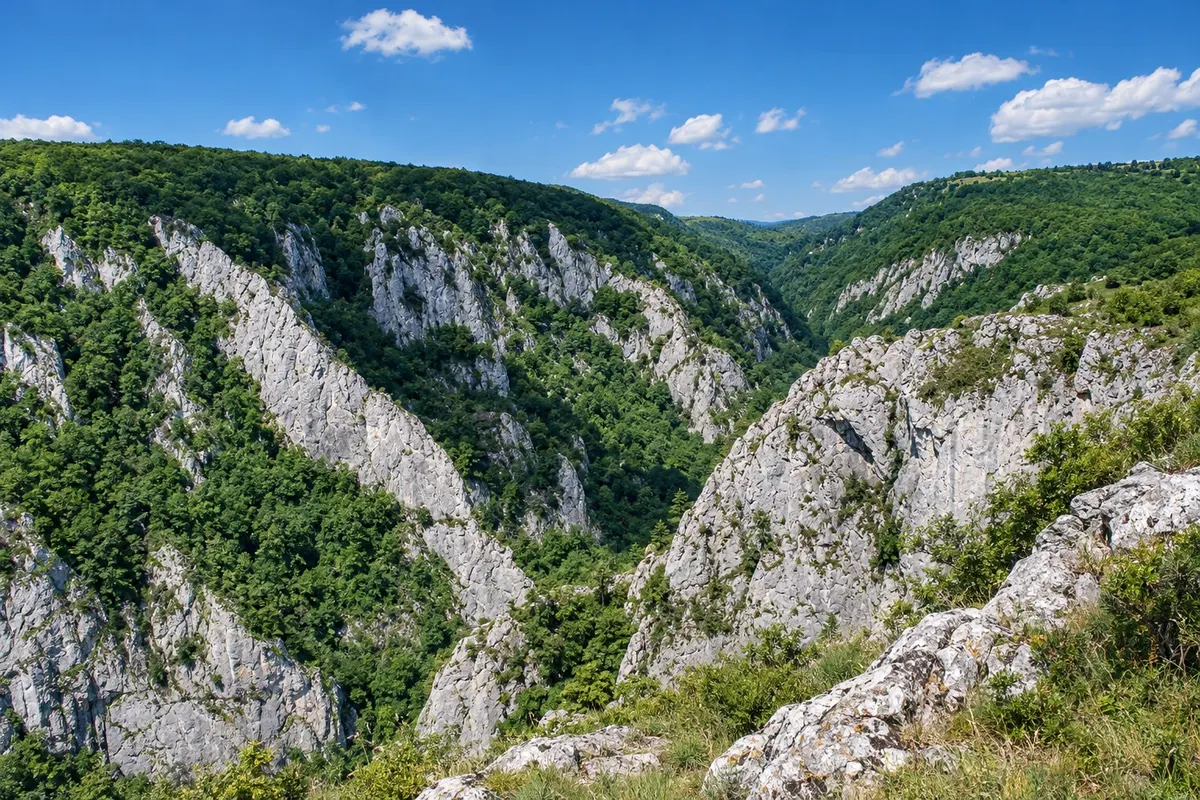
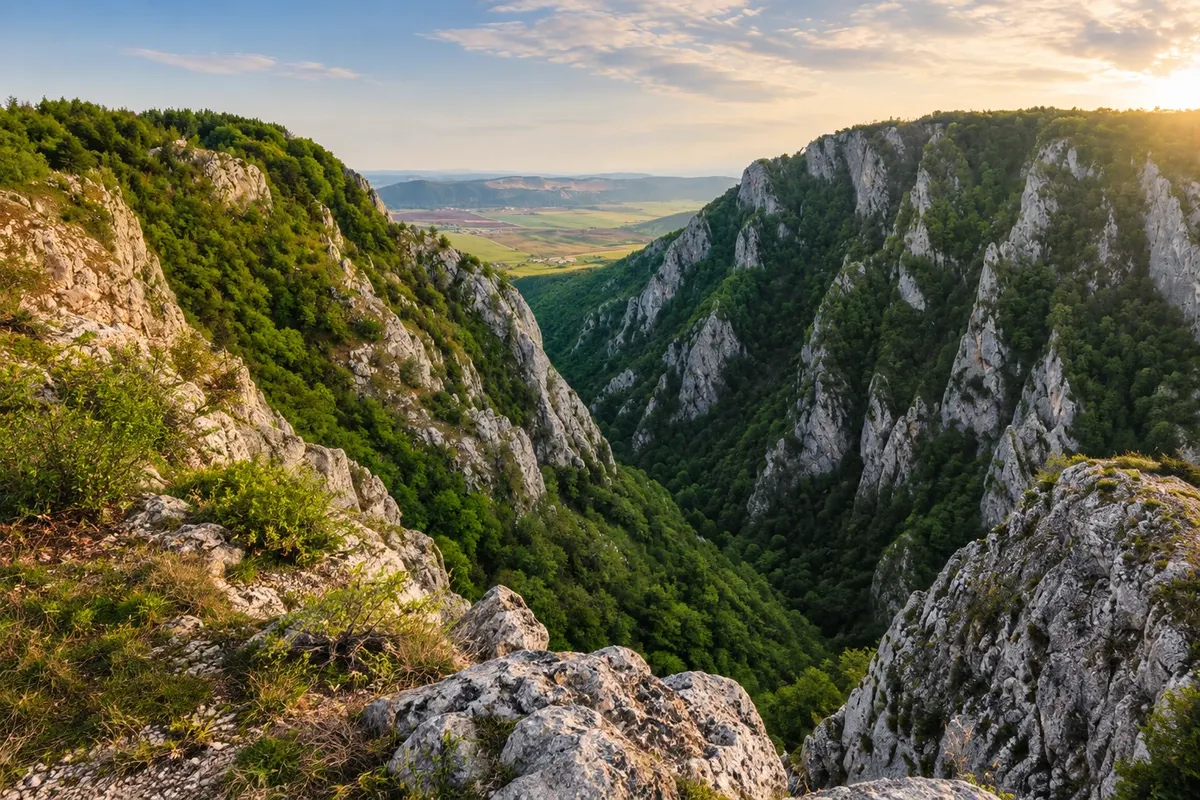
The Slovak Karst (Slovenský kras) is a limestone plateau region in the south of the country, along the border with Hungary, between Rožňava and Košice. Water has carved deep valleys, sinkholes and many caves here, and the area forms a national park. On the other side of the border, the karst continues in Hungary’s Aggtelek park, and the caves on both sides were inscribed together on the UNESCO World Heritage List in 1995.
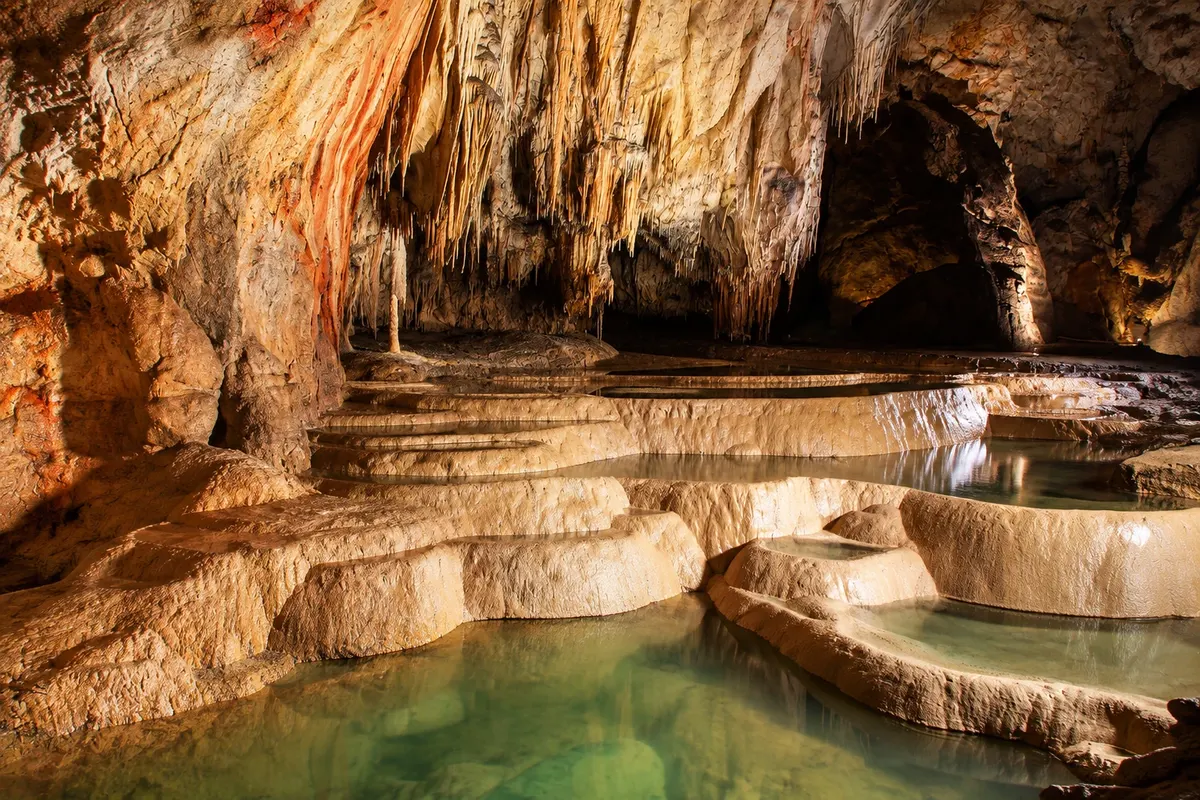
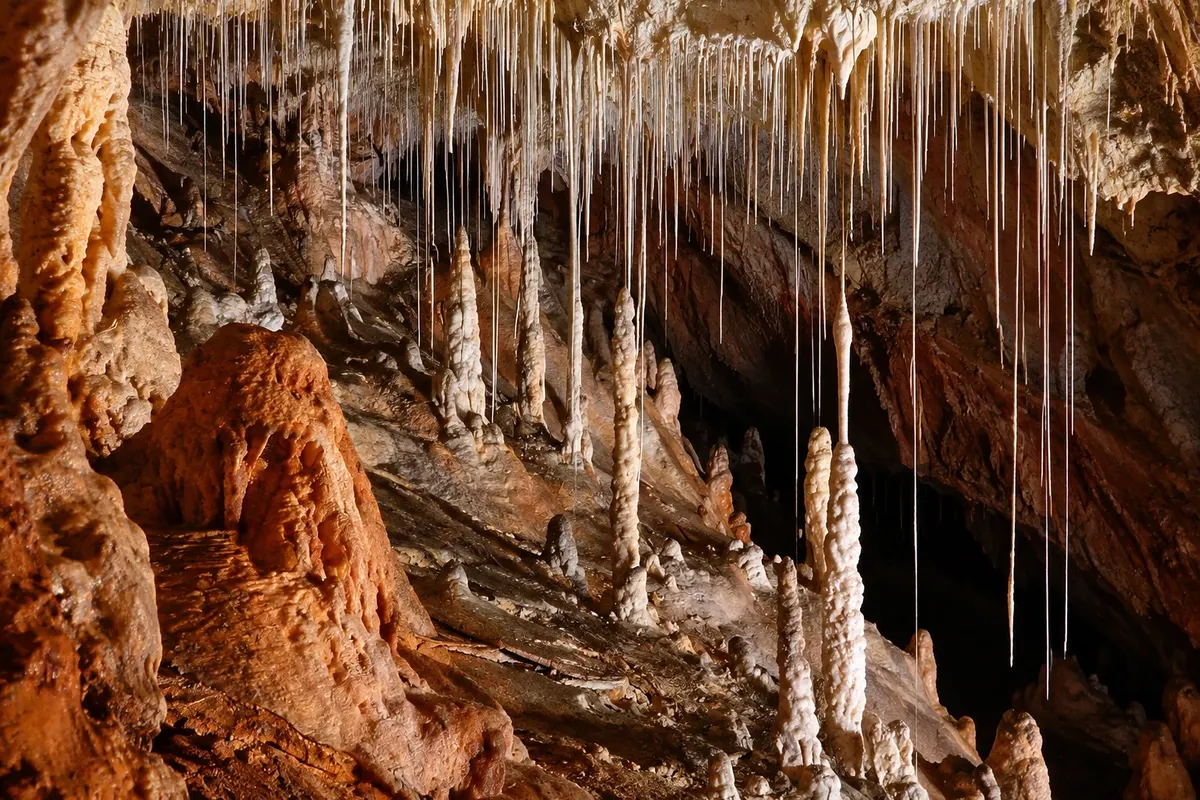
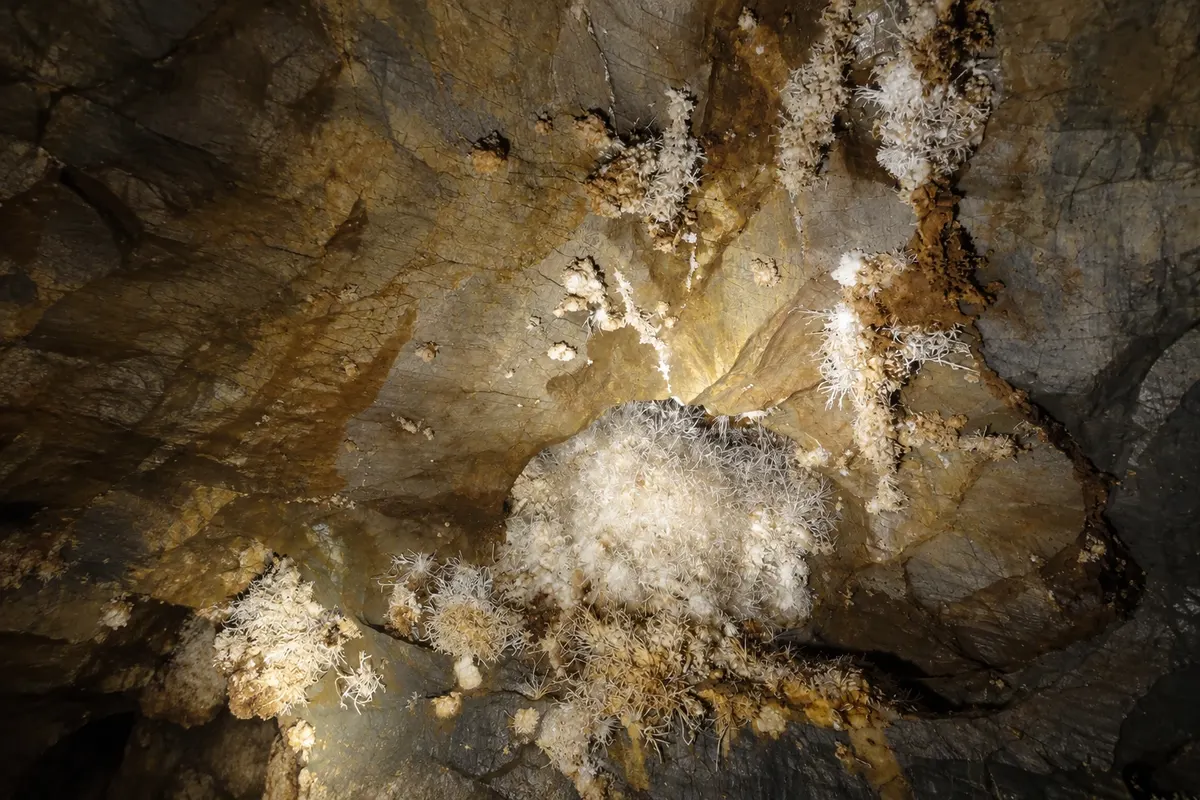
Three show caves open to visitors demonstrate how different each cave is. Domica, the largest cave of the Slovak Karst, connects beneath the border to Hungary’s Baradla system and contains an underground river, the Styx. In Gombasek, the ceiling is covered with thin straw-like stalactites up to 3 m long. The Ochtiná cave, already in the nearby mountains, is a rarity, lined with aragonite crystals.
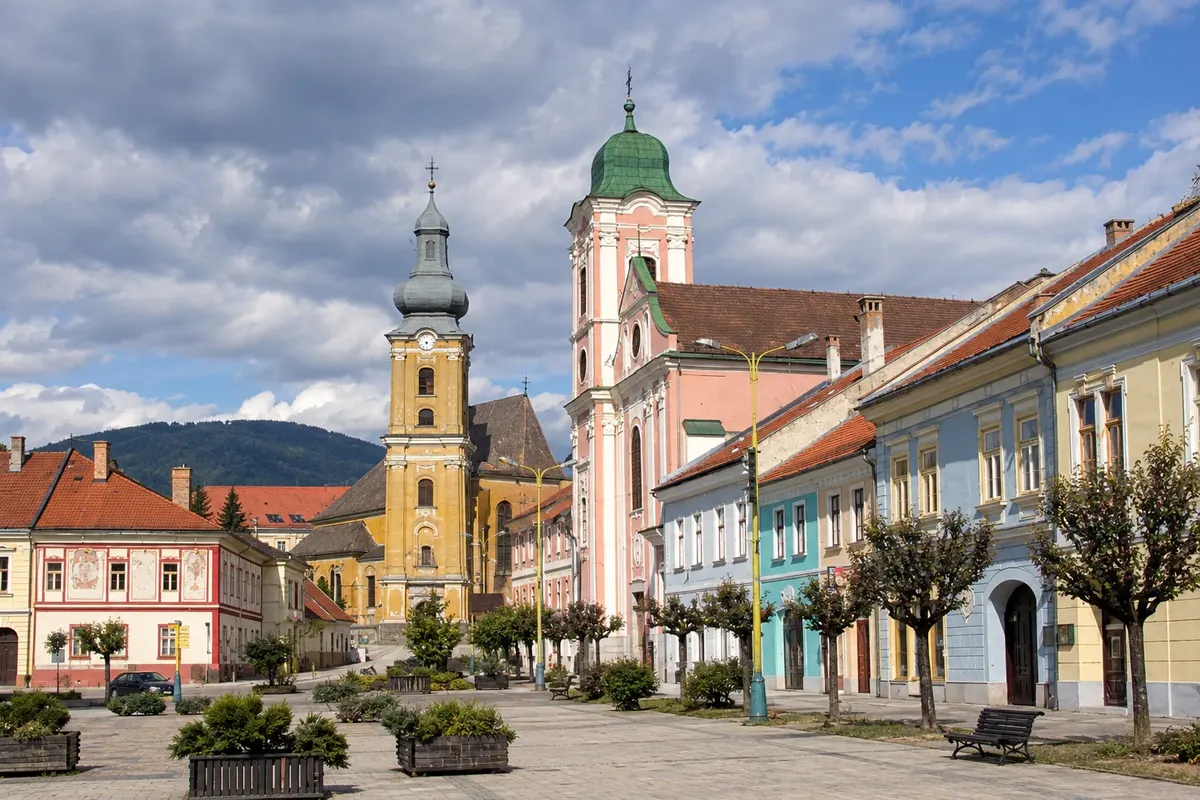
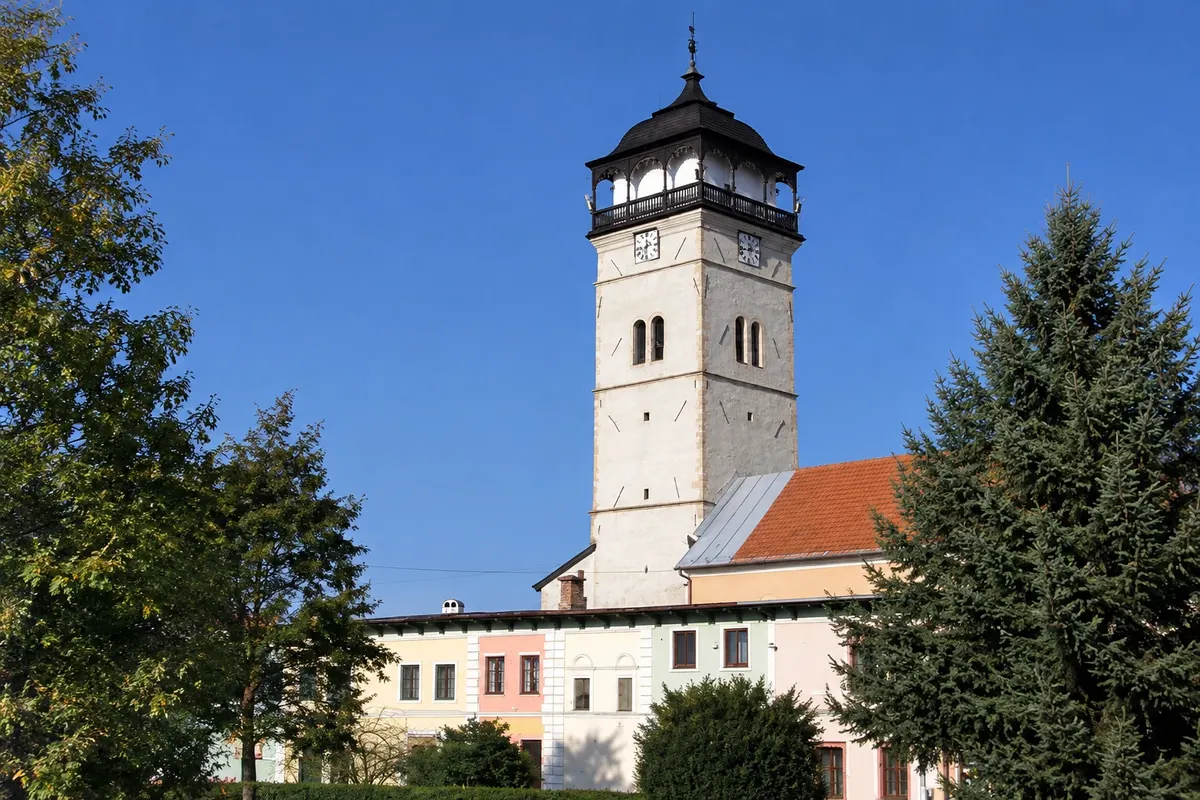
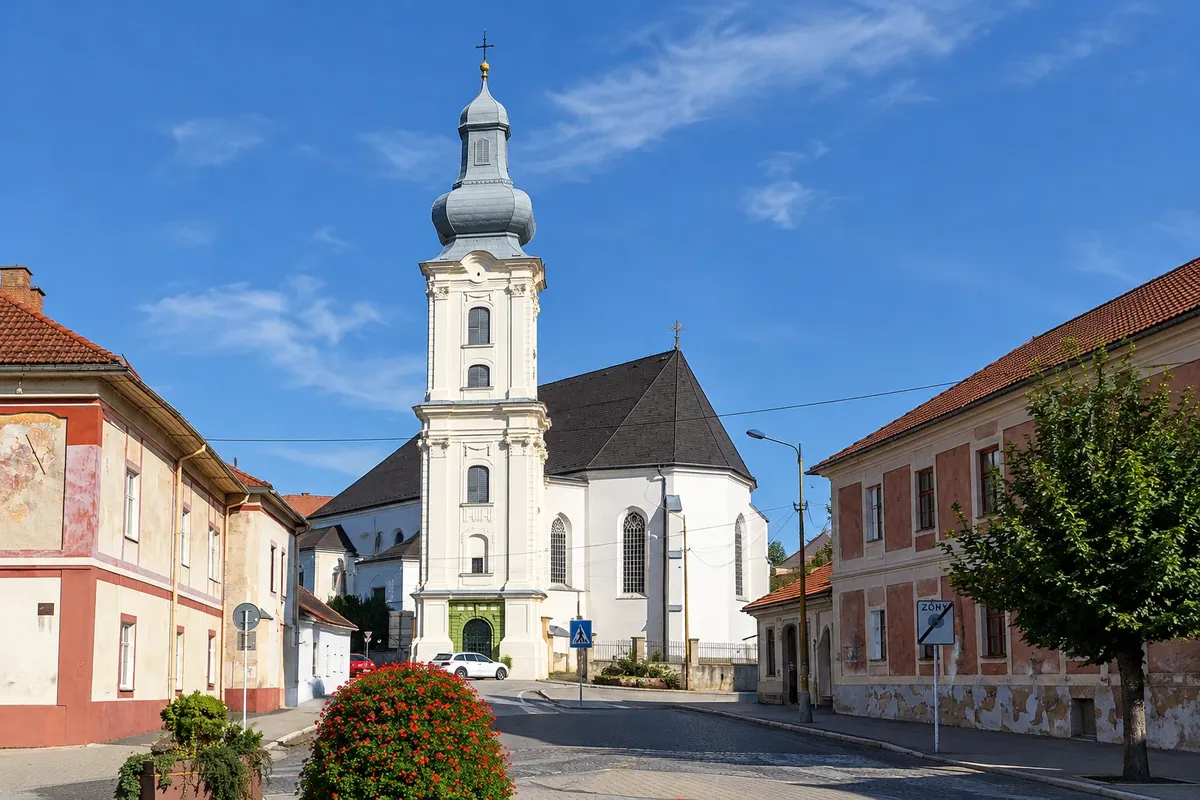
On the surface, the Zádiel Gorge cuts the plateau with high cliffs and an isolated stone tower in the middle of the valley, the Cukrová homoľa. Rožňava, the arrival town, was a mining center for gold, silver and iron and preserves a medieval square, a Renaissance watchtower and a Gothic cathedral.
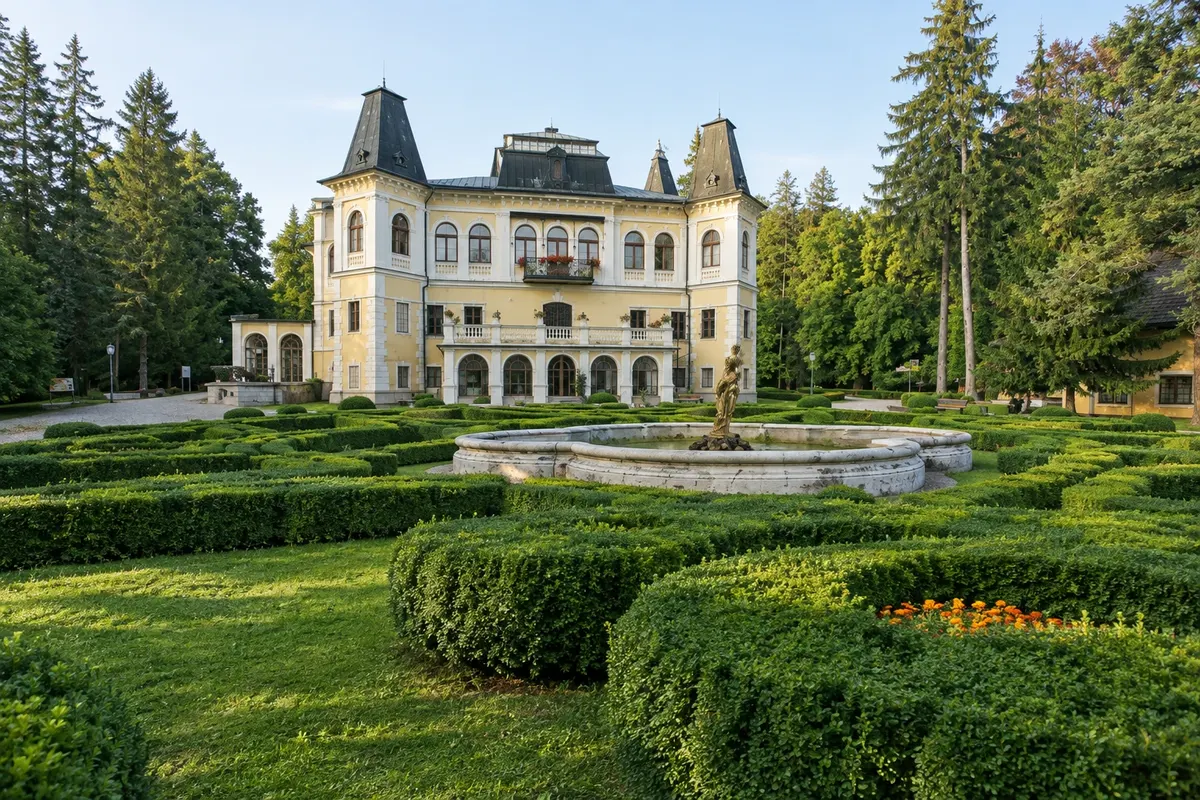
A few kilometres away, the Betliar manor houses the furniture and collections of the Andrássy family, set in one of the country’s largest historic parks.
This destination brings together 1 city: Rožňava.


 Brazil
 Argentina
 Bolivia
 Chile
 Colombia
 Ecuador
 Guyana
 French Guiana
 Falkland Islands (Malvinas)
 Paraguay
 Peru
 Suriname
 Uruguay
 Venezuela
 Germany
 Austria
 Belgium
 Croatia
 Denmark
 Spain
 Finland
 France
 Greece
 the Netherlands
 Hungary
 Ireland
 Iceland
 Italy
 Luxembourg
 Norway
 Poland
 Portugal
 the United Kingdom
 the Czech Republic
 Sweden
 Switzerland
 Turkey
 Canada
 the United States
 Mexico
 the Dominican Republic
 South Africa
 Australia
 Fiji
 New Zealand
 Papua New Guinea