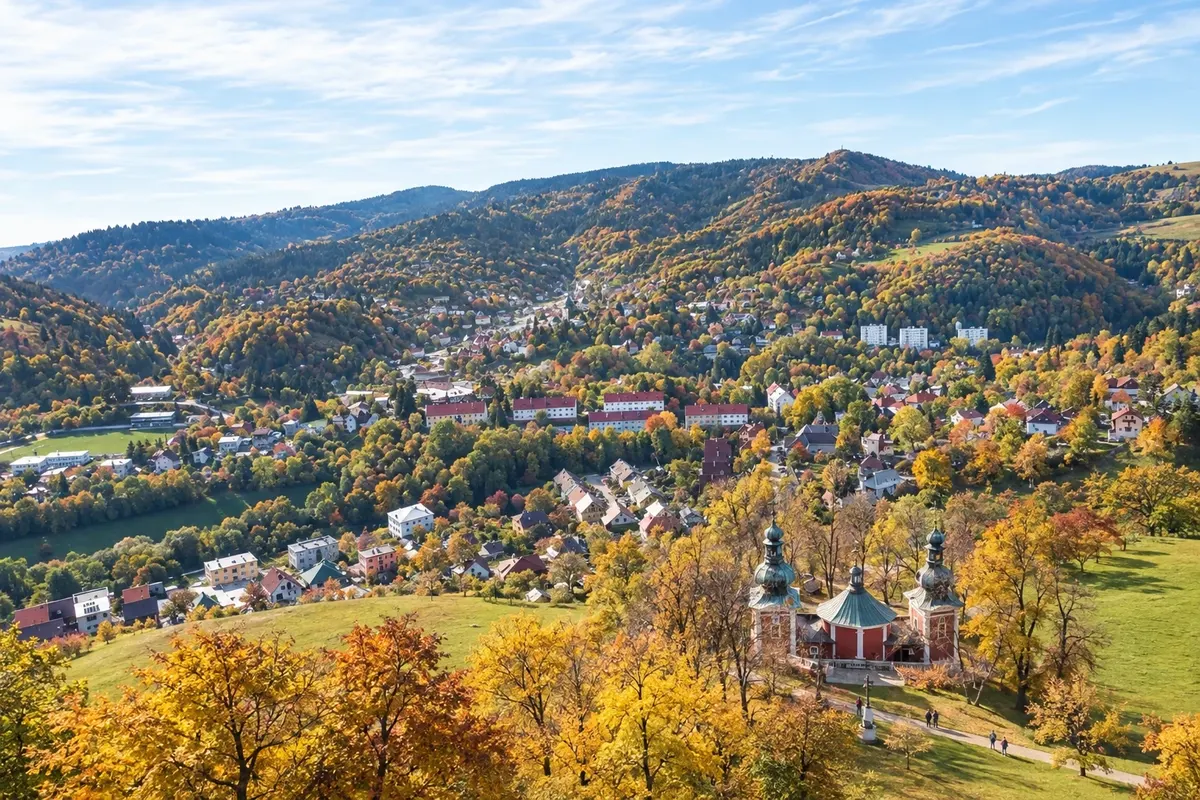
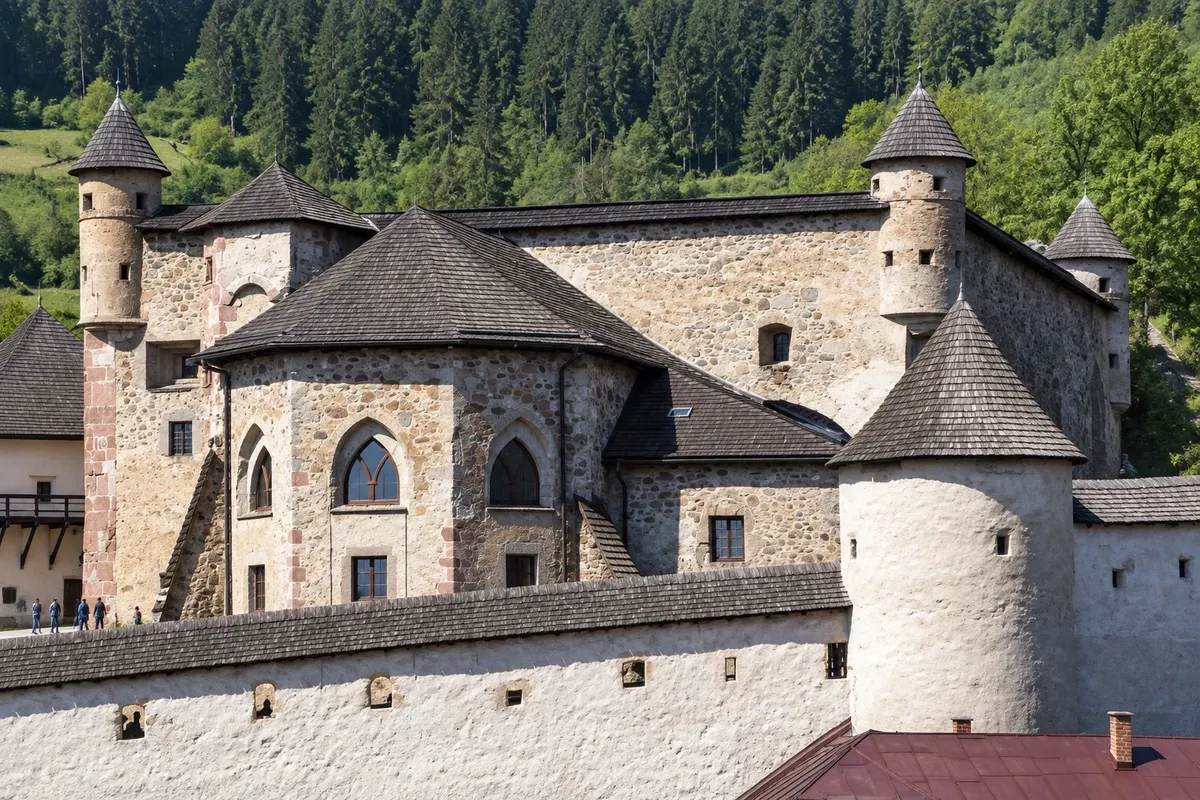
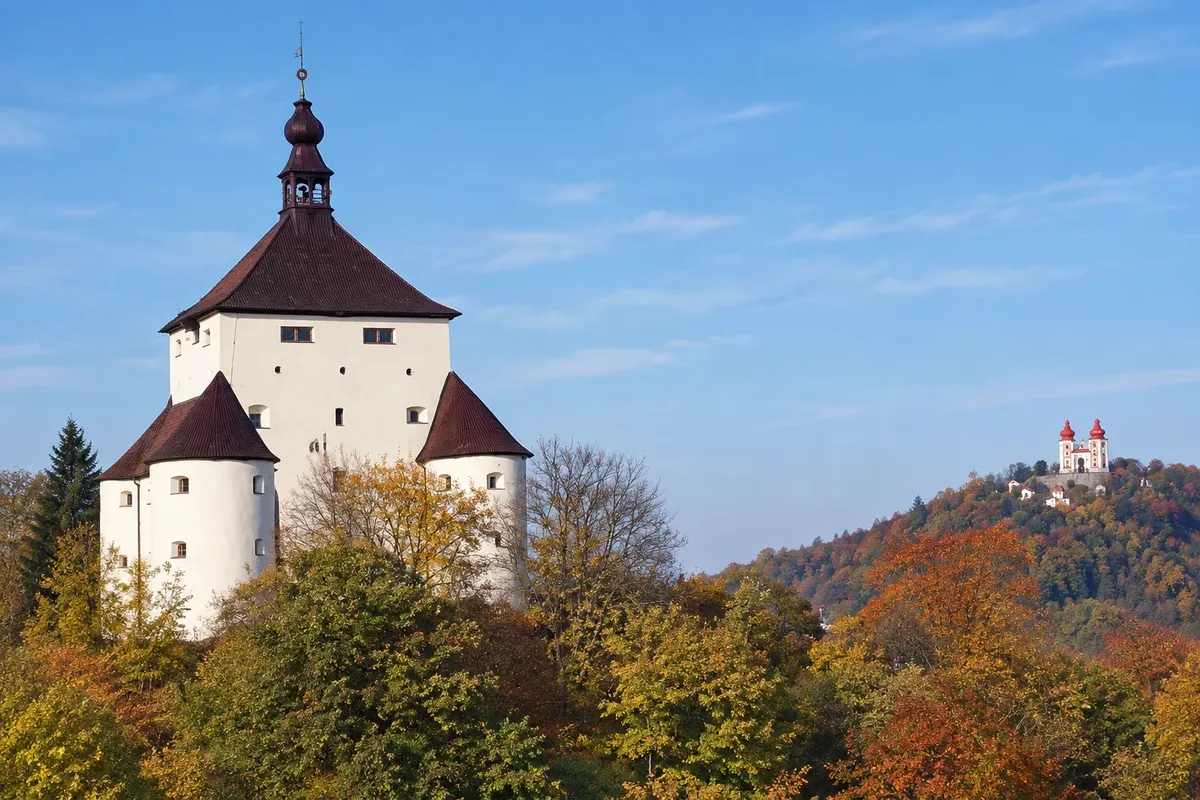
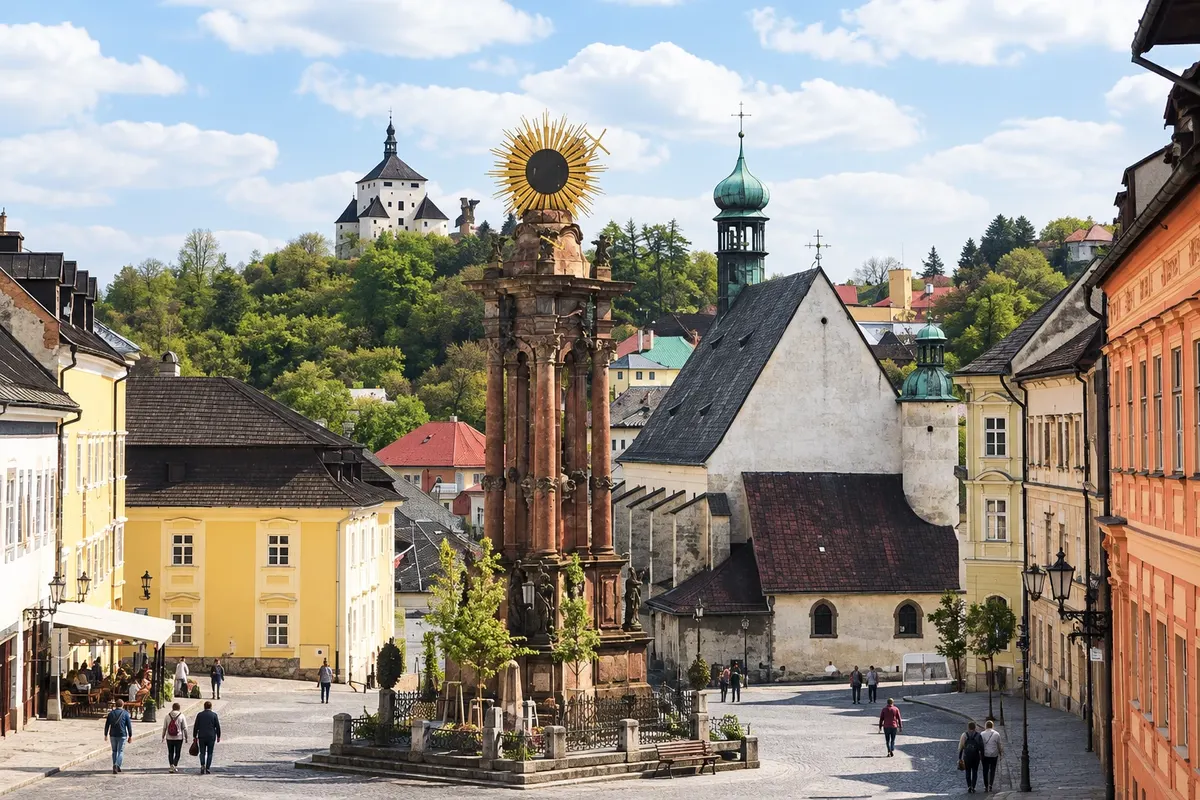
Banská Štiavnica is a small town of about 10,000 inhabitants in central Slovakia, built on the slopes of the caldera of an ancient volcano in the Štiavnické vrchy hills. From the 13th to the 18th century, the region’s silver and gold mines were among the most productive in Europe, and the wealth shows in the churches, merchants’ houses and the two castles that look across the valley at one another.
The town was also a technical center. Miners developed pumping machines and the use of gunpowder in the galleries here, and in 1762 Empress Maria Theresa established the Mining Academy in Banská Štiavnica, one of the first higher technical schools in Europe. To power the machines, about 60 artificial lakes, the tajchy, were built around the area and connected by channels; roughly one third of them still stand and today are used for swimming in summer.
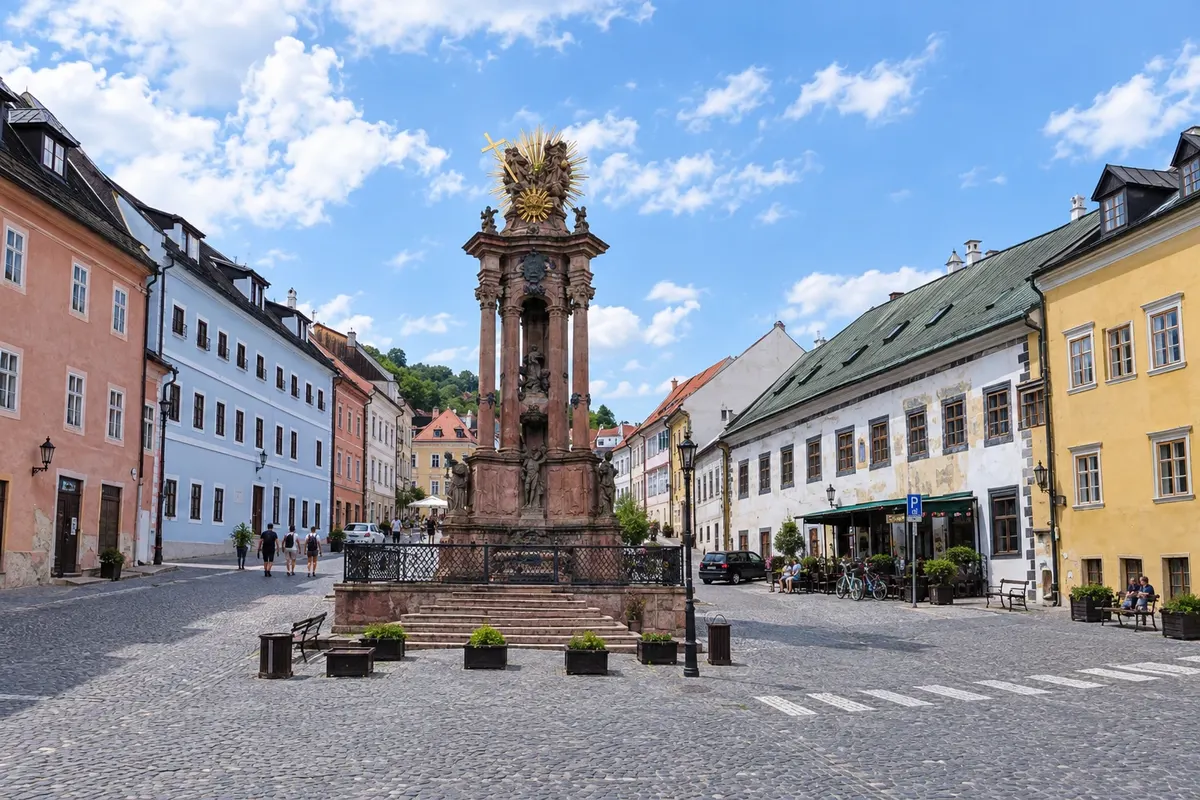
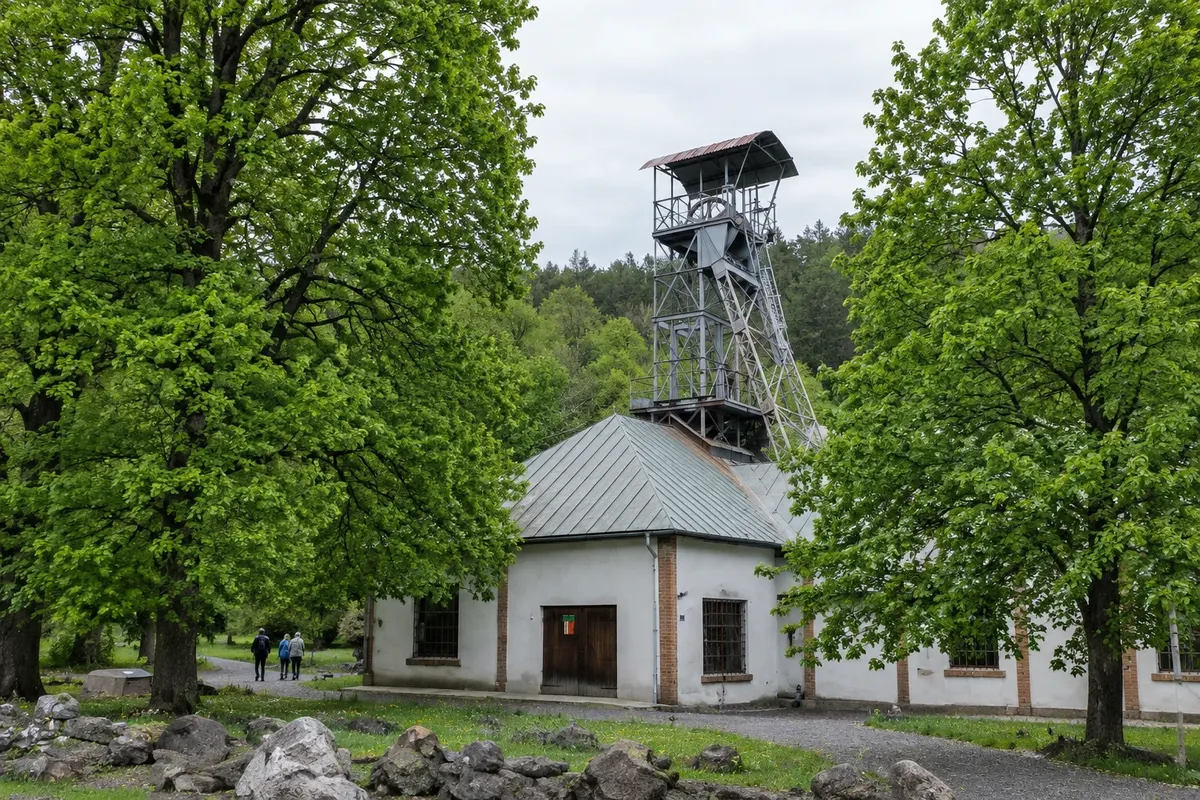
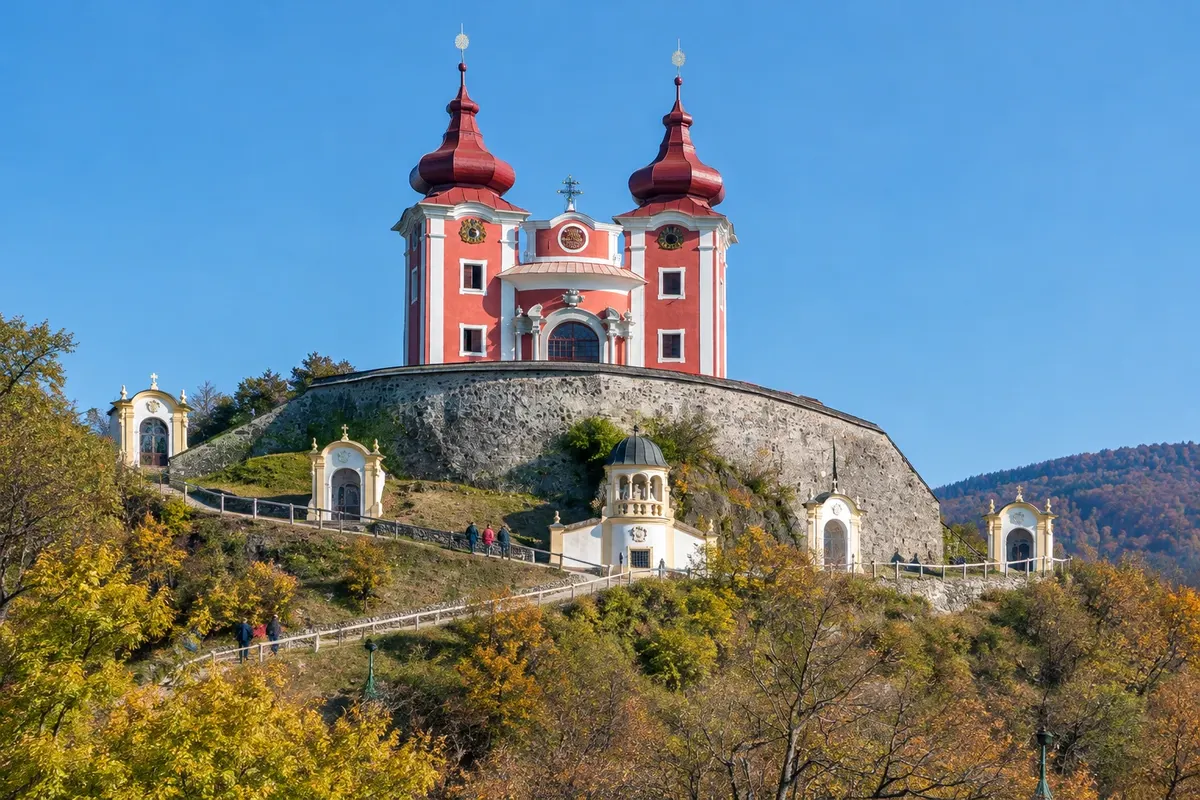
The historic center, a UNESCO World Heritage Site together with the technical monuments around it, is explored on foot, but it’s full of slopes. Between the Holy Trinity Square and the Town Hall Square are the Old Castle, St. Catherine’s Church and the town hall with its clock. On the other side of the valley is the New Castle, and on the top of Scharffenberg hill to the east is the Baroque Calvary. The Open-Air Mining Museum to the south takes visitors underground.
The town has its own cultural life, with cafés, galleries and festivals. The best-known event is the Salamander Parade in September, a nighttime miners’ procession through the streets of the center.
This destination brings together 1 city: Banská Štiavnica.


 Brazil
 Argentina
 Bolivia
 Chile
 Colombia
 Ecuador
 Guyana
 French Guiana
 Falkland Islands (Malvinas)
 Paraguay
 Peru
 Suriname
 Uruguay
 Venezuela
 Germany
 Austria
 Belgium
 Croatia
 Denmark
 Spain
 Finland
 France
 Greece
 the Netherlands
 Hungary
 Ireland
 Iceland
 Italy
 Luxembourg
 Norway
 Poland
 Portugal
 the United Kingdom
 the Czech Republic
 Sweden
 Switzerland
 Turkey
 Canada
 the United States
 Mexico
 the Dominican Republic
 South Africa
 Australia
 Fiji
 New Zealand
 Papua New Guinea