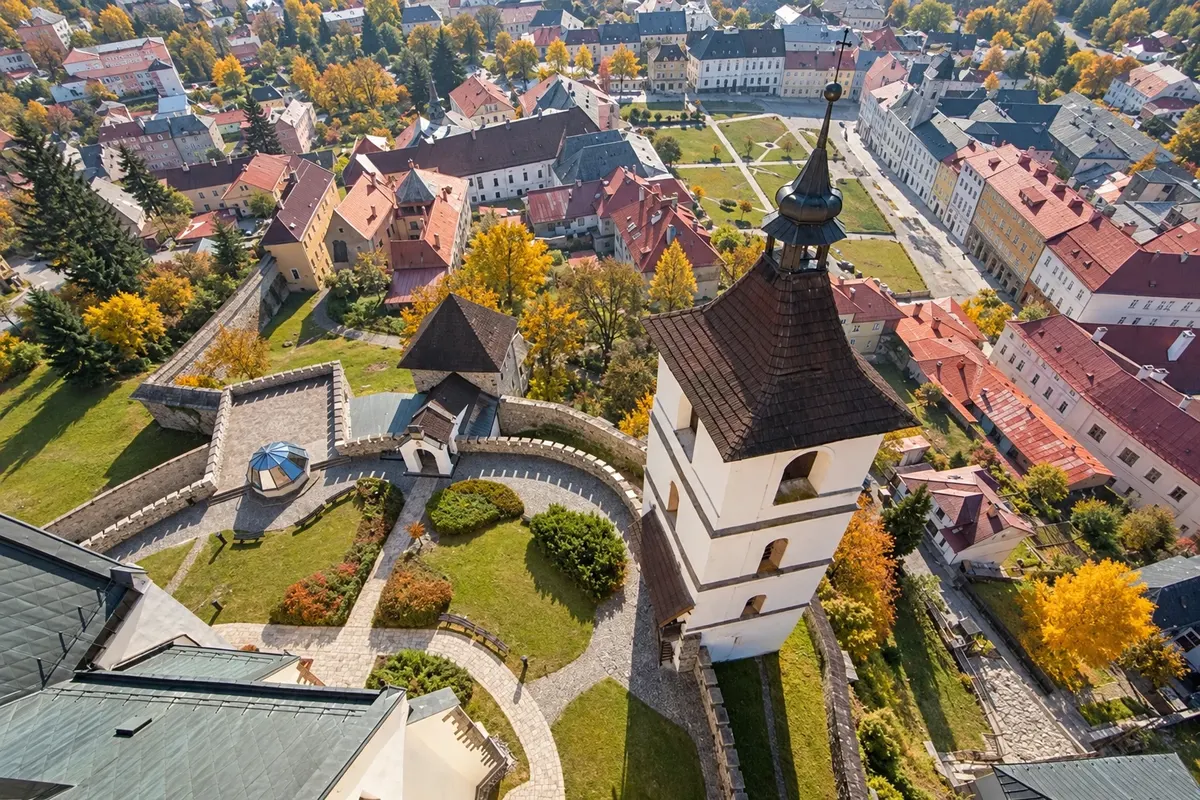
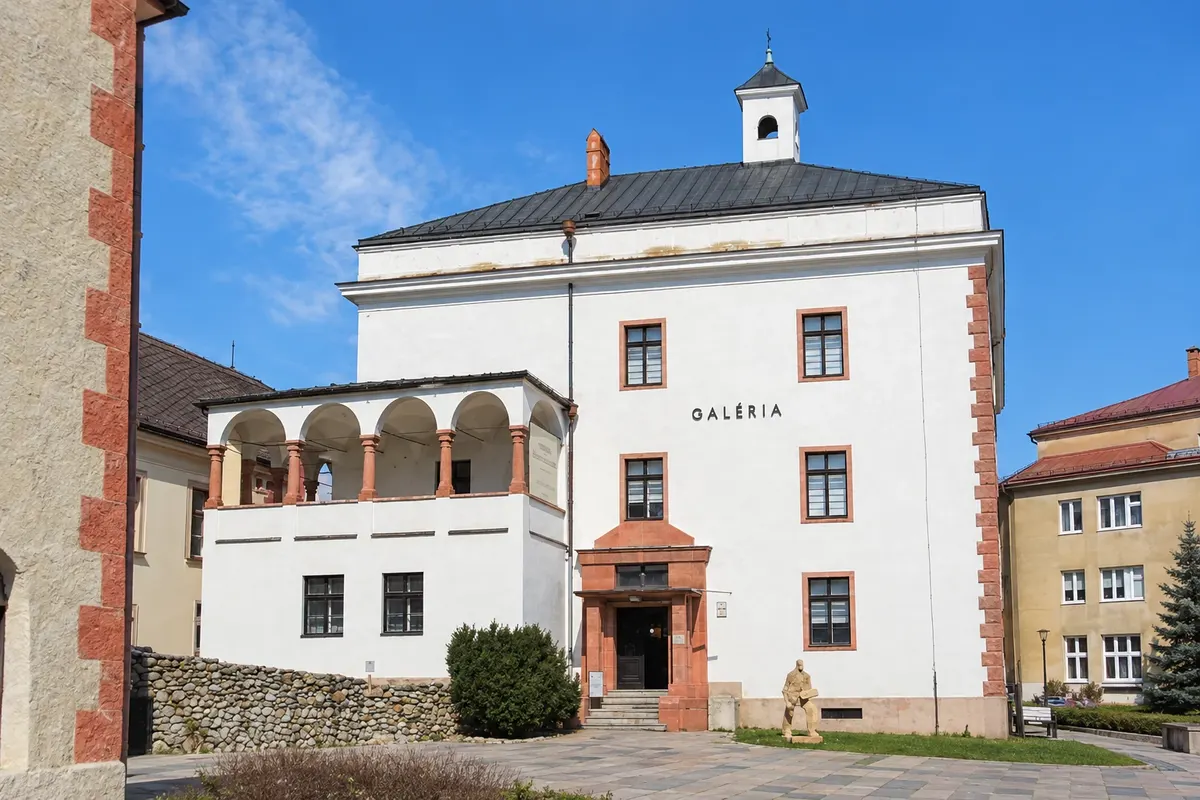
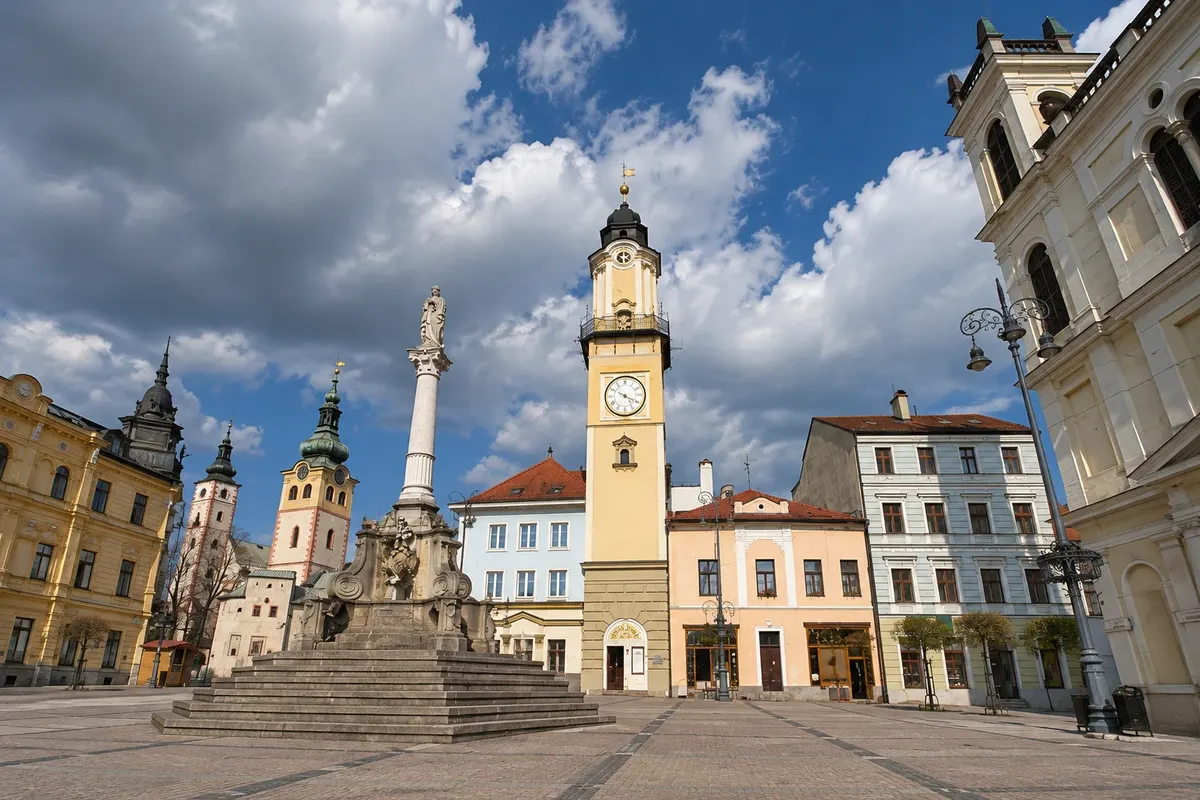
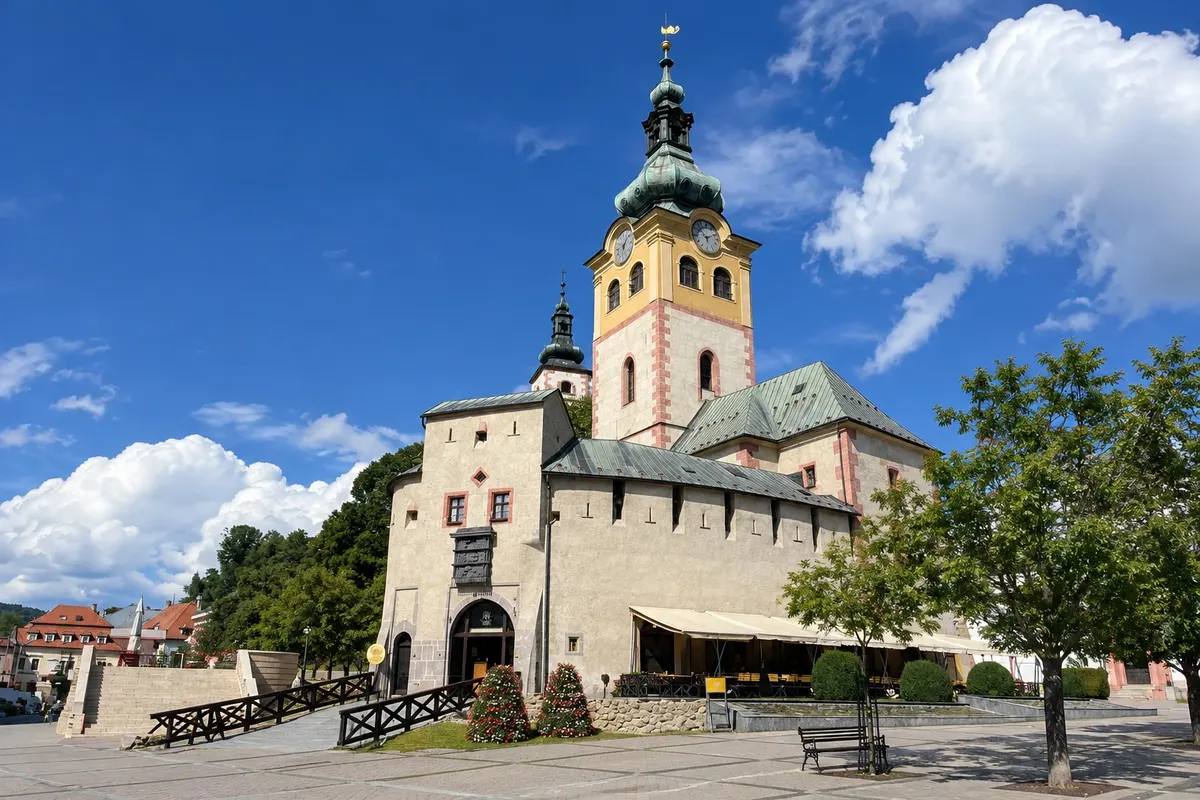
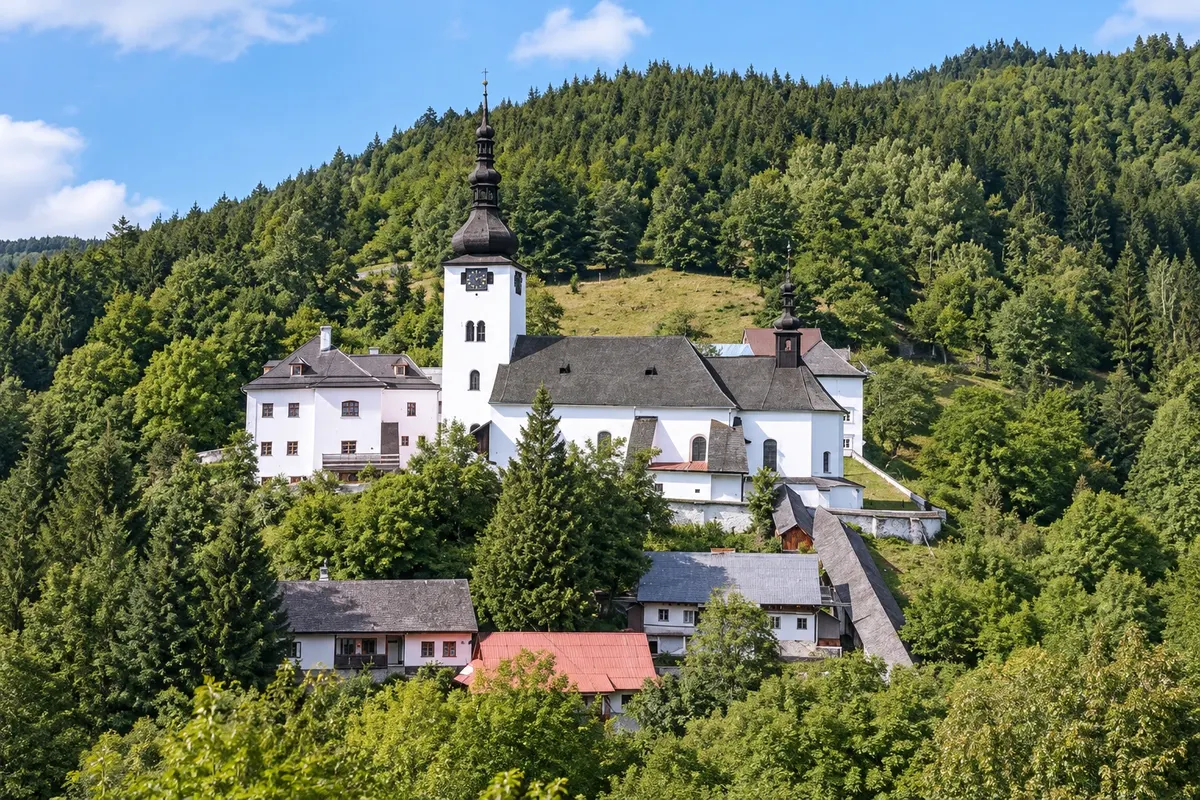
Banská Bystrica sits in the Hron River valley in central Slovakia, between the Low Tatras and the Kremnica Hills. It is the seat of the eponymous administrative region and one of the country’s larger cities, with about 73,000 inhabitants. Wealth came from copper and silver mines in the nearby mountains, especially Špania Dolina, leaving behind the large main square and the town castle, a fortified ensemble of churches and houses above the center.
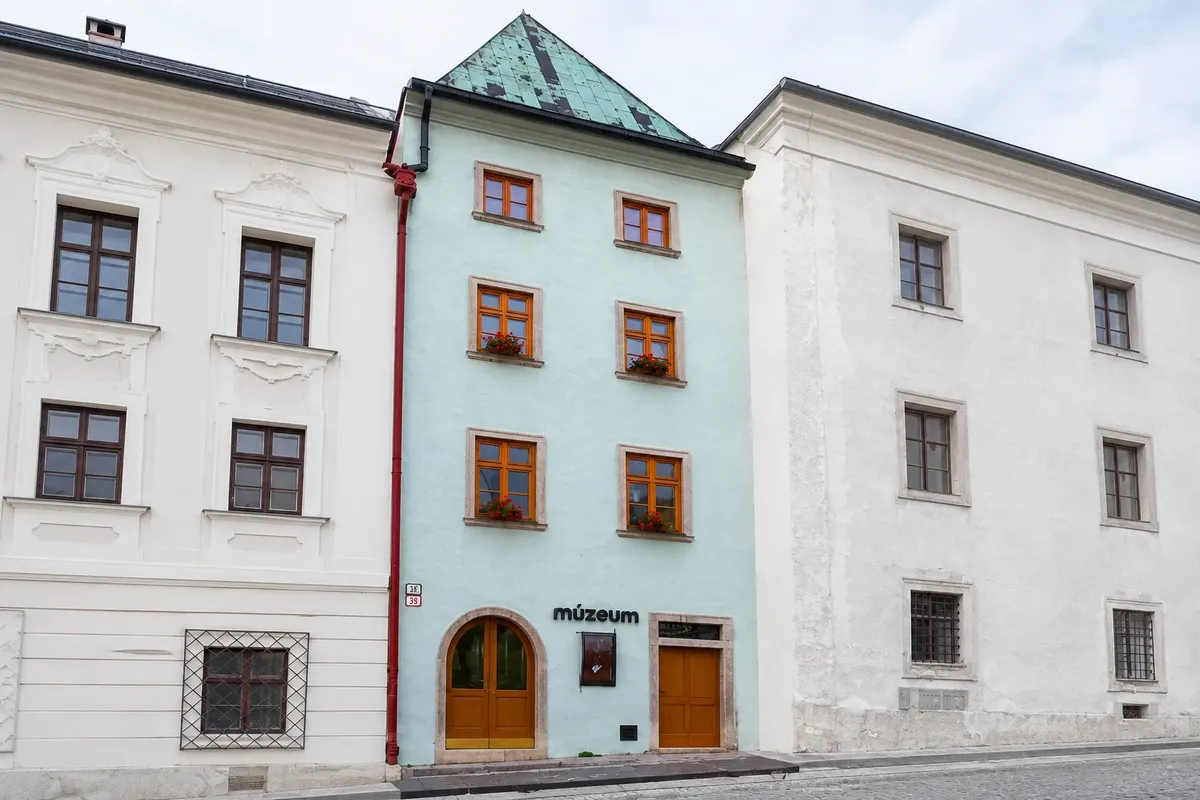
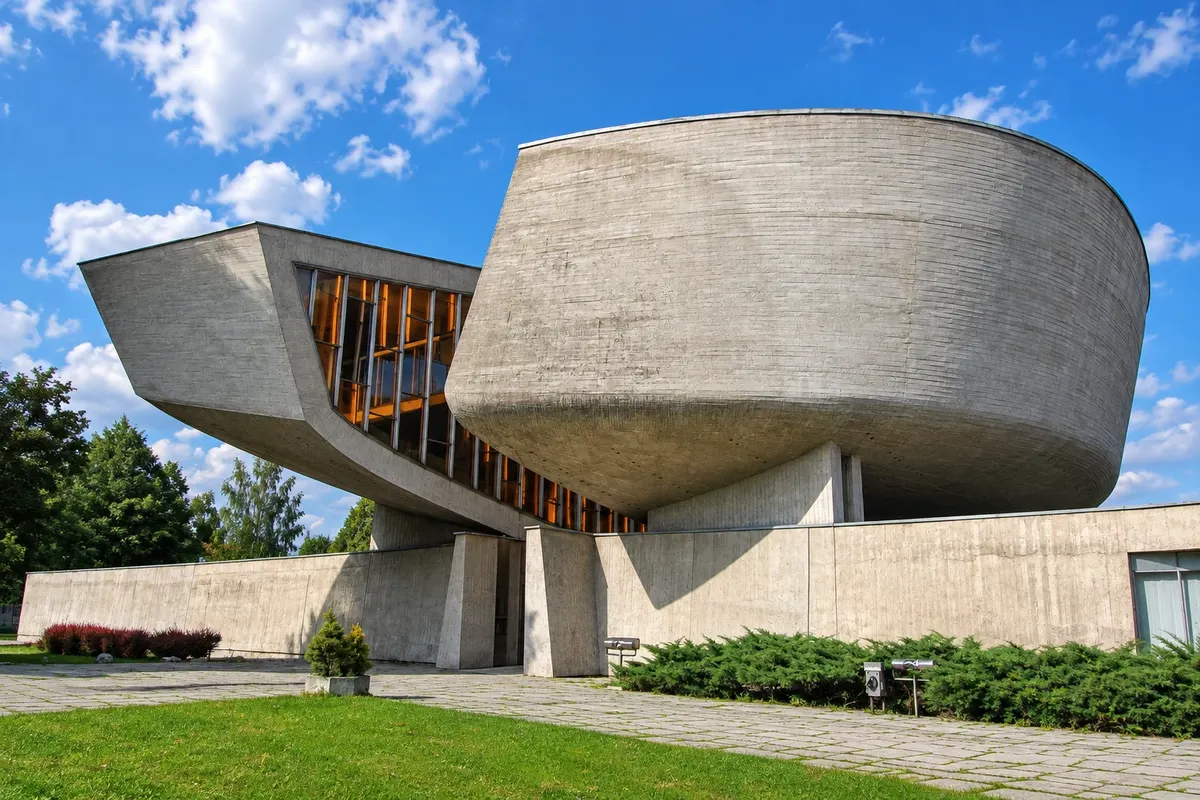
The city also has a central place in 20th-century history. On August 29, 1944, the Slovak National Uprising (SNP) began there, an armed insurrection against the regime allied with Nazi Germany. The main square bears the name of the uprising, and the museum dedicated to it occupies a concrete building from 1969, with an outdoor display of armored vehicles and heavy weapons.
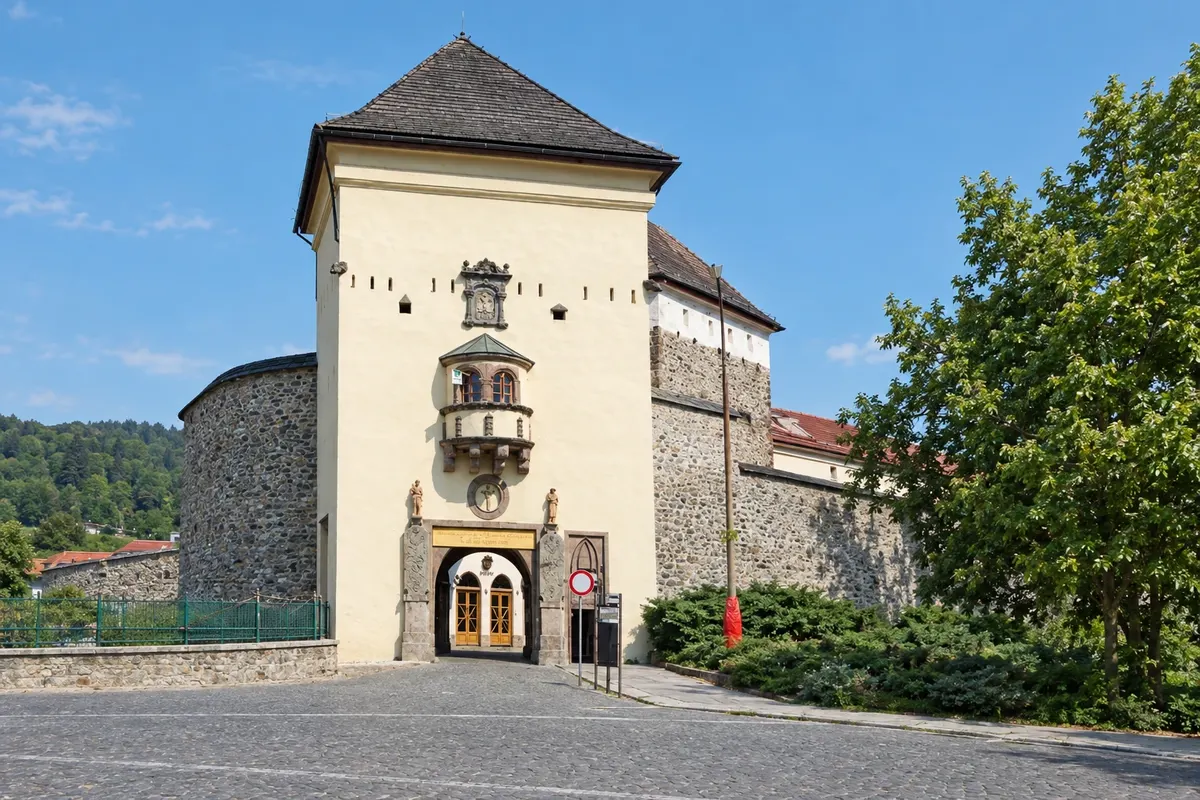
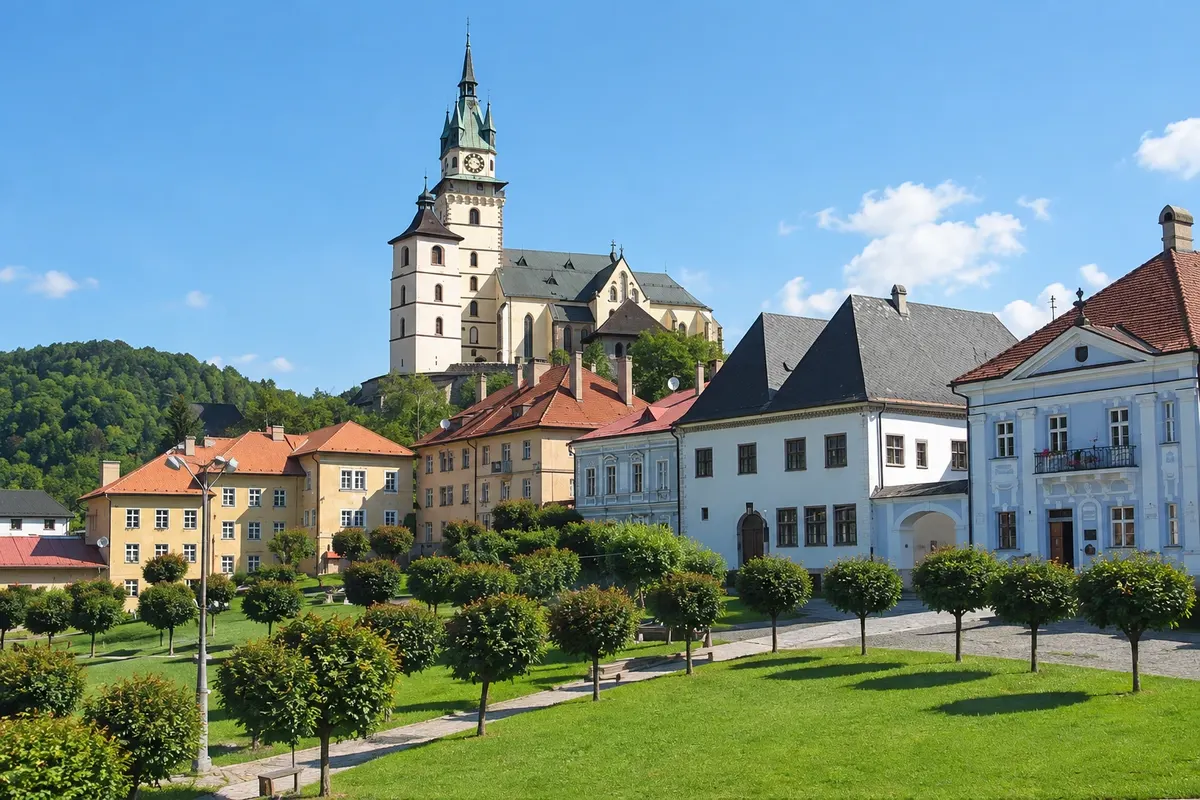
Kremnica lies to the west, at 564 m altitude, in a valley of the Kremnica Hills. It was one of the richest towns of the Kingdom of Hungary thanks to gold: the mines operated from the Middle Ages until the 20th century, and the mint, which already existed in 1328, still strikes coins and medals. The town castle with the Gothic Church of St. Catherine dominates the square and the miners’ houses.
The two towns pair well with a visit to Špania Dolina, a mining village of wooden and stone houses in the mountains north of Banská Bystrica.
This destination brings together 2 cities: Banská Bystrica, Kremnica.


 Brazil
 Argentina
 Bolivia
 Chile
 Colombia
 Ecuador
 Guyana
 French Guiana
 Falkland Islands (Malvinas)
 Paraguay
 Peru
 Suriname
 Uruguay
 Venezuela
 Germany
 Austria
 Belgium
 Croatia
 Denmark
 Spain
 Finland
 France
 Greece
 the Netherlands
 Hungary
 Ireland
 Iceland
 Italy
 Luxembourg
 Norway
 Poland
 Portugal
 the United Kingdom
 the Czech Republic
 Sweden
 Switzerland
 Turkey
 Canada
 the United States
 Mexico
 the Dominican Republic
 South Africa
 Australia
 Fiji
 New Zealand
 Papua New Guinea