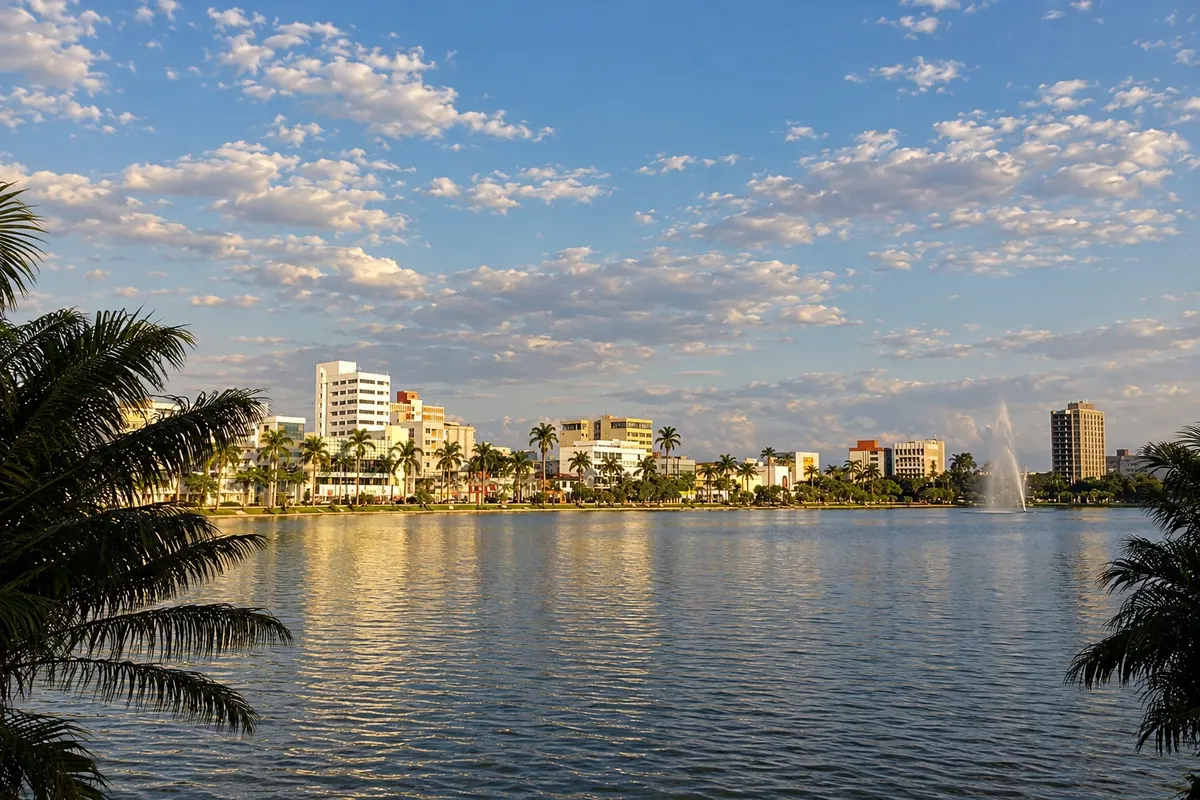
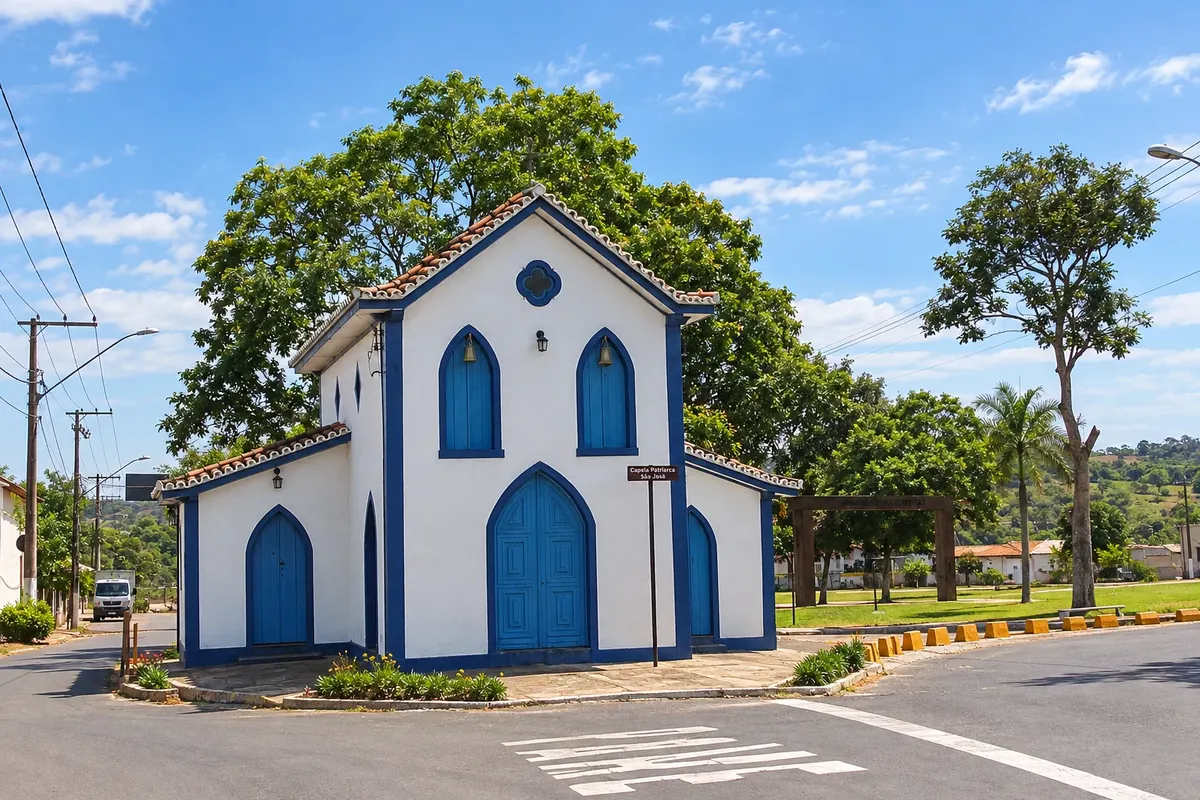
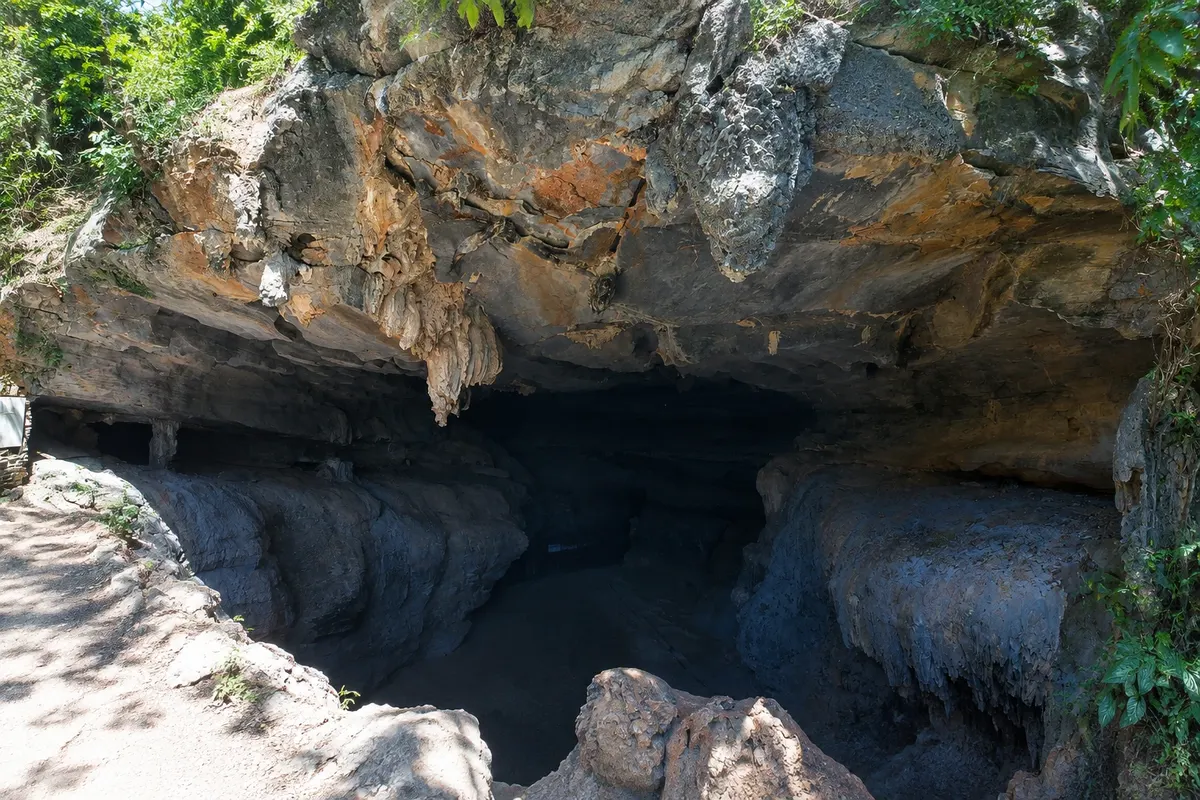
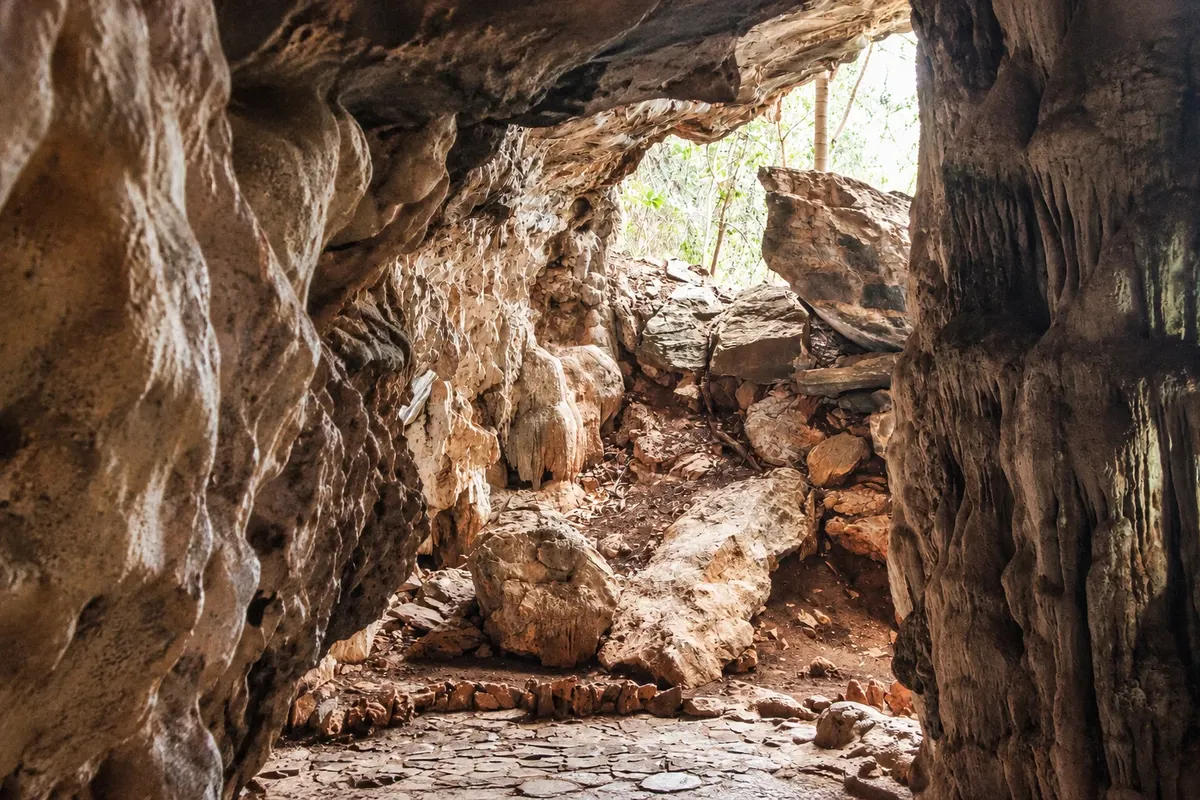
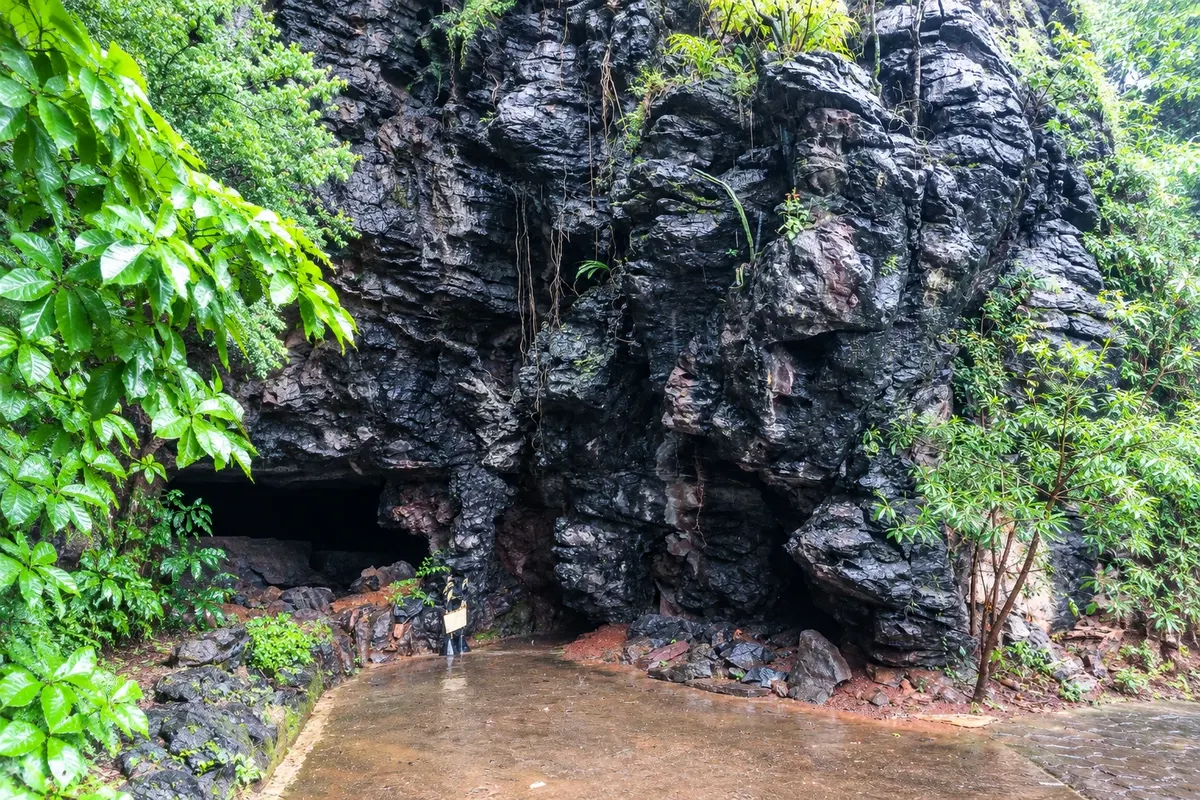
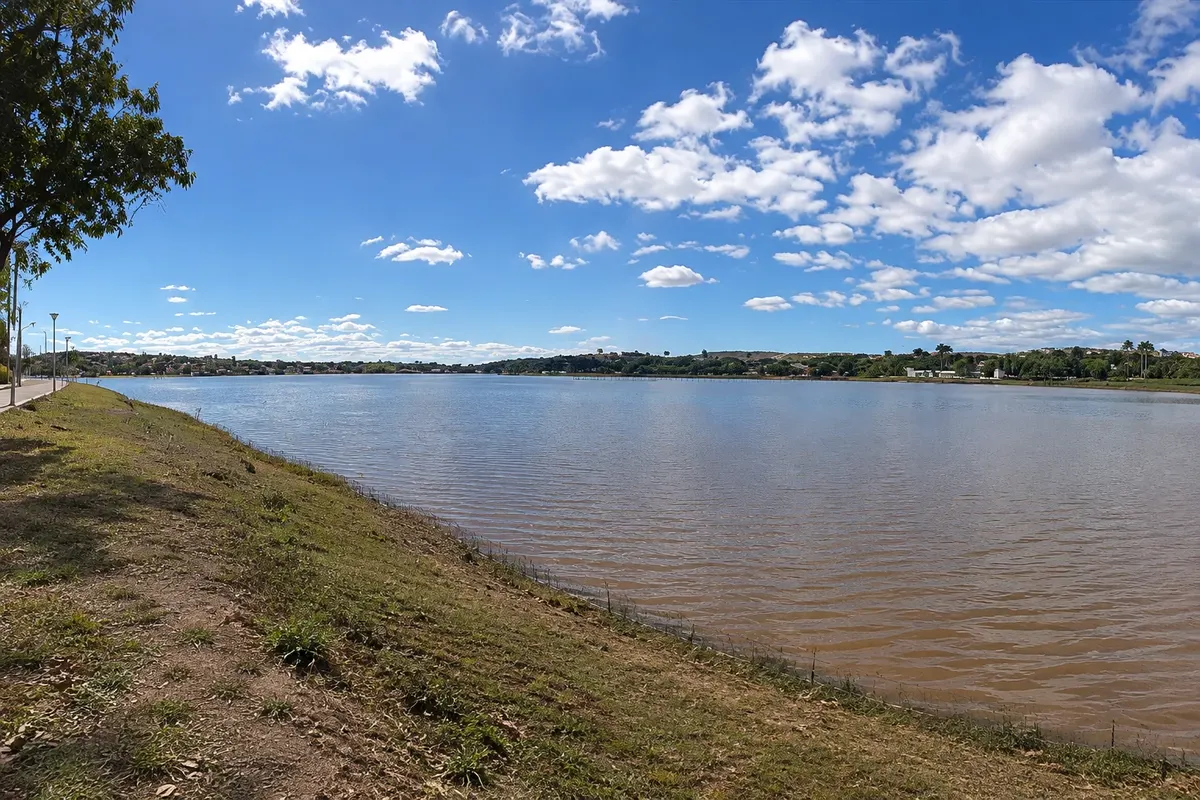
The Route of the Caves, which the government of Minas Gerais calls Rota das Grutas Peter Lund, brings together the limestone caves open to visitors in the karst region north of Belo Horizonte, between Lagoa Santa, Pedro Leopoldo, Sete Lagoas and Cordisburgo. It is a landscape of limestone hills, lagoons, sinkholes and swallow holes, where water has opened dozens of caves and where some of the oldest records of human presence in South America were found.
The name honors the Danish naturalist Peter Wilhelm Lund, who settled in Lagoa Santa in 1835 and lived there until his death in 1880. Lund explored more than 200 caves in the region, collected thousands of fossils of extinct animals, such as the giant sloth, and found human bones mixed with them, which changed what was known about the antiquity of humans on the continent. His tomb is in Lagoa Santa, under a pequizeiro tree.
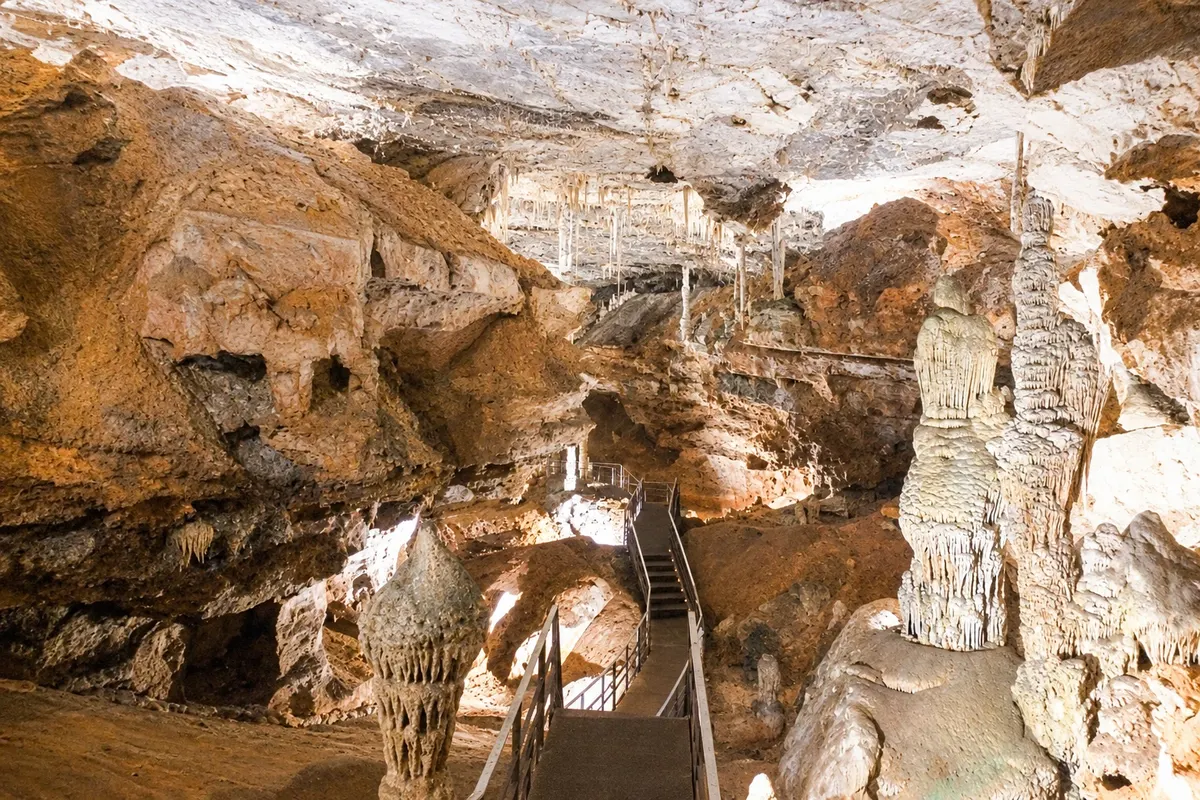
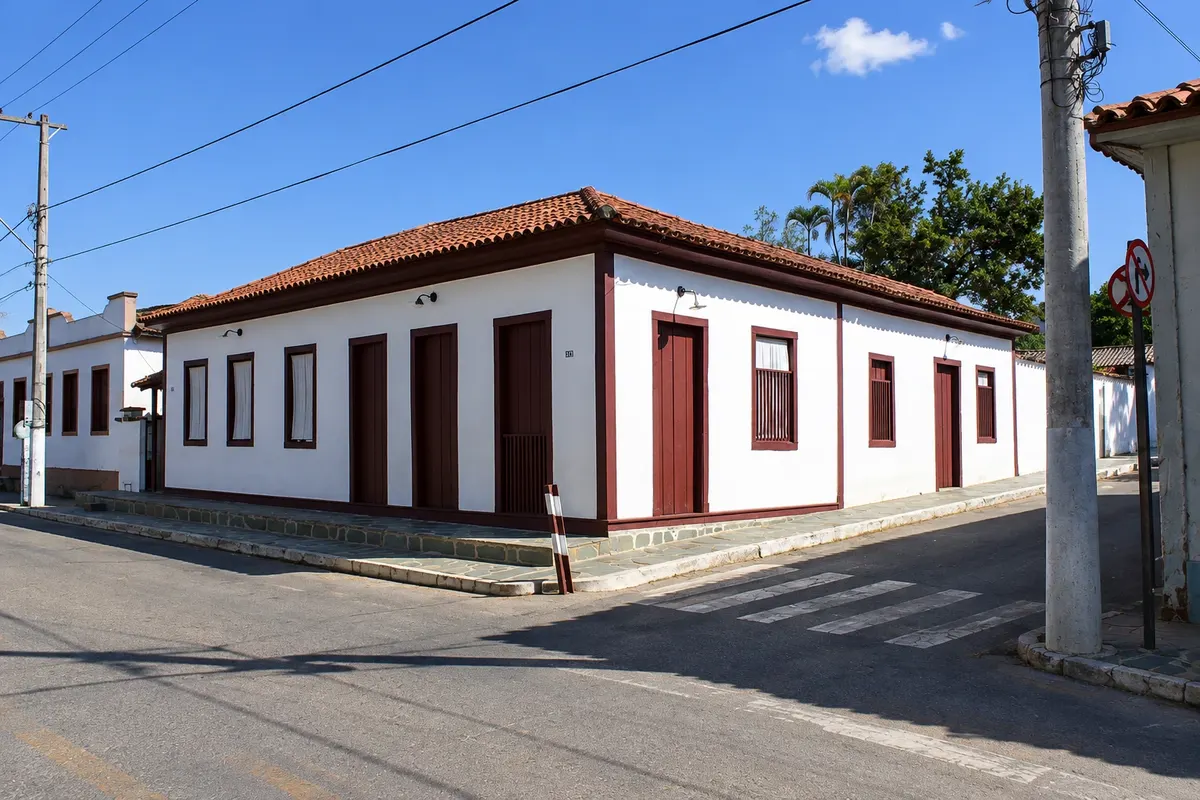
The three caves on the route have guided visits, with walkways and lighting. Lapinha, in the Parque Estadual do Sumidouro in Lagoa Santa, has chambers at several levels and the Museu Peter Lund nearby. Rei do Mato, in Sete Lagoas, on the side of the BR-040, is known for its twin calcite columns. Maquiné, in Cordisburgo, was explored by Lund in 1834 and is the largest of the three, with seven chambers. Cordisburgo is also the birthplace of João Guimarães Rosa, whose house became a museum.
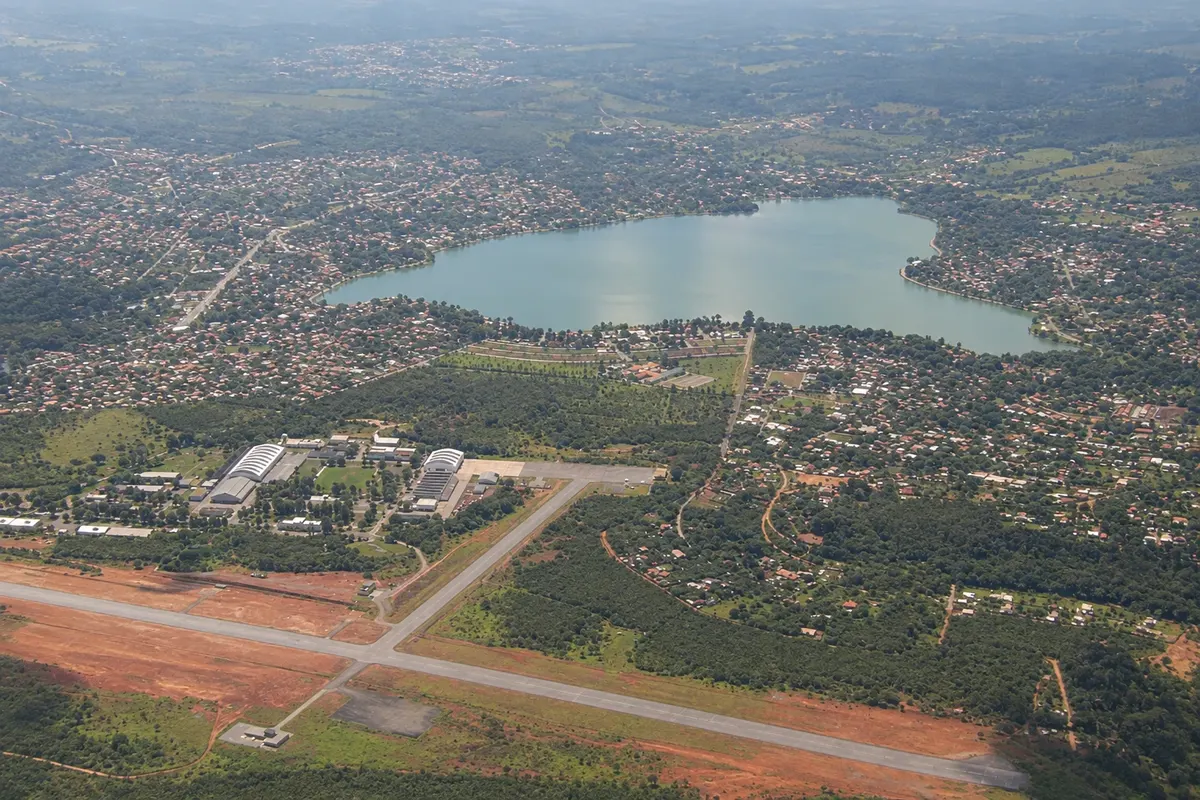
The towns are close to the capital and Confins Airport, which makes it possible to see one cave per day on a day trip or travel the route in two or three days, from Lagoa Santa to Cordisburgo, via the BR-040 and MG-010.
This destination brings together 3 cities: Lagoa Santa, Sete Lagoas, Cordisburgo.


 Argentina
 Bolivia
 Chile
 Colombia
 Ecuador
 Guyana
 French Guiana
 Falkland Islands (Malvinas)
 Paraguay
 Peru
 Suriname
 Uruguay
 Venezuela
 Germany
 Austria
 Belgium
 Croatia
 Denmark
 Spain
 Finland
 France
 Greece
 the Netherlands
 Hungary
 Ireland
 Iceland
 Italy
 Luxembourg
 Norway
 Poland
 Portugal
 the United Kingdom
 the Czech Republic
 Sweden
 Switzerland
 Turkey
 the United States
 Mexico
 the Dominican Republic
 South Africa
 Australia
 Fiji