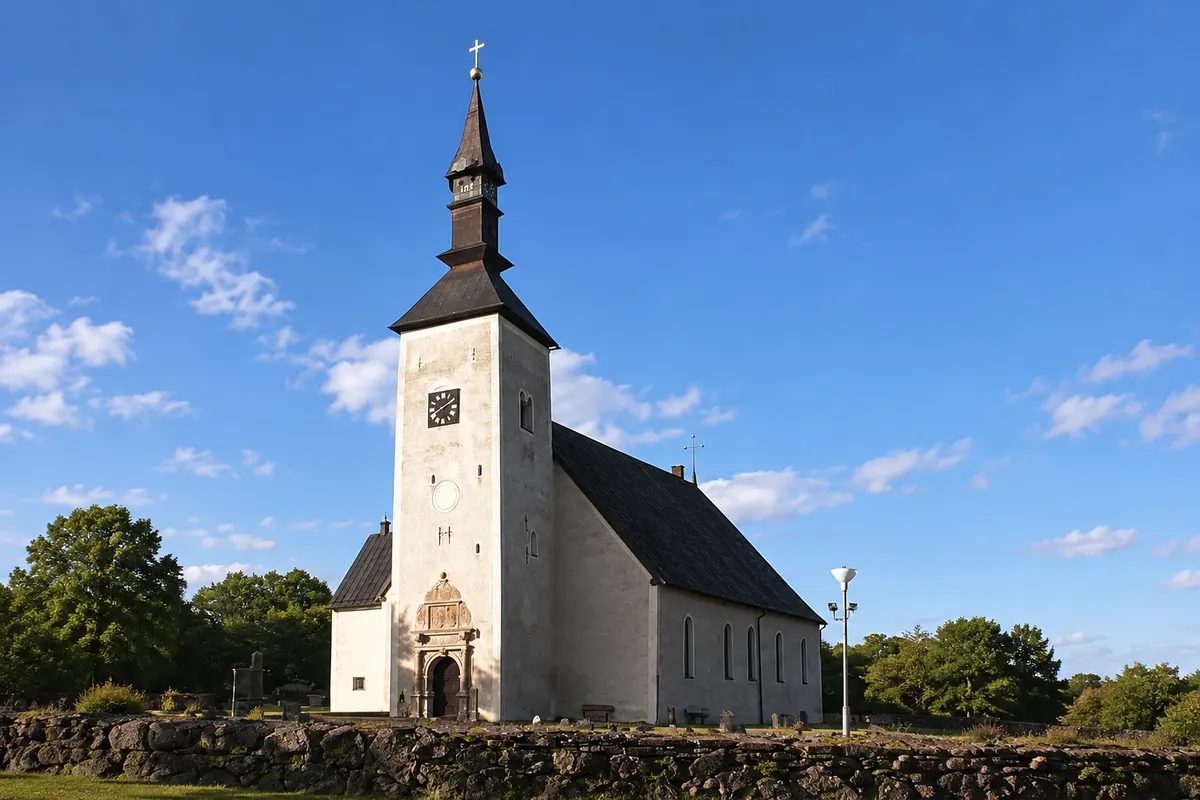
Lake Vättern, Sweden’s second-largest lake, runs north–south across the southern part of the country. At the lake’s southern tip is Jönköping, the seat of the county of the same name and one of Sweden’s oldest towns. About 40 km to the north, on the eastern shore, Gränna occupies the narrow strip of land between the water and the slopes of Grännaberget.
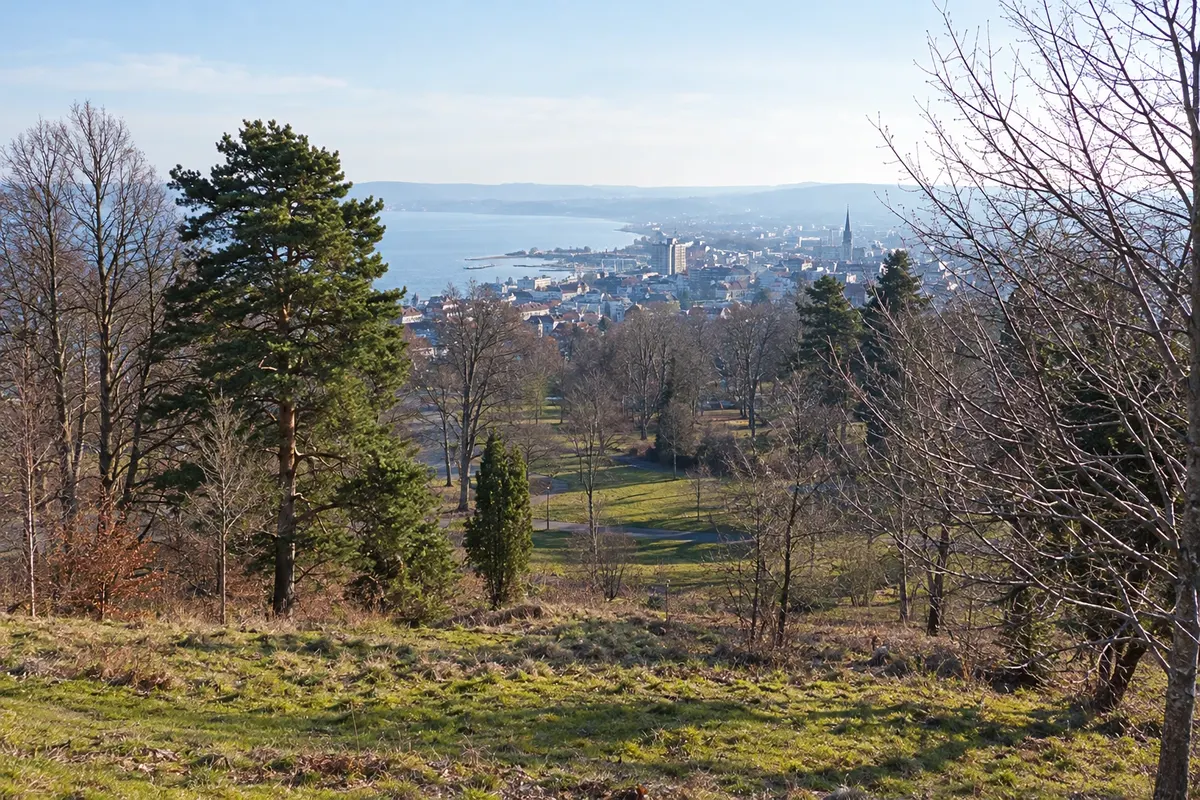
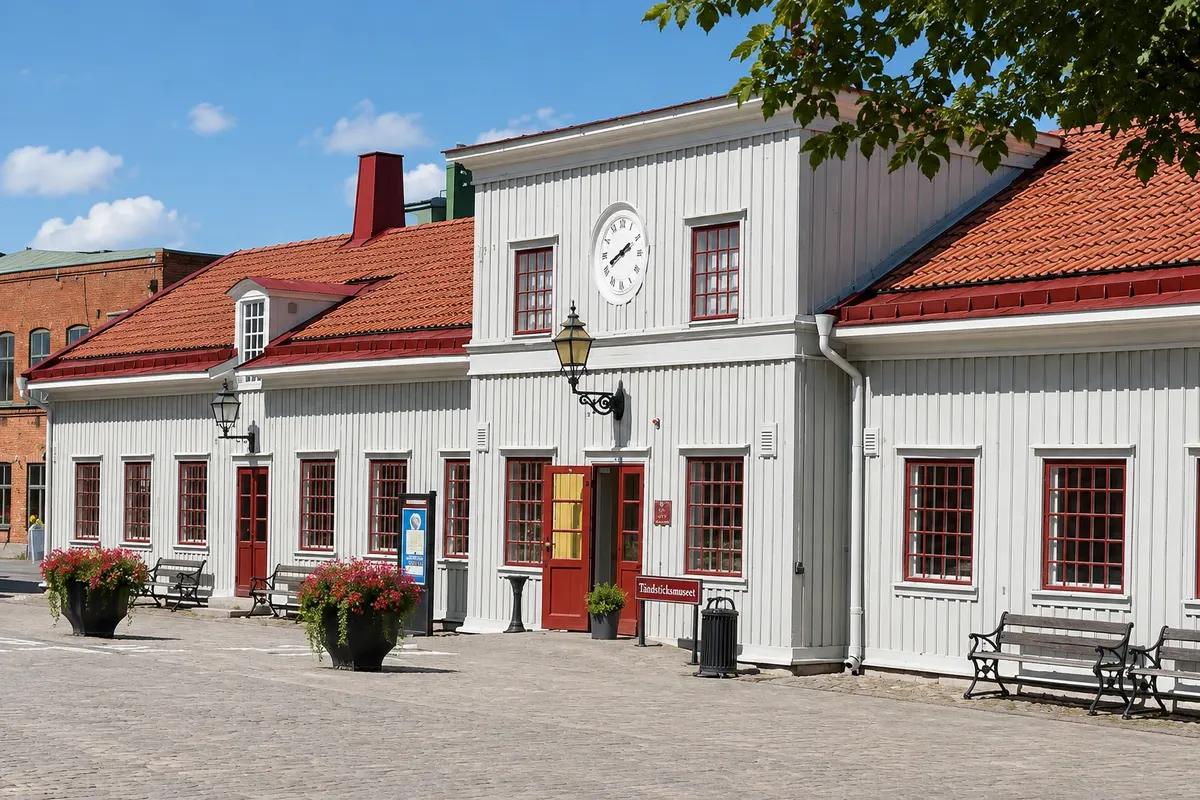
Jönköping grew with industry in the 19th century, and the match factory that made the town’s name known worldwide is now a museum. The center lies between Vättern and two smaller lakes, and the waterfront has a sandy beach just steps from the shopping streets. Above the town, Stadsparken has a viewpoint, an open-air museum and a bird museum.
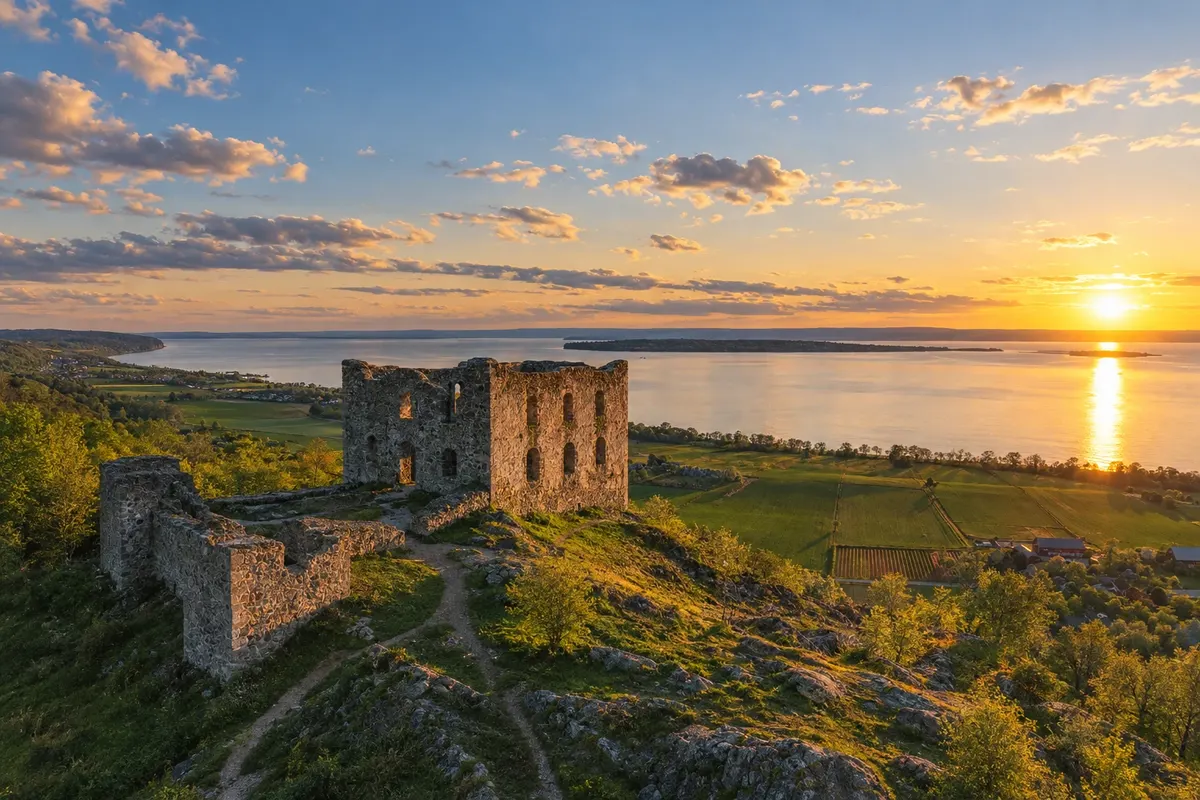
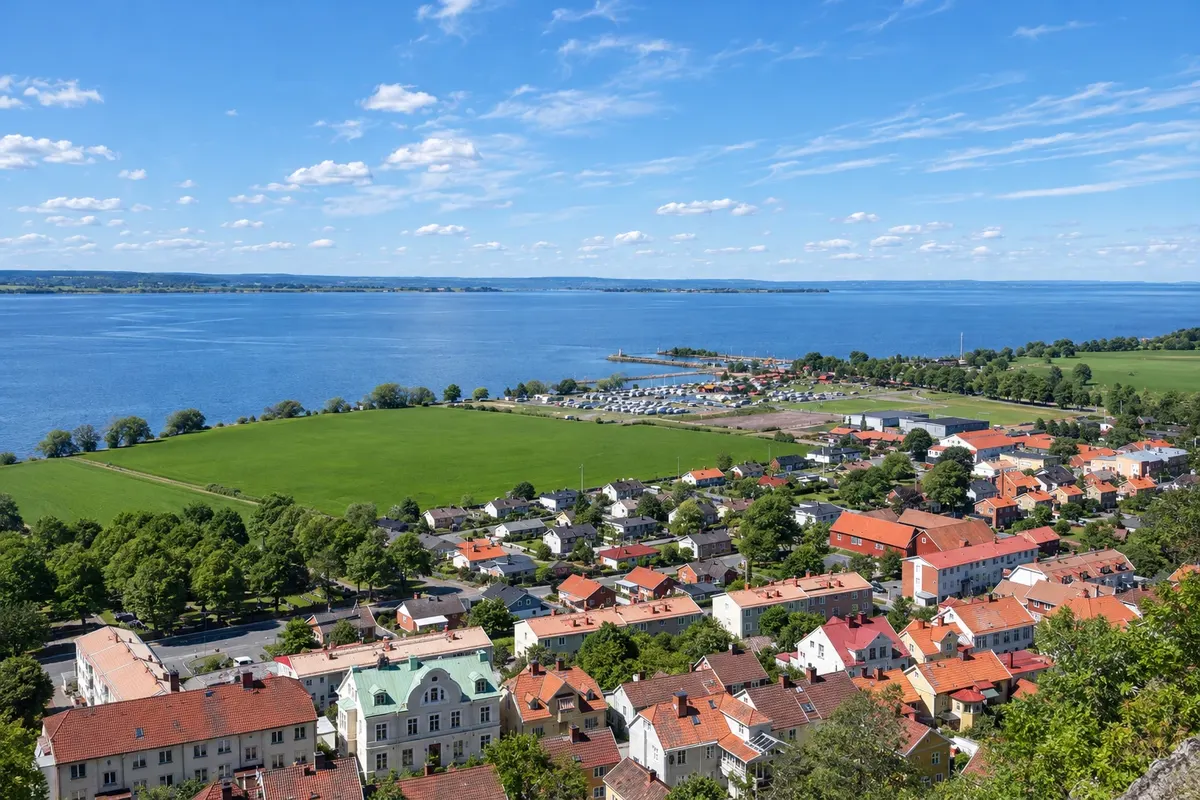
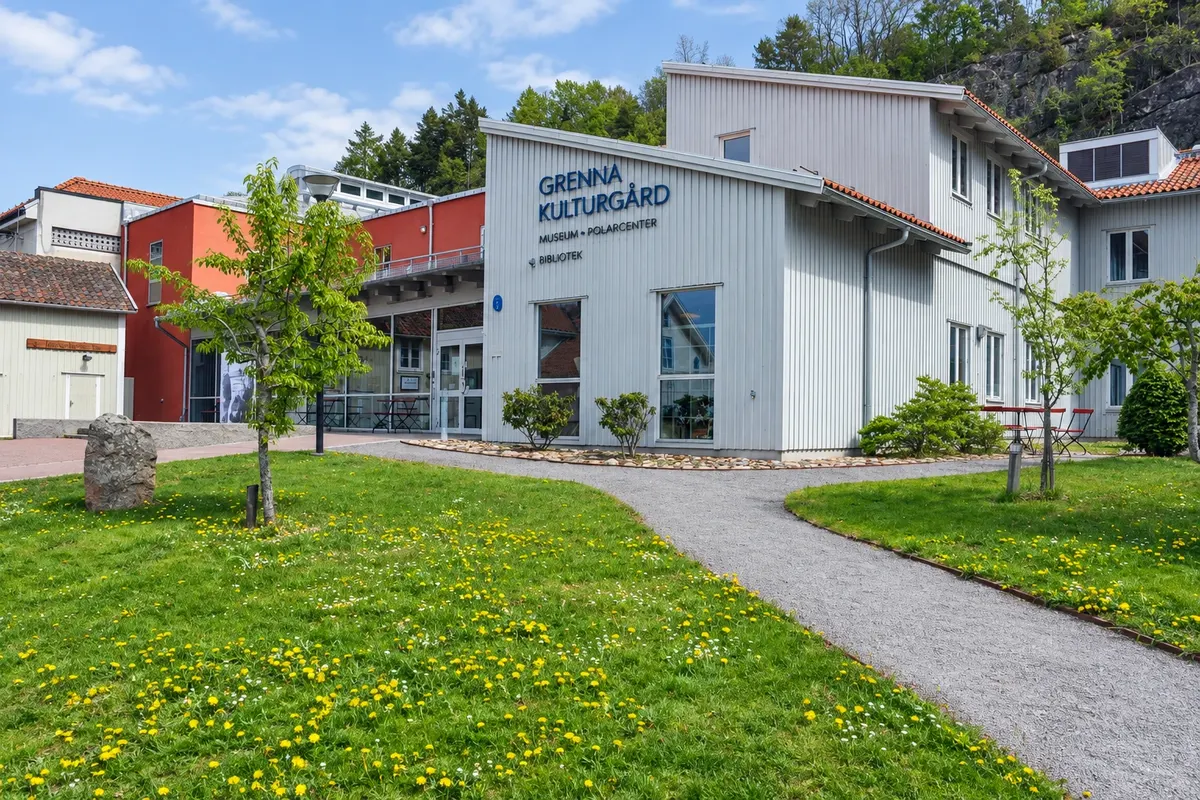
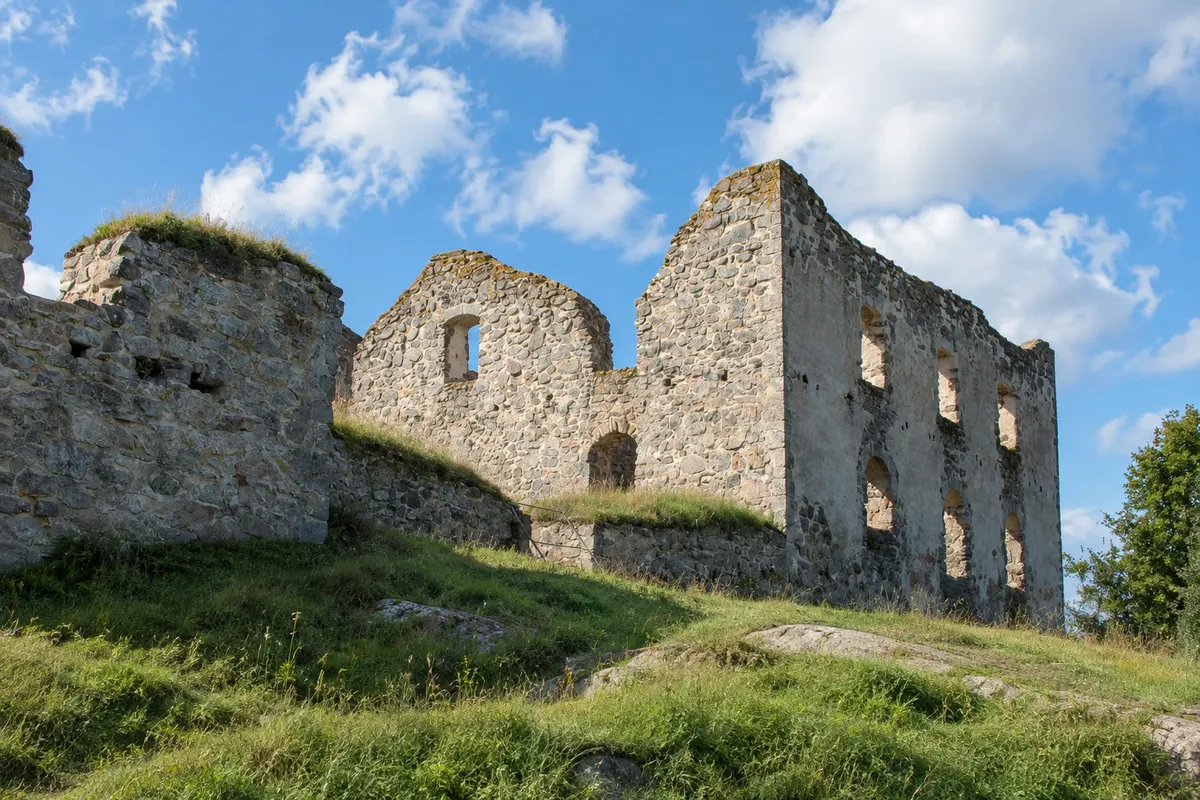
Gränna is the town of the polkagris, the peppermint stick candy with red stripes, created there in the 19th century and still handmade in the shops along the main street. The town also preserves the memory of S. A. Andrée, born there, whose 1897 balloon expedition to the Arctic is the subject of the local museum. On the northern slope, the ruins of Brahehus castle dominate the view over the lake.
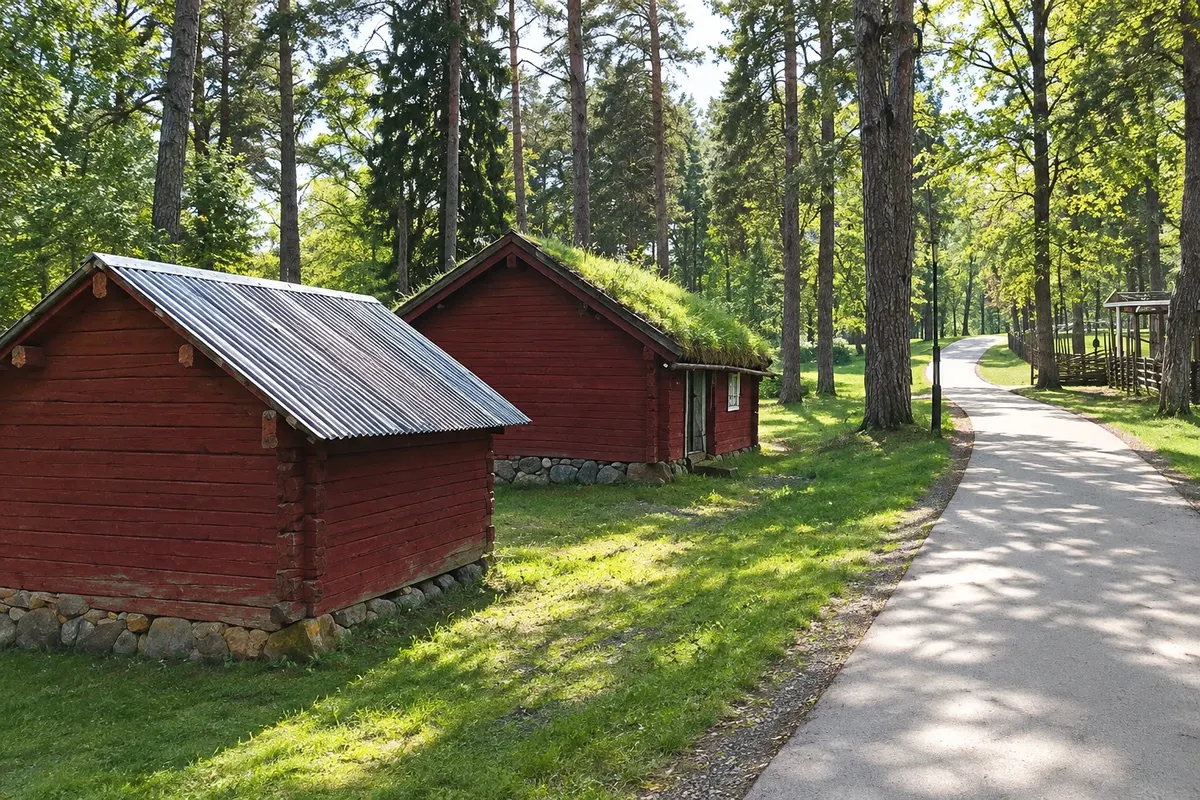
From Gränna’s harbor a ferry goes to Visingsö, a long island in the middle of Vättern, with castle ruins, ancient churches and paths to explore by bike or by carriage. Between the two towns, the road passes apple orchards along the lakeshore.
This destination brings together 2 cities: Jönköping, Gränna.


 Brazil
 Argentina
 Bolivia
 Chile
 Colombia
 Ecuador
 Guyana
 French Guiana
 Falkland Islands (Malvinas)
 Paraguay
 Peru
 Suriname
 Uruguay
 Venezuela
 Germany
 Austria
 Belgium
 Croatia
 Denmark
 Spain
 Finland
 France
 Greece
 the Netherlands
 Hungary
 Ireland
 Iceland
 Italy
 Luxembourg
 Norway
 Poland
 Portugal
 the United Kingdom
 the Czech Republic
 Switzerland
 Turkey
 Canada
 the United States
 Mexico
 the Dominican Republic
 South Africa
 Australia
 Fiji
 New Zealand
 Papua New Guinea