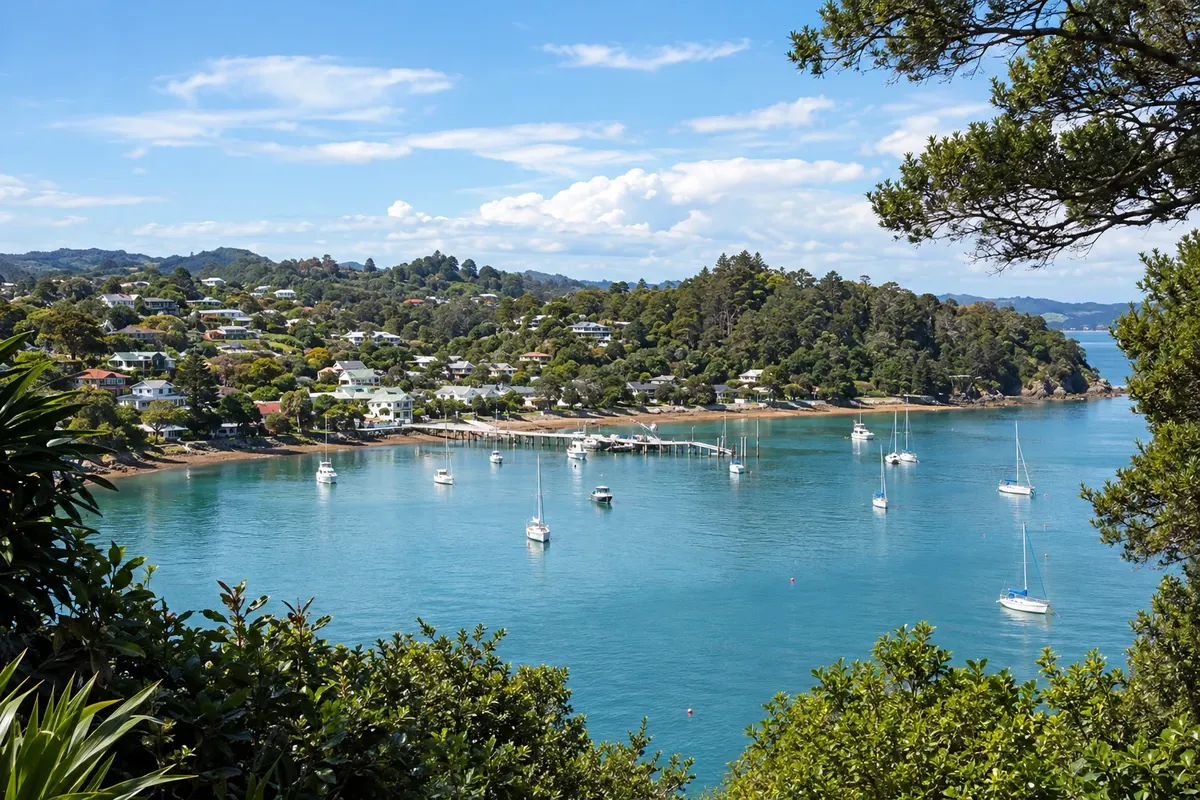
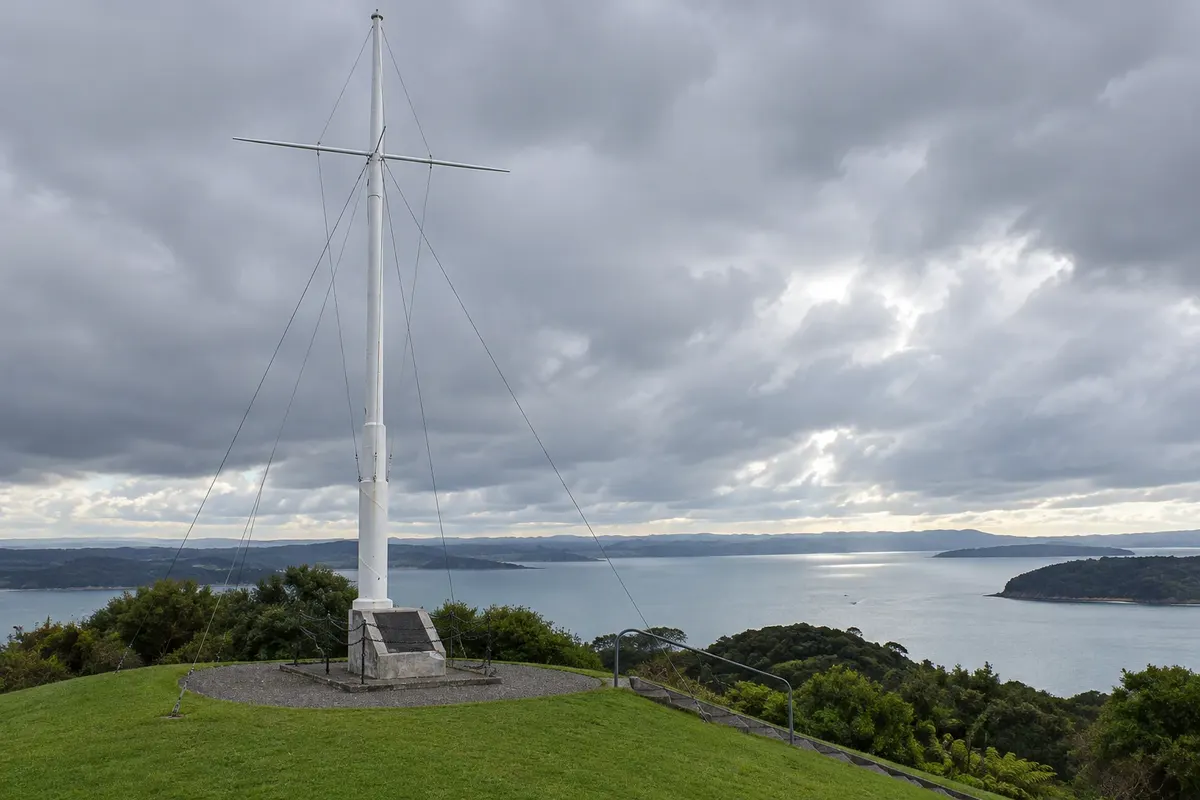
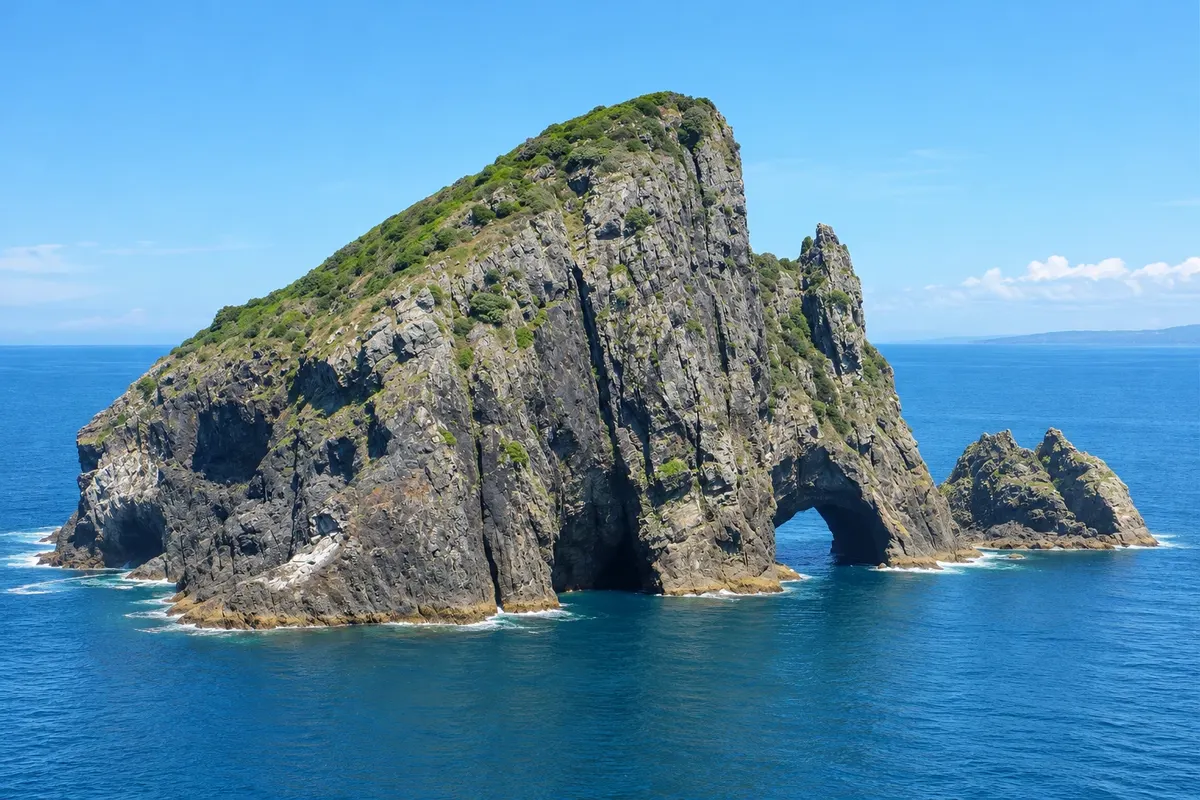
The Bay of Islands (Bay of Islands, Pēwhairangi in Māori) lies on the east coast of the Northland region, about 230 km north of Auckland. It is a deeply indented bay with more than 140 islands, sheltered coves, forests and pastures that slope down to the sea. The climate is subtropical, warmer than the rest of the country.
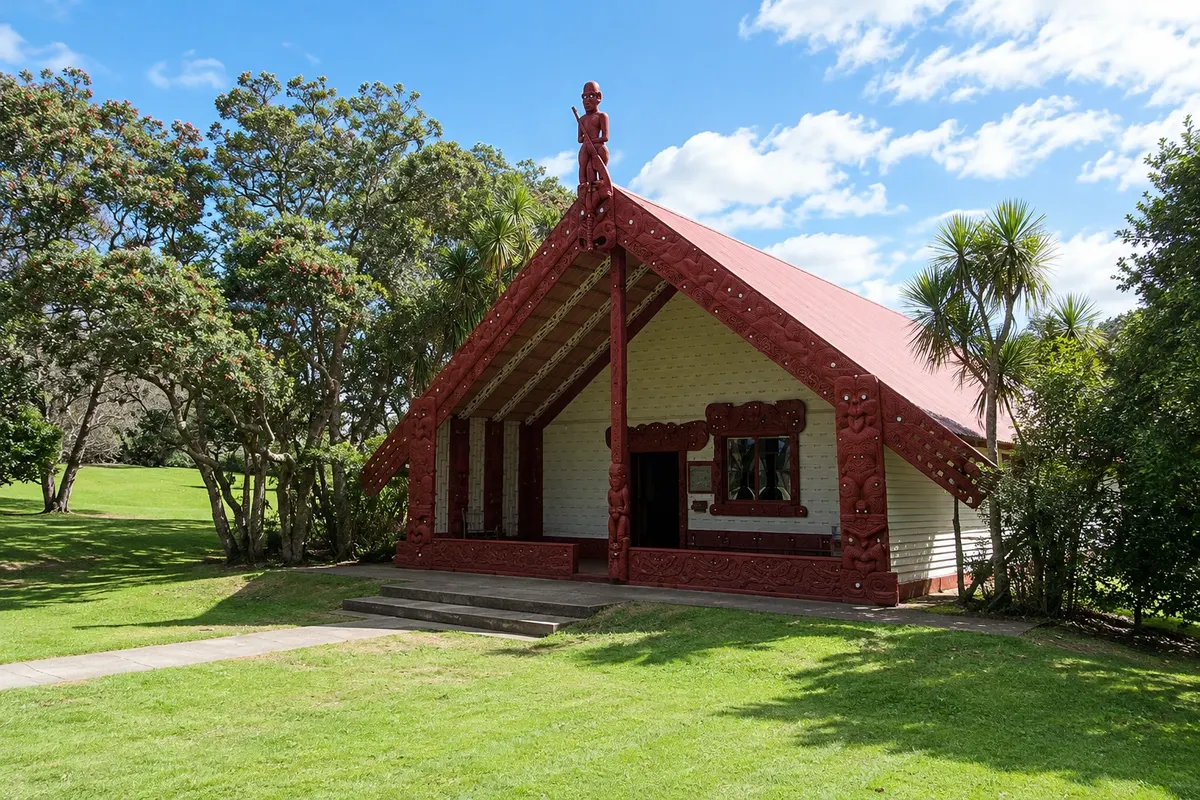
This area was the starting point for much of modern New Zealand’s history. Māori had occupied the region for centuries when whalers, traders and European missionaries arrived in the early 19th century. Kororāreka, now Russell, was the first permanent European port and settlement in the country. On February 6, 1840, at Waitangi, Māori chiefs and representatives of the British Crown signed the Treaty of Waitangi, the founding document of the nation.
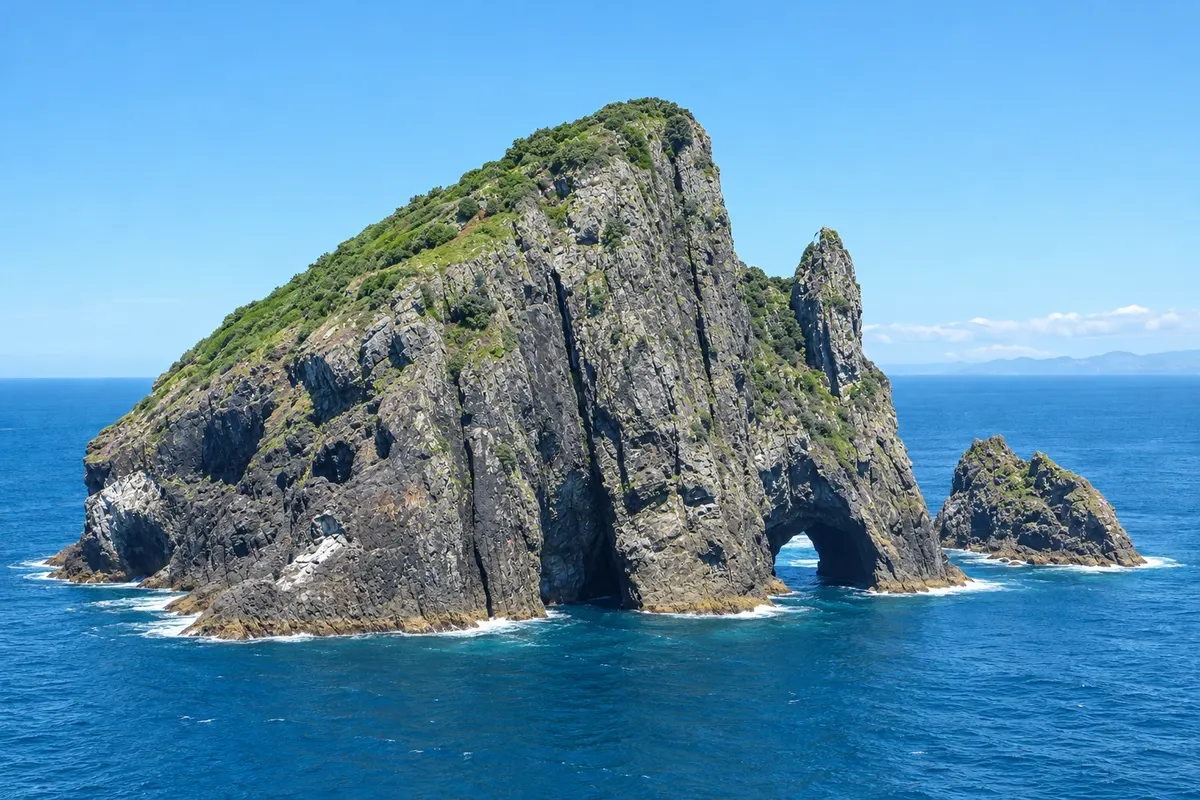
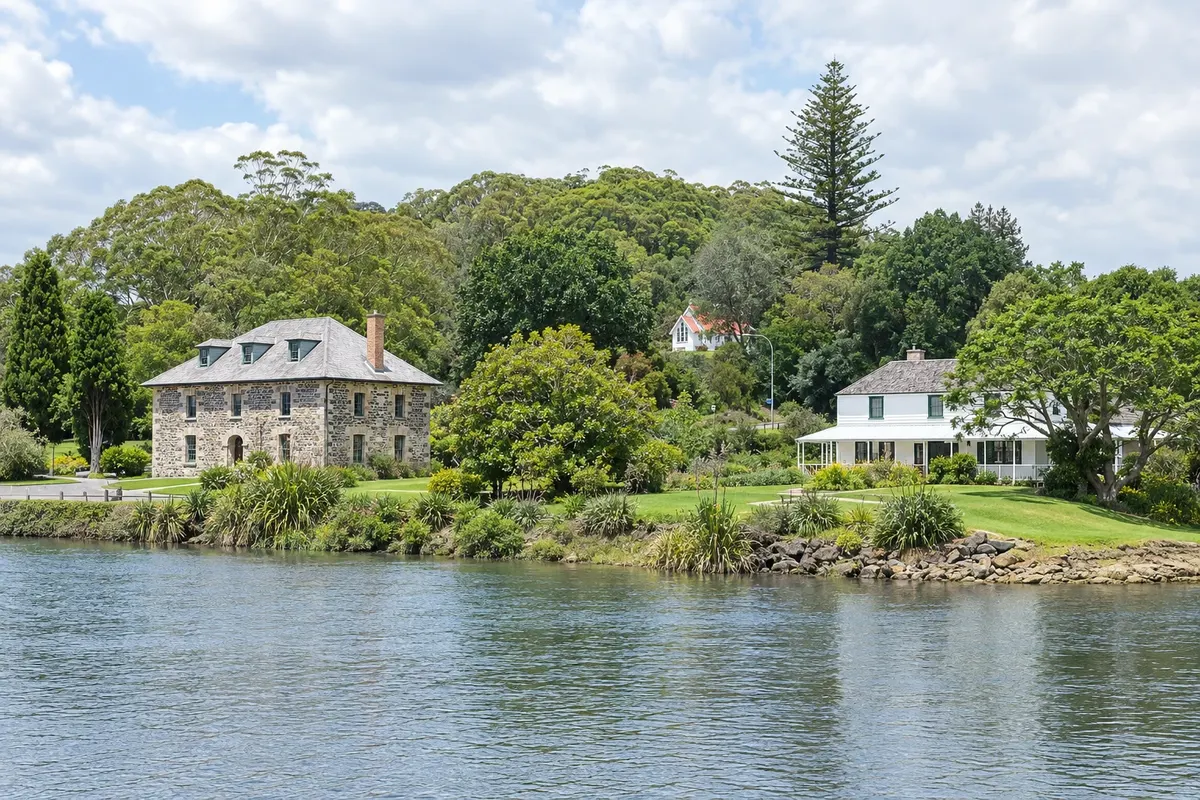
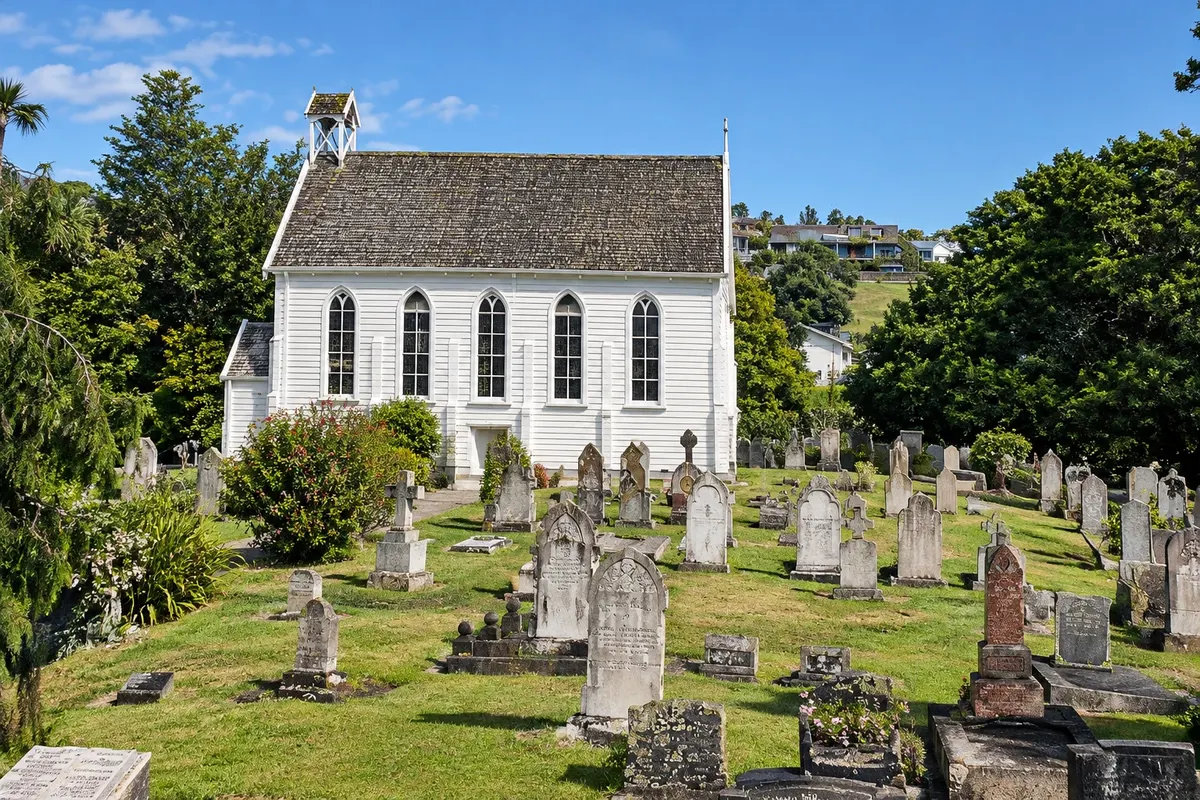
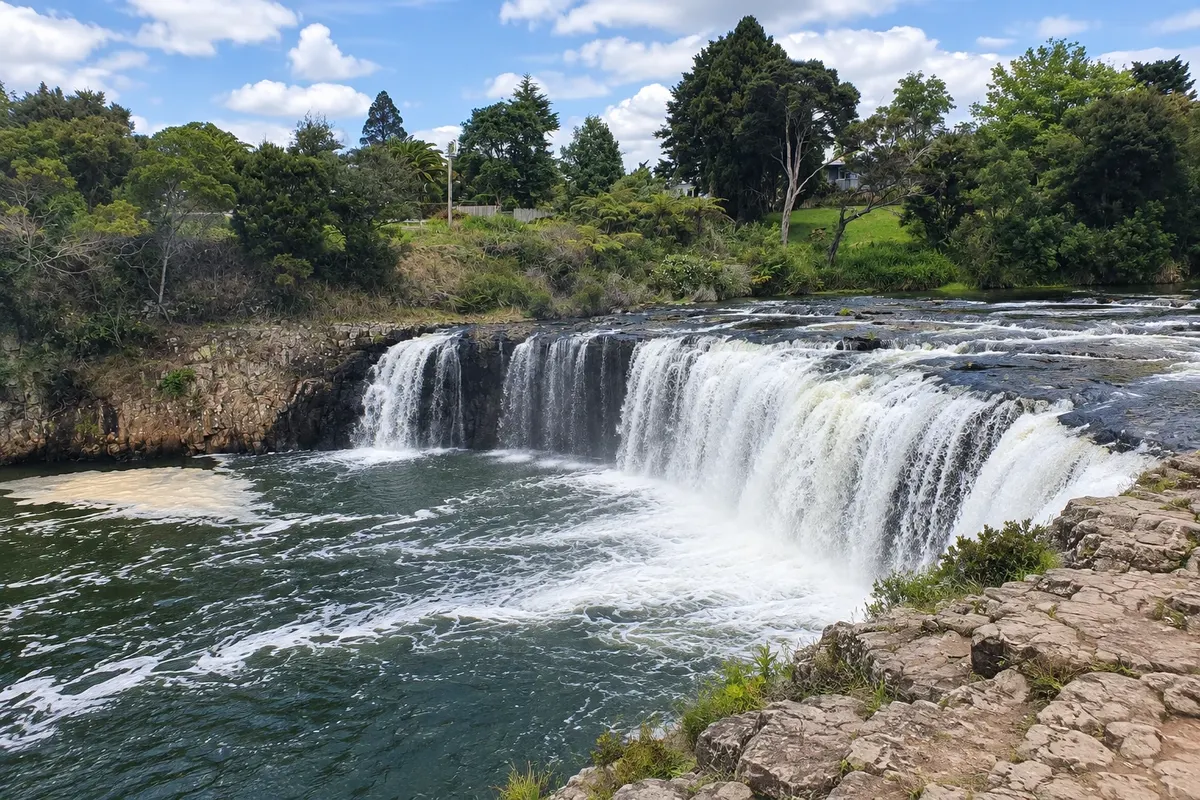
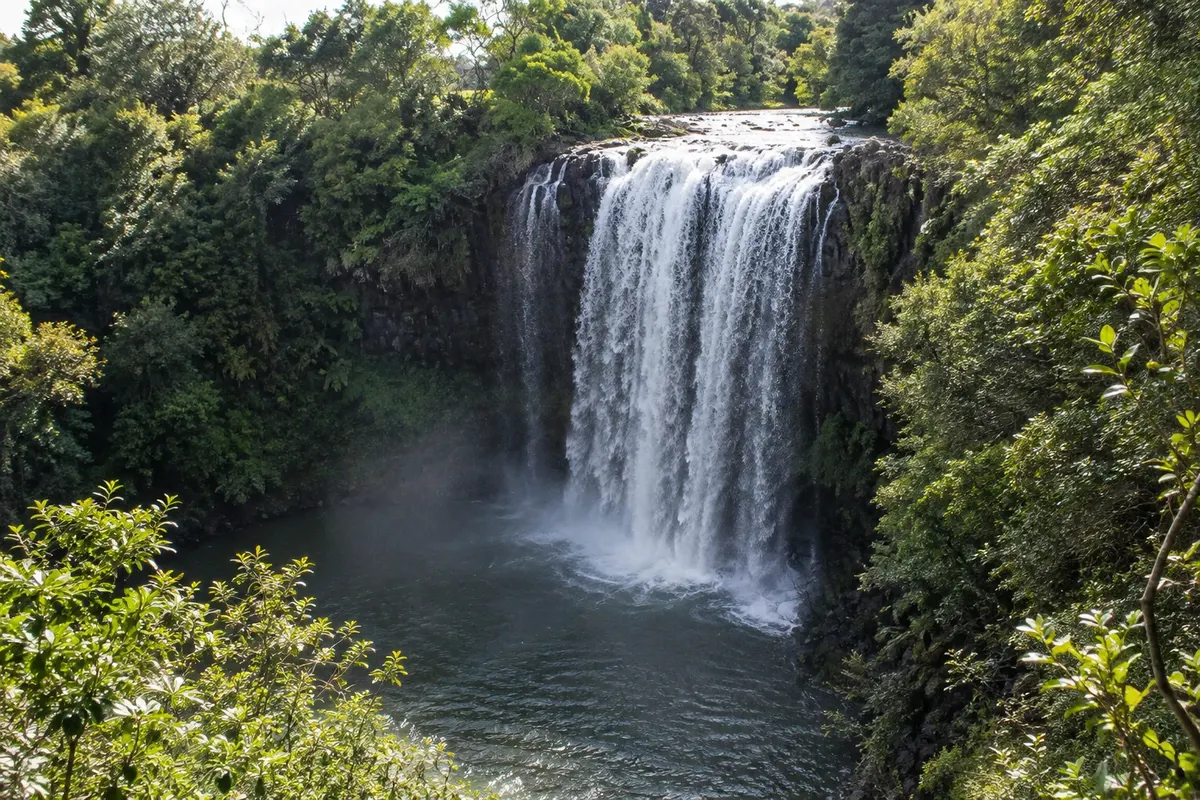
Paihia is the most popular base: it concentrates accommodations, restaurants and the wharf where boats depart for the bay, including trips to the pierced rock of Motukōkako, the Hole in the Rock. Across the water, Russell retains the country’s oldest church and the Pompallier Catholic mission. To the north, Kerikeri preserves the two oldest buildings in New Zealand, beside a river with waterfalls.
Boat tours, sailing, kayaking and diving are the focus of a visit. Dolphins commonly appear in the bay, and the main tour season runs from October to April, with departures also in winter.
This destination brings together 3 cities: Paihia, Russell (Kororāreka), Kerikeri.


 Brazil
 Argentina
 Bolivia
 Chile
 Colombia
 Ecuador
 Guyana
 French Guiana
 Falkland Islands (Malvinas)
 Paraguay
 Peru
 Suriname
 Uruguay
 Venezuela
 Germany
 Austria
 Belgium
 Croatia
 Denmark
 Spain
 Finland
 France
 Greece
 the Netherlands
 Hungary
 Ireland
 Iceland
 Italy
 Luxembourg
 Norway
 Poland
 Portugal
 the United Kingdom
 the Czech Republic
 Sweden
 Switzerland
 Turkey
 the United States
 Mexico
 the Dominican Republic
 South Africa
 Australia
 Fiji