
Drink · Iceland
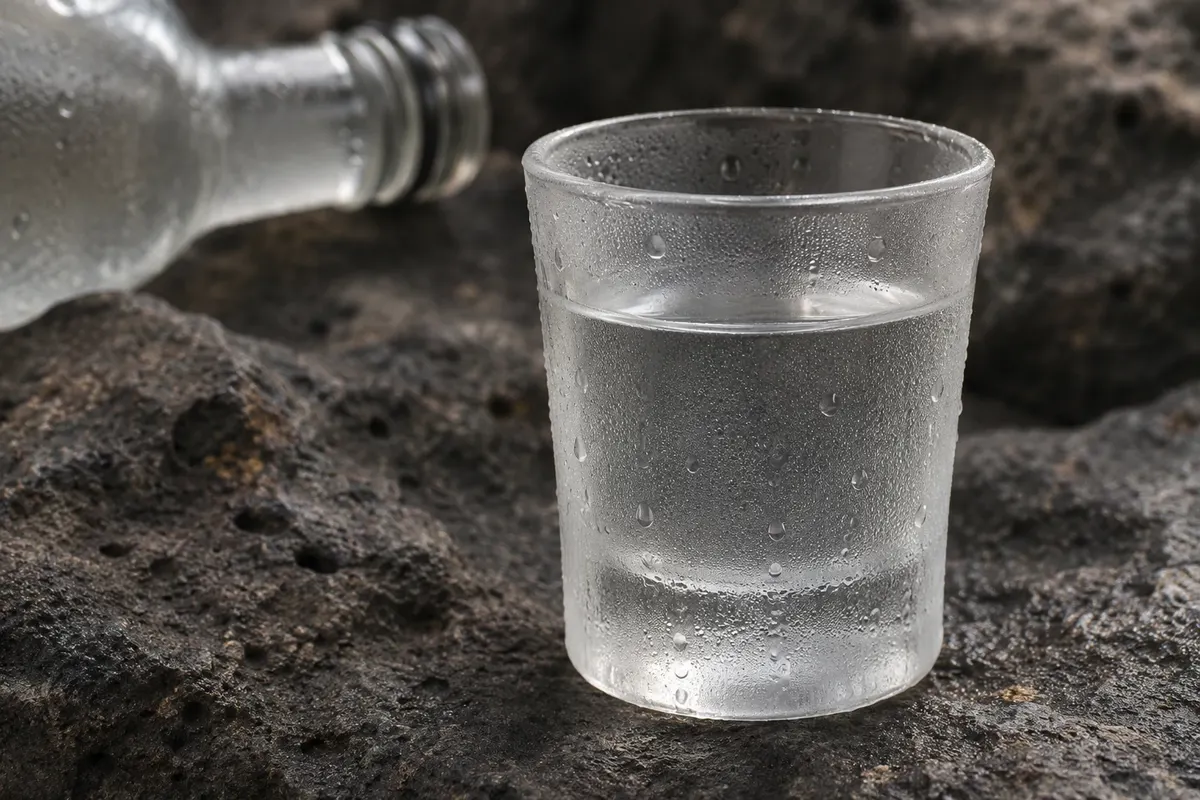
Brennivín
A grain spirit flavored with caraway, served very cold in small measures. Launched in 1935 when Iceland again allowed distilled spirits, it became the drink of Þorrablót.

 Search
 Brazil
 Argentina
 Bolivia
 Chile
 Colombia
 Ecuador
 Guyana
 French Guiana
 Falkland Islands (Malvinas)
 Paraguay
 Peru
 Suriname
 Uruguay
 Venezuela
 Germany
 Austria
 Belgium
 Croatia
 Denmark
 Spain
 Finland
 France
 Greece
 the Netherlands
 Hungary
 IrelandIceland
 Italy
 Luxembourg
 Norway
 Poland
 Portugal
 the United Kingdom
 the Czech Republic
 Sweden
 Switzerland
 Turkey
 Canada
 the United States
 Mexico
 the Dominican RepublicTurkey
 South Africa
 Australia
 Fiji
 New Zealand
 Papua New Guinea
Flavors · Nordeste
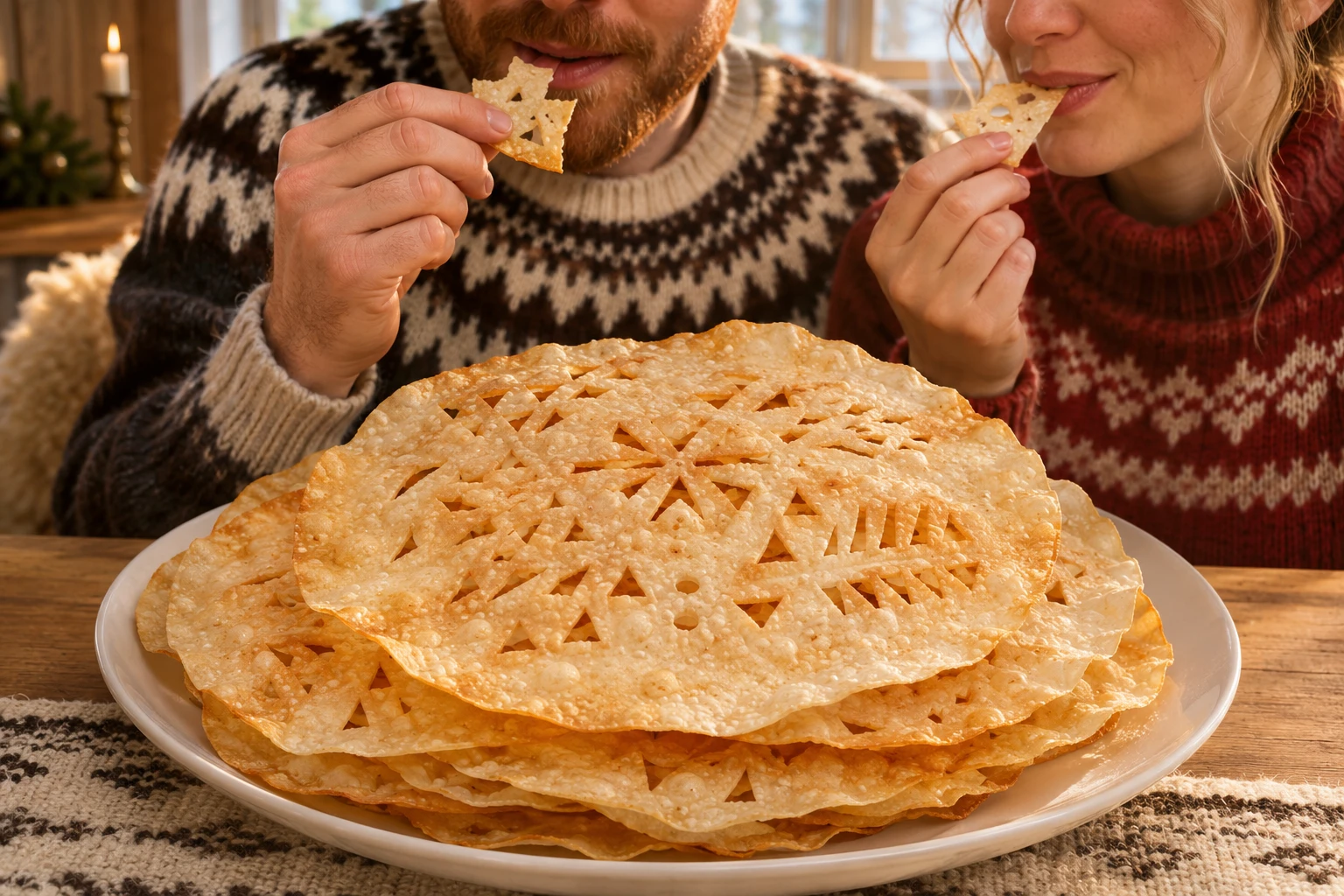
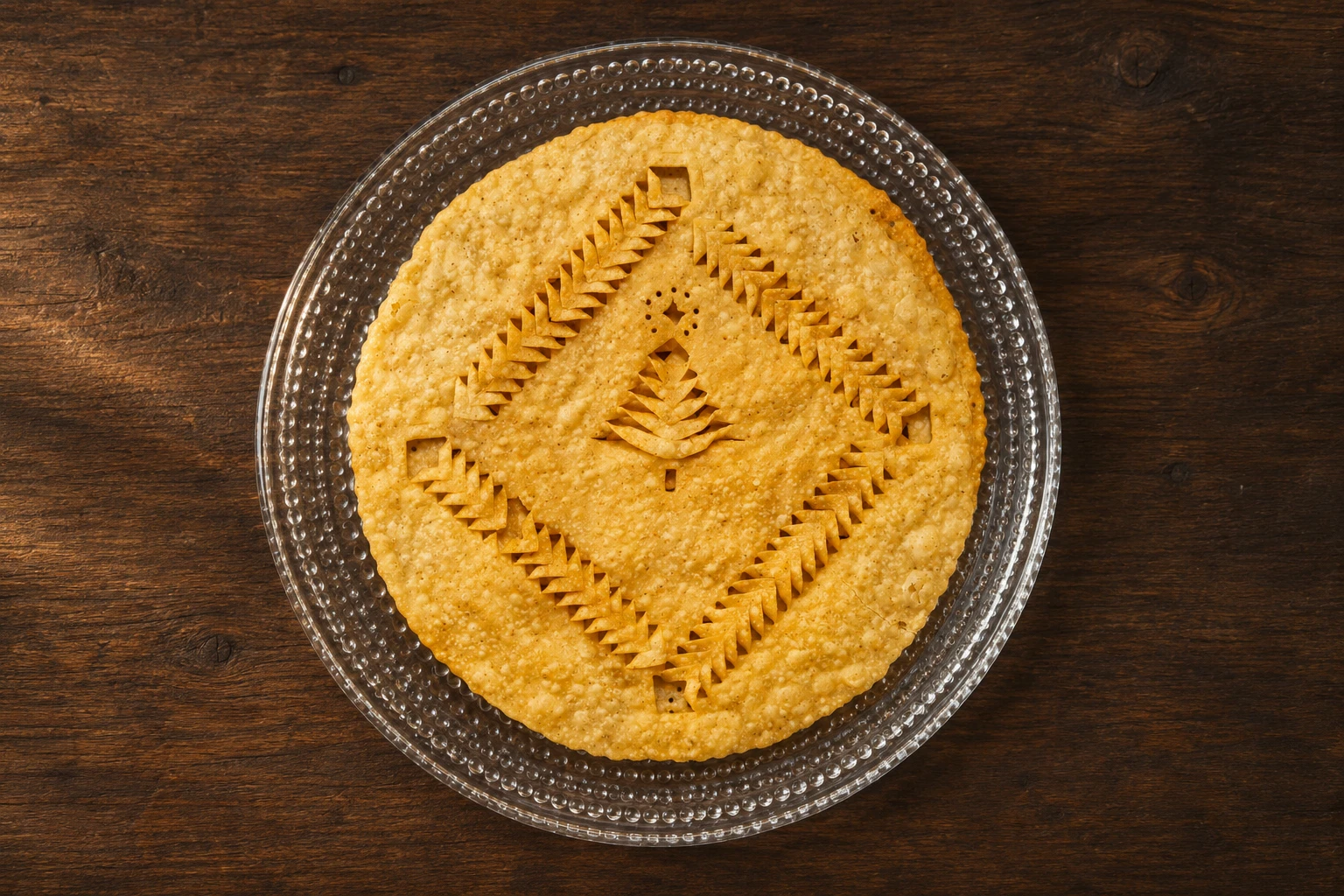
Very thin wheat dough discs, cut with leaf designs and fried until crisp. It is the Icelandic Christmas bread, a tradition that remained especially in the north of the country before spreading.
Traditional dish from Nordeste
Also known as: Leaf bread
Illustrative images. The pictures in this guide are illustrations based on the real place, not photographs, and may differ from it.

Click a photo to enlarge it.

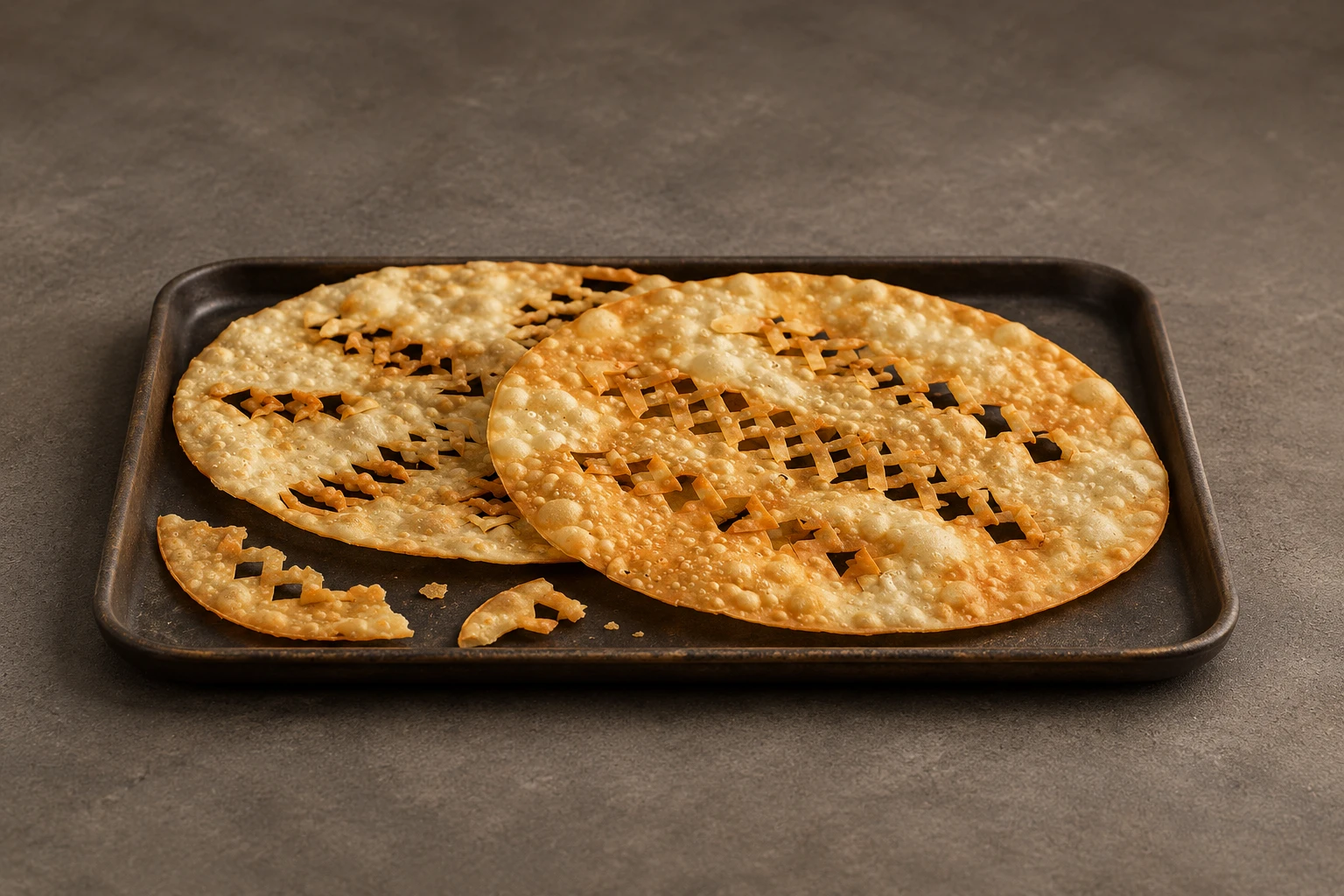
Laufabrauð — Nordeste, Iceland
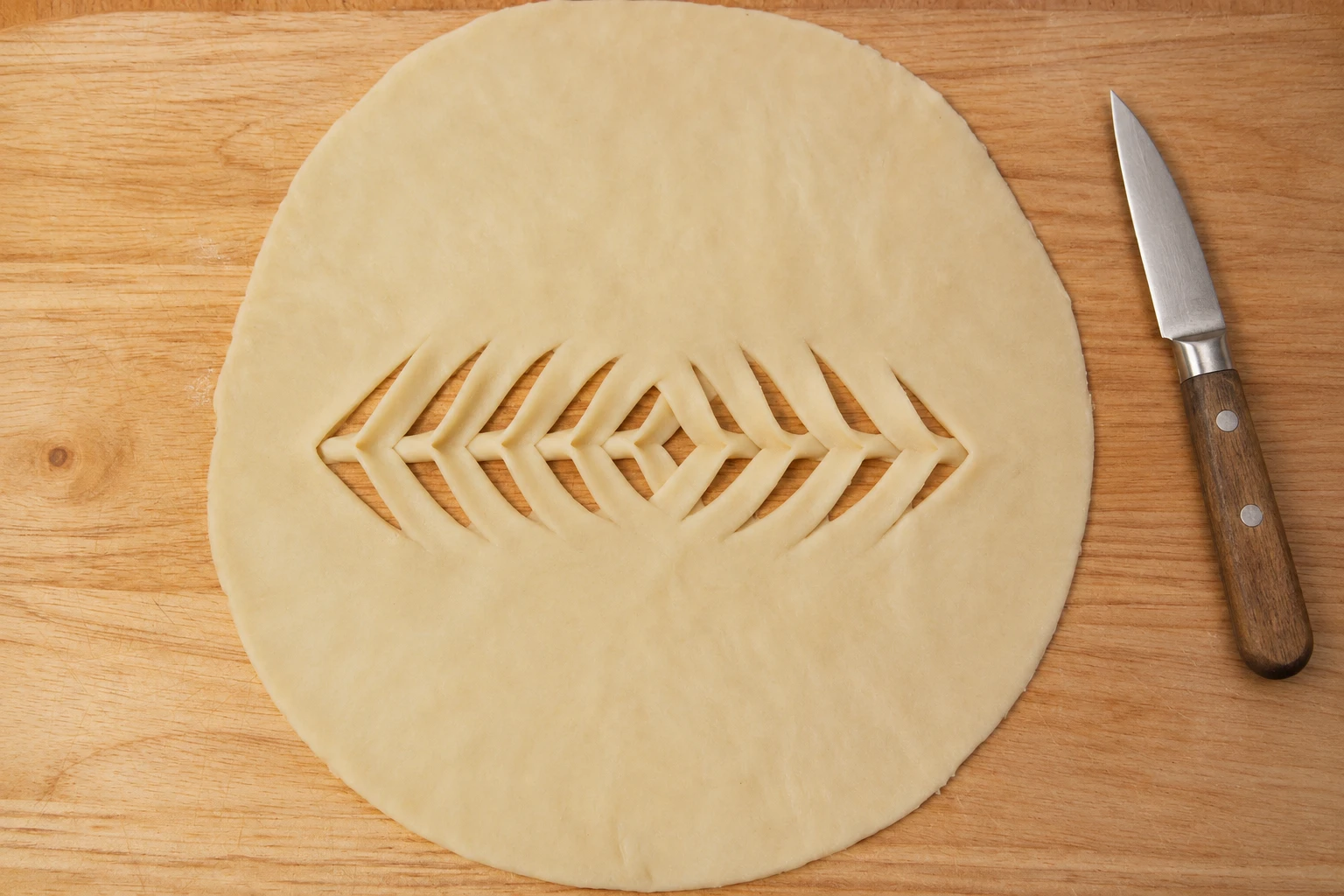
Laufabrauð is a festive bread made from a dough of wheat flour, milk, sugar, salt and butter, rolled out until paper-thin. The dough is cut into circles, and each disc receives hand-cut designs made with a knife or with the laufabrauðsjárn, a brass wheel that cuts a leaf-shaped pattern. The trimmed points are folded and interlaced, and the disc is fried in very hot oil until golden.
According to the National Museum of Iceland, the earliest reference to laufabrauð dates from the early 18th century. During the period of the trade monopoly, grain was hard to obtain, and a very thin bread allowed everyone to have a piece at Christmas. First served in wealthier homes, it reached the general population in the 19th century.
By the late 19th century, laufabrauð was the festive bread of ordinary people especially in the north of the country, where families gathered during Advent to prepare and cut the discs. Sources from the Icelandic community place its origin in the regions of Eyjafjörður and Suður-Þingeyjarsýsla. Only later did the custom spread throughout Iceland.
Cutting laufabrauð continues to be a family gathering before Christmas, with several generations at the table. The discs accompany the Christmas supper, alongside smoked lamb.
Nordeste
A Christmas bread that remained especially in northern Iceland, with origins attributed to Eyjafjörður and Suður-Þingeyjarsýsla.
Wheat flour, milk, butter, sugar, salt and baking powder; oil or fat for frying. Some recipes include caraway.
Crispy, in pieces, with butter or served with the smoked lamb at the Christmas supper.
Advent and Christmas; prepared with the family in the weeks before the holiday.
Your questions
A paper-thin wheat bread, cut with leaf designs and fried until crisp, prepared for Christmas.
With a knife or with the laufabrauðsjárn, a brass wheel that cuts the pattern; the trimmed points are folded and interlaced before frying.
According to the National Museum of Iceland, by the late 19th century it was the festive bread especially in the north of the country; later the custom spread throughout Iceland.
Flavors of Iceland
A grain spirit flavored with caraway, served very cold in small measures. Launched in 1935 when Iceland again allowed distilled spirits, it became the drink of Þorrablót.
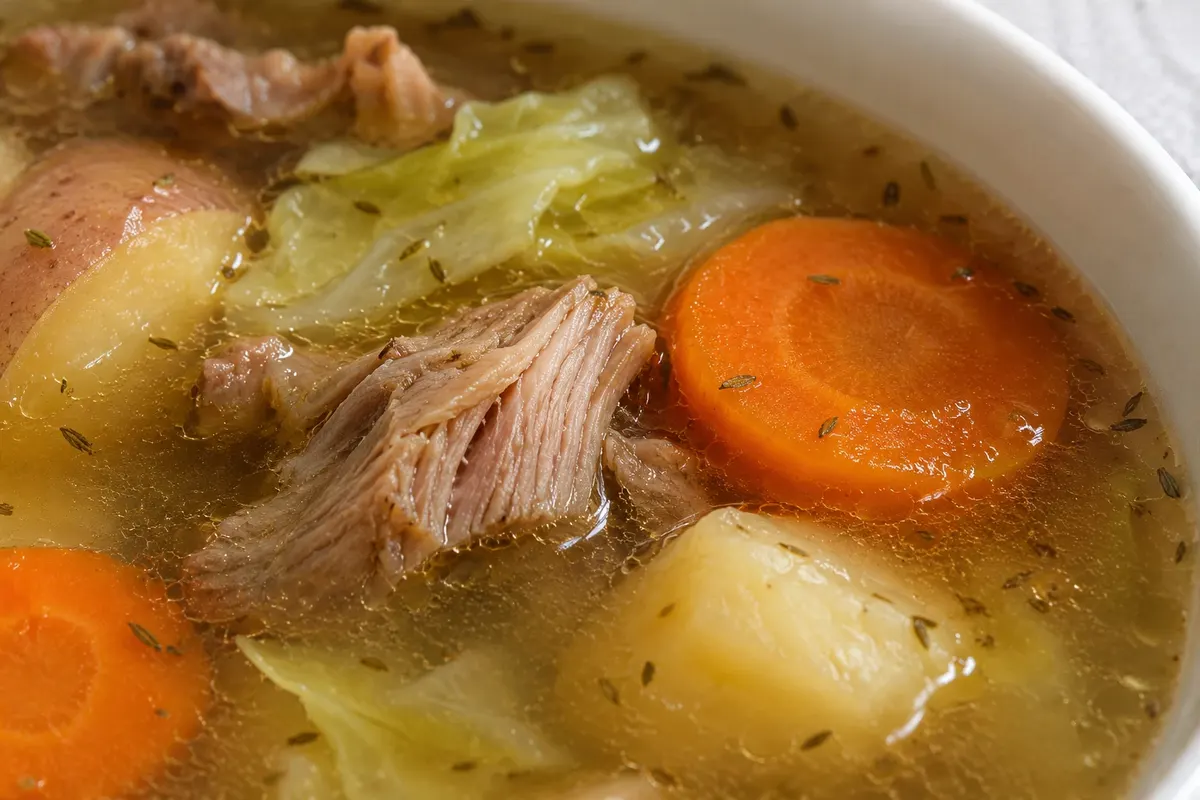
Lamb soup cooked with potato, carrot, rutabaga or turnip and herbs in a thick broth. It’s the winter dish most closely associated with Icelandic homes, with a different recipe in every family.
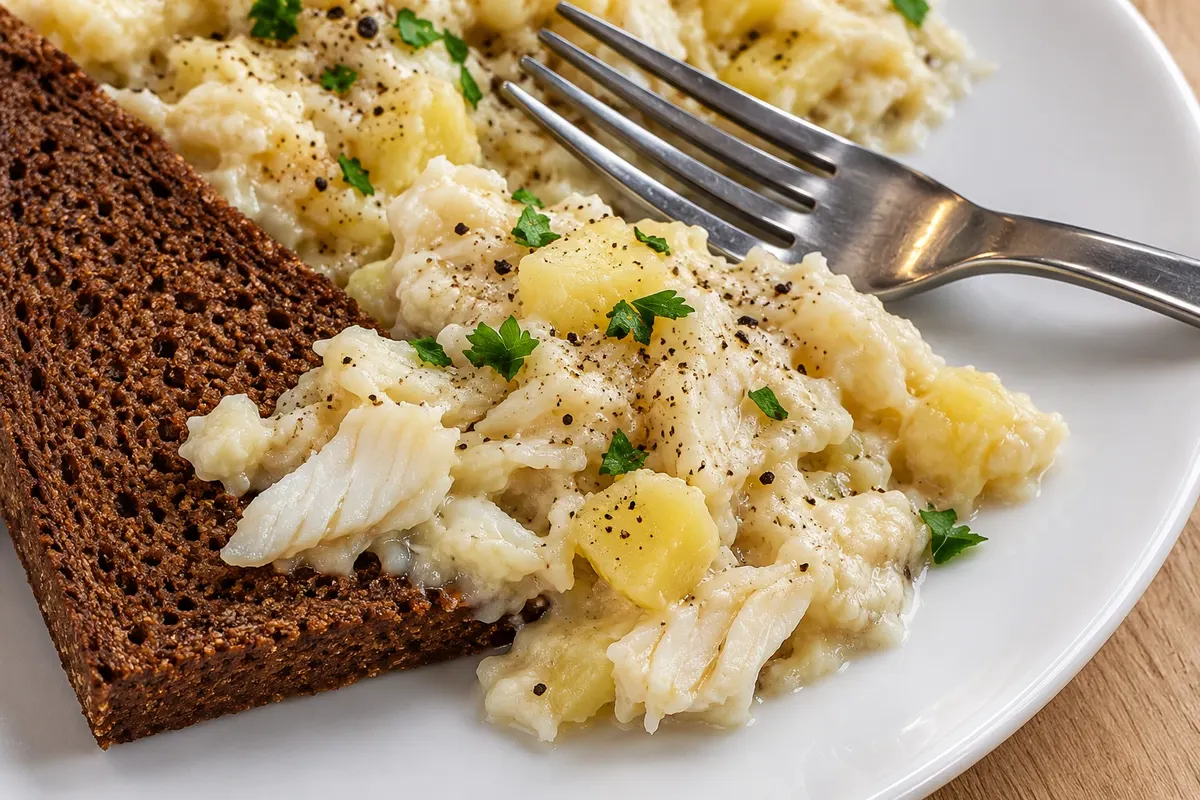
White cooked fish, usually cod or haddock, flaked and mixed with potato, onion, and white sauce. A classic Icelandic home dish, served with rye bread and butter.
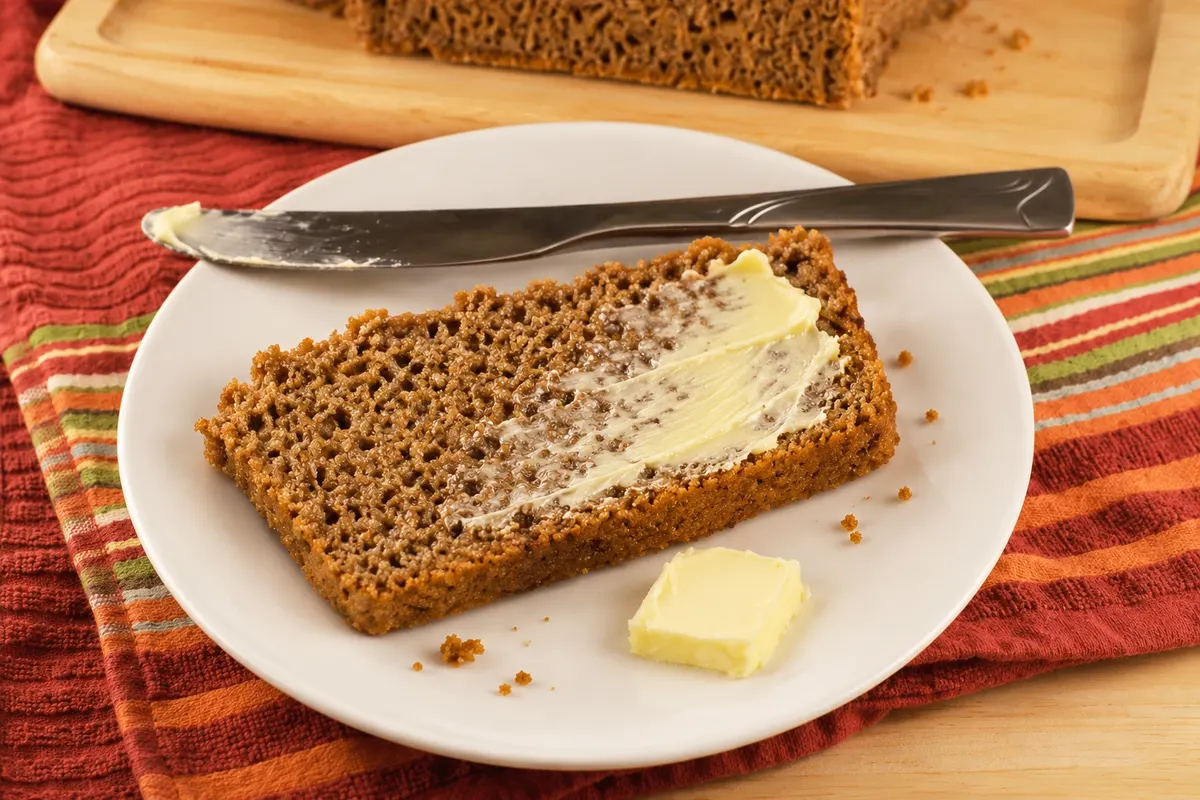
Dark, dense, slightly sweet rye bread, baked for many hours at low, humid heat. In geothermal areas, it is baked buried in the hot ground and is called hverabrauð.
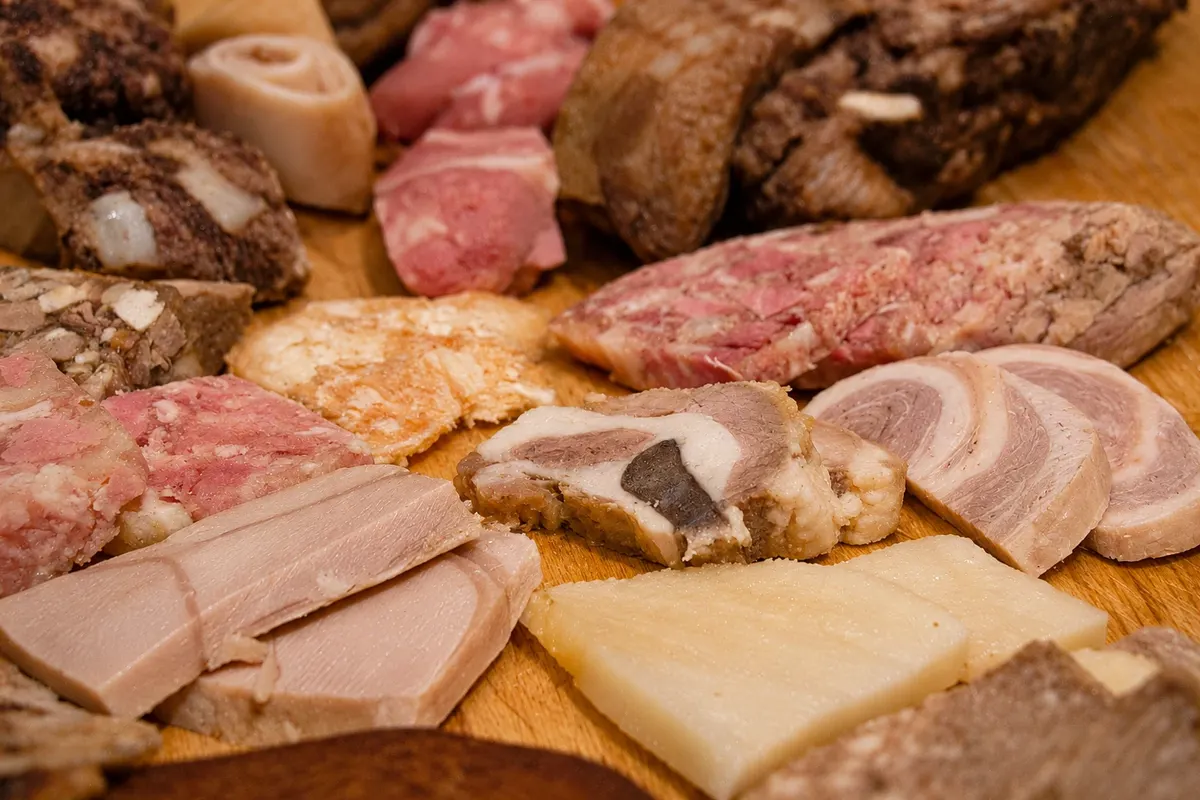
Selection of meats and fish preserved in the old-fashioned way, served at Þorrablót, the festival of the month of Þorri in midwinter. It is accompanied by rye bread, butter and brennivín.
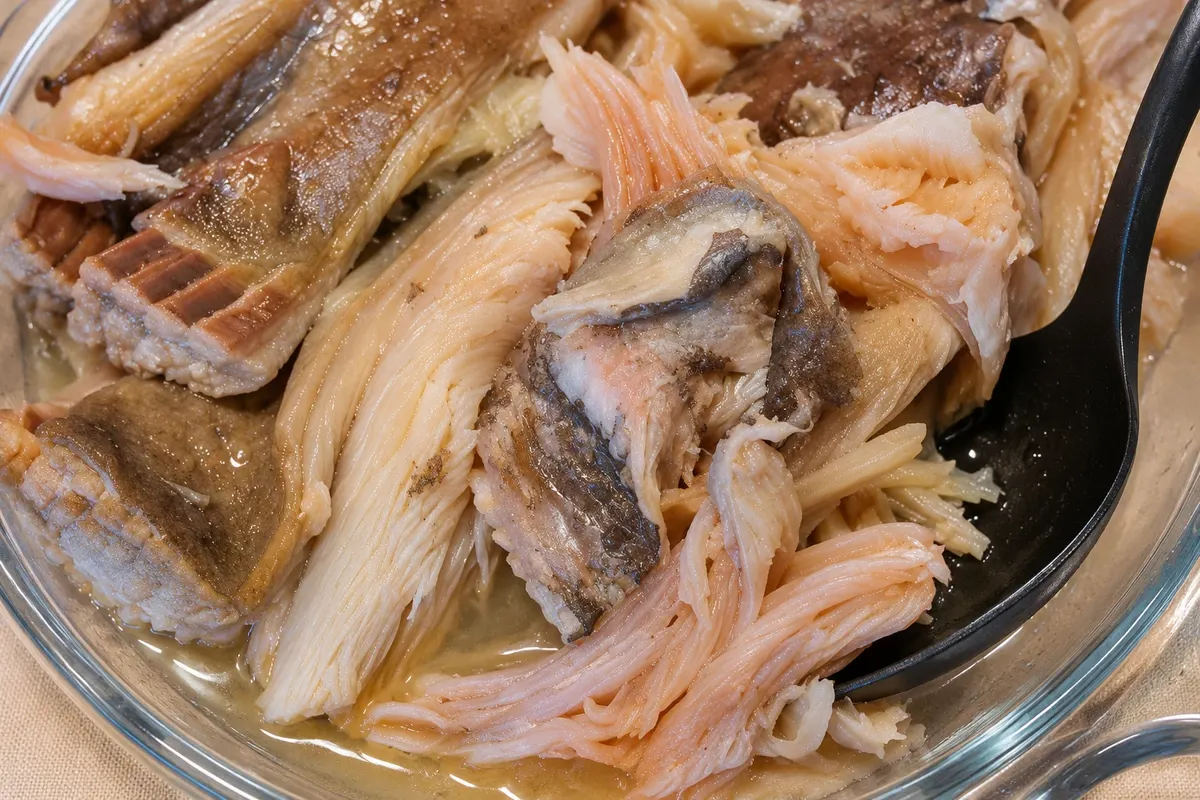
Skata fermented for several weeks, cooked and served with potato, rutabaga, melted lamb tallow and rye bread. It is the dish of December 23, a custom that started in the Westfjords and spread across Iceland.