Sweet · Guyana
Black cake
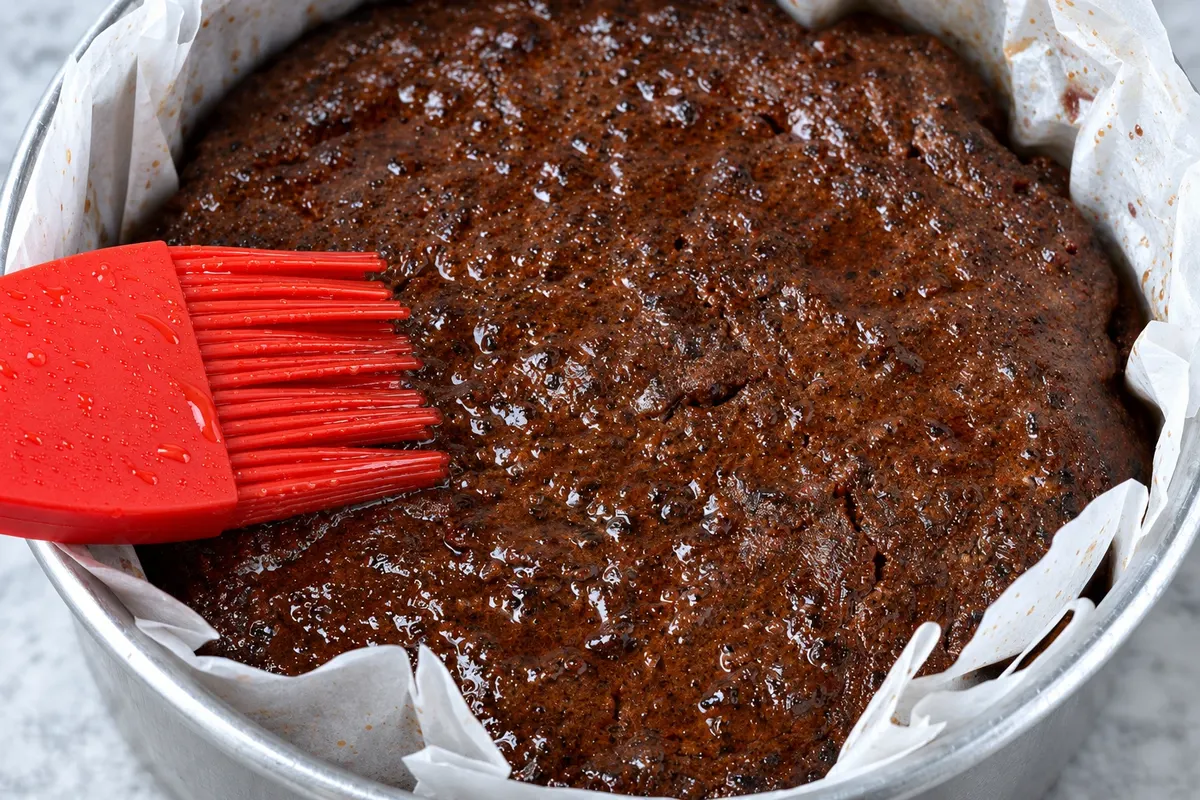
Dark fruit cake made with dried fruits ground and soaked in rum for weeks, darkened with burnt caramel and doused with rum after baking. It's the Christmas cake in Guyana.

 Search
 Brazil
 Argentina
 Bolivia
 Chile
 Colombia
 EcuadorGuyana
 French Guiana
 Falkland Islands (Malvinas)
 Paraguay
 Peru
 Suriname
 Uruguay
 Venezuela
 Germany
 Austria
 Belgium
 Croatia
 Denmark
 Spain
 Finland
 France
 Greece
 the Netherlands
 Hungary
 Ireland
 Iceland
 Italy
 Luxembourg
 Norway
 Poland
 Portugal
 the United Kingdom
 the Czech Republic
 Sweden
 Switzerland
 Turkey
 Canada
 the United States
 Mexico
 the Dominican RepublicTurkey
 South Africa
 Australia
 Fiji
 New Zealand
 Papua New Guinea
Flavors · Guyana
Dark meat stew slowly cooked in cassareep, a sauce made from the juice of bitter cassava, with cinnamon, clove and pepper. It originated with the Indigenous peoples, is called the national dish and is the morning Christmas dish in Guyana.
Traditional dish from Guyana
Also known as: pepper pot
Illustrative images. The pictures in this guide are illustrations based on the real place, not photographs, and may differ from it.

Click a photo to enlarge it.
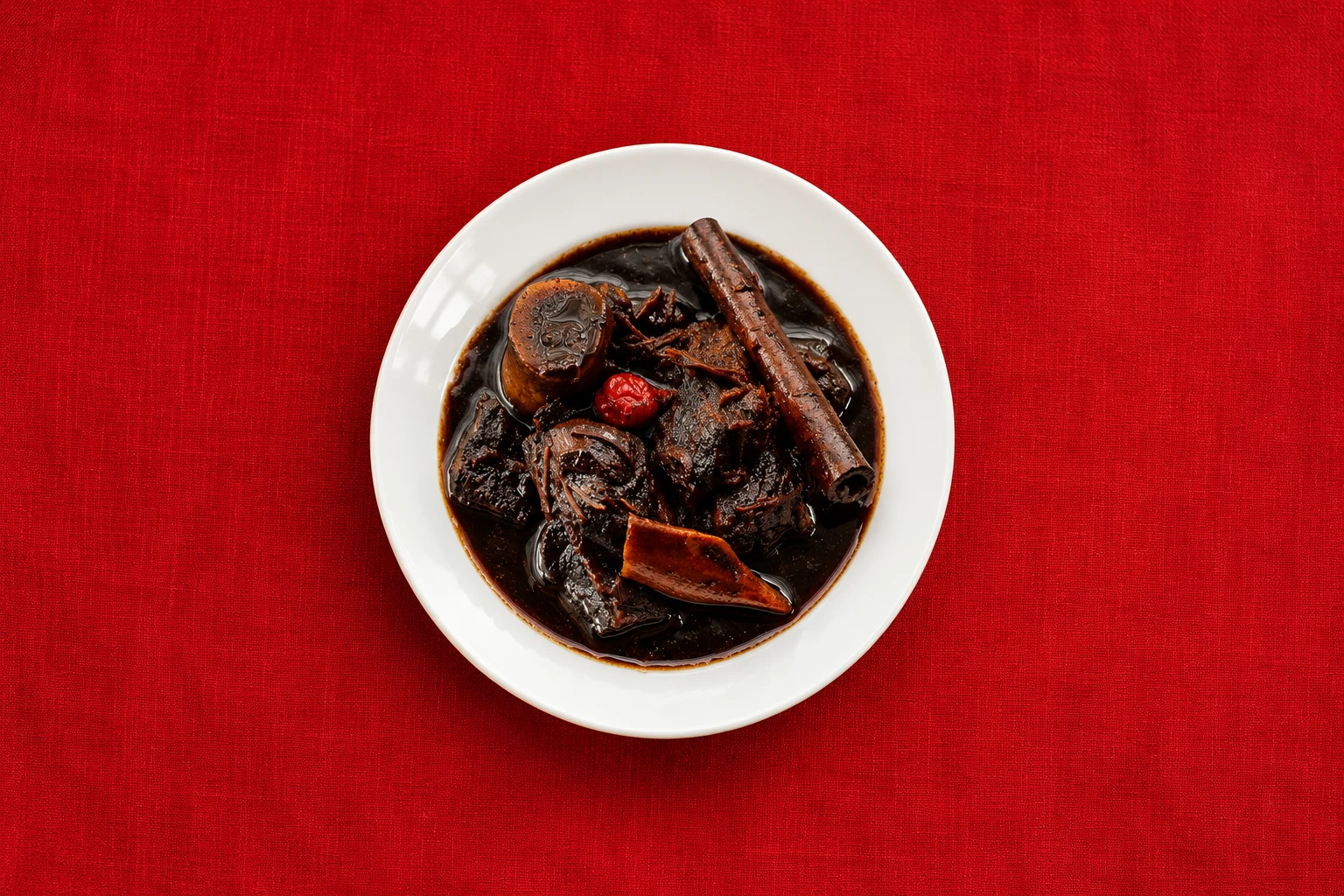
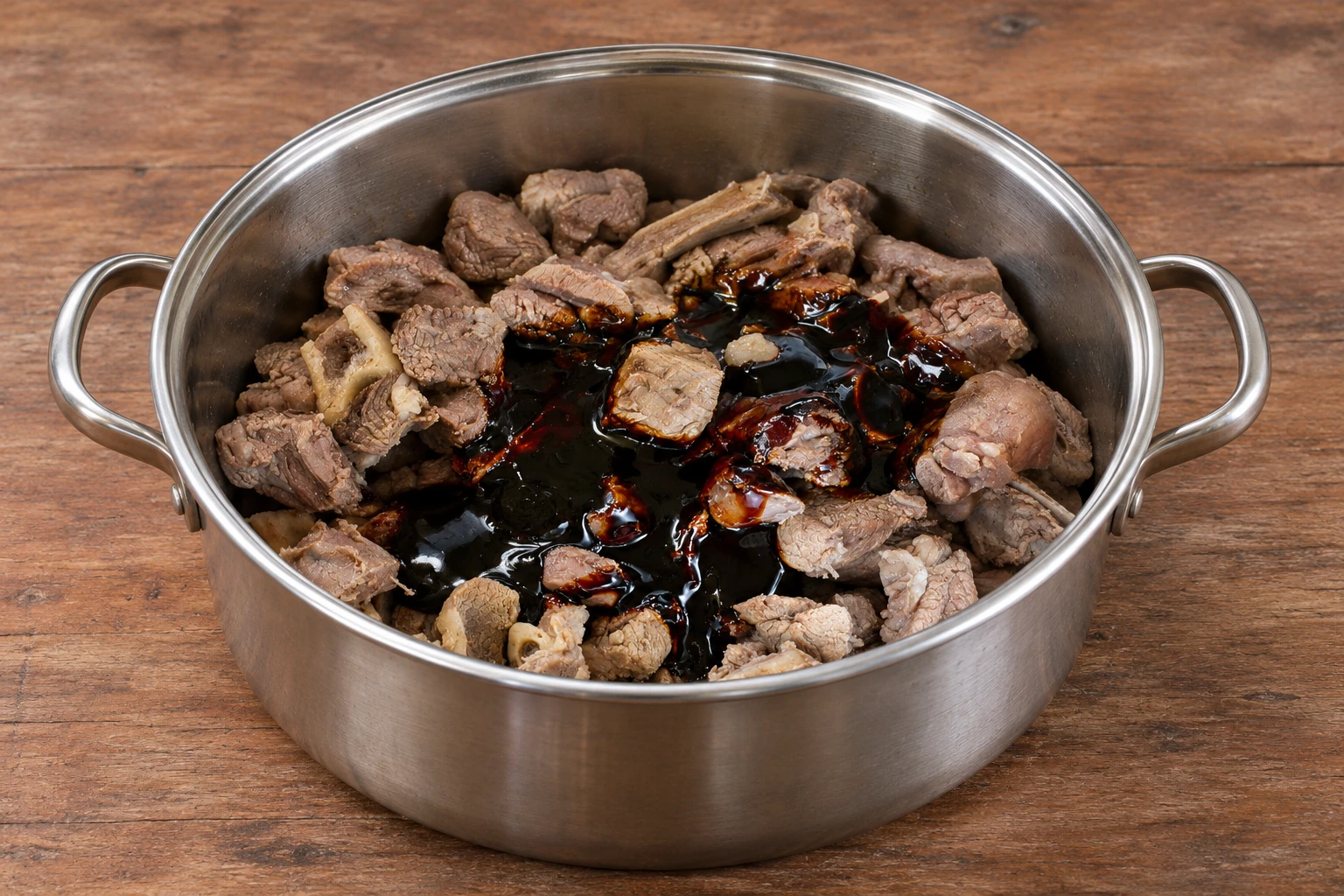
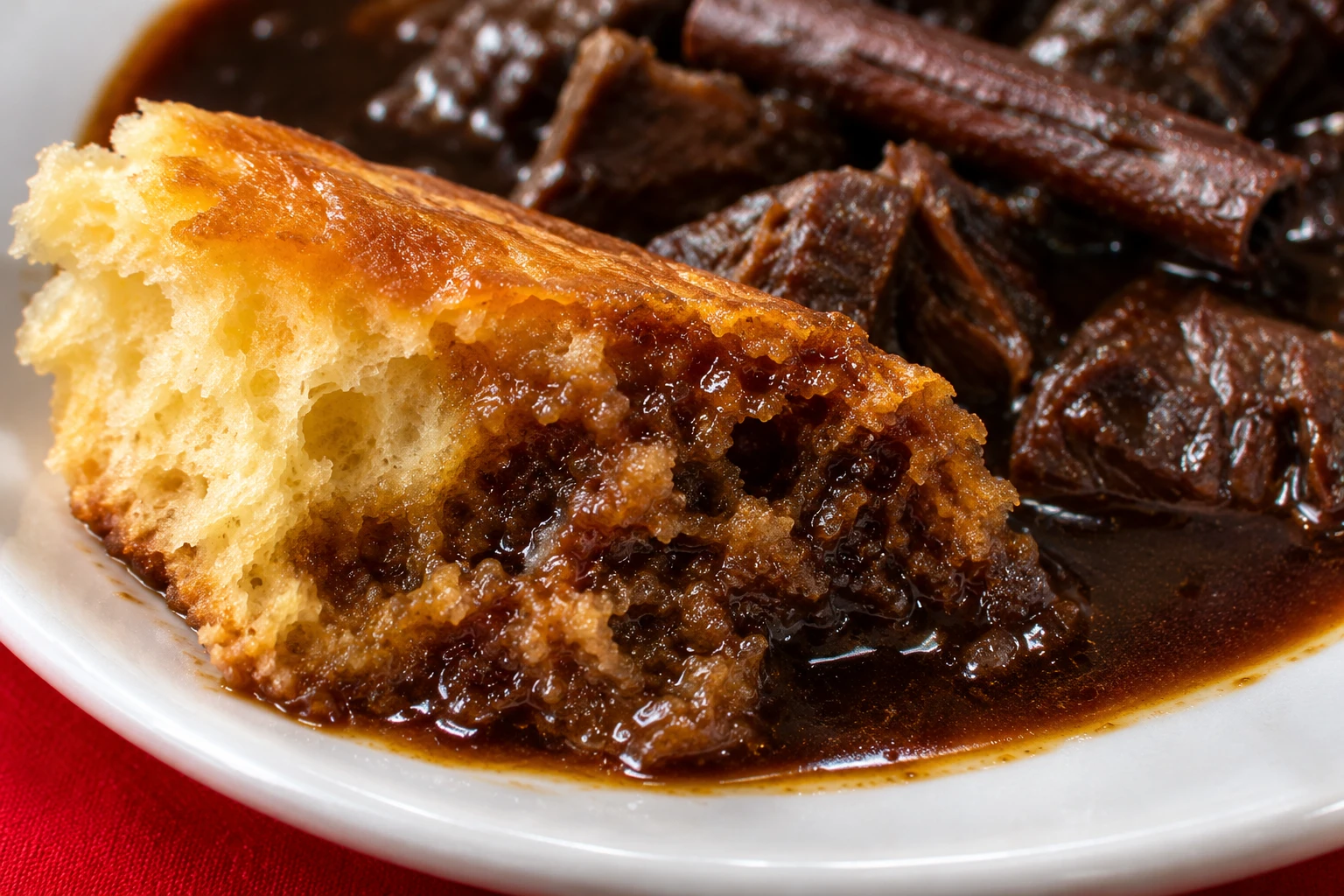
Pepperpot — Guyana
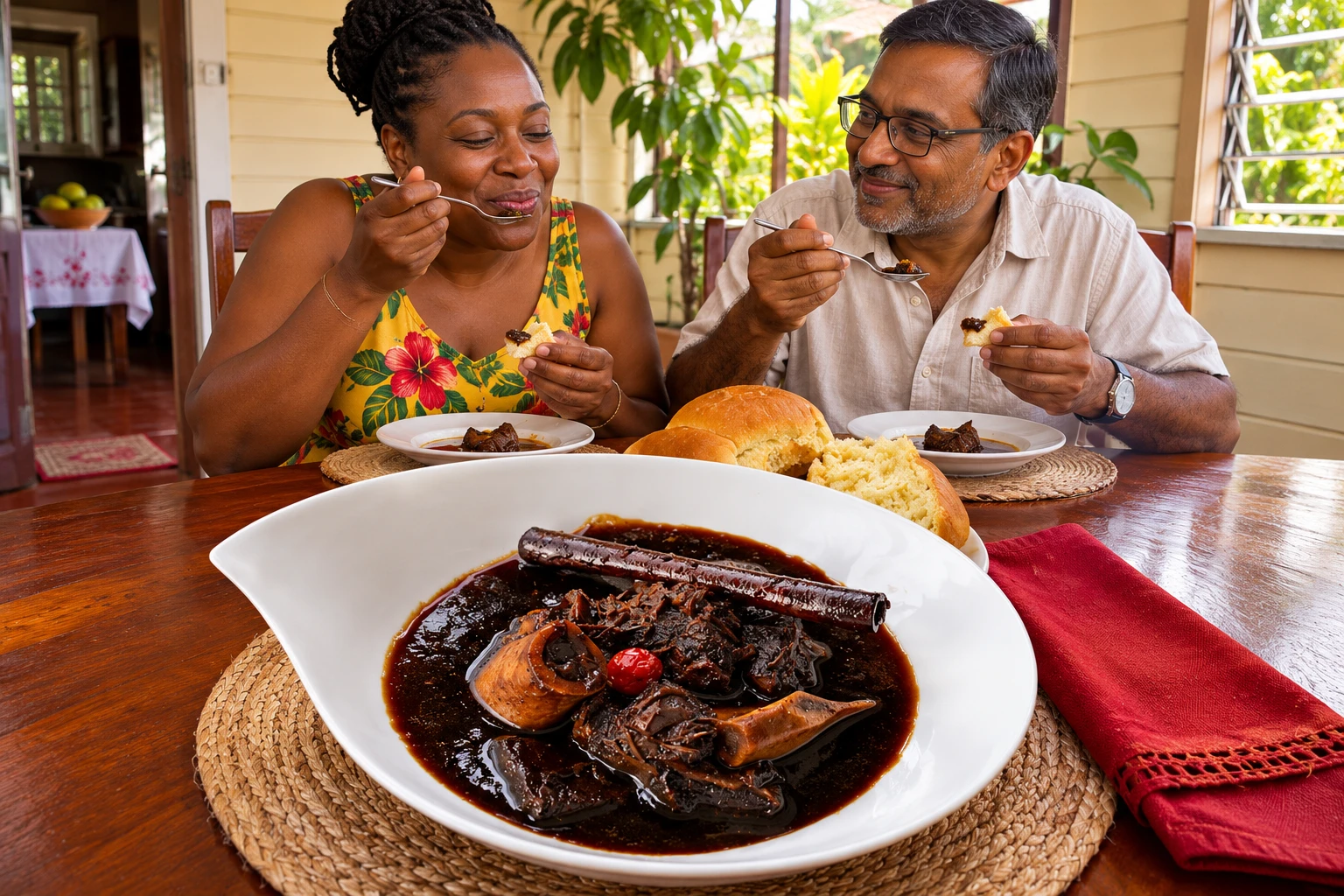
Pepperpot is a meat stew, usually beef, pork or mutton, often using cuts like feet and tail. The meat cooks slowly, for hours, with cinnamon, clove and wiri wiri pepper, and takes on the dark color and sweet‑sour flavor of cassareep.
Cassareep is what makes pepperpot. It is made from the juice of bitter cassava: the root is peeled and grated, and the pulp is squeezed in a matapee, a woven press. The collected juice is left to settle, strained and boiled over an open fire for about two hours, until it thickens to a molasses‑like consistency. Boiling is essential: bitter cassava contains substances that, when in contact with water, form a toxic gas that evaporates with heat. At the end, clove, cinnamon or salt may be added.
According to the Guyana Chronicle, it was the Indigenous peoples of the land that would become Guyana who discovered that the bitter cassava liquid preserves food. Cassareep preserves the meat: pepperpot is cooked in a large pot and can be reheated and eaten over several days.
The dish is part of Guyanese Christmas, alongside garlic pork and black cake. The same newspaper notes that the origin of this association with Christmas is uncertain. On the morning of December 25, pepperpot is usually served with dense homemade bread, but also with rice, boiled cassava or cassava bread.
Guyana
Called the national dish by official tourism and the press; it originated in Indigenous tradition and is eaten throughout the country.
Beef, pork or mutton (sometimes feet and tail), cassareep, cinnamon, clove, wiri wiri pepper, sugar and herbs. Cassareep is made from the juice of bitter cassava, boiled until thickened.
Hot, served in a deep bowl, with dense homemade bread for dunking in the broth; also served with rice, boiled cassava or cassava bread.
Christmas morning and other celebrations; because it preserves well, a pot can last several days.
Your questions
It is the dark sauce of pepperpot, made from the juice of bitter cassava. The juice is squeezed in a matapee, strained and boiled for about two hours until it thickens to a molasses‑like consistency. Boiling removes the toxic substances from the root.
Cassareep helps preserve the meat. Pepperpot is cooked in a large pot and can be reheated and eaten over several days.
With homemade bread, which is used to soak up the broth. It is also eaten with rice, boiled cassava or cassava bread.
Flavors of Guyana
Dark fruit cake made with dried fruits ground and soaked in rum for weeks, darkened with burnt caramel and doused with rum after baking. It's the Christmas cake in Guyana.
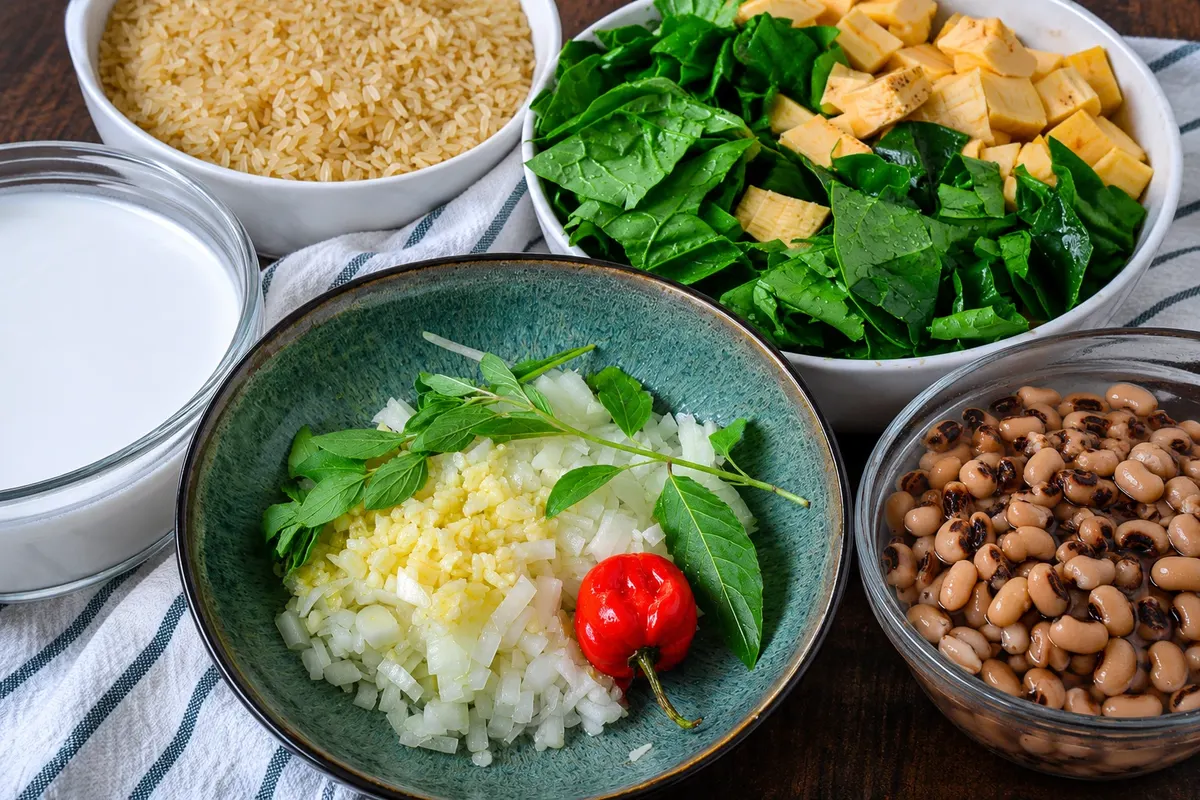
Rice cooked in a single pot with beans or peas, salted or fresh meat, coconut milk and herbs. It’s an everyday food in Guyana and the tradition for the last night of the year, Old Year’s Night.
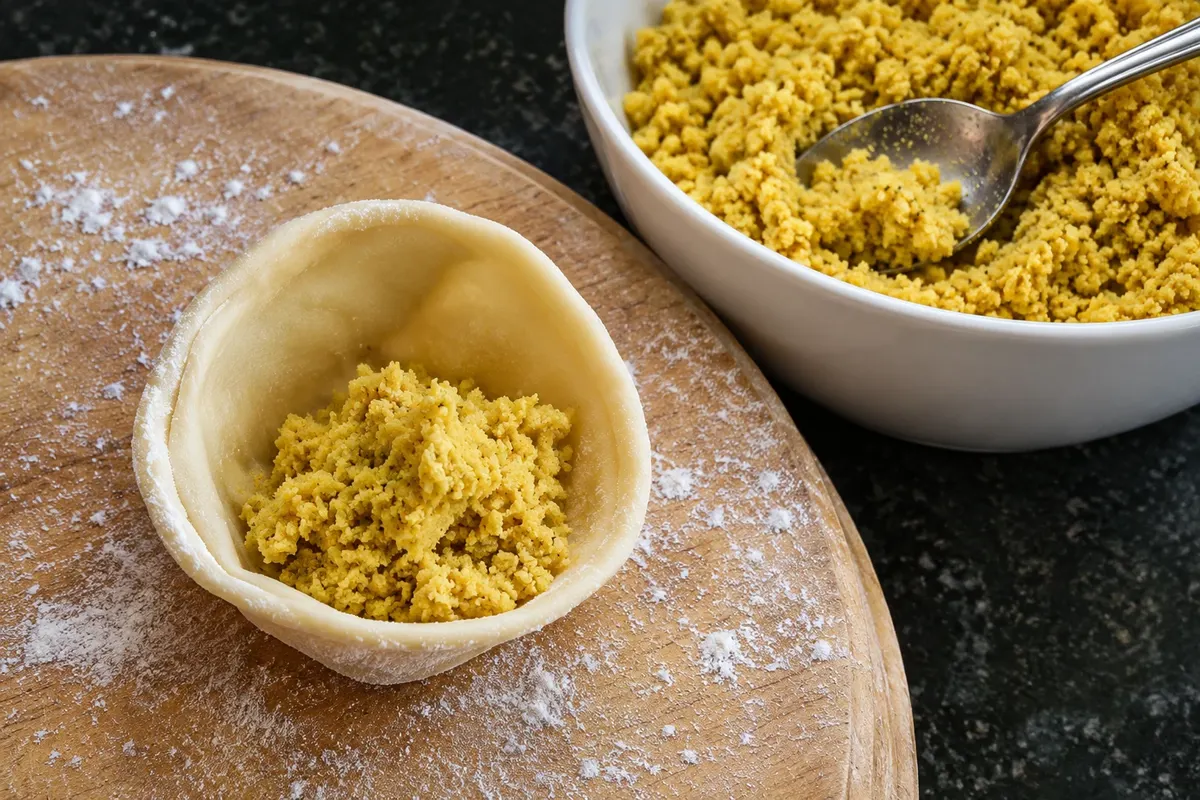
Roti stuffed with ground, seasoned split pea, griddled and served with curry. It arrived with indentured workers from India, beginning in 1838, and today is one of Guyana’s most common snacks.
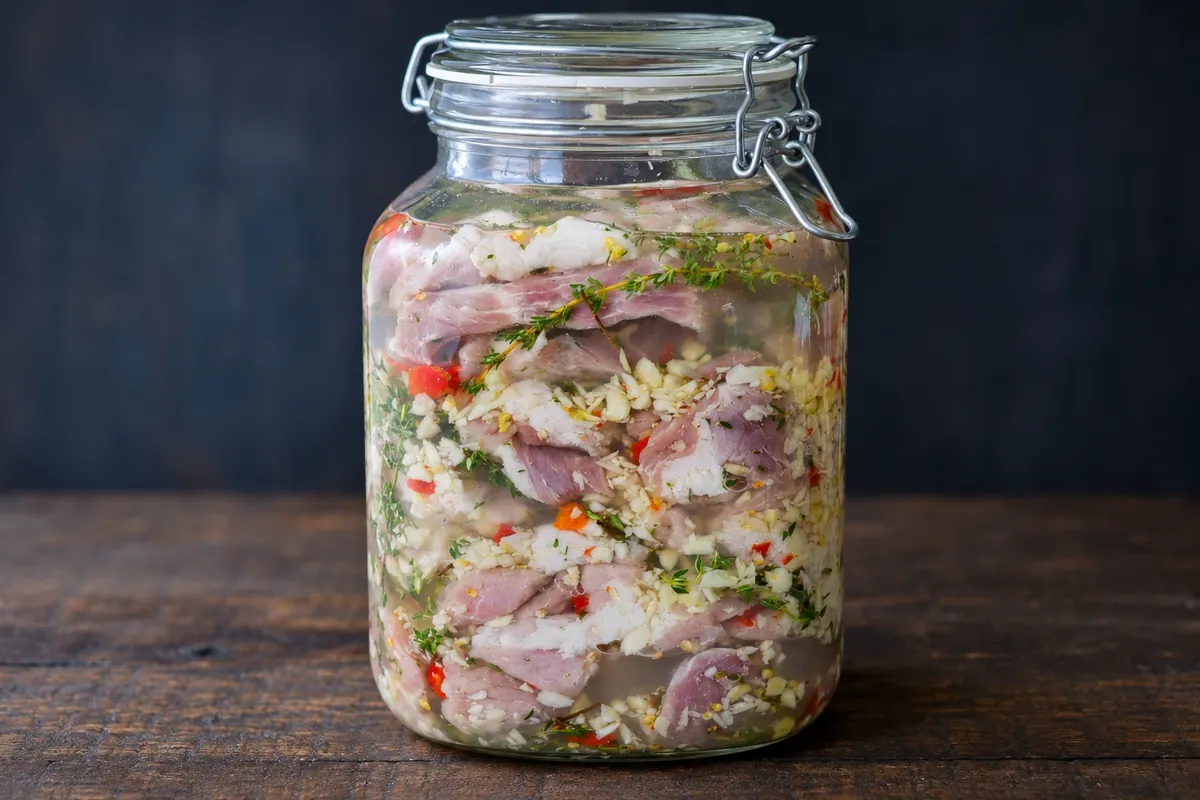
Pork cured for days in vinegar with garlic, pepper and thyme, then fried. It arrived in Guyana with Portuguese settlers and is served at Christmas breakfast, with bread.
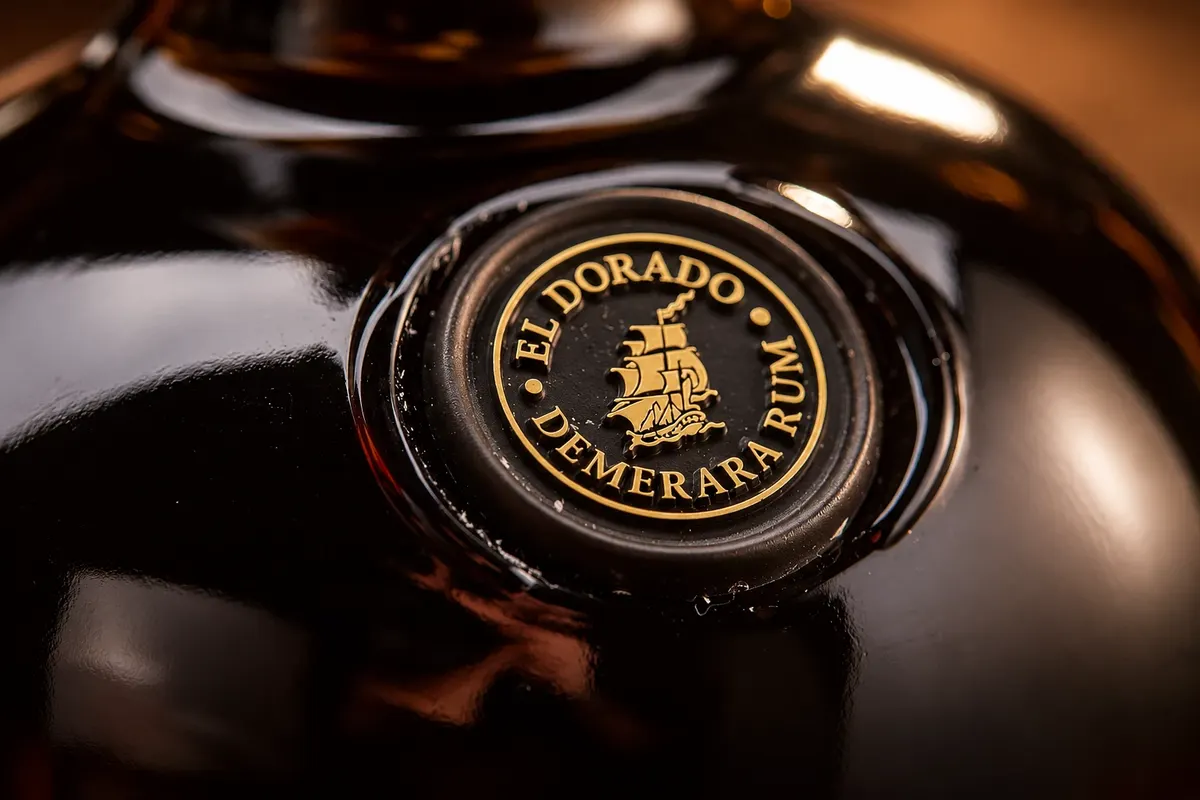
Rum made at Diamond Distillery on the east bank of the Demerara River near Georgetown, the last distillery in Guyana. Its historic wooden stills came from the distilleries of former sugar plantations.