Provença

Provence-Alpes-Côte d'Azur · France

Provença

Avignon of the popes, Aix of Cézanne, Roman and Van Gogh's Arles and coastal Marselha, linked by train, with Luberon villages, lavender fields and the Camargue all around.

South

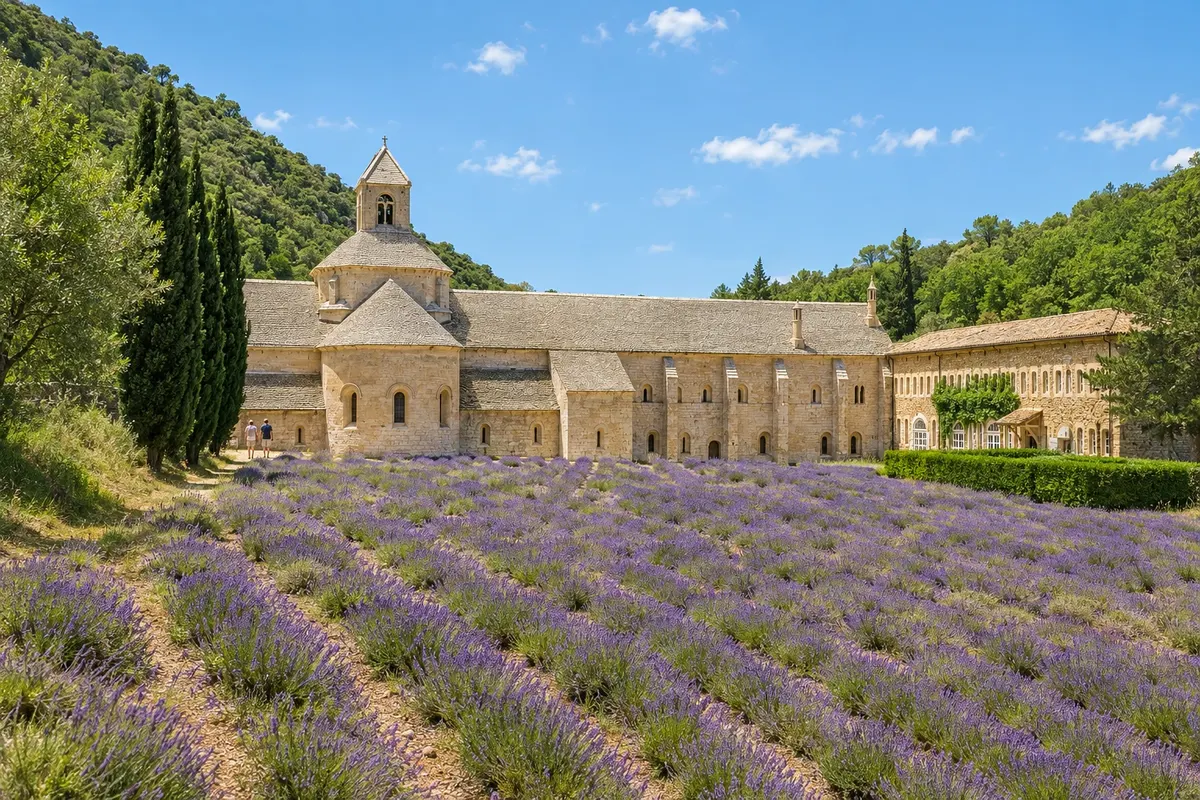
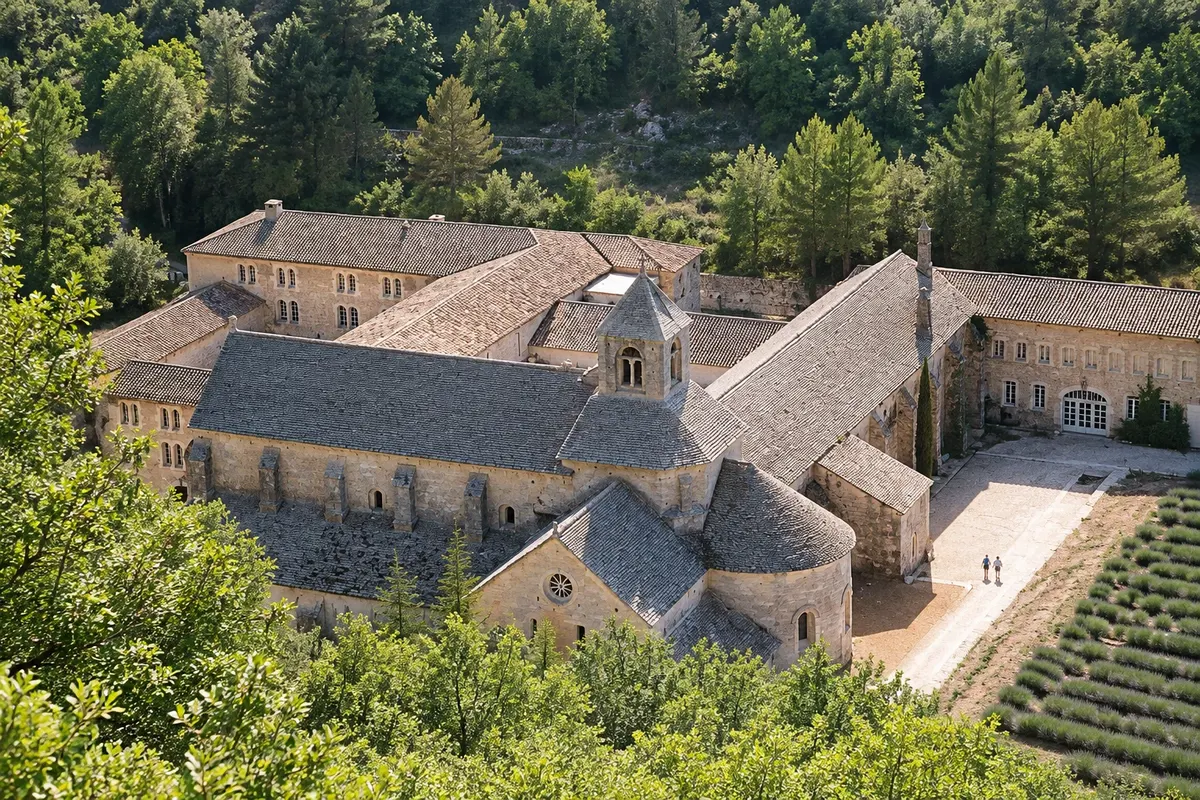
In the photo: Abbaye Notre-Dame de Sénanque · Gordes

Illustrative images. The pictures in this guide are illustrations based on the real place, not photographs, and may differ from it.

Get it on Google Play Send your photos

Get to know the place

A region to enjoy
at your own pace.

Provença lies in southeastern France, between the Rhône River and the Alps, with the Mediterranean to the south. Four cities serve as bases to explore the region: Marselha, the gateway on the coast; Aix-en-Provence, 30 km from it; Avignon, to the north on the banks of the Rhône; and Arles, to the west at the entrance to the Camargue. All are part of the Provença-Alpes-Costa Azul region, whose capital is Marselha.

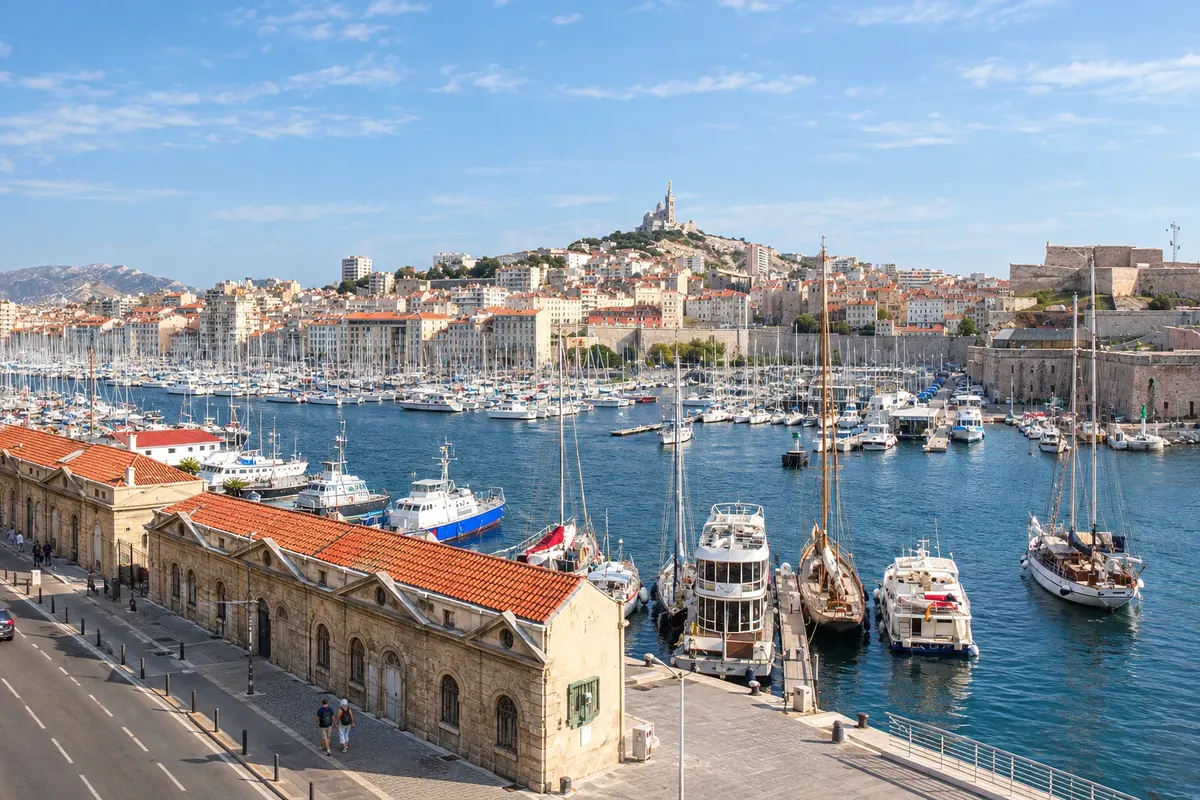
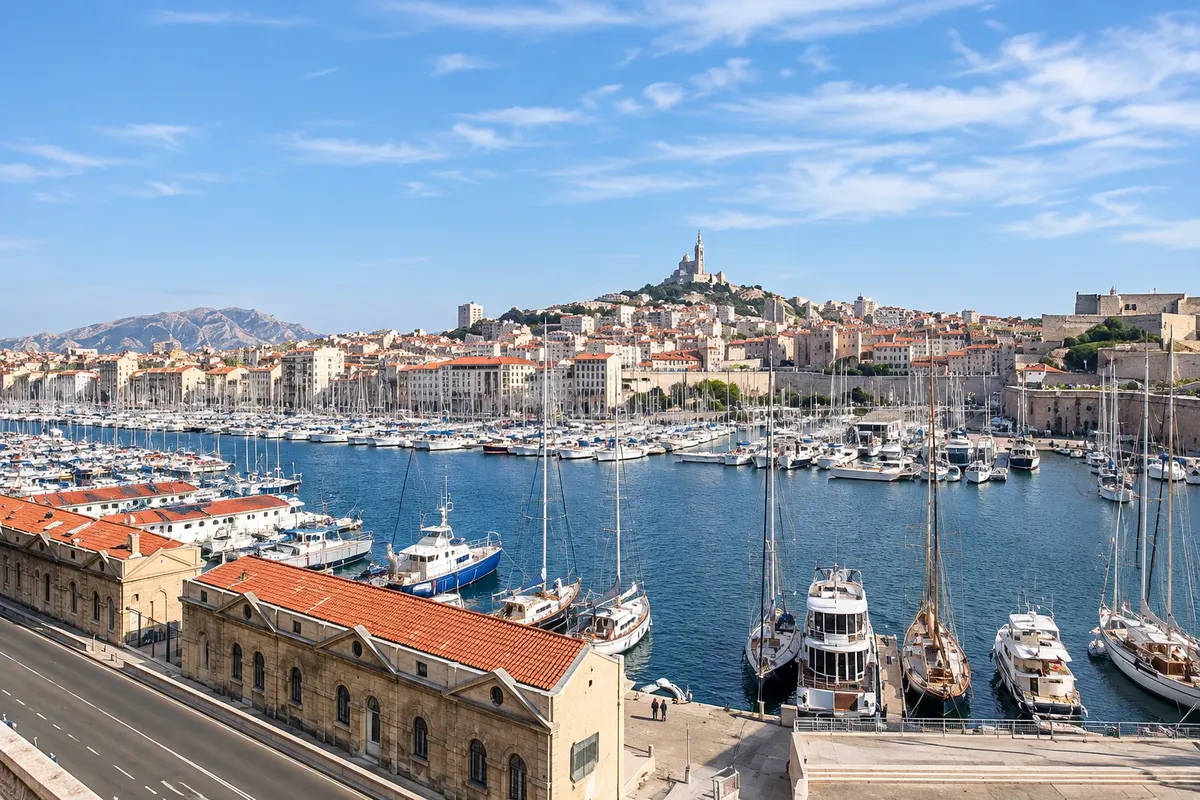
Marselha is the largest city in Provença and the oldest in France. Visits focus on the Vieux-Port, the old harbour, the basilica Notre-Dame de la Garde atop the hill, the MuCEM and Fort Saint-Jean, the Panier district and the Cathédrale de la Major. Boats depart from the port to the Château d'If and the coves of the Parc national des Calanques, and the road leads to Cassis. Also on the list are the Palais Longchamp, the Corniche Kennedy with the Vallon des Auffes, Le Corbusier’s Cité radieuse and the Abbaye Saint-Victor.

Avignon was the seat of the popes in the 14th century, and the Palais des Papes dominates the walled centre, near the Pont Saint-Bénézet, the famous bridge of Avignon. From there you can reach the Pont du Gard, a three-tier Roman aqueduct, the Châteauneuf-du-Pape vineyards and the Luberon villages: Gordes, Roussillon, the Abbaye de Sénanque and the Fontaine de Vaucluse. In July the Festival d'Avignon fills the whole town with theatre.

Aix-en-Provence is Paul Cézanne’s city, with the Cours Mirabeau, the fountains, the street markets, the painter’s atelier and the Montagne Sainte-Victoire on the horizon. Arles preserves a Roman arena and theatre, the cloister of Saint-Trophime and the spots where Van Gogh painted in 1888 and 1889. Nearby are the Camargue, with its marshes, flamingos and horses, and Les Baux-de-Provence, with the ruined castle and the Carrières des Lumières.

A car makes a difference for the Luberon villages, the Camargue and the lavender fields, which usually bloom from mid-June to mid-July. Summers are hot and dry, and the mistral, a strong cold north wind, can blow at any time, more often in winter and spring.

This destination brings together 4 cities: Marselha, Aix-en-Provence, Arles, Avignon.

Share: WhatsApp
Traveler, share your experiences through photos Up to 5 photos of each place you visited.

One destination, many paths

The cities on this trip

Start with one city or combine several in your itinerary.

Where Provença is
MarselhaAix-en-ProvenceArlesAvignon

Outlines: © IGN, ADMIN EXPRESS, Licence Ouverte 2.0. Adapted by Cidade Turismo.

How to get there: Provença

✈ Aéroport Marseille Provence (MRS), in Marignane · 27 km to Marselha

Arrival is via Marseille Provence airport (MRS), in Marignane, or by train from Paris. Confirm before buying. The TGV links Paris to Avignon TGV, Aix-en-Provence TGV and Marseille-Saint-Charles in about 3 hours.

Suggested arrival point: Marselha

The local experience

Things to do in Provença

Amphithéâtre d'Arles
Arles · Provence-Alpes-Côte d'Azur · Historic site

Amphithéâtre d'Arles

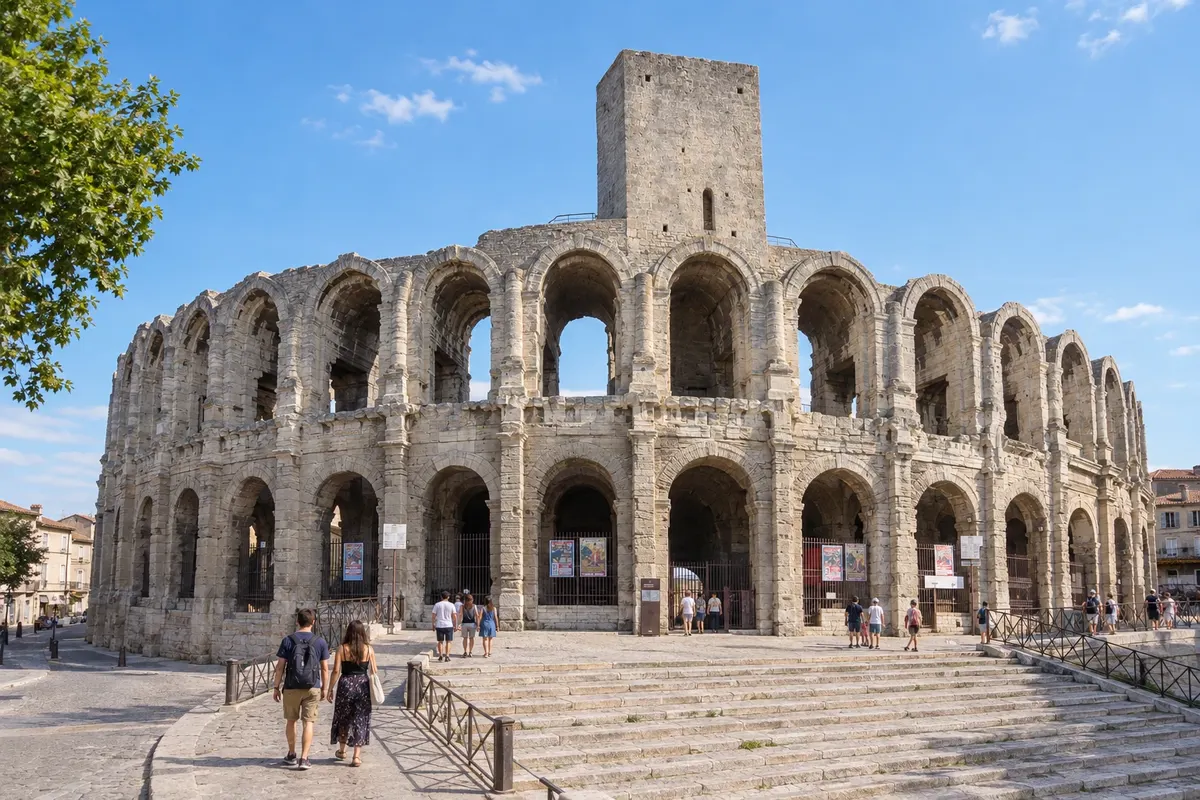
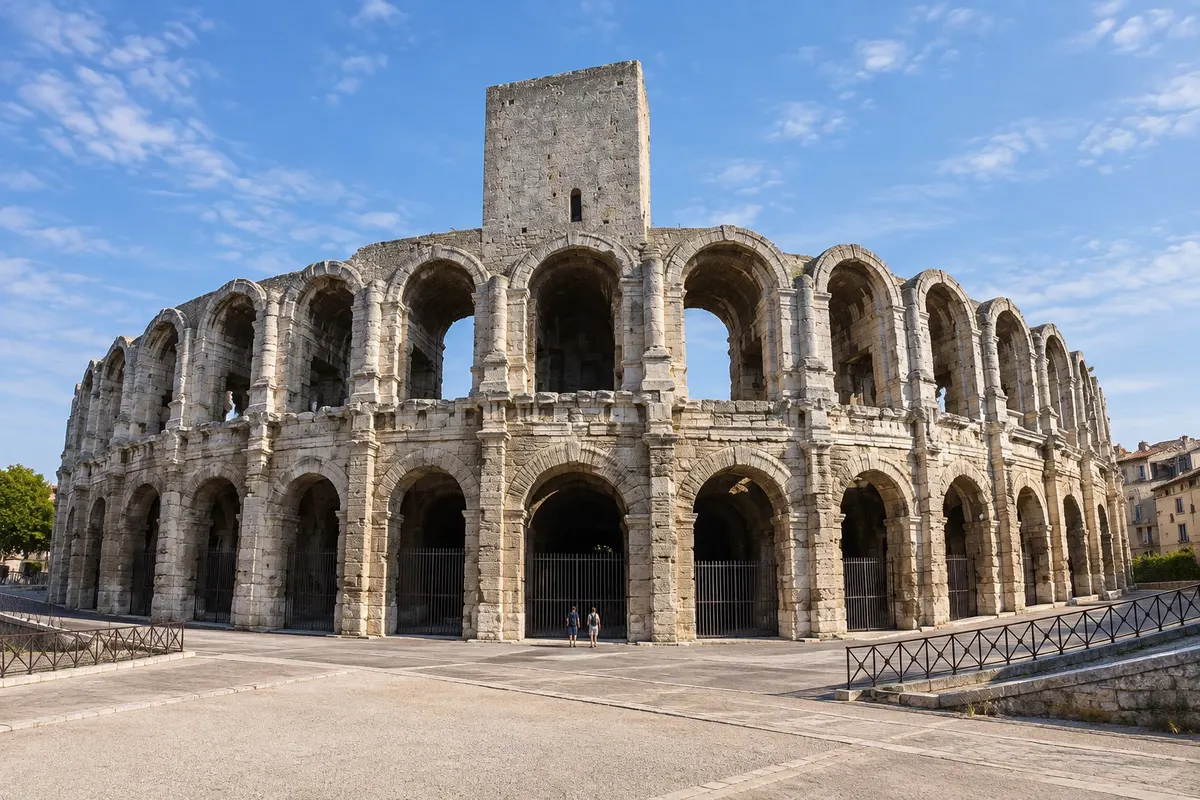
The Roman arena of Arles, built around the year 90 for about 25,000 spectators, with two rows of arcades and medieval towers on top. It still hosts the course camarguaise and other events.

Cours Mirabeau
Aix-en-Provence · Provence-Alpes-Côte d'Azur · Street

Cours Mirabeau

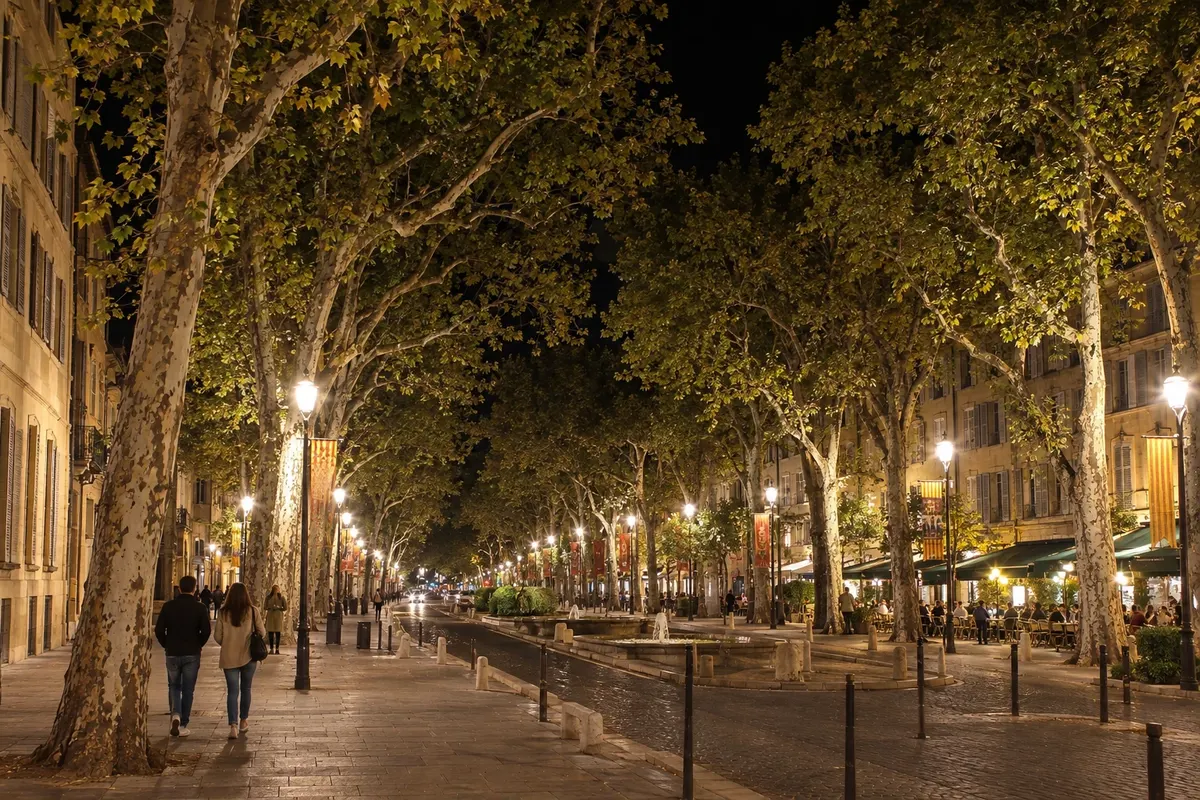
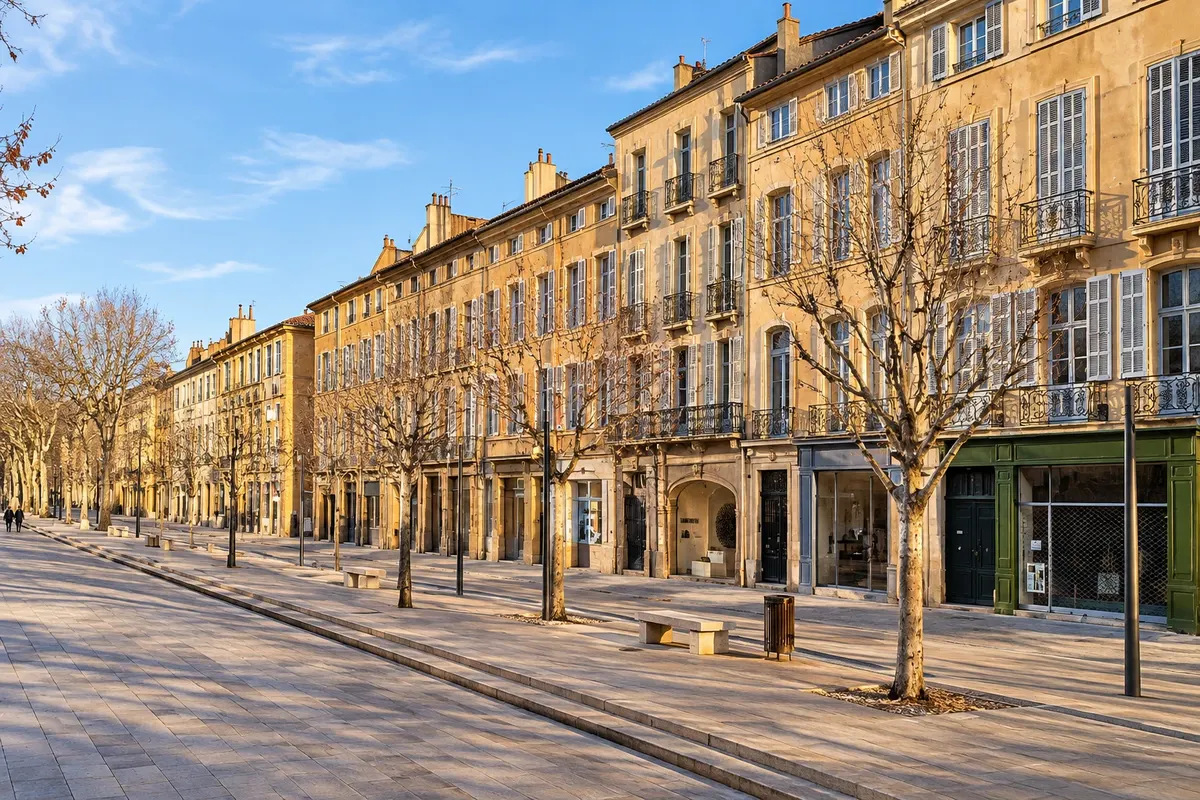
Aix's main avenue, lined with plane trees, mansions and cafés, with fountains along the way. It links the Rotonde to the fontaine du Roi René and separates the old town from the quartier Mazarin.

Palais des Papes
Avignon · Provence-Alpes-Côte d'Azur · Palace

Palais des Papes

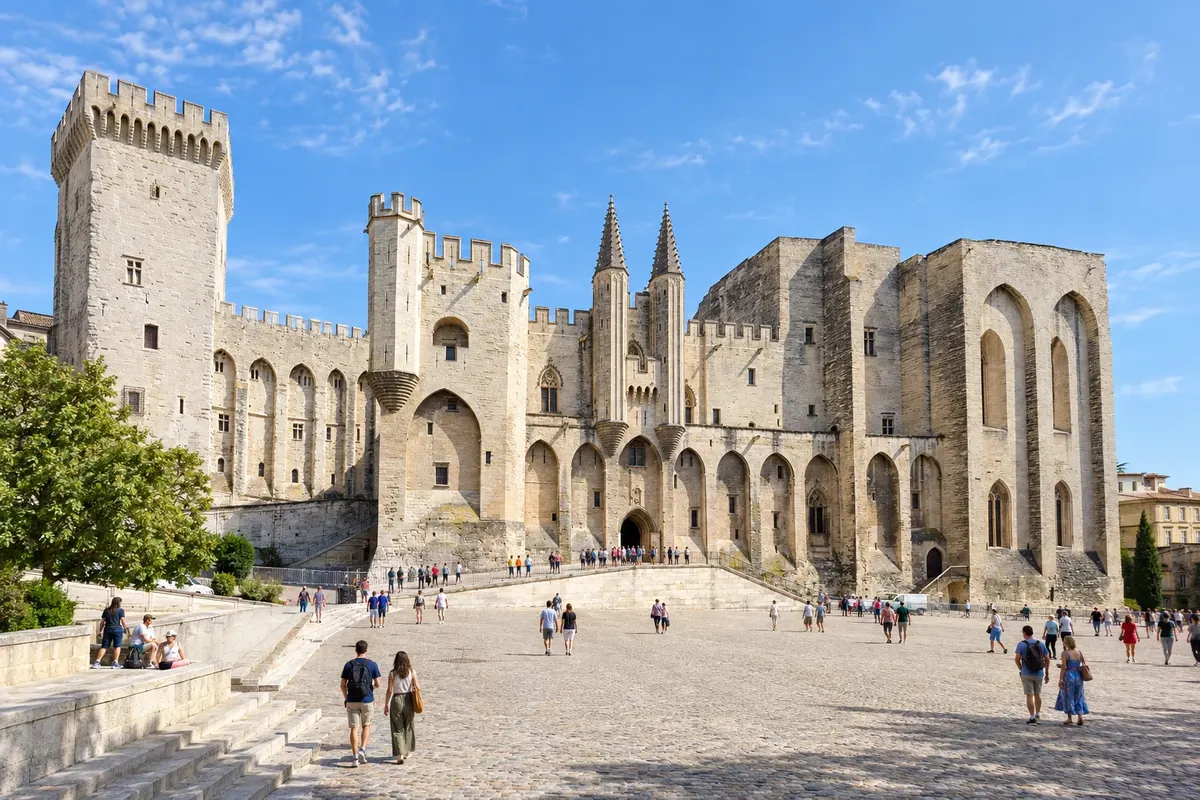
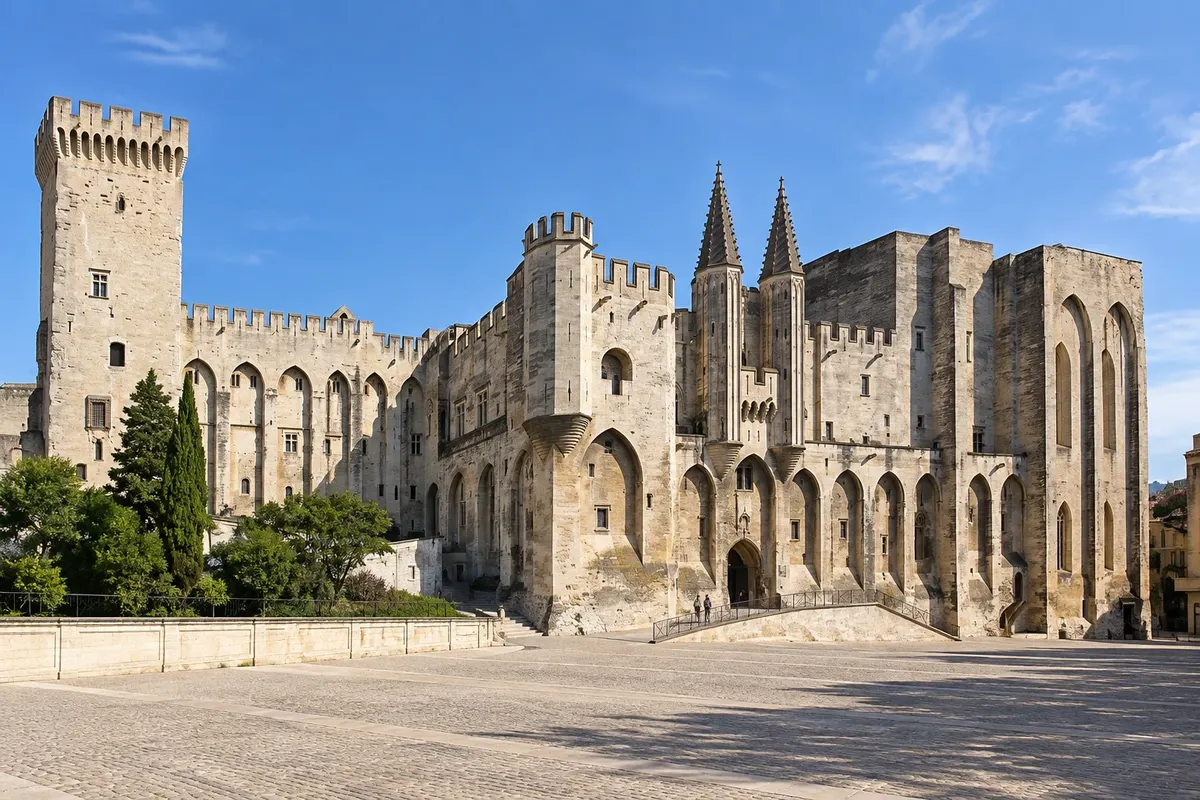
The popes' residence in Avignon in the 14th century, one of the largest Gothic buildings in Europe, with ceremonial halls, chapels with frescoes and the Jardins pontificaux. It is the core of the historic ensemble listed by UNESCO.

Vieux-Port
Marselha · Provence-Alpes-Côte d'Azur · Harbor

Vieux-Port

The old port where the Greeks founded the city around 600 BC. Today it is Marselha's central square, with fishing boats, a morning fish market, Norman Foster's mirrored Ombrière and the departure point for boats to Château d'If and Frioul.

See 42 more places in Provença
Basilique Notre-Dame de la Garde
Marselha · Provence-Alpes-Côte d'Azur · Church

Basilique Notre-Dame de la Garde

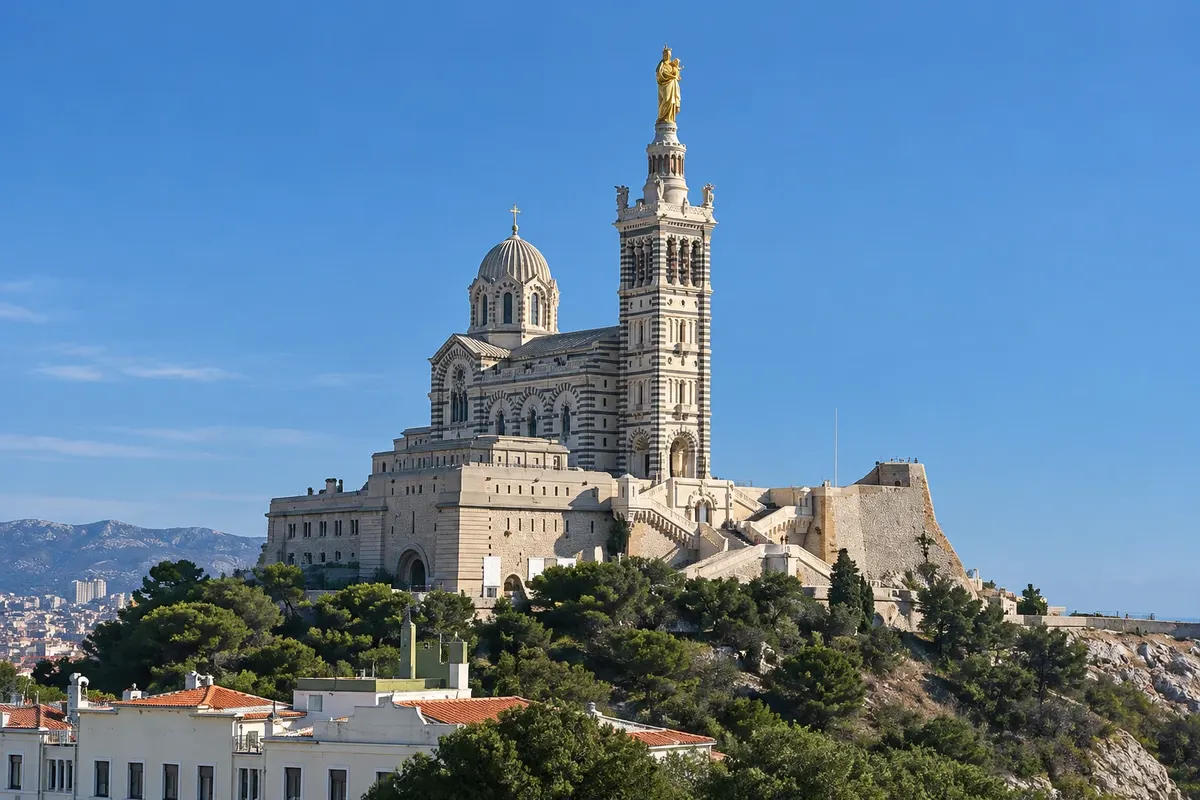
The 19th-century basilica at the highest point of the city, with the large gilded statue of the Virgin and Child. The people of Marselha call it 'Bonne Mère'. From the terrace you can see the entire city, the port, the islands and the sea.

Cathédrale Saint-Sauveur
Aix-en-Provence · Provence-Alpes-Côte d'Azur · Cathedral

Cathédrale Saint-Sauveur

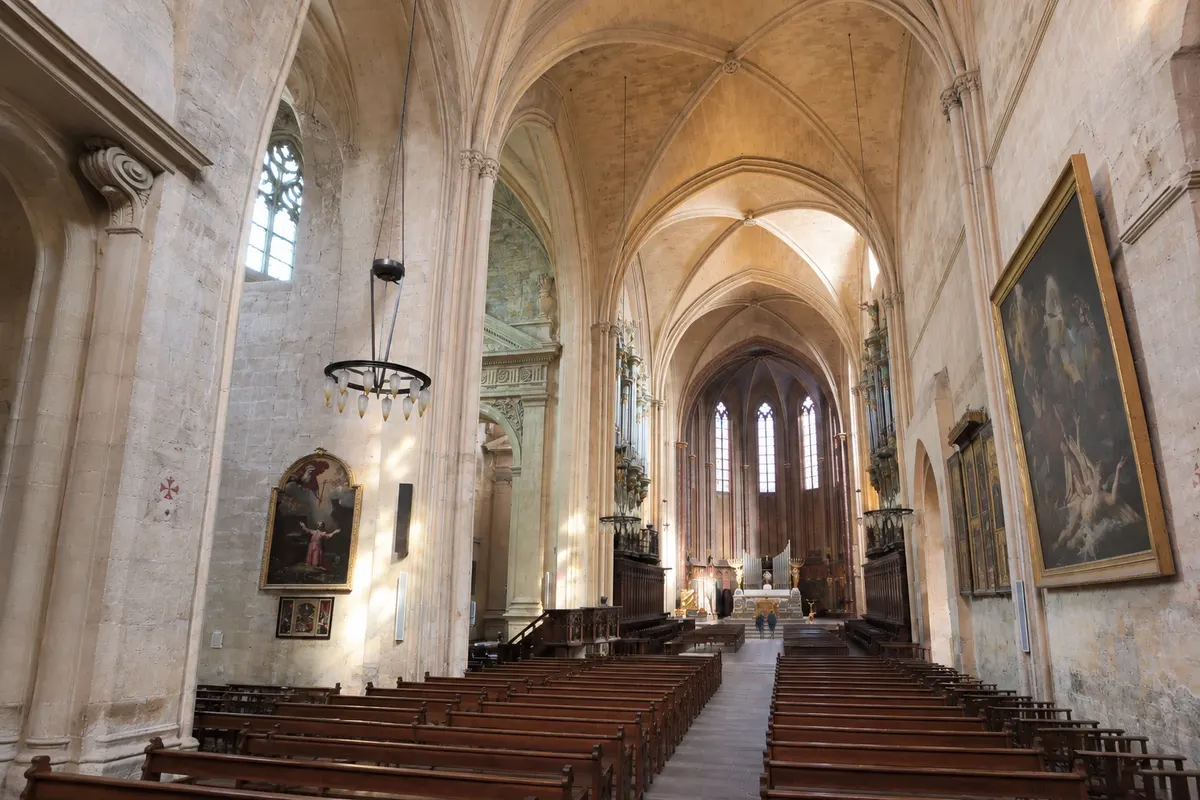
Aix's cathedral brings together parts from several periods, from the 5th-century baptistery to the Gothic, with a Romanesque cloister and the Buisson ardent triptych, painted by Nicolas Froment in the 15th century.

Pont Saint-Bénézet
Avignon · Provence-Alpes-Côte d'Azur · Bridge

Pont Saint-Bénézet

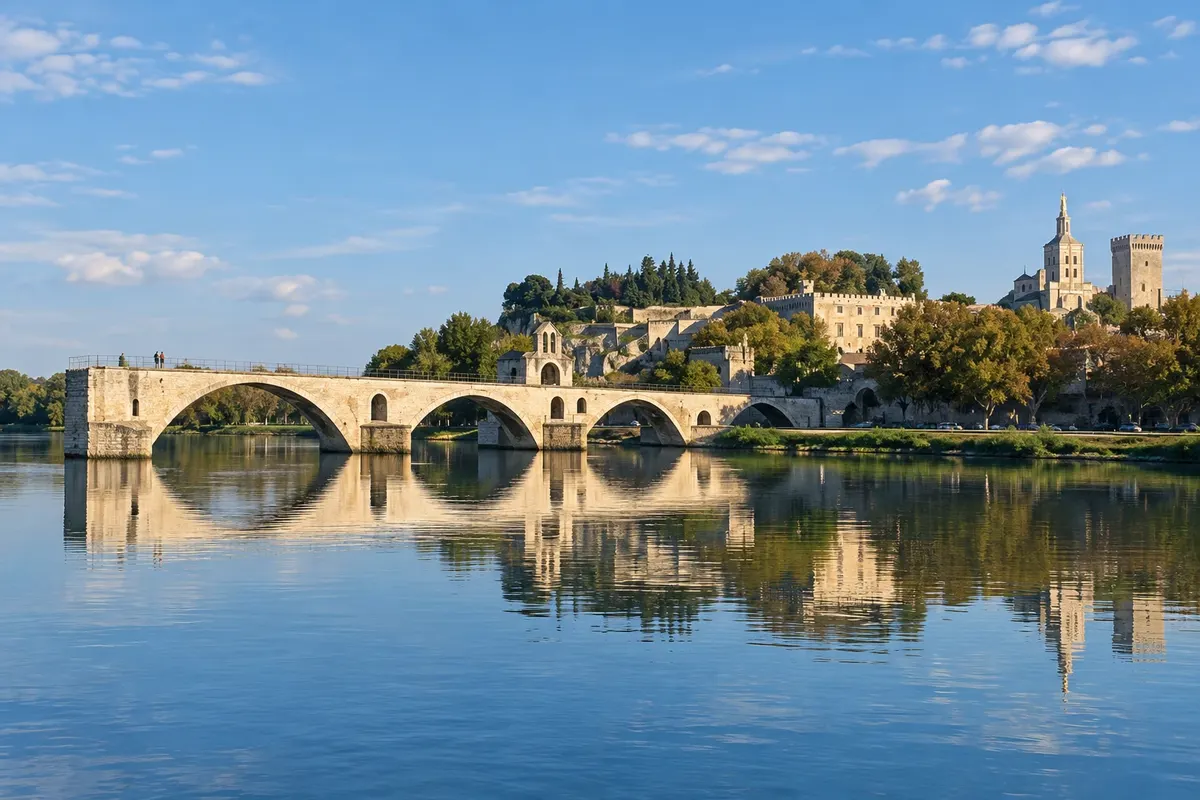
The Avignon bridge from the children's song: four medieval arches that extend over the Rhône and stop in the middle of the river, with a small chapel on one of the piers.

Théâtre antique d'Arles
Arles · Provence-Alpes-Côte d'Azur · Historic site

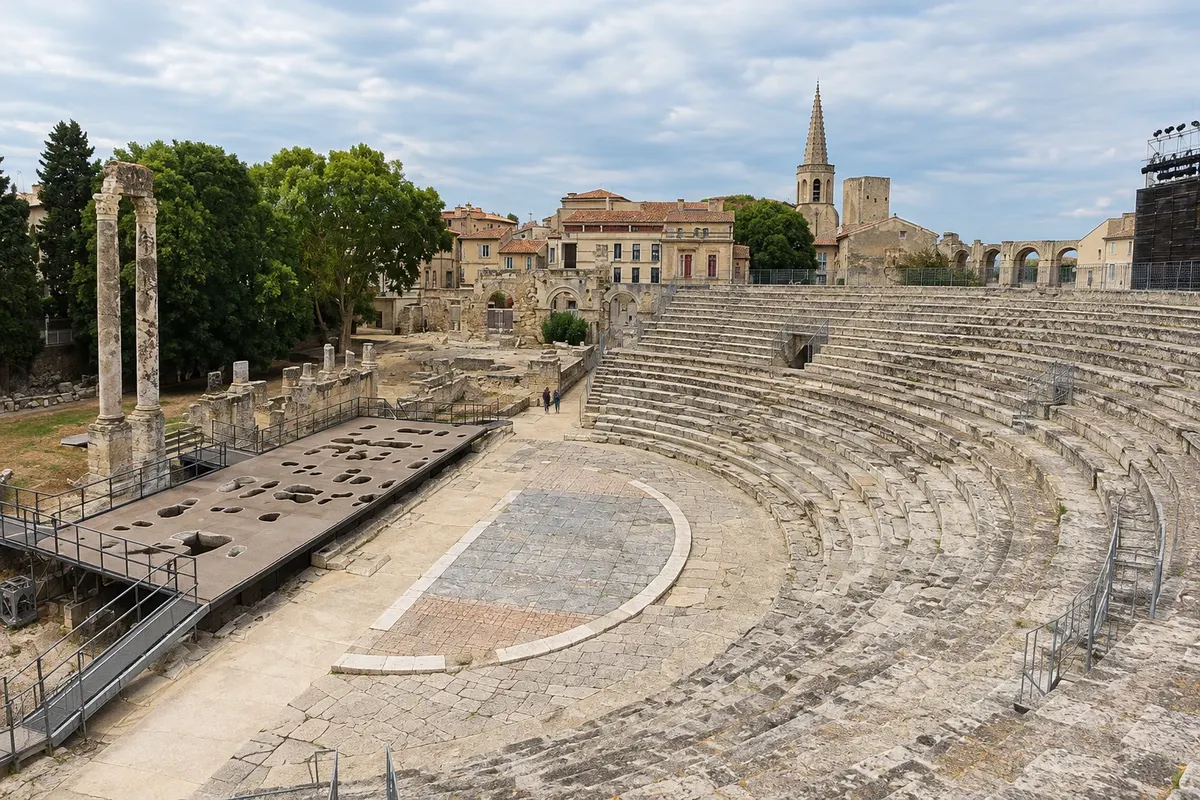
Théâtre antique d'Arles

1st-century BC Roman theatre, one of the earliest stone theatres in the Roman world, with two marble columns still standing at the back of the stage. Hosts performances in summer.

MuCEM
Marselha · Provence-Alpes-Côte d'Azur · Museum

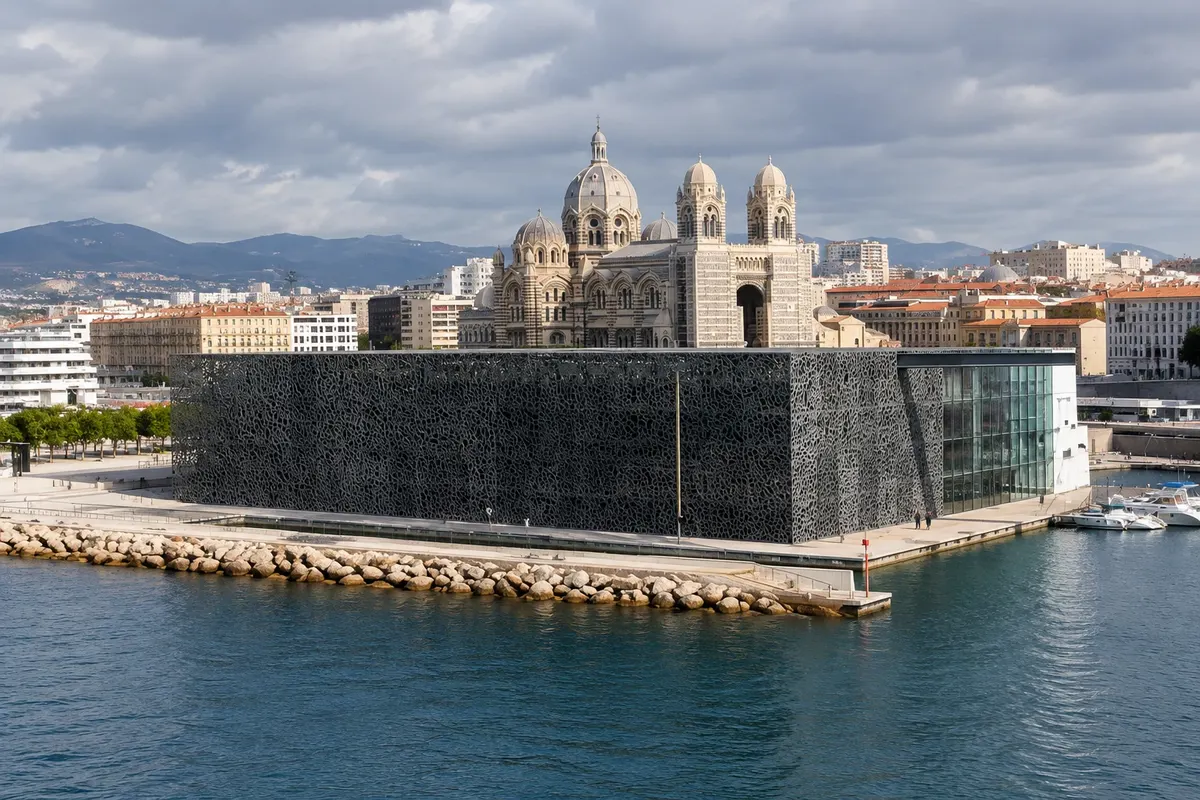
MuCEM

National museum dedicated to the civilizations of Europe and the Mediterranean, opened in 2013 in a cube covered by a concrete lace, at the entrance to the Vieux-Port. A footbridge links it to Fort Saint-Jean, with gardens and ramparts that can be accessed for free.

Musée Granet
Aix-en-Provence · Provence-Alpes-Côte d'Azur · Museum

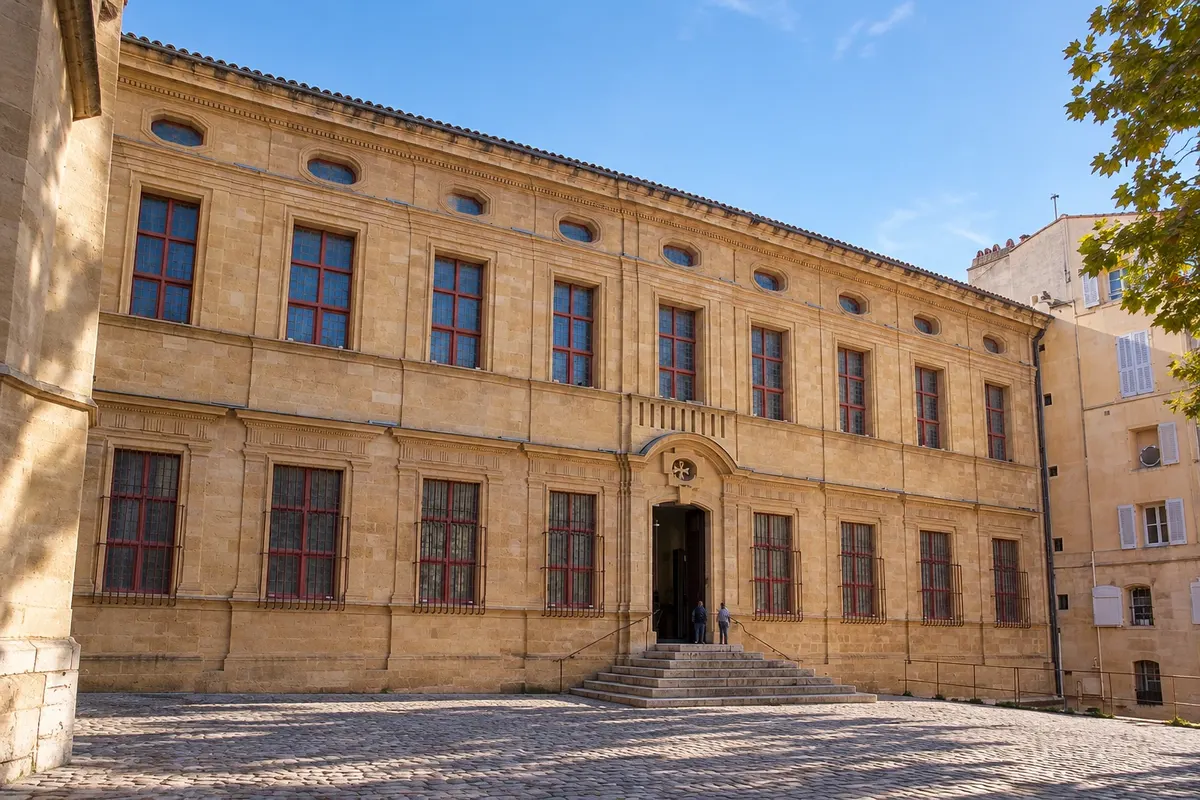
Musée Granet

Aix's fine arts museum, in the quartier Mazarin, with European painting from the 14th to the 20th century, canvases by Cézanne and, in a chapel next door, the Jean Planque collection with Picasso, Monet and Van Gogh.

Rocher des Doms
Avignon · Provence-Alpes-Côte d'Azur · Garden

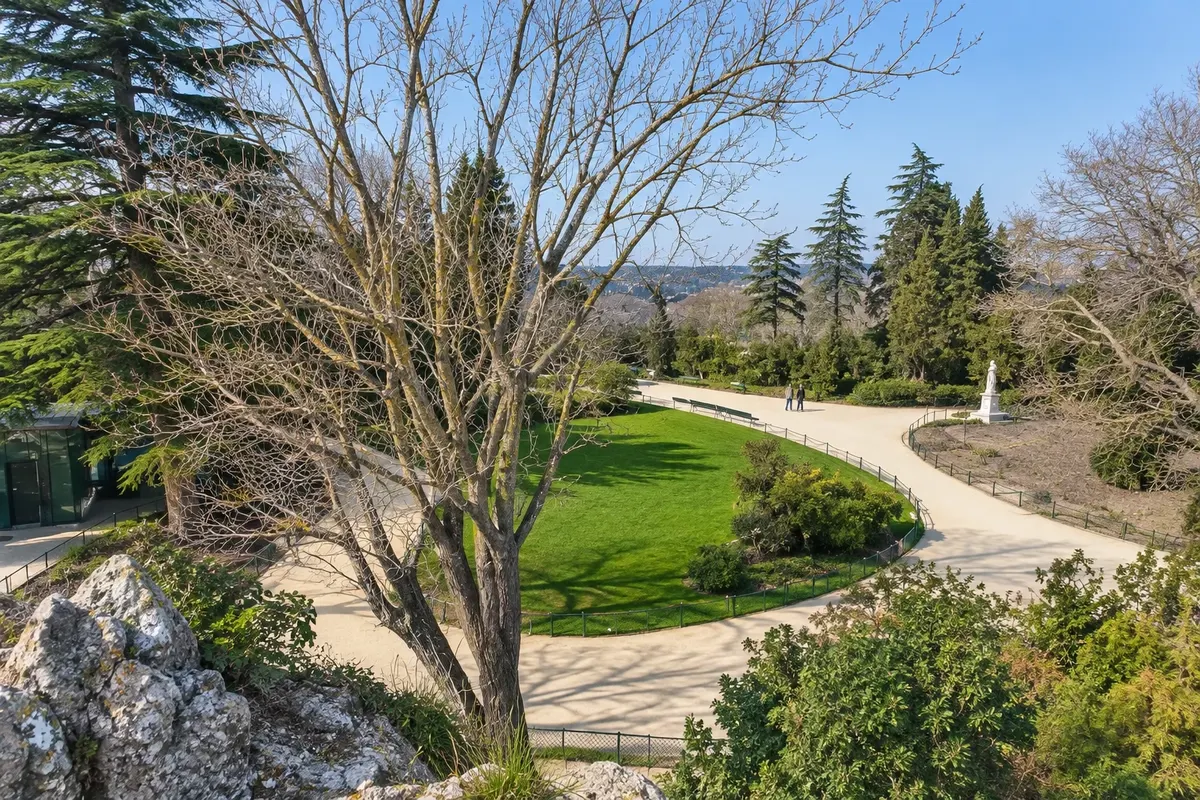
Rocher des Doms

Public garden on top of the rock where Avignon originated, beside the Palais des Papes, with views over the Rhône, the Pont Saint-Bénézet and Villeneuve-lès-Avignon. Admission is free.

Thermes de Constantin
Arles · Provence-Alpes-Côte d'Azur · Historic site

Thermes de Constantin

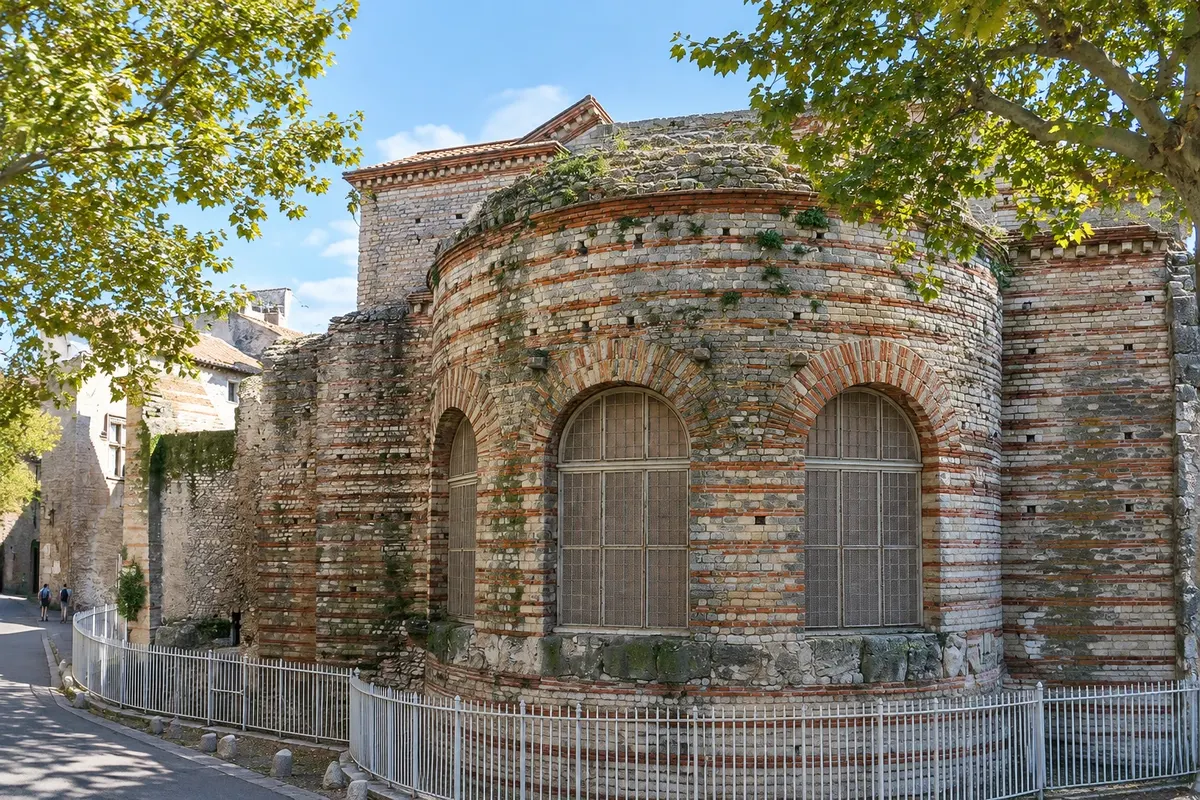
Remains of 4th-century Roman baths on the banks of the Ródano, with the hot-bath room and the underfloor heating system still visible.

Cryptoportiques
Arles · Provence-Alpes-Côte d'Azur · Historic site

Cryptoportiques

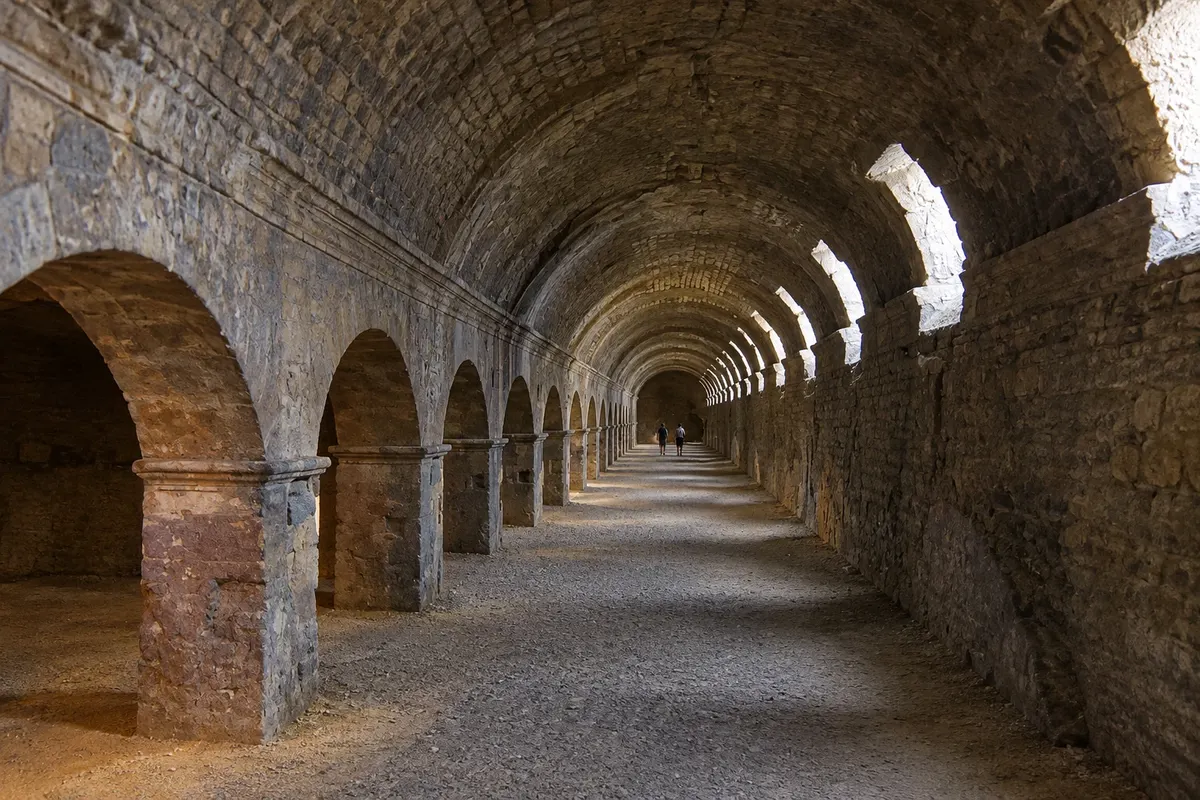
Roman underground galleries in a U shape that supported the forum of Arles, with access via the town hall. Being underground, they are cool even in summer.

Hôtel de Caumont
Aix-en-Provence · Provence-Alpes-Côte d'Azur · Museum

Hôtel de Caumont

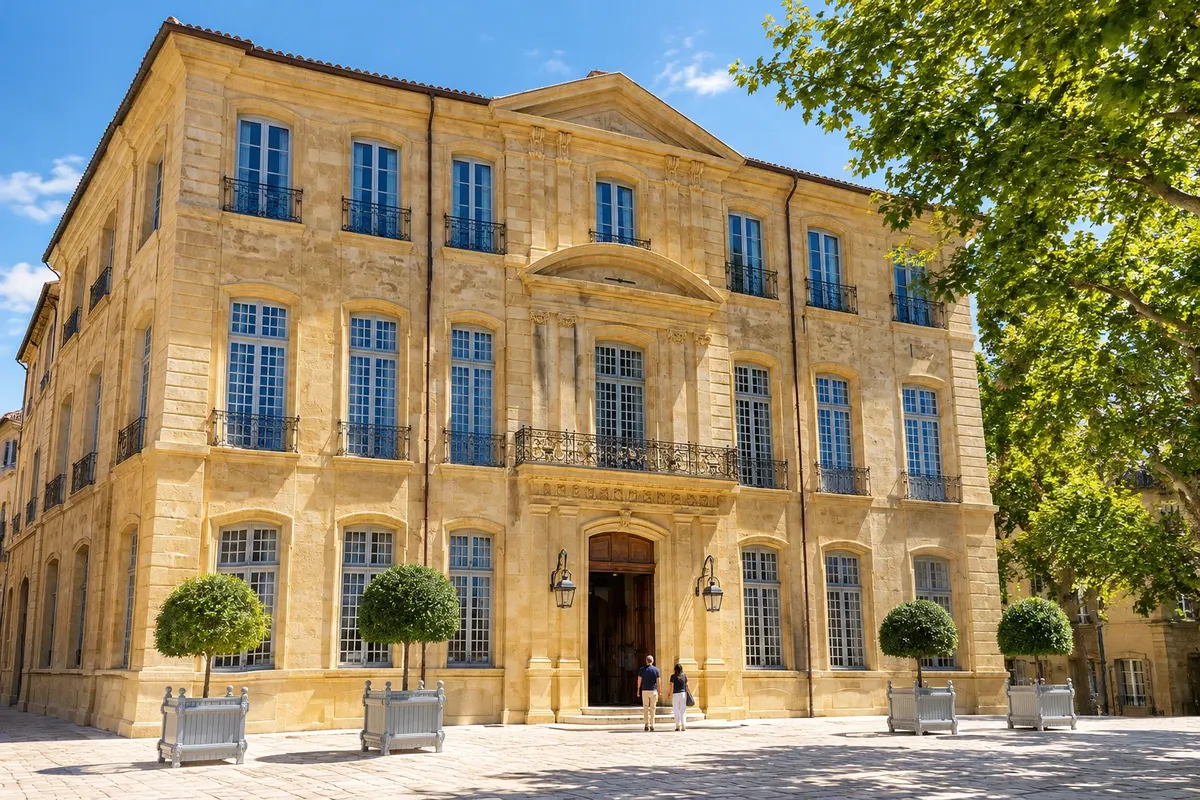
An 18th-century mansion in the quartier Mazarin, transformed into an art centre with period rooms, a French-style garden, a café and two major temporary exhibitions a year.

Le Panier
Marselha · Provence-Alpes-Côte d'Azur · Historic neighborhood

Le Panier

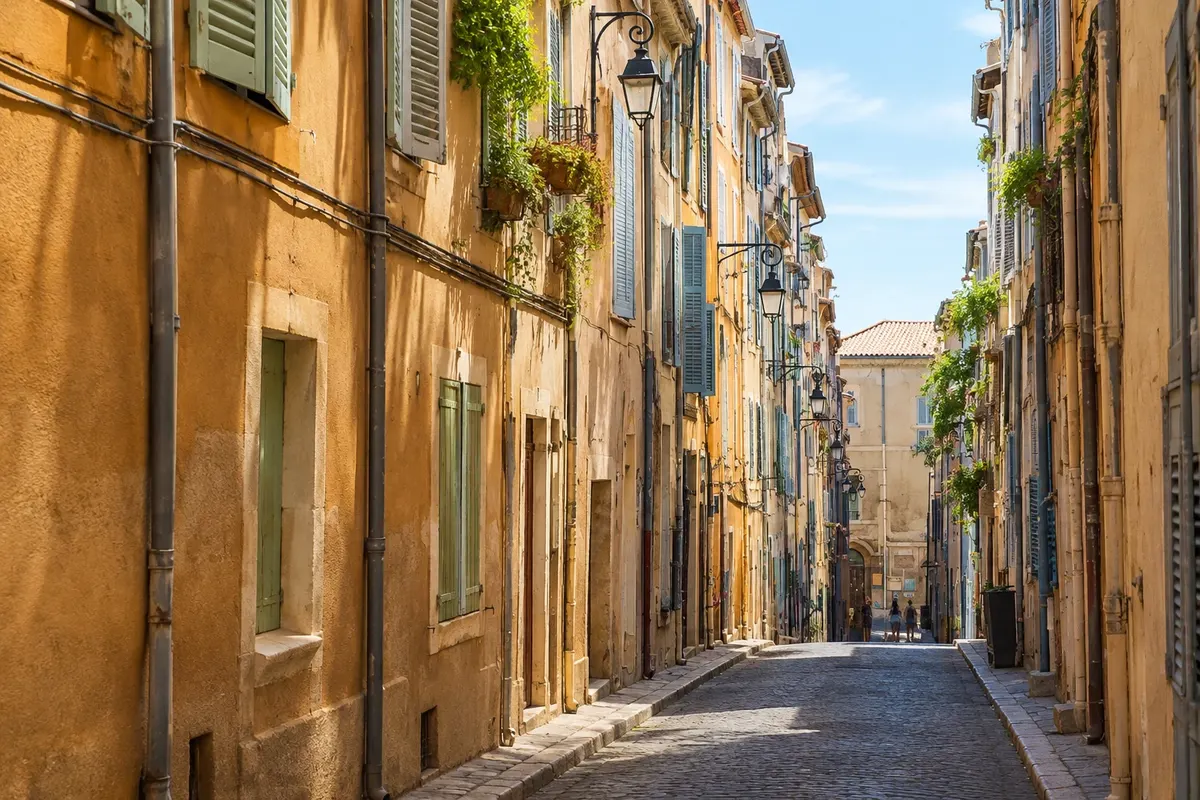
The oldest neighborhood of Marselha, on the hill north of the Vieux-Port, where the Greek city once stood. Narrow lanes, stairways, colorful facades, studios and Marseille soap shops, and the Centre de la Vieille Charité, a 17th-century almshouse that now houses museums.

Pont du Gard
Avignon · Provence-Alpes-Côte d'Azur · Monument

Pont du Gard

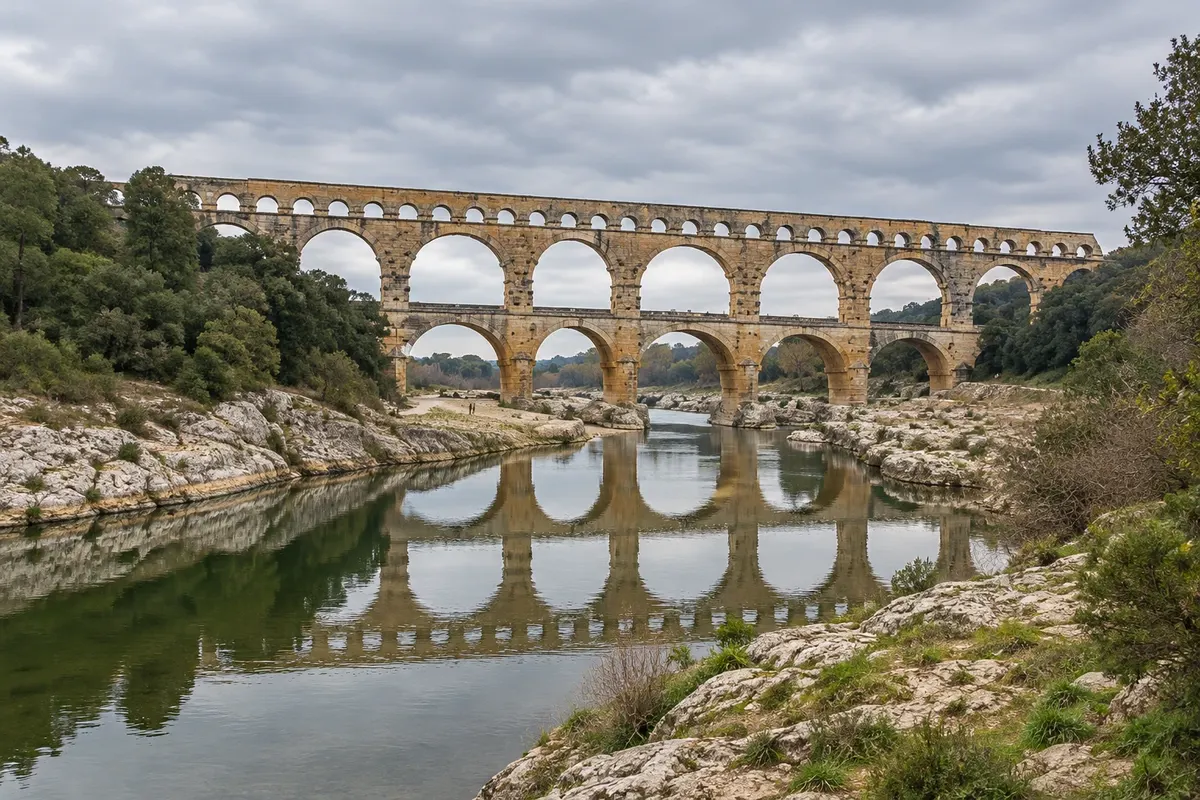
Roman aqueduct of three tiers across the Gardon River, built in the 1st century to bring water to Nîmes. It is the tallest aqueduct-bridge known from the Roman world and a UNESCO World Heritage Site.

Atelier de Cézanne
Aix-en-Provence · Provence-Alpes-Côte d'Azur · Museum

Atelier de Cézanne

The studio Paul Cézanne built on the colina des Lauves and used until his death in 1906, with his working objects. It opens seasonally, from July to October, while undergoing restoration.

Cathédrale de la Major
Marselha · Provence-Alpes-Côte d'Azur · Cathedral

Cathédrale de la Major

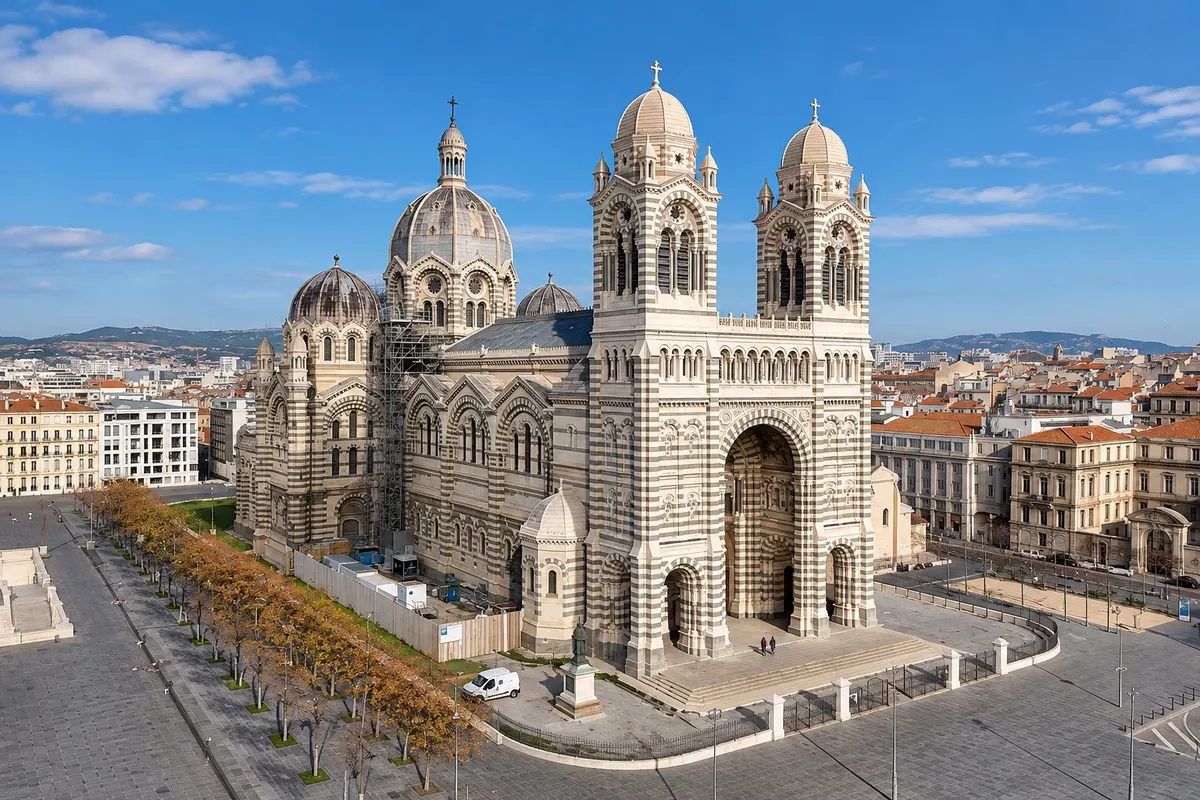
The cathedral of Marselha, built from 1852 to 1893 in a neo-Byzantine style, with bands of light and dark stone and domes. It stands on an esplanade above the port, between the Panier and the MuCEM, next to the small Vieille Major, the earlier Romanesque cathedral.

Châteauneuf-du-Pape
Avignon · Provence-Alpes-Côte d'Azur · Village

Châteauneuf-du-Pape

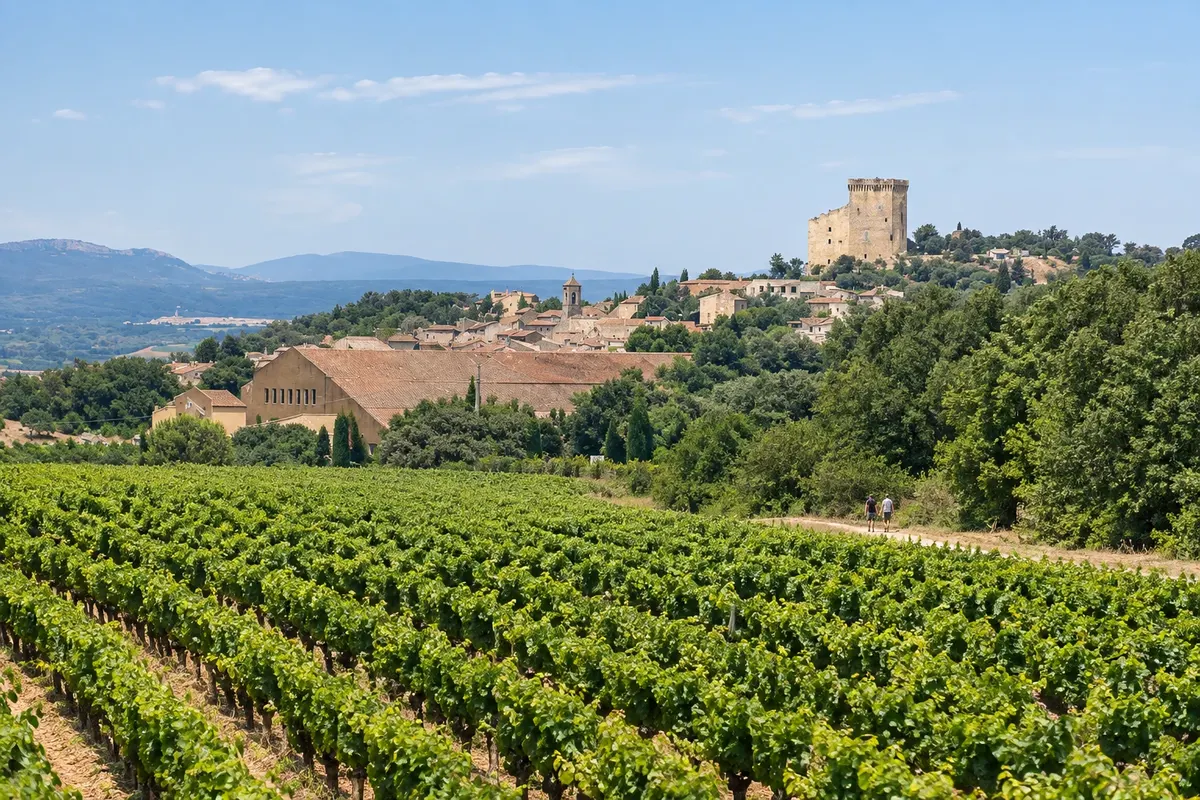
Small village surrounded by vineyards between Avignon and Orange, with the ruins of the popes' summer castle on the hill and dozens of wineries that welcome visitors for tastings.

Les Alyscamps
Arles · Provence-Alpes-Côte d'Azur · Cemetery

Les Alyscamps

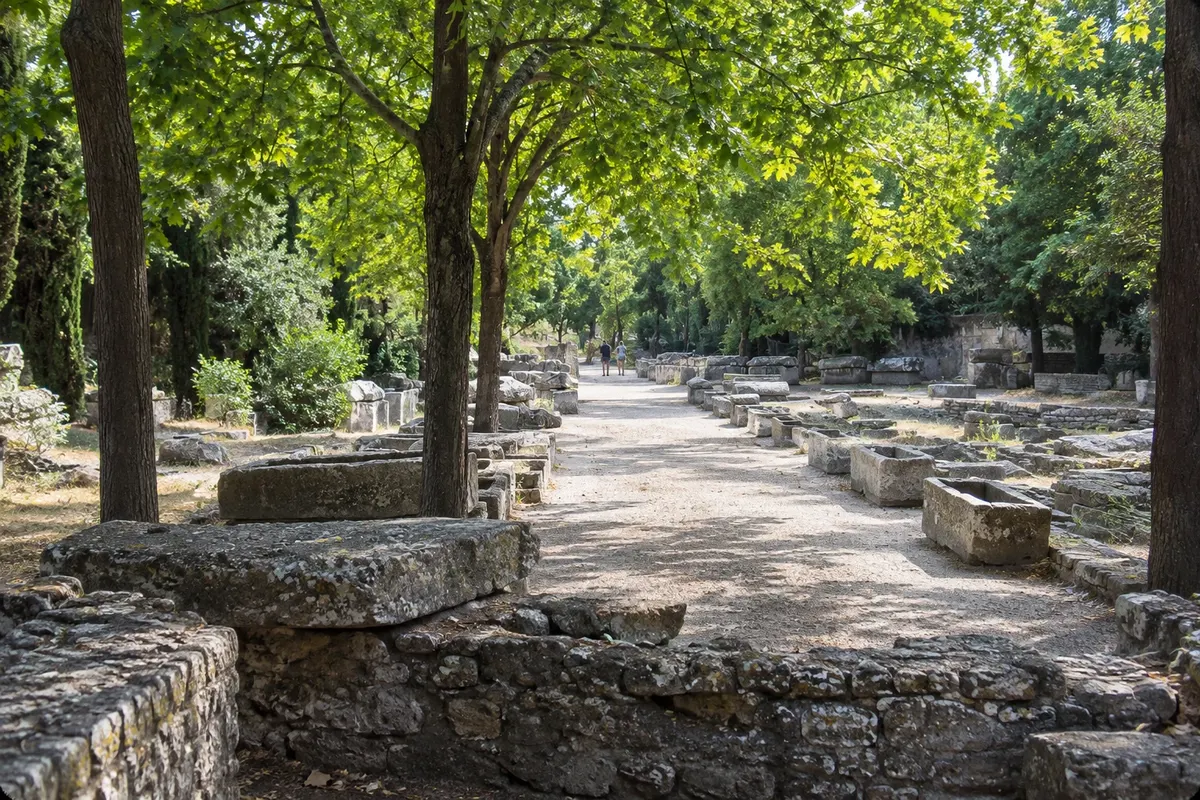
Ancient Roman and Christian necropolis, with an avenue of sarcophagi under the trees leading to the Romanesque church of Saint-Honorat. Van Gogh and Gauguin painted the site in 1888.

Calanque de Sormiou
Marselha · Provence-Alpes-Côte d'Azur · Park

Calanque de Sormiou

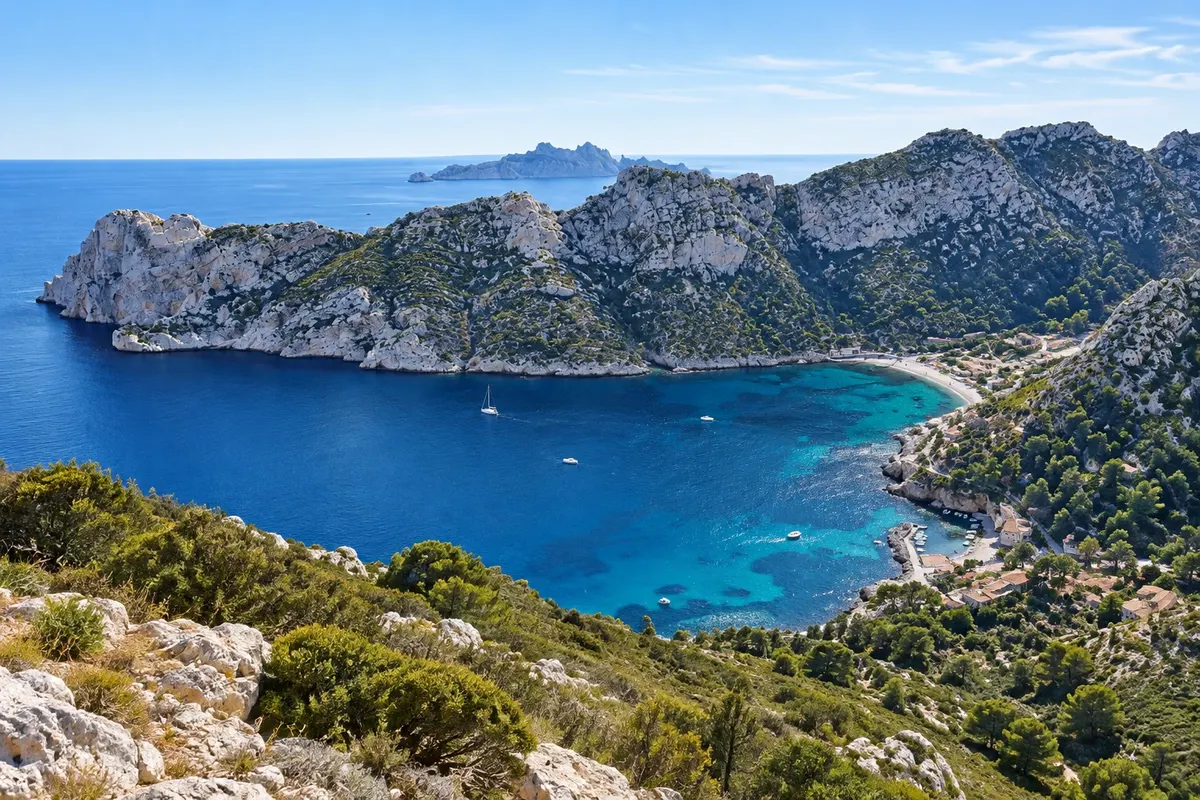
One of the largest calanques of Marselha, within the Parc national des Calanques, with a sandy beach, a small harbour and fishermen's cabanons. It is the calanque with the easiest access from the city and a good first introduction to the calanques.

Église Saint-Trophime
Arles · Provence-Alpes-Côte d'Azur · Church

Église Saint-Trophime

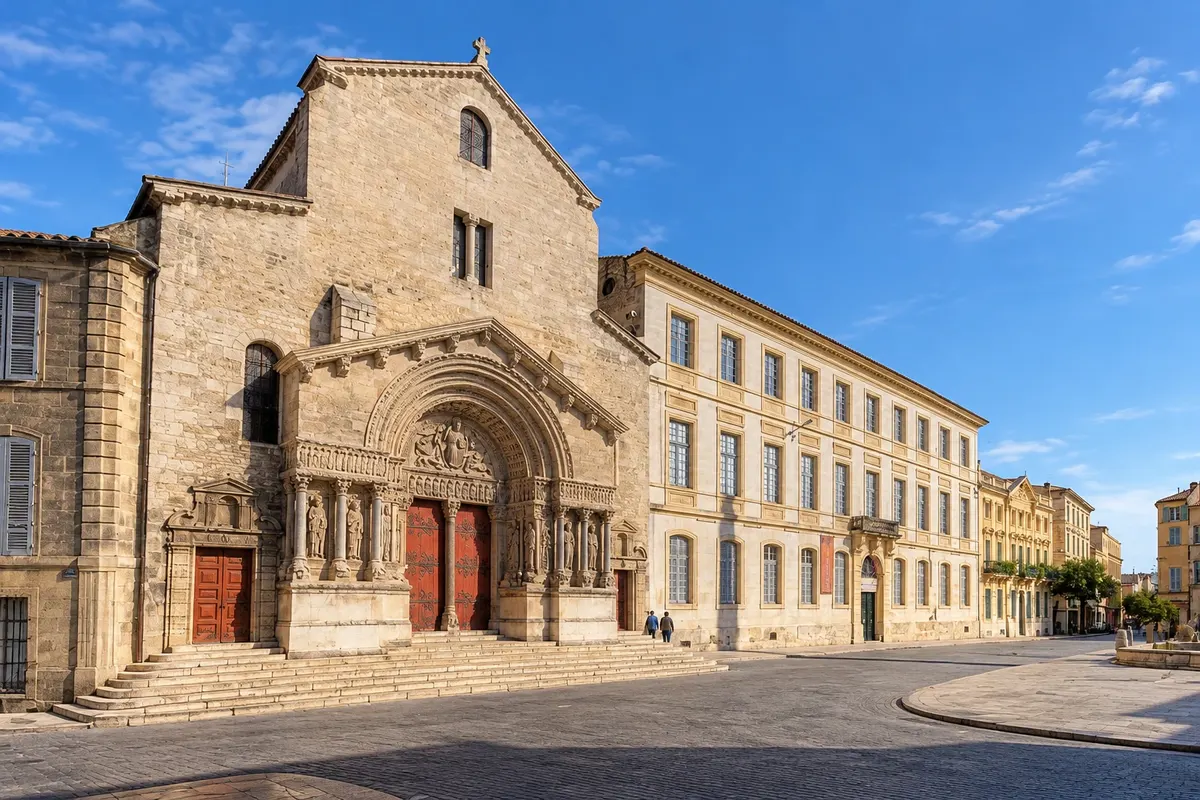
Former cathedral of Arles, with one of the best-known Romanesque sculpted portals in Provence, and the cloister beside it, with Romanesque and Gothic galleries.

Fort Saint-André
Avignon · Provence-Alpes-Côte d'Azur · Monument

Fort Saint-André

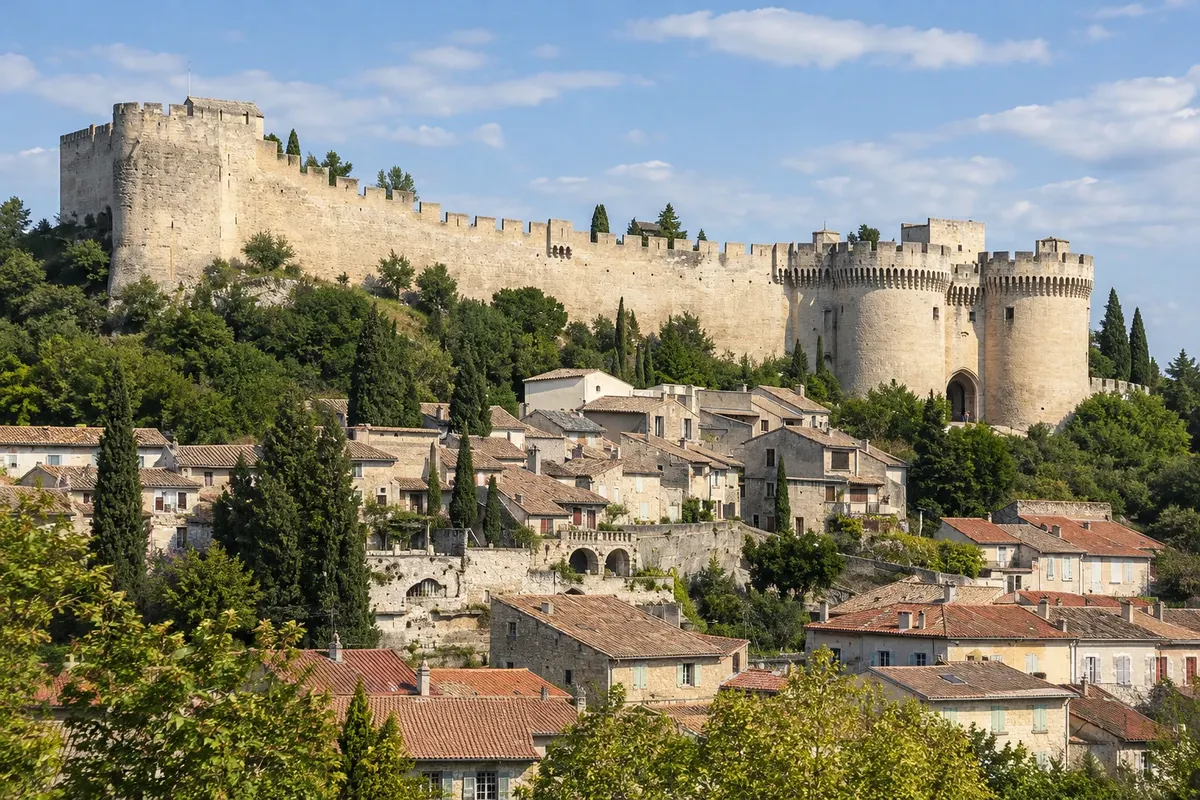
Medieval fortress atop Mont Andaon in Villeneuve-lès-Avignon, on the far side of the Rhône, with twin towers, ramparts and views of the Palais des Papes.

Montagne Sainte-Victoire
Aix-en-Provence · Provence-Alpes-Côte d'Azur · Park

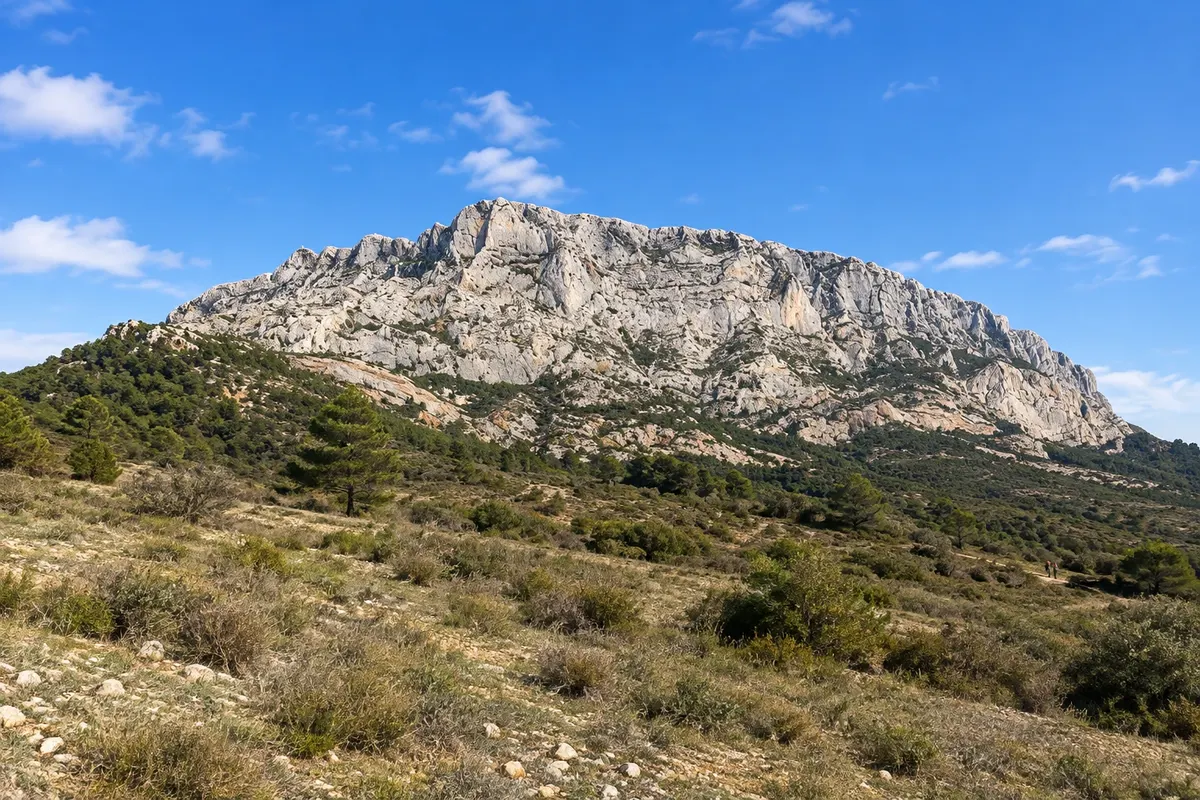
Montagne Sainte-Victoire

Limestone massif east of Aix, painted more than 80 times by Cézanne, with trails up to the Croix de Provence and the priory at the summit. In summer, access can be restricted due to fire risk.

Calanque de Sugiton
Marselha · Provence-Alpes-Côte d'Azur · Park

Calanque de Sugiton

Calanque of clear waters next to the Luminy campus, with the Torpilleur rock in front. The trail from Luminy is one of the most used. For part of the summer access to the beach section may require a reservation, which is free of charge.

Gordes
Avignon · Provence-Alpes-Côte d'Azur · Village

Gordes

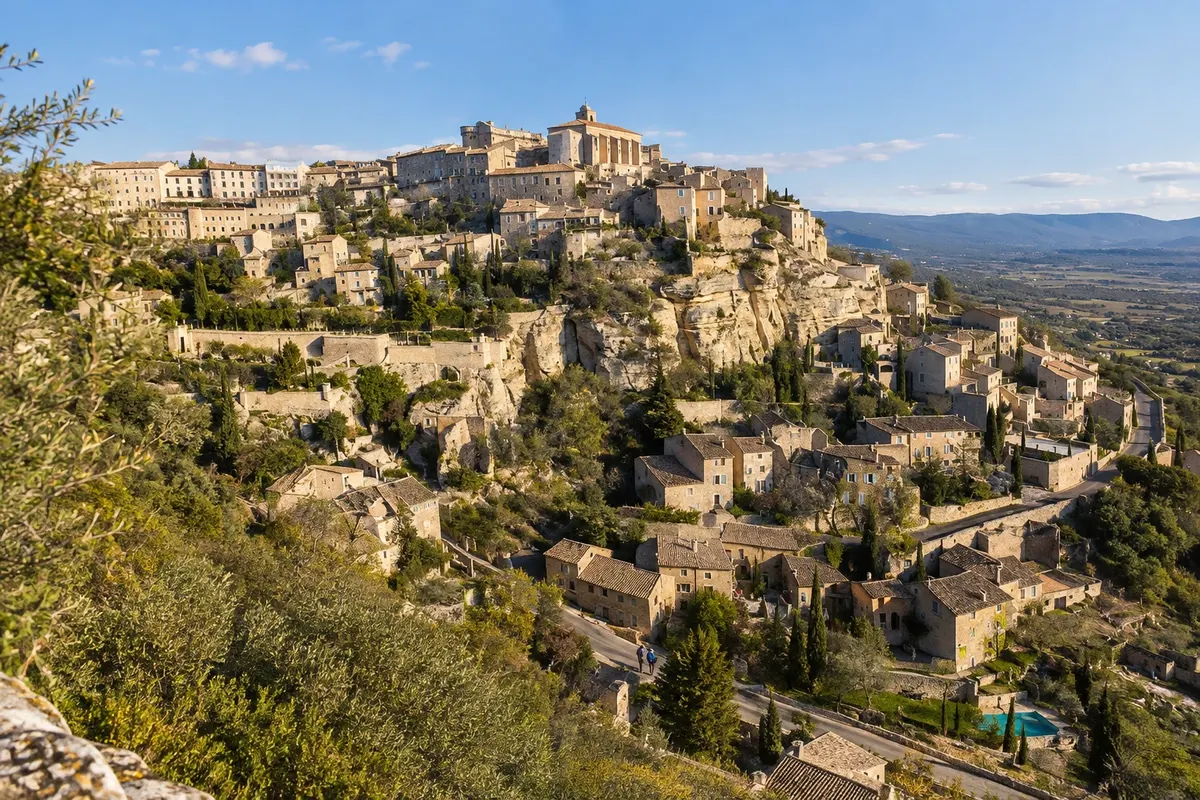
Stone village perched on a hill of the Monts de Vaucluse, on the edge of the Luberon, with a Renaissance castle at the top and houses that step down the slope.

Musée départemental Arles antique
Arles · Provence-Alpes-Côte d'Azur · Museum

Musée départemental Arles antique

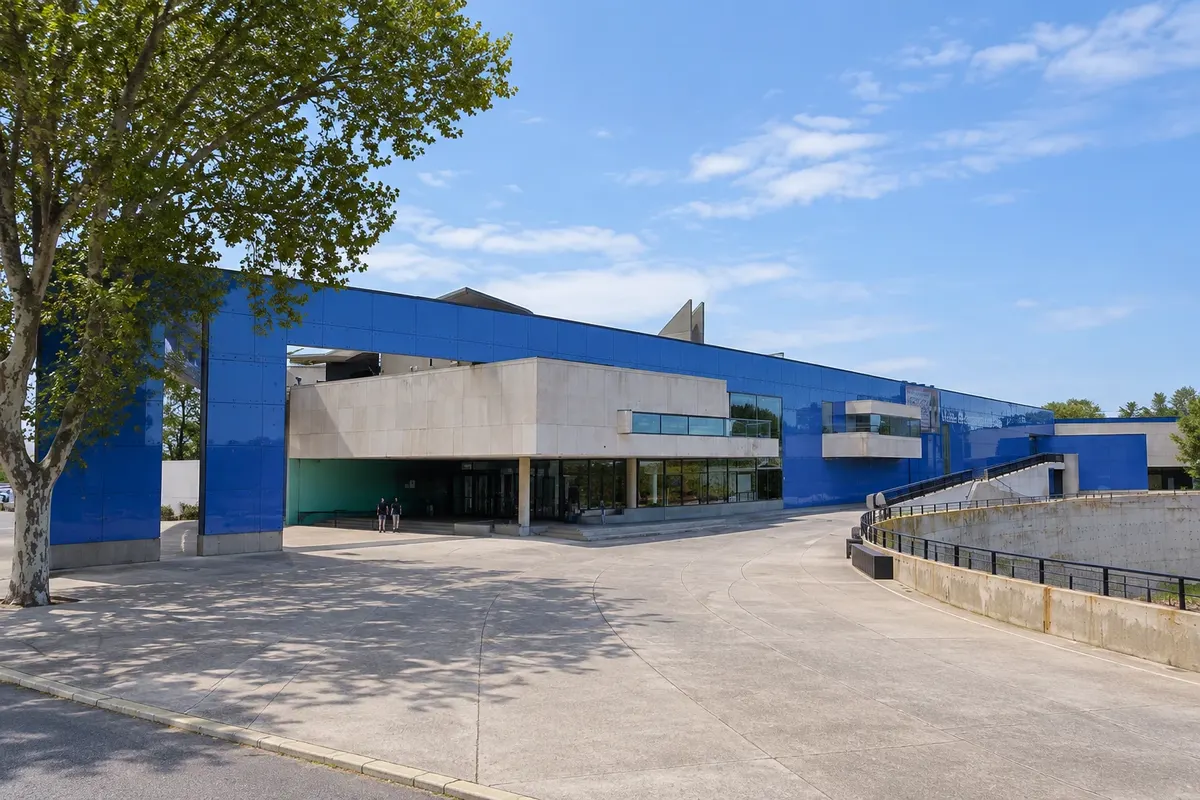
The archaeology museum of Arles, in a blue building on the banks of the Rhône, with mosaics, sarcophagi, a 31-metre Roman boat taken from the river and the bust attributed to Julius Caesar.

Abbaye Notre-Dame de Sénanque
Avignon · Provence-Alpes-Côte d'Azur · Abbey

Abbaye Notre-Dame de Sénanque

12th-century Cistercian abbey still inhabited by monks, in an isolated valley near Gordes. In front of it, a lavender field usually blooms from mid-June to mid-July.

Calanque d'En-Vau
Marselha · Provence-Alpes-Côte d'Azur · Park

Calanque d'En-Vau

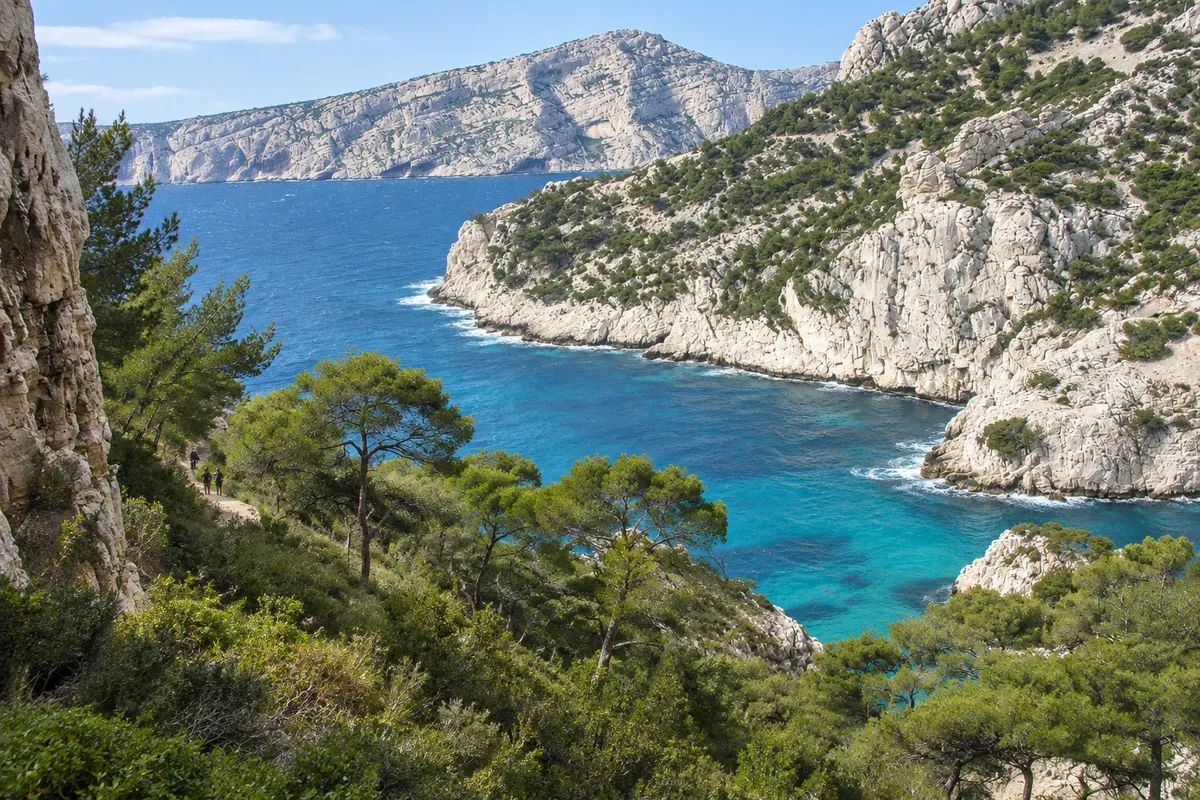
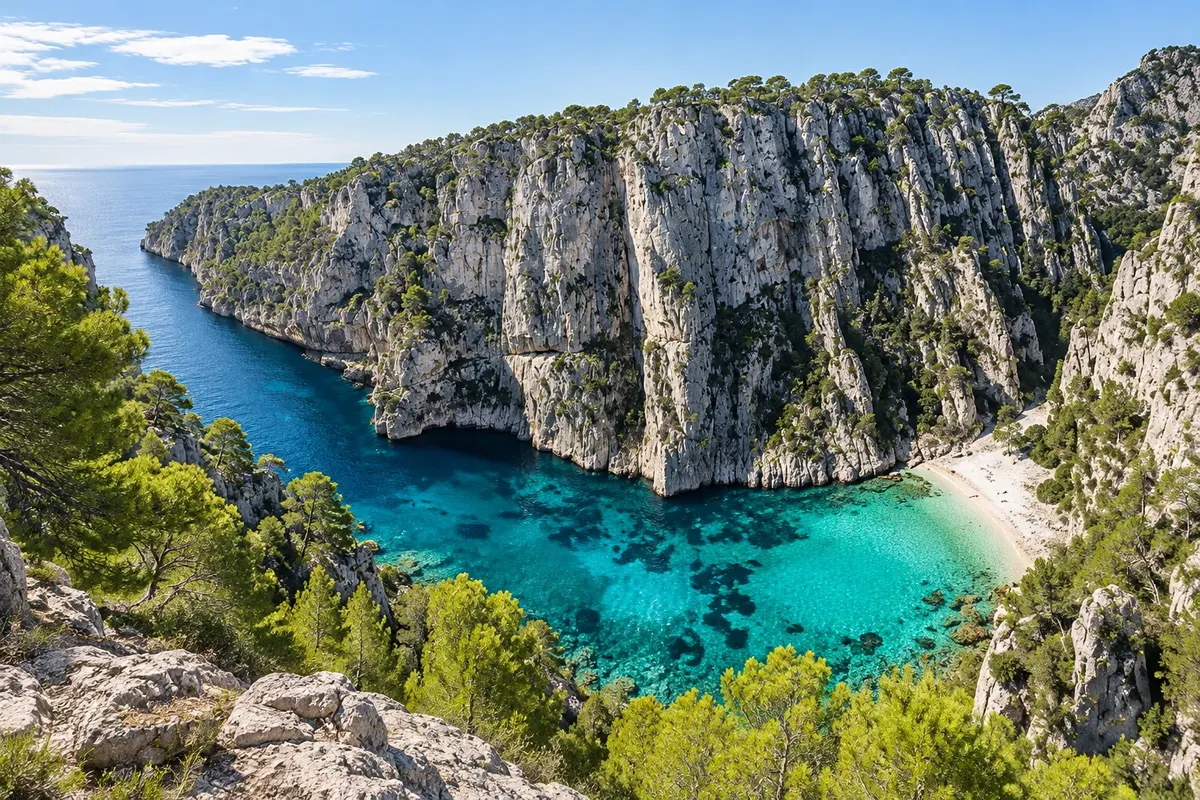
The deepest, most enclosed calanque of the massif, with high cliffs, a pebble beach and green-blue water. It's located between Marseille and Cassis and is reached by trail from Cassis, passing Port-Miou and Port-Pin, or by boat—without disembarking—on excursions that depart from the port.

Fondation Vincent van Gogh Arles
Arles · Provence-Alpes-Côte d'Azur · Museum

Fondation Vincent van Gogh Arles

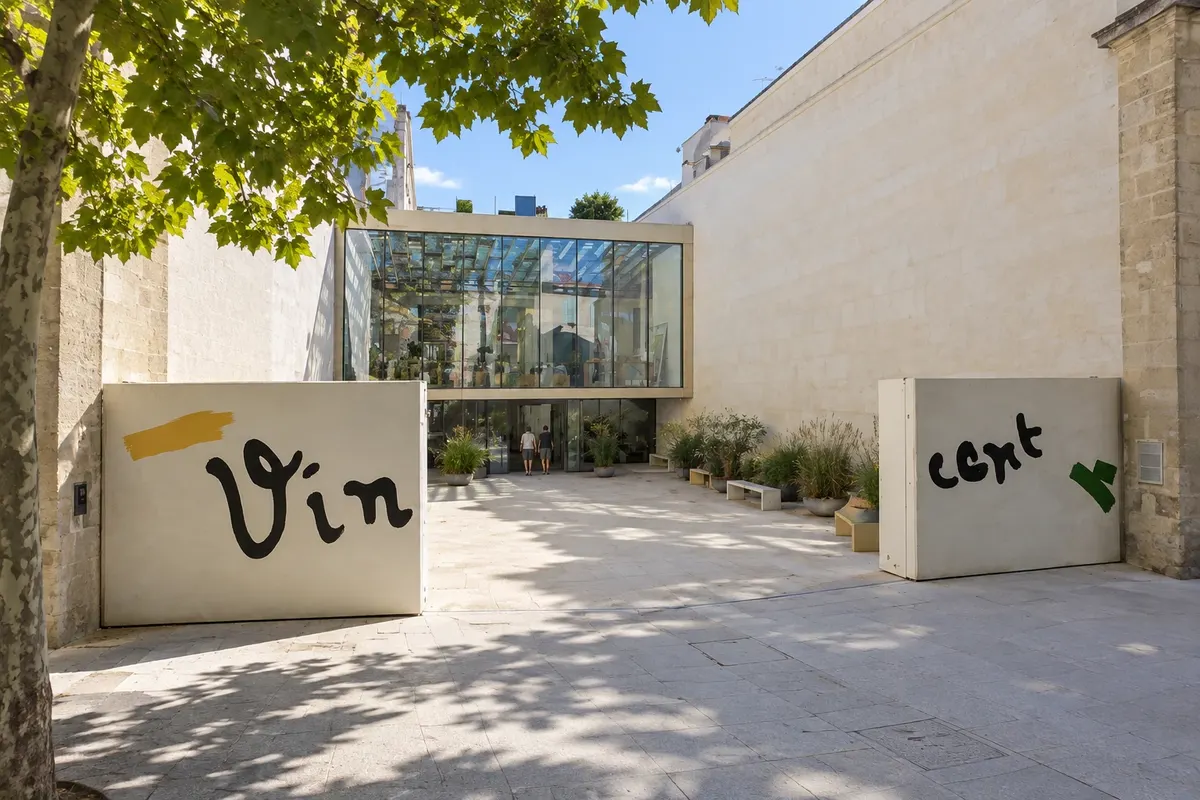
Art centre in a mansion in central Arles that usually exhibits Van Gogh works on loan, alongside modern and contemporary artists connected to him.

Château d'If
Marselha · Provence-Alpes-Côte d'Azur · Fortress

Château d'If

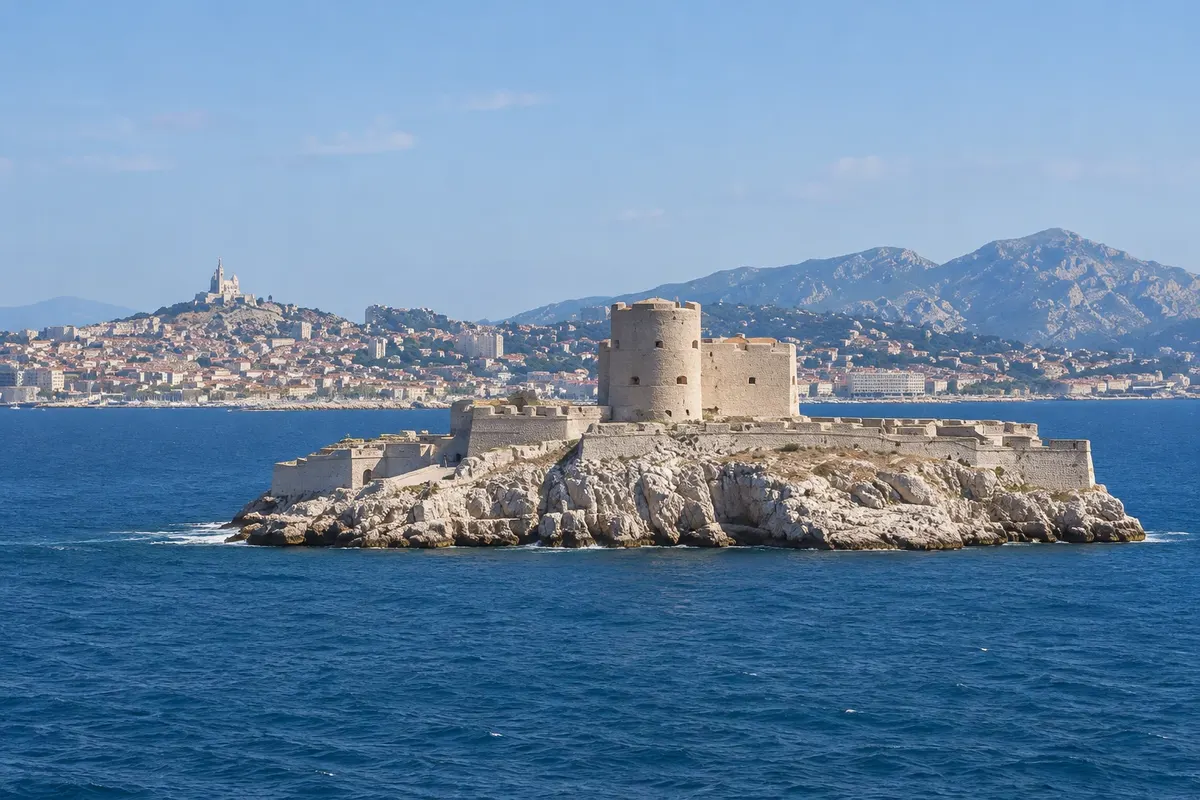
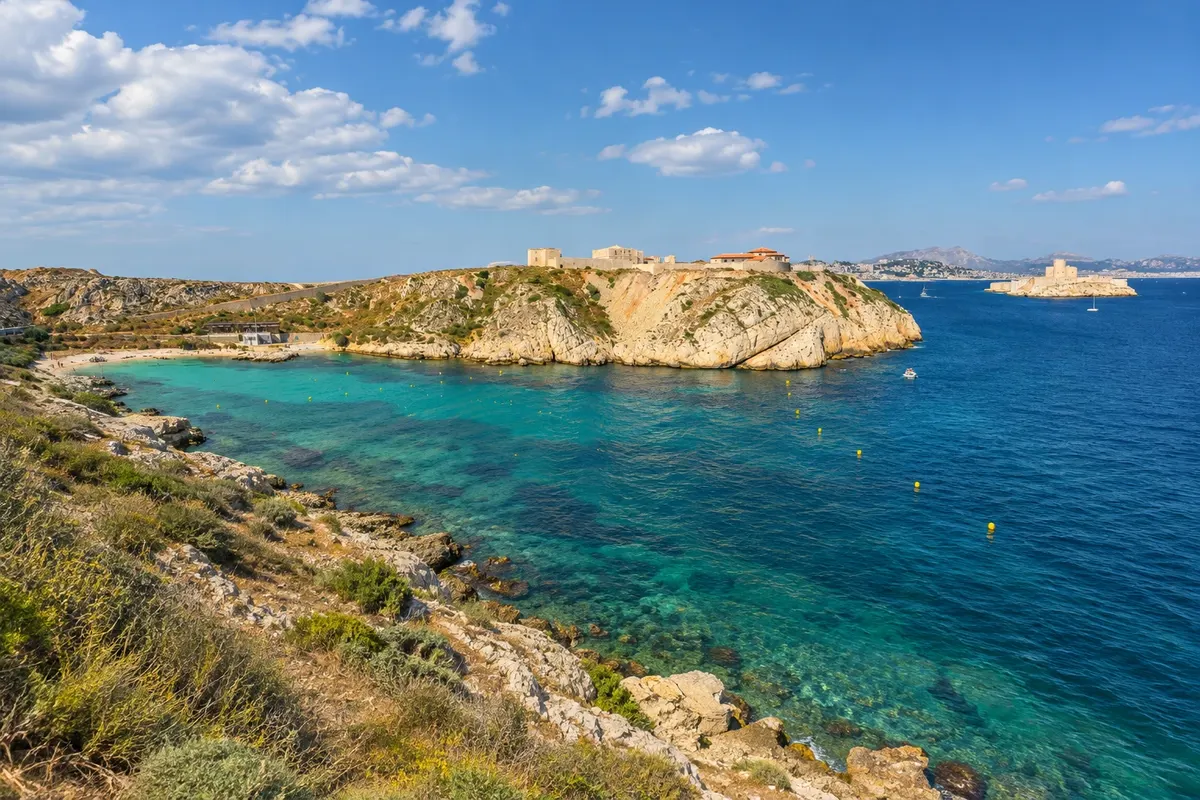
16th-century fortress on a small islet in front of the harbor, which served as a prison for centuries and became famous as the setting of The Count of Monte Cristo by Alexandre Dumas. It is reached by boat from the Vieux-Port.

Espace Van Gogh
Arles · Provence-Alpes-Côte d'Azur · Garden

Espace Van Gogh

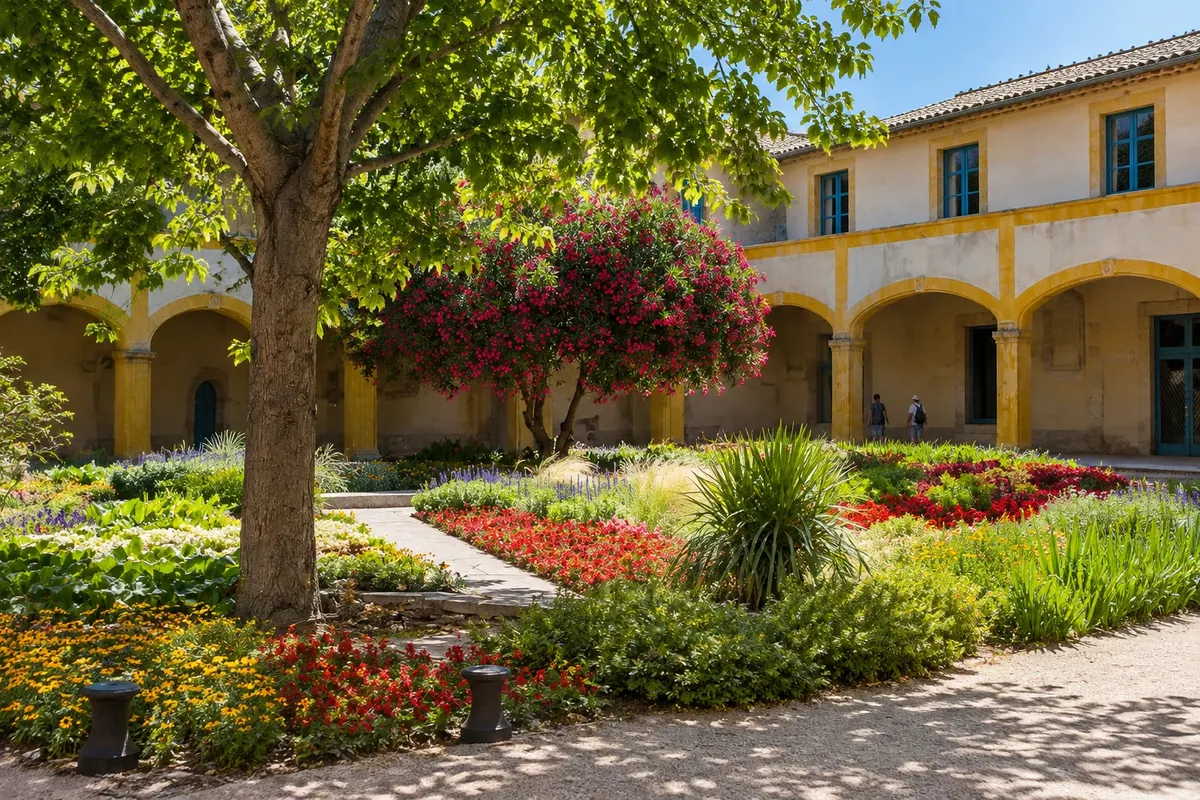
The former Hôtel-Dieu, the hospital where Van Gogh was treated in 1888 and 1889, with the courtyard garden he painted. Today it is a cultural centre and entry to the courtyard is free.

Roussillon
Avignon · Provence-Alpes-Côte d'Azur · Village

Roussillon

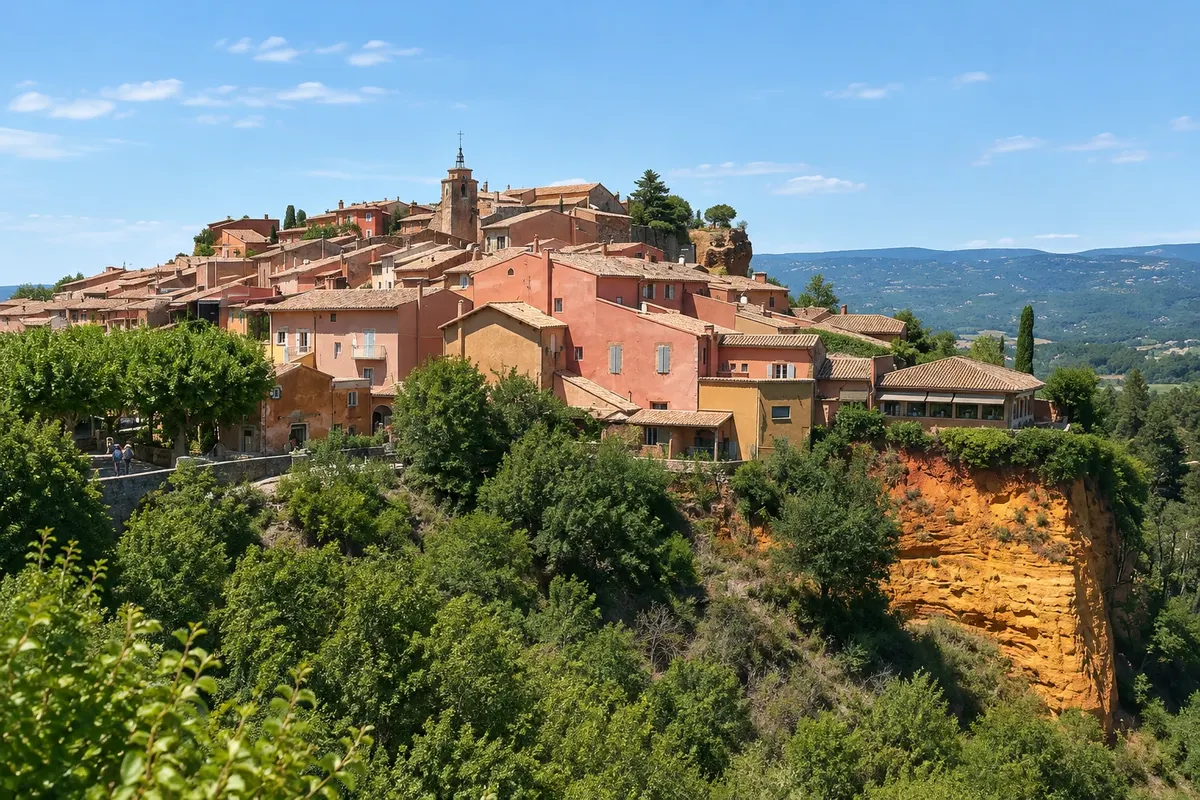
Luberon village built on ochre deposits, with houses painted in shades of red and orange and the Sentier des Ocres trail winding among colorful cliffs.

Fontaine de Vaucluse
Avignon · Provence-Alpes-Côte d'Azur · Park

Fontaine de Vaucluse

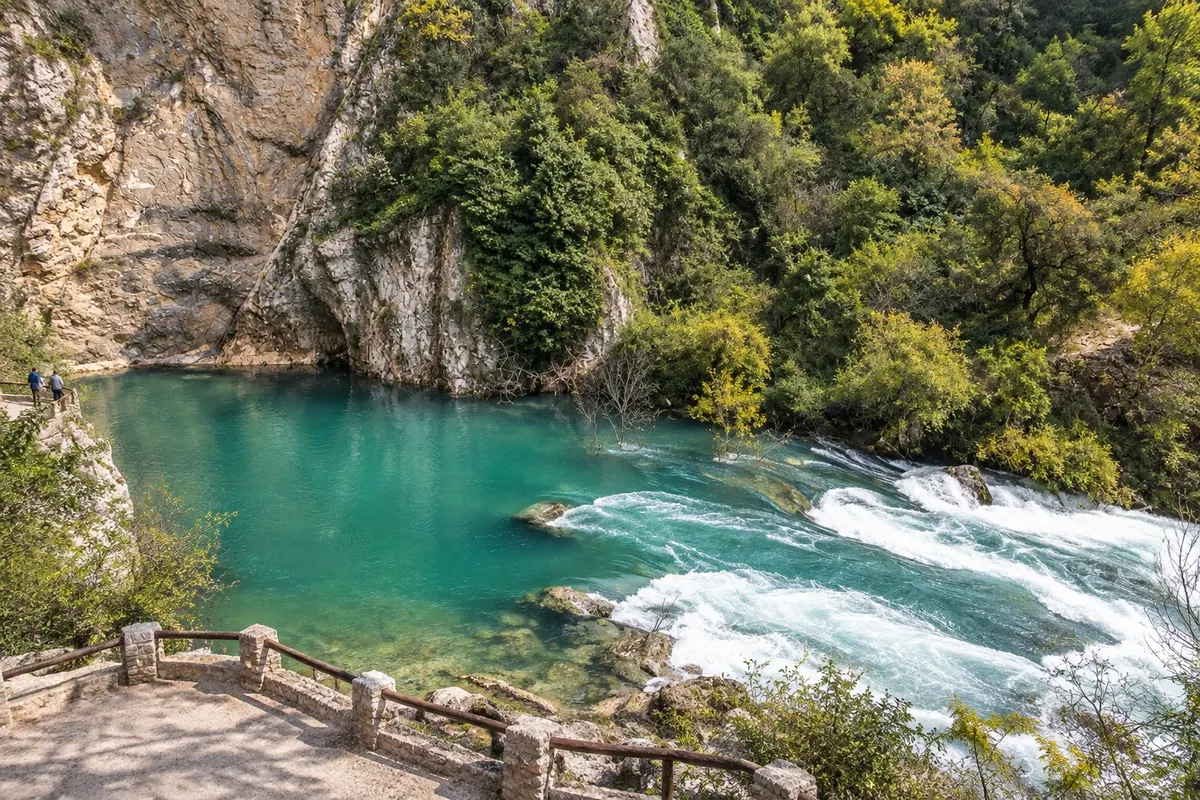
The source of the river Sorgue, at the foot of a rock cliff, the largest in metropolitan France by water volume. A riverside path leads from the village to the cave where the water springs forth.

Îles du Frioul
Marselha · Provence-Alpes-Côte d'Azur · Island

Îles du Frioul

Archipelago off Marseille, part of the Parc national des Calanques. The islands of Ratonneau and Pomègues, connected by a causeway, have small beaches, coves and trails over limestone rock, with views of the city.

LUMA Arles
Arles · Provence-Alpes-Côte d'Azur · Museum

LUMA Arles

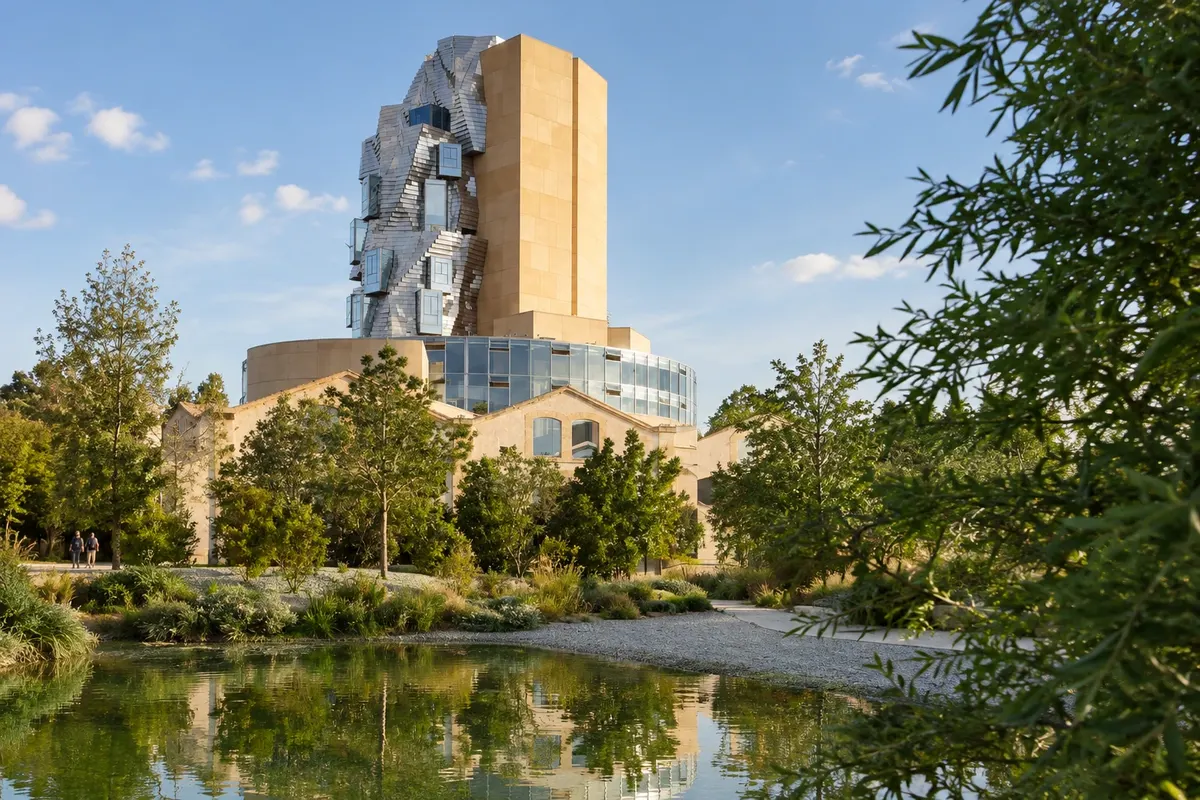
Contemporary art center in a former railway workshops courtyard, featuring Frank Gehry's steel tower, 19th-century sheds with exhibitions, and a park with a lake.

Palais Longchamp
Marselha · Provence-Alpes-Côte d'Azur · Palace

Palais Longchamp

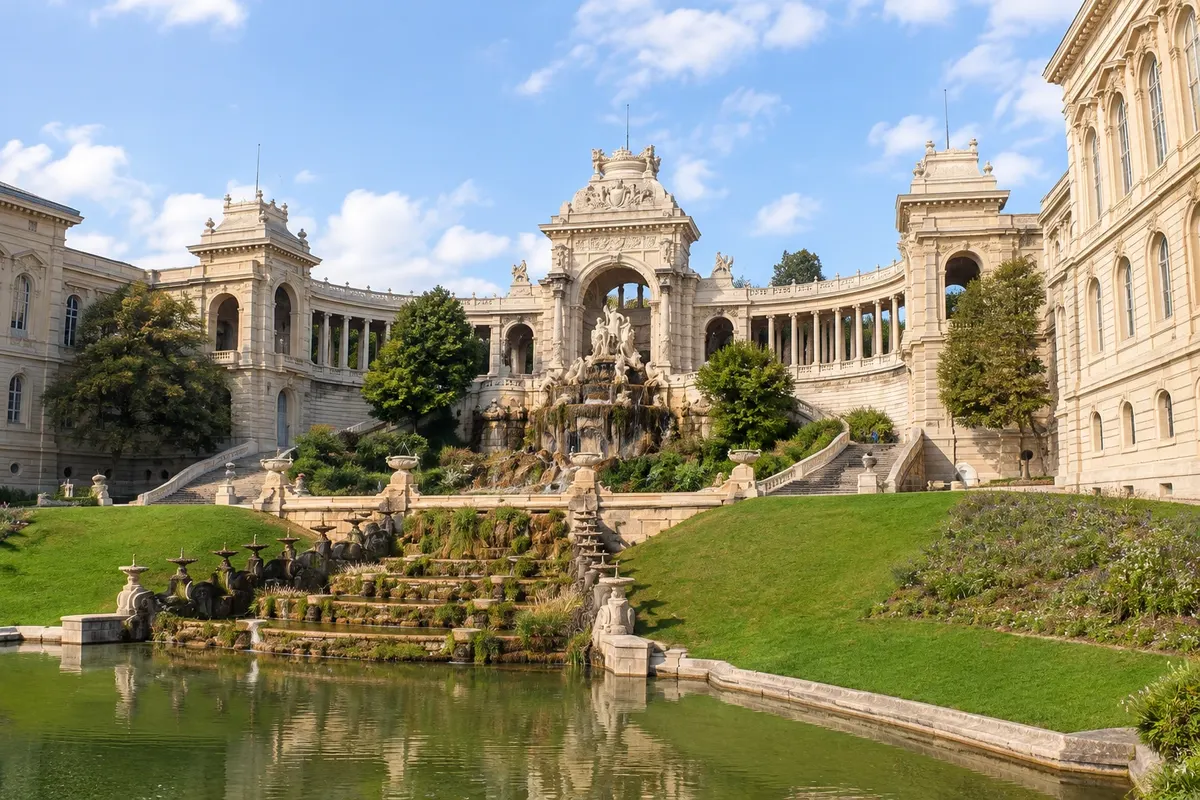
Monumental 19th-century palace with a cascading fountain, built to celebrate the arrival of water from the river Durance to Marseille. The wings house the Musée des Beaux-Arts and the Muséum d'histoire naturelle, and behind it lies the Parc Longchamp.

Parc ornithologique du Pont de Gau
Arles · Provence-Alpes-Côte d'Azur · Park

Parc ornithologique du Pont de Gau

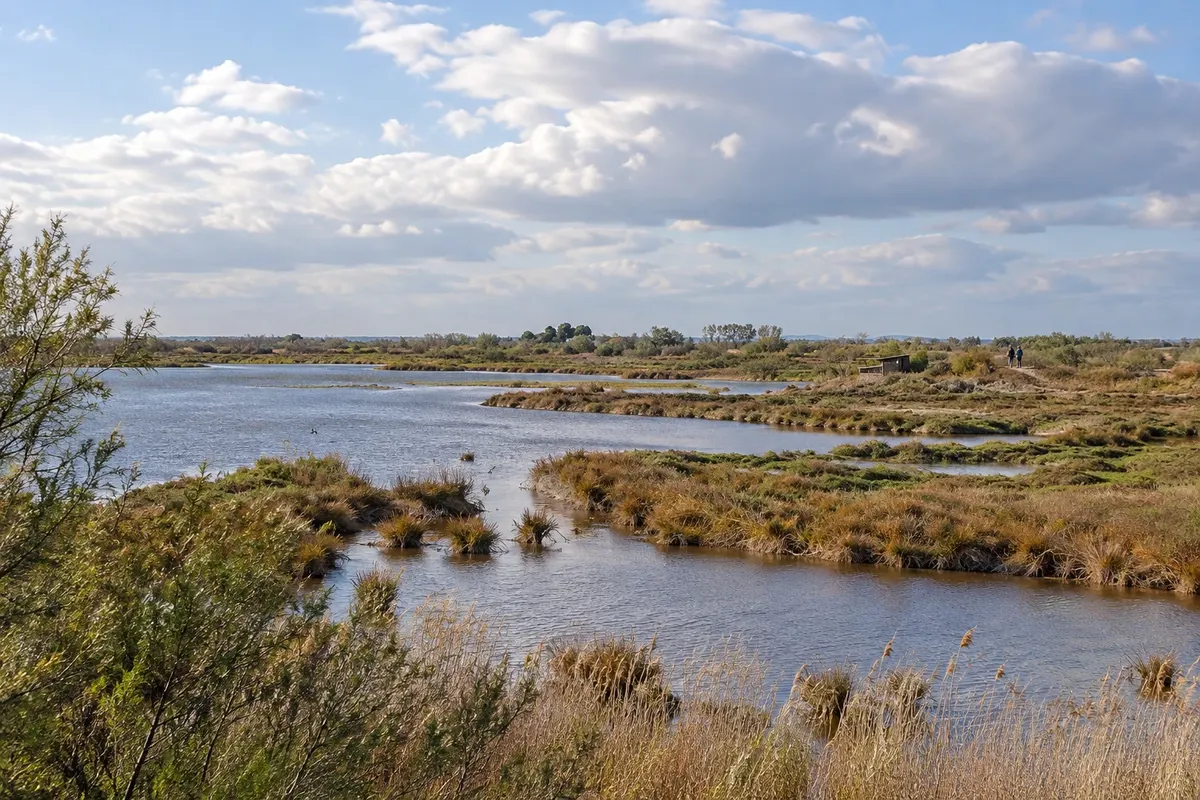
A 60-hectare park of marshes and reedbeds in the Camargue, with trails and hides for watching flamingos and other birds. It is 4 km from Saintes-Maries-de-la-Mer.

Saintes-Maries-de-la-Mer
Arles · Provence-Alpes-Côte d'Azur · Village

Saintes-Maries-de-la-Mer

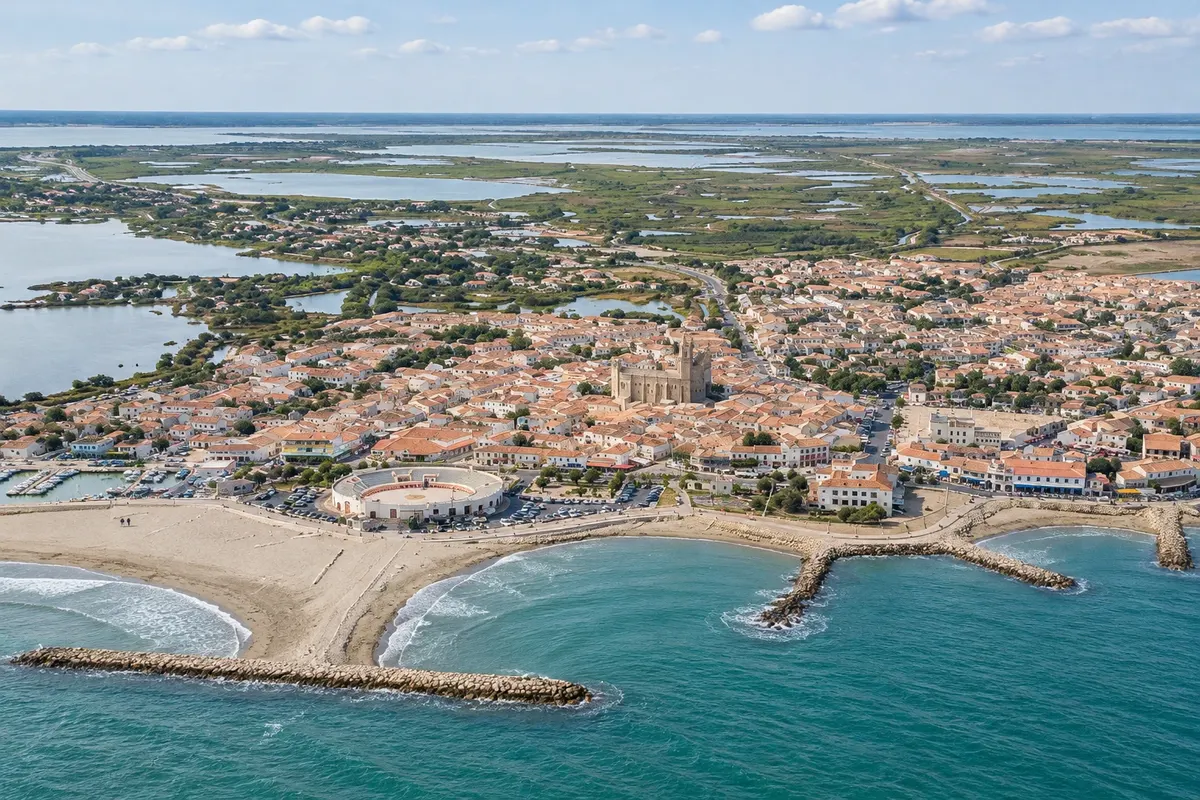
The capital of the Camargue, on the Mediterranean coast, with a fortified Romanesque church, beaches, horse rides and located in the Rhône delta. It hosts the Roma pilgrimage in May.

Vallon des Auffes
Marselha · Provence-Alpes-Côte d'Azur · Harbor

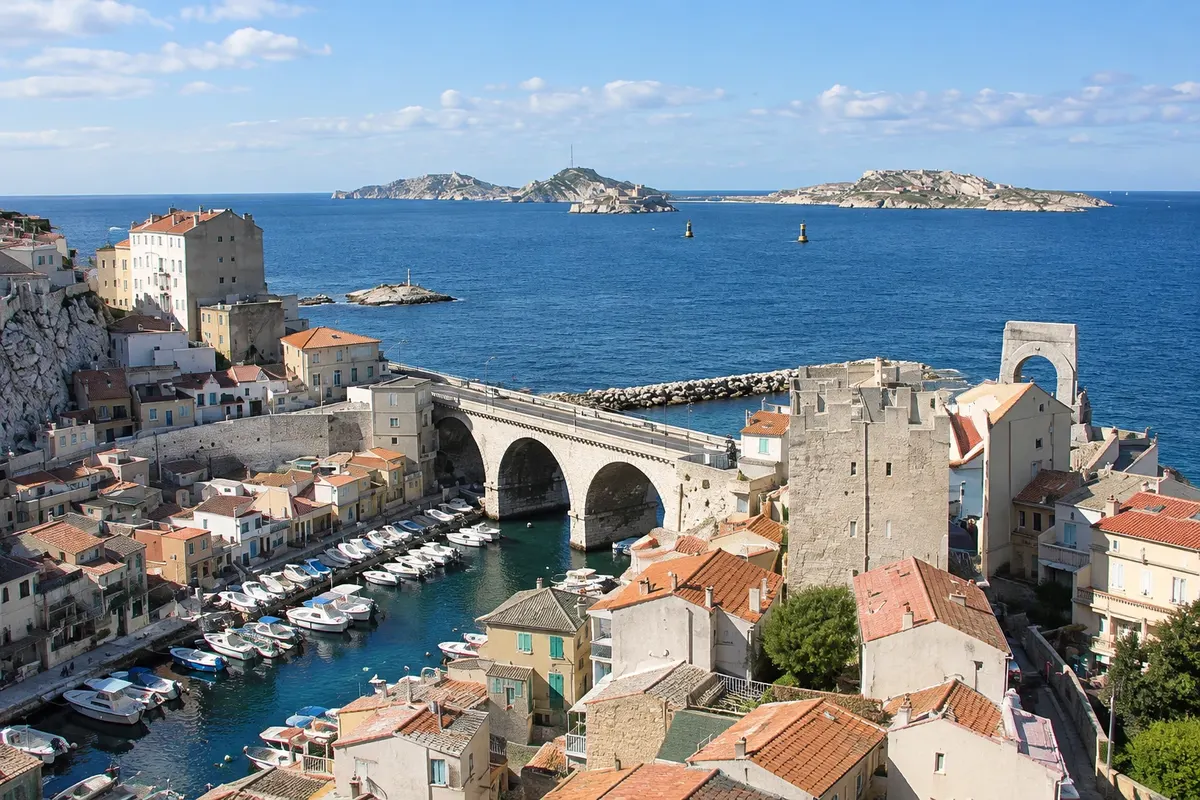
Vallon des Auffes

Small fishing port hidden under a three-arched bridge of the Corniche Kennedy, with colorful little houses and traditional boats. The Corniche runs for almost 4 km along the sea, with views of the islands.

Château des Baux-de-Provence
Arles · Provence-Alpes-Côte d'Azur · Castle

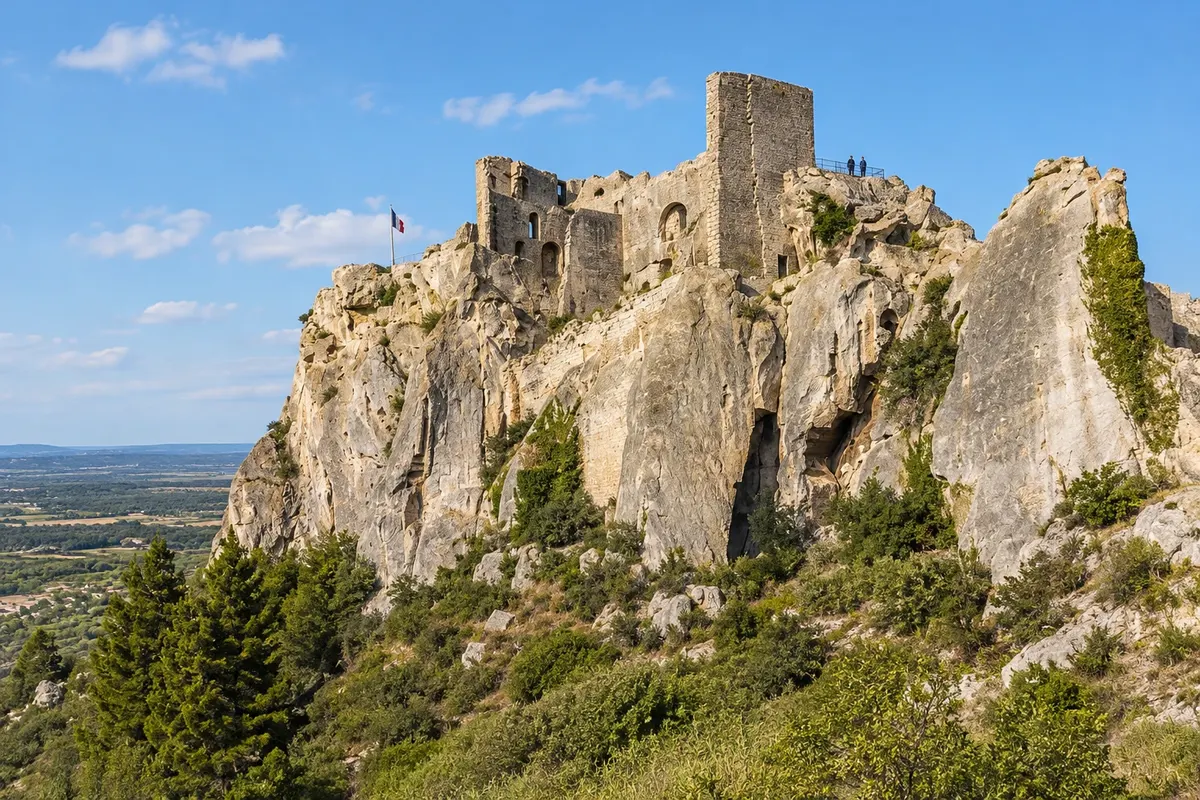
Château des Baux-de-Provence

Ruins of a medieval fortress atop a rocky outcrop in the Alpilles, above the village of Les Baux-de-Provence, with views over the olive groves and the plain as far as the Camargue.

Cité radieuse
Marselha · Provence-Alpes-Côte d'Azur · Architecture

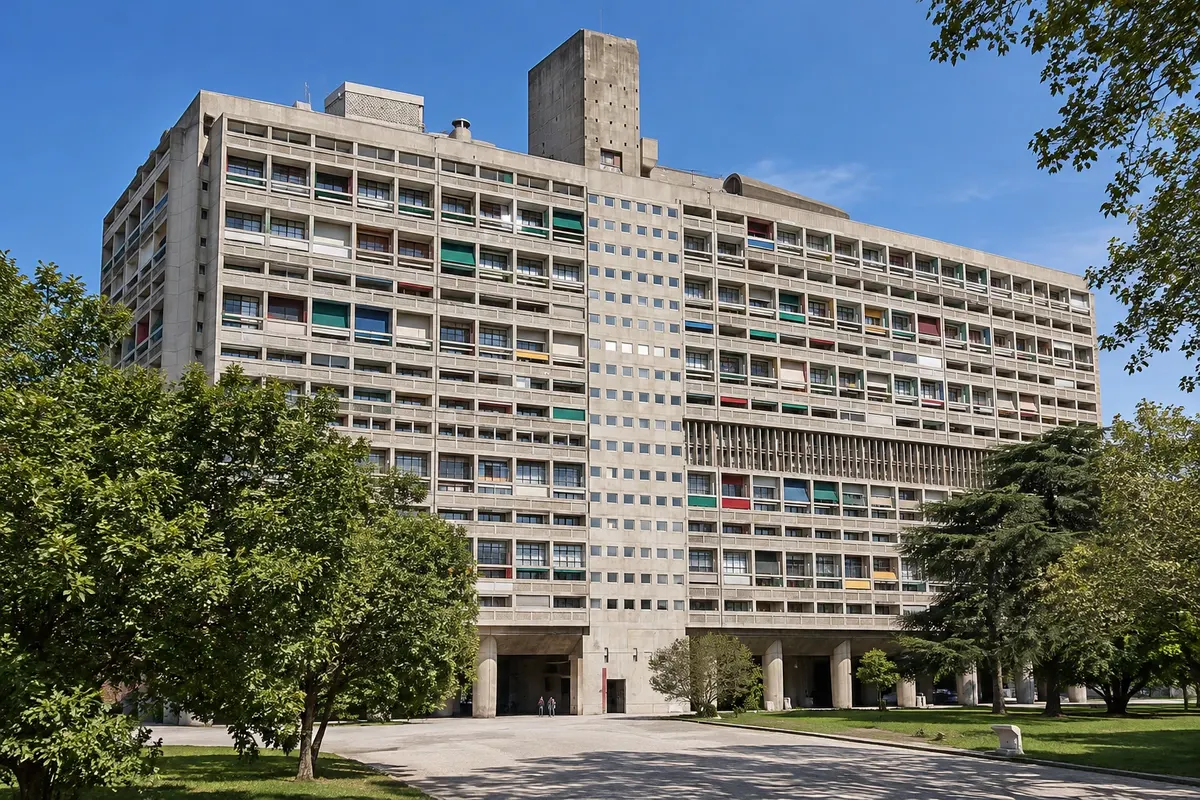
Cité radieuse

Residential building by Le Corbusier, built from 1947 to 1952, which put into practice the idea of a "vertical village" with internal streets, shops, a hotel and a roof terrace. It has been a UNESCO World Heritage Site since 2016 and remains inhabited.

Abbaye Saint-Victor
Marselha · Provence-Alpes-Côte d'Azur · Abbey

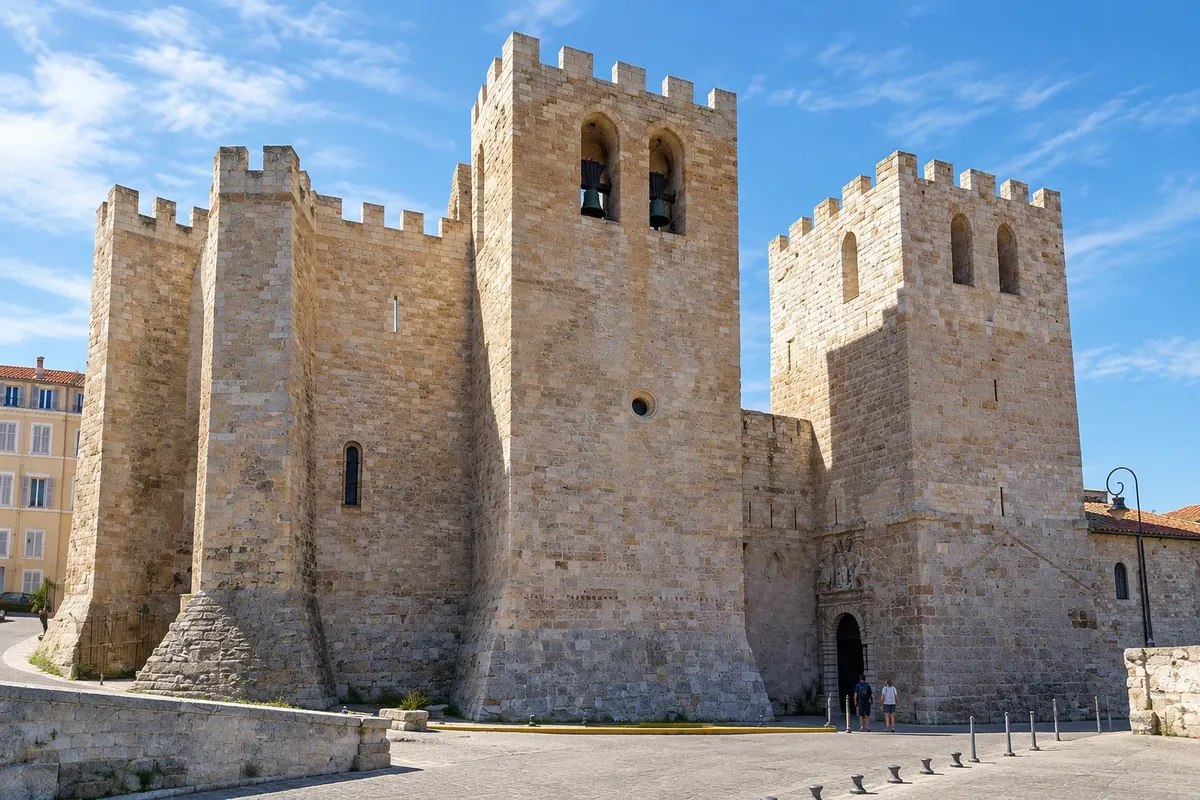
Abbaye Saint-Victor

One of the oldest churches in France, with the appearance of a fortress, near the Vieux-Port. The crypts hold sarcophagi from the 4th and 5th centuries and the Black Virgin, venerated in the Candlemas procession on February 2.

Carrières des Lumières
Arles · Provence-Alpes-Côte d'Azur · Museum

Carrières des Lumières

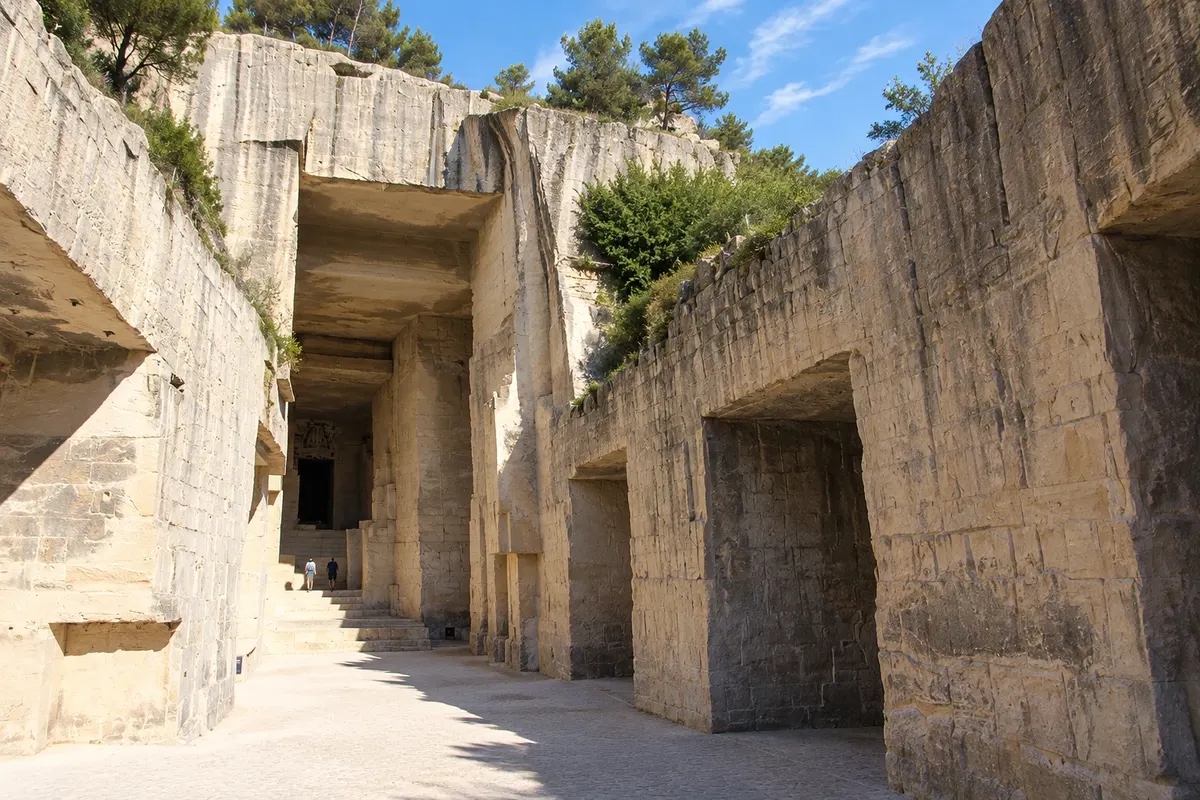
Former limestone quarries in Les Baux-de-Provence, with high walls where immersive art-and-music exhibitions are projected. The program changes each season.

Cassis
Marselha · Provence-Alpes-Côte d'Azur · Village

Cassis

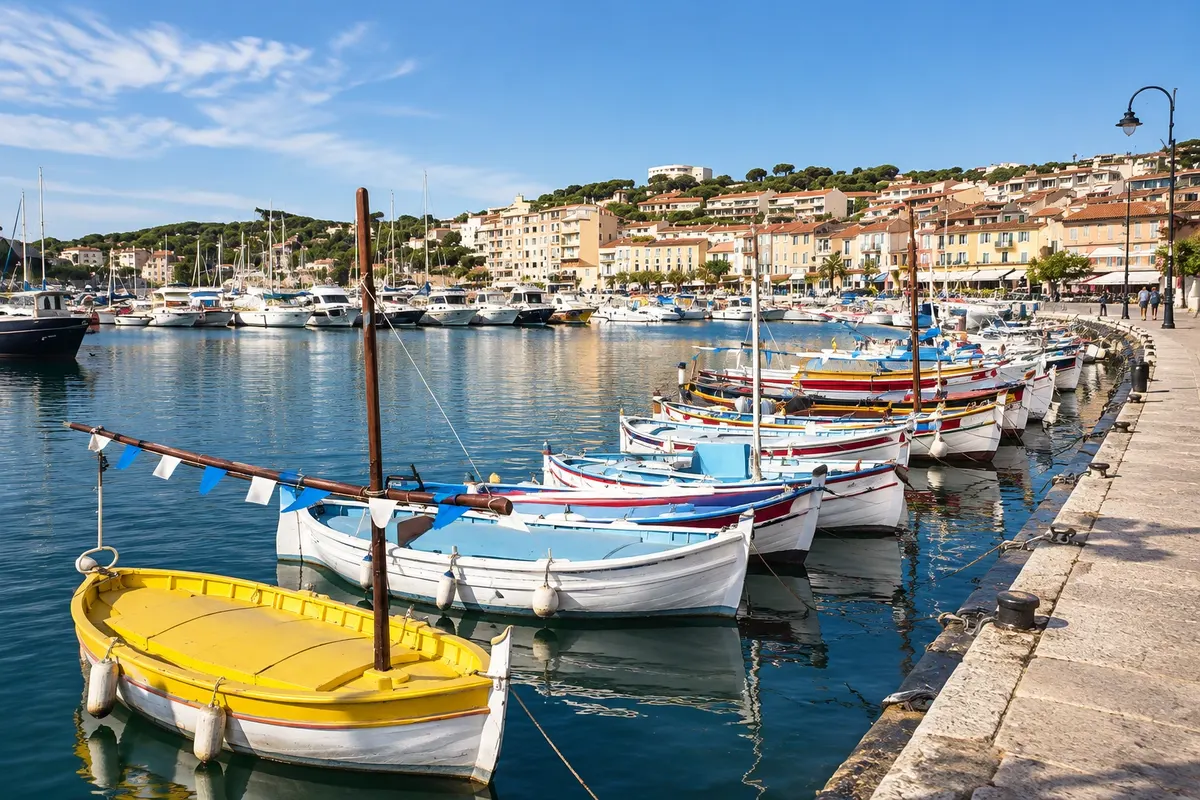
A fishing village about 20 km east of Marselha, with a harbor of colorful houses, beaches, its own white wines and boat departures for the calanques. Above it rises Cap Canaille, with the highest sea cliffs in France.

Stade Vélodrome
Marselha · Provence-Alpes-Côte d'Azur · Stadium

Stade Vélodrome

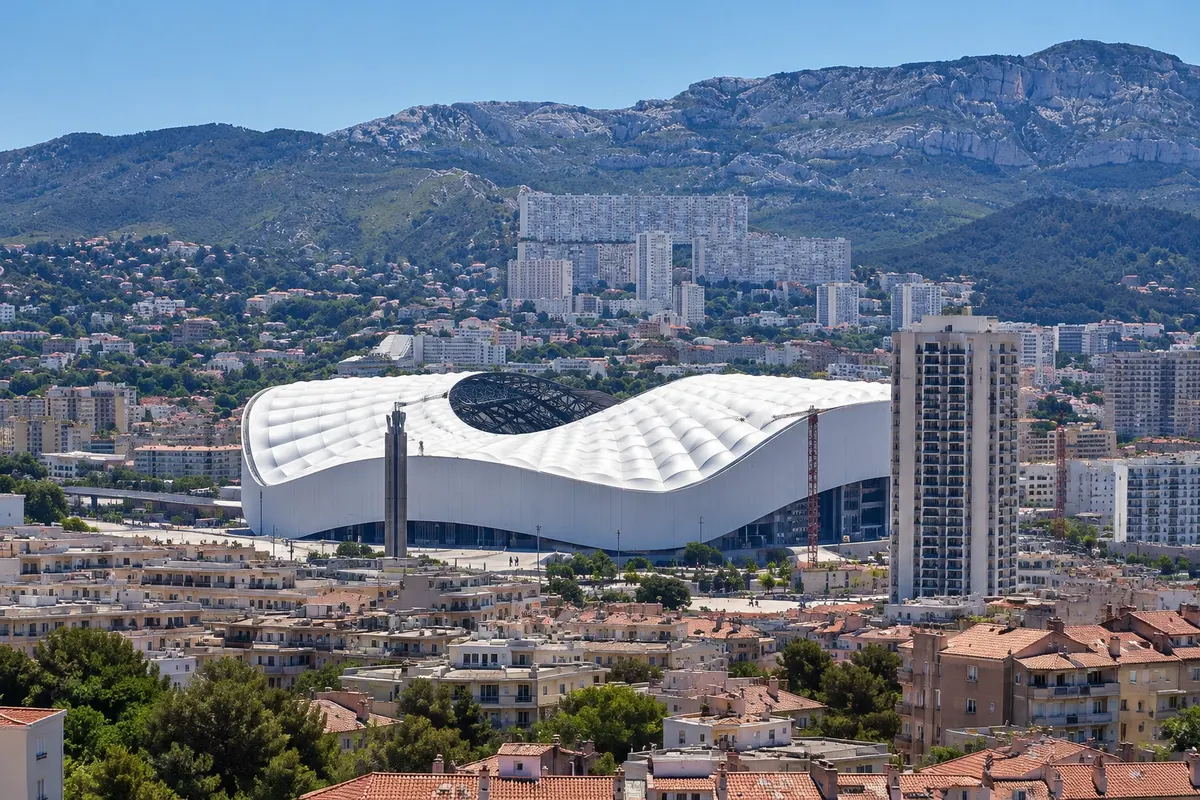
Home of Olympique de Marseille since 1937 and the second-largest stadium in France, with about 67,000 seats. It has hosted Football and Rugby World Cup matches and offers guided behind-the-scenes tours. Since 2026 it has been officially named CEPAC Vélodrome.

To choose before you go

Tours in Provença

Where each tour starts, how long it takes, how it is done, what is included and the price range.

Vieux-Port and Basilique Notre-Dame de la Garde

From Vieux-Port, downtown Marseille On foot along the port and then up to the basilica by bus or on foot about 3 hours morning or afternoon easy (steep climb if done on foot)

This is the first walk in Marseille. The Vieux-Port is the old harbor, shaped like a U, surrounded by quays, fishing and pleasure boats and the morning fish market on the Quai de la Fraternité. Boats to Château d'If and the Îles du Frioul depart from here. On the south side of the harbor, on the way to the hill, is the Abbaye Saint-Victor, one of the city's oldest churches, with crypts worth visiting. At the top, 149 m above sea level, stands the Basilique Notre-Dame de la Garde, which the people of Marseille call "la Bonne Mère." The basilica, in a Romanesque-Byzantine style, was consecrated in 1864 on the foundations of a 16th-century fort. It has two parts: the lower church, a crypt carved into the rock, and the upper church, covered in mosaics and sailors' ex-votos. At the top of the bell tower is the gilded statue of the Virgin and Child, 11.2 m tall. From the terrace you can see the entire city, the Vieux-Port, the Frioul, Château d'If and the calanques coast.

Stops: Vieux-Port, Quai de la Fraternité, Basilique Notre-Dame de la Garde, Abbaye Saint-Victor.

Includes: Entrance to the basilica is free. The bus to the top and the tourist train that climbs from the Vieux-Port are paid separately. Check the current fares.

Tip: Go up at late afternoon to see the city in low light. On mistral days the wind on the terrace is strong: bring a warm layer. The basilica is a place of worship: dress modestly and remain quiet during mass.

Best time: Year-round. Mistral days usually have clear skies and long visibility; in summer, prefer early morning or late afternoon.

Le Panier, Cathédrale de la Major and MuCEM

From Vieux-Port, central Marseille On foot, from the Vieux-Port to the neighborhood and the museum about 4 hours morning or afternoon easy (hills and stairs in Le Panier)

Le Panier sits on the north bank of the Vieux-Port, where the Greeks founded Massalia around 600 BC. It is the only preserved part of the old center: the neighboring district of Saint-Jean was dynamited by German authorities in February 1943. Narrow streets climb and descend between colorful façades, small squares, ateliers and soap shops. Then walk down to the sea, where the Cathédrale de la Major stands, striped in light and dark stone. Next to it is the MuCEM (Musée des Civilisations de l'Europe et de la Méditerranée), opened in 2013. The museum has three parts; two are open to visitors: the J4, the lace-like concrete cube by architect Rudy Ricciotti, and Fort Saint-Jean, linked by a 130 m walkway over the water. The exhibitions address the history and cultures of the Mediterranean, with temporary shows that change through the year. The fort’s gardens and terraces can be explored without entering the exhibitions and display the harbor and the bay entrance.

Stops: Le Panier, Cathédrale de la Major, Fort Saint-Jean, MuCEM.

Includes: There is an admission fee for MuCEM exhibitions. The fort’s outdoor spaces and the walkway usually have access without a ticket. Check the current schedule.

Tip: Start in Le Panier in the morning when the narrow streets are quiet, and save the MuCEM for the afternoon. In summer, the J4 terrace offers shade and breeze. The museum is closed one day a week: check ahead.

Best time: All year. A good option for a rainy day or strong mistral, when the sea is rough and boats may not sail.

Calanques by boat from Cassis

From Cassis harbor Sightseeing boat run by the bateliers of Cassis from 1 hour to 2 hours 20 minutes by boat morning or afternoon easy

Cassis is a fishing village about 20 km from Marseille, with a harbor, narrow streets and the Cap Canaille, the red cliff that closes the bay. From the harbor depart sightseeing boats for the Parc national des Calanques, along white limestone cliffs that drop into the sea. There are four routes: 3 calanques (Port-Miou, Port-Pin and En-Vau, about 1 hour), 5 calanques (adds L'Oule and Devenson, about 1 hour 20 minutes), 8 calanques (goes as far as Sugiton and Morgiou, about 1 hour 50 minutes) and 9 calanques (to Sormiou, about 2 hours 20 minutes). Port-Miou is the longest calanque and serves as a boat harbor; Port-Pin has a small beach beneath the pines; En-Vau is narrow, between high cliffs, with a pebble beach. The boat passes in front of the calanques and does not disembark. It’s the way to see the coast when trails are closed in summer because of fire risk. Afterwards, allow time for Cassis’s harbor and narrow streets.

Stops: Cassis, Port-Miou, Port-Pin, Calanque d'En-Vau, Calanque de Sugiton, Calanque de Morgiou, Calanque de Sormiou.

Includes: The boat tour is paid separately. Tickets are sold at the port itself, half an hour before departures. Check the current schedule.

Tip: Departures depend on the weather: with strong mistral wind or rough seas, boats may not run. Prefer early morning or late afternoon, bring a hat, sunscreen and water. There are also boats to the calanques from Marseille's Vieux-Port.

Best time: Runs year-round, with fewer departures in winter. From May to September the light and water color are usually stronger.

Trail from Cassis to Port-Miou, Port-Pin and En-Vau

From Cassis town center On foot, via marked trails of the Parc national des Calanques about 5 hours round trip full day moderate to difficult (steep finish)

This is the most sought-after trail from Cassis. It leaves the town center on foot to Port-Miou, the long calanque that serves as a harbor, and continues along the marked path to Port-Pin, which has a small beach under the pines. From there to En-Vau it takes about 1.5 to 2 hours of walking, with a section of moderate to demanding difficulty, over loose limestone and with steep climbs and descents at the end. En-Vau is a narrow calanque between two limestone cliffs, with a shingle beach and transparent water; it is also a well-known climbing spot. There are no toilets, shade, water or shops on the way or at the beach. The return is the same route or via plateau trails, offering views of the calanques from above.

Stops: Cassis, Port-Miou, Port-Pin, Calanque d'En-Vau, Parc national des Calanques.

Includes: There is no ticket. Bring everything you will use and carry your trash out with you.

Tip: Wear trail shoes or boots, bring plenty of water, a hat and a snack. Start early. From June 1 to September 30, access to the massifs depends on the day’s fire risk: the city posts the situation the evening before, also on the "Mes Calanques" app. On very high-risk days the trails are closed. Fires, cigarettes and camping are prohibited year-round. On days with strong mistral wind, avoid ridgelines.

Best time: Spring (April to June) and autumn (September to November). In summer, access can be closed on days with fire risk: check the day before.

Calanques on foot from Marseille: Sugiton and Sormiou

From Luminy, in the south of Marseille City bus to Luminy and walking trail about 3 to 4 hours morning moderate (steep descent)

The calanques begin within the city limits of Marseille. From the Luminy university campus, reachable by city bus, a waymarked trail crosses the Col de Sugiton and descends to the Calanque de Sugiton. It's about a 1-hour walk, with a steep final descent. Down below are small rocky coves with clear water, and views of the Rocher du Torpilleur. The return is the climb back the same way. Another option is the Calanque de Sormiou, the largest on Marseille's side, with a beach, small fishermen's huts and a harbour. Sormiou and Morgiou have a road, but it is closed to cars for much of the year; access is on foot.

Stops: Calanque de Sugiton, Col de Sugiton, Calanque de Morgiou, Calanque de Sormiou, Parc national des Calanques.

Includes: There is no entrance fee. For part of the summer, access to Sugiton requires prior reservation with the Parc national des Calanques.

Tip: Sugiton requires mandatory reservation on the last two weekends of June, every day in July and August, and on the first two weekends of September: book in advance. The roads to Sormiou, Morgiou and Callelongue are closed to cars on weekends and public holidays from Easter and every day from June through September. Confirm access to the massifs the day before, as it depends on fire risk.

Best time: Spring and autumn. From June to September, access is regulated due to fire risk and Sugiton requires reservations on peak dates—confirm beforehand.

Château d'If and Îles du Frioul by boat

From Vieux-Port of Marseille (Quai de la Fraternité) Regular boat from the Vieux-Port about 4 hours with both islands morning or afternoon easy

Regular boats depart from the Quai de la Fraternité in the Vieux-Port for Île d'If and the Frioul harbour. The Château d'If is a square three-storey fortress with three towers, built between 1529 and 1531 by order of François I on a three-hectare islet. It served mainly as a prison for four centuries. Alexandre Dumas placed Edmond Dantès and the abbé Faria there in The Count of Monte Cristo, and the route shows the cells associated with the characters. From the terrace you can see Marseille and Notre-Dame de la Garde. The Frioul archipelago has four islands and about 200 hectares: Pomègues and Ratonneau are connected by the 19th-century Berry causeway, where the harbour is located. On the islands there are limestone trails, bathing coves, old forts and the former Caroline hospital. The boat lets you combine If and Frioul in the same day.

Stops: Château d'If, Île d'If, Îles du Frioul, Île Ratonneau, Île Pomègues, Vieux-Port.

Includes: The boat and the Château d'If entrance are paid separately. Check the current price list.

Tip: The Château d'If closes in bad weather, and boats may not run in a strong mistral: check on the day. There is no shade on Frioul; bring water, a hat, and footwear suitable for rock.

Best time: From April to October, with calmer seas and longer days. In winter schedules are reduced.

See 13 more tours

Aix-en-Provence: Cours Mirabeau, old town and markets

From Center of Aix-en-Provence On foot through the historic center about 4 hours morning easy

Aix-en-Provence is about 30 km from Marseille. The walk starts at the Cours Mirabeau, an avenue 440 m long and 42 m wide opened in 1649 on the site of the old southern wall, lined with plane trees, fountains and 17th–18th century mansions. To the south is the Mazarin quarter, with straight streets and the Hôtel de Caumont, an 18th‑century mansion that hosts art exhibitions. To the north, the narrow streets of the old town lead to the Place des Prêcheurs and Place Richelme, where fruit, vegetable, flower and Provençal product markets take place, and to the Cathédrale Saint‑Sauveur, which brings together parts from several eras, from the ancient baptistery to the Romanesque cloister. The Musée Granet, in the Mazarin quarter, houses European paintings and works by Cézanne. On market days the center is livelier in the morning.

Stops: Cours Mirabeau, Cathédrale Saint-Sauveur, Musée Granet, Hôtel de Caumont, Place Richelme.

Includes: The walk is free. The Musée Granet and the Hôtel de Caumont charge admission. Check the current table.

Tip: Go in the morning, when the markets are set up. The streets in the center are pedestrian; those arriving by car park in the lots on the edge of the center.

Best time: All year. In spring and autumn the weather is mild; in July the city hosts the Festival d'Aix-en-Provence, an opera festival, and becomes crowded.

Aix of Cézanne: Atelier des Lauves, Jardin des Peintres and Bibémus

From Center of Aix-en-Provence On foot or by city bus to the Colline des Lauves about 3 hours morning or afternoon easy (incline up to the hill)

Paul Cézanne was born and worked in Aix. In 1901 he bought land on the Colline des Lauves, north of the center, and there built the studio where he painted until he died in 1906. The Atelier des Lauves preserves the space as he left it: the large stained window that lights the room, furniture and objects that appear in his still lifes. A little higher up is the Jardin des Peintres, a viewpoint over the Montagne Sainte-Victoire, the subject of dozens of his paintings. East of the city, the Carrières de Bibémus are old ochre stone quarries where Cézanne rented a small house and painted; visits are guided. The Bastide du Jas de Bouffan, the family home for 40 years, also opens for visits part of the year.

Stops: Atelier de Cézanne, Jardin des Peintres, Carrières de Bibémus, Bastide du Jas de Bouffan.

Includes: Atelier des Lauves and Carrières de Bibémus require tickets and mandatory reservations, with limited places. The Jardin des Peintres has free access. Check the current schedule.

Tip: Book in advance: the workshop and Bibémus time slots sell out. The Atelier des Lauves and the Jas de Bouffan are open during certain periods of the year, not year-round: confirm dates before planning your route.

Best time: Spring and autumn, with light similar to that in the paintings and less heat. Confirm opening dates for each site.

Montagne Sainte-Victoire: trail to the Croix de Provence

From Aix‑en‑Provence Car or bus to the base of the hill and hiking on foot about 5 hours full day moderate (steep ascent up to 946 m)

The Montagne Sainte-Victoire is the limestone massif east of Aix that Cézanne painted dozens of times. The ridge is visible from the city. The highest point is the Pic des Mouches, at 1,011 m, on the eastern end; the Croix de Provence, at 946 m, is the summit visible from Aix on the western end and is the most common destination. The classic trail climbs the north side on a stone path, passes the former priory of Sainte-Victoire, built around a 17th-century chapel, and reaches the cross, with views over Aix, the Arc valley and, in clear weather, the sea. There are also shorter routes around Lac de Bimont and Lac Zola at the foot of the massif, with views of the mountain. The whole area suffered large fires in the 20th century, and in summer a lookout near the cross monitors the massif.

Stops: Montagne Sainte-Victoire, Croix de Provence, Prieuré de Sainte-Victoire, Lac de Bimont, Pic des Mouches.

Includes: There is no ticket. Bring water, food and hiking footwear: nothing is sold on the mountain.

Tip: From June 1 to September 30, access to the massifs in the Bouches-du-Rhône depends on the day’s fire risk and can be prohibited: check the day before. Start early to avoid the heat. In strong mistral winds, avoid the ridge.

Best time: Spring (March to May) and autumn (October and November). In summer the heat is strong and access can be closed on days with fire risk.

Roman and Romanesque Arles: arena, theater, cryptoporticoes and Saint-Trophime

From Arles city center On foot through the historic center about 5 hours full day easy

Arles, on the banks of the Rhône, preserves a group of Roman and Romanesque monuments inscribed as a UNESCO World Heritage Site in 1981. The center is dominated by the Amphithéâtre (the Arènes), built around 80–90 AD, 136 m long, with two tiers of arcades and capacity for about 25,000 spectators; it still hosts performances and bullfights. Beside it is the Théâtre antique, from the 1st century BC, of which the seating and two stage columns remain. Under the town hall are the Cryptoportiques, underground galleries that supported the forum. By the river are the Thermes de Constantin, from the 4th century. The Église Saint-Trophime has a Romanesque portal carved with the Last Judgment and a cloister dating from the 12th–14th centuries. Outside the center, Les Alyscamps is the ancient necropolis, with an avenue of sarcophagi. The Musée départemental Arles antique, on the Rhône’s edge, brings together statues, mosaics and a Roman boat recovered from the river.

Stops: Amphithéâtre d'Arles, Théâtre antique d'Arles, Cryptoportiques, Thermes de Constantin, Église Saint-Trophime, Les Alyscamps, Musée départemental Arles antique.

Includes: Each monument has an admission fee; there are passes that cover several sites. The portal of Saint-Trophime can be seen from the square. Check the current pricing.

Tip: Start at the arena very early and leave the archaeology museum, which is outside the center, for the afternoon. In summer the stones get hot: bring a hat and water.

Best time: Spring and autumn. From July to September the city hosts the Rencontres d'Arles photography festival and gets very busy: confirm the dates.

Arles of Van Gogh and art: Espace Van Gogh, Fondation and LUMA

From Arles city center On foot through the center and to the Parc des Ateliers about 4 hours afternoon easy

Vincent van Gogh lived in Arles in 1888 and 1889 and painted some of his best-known works there. The city marks the places he depicted with panels. The Espace Van Gogh is housed in the former hospital where he was interned, with the courtyard garden replanted as in the painting. The Place du Forum has the café that appears in "Café Terrace at Night." The Fondation Vincent van Gogh Arles organizes exhibitions that place the painter’s works alongside contemporary artists; the Van Gogh paintings on display change with each exhibition. Southeast of the center, LUMA Arles occupies the Parc des Ateliers, former railway workshops, with seven renovated halls and a metal tower designed by Frank Gehry. The park hosts exhibitions, presentations and conferences.

Stops: Espace Van Gogh, Fondation Vincent van Gogh Arles, Place du Forum, LUMA Arles, Parc des Ateliers.

Includes: The courtyard of the Espace Van Gogh is freely accessible. The Fondation charges admission. LUMA has its own access rules for each exhibition. Check the current table.

Tip: Check in advance which Van Gogh works are at the Fondation: they vary by exhibition. Go up the LUMA tower to see Arles and the Camargue from above.

Best time: All year. In summer, museums are a refuge from the afternoon heat.

Camargue: Parc ornithologique du Pont de Gau and Saintes-Maries-de-la-Mer

From Arles Car or regular bus to Saintes-Maries-de-la-Mer about 7 hours full day easy

The Camargue is the Rhône delta, south of Arles: lagoons, salt pans, rice fields and pastures of white horses and black bulls. The road from Arles to the sea crosses this plain. Just before the coast is the Parc ornithologique du Pont de Gau, with 60 hectares of lagoon, marsh and reedbeds, crossed by flat trails. It is the easiest place to see Camargue birds up close, including pink flamingos, which are often present in large numbers but vary with the season. At the end of the road is Saintes-Maries-de-la-Mer, the main village of the Camargue and a place of pilgrimage, built around a fortified church from the 11th–12th centuries. From the church roof you can see the sea and the plain. The village has beaches, narrow streets and horseback and boat rides along the canals.

Stops: Camargue, Parc ornithologique du Pont de Gau, Saintes-Maries-de-la-Mer, Église des Saintes-Maries-de-la-Mer.

Includes: The Pont de Gau Park has an entrance fee; the climb to the church roof is also charged. Horseback rides and boat trips are paid separately. Check the current schedule.

Tip: Bring insect repellent: there are many mosquitoes from April to October. To see birds, arrive early or late in the afternoon. Between Arles and Saintes-Maries there is no train; there is a daily bus line, but a car gives more freedom.

Best time: Spring and autumn for the birds and the light; in summer the beach fills up and the heat is strong.

Les Baux-de-Provence and Carrières des Lumières

From Arles or Avignon Drive through the Alpilles about 4 hours morning or afternoon easy (inclines in the village)

Les Baux-de-Provence sits in the Alpilles massif, between Arles and Avignon, on a rocky spur 200 m above the plain. The village is listed among the Plus Beaux Villages de France and attracts many visitors. You climb narrow stone lanes up to the Château des Baux, a ruined fortress atop the rock, with views over the southern plains, Arles and the Camargue. Just below the village, in the Val d'Enfer, are the Carrières des Lumières, former limestone quarries where images of painters’ works are projected onto the walls and floor, with music, in tall stone halls. The program changes every year and alternates more than one exhibition on different weekdays.

Stops: Les Baux-de-Provence, Château des Baux-de-Provence, Carrières des Lumières, Val d'Enfer, Alpilles.

Includes: The Château des Baux and the Carrières des Lumières have separate tickets; the Carrières sell timed-entry tickets. Check the current schedule.

Tip: Buy tickets for the Carrières in advance, especially during European holidays. Inside the quarries the temperature is low: bring a layer, even in summer. Arrive early to the village to park.

Best time: The Carrières are open year-round. In the village, spring and autumn are quieter than July and August.

Avignon: Palais des Papes, Pont Saint-Bénézet and Rocher des Doms

From Avignon city center On foot within the city walls about 4 hours morning easy

Avignon was the papal seat in the 14th century. The Palais des Papes, the largest Gothic building of the Middle Ages, combines the old palace of Benedict XII, a fortress on the Rocher des Doms, and the new palace of Clement VI. The route goes through 25 rooms, including the Cour d'honneur, the great chapel, the pope's apartments and frescoes by painters of the Sienese school, such as Matteo Giovanetti. The visit uses a smartphone app with videos and audio, and includes the Jardins pontificaux. Next door, the Rocher des Doms garden is a park atop the rock with views over the Rhône and the Pont Saint-Bénézet. The bridge, the “Avignon bridge” from the song, had 22 arches and about 920 m when completed in 1185; four arches and 160 m remain, with the chapel of Saint-Nicolas on one of the piers. Finish at the Place de l'Horloge, the main square.

Stops: Palais des Papes, Jardins pontificaux, Pont Saint-Bénézet, Rocher des Doms, Place de l'Horloge.

Includes: The Palais des Papes requires an entrance ticket; there is a combined ticket with the Pont Saint-Bénézet and the gardens. Access to the Rocher des Doms is free. Check the current rates.

Tip: Bring headphones for the tour app. Start early to avoid queues. The palace also offers guided visits, including night visits on certain dates.

Best time: All year. In July, during the Festival d'Avignon, the Cour d'honneur becomes a stage and the city fills up.

Pont du Gard

From Avignon Car or regional bus about 3 hours on site morning or afternoon easy

The Pont du Gard is in the Gard department, west of Avignon. It is the three-tier bridge of a Roman aqueduct, probably from the first half of the 1st century, which carried water from a spring near Uzès to Nîmes, the ancient Nemausus, over a route of more than 50 km. It is the tallest known aqueduct-bridge of the Roman world and a UNESCO World Heritage Site since 1985. The bridge crosses the Gardon River. Beside it a road bridge was added in the 18th century, now pedestrian, from which the structure can be seen up close. The site has a museum about the aqueduct’s construction, trails through the Mediterranean vegetation on the banks, and viewpoints. In summer there is river swimming in the Gardon below the bridge.

Stops: Pont du Gard, Gardon, Vers-Pont-du-Gard, Remoulins.

Includes: There is an entrance fee that gives access to the site, the museum, and the visitor areas. Check the current price table.

Tip: Arrive in the morning to catch side light and fewer people. When swimming in the river, respect the marked areas; the Gardon’s water is cold.

Best time: All year. In spring and autumn the weather is mild; in summer, a swim in the river helps with the heat.

Luberon: Gordes, Abbaye de Sénanque and Roussillon

From Avignon Car (van tours also depart from Avignon) about 8 hours full day easy (short trail in Roussillon)

The Luberon is the region of hilltop villages east of Avignon, where having a car makes a difference. Gordes, listed among the Plus Beaux Villages de France, sits on a rock, with stone houses terraced around the castle; nearby are hundreds of bories, dry-stone huts. North of Gordes, in a narrow valley, is the Abbaye Notre-Dame de Sénanque, a Cistercian monastery founded in 1148 and still inhabited by monks. In front of the abbey there is a lavender field that usually blooms from mid-June to mid-July. Part of the monastery is open to visitors: church, cloister, dormitory and chapter house. Roussillon, further east, stands on ochre cliffs that colored the houses; the Sentier des Ocres is a short trail through the old quarries, between red and yellow walls. If you have time you can include Fontaine de Vaucluse, where the Sorgue River springs.

Stops: Gordes, Abbaye Notre-Dame de Sénanque, Roussillon, Sentier des Ocres, Fontaine de Vaucluse.

Includes: Sénanque and the Sentier des Ocres require tickets; in the villages parking is paid. Van tours leave from Avignon at extra cost. Check the current schedule.

Tip: Sénanque is a place of religious life: dress modestly and keep silence; internal visits follow the community’s times and rules, confirm beforehand. In Roussillon, ochre stains clothing and shoes. It is forbidden to take ochre from the quarries.

Best time: From spring to autumn. Lavender usually blooms from mid-June to mid-July, depending on the year; check before you go.

Lavender route: Plateau de Valensole

From Aix‑en‑Provence Car via the A51 motorway about 7 hours full day easy

The Plateau de Valensole is in the Alpes‑de‑Haute‑Provence, northeast of Aix, between the Durance valley and the gorges du Verdon. It is a plateau of about 800 km² with an average altitude of 500 m, covered in fields of lavandin (a lavender hybrid), as well as wheat, almond trees, and truffles. At bloom time, roads cross purple rows that stretch to the horizon, and producers open distilleries and shops selling essential oil, soap, and lavender honey. The outing is by car, with stops at the edges of the fields and in the village of Valensole. Blooming typically occurs from mid‑June to mid‑July and varies each year; afterwards the harvest is mechanical and the fields are cut. Outside the bloom, the landscape is of green or harvested fields.

Stops: Plateau de Valensole, Valensole, Alpes-de-Haute-Provence.

Includes: The drive has no entrance fee. Distilleries and producer shops sell separately; van tours depart from Aix and Avignon in season, at an additional cost. Check the current price table.

Tip: Do not enter the fields or step on the rows: these are private plantations. Stop only on lay-bys and in permitted areas. Go early or late in the afternoon: in summer the plateau is very hot and there are afternoon thunderstorms.

Best time: From mid‑June to mid‑July, when the lavender usually blooms. The date changes each year: confirm before you go.

Châteauneuf-du-Pape: village, castle ruins and a winery visit

From Avignon Car or van tour about 4 hours morning or afternoon easy

Châteauneuf-du-Pape lies north of Avignon, between the Rhône and the vineyards. The Avignon popes had their summer residence there: Pope John XXII, in the 14th century, developed the vineyards. From the castle only the ruins of the keep on the hilltop remain, with views over the vineyards, the Rhône valley and Avignon. The vineyards sit on terraces covered with rolled quartzite pebbles brought by the river, which retain the sun’s heat. A visit to a producer’s cellar shows the vines, the winery and the production methods, and usually ends with a tasting. The village has stone streets, producer shops and a wine museum.

Stops: Châteauneuf-du-Pape, Château des Papes (ruins), Vignoble de Châteauneuf-du-Pape.

Includes: The climb to the ruins has no ticket. Winery visits and tours are paid separately; many require reservations. Check the current price list.

Tip: Book the winery visit in advance. If you are driving, do not drink: at tastings, ask to sip without swallowing or give the wheel to someone else; van tours avoid the issue.

Best time: From April to October. In September and October the grape harvest takes place and activity at the wineries increases.

Festival d'Avignon in July

From Avignon city center On foot between the performance venues 1 to 3 days afternoon and evening easy

The Festival d'Avignon, founded in 1947 by Jean Vilar, is France’s main theatre and performing arts festival and takes place every July. The original stage is the Cour d'honneur of the Palais des Papes, and the festival uses more than 30 venues across the city and region: cloisters, chapels, gardens, gymnasiums, quarries and churches. Alongside the official festival, the Festival Off brings together hundreds of companies in theatres and venues across the city. During the period, the streets inside the walls are covered with posters, artists promoting their shows and audiences late into the night. Most performances are in French; dance, music and circus work for visitors who do not speak the language.

Stops: Festival d'Avignon, Cour d'honneur du Palais des Papes, Festival Off d'Avignon.

Includes: Each performance requires a ticket; those for the official festival go on sale weeks in advance and sell out. Check the current schedule.

Tip: Buy tickets in advance and plan your trip early: the city fills up. For outdoor evening performances, bring a light warm layer and a seat cushion.

Best time: July. Dates change each edition: confirm before booking the trip.

Day by day

3, 5 and 7-day itinerary in Provença

Suggestions to plan the trip. Change the order of the days according to the weather and tour availability.

3 days · Marseille, the calanques and Aix-en-Provence in 3 days

For For those with only a few days who want the sea, the calanques and a Provençal city, without a car. · Based in Marseille (Marseille)
  1. Day 1 · Paris, TGV to Marseille, Vieux-Port and Notre-Dame de la Garde

    For travellers arriving from Brazil: the overnight flight arrives in the morning at Charles de Gaulle. Go to Paris Gare de Lyon, or check whether there is a TGV at the airport station itself, and take the TGV to Marseille-Saint-Charles, about 3 hours. Another option is a connecting flight to Marseille Provence airport. If you prefer to arrive well rested, spend the first night in Paris. In the late afternoon, walk around the Vieux-Port and the Basilique Notre-Dame de la Garde to see the city at sunset. Night in Marseille.

  2. Day 2 · Cassis and the calanques

    Take a regional train or drive to Cassis. In the morning, do the trail from Cassis to Port-Miou, Port-Pin and En-Vau if access to the massifs is open, or take a boat trip to the calanques from Cassis. From June to September, check the day before whether trails are open. In the afternoon, stroll around the harbour and the narrow streets of Cassis. Return and night in Marseille.

  3. Day 3 · Le Panier, MuCEM and Aix-en-Provence

    In the morning, do the Le Panier, Cathédrale de la Major and MuCEM tour. After lunch, take the bus or regional train to Aix-en-Provence, about 30 km away, and walk the Cours Mirabeau and the old town. To return to Paris, the TGV departs from Aix-en-Provence TGV station, outside the city, or from Marseille-Saint-Charles.

5 days · Marseille, Aix, Arles and Avignon in 5 days, by train
For For those who want to visit the four main towns of Provence using TGV and regional trains, without driving. · Based in Marseille (3 nights) and Avignon (2 nights)
  1. Day 1 · Arrival in Marseille, Vieux-Port and Notre-Dame de la Garde

    For travellers arriving from Brazil: overnight flight to Charles de Gaulle, arriving in the morning and a TGV from Paris-Gare de Lyon to Marseille-Saint-Charles in about 3 hours. If you prefer to arrive well rested, spend the first night in Paris. In the afternoon, stroll around the Vieux-Port and the Basilique Notre-Dame de la Garde. Night in Marseille.

  2. Day 2 · Calanques and Cassis

    Full day in the calanques: boat trip from Cassis or, if access to the massifs is open, the hike to En-Vau. In summer, if you prefer to stay in Marseille you can visit Château d'If and the Îles du Frioul by boat from the Vieux-Port. Night in Marseille.

  3. Day 3 · Aix-en-Provence and Cézanne

    Bus or regional train to Aix-en-Provence. In the morning, walk the Cours Mirabeau, the old town and the markets. In the afternoon, Cézanne’s Aix: Atelier des Lauves, if it is open and you have a reservation, and the Jardin des Peintres, with views of the Montagne Sainte-Victoire. Return and night in Marseille.

  4. Day 4 · Roman Arles and Van Gogh

    Regional train from Marseille to Arles. Full day in Arles: in the morning the arena, the ancient theatre, the cryptoporticoes and Saint-Trophime; in the afternoon, the Espace Van Gogh, the Fondation Vincent van Gogh and LUMA. Late afternoon regional train to Avignon, about 20 minutes. Night in Avignon.

  5. Day 5 · Avignon and return to Paris

    In the morning, Palais des Papes, Pont Saint-Bénézet and Rocher des Doms. After lunch, take the shuttle train to Avignon TGV station and the TGV to Paris-Gare de Lyon, about 2 hours 40 minutes journey. In July, consider an extra night for the Festival d'Avignon.

7 days · Complete Provence in 7 days: coast, Arles, the Camargue, Avignon and the Luberon
For For those with a week who don’t mind renting a car from Aix to reach the Camargue, the Alpilles, Pont du Gard and the Luberon. · Based in Marseille (3 nights), Arles (2 nights) and Avignon (2 nights)
  1. Day 1 · Arrival in Marseille and Vieux-Port

    For travellers arriving from Brazil: overnight flight to Charles de Gaulle, arriving in the morning and a TGV from Paris-Gare de Lyon to Marseille-Saint-Charles in about 3 hours, or a connecting flight to Marseille Provence airport. If you prefer to arrive well rested, spend the first night in Paris. In the late afternoon, Vieux-Port and the Basilique Notre-Dame de la Garde. Night in Marseille.

  2. Day 2 · Le Panier, MuCEM and Château d'If

    In the morning, Le Panier, Cathédrale de la Major and MuCEM. In the afternoon, a boat from the Vieux-Port to Château d'If and the Îles du Frioul, if the weather allows. In strong mistral, swap the boat trip for more time at MuCEM. Night in Marseille.

  3. Day 3 · Cassis and calanques

    Full day in Cassis: boat trip to the calanques or the hike to Port-Pin and En-Vau, if access to the massifs is open. From June to September, check access the day before. Night in Marseille.

  4. Day 4 · Aix-en-Provence and drive to Arles

    Bus or regional train to Aix-en-Provence. Morning on the Cours Mirabeau, in the old town and at the markets; early afternoon in Cézanne’s Aix. Pick up the rental car in Aix and drive on to Arles. Night in Arles.

  5. Day 5 · Arles and the Camargue

    In the morning, Roman and Romanesque Arles: arena, ancient theatre and Saint-Trophime. After lunch, drive to the Camargue: Parc ornithologique du Pont de Gau and Saintes-Maries-de-la-Mer, returning in the late afternoon. Night in Arles.

  6. Day 6 · Les Baux-de-Provence, Pont du Gard and arrival in Avignon

    In the morning, Les Baux-de-Provence and Carrières des Lumières in the Alpilles. In the afternoon, Pont du Gard, west of Avignon. By the end of the day, arrive in Avignon and leave the car outside the walls. Night in Avignon.

  7. Day 7 · Avignon and Luberon

    In the morning, Palais des Papes and Pont Saint-Bénézet. In the afternoon, drive through the Luberon: Gordes, Abbaye de Sénanque and Roussillon. The next day, return the car and take the TGV at Avignon TGV station to Paris, about 2 hours 40 minutes. From mid-June to mid-July, when the lavender usually blooms, those who want to see the Valensole fields can swap the Luberon for a trip to the plateau from Aix on day 4.

Best time to go

When to go: Provença month by month

April to June and September to October have pleasant temperatures and fewer crowds. Summer (June to August) is hot and dry, with long days, the Festival d'Avignon in July and the lavender, which usually blooms from mid-June to mid-July. In winter (December to February) it is cold, the mistral blows stronger and it gets dark around 5 pm.

The seasons shown are the most usual ones; nature doesn't always follow the calendar.

January Some rain

mild winter · no queues in towns

Winter: averages between 3.6 °C and 11.8 °C in Marignane, near Marseille, and between 1.9 °C and 10.7 °C in Avignon, inland. Short days and cold mistral. Museums, the Palais des Papes and Arles are quiet; boats to the calanques and from Cassis run on reduced schedules. Holiday on January 1.

February Low rain

dry cold · mistral

Averages between 3.7 °C and 12.8 °C in Marignane and between 2.3 °C and 12.4 °C in Avignon. Dry month with plenty of sun, but the mistral makes the cold feel stronger. Good for towns and museums. Almond trees usually bloom toward the end of the month. French school holidays by zone bring some activity.

March Low rain

spring arriving · trails open

Averages between 6.5 °C and 16.4 °C in Marignane and between 5 °C and 16.6 °C in Avignon. Longer days, low rainfall. Trail season begins in the calanques and on Sainte-Victoire, without the summer rules. Frequent mistral. Still few people.

April Some rain

spring · Easter

Averages between 9.4 °C and 19.3 °C in Marignane and between 7.7 °C and 19.7 °C in Avignon. Alternating sunny and rainy days. Good time for hiking, the Luberon and the Camargue. At Easter, school holidays and a Monday holiday; the roads to Sormiou and Morgiou begin to close to cars on weekends and public holidays.

May Low rain

mild weather · holidays

Averages between 13.3 °C and 23.5 °C in Marignane and between 11.7 °C and 23.9 °C in Avignon. One of the most pleasant months for all outings. The holidays on May 1 and 8, plus Ascension Day, bring French visitors to the region and fill Cassis and the villages on long weekends. The sea water is still cold.

June Low rain

lavender starts · fire rules

Averages between 17.2 °C and 27.9 °C in Marignane and between 15.6 °C and 28.7 °C in Avignon. Long days. On June 1 access regulations to the massifs begin due to fire risk, until September 30: trails may close on high-risk days. Lavender usually starts blooming mid-month. Reservation required for Sugiton on the last two weekends.

July Low rain

high season · Festival d'Avignon

Warmest month: averages between 19.7 °C and 30.7 °C in Marignane and between 18 °C and 31.5 °C in Avignon, with days exceeding 35 °C. Almost no rain. European holidays: Cassis, the calanques and the Luberon get crowded. Festival d'Avignon and, in Arles, the Rencontres d'Arles. Lavender usually blooms until mid-month. Daily reservation for Sugiton. Holiday on July 14.

August Low rain

strong heat · crowds

Averages between 19.4 °C and 30.5 °C in Marignane and between 17.6 °C and 31.1 °C in Avignon. Strong heat and isolated thunderstorms at the end of the month. Peak of European holidays: buy tickets in advance and take tours early. Trails subject to daily fire risk and daily reservation required for Sugiton. Lavender already harvested. Holiday on August 15.

September High rain

warm sea · grape harvest

Averages between 15.9 °C and 25.9 °C in Marignane and between 13.9 °C and 26 °C in Avignon. Sea still warm and fewer people after the holidays. Rain returns, sometimes as strong, short downpours. Access rules for the massifs until September 30; reservation for Sugiton on the first two weekends. Grape harvest in the vineyards.

October High rain

mild autumn · trails open

Averages between 12.6 °C and 21.3 °C in Marignane and between 10.7 °C and 21 °C in Avignon. One of the rainiest months, with storms typical of the Mediterranean autumn, interspersed with dry days. Trails reopen without the summer rules. Good time for Aix, Arles and the Luberon. At the end of the month, France returns to standard time.

November High rain

autumn rain · low season

Averages between 7.7 °C and 15.7 °C in Marignane and between 6 °C and 14.7 °C in Avignon. Rainy month with short days. Few people and reduced opening hours at some sites and on boats. Good for museums and towns. Holidays on November 1 and 11.

December Some rain

winter · Christmas markets

Averages between 4.4 °C and 12.4 °C in Marignane and between 2.5 °C and 11 °C in Avignon. Short days and cold mistral. Cities set up markets and fairs for santons, the Provençal nativity figures. Boats and trails operate with reduced schedules. Holiday on December 25 and school holidays at the end of the month.

Plan the journey

How to get there: Provença

By train from Paris

The TGV departs from Paris-Gare de Lyon and uses the LGV Méditerranée high-speed line. Reference times are about 2 hours 40 minutes to Avignon TGV, about 2 hours 55 minutes to Aix-en-Provence TGV and around 3 hours to Marseille-Saint-Charles in central Marseille. Avignon TGV and Aix-en-Provence TGV stations are outside the cities: Avignon TGV, south of Avignon, has a shuttle train to the central station in a few minutes; Aix-en-Provence TGV is about 15 km from Aix center, with buses to the city. For Arles, take a regional train from Avignon or Marseille. Buy tickets via SNCF Connect.

How to get around Provence

Between Marseille, Aix-en-Provence, Arles and Avignon, the regional train (TER) is the main means; between Avignon and Arles it takes about 20 minutes. There are also frequent buses between Marseille and Aix. In Marseille there is a two-line metro, tram and city buses, which reach Luminy, the starting point for the calanques, and the climb to Notre-Dame de la Garde. Boats depart from the Vieux-Port to Château d'If and the Frioul, and from Cassis harbor to the calanques. Aix, Arles and Avignon are walkable. For the Luberon (Gordes, Sénanque, Roussillon), the Alpilles, the Camargue, the Pont du Gard and the Plateau de Valensole, a car gives freedom; there are also van excursions from Avignon and Aix, and some regional bus lines.

Calanques rules and advance reservations

From June 1 to September 30, due to fire risk, access to the massifs of the Bouches-du-Rhône, including the Parc national des Calanques and Montagne Sainte-Victoire, is regulated: each day the situation for the next day is released late afternoon, and on very high risk days the trails are closed. Information is on the prefecture website and the "Mes Calanques" app. The Calanque de Sugiton requires prior reservation on the last two weekends of June, daily in July and August, and on the first two weekends of September. Year-round, fires, smoking and camping are prohibited in the park. The Atelier de Cézanne and the Carrières de Bibémus in Aix also require reservation, and it is advisable to buy tickets in advance for the Carrières des Lumières and the Festival d'Avignon shows. Confirm the rules before you go.

Before you go

Practical information

A little planning leaves more time to enjoy the journey.

When to go

April to June and September to October have pleasant temperatures and fewer crowds. Summer (June to August) is hot and dry, with long days, the Festival d'Avignon in July and the lavender, which usually blooms from mid-June to mid-July. In winter (December to February) it is cold, the mistral blows stronger and it gets dark around 5 pm.

The seasons shown are the most usual ones; nature doesn't always follow the calendar.

How many days to stay

With 4 days you can see Avignon, Aix and Arles without hurry: one day each and one day for Marselha. With 6 to 7 days you can add the Luberon villages, the Pont du Gard, Les Baux-de-Provence and the Camargue. If you also want the Calanques and Cassis, add one or two more days in Marselha.

Which city to stay in

Without a car, it’s best to stay in the city centres, near the stations. In Avignon, inside the walls, between the place de l'Horloge and the rue de la République. In Aix, in the old centre or in the quartier Mazarin, south of the Cours Mirabeau. In Arles, in the historic centre, between the arena and the place du Forum. In Marselha, near the Vieux-Port. With a car, a country house or hotel in the Luberon or the Alpilles makes visiting the villages easier.

Respect the place

Take your trash with you, follow the signs and support local businesses. In natural areas, follow the visiting guidelines.

Get your questions answered

Frequently asked questions about Provença

How many days should you reserve for Provença?

The comfortable minimum is 4 days: one for each city — Avignon, Aix-en-Provence, Arles and Marselha. With a week you can add the Luberon (Gordes, Roussillon, Sénanque), the Pont du Gard, Les Baux-de-Provence and the Camargue, plus the Calanques in Marselha.

Do you need to rent a car?

For the cities, no: TER regional trains link Avignon, Arles, Aix and Marselha, and the historic centres are walkable. A car is almost essential for the Luberon villages and the lavender fields, and it helps a lot in the Camargue and Les Baux-de-Provence. Without a car, the options are organized tours departing from Avignon, Aix or Arles, or regional buses with limited schedules.

What is the best time to see the lavender?

Lavender usually blooms from mid-June to mid-July, varying from year to year depending on the weather. Harvesting starts in July, and afterwards the fields lose their colour. Near Avignon, the most visited fields are around the Abbaye de Sénanque and the surroundings of Gordes and the Luberon, accessible by car.

Can you visit Provença on a day trip from Paris?

A return TGV trip to Avignon or Marselha is possible but tiring: it’s about 3 hours each way. It’s recommended to stay at least two nights in the region and use Avignon, Aix or Marselha as a base for day trips by train between the cities.

What is the climate like and what is the mistral?

Summer (June to August) is hot and dry, with long days. Winter (December to February) is cold, but with many sunny days. The mistral is a strong, dry, cold wind that descends the Rhône valley and can blow for several days, especially in winter and spring. Bring a windbreaker even outside of winter.

Explore other destinations Search by state and city