Marselha

Provença-Alpes-Costa Azul · France Capital

Marselha

In the destination Provença.

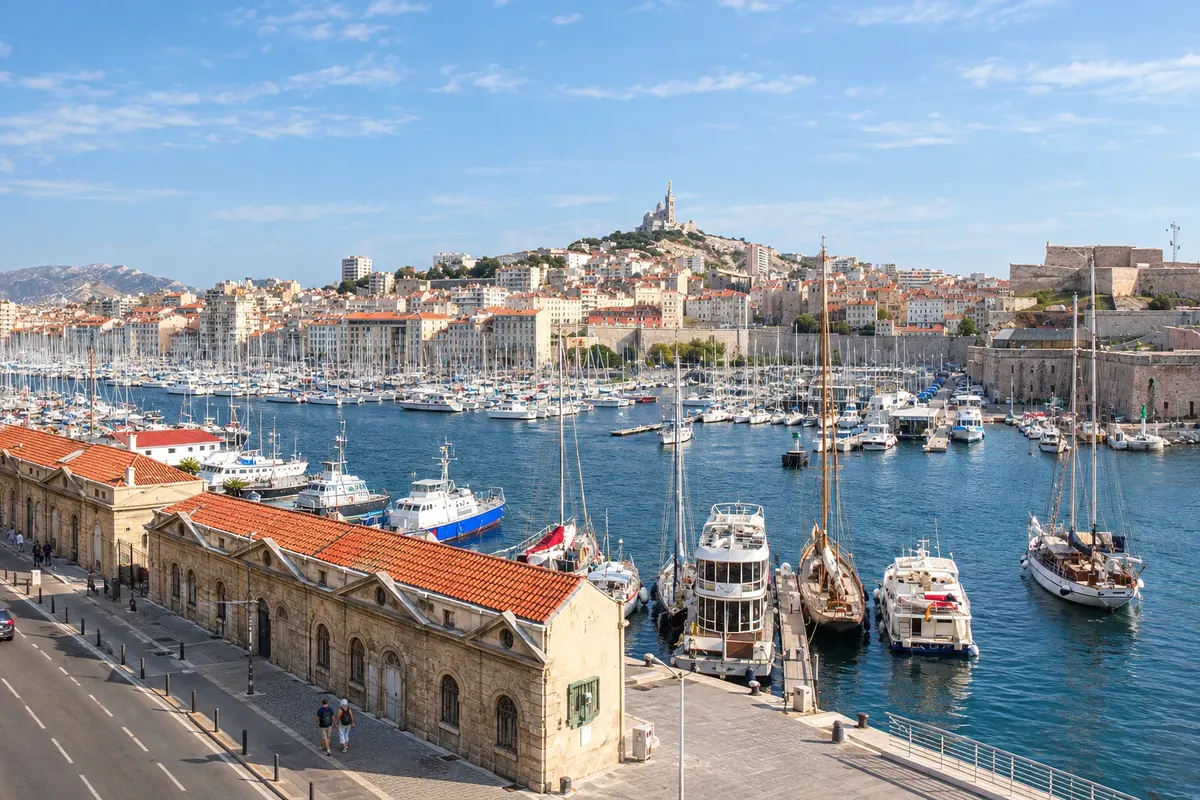
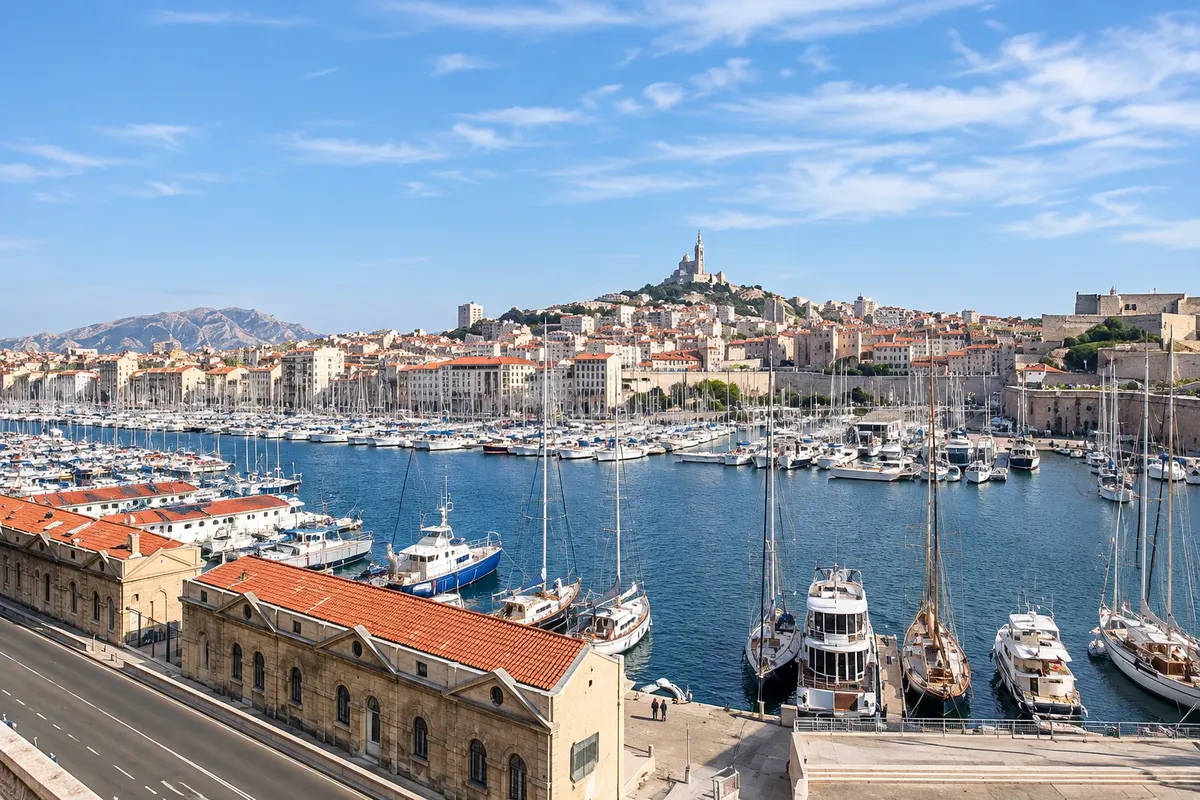
In the photo: Vieux-Port de Marseille

Illustrative images. The pictures in this guide are illustrations based on the real place, not photographs, and may differ from it.

Get it on Google Play Send your photos

The city

What to expect from Marselha.

Second-largest city in France and the country's biggest port, Marselha was founded by Greeks around 600 BC around the Vieux-Port. It has the basilica Notre-Dame de la Garde atop the hill, the MuCEM and the Panier quarter, and sits at the gateway to the calanques, white-stone coves between the city and Cassis. Land of the bouillabaisse and Olympique de Marseille.

Share: WhatsApp

Where to stay

There's no accommodation in the guide yet in Marselha.

Where to eat

There are no restaurants in the guide yet in Marselha.

Know a good one? Recommend it to us

Your trip

how to get there · how many days · itinerary · questions

The local experience

What to see in Marselha

Vieux-Port
Harbor

Vieux-Port

The old port where the Greeks founded the city around 600 BC. Today it is Marselha's central square, with fishing boats, a morning fish market, Norman Foster's mirrored Ombrière and the departure point for boats to Château d'If and Frioul.
Basilique Notre-Dame de la Garde
Church

Basilique Notre-Dame de la Garde

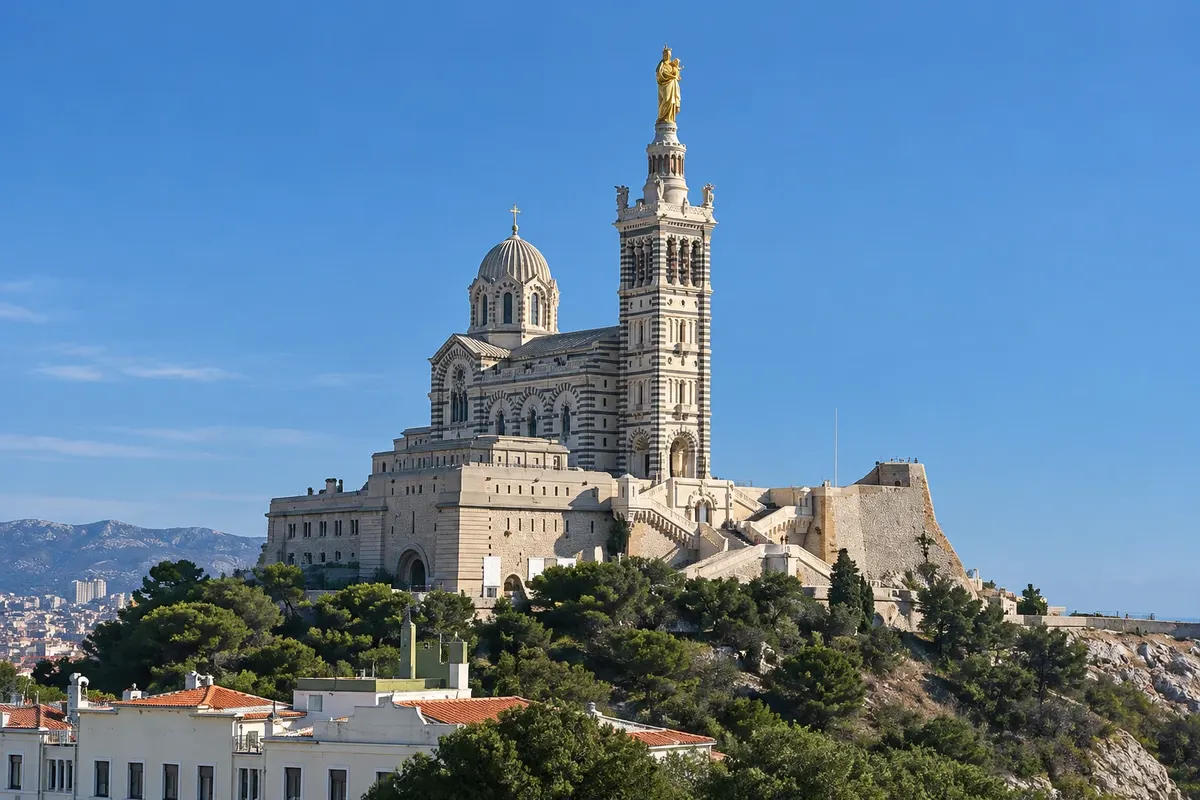
The 19th-century basilica at the highest point of the city, with the large gilded statue of the Virgin and Child. The people of Marselha call it 'Bonne Mère'. From the terrace you can see the entire city, the port, the islands and the sea.
MuCEM
Museum

MuCEM

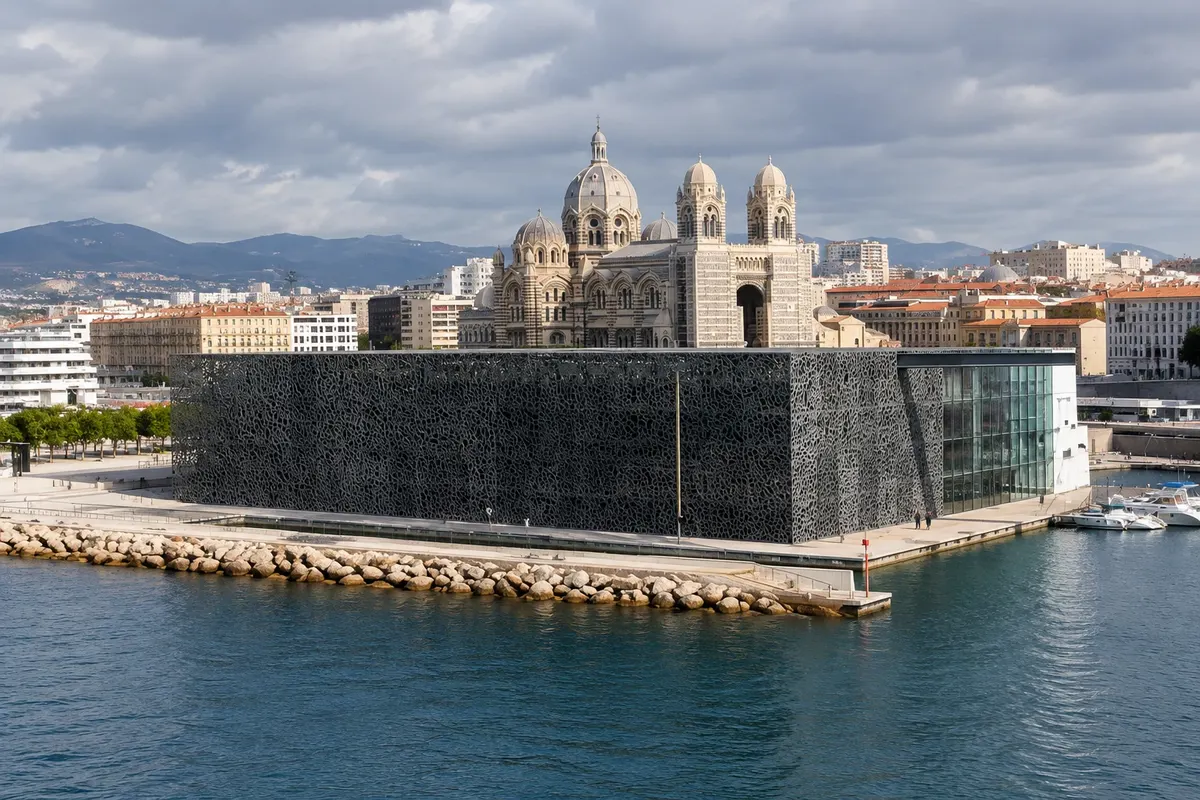
National museum dedicated to the civilizations of Europe and the Mediterranean, opened in 2013 in a cube covered by a concrete lace, at the entrance to the Vieux-Port. A footbridge links it to Fort Saint-Jean, with gardens and ramparts that can be accessed for free.
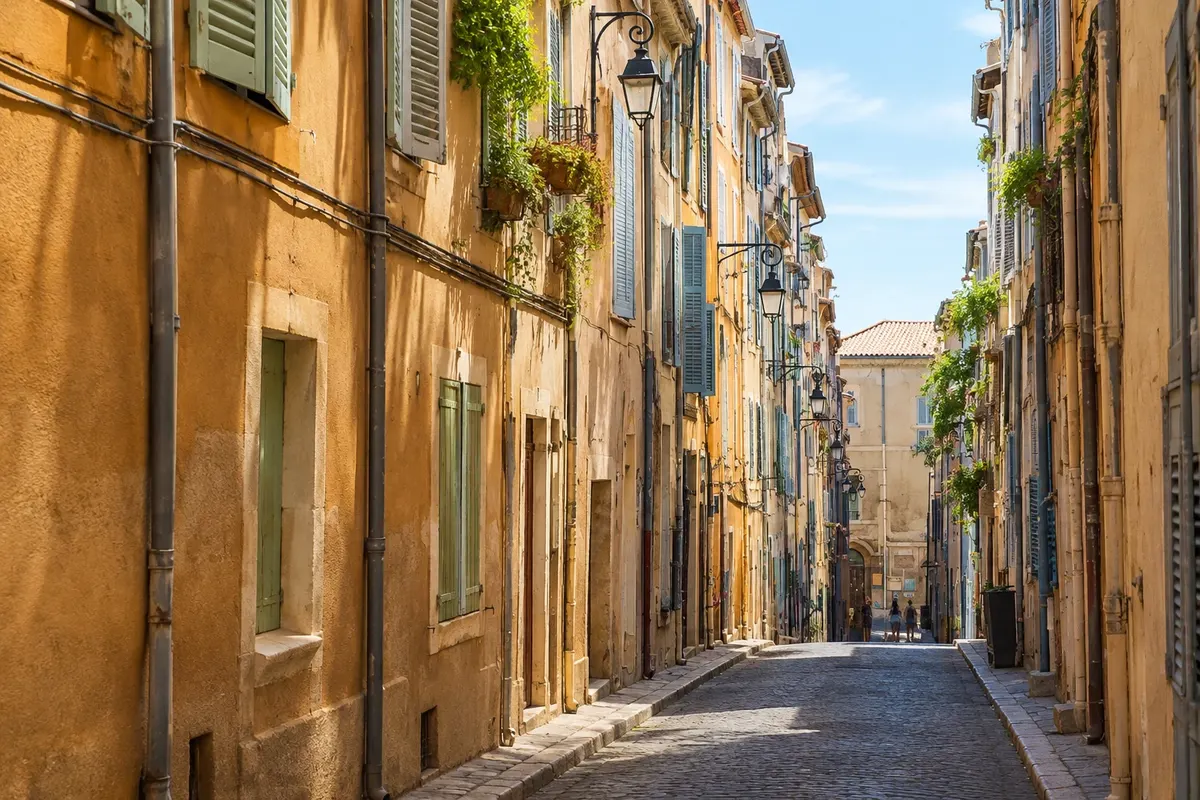
Le Panier
Historic neighborhood

Le Panier

The oldest neighborhood of Marselha, on the hill north of the Vieux-Port, where the Greek city once stood. Narrow lanes, stairways, colorful facades, studios and Marseille soap shops, and the Centre de la Vieille Charité, a 17th-century almshouse that now houses museums.


See 12 more places in Marselha
Cathédrale de la Major
Cathedral

Cathédrale de la Major

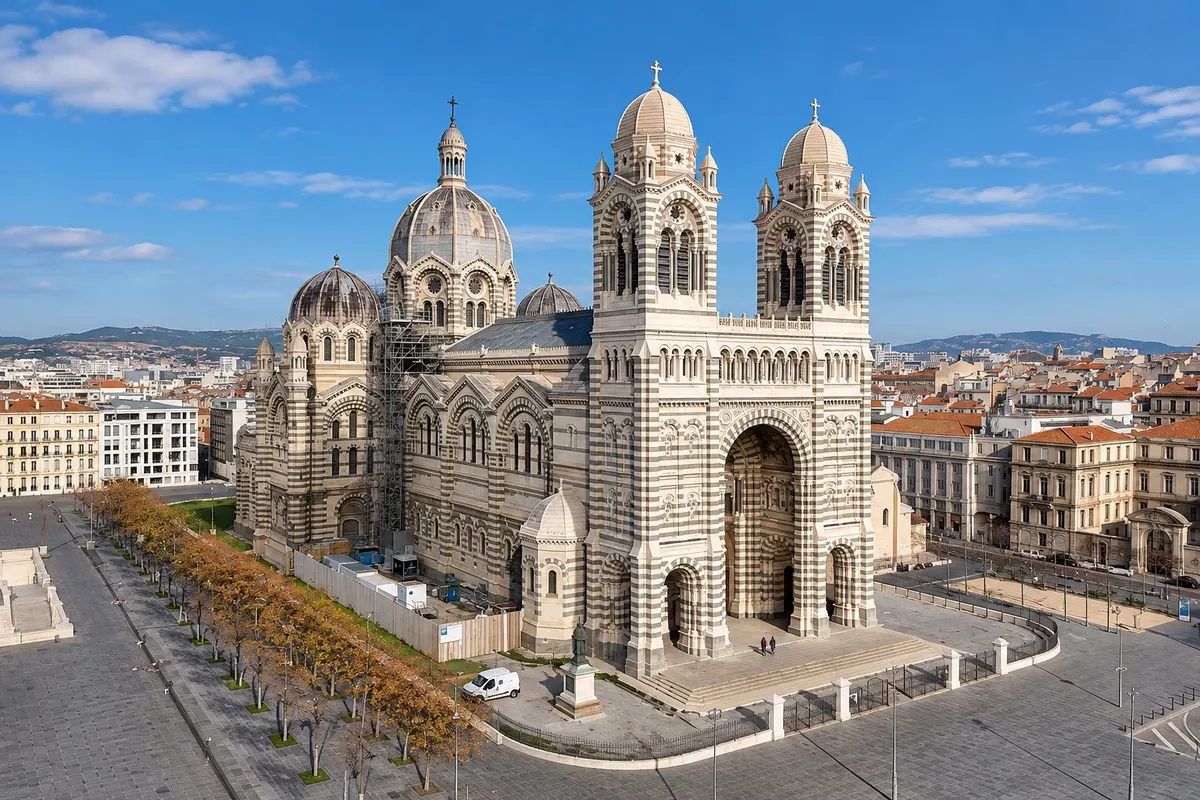
The cathedral of Marselha, built from 1852 to 1893 in a neo-Byzantine style, with bands of light and dark stone and domes. It stands on an esplanade above the port, between the Panier and the MuCEM, next to the small Vieille Major, the earlier Romanesque cathedral.

Calanque de Sormiou
Park

Calanque de Sormiou

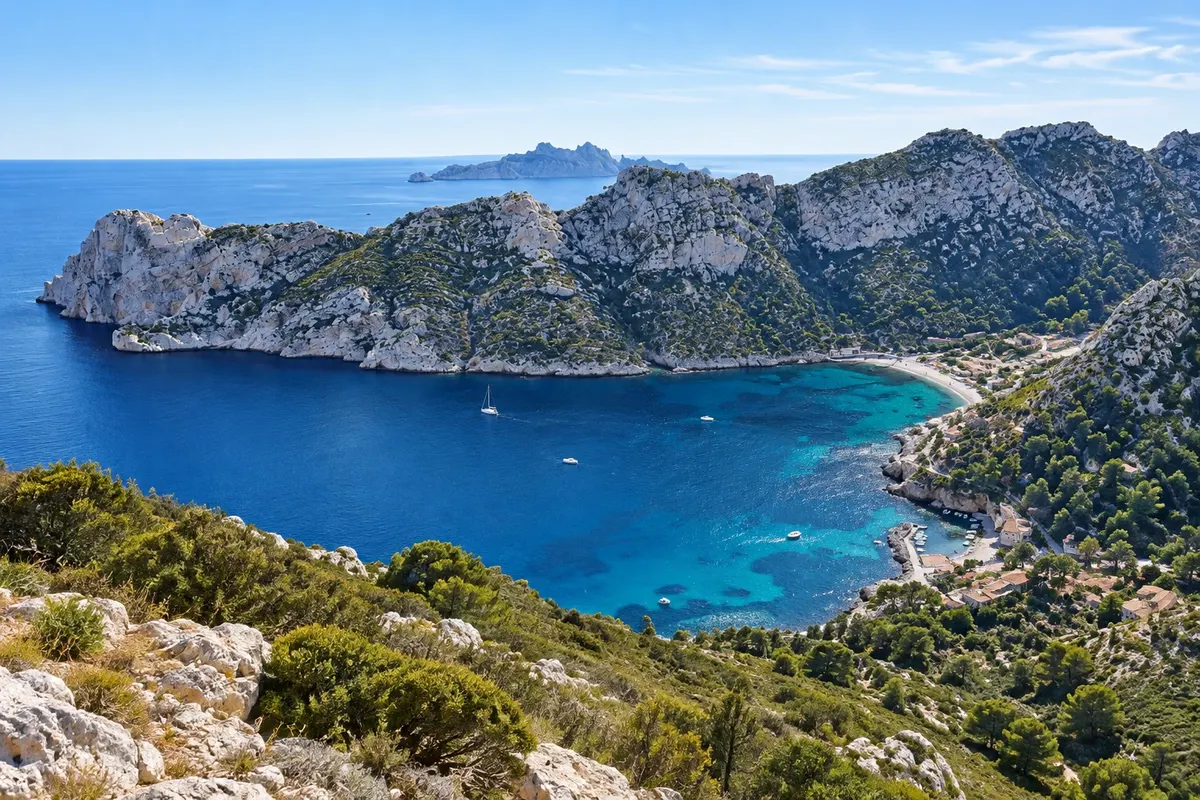
One of the largest calanques of Marselha, within the Parc national des Calanques, with a sandy beach, a small harbour and fishermen's cabanons. It is the calanque with the easiest access from the city and a good first introduction to the calanques.

Calanque de Sugiton
Park

Calanque de Sugiton

Calanque of clear waters next to the Luminy campus, with the Torpilleur rock in front. The trail from Luminy is one of the most used. For part of the summer access to the beach section may require a reservation, which is free of charge.

Calanque d'En-Vau
Park

Calanque d'En-Vau

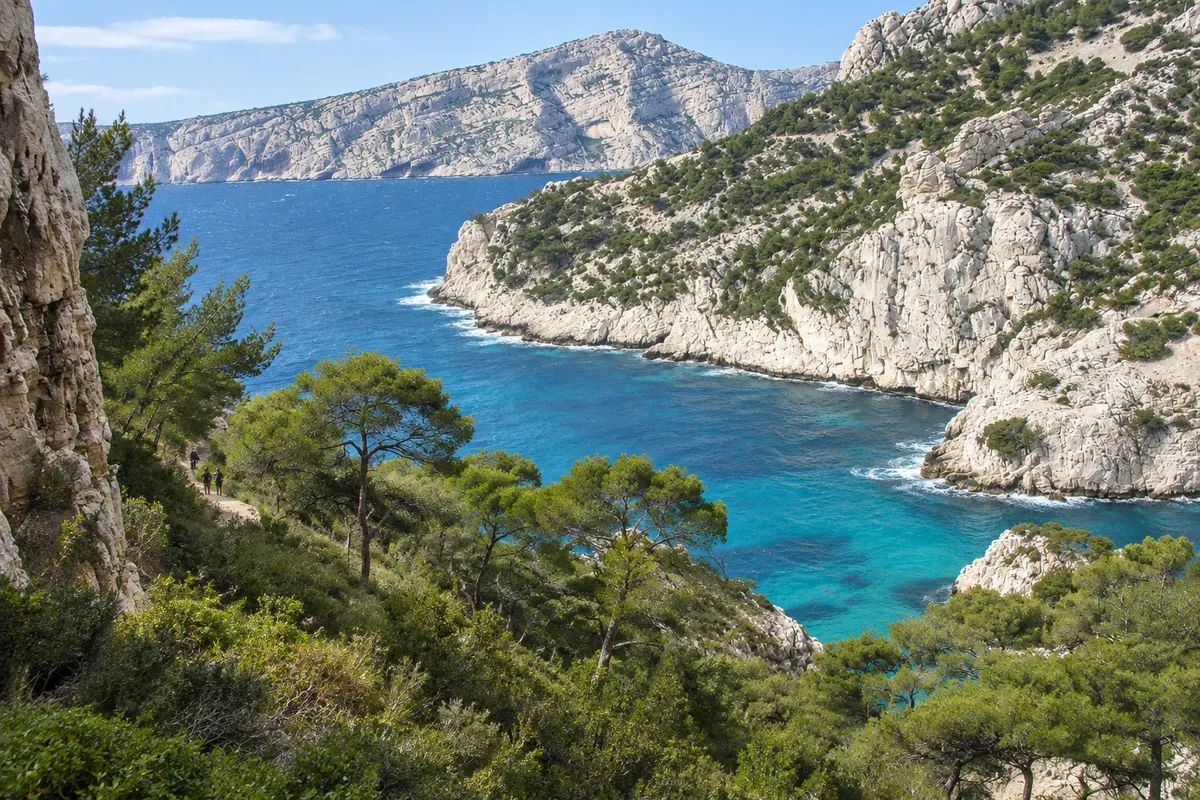
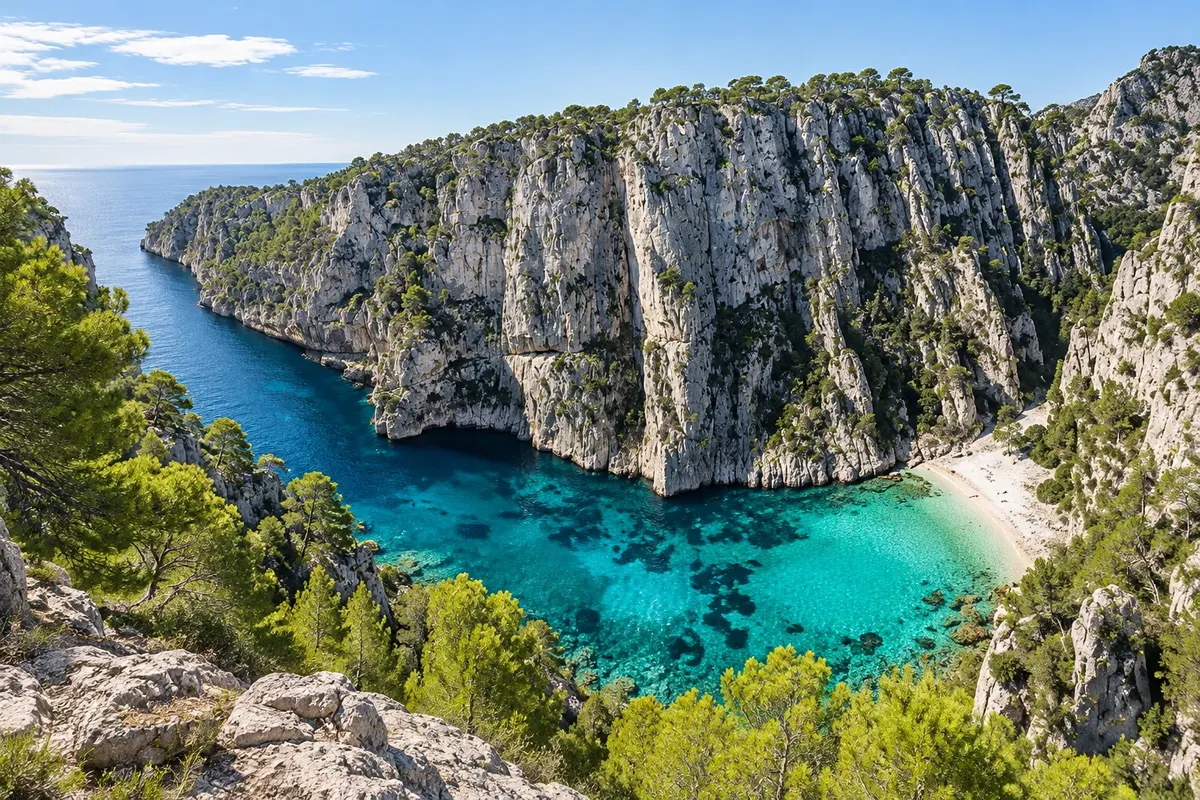
The deepest, most enclosed calanque of the massif, with high cliffs, a pebble beach and green-blue water. It's located between Marseille and Cassis and is reached by trail from Cassis, passing Port-Miou and Port-Pin, or by boat—without disembarking—on excursions that depart from the port.

Château d'If
Fortress

Château d'If

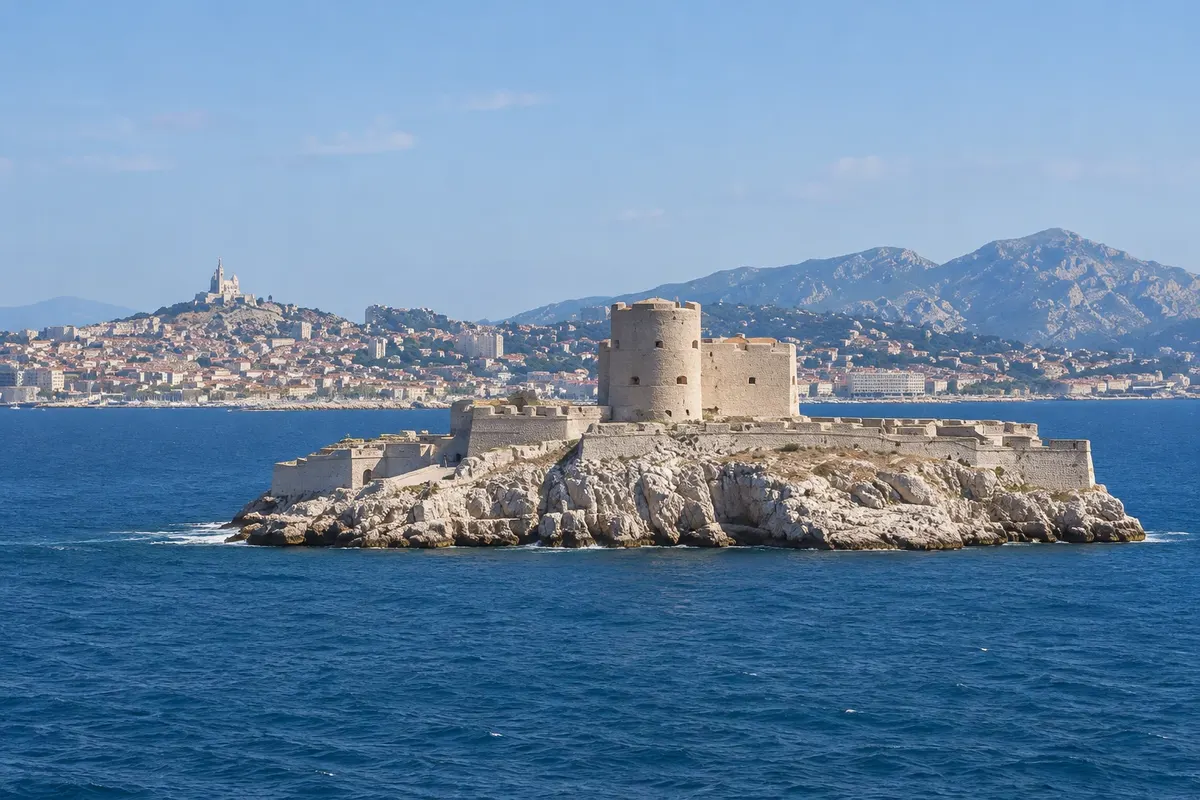
16th-century fortress on a small islet in front of the harbor, which served as a prison for centuries and became famous as the setting of The Count of Monte Cristo by Alexandre Dumas. It is reached by boat from the Vieux-Port.

Îles du Frioul
Island

Îles du Frioul

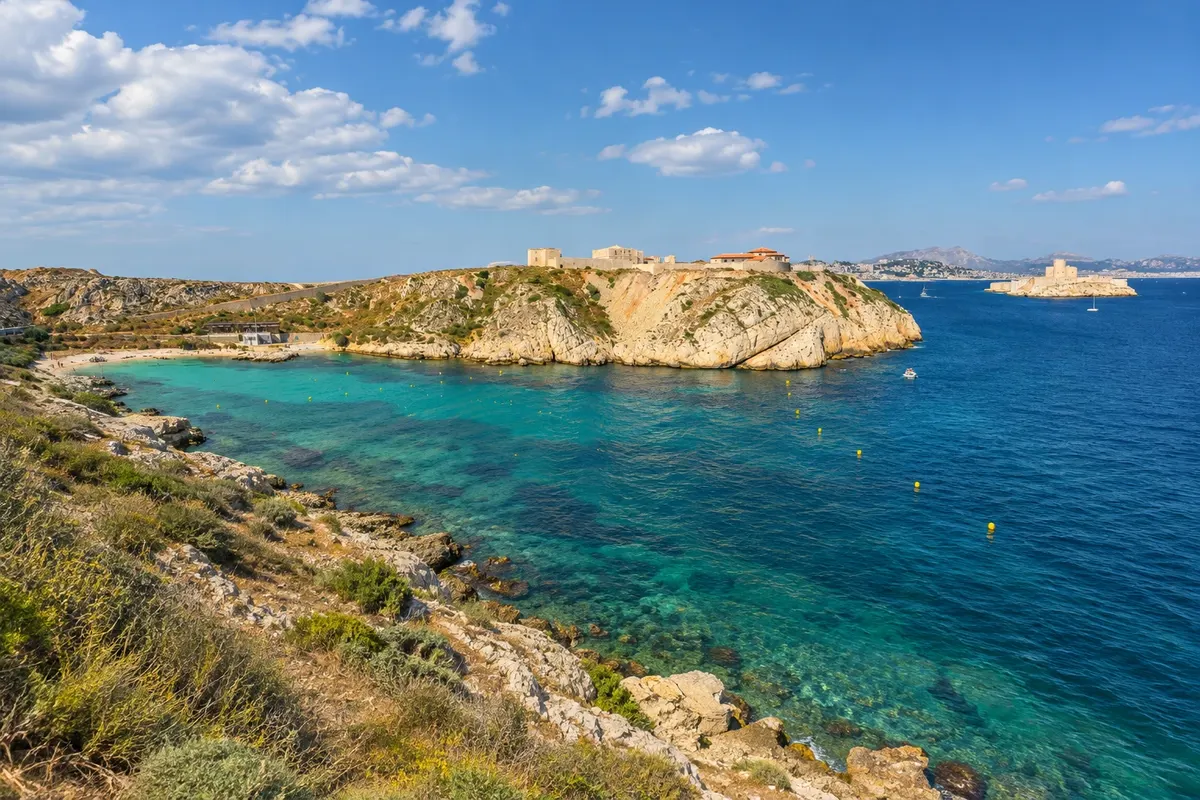
Archipelago off Marseille, part of the Parc national des Calanques. The islands of Ratonneau and Pomègues, connected by a causeway, have small beaches, coves and trails over limestone rock, with views of the city.

Palais Longchamp
Palace

Palais Longchamp

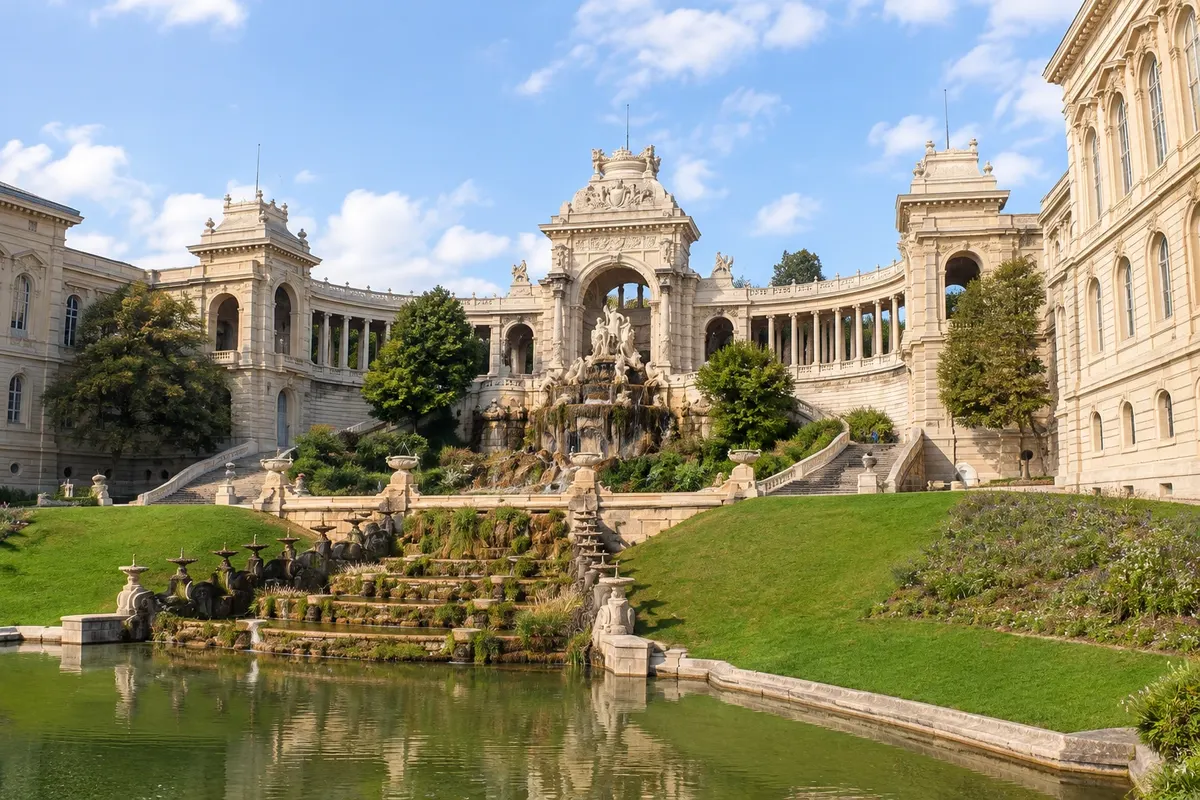
Monumental 19th-century palace with a cascading fountain, built to celebrate the arrival of water from the river Durance to Marseille. The wings house the Musée des Beaux-Arts and the Muséum d'histoire naturelle, and behind it lies the Parc Longchamp.

Vallon des Auffes
Harbor

Vallon des Auffes

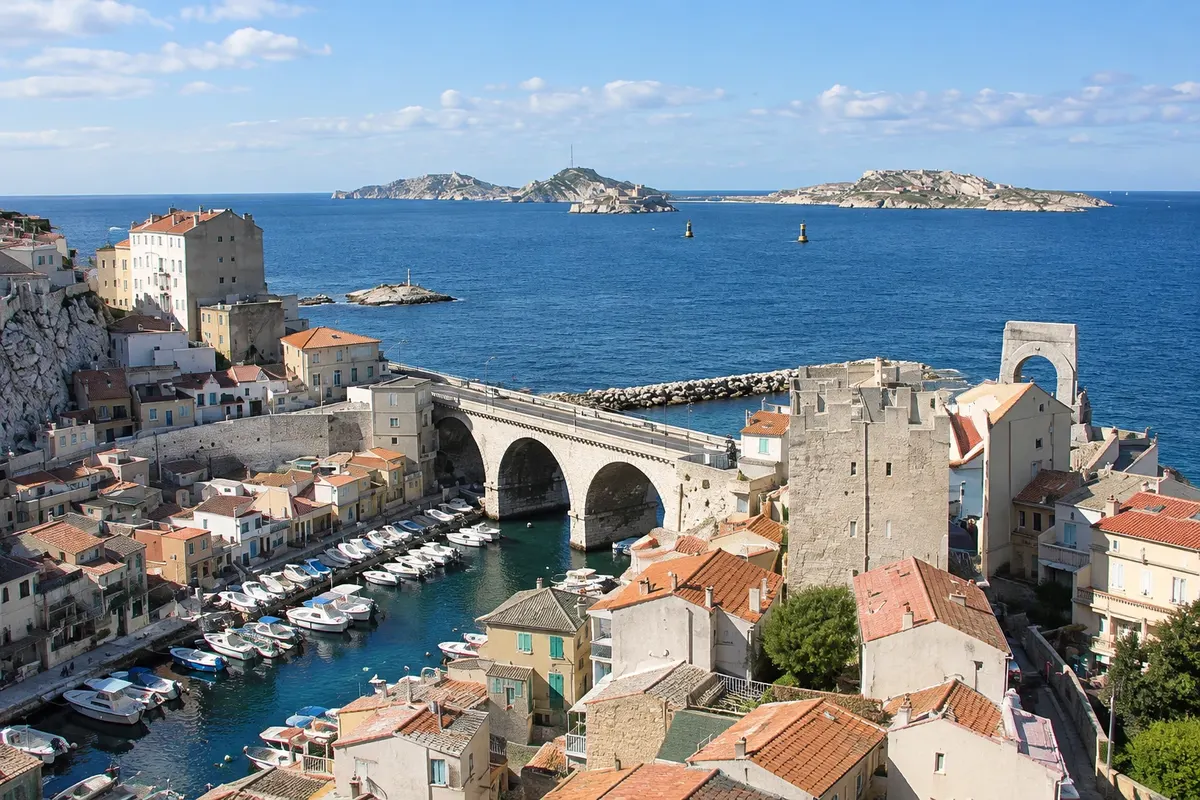
Small fishing port hidden under a three-arched bridge of the Corniche Kennedy, with colorful little houses and traditional boats. The Corniche runs for almost 4 km along the sea, with views of the islands.

Cité radieuse
Architecture

Cité radieuse

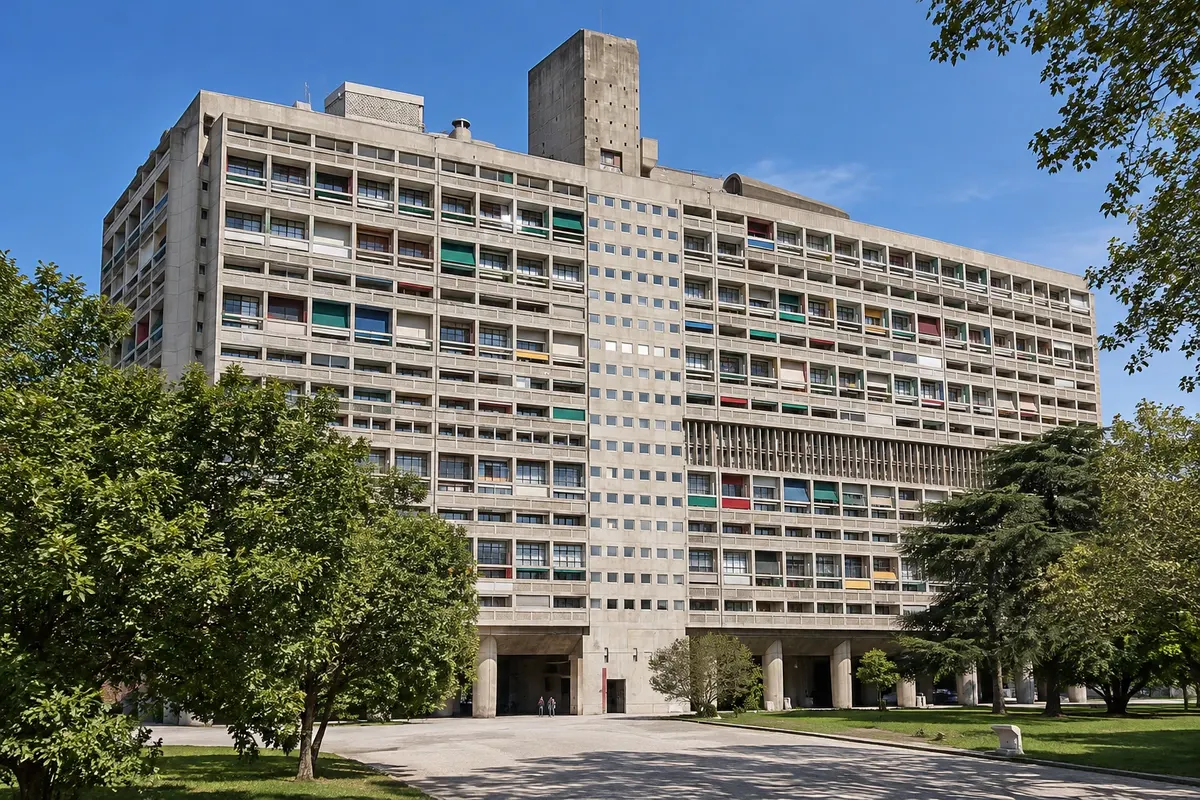
Residential building by Le Corbusier, built from 1947 to 1952, which put into practice the idea of a "vertical village" with internal streets, shops, a hotel and a roof terrace. It has been a UNESCO World Heritage Site since 2016 and remains inhabited.

Abbaye Saint-Victor
Abbey

Abbaye Saint-Victor

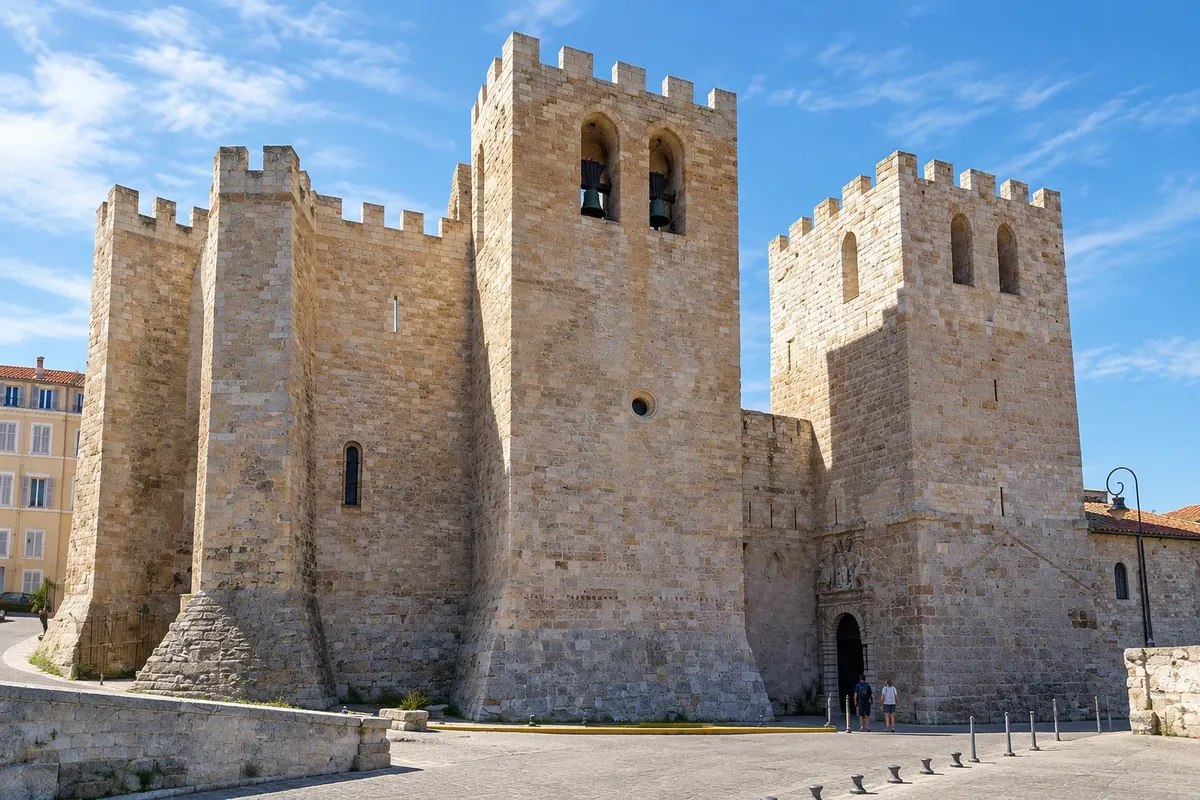
One of the oldest churches in France, with the appearance of a fortress, near the Vieux-Port. The crypts hold sarcophagi from the 4th and 5th centuries and the Black Virgin, venerated in the Candlemas procession on February 2.

Cassis
Village

Cassis

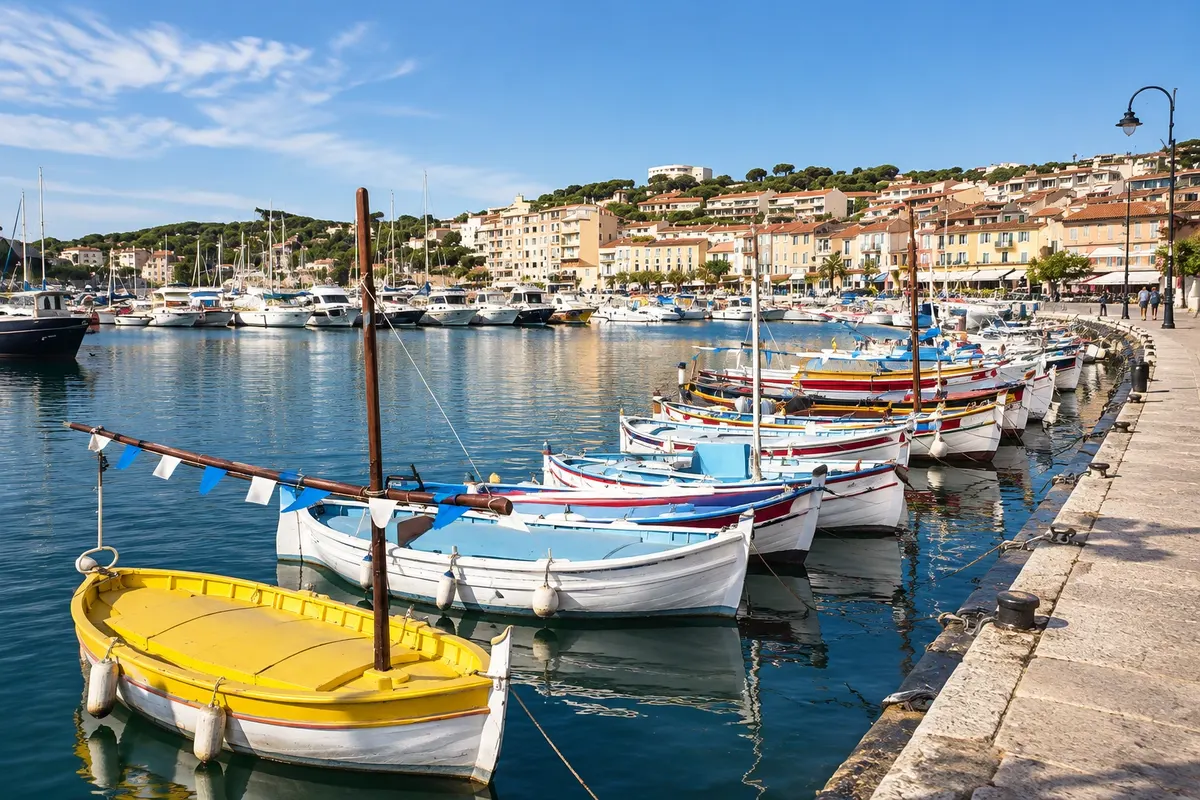
A fishing village about 20 km east of Marselha, with a harbor of colorful houses, beaches, its own white wines and boat departures for the calanques. Above it rises Cap Canaille, with the highest sea cliffs in France.

Stade Vélodrome
Stadium

Stade Vélodrome

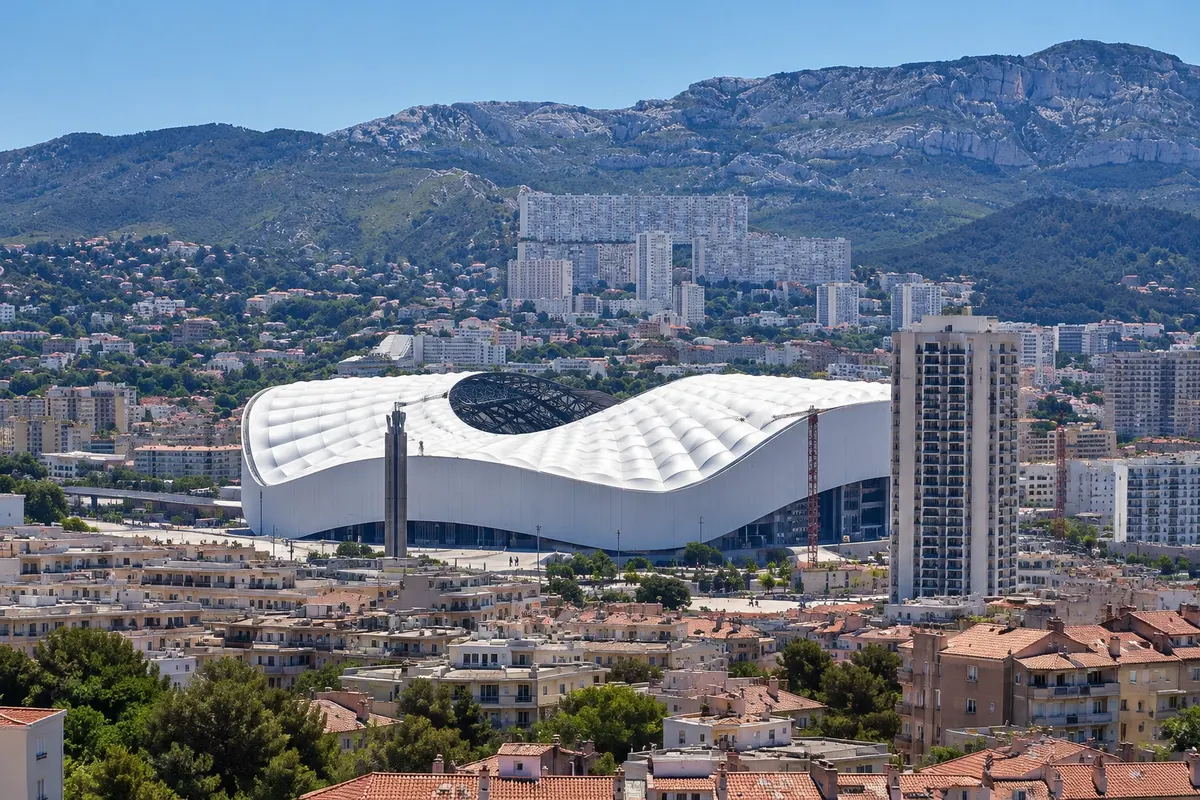
Home of Olympique de Marseille since 1937 and the second-largest stadium in France, with about 67,000 seats. It has hosted Football and Rugby World Cup matches and offers guided behind-the-scenes tours. Since 2026 it has been officially named CEPAC Vélodrome.

Traveler, share your experiences through photos Up to 5 photos of each place you visited.
See the destination Provença Find another city