Douarnenez and Finistère

Brittany · France

Douarnenez and Finistère

Sardine port at the far west of Brittany, with a boat museum port, the old Rosmeur harbor, the granite village of Locronan and the cliffs of the Pointe du Raz.

West

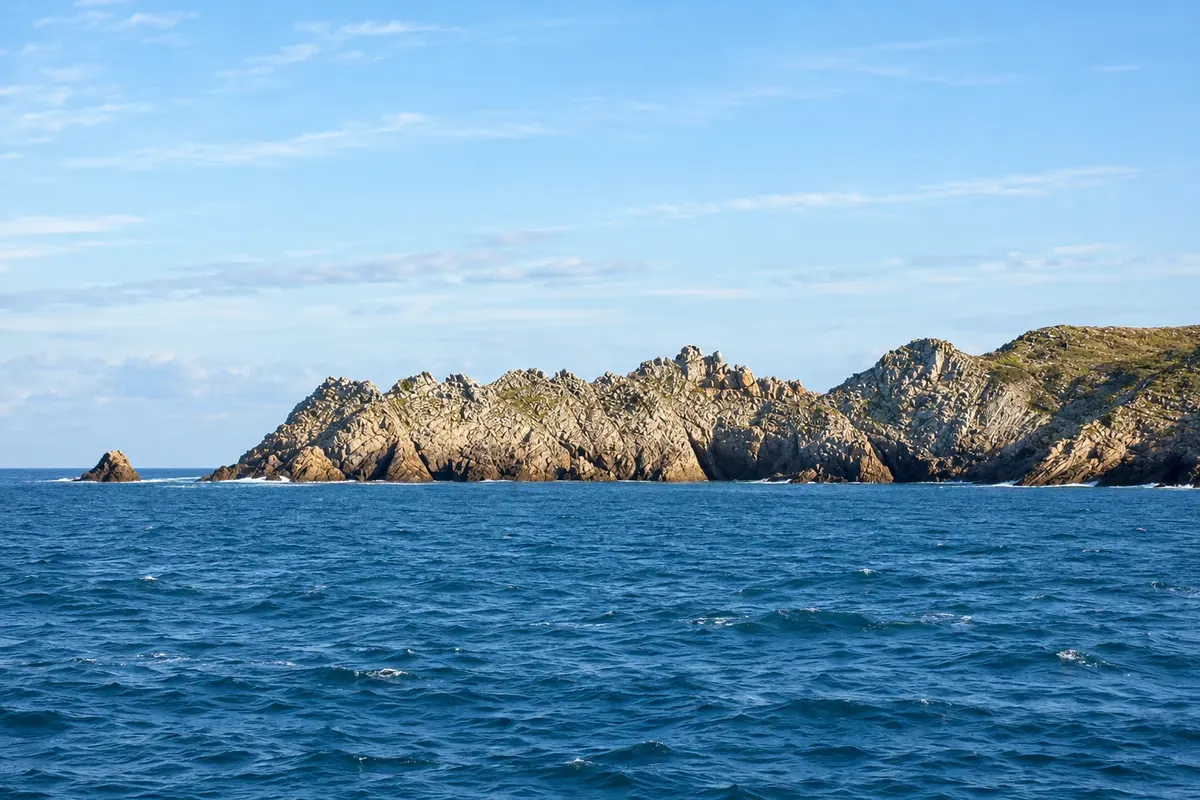
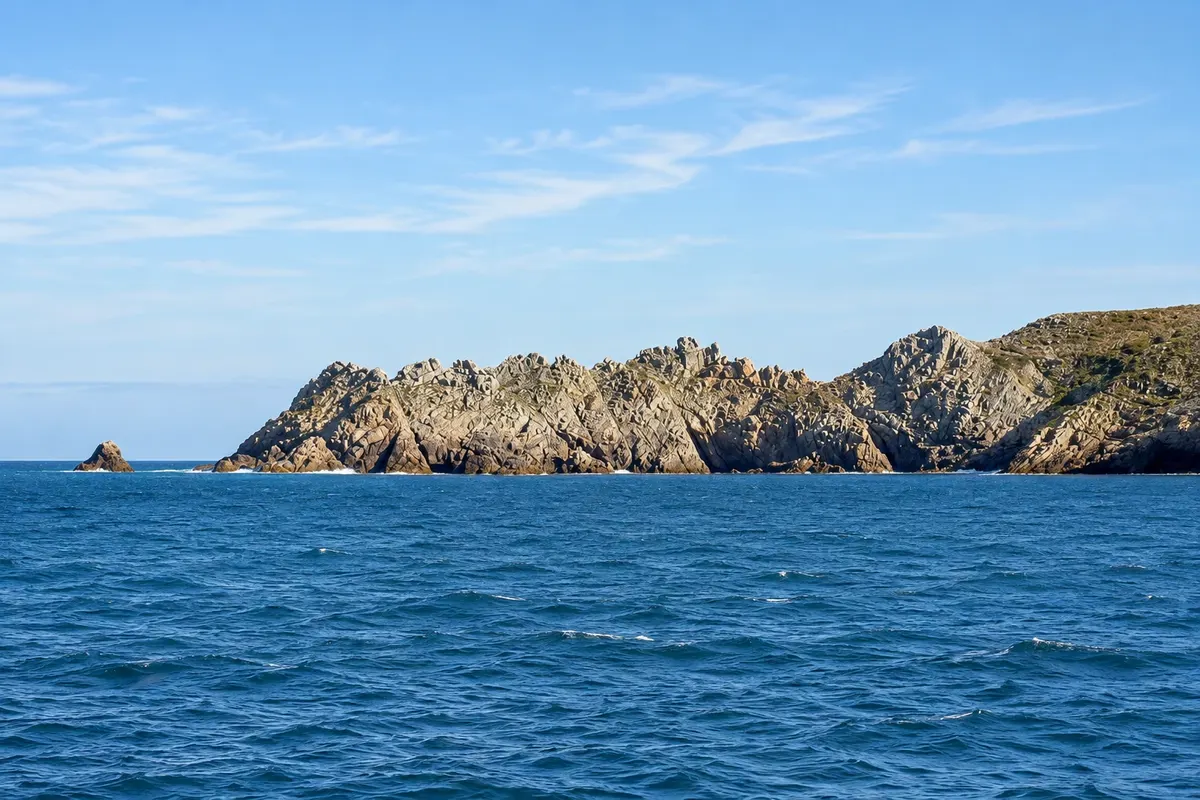
In the photo: Cliffs of the Pointe du Raz, in Finistère.

Illustrative images. The pictures in this guide are illustrations based on the real place, not photographs, and may differ from it.

Get it on Google Play Send your photos

Get to know the place

A region to enjoy
at your own pace.

Finistère is the westernmost department of Brittany, a headland surrounded by the Atlantic and the English Channel. The name comes from Latin and means end of the earth. The coast alternates sheltered bays, granite cliffs and small fishing ports, and the Breton language still appears on signs and place names.

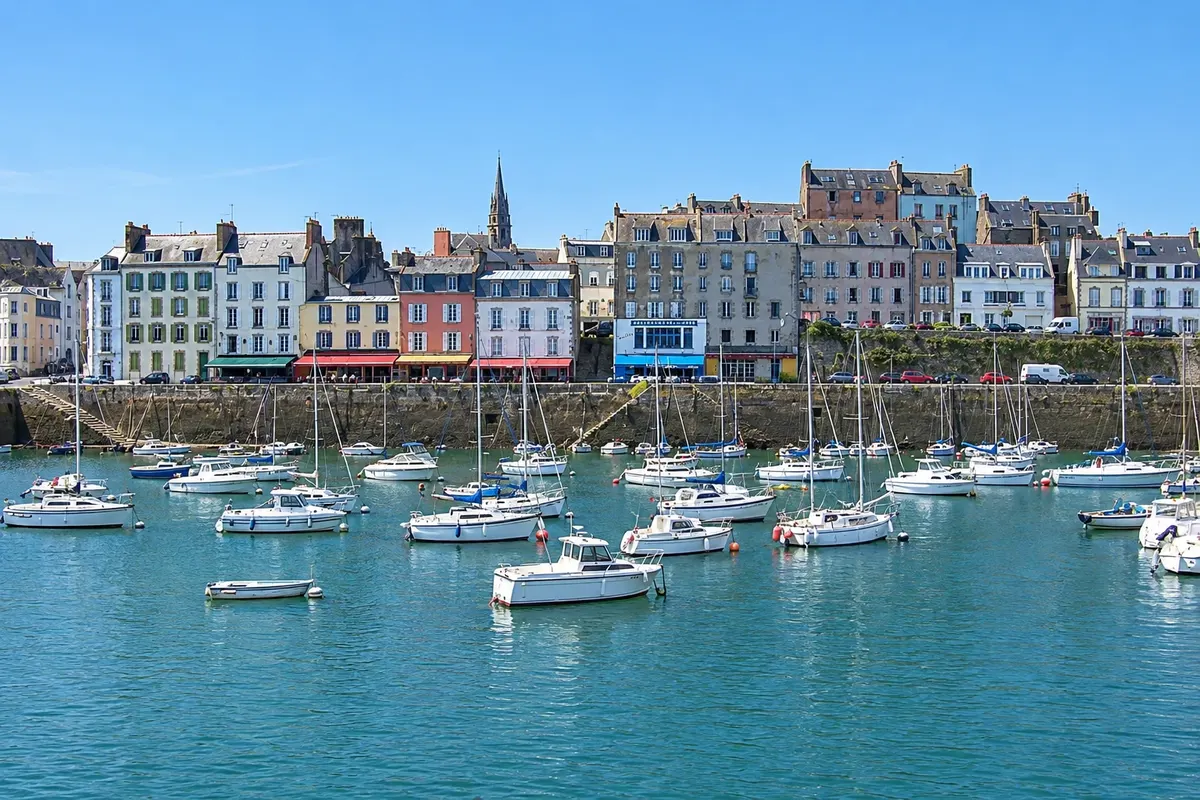
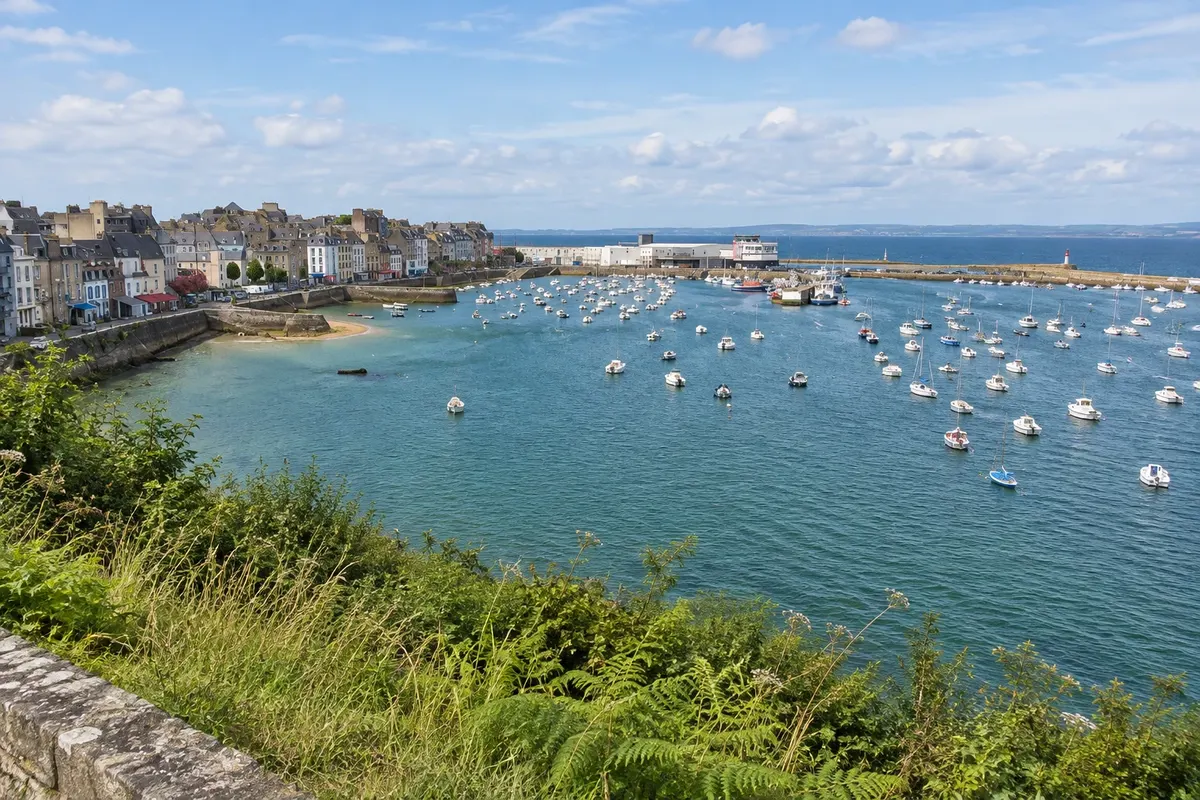
Douarnenez sits at the head of the bay of the same name, in southern Finistère. It was one of France’s major sardine ports, with dozens of canneries in the early 20th century, and the town preserves that memory in its three harbors: Rosmeur, the old fishing harbor with colorful houses; Port-Rhu, home to the boat museum port; and Tréboul, on the other side of the estuary.

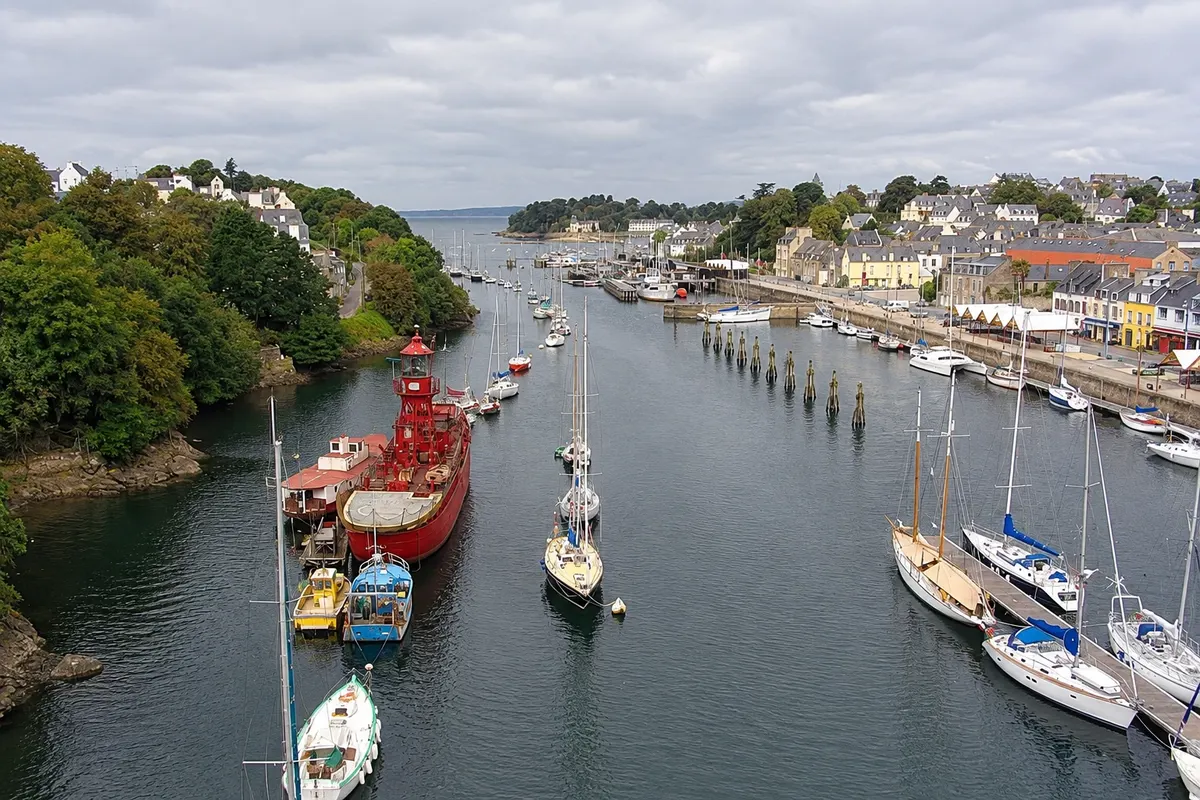
The boat museum brings together working boats from around the world, some of them open to board, and tells the story of fishing and canning. Above Rosmeur, the Plomarc'h site, with fields, woods and Roman-era salting tanks, shows that the bay has depended on fish for almost two thousand years.

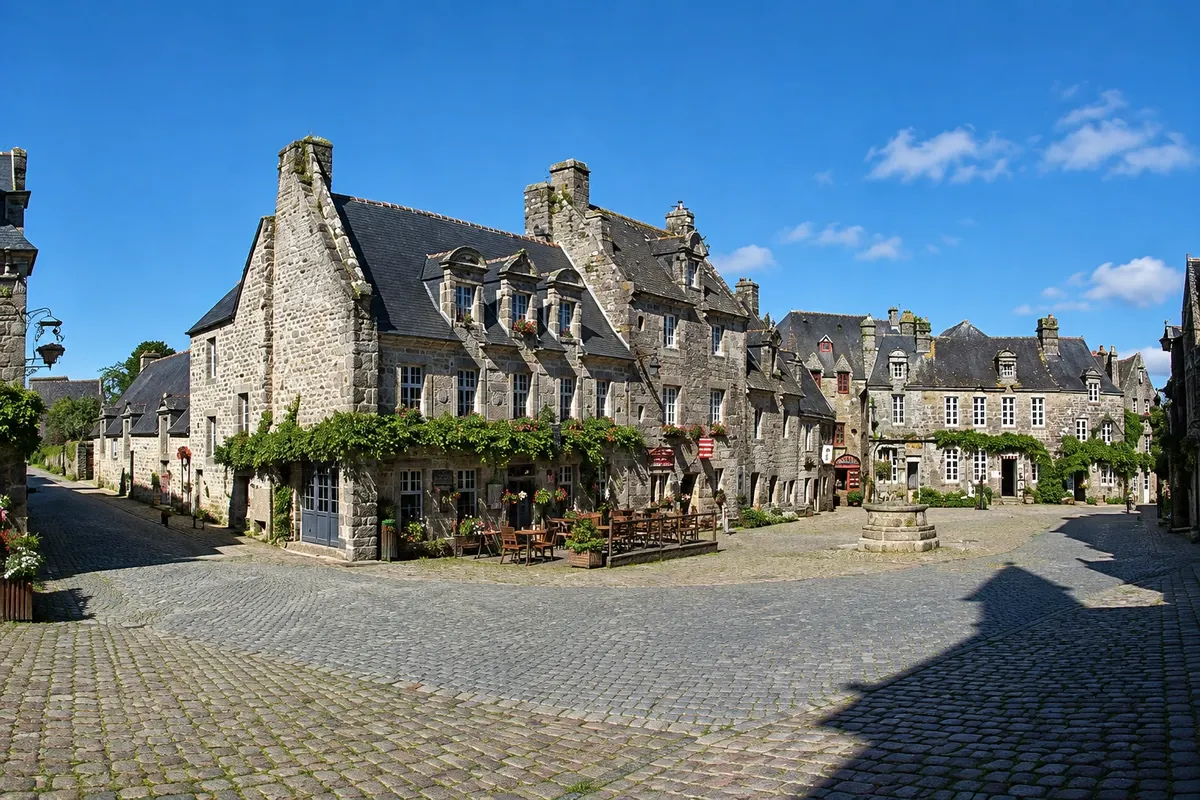
A few kilometers away is Locronan, a village of granite houses around the church square, enriched by the sailcloth trade between the 15th and 17th centuries. Further west, the Pointe du Raz juts into the sea, facing the island of Sein, at one of Brittany’s best-known headlands.

Douarnenez is also the home of the kouign-amann, a pastry made from bread dough, butter and sugar caramelized in the oven.

This destination brings together 1 city: Douarnenez.

Share: WhatsApp
Traveler, share your experiences through photos Up to 5 photos of each place you visited.

One destination, many paths

The cities on this trip

Start with one city or combine several in your itinerary.

Where Douarnenez and Finistère is
Douarnenez

Outlines: © IGN, ADMIN EXPRESS, Licence Ouverte 2.0. Adapted by Cidade Turismo.

How to get there: Douarnenez and Finistère

✈ Aéroport Brest Bretagne (BES), in Guipavas · 75 km to Douarnenez

Brest airport is the option for arriving by plane. high-speed trains from Paris reach Quimper; from Quimper to Douarnenez you continue by bus or car, in about 30 minutes.

The local experience

Things to do in Douarnenez and Finistère

Port-Musée de Douarnenez
Douarnenez · Brittany · Museum

Port-Musée de Douarnenez

Maritime museum on the Port‑Rhu estuary, with on‑land collections and working boats moored that you can board. It tells the story of fishing, coastal trade and the canning industry of Brittany and other coasts.

Port du Rosmeur
Douarnenez · Brittany · Harbor

Port du Rosmeur

Douarnenez’s old fishing harbor, with colorful houses, stone quays and narrow streets climbing to the center. Above it, the Plomarc'h site preserves Roman‑era salting tanks and a viewpoint over the bay.

Locronan
Douarnenez · Brittany · Historic village

Locronan

A village of 17th‑ and 18th‑century granite houses around a square with a well, dominated by the 15th‑century Church of Saint Ronan. It grew wealthy from making canvas for sails.

Pointe du Raz
Douarnenez · Brittany · Nature

Pointe du Raz

Granite headland at the tip of the Sizun cape, with cliffs about 70 m above the Raz de Sein, a stretch of sea with strong currents in front of the island of Sein. Classified Grand Site de France since 2004.

Before you go

Practical information

A little planning leaves more time to enjoy the journey.

When to go

From May to September, with long days and mild temperatures between 15 °C and 22 °C. July and August are the busiest months. Spring, from April to June, brings flowers on the cliffs. From November to March the weather is rainy and windy, and some visits close.

The seasons shown are the most usual ones; nature doesn't always follow the calendar.

How many days to stay

Two days allow you to see Douarnenez, including the boat museum and Rosmeur, and make outings to Locronan and the Pointe du Raz. With three days, there’s time left to walk sections of the coastal path and explore the Sizun headland peninsula.

Which city to stay in

In Douarnenez, the Rosmeur area and the town center put the port, shops and restaurants within walking distance; Tréboul, on the other side of the estuary, is quieter and close to the beaches. If you prefer to sleep in a small village you can choose Locronan, which has few options. For the Pointe du Raz there are accommodations in villages on the Sizun headland, such as Audierne and Plogoff.

Respect the place

Take your trash with you, follow the signs and support local businesses. In natural areas, follow the visiting guidelines.

Get your questions answered

Frequently asked questions about Douarnenez and Finistère

What to see in Douarnenez and surroundings?

In Douarnenez, the boat museum port and the old Rosmeur harbor, with the Plomarc'h site just above. Nearby, the granite village of Locronan, about 10 km away, and the Pointe du Raz, about 35 km away.

Do you need a car to explore Finistère from Douarnenez?

For Locronan and the Pointe du Raz, a car makes things much easier. There are regional buses, but schedules are sparse, especially outside summer.

Is Douarnenez near Quimper?

Yes, about 23 km. Quimper has the nearest train station; for air travel the option is Brest airport.

What is the best month to visit Finistère?

From May to September, when days are long and attractions are open. July and August are the busiest months; June and September are usually quieter.

What is kouign-amann?

A Breton pastry made from bread dough folded with butter and sugar, which caramelizes in the oven. It is associated with Douarnenez and has its own page in Flavors of France.

Explore other destinations Search by state and city