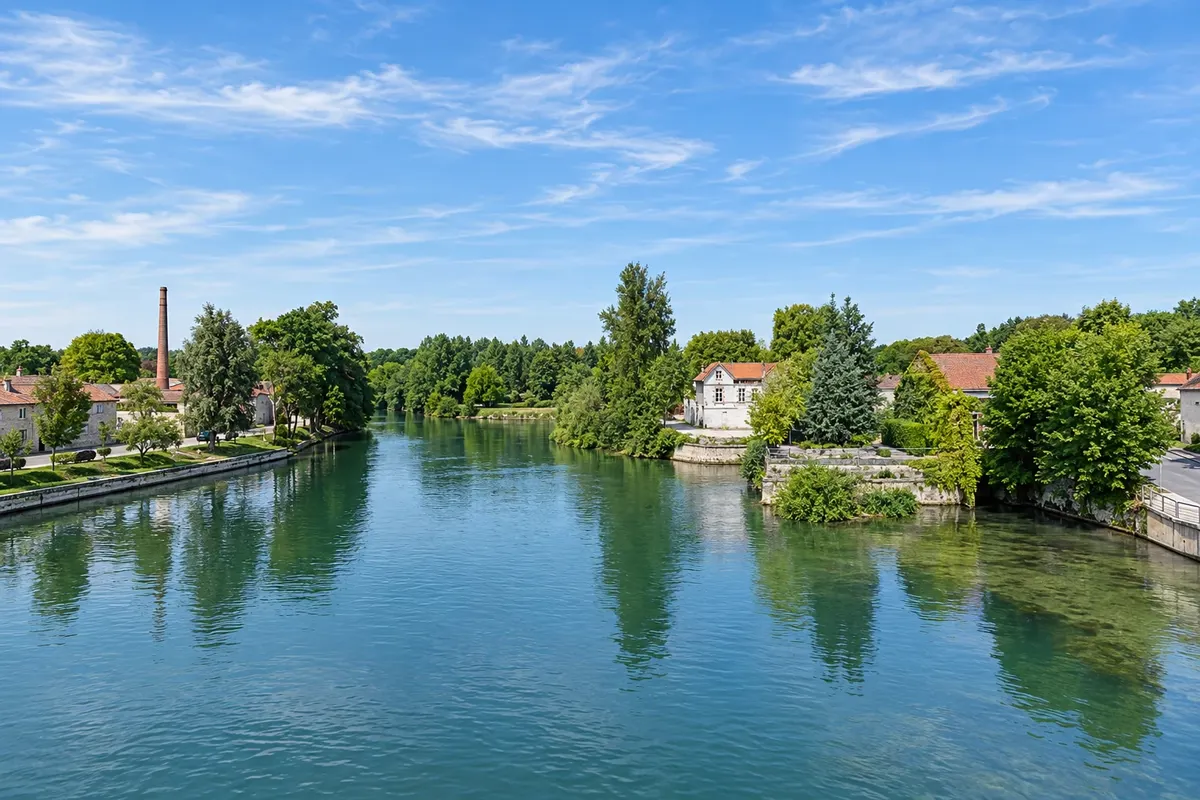
Charente is a department in western France crossed by the river of the same name, which flows in slow bends between vineyards, pale-stone villages and old river ports. For centuries salt, wine and later brandy were transported down the river to the Atlantic.
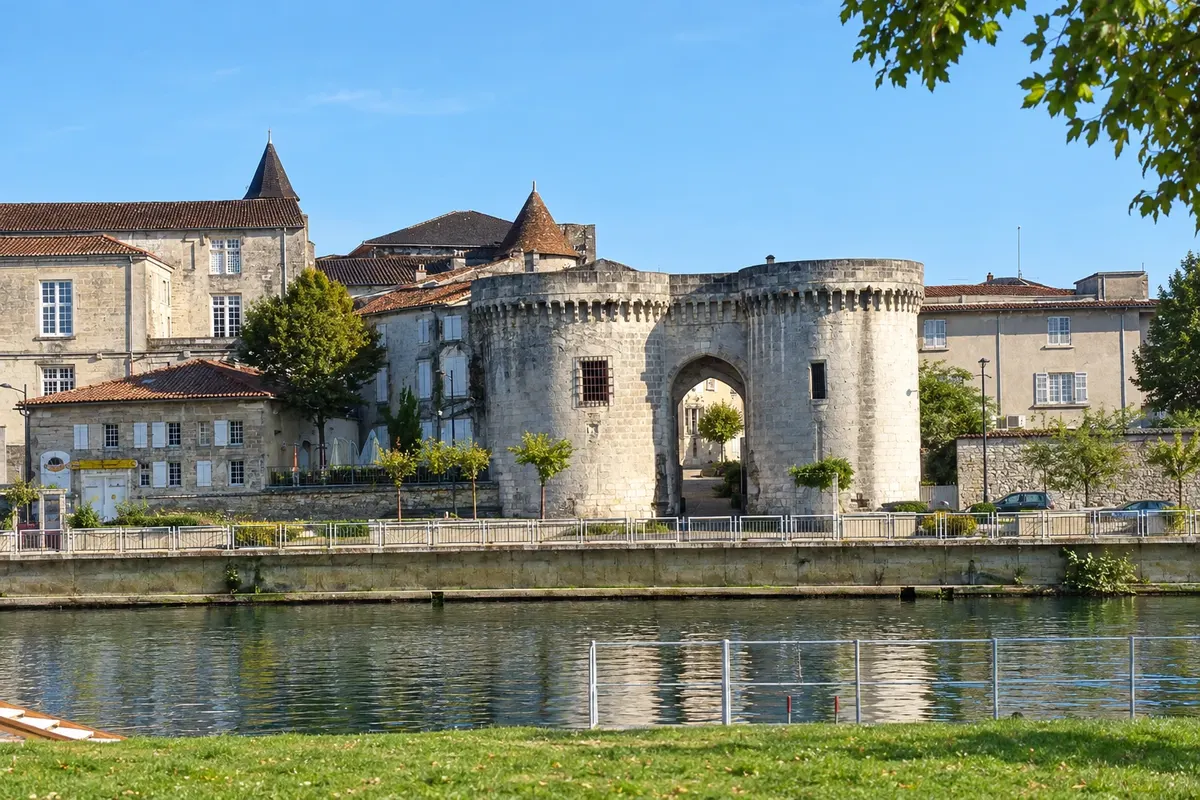
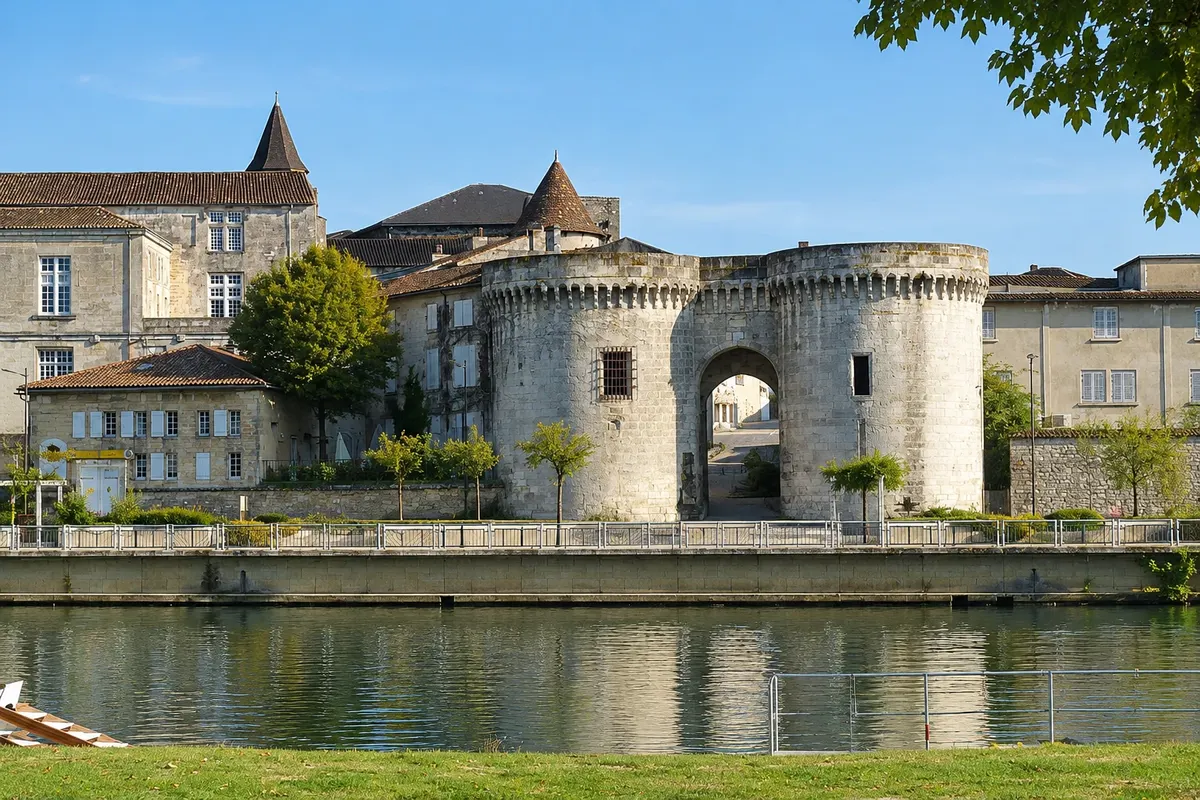
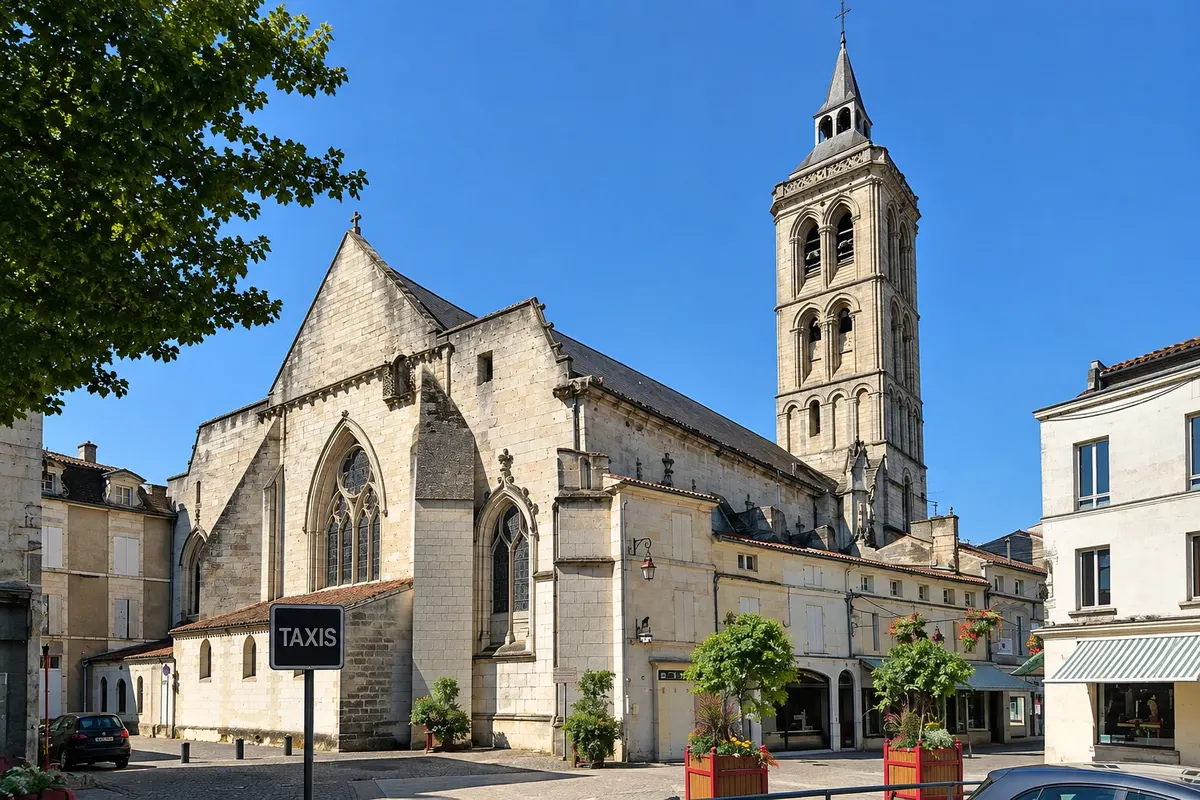
Cognac lies on the left bank of the Charente. The town grew up around a castle and a port, and the future king Francis I was born there in 1494. The old centre, Vieux Cognac, rises from the river to the church of Saint Leodegar, with narrow streets, houses from the 15th to the 18th centuries and the Porte Saint-Jacques, which guarded the riverside entrance.
From the 17th century, distillation of the region’s white wines gave rise to cognac. Trading houses established themselves along the river, and the ageing warehouses darkened the walls with the fungus that feeds on brandy vapors. The appellation was recognised in 1936.
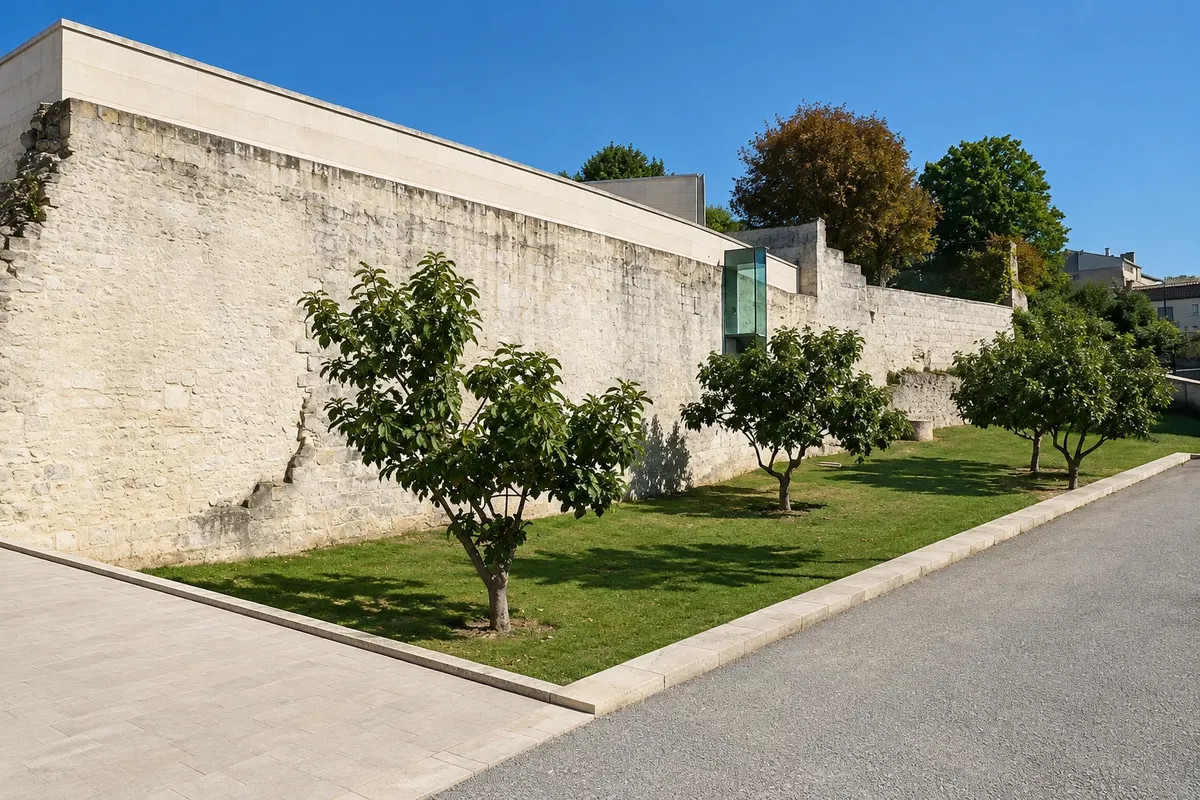
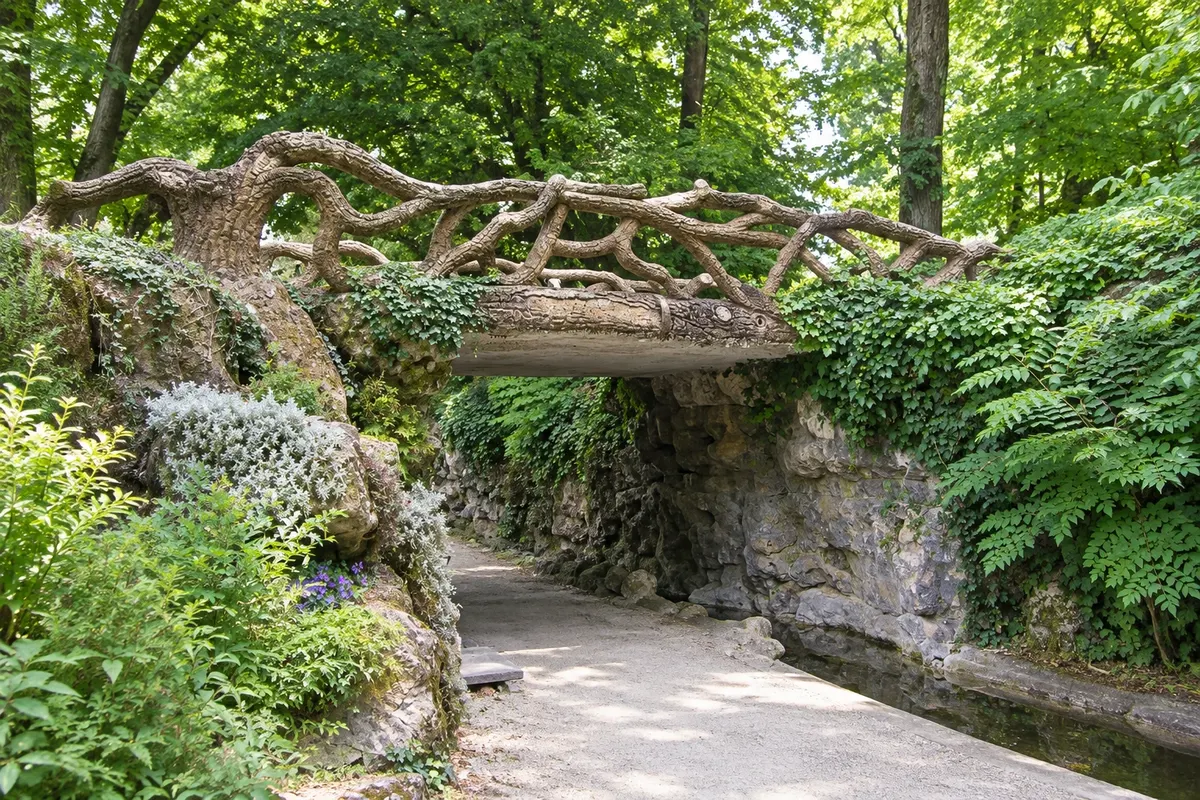
The town tells this story in two municipal museums: the Cognac knowledge museum, dedicated to the vineyard, distillation and trade, and the art and history museum, in a merchant’s mansion within the public garden. The garden, about 7 hectares, surrounds the town hall in the centre of town.
This destination brings together 1 city: Cognac.


 Brazil
 Argentina
 Bolivia
 Chile
 Colombia
 Ecuador
 Guyana
 French Guiana
 Falkland Islands (Malvinas)
 Paraguay
 Peru
 Suriname
 Uruguay
 Venezuela
 Germany
 Austria
 Belgium
 Croatia
 Denmark
 Spain
 Finland
 Greece
 the Netherlands
 Hungary
 Ireland
 Iceland
 Italy
 Luxembourg
 Norway
 Poland
 Portugal
 the United Kingdom
 the Czech Republic
 Sweden
 Switzerland
 Turkey
 the United States
 Mexico
 the Dominican Republic
 South Africa
 Australia
 Fiji
 New Zealand