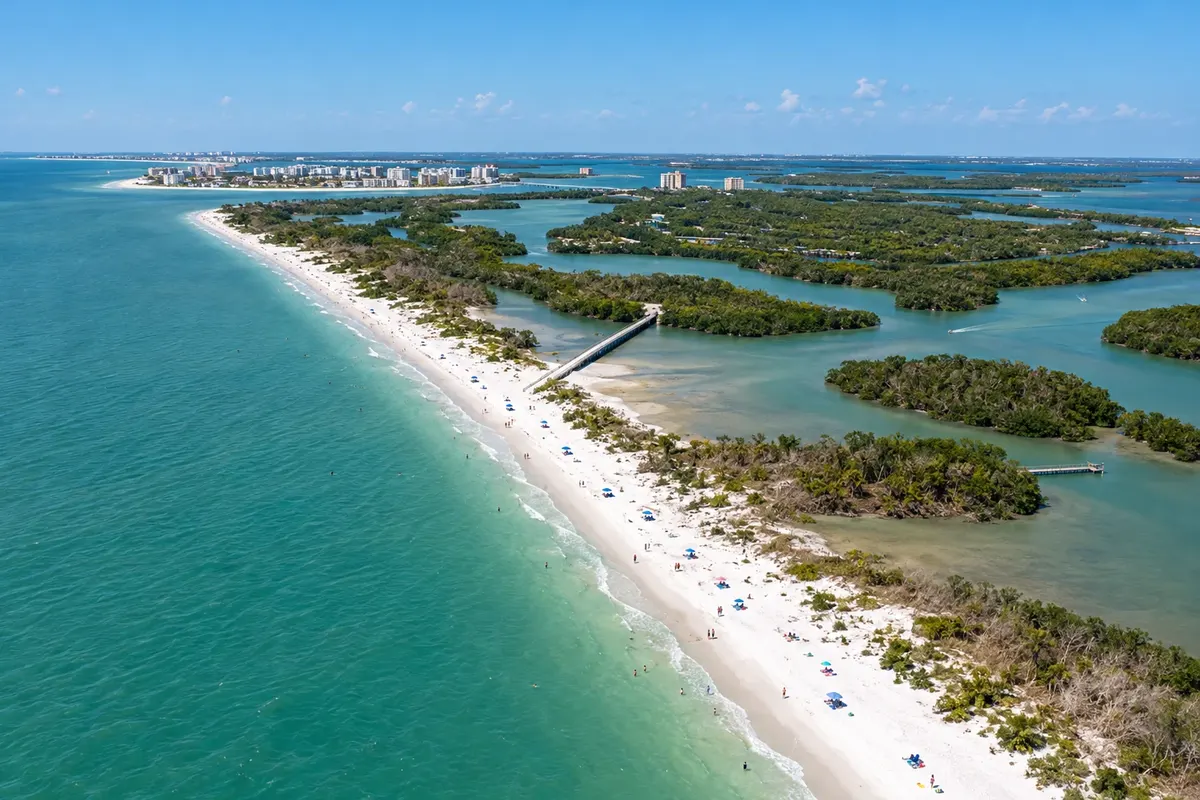
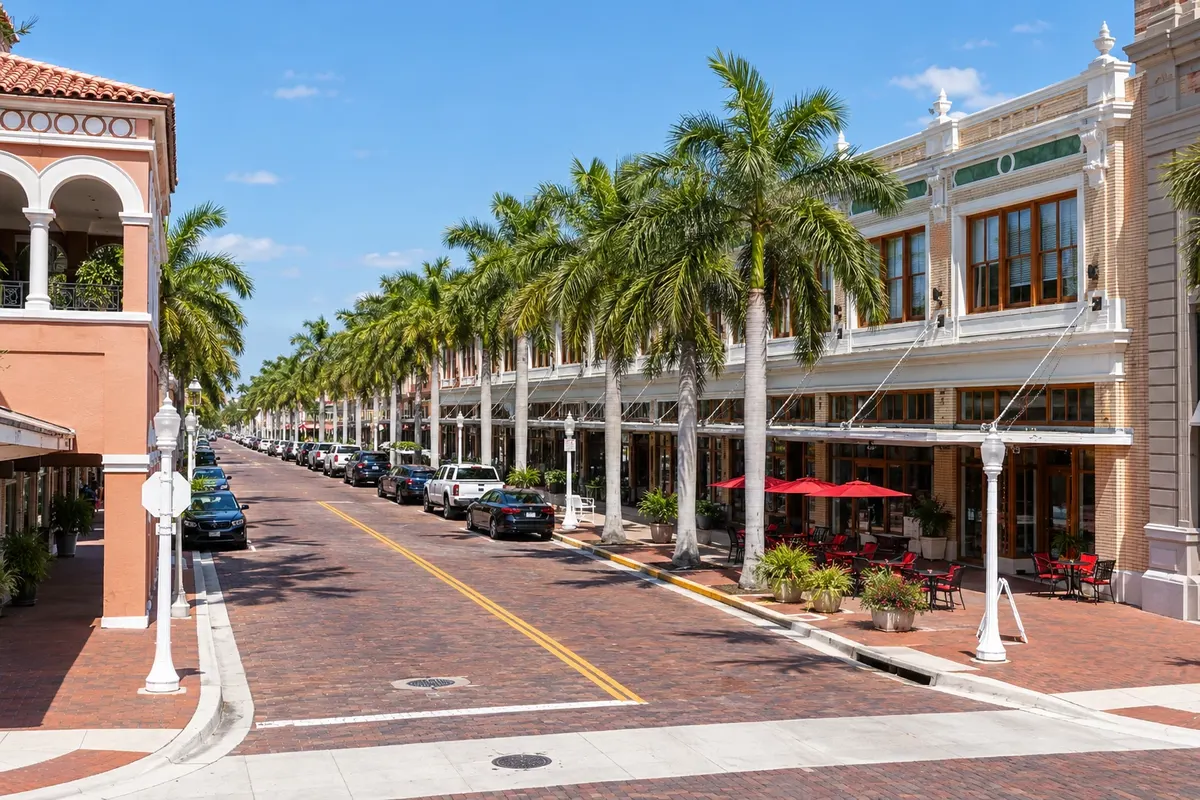
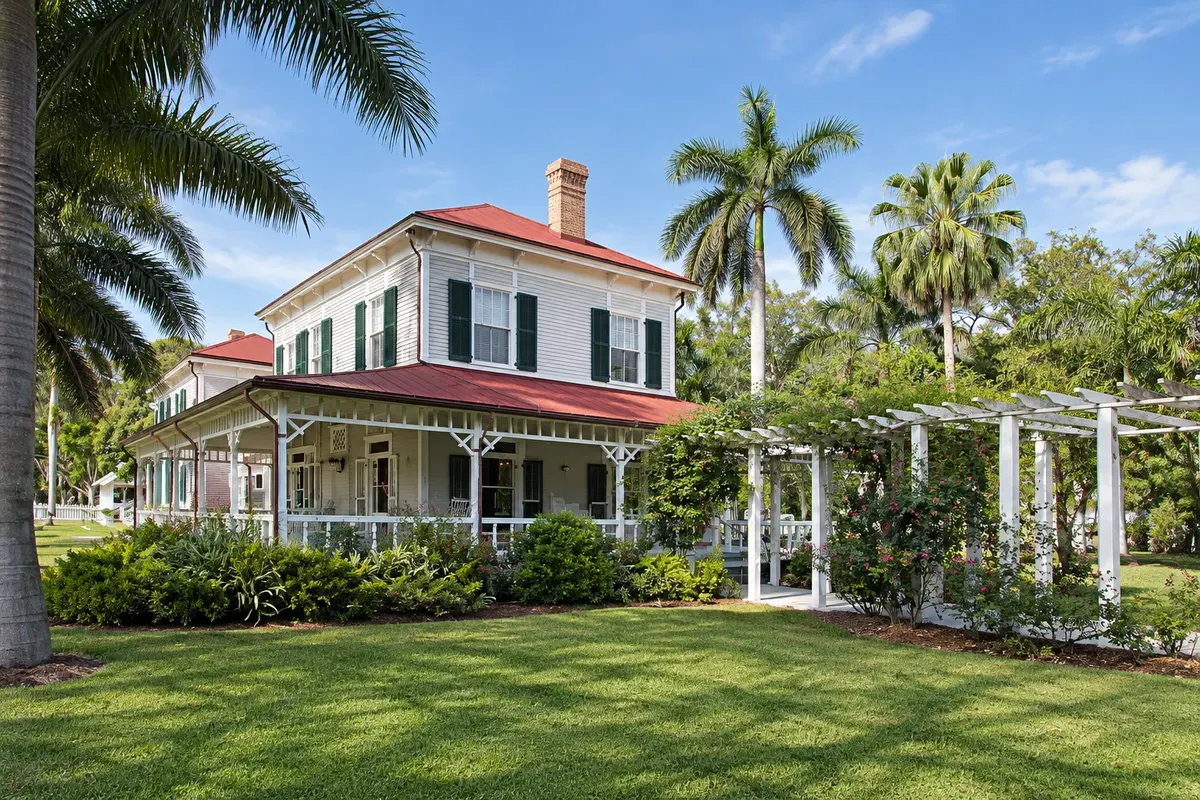
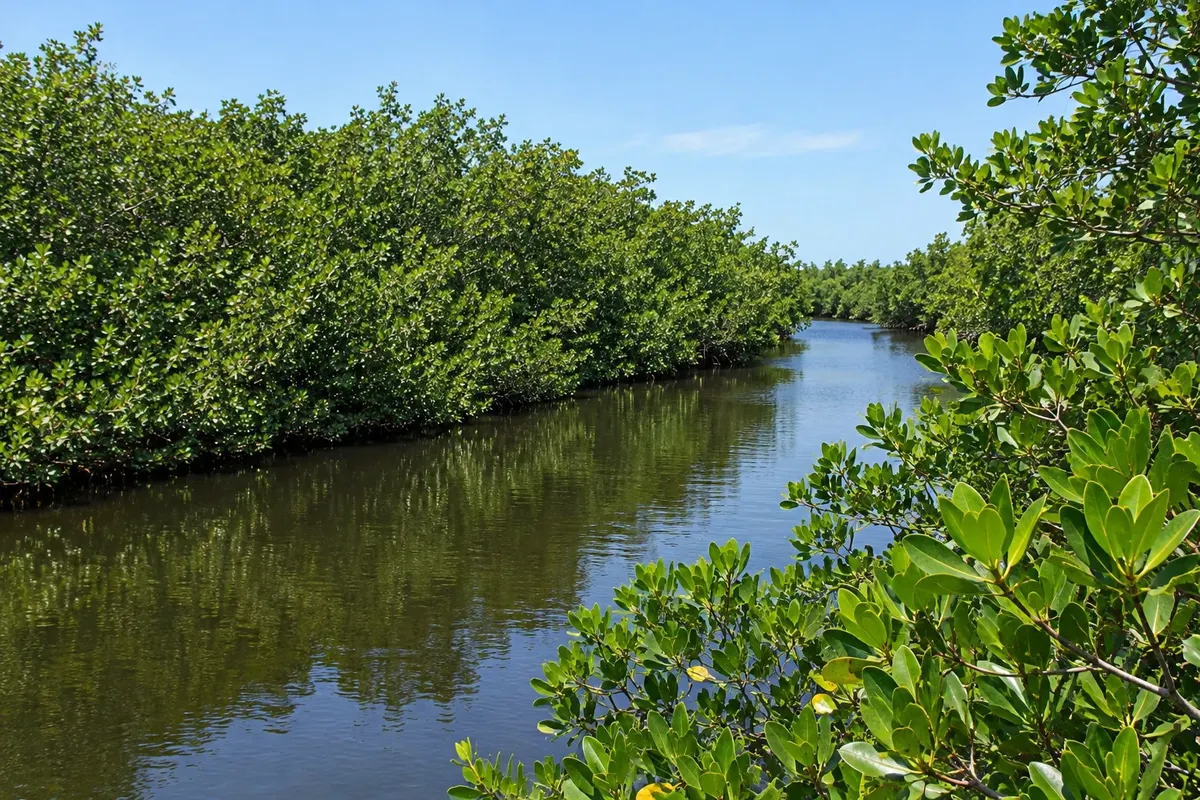
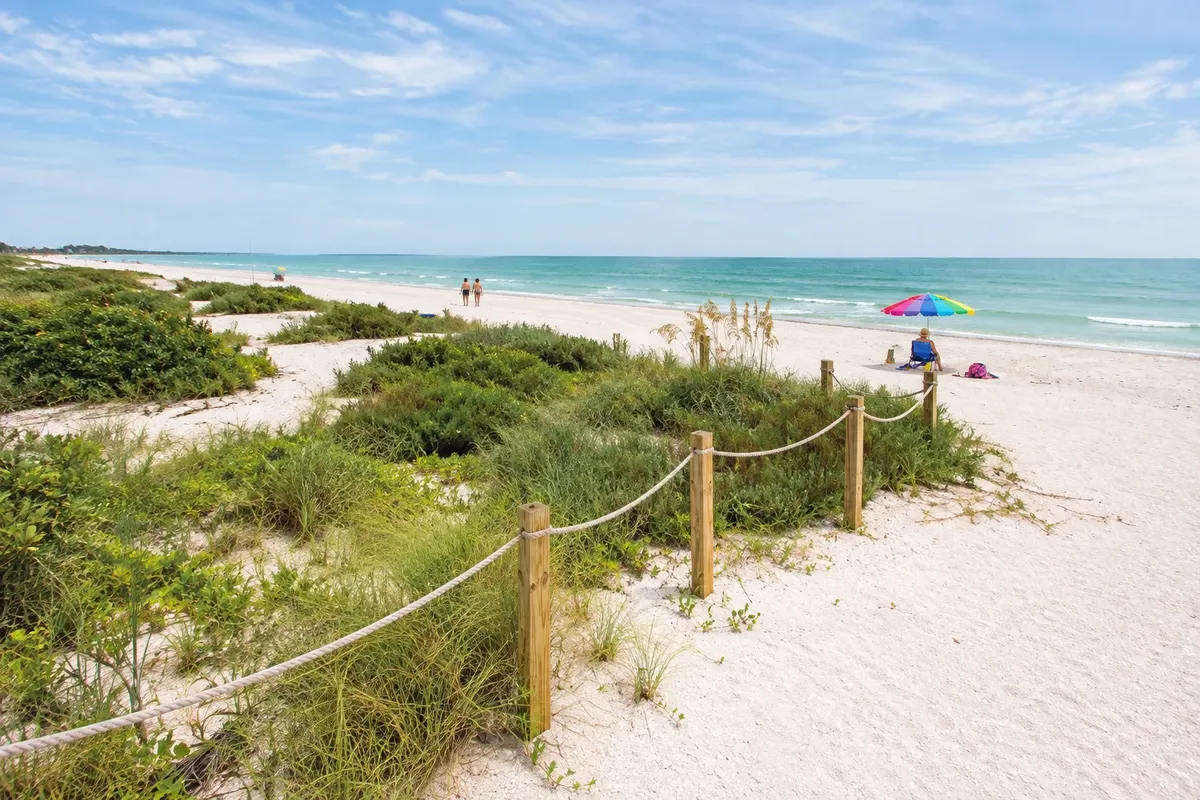
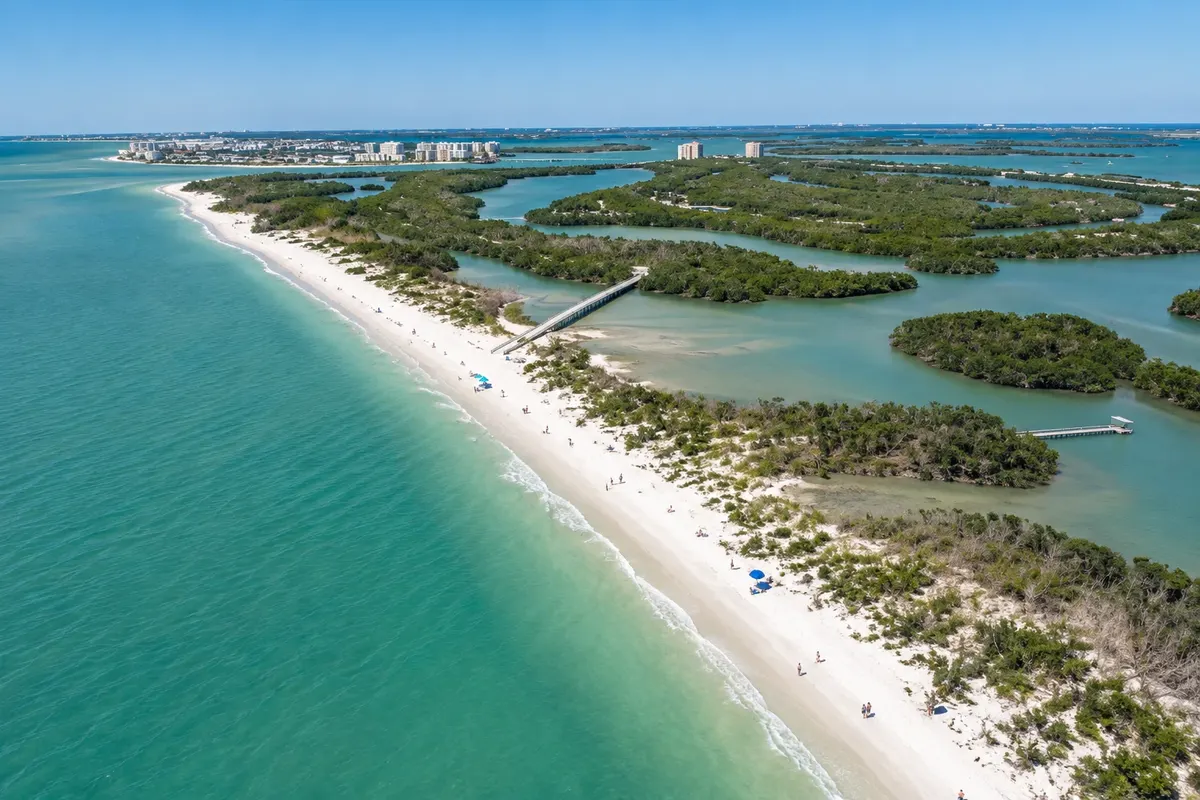
Southwest Florida opens onto the Gulf of Mexico, with light-colored beaches, barrier islands, mangroves and slow rivers. Fort Myers, on the banks of the Caloosahatchee River, is the gateway, served by Southwest Florida International Airport. It was there that Thomas Edison spent his winters beginning in 1886, and later Henry Ford, his neighbor: their two homes, with the laboratory and gardens, form the region’s most visited museum.
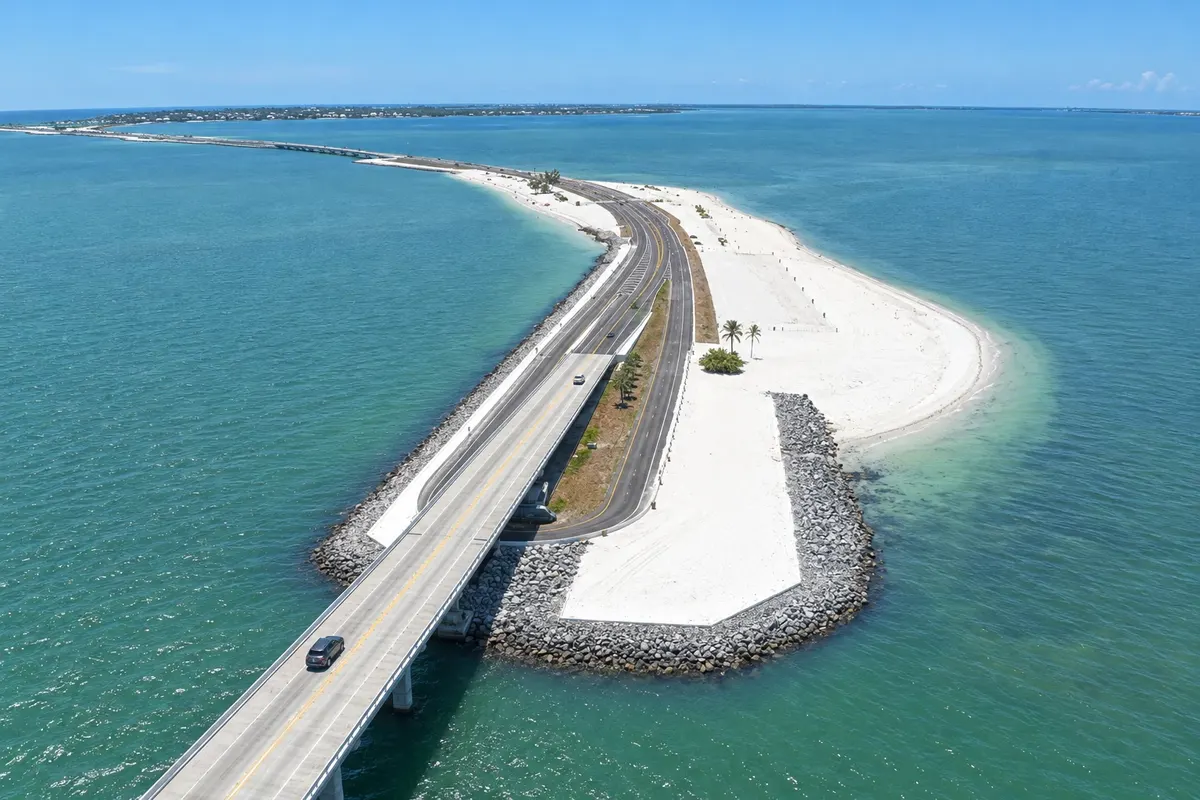
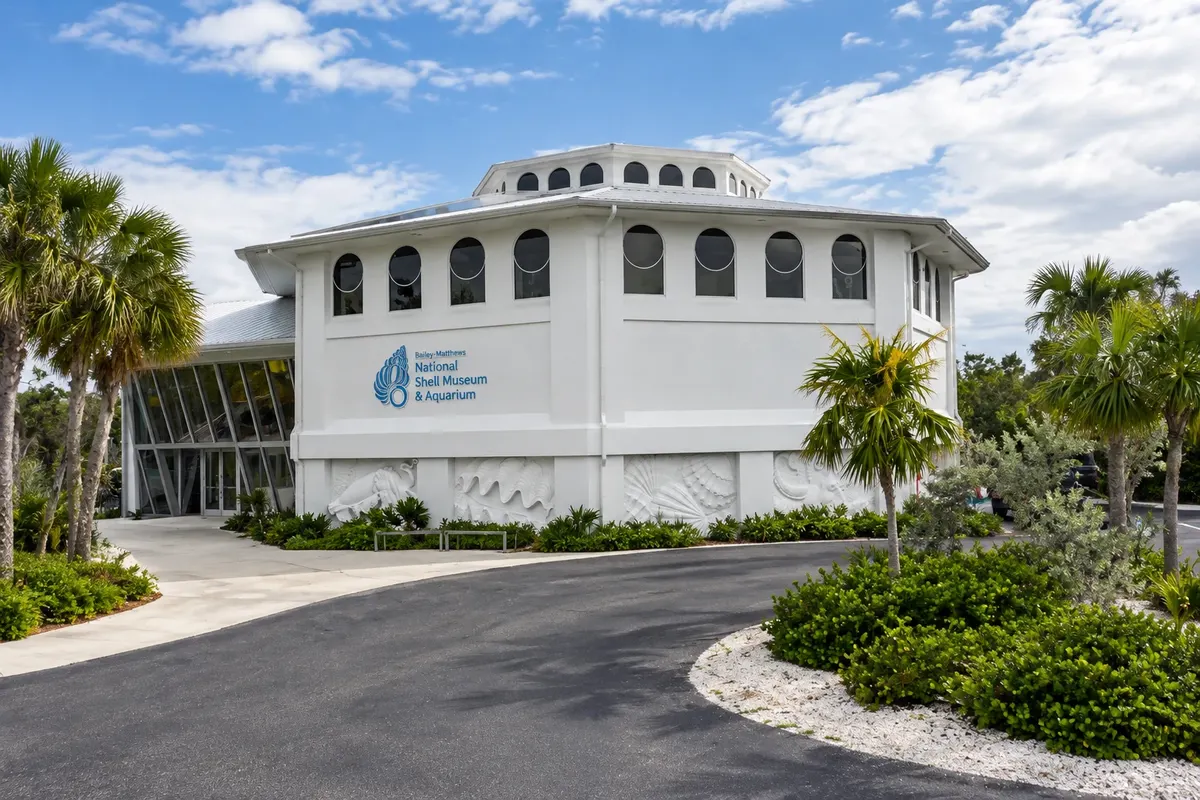
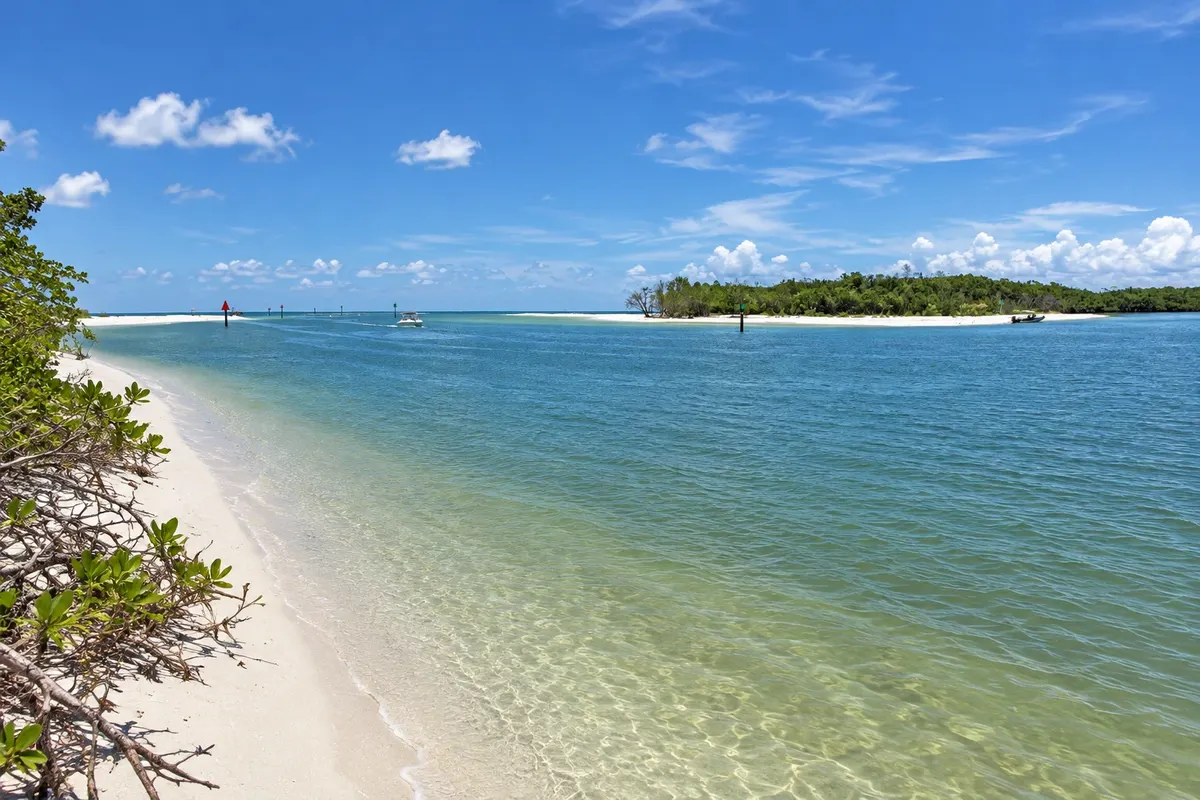
To the west of Fort Myers, a bridge leads to Sanibel, an island known for the shells that accumulate on its beaches and for the J.N. "Ding" Darling National Wildlife Refuge, which covers much of the island with mangroves and waterfowl. The Bailey-Matthews National Shell Museum tells the story of shells from around the world. To the south, between Fort Myers Beach and Bonita Springs, Lovers Key State Park has beaches and channels for kayaking.
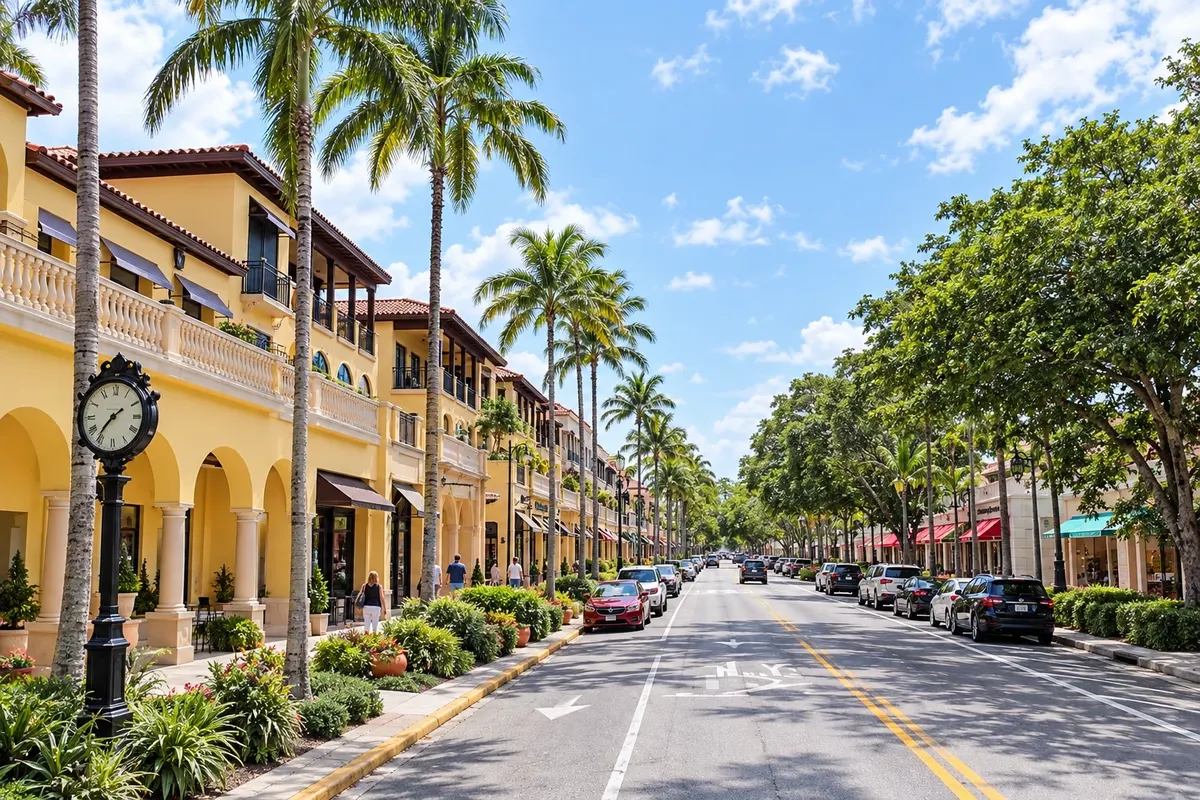
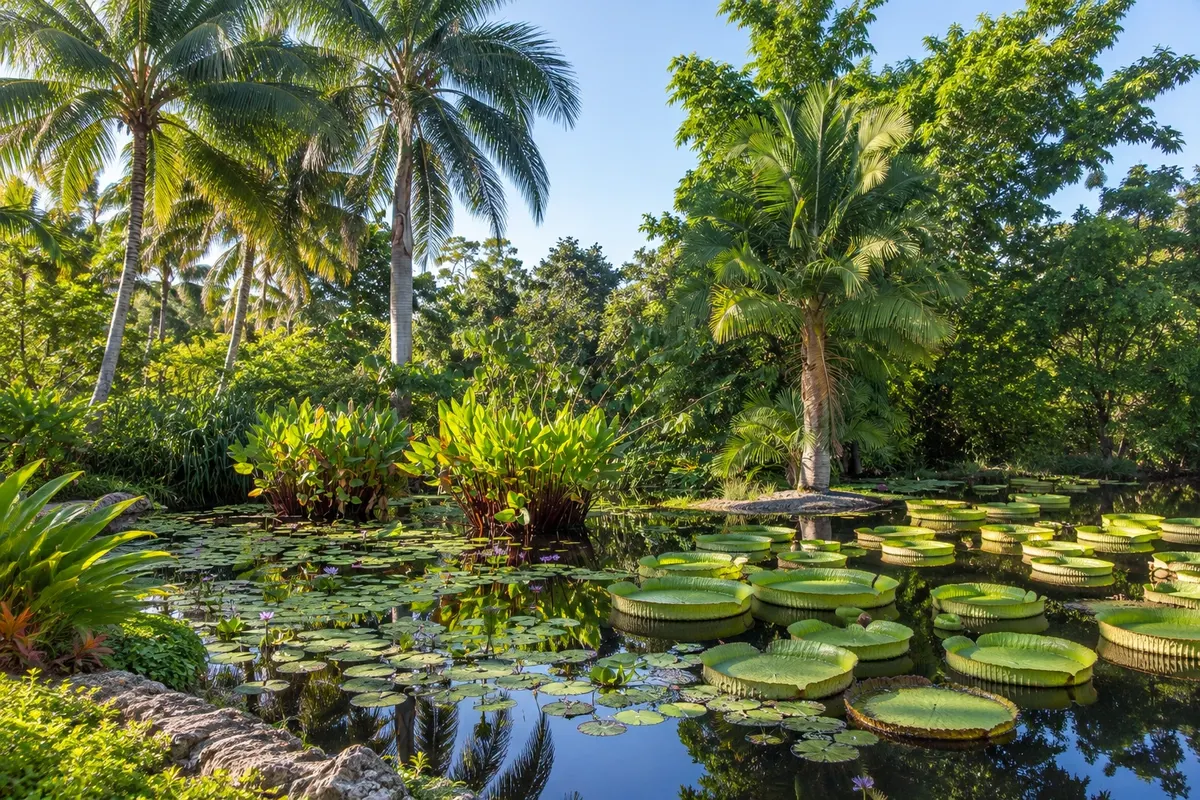
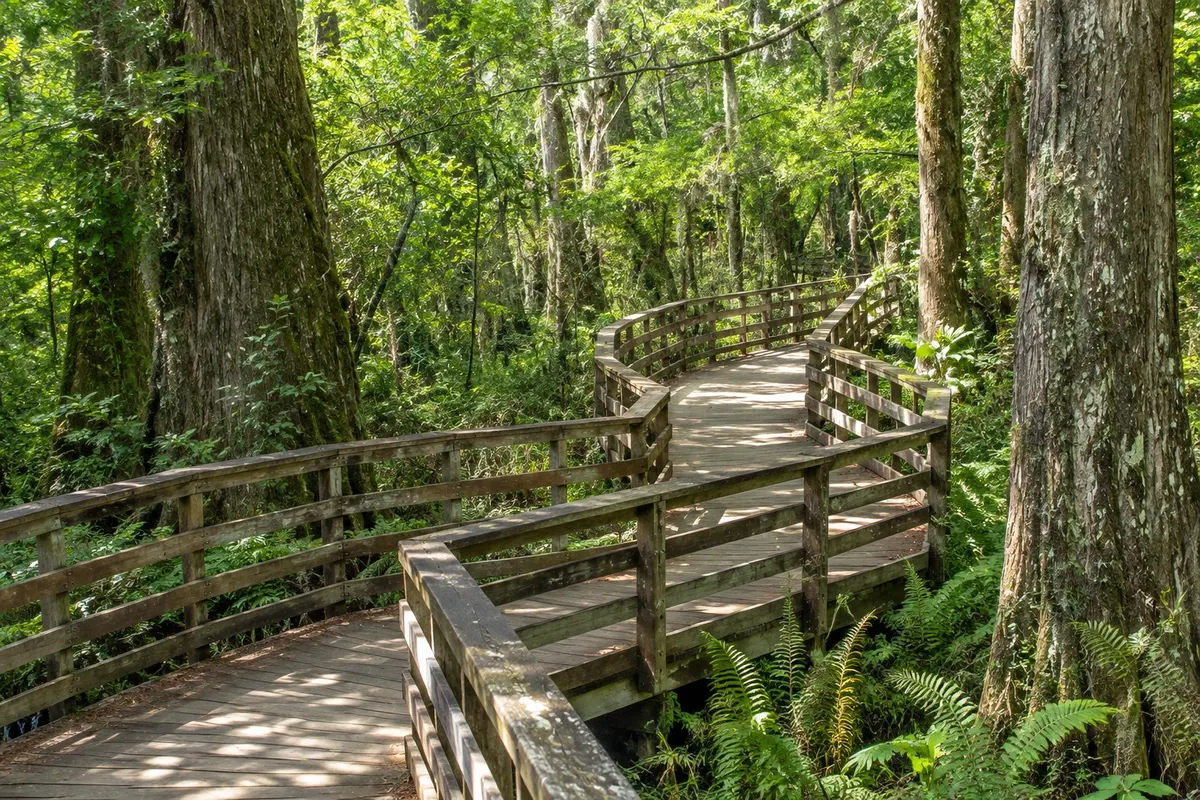
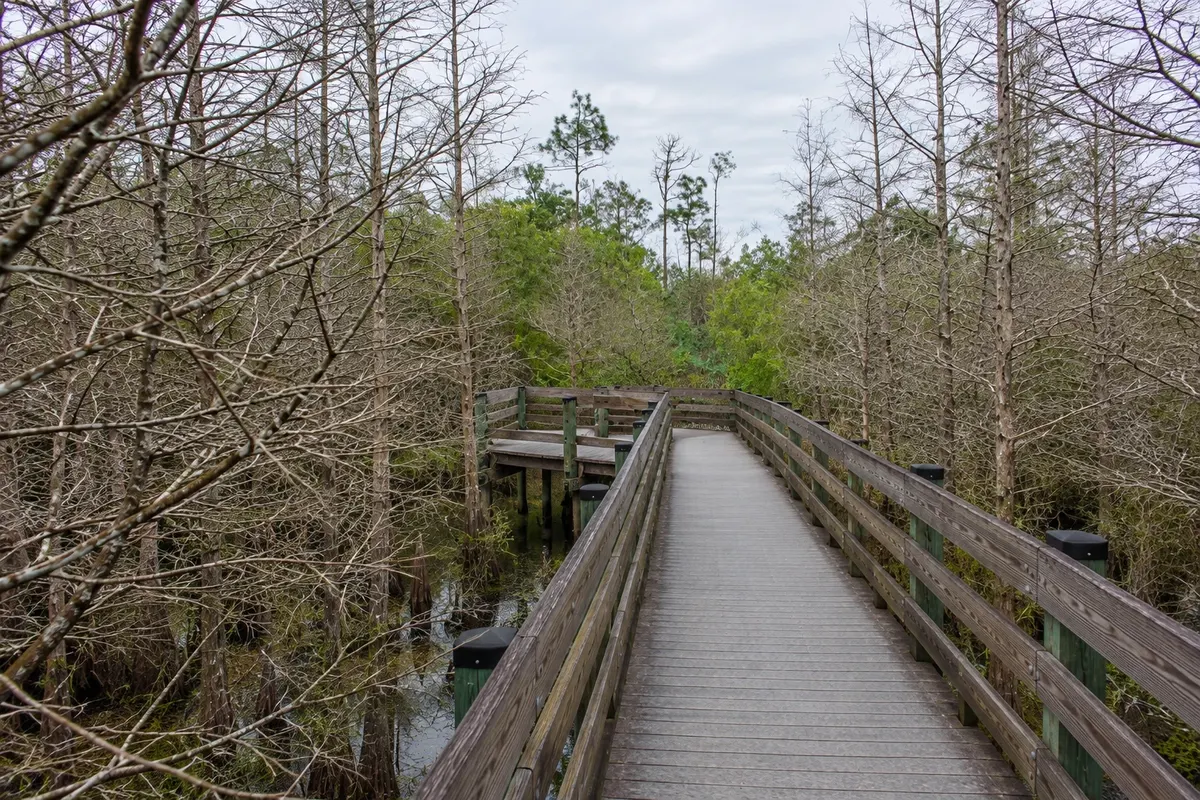
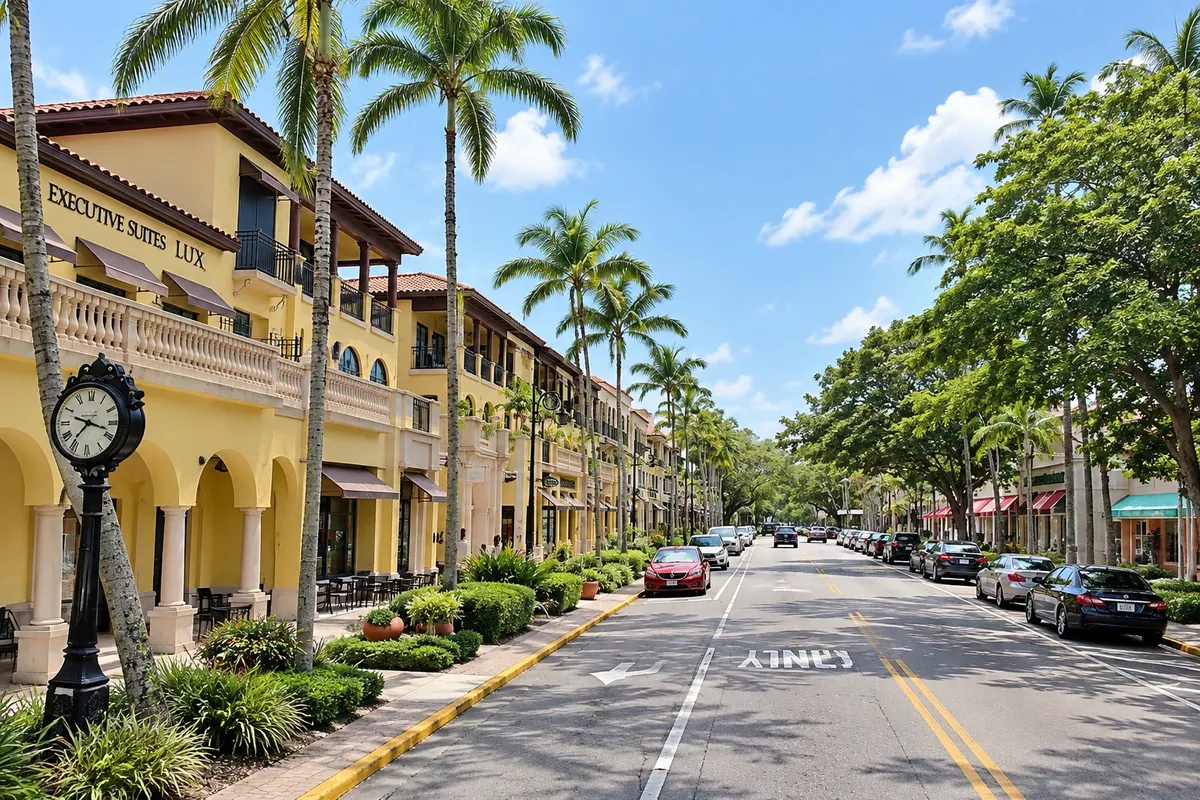
Naples, farther south, is a city of beaches, golf courses and a historic downtown of tree-lined streets around Fifth Avenue South. It has a large botanical garden and, to the northeast, the Corkscrew Swamp Sanctuary, with a boardwalk through the largest old-growth stand of bald cypress in North America.
The region suffered significant damage from hurricanes Ian, in 2022, and Milton, in 2024; beaches, parks and museums have reopened gradually, and some structures are still under repair. Winter, from December to April, is the high season, with dry weather; summer is hot and rainy.
This destination brings together 3 cities: Fort Myers, Naples, Sanibel.


 Brazil
 Argentina
 Bolivia
 Chile
 Colombia
 Ecuador
 Guyana
 French Guiana
 Falkland Islands (Malvinas)
 Paraguay
 Peru
 Suriname
 Uruguay
 Venezuela
 Germany
 Austria
 Belgium
 Croatia
 Denmark
 Spain
 Finland
 France
 Greece
 the Netherlands
 Hungary
 Ireland
 Iceland
 Italy
 Luxembourg
 Norway
 Poland
 Portugal
 the United Kingdom
 the Czech Republic
 Sweden
 Switzerland
 Turkey
 Canada
 Mexico
 the Dominican Republic
 South Africa
 Australia
 Fiji
 New Zealand
 Papua New Guinea