Dish · Arequipa
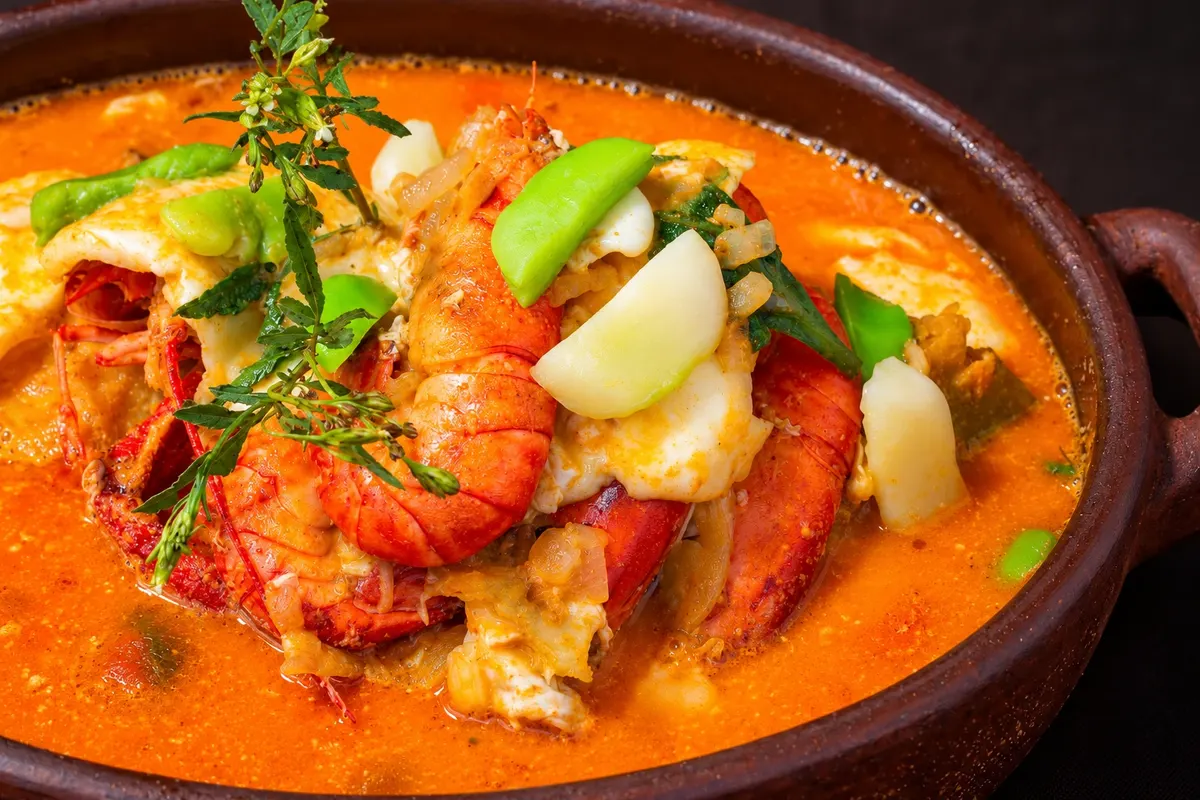
Chupe de camarones
Thick river shrimp soup with potato, egg, milk and cheese. It is called the ambassador of traditional Arequipa cuisine and is served as a main course in the picanterías.

 Search
 Brazil
 Argentina
 Bolivia
 Chile
 Colombia
 Ecuador
 Guyana
 French Guiana
 Falkland Islands (Malvinas)
 ParaguayPeru
 Suriname
 Uruguay
 Venezuela
 Germany
 Austria
 Belgium
 Croatia
 Denmark
 Spain
 Finland
 France
 Greece
 the Netherlands
 Hungary
 Ireland
 Iceland
 Italy
 Luxembourg
 Norway
 Poland
 Portugal
 the United Kingdom
 the Czech Republic
 Sweden
 Switzerland
 Turkey
 the United States
 Mexico
 the Dominican RepublicTurkey
 South Africa
 Australia
 Fiji
Flavors · Lima
Cocktail of pisco, lime juice, sugar syrup and egg white, shaken with ice and served with drops of bitters.
Traditional drink from Lima, Lima Metropolitana
Also known as: piscosauer
Illustrative images. The pictures in this guide are illustrations based on the real place, not photographs, and may differ from it.

Click a photo to enlarge it.
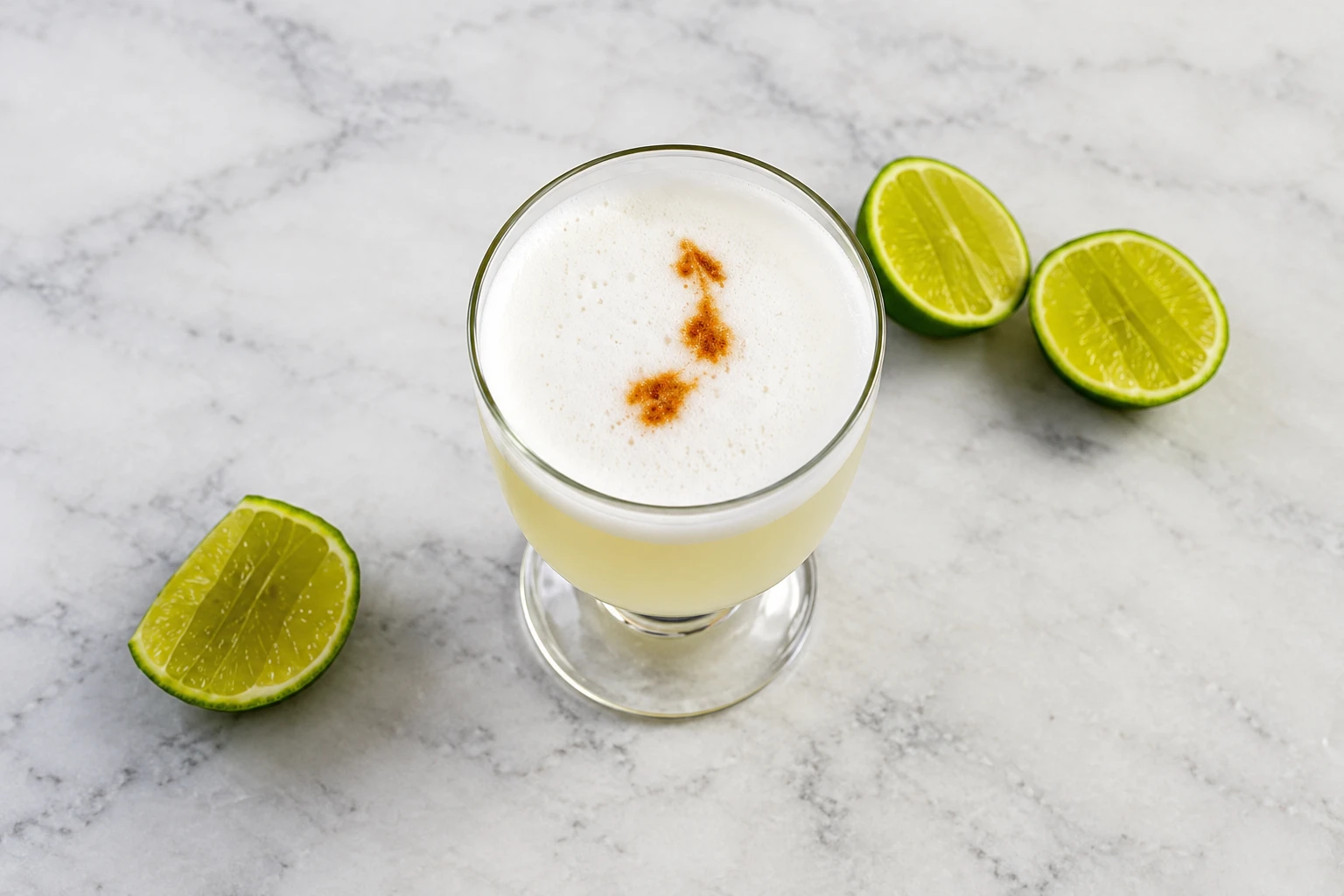
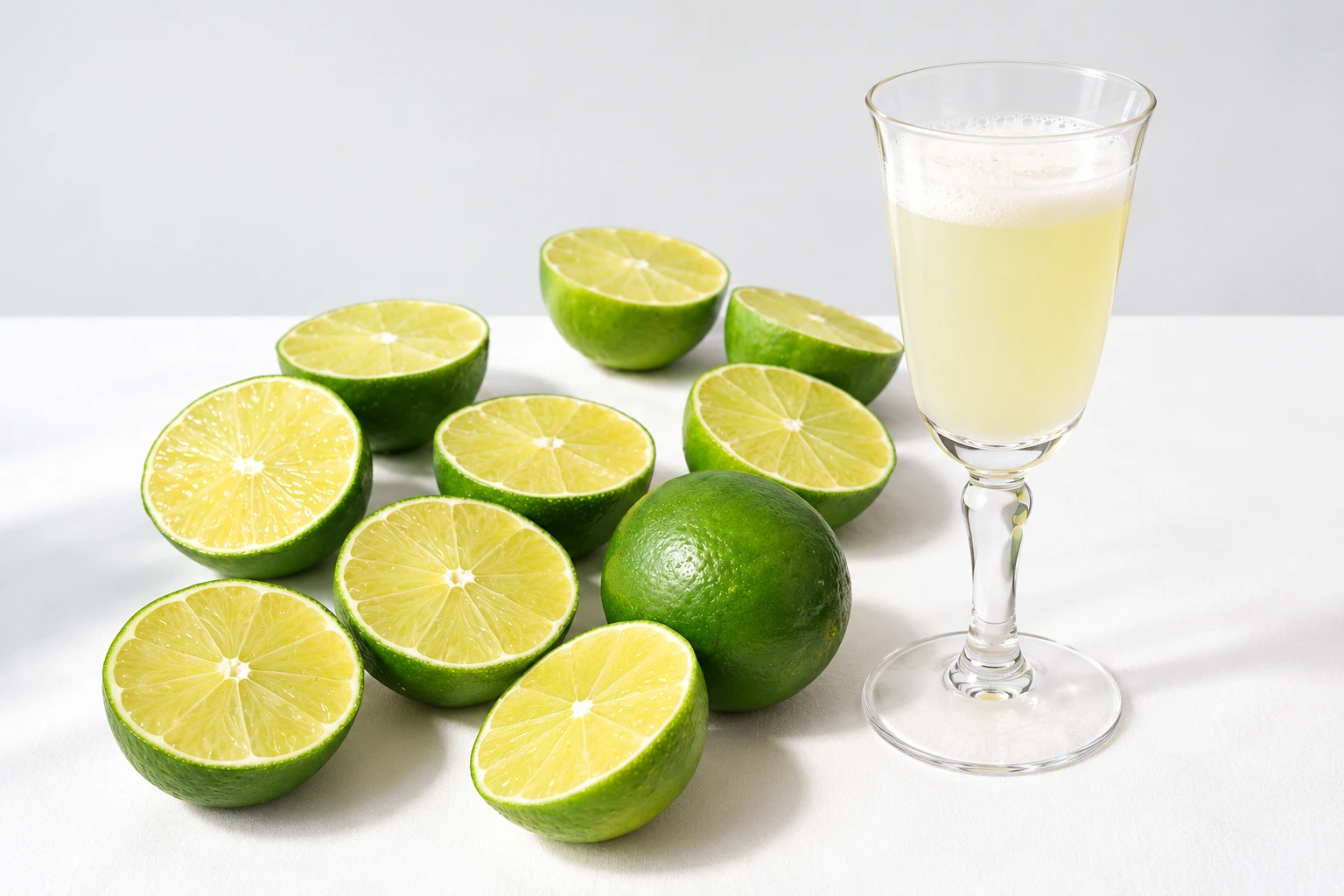
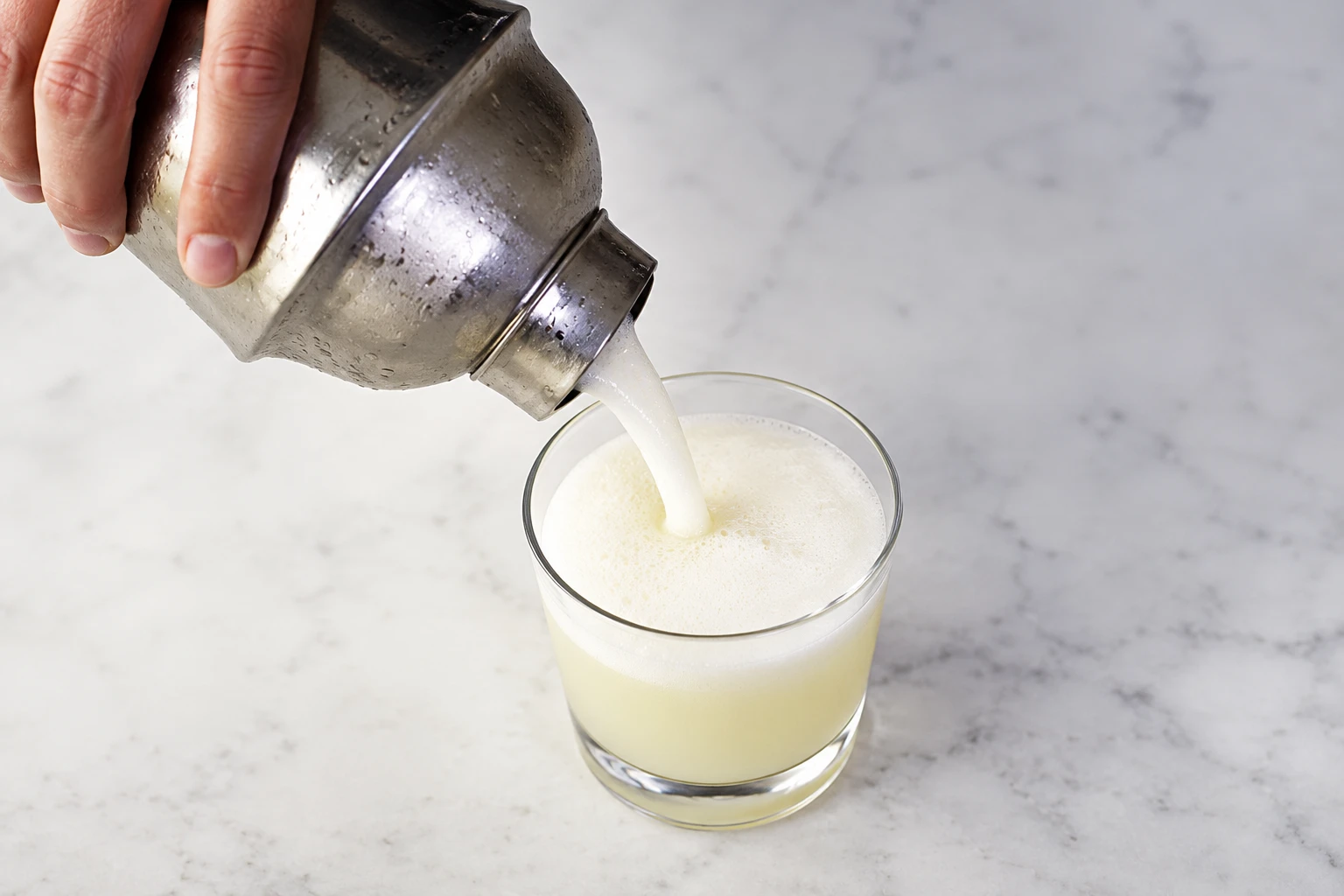
Pisco sour — Lima, Peru
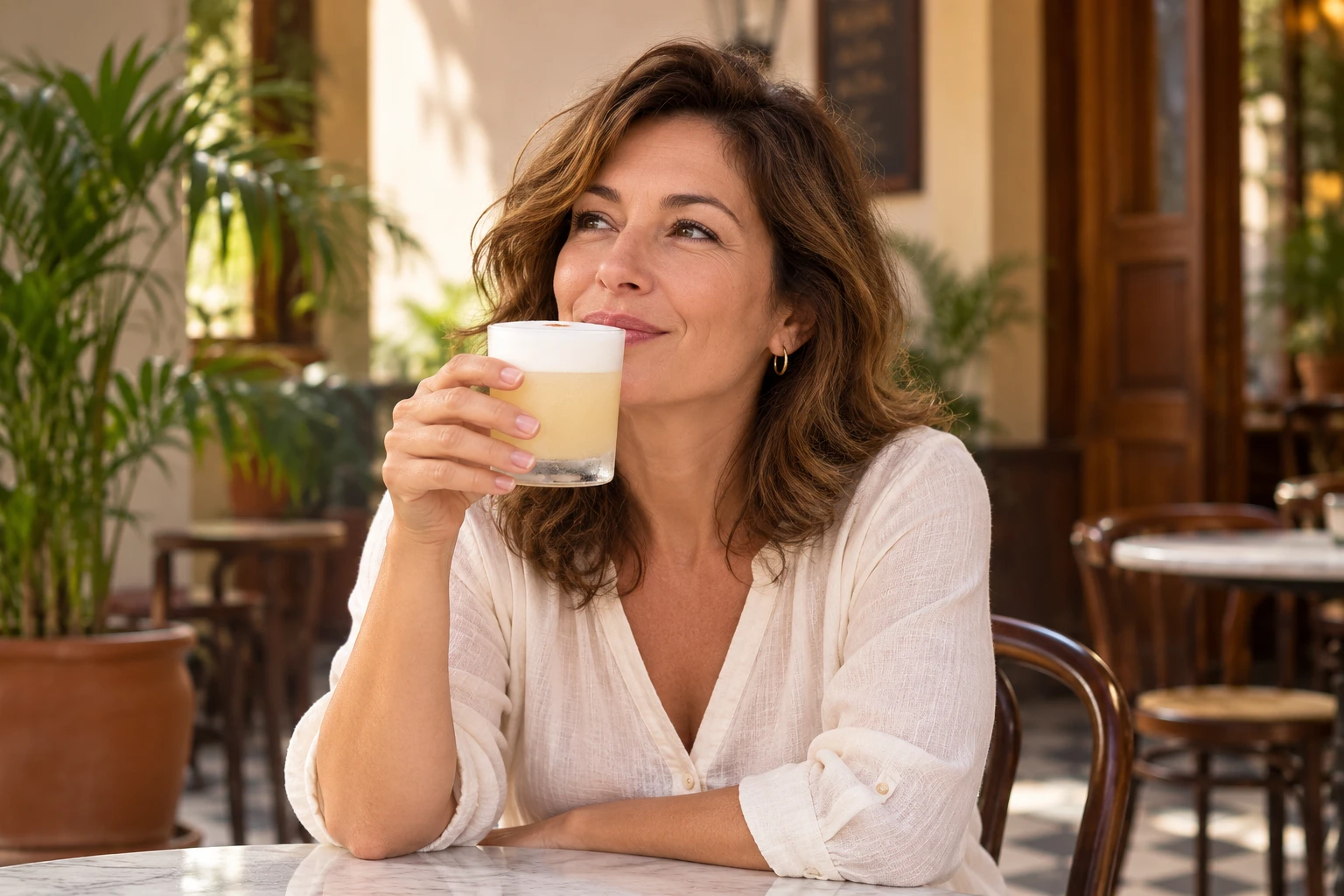
Pisco sour is made with pisco, lime juice, sugar syrup and egg white, shaken with ice until a white foam forms on top. It is served in a low glass, with a few drops of Angostura bitters on the foam. The classic ratio is often three parts pisco to one part lime.
The Academia Peruana del Pisco places the cocktail’s origin at the Morris Bar, which operated in central Lima from 1916 to 1929. The bar belonged to the American Victor Vaughen Morris, who lived in the city. The modern recipe, including egg white and bitters, is attributed to a bartender who worked there in the late 1920s. A 1903 recipe book already included a similar drink, without that name. Other origin stories from 19th‑century bars lack documentation.
The Peruvian state created the Día Nacional del Pisco Sour, celebrated on the first Saturday of February, by resolution of the Ministry of Production in 2004. On that day there are tastings and contests in Lima and other cities.
The base is pisco, the grape spirit with Peruvian denomination of origin. The cocktail is also prepared in Chile, where there is a separate pisco tradition. It is a strong drink: enjoy in moderation. Pisco sour was also declared Cultural Heritage of the Nation by National Directoral Resolution 1180‑INC, 2007.
Lima , Lima Metropolitana
The Academia Peruana del Pisco places the cocktail’s origin in a bar in central Lima.
Pisco, lime juice, sugar syrup, egg white, ice and Angostura bitters.
Chilled, in a low glass, immediately after shaking, with drops of bitters on the foam. It is usually served as an aperitif.
Everyday aperitif; on the Día Nacional del Pisco Sour, the first Saturday of February.
Your questions
The Academia Peruana del Pisco places the origin at the Morris Bar in central Lima, which operated from 1916 to 1929. The recipe with egg white and bitters became established there in the late 1920s.
On the first Saturday of February, by resolution of the Peruvian Ministry of Production in 2004.
Pisco, lime juice, sugar syrup and egg white, shaken with ice, with drops of Angostura bitters on top.
Flavors of Peru
Thick river shrimp soup with potato, egg, milk and cheese. It is called the ambassador of traditional Arequipa cuisine and is served as a main course in the picanterías.
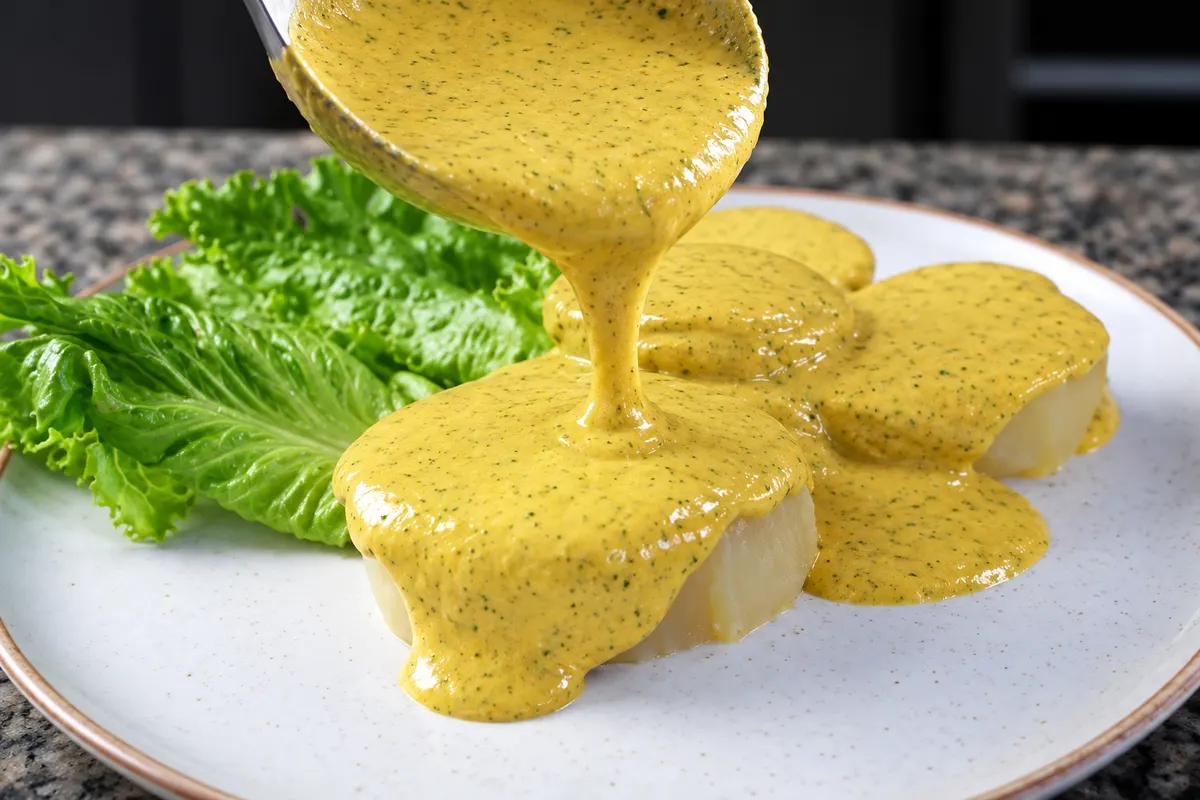
Huacatay cream with ají amarillo, peanuts and cheese, traditionally ground in the batán and served over boiled potatoes with egg and olive. It is a Traditional Guaranteed Specialty registered with Indecopi, requested by the picanteras of Arequipa.
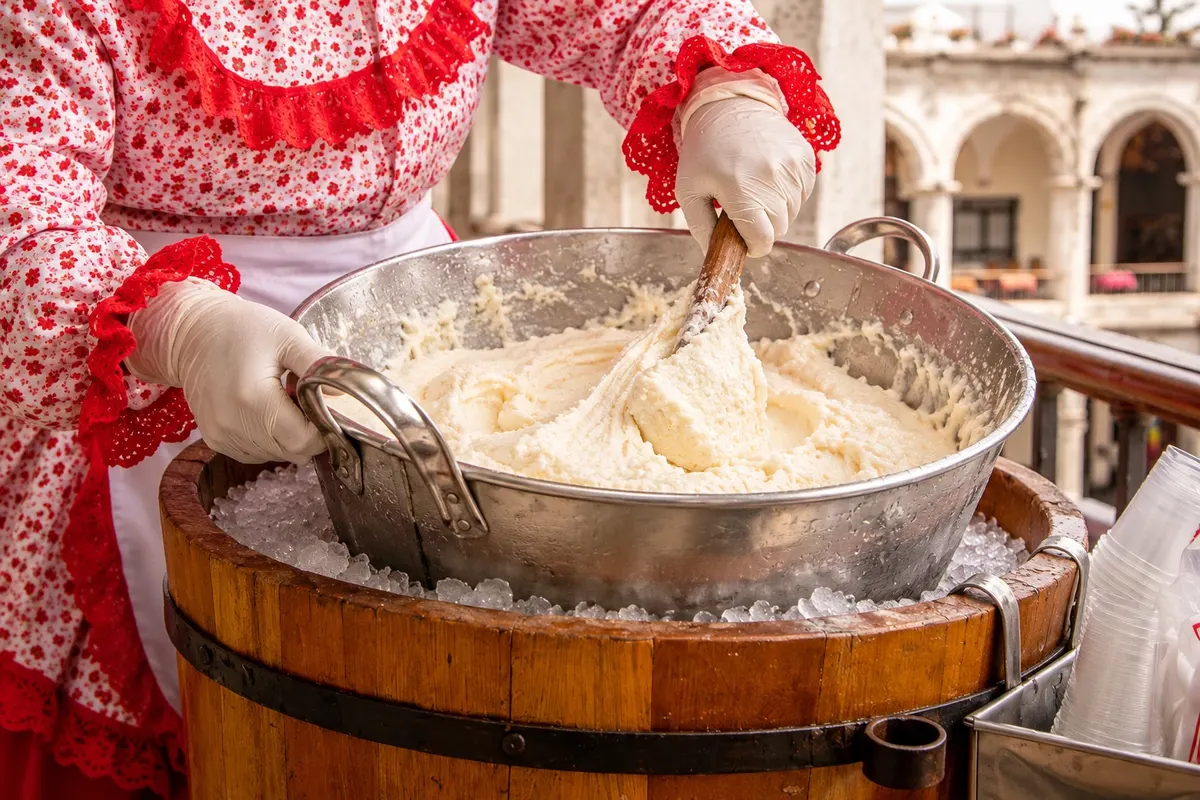
Artisanal ice cream made from milk, sugar, cinnamon, clove, and coconut, stirred in a bowl over ice. Despite the name, it contains no cheese. It is Arequipa’s best-known sweet, with its own day on the city calendar.
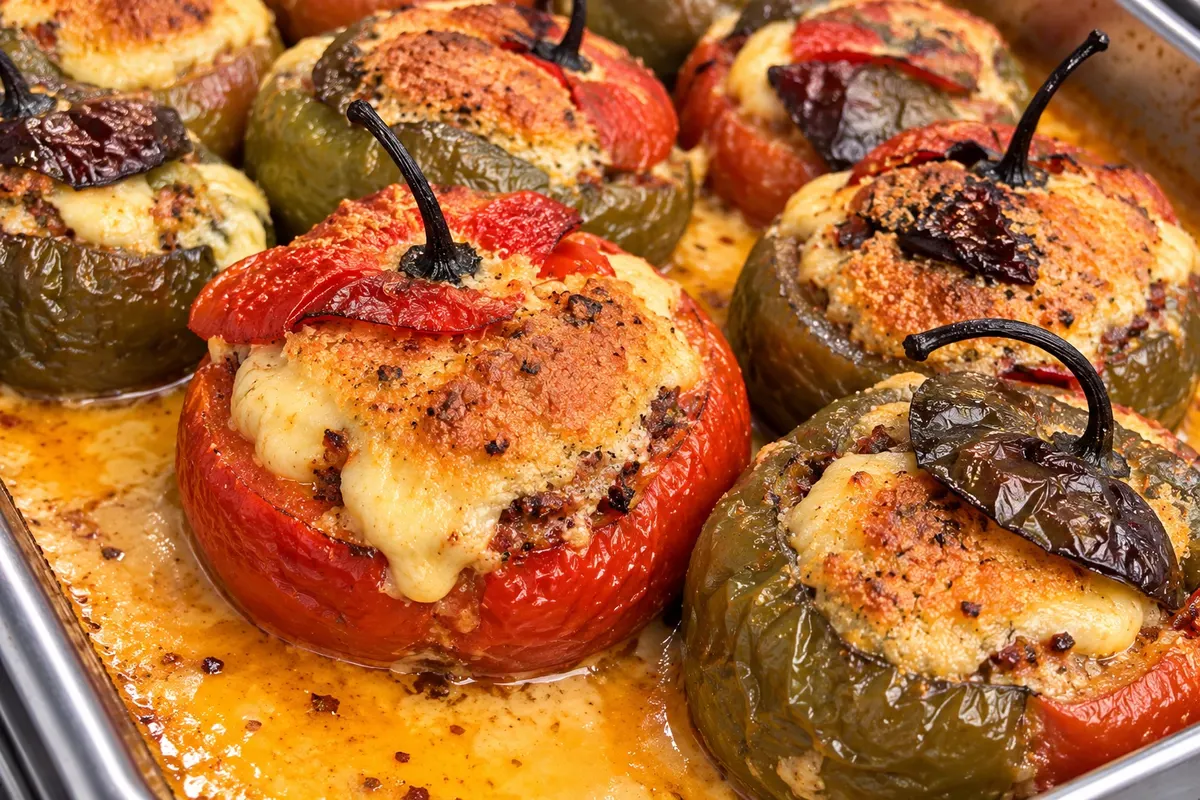
Rocoto blanched to reduce its heat, stuffed with minced meat, onion, peanuts and olives, topped with cheese and baked. It is the most emblematic dish of Arequipa’s picanterías.
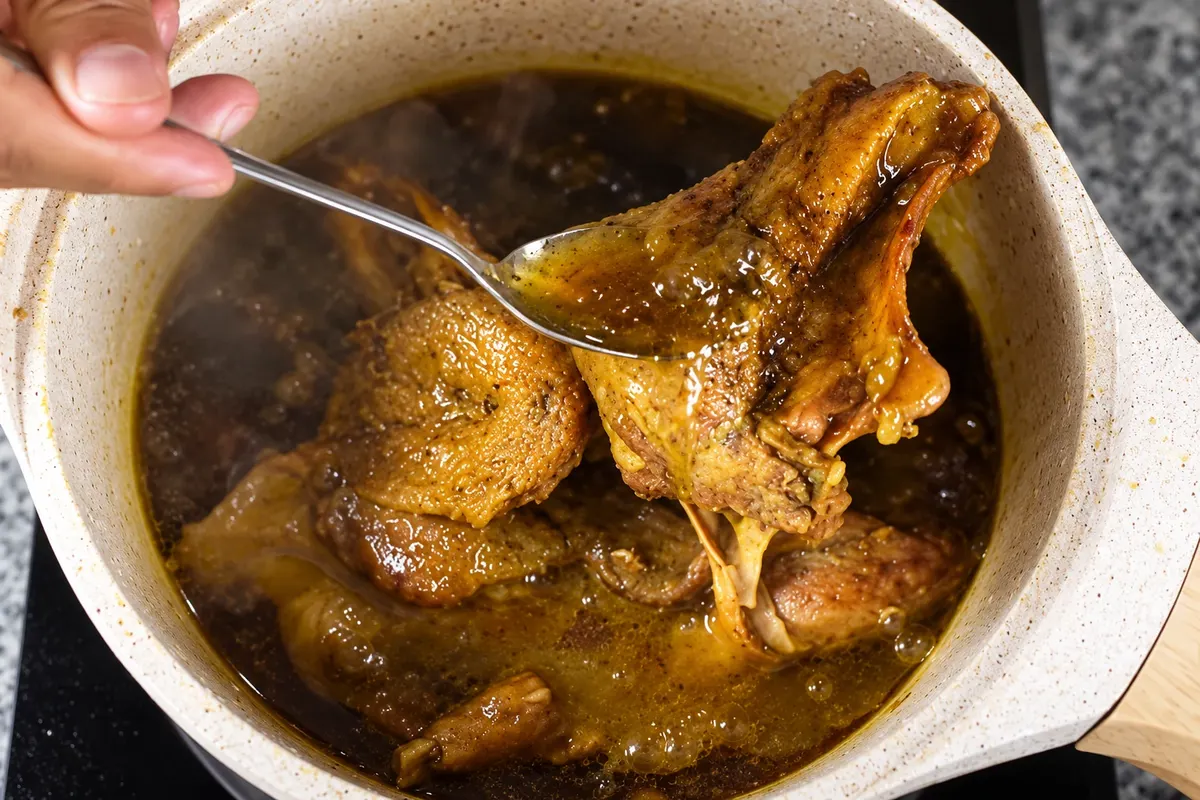
Green cilantro rice cooked with chicha de jora or dark beer, with duck marinated in ají, garlic and vinegar. In the 19th century it was known as pato con arroz a la chiclayana.
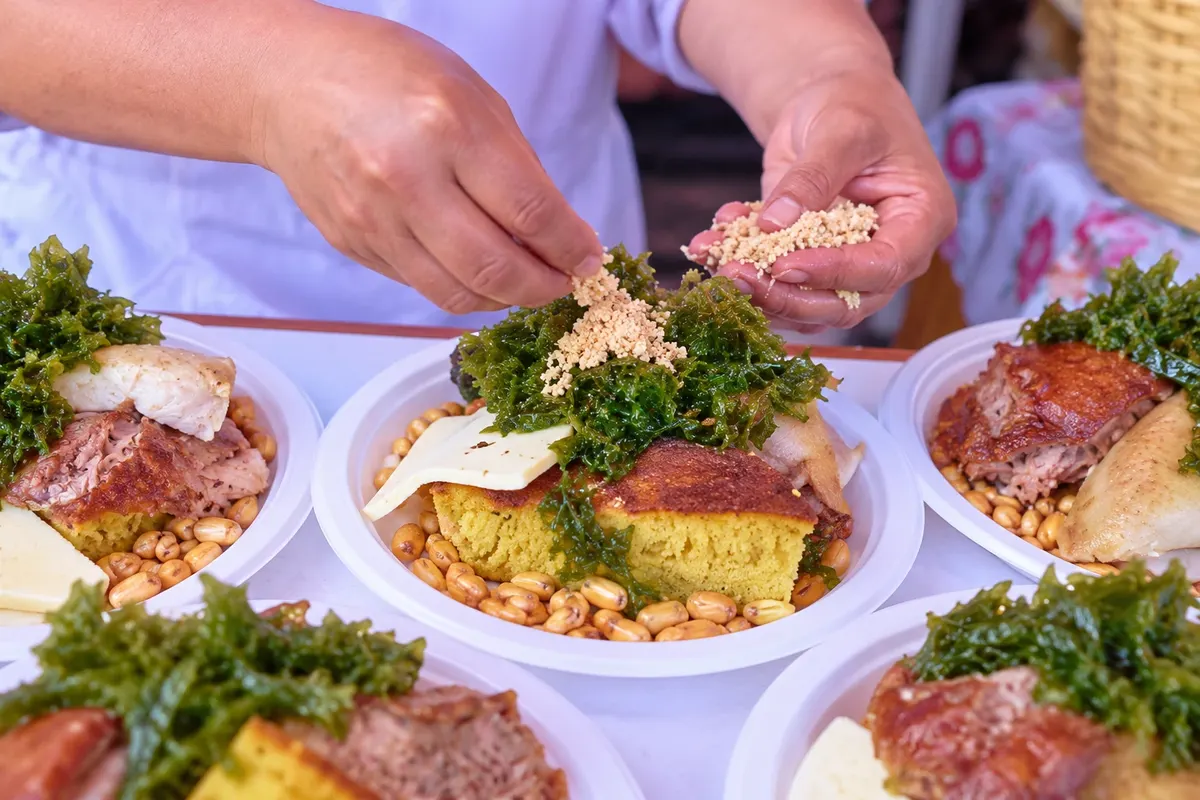
Cold festive dish with roasted cuy, chicken, cecina, chorizo, torreja, cancha, cheese, cochayuyo seaweed and rocoto. It is the Corpus Christi dish in Cusco.
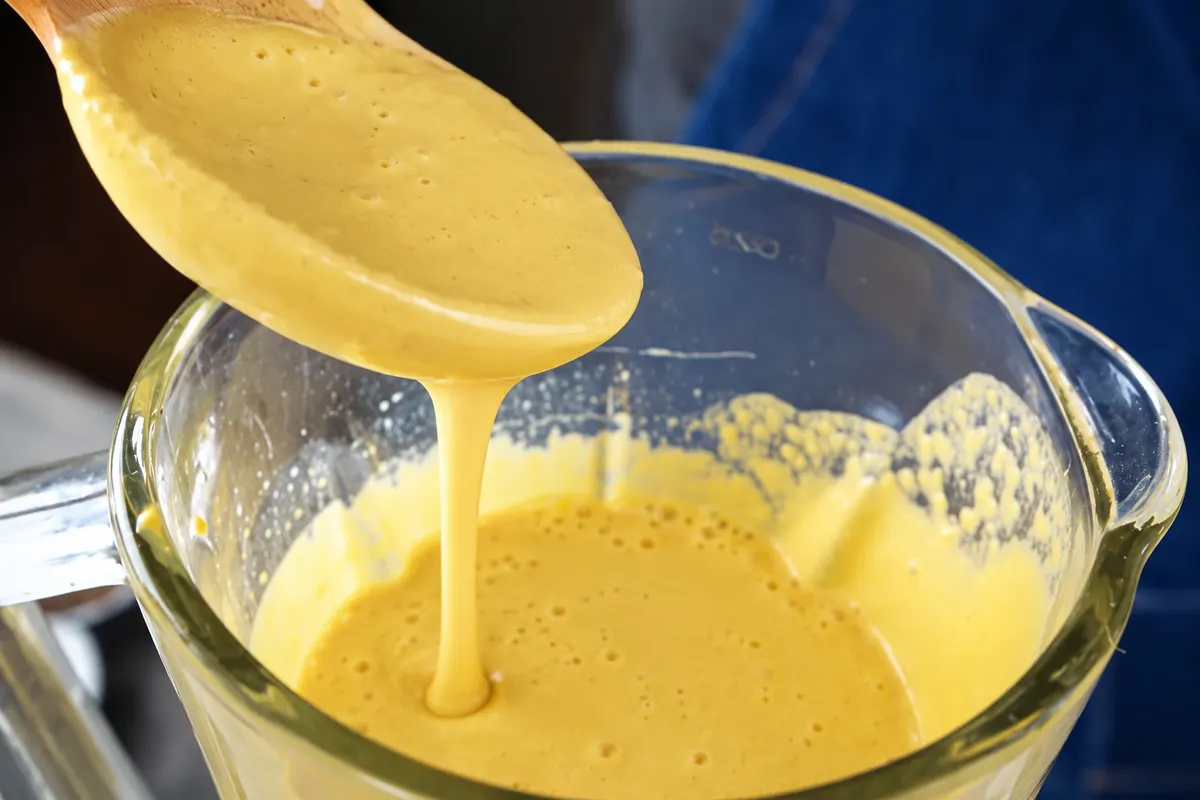
Boiled potatoes covered with a yellow ají cream made with fresh cheese and milk, ground on the batán, served with lettuce, egg and olive. The recipe from the tradition of the province of Huancayo is a Traditional Specialty Guaranteed registered by Indecopi.
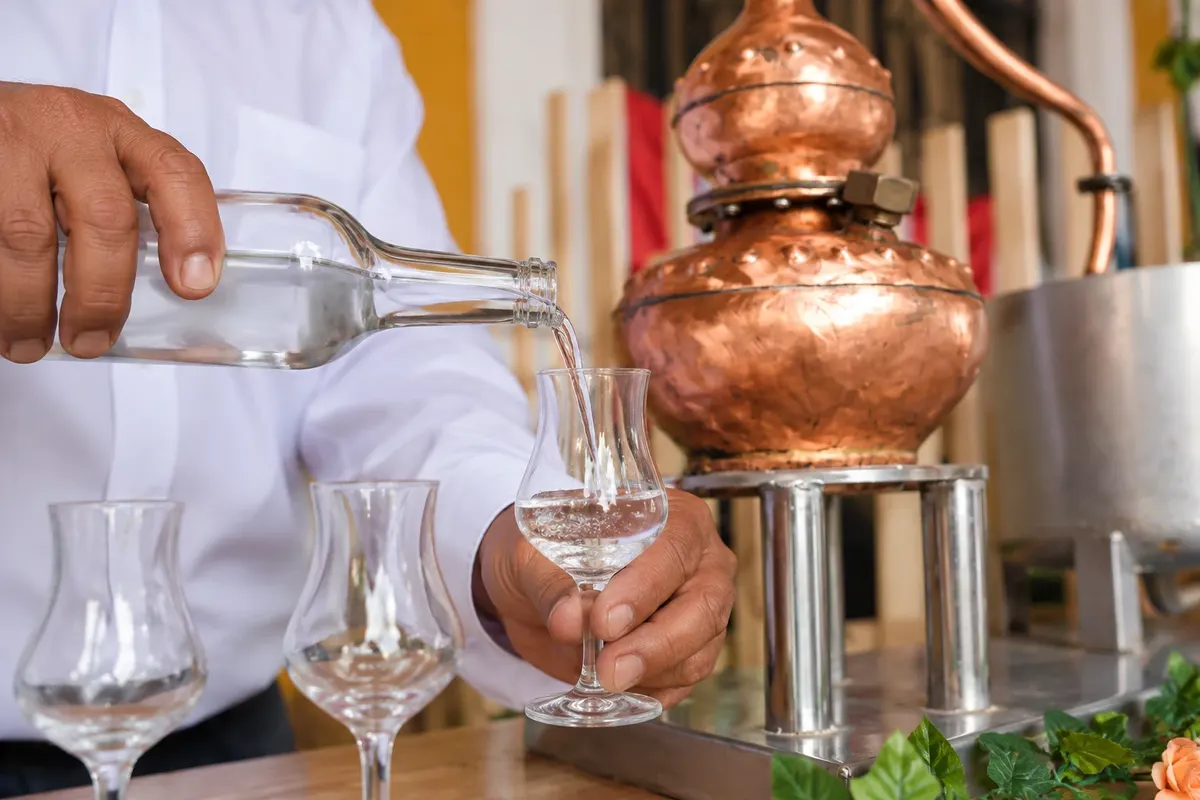
Grape aguardiente distilled from fresh musts of pisquera grapes, with no water or sugar added. It is Peru’s first designation of origin and is produced on the coast of five departments, including Ica.
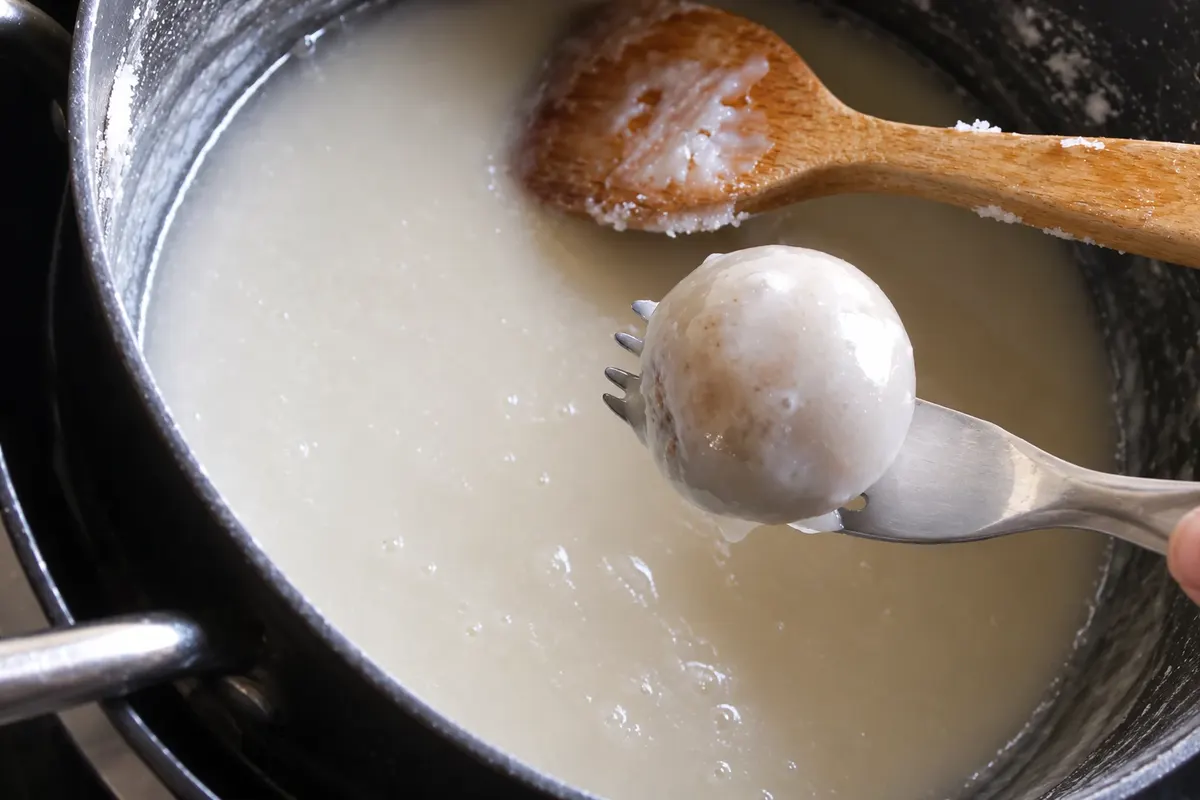
Manjar blanco bonbon with a filling of candied fruit or pecan nuts, covered in fondant; the chocoteja is the chocolate version. It is Ica’s traditional sweet, recognized by the municipal government as culinary heritage.
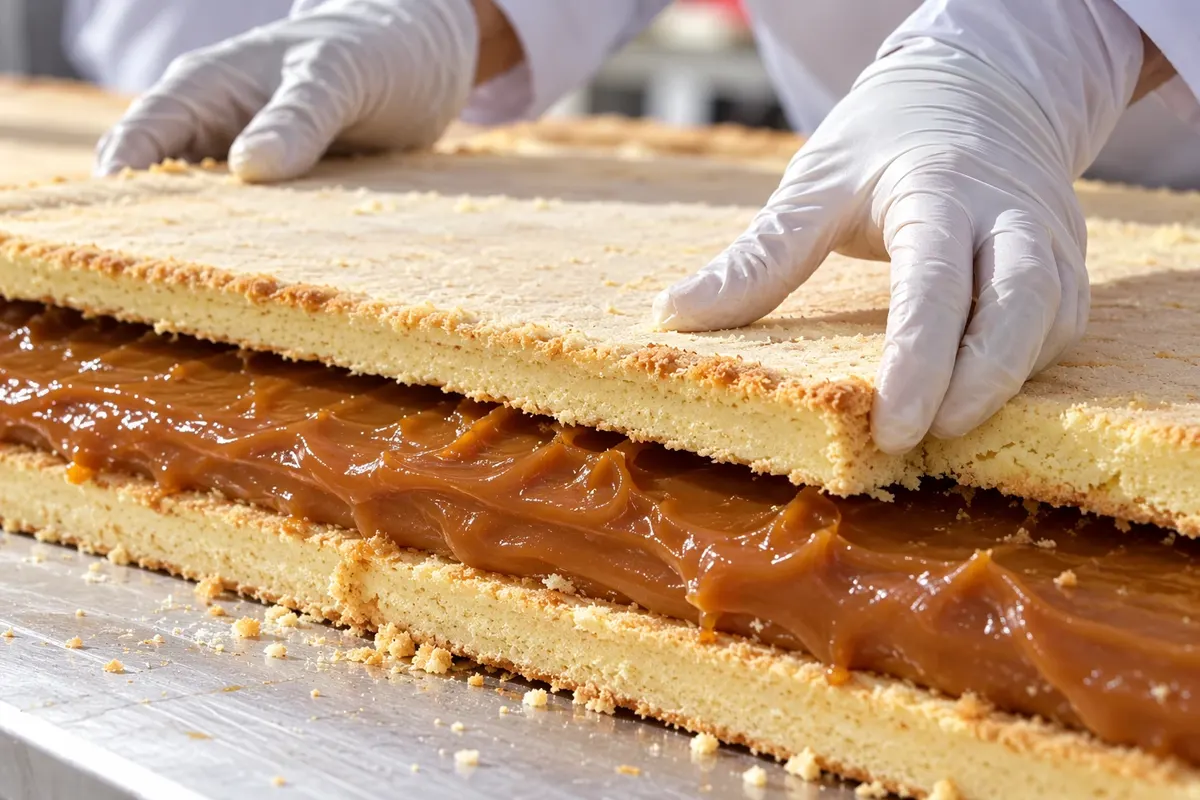
Large alfajor made with buttery cookies layered with manjar blanco, pineapple jam and peanut candy. It originated in the city of Lambayeque, and the name comes from the 1933 film.
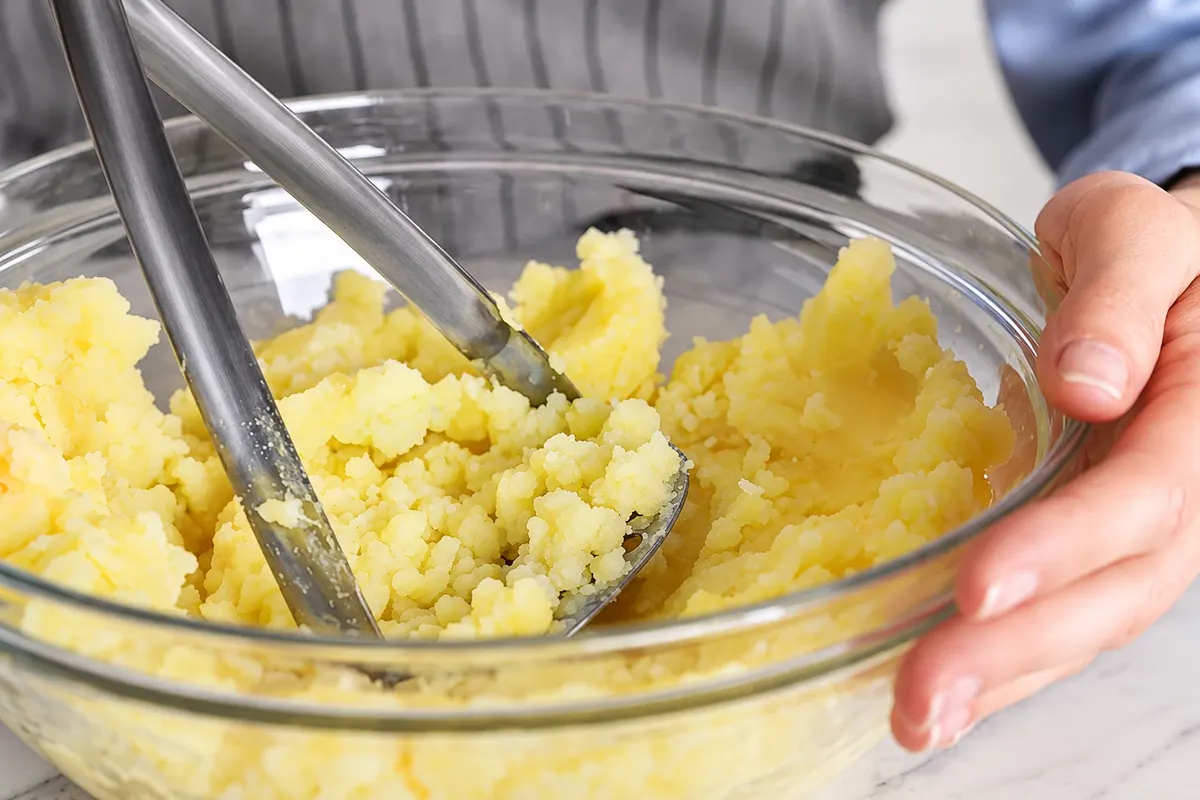
Cold mashed yellow potato dough seasoned with ají amarillo and lime, layered with a filling of chicken, tuna, or seafood. It bears Lima in the name and is linked to the history of Independence.
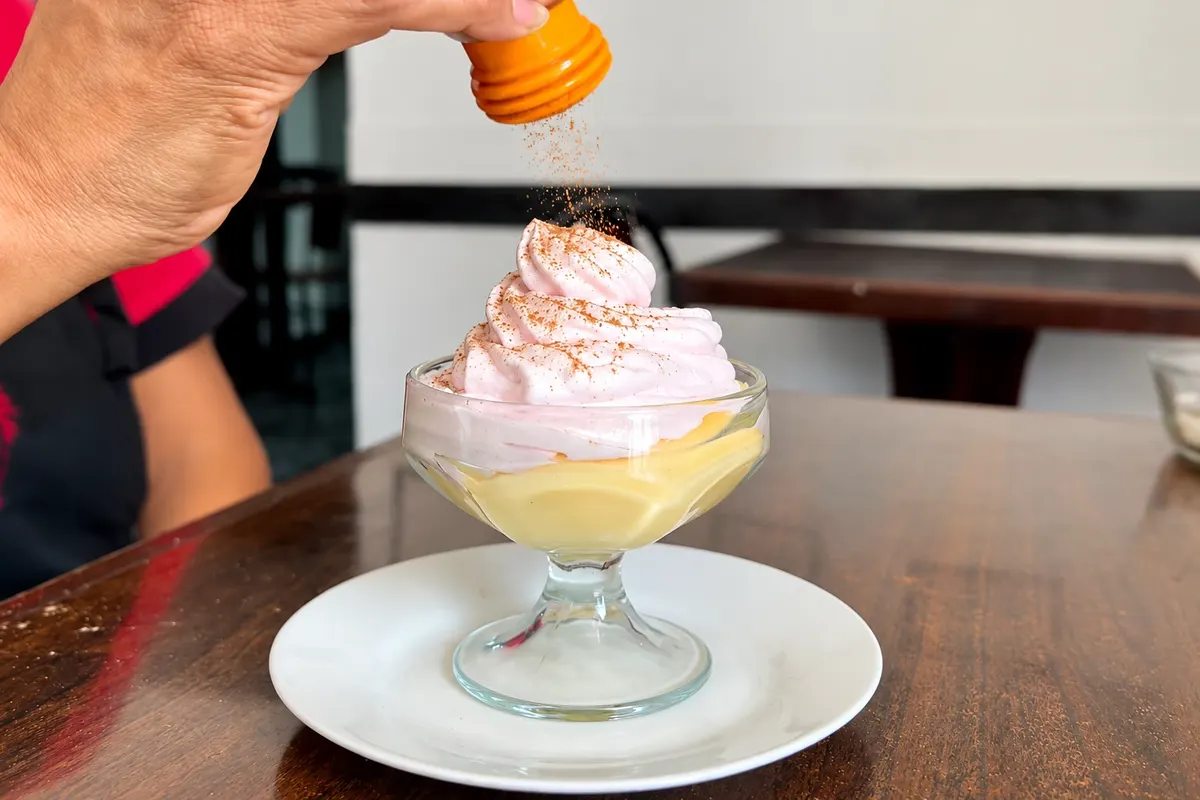
Lima sweet in two layers: a manjar blanco of milk, sugar and egg yolks, topped with meringue made with Port wine and cinnamon. The name means "suspiro de la limeña" (the limeña’s sigh).
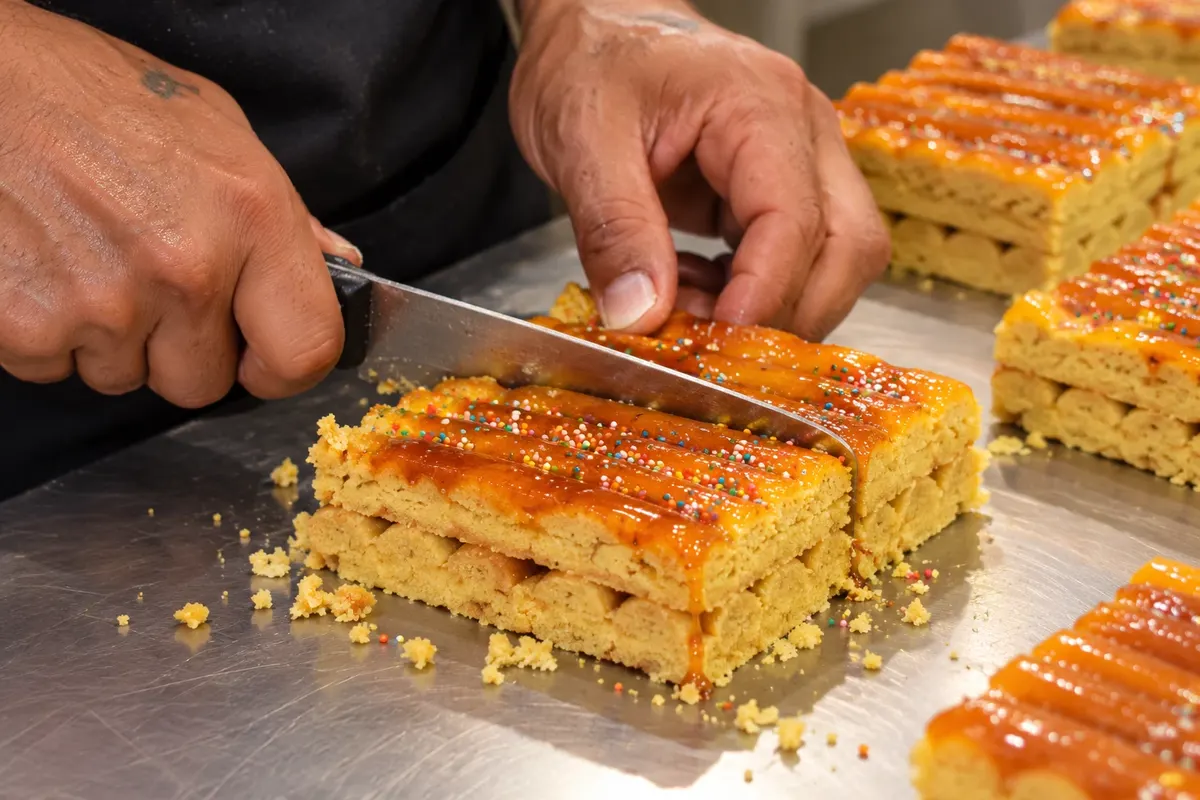
Sticks of flour dough flavored with anise, layered, coated in chancaca honey and topped with colorful sprinkles. It’s the October sweet in Lima, the month of the procession of the Señor de los Milagros.
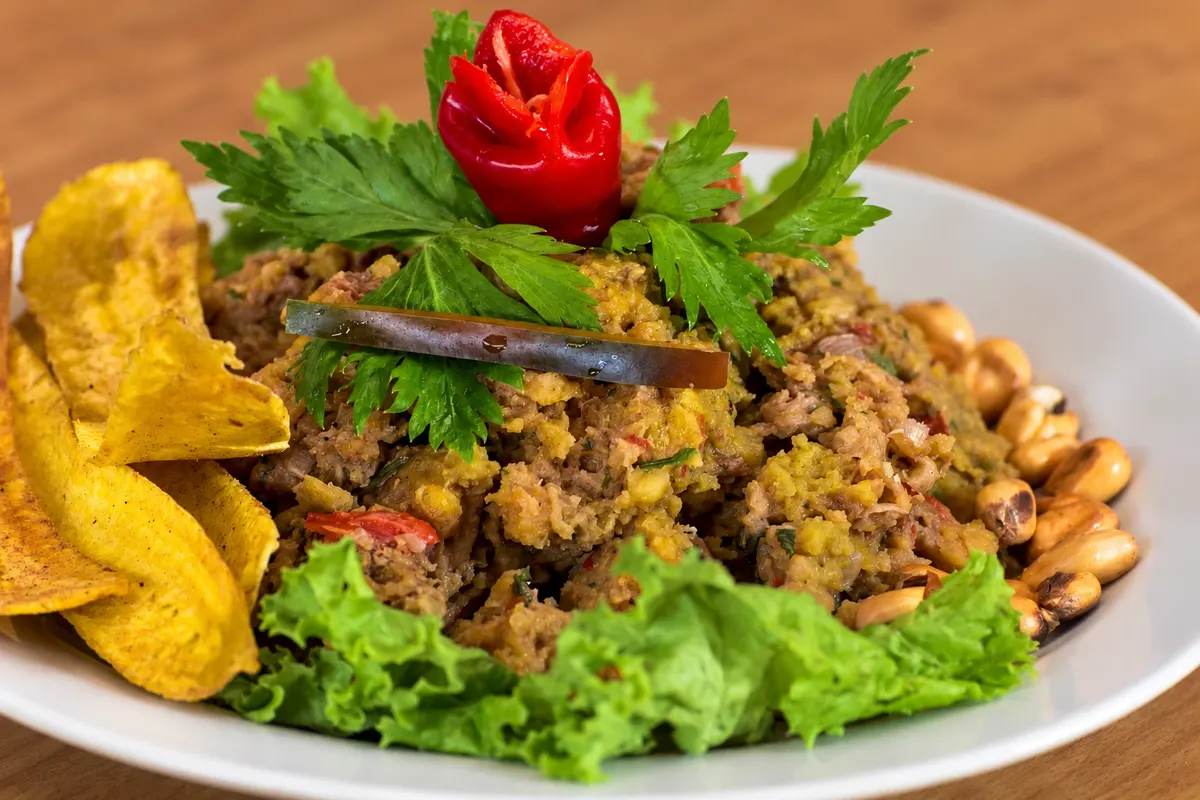
Fried, mashed green banana with dried beef, chicha de jora, ají panca and cilantro. It is one of Piura’s most representative dishes, recognized by Indecopi as a Traditional Guaranteed Specialty in 2026.
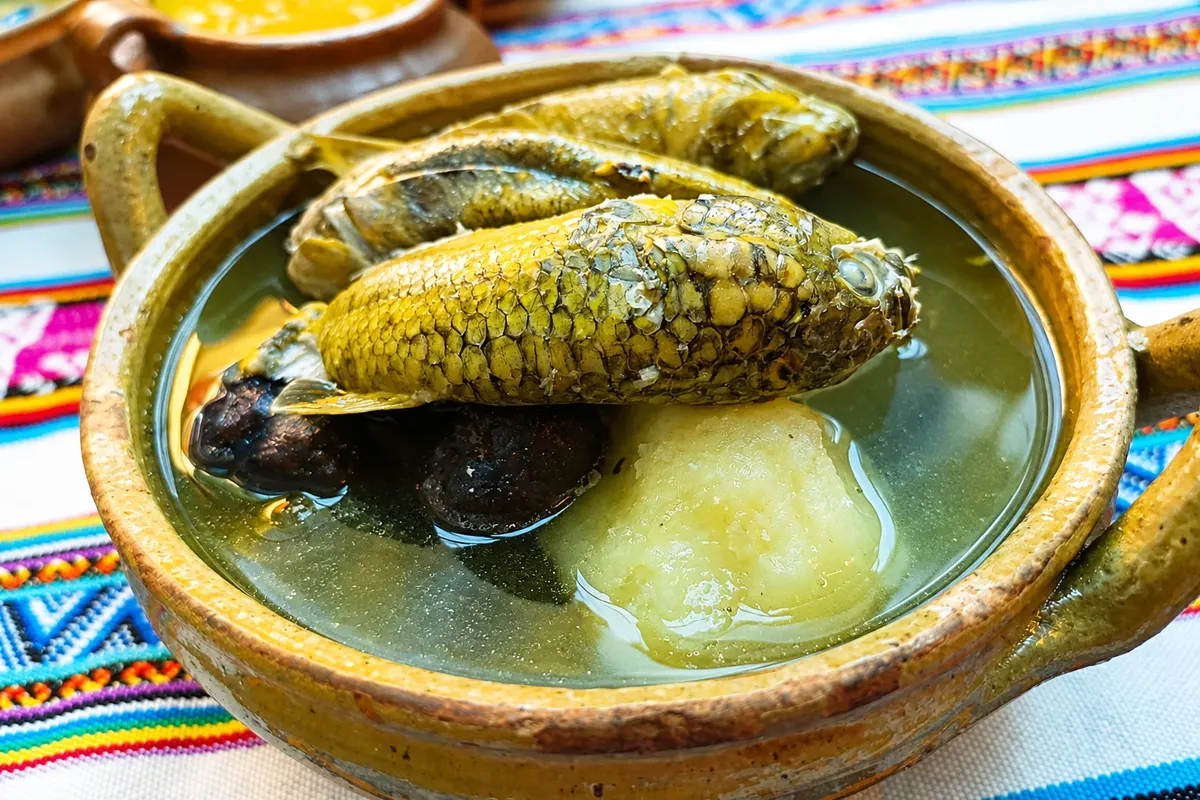
Fish broth from Lake Titicaca, such as carachi, cooked whole with potato, chuño and muña. It is everyday food in Puno, with its own day on the city calendar.
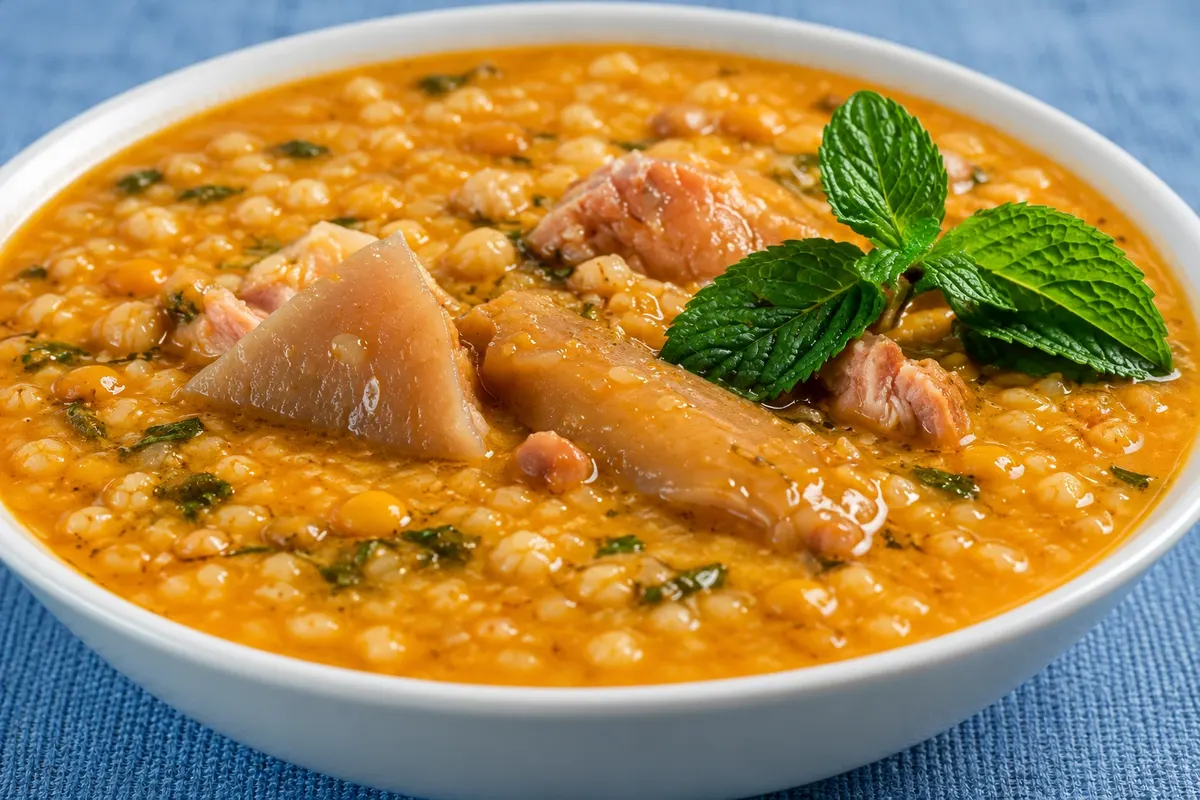
Thick wheat soup with beans, chickpeas, peas and fava beans, with pork cuts and ham, scented with mint. It is the Monday dish in Trujillo.