The Minett is the southern part of Luxembourg, next to the border with France, and is named after the minette, the reddish iron ore found in the region's subsurface. From the late 19th century, the mines and steelworks turned rural villages into industrial towns and made Luxembourg one of Europe's major steel producers. Workers came from Italy, Portugal and other countries, and the region still retains that mix today.
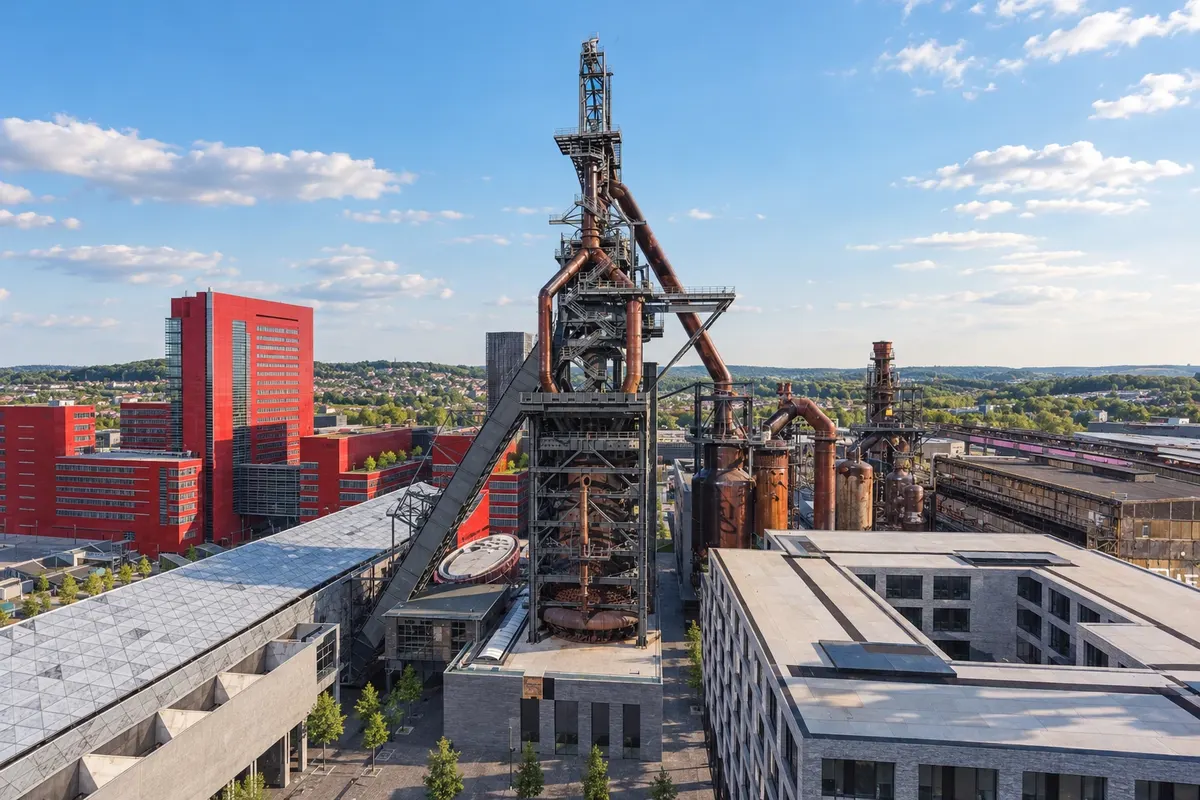
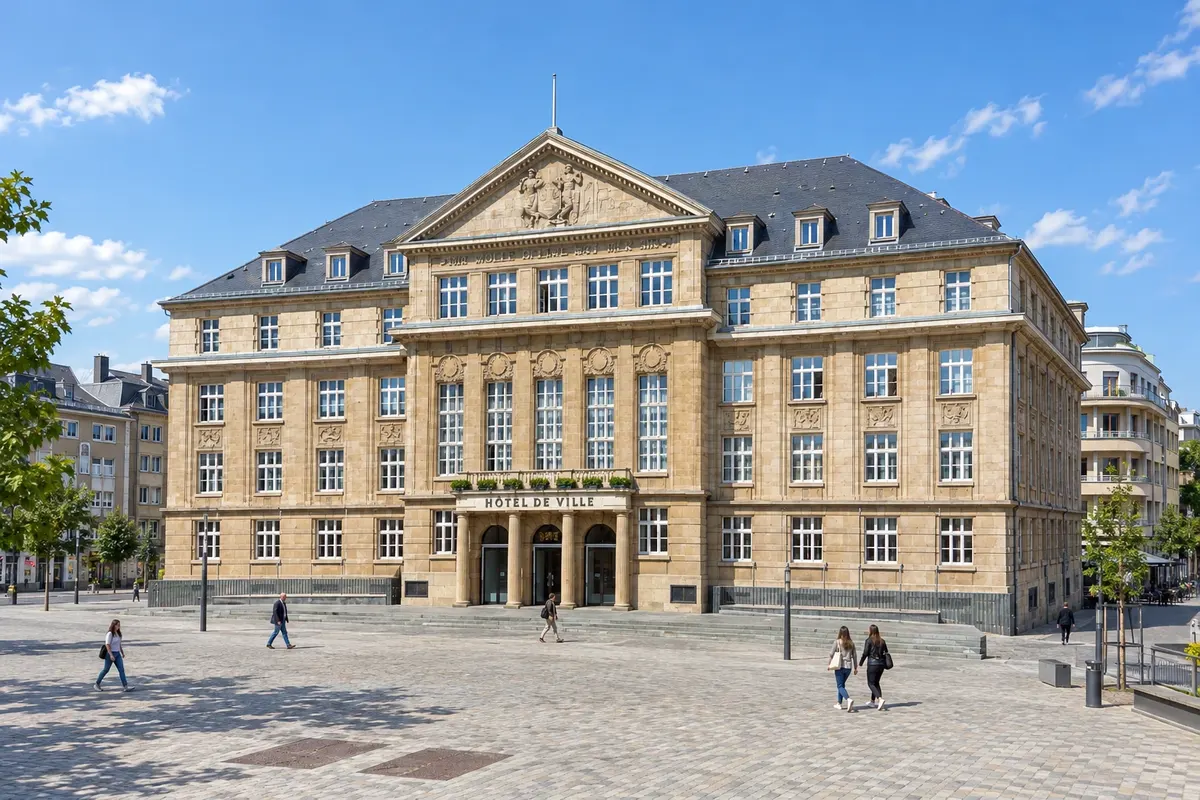
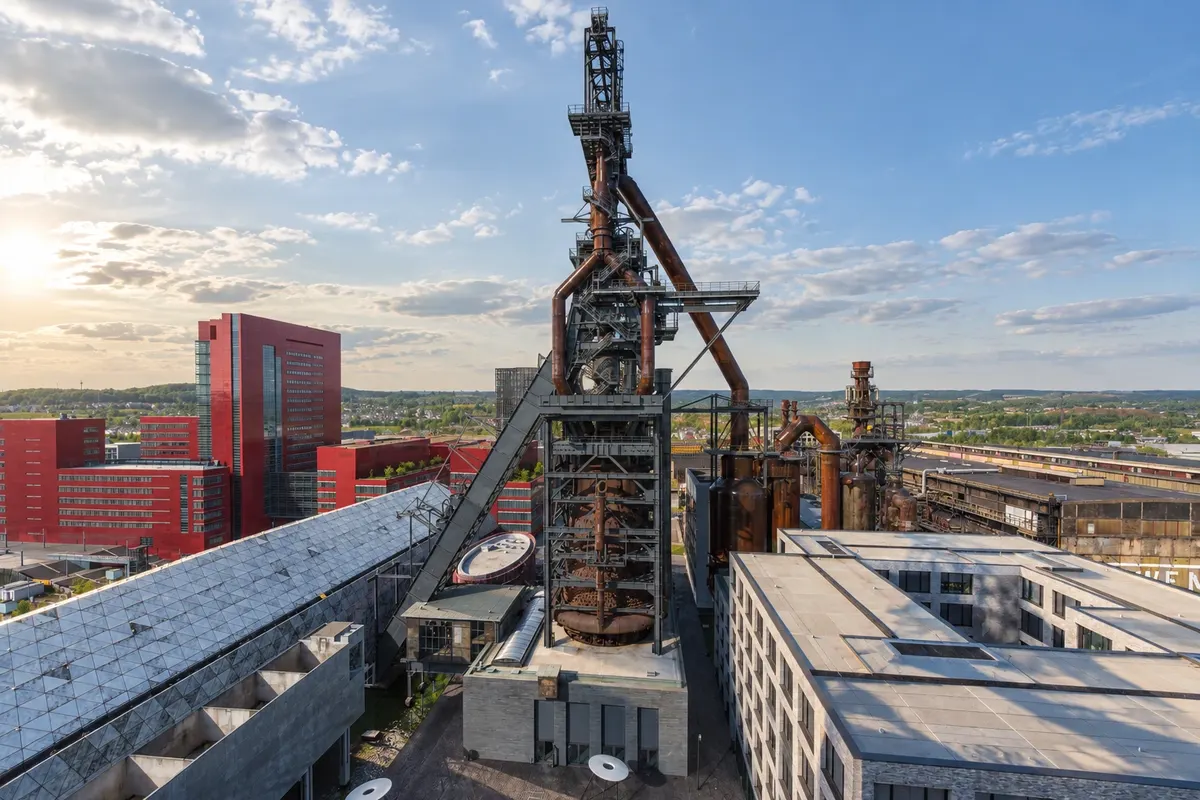
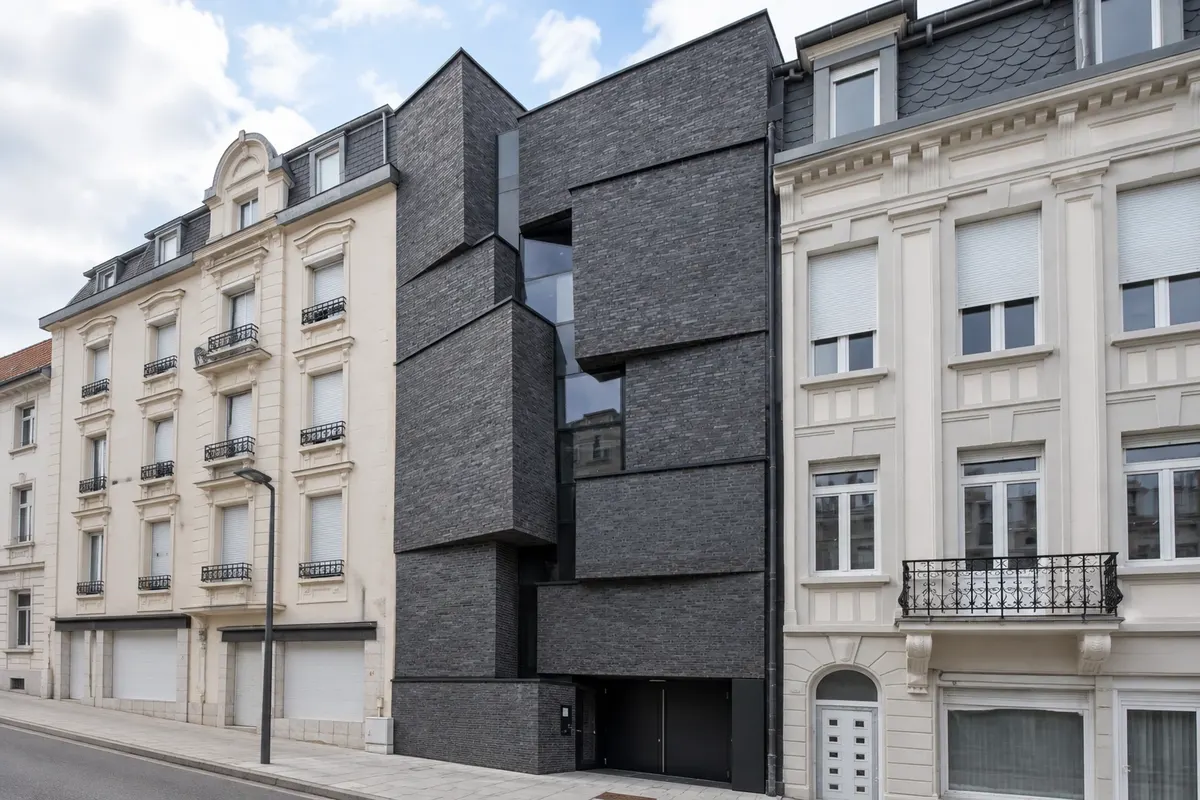
Esch-sur-Alzette is the country's second city and the center of the Minett. The rue de l'Alzette, a pedestrian street, has early 20th-century façades, and the Museu Nacional da Resistência e dos Direitos Humanos tells the story of the German occupation during the Second World War. In the Belval district, on a former industrial site, the blast furnaces have been preserved among the buildings of the Universidade de Luxemburgo, and one of them can be visited up to its upper platform.
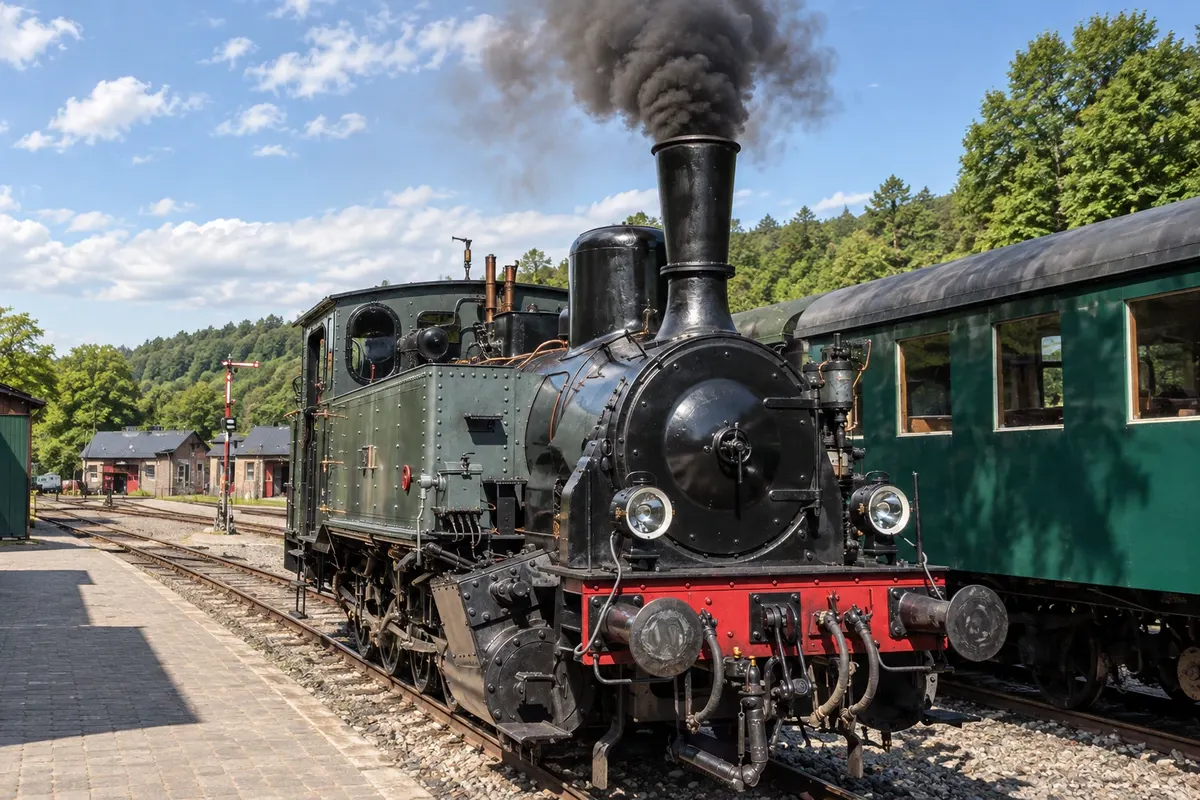
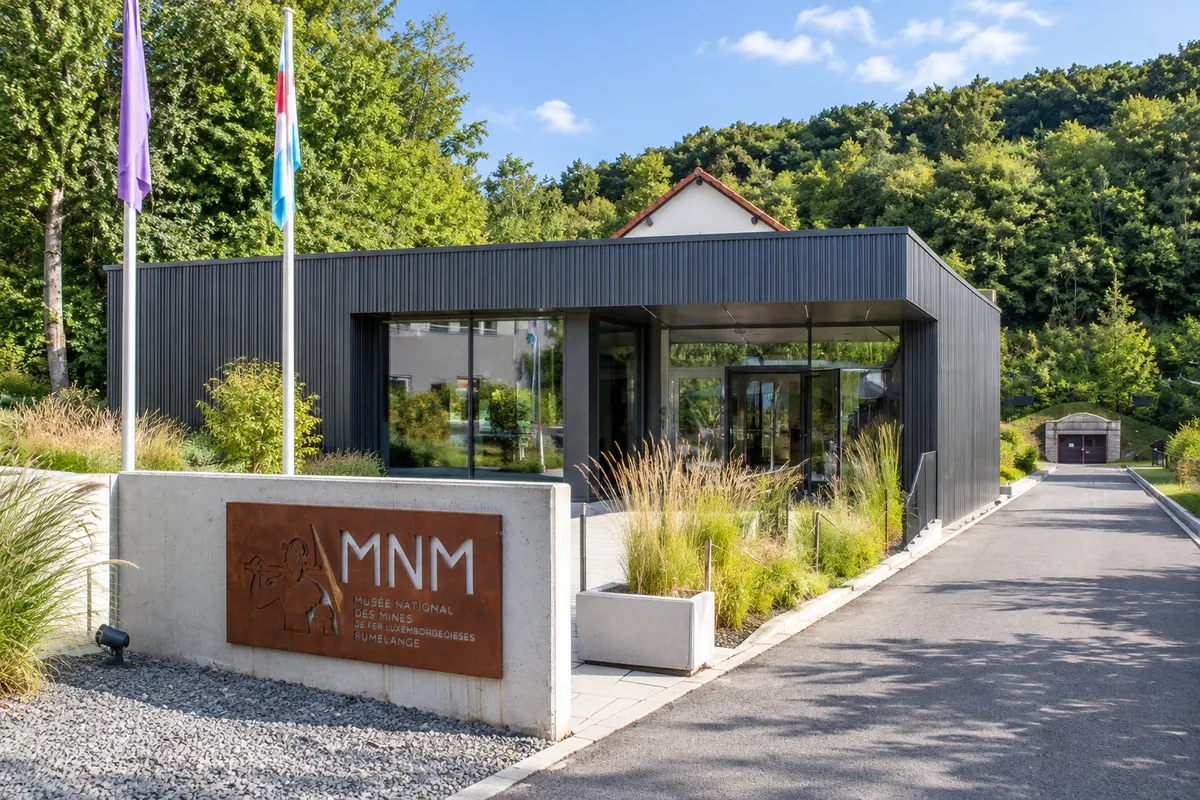
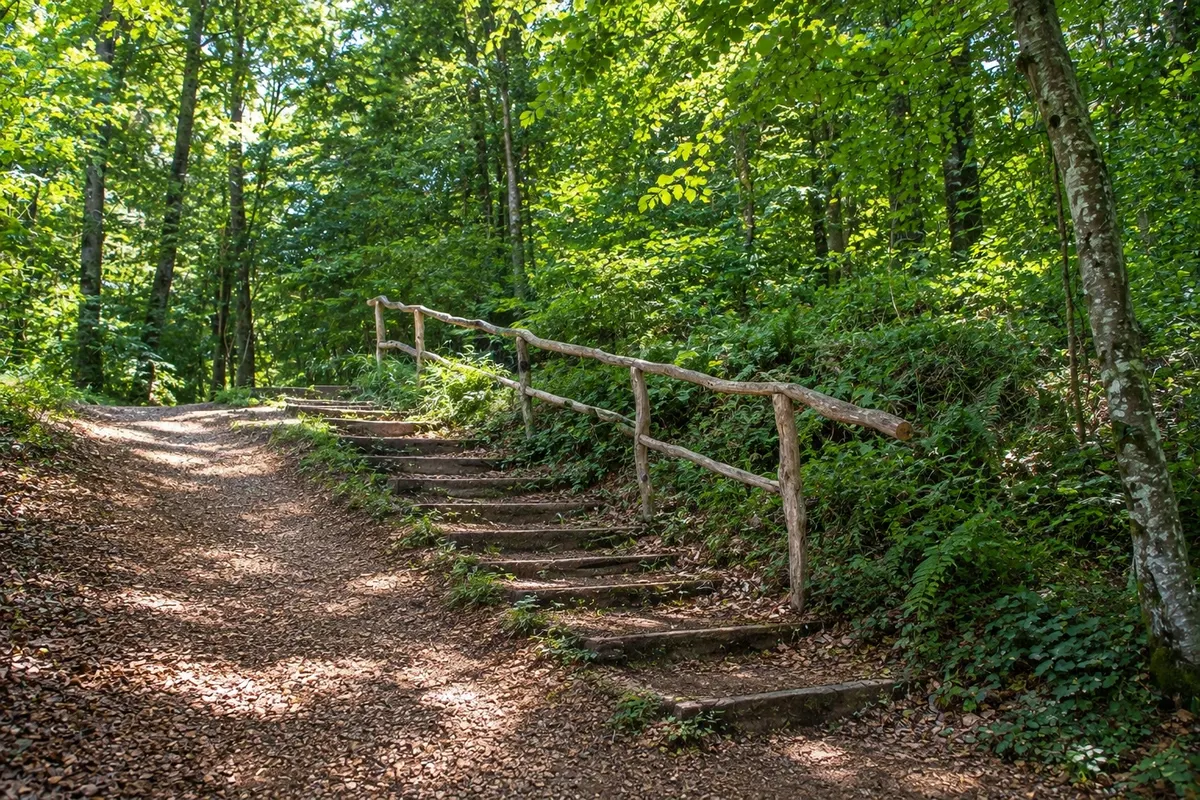
Around Esch, former open-pit mines have become nature reserves, such as the Ellergronn, crossed by trails. The Minett Park Fond-de-Gras, near Pétange, features a period steam train and a mine train that goes through a tunnel to the village of Lasauvage, and in Rumelange the Museu Nacional das Minas takes visitors by train into an iron mine. The region is recognized by UNESCO as a biosphere reserve.
Many people in the region speak Portuguese because of Portuguese immigration.
This destination brings together 1 city: Esch-sur-Alzette.


 Brazil
 Argentina
 Bolivia
 Chile
 Colombia
 Ecuador
 Guyana
 French Guiana
 Falkland Islands (Malvinas)
 Paraguay
 Peru
 Suriname
 Uruguay
 Venezuela
 Germany
 Austria
 Belgium
 Croatia
 Denmark
 Spain
 Finland
 France
 Greece
 the Netherlands
 Hungary
 Ireland
 Iceland
 Italy
 Norway
 Poland
 Portugal
 the United Kingdom
 the Czech Republic
 Sweden
 Switzerland
 Turkey
 the United States
 Mexico
 the Dominican Republic
 South Africa
 Australia
 Fiji
 New Zealand