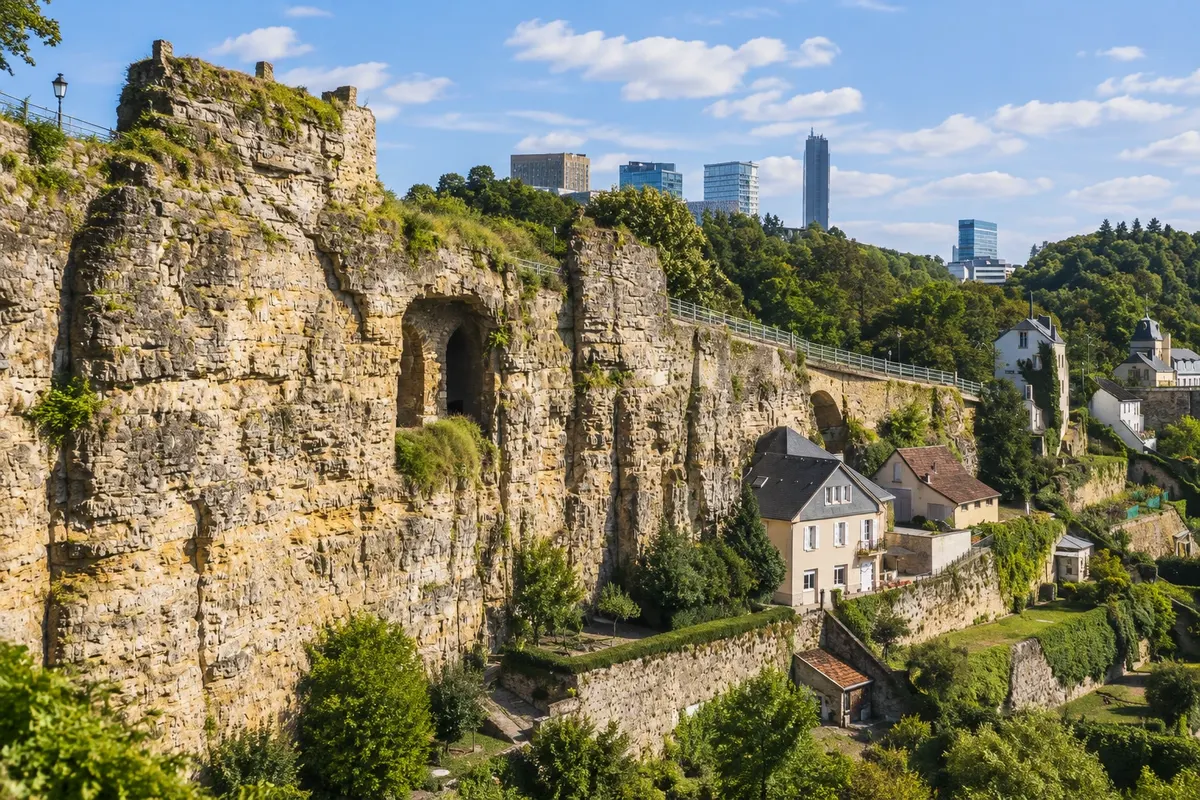
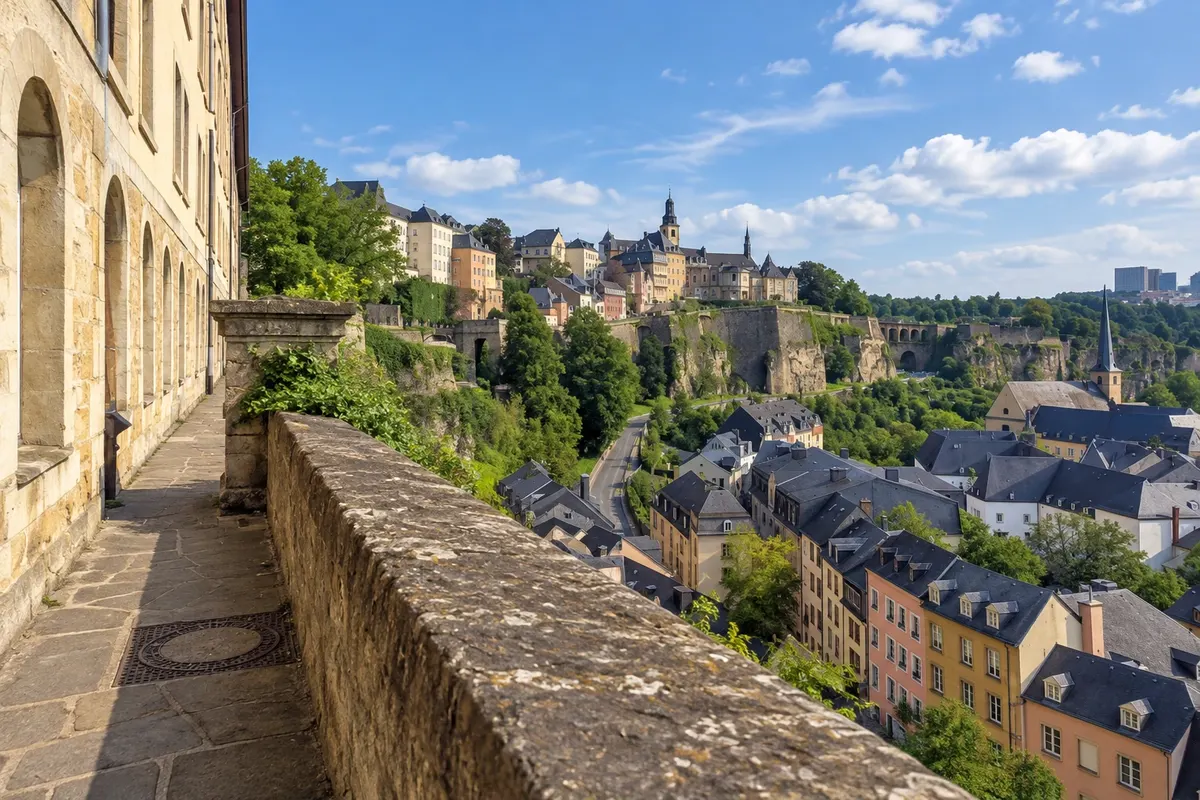
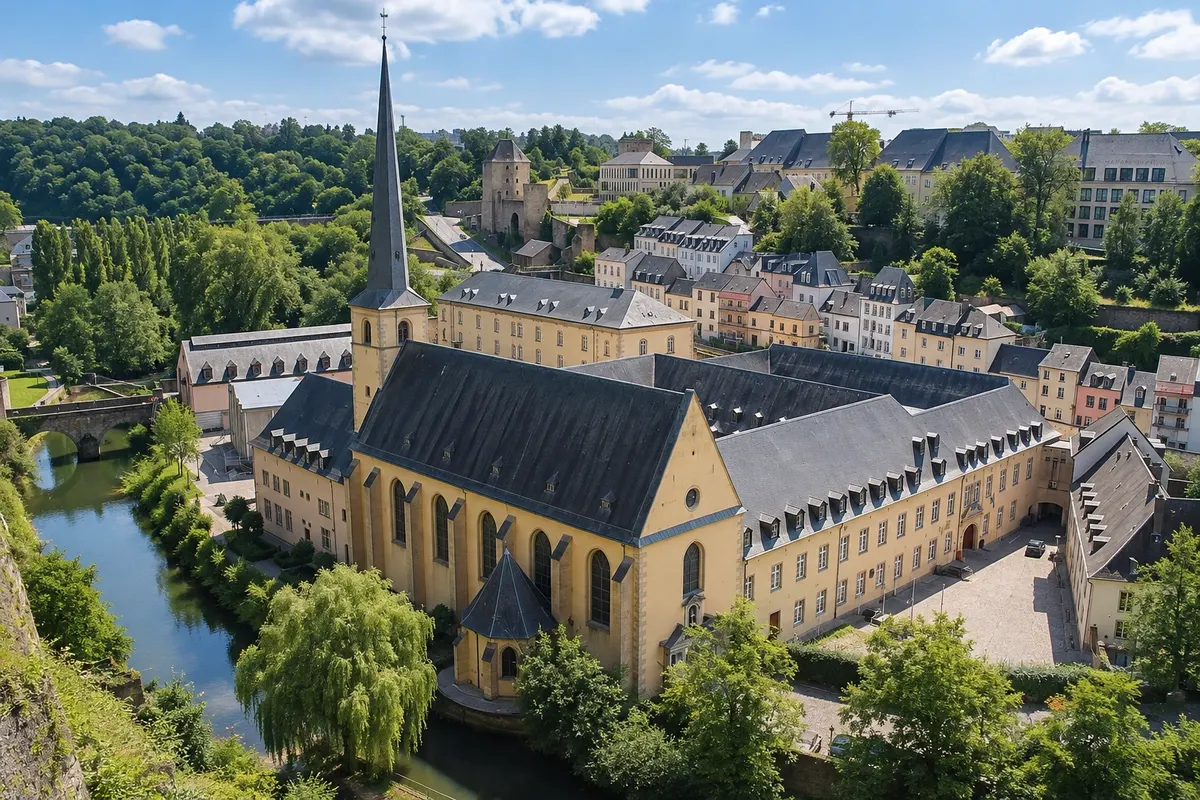
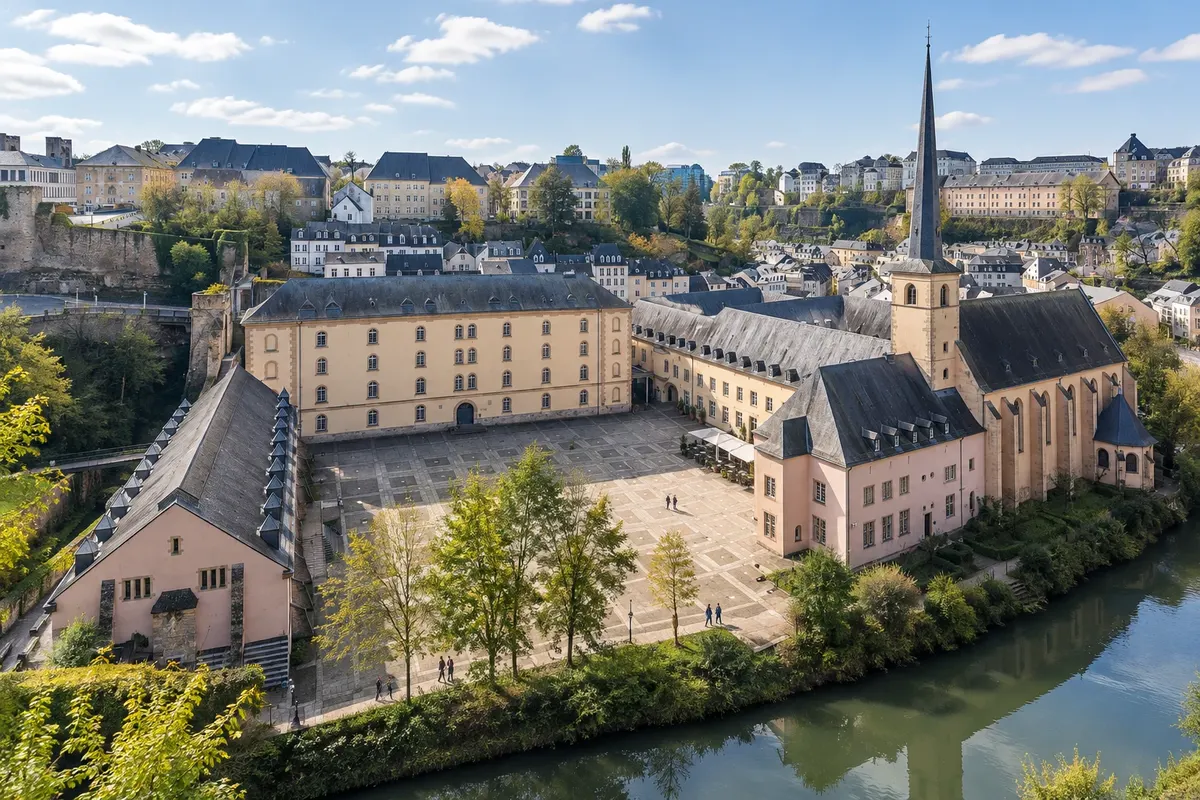
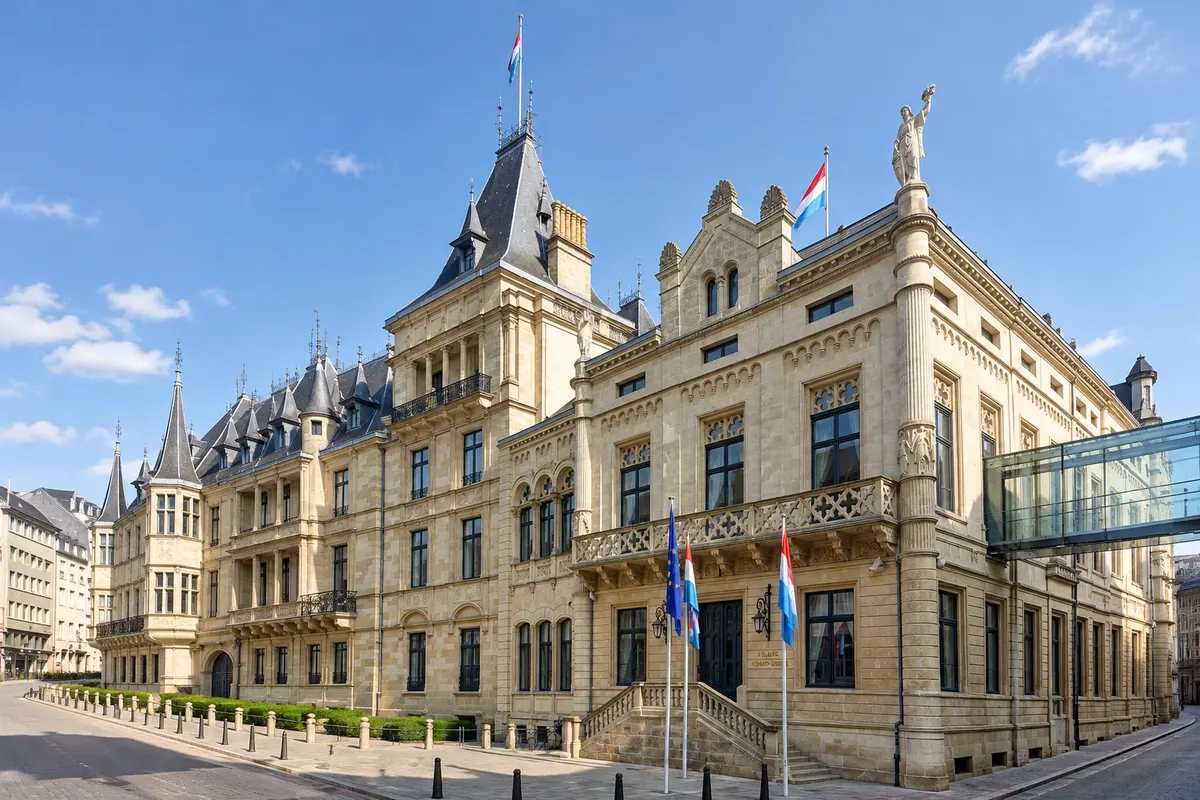
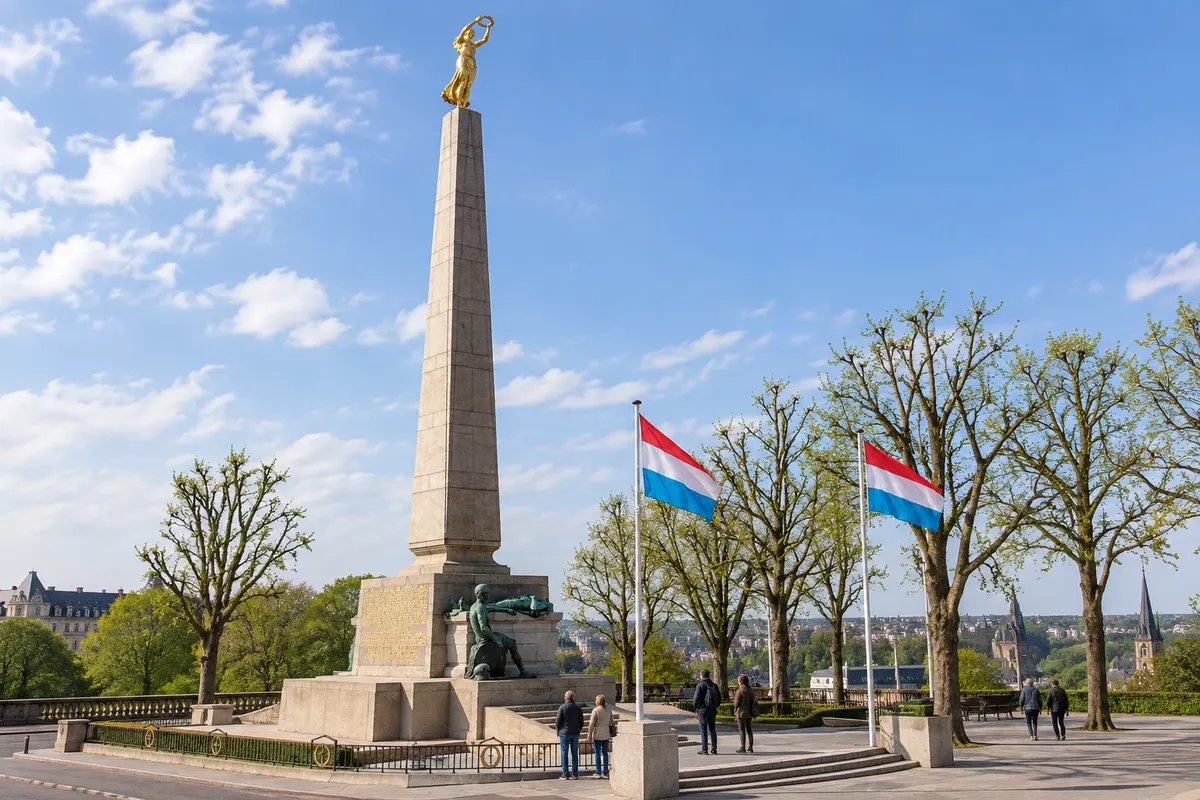
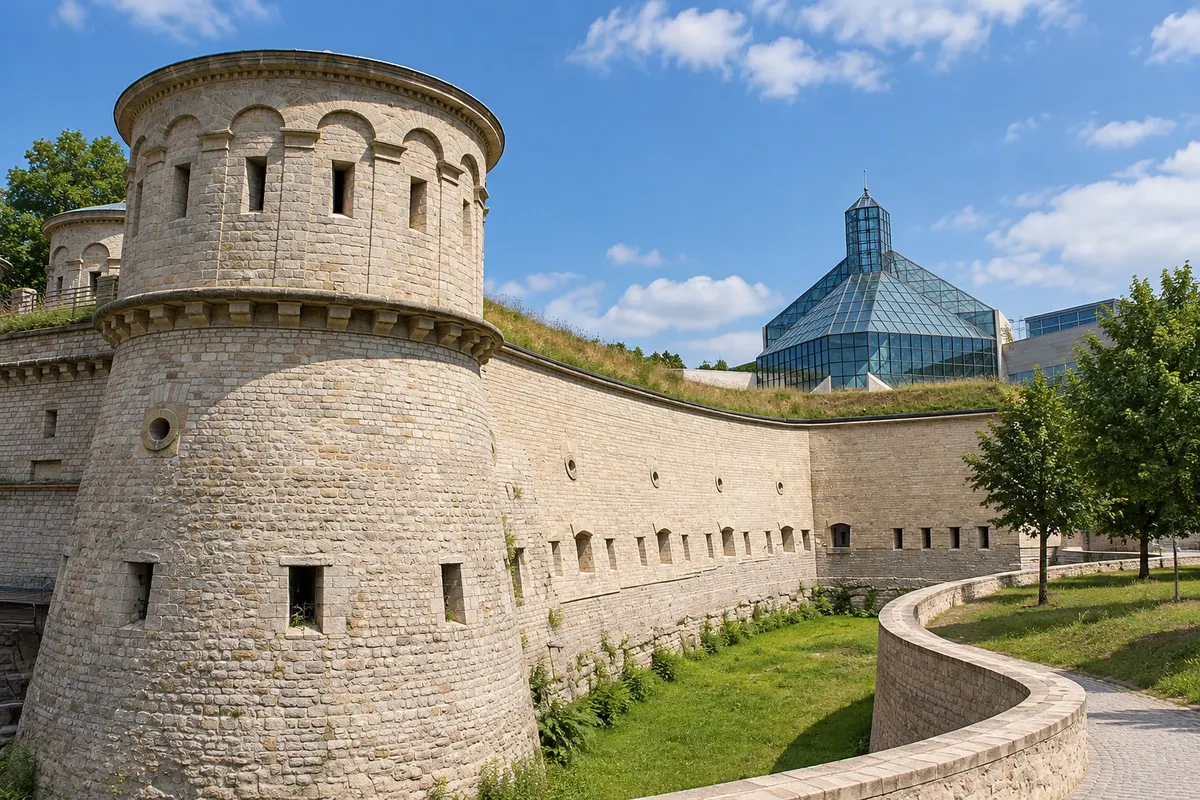
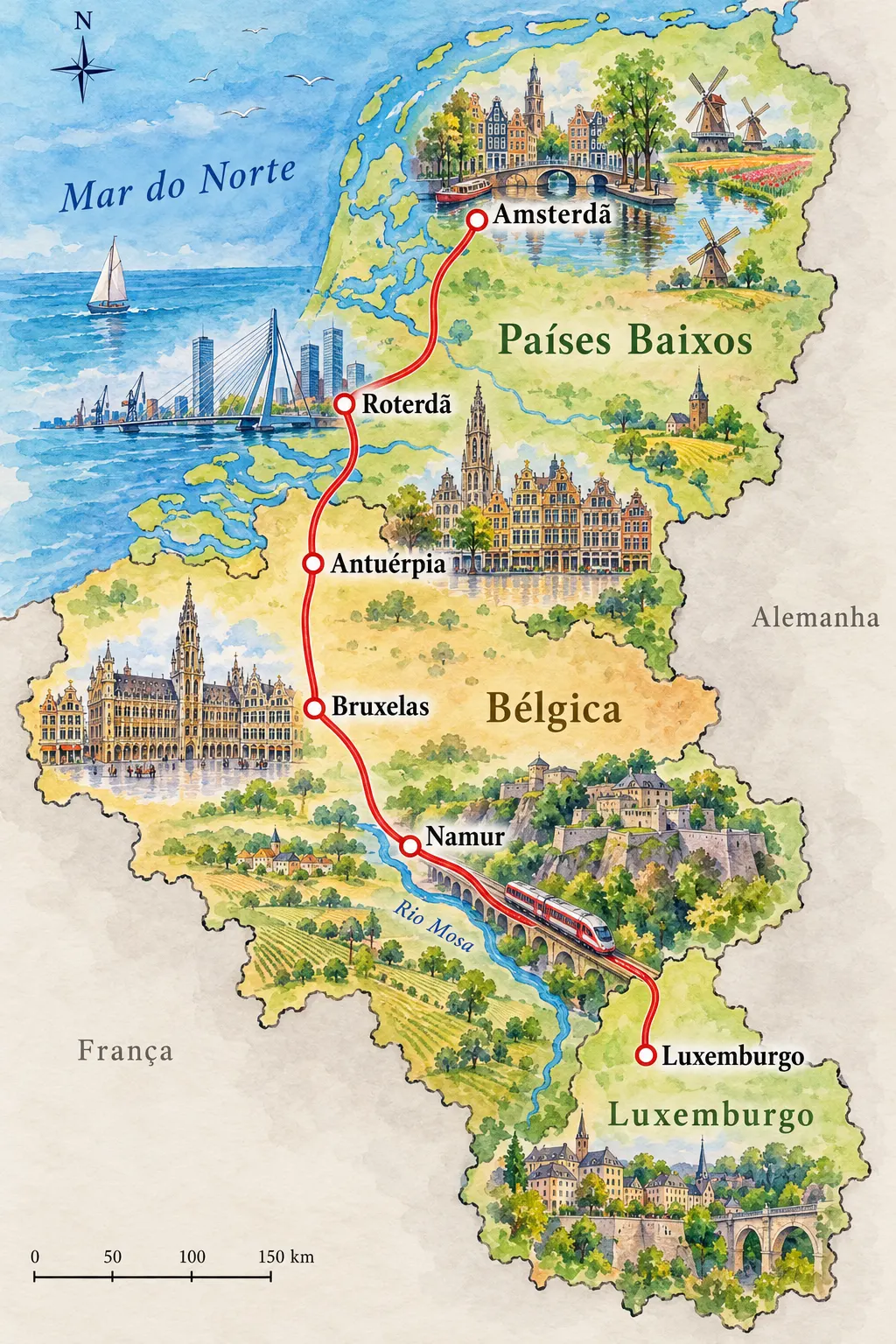
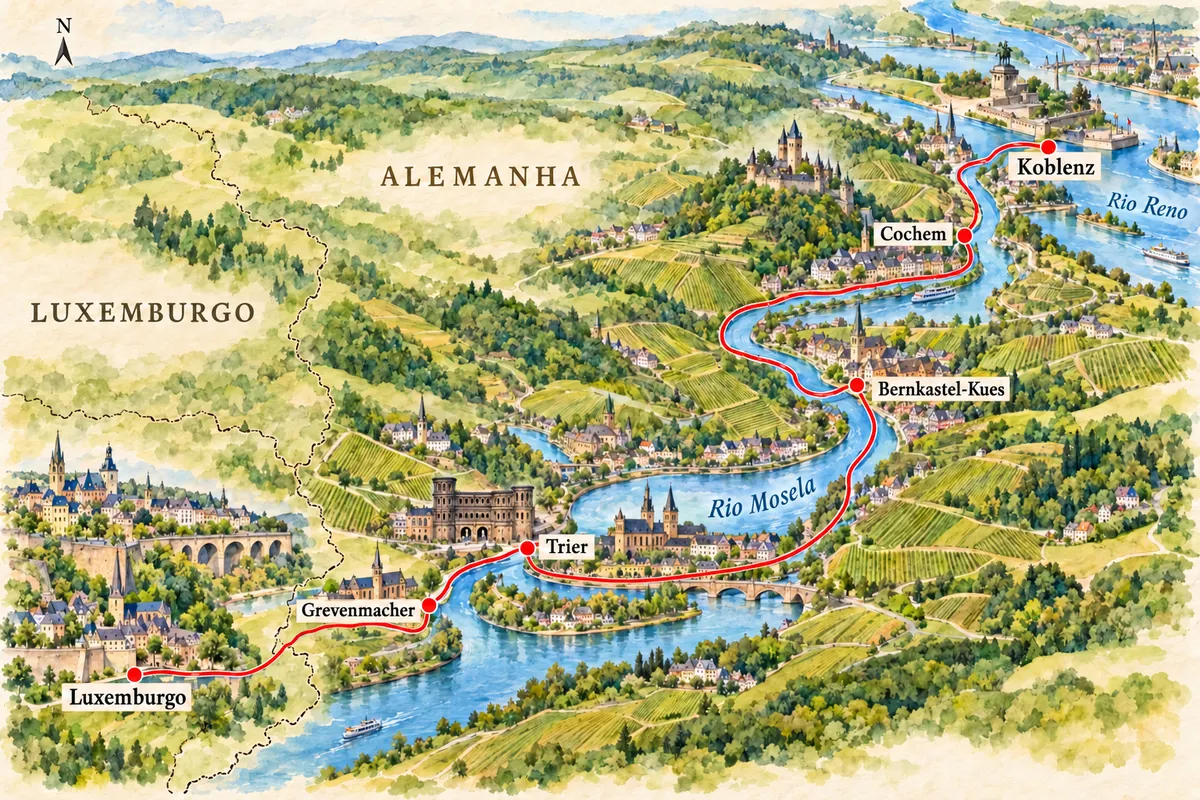
A Cidade de Luxemburgo (Lëtzebuerg, in Luxembourgish; Luxembourg, on signs in French) is the capital of the Grand Duchy and the arrival point for almost every trip to the country. The old city occupies a rocky plateau surrounded by the Alzette and Pétrusse valleys, and for nearly a thousand years it was a fortress contested by Spaniards, French, Austrians and Prussians. What remains of the walls, bastions and tunnels carved into the rock, together with the old quarters, form the ensemble that UNESCO declared a World Heritage Site in 1994.
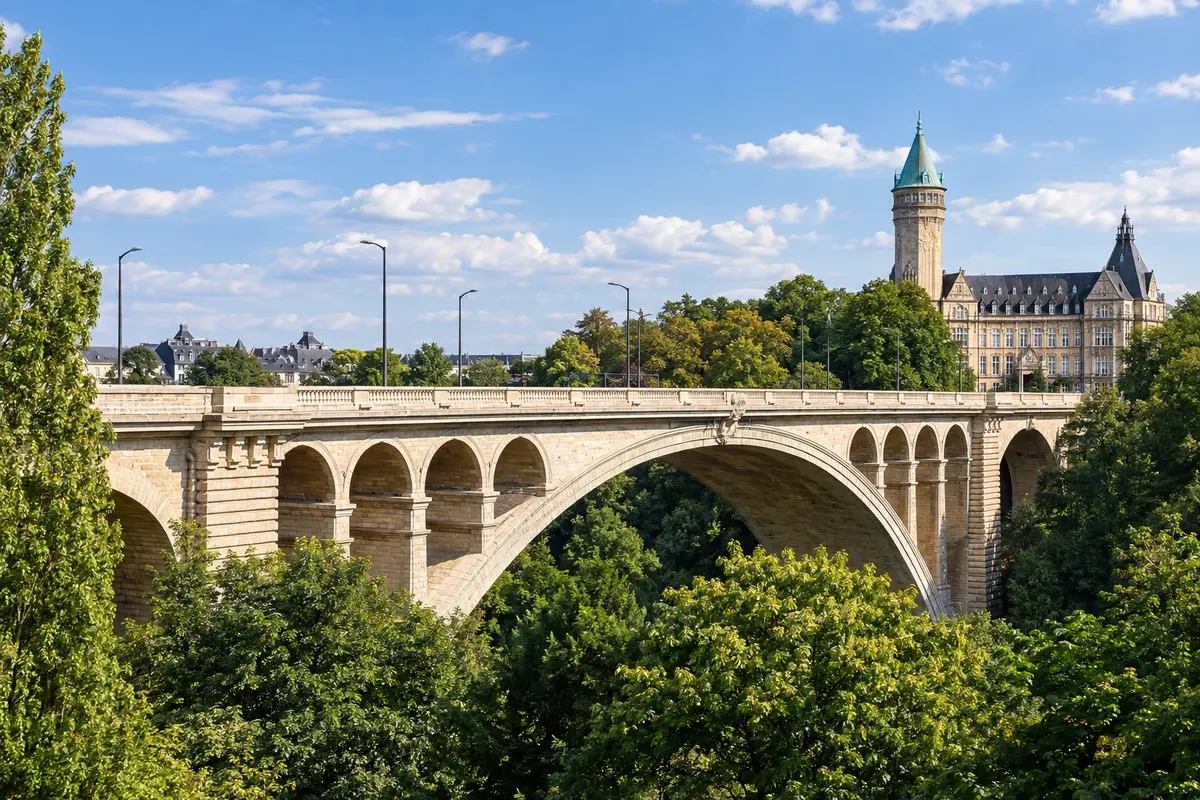
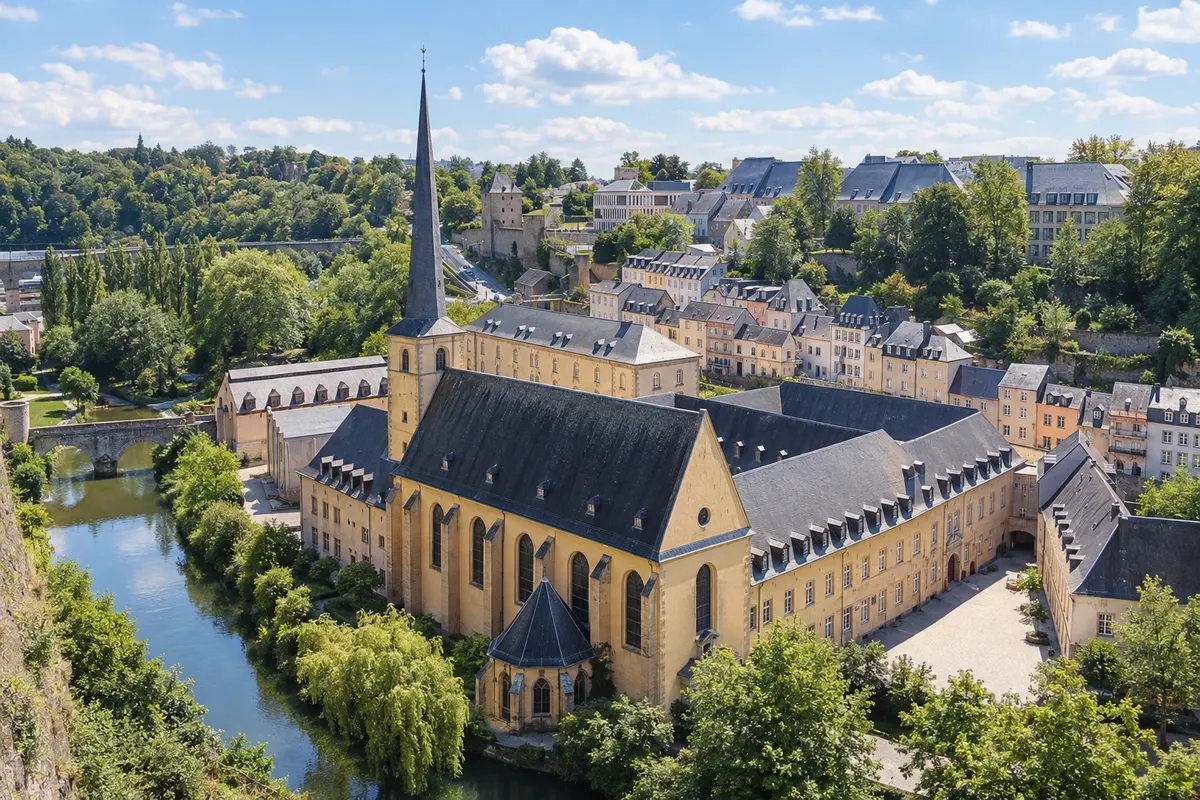
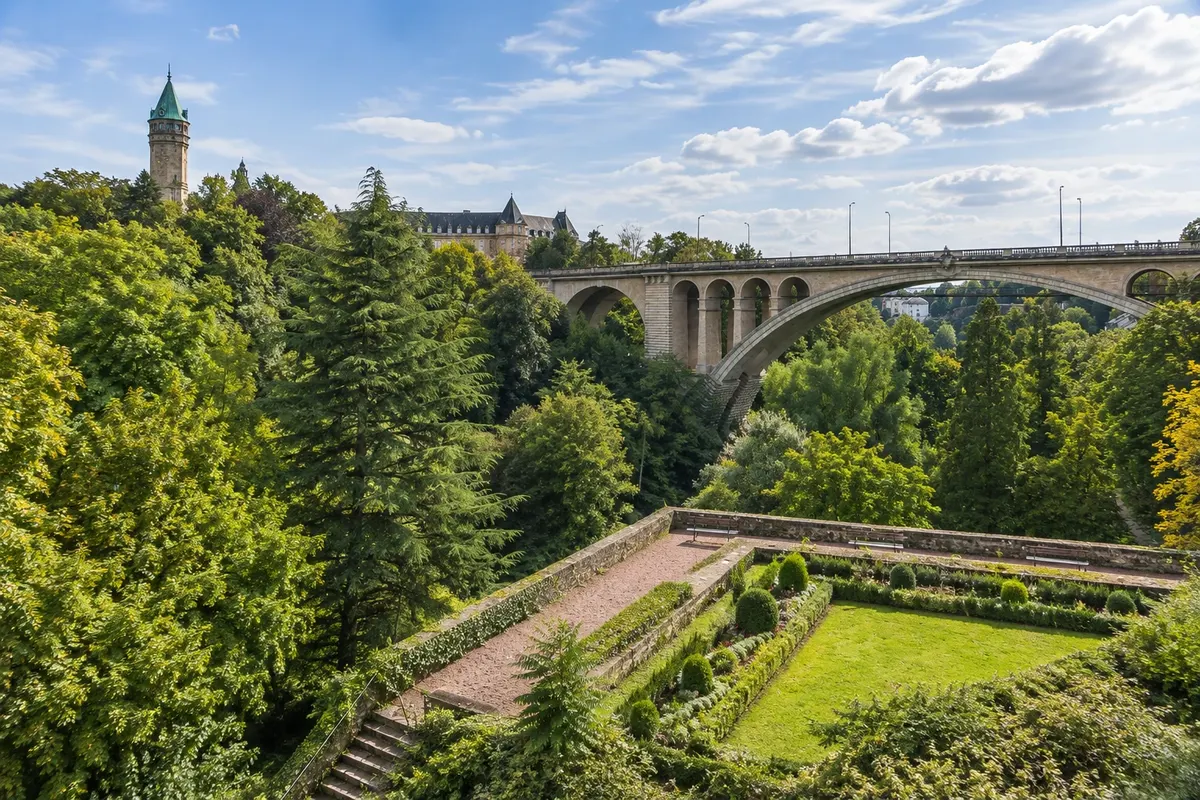
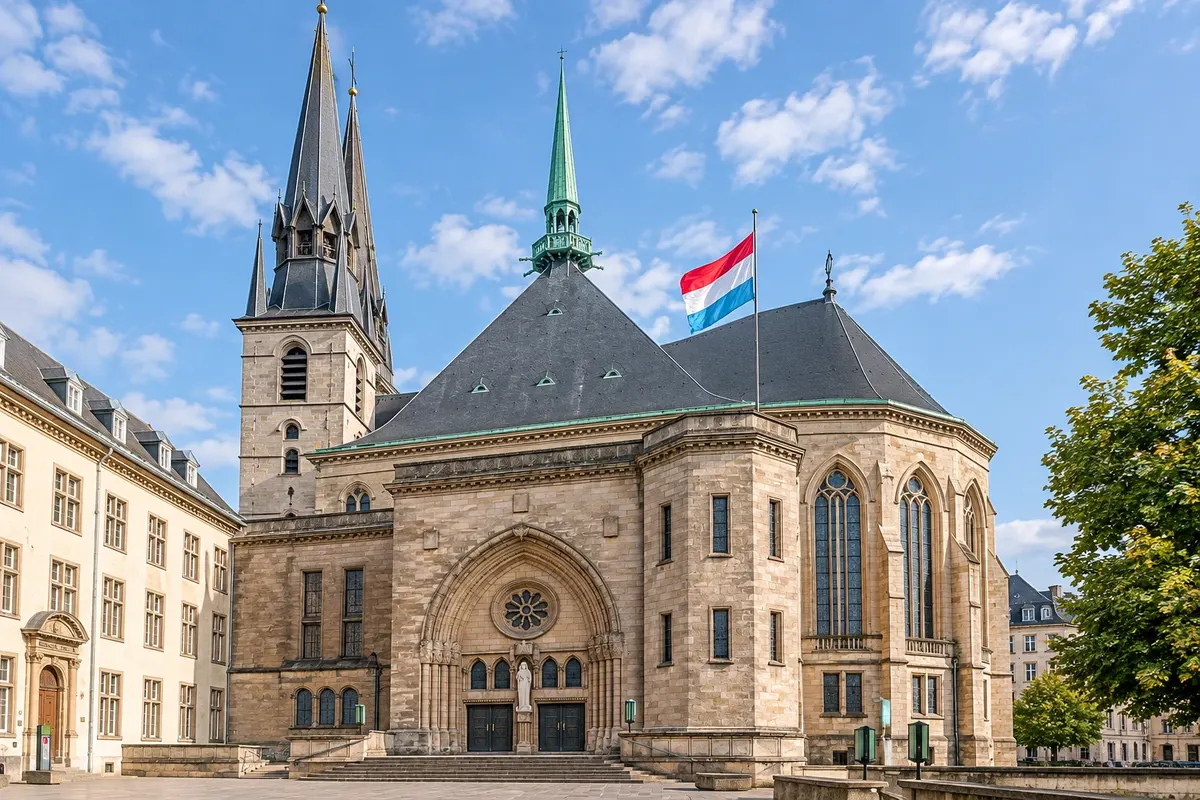
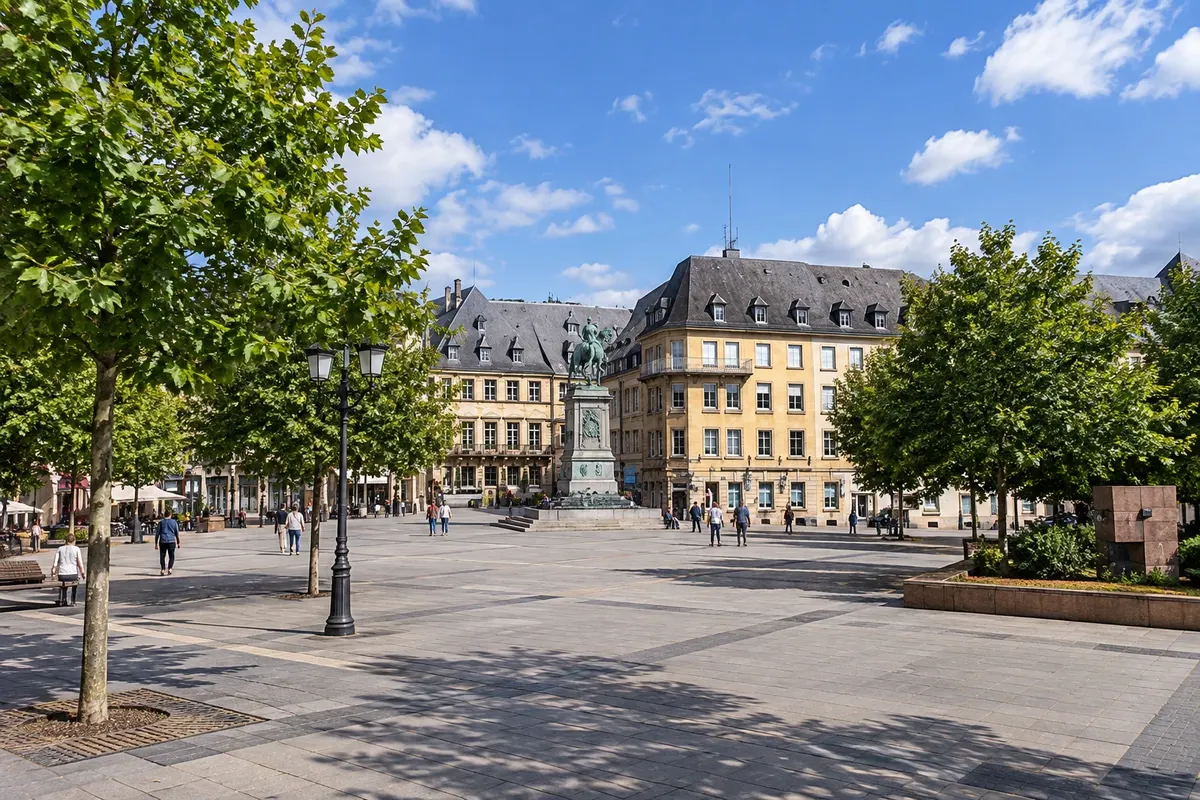
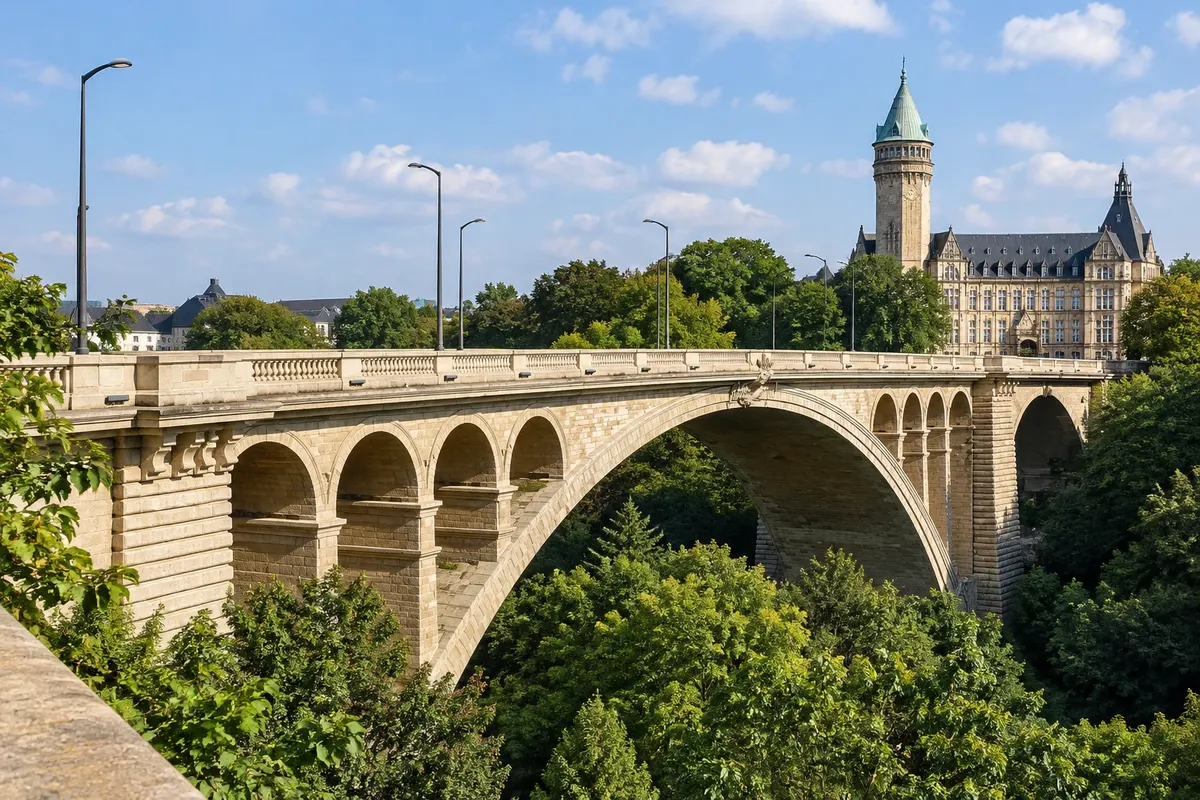
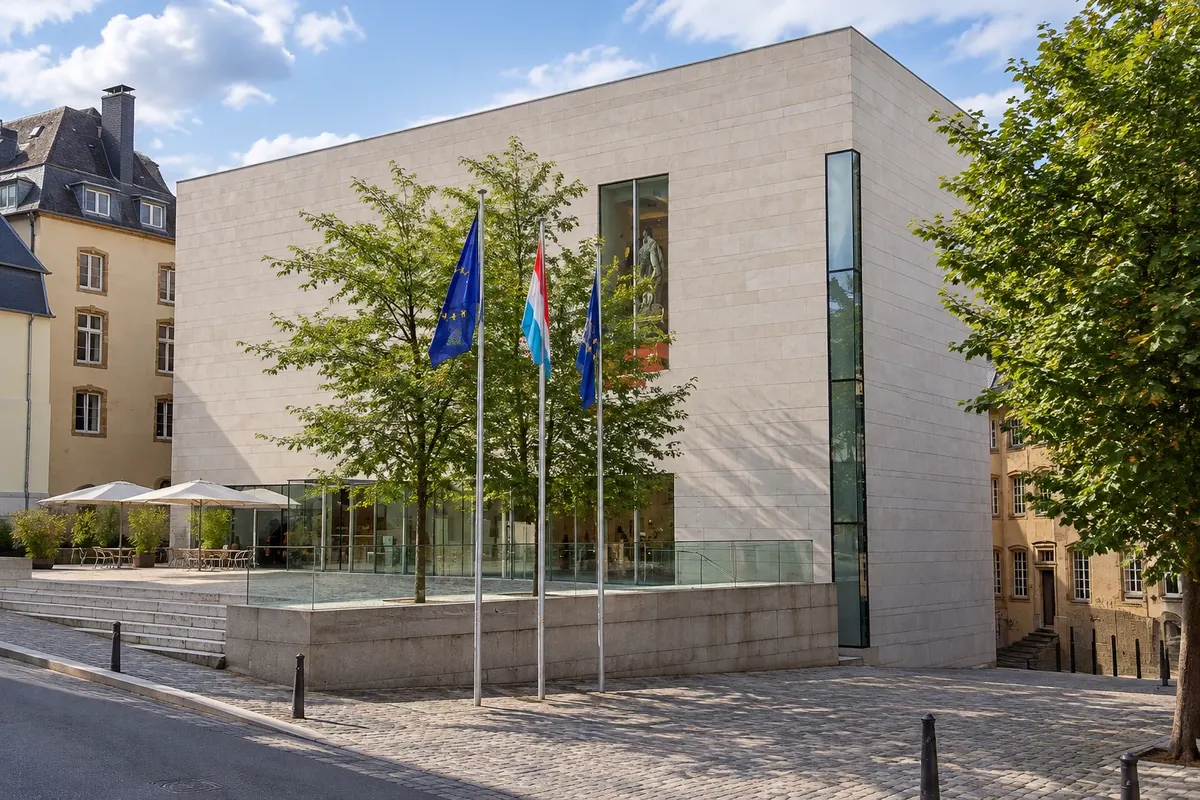
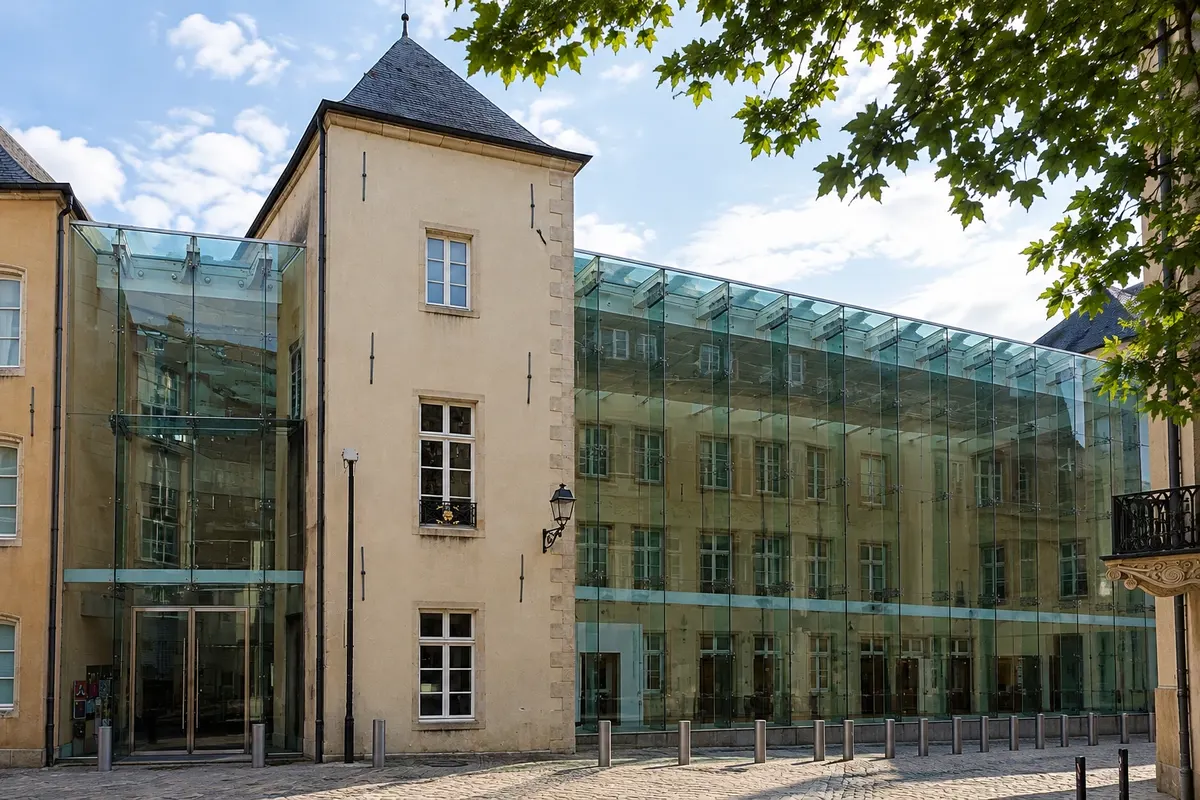
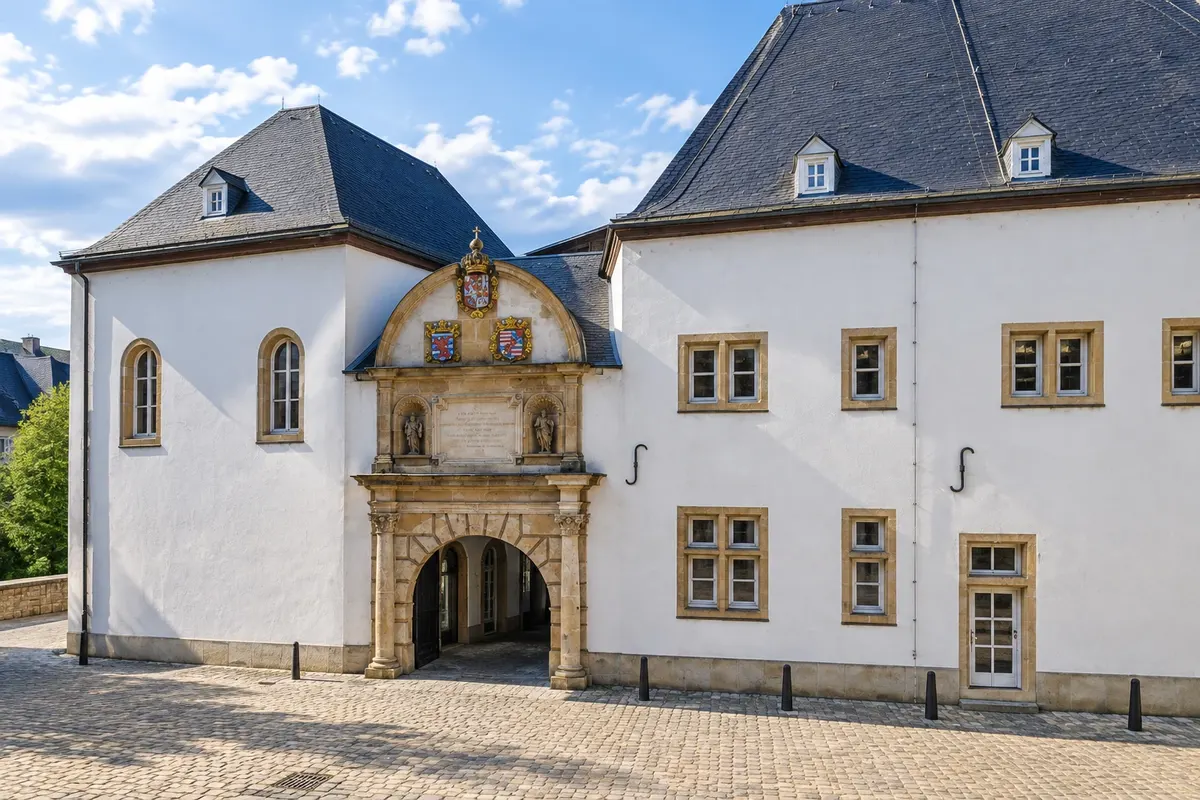
In the Ville Haute, the upper part, are the Catedral de Notre-Dame, the Palácio Grão-Ducal, the Place Guillaume II and the Place d'Armes, the shopping street Grand-Rue and the main history museums. The edge of the plateau is the Chemin de la Corniche, a walkway along the ramparts with views over the Grund, the lower neighborhood by the Alzette, where the former Neumünster abbey and the natural history museum are located. On the other side of the valley, the Bock rock shelters the casemates, galleries open to visitors. The Ponte Adolphe and the viaduct connect the old town to the Gare area, to the south, over the Pétrusse valley, which is a park.
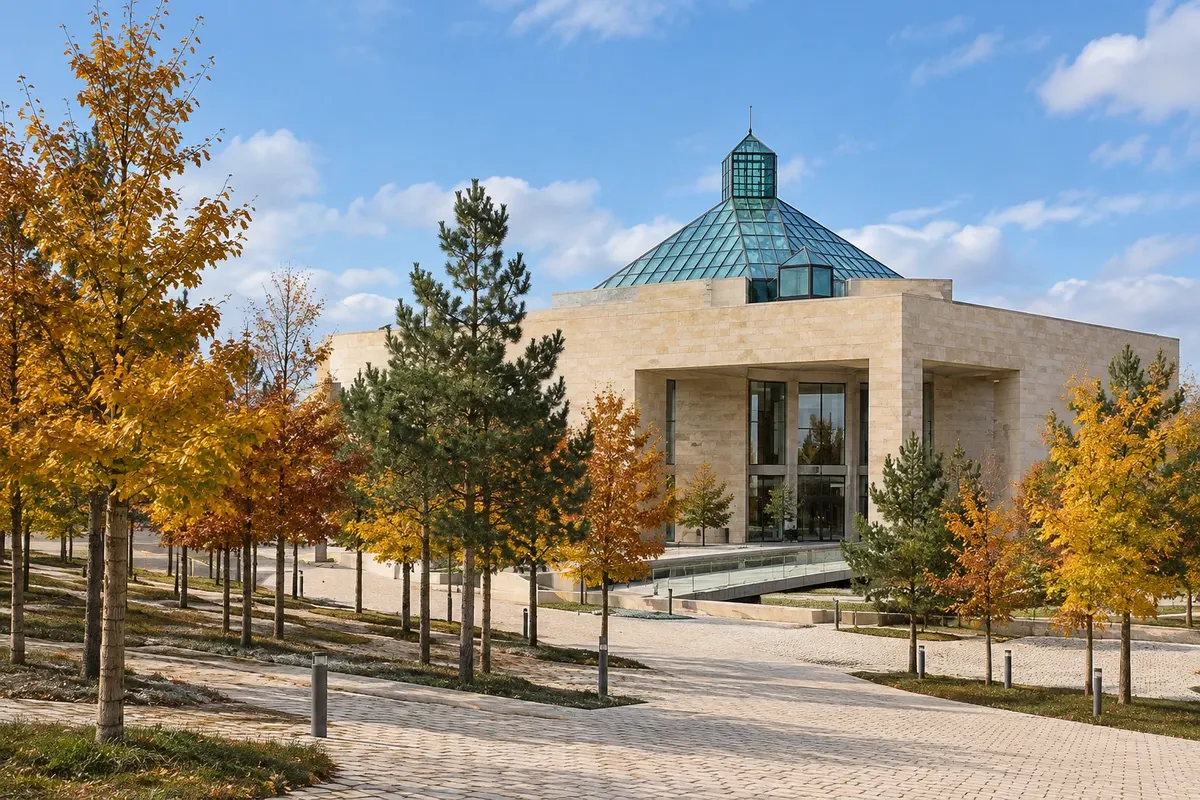
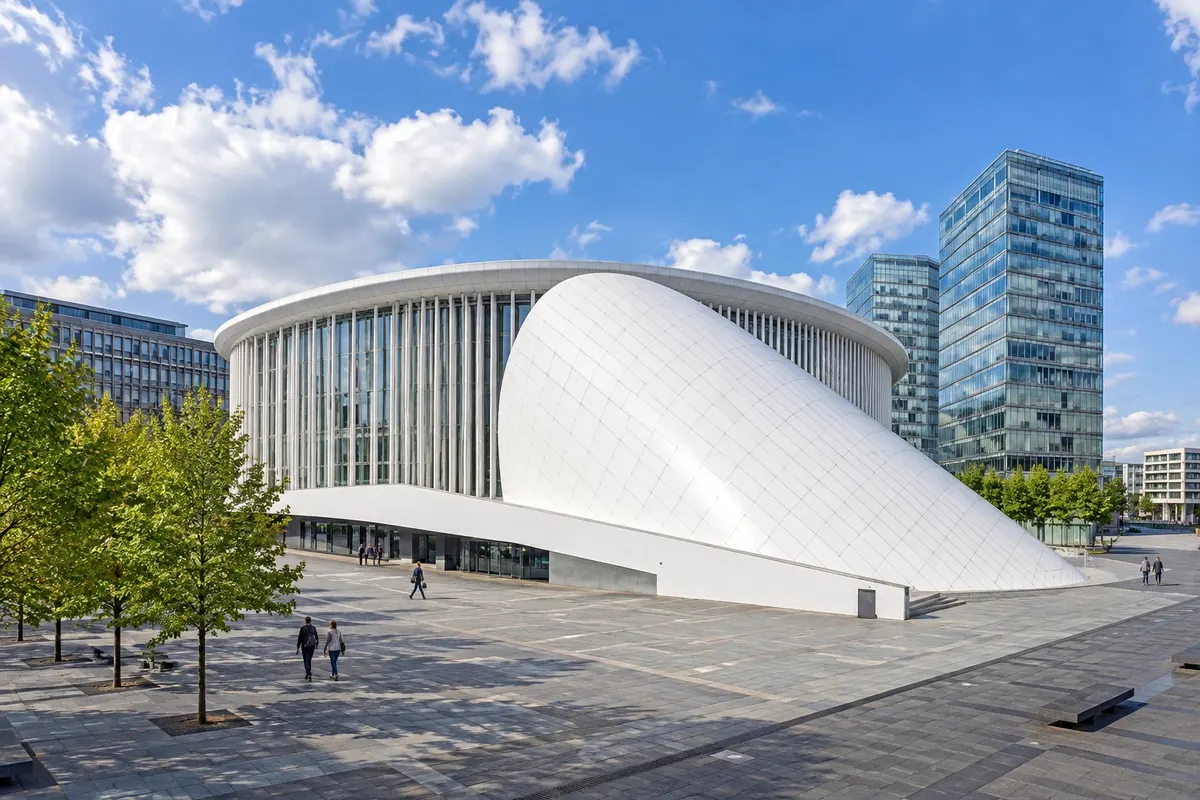
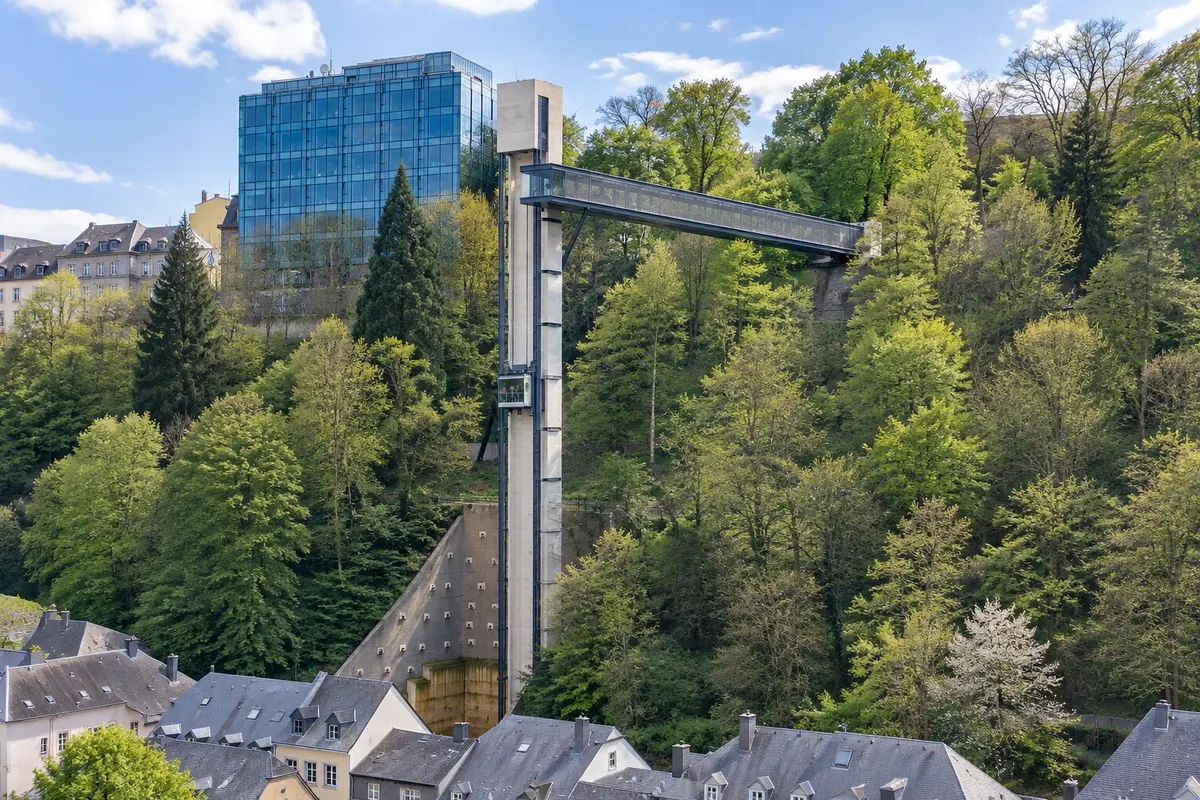
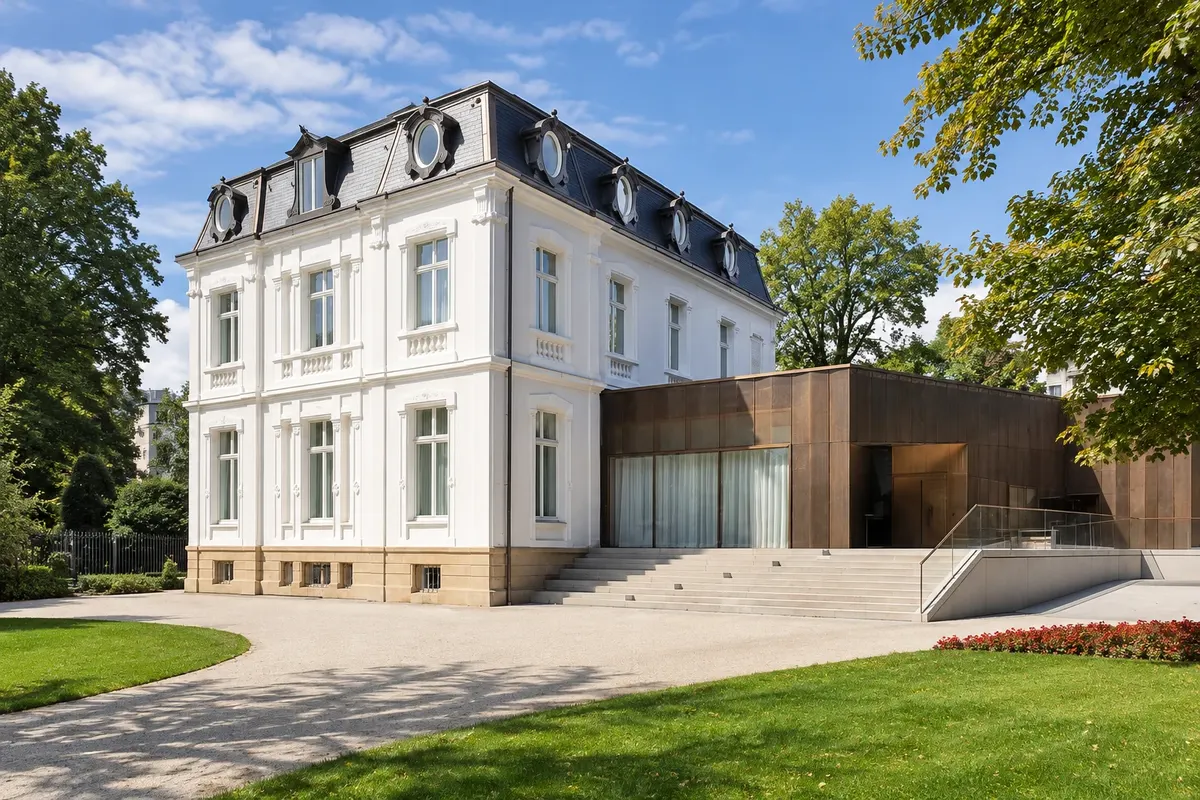
To the east, the Kirchberg plateau brings together European Union institutions and the modern quarter: the Philharmonie, the Mudam of contemporary art, and the Musée Dräi Eechelen at Fort Thüngen. The Pfaffenthal panoramic elevator and the funicular link the upper city to the valley and to the Kirchberg. In the surroundings, in Hamm, is the Cemitério Americano, where General Patton is buried.
Public transport is free, only first class on trains requires a ticket; check before travelling. Luxembourgish, French and German are spoken, and English is common.
This destination brings together 1 city: Luxemburgo.


 Brazil
 Argentina
 Bolivia
 Chile
 Colombia
 Ecuador
 Guyana
 French Guiana
 Falkland Islands (Malvinas)
 Paraguay
 Peru
 Suriname
 Uruguay
 Venezuela
 Germany
 Austria
 Belgium
 Croatia
 Denmark
 Spain
 Finland
 France
 Greece
 the Netherlands
 Hungary
 Ireland
 Iceland
 Italy
 Norway
 Poland
 Portugal
 the United Kingdom
 the Czech Republic
 Sweden
 Switzerland
 Turkey
 the United States
 Mexico
 the Dominican Republic
 South Africa
 Australia
 Fiji