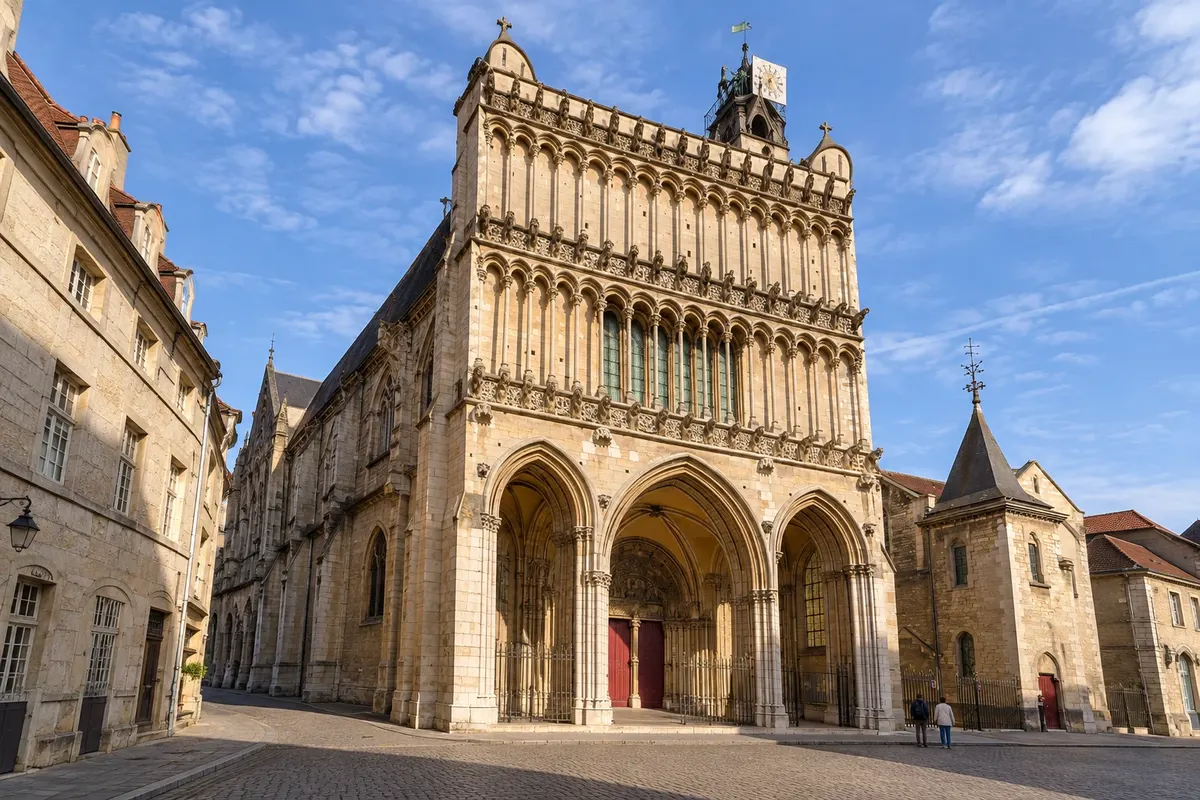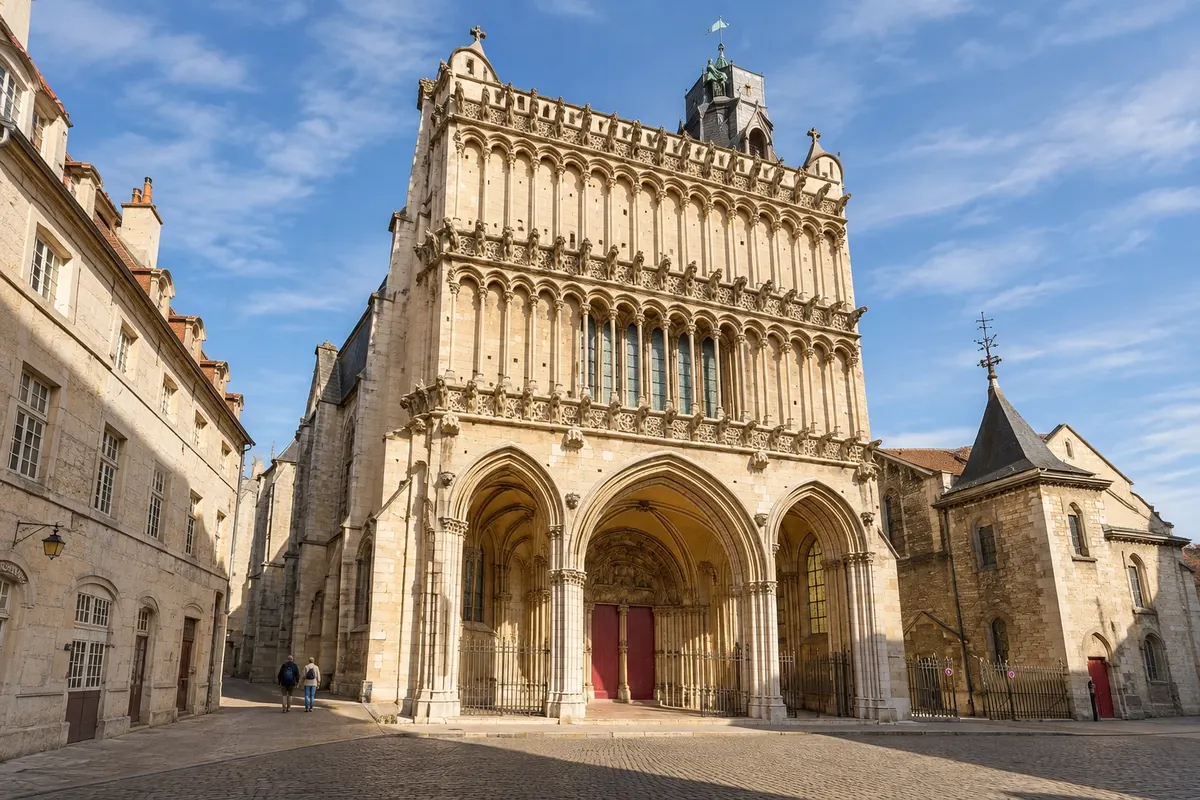
Historic neighborhood
Parcours de la Chouette
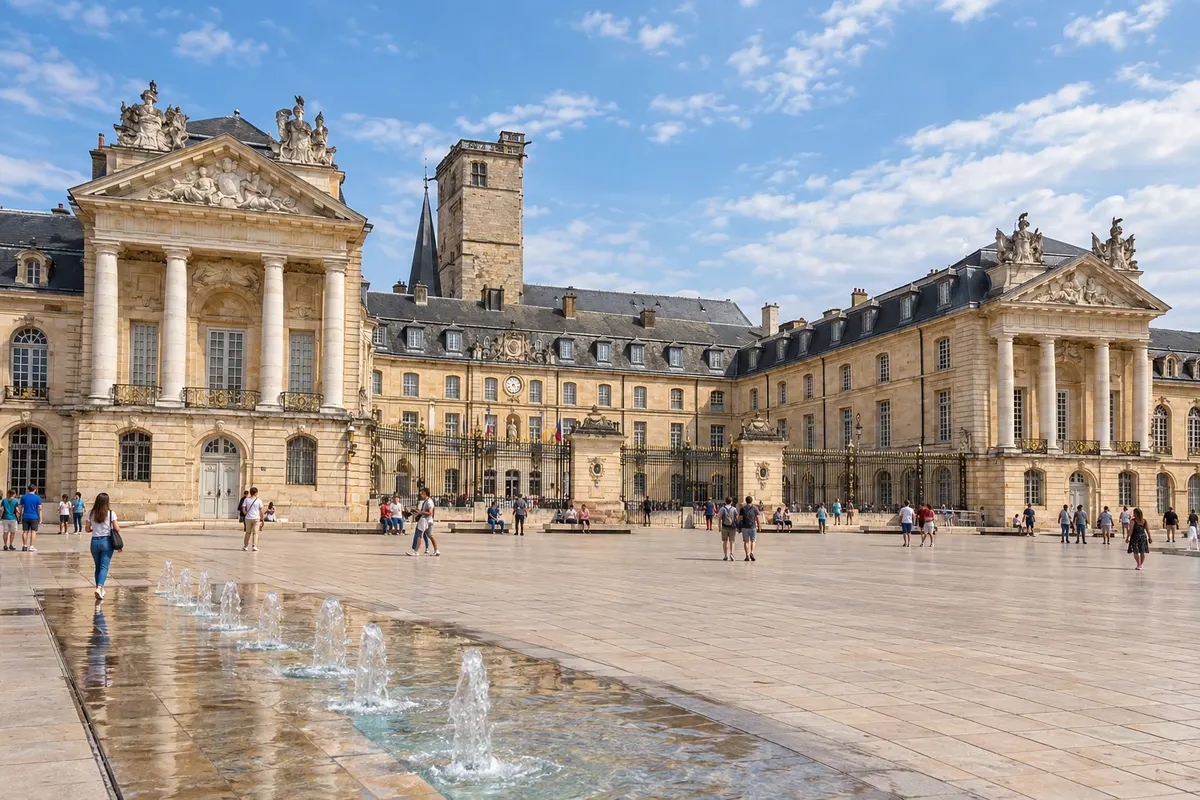
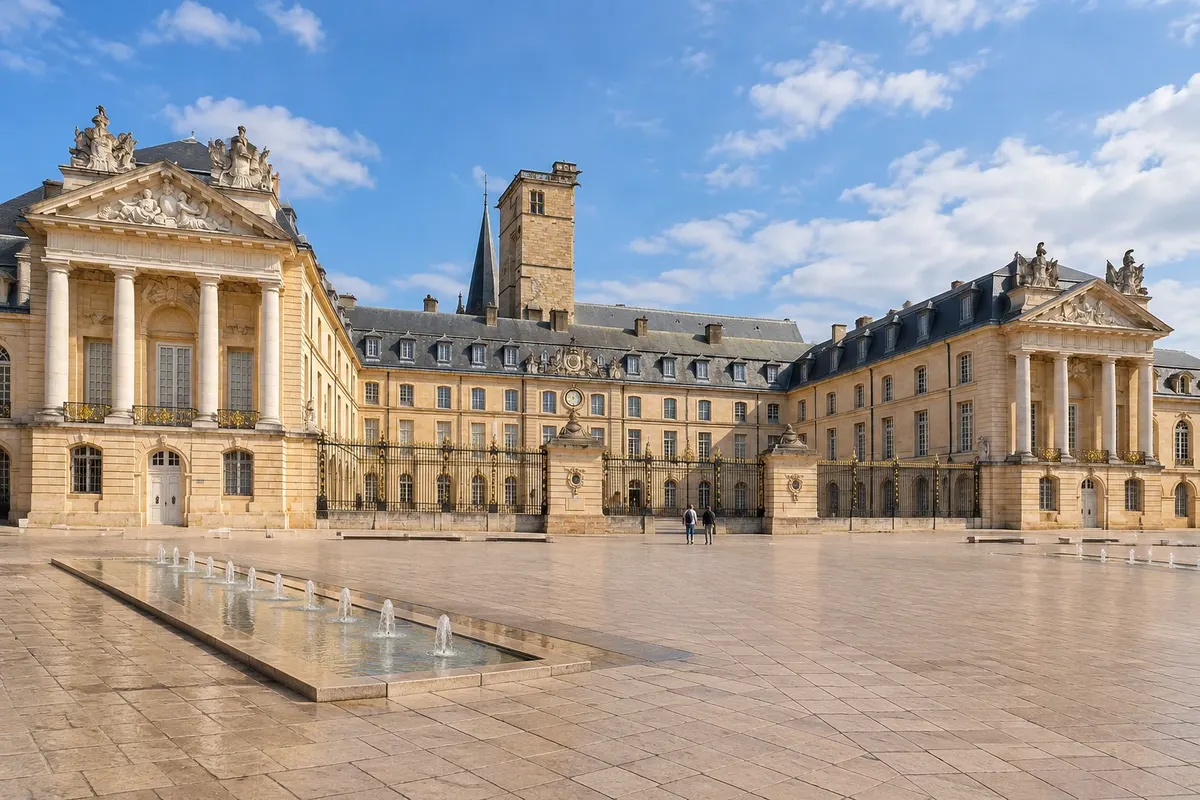
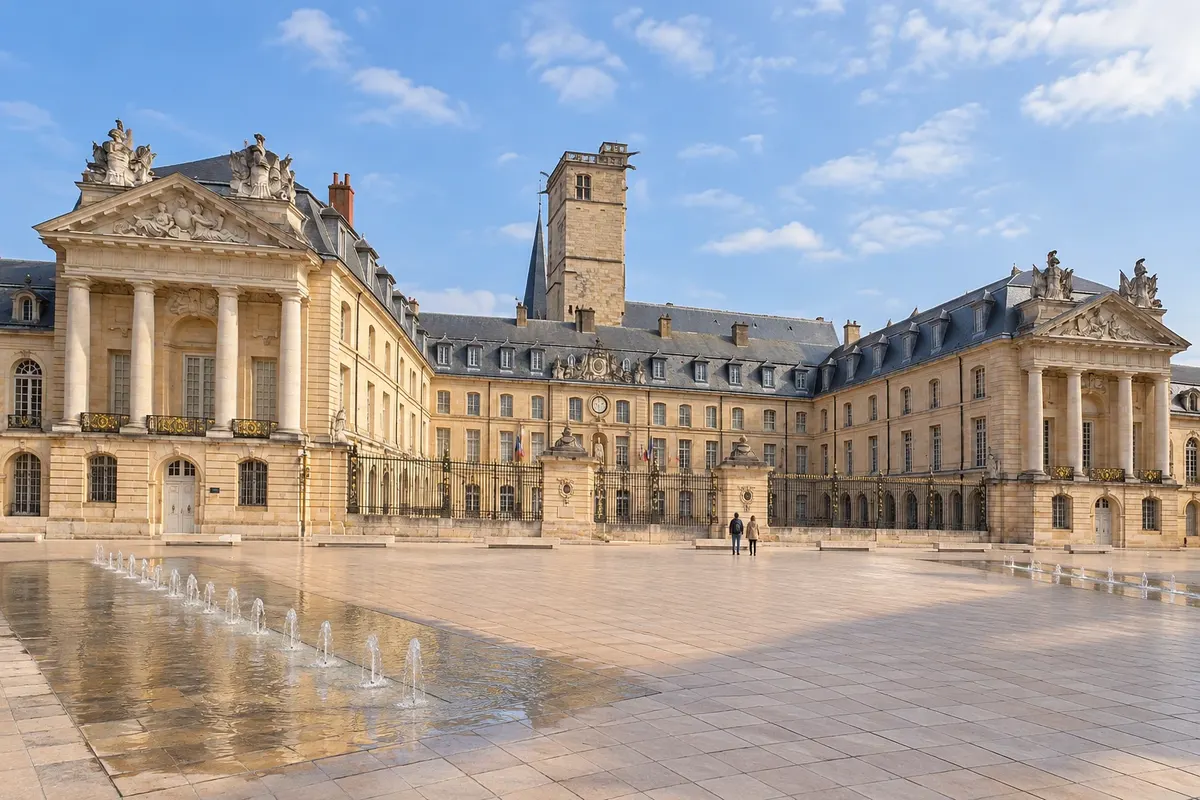
Walking circuit through Dijon’s historic centre, marked by triangular bronze arrows with an owl on the pavement. It passes the Palais des ducs, Notre-Dame, the Rue des Forges, the Halles and townhouses from the 15th to 18th centuries.
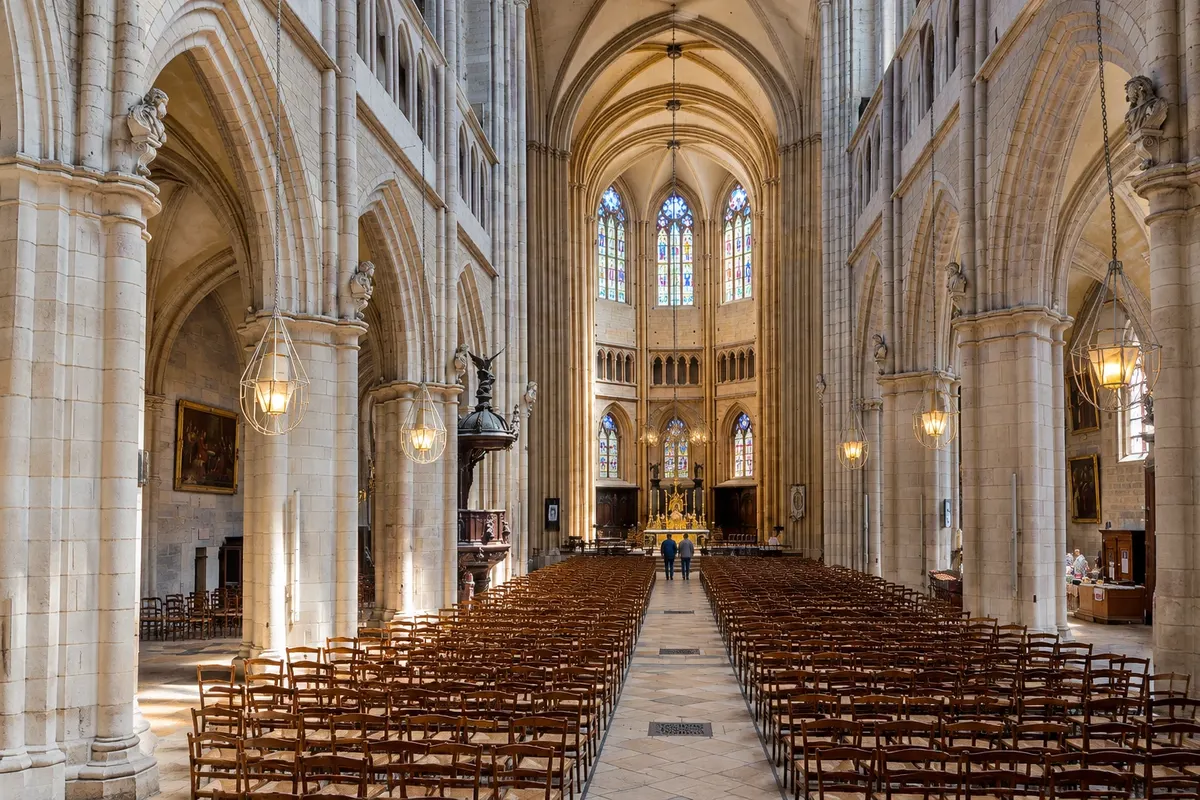
Cathedral
Cathédrale Saint-Bénigne de Dijon
13th-century Gothic cathedral, with a roof of colourful glazed tiles and a Romanesque crypt from the year 1000, the only remaining part of a large three-storey rotunda.
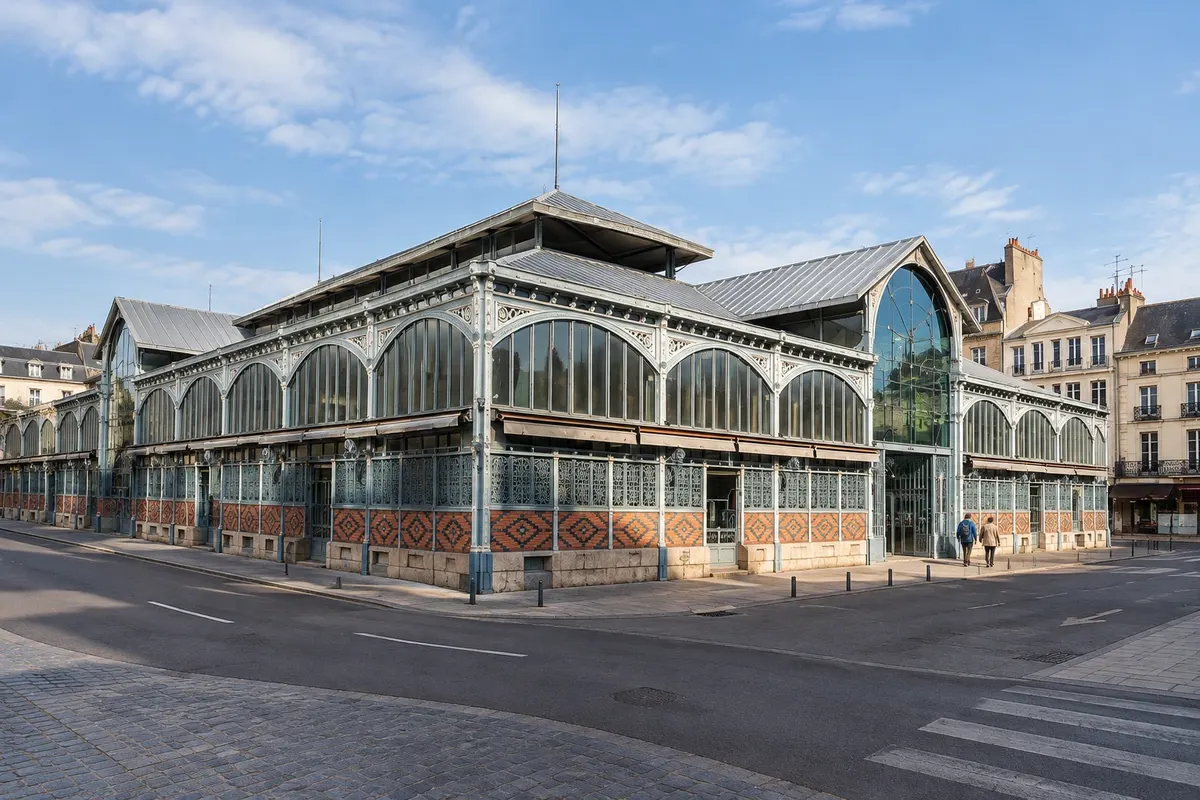
Market
Halles centrales de Dijon
19th-century covered market of iron and glass, connected to the workshops of Dijon native Gustave Eiffel. It opens on market mornings with cheeses, charcuterie, escargots, mustard and products from Borgonha.
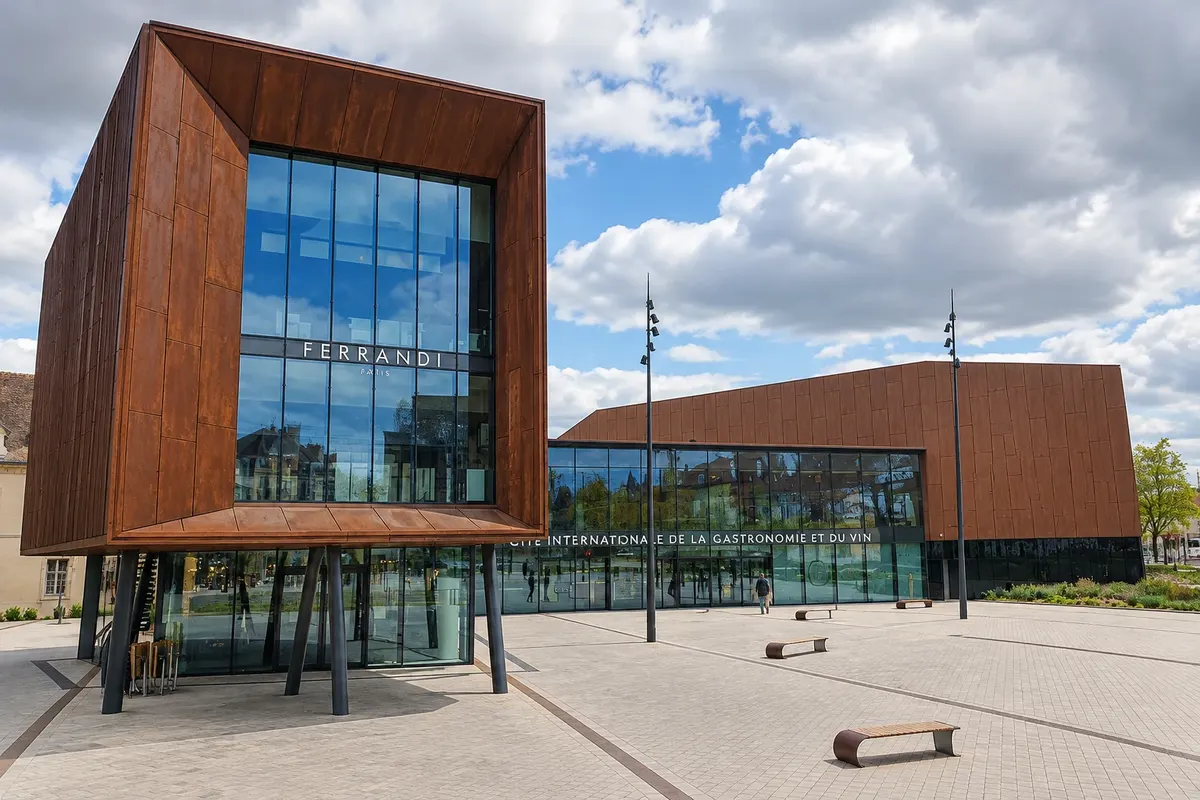
Cultural center
Cité internationale de la gastronomie et du vin
Complex installed in the former general hospital of Dijon, at kilometer zero of the Route des Grands Crus, with exhibitions about wine and French cuisine, the Chapelle des Climats and tasting workshops of the École des Vins de Bourgogne.
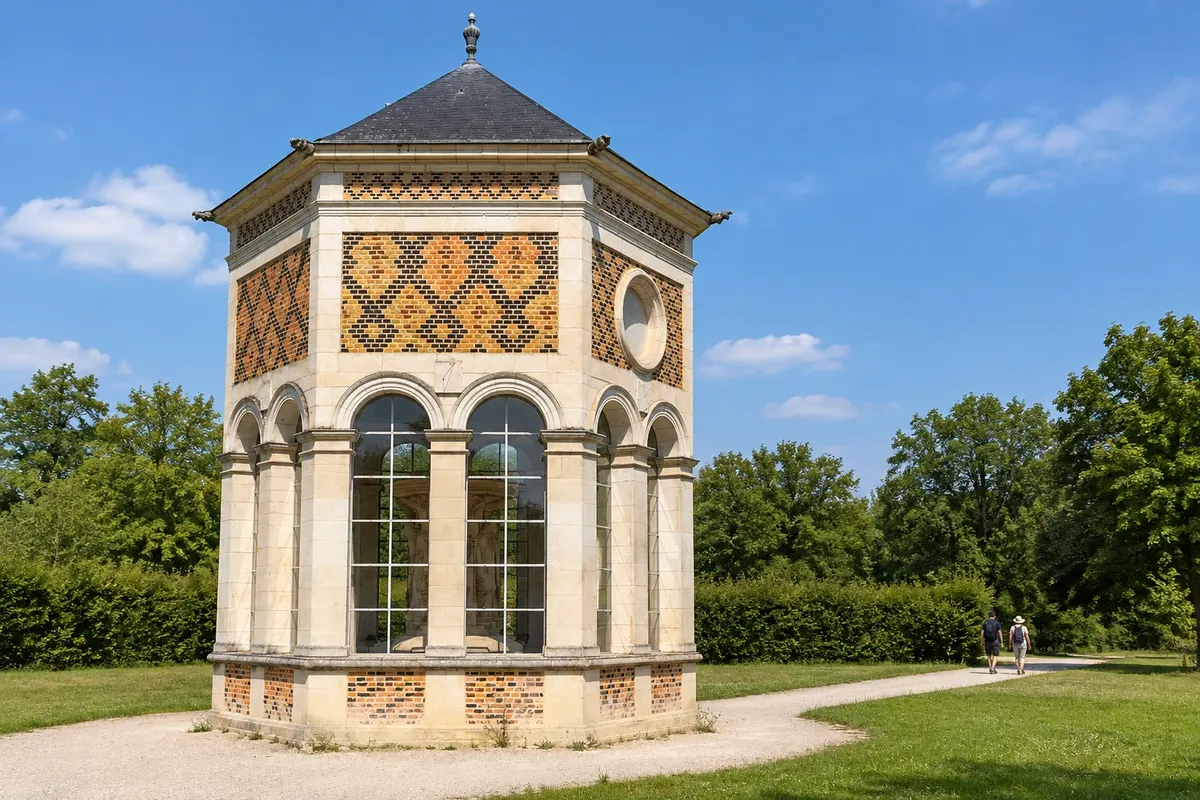
Monument
Puits de Moïse
Base of a calvary carved between 1396 and 1405 by Claus Sluter for the Chartreuse de Champmol, the ducal monastery-necropolis. Six life-size prophets, with a realism rare for the time.
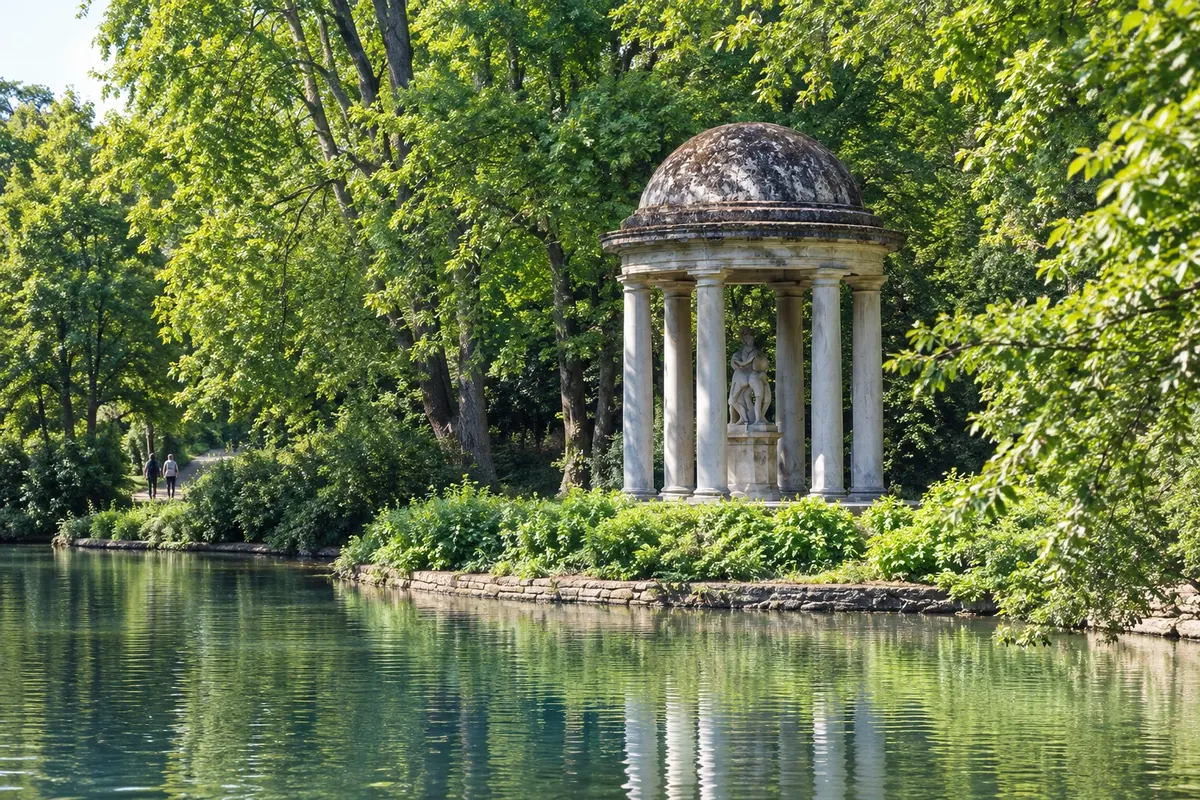
Garden
Jardin de l'Arquebuse
Park with a botanical garden of about 3,500 species, an arboretum, a rose garden, a natural history museum and a planetarium, next to Dijon-Ville station. It used to be called Jardin des Sciences.
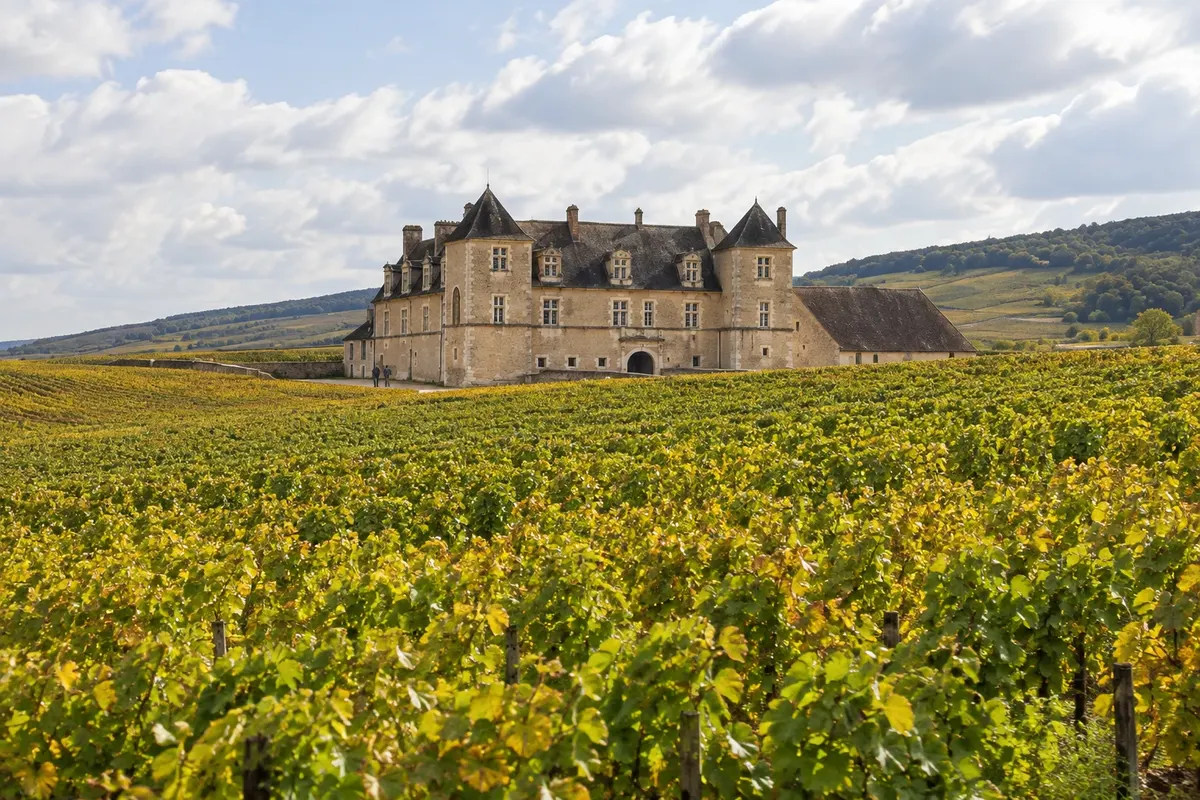
Castle
Château du Clos de Vougeot
Castle built by monks of Cîteaux in the middle of a walled vineyard of the Côte de Nuits, on the Route des Grands Crus. It houses four giant medieval wine presses and is the seat of the Confrérie des Chevaliers du Tastevin.
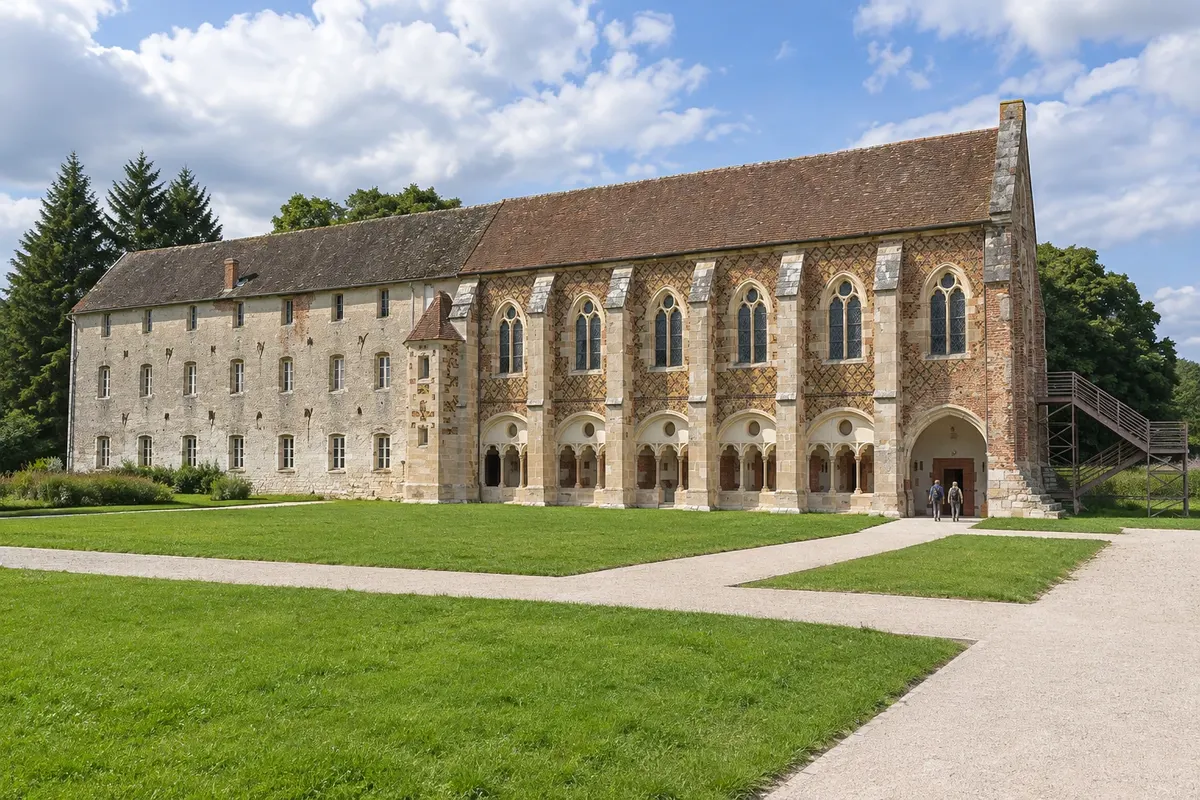
Abbey
Abbaye de Cîteaux
Abbey founded in 1098, birthplace of the Cistercian order, still inhabited by monks. Visits are always guided, in French, with mandatory reservation, within the monastic enclosure.


 Brazil
 Argentina
 Bolivia
 Chile
 Colombia
 Ecuador
 Guyana
 French Guiana
 Falkland Islands (Malvinas)
 Paraguay
 Peru
 Suriname
 Uruguay
 Venezuela
 Germany
 Austria
 Belgium
 Croatia
 Denmark
 Spain
 Finland
 Greece
 the Netherlands
 Hungary
 Ireland
 Iceland
 Italy
 Luxembourg
 Norway
 Poland
 Portugal
 the United Kingdom
 the Czech Republic
 Sweden
 Switzerland
 Turkey
 the United States
 Mexico
 the Dominican Republic
 South Africa
 Australia
 Fiji