5 cities

 Fiji
 Brazil
 Argentina
 Bolivia
 Chile
 Colombia
 Ecuador
 Guyana
 French Guiana
 Falkland Islands (Malvinas)
 Paraguay
 Peru
 Suriname
 Uruguay
 Venezuela
 Germany
 Austria
 Belgium
 Croatia
 Denmark
 Spain
 Finland
 France
 Greece
 the Netherlands
 Hungary
 Ireland
 Iceland
 Italy
 Luxembourg
 Norway
 Poland
 Portugal
 the United Kingdom
 the Czech Republic
 Sweden
 Switzerland
 Turkey
 Mexico
 the Dominican Republic
 South AfricaFiji
Province · Nadi, Costa dos Corais e ilhas
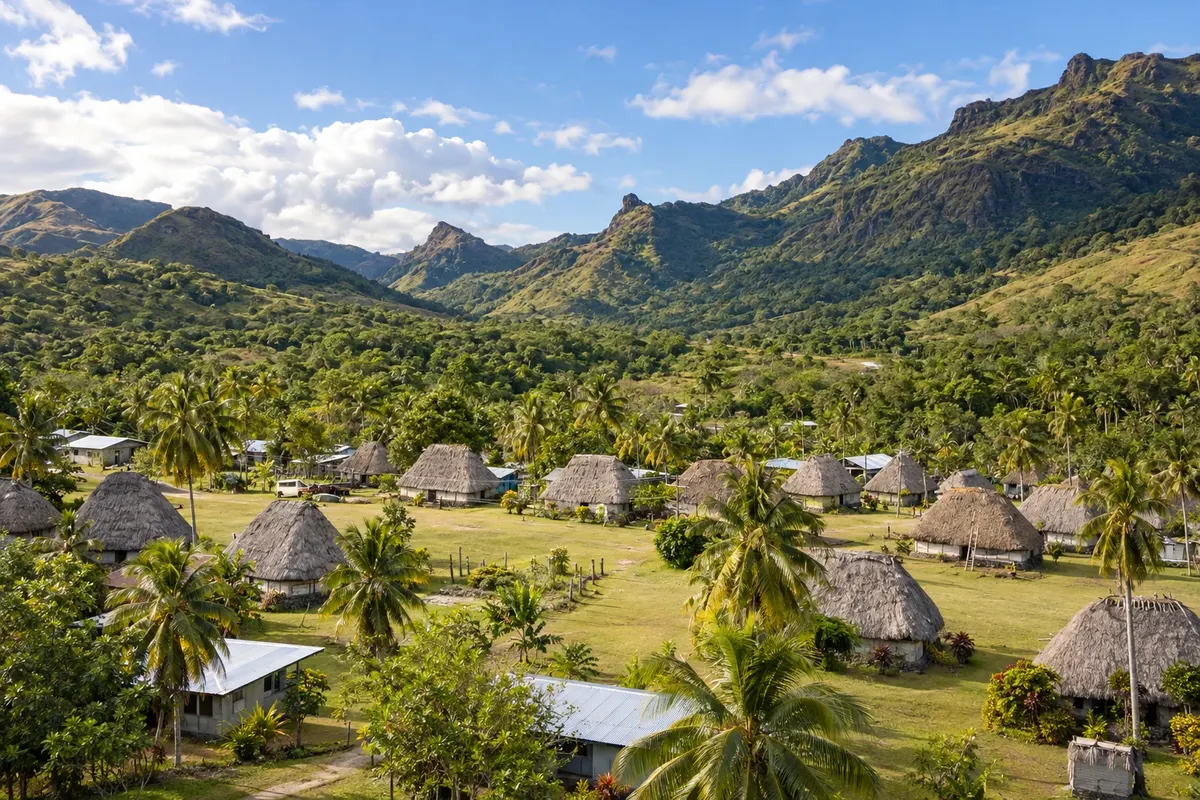
Ba is the west of Viti Levu and the gateway to Fiji: Nadi and the international airport, Denarau, Lautoka, the Yasawa islands and the mountains with the village of Navala.
In the photo: Village of Navala, in the Nausori Highlands (Ba)
Illustrative images. The pictures in this guide are illustrations based on the real place, not photographs, and may differ from it.

The province
The province of Ba occupies the northwest of Viti Levu, Fiji’s largest island, and includes the chain of Yasawa islands. It is the most populous province in the country and the drier side of the island, with sugarcane fields on the plains and mountains inland.
Nadi, where the International Airport is located, is the arrival point for most travelers. Nearby are the Garden of the Sleeping Giant, the Sabeto mud pools and the Hindu temple Sri Siva Subramaniya, and on the Denarau peninsula are the resorts and the marina from which boats depart for the islands. Lautoka, to the north, is the sugar town and the western port.
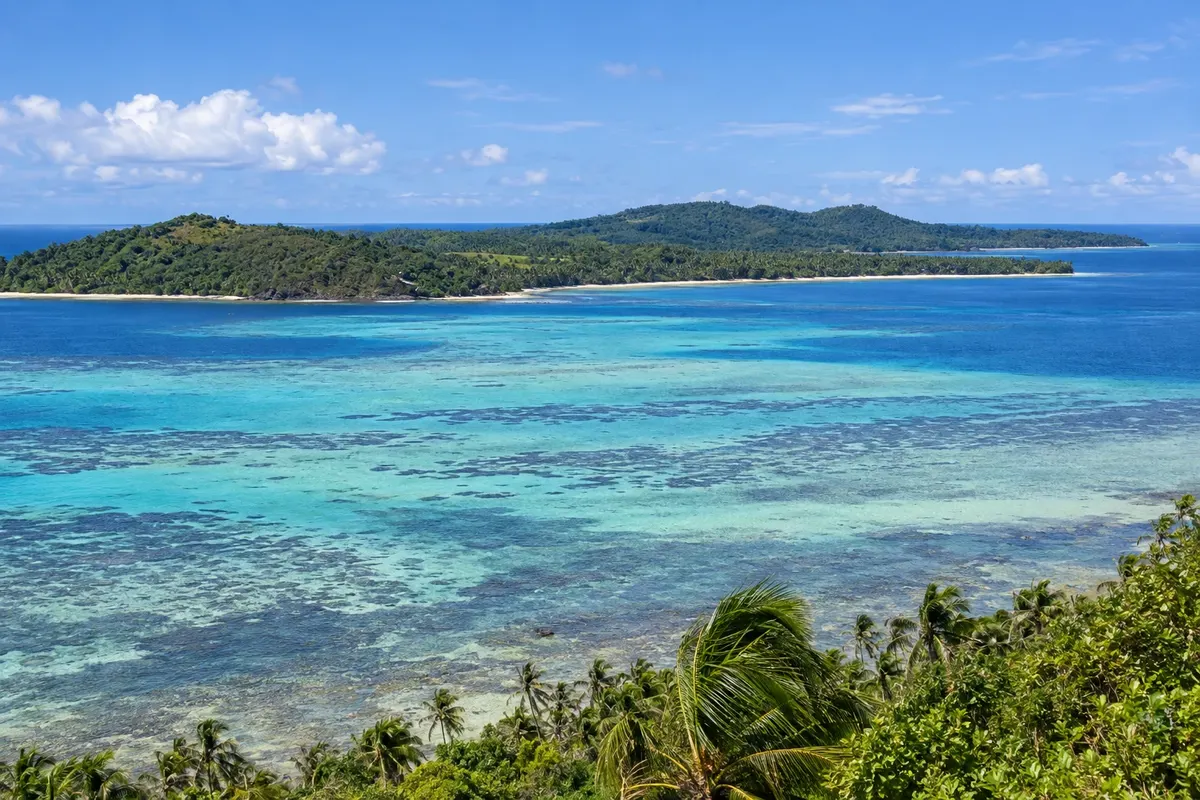
The Yasawas form a chain of volcanic islands to the north, served by boat from Denarau: Waya, Naviti, Nanuya Lailai, with the Blue Lagoon, Nacula and Sawa-i-Lau, with limestone caves. On Naviti, the manta ray season usually runs from May to October.
Inland, the Nausori Highlands hold the village of Navala, with more than 200 thatched houses (bure) among the mountains, and Koroyanitu National Park. Visiting a village requires a guide or invitation, clothing that covers shoulders and knees and, generally, the kava ceremony (sevusevu).
Destinations
Cities
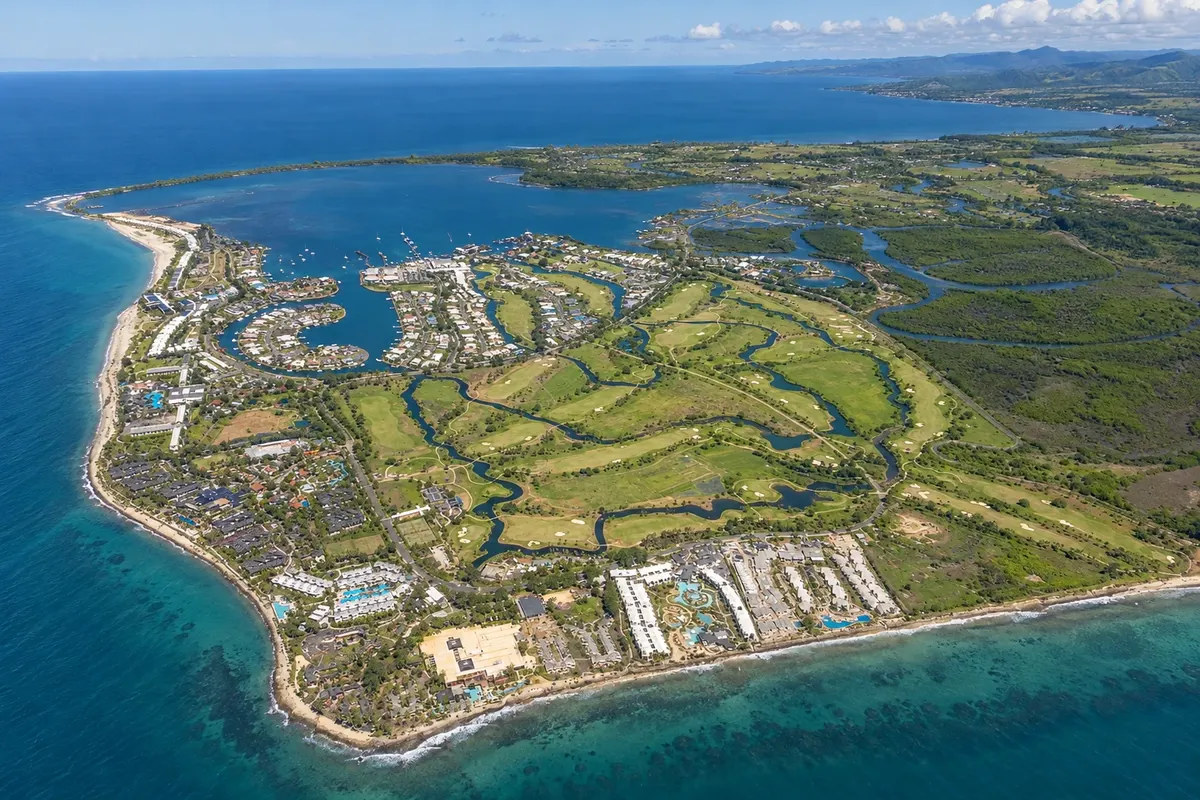
Denarau is a small island west of Nadi, connected to the mainland by a short bridge. It brings together large resorts, an 18-hole golf course and Port Denarau Marina, from where regular boats and tours to the Mamanuca and Yasawa Islands depart. It’s the starting and return point for almost all trips to the western islands.
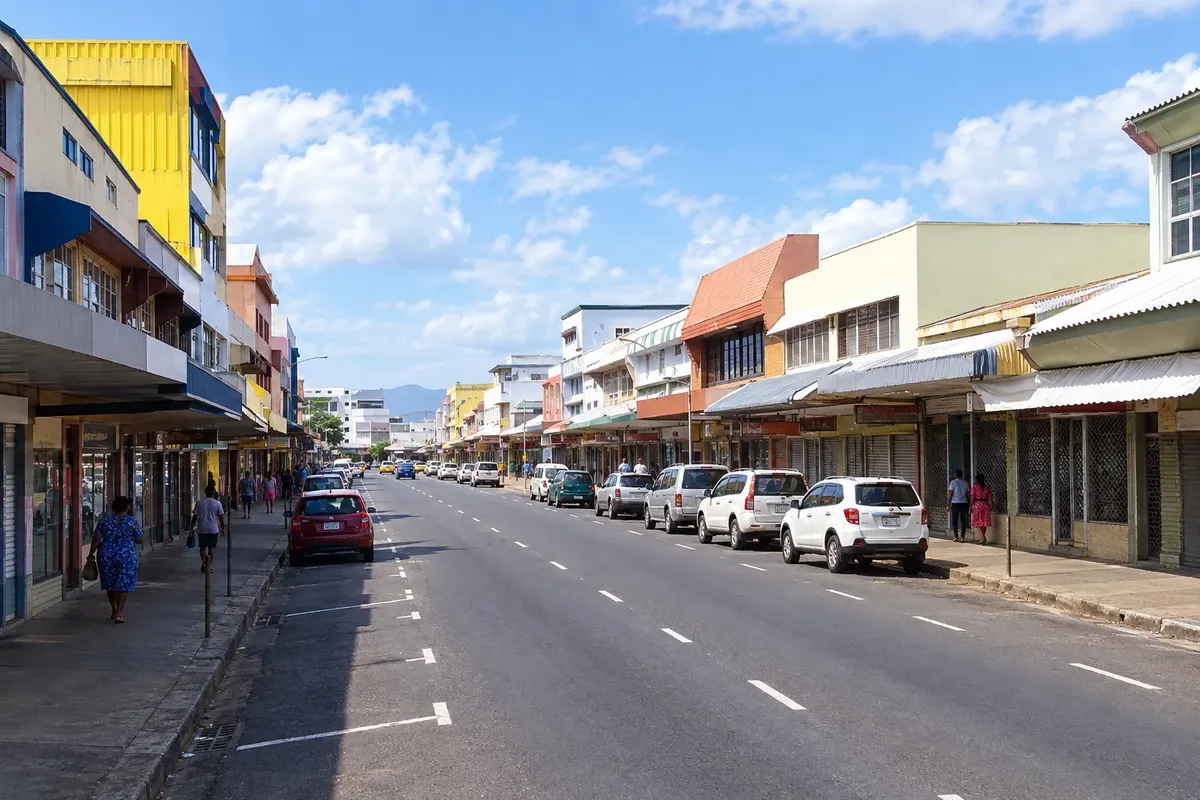
Lautoka is the second city of Fiji, on the northwest coast of Viti Levu, about 25 km from Nadi. Known as the Sugar City, it grew up around the 1903 sugar mill and has a large market, a palm‑lined avenue and the Sri Krishna Kaliya temple. In the hills above the city is Koroyanitu Park, with trails and waterfalls starting from the village of Abaca.
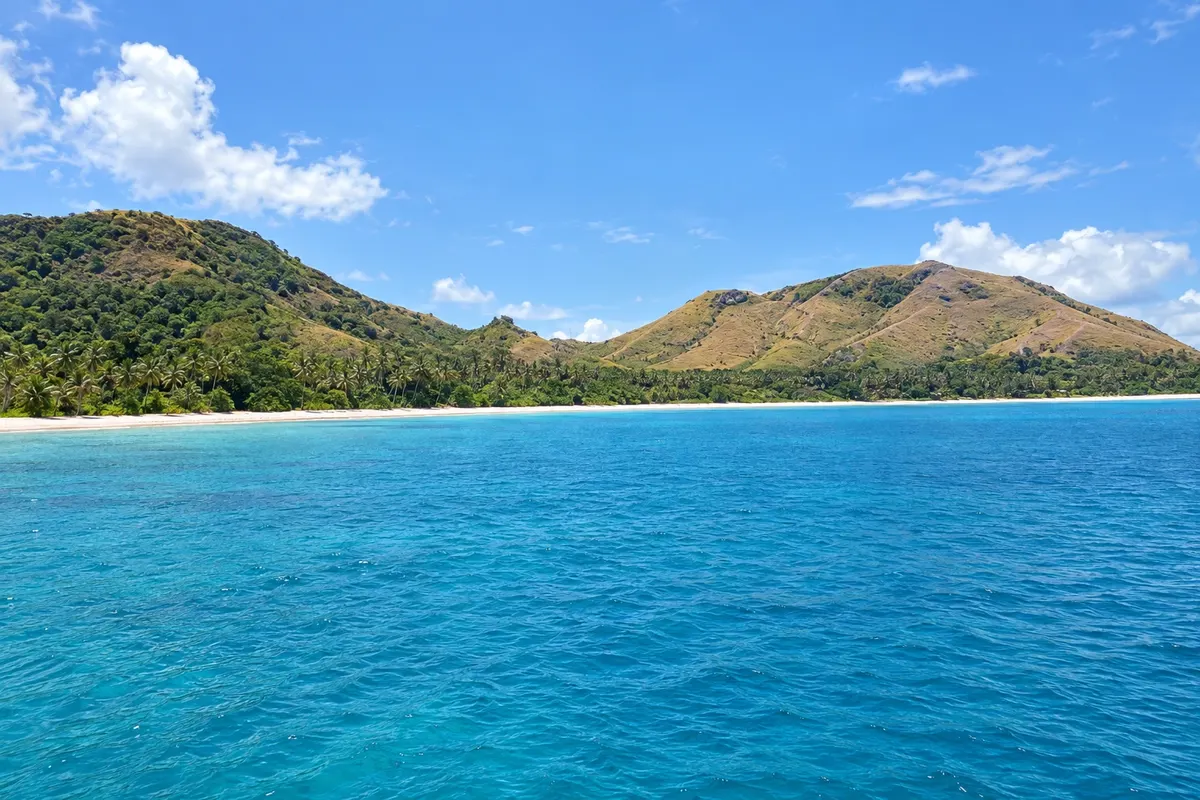
Nacula is one of the highest and largest islands in the northern Yasawa, with grassy hills and forest, long beaches and four villages. It is close to Nanuya Lailai and the Blue Lagoon and serves as a base for trails to viewpoints like Neisau hill and for trips to the Sawa-i-Lau caves.
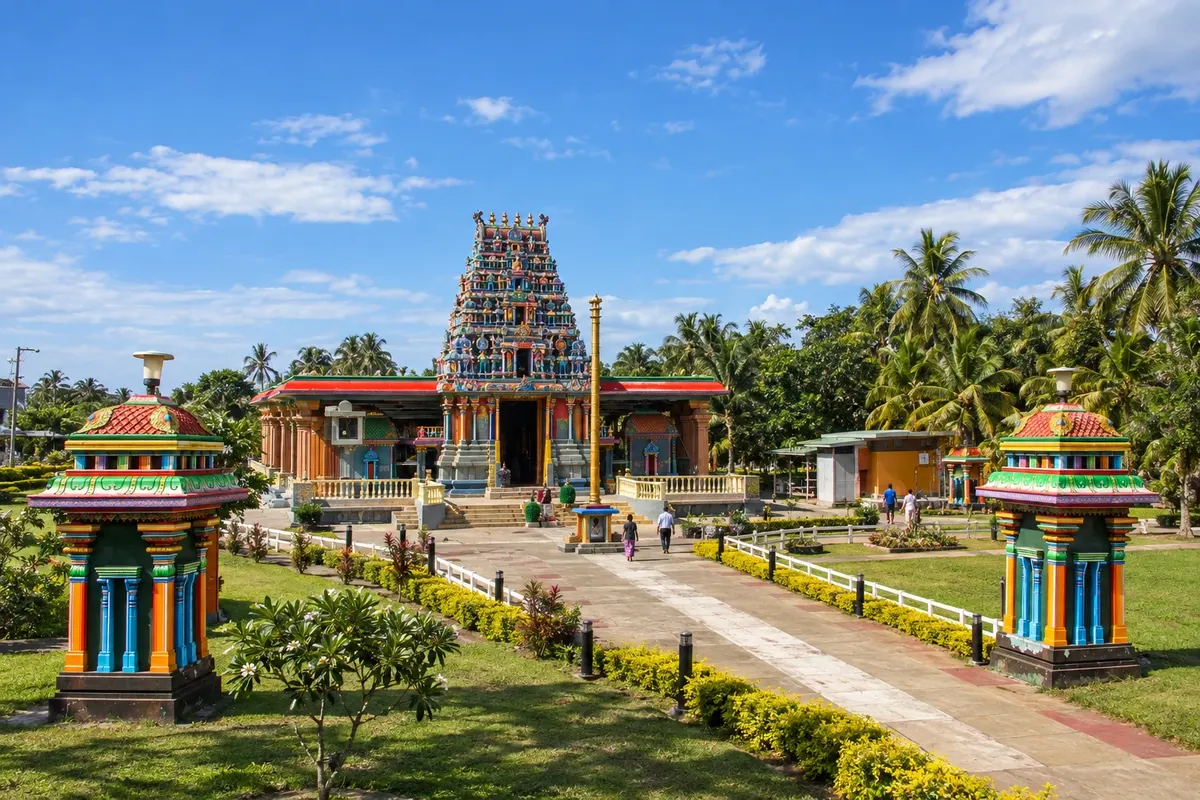
Nadi is the town with Fiji’s international airport, on the west of Viti Levu. It has a main street with Indo-Fijian shops, the municipal market, the Sri Siva Subramaniya Hindu temple and, in the Sabeto valley, the Garden of the Sleeping Giant and thermal mud pools. It’s the base for the first and last days of the trip and for boats that depart Denarau for the islands.
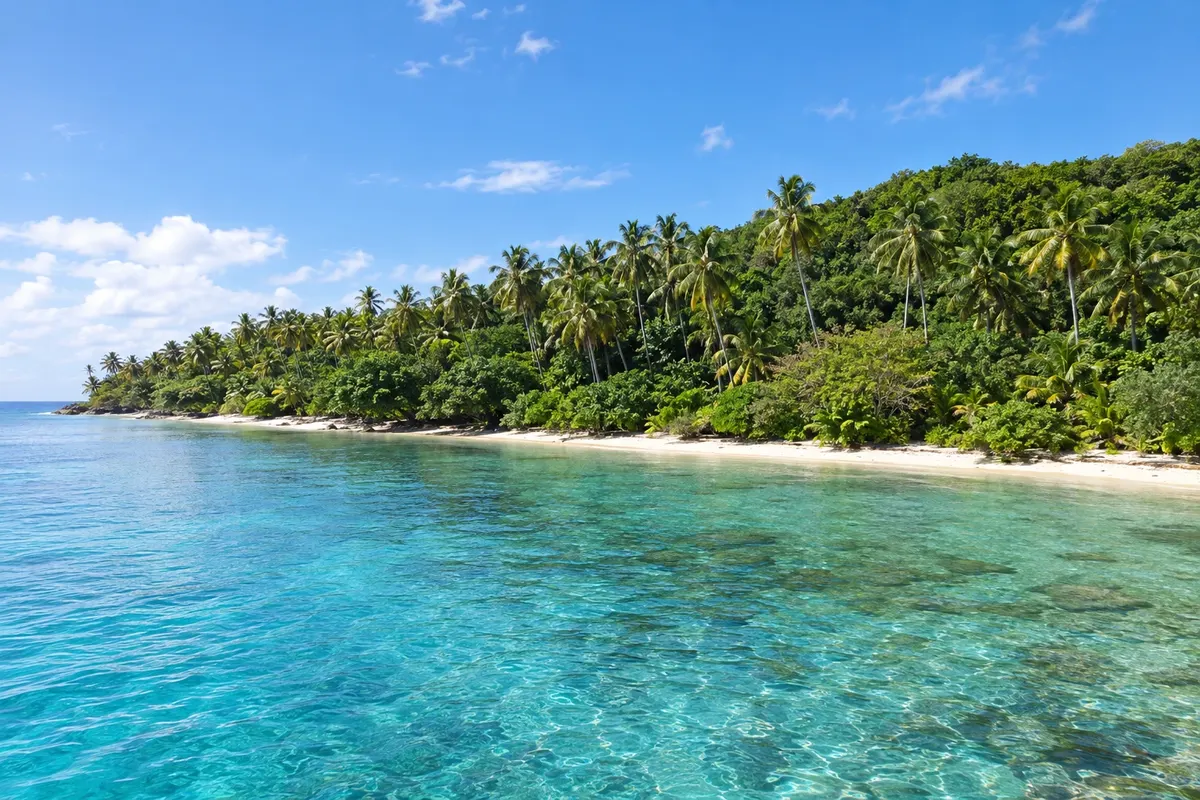
Nanuya Lailai is a small island in the northern Yasawa group, facing the Blue Lagoon, the clear-water cove that gave its name to the 1980 film shot on the neighboring island of Nanuya Levu. It has white-sand beaches, reefs for snorkeling and simple lodgings, and is close to the Sawa-i-Lau caves.
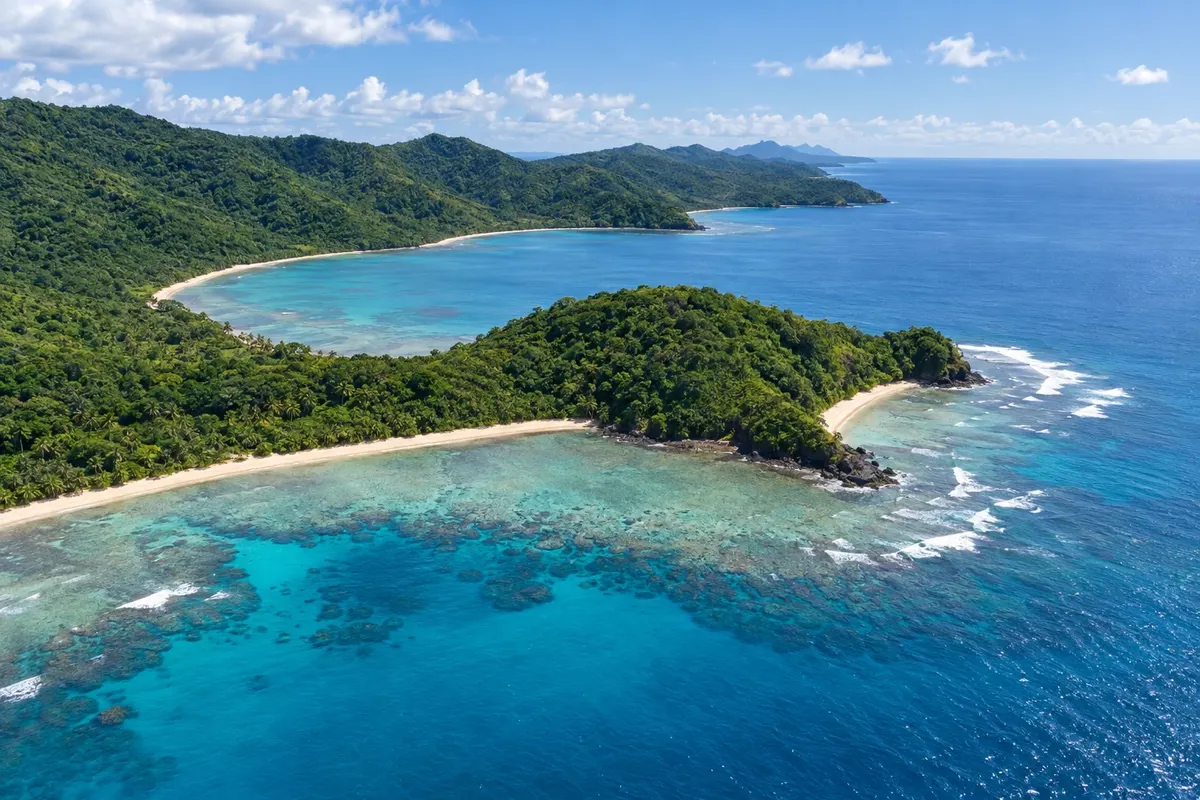
Naviti is one of the largest islands in the Yasawa group, in the middle of the chain, with forested hills, sheltered bays and several villages. Beside it, the narrow channel that separates it from the islet Drawaqa often receives manta rays from May to October, and local accommodations take guests to swim with them.
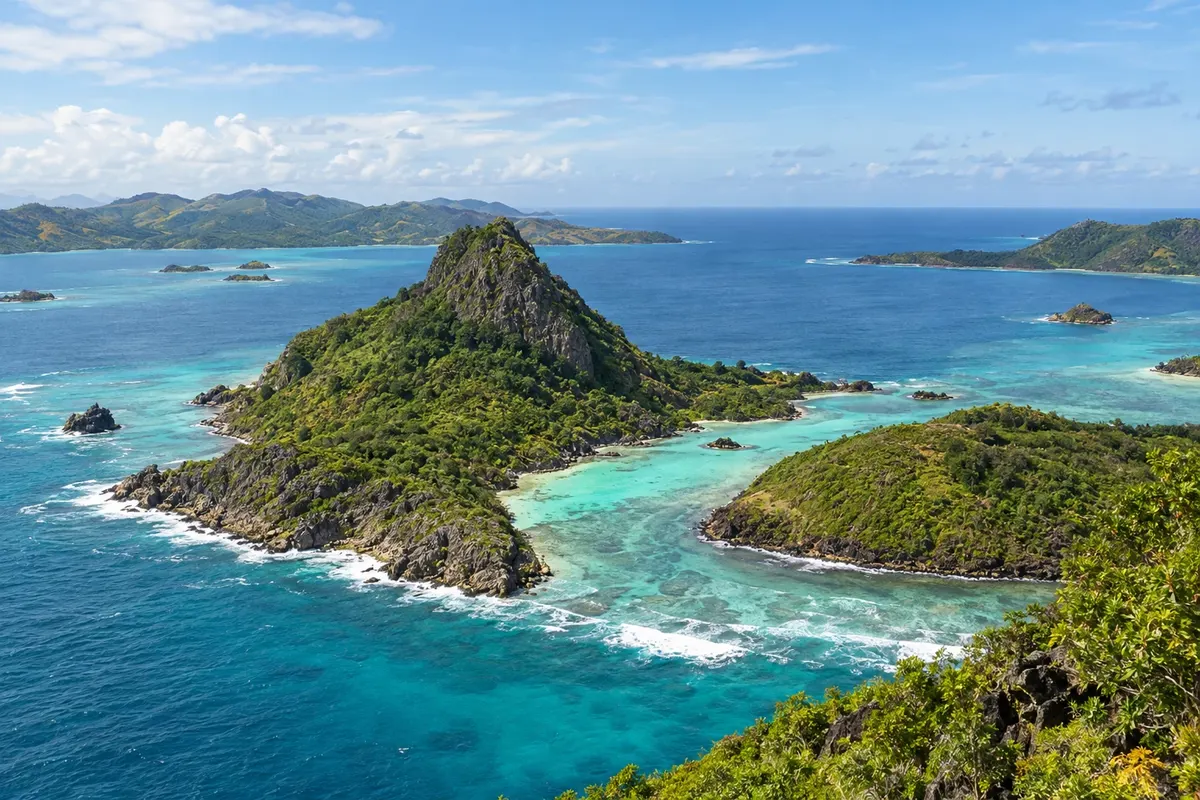
Sawa-i-Lau is a small limestone island in the northern Yasawa, distinct from the volcanic islands around it. It is known for caves that open in the rock, with seawater pools where you can swim under a dome lit by light coming from above. Visits are made on boat tours from nearby islands.
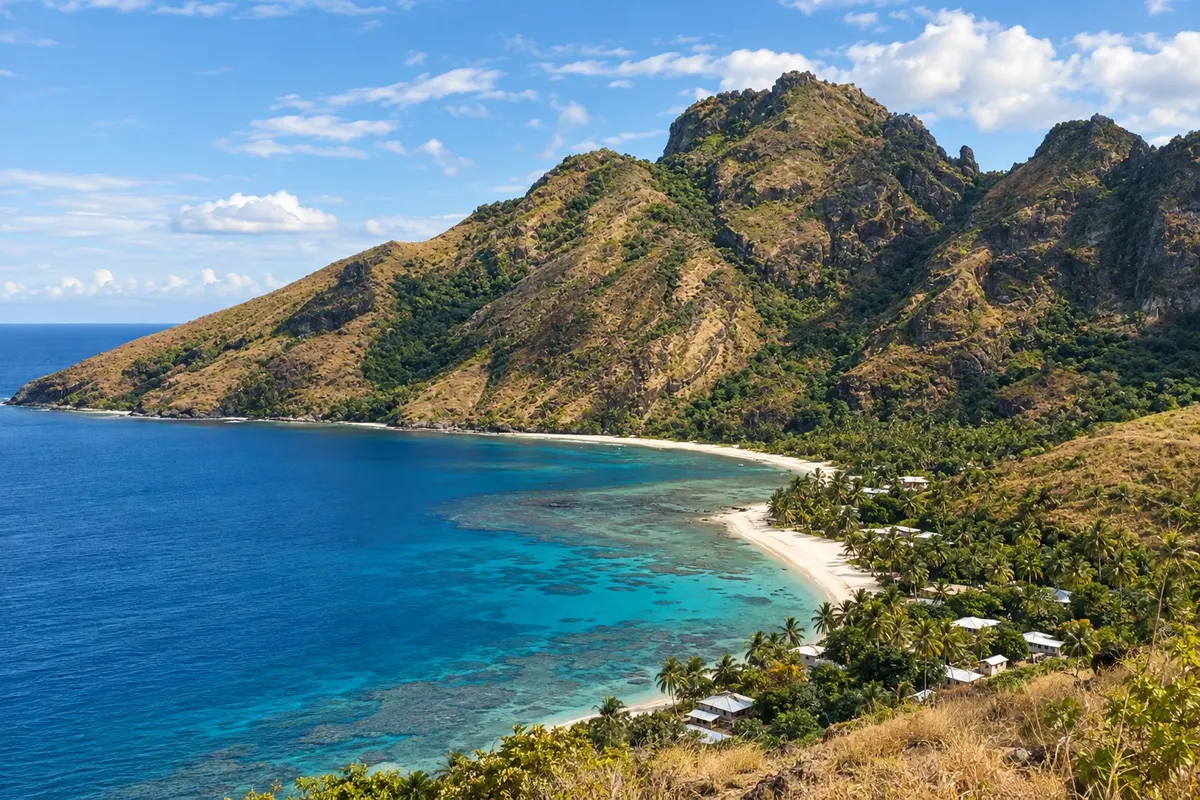
Waya is one of the first islands in the Yasawa chain, about a 2-hour boat ride from Denarau, with rocky hills reaching around 570 meters, white sand beaches and four Fijian villages. Next to it is Waya Lailai, the islet where you climb the Vatuvula peak, with views over the archipelago.
From May to October is the dry, cooler season, with less rain and clearer seas for boats and diving. Between November and April, heat and rain increase, and this is the period when cyclones occur. The west of Viti Levu, where Ba is located, is usually much drier than Suva and the eastern part of the country.
Nadi International Airport (NAN) is Fiji’s gateway, with flights to Australia, New Zealand, Asia, the United States and Pacific islands. From Brazil, the trip to Nadi usually involves one or more connections in other countries. Confirm before purchasing. From the airport, taxis and buses go to Nadi, Denarau and Lautoka. For the Yasawas, the boat departs from Denarau marina; there are also seaplanes and helicopters. Navala is inland, reached by dirt road from the town of Ba.
Your questions
Nadi and Denarau are the most convenient bases for the first and last night, close to the airport and Denarau marina, from where boats depart for the islands. Many travelers spend a night there before heading to the Yasawas or the Mamanucas.
The Yasawa Flyer boat departs from Denarau marina and stops at islands along the chain; the farther north, the longer the trip. Seaplanes and helicopters also serve some islands. Confirm schedules before booking accommodation.
The manta ray season on Naviti usually runs from May to October. Tours depart from nearby resorts and depend on sea conditions and the animals appearing in the channel.
Yes, with a guide or an organized tour from Nadi or the town of Ba. The visit usually begins with the kava ceremony (sevusevu); wear clothing that covers shoulders and knees and ask permission before photographing people.