Tarragona and the Costa Daurada

Catalonia · Spain

Tarragona and the Costa Daurada

The ancient Roman Tarraco on the Mediterranean coast, and the inland Camp de Tarragona, with Valls, the castells and the calçotada.

Mediterranean

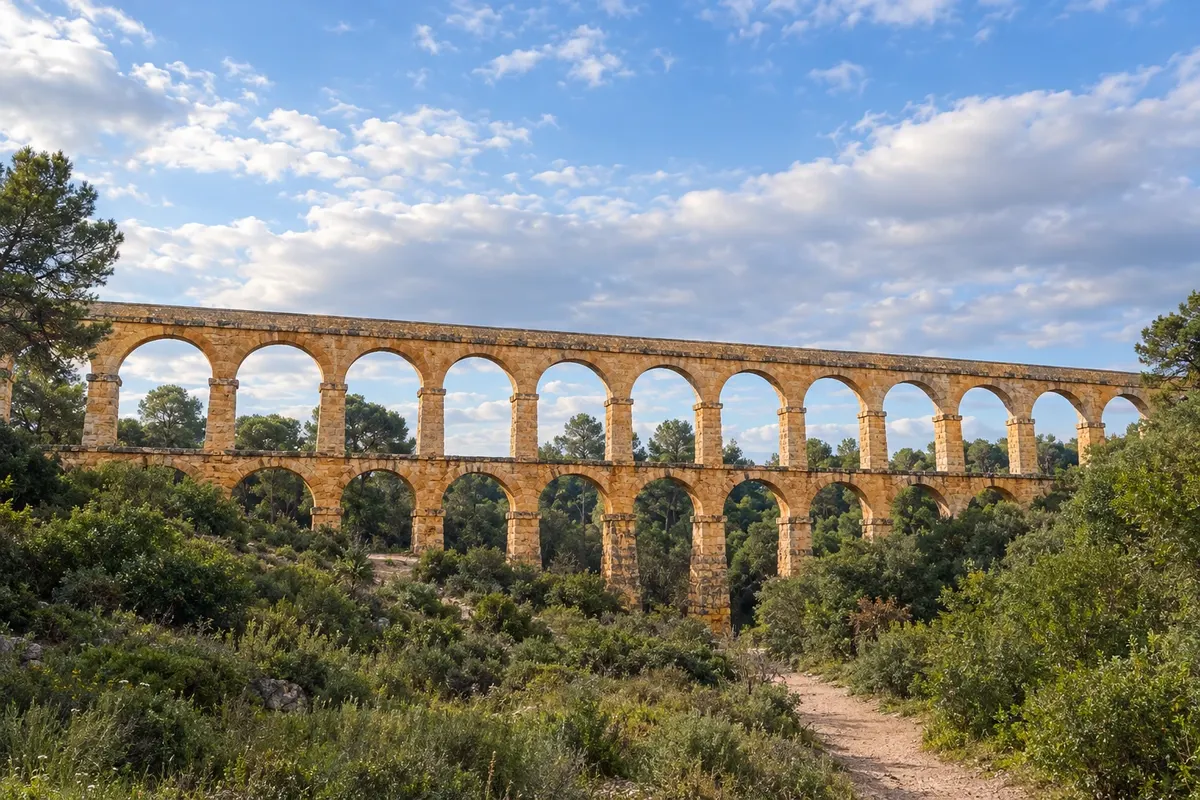
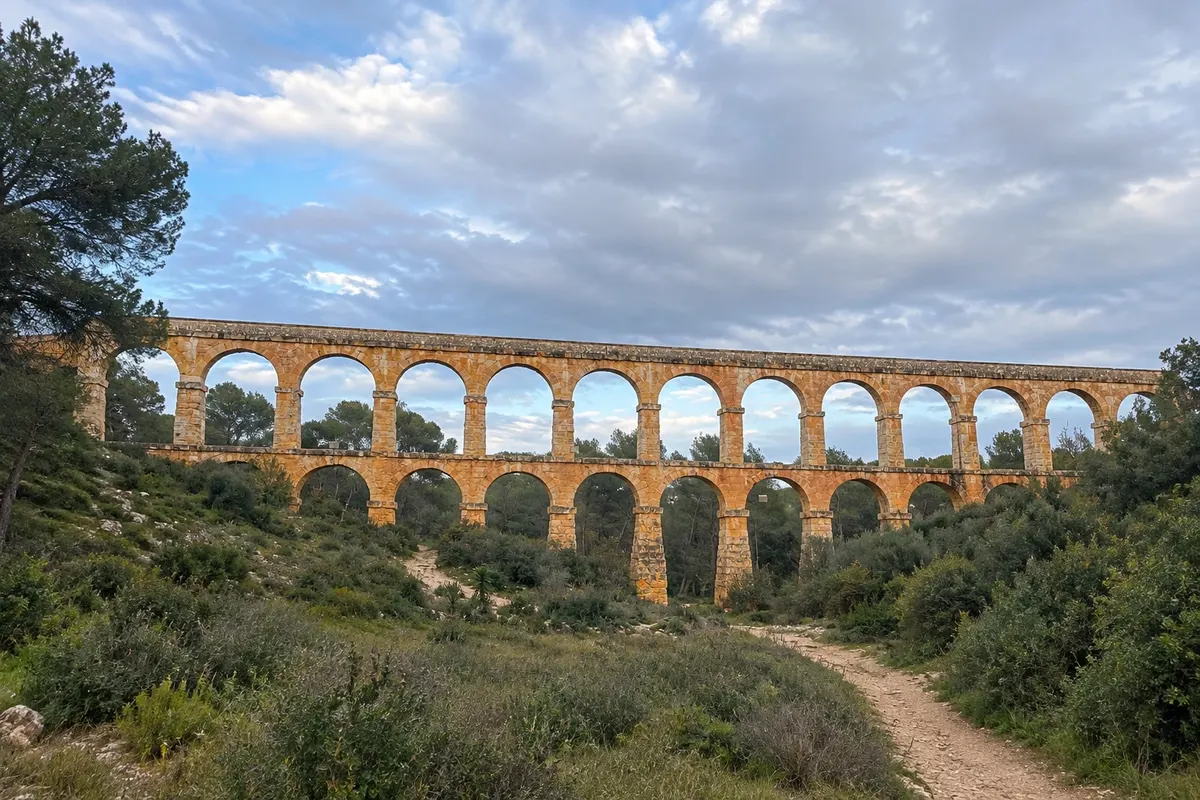
In the photo: Pont del Diable, Tarragona

Illustrative images. The pictures in this guide are illustrations based on the real place, not photographs, and may differ from it.

Get it on Google Play Send your photos

Get to know the place

A region to enjoy
at your own pace.

The Costa Daurada is the coastline of the province of Tarragona, in southern Catalonia. The city of Tarragona sits in the middle of this coast, about 100 km from Barcelona, and is the region’s gateway, with a high-speed train station and an airport in Reus.

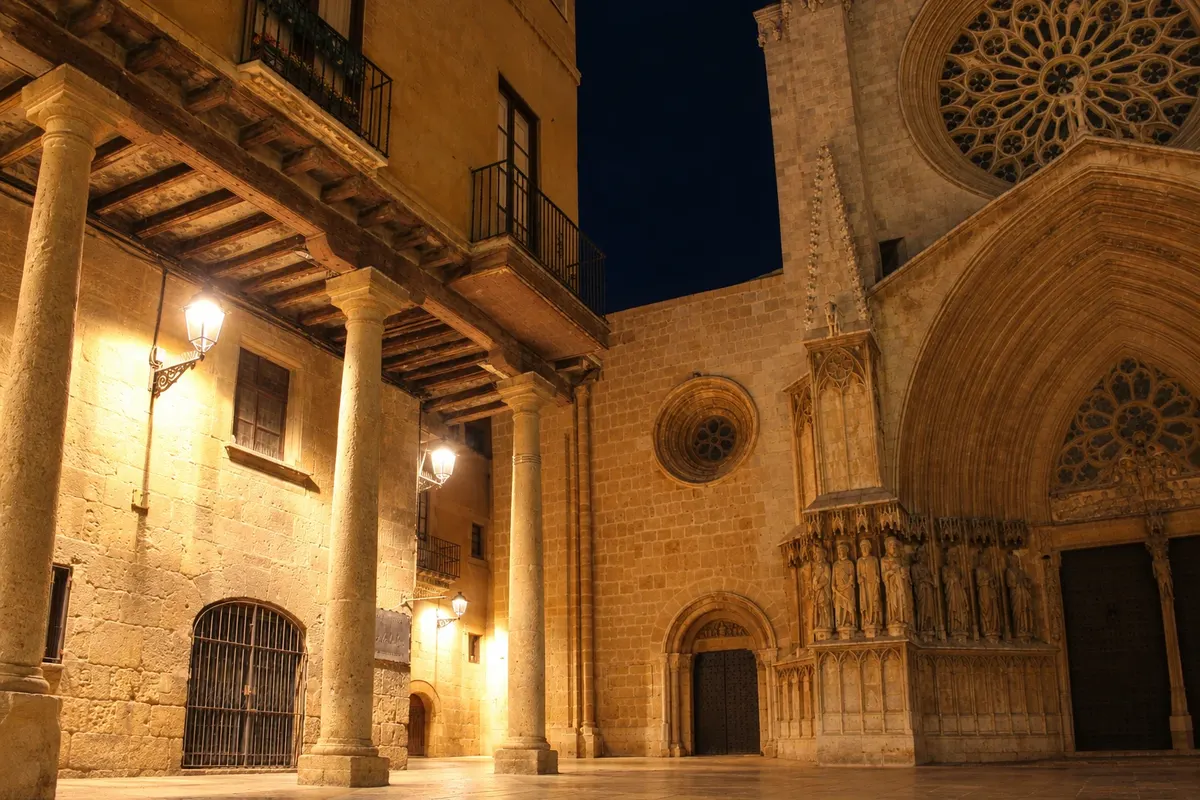
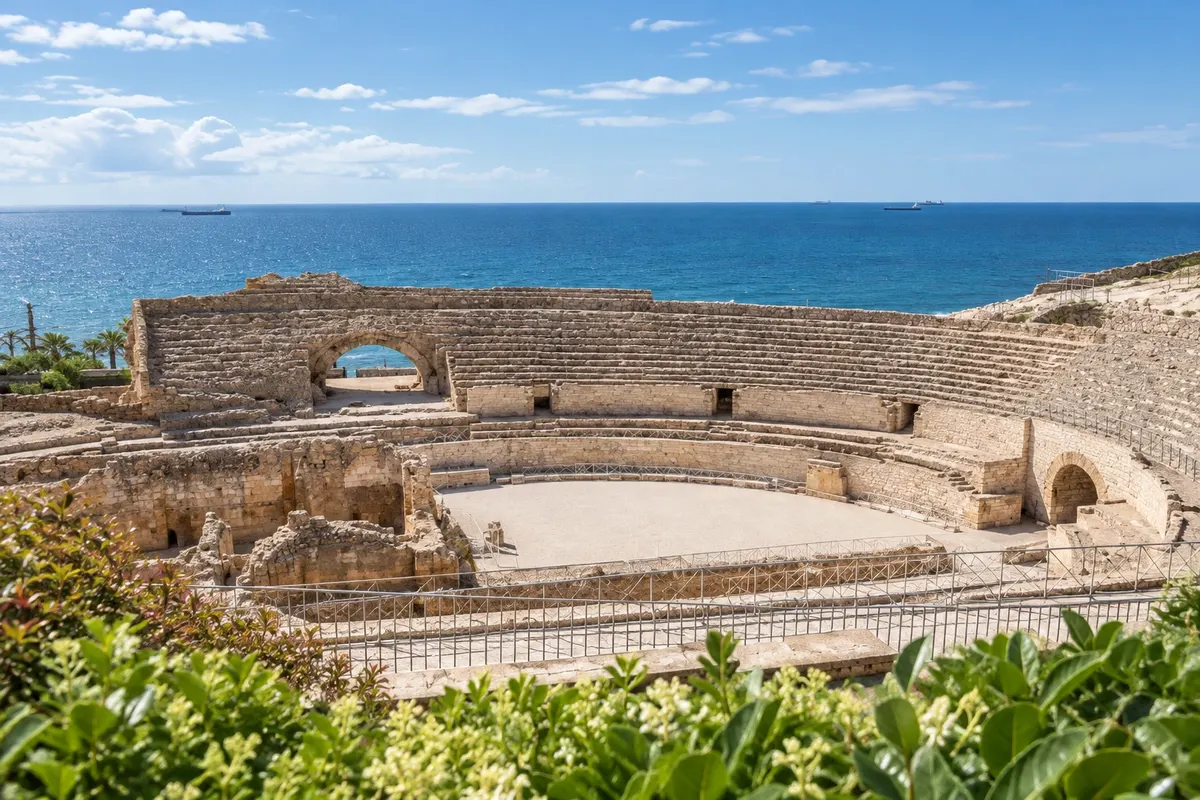
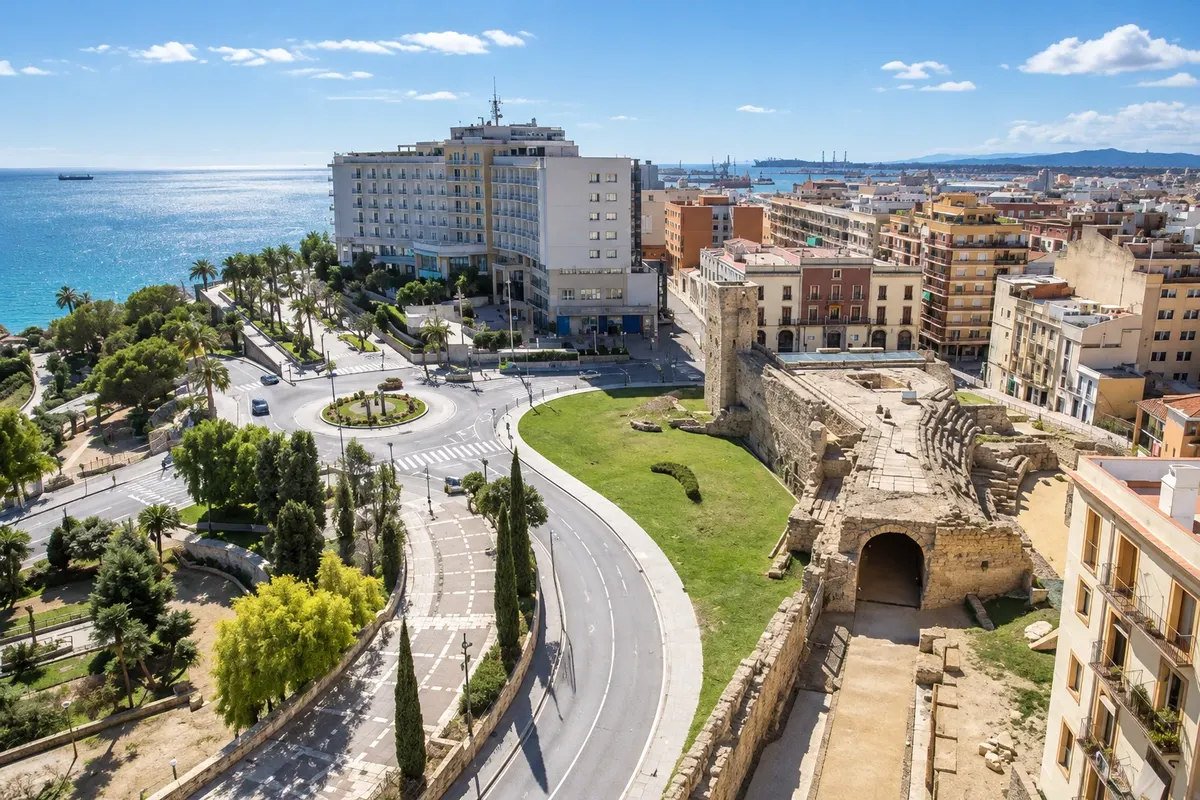
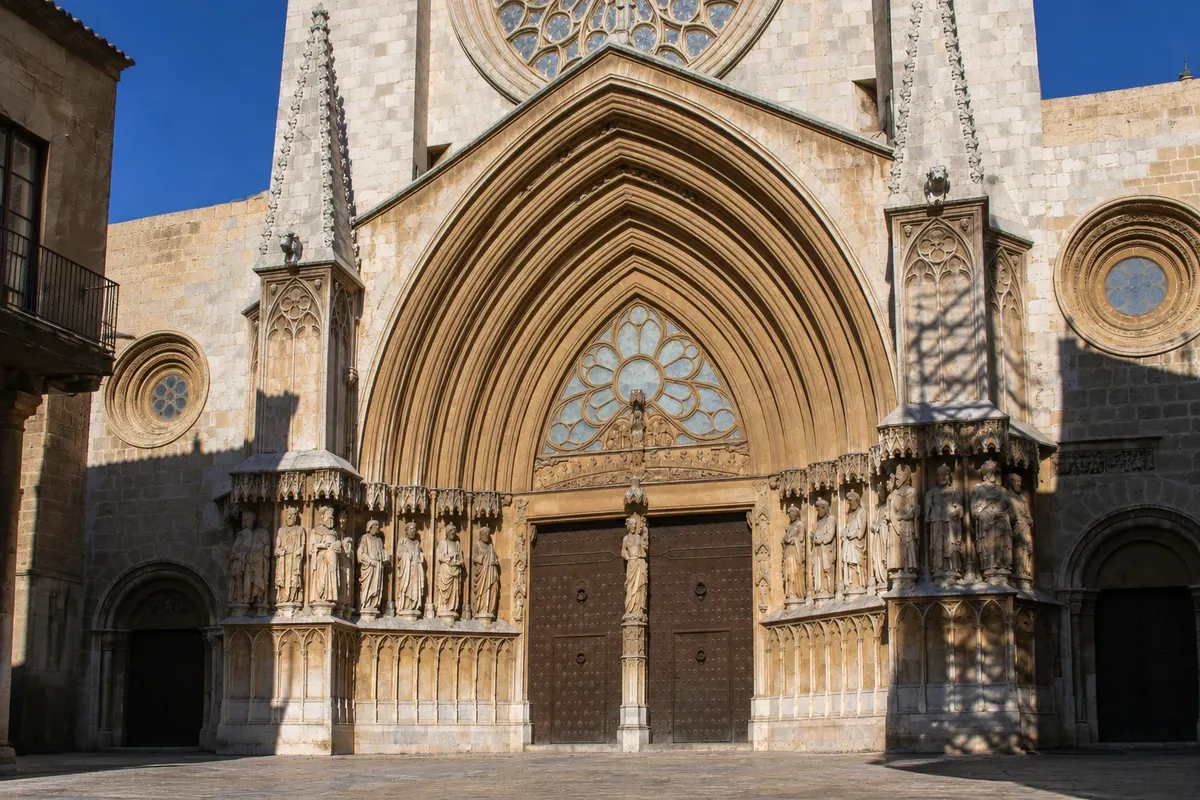
Tarragona was Tarraco, one of the main Roman cities on the Iberian Peninsula. The archaeological ensemble of Tarraco has been a UNESCO World Heritage Site since 2000: the seaside amphitheater, the circus and the Pretori tower, the walls and, outside the center, the aqueduct known as Pont del Diable. Above the former place of worship rises the cathedral, between Romanesque and Gothic styles.

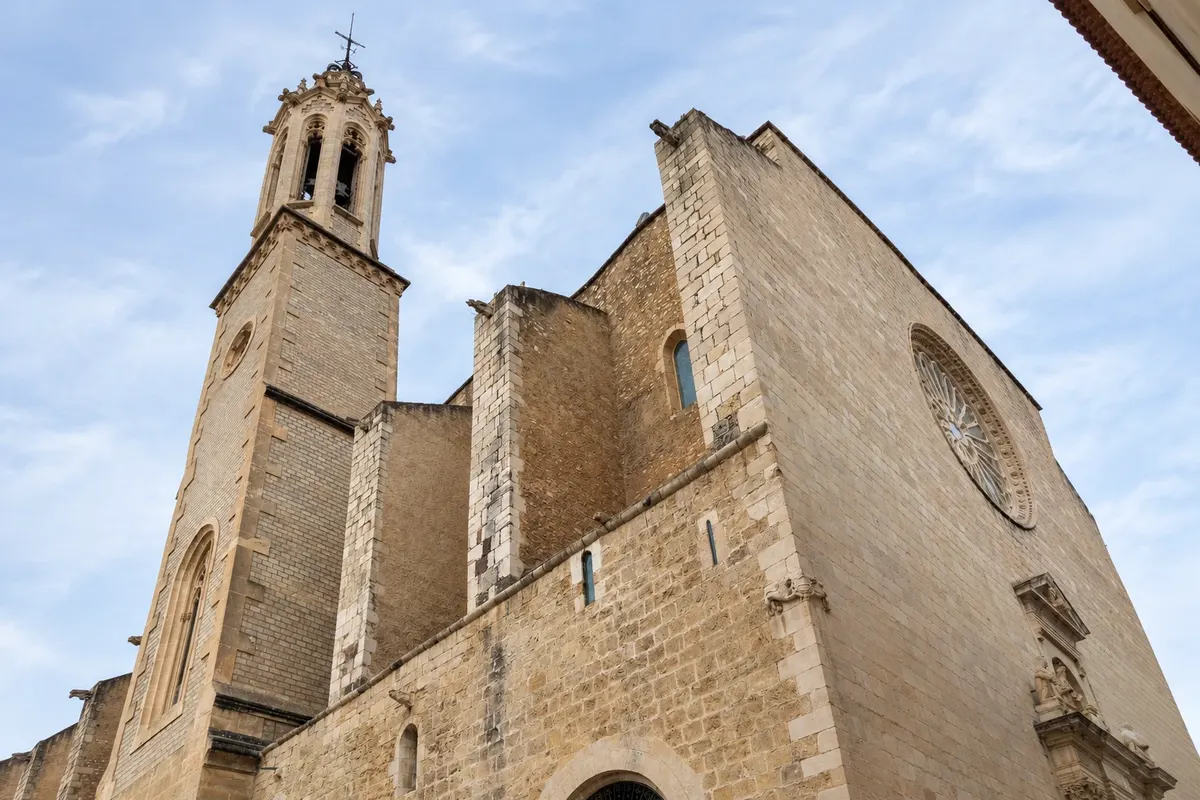
About 20 km inland is Valls, capital of the Alt Camp comarca. The town presents itself as the birthplace of the castells, the Catalan human towers, and of the calçotada, the meal of calçots grilled over embers that brings families and friends together in winter. Near Valls are the Cistercian monasteries of Santes Creus and Poblet.

The destination combines days of Roman and medieval history with Catalan popular culture. The coast has sandy beaches all along the Costa Daurada, and the everyday language is Catalan alongside Spanish.

This destination brings together 2 cities: Tarragona, Valls.

Share: WhatsApp
Traveler, share your experiences through photos Up to 5 photos of each place you visited.

One destination, many paths

The cities on this trip

Start with one city or combine several in your itinerary.

Where Tarragona and the Costa Daurada is
VallsTarragona

Outlines: IGN/CNIG, unidades administrativas, CC BY 4.0. Adapted by Cidade Turismo.

How to get there: Tarragona and the Costa Daurada

✈ Aeroport de Reus (REU), in Reus · 10 km to Tarragona

Tarragona has regional and long-distance trains at the central station and high-speed trains at the Camp de Tarragona station, about 12 km away. The nearest airport is Reus; Barcelona’s airport is about 90 km away. Valls has regional train service and buses from Tarragona and Barcelona.

Suggested arrival point: Tarragona

The local experience

Things to do in Tarragona and the Costa Daurada

Tarragona Amphitheatre
Tarragona · Catalonia · Archaeological site

Tarragona Amphitheatre

2nd-century amphitheater by the sea, where gladiator combats and animal shows took place. It is part of the Tarraco ensemble, a World Heritage Site, and the arena preserves the remains of a Visigothic basilica and a medieval church.

Casteller Museum of Catalonia
Valls · Catalonia · Museum

Casteller Museum of Catalonia

Museum dedicated to the castells, the Catalan human towers recognized by UNESCO as intangible heritage, next to the Plaça del Blat. The route explains the technique, history and values of the colles.

Church of Saint John the Baptist of Valls
Valls · Catalonia · Church

Church of Saint John the Baptist of Valls

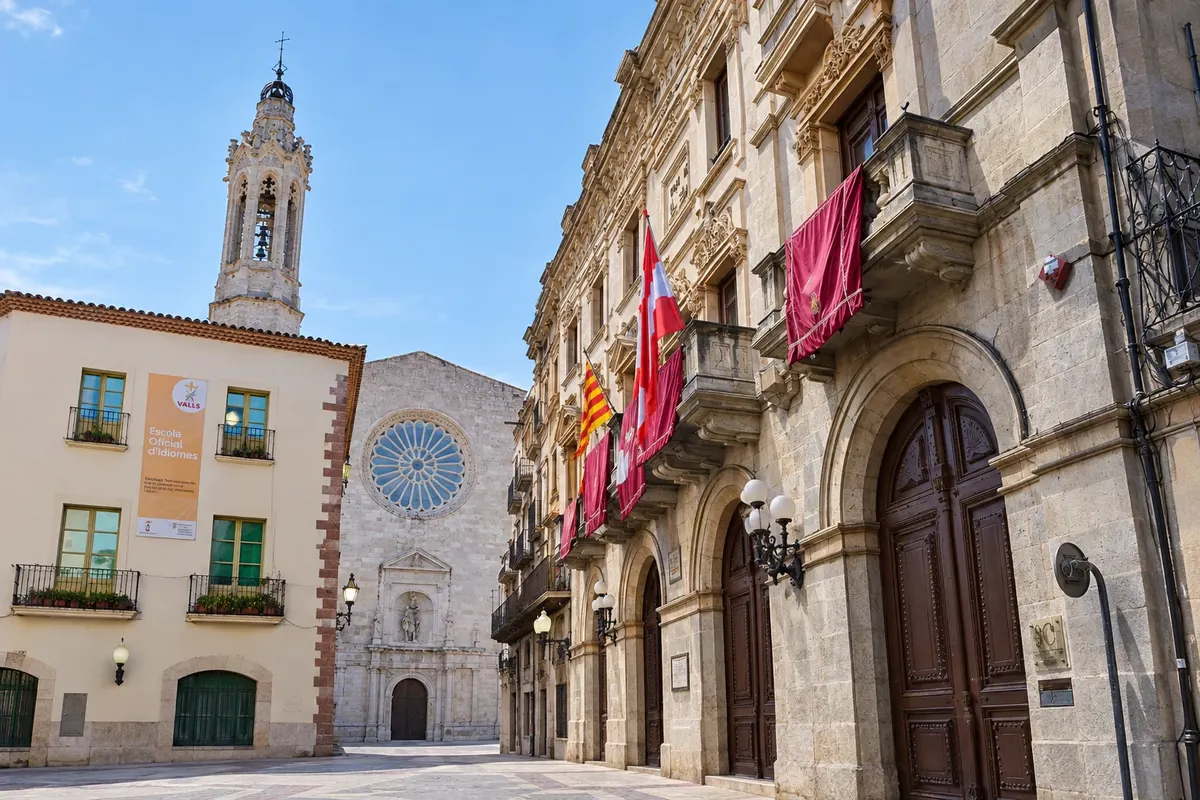
Main church of Valls, built in the 16th century in Gothic style, with a Renaissance façade and the tallest bell tower in Catalonia. The bell tower visit is done on guided tours organized by the tourist office.

Pretorio and Roman Circus
Tarragona · Catalonia · Archaeological site

Pretorio and Roman Circus

Roman tower at the top of the city, connected to the vaulted galleries of the 1st-century circus where chariot races ran. From the tower terrace you can see the Part Alta, the port and the sea.

See 4 more places in Tarragona and the Costa Daurada
Tarragona Cathedral
Tarragona · Catalonia · Cathedral

Tarragona Cathedral

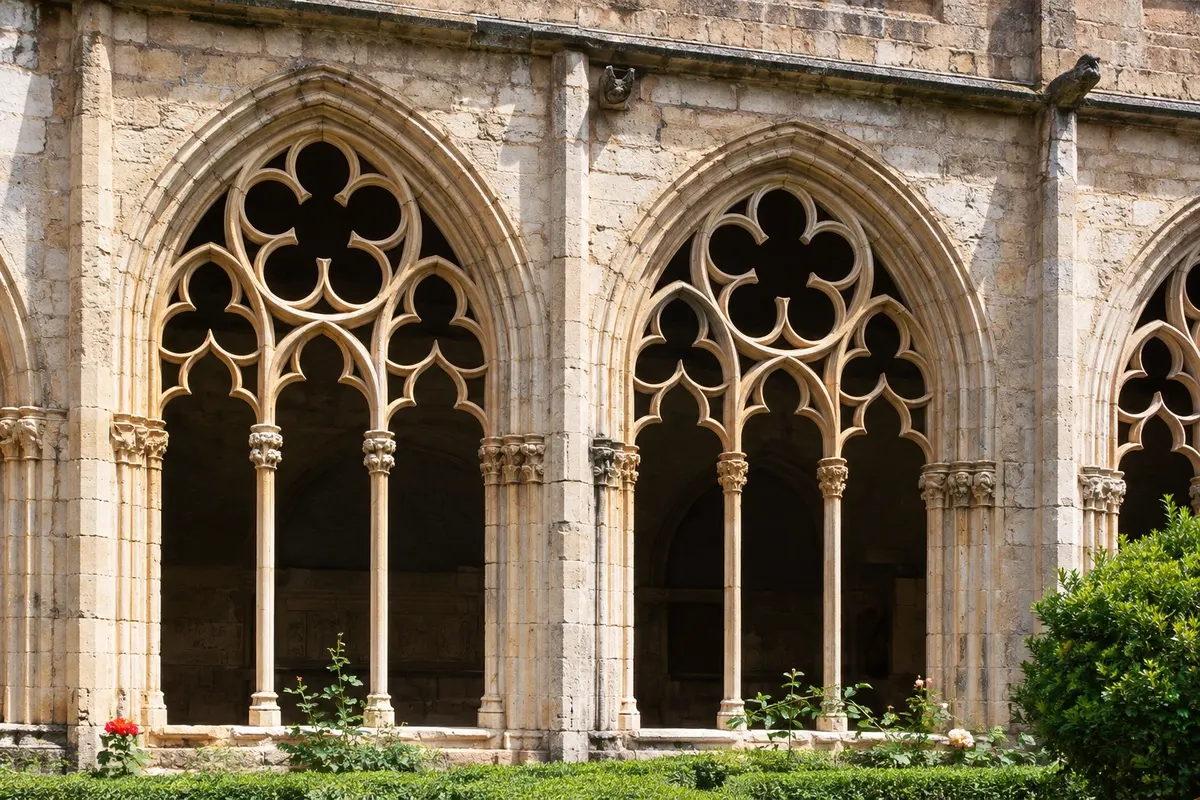
Cathedral of Saint Tecla, at the highest point of the Part Alta, built from the 12th century on the site of an old Roman temple. It blends Romanesque and Gothic styles and has a large cloister, with the Diocesan Museum beside it.

Royal Monastery of Santes Creus
Valls · Catalonia · Monastery

Royal Monastery of Santes Creus

Cistercian monastery founded in the 12th century, about 18 km from Valls, with a Gothic cloister, a church of Romanesque-Gothic transition and the tombs of kings of Aragon. It is part of the Cistercian Route.

Archaeological Walk (Passeig Arqueològic)
Tarragona · Catalonia · Wall

Archaeological Walk (Passeig Arqueològic)

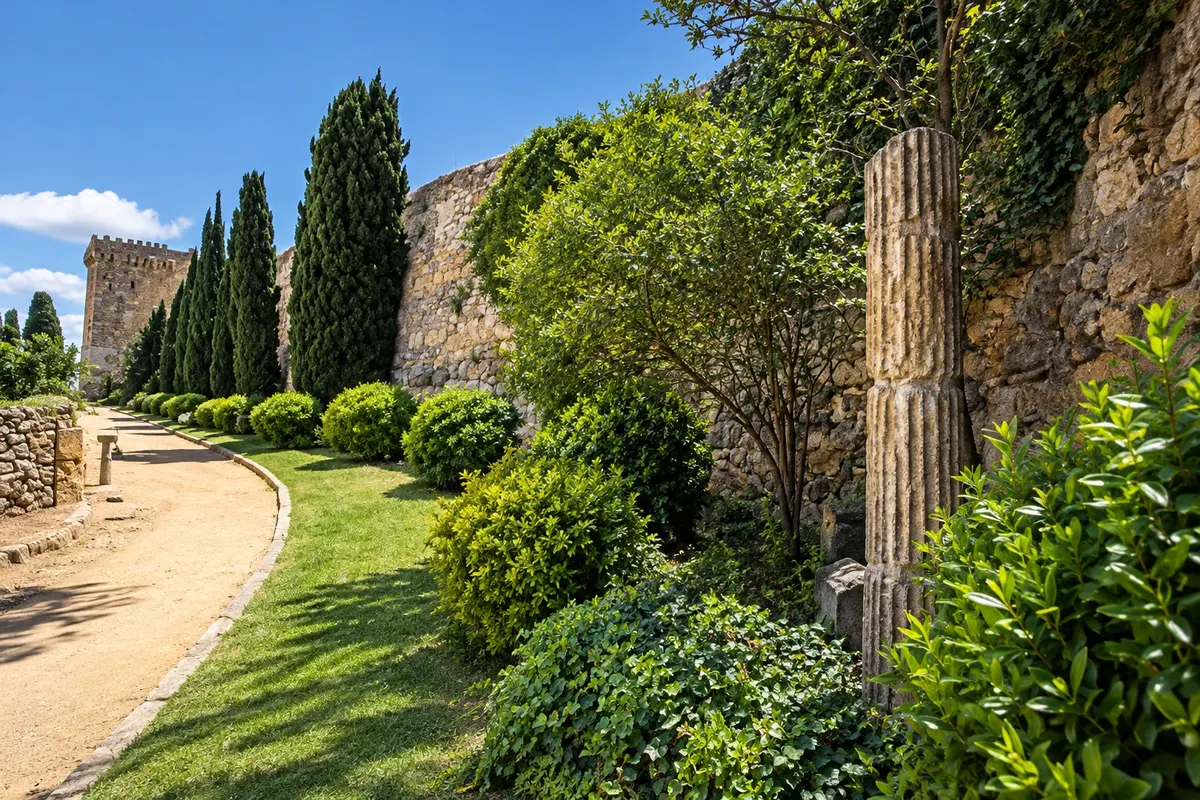
A landscaped walk that skirts part of the Part Alta between the Roman wall of the 2nd century BC and the fortifications built in the 18th century. It shows the different phases of the wall and offers views of the Camp de Tarragona.

Ferreres Aqueduct (Pont del Diable)
Tarragona · Catalonia · Aqueduct

Ferreres Aqueduct (Pont del Diable)

Section of the Ferreres Roman aqueduct, about 4 km from the center, with two rows of arches over a tree-filled valley. It carried water from the Francolí River to Tarraco and can be crossed on foot along the upper channel.

Before you go

Practical information

A little planning leaves more time to enjoy the journey.

When to go

Spring (April to June) and autumn (September and October) usually have mild days for walking among the ruins. Summer (July and August) is hot and busy on the beaches. The calçot season generally runs from November to March, and the calçotada festival in Valls takes place at the end of January.

The seasons shown are the most usual ones; nature doesn't always follow the calendar.

How many days to stay

Two days allow you to see Roman Tarragona and the cathedral at a relaxed pace. With three days, there’s time for Valls and the monastery of Santes Creus. Those visiting in winter can book a long lunch for the calçotada.

Which city to stay in

In Tarragona, the Part Alta, the historic quarter within the walls, puts the monuments within walking distance; the Rambla Nova area is close to the station and shops, and the Serrallo is the fishermen’s quarter by the port. Valls has accommodation in the center, useful for those attending the calçotada or castells performances.

Respect the place

Take your trash with you, follow the signs and support local businesses. In natural areas, follow the visiting guidelines.

Get your questions answered

Frequently asked questions about Tarragona and the Costa Daurada

How to get from Barcelona to Tarragona?

By train: regional lines arrive at the central station, or high-speed trains go to the Camp de Tarragona station, about 12 km from the city. By car, it’s about 100 km along the coast. Check timetables and frequencies before you go.

How many days to stay in Tarragona and the Costa Daurada?

Two days cover the Roman monuments and the cathedral. With three days you can include Valls and the monastery of Santes Creus inland.

What is the best time to visit Tarragona?

Spring and autumn usually have mild weather for walking. Summer is hot and crowded on the beaches. For the calçotada, the season generally runs from November to March.

Do I need a car in the Costa Daurada?

Not for Tarragona and Valls, which have train and bus service. A car helps to reach the monasteries of Santes Creus and Poblet and to combine several towns in one day.

Is a day trip from Barcelona to Tarragona possible?

Yes. The train takes about one to one and a half hours depending on the service, and the Roman center can be explored on foot. To include Valls on the same day, a car or a combination of trains helps.

Explore other destinations Search by state and city