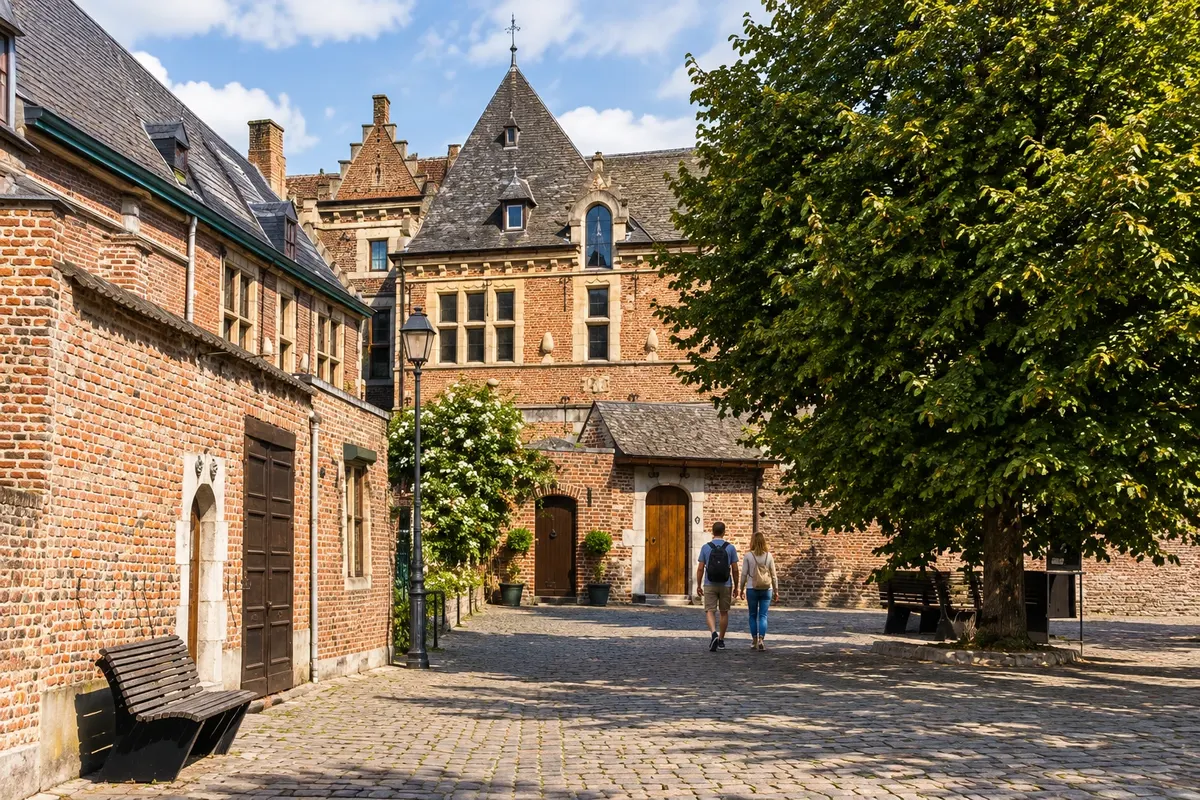
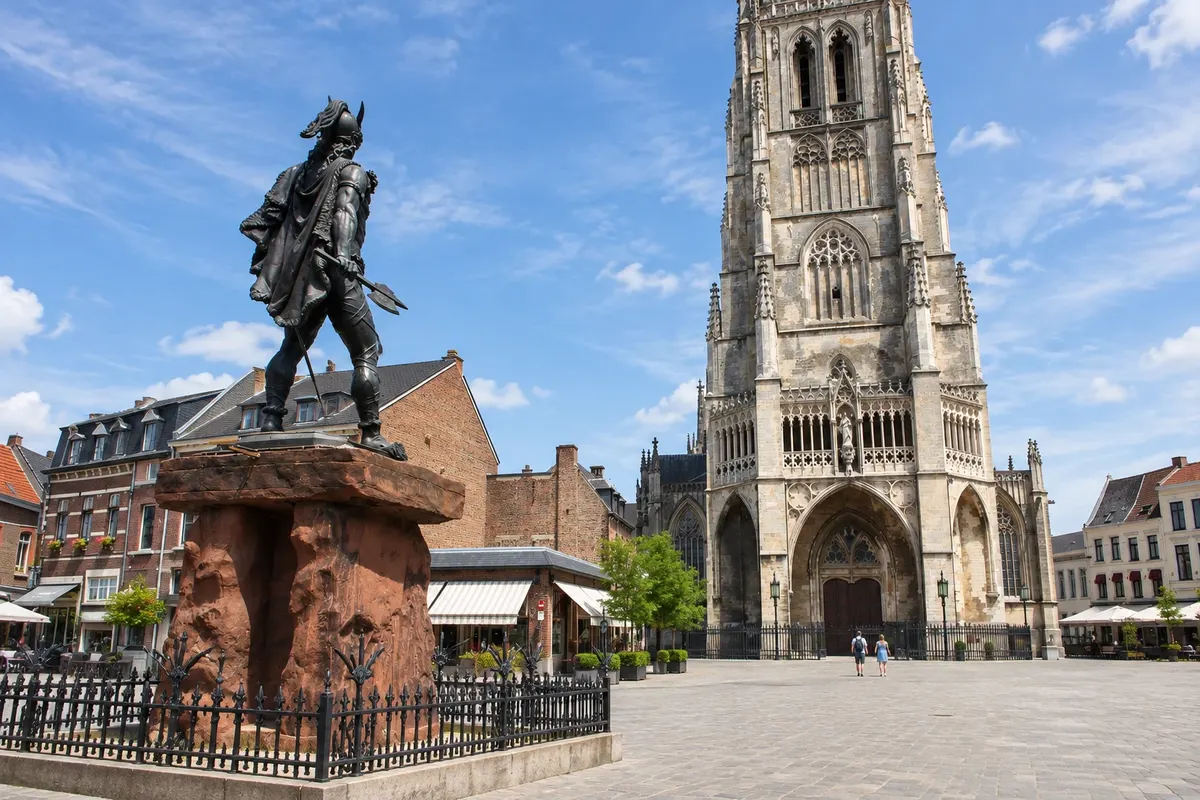
Begijnhof of Tongeren, Roman wall and Moerenpoort
From Tongeren centre On foot about 2 hours 30 minutes afternoon easy
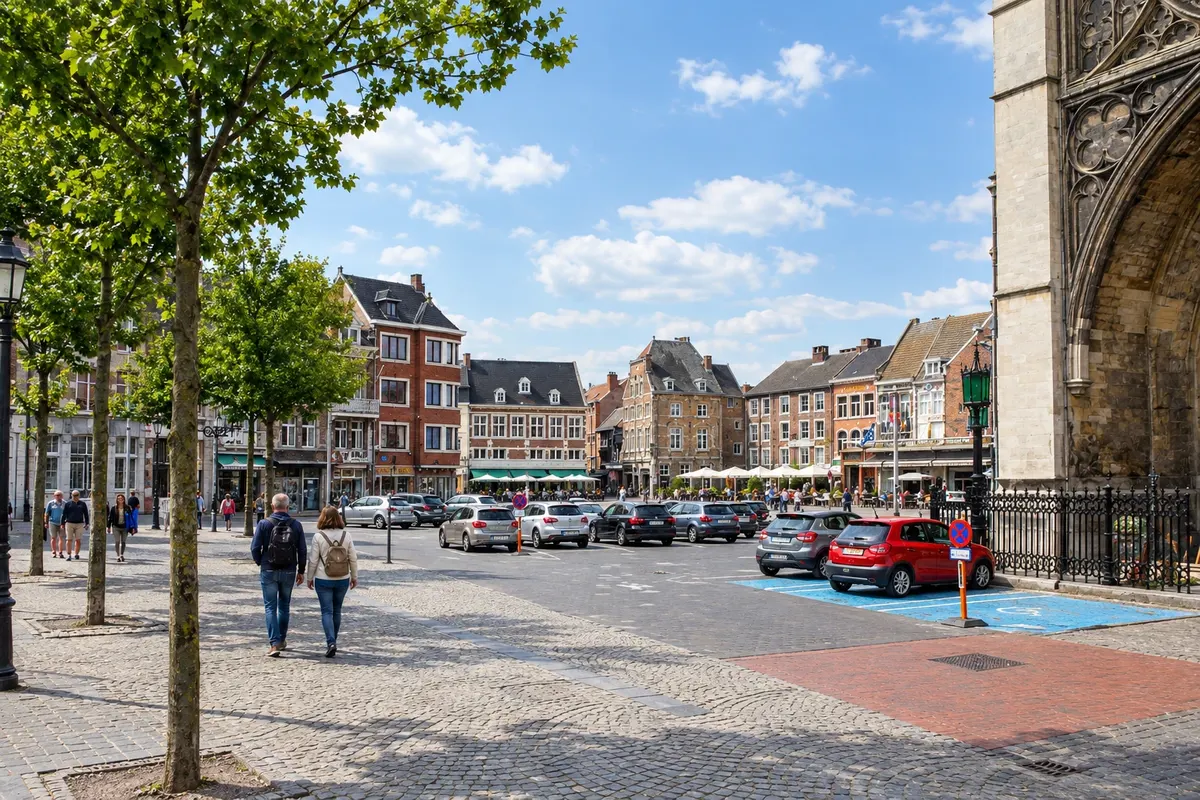
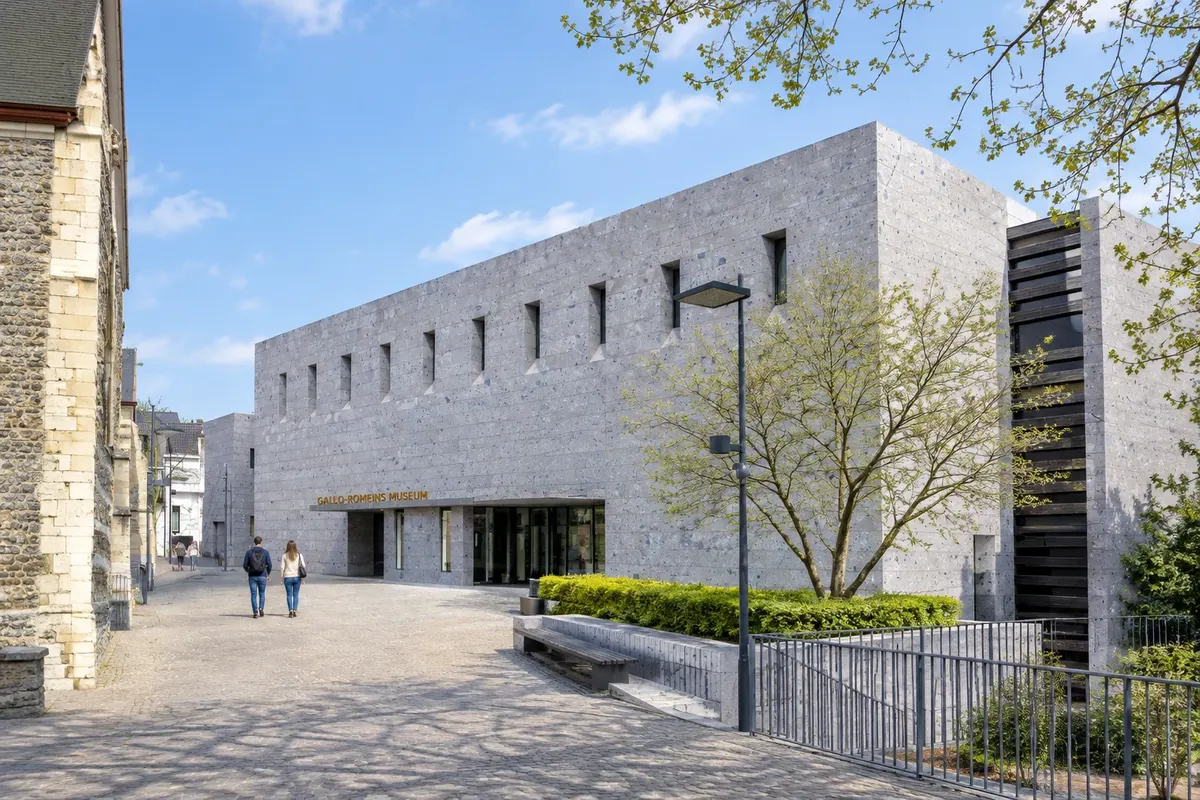
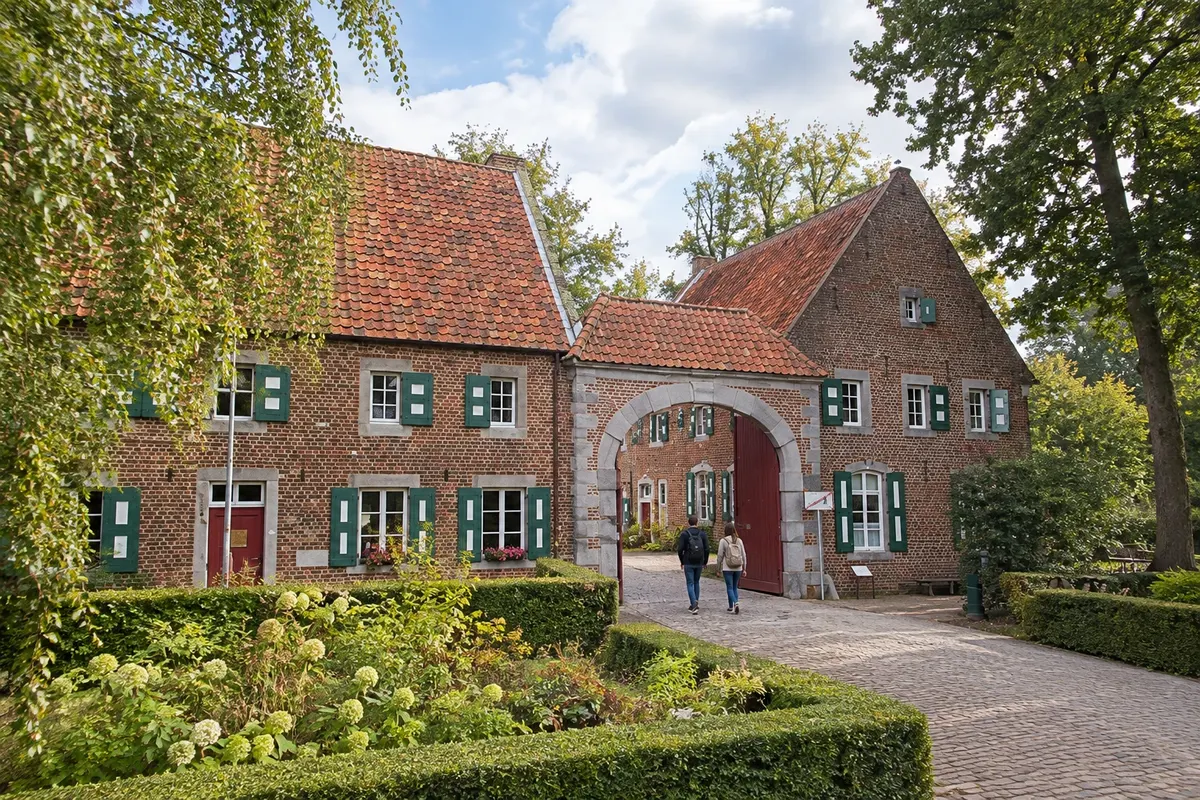
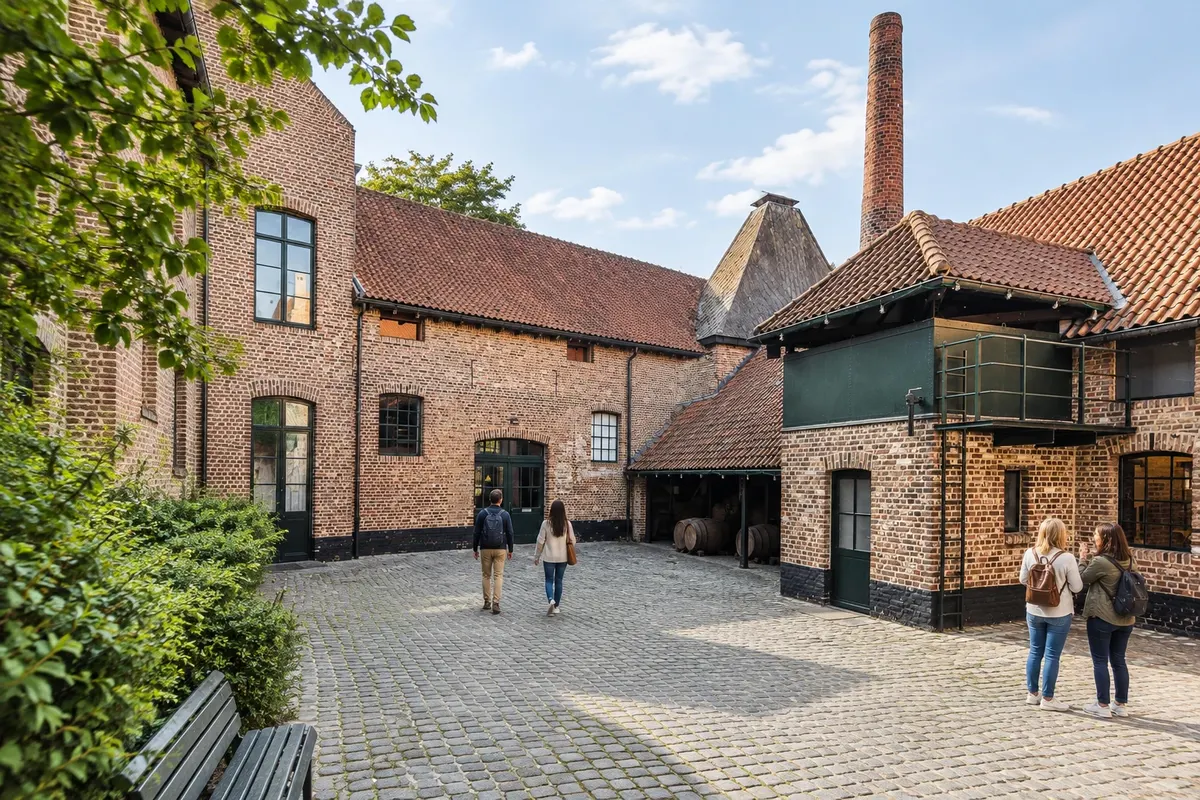
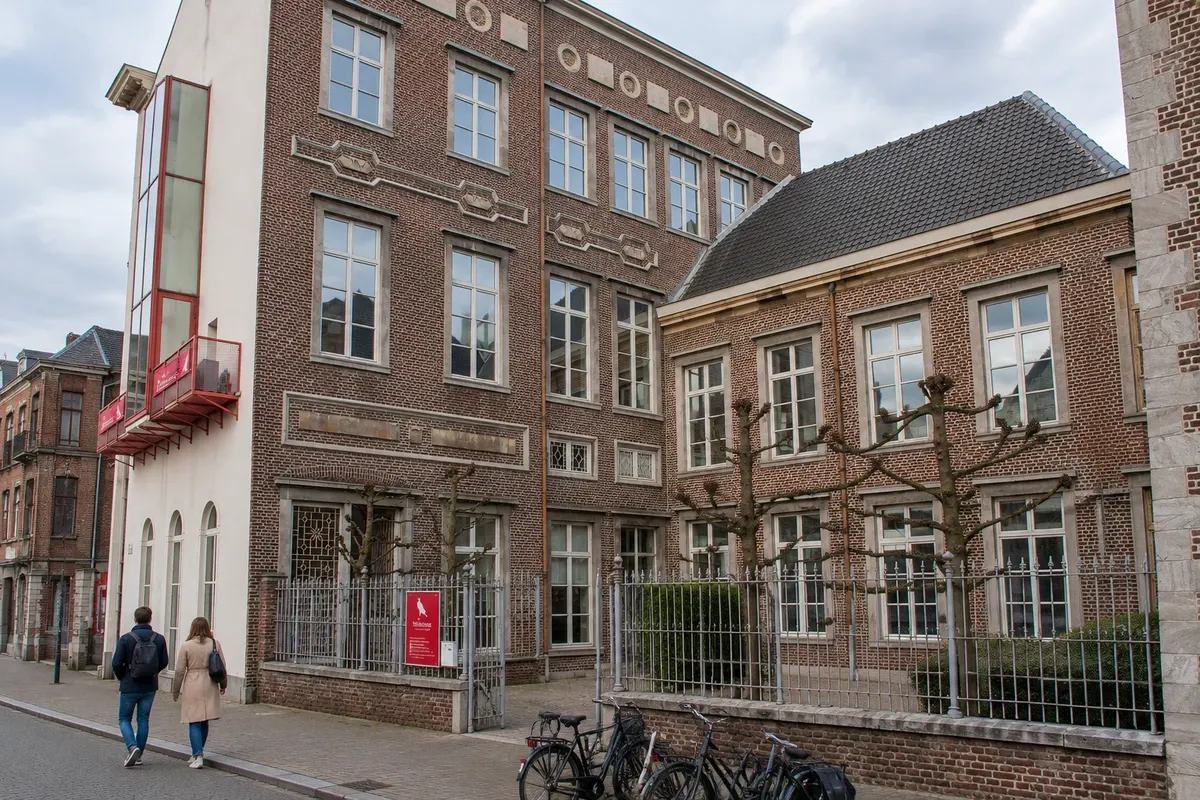
The Begijnhof Sint-Catharina (beguinage of Saint Catherine) was founded in the 13th century. It is part of the Flemish beguinages listed as UNESCO World Heritage. Beguines were lay religious women, without perpetual vows, who lived in community; here they lived from the 13th to the 18th century, and at their peak there were about 300 in 100 houses. The cobbled streets and white houses form a distinct neighborhood, and the small Beghina museum explains what their life was like.
Next door, the Moerenpoort is the only one of the six gates of the medieval wall that still stands. It houses a military history museum, and from the top there are views over the center and the beguinage.
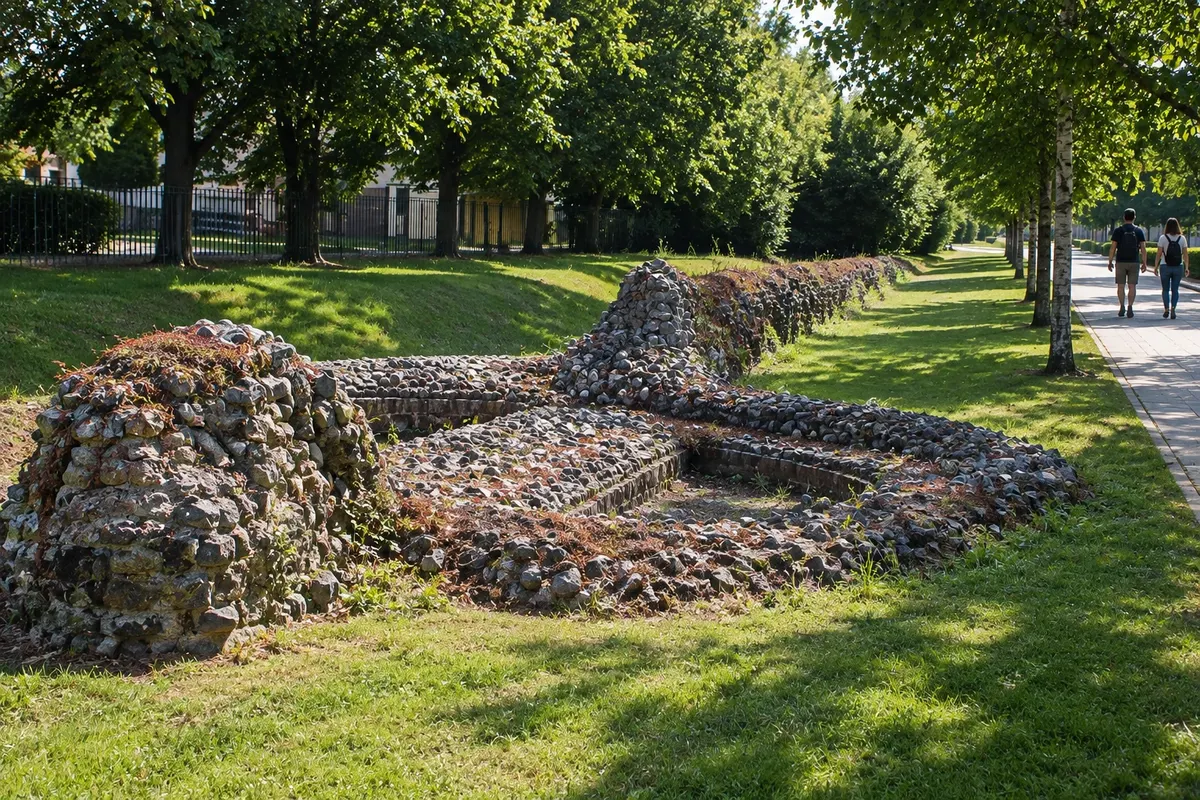
The Roman wall, from the 2nd century, was about 4.5 km long and roughly 6 m high. Many stones were reused in churches and houses, but a stretch of about 2 km, with towers at regular intervals, still stands along Caesarlaan, Legioenenlaan, Cottalaan and Sabinuslaan, a walk in the shade of the trees.
Stops: Begijnhof Sint-Catharina, Beghina, Moerenpoort, Romeinse omwalling, Legioenenlaan, Caesarlaan.
Includes: On foot and independently. The beguinage and the wall have free access. The Begina museum and the Moerenpoort have separate admission; check the current rates and opening days.
Tip: Do the route as a loop: center, beguinage, Moerenpoort and the Roman wall along Legioenenlaan, returning to the Grote Markt. Wear comfortable shoes for the cobbled streets.
Best time: Year‑round. From April to October the days are longer and small museums have extended openings.
Antiekmarkt: Tongeren’s Sunday antiques market
From Hasselt Train to Tongeren and walk about 3 hours morning easy
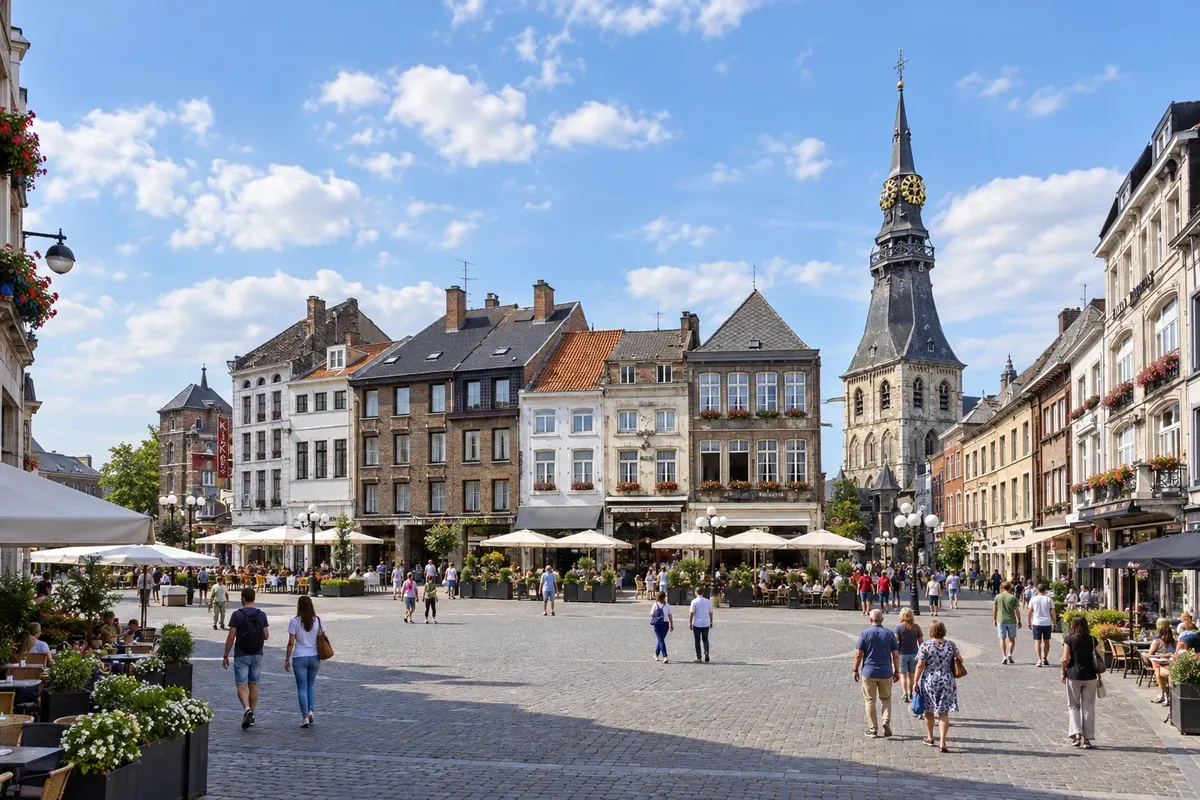
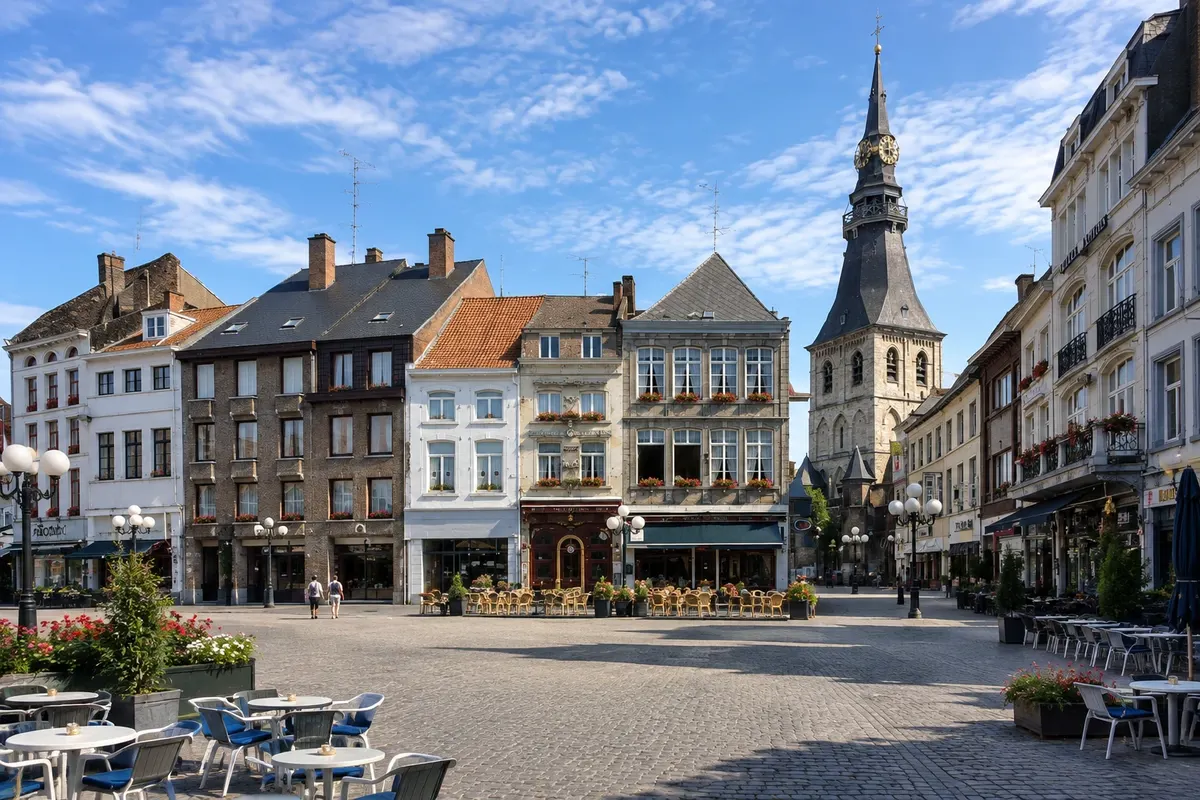
Every Sunday morning, year‑round, Tongeren hosts the Antiekmarkt, an antiques and vintage goods market created in 1976 by seven local traders. Today it brings together more than 350 exhibitors from Belgium and other countries. Stalls line the old town wall and the cobbled streets of the center, and about 40 antique shops open the same day.
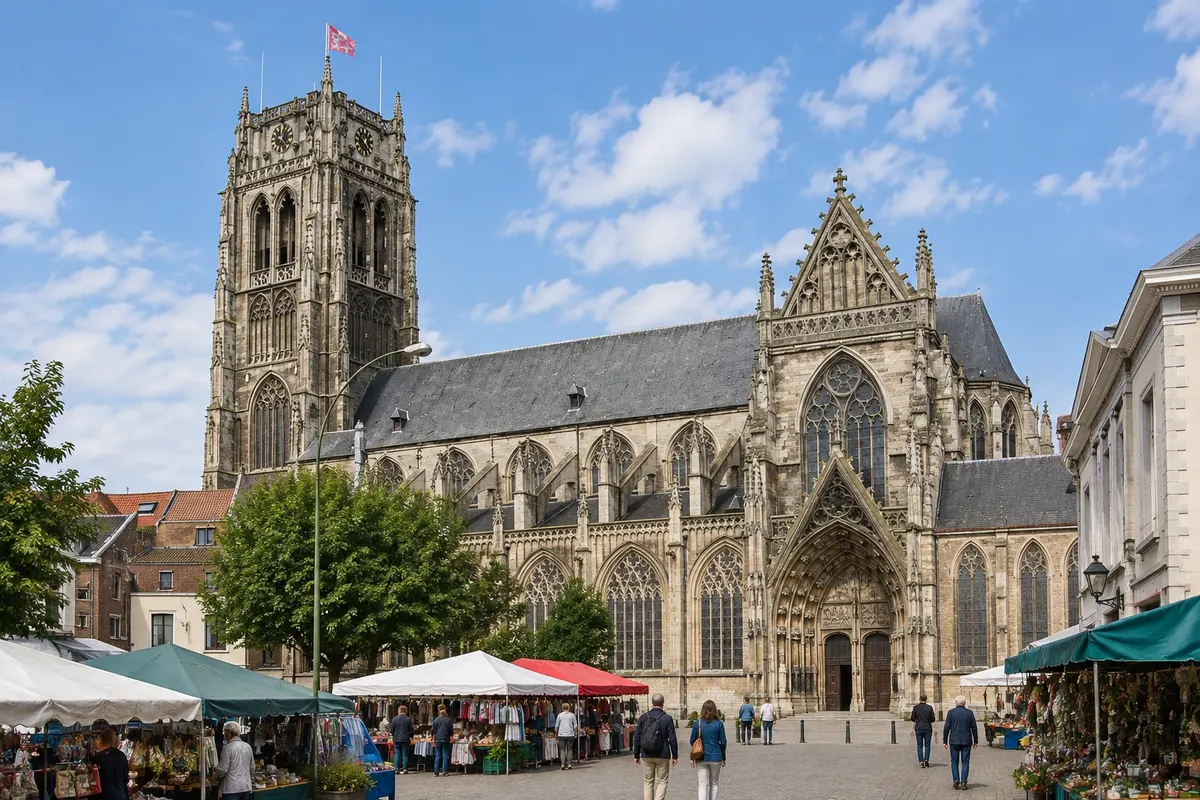
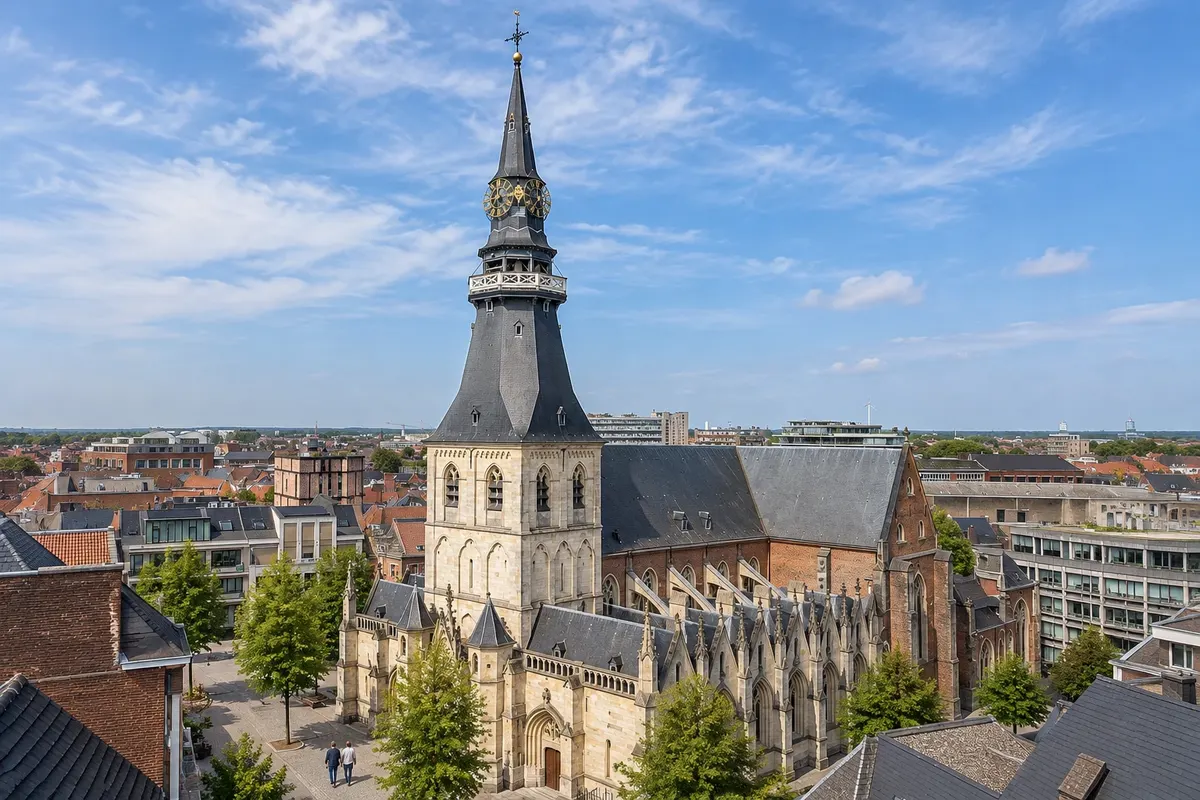
You can find everything: furniture, paintings, tableware, silverware, books, records, toys, tools and decorative items. The market starts a few minutes’ walk from the station, and you can combine it with a coffee on the Grote Markt and a visit to the basilica.
Stops: Tongeren, Antiekmarkt Tongeren.
Includes: No ticket required. Purchases are paid directly to the vendors.
Tip: Arrive early: the market starts in the early morning and vendors pack up their stalls in the early afternoon. Large items are hard to take on a plane; opt for small objects.
Best time: Year‑round on Sundays, including in winter. From May to September there are more outdoor exhibitors.
C-Mine and the coal-mining past of Genk
From Hasselt Train to Genk and bus, or car about 4 hours morning easy (tunnels and stairs)
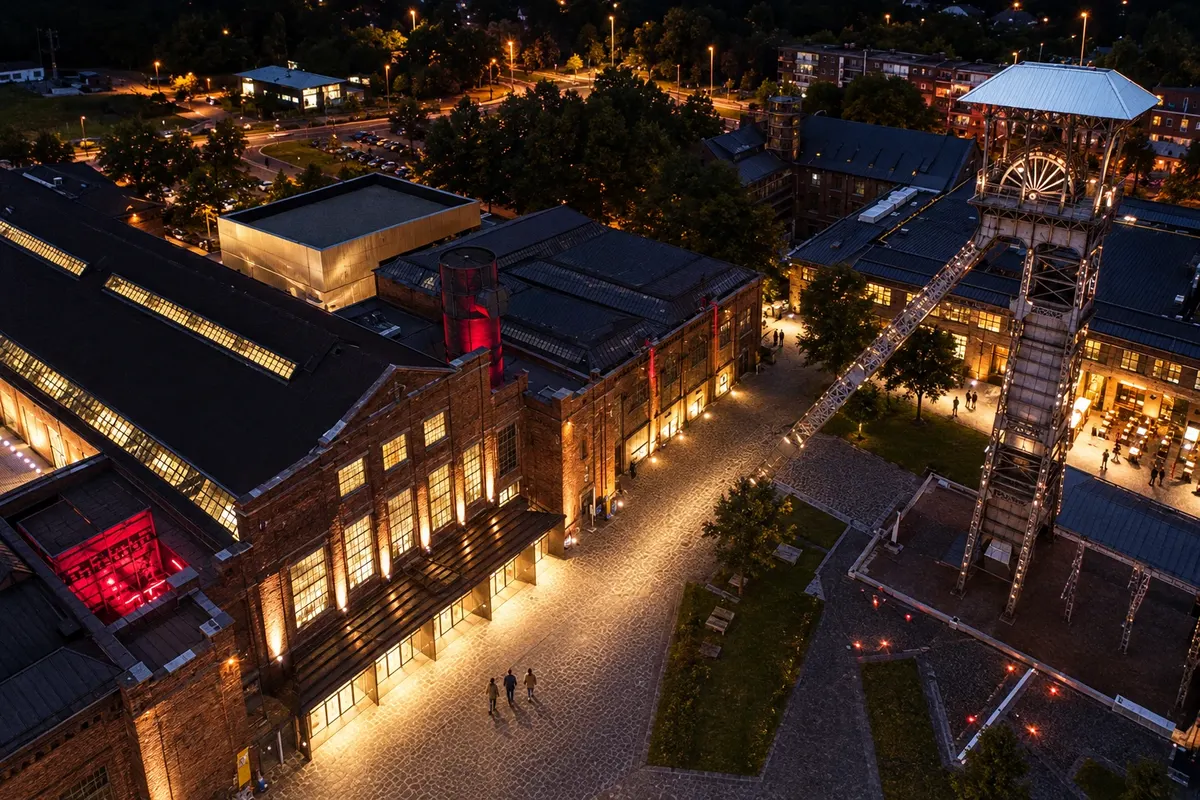
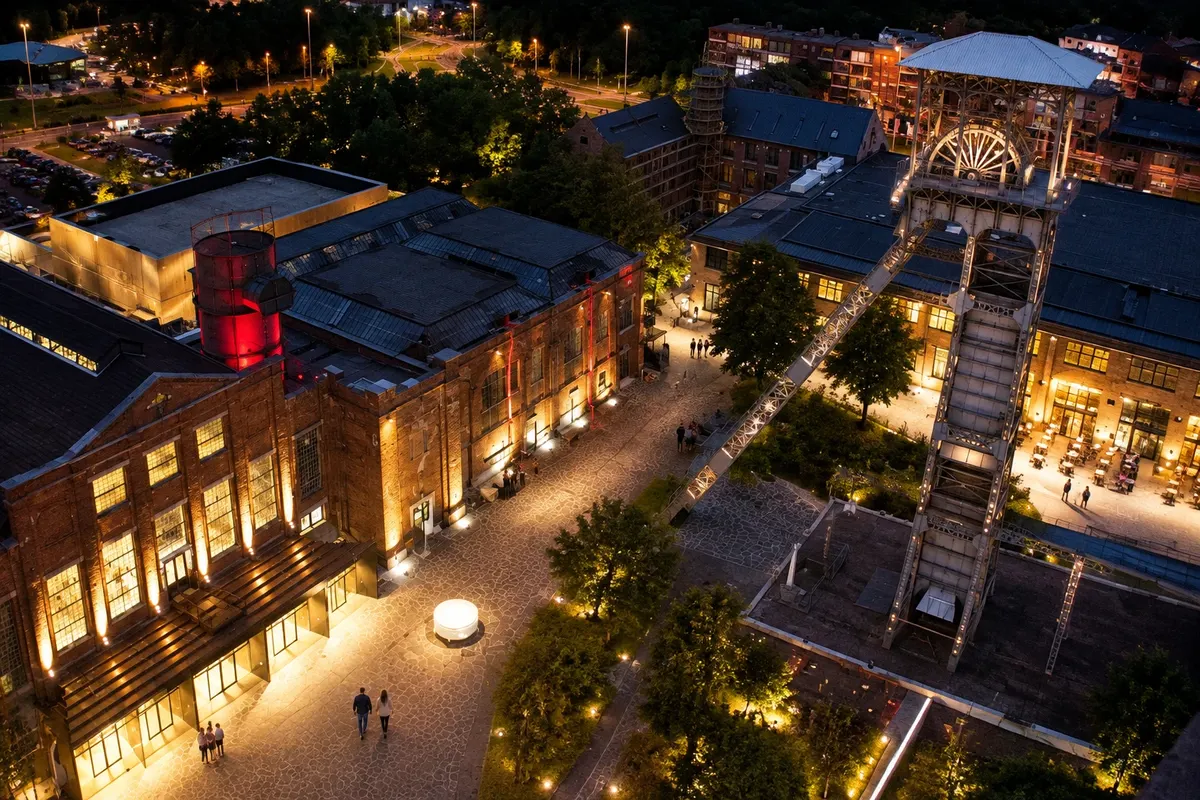
Genk grew up with 20th-century coal mines. The Winterslag mine had its first buildings in 1917 and closed in 1988. The city transformed the site into C-Mine, a center for culture and design: the C stands for creativity. The two headframes, with the large wheels on top, remain standing and define the landscape.
You can enter the engine room, with a ceramic floor, iron staircases and the old control panels. The complex also includes a gallery, brasserie and a tourist office.
The C-Mine Expeditie is the underground visit. It starts in the power building, 6 m below ground, and continues through the old brick ventilation tunnels, with light, sound and even mine-smell installations that tell how miners worked.
In central Genk, Molenvijverpark is an urban park of about 10 hectares, with the pond of the former watermill, where a restaurant now operates, and a sundial park.
Stops: Genk, C-Mine, Winterslag, C-Mine Expeditie, Molenvijverpark.
Includes: The C-Mine grounds and the engine room have free access. The C-Mine Expeditie requires a separate paid ticket, purchasable online; check the current price list. Molenvijverpark has free access.
Tip: The C-Mine Expeditie is open Tuesday through Sunday and closed on Mondays, except holidays. Buy tickets online. Part of the route has stairs. There is a family game for children from age 6.
Best time: All year. Good option for rainy days.
Nationaal Park Hoge Kempen: heathland, pine forests and lakes
From Genk Car, bus or bicycle to one of the entrances about 5 hours full day easy to moderate (sandy trails)
The Nationaal Park Hoge Kempen (Hoge Kempen National Park) opened in 2006 as Belgium’s first national park. Since then, Flanders has recognized other national parks, and today it is one of several in the country. After the 2020 expansion it protects more than 12,000 hectares of woods and heathland across ten municipalities, including Genk, Maasmechelen, Lanaken, Zutendaal and As.
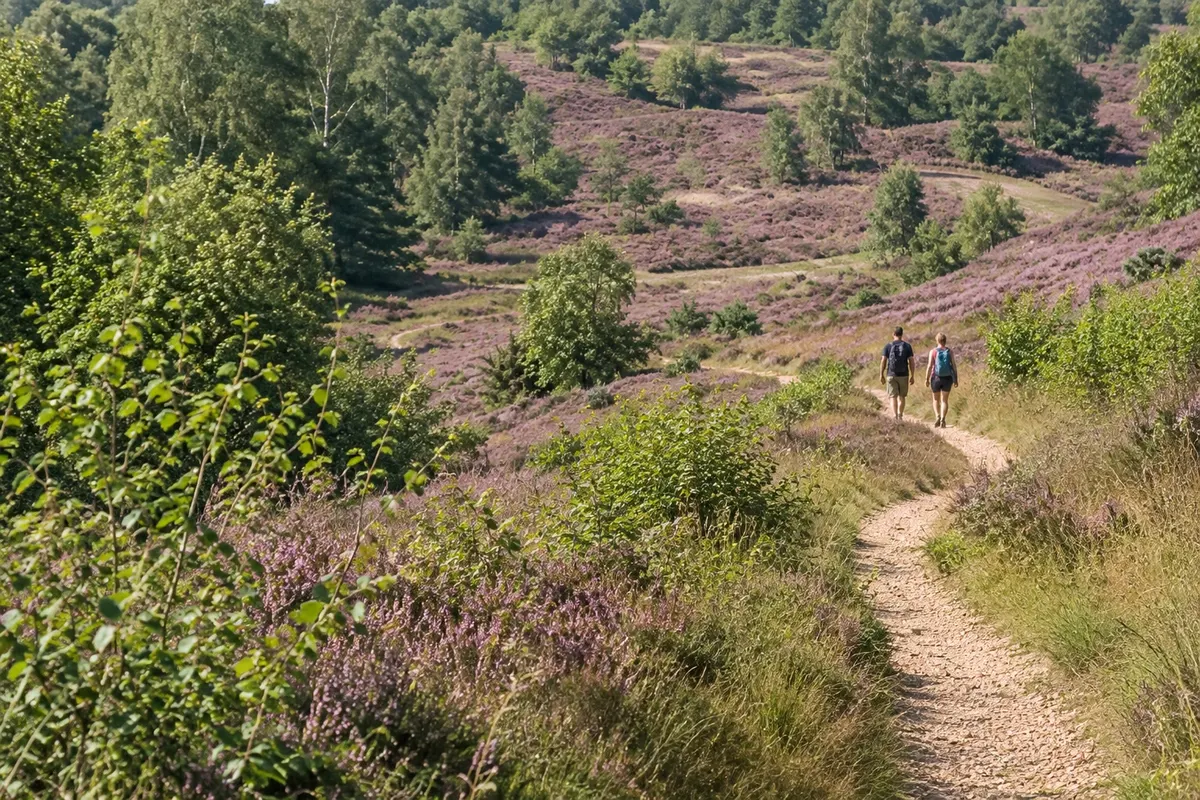
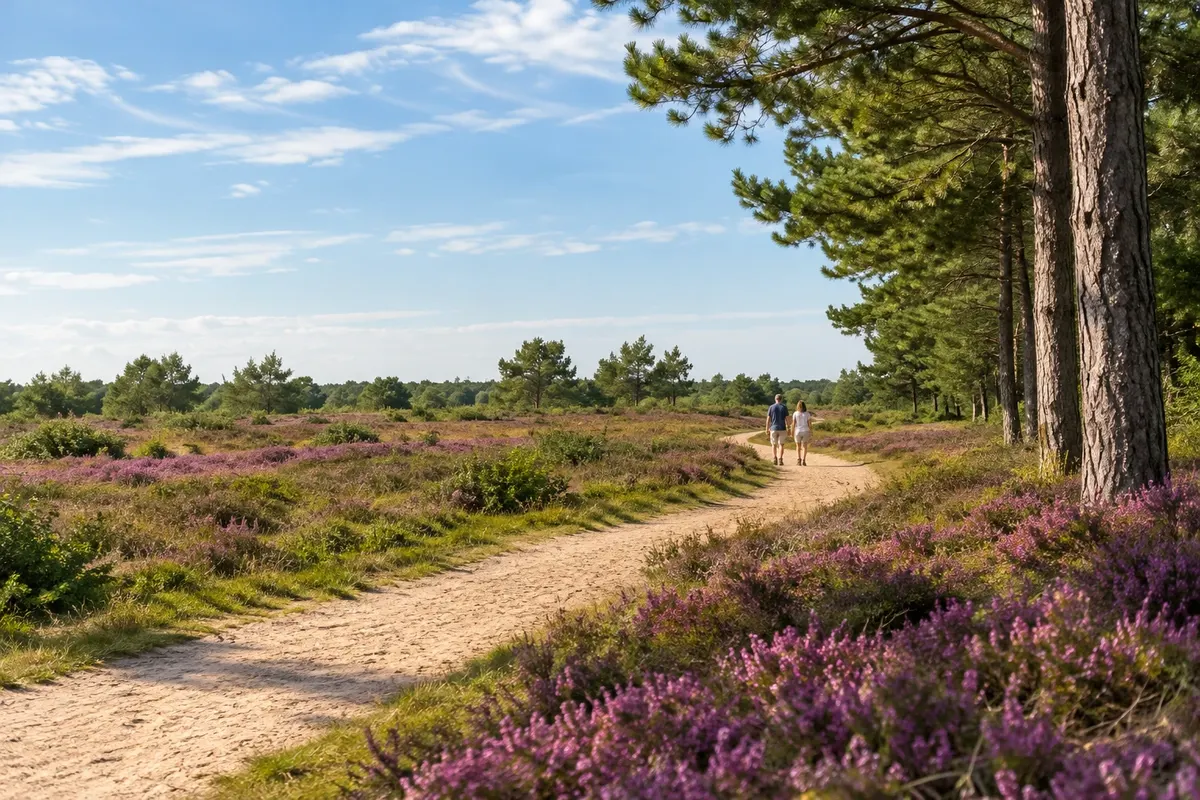
The park occupies the Hoge Kempen plateau, with heathland, pine forests, sand dunes, ponds, lakes and former mine spoil heaps. At the edge of the plateau a slope drops about 45 m down to the Meuse valley. From mid‑August to mid‑September the heather blooms and the Mechelse Heide, in Maasmechelen, turns purple.
Visits start at one of the park entrances, each with parking, information and waymarked trails. In Genk, the Kattevennen entrance has a space theme with the Cosmodrome; Mechelse Heide is the most popular for the heather; Lieteberg, in Zutendaal, has a visitor center in a former gravel quarry; Pietersheim, in Lanaken, sits beside the ruins of a Romanesque castle. The Nationaal Park Trail crosses the park in five stages.
Stops: Nationaal Park Hoge Kempen, Kattevennen, Mechelse Heide, Lieteberg, Pietersheim, Thorpark.
Includes: Trail access is free. Parking, guided activities and attractions at the entrances, such as the Cosmodrome, may charge fees; check in advance.
Tip: Bring water, a snack and closed shoes: the trails include stretches of loose sand and have few support points. Stay on marked trails.
Best time: From April to October. The heather blooms from mid‑August to mid‑September; in autumn the woods change colour.
Thor Park and the Mijndepot: the Waterschei mine
From Genk Bus G1 from Genk station or car about 3 hours afternoon easy (short climb on the spoil heap)
The Waterschei mine, north of Genk, was turned into Thor Park, a technology and science park of about 93 hectares. The main building of the former mine, Thor Central, has been restored and is now an events and business center; the historic hall can be visited, and there is a restaurant and brasserie.
In the former mine depot, ex‑miners from the Het Mijn‑Verleden association established the Mijndepot, an exhibition about the mine’s history and underground work, with films, photos and objects. On guided visits the ex‑miners themselves tell what life in the galleries was like.
Behind the complex, about 10 km² of heathland, pine forest, a stream valley and dunes form one of the entrances to Nationaal Park Hoge Kempen. The Steenmannetjespad, a 2 km trail, climbs a mine spoil heap where visitors stack stones; ten other circular trails start from there.
Stops: Thor Park, Thor Central, Mijndepot, Steenmannetjespad, Waterschei.
Includes: Thor Central and the trails are free to access. The Mijndepot has a separate paid ticket, with a guided visit of about 1 hour 30 minutes; check the current schedule.
Tip: The Mijndepot is open in the afternoons only on certain days of the week and with reduced hours in winter: check before you go. Combine it with C‑Mine on the same day.
Best time: From April to October, when the Mijndepot is open more days and the trails are dry.
Haspengouw (Hesbaye) in bloom: fruit-tree cycling around Sint-Truiden and Borgloon
From Sint-Truiden By bicycle via the cycle network (train to Sint-Truiden) about 5 hours full day moderate (gentle hills)
South of Hasselt begins Haspengouw (Hesbaye), a region of gentle hills, orchards and villages. It is a major fruit-growing area: pear, apple, cherry and strawberry. In spring, the fruit trees’ blossom, the bloesem, covers the landscape in white and pink. Cherry trees bloom first, from the end of March; apple and pear trees follow in April, and the flowering lasts about a month.
The classic way to see it is by bicycle. The network of cycle routes with numbered junctions (fietsknooppunten) lets you plan the route and shorten it as you wish. The Bloesemroute, about 50 km, passes orchards, artworks and castles. There are also loops of 38 km starting from Borgloon and 46 km from Sint-Truiden.
In Borgloon, trails of 4.4 to 12.6 km start at the Markt and lead to the church-installation Reading Between the Lines, amid the orchards. During the bloom there are flower blessings, open farms and temporary bars among the trees.
Stops: Haspengouw, Sint-Truiden, Borgloon.
Includes: On your own. Bicycles, including electric ones, can be rented at Sint-Truiden station and at rental shops in the area; paid separately.
Tip: Prefer an electric bike if you don't ride often: there are climbs. Sint-Truiden is on the train line between Brussels and Hasselt. Watch the bloom tracker the city publishes from the end of March.
Best time: April, typically peaking around mid-month; the date shifts depending on each year’s weather.
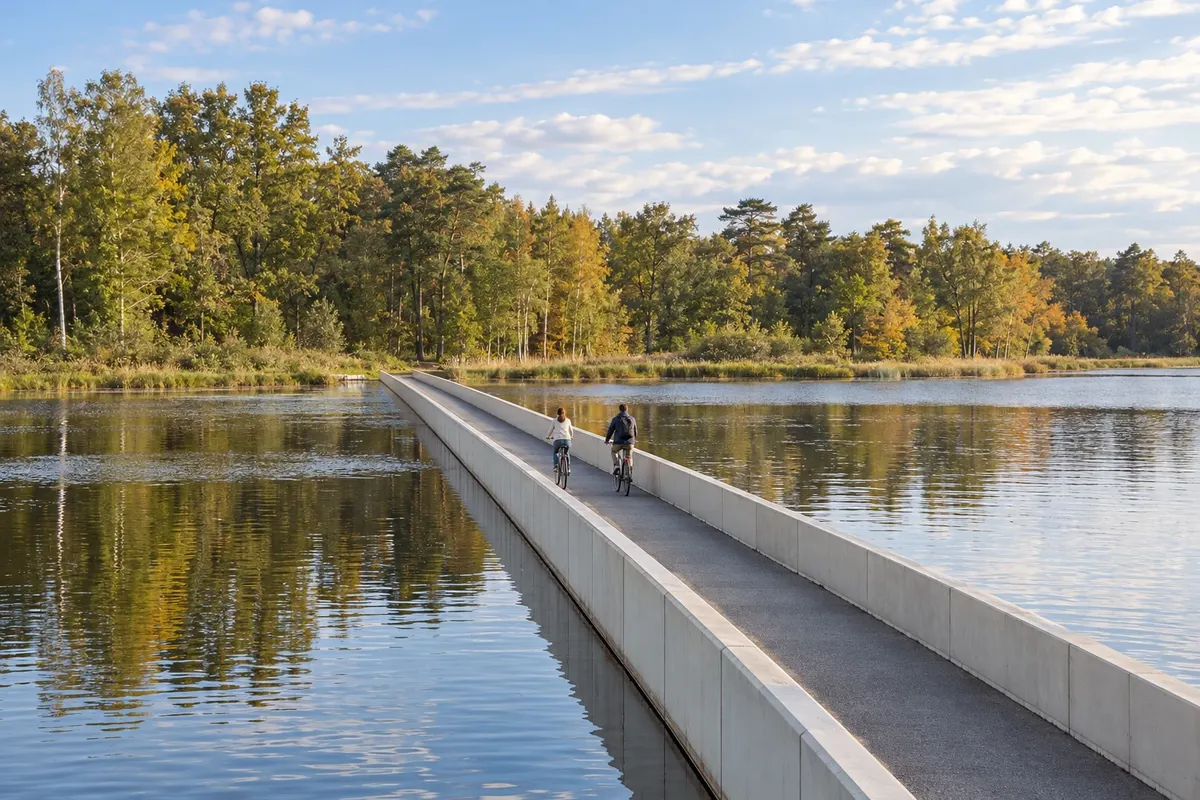
By bike: Fietsen door het water (Bokrijk) and Fietsen door de bomen (Bosland)
From Hasselt or Genk Bicycle, with car sections between the two bike paths about 6 hours full day easy (flat terrain)
Limburg is Flanders’ cycling province, with a network of bike routes organised by numbered junctions (fietsknooppunten). Two bike paths stand out.
Fietsen door het water (cycling through the water) is in the Bokrijk estate, near junction 91 of the network. It is a section of more than 200 m that crosses a lowered lake: the cyclist rides with water at eye level on both sides. It opened in 2016 and also serves pedestrians and runners.
Fietsen door de bomen (cycling through the trees) is in the Pijnven forest, in Hechtel-Eksel, inside Nationaal Park Bosland, near junction 272. It is a boardwalk of about 700 m and 3 m wide that rises up to 10 m among the pine crowns, in the shape of a double circle with a 100 m diameter.
The two are located in different parts of the province: you can do each one on a half-day bike ride, or drive between them and cycle around each.
Stops: Fietsen door het water, Bokrijk, Fietsen door de bomen, Pijnven, Hechtel-Eksel, Nationaal Park Bosland.
Includes: Both bike paths are freely accessible and open year-round. Bicycle rental is paid separately; in Bokrijk there is rental at parking 1 during the season.
Tip: Go on a weekday and early: on sunny weekends there is a queue to cross. In Bokrijk, combine it with the Openluchtmuseum.
Best time: From April to October, with long days. In July and August, weekends are busier.
Landcommanderij Alden Biesen (Bilzen): castle and gardens of the Teutonic Order
From Tongeren or Hasselt Car or bicycle about 3 hours afternoon easy
Alden Biesen, in Rijkhoven in the municipality of Bilzen, was the seat of a commandery (landcommanderij) of the Teutonic Order, the knightly order founded during the Crusades, which managed its estates in the Meuse and Rhine regions from here. The current buildings date from the 16th to the 18th centuries. The castle, surrounded by a moat, was built in the 16th century and became a baroque residence in the 18th. A fire in 1971 destroyed much of the main building, which was later restored.
Inside the castle, the DOMUS museum tells the story of the Teutonic Order, with an audio guide. The French gardens, geometric and inspired by Versailles, feature clipped hedges, the Alden Biesen rose and citrus in pots in spring and summer. The English park, dating from 1786, has winding paths, an artificial river, a temple of Minerva and a viewpoint. Around it, more than 40 hectares of orchards with tall trees gather over 500 varieties of fruit. The baroque church is in the outer courtyard.
The estate hosts events throughout the year, such as the Scottish Weekend, with bagpipe bands, in September.
Stops: Alden Biesen, Rijkhoven, Bilzen, DOMUS.
Includes: The English park and the courtyards are freely accessible every day. The DOMUS museum and the French gardens require a separate ticket on days when the museum is open; check the current pricing schedule.
Tip: Alden Biesen is about 5 km from Bilzen station, with no regular bus: go by car, by bicycle, or by the De Lijn Flex on-demand bus. From Tongeren it’s about a 15-minute drive.
Best time: From April to October, when the gardens are in bloom and the fruit trees flower in April. The museum closes during some periods of the year: check before you go.


 Brazil
 Argentina
 Bolivia
 Chile
 Colombia
 Ecuador
 Guyana
 French Guiana
 Falkland Islands (Malvinas)
 Paraguay
 Peru
 Suriname
 Uruguay
 Venezuela
 Germany
 Austria
 Croatia
 Denmark
 Spain
 Finland
 France
 Greece
 the Netherlands
 Hungary
 Ireland
 Iceland
 Italy
 Luxembourg
 Norway
 Poland
 Portugal
 the United Kingdom
 the Czech Republic
 Sweden
 Switzerland
 Turkey
 the United States
 Mexico
 the Dominican Republic
 South Africa
 Australia
 Fiji