Podravska
Maribor and Ptuj
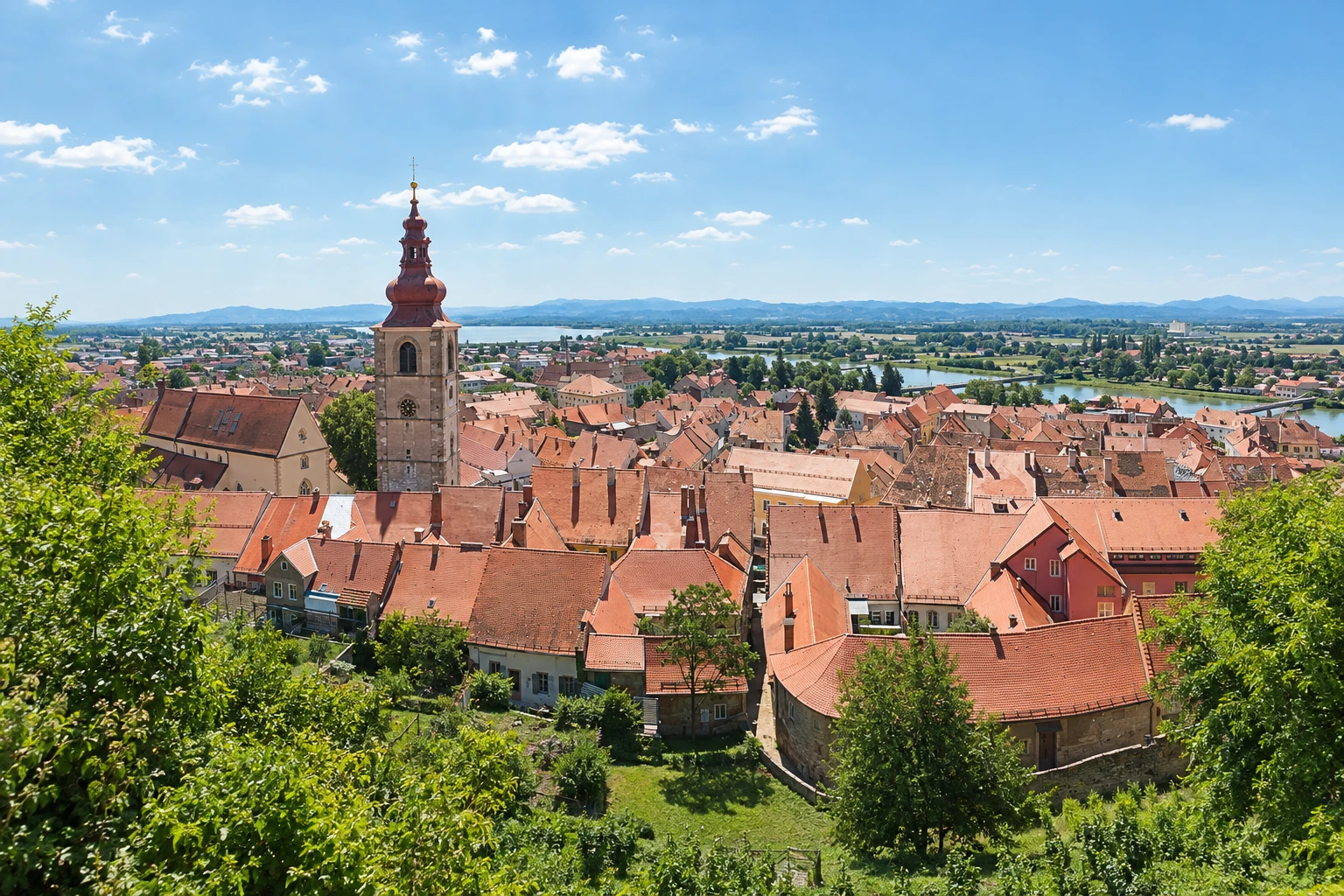
Two historic towns on the Drava River in Slovenian Styria: Maribor's Stara trta, Ptuj Castle, the Roman town of Poetovio and the wine-covered hills.

 Search
 Brazil
 Antarctica
 Argentina
 Bolivia
 Chile
 Colombia
 Ecuador
 Falkland Islands (Malvinas)
 French Guiana
 Guyana
 Paraguay
 Peru
 Suriname
 Uruguay
 Venezuela
 Austria
 Belgium
 Croatia
 Denmark
 Finland
 France
 Germany
 Greece
 Hungary
 Iceland
 Ireland
 Italy
 Luxembourg
 Norway
 Poland
 Portugal
 SlovakiaSlovenia
 Spain
 Sweden
 Switzerland
 the Czech Republic
 the Netherlands
 the United Kingdom
 Turkey
 Bermuda
 Canada
 Greenland
 Mexico
 Saint Pierre and Miquelon
 the United States
 the Dominican Republic
 JapanTurkey
 Egypt
 South Africa
 Australia
 Fiji
 New Zealand
 Papua New Guinea
Slovenia travel guide
What to do, when to go and how to get there, destination by destination.
6 routes · 17 destinations · 59 citiesin Slovenia
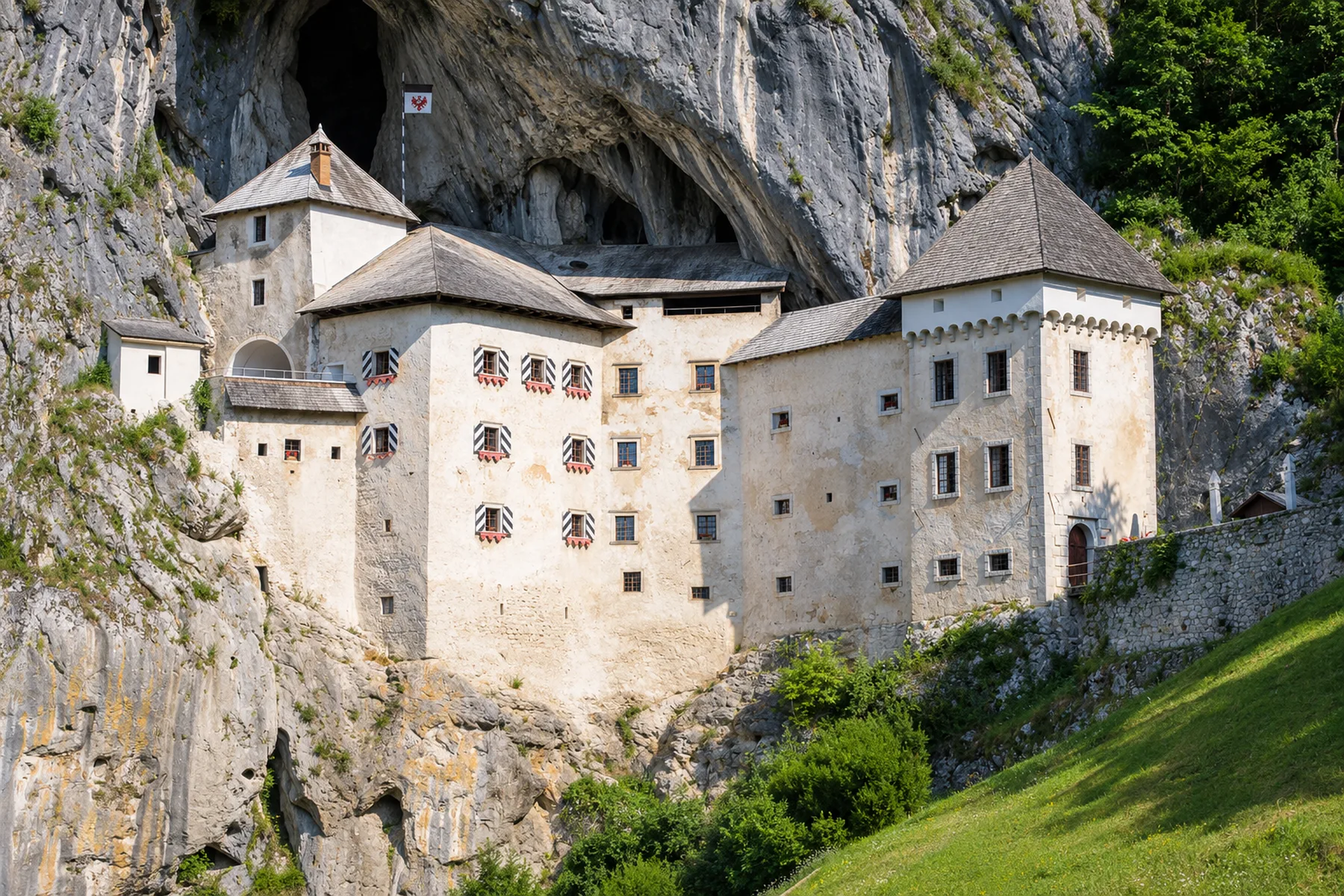
In the photo: Predjama Castle — Postojna
Illustrative images. The pictures in this guide are illustrations based on the real place, not photographs, and may differ from it.

A destination is a region you visit as a single trip: it can bring together several cities or be a large city with everything it offers. Each destination has the tours, the itineraries, the best time to go month by month and how to get there.
The guide currently has 17 destinations, with 55 cities in 10 regions.
Today's highlights
A destination is more than a city: it's everything you can experience there.
Two historic towns on the Drava River in Slovenian Styria: Maribor's Stara trta, Ptuj Castle, the Roman town of Poetovio and the wine-covered hills.
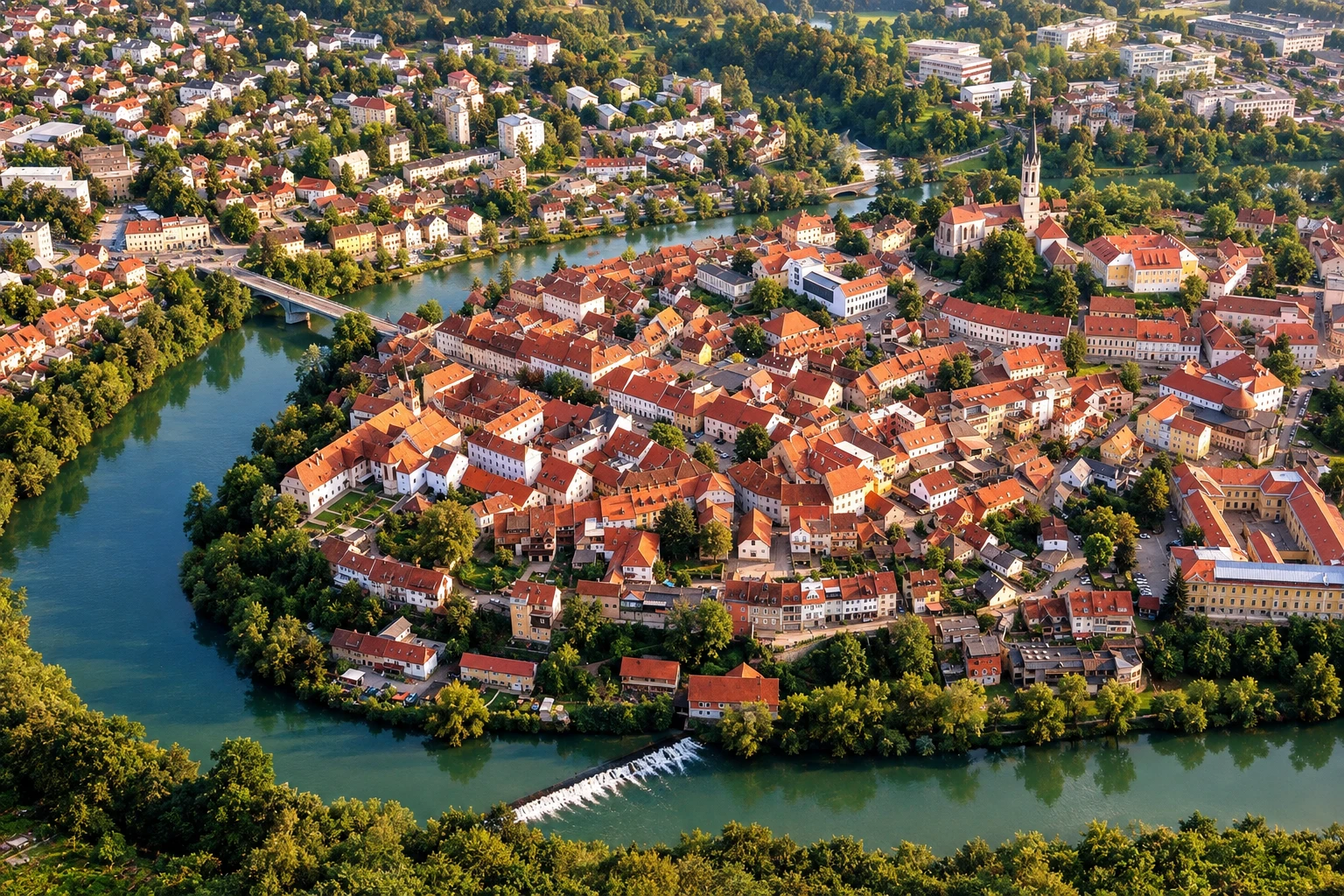
The Krka River among vineyard-covered hills: Novo mesto, the city of situlas, the castle on the island of Otočec, the Pleterje Carthusian monastery and Kostanjevica, the small town on a river island.
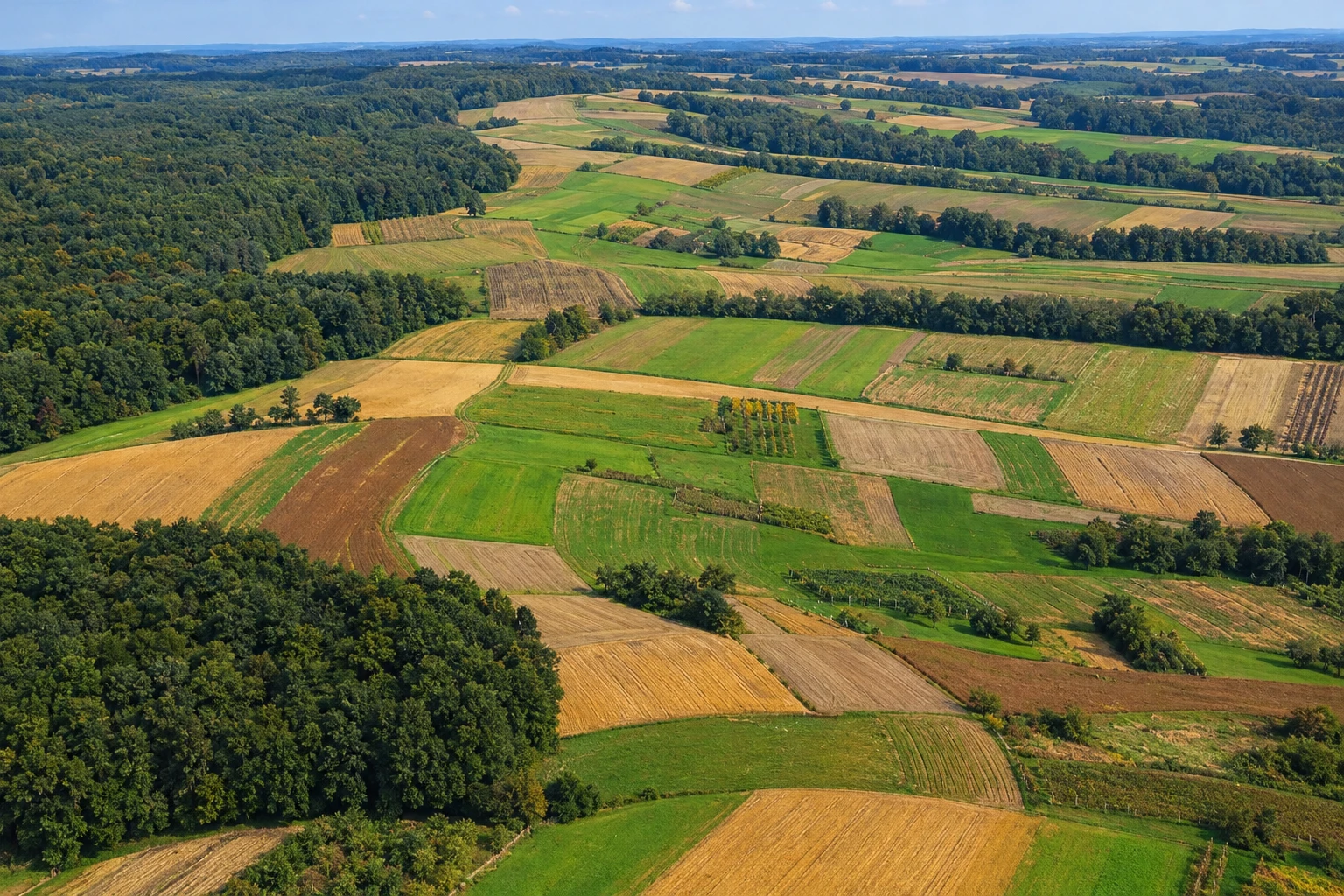
The plain of the Mura River in the far northeast: thermal spas, storks, the hills of Goričko, a floating mill and medieval churches with frescoes, plus Plečnik’s church in Bogojina.
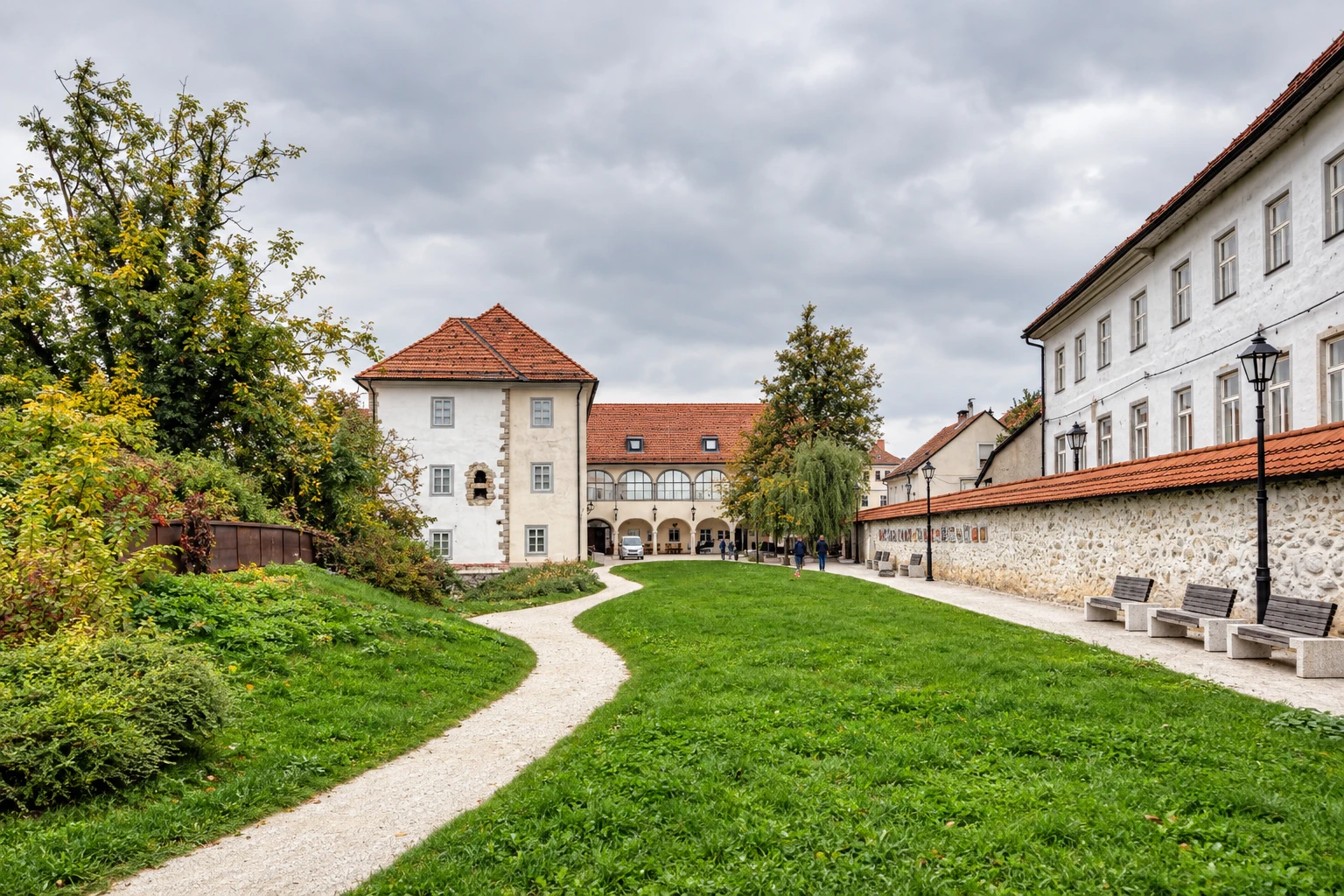
Two medieval towns in Gorenjska, a few kilometers from Ljubljana Airport: Škofja Loka, of the bishops of Freising, and Kranj, the town of the poet Prešeren, above the Kokra gorge.
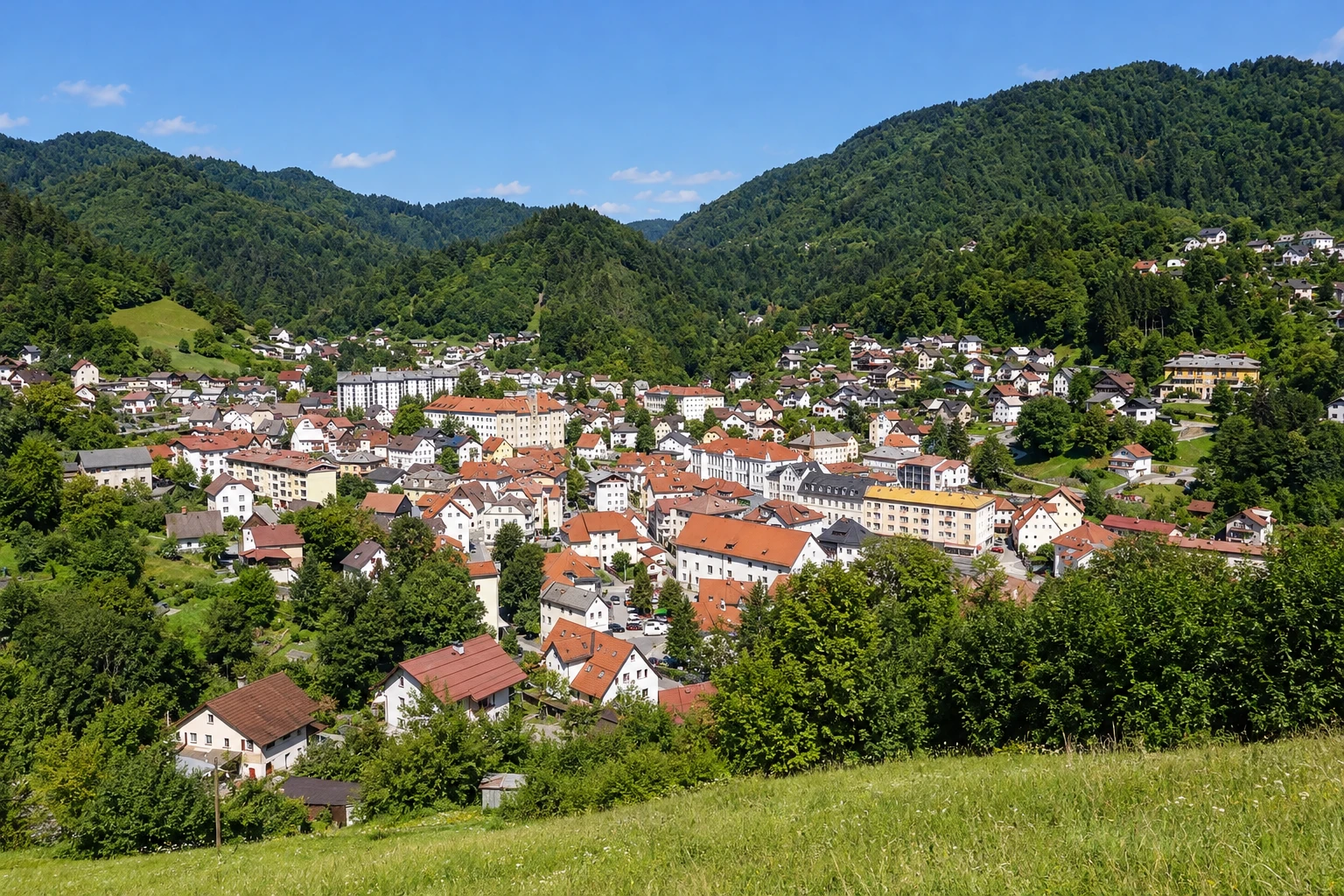
A mining town in a valley between hills, with five centuries of mercury mining recognized by UNESCO, the bobbin-lace tradition, and the spring of the lake Divje jezero.
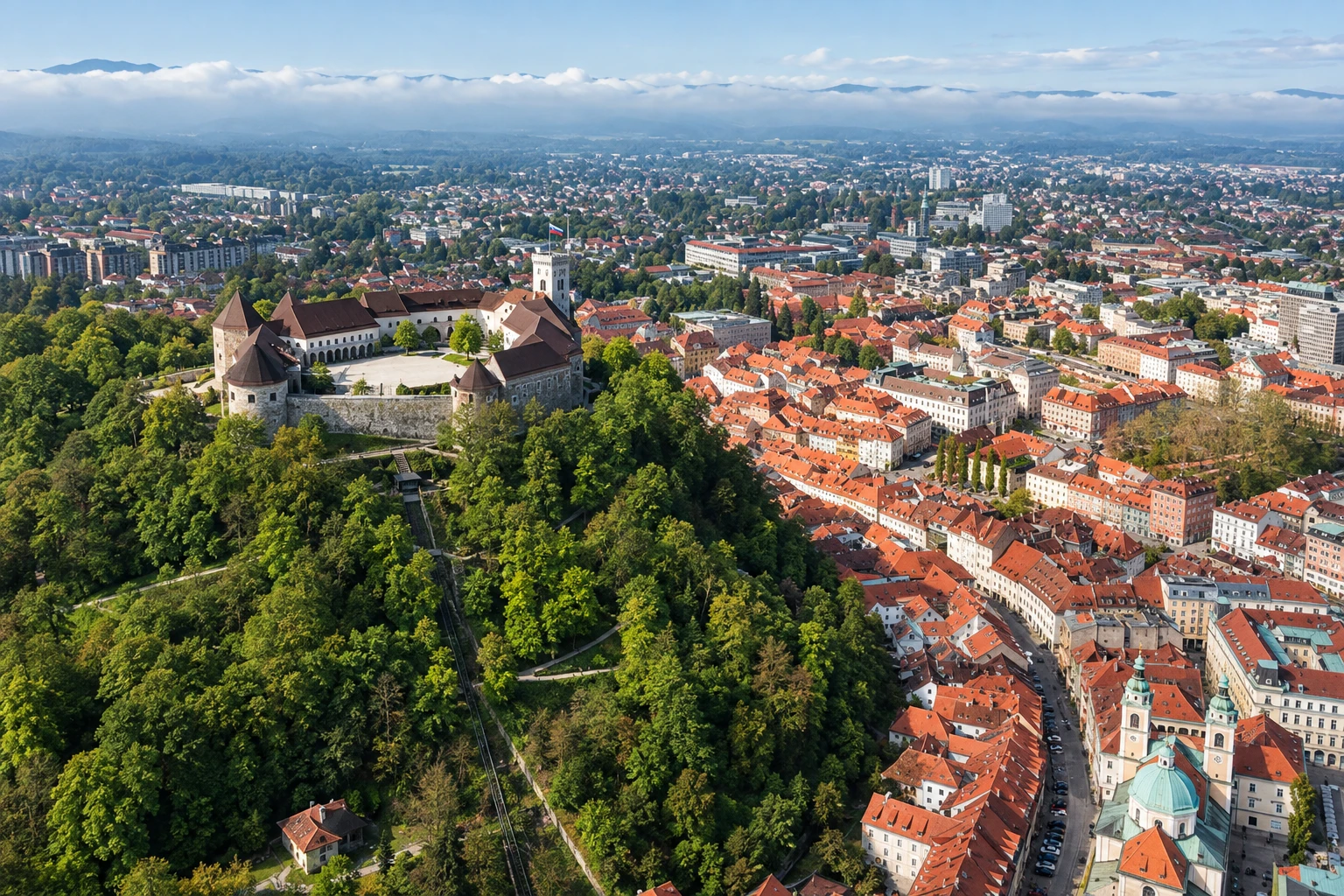
The capital of Slovenia on the banks of the Ljubljanica River: a hilltop castle, Jože Plečnik’s bridges, an open-air market and a center you can walk end to end.
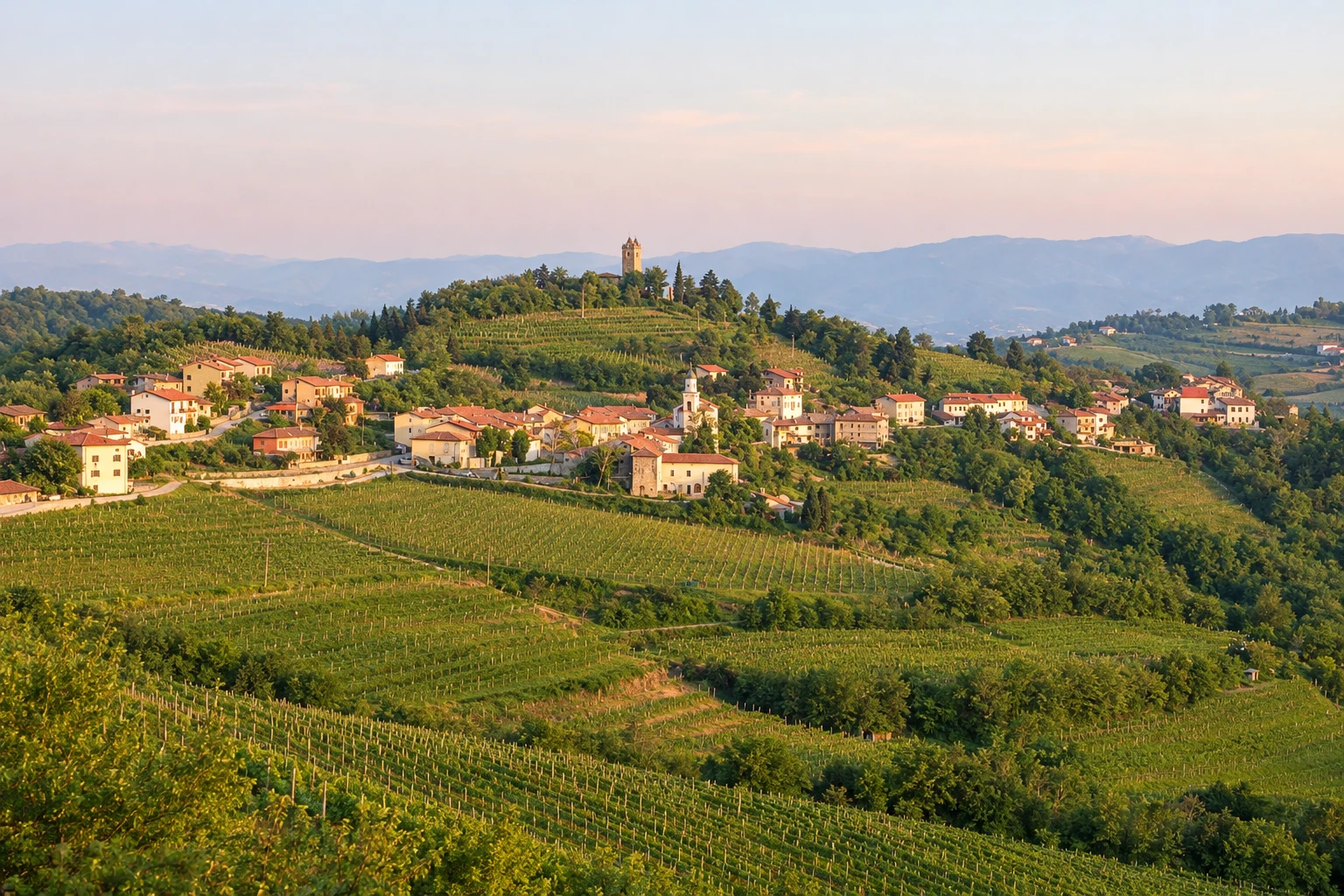
Vine-covered hills beside Italy and a Mediterranean-climate valley: Nova Gorica and Gorizia, the Solkan bridge, the walled village of Šmartno and the springs of the Vipava.
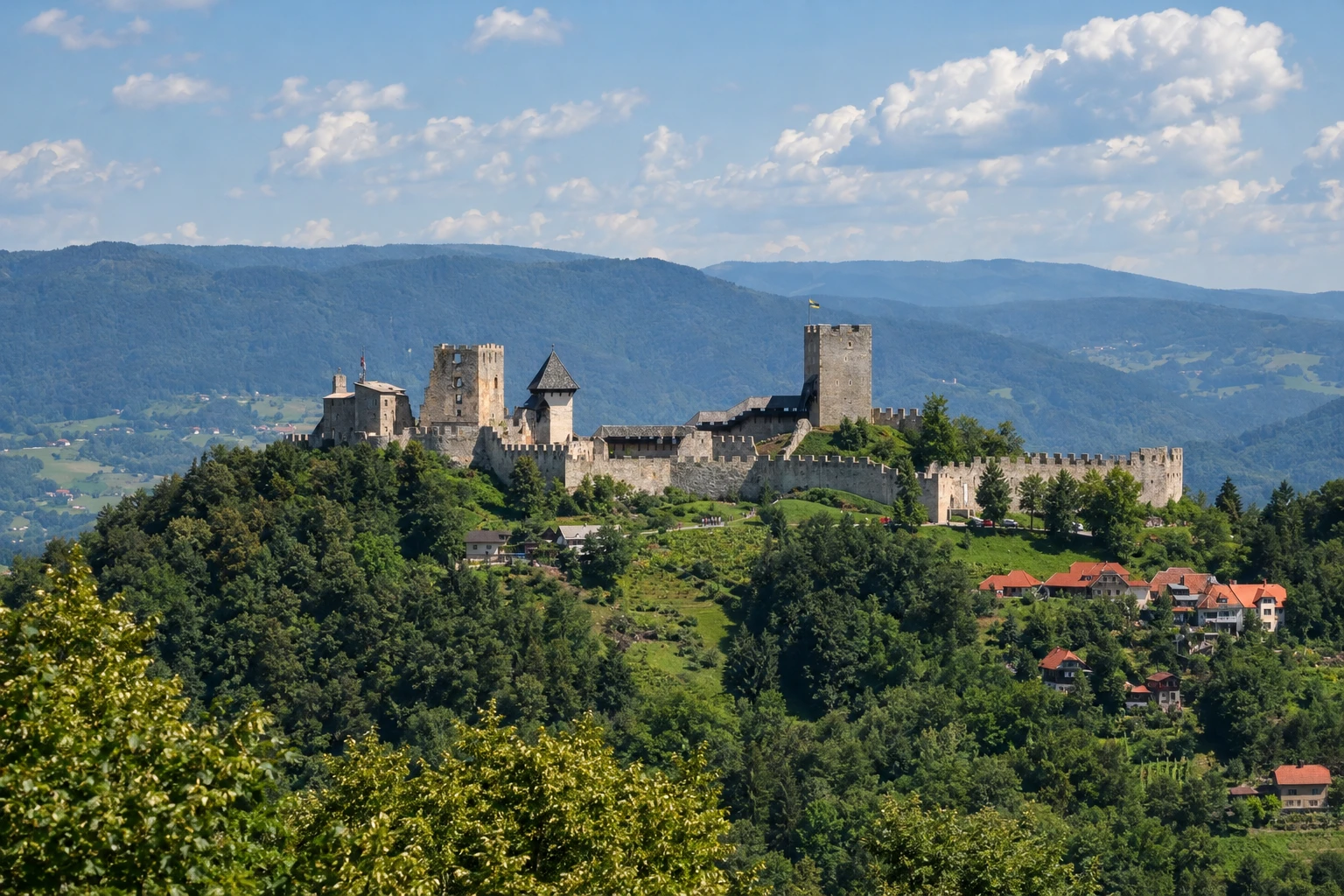
The town of the Counts of Celje, with the country’s largest castle above the Savinja and the Roman Celeia beneath the old town, and the spas of Laško and Rogaška Slatina a few kilometres away.
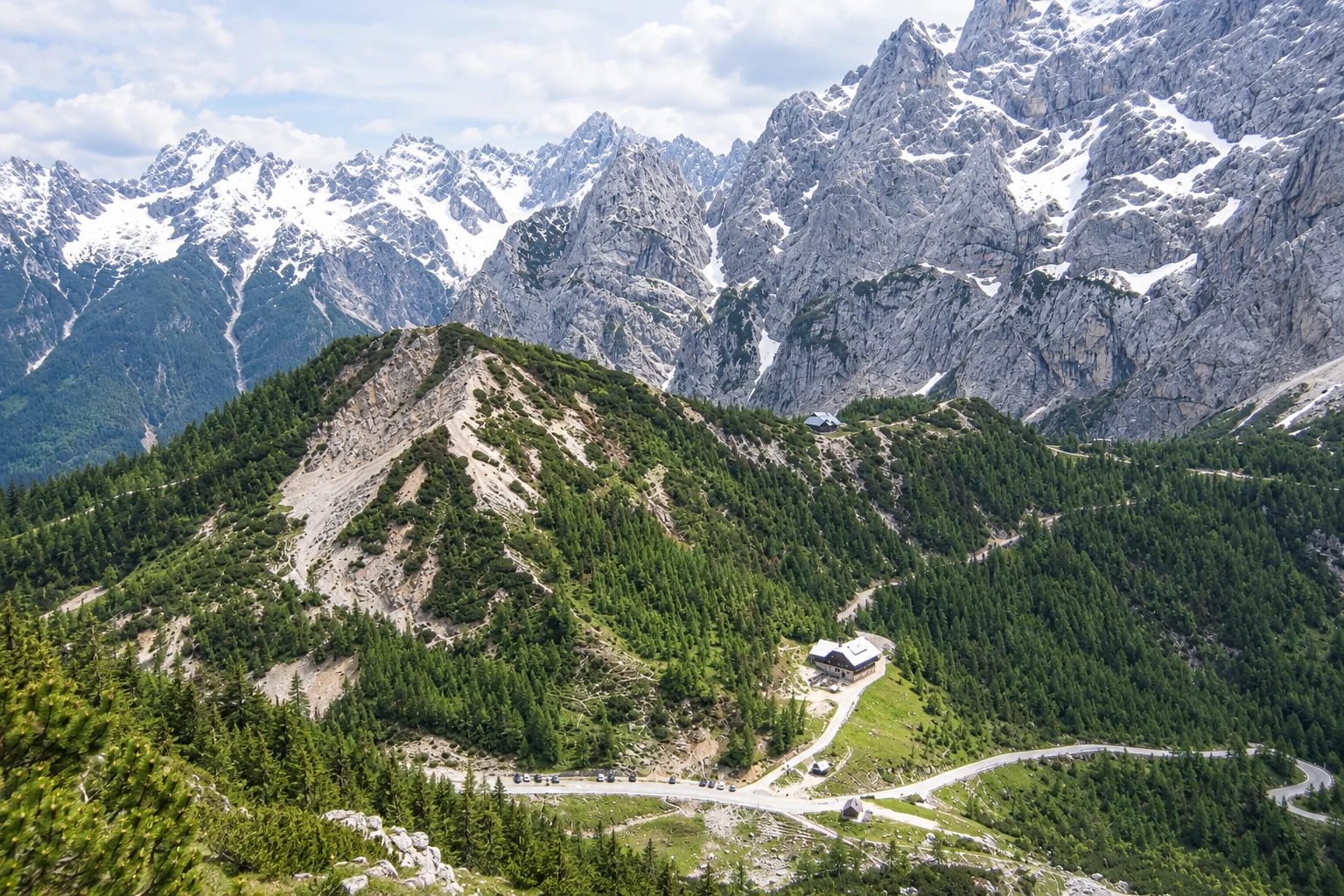
Alpine valley of the upper Sava, next to Italy and Austria: Lake Jasna, the Planica ski jumps, the Zelenci spring and the Vršič pass road.
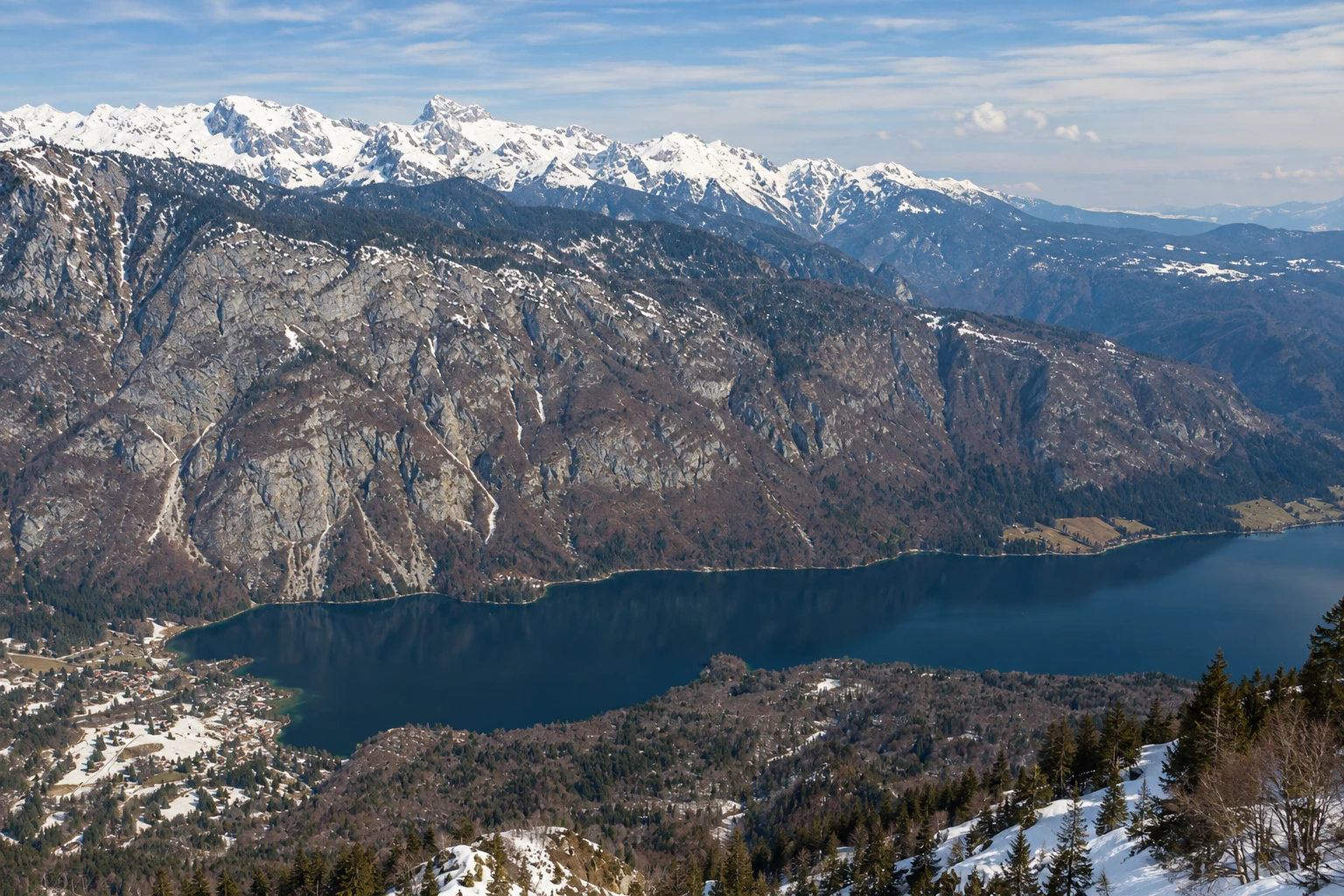
The largest permanent natural lake in Slovenia, surrounded by the peaks of Triglav National Park: the Savica waterfall, the Vogel cable car, and the trails to the country’s highest mountain.
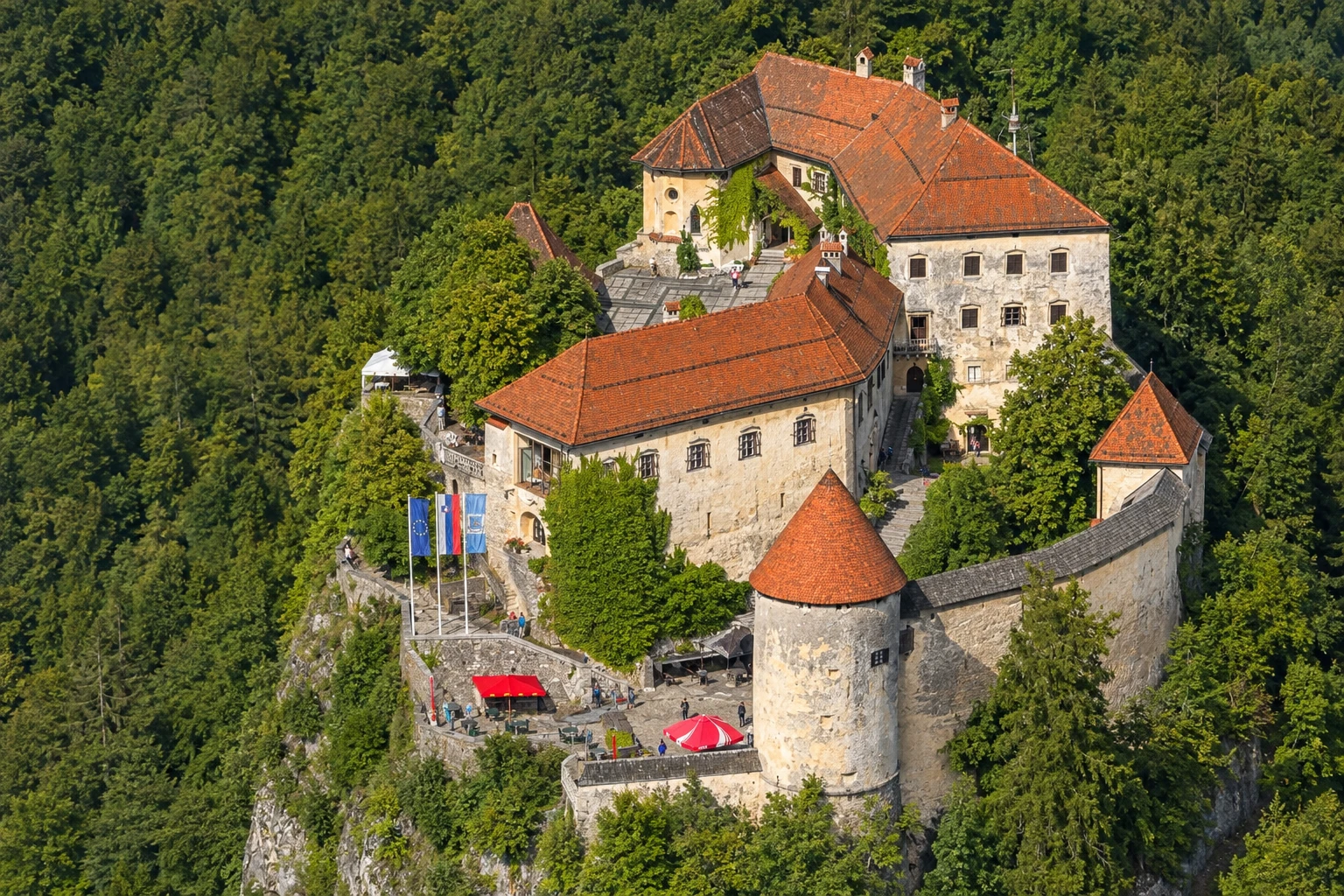
Lake Bled with the country’s only natural island, the church up 99 steps, the castle on the cliff and, a few kilometers away, the Vintgar Gorge and the old town of Radovljica.
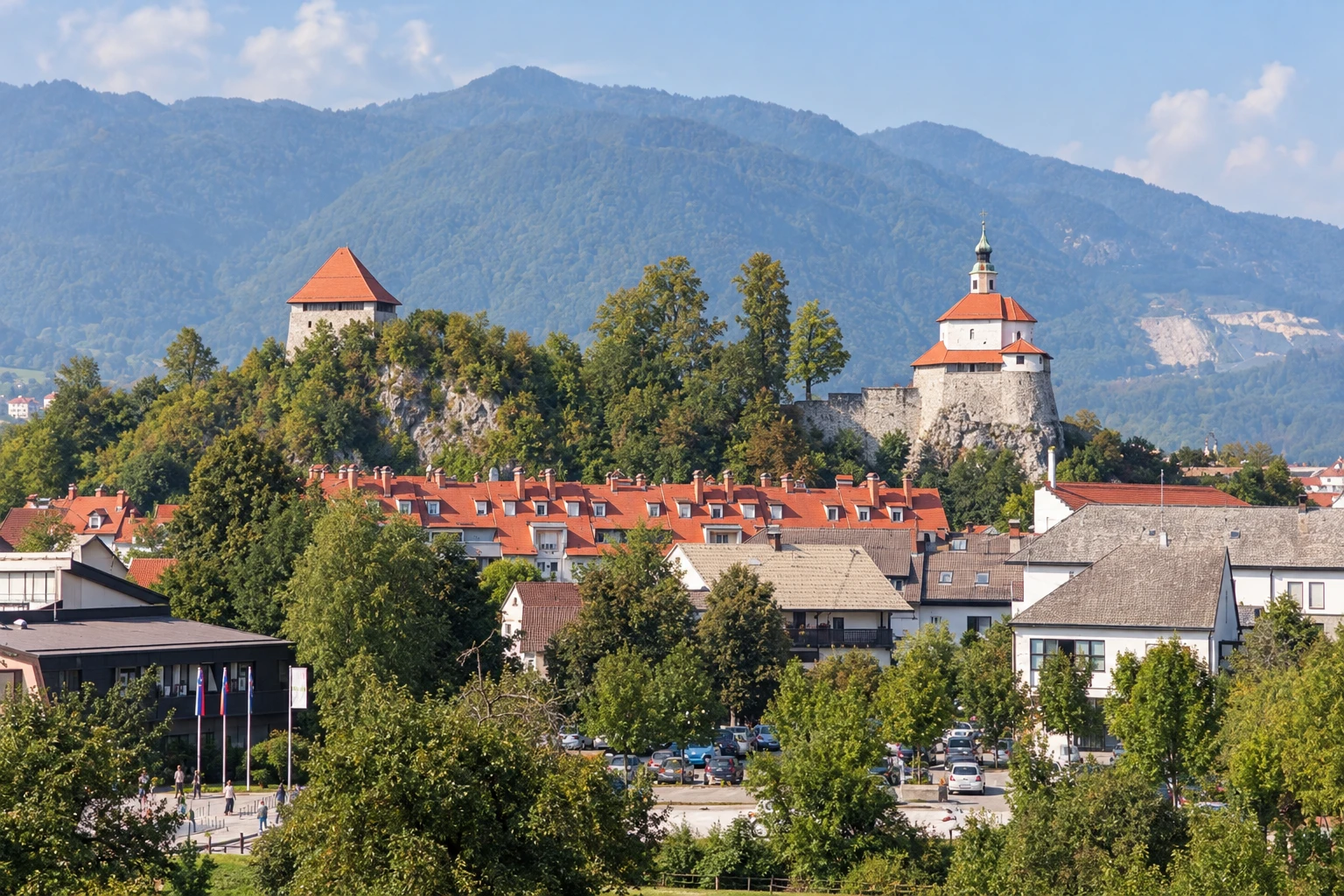
Medieval town on the edge of the Kamnik–Savinja Alps and, above it, the Velika Planina plateau with the wooden shepherd huts and the valley cable car.
Cities to start with
Each city has a page with what to do there.
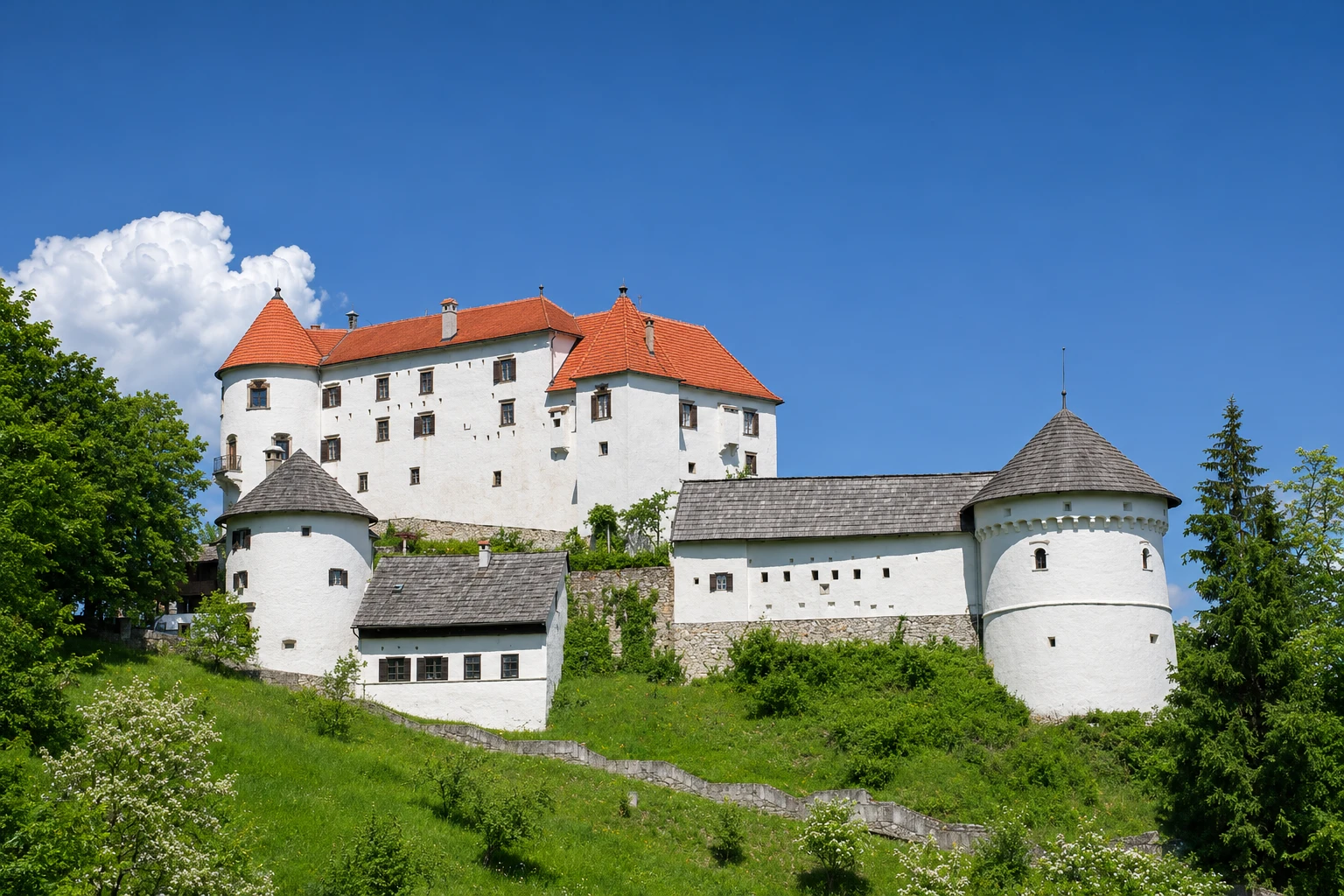
Velenje lies in the Šalek Valley in northern Slovenia. Velenje Castle stands high on a hillside and houses a museum of local history. West of the city center, Lake Velenje occupies a former mining area and has a beach where people swim during the warmer months.
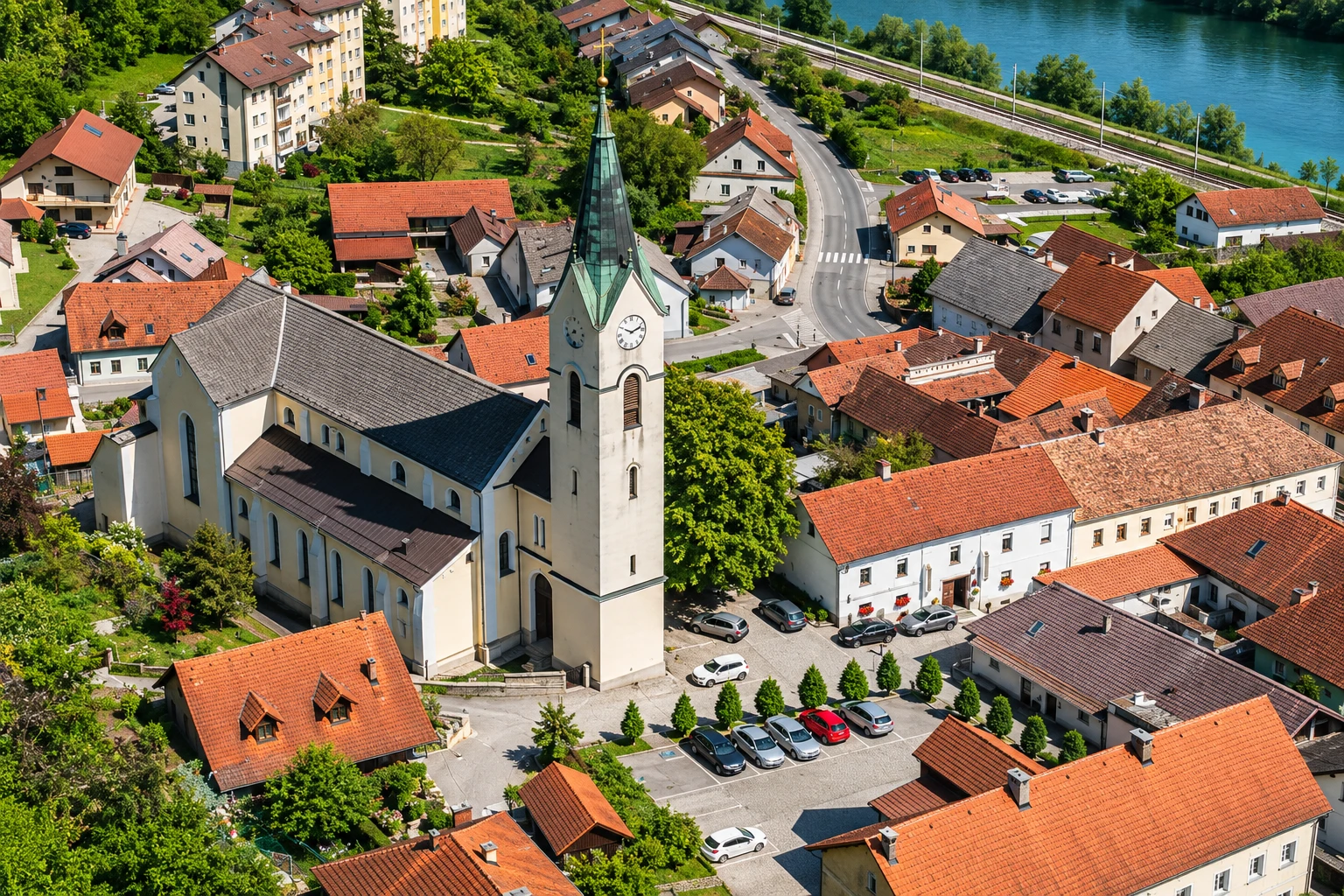
Sevnica lies on the left bank of the Sava, with the old town at the foot of a hill. Grad Sevnica dominates the slope and houses a Baroque painting of the four seasons. The streets around Glavni trg connect the old part to the path that climbs to the castle garden and vineyard.
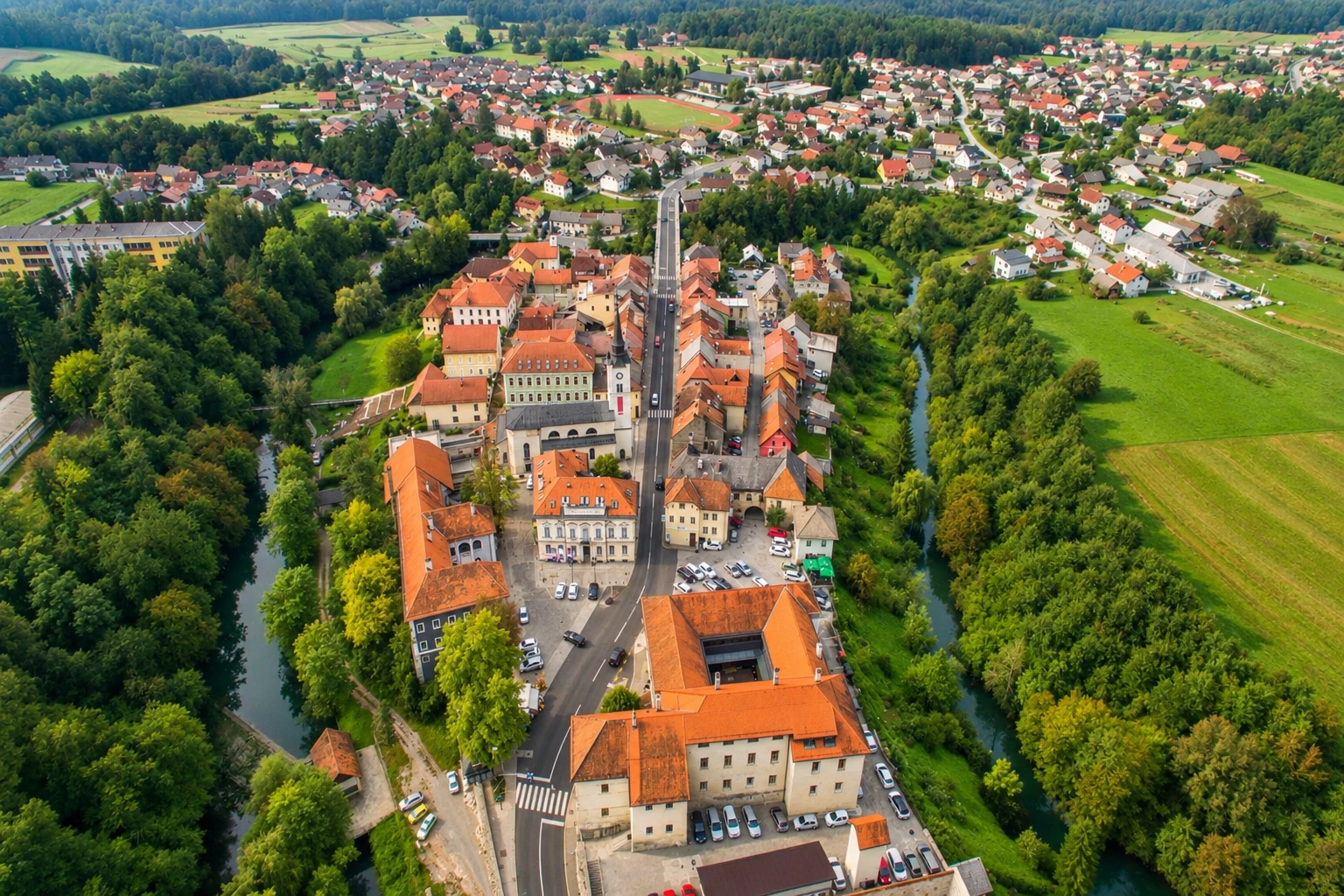
Črnomelj’s historic center occupies a strip of high ground between the Lahinja and Dobličica rivers. Near their confluence, Črnomelj Castle dominates Trg svobode. On Ulica Mirana Jarca, the town museum displays archaeological finds and documents about the early inhabitants of Bela krajina.
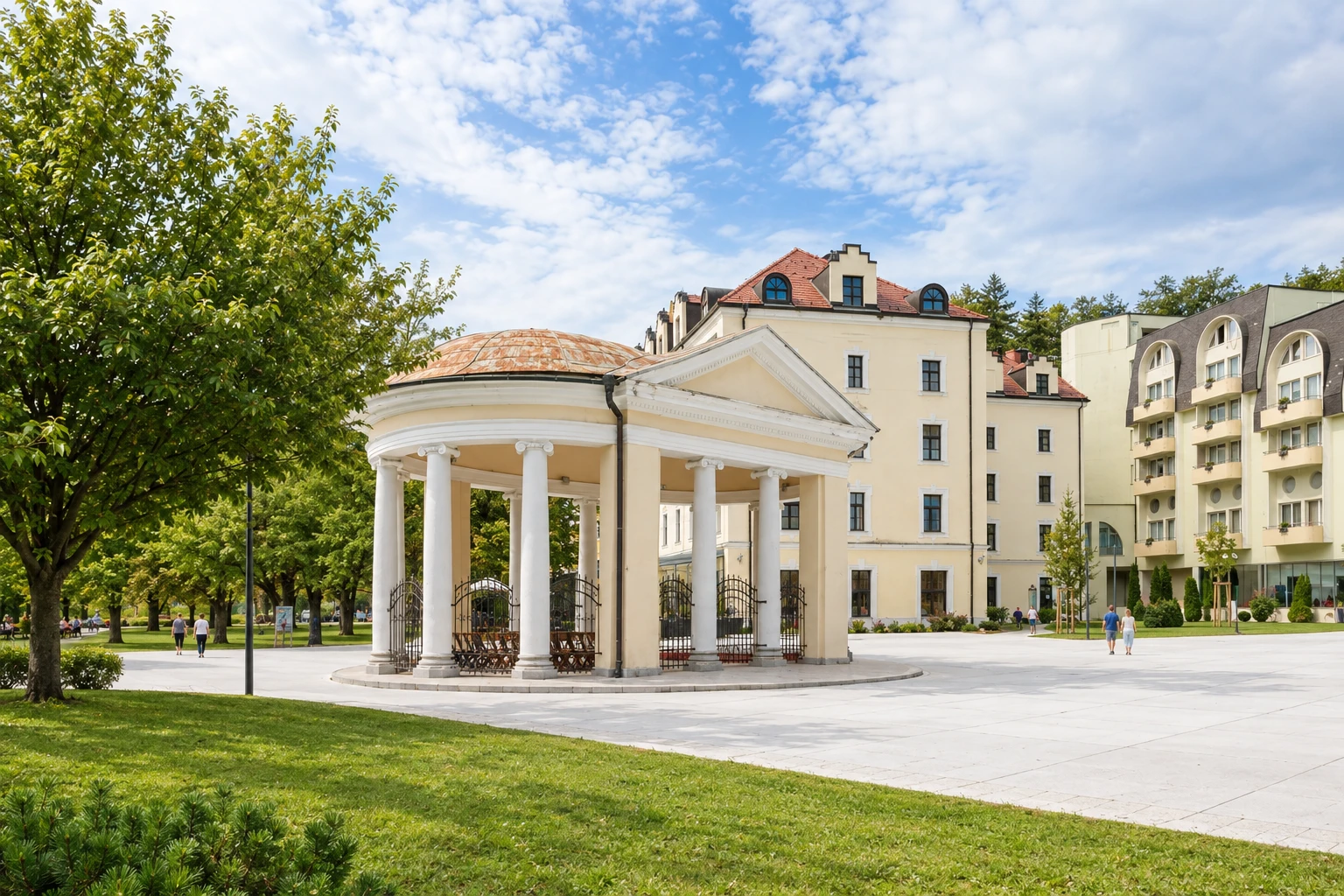
Spa town in eastern Slovenia, near the border with Croatia, with centuries of treatment traditions. It is known for Donat water, high in magnesium, which is drunk in the Pivnica water hall, for the spa park with 19th-century buildings, and for its crystal tradition. The Anin dvor museum tells the town’s history.
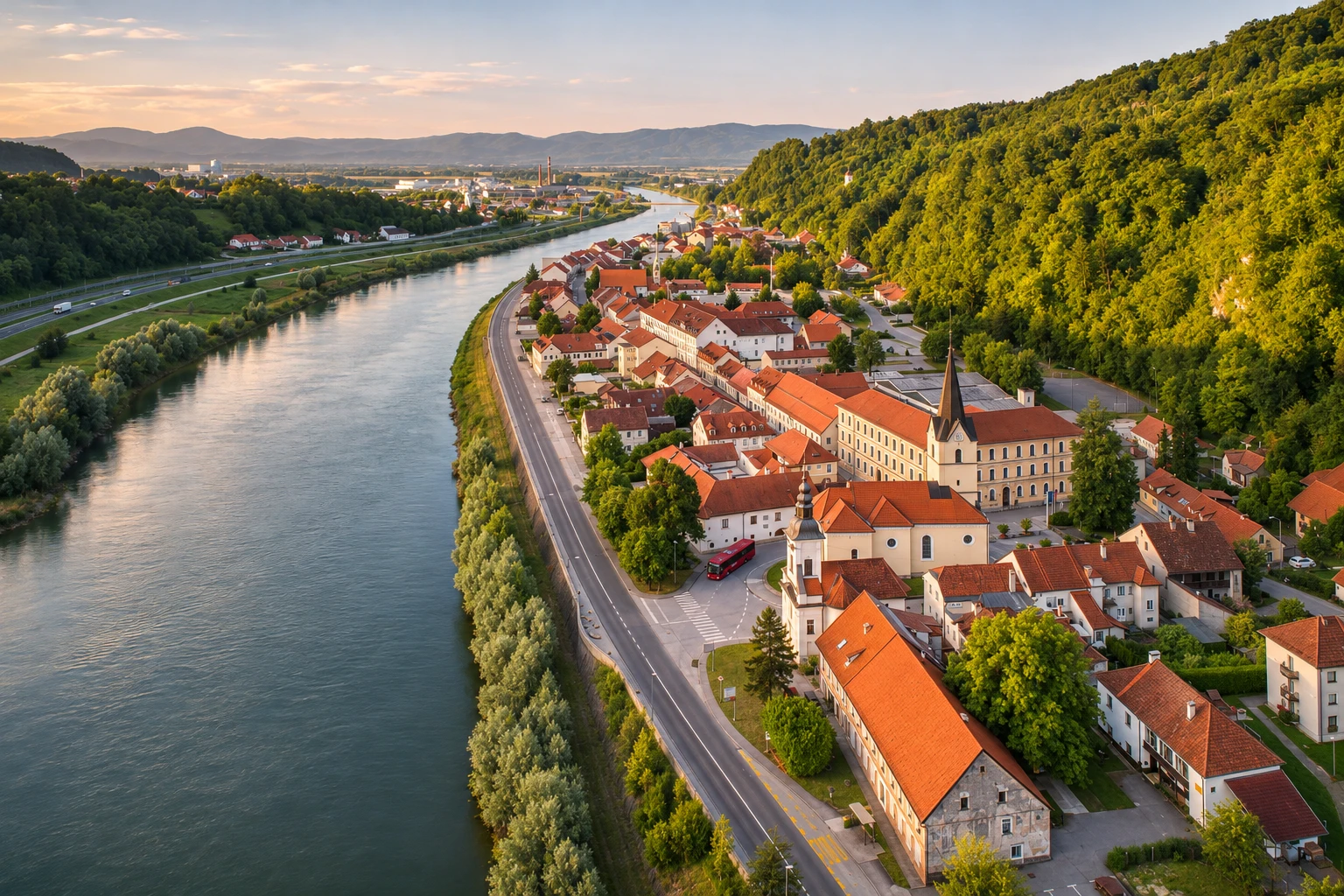
Krško occupies both banks of the Sava. In the old town, the municipal park and Hočevarjev trg square mark a short walking route. The municipality includes Brestanica, where Grad Rajhenburg sits above the river and houses exhibitions about the life of Trappist monks and other phases of the castle’s occupation.
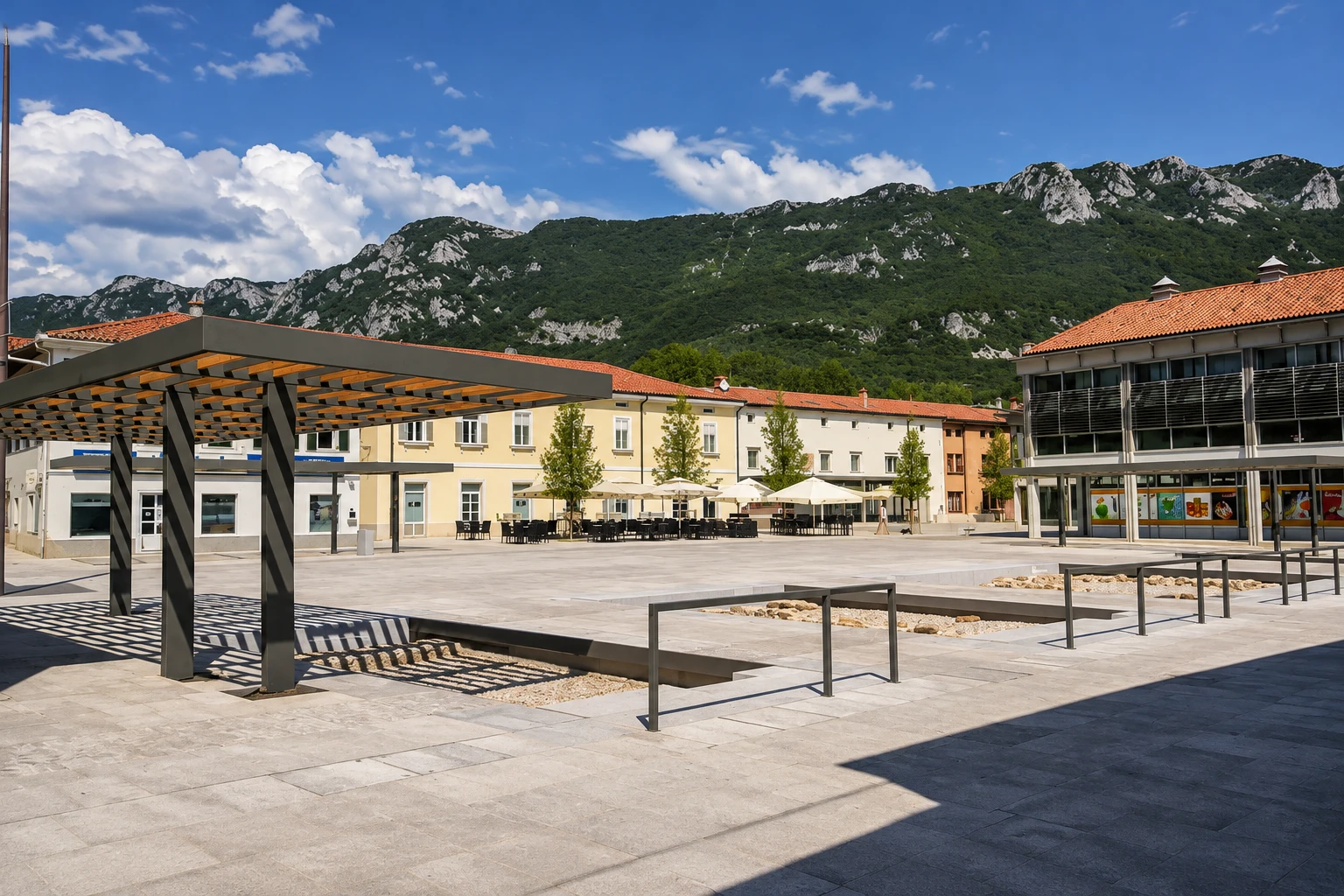
The center of Ajdovščina preserves walls, towers and foundations of the Roman fortress Castra. Lavričev trg square incorporates excavation remains into the pavement. On the other side of the Hubelj River lies Šturje, an old settlement that later became part of the town.
The map
Tap a region to see the names. Use two fingers to zoom in.
Boundaries: Geodetska uprava Republike Slovenije (GURS), Register prostorskih enot, 28/02/2024, license CC BY 4.0. Adapted by Cidade Turismo.
Slovenia
Another way into the same trip
Choose the region and the city to find your place in the guide.
Beyond the guide


