Pohorje by bike and the Bolfenk and Areh outdoor centers
From Lower station of the Pohorje gondola, Maribor Gondola and downhill by mountain bike, mountain cart or toboggan half a day to a full day full day moderate to difficult (bike park)
Mariborsko Pohorje, long known as a winter destination, now operates year-round with renovated lifts and the Bolfenk and Areh outdoor centres. Bike Park Pohorje Maribor has several mountain-bike trails. One of them, the World Cup, has been a downhill race course used in world-class events since 1999. The Flow Line, a blue trail, starts at the top station of the gondola and descends about 5.2 km with roughly 702 m of vertical drop to the valley: on the main line all obstacles can be rolled, which suits beginners, while signed red and black deviations lead to jumps for experienced riders. There are trails for beginners and families and others for advanced cyclists, divided between the Mariborsko Pohorje and Areh zones. Off the bike, the outdoor centres offer mountain-cart and monster-roller runs, zorbing in an inflatable ball that rolls downhill, and the PohorJet, a summer toboggan. A combined ticket includes the gondola ascent, a cart descent and one run on the toboggan. The outdoor season generally runs from late April to late September, with operations focused on weekends and public holidays.
Stops: Bike Park Pohorje Maribor, Flow Line, Bolfenk outdoor centre, Areh outdoor centre, PohorJet.
Includes: Gondola, bike park ticket and each activity paid separately.
Tip: At the bike park, wear a helmet and pads and start on the Flow Line to get used to the terrain. Check opening days before you go: outside summer holidays many facilities operate only on weekends.
Best time: Generally from late April to late September.
Ptuj Castle: arms, musical instruments and the view over the roofs
From Slovenski trg, Ptuj Walk up to the castle and visit the museum 2 to 3 hours morning or afternoon easy (short climb and stone paving)
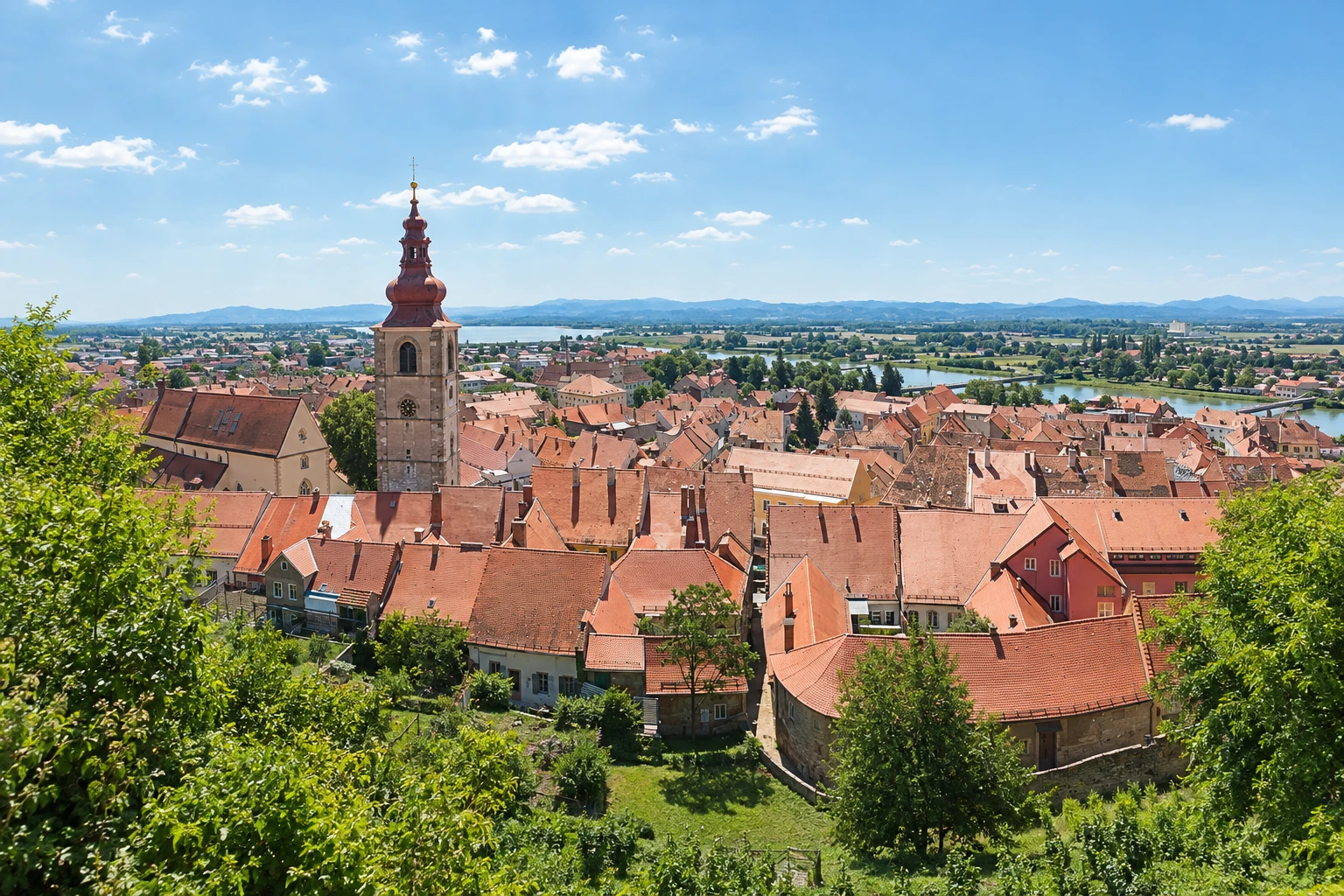
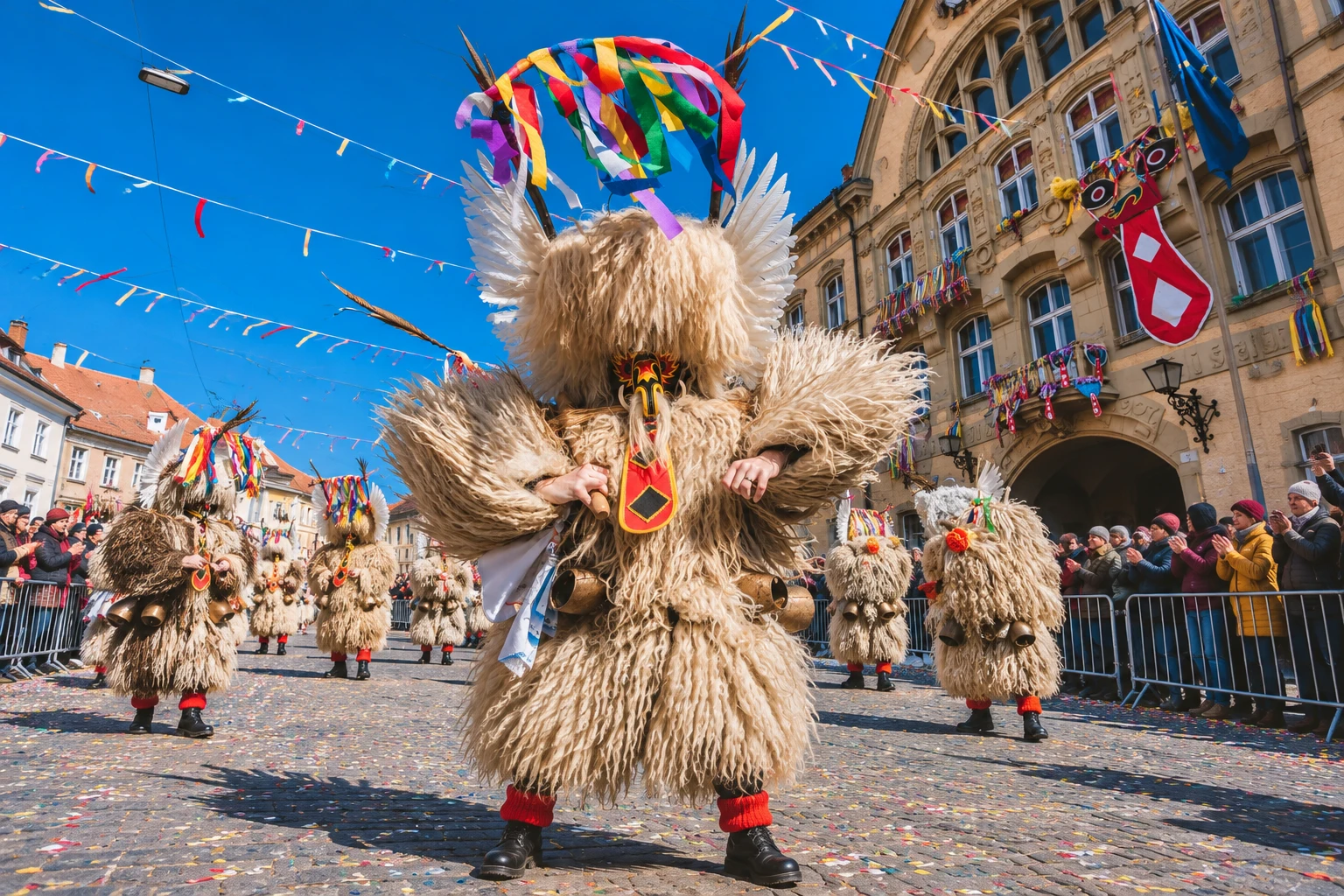
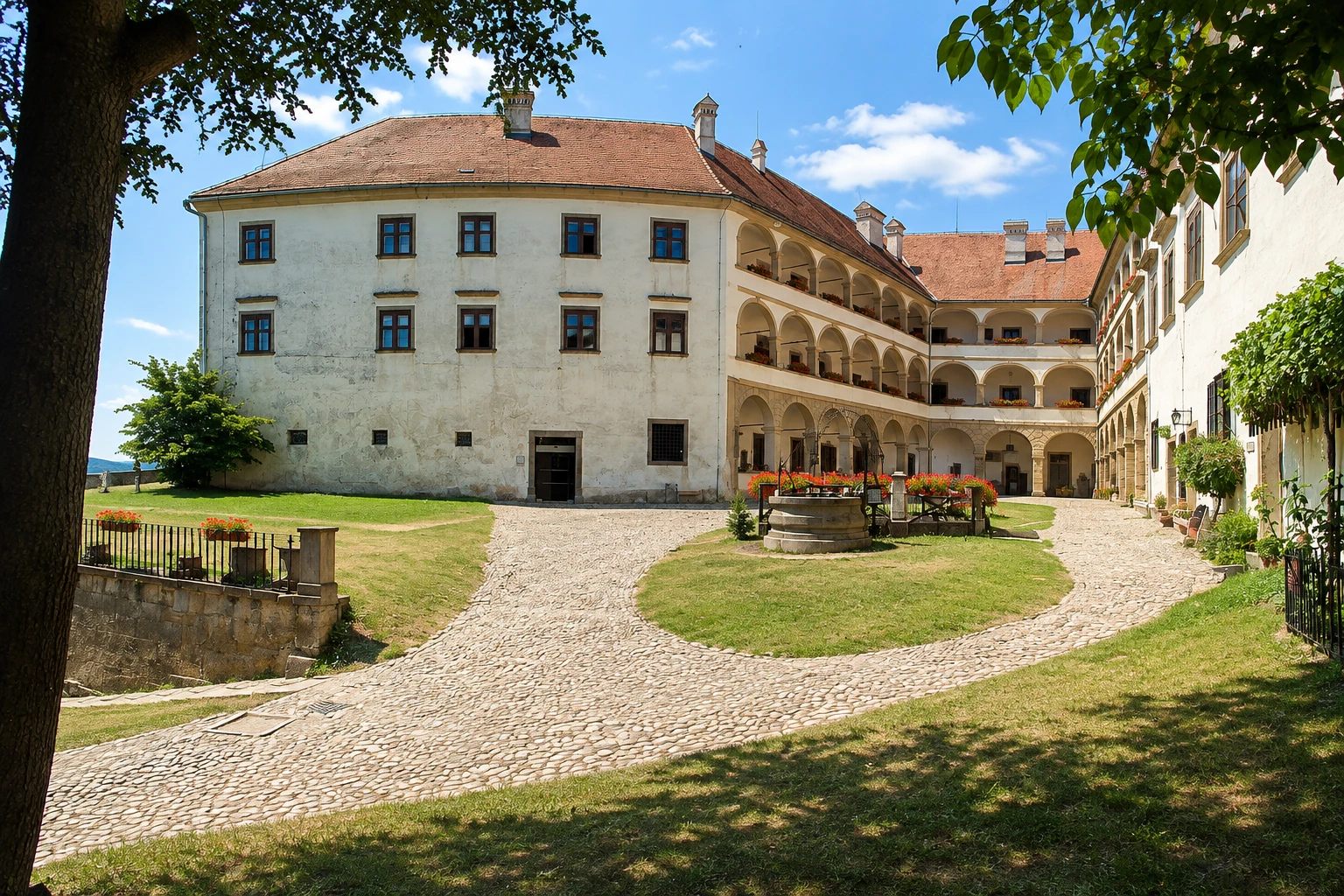
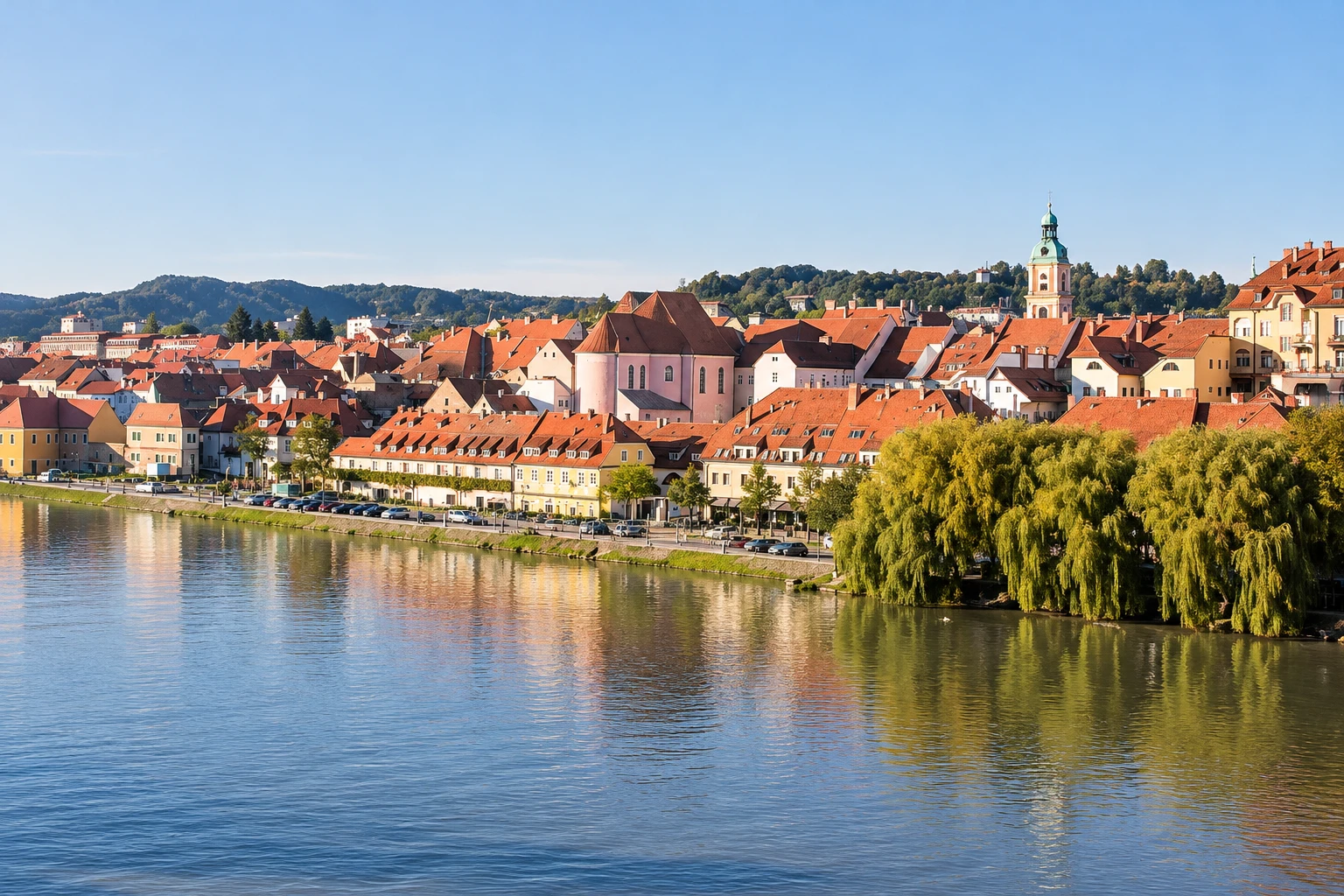
Ptuj Castle (Ptujski grad) occupies the hill above the old town and the Drava. The hill was inhabited in the Neolithic from the 5th millennium BCE; in Roman Poetovio it held public buildings, and in the Early Middle Ages it served as a cemetery. Remains of the medieval fortress date to the 11th century, when the castle and town belonged to the archbishopric of Salzburg. In 1132 the archbishops granted the castle as a fief to the lords of Ptuj, who administered it for more than three hundred years. Between 1656 and 1802 it belonged to the Leslie family, a noble house of Scottish origin, who converted it into a Baroque residence. The collections of the Ptuj–Ormož Regional Museum occupy the rooms: in the 12th-century Romanesque hall there are over 500 weapons from the 15th to the 20th century, with 16th-century armour and five of the oldest cannons preserved in the country; the largest collection of historical musical instruments in Slovenia, about 300 pieces, including a Roman tibia from the 2nd or 3rd century; furnished rooms with Brussels tapestries and 17th-century Turquerie paintings; a Gothic and Baroque art gallery; and the carnival mask collection, including the kurent. From the courtyard and terraces you can see the tiled roofs, the river and the surrounding hills. Beneath the halls, the castle cellar holds a cask of 40,410 litres.
Stops: Ptuj Castle (Ptujski grad), Ptuj–Ormož Regional Museum, Castle cellar.
Includes: Museum admission ticket paid separately; wine tasting in the castle cellar extra.
Tip: Opening hours change with the season, with longer days in summer: check before you go up. The walk up from the centre is short and along a stone-paved path.
Best time: All year; from May to October the days are longer and the terraces are more rewarding.
Old town of Ptuj: Slovenski trg, Orpheus Monument, town tower and monasteries
From Mestni trg, Ptuj Walk through the old town about 3 hours morning or afternoon easy
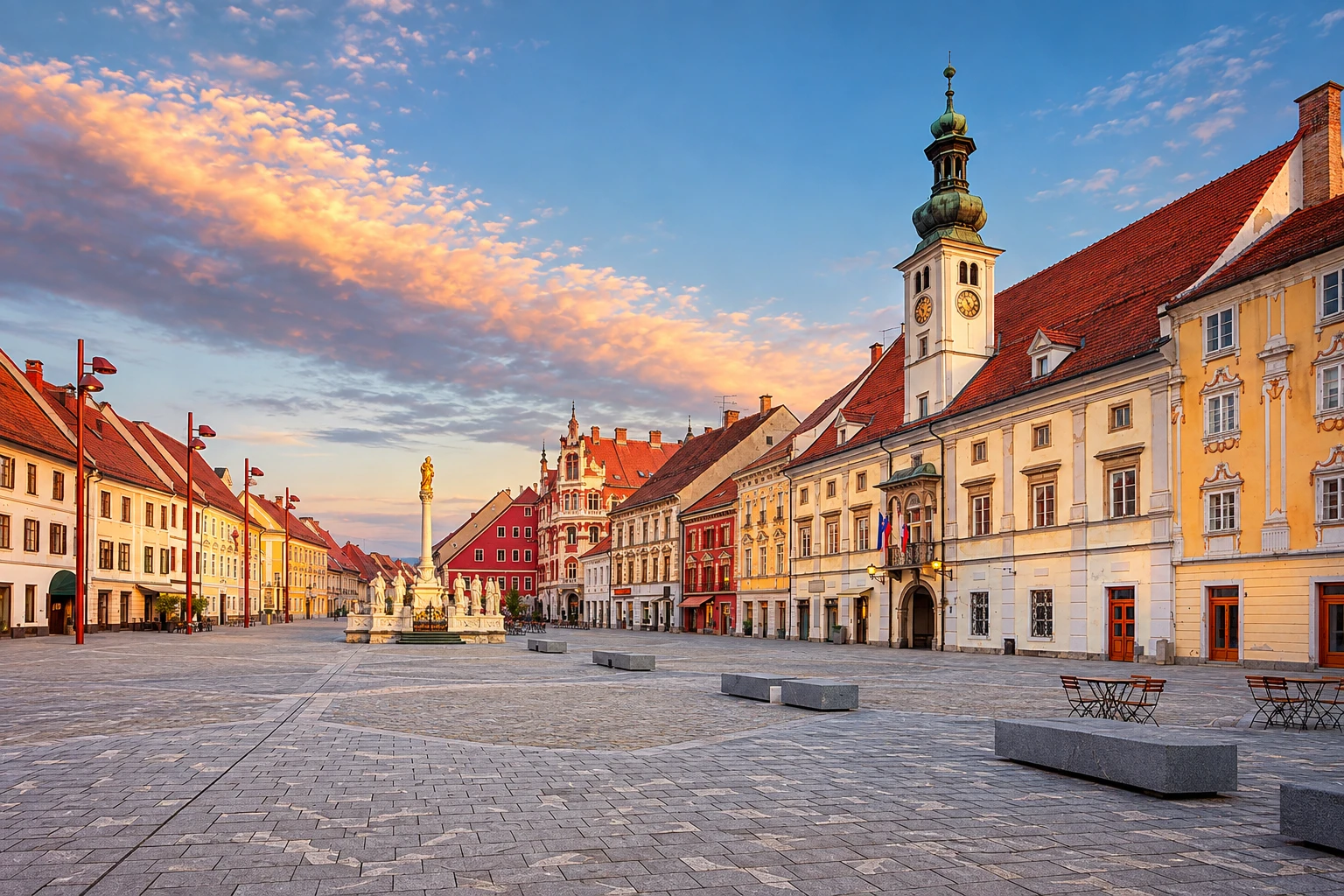
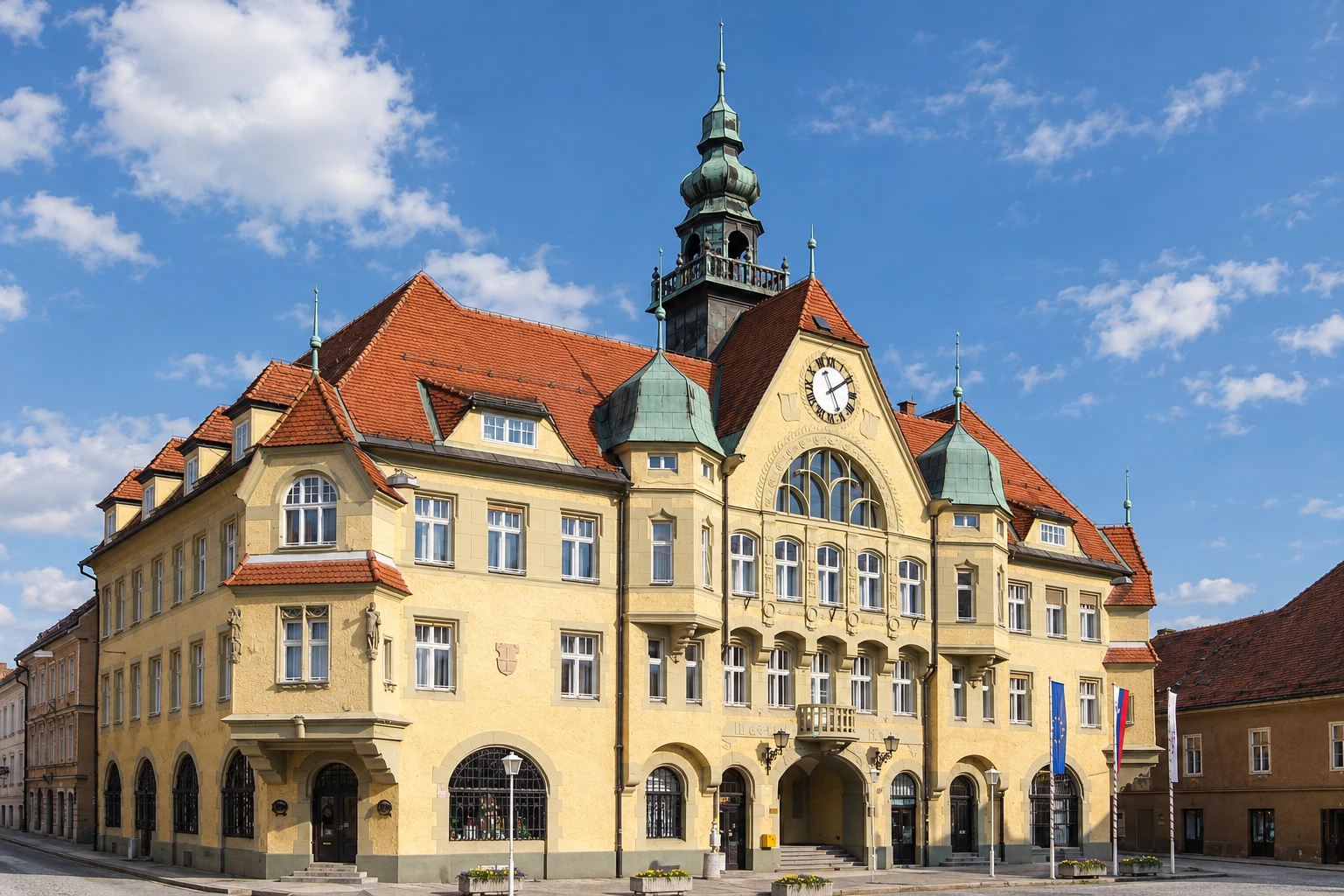
Ptuj preserves its medieval layout and the center is explored on foot. At Mestni trg, the square favored by locals, stand the town hall, dating from the early 20th century, the statue of Saint Florian and the tourist information center. A few streets on is Slovenski trg, the former main square, funnel-shaped and paved with pebbles. There is the Orpheus Monument (Orfejev spomenik), a nearly 5-meter Roman tombstone carved from a single block of marble of about 7 tons, still in the place where the Romans erected it; the reliefs show Orpheus playing the lyre, and in the Middle Ages the stone served as a pillory. Behind it rises the City Tower, an old watchtower mentioned as early as 1376, with a baroque onion dome and Roman stones embedded in its walls: it has a clock on only three faces, and tradition says residents left the side facing the castle without a clock because the lords didn’t want to pay their share. Next to it are the country’s oldest open-air lapidary and the 12th-century Church of Saint George, with the three-panel Laib altar and 15th-century choir stalls. The Dominican Monastery, founded in 1230, has a Gothic cloister and a baroque refectory and opens in the warmer part of the year. The Minorite Monastery, from the 13th century, houses a library with more than 5,000 books. By the river, the 16th-century Drava Tower, the largest of the six defensive towers, hosts the Mihelič Gallery.
Stops: Mestni trg, Slovenski trg, Orpheus Monument (Orfejev spomenik), City Tower, Church of Saint George, Dominican Monastery, Minorite Monastery, Drava Tower.
Includes: Free walk; monasteries and galleries have separate entry or visits by arrangement.
Tip: The Minorite Monastery receives visitors by appointment: ring the bell at the gate or arrange ahead. The House of the Kurent on Murkova ulica displays the carnival character outside the festival period.
Best time: All year; the Dominican Monastery usually opens from April to early autumn.
Roman Ptuj: the Mithraea and Panorama hill
From Ptuj old town On foot on Panorama hill; by car, bicycle or taxi to the sanctuaries about 3 hours morning or afternoon easy
Ptuj was the Roman Poetovio, the largest Roman settlement on the territory of present-day Slovenia, headquarters for troops and customs and tax offices. The Poetovio Archaeological Park gathers what remains of that city at several points. Panorama hill, a green area in the middle of Ptuj, hides an entire district under the grass: geophysical surveys have revealed well-preserved remains of houses, storehouses, shrines, workshops and streets. The paths follow the layout of the ancient Roman streets, with panels at the most interesting sections and views toward the castle. Poetovio was also one of the largest centres of Mithras worship in Europe, brought by soldiers from the East; five sanctuaries have been found. The Mithraeum I, at Spodnja Hajdina west of the centre, is the oldest in the Danubian provinces: it was built in the mid-2nd century by Illyrian customs officials and is preserved in situ, with dedication stones, a rock relief of Mithras’s birth and an altar showing the bull-sacrifice scene. The Mithraeum III, at Zgornji Breg, discovered in 1913, is the largest; dating from the 3rd century, it lies under a protective shelter and contains altars dedicated by soldiers of Legions XIII Gemina and V Macedonica.
Stops: Panorama hill, Mithraeum I (Spodnja Hajdina), Mithraeum III (Zgornji Breg).
Includes: Panorama hill is free. Guided visits to the Mitra III Sanctuary are booked through the regional museum at least three days in advance and are charged separately.
Tip: Both sanctuaries are outside the old town: arrange transport and book visits in advance. If you have little time, stick to Panorama and the Roman stones at Slovenski trg.
Best time: From April to October; in August the Roman Games recreate a period camp.
Ptuj cellar (Ptujska klet): guided visit and archive wines
From Vinarski trg, Ptuj Guided walking tour with wine tasting 1 to 2 hours afternoon easy
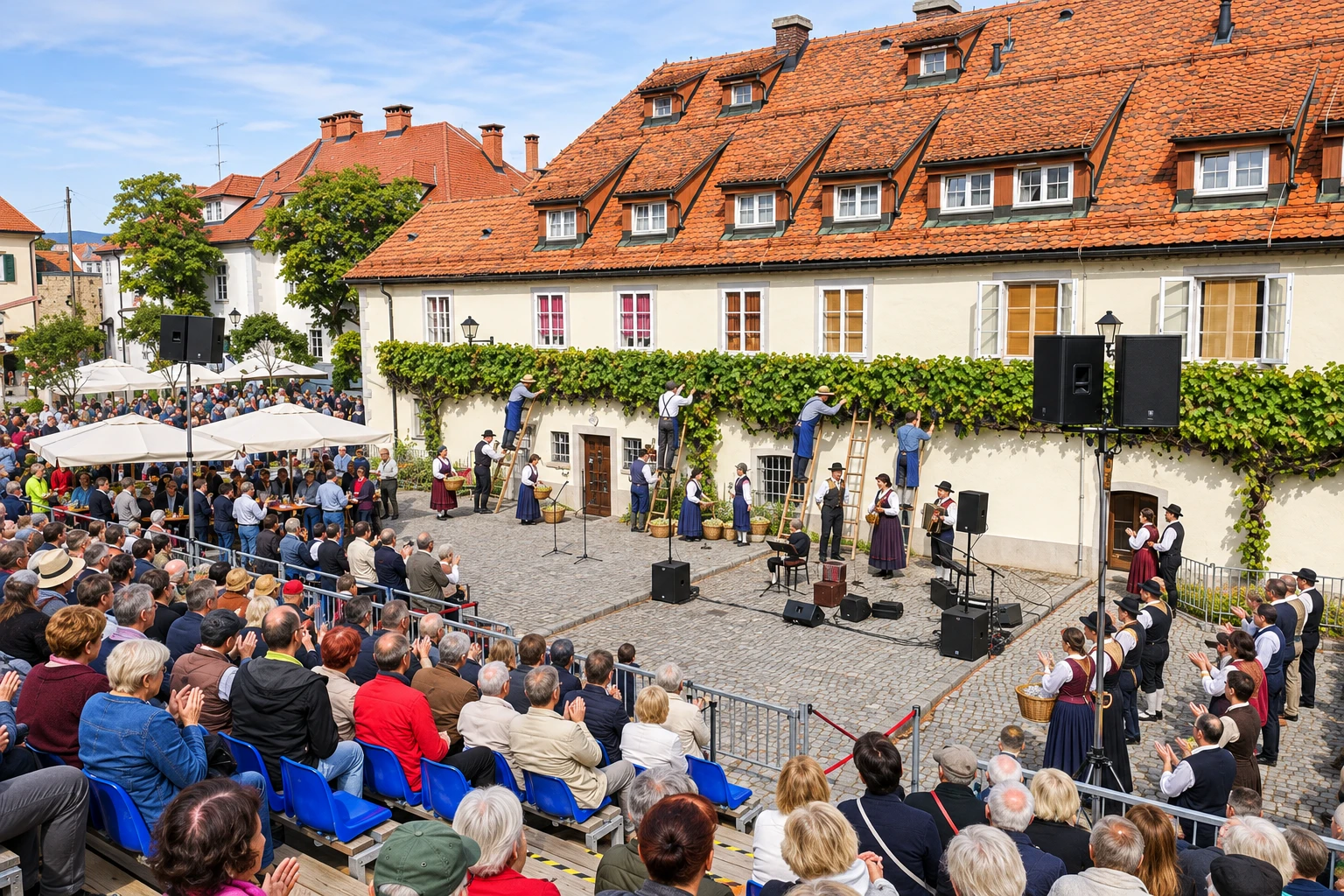
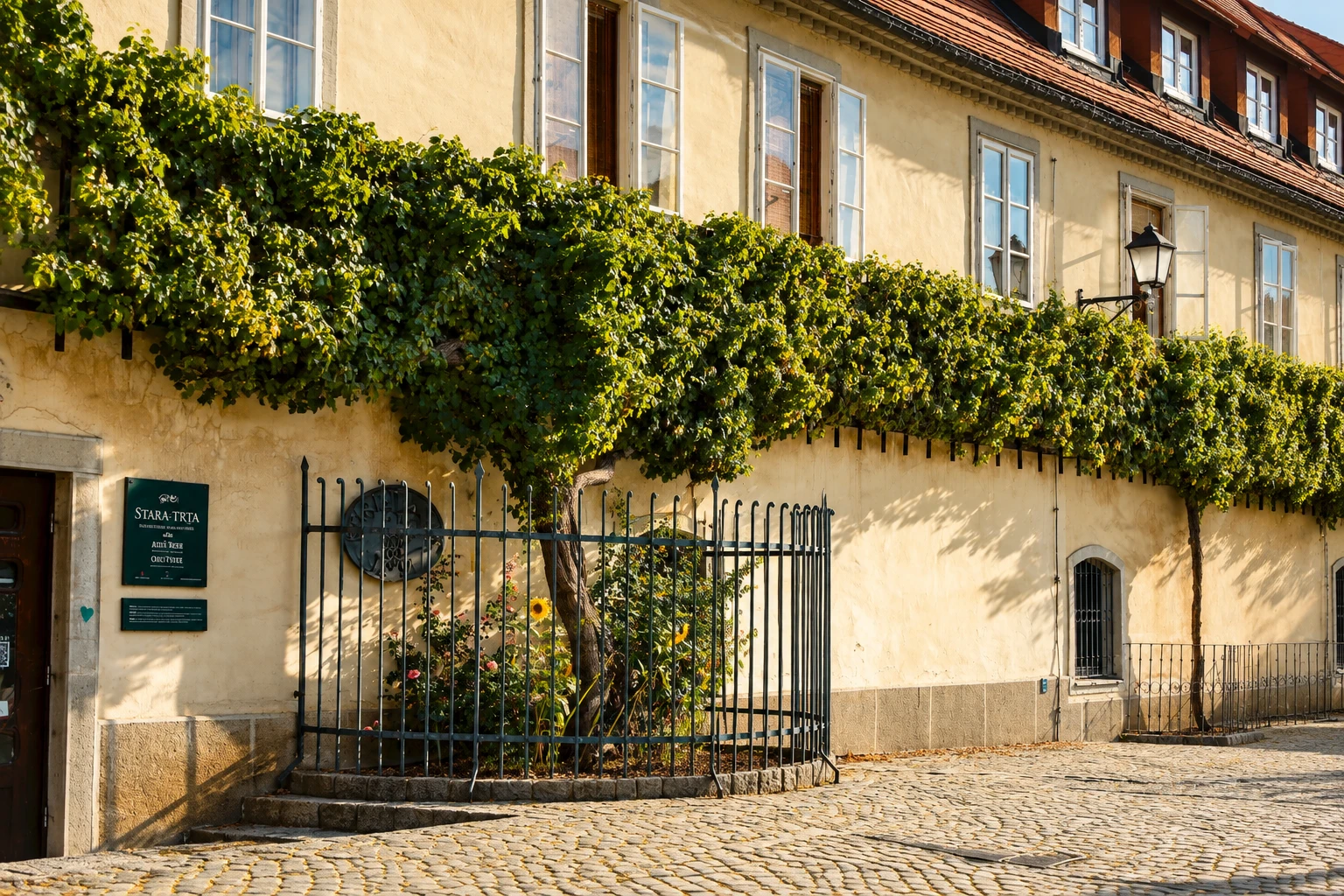
The Ptuj cellar (Ptujska klet) is presented as Slovenia’s oldest wine cellar. Its origins go back to 1239, when the Minorite friars built a cellar beneath the monastery. Behind the thick underground walls of the old town there is a large collection of archive wines; the best-known item is the Zlata trta, the Golden Vine, from 1917, considered the oldest Slovenian wine. The house continues to produce wines from the Ptuj region, many of them award-winning. The visit is guided: it descends into the barrel corridors, shows the collection of old vintages and ends with a tasting of selected wines. The program pairs well with an afternoon in the old town, where the cellar is located. If you want to continue the topic you can climb up to the castle, where another cellar beneath the halls serves the castle’s contest-winning wines and displays old winemaking tools.
Stops: Ptuj cellar (Ptujska klet), Wine archive.
Includes: Guided visit with wine tasting, paid separately and available by reservation.
Tip: Book in advance and ask which languages tours are offered in on the day. If you’ll be driving afterwards, choose the non-tasting option.
Best time: All year; in November the St. Martin celebration honors the new wine.
Ptuj Lake and Terme Ptuj: birds, boat loop and thermal waters
From Ptuj old town On foot, by bicycle or by boat on the lake; pools at the thermal park half a day to a day afternoon or full day easy (complete lake loop: 13 km)
Ptuj Lake (Ptujsko jezero), on the Drava next to the town, is promoted by local tourism as Slovenia’s largest lake. The protected area around the water hosts more than 230 bird species, including cormorants, terns and gulls, and draws birdwatchers from several countries. The complete loop around the lake is 13 km, on foot or by bicycle, with a birdwatching hide along the route; nearby is the Šturmovci landscape park, part of the Natura 2000 network. In summer, the tourist boat Čigra runs about 60‑minute loops from Ranca harbor, with stops by the thermal baths, showing the town and the hills from the water; it does not run in bad weather or when the river is high. Terme Ptuj Thermal Park uses water that comes from 1,100 meters deep at 56 °C. The complex has indoor and outdoor pools, slides, a lazy river, wave pool, diving tower and an Olympic pool, and is popular with families and athletes. The city bike system, Pecikl, has a station at the thermal baths, making it easy to connect the old town, the lake and the pools in the same day.
Stops: Ptuj Lake (Ptujsko jezero), Ranca Harbor, Terme Ptuj Thermal Park.
Includes: Walking around the lake is free; boat and thermal park admission are paid separately.
Tip: For birdwatching, bring binoculars and go early in the morning or late in the afternoon. The boat runs in the summer season, generally on weekends: check departures before you go.
Best time: From May to September for the lake and outdoor pools; the indoor pools operate year‑round.
Ptujska Gora: the Gothic basilica and the Cloaked Virgin
From Ptuj By car or bicycle across the Dravsko polje plain about 3 hours by car; a full day by bicycle morning or afternoon easy by car; moderate by bicycle
Ptujska Gora is a village atop a hill about 14 km from Ptuj, on the edge of the Haloze hills. The Basilica of Mary the Protector, built around 1410 in the Gothic style, is the main pilgrimage center in this part of Slovenia. The best-known piece is on the high altar: the relief of the Cloaked Virgin, which shelters 82 figures of people from the period under the cloak, including Bernard III, founder of the shrine, nobles and church officials. At the roundabout at the village entrance, the statue of a blind girl recalls one of the legends about the church’s origin: the only daughter of the counts of Vurberk supposedly recovered her sight after praying to the Virgin and saw a light coming from the direction of the hill. From the churchyard the view opens in every direction: from Mount Boč to Pohorje, across the Dravsko polje plain, Ptuj and the Slovenske gorice hills, and to the south over the slopes of Haloze down to the Croatian border. For this reason the place is also popular with walkers and cyclists. From Ptuj, a signposted bicycle route with red markers leads to the village; the full circuit, which also passes Sestrže Lake, is 41 km with 427 meters of total ascent, on paved roads.
Stops: Ptujska Gora Basilica, Relief of the Cloaked Virgin, Ptujska Gora viewpoint.
Includes: Self-guided visit; meals and wine tastings in the region are paid separately.
Tip: This is an active church: avoid mass times to see the altar calmly and dress appropriately. In Haloze, try the haloška gibanica, a layered cake with curd cheese.
Best time: From April to October; on clear days the view reaches farther.
Jeruzalem: the wine road in the hills of Prlekija
From Ptuj By car, with stops at viewpoints and wineries about 6 hours full day easy
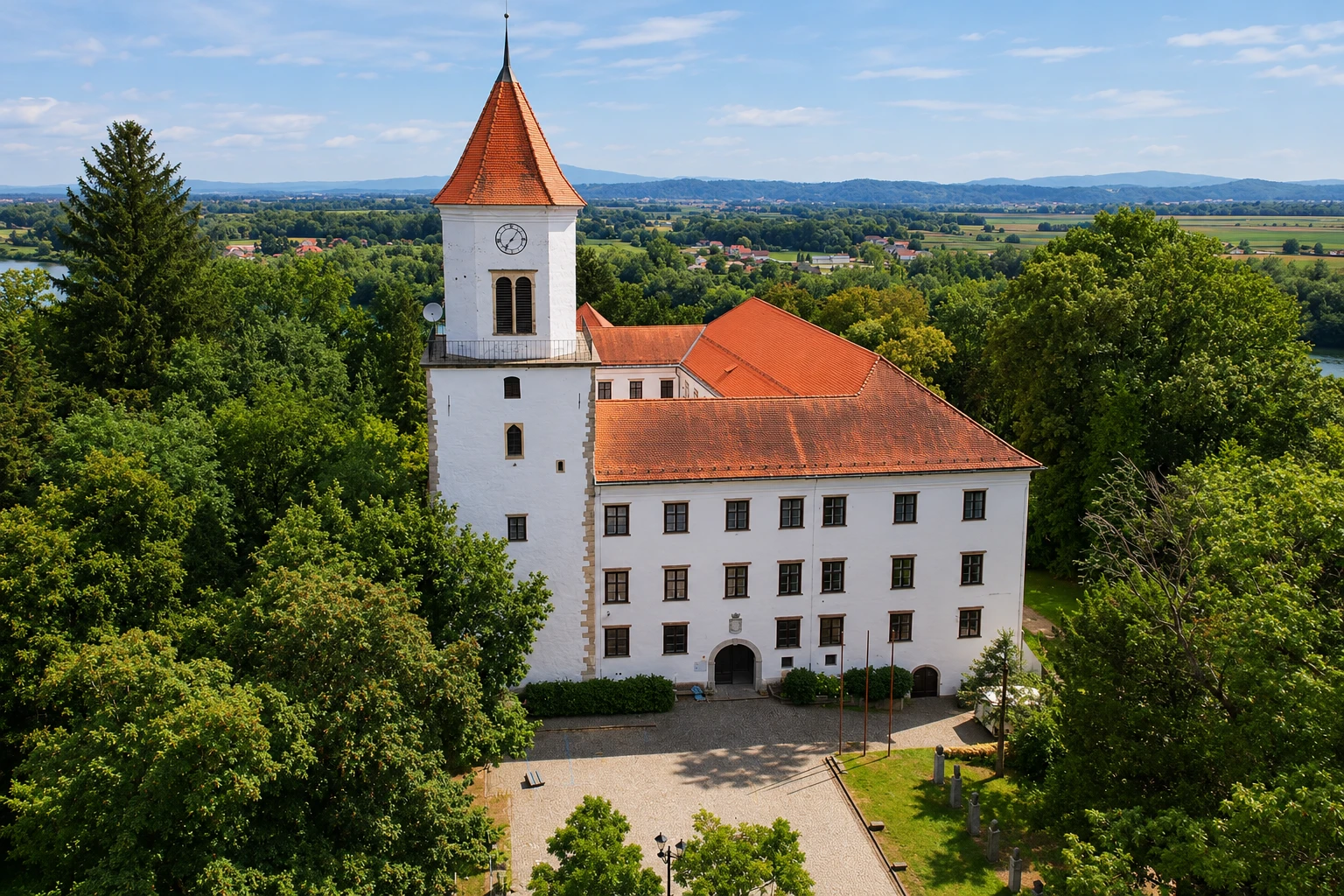
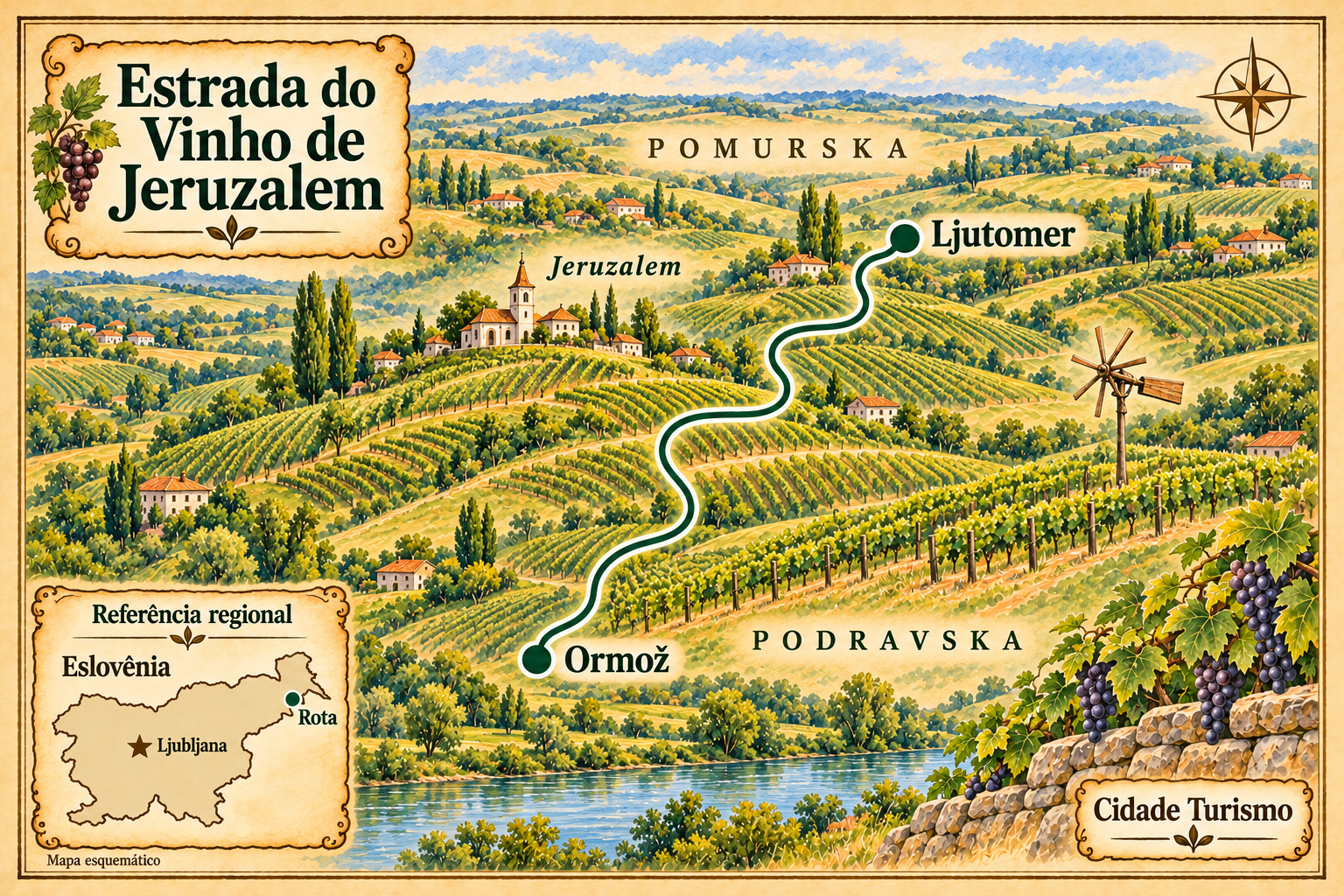
East of Ptuj, in the Prlekija region, the hills around the village of Jeruzalem are covered with terraced vineyards. The destination Jeruzalem Slovenija brings together the municipalities of Ormož, Sveti Tomaž and Središče ob Dravi. The most popular activity is the wine road, which rises and falls along the ridges with views over the terraces: wineries along the route welcome visitors for tastings, and the variety that stands out is šipon, the local name for furmint, a traditional white grape of the area. On the table you’ll find dishes such as tünka meat preserved in lard, pumpkin seed oil and Prlekija gibanica. A one-day itinerary can include the area’s two castles, Ormož Castle and Velika Nedelja Castle, the Ormož Lagoons nature reserve, where thousands of birds nest, and the old Drava riverbed, which is good for walking, cycling and horseback riding. Rural guesthouses in the region have been hosting visitors for years and sell their own products. Sunrise and sunset over the terraces are usually the most popular times.
Stops: Jeruzalem, Jeruzalem Wine Road, Ormož Castle, Velika Nedelja Castle, Ormož Lagoons.
Includes: Self-guided driving along the region’s roads; winery tastings, meals and castle admissions are paid separately.
Tip: Wineries usually receive visitors by appointment: arrange in advance. Those planning wine tastings should arrange a driver or transport, and a car is almost indispensable because public transport between villages is sparse.
Best time: From May to October; the grape harvest usually takes place in September and October.


 Brazil
 Antarctica
 Argentina
 Bolivia
 Chile
 Colombia
 Ecuador
 Falkland Islands (Malvinas)
 French Guiana
 Guyana
 Paraguay
 Peru
 Suriname
 Uruguay
 Venezuela
 Austria
 Belgium
 Croatia
 Denmark
 Finland
 France
 Germany
 Greece
 Hungary
 Iceland
 Ireland
 Italy
 Luxembourg
 Norway
 Poland
 Portugal
 Slovakia
 Spain
 Sweden
 Switzerland
 the Czech Republic
 the Netherlands
 the United Kingdom
 Turkey
 Bermuda
 Canada
 Greenland
 Mexico
 Saint Pierre and Miquelon
 the United States
 the Dominican Republic
 Japan
 Egypt
 South Africa
 Australia
 Fiji
 New Zealand
 Papua New Guinea