Maribor

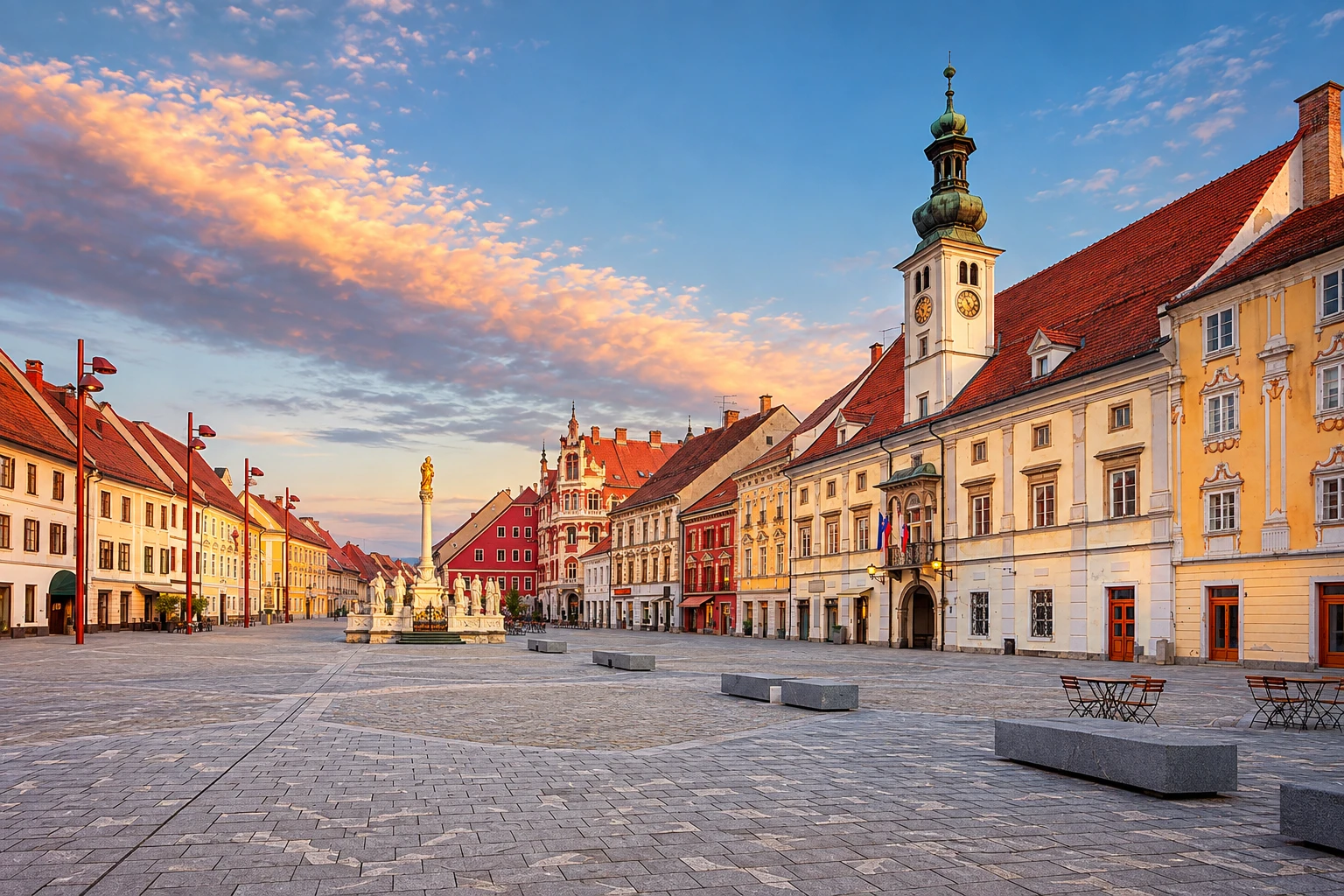
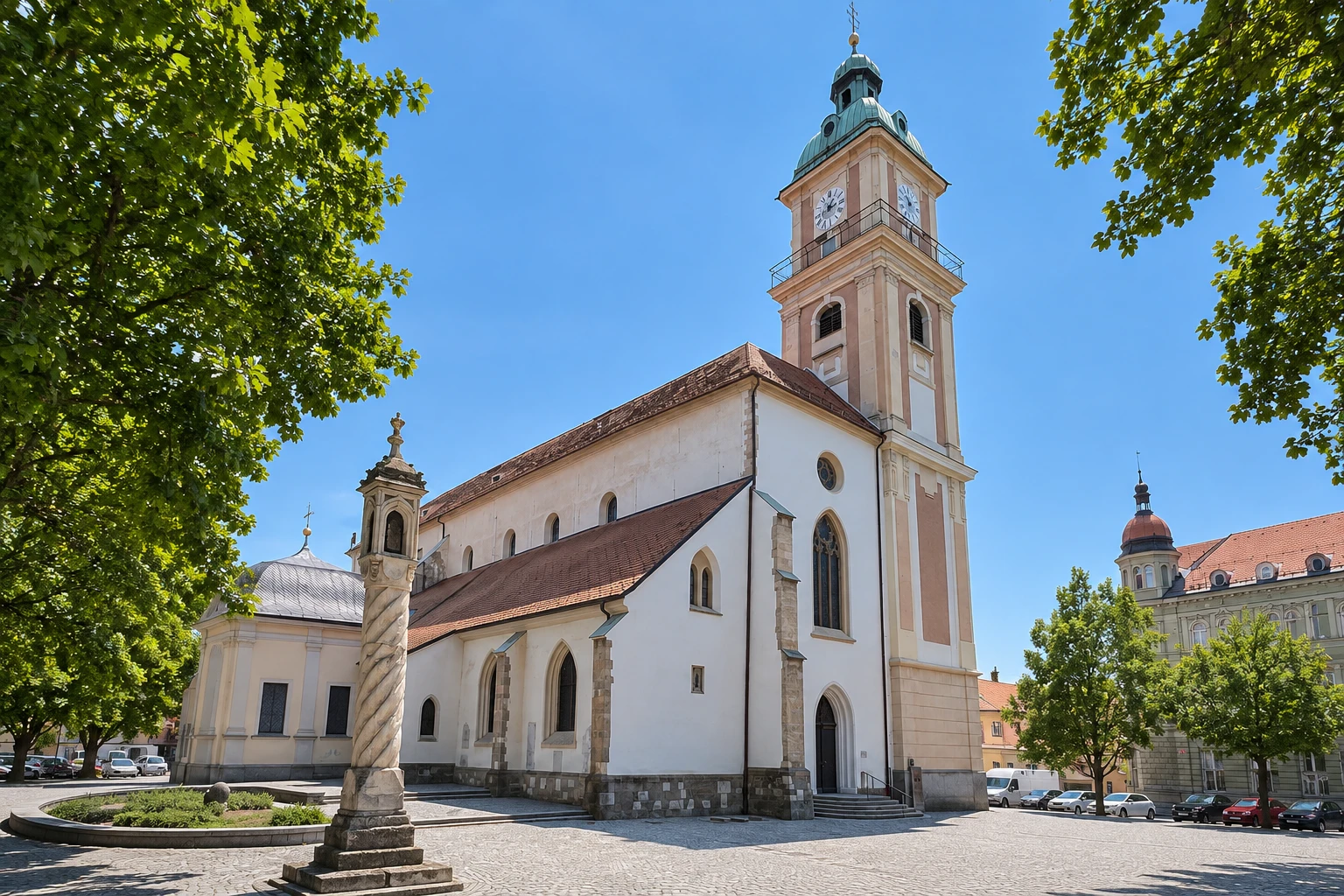
In the photo: Glavni trg square, in the centre of Maribor

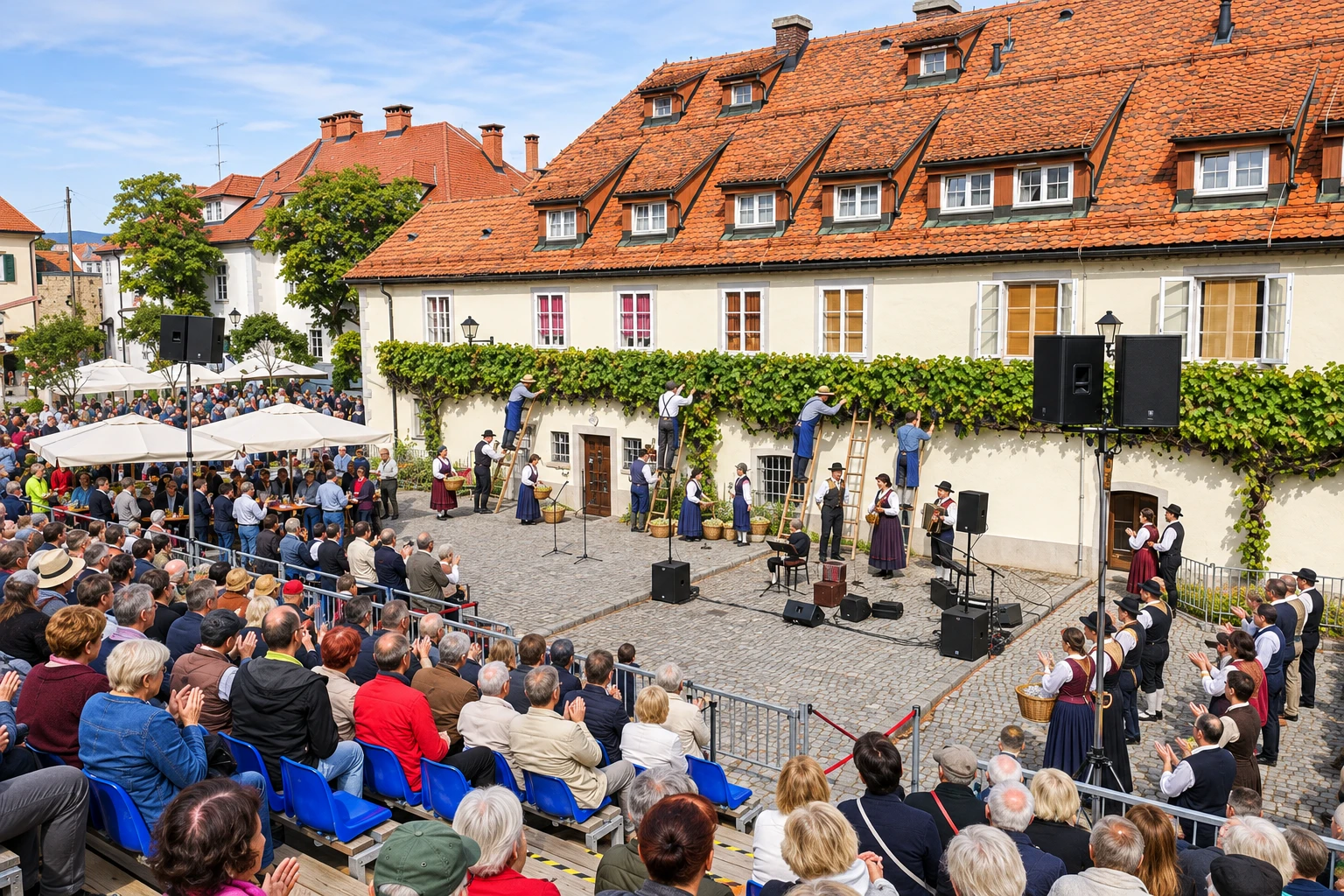
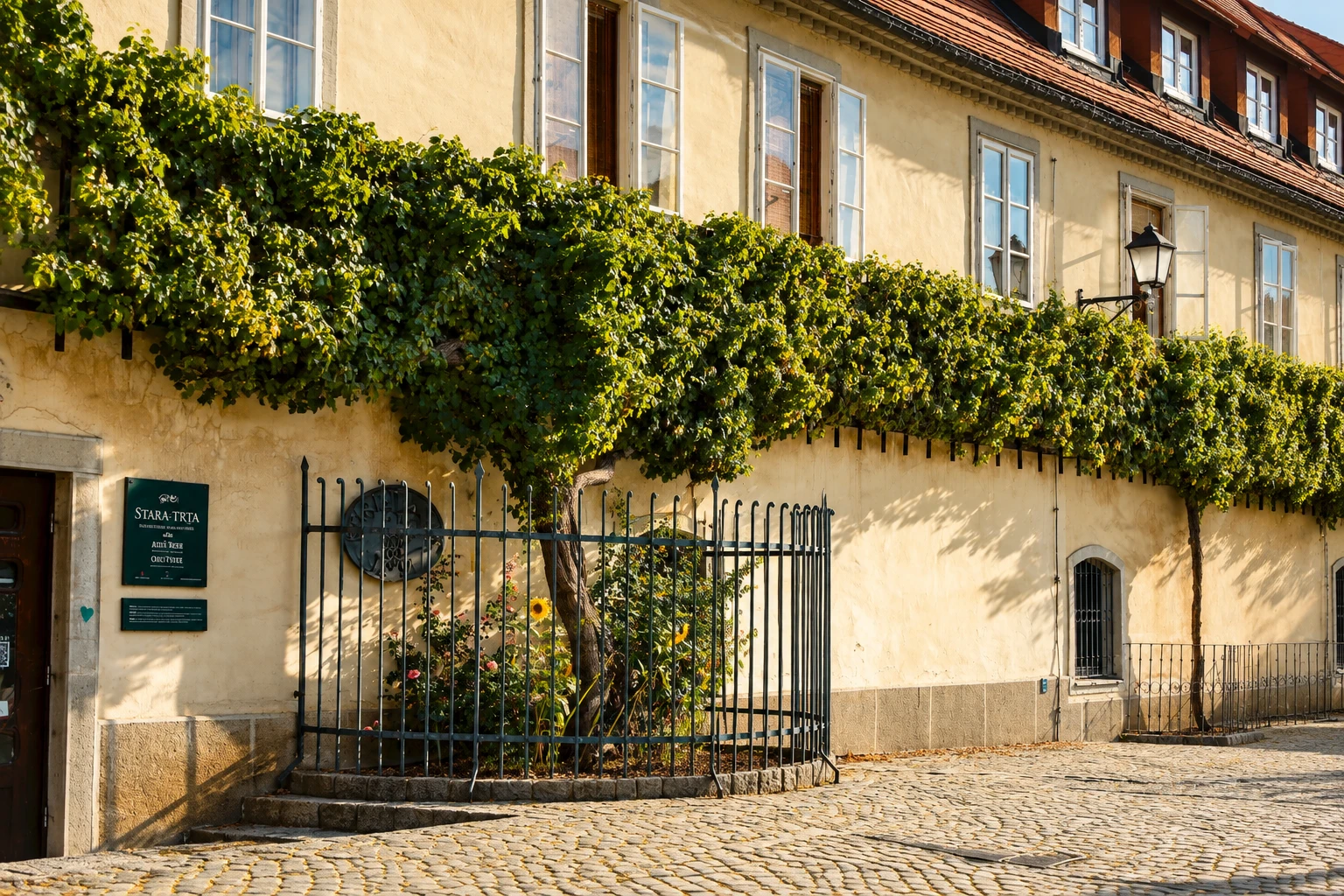
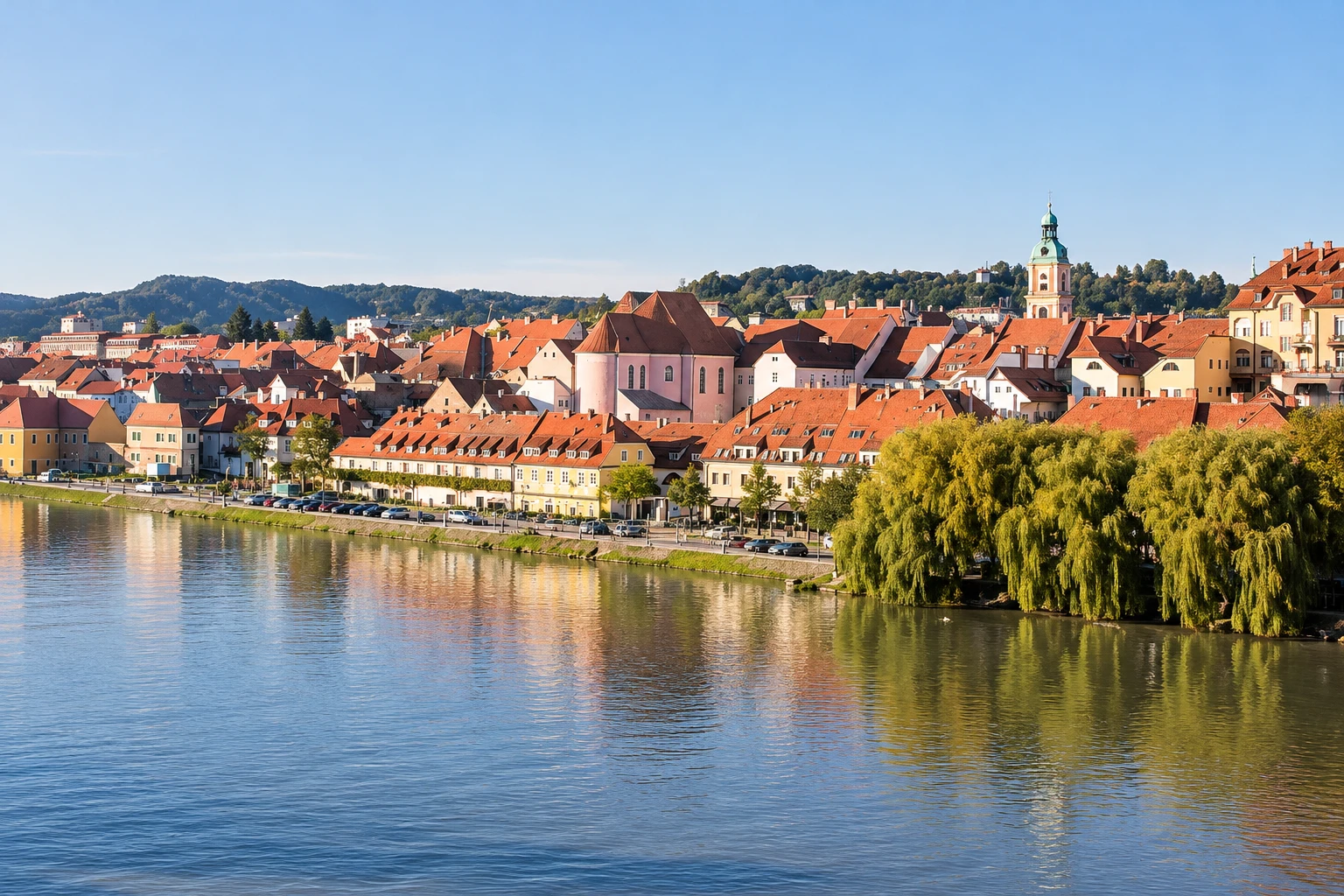
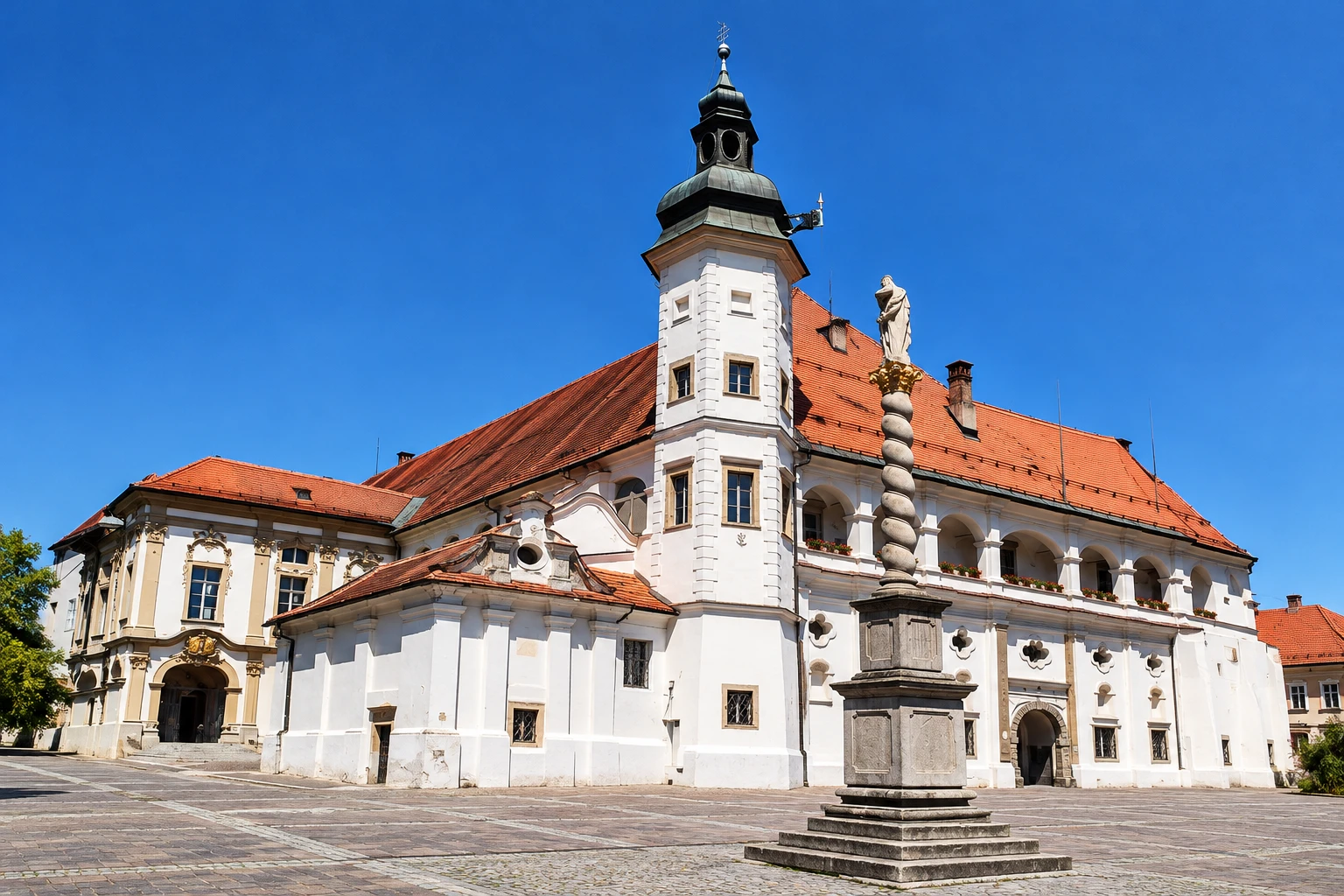
Illustrative images. The pictures in this guide are illustrations based on the real place, not photographs, and may differ from it.

Get it on Google Play

The city

What to expect from Maribor.

The country’s second-largest city, with about 97,000 inhabitants, on the banks of the Drava and at the foot of Pohorje. The castle is first mentioned in 1164, and the town received city rights in 1254. The Lent quarter by the river preserves the Stara trta, a vine over 400 years old recorded in the Guinness Book; the centre contains the cathedral, the castle with the regional museum and the medieval synagogue. A cable car connects the outskirts to Pohorje.

Maribor is the main city of Štajerska, or Slovenian Styria. It stands on both banks of the Drava where the river valley opens onto the plain. To the north, vineyards come right to the edge of the center. To the south rises the forested Pohorje range. The Austrian border is about 20 km away, and the city’s position on this crossing route explains its riverside walls and defensive towers, its downtown castle and a wine tradition locals take seriously.

The story begins on Piramida hill, where the 12th-century Marchburch castle gave its name to the settlement at its foot. The walled city grew between hill and river. Three of its squares stand only minutes apart. Slomškov trg has the cathedral. Glavni trg, the former marketplace, has the town hall dating to 1515 and the Plague Column. Grajski trg has the 15th-century castle that houses the regional museum. The medieval Jewish quarter occupied the southeastern corner of town. Its synagogue is the only preserved medieval synagogue in Slovenia.

Lent is the oldest district, on the Drava’s left bank. Timber rafts carrying goods downriver once docked here. It’s also home to the Stara trta, a vine more than 400 years old that Guinness lists as the world’s oldest still bearing grapes. The Water Tower and Judgement Tower, remnants of the city defenses, mark the two ends of the riverfront promenade.

Wine also lies beneath the streets. The Vinag cellar has some 2 km of tunnels below Trg svobode in the center. Above town, vines climb the slopes of Piramida and Kalvarija, two hills you can walk to from Mestni park, the city park.

Pohorje is the other half of Maribor. Take a city bus to the lower gondola station, about 5 km from the old town, and ride up to 1,042 m. In the warmer months there are forest trails and a bike park. When snow falls, ski runs reach down to the edge of town, some lit for night skiing.

The climate is continental. From June to August highs range from 24°C to 27°C, with late-afternoon thunderstorms. This is the season for Festival Lent, the Maribor Island pools and hiking in Pohorje. September and October bring the harvest, the Old Vine Festival and changing colors on the hills. From December to February temperatures average near 0°C, with snow on the ground some days. Visit museums and wine cellars or go skiing. Spring is cool and good for walking.

If time is short, explore Lent and the three squares and make one longer visit to the museum or wine cellar. Spend a second day on Pohorje. Neighboring Ptuj has its own guide and is about 30 km away by train or bus. Book directly with producers to visit wineries in the surrounding hills.

Share: WhatsApp

Where to stay

57 places to stay in Maribor.

Where to eat

33 places to eat in Maribor.

Mapa de Maribor

33 lugares no mapa: onde ficar e onde comer, por bairro.

Flavors of Slovenia

To try Maribor

Discover other flavors of Slovenia

Festivals and events

Festivals Maribor

Dates change every year: check this year's date before you travel.

Festival calendar in Slovenia

The local experience

Things to do in Maribor

Maribor · Slovenia · Wine heritage

Old Vine House

Žametovka vine over 400 years old on the façade of a house in the Lent neighborhood, recognized by the Guinness Book of Records as the oldest vine still producing grapes. The house houses a wine museum.

Explore Old Vine House

Maribor · Slovenia · Historic neighborhood

Lent

Oldest neighborhood of Maribor, on the north bank of the Drava, with a stone quay, the Water Tower, the Justice Tower and remains of the medieval walls. It’s the setting for the Lent festival in June.

Explore Lent

Maribor · Slovenia · Cathedral

Maribor Cathedral

Church of St. John the Baptist, of 13th-century Romanesque origin with a Gothic appearance, on Slomškov trg. It houses the tomb of Bishop Anton Martin Slomšek and has a tower with a viewpoint.

Explore Maribor Cathedral

Maribor · Slovenia · Castle and museum

Maribor Castle

Late 15th-century town castle, remodeled in the Baroque style, between Grajski trg and Trg svobode. It houses the regional museum of Maribor, with halls, a Baroque staircase and collections of archaeology, ethnology and weapons.

Explore Maribor Castle

See 2 more places in Maribor

To choose before you go

Tours in Maribor

Where each tour starts, how long it takes, how it is done, what is included and the price range.

Walking through Lent, from the Old Vine to the towers and Drava riverfront

From Glavni trg, central Maribor On foot About 2 hours, including the museum Morning or afternoon Easy

From Glavni trg, it takes just a few minutes to walk down to Lent. Maribor’s oldest district occupies the left bank of the Drava. Timber rafts and traders carrying goods downstream once stopped at its port. Walk the narrow streets, past remnants of the walls and along a waterfront promenade shared by walkers and cyclists. The Stara trta grows against a house on Vojašniška ulica. This žametovka vine, also known as modra kavčina, is confirmed to be over 400 years old. Guinness lists it as the world’s oldest vine still bearing grapes. Planted in the late Middle Ages when the house formed part of the town wall, it survived fires, phylloxera and World War II bombing that destroyed part of the building. The annual harvest yields 35 to 55 kg of grapes. The wine is bottled in small quantities for official gifts. You can see the vine from the street for free. On the same street, a restored 17th-century house holds the Museum of the World’s Oldest Vine. Objects, documents and an animated film tell the story of the vine’s keepers and Maribor’s rise as a wine center. At the eastern end of the promenade stands the Water Tower, a five-sided Renaissance fortification from 1555. When a hydroelectric plant raised the water level in the 1960s, engineers lifted the entire tower, weighing about 1,500 metric tons, by 2.6 m. It now houses a Slovenian wine shop. At the other end, the round Judgement Tower with its conical roof guarded the city’s southwestern corner. It now hosts concerts and exhibitions in the Minorite Quarter, home to the puppet theater.

Stops: Lent, Stara trta, Old Vine House, Museum of the World’s Oldest Vine, Water Tower (Vodni stolp), Judgement Tower (Sodni stolp), Minorite Quarter.

Includes: Self-guided walk. Separate museum admission includes the exhibition, film and a wine or fruit juice tasting. Check current rates.

Tip: The museum usually closes on Mondays and the Old Vine House on Sundays. Check before visiting. The climb back to the center via Židovski trg passes the synagogue and a viewpoint over the river.

Best time: Year-round. The ceremonial harvest usually takes place in September. Festival Lent runs from late June to early July.

The central squares, cathedral, Glavni trg and synagogue

From Grajski trg, central Maribor On foot 2 to 3 hours Morning Easy

Central Maribor is compact and the squares are only minutes apart. The local tourism office suggests starting at Grajski trg in front of the castle, then continuing to Slomškov trg and along Poštna ulica to Glavni trg. Slomškov trg is home to the cathedral, dedicated to St. John the Baptist. It began as a Romanesque church in the 12th century, took on a Gothic appearance in later renovations and became a cathedral in 1859 when Bishop Anton Martin Slomšek moved the diocesan seat to Maribor. His tomb is in the Chapel of the Holy Cross. The carved choir stalls of 1771 have gilded reliefs depicting the saint’s life. Beside the cathedral stands the 57 m bell tower, once a fire lookout. An exhibition explores the lives of the watchmen, and the platform looks out over the city. Glavni trg first appears in records in 1315 as Markt and served for centuries as the city market. The Rotovž, the town hall dating to 1515, was remodeled in Renaissance style and has a Baroque tower set off-center on the facade. The Plague Column by Baroque sculptor Jožef Štraub commemorates the end of an epidemic. The late Baroque Church of St. Aloysius stands beside it. Short streets lead to Židovski trg in the former Jewish quarter. Its synagogue is Slovenia’s only surviving medieval synagogue. First recorded in 1354, the building is older and partly incorporated into the old town wall. Rabbi Israel Isserlein, a scholar of Jewish law, lived here in the 15th century. After the expulsion of the Jews late that century, the building became a church, then a storehouse and a home. Today it houses a Jewish cultural heritage center with exhibitions.

Stops: Grajski trg, Slomškov trg, Maribor Cathedral, Cathedral bell tower, Glavni trg, Rotovž (town hall), Plague Column, Židovski trg, Maribor Synagogue.

Includes: Self-guided walk. The bell tower and exhibitions charge separate admission when open.

Tip: The synagogue usually opens Monday through Friday and closes on weekends and holidays. The bell tower opens only a few days a week and closes in bad weather. Check before visiting.

Best time: Year-round. In December, Glavni trg hosts the Christmas village.

Maribor Castle and the regional museum

From Grajski trg, central Maribor On foot About 1 hour 30 minutes Morning or afternoon Easy

Maribor Castle stands in the middle of town beside Grajski trg. The Marchburch castle that gave Maribor its name stood elsewhere, on top of Piramida. Construction of the downtown castle began in 1478 as part of the city defenses. Noble families turned it into a residence over the following centuries. The Maribor Regional Museum, founded in 1903, moved into the castle in 1938. Its collections cover the archaeology, ethnology, art and cultural history of Maribor and Štajerska. Musical instruments, early pharmacy objects, furniture, clothing and weapons range from everyday possessions to items owned by noble families. Permanent exhibitions explore medieval life, the museum’s origins and the history of pharmacy. The building itself is part of the visit. The Knights’ Hall has a painted ceiling, and sixteen stone figures adorn the staircase. The Loreto Chapel and the former castle cellar, with frescoes by Slovenian painter Matej Sternen, complete the route. This is a good choice for a longer visit on a rainy or cold day. You can pair it with the Vinag cellar, whose entrance is on the next square.

Stops: Maribor Castle, Maribor Regional Museum, Knights’ Hall, Loreto Chapel.

Includes: Museum admission is charged separately, with discounts for students and retirees. Check current rates.

Tip: The museum usually closes on Mondays and holidays. Check opening days before visiting.

Best time: Year-round.

Vinag Wine Cellar and the wine tunnels beneath Trg svobode

From Trg svobode, central Maribor Guided walking tour About 1 hour 30 minutes Afternoon Easy, with stairs and corridors

Beneath Trg svobode in central Maribor lies a wine cellar with around 2.1 km of corridors. Its oldest section dates from 1847, when nobleman Alojz Kriehuber founded a wine company with ties to the city. After World War II, the cellar was joined to that of a former brewery, bringing the total area to around 15,000 m², with room for 3 million liters. The tour passes through stone corridors lined with large wooden barrels and old concrete tanks from the days when Vinag was a major producer and exporter in Yugoslavia. The wine archive holds bottles from selected vintages, their surfaces bearing the patina of age. All visits are guided, with Slovenian- and English-language tours leaving several times a day from the entrance on Trg svobode. Finish in the tasting room with the house wines. The number of wines depends on your ticket, and some options include local cheeses or cold cuts. You can buy bottles in the shop.

Stops: Vinag Wine Cellar (Vinagova klet), Wine archive, Trg svobode.

Includes: The guided tour with wine tasting carries a separate charge. Check current rates.

Tip: Check departure times and book on weekends and during wine festivals. Arrange German-language tours in advance. If you’re driving afterward, take the tour and skip the tasting.

Best time: Year-round. A good option for rainy days.

Mestni park, Piramida and the 455 steps up Kalvarija

From Mestni park (city park), north of the center On foot 2 to 3 hours Morning or afternoon Moderate, with short climbs

Mestni park begins north of the historic center at the foot of two vineyard-covered hills. Laid out in 1872, it is protected for its landscape design. Around 100 species of broadleaf trees grow here alongside conifers, and about a quarter of the trees date from the first plantings. A broad promenade passes flower beds, fountains, lawns, an 1890 bandstand and a playground. A former café houses the aquarium and terrarium, with freshwater and saltwater fish and reptiles. The path continues to the Three Ponds, home to waterbirds. From the park, climb through vineyards to the 386 m summit of Piramida in about half an hour. The 12th-century Marchburch castle that gave Maribor its name stood here. Archaeological remains survive beside a chapel dating from 1821. The hill takes its name from a stone pyramid built in the late 18th century with material from the demolished castle. You can see the city, the Drava, Pohorje and the plain. Neighboring Kalvarija rises to 375 m. Reach it by climbing 455 stone steps or following paths from the park. The hilltop Church of St. Barbara and St. Rosalia was built by residents between 1681 and 1683 in thanks for the end of a plague. The Stations of the Cross chapels gave the hill its name. A nature trail of about 5 km links the two hills and Mestni vrh, passing through woodland and open vineyards with panels about the local environment.

Stops: Mestni park, Three Ponds (Trije ribniki), Maribor Aquarium and Terrarium, Piramida, Kalvarija, Church of St. Barbara and St. Rosalia.

Includes: Self-guided walk with free access to the park and hills. The aquarium and terrarium charges separate admission. Check current rates.

Tip: Wear sturdy shoes. In summer, climb early or late in the afternoon. For a level outing, stick to the circuit through the park and around the ponds.

Best time: April to October. The vineyards change color in fall.

Pohorje by gondola, Bolfenk and the Rozka forest trail

From Maribor bus station, taking the city bus to Vzpenjača City bus, gondola and walking About 4 hours, including the bus ride Morning and early afternoon Easy

Pohorje is the forested mountain range south of Maribor. Its highest point, Črni vrh, rises to 1,543 m. You can go up without a car. City bus G6 toward Vzpenjača connects the bus station to the lower gondola station, about 5 km from the old town. The gondola takes just a few minutes to reach the upper station at 1,042 m. From the top, a short walk leads to the Church of St. Bolfenk. In 1878 the building was adapted to house a forest ranger and six rooms for hikers, evidence that visitors came to these mountains as early as the 19th century. One of Pohorje’s largest beech trees grows on the lawn beside it. The Rozka forest trail starts here, a 3 km loop with seven marked stops. It follows the north slope to the Razglednik observation tower, descends on the south side and returns to Bolfenk. Allow about an hour without a guide. Panels explain how beech, once dominant on these slopes, was heavily felled in the days of the glassworks and replaced by pine plantations. Foresters are working to restore the original woodland. The trail was created in 1981 at the suggestion of forestry engineer Rozka Debevec-Lesjak and named after her in 1995. In warm weather the area also has bike park trails, mountain carts and a summer toboggan run. In winter, walking depends on the snow and your equipment.

Stops: Pohorje gondola (Pohorska vzpenjača), Church of St. Bolfenk, Rozka forest trail, Razglednik viewpoint.

Includes: Gondola and bus tickets are paid separately. The trail is free. Round-trip and family gondola tickets are available. Check current rates.

Tip: The gondola usually runs hourly and closes for a few days of maintenance in fall. Check its status and the return bus before setting out. If one day of your trip has a more settled forecast, save Pohorje for that day.

Best time: May to October for walking.

See 3 more tours

Skiing at Mariborsko Pohorje

From Lower Pohorje gondola station Gondola and ski lifts Half a day to a full day Full day or evening Easy to difficult, depending on the run

In Maribor, the ski resort begins at the edge of town. The operator describes Mariborsko Pohorje and neighboring Areh as Slovenia’s largest winter sports center, with about 35 km of runs, 13 lifts and 3 beginner conveyor belts. The resort has blue, red and black runs and a reputation for being family-friendly. When snow allows, you can ski down to the valley via the Čopova run and Snow Stadium. The same stretch offers night skiing on about 7 km of floodlit runs from the upper gondola station to the bottom. In good conditions, runs connect Mariborsko Pohorje and Areh, and a ski bus serves both. Areh also has about 6 km of groomed cross-country ski trails and sledding slopes. The season generally runs from December to March, depending on the snow. The operator publishes daily snow depths and lift status.

Stops: Mariborsko Pohorje, Areh, Čopova run, Snow Stadium (Snežni stadion).

Includes: Ski passes and equipment rentals cost extra. Check current rates.

Tip: Check the day’s report before setting out to see which runs and lifts are open and whether there’s snow all the way to the valley. The city bus to Vzpenjača stops at the lower gondola station.

Best time: Generally December to March, depending on snow conditions.

Maribor Island’s nature trail and swimming pools on the Drava

From Lent, following the Drava riverbank On foot along the riverbank Half a day Morning or afternoon Easy

Maribor Island (Mariborski otok), on the Drava at the western edge of the city, is Slovenia’s largest natural river island. It formed from sediment deposited below a former stretch of rapids where the valley opens onto the plain. First protected in 1951, it is now a natural monument. Alpine and sub-Pannonian vegetation meet here. More than 330 plant species and around 70 bird species have been recorded, and many birds nest on the island. A circular nature trail follows the footpath, with marked stops explaining the plants, wildlife and how the island formed. The route is flat and suitable for all ages. The island is part of the city’s history, too. In 1930 Maribor opened an outdoor pool complex here, now protected as cultural heritage and still used every summer. Beside the pools are beach volleyball and basketball courts, table tennis and rentals for lounge chairs and umbrellas. A maintained footpath follows the Drava to the island.

Stops: Maribor Island (Mariborski otok), Island nature trail, Maribor Island summer pools.

Includes: The trail is free. Pool admission is separate, with full-day, afternoon and family tickets. Check current rates.

Tip: The pools open only in summer. Opening and closing dates are announced each year. Bus services and car access can change during the season, so check before visiting.

Best time: June to August for swimming. Spring through fall for the trail.

Rafting down the Drava to Lent on a wooden raft

From Koblar Bay (Koblarjev zaliv), on the western edge of Maribor Traditional wooden raft Varies by program Easy

For centuries the Drava served as a highway. Timber and goods bound for the south passed through Maribor on rafts built from logs. Maribor’s rafters keep the trade alive on visitor trips organized by the city’s tourism association since 1985. The route usually leads from Koblar Bay to Lent, the former rafting port below the historic center. On board, rafters in traditional dress explain how their predecessors lived and worked. There’s folk music and a traditional rafter’s snack. You can try steering with the long oar, and one passenger is welcomed into the rafters’ community in a mock baptism. From the water you see Lent, the riverbanks and the city landmarks from a different angle. Some outings use a smaller log raft called a hlodovec, while group trips use a larger raft.

Stops: Koblar Bay, Drava River, Lent.

Includes: Book and pay separately for the raft trip, including the program on board.

Tip: Trips require advance booking and enough people to form a group. Check with the rafters before planning your day.

Best time: Check departure dates with the rafters.

Day by day

1, 2 and 3-day itinerary in Maribor

Suggestions to plan the trip. Change the order of the days according to the weather and tour availability.

1 day · 1 day in Maribor exploring Lent, the squares and Piramida

For Car-free day visitors from Ljubljana, Graz or Ptuj · Based in Central Maribor
  1. Day 1 · From the river to the hilltop

    Start on Grajski trg in front of the castle. Walk to Slomškov trg for the cathedral, then along Poštna ulica to Glavni trg for the town hall and Plague Column. Descend to Lent via Židovski trg and its synagogue. By the Drava, see the Stara trta and stop at the Museum of the World’s Oldest Vine to learn more. Walk along the promenade between the Judgement Tower and Water Tower and sit by the river for a while. After lunch in the center, choose one longer visit, either the regional museum in the castle or a guided tour of the Vinag cellar beneath Trg svobode. In the late afternoon, cross Mestni park to the Three Ponds. If you have daylight and energy, Piramida is about half an hour uphill. From the top you can pick out the places you saw in the morning. Have dinner in the center and try dishes from Štajerska.

2 days · 2 days in Maribor exploring the city and Pohorje
For A weekend on foot and by city bus · Based in Central Maribor
  1. Day 1 · The squares, Lent and an underground visit

    Walk through Grajski trg, Slomškov trg with its cathedral, and Glavni trg in the morning. Descend via Židovski trg to Lent for the Stara trta, the vine museum and the two riverside towers. In the afternoon, take a guided Vinag cellar tour with wine tasting, or visit the regional museum in the castle. Save late afternoon for Mestni park and the Three Ponds. In the evening, check what’s on at the Slovene National Theatre Maribor, which stages drama, opera and ballet, or return to Lent for a walk along the Drava.

  2. Day 2 · Pohorje by gondola

    Take the city bus from the bus station to Vzpenjača and ride the gondola to 1,042 m. Walk to the Church of St. Bolfenk and follow the Rozka forest trail, a 3 km loop past the Razglednik observation tower. Have lunch in the mountains and try a Pohorje dish such as pisker, a stew of root vegetables, mushrooms, barley and meat, or omleta, a sponge cake dessert with berries and cream. In season, spend an active afternoon on the mountain carts or at the bike park. In winter, make this a ski day if there’s snow. If rain is forecast, swap the first and second days.

3 days · 3 days in Maribor exploring the city, mountains and Drava
For Travelers looking to explore Maribor at leisure, including its vineyard hills and river island · Based in Central Maribor
  1. Day 1 · The historic center and Lent

    Spend the day walking around the center. Start with the castle and regional museum, Slomškov trg, the cathedral and, if open, its bell tower. After lunch, visit Glavni trg, Židovski trg and the synagogue. Descend to Lent for the Stara trta, the vine museum, the Water Tower and the Judgement Tower. Before dinner, take a guided tour of the Vinag cellar.

  2. Day 2 · Pohorje

    Take the city bus and gondola to the upper station. Visit the Church of St. Bolfenk, walk the Rozka forest trail and have lunch in the mountains. In warmer weather, spend the afternoon at the bike park or on mountain carts. In winter, ski by day or at night when snow allows. Back in the city, end the afternoon in Mestni park.

  3. Day 3 · Vineyard hills and Maribor Island

    Start early on the 455 steps up Kalvarija. Follow the nature trail through woods and vineyards to Piramida, with views of the city and Pohorje. Descend through Mestni park. In the afternoon, follow the Drava to Maribor Island. The nature trail is open year-round and the outdoor pools open in summer. If you’ve booked ahead, spend the afternoon rafting down to Lent instead. Other options include a day trip by train or bus to nearby Ptuj, about 30 km away, or a visit by appointment to a producer on one of Maribor’s wine routes.

Best time to go

When to go: Maribor month by month

The seasons shown are the most usual ones; nature doesn't always follow the calendar.

January Low rain

Winter · skiing on Pohorje, snow permitting

This is the coldest and driest month. At Maribor weather station, 1981–2010 averages show a mean of −0.2°C, lows below freezing, about 35 mm of precipitation and snow on the ground about half the days. Pohorje offers day and night skiing when snow allows. In town, visit the regional museum, Vinag cellar and vine museum. Bring a heavy coat, gloves and closed-toe shoes.

February Low rain

Winter · skiing on Pohorje

It’s still cold. At Maribor weather station (1981–2010 averages), the mean is 1.7°C, with about 38 mm of precipitation and frost most mornings. Skiing on Pohorje usually continues. It’s carnival month in neighboring Ptuj, about 30 km away and an easy day trip by train or bus. In central Maribor alternate visits to the squares with time indoors.

March Some rain

Late winter · end of ski season

As spring approaches, at Maribor weather station (1981–2010 averages), the mean is 6.0°C, with highs near 11°C, about 57 mm of rain and possible morning frost. The ski season usually ends. Longer days make walks around Lent and Mestni park rewarding again. Bring a coat and a waterproof layer.

April Some rain

Spring · beginning of the outdoor season on Pohorje

In spring, at Maribor weather station (1981–2010 averages), the mean is 10.8°C, with highs around 16°C and about 60 mm of rain. Trees in Mestni park and vines on Piramida and Kalvarija begin to bud. Pohorje’s outdoor season usually begins on weekends late in the month. It’s a good time to walk the hills and city center. Bring a warm layer for mornings and evenings.

May Some rain

Spring · Pohorje trails

In late spring, at Maribor weather station (1981–2010 averages), the mean is 15.8°C, with highs near 21°C and about 83 mm of rain, more often in the afternoon. Days are long and Pohorje is green. It’s one of the best months for the Rozka forest trail and the route between Kalvarija and Piramida. Light layers and a raincoat are enough.

June High rain

Festival Lent from late June to early July · Maribor Island pools

In early summer, at Maribor weather station (1981–2010 averages), the mean is 19.0°C, with highs above 24°C and about 107 mm of rain, much of it in late-afternoon thunderstorms. Festival Lent begins late in the month with music, theater, dance and folk performances on stages by the Drava, in the squares and in Mestni park. Accommodation is in greater demand. The Maribor Island pools usually open for the season.

July High rain

Festival Lent early in the month · summer on Pohorje and the Drava

This is the hottest month. At Maribor weather station (1981–2010 averages), the mean is 21.0°C, with highs near 27°C, some days above 30°C and about 94 mm of rain. Festival Lent continues through the first days of the month. It’s time for the Maribor Island pools and for Pohorje, where it’s cooler than in the city. Explore the center and hills in the morning or late afternoon. Bring sunscreen and a hat.

August High rain

Summer · Pohorje bike park and trails

In summer, at Maribor weather station (1981–2010 averages), the mean is 20.3°C, with highs around 26°C and about 112 mm of rain. Thunderstorms make this the wettest month. Pohorje’s seasonal bike park and mountain carts operate, and the island pools usually stay open. Keep the regional museum or Vinag cellar in mind for rainy spells.

September High rain

Old Vine Festival and Stara trta harvest · end of outdoor season

In early fall, at Maribor weather station (1981–2010 averages), the mean is 15.7°C, with highs near 21°C and about 99 mm of rain. It’s harvest time in the hills around the city. The Old Vine Festival usually takes place over several days this month, with the ceremonial Stara trta harvest in Lent, wine tastings, dinners and a Slovenian produce market. Pohorje’s outdoor season ends at the end of the month.

October Some rain

Maribor Day on the 20th, with concerts on five hills · fall colors in the vineyards

Fall at Maribor weather station averages 10.7°C this month, with highs around 16°C, misty mornings and about 78 mm of rain (1981–2010 averages). The Piramida and Kalvarija vineyards and the forests of Pohorje change color. October 20 is a city holiday. After several days of guided visits and cultural events, five viewpoints around Maribor host five free concerts. The gondola usually closes for a few days of maintenance.

November Some rain

St. Martin’s Day on the 11th at Trg Leona Štuklja

In late fall, Maribor weather station averages 5.1°C this month, with short days, overcast skies and about 69 mm of rain (1981–2010 averages). Tradition holds that grape must becomes new wine on St. Martin’s Day, November 11. Trg Leona Štuklja hosts the country’s largest one-day celebration of the feast, with a blessing of the must, young wines and dishes of goose, mlinci and red cabbage. Restaurants serve the festival menu over the weekend.

December Some rain

Christmas village on Glavni trg · concerts on Trg Leona Štuklja · start of ski season

In early winter, at Maribor weather station (1981–2010 averages), the mean is 0.9°C, with about 61 mm of precipitation, some of it snow, and snow on the ground about ten days this month. The center hosts holiday events, with a Christmas village and stalls on Glavni trg, concerts and New Year’s Eve celebrations on Trg Leona Štuklja, and family activities at Vetrinjski dvor. The Pohorje ski season usually starts this month if there’s enough snow.

Plan the journey

How to get there: Maribor

Flying via Graz, Ljubljana or Zagreb

Maribor Airport, about 10 km from the center, serves general aviation and has no scheduled passenger services. Fly into a nearby airport instead.

The nearest with scheduled flights is Graz (GRZ) in Austria, just over 60 km away. Its railway station is about 300 m from the terminal. Take the suburban train to Spielfeld-Straß at the border, then continue to Maribor. A bus also connects the airport with central Graz, where you can catch an international train or bus.

From Ljubljana Airport (LJU), take a bus to the capital, then a train taking 2 to 3 hours or an intercity bus from the central bus station. At Zagreb Airport (ZAG) in Croatia, a bus takes you to the city bus station. From Zagreb there are direct or connecting trains, plus buses on some dates. Austria’s Klagenfurt Airport is another option, with train connections requiring transfers.

Shared and private transfers from Graz, Ljubljana and Zagreb airports run directly to Maribor by advance reservation. Taxis and rental cars are also available. Some connections run only on certain days. Check schedules and transfer times before booking.

Taking the train from Ljubljana, Graz and Ptuj

Maribor is northeastern Slovenia’s main rail junction. The central station is on Partizanska cesta beside the bus station, about 1 km from the center. Walk or take a city bus from there.

The trip from Ljubljana takes 2 to 3 hours depending on the train, from Celje about 1 hour, and from Ptuj less than 1 hour. The international connection from Graz in Austria crosses the border at Šentilj. From Zagreb there are direct services and routes with a change.

Maribor also has stops at Maribor Tezno in the southeast and Maribor Studenci on the line to Dravograd. Some trains carry bikes. Schedules vary by day of the week, so check before setting out.

By bus

Maribor bus station is on Mlinska ulica at the eastern edge of the center near the train station. It has 25 covered platforms, ticket offices and a waiting room and serves city, regional and international buses.

Regional routes connect Maribor to Ptuj, Slovenska Bistrica, Lenart and other nearby towns. Intercity buses from Ljubljana leave from its central bus station. International services also call at Maribor, with departures depending on the date and operator.

Service is less frequent in the evenings and on weekends. Check schedules before traveling.

Driving to Maribor, buying a vignette and parking

Maribor lies about 20 km from the Austrian border at the junction of the A1, A4 and A5 motorways. From Ljubljana, about 125 km away, take the A1. From Graz follow Austria’s A9 and Slovenia’s A1. From Zagreb cross in the Gruškovje area and follow the A4 past Ptuj, about 30 km from Maribor.

Vehicles up to 3.5 metric tons need an electronic vignette (e-vinjeta) for Slovenian motorways and expressways. Buy it before entering the road, on the official DARS website, at a service station or at a post office, and register it to your license plate. You don’t need one if you use only regional and local roads.

The center has enclosed parking lots and garages where you pay before leaving. Pay in advance for metered street parking at a machine or by phone. There are designated areas for motorhomes. You can explore the center, Lent, Mestni park and Piramida without a car.

Getting around Maribor

You can explore the center, Lent and Mestni park and climb Piramida on foot.

City buses connect the center with residential neighborhoods and the foot of Pohorje. The G6 toward Vzpenjača runs from the bus station to the lower gondola station. Buy tickets in the operator’s app or at the bus station, or pay by card with the driver for a single ride. Daily tickets are available.

The MBajk bike-sharing system operates 24 hours a day. Register, choose a subscription, pick up a bike at one station and return it to any other. For longer rides, the mobility center rents trekking bikes and e-bikes.

The Maister is a free electric shuttle for up to six passengers that serves the pedestrian zone daily during daylight hours. Call or wave it down. An electric tourist train makes a roughly 70-minute loop between the center and Three Ponds, with an audio guide in eight languages and seasonal departures.

Your questions

Frequently asked questions about Maribor

What to do in Maribor?

See the Stara trta in Lent, walk the Drava bank, visit the medieval synagogue, the cathedral and the castle with the regional museum, and take the cable car up to Pohorje.

How to get from Ljubljana to Maribor?

By train, with direct connections that generally take two to three hours, or by car via the A1 motorway, about 125 km.

Does Maribor have skiing?

Yes. Pohorje, south of the city, has slopes starting about 5 km from the center, served by a gondola. The season generally runs from December to March.

Is Maribor near Austria?

Yes. The Austrian border is about 15 km to the north, and Graz is about 60 km away via the motorway.

How many days should I spend in Maribor?

One day gives you time for Lent, the Stara trta, the central squares and one longer visit to either the regional museum or the Vinag cellar. With two days, take the gondola up Pohorje on the second. With three, you can climb the vineyard hills, visit Maribor Island and take a day trip to Ptuj.

Can I explore Maribor on foot?

Yes. The central squares, Lent, Mestni park and the climb up Piramida are within walking distance. Take a city bus to the Pohorje gondola, about 5 km from the old town. A small free electric shuttle called Maister also serves the pedestrian zone.

When is Festival Lent?

It runs for about nine days in early summer, between late June and early July. The program includes music, theater, dance, folk traditions and children’s activities, with stages by the Drava, in the squares and in Mestni park. Dates change each year, so check the program and book accommodation ahead.

When is the Stara trta grape harvest?

In fall, usually in September, during the Old Vine Festival, which lasts several days. The ceremonial harvest takes place in Lent in front of the vine, with cultural events. The festival also includes tastings, dinners and a Slovenian produce market. Dates are announced each year.

Can I climb Maribor Cathedral’s tower?

Yes, when it’s open. The 57 m bell tower once served as a fire lookout. There’s an exhibition on the watchmen and a platform overlooking the city. It usually opens only a few days a week and closes in bad weather, so check before visiting.

Where can I get a view over Maribor?

Piramida, a 386 m hill, is about half an hour uphill through vineyards from Mestni park. Kalvarija rises to 375 m and has 455 stone steps. You can also climb the cathedral bell tower when it’s open or take the Pohorje gondola up to 1,042 m.

Can I ski at night in Maribor?

Yes, when there’s snow. Mariborsko Pohorje has about 7 km of floodlit slopes from the upper gondola station to the valley via the Čopova run and Snow Stadium. Check the day’s snow report to see whether night skiing is operating.

What is Maribor Island?

It’s Slovenia’s largest natural river island, on the Drava at the western edge of the city. This natural monument has more than 330 recorded plant species and a circular nature trail. In summer you can visit the outdoor pools opened by the city in 1930. A riverside footpath leads to the island.

What is the rafting trip on the Drava like?

You float downstream on a traditional wooden raft, usually from Koblar Bay to Lent, the former rafting port. Rafters in traditional dress explain their trade, with music, a local snack and a ceremonial initiation for one passenger. Arrange a date and book ahead.

What should I eat in Maribor?

Try dishes from Štajerska and Pohorje, including pohorski pisker, a stew of root vegetables, mushrooms, barley and meat. Olbič is a porridge served as a side or with milk, and bunka is thinly sliced cured pork. Pohorje gibanica is made with yeasted dough and fresh cheese, while omleta is a sponge cake with berries and cream. On St. Martin’s Day in November, look for goose with mlinci and red cabbage.

What can I do with kids in Maribor?

Mestni park has a playground, ponds with birds, and an aquarium and terrarium. Take the gondola to Pohorje for easy trails and, in season, mountain carts and a summer toboggan run. In summer, the pools on Maribor Island make a full day out. The electric tourist train loops through the center with an audio guide.

How do I get from Graz to Maribor?

Take the international train that enters Slovenia at Šentilj, or drive via Austria’s A9 and Slovenia’s A1. From Graz Airport, the suburban train runs from the station beside the terminal to Spielfeld-Straß, where you can continue to Maribor. Transfers are also available by reservation. Check schedules before traveling.

How does Maribor celebrate St. Martin’s Day?

On November 11, Trg Leona Štuklja hosts the country’s largest one-day celebration of the feast. It includes the blessing of grape must, which traditionally becomes new wine, the arrival of the wine queens, stalls run by Štajerska producers and live music into the evening. Restaurants and cellars serve a St. Martin’s menu over the festival weekend.

Can I visit wineries near Maribor?

Yes, by appointment. Three wine routes lead out from the area. The Maribor route starts at the Stara trta and links nearby hills such as Malečnik and Vodole. Another follows the foot of Pohorje and a third explores the Slovenske gorice hills to the north. Cellars have no fixed opening hours. Choose an area, arrange a time with the producer and organize transportation so you won’t have to drive after tasting.

Traveler, share your experiences through photos Up to 5 photos of each place you visited.
See the destination Maribor and Ptuj Find another city