Idrijski žlikrofi
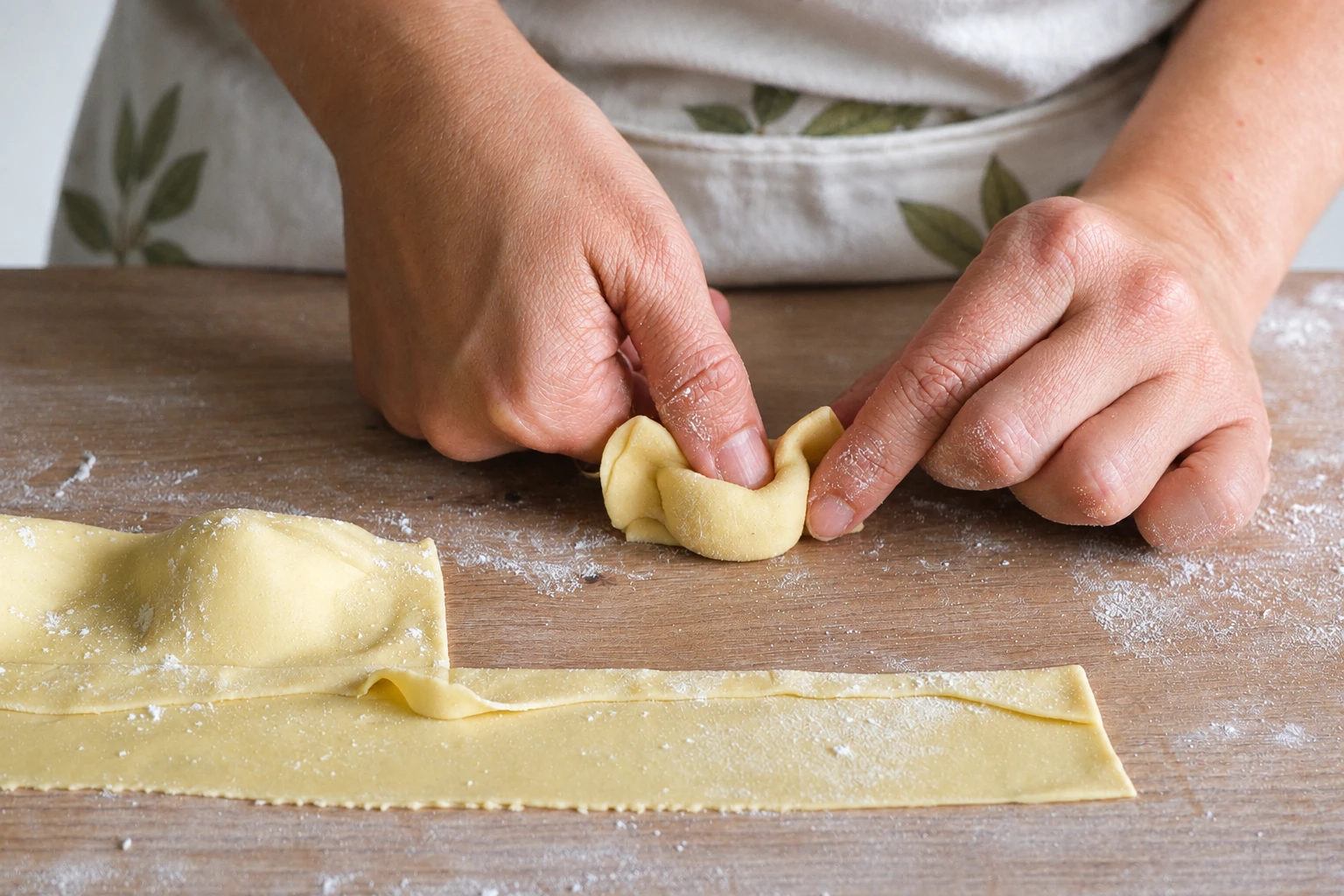
Small dumplings filled with potato, onion, bacon, and herbs, shaped like a little hat, from the old mining town of Idrija. The traditional accompaniment is bakalca, a lamb stew with vegetables.
Antarctica
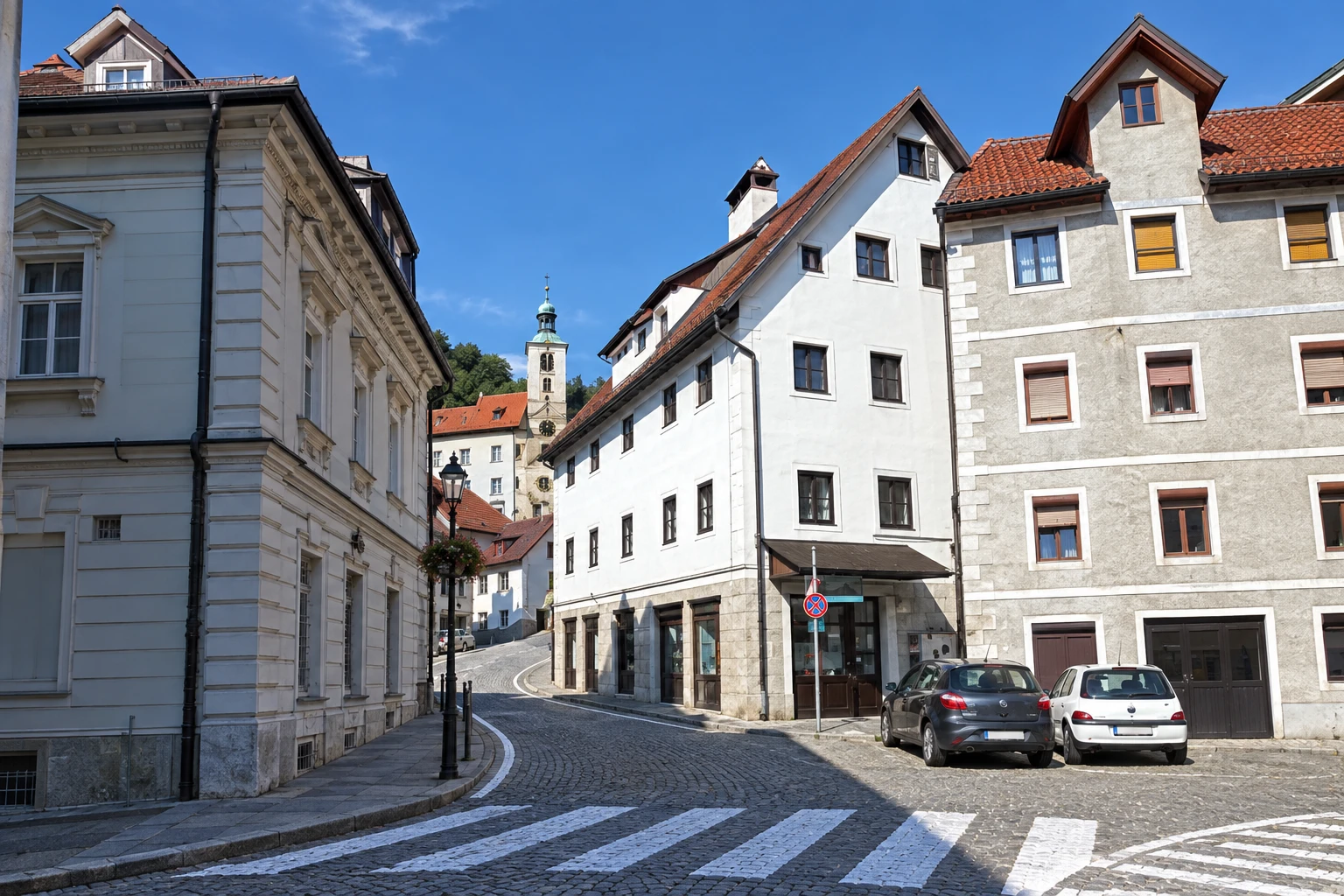
In the photo: Street of Idrija’s historic center
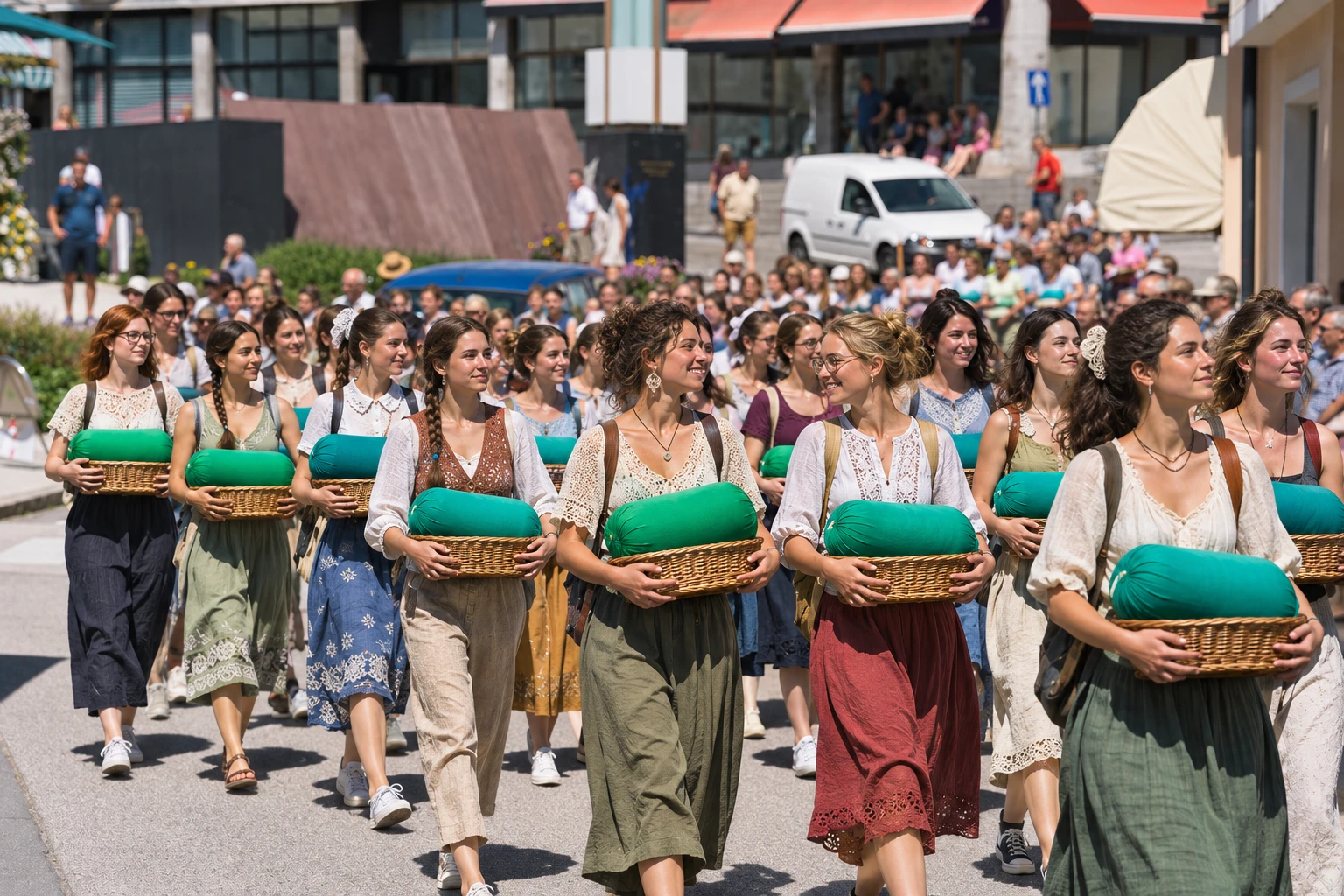
Illustrative images. The pictures in this guide are illustrations based on the real place, not photographs, and may differ from it.
The city
A town of about 6,000 inhabitants in a valley in western Slovenia, formed around an old mercury mine that was exploited for five centuries and inscribed on the UNESCO World Heritage List in 2012, together with Almadén. It has Antonijev rov, a mine entrance from 1500, Gewerkenegg Castle with the town museum, and the kamšt, a wooden water wheel. It is known for bobbin lace and for žlikrofi.
10 places to stay in Idrija.
2 places to eat in Idrija.
2 lugares no mapa: onde ficar e onde comer, por bairro.
how to get there · how many days · itinerary · questions
Flavors of Slovenia
Festivals and events
Dates change every year: check this year's date before you travel.
The local experience
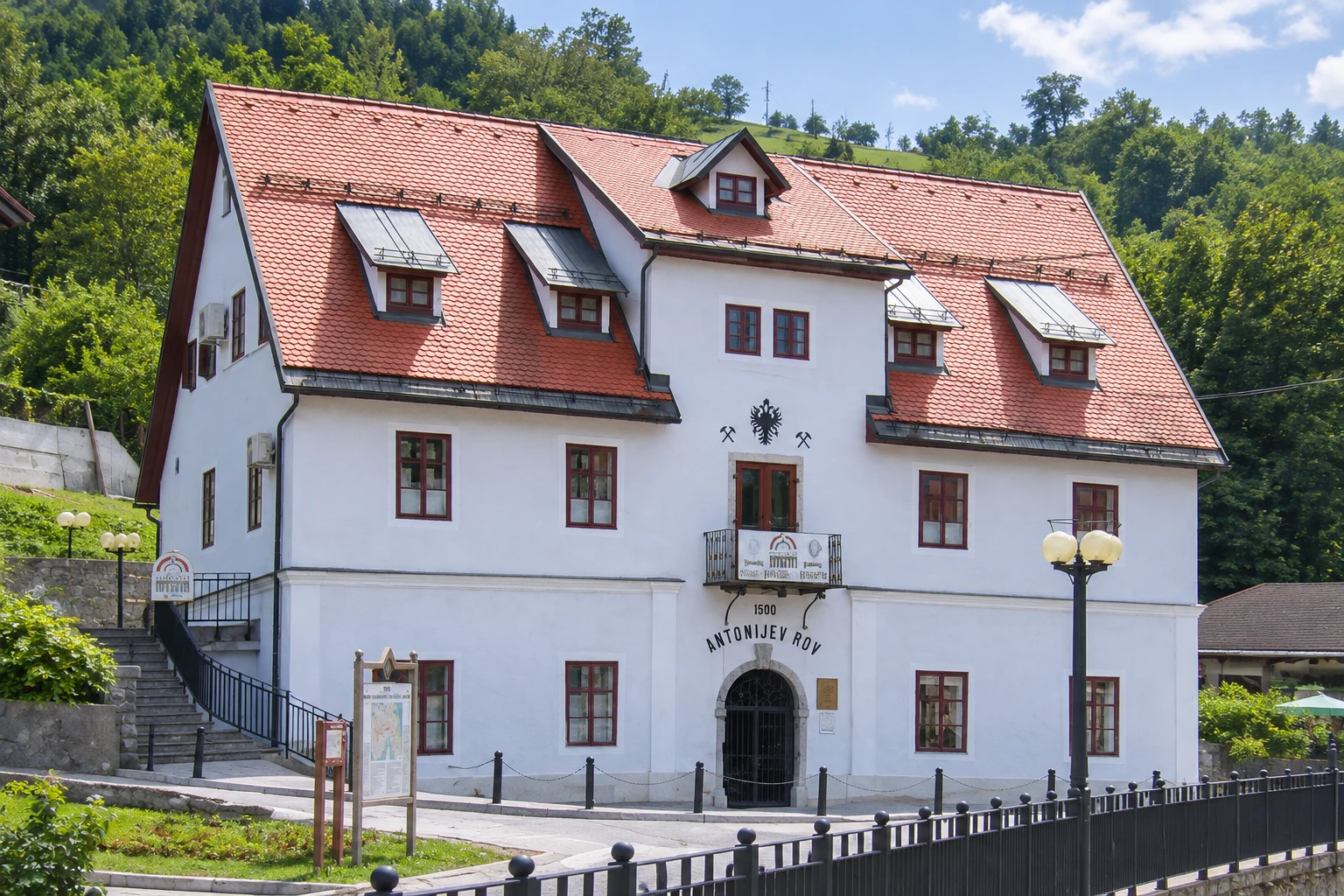
The entrance to the Idrija mercury mine opened in 1500, one of the oldest preserved in Europe. The guided visit goes through about 1.2 km of galleries, with cinnabar ore and an underground chapel.
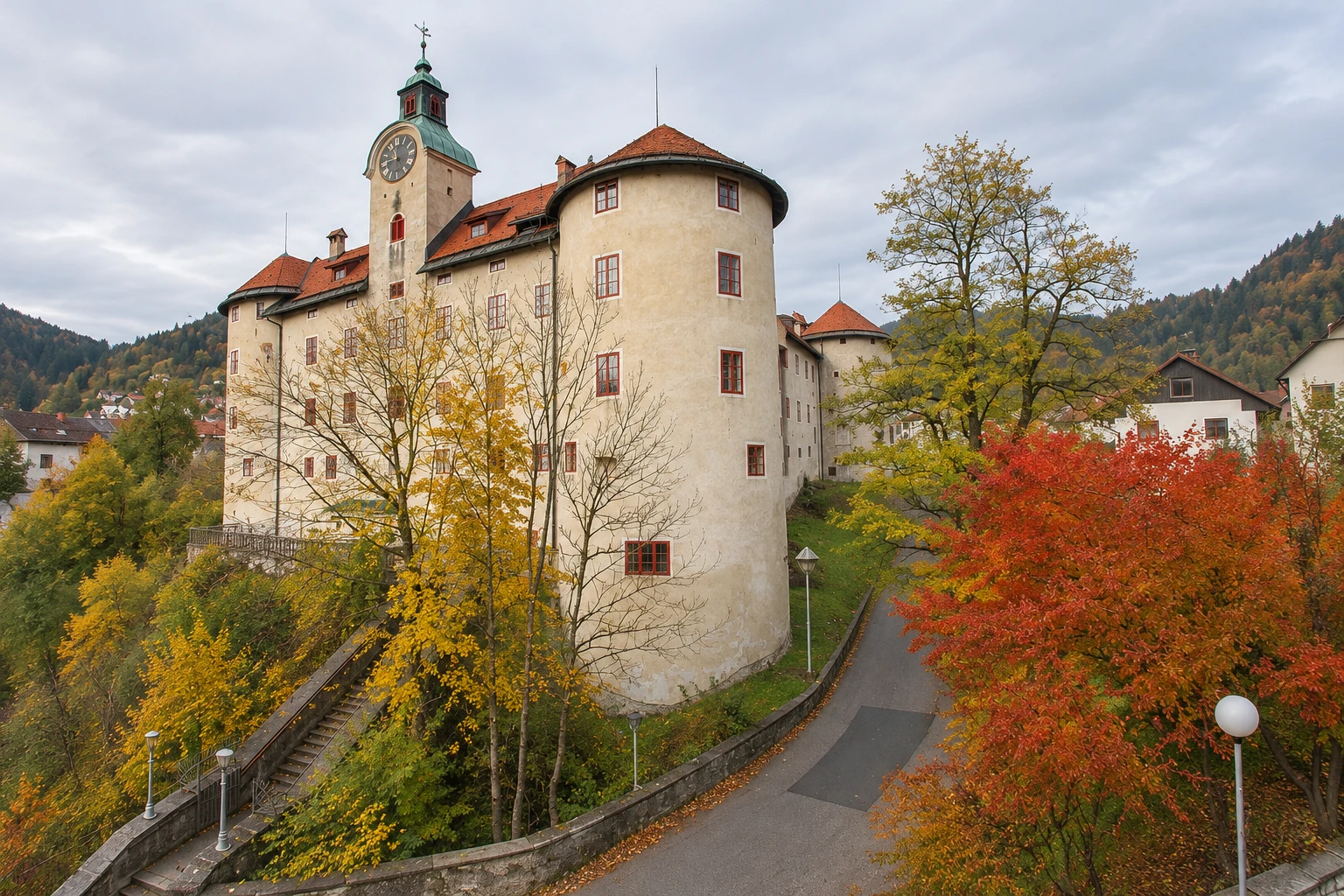
Renaissance castle built between 1522 and 1533 as the administrative headquarters and warehouse for the Idrija mine. It houses the town museum, with exhibits on the mine’s five centuries and bobbin lace.
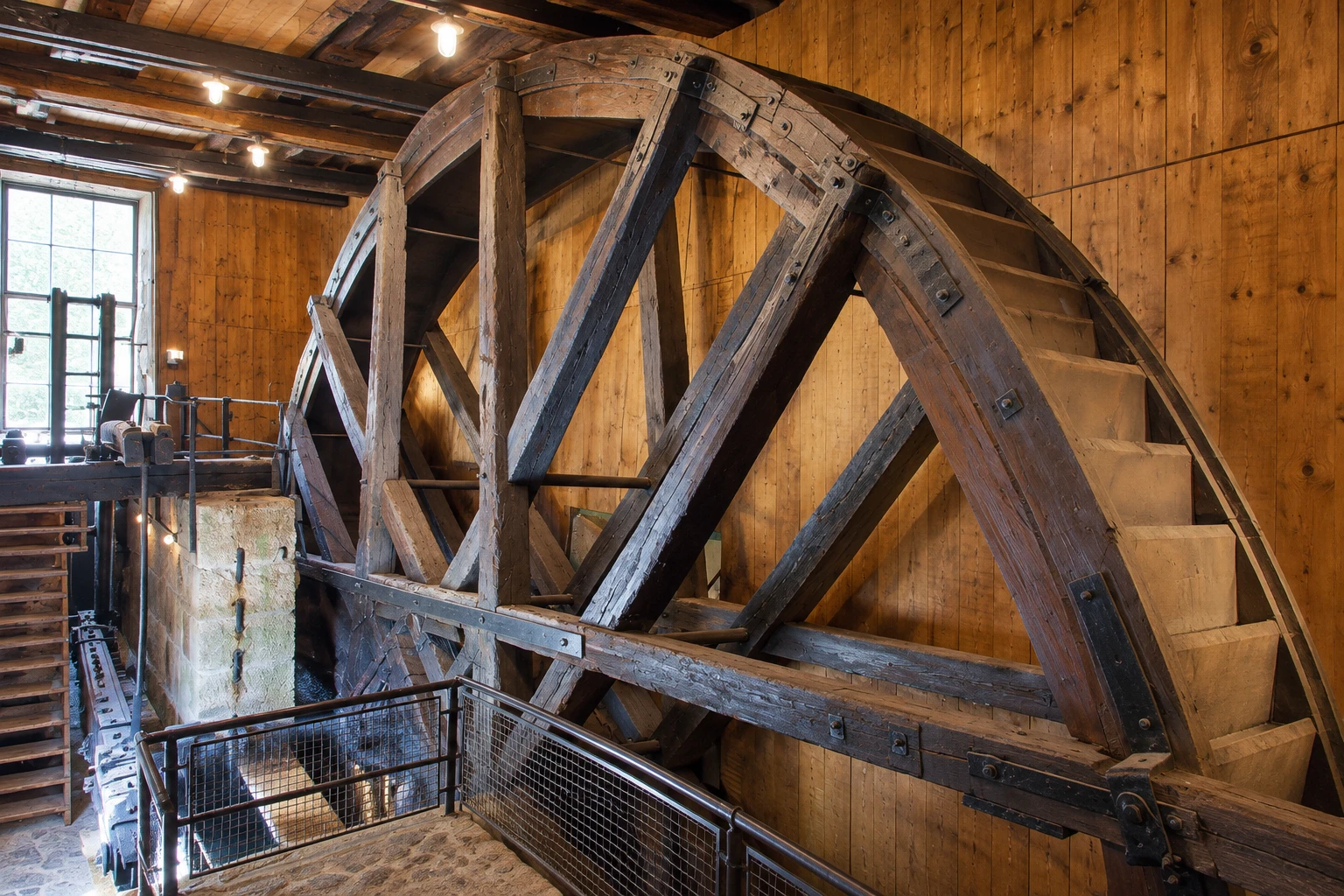
Mine water pump built in 1790, powered by a 13.6-meter wooden wheel, considered the largest preserved wooden wheel of this type in Europe. It operated until 1948.
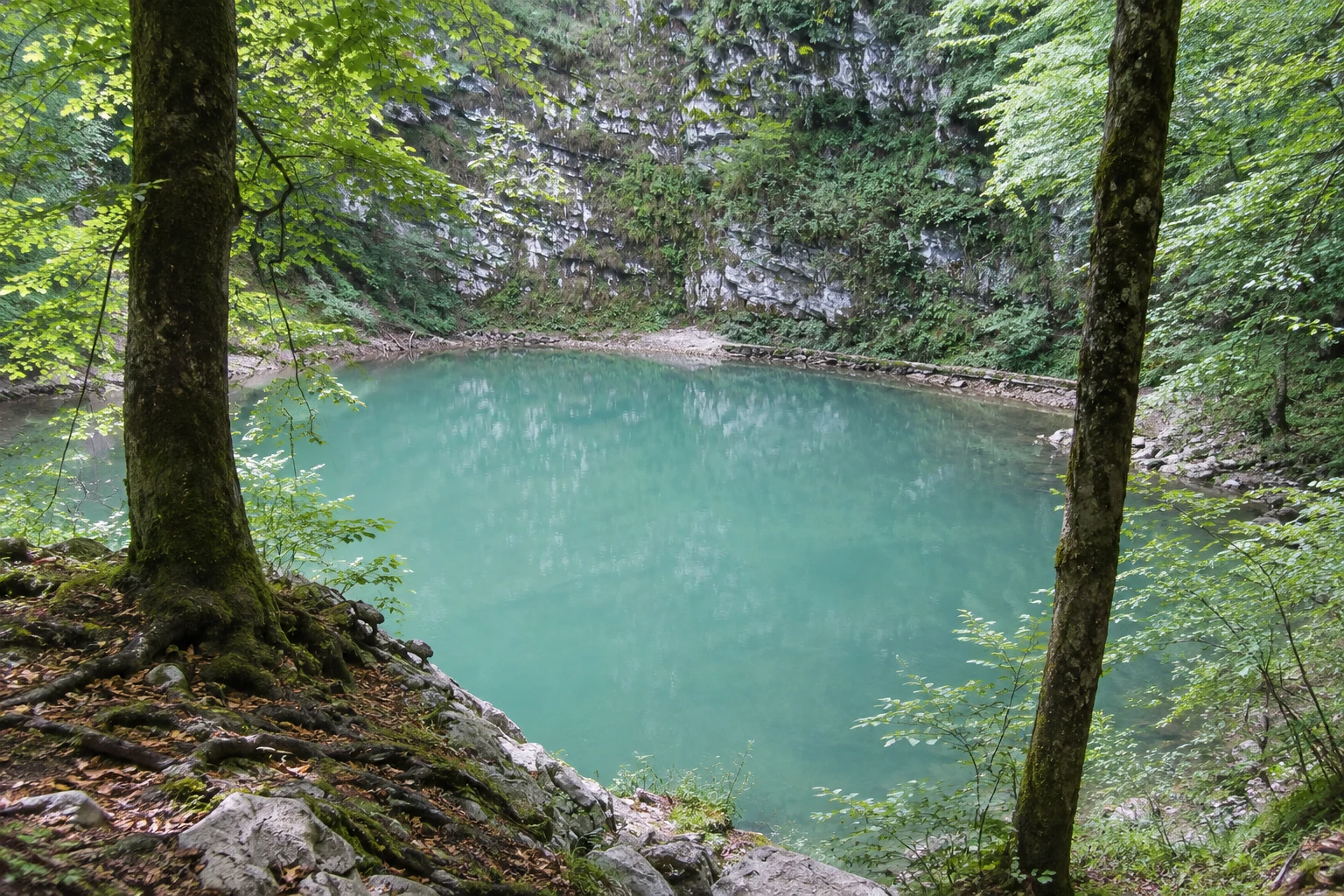
Small green lake at the foot of a cliff, south of Idrija, formed by a karst spring with more than 160 meters of explored depth. From it flows the Jezernica, Slovenia’s shortest river, at 55 meters.
Before you go
Idrija – Slovenia about 63 km from Nova Gorica
Approximate distances. Check flights and bus, train or boat schedules before you travel.
Direct buses connect the town with Ljubljana and Logatec. By car, leave the A1 motorway at Logatec and follow a winding road through the hills, about 25 km. Idrija has no train service; the nearest station is Logatec. Ljubljana Airport (LJU) is about 80 km away.
A few hours are enough for the center, with the mine and the castle. A full day allows including the kamšt and the walk to Divje jezero; with two days you can explore the Idrijca valley.
The town welcomes visitors year-round, and the mine maintains about 13 °C in any season. For the valley trails, prefer May to October. The lace festival usually takes place in June.
The seasons shown are the most usual ones; nature doesn't always follow the calendar.
Not inside the town, which is explored on foot, nor to reach Divje jezero, which is accessed via the rake trail. A car helps to get there and to explore more of the Idrijca valley.
Suggested itinerary
Built with the places on this page. No rush: it's paced so you have time to see them.
Take the guided mine tour through Antonijev rov and, upon exiting, walk across the main square to the castle.
Visit the museum in Gewerkenegg Castle, head to the kamšt and walk the rake trail to Divje jezero.
Day 1
Spend the morning at Antonijev rov and the afternoon at Gewerkenegg Castle, with the mine and lace collections.
Day 2
Start at the kamšt, follow the rake trail to Divje jezero and continue through the Idrijca valley.
Check before you go. Opening hours and days change, and places may close for renovations, holidays or events. This itinerary is a suggestion from Cidade Turismo, not a commitment: plan yours by checking directly with each place you intend to visit.
Before you go
Visit the mine via Antonijev rov, the Gewerkenegg Castle museum and the kamšt, walk to Divje jezero and try idrijski žlikrofi.
By road: leaving the A1 motorway at Logatec, the trip takes a little more than an hour. There are direct buses; the town has no train service.
Small dough dumplings filled with potato, onion and bacon, the typical dish of Idrija, usually served with meat sauce.
A bobbin-lace tradition practiced in the town for centuries, with protected geographical indication. Slovenian bobbin-lace technique is inscribed by UNESCO as intangible heritage.