
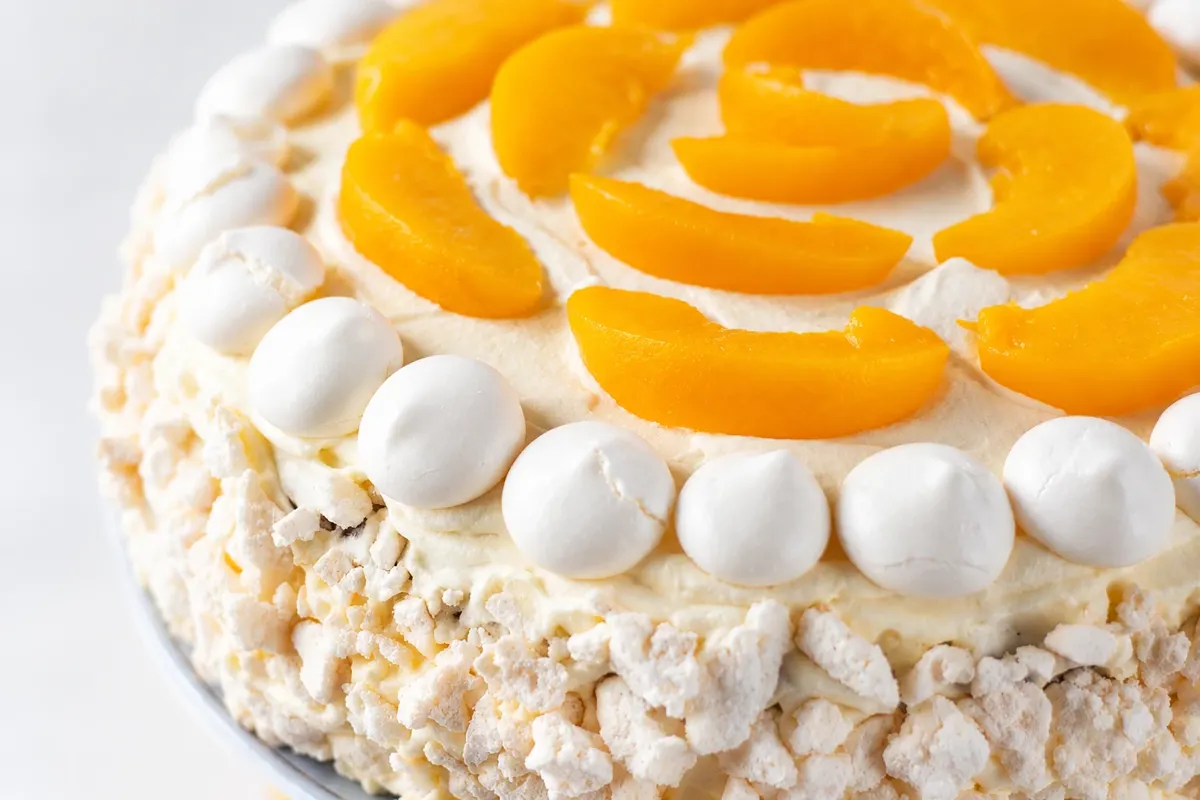
Sweet · Paysandú
Chajá
Sponge cake tart, whipped cream, crunchy meringue and peaches in syrup, light and airy. It was created in Paysandú in 1927 and is named after a local bird.

 Search
 Brazil
 Argentina
 Bolivia
 Chile
 Colombia
 Ecuador
 Guyana
 French Guiana
 Falkland Islands (Malvinas)
 Paraguay
 Peru
 SurinameUruguay
 Venezuela
 Germany
 Austria
 Belgium
 Croatia
 Denmark
 Spain
 Finland
 France
 Greece
 the Netherlands
 Hungary
 Ireland
 Iceland
 Italy
 Luxembourg
 Norway
 Poland
 Portugal
 the United Kingdom
 the Czech Republic
 Sweden
 Switzerland
 Turkey
 the United States
 Mexico
 the Dominican RepublicTurkey
 South Africa
 Australia
 Fiji
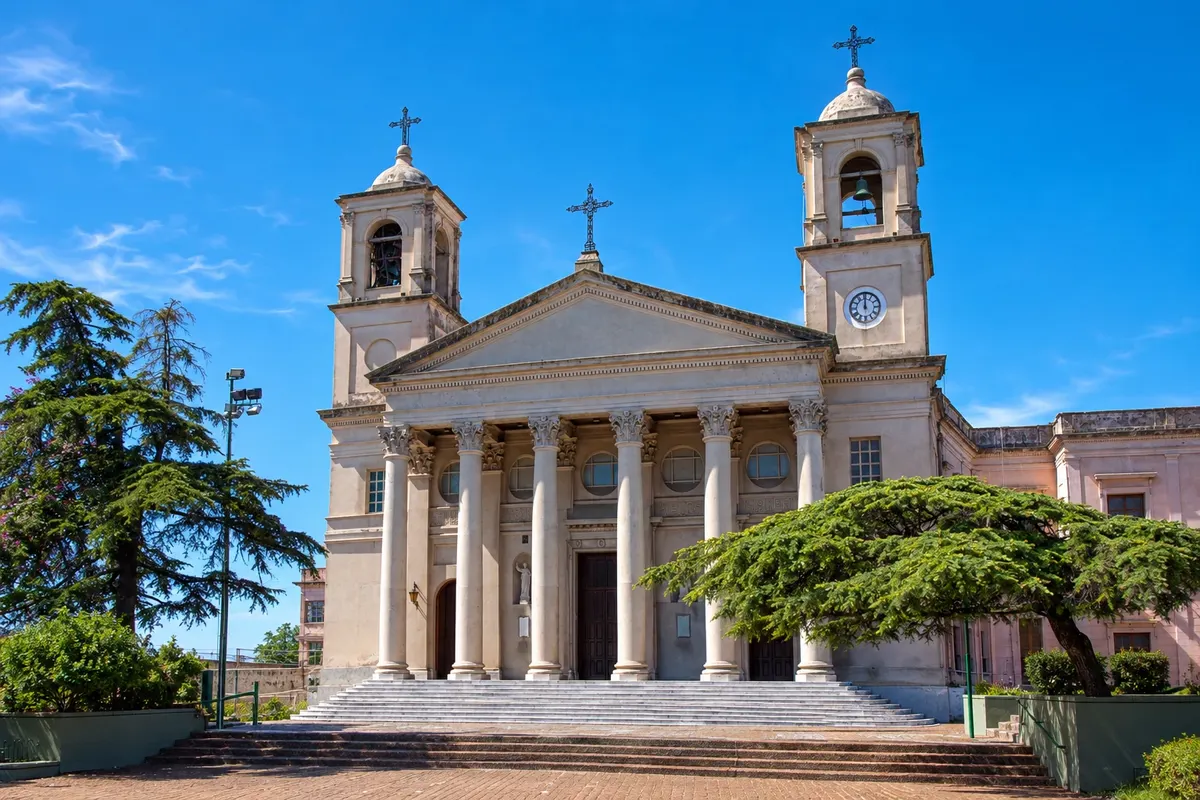
Paysandú · Uruguay Capital
In the destination Paysandú and the coastal hot springs.
In the photo: Basilica next to Plaza Constitución — Paysandú, Uruguay.
Illustrative images. The pictures in this guide are illustrations based on the real place, not photographs, and may differ from it.
The city
Capital of the Paysandú department, on the banks of the Uruguay River, opposite the Argentine city of Colón. The center has the basilica of Nuestra Señora del Rosario y San Benito de Palermo and the 19th-century Teatro Florencio Sánchez; seven blocks from the square is the Monumento a Perpetuidad, the old cemetery with Italian sculptures. To the north are the Termas de Guaviyú and the Meseta de Artigas. It is the city of the chajá and the Semana de la Cerveza.
There's no accommodation in the guide yet in Paysandú.
There are no restaurants in the guide yet in Paysandú.
Know a good one? Recommend it to ushow to get there · how many days · itinerary · questions
Flavors of Uruguay
The local experience
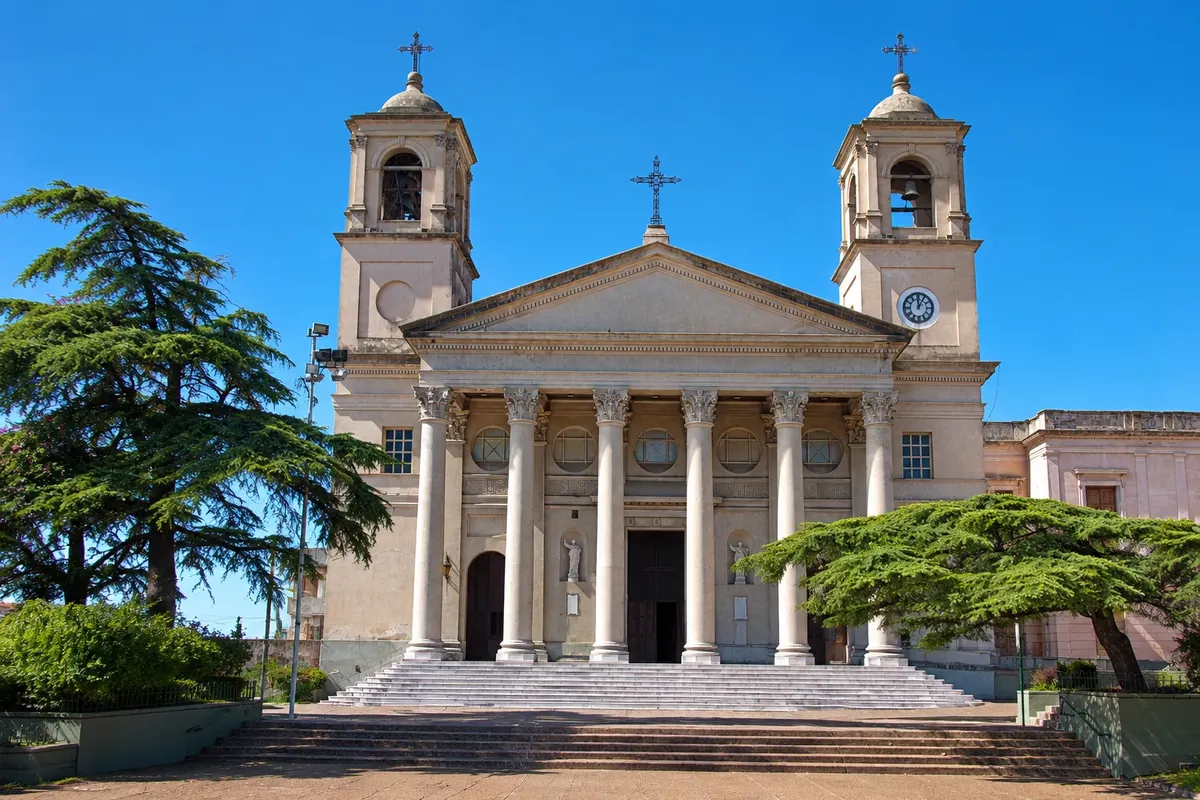
The main church of Paysandú, in the city center. The current temple dates from 1860, was heavily damaged during the 1864–1865 siege and rebuilt; it houses a Walcker organ from 1906 and was granted the title of basilica in 1949.
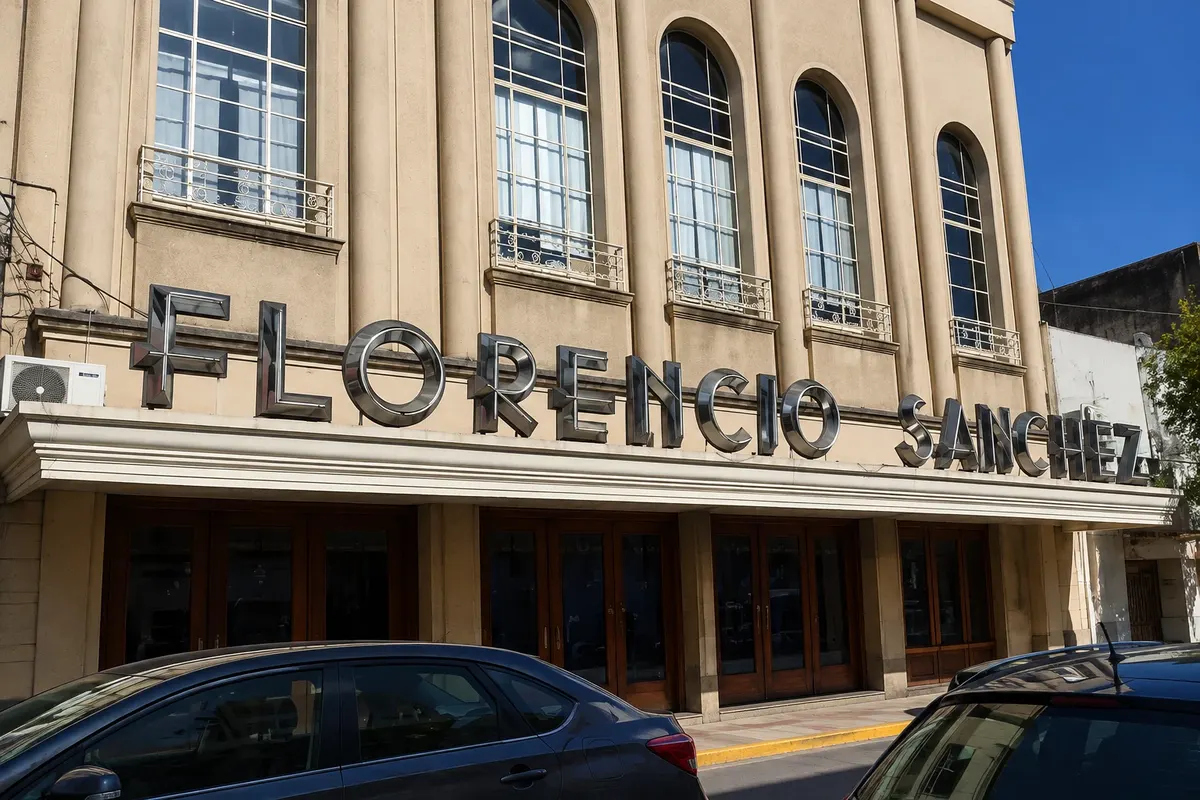
A 19th-century theatre in the center of Paysandú, opened in 1876 as Teatro Progreso and renamed in 1921 in honor of the Uruguayan playwright. It has about 700 seats and is a national historic monument.
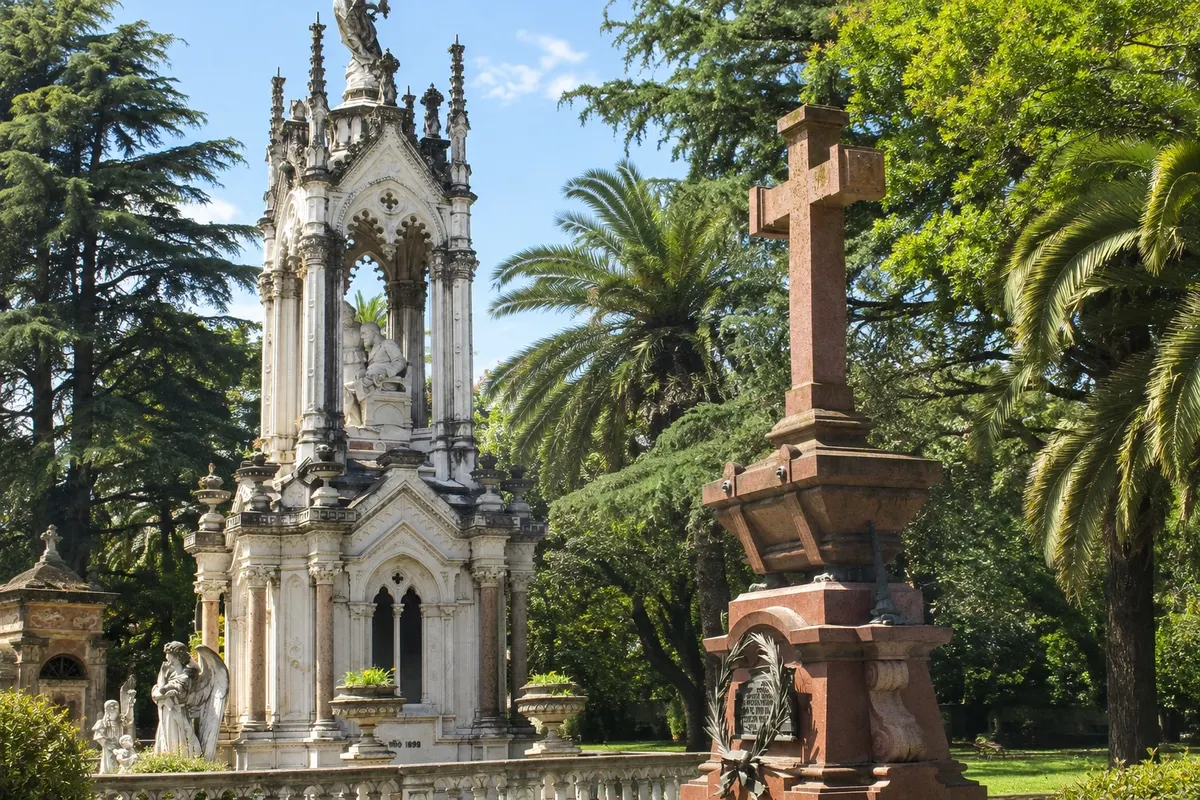
The old cemetery of Paysandú, used from 1835 and turned into an open-air museum, with about 80 pantheons and sculptures in Italian marble. It is a national historic monument.
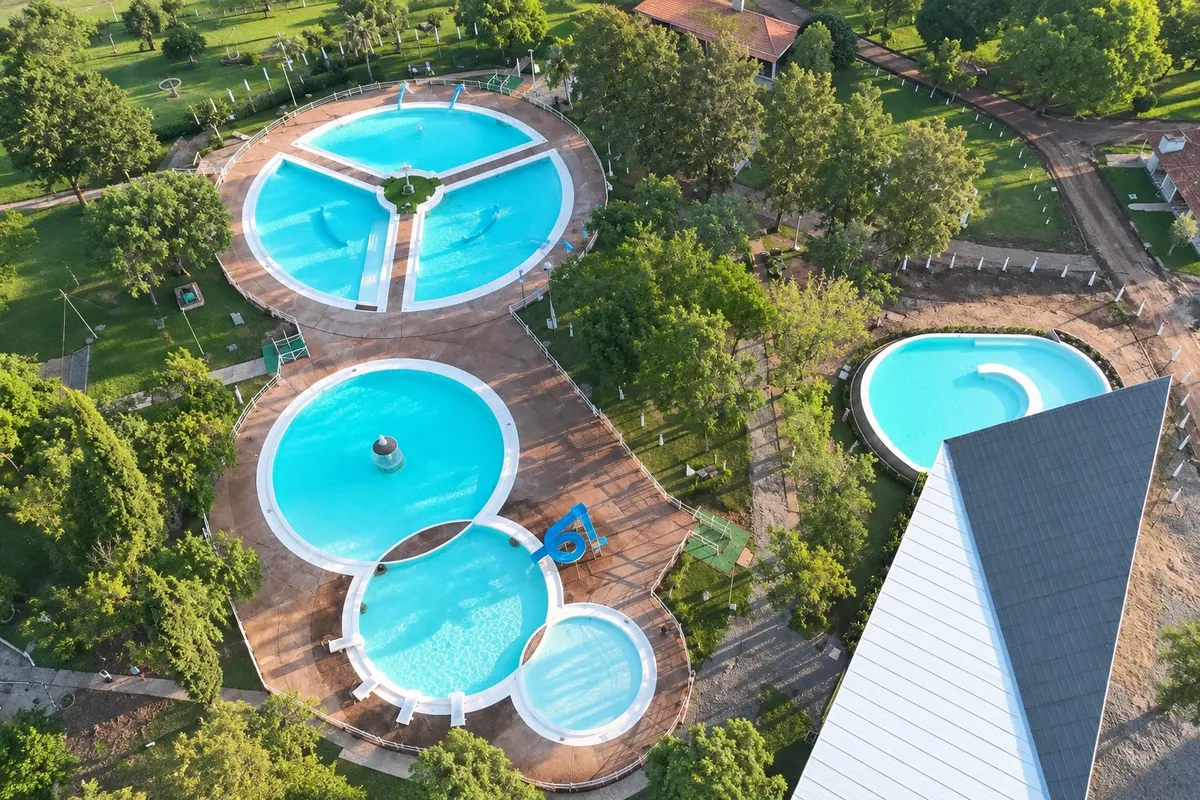
Thermal complex at km 432 of Ruta 3, about 60 km north of Paysandú, with outdoor and indoor pools of hot water from the Guaraní Aquifer, among yatay palm trees and the Guaviyú stream.
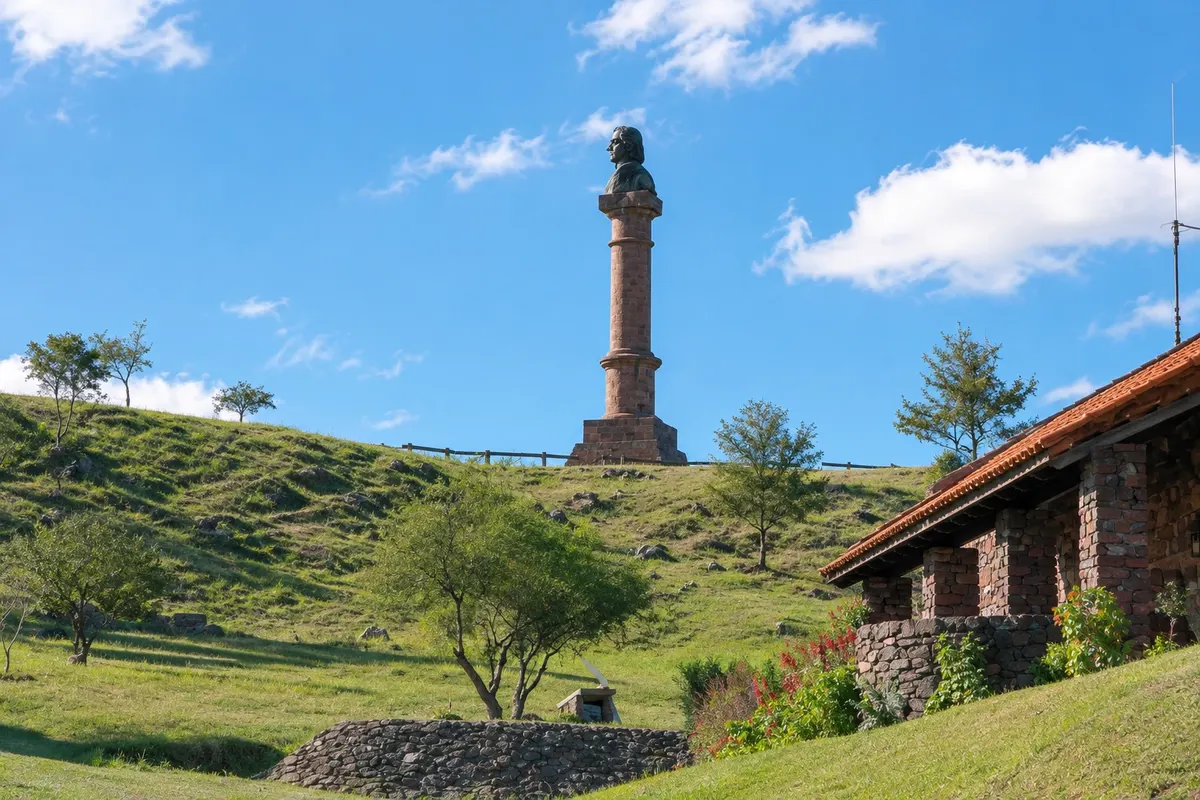
Plateau over cliffs up to 50 meters high on the edge of the Uruguay River, with the 1899 monument to José Artigas. To the north lay Purificación, the seat of the Liga Federal government between 1815 and 1818.