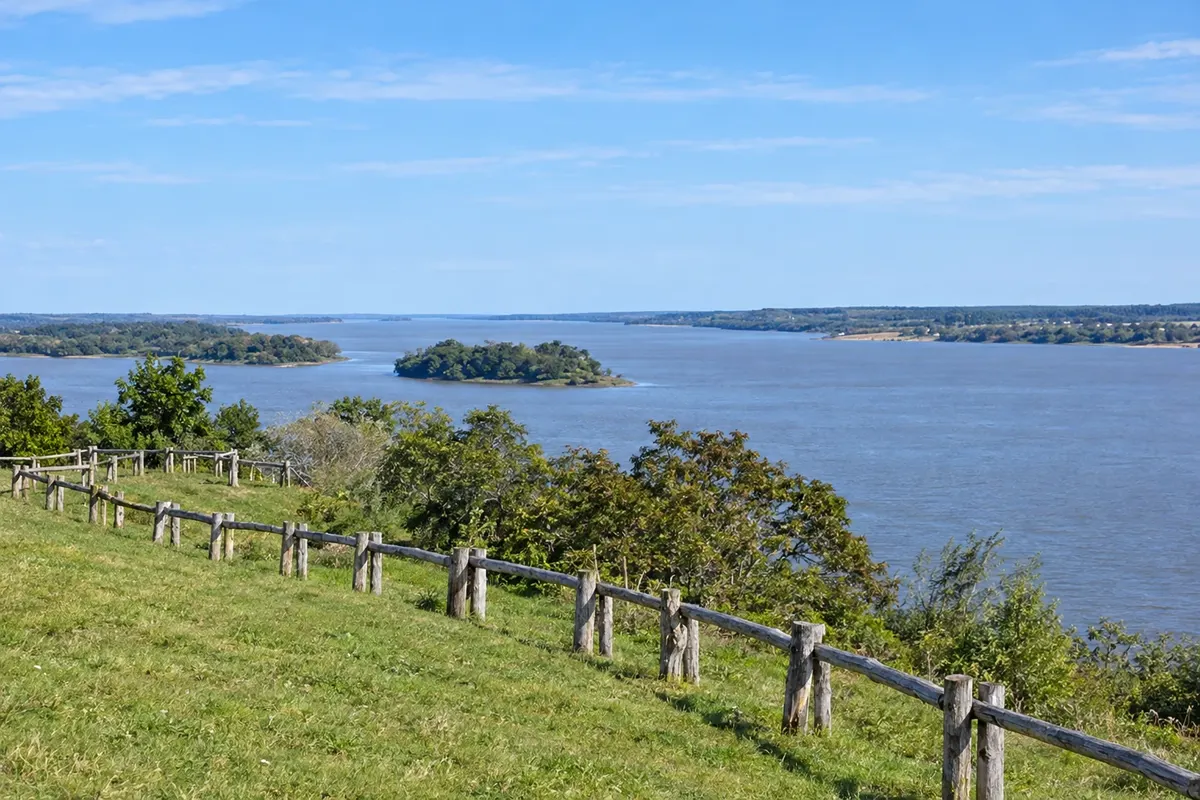
Paysandú is the capital of the department of the same name, on Uruguay’s west coast, on the left bank of the Uruguay River. Across the water lies the Argentine city of Colón, connected to Paysandú by the General Artigas bridge. The city preserves 19th-century buildings and the memory of the siege of 1864–1865, which earned it the nickname "La Heroica."
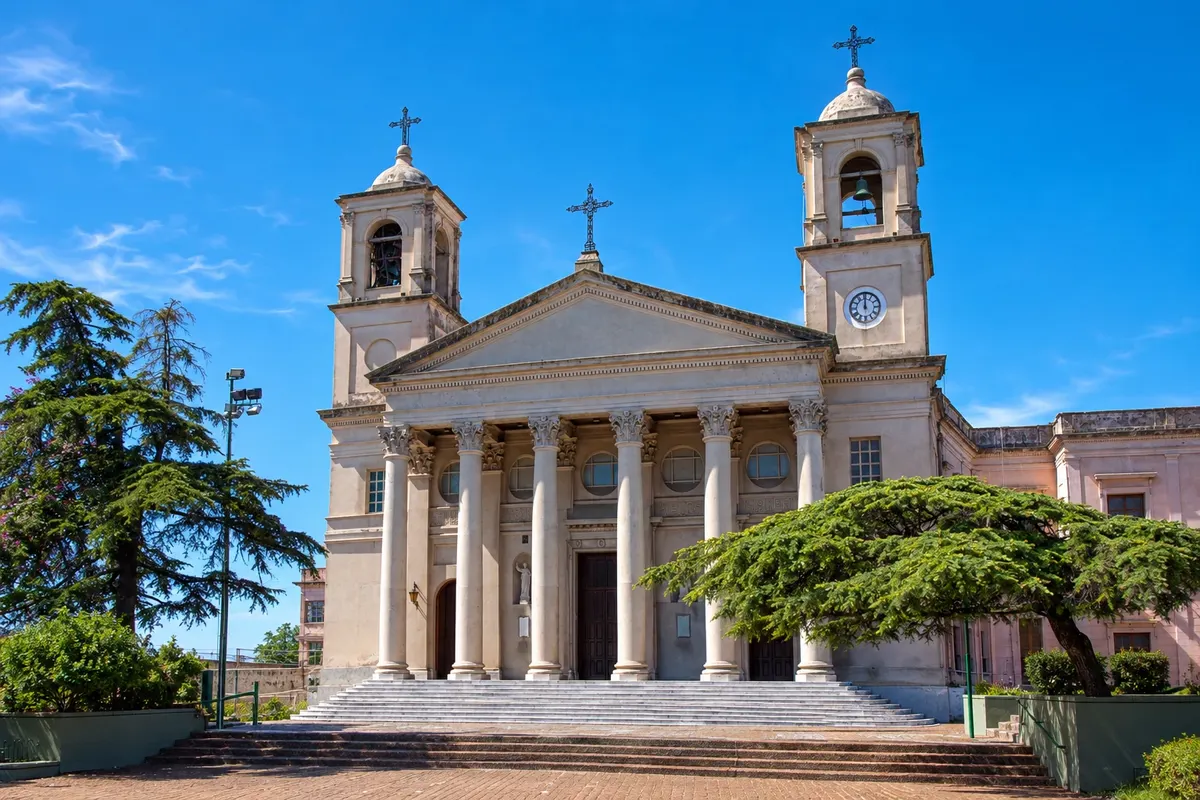
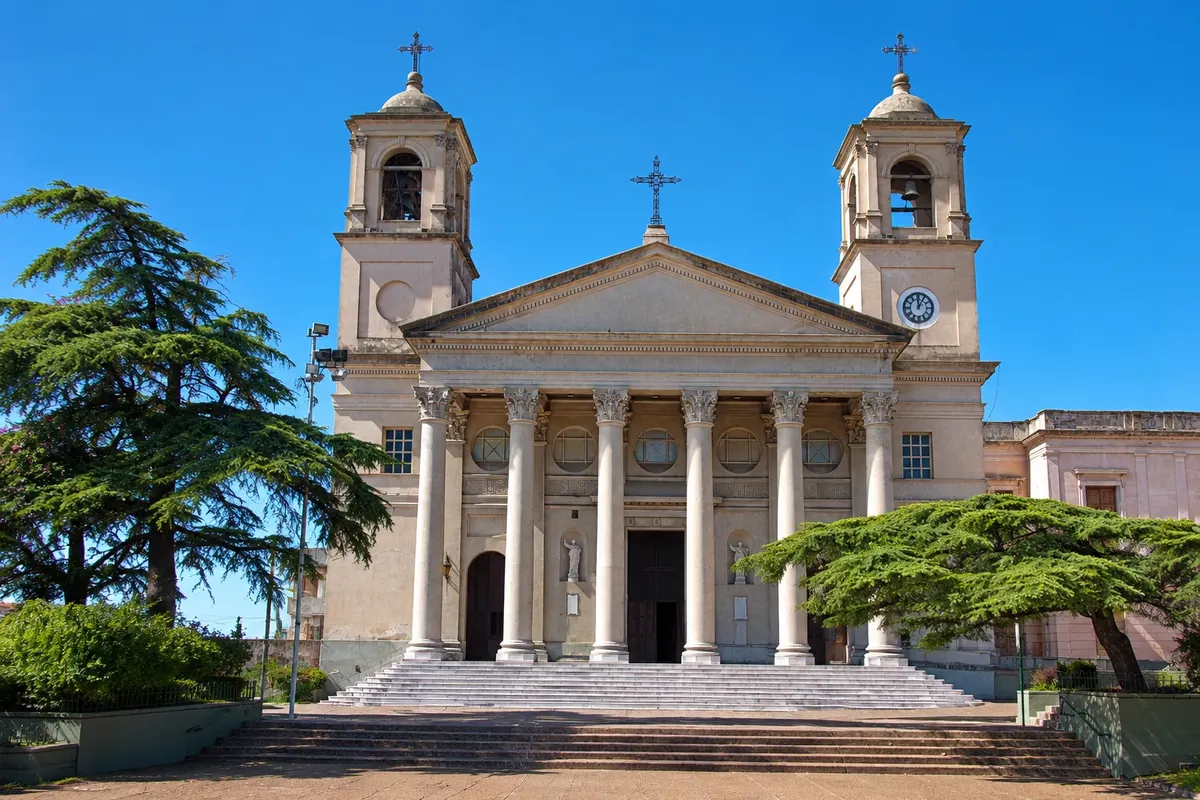
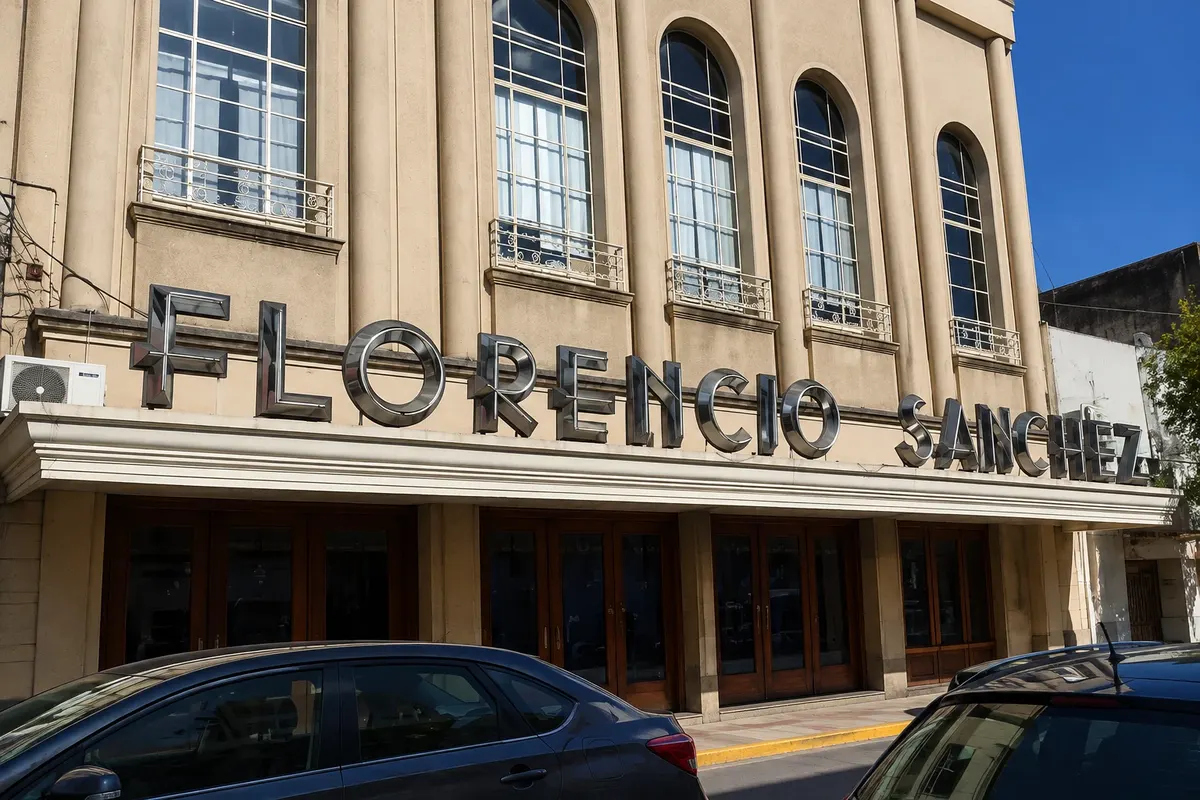
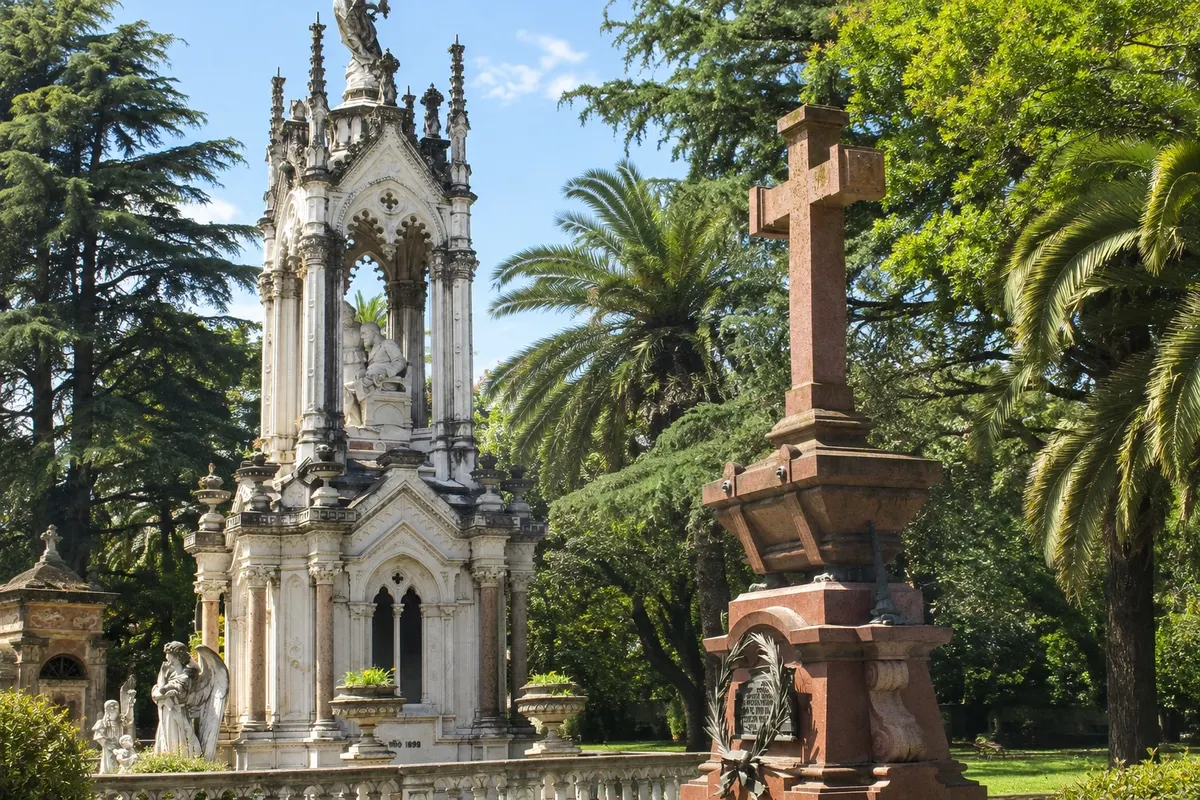
In the center are the basilica of Nuestra Señora del Rosario y San Benito de Palermo and the Teatro Florencio Sánchez, built by Swiss master builders Bernardo and Francisco Poncini and opened in 1876. Seven blocks from the main square, the old cemetery became the Monumento a Perpetuidad, an open-air museum of mausoleums and sculptures in Italian marble.
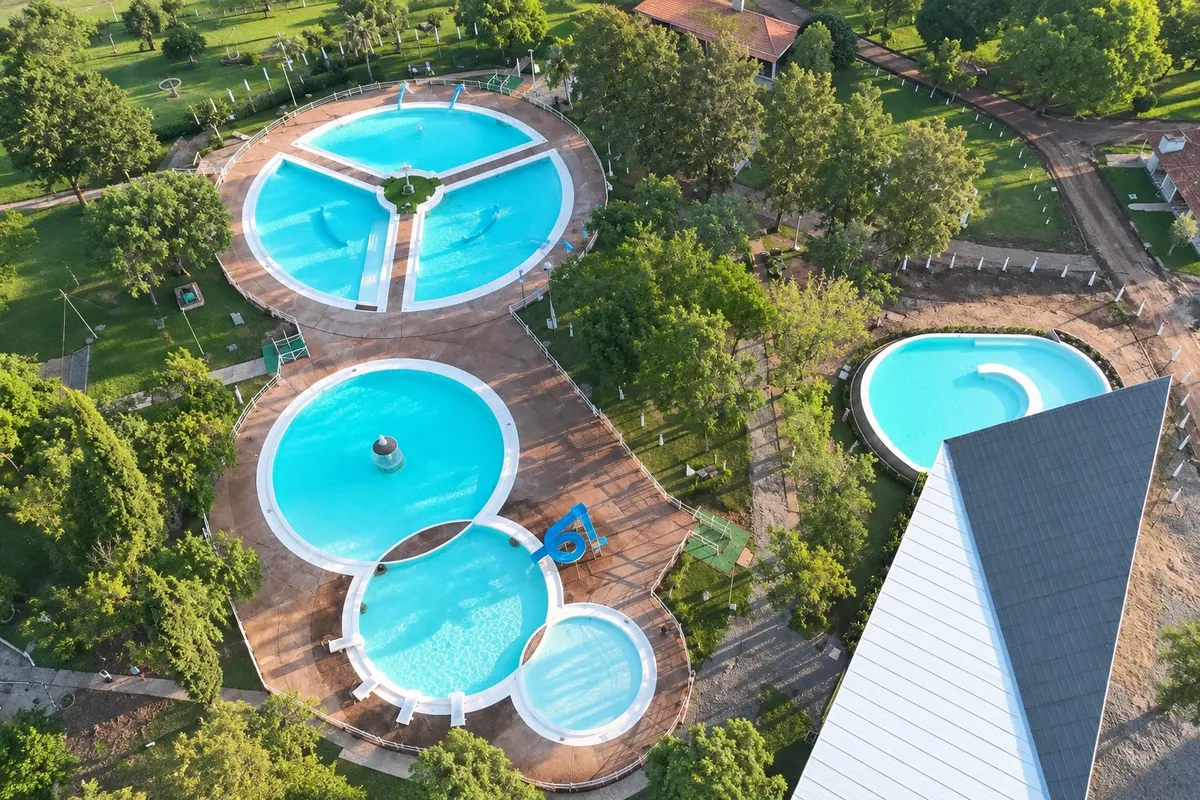
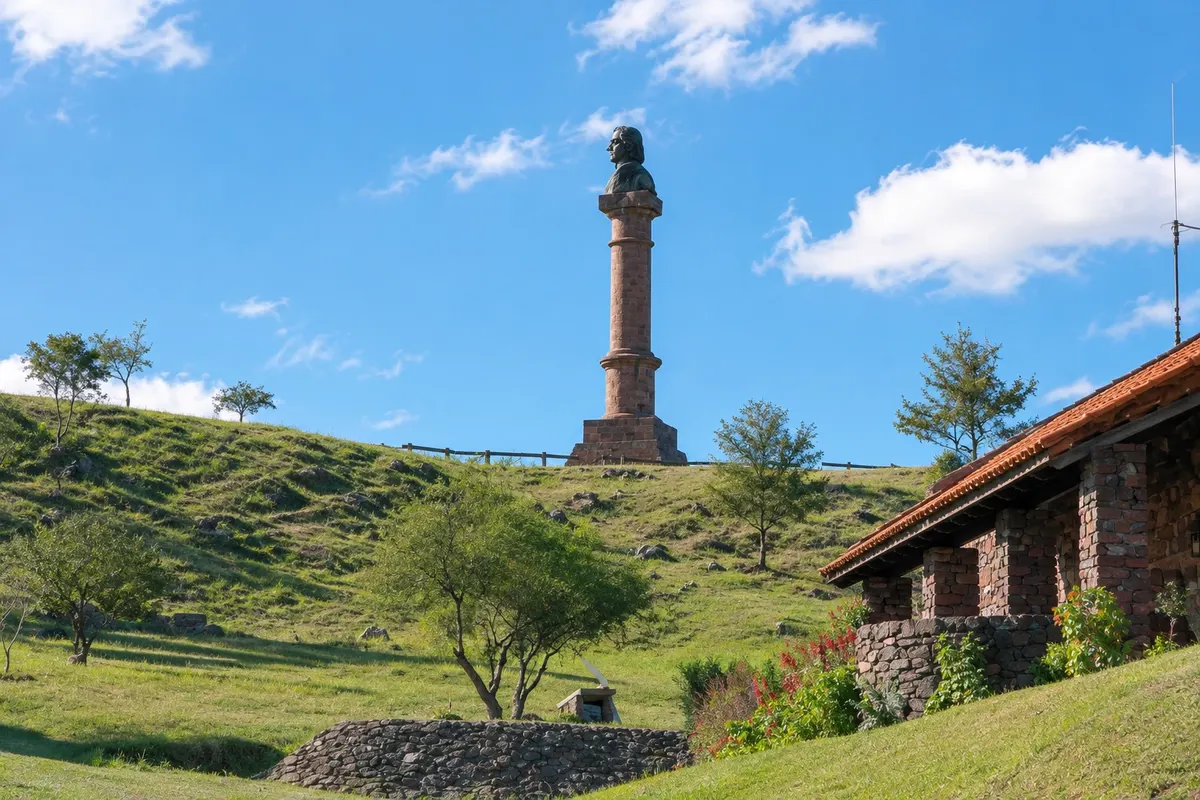
To the north, along Route 3, are the Termas de Guaviyú, with hot-water pools fed by the Guarani Aquifer, among yatay palms. Further on, atop the river bluffs, the Meseta de Artigas features the monument to the national hero and the memory of Purificación, the seat of the Liga Federal government between 1815 and 1818.
Paysandú is also the city of the chajá, the meringue, sponge cake and peach dessert created in a local pastry shop in 1927. During Semana de Turismo, as Uruguayans call Holy Week, the city hosts the Semana de la Cerveza, a riverside festival with live shows.
This destination brings together 1 city: Paysandú.


 Brazil
 Argentina
 Bolivia
 Chile
 Colombia
 Ecuador
 Guyana
 French Guiana
 Falkland Islands (Malvinas)
 Paraguay
 Peru
 Suriname
 Venezuela
 Germany
 Austria
 Belgium
 Croatia
 Denmark
 Spain
 Finland
 France
 Greece
 the Netherlands
 Hungary
 Ireland
 Iceland
 Italy
 Luxembourg
 Norway
 Poland
 Portugal
 the United Kingdom
 the Czech Republic
 Sweden
 Switzerland
 Turkey
 the United States
 Mexico
 the Dominican Republic
 South Africa
 Australia
 Fiji