Huancayo and the Mantaro Valley

Junín · Peru

Huancayo and the Mantaro Valley

The largest city in Peru’s central highlands, at 3,250 meters, with historic plazas, a Wanka sanctuary, clay formations and the Franciscan Convent of Ocopa in the Mantaro Valley.

Lima e Centro

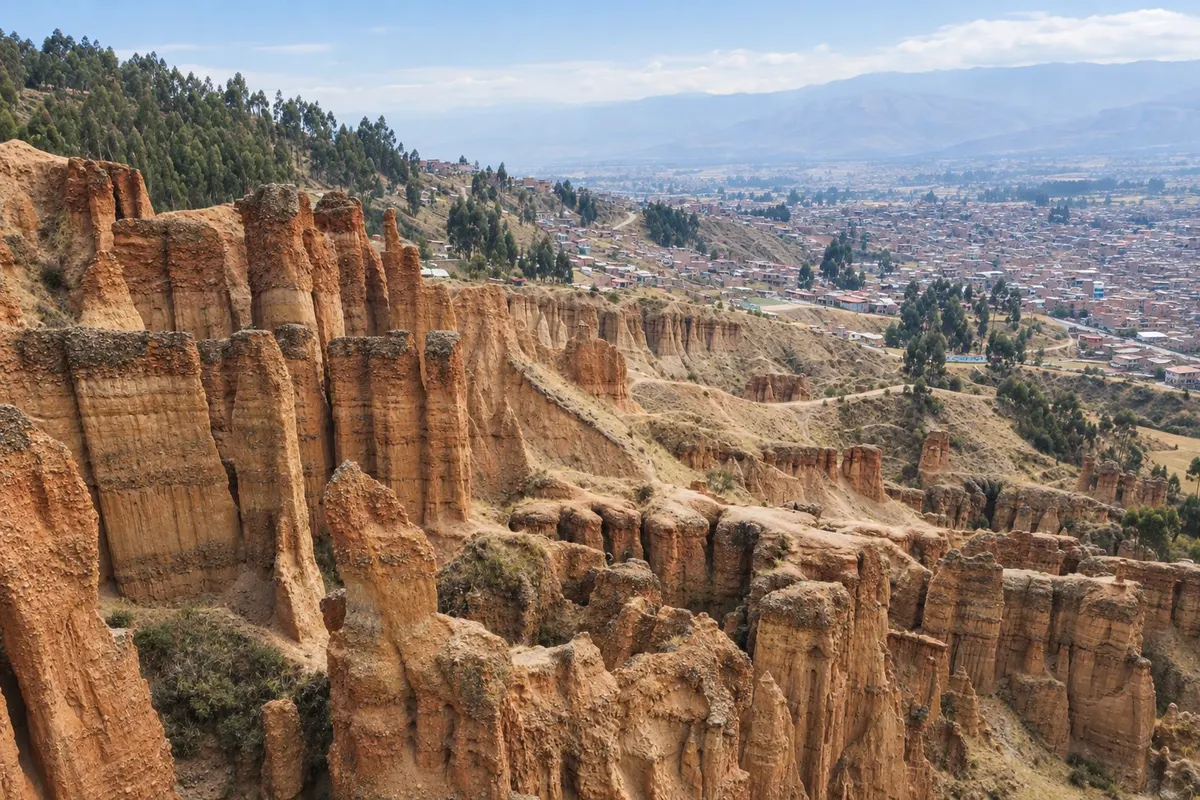
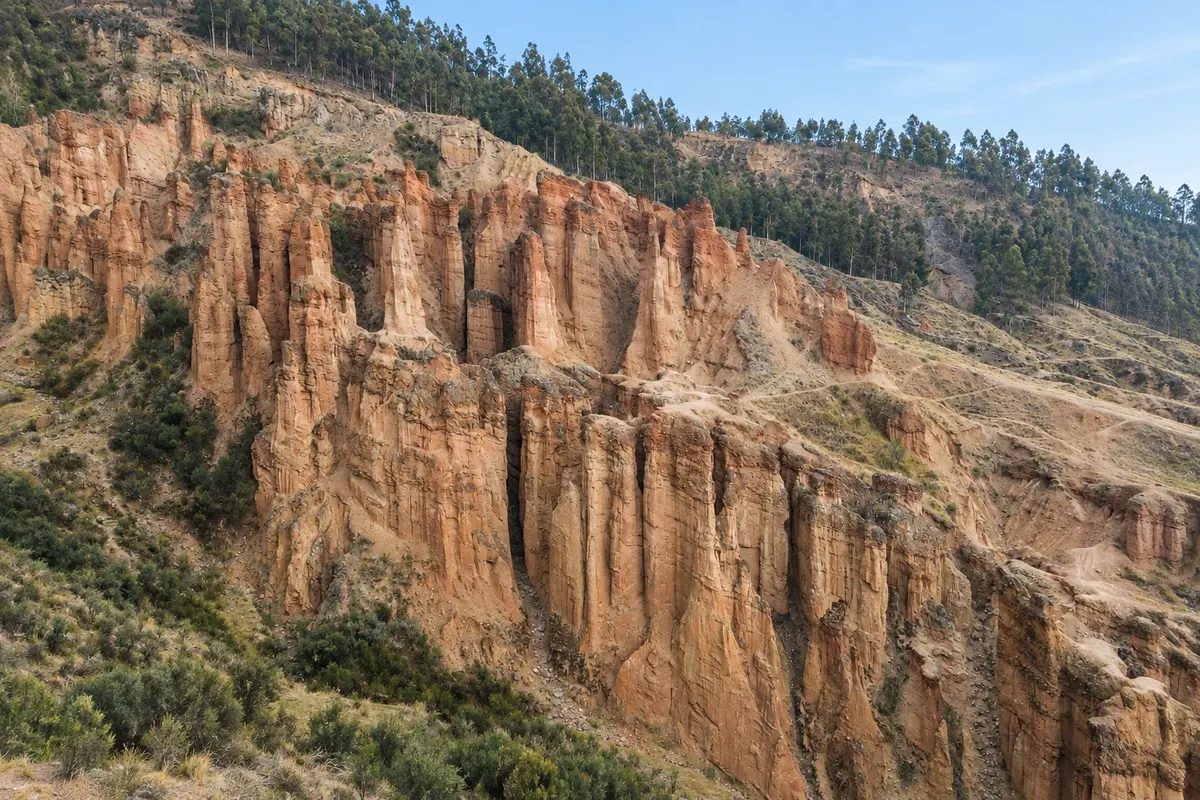
In the photo: Torre Torre and the Mantaro Valley, in Huancayo, Peru.

Illustrative images. The pictures in this guide are illustrations based on the real place, not photographs, and may differ from it.

Get it on Google Play Send your photos

Get to know the place

A region to enjoy
at your own pace.

The Mantaro Valley is a wide, fertile strip in Peru’s central highlands, in the Junín region, surrounded by mountains and crossed by the Mantaro River. Farm fields fill the valley floor alongside villages known for their crafts, such as Las Cochas, Hualhuas and San Jerónimo de Tunán.

Huancayo, the capital of Junín, is the gateway. It lies about 300 km from Lima via the Carretera Central and has an average elevation of 3,250 meters. The city was founded as a Spanish settlement in 1572, but the area was already the center of the Wankas, the people who controlled the valley before the Incas.

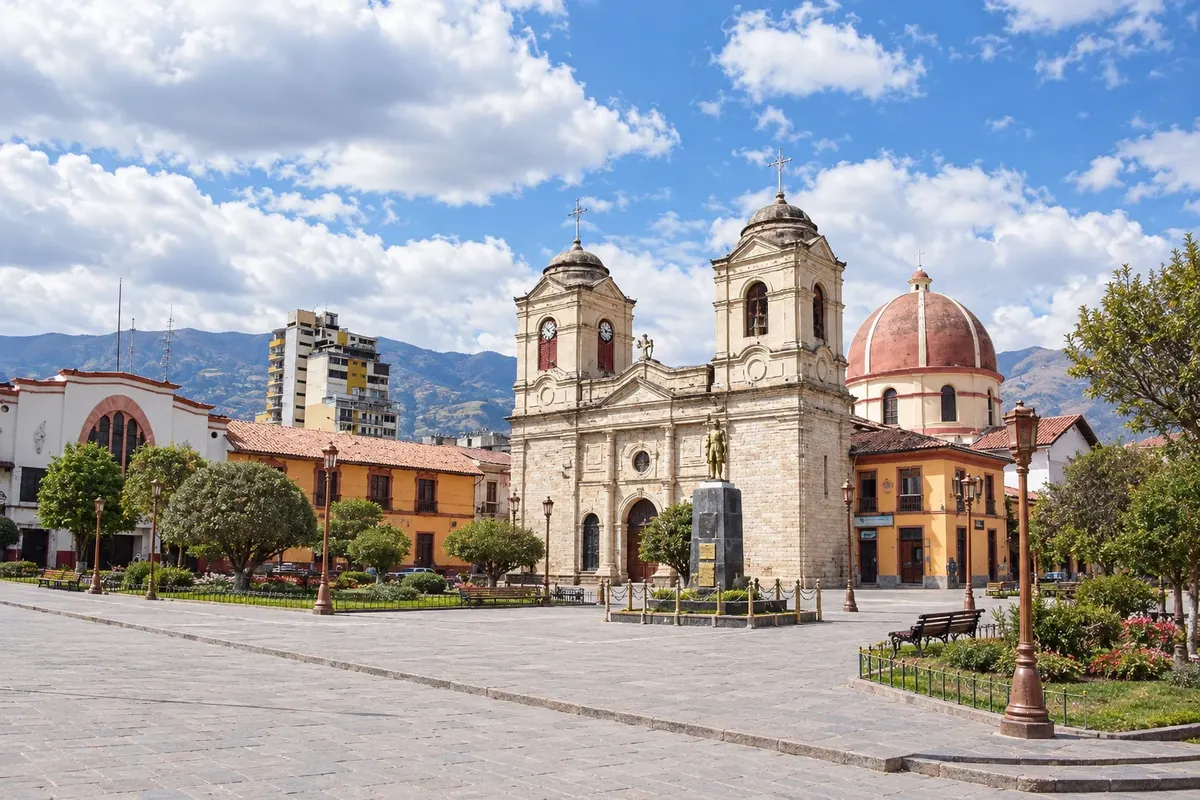
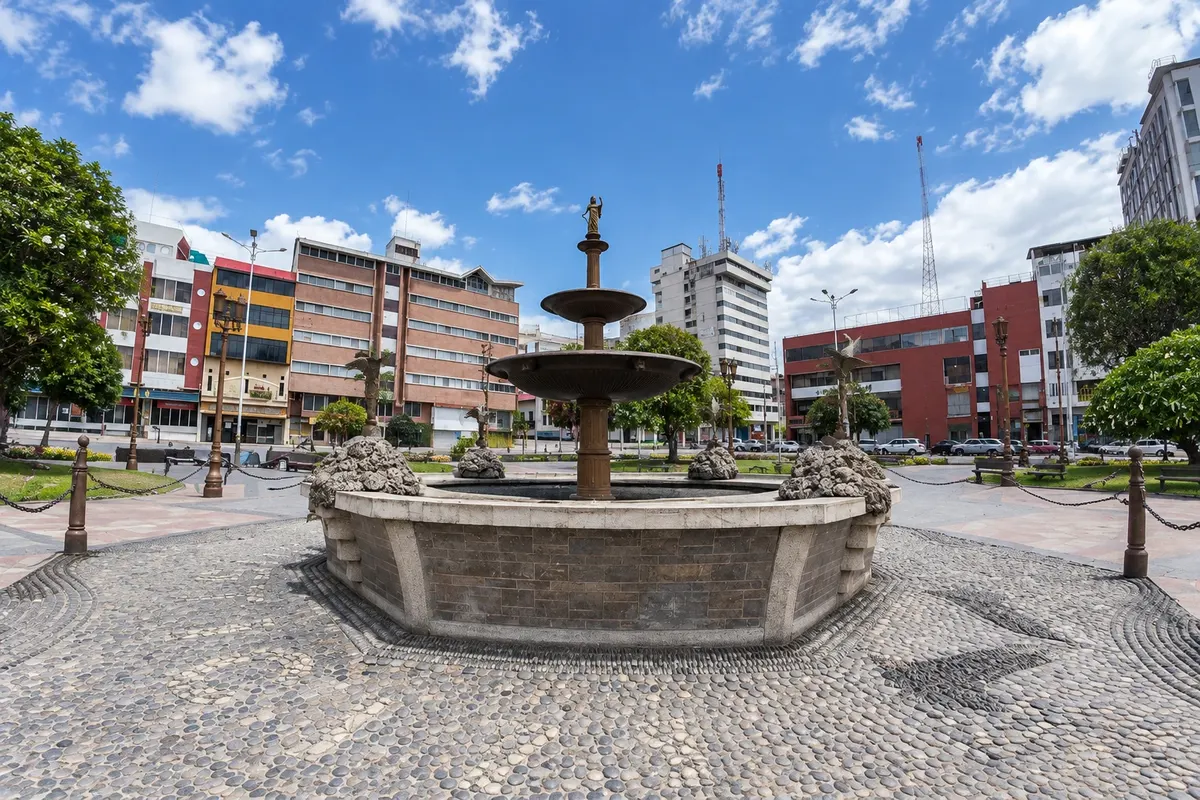
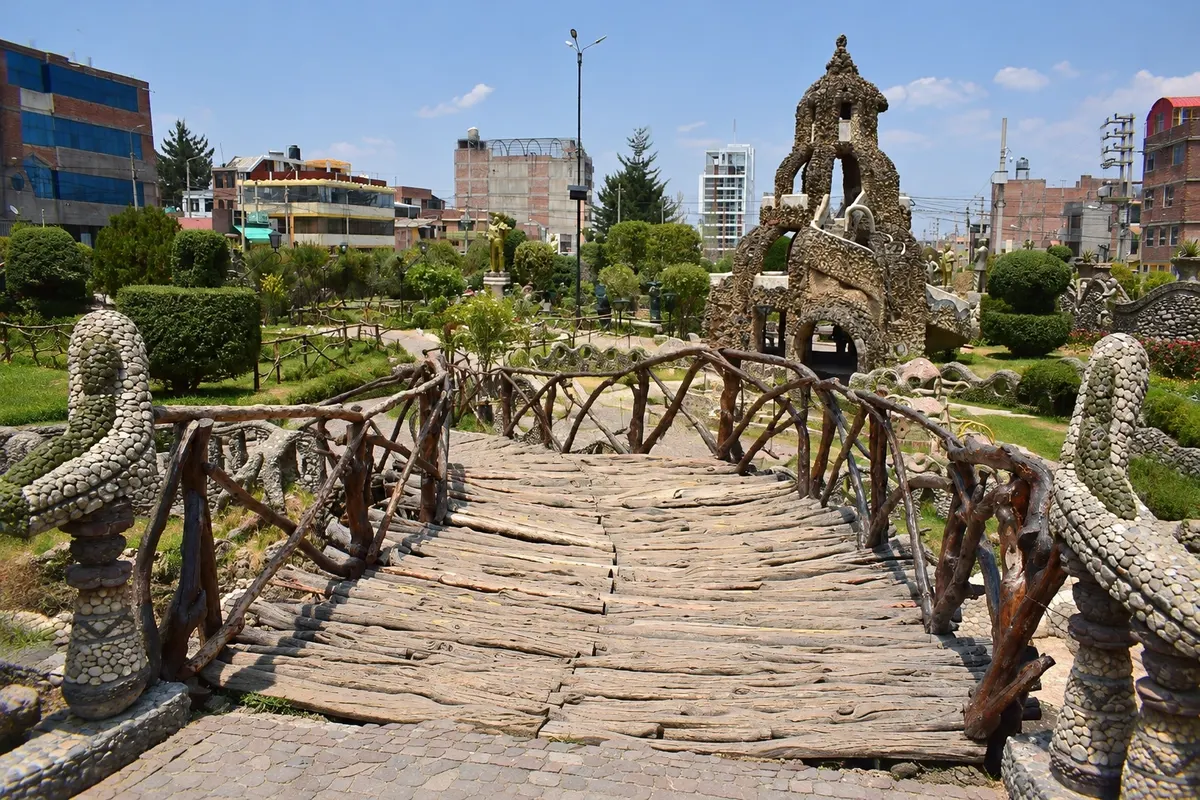
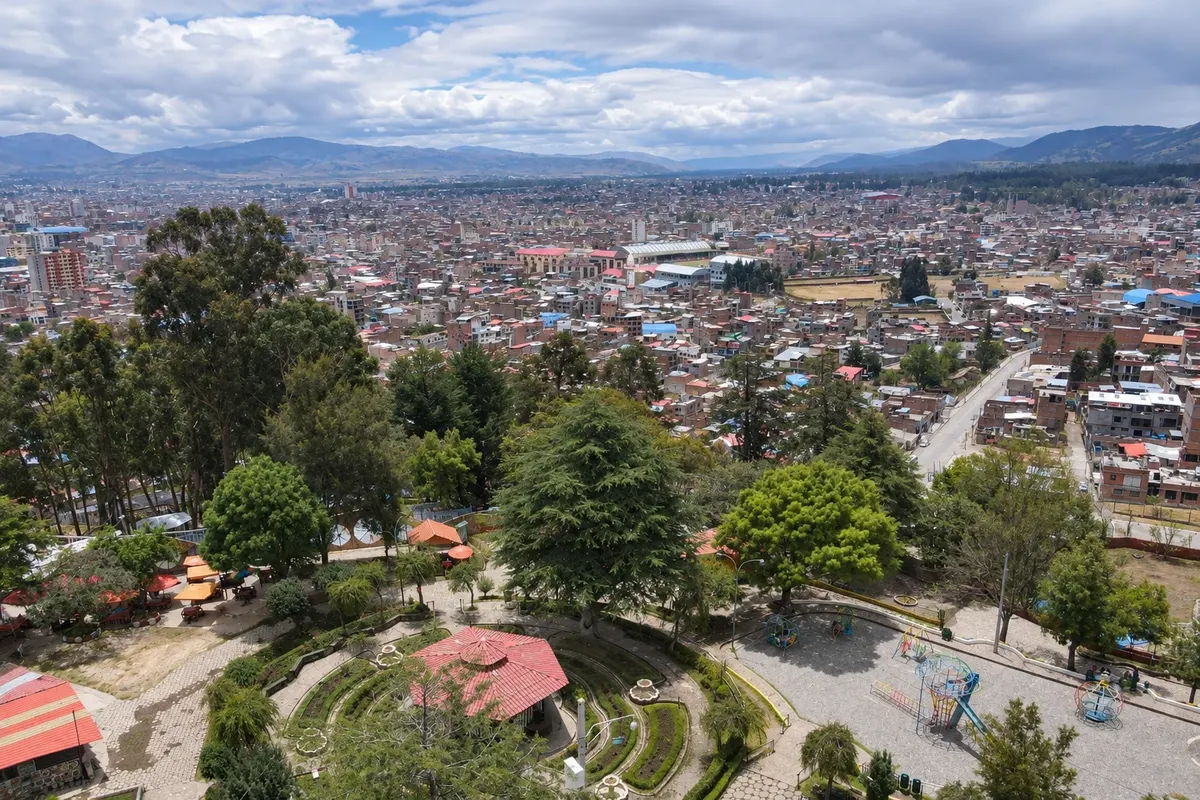
In the center are the Plaza de la Constitución, with its neoclassical cathedral, and the Parque de la Identidad Huanca, a stone park honoring musicians and artists from the region. On the outskirts, the Cerrito de la Libertad and the clay towers of Torre Torre overlook the valley, and the Wari Willka sanctuary preserves remains of an ancient religious center.

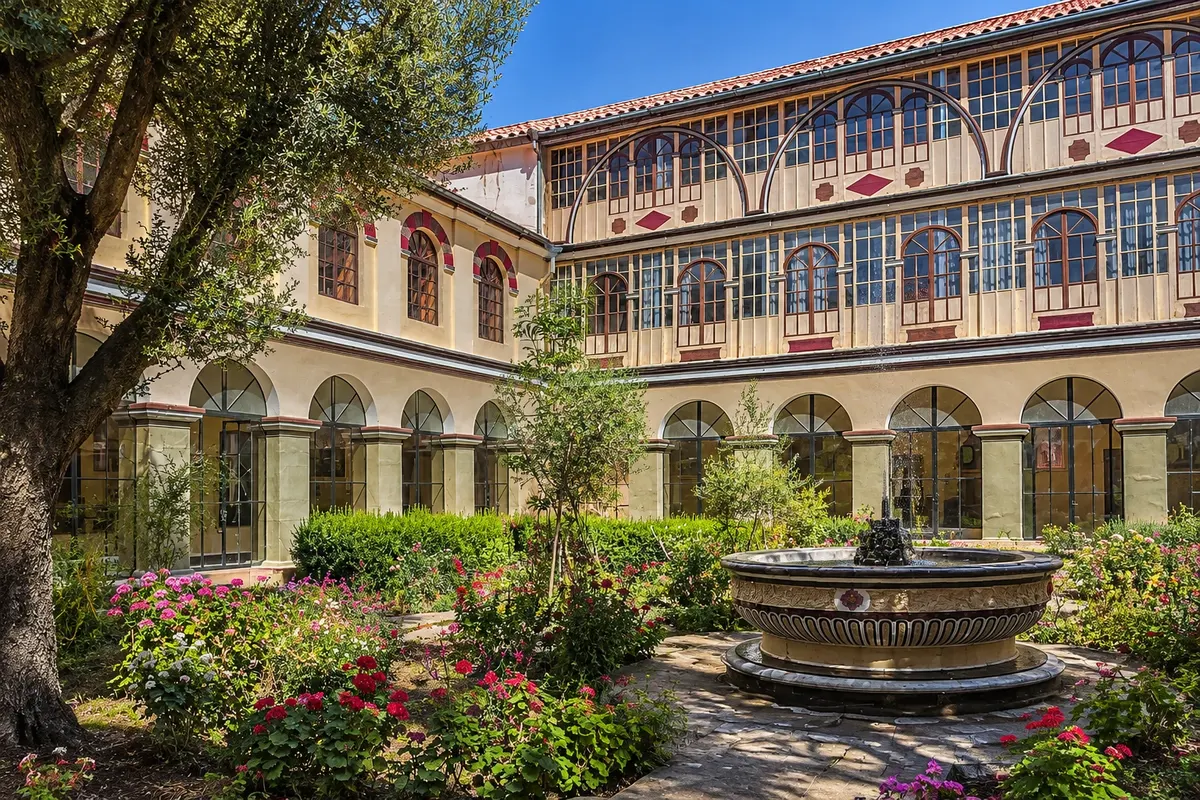
About 25 km to the north, near Concepción, the Convent of Santa Rosa de Ocopa, founded by Franciscans in 1725, houses an old library, paintings and a museum. Huancayo is also known for papa a la huancaína, a potato dish with yellow ají cream and cheese eaten throughout the country.

This destination brings together 1 city: Huancayo.

Share: WhatsApp
Traveler, share your experiences through photos Up to 5 photos of each place you visited.

One destination, many paths

The cities on this trip

Start with one city or combine several in your itinerary.

Where Huancayo and the Mantaro Valley is
Huancayo

Contornos: Natural Earth (domínio público). Adaptação do Cidade Turismo.

How to get there: Huancayo and the Mantaro Valley

✈ Aeropuerto Francisco Carlé (JAU), in Jauja · 45 km to Huancayo

By road via the Carretera Central, which leaves Lima and climbs the Andes; the bus trip takes 5 to 8 hours. The nearest airport is in Jauja, about 45 km away, with flights from Lima. The Ferrocarril Central Andino operates tourist train trips between Lima and Huancayo on scheduled dates; check the timetable in advance.

The local experience

Things to do in Huancayo and the Mantaro Valley

Constitution Square
Huancayo · Junín · Square

Constitution Square

Huancayo's main square, in the city center, with the neoclassical cathedral and the monument to Ramón Castilla, who there decreed the abolition of slavery in 1854. The name recalls the oath to the Constitution of Cádiz in 1813.

Huanca Identity Park
Huancayo · Junín · Park

Huanca Identity Park

Stone park with pirca walls in the San Antonio neighborhood, about 3 km from the center, with statues of musicians and regional artists, bridges, canals and a large carved mate burilado.

Cerrito de la Libertad
Huancayo · Junín · Viewpoint

Cerrito de la Libertad

Hill about 1 km east of the center, with views over the city and the Mantaro valley, a recreational park, small zoo and a stone band shell.

Torre Torre Stone Forest
Huancayo · Junín · Natural formation

Torre Torre Stone Forest

Clay and stone formations up to about 30 meters high, sculpted by rain and wind, east of downtown Huancayo. From the top you can see the city and the Mantaro valley.

See 2 more places in Huancayo and the Mantaro Valley
Wari Willka Sanctuary
Huancayo · Junín · Archaeological site

Wari Willka Sanctuary

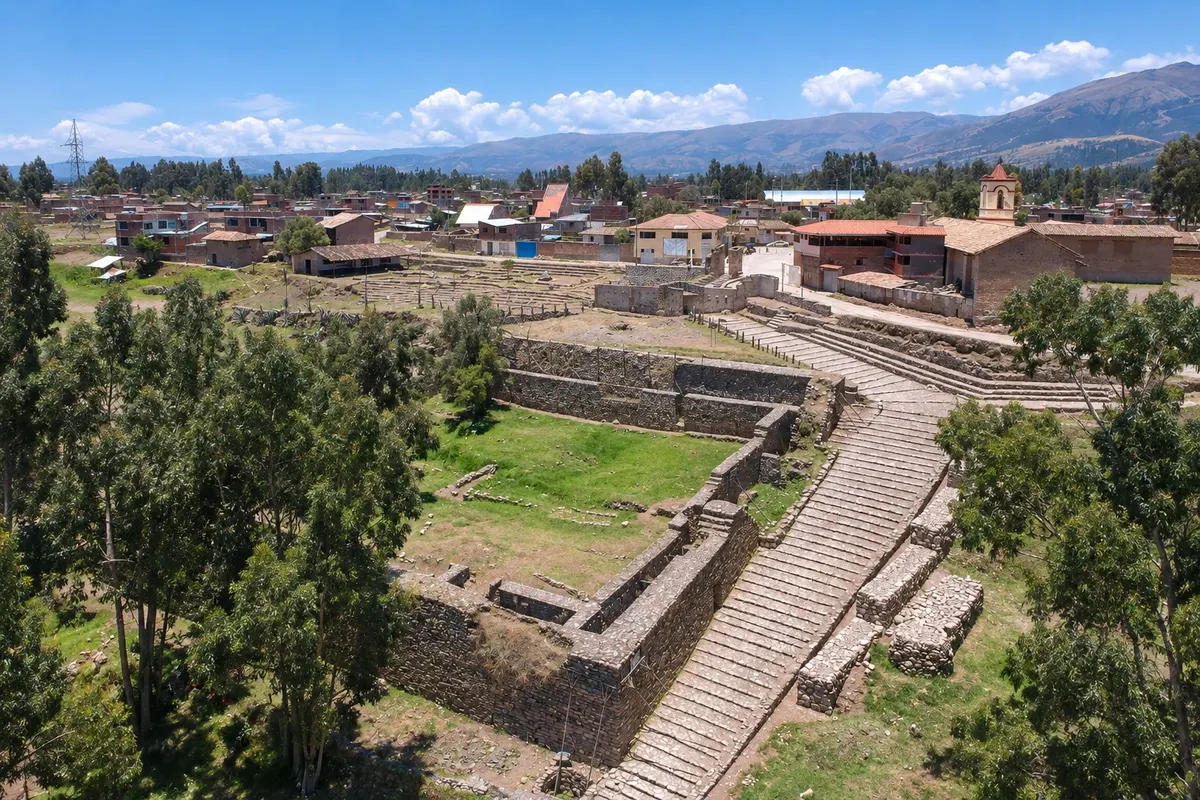
Ancient sanctuary about 6 km south of Huancayo, in the district of Huancán, considered by the wankas the place of origin of their people. It has remains of pre-Hispanic constructions and a site museum.

Convent of Santa Rosa de Ocopa
Huancayo · Junín · Convent

Convent of Santa Rosa de Ocopa

Franciscan convent founded in 1725 near Concepción, the starting point for missions to the central jungle. It houses a library with thousands of old books, an art collection and a natural history museum.

Before you go

Practical information

A little planning leaves more time to enjoy the journey.

When to go

The dry season, from May to September, has clearer days and is the most popular; from June to August early mornings often fall below zero. The rainy season runs from October to April.

The seasons shown are the most usual ones; nature doesn't always follow the calendar.

How many days to stay

Two days cover Huancayo’s center, the Parque de la Identidad Huanca, Cerrito de la Libertad, Torre Torre and Wari Willka. With three days you can add the Convent of Santa Rosa de Ocopa and a visit to the valley’s craft villages.

Which city to stay in

Huancayo’s center, around the Plaza de la Constitución, concentrates most services and is close to plazas, restaurants and departures to the valley. The El Tambo district, north of the center, is more residential. If you want peace and quiet, there are rural lodgings in the valley villages.

Respect the place

Take your trash with you, follow the signs and support local businesses. In natural areas, follow the visiting guidelines.

Get your questions answered

Frequently asked questions about Huancayo and the Mantaro Valley

What is Huancayo’s elevation?

About 3,250 meters above sea level. In the first days it’s wise to take it easy, drink water and avoid heavy meals at night until your body acclimates.

How do you get from Lima to Huancayo?

By bus or car along the Carretera Central, in 5 to 8 hours; by plane to Jauja, about 45 km from Huancayo; or, on scheduled dates, on the tourist train of the Ferrocarril Central Andino. Check times and the schedule before traveling.

How many days should you stay in Huancayo and the Mantaro Valley?

Two days for the city and nearby viewpoints; three days to include the Convent of Santa Rosa de Ocopa and the valley’s craft villages.

What is the best time to visit the Mantaro Valley?

From May to September, during the dry season, days are usually clearer and nights cold. From October to April it rains more frequently.

Do you need a car to explore the Mantaro Valley?

It is not necessary. Taxis and local buses connect Huancayo with Wari Willka, Concepción and the valley villages, and local agencies run day tours. A car gives more freedom to combine several villages in one day.

Explore other destinations Search by state and city