Dunedin and the Otago Peninsula

Otago · New Zealand

Dunedin and the Otago Peninsula

The city of Scottish origin, with a 1906 train station, museums and the steepest street in the world, and the Otago Peninsula, with Larnach Castle and the Taiaroa albatross colony.

Otago and Southland

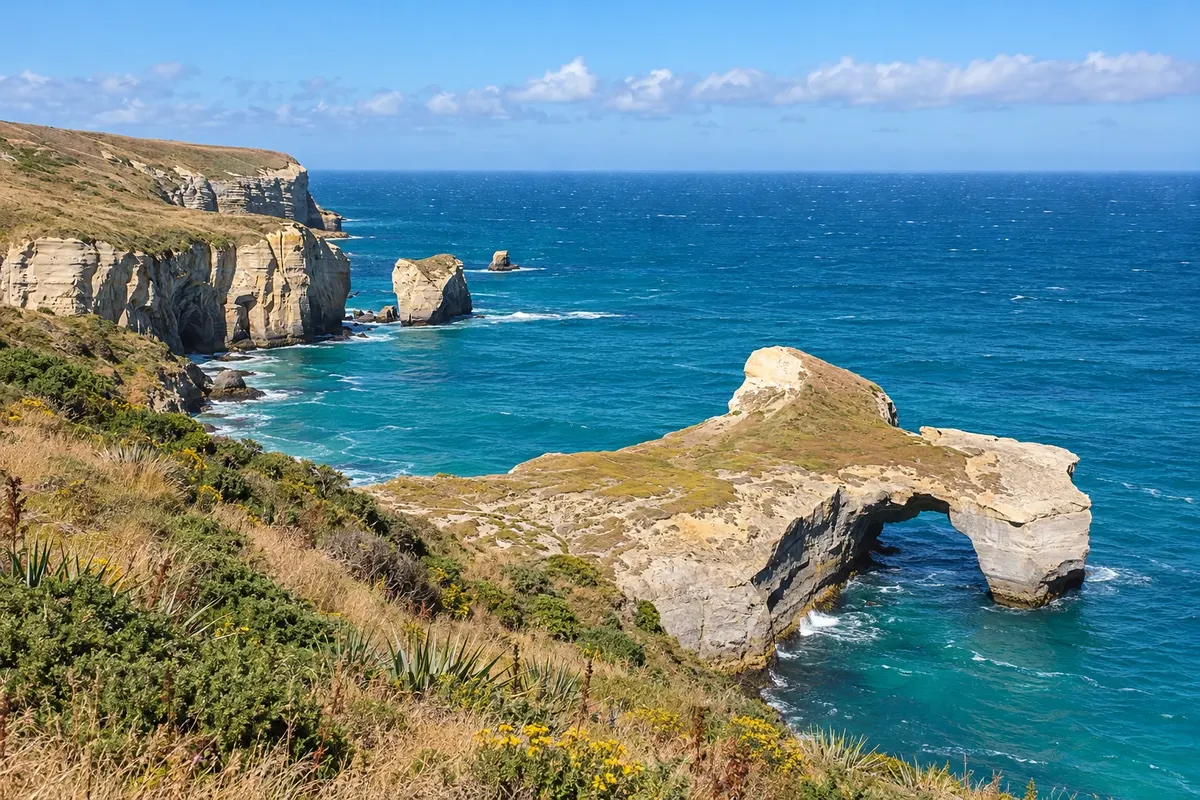
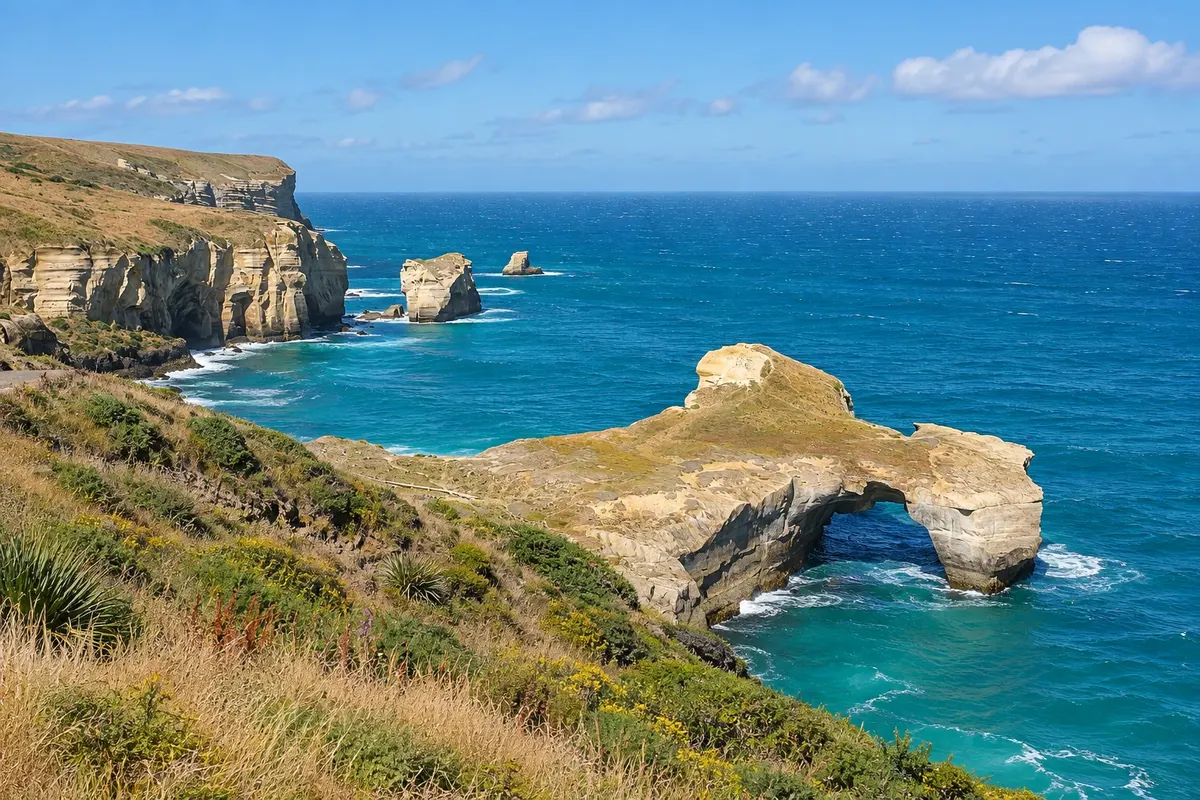
In the photo: Tunnel Beach on the Dunedin coast

Illustrative images. The pictures in this guide are illustrations based on the real place, not photographs, and may differ from it.

Get it on Google Play Send your photos

Get to know the place

A region to enjoy
at your own pace.

Dunedin (Ōtepoti) was founded in 1848 by settlers linked to the Free Church of Scotland, and the name comes from the Gaelic form of Edinburgh. The Scottish heritage appears in the stone buildings of the centre, in churches, statues and the city layout, which has about 130,000 inhabitants and lies at the head of Otago Harbour, surrounded by hills. The University of Otago, founded in 1869 and the country’s oldest, gives the city a university-town feel.

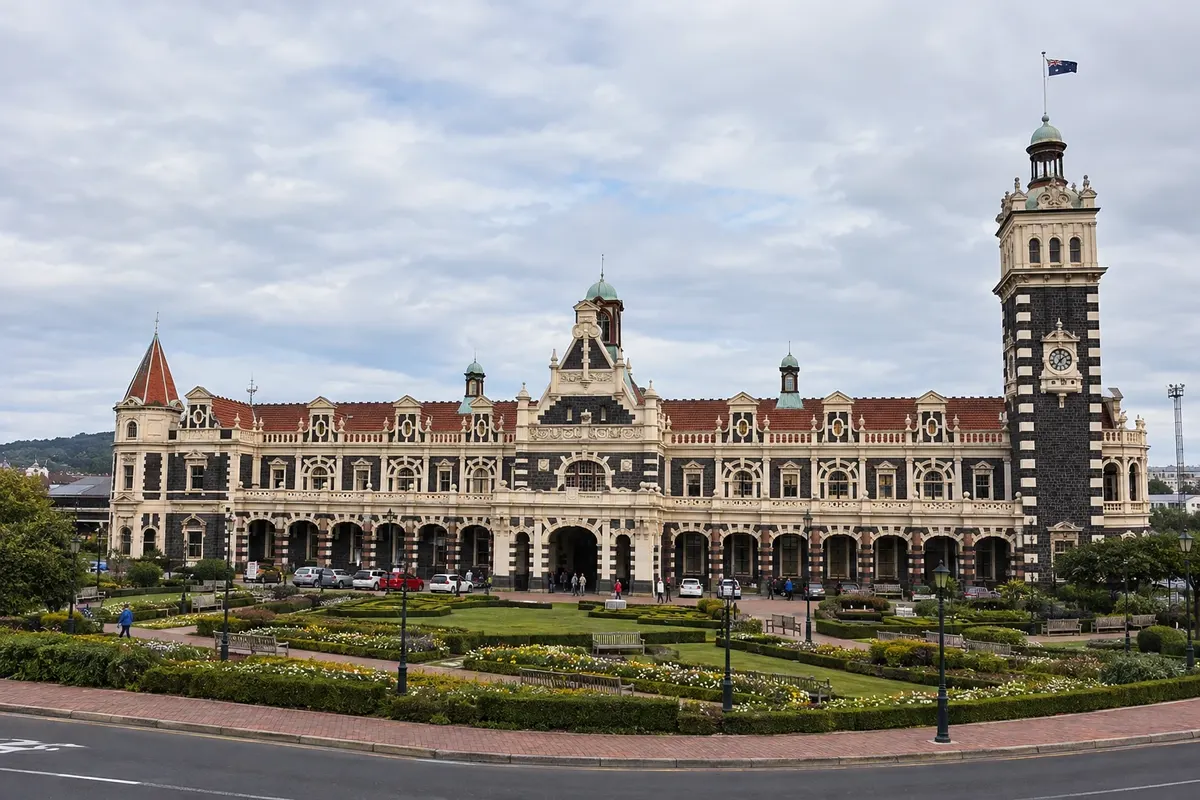
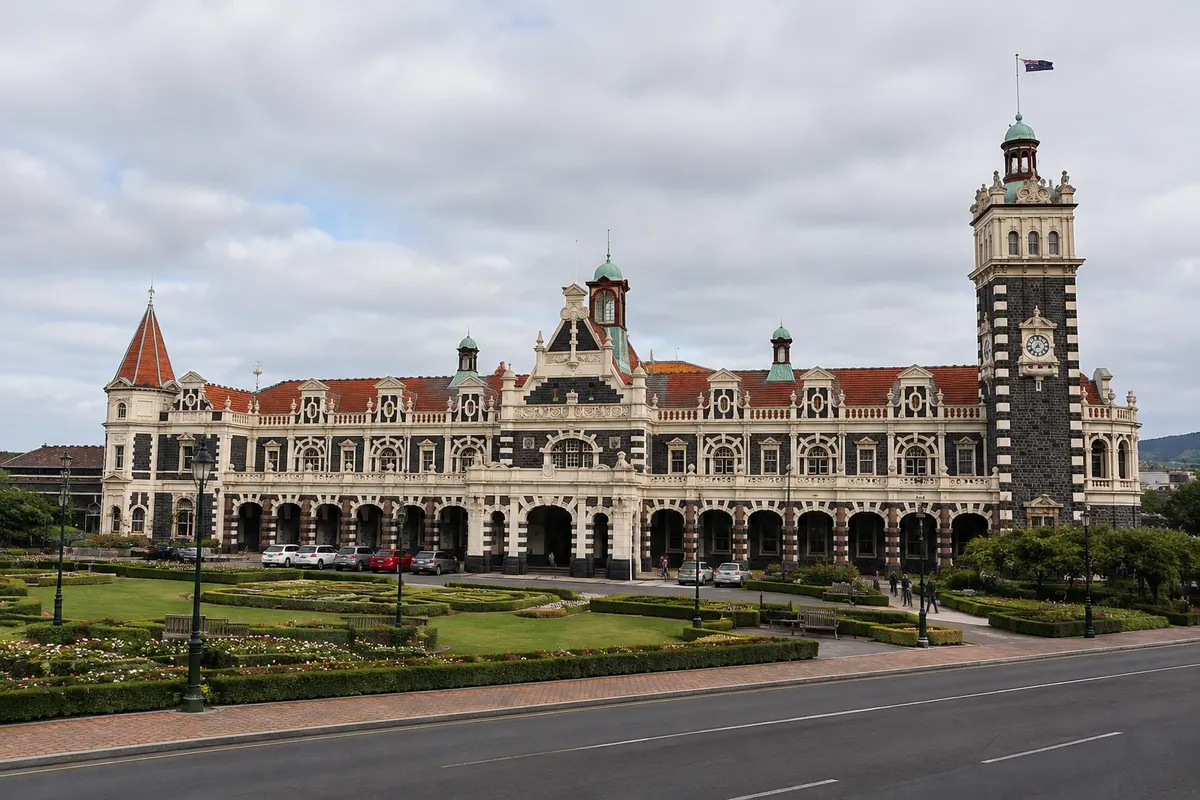
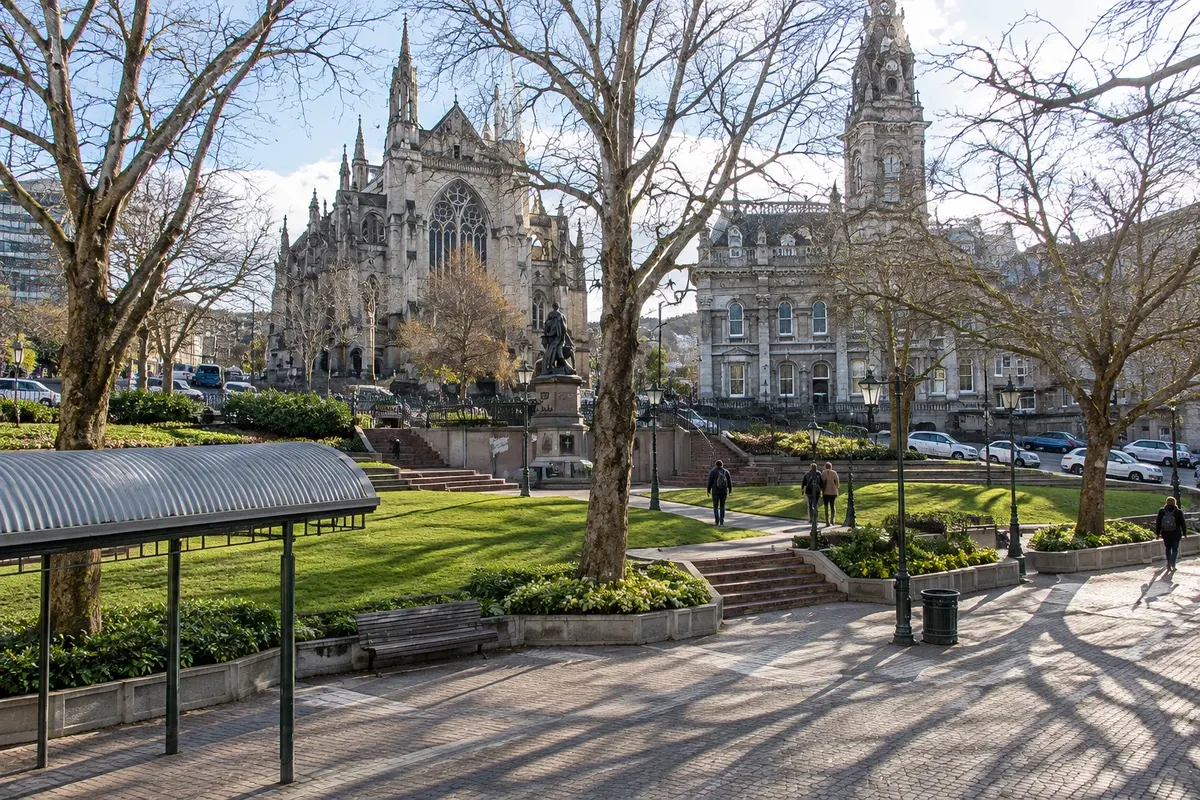
The centre revolves around the Octagon, the eight-sided square with the town hall, the public art gallery and St Paul’s Anglican Cathedral. A few blocks away are the 1906 railway station, built of dark basalt and lighter stone and one of the most photographed buildings in the country, the Toitū museum about settler history, and the Otago Museum. In the North East Valley neighbourhood, Baldwin Street is recognised as the world’s steepest street. In 2014 Dunedin was named a UNESCO City of Literature.

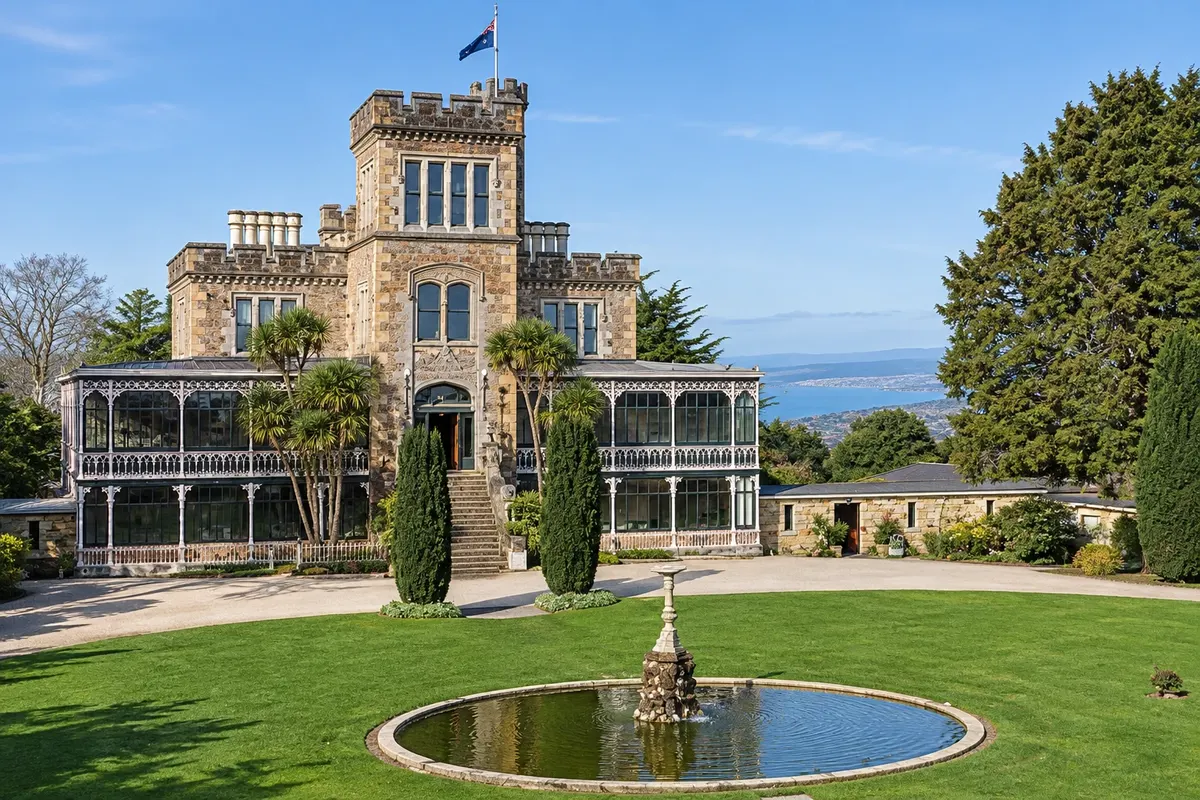
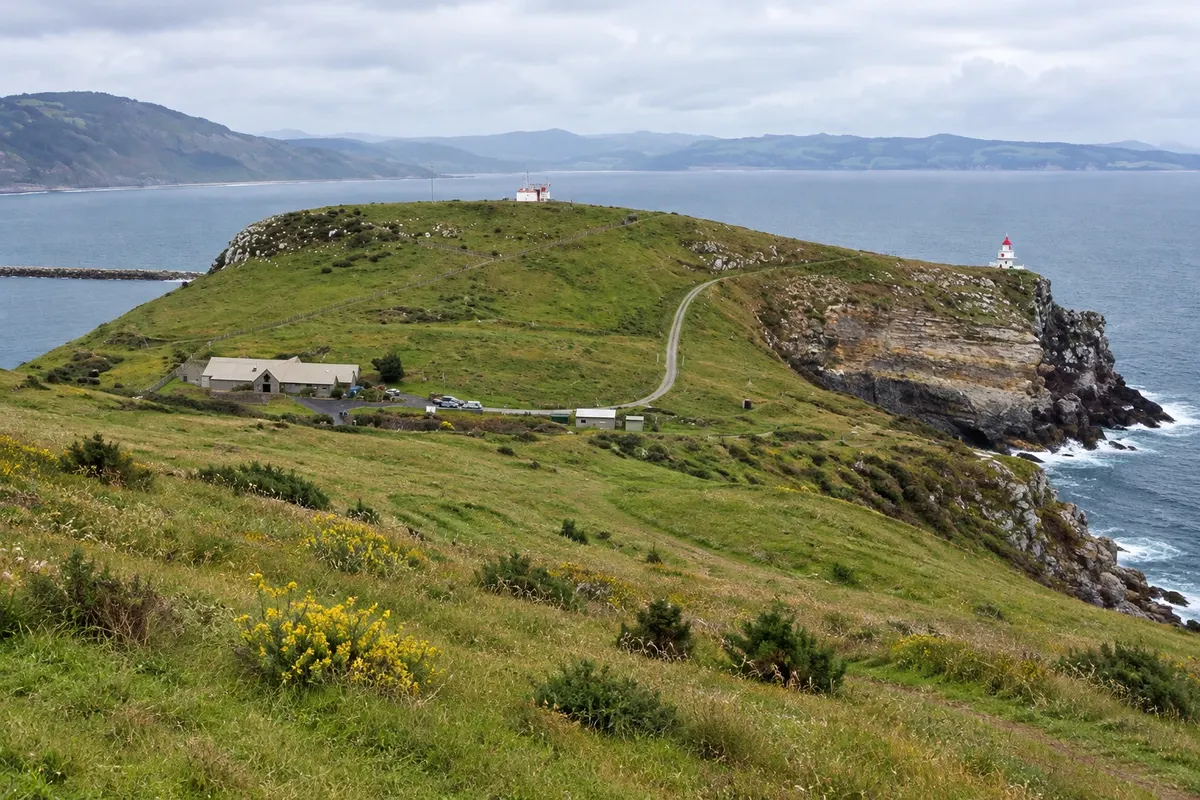
East of the centre, the Otago Peninsula projects between the harbour and the Pacific Ocean, with hills, coves and beaches. On the ridge sits Larnach Castle, an 1871 mansion with gardens, and on the tip, at Taiaroa Head, is the only inhabited mainland colony of royal albatross in the northern range, with a visitor centre and guided tours. The peninsula also hosts colonies of blue penguins and seals.

South of the city, Tunnel Beach hides a beach below sandstone cliffs, reached through a tunnel dug in the 19th century. Dunedin is also a departure point for Oamaru and the Moeraki Boulders to the north, and for the Catlins coast to the south.

This destination brings together 1 city: Dunedin.

Share: WhatsApp
Traveler, share your experiences through photos Up to 5 photos of each place you visited.

One destination, many paths

The cities on this trip

Start with one city or combine several in your itinerary.

Where Dunedin and the Otago Peninsula is
Dunedin

Boundaries: Stats NZ / geoBoundaries (CC BY 4.0). Adapted by Cidade Turismo.

How to get there: Dunedin and the Otago Peninsula

✈ Aeroporto de Dunedin (DUD), in Momona · 30 km to Dunedin

Dunedin Airport, about 30 km from the centre, has flights from Auckland, Wellington and Christchurch. By road the city is about 4½ hours from Christchurch along the coast and about 3½ hours from Queenstown. Long-distance buses link Dunedin with both cities.

The local experience

Things to do in Dunedin and the Otago Peninsula

Dunedin Railway Station
Dunedin · Otago · Historic building

Dunedin Railway Station

1906 station designed by George Troup in Flemish Renaissance style, of dark basalt with Oamaru stone details. The concourse has a floor with about 750,000 tiles.

Toitū Otago Settlers Museum
Dunedin · Otago · Museum

Toitū Otago Settlers Museum

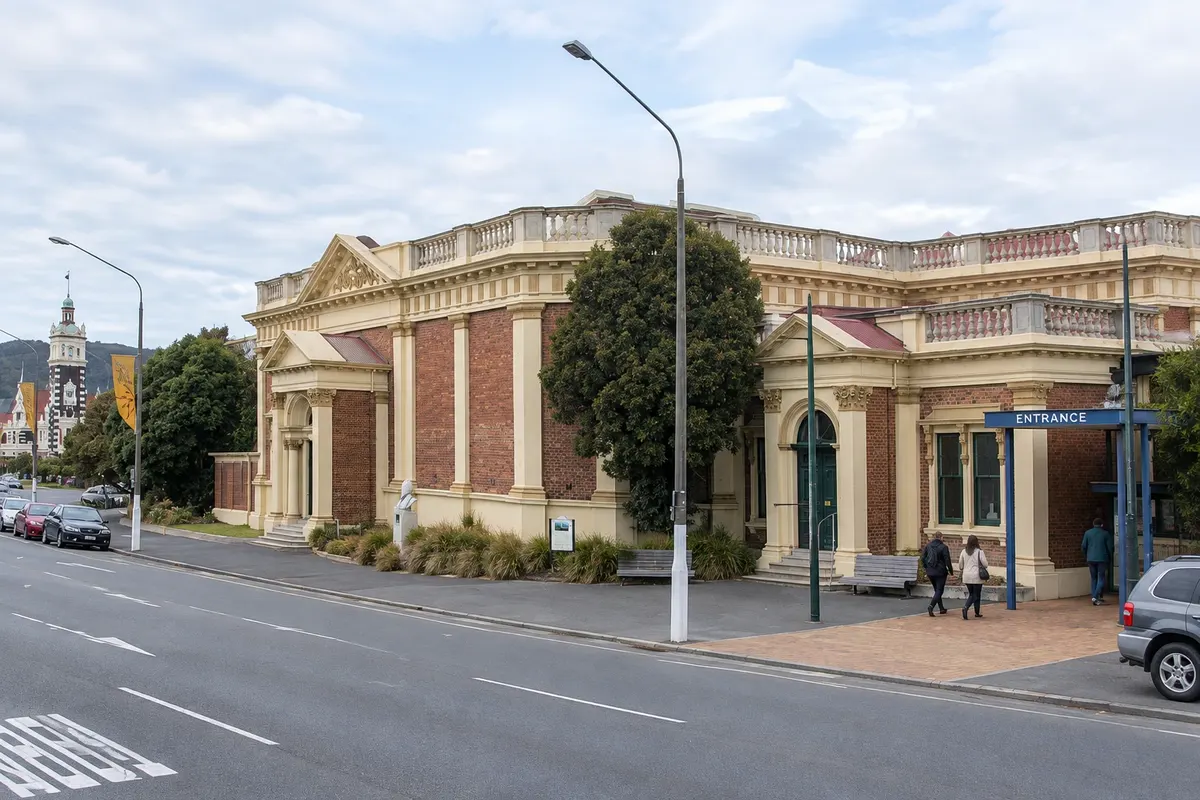
Dunedin and Otago history museum, founded in 1898 and refurbished, named Toitū, next to the railway station. Portrait gallery of settlers, the 1872 locomotive Josephine, and a Chinese garden.

The Octagon
Dunedin · Otago · Square

The Octagon

Eight-sided square in central Dunedin, with R. A. Lawson's town hall, the public art gallery, the Regent theatre and the Anglican St Paul’s Cathedral, plus the statue of the poet Robert Burns.

Otago Museum
Dunedin · Otago · Museum

Otago Museum

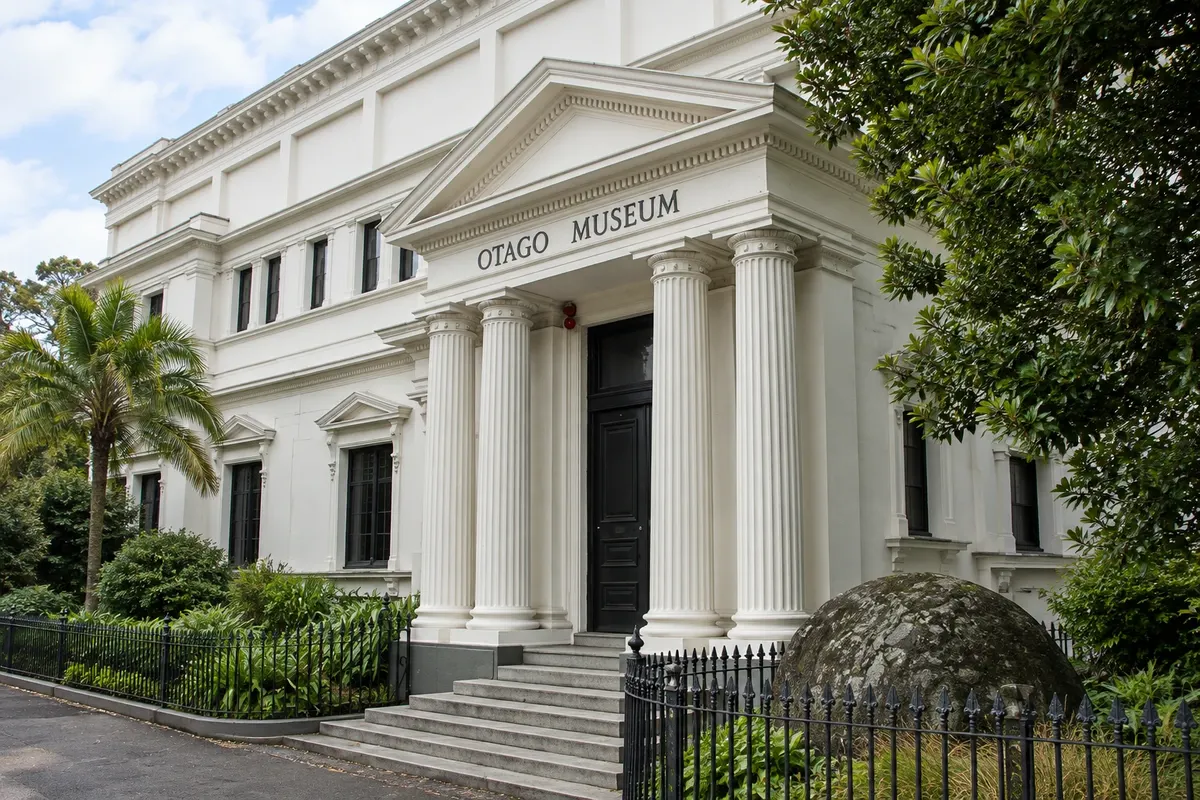
Museum opened in 1868, near the University of Otago, with collections of natural history, Māori and Pacific cultures, and a science centre with a tropical butterfly conservatory.

See 5 more places in Dunedin and the Otago Peninsula
Baldwin Street
Dunedin · Otago · Street

Baldwin Street

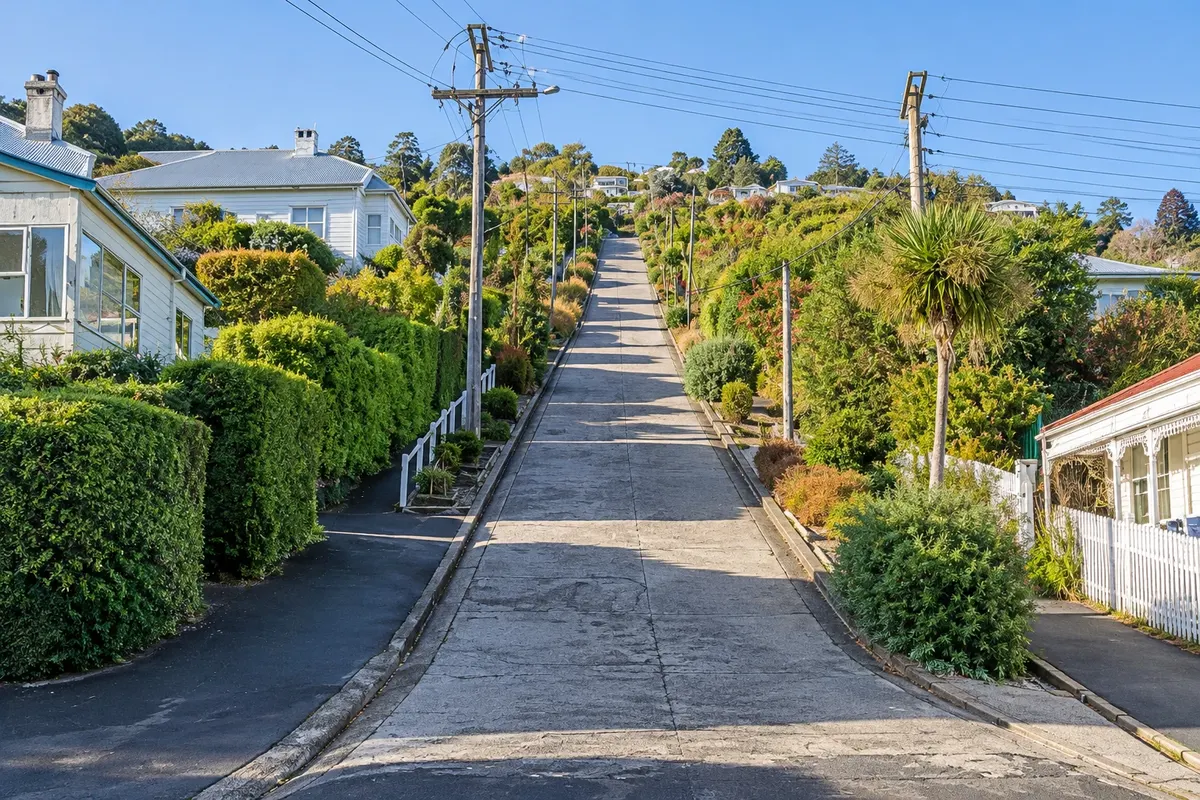
A residential street of about 350 metres in the North East Valley neighbourhood, recognised by Guinness as the steepest street in the world, with a section of about 35% gradient.

Dunedin Botanic Garden
Dunedin · Otago · Garden

Dunedin Botanic Garden

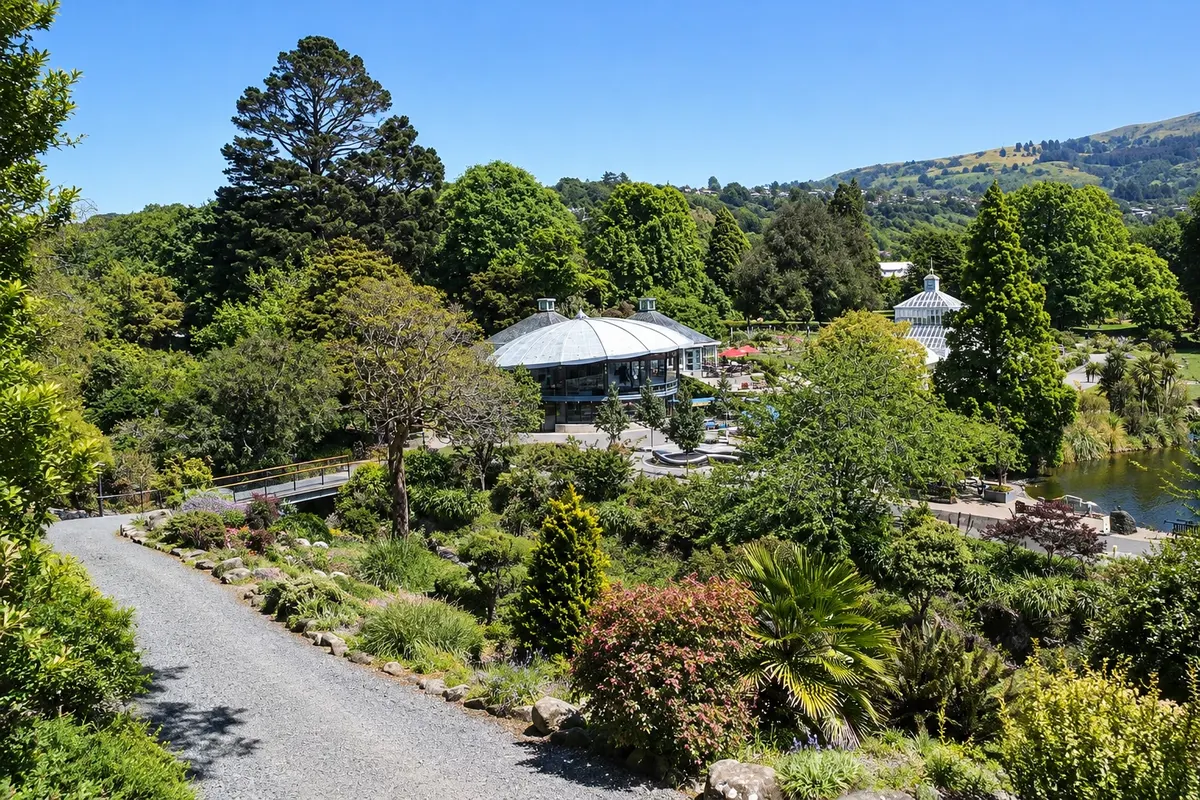
Botanical garden established in 1863 at the foot of Signal Hill, one of the country’s oldest, with rhododendron gardens, a winter conservatory, native plant collections and an aviary of exotic and native birds.

Larnach Castle
Dunedin · Otago · Historic house

Larnach Castle

Neogothic mansion built from 1871 for William Larnach on the crest of the Otago Peninsula, about 13 km from Dunedin city centre, with a restored interior and gardens of international importance.

Taiaroa Head (Royal Albatross Centre)
Dunedin · Otago · Nature reserve

Taiaroa Head (Royal Albatross Centre)

Tip of the Otago Peninsula with the only mainland-nesting northern royal albatross colony, a visitor centre, guided tours, an 1886 cannon and blue penguins at Pilots Beach.

Tunnel Beach
Dunedin · Otago · Beach

Tunnel Beach

Beach south of Dunedin, beneath sandstone cliffs carved by the sea, featuring a stone arch and a tunnel dug in the 19th century that leads down to the sand. Short, steep track from the car park.

Before you go

Practical information

A little planning leaves more time to enjoy the journey.

When to go

From December to March, with long days and mild temperatures, good for the peninsula and the beaches. The weather is cool and changes quickly at any time of year. In winter, from June to August, it is cold and windy, but the city and the museums operate normally.

The seasons shown are the most usual ones; nature doesn't always follow the calendar.

How many days to stay

Three days: one for the centre, the station, the museums and Baldwin Street; one for the Otago Peninsula, with Larnach Castle and Taiaroa Head; and one for Tunnel Beach, the botanical gardens and the hills.

Which city to stay in

The centre, near the Octagon, leaves museums, restaurants and the station within walking distance. The neighbourhoods on the nearby hills, such as Roslyn and Māori Hill, have harbour views. On the Otago Peninsula there are quiet accommodations in Portobello and the coves.

Respect the place

Take your trash with you, follow the signs and support local businesses. In natural areas, follow the visiting guidelines.

Get your questions answered

Frequently asked questions about Dunedin and the Otago Peninsula

How many days to stay in Dunedin?

Three days allow you to see the centre and museums, spend a day on the Otago Peninsula and visit Tunnel Beach. With two days, combine the centre and the peninsula.

Can you see albatrosses in Dunedin?

Yes, at Taiaroa Head on the tip of the Otago Peninsula, about 45 minutes from the centre, where the only inhabited mainland colony of royal albatross is located. Visits to the bird area are by guided tour and require booking.

Do you need a car in Dunedin?

Not for the centre, with urban buses to Baldwin Street and the botanical gardens. For the Otago Peninsula and Tunnel Beach, a car or an organised tour helps; there are buses to Portobello.

Why does Dunedin have a Scottish heritage?

The city was founded in 1848 by settlers linked to the Free Church of Scotland, and the name comes from Dùn Èideann, the Gaelic form of Edinburgh.

Is Dunedin far from Queenstown?

About 3½ hours by car, roughly 280 km. There are buses and short flights.

Explore other destinations Search by state and city