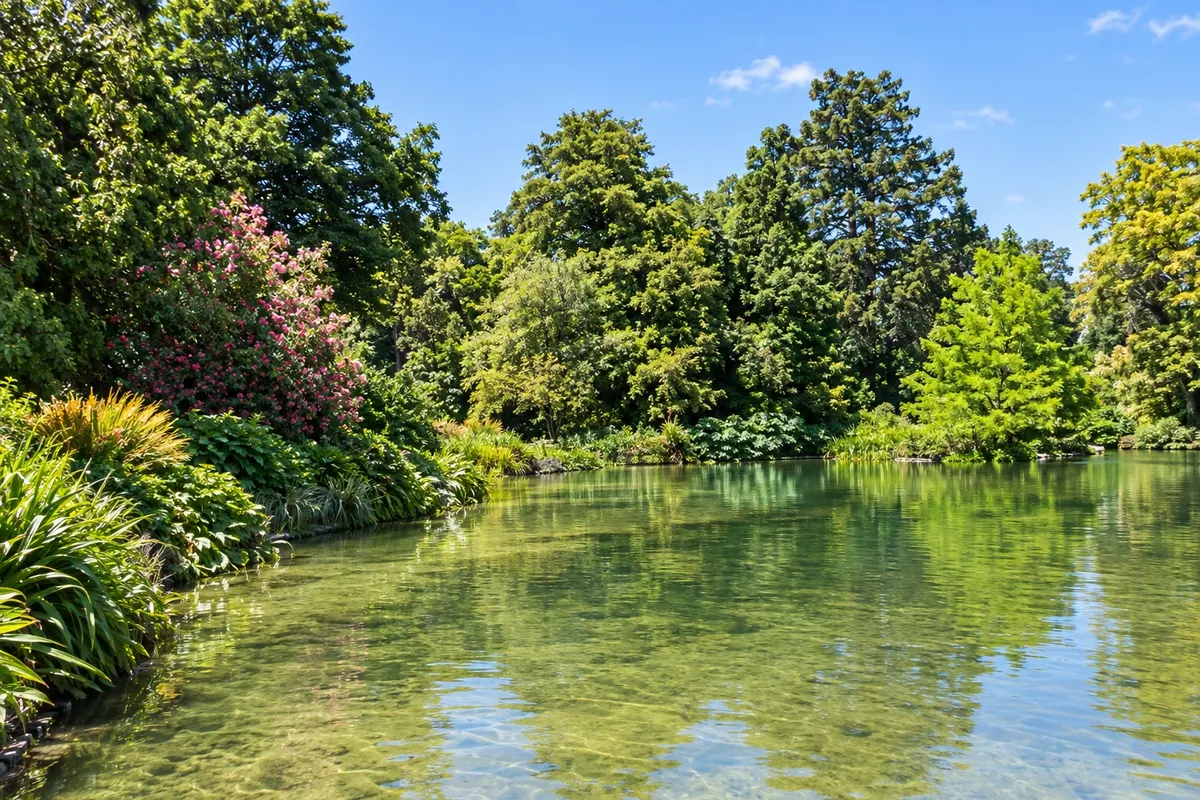
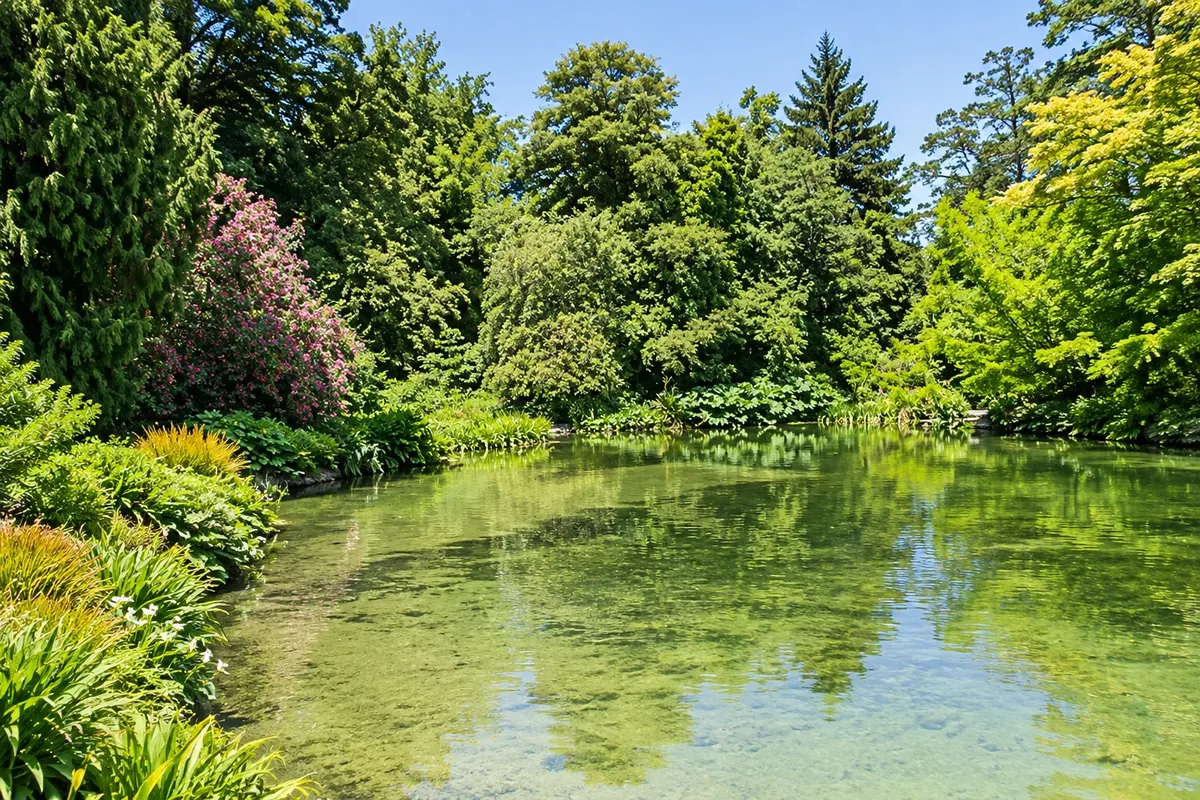
Christchurch (Ōtautahi in Māori) is the largest city on the South Island, with more than 400,000 inhabitants, and the main gateway to Canterbury, the Southern Alps, and the west coast. It sits on the edge of the Canterbury plains, crossed by the Avon River (Ōtākaro), and its green centre is Hagley Park, with the Botanic Gardens established in 1863.
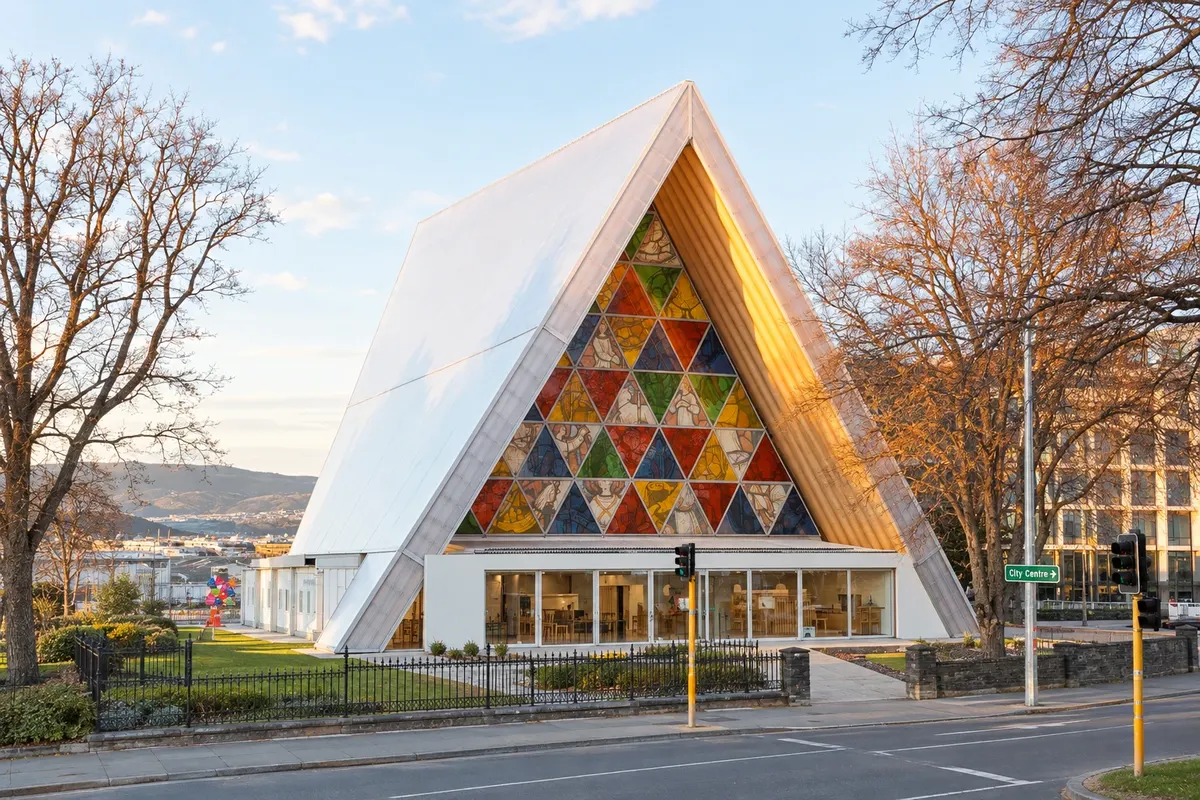
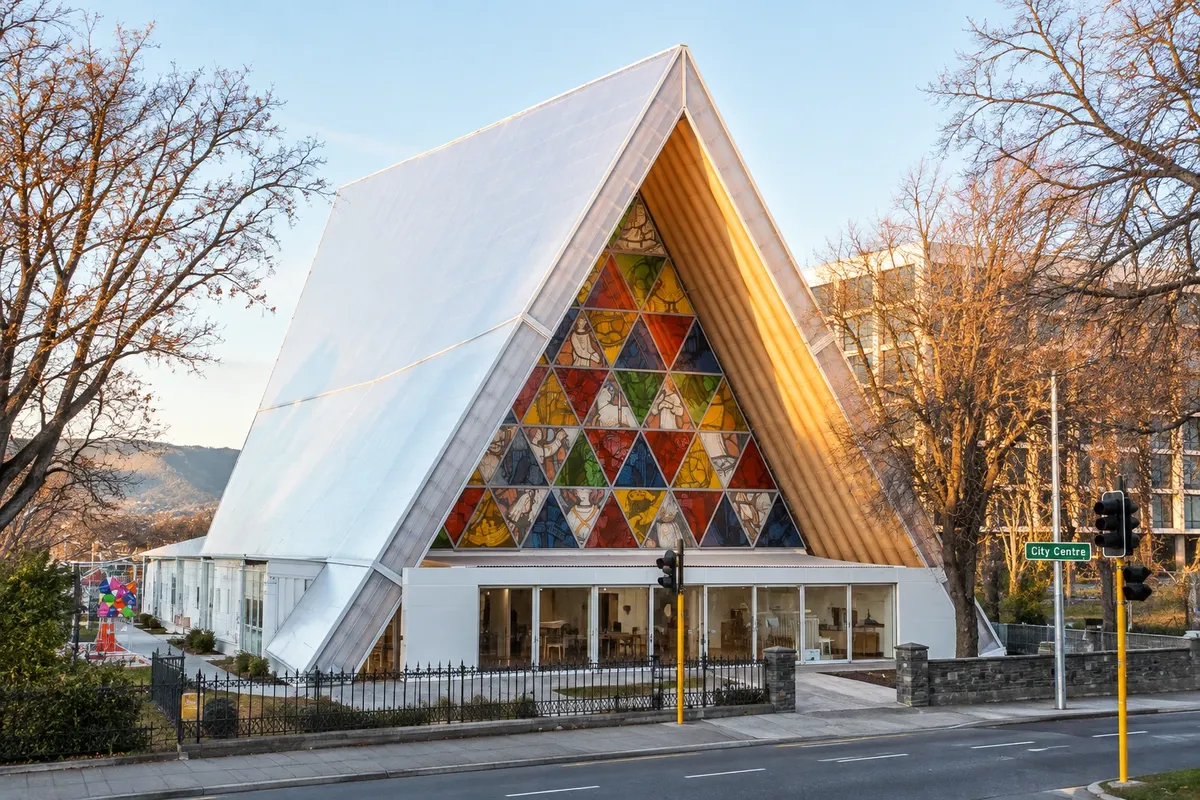
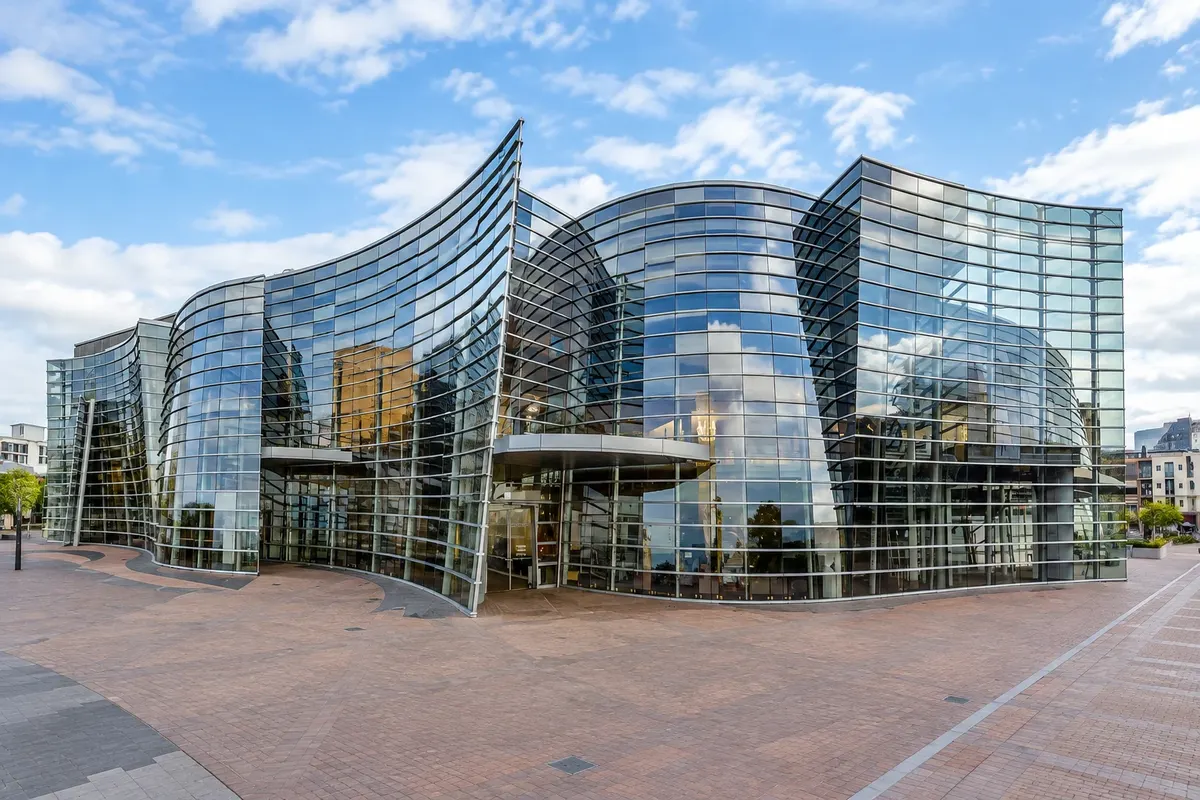
The city was marked by the earthquakes of September 2010 and February 2011; the second, magnitude 6.3, killed 185 people and destroyed much of the central city. Reconstruction changed the landscape: new buildings sit alongside restored 19th-century stone structures, open spaces and urban artworks. The Cardboard Cathedral by Japanese architect Shigeru Ban, opened in 2013, became one of the symbols of this phase.
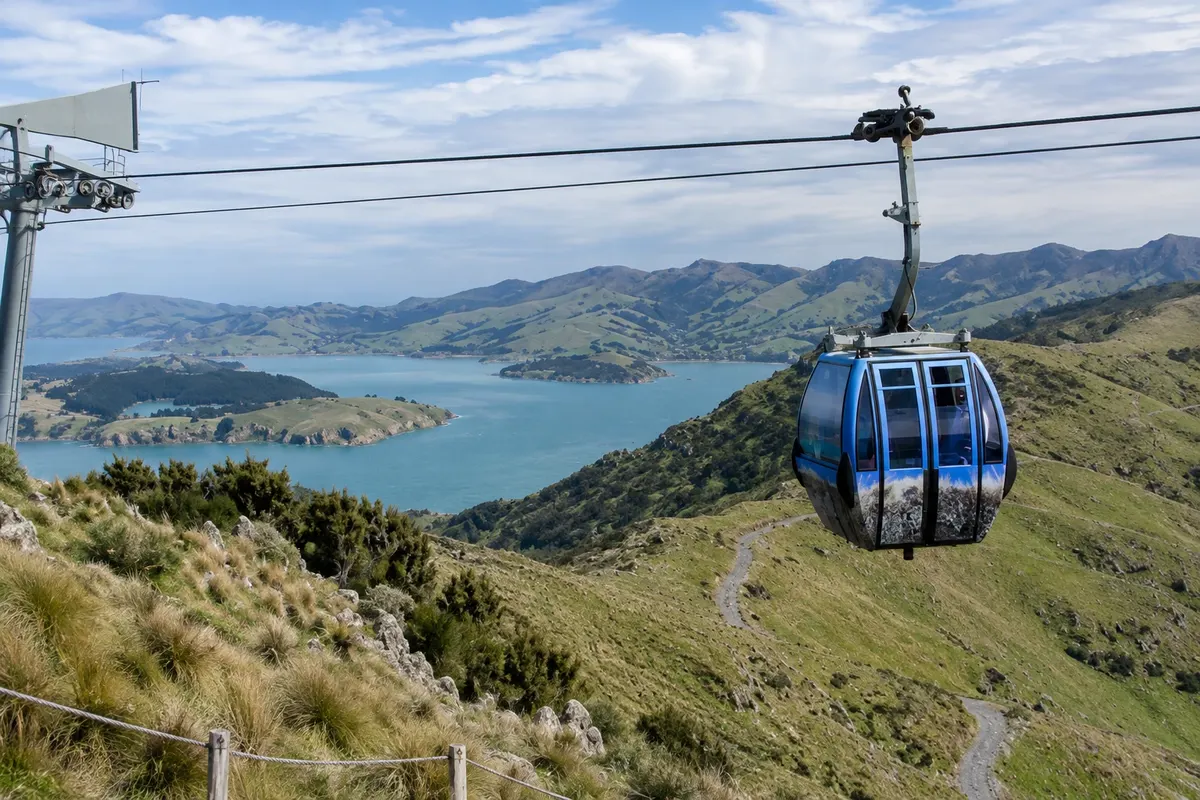
To the south, the Port Hills separate the city from Lyttelton harbour, and a funicular climbs to the top of Mount Cavendish with views over the plains, the harbour and the Alps. Near the airport, the International Antarctic Centre highlights that Christchurch is the base for Antarctic programmes from New Zealand, the United States and Italy.
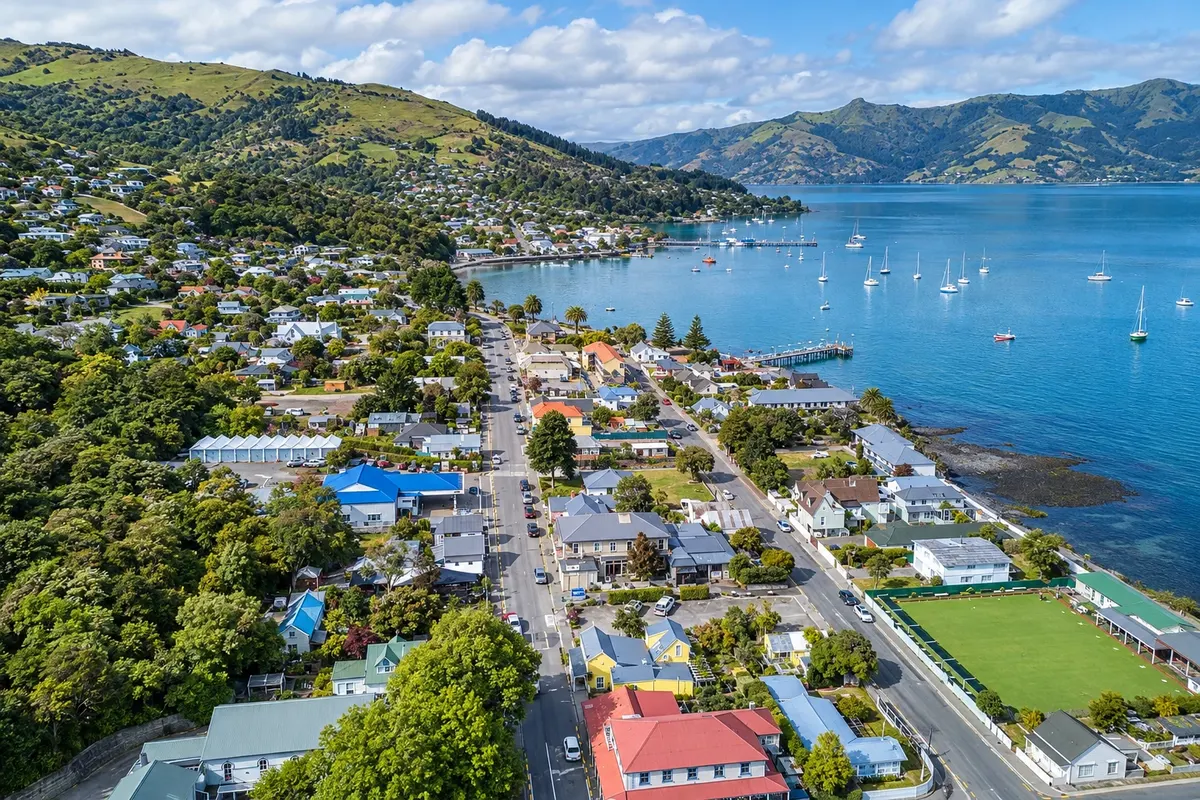
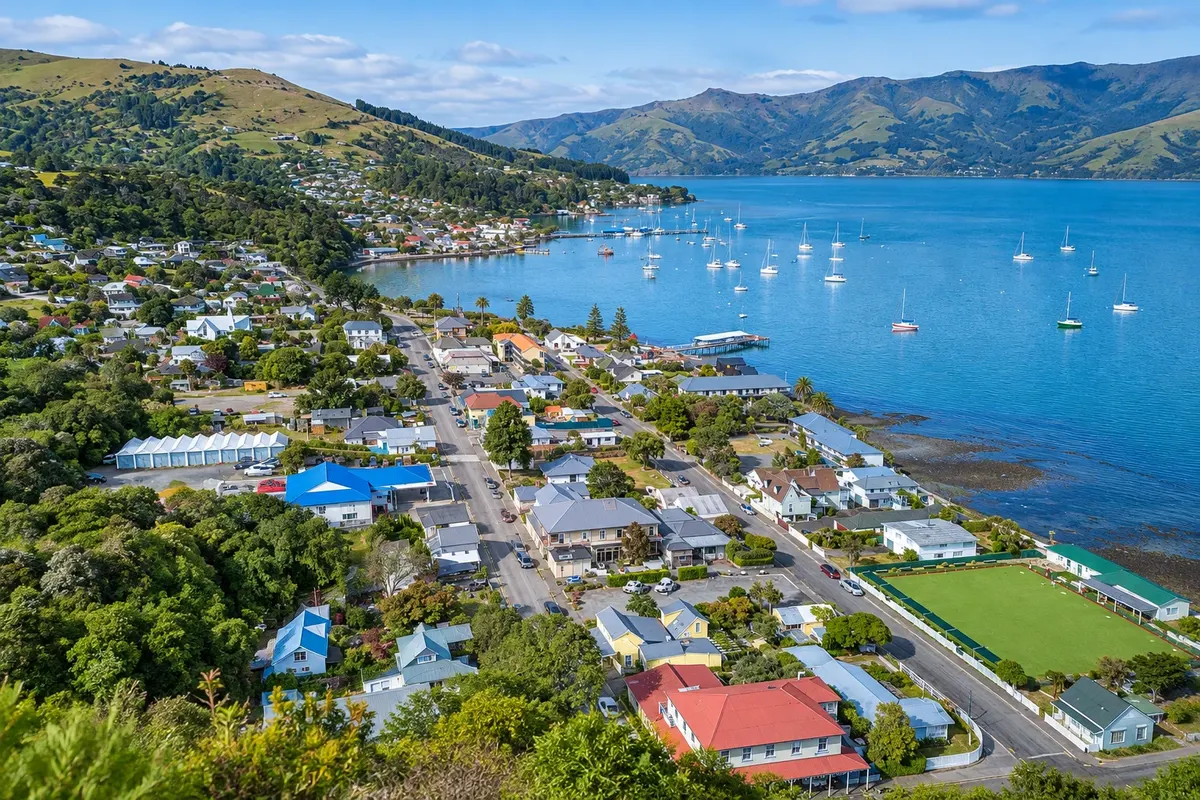
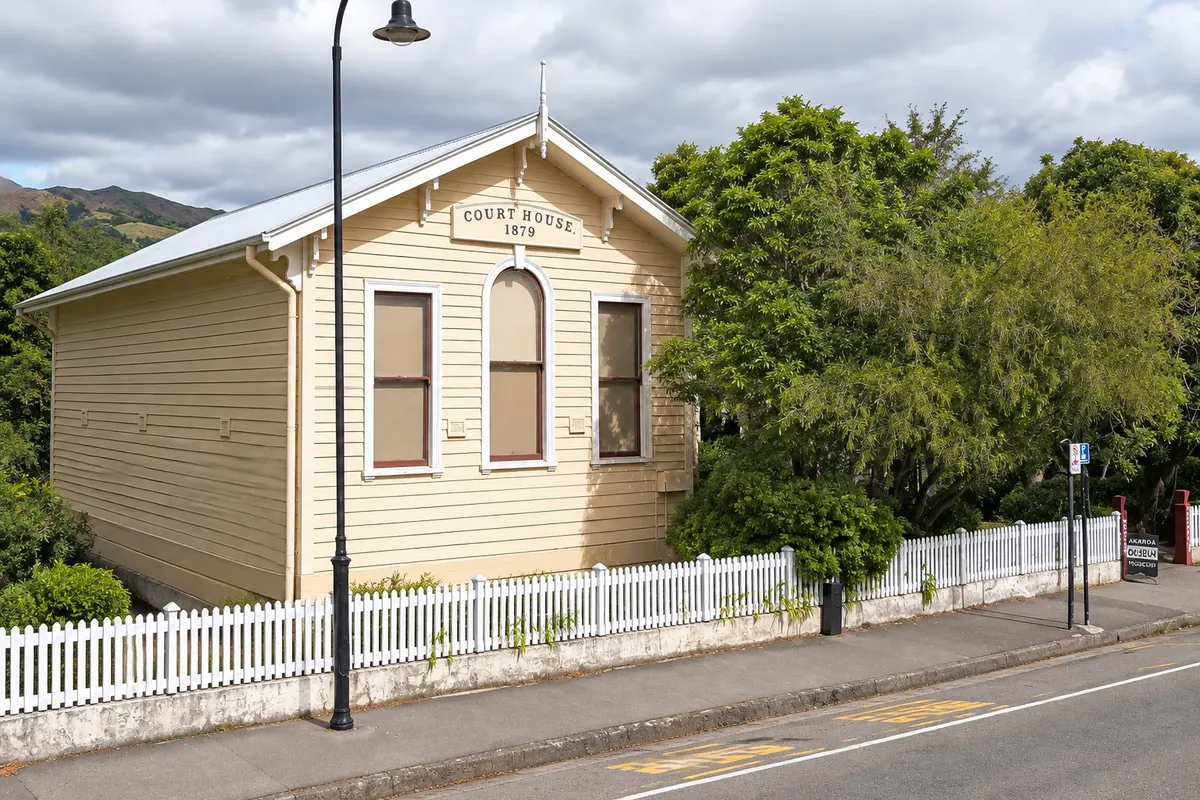
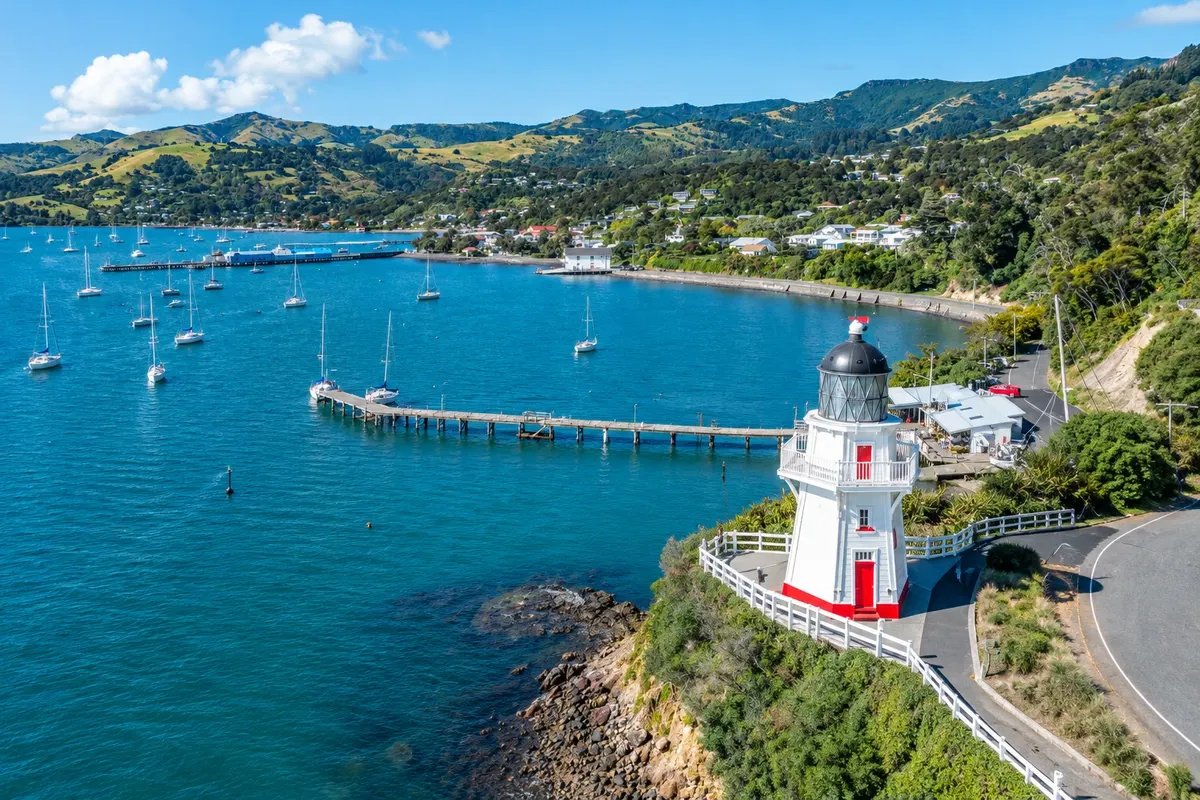
About 84 km by road, Akaroa lies within the crater of an ancient volcano on the Banks Peninsula, beside a natural harbour. Founded by French settlers in 1840, the village retains streets with French names, wooden houses and a museum about the peninsula’s history. Hector’s dolphin, the world’s smallest dolphin, lives in the harbour and is found only in New Zealand.
This destination brings together 2 cities: Christchurch, Akaroa.


 Brazil
 Argentina
 Bolivia
 Chile
 Colombia
 Ecuador
 Guyana
 French Guiana
 Falkland Islands (Malvinas)
 Paraguay
 Peru
 Suriname
 Uruguay
 Venezuela
 Germany
 Austria
 Belgium
 Croatia
 Denmark
 Spain
 Finland
 France
 Greece
 the Netherlands
 Hungary
 Ireland
 Iceland
 Italy
 Luxembourg
 Norway
 Poland
 Portugal
 the United Kingdom
 the Czech Republic
 Sweden
 Switzerland
 Turkey
 the United States
 Mexico
 the Dominican Republic
 South Africa
 Australia
 Fiji