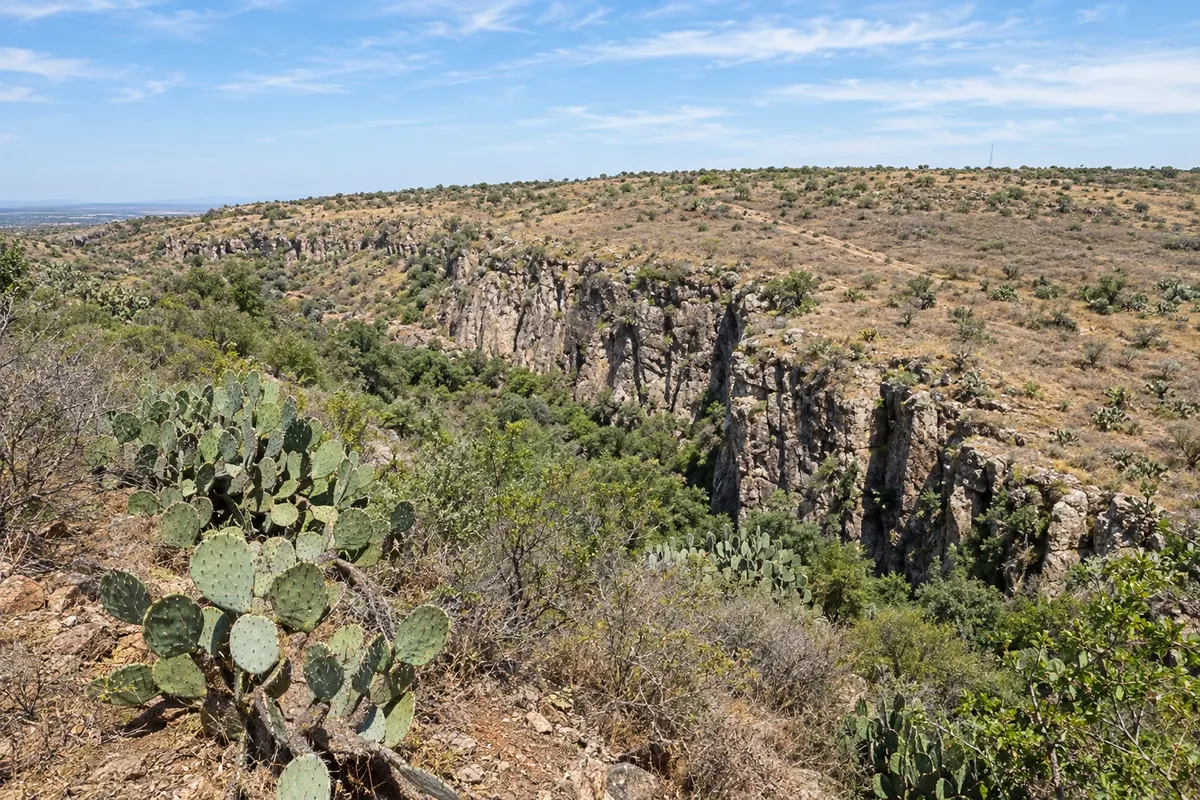
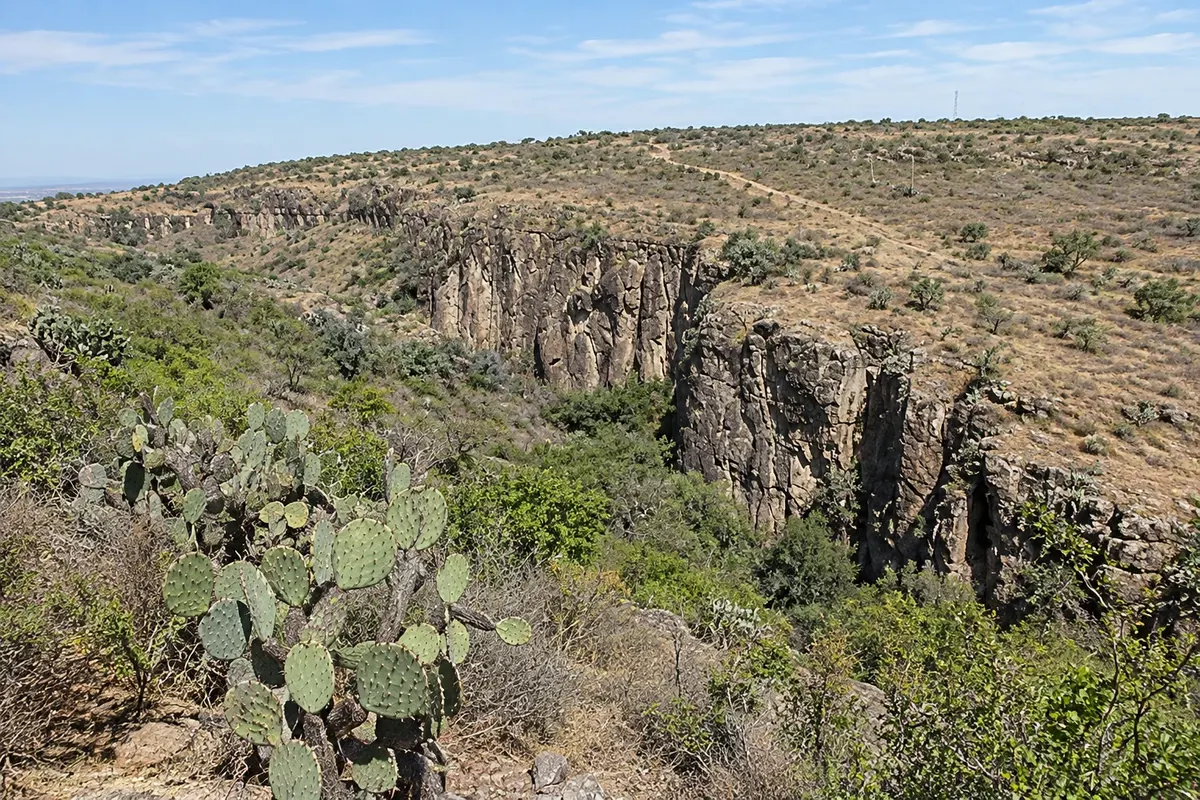
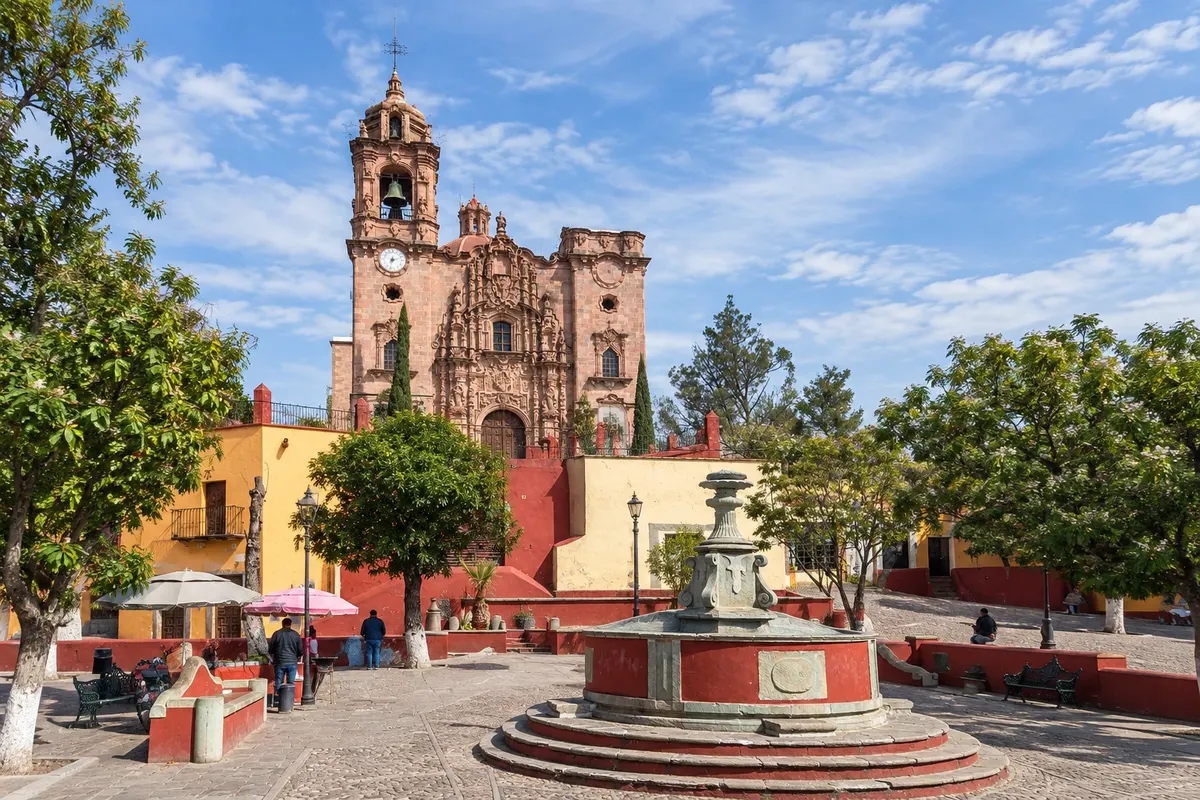
The Bajío is the region of plateaus and valleys in north-central Mexico where, in the 16th century, the silver from the mines of Guanajuato and Zacatecas gave rise to wealthy towns along the route to Mexico City, the Camino Real de Tierra Adentro. The churches, manor houses and plazas from that era are among the country's best-preserved colonial ensembles.
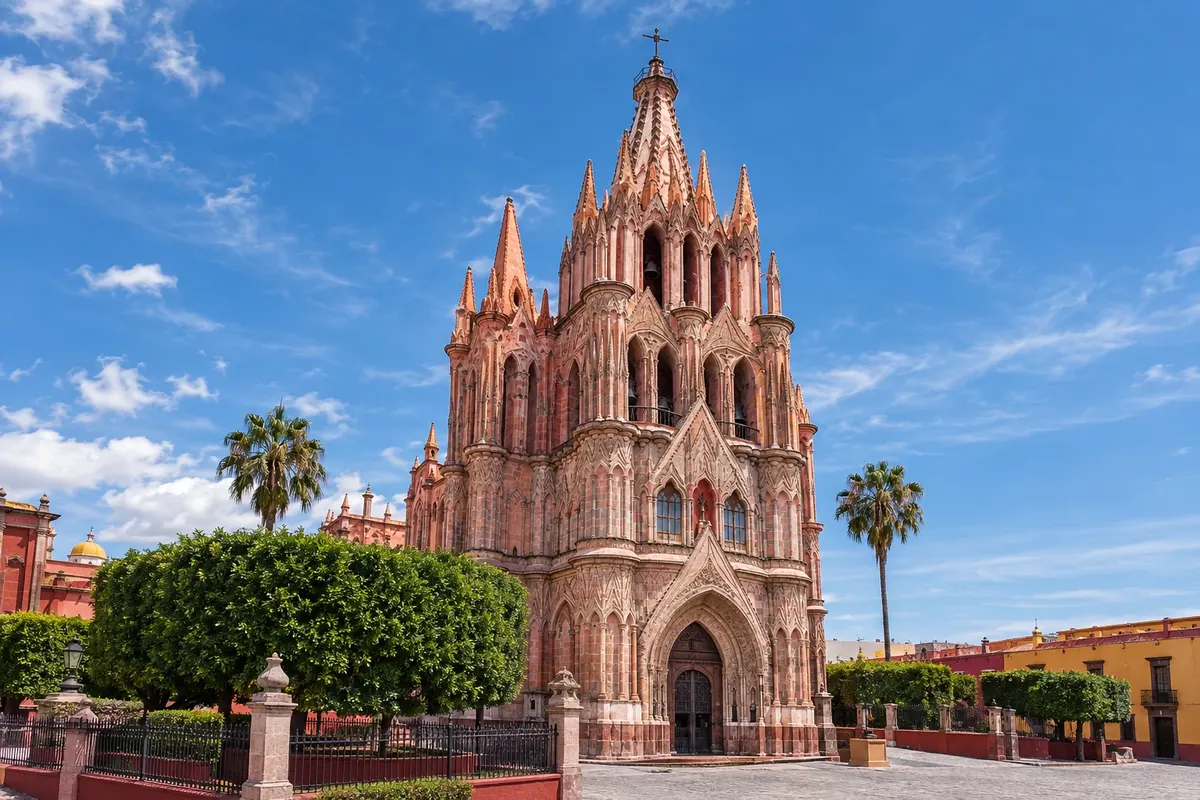
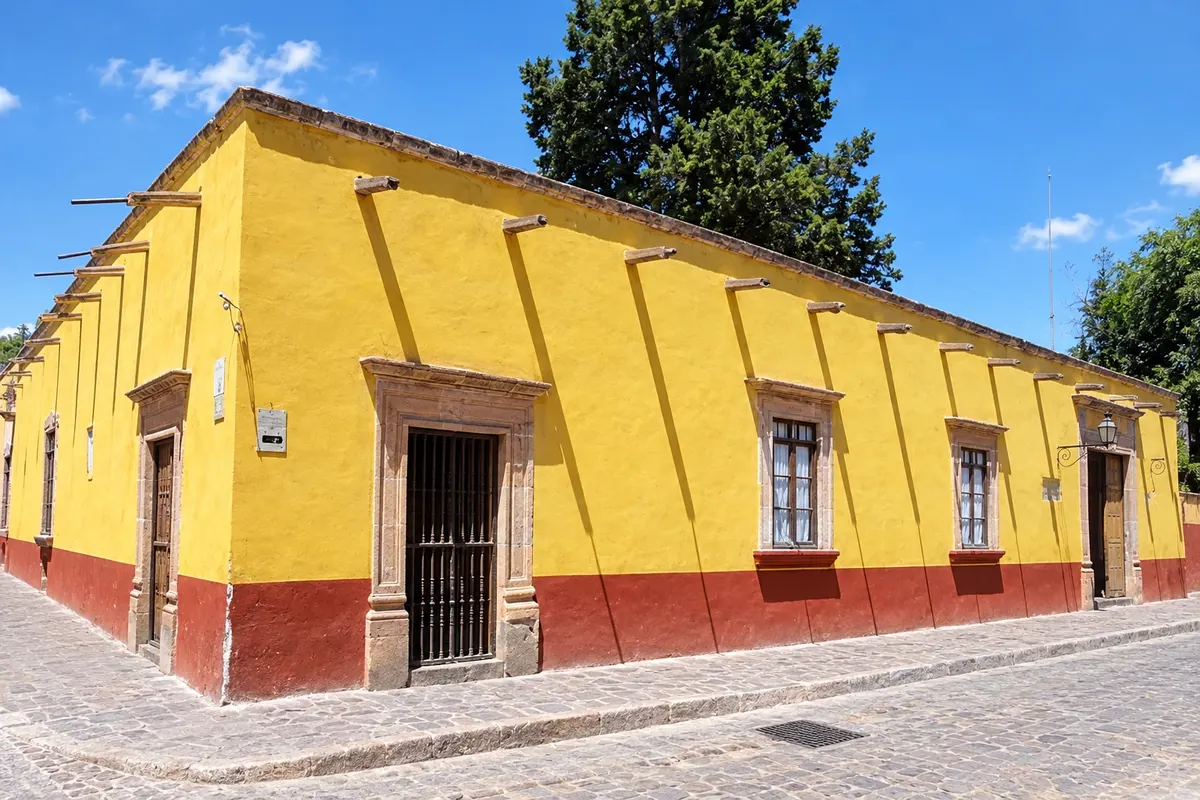
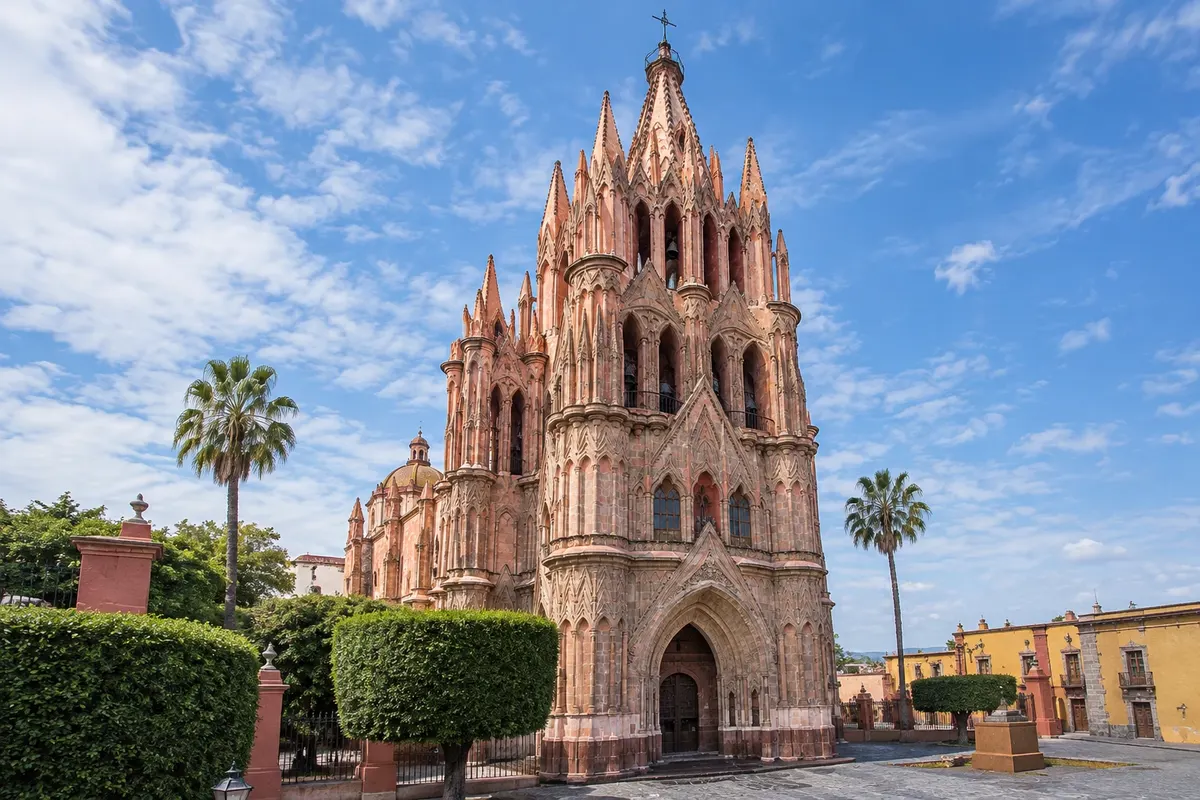
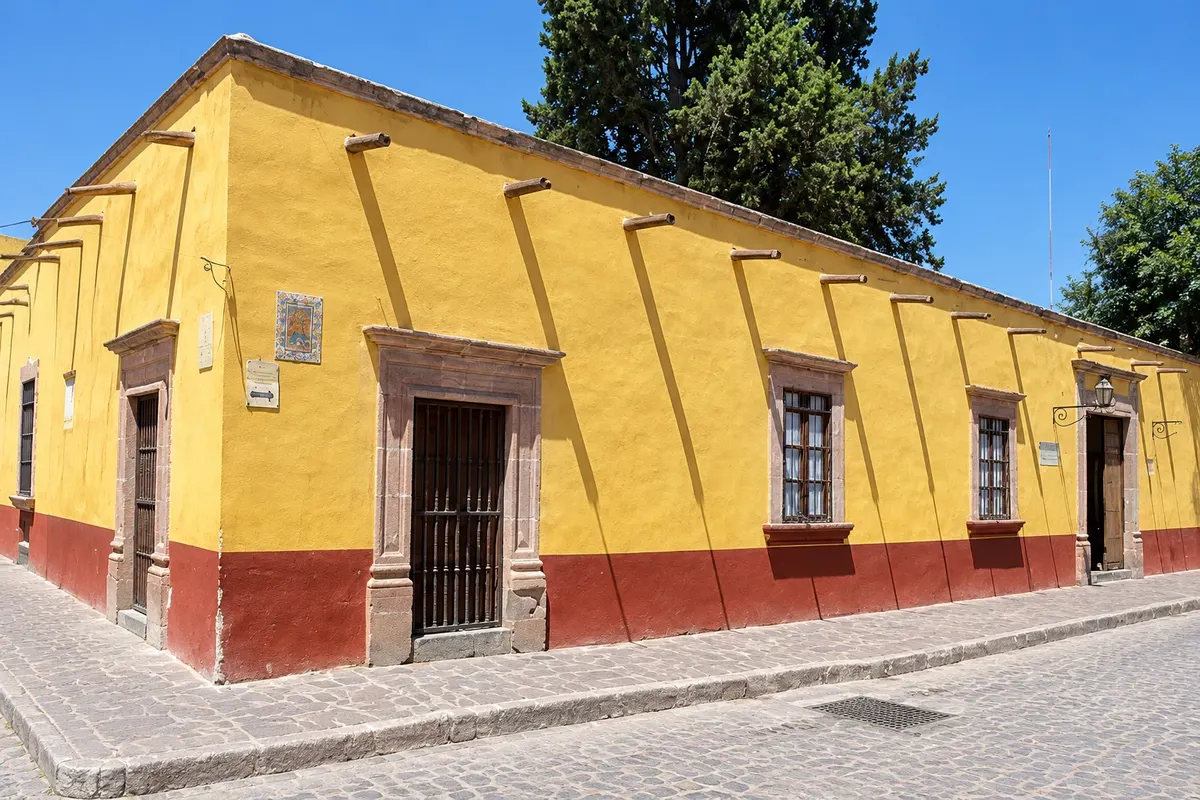
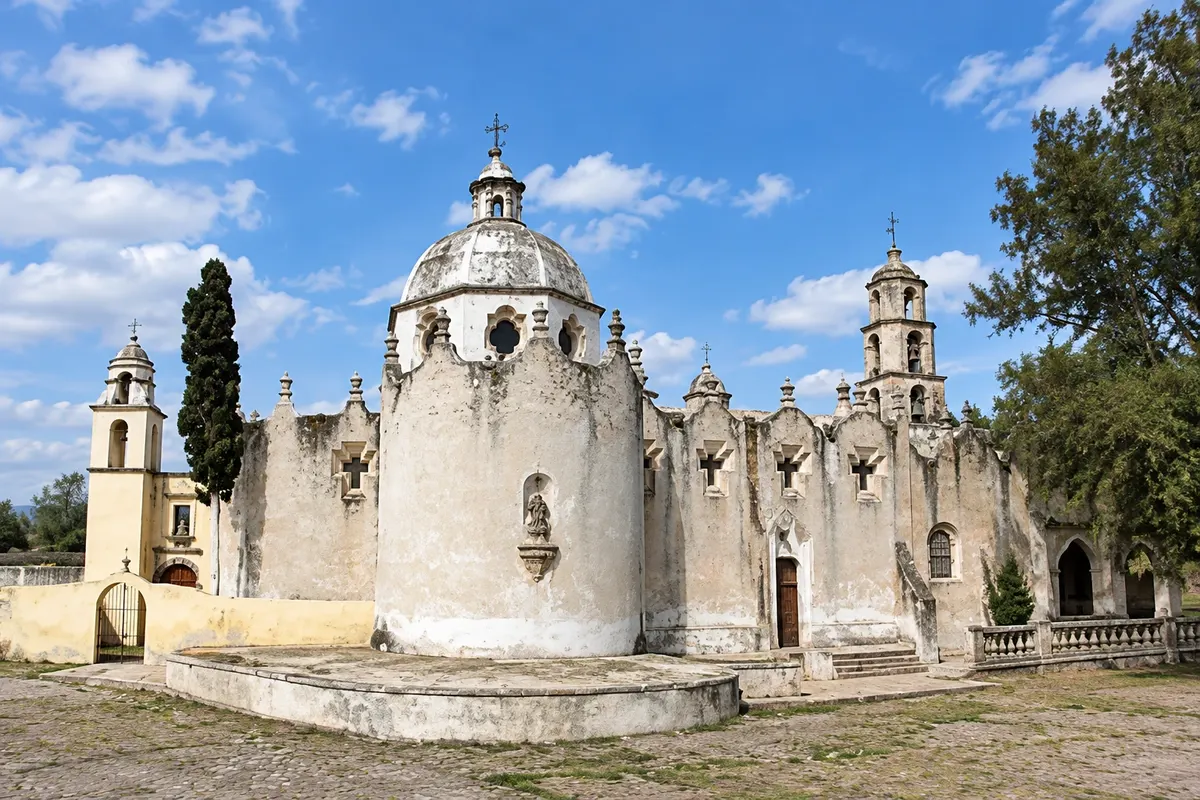
San Miguel de Allende, the arrival city, has cobbled streets climbing the hill, houses in ochre and red tones, and the pink neogothic parish church that is the city's symbol. Together with the sanctuary of Atotonilco, a few kilometers away, it has been a UNESCO World Heritage Site since 2008. The city has drawn artists and foreigners since the 1930s and has galleries, art schools and restaurants.
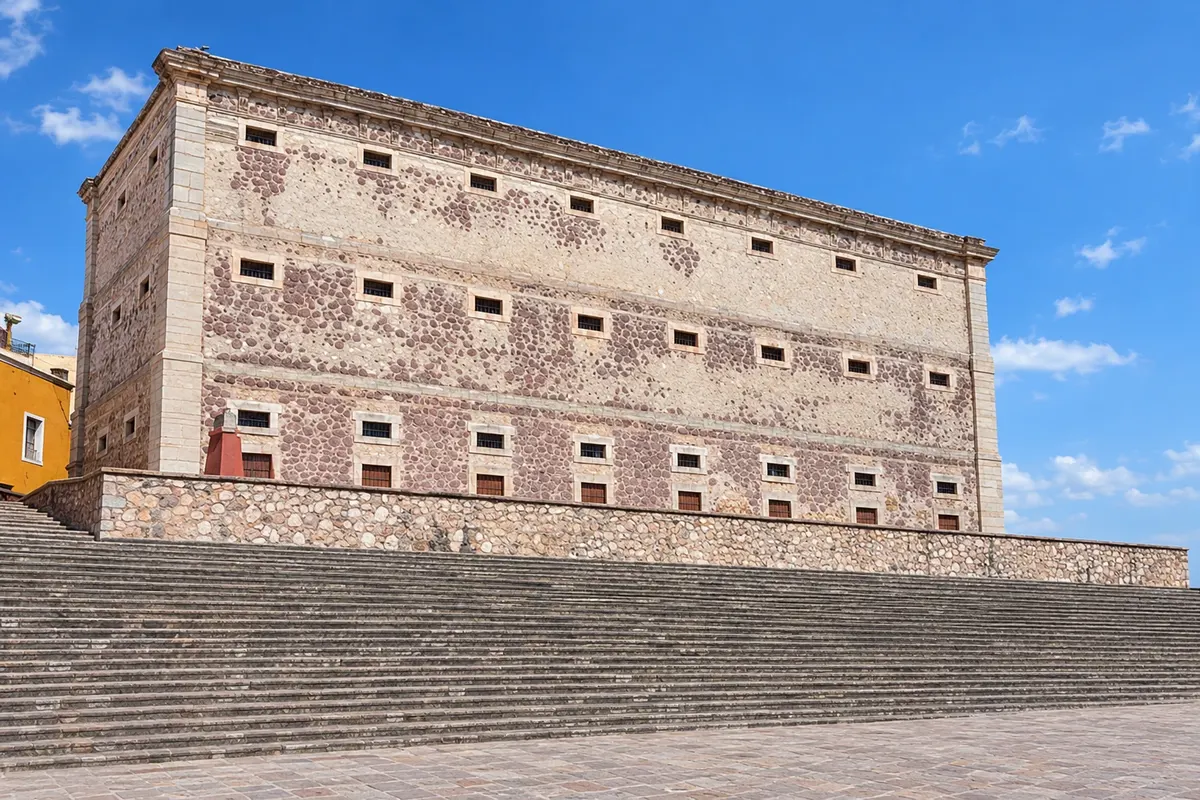
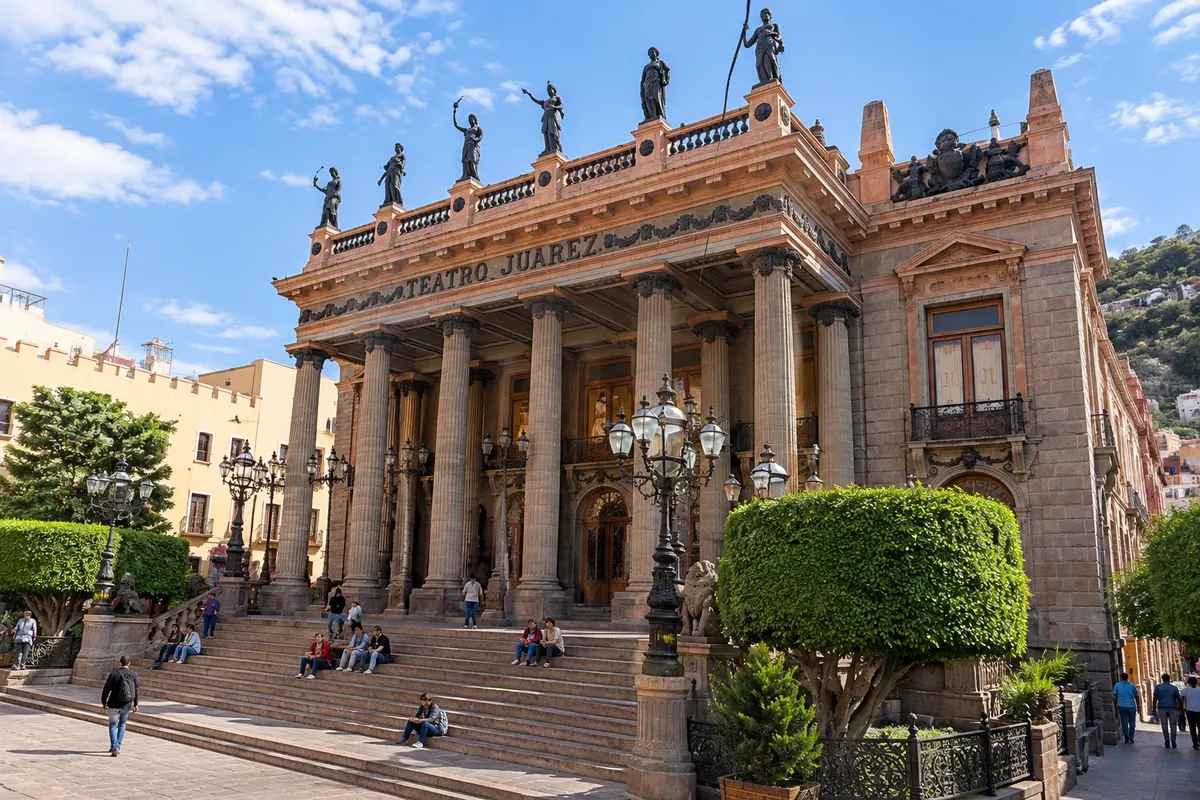
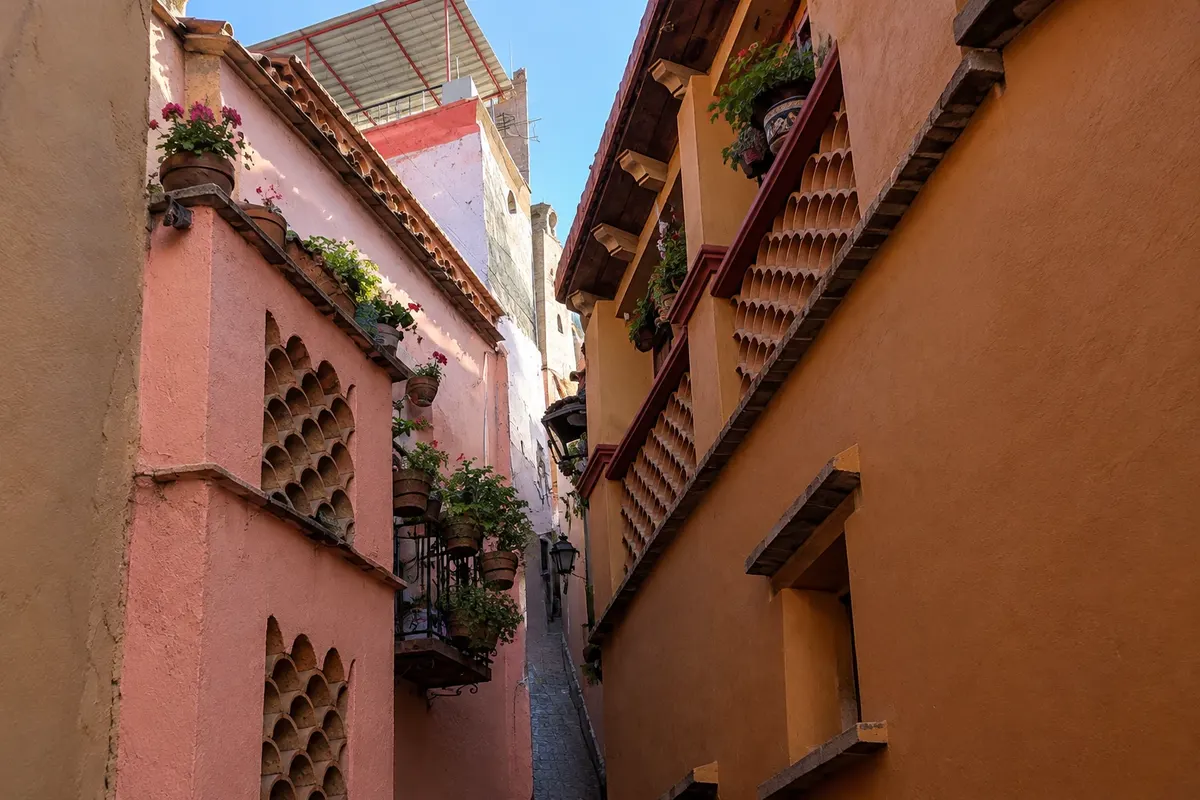
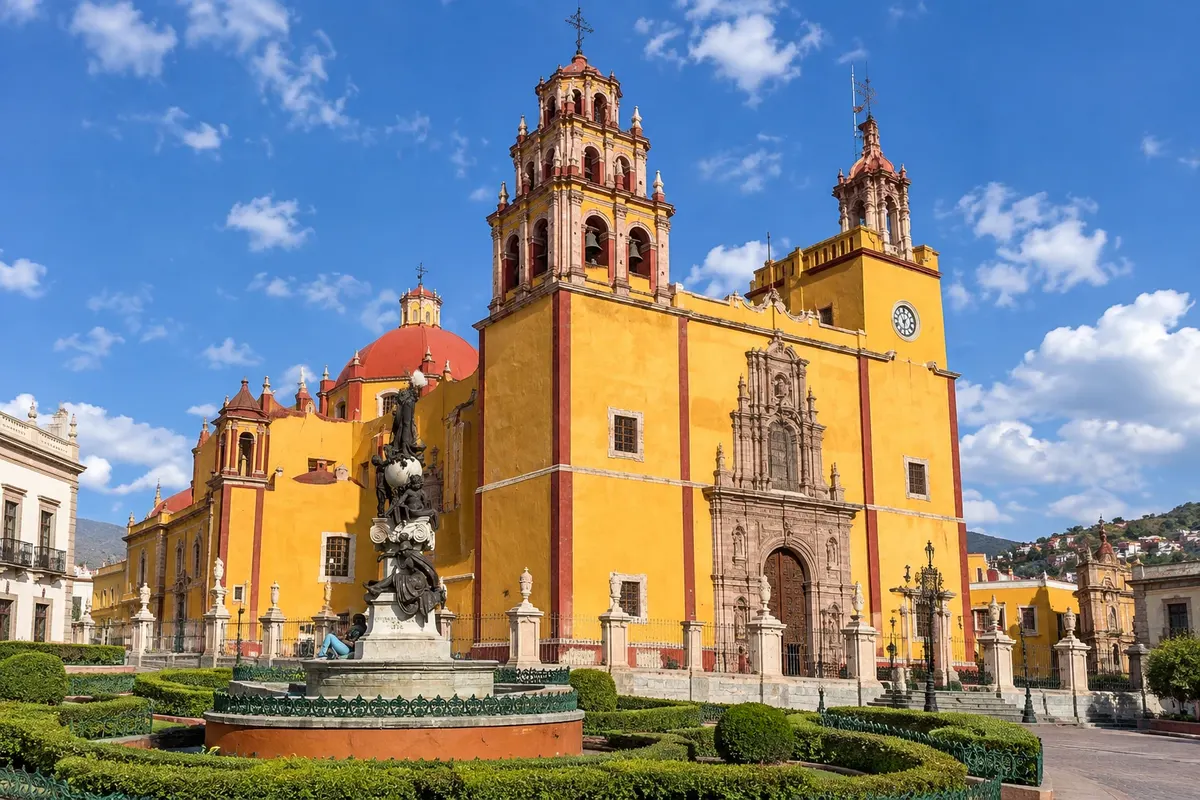
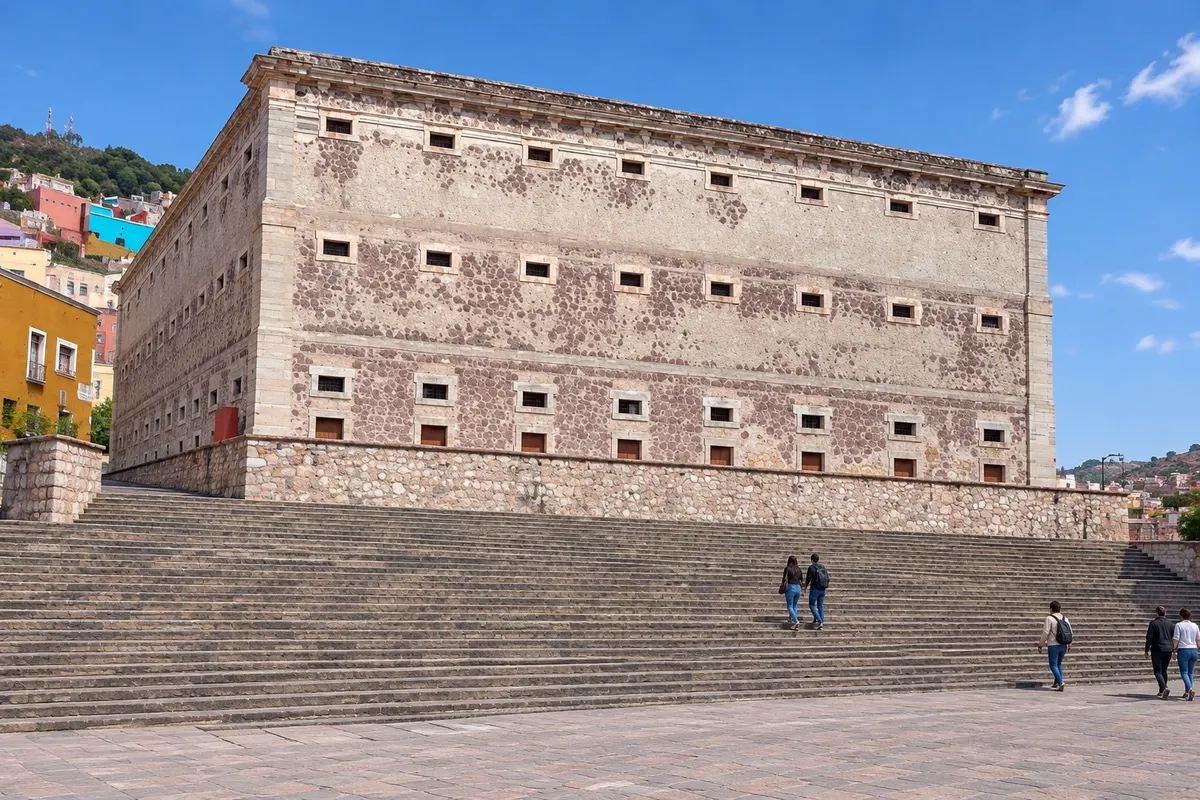
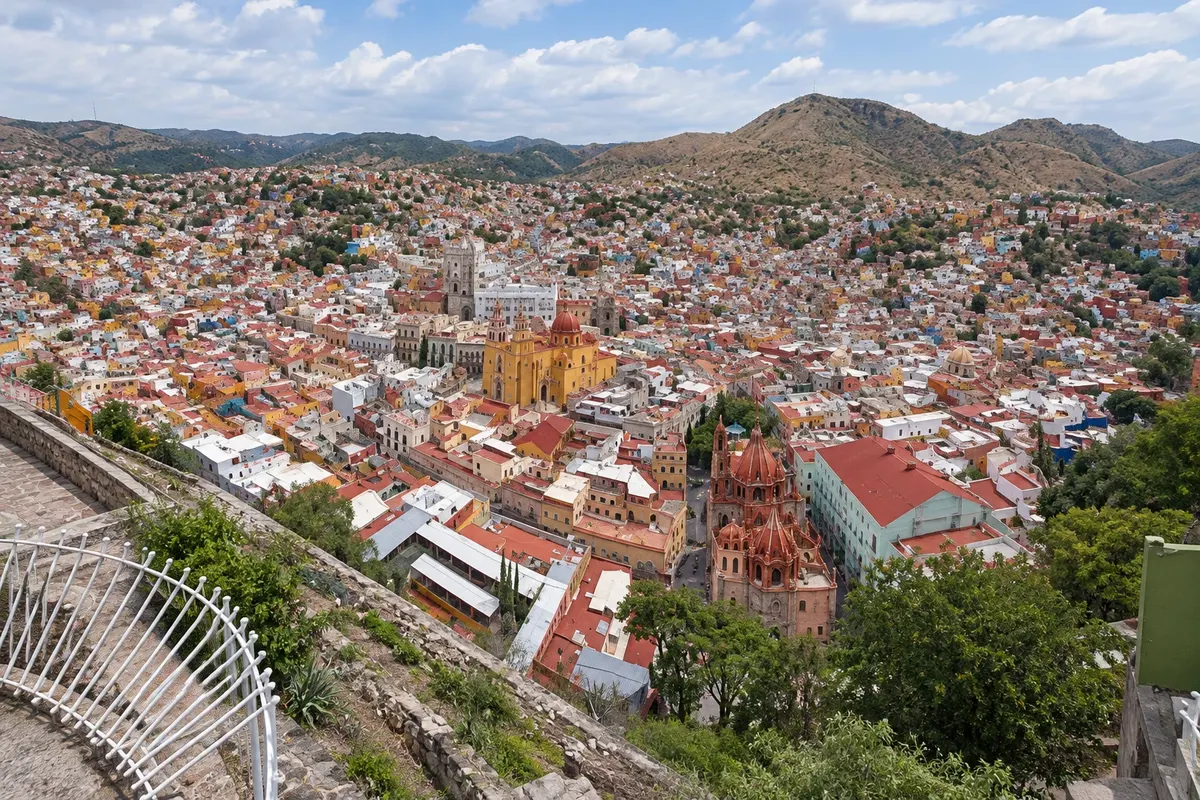
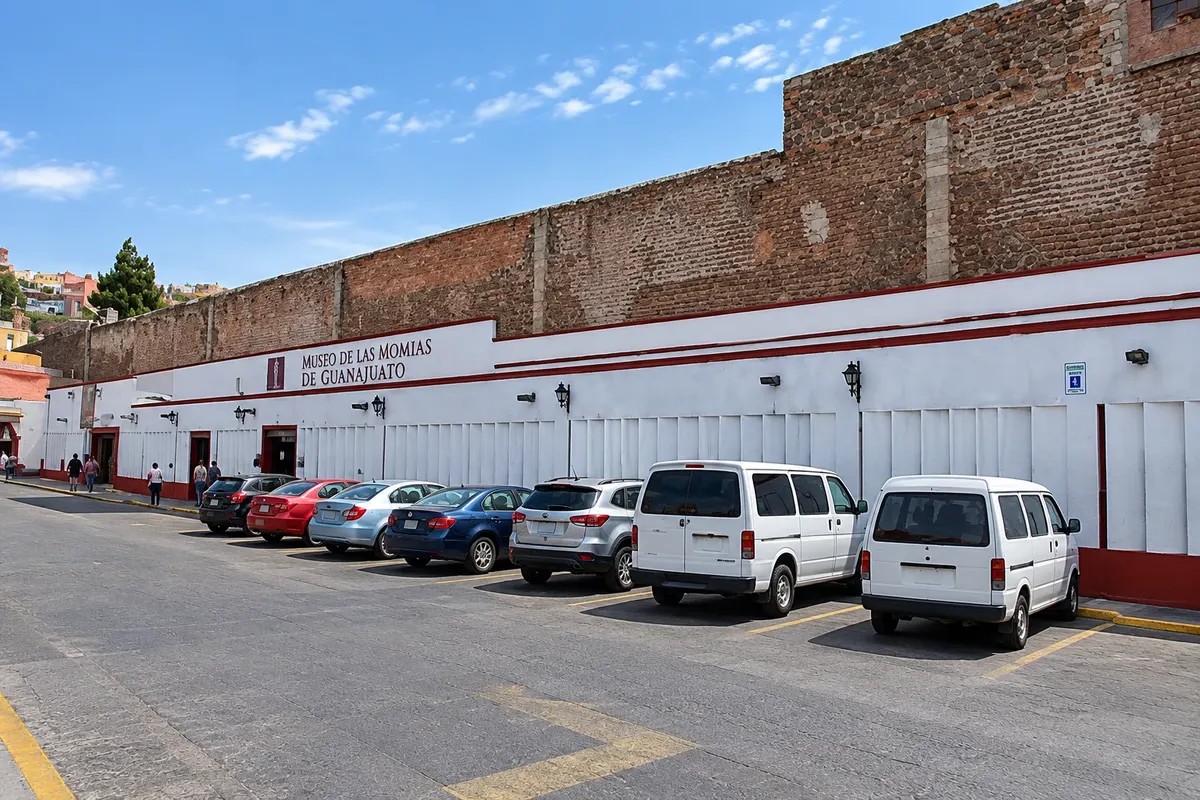
Guanajuato, the state capital, sits in a narrow valley between mountains, with colorful houses on the slopes, streets that run through tunnels beneath the city and alleys so narrow balconies nearly touch. It has been a World Heritage Site since 1988, together with the surrounding mines, and hosts the International Cervantino Festival in October.
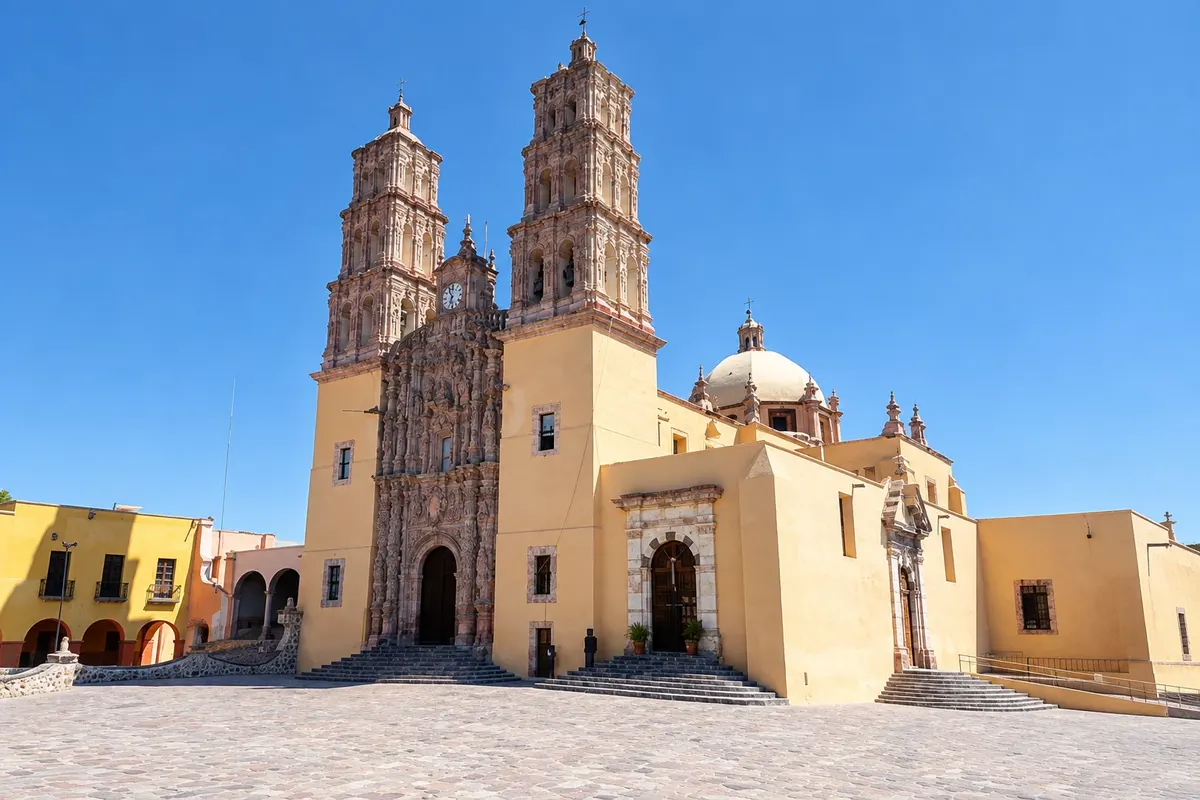
Dolores Hidalgo, between the two, is where Father Miguel Hidalgo called for independence on 16 September 1810, and is also a center of talavera ceramics.
This destination brings together 3 cities: San Miguel de Allende, Guanajuato, Dolores Hidalgo.


 Brazil
 Argentina
 Bolivia
 Chile
 Colombia
 Ecuador
 Guyana
 French Guiana
 Falkland Islands (Malvinas)
 Paraguay
 Peru
 Suriname
 Uruguay
 Venezuela
 Germany
 Austria
 Belgium
 Croatia
 Denmark
 Spain
 Finland
 France
 Greece
 the Netherlands
 Hungary
 Ireland
 Iceland
 Italy
 Luxembourg
 Norway
 Poland
 Portugal
 the United Kingdom
 the Czech Republic
 Sweden
 Switzerland
 Turkey
 the United States
 the Dominican Republic
 South Africa
 Australia
 Fiji