
Square
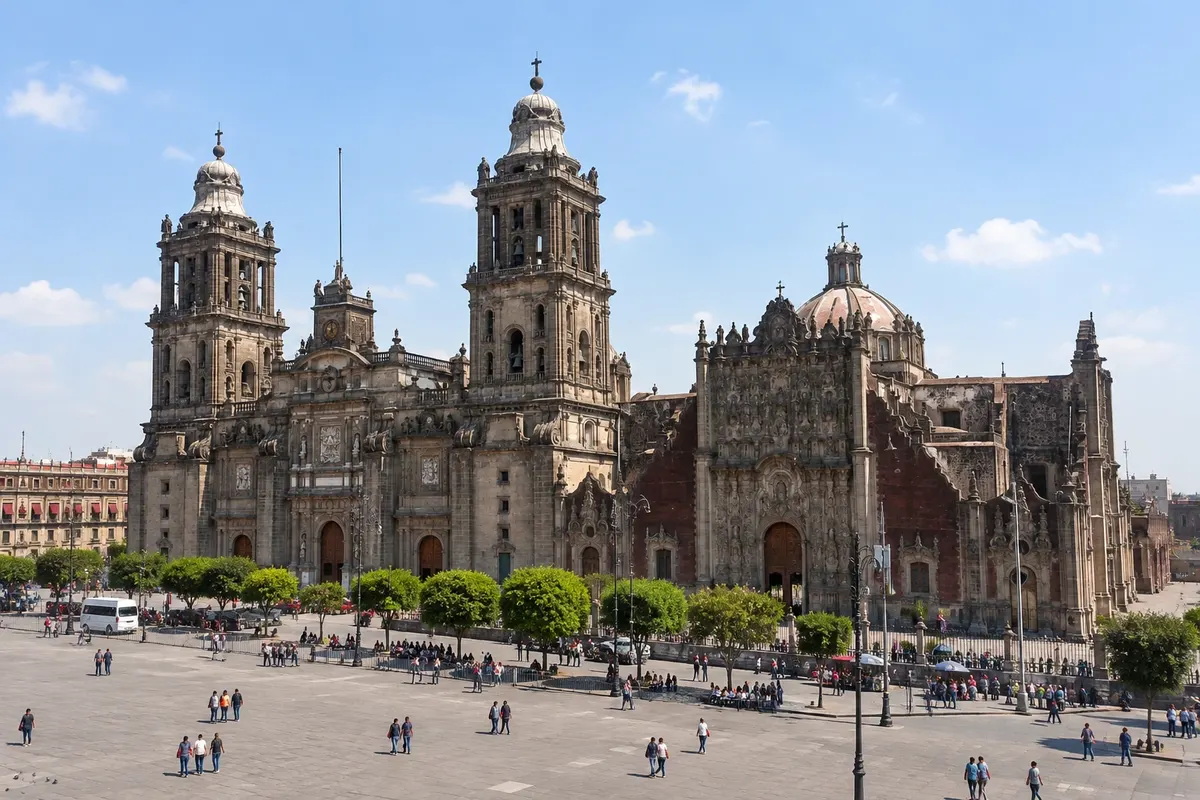
Zócalo (Plaza de la Constitución)
The central square of Mexico City, with the Cathedral to the north and the National Palace to the east, built over the former center of Tenochtitlan.

 Search
 Brazil
 Argentina
 Bolivia
 Chile
 Colombia
 Ecuador
 Guyana
 French Guiana
 Falkland Islands (Malvinas)
 Paraguay
 Peru
 Suriname
 Uruguay
 Venezuela
 Germany
 Austria
 Belgium
 Croatia
 Denmark
 Spain
 Finland
 France
 Greece
 the Netherlands
 Hungary
 Ireland
 Iceland
 Italy
 Luxembourg
 Norway
 Poland
 Portugal
 the United Kingdom
 the Czech Republic
 Sweden
 Switzerland
 Turkey
 the United StatesMexico
 the Dominican RepublicTurkey
 South Africa
 Australia
 Fiji
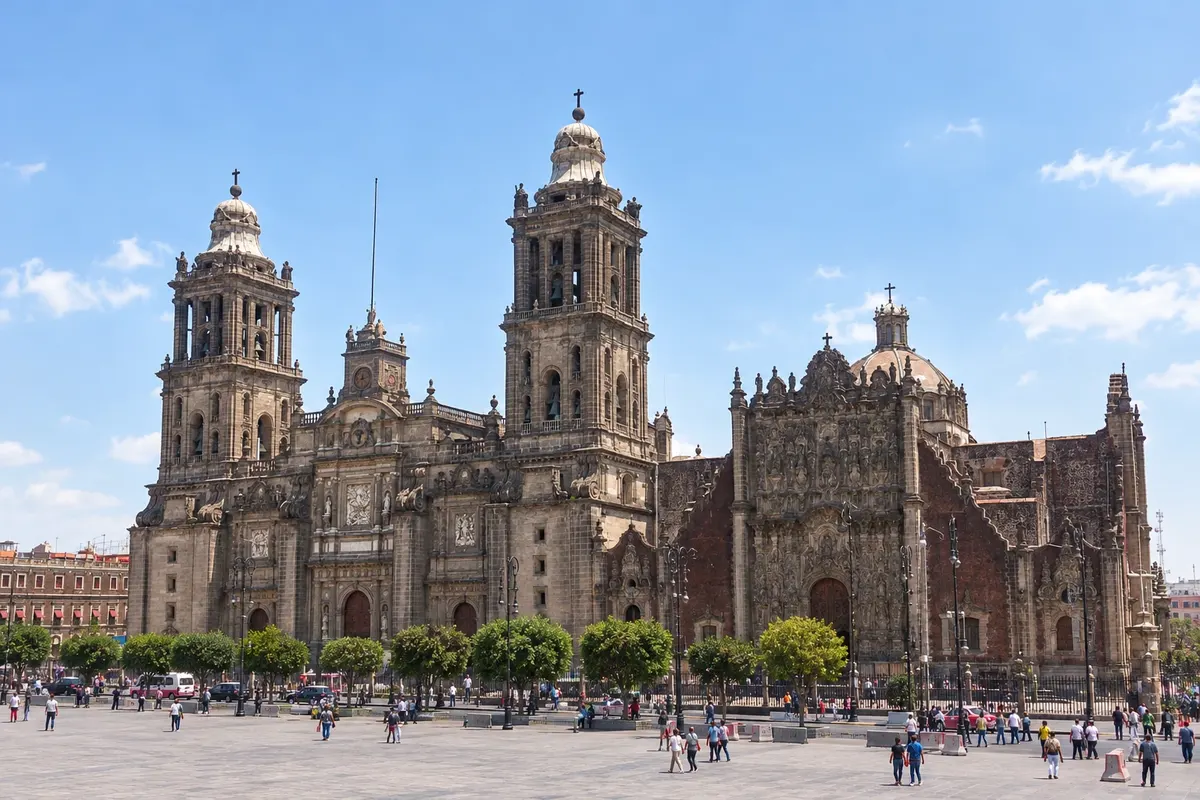
Cidade do México · Mexico Capital
In the destination Mexico City and Teotihuacan.
In the photo: Mexico City Metropolitan Cathedral
Illustrative images. The pictures in this guide are illustrations based on the real place, not photographs, and may differ from it.
The city
Capital of Mexico, the city was built on Tenochtitlan, the Aztec capital. The Centro Histórico, a UNESCO World Heritage Site together with Xochimilco, includes the Zócalo, the Metropolitan Cathedral, the Templo Mayor, the National Palace and the Palacio de Bellas Artes. In Chapultepec Forest are the National Museum of Anthropology and the castle; to the south are Coyoacán, Frida Kahlo’s Casa Azul, the University City and the canals of Xochimilco. It sits at about 2,240 m above sea level.
There's no accommodation in the guide yet in Cidade do México.
There are no restaurants in the guide yet in Cidade do México.
Know a good one? Recommend it to ushow to get there · how many days · itinerary · questions
The local experience
The central square of Mexico City, with the Cathedral to the north and the National Palace to the east, built over the former center of Tenochtitlan.
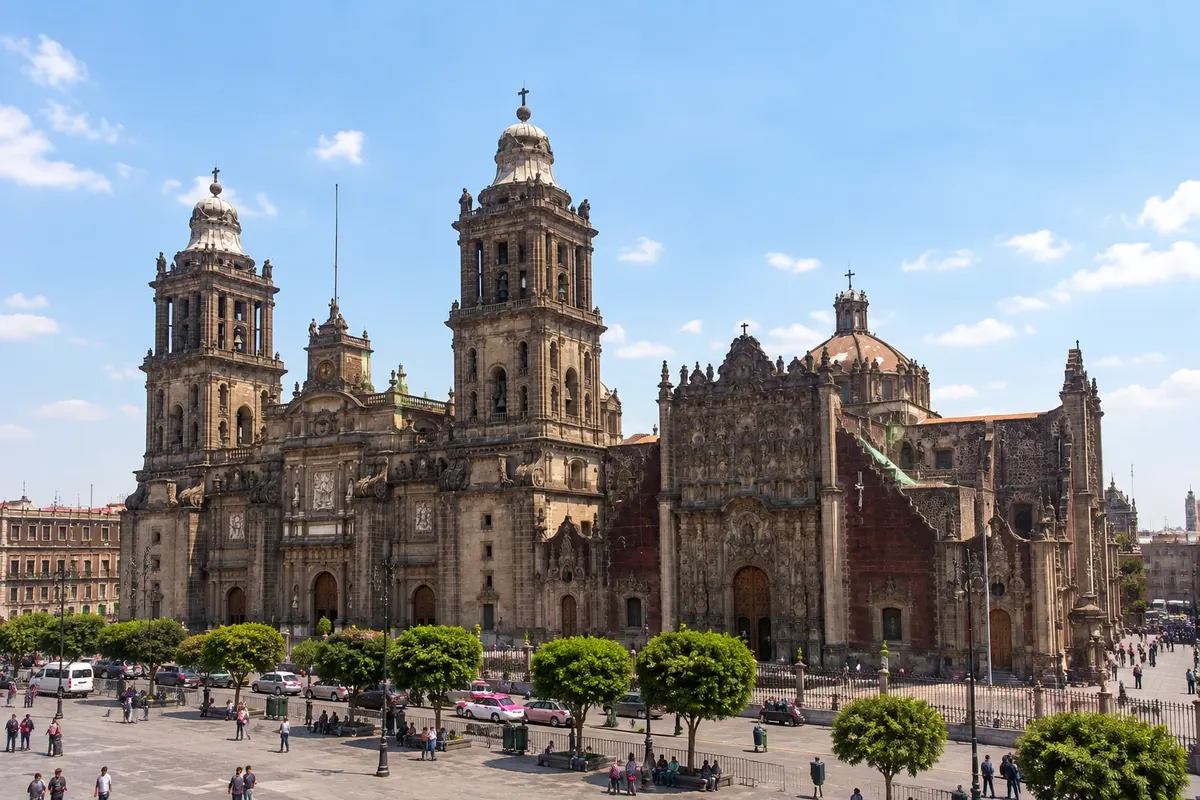
The largest cathedral in the Americas, built from 1573 to 1813, with Baroque and Neoclassical façades, gilded altarpieces and two towers overlooking the Zócalo.
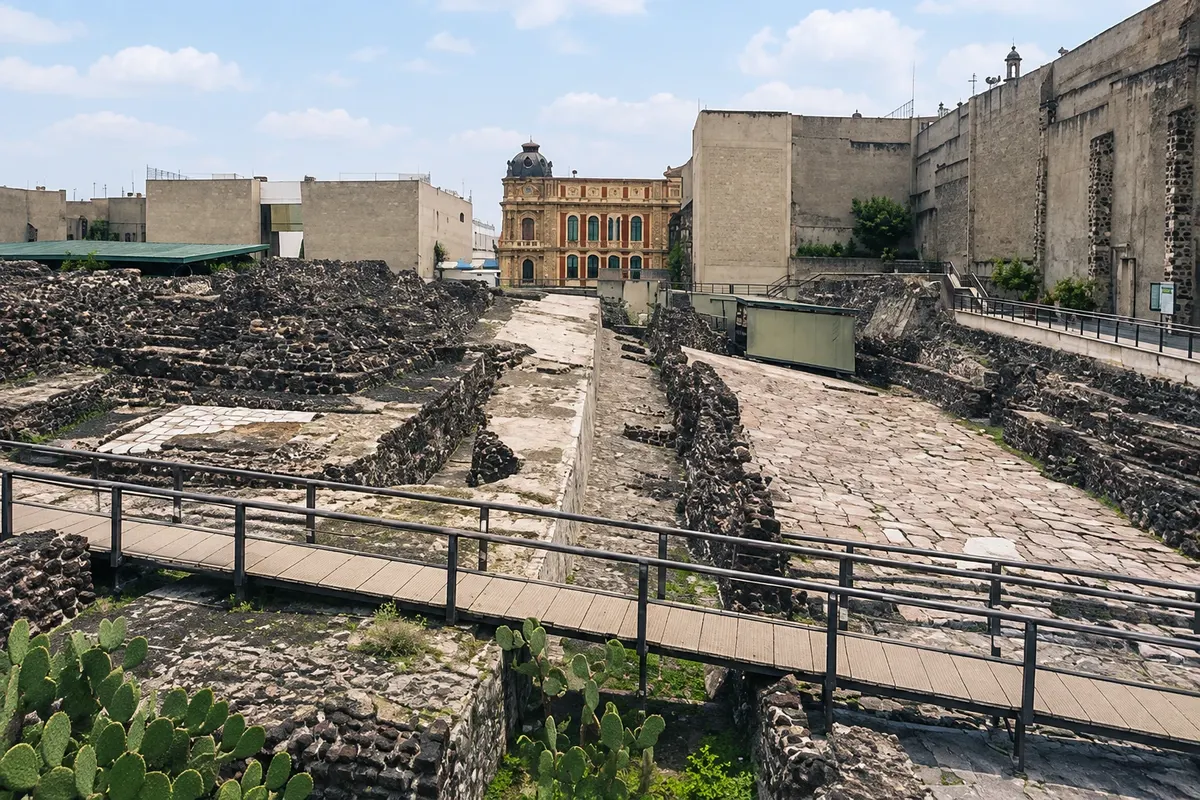
Ruins of the main temple of Tenochtitlan, the Aztec capital, dedicated to Huitzilopochtli and Tláloc, with an eight-room museum next to the Zócalo.
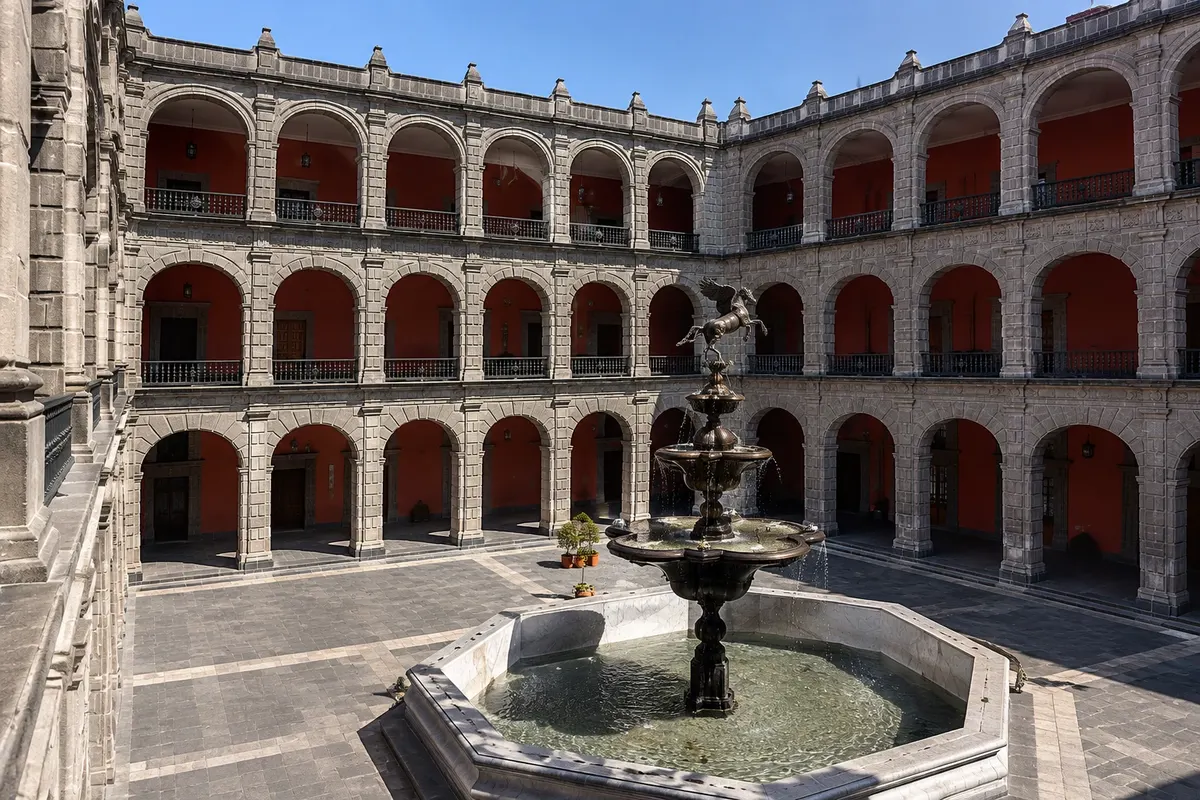
Seat of the federal government on the east side of the Zócalo, with Diego Rivera’s murals about Mexico’s history on the staircase and in the corridors.
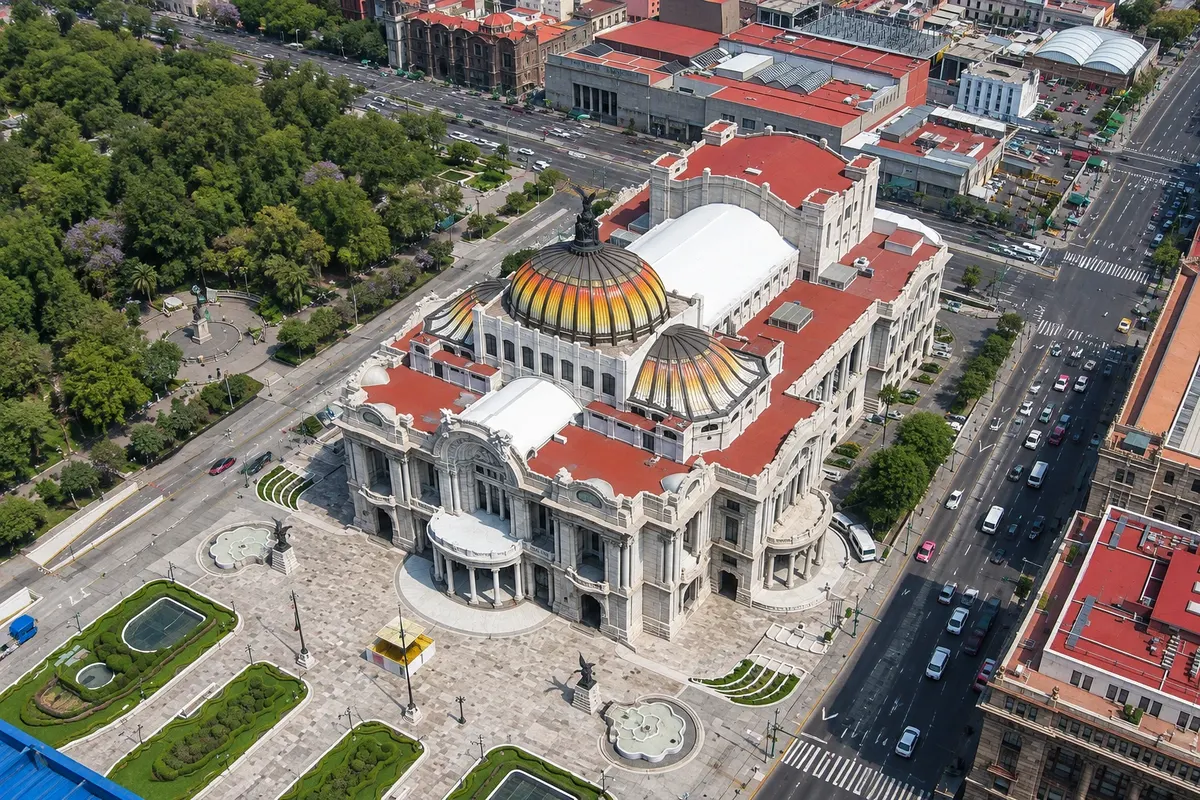
1934 art theatre and museum with a marble façade, domes, a Tiffany glass curtain, and murals by Rivera, Orozco, Siqueiros, and Tamayo.
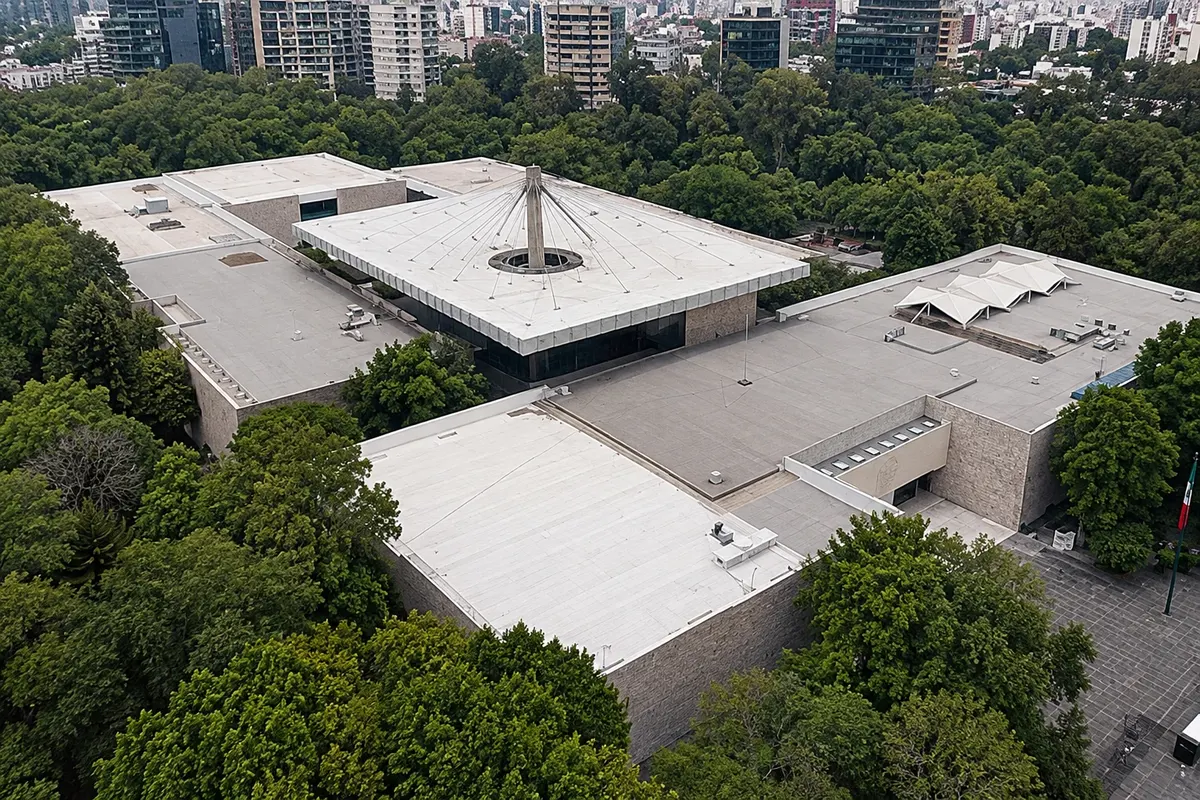
Mexico's largest archaeology museum, in Chapultepec, with 23 rooms, the Aztec Sun Stone, Olmec heads, and Mayan art.
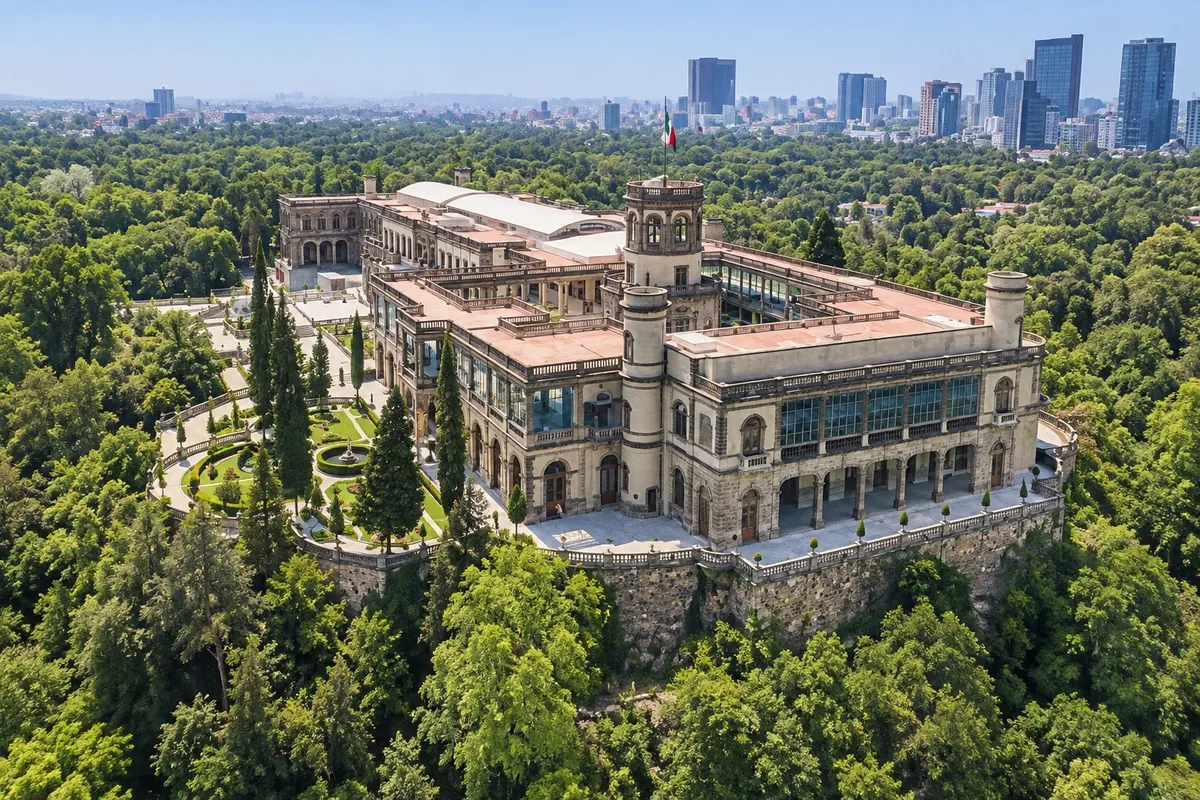
Castle atop the Chapultepec hill, residence of Emperor Maximilian and home to the National Museum of History, with views of Paseo de la Reforma.
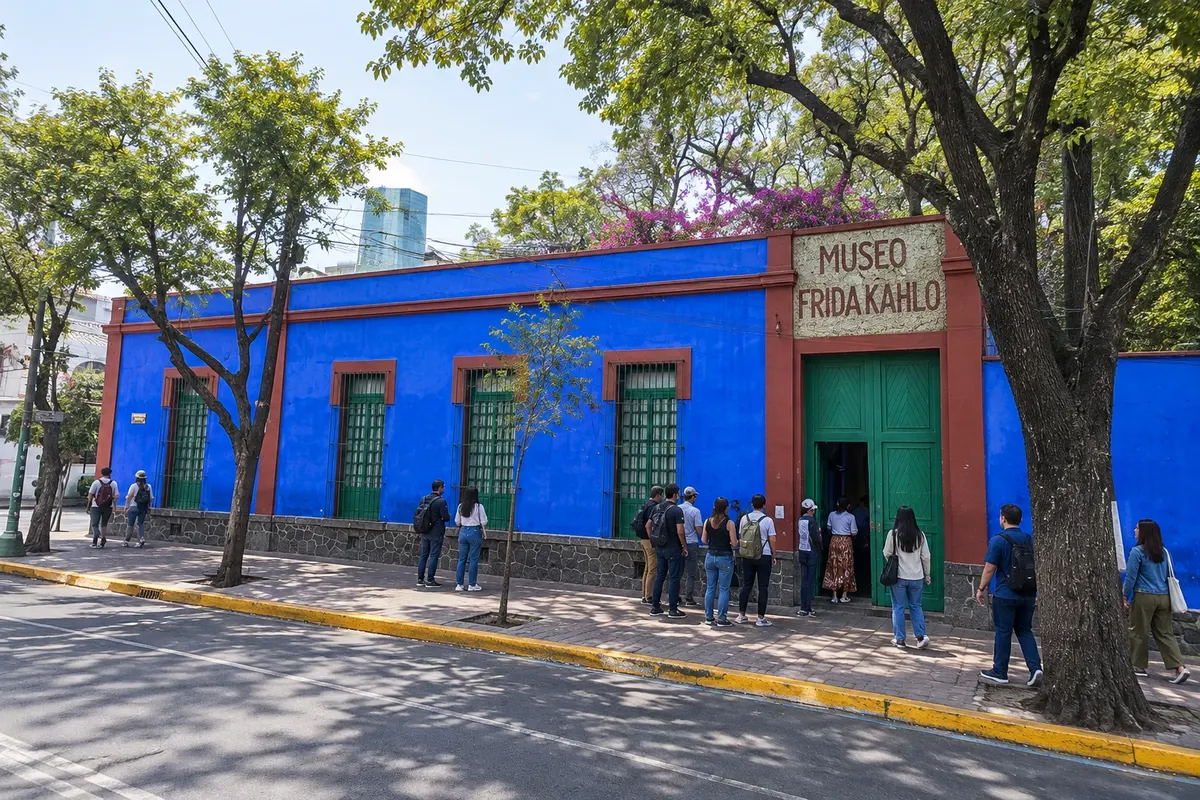
The Blue House where Frida Kahlo was born, lived with Diego Rivera and died, in Coyoacán, containing artworks, personal objects and her studio.
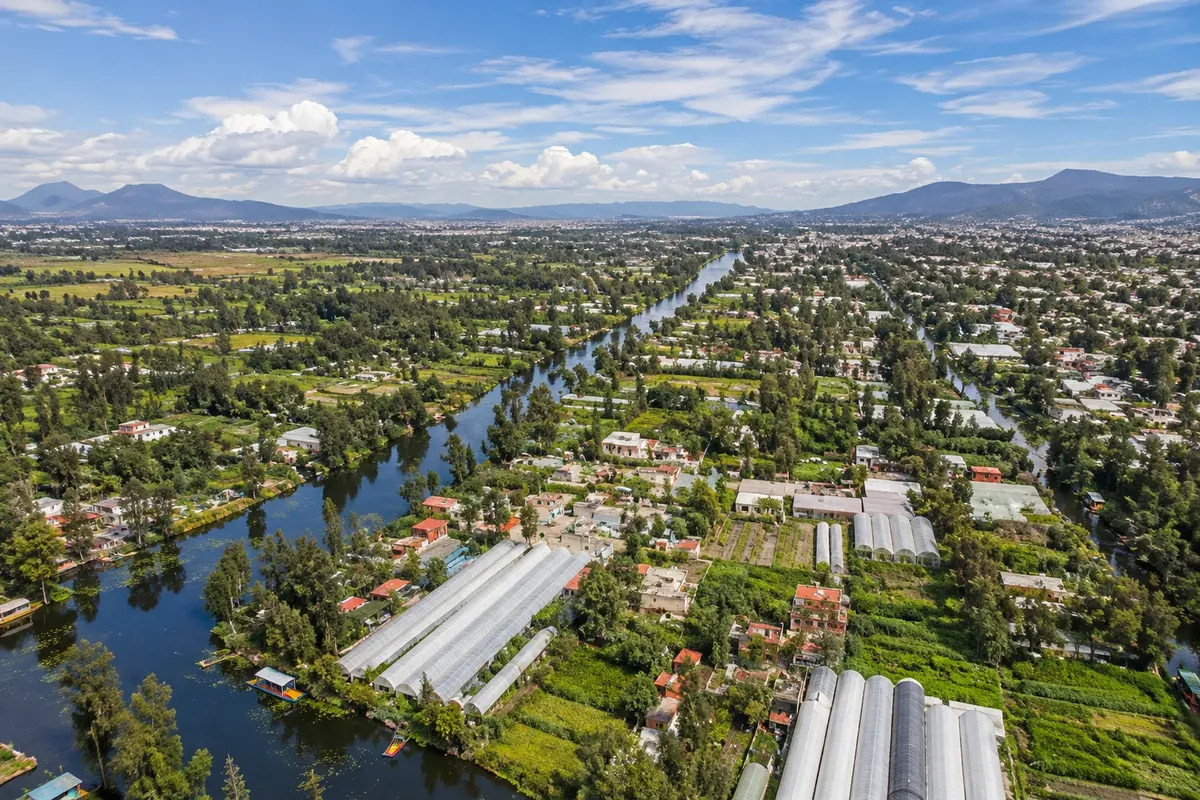
Network of pre-Hispanic canals and chinampas in the south of the city, a World Heritage Site, travelled on the colorful boats called trajineras.
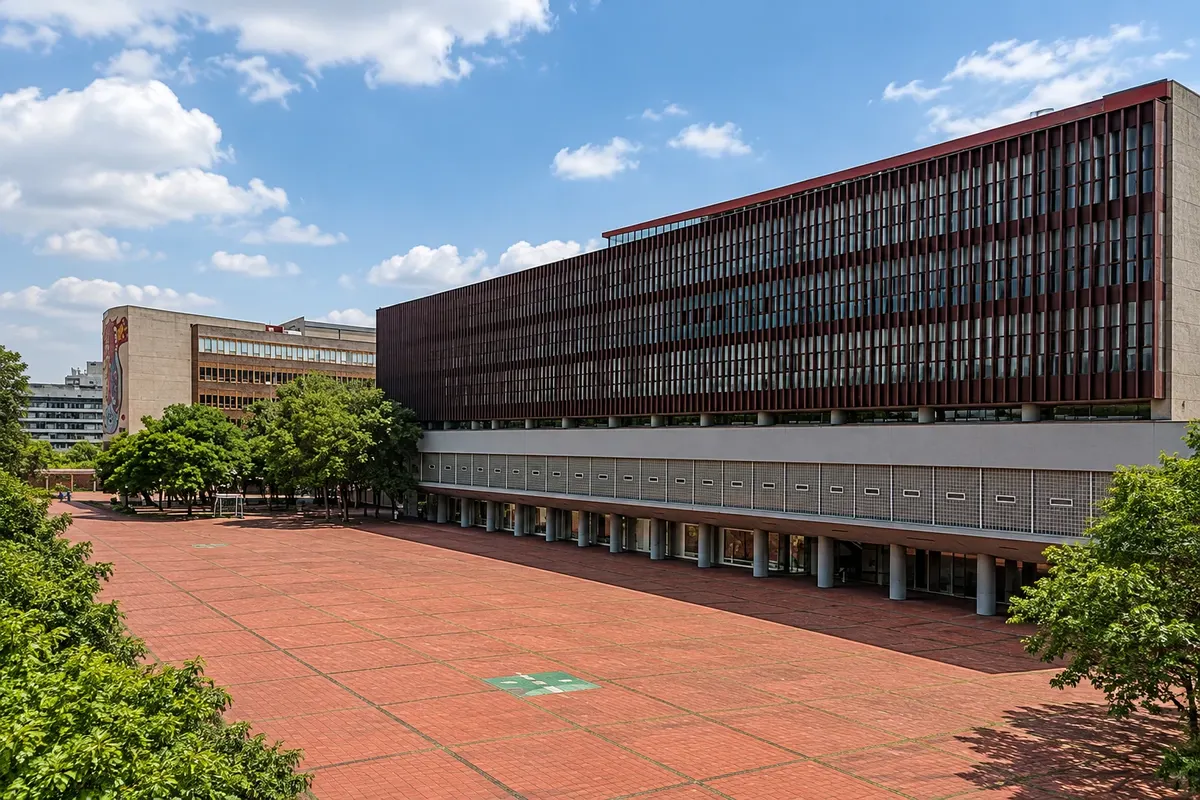
The central campus of the National University, from the 1950s, a World Heritage Site since 2007, with Juan O'Gorman’s mosaic on the Central Library and murals by Siqueiros.
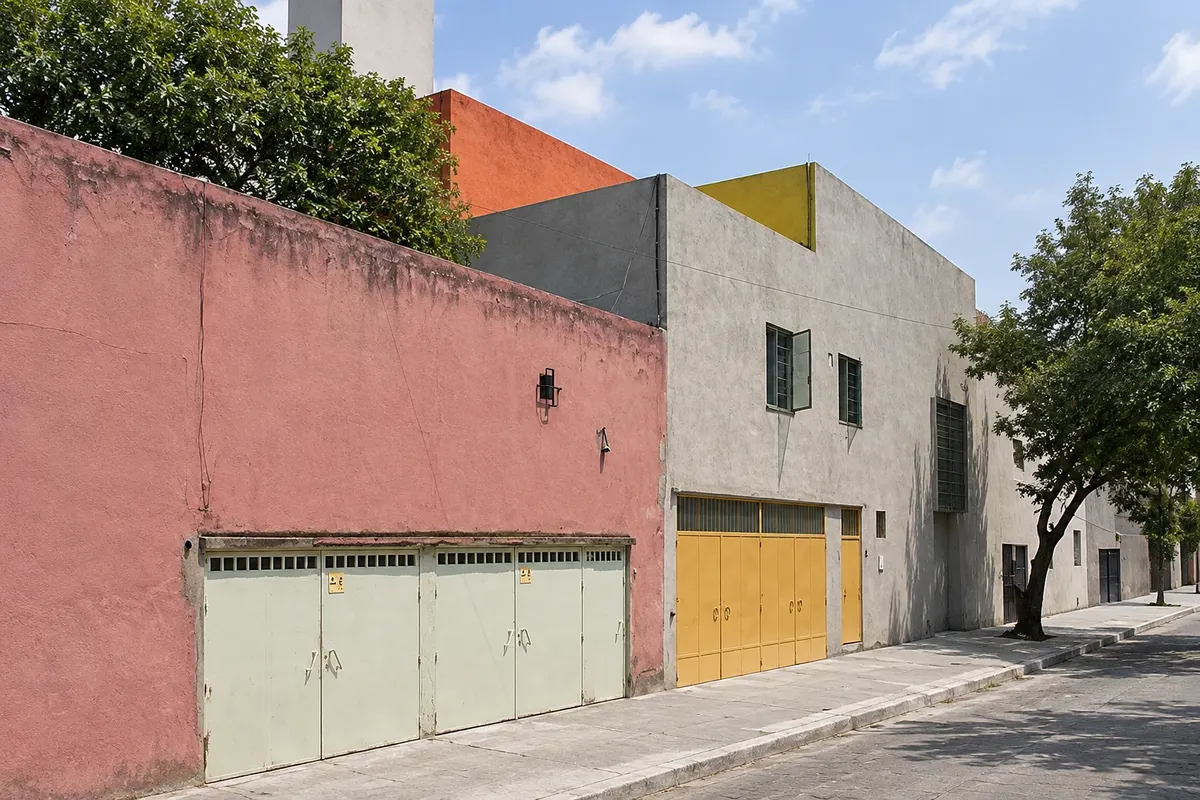
The house and studio of architect Luis Barragán, from 1948, a World Heritage Site since 2004, with colorful walls, filtered light and an enclosed garden.
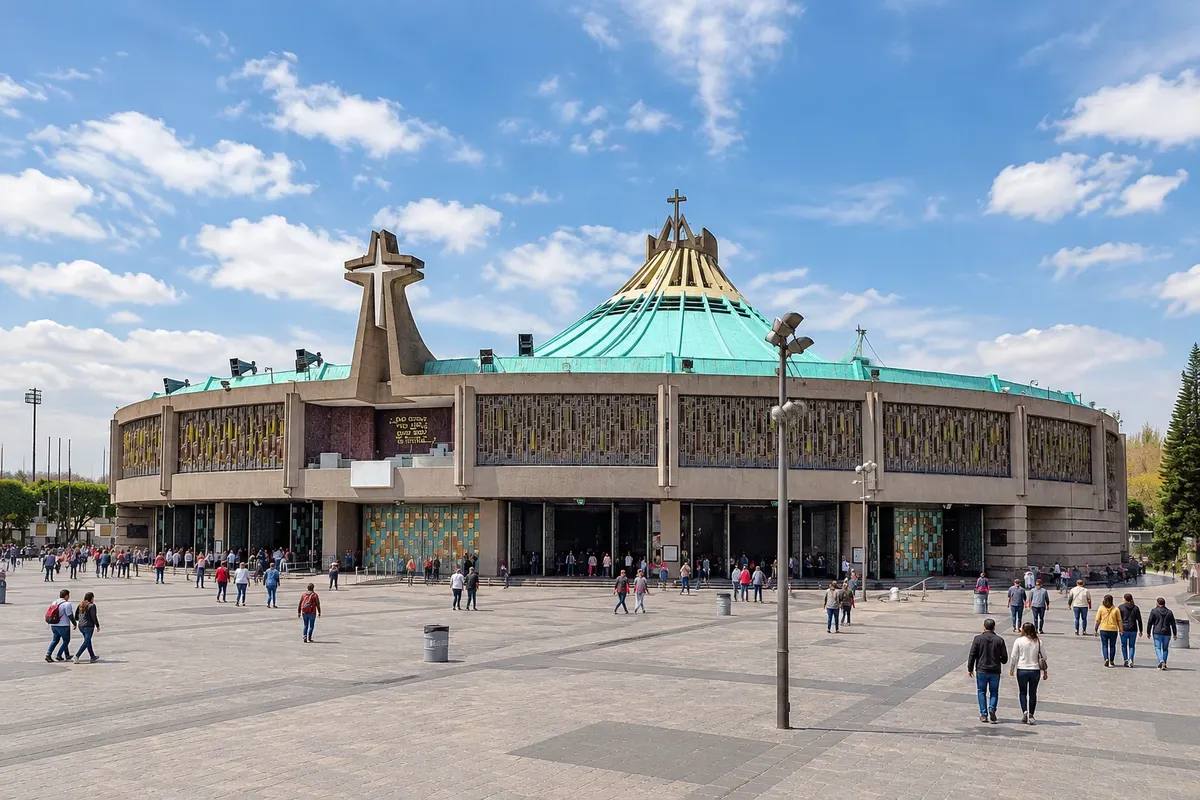
The most visited sanctuary in the Americas, at the foot of the Tepeyac hill, featuring the new basilica (1976), the 18th-century old basilica, and the image of the Virgin of Guadalupe.
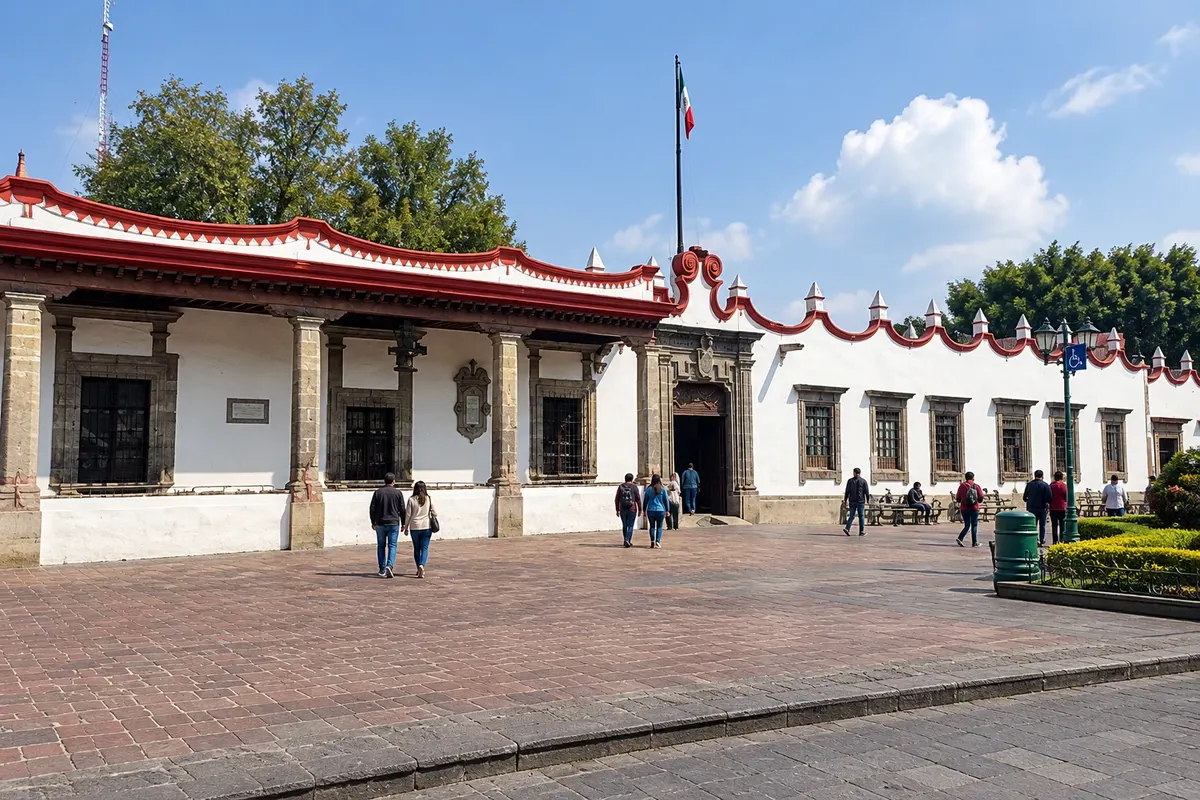
Former colonial village in the south of the city, with tree-lined plazas, the church of San Juan Bautista, a market, and streets of colorful houses.