Mexico City and Teotihuacan

Cidade do México · Estado do México · Mexico

Mexico City and Teotihuacan

The capital of Mexico, with the Zócalo, the Templo Mayor, Rivera’s murals, the National Museum of Anthropology, the canals of Xochimilco and the pyramids of Teotihuacan.

Cidade do México

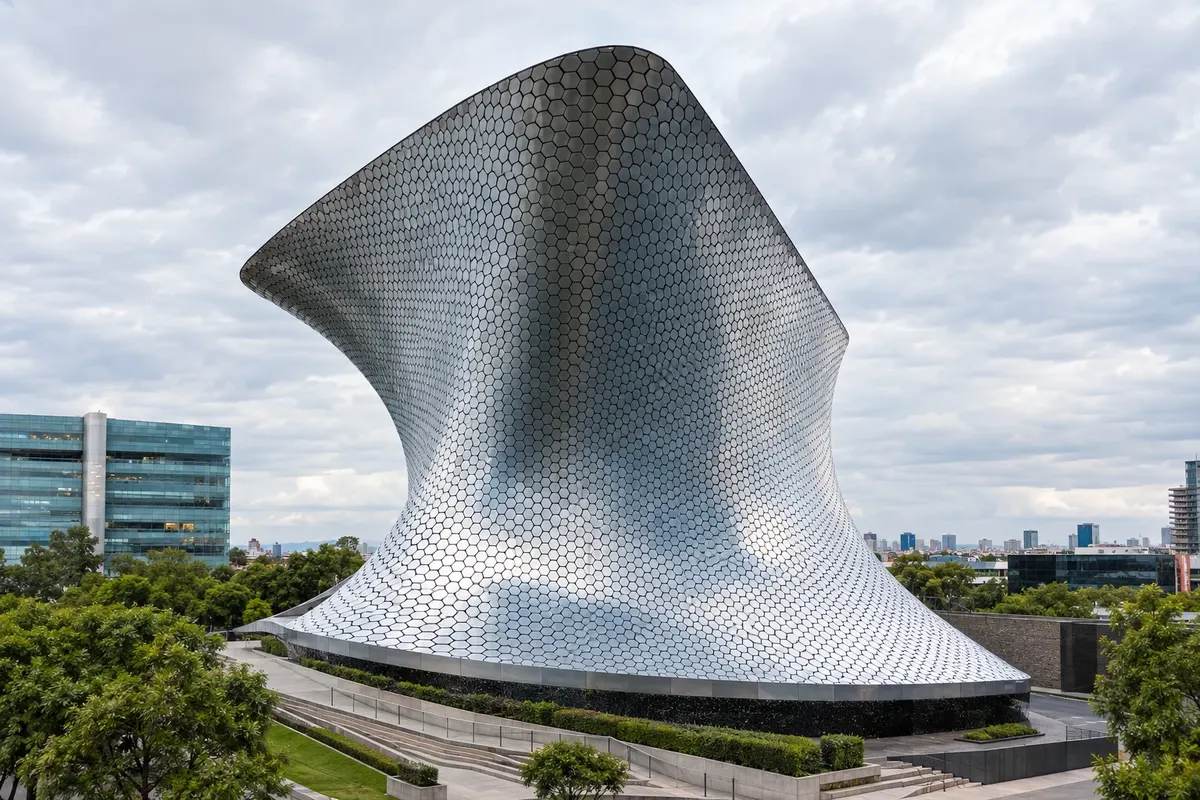
In the photo: Museo Soumaya, Mexico City

Illustrative images. The pictures in this guide are illustrations based on the real place, not photographs, and may differ from it.

Get it on Google Play Send your photos

Get to know the place

A region to enjoy
at your own pace.

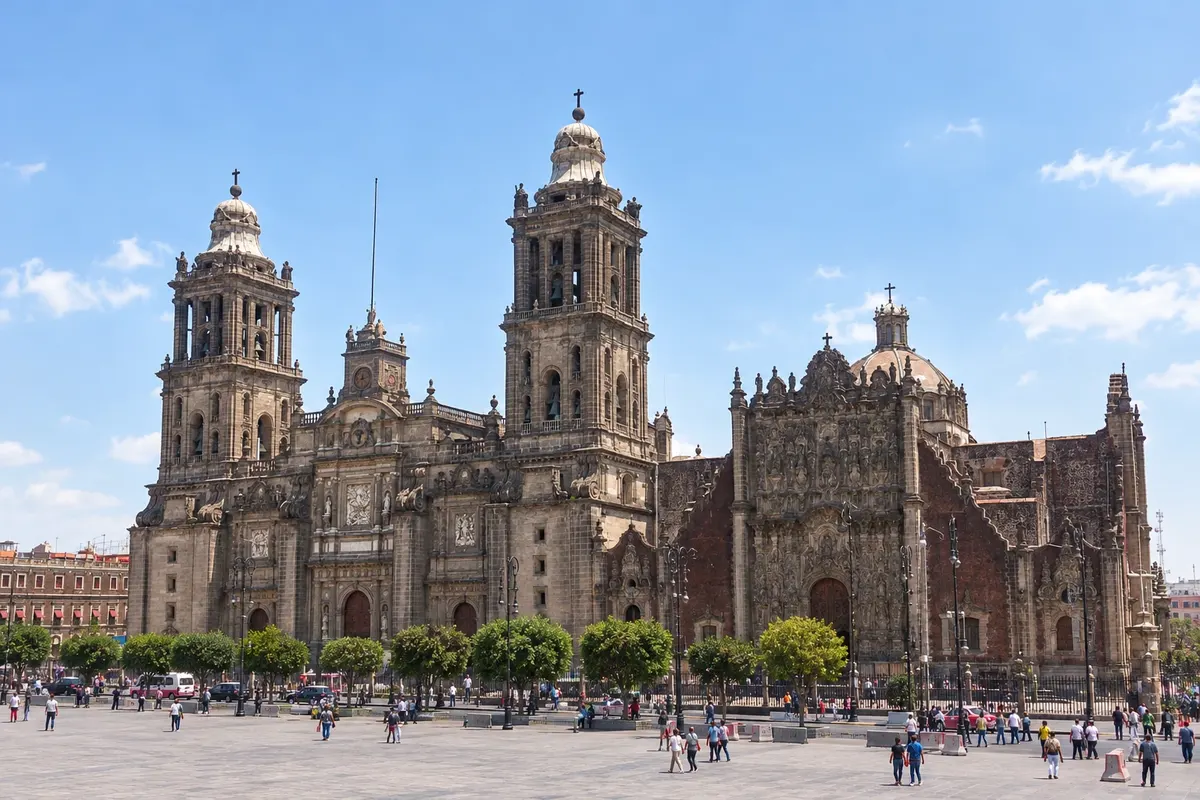
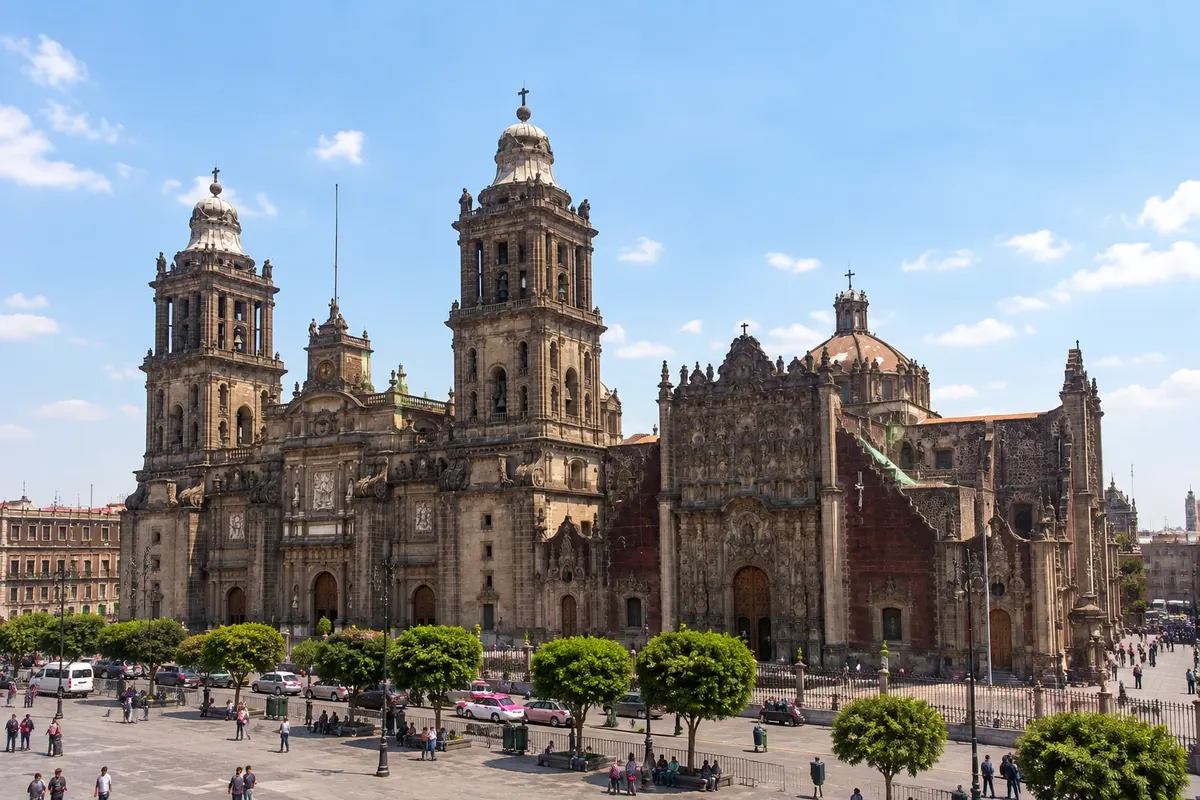
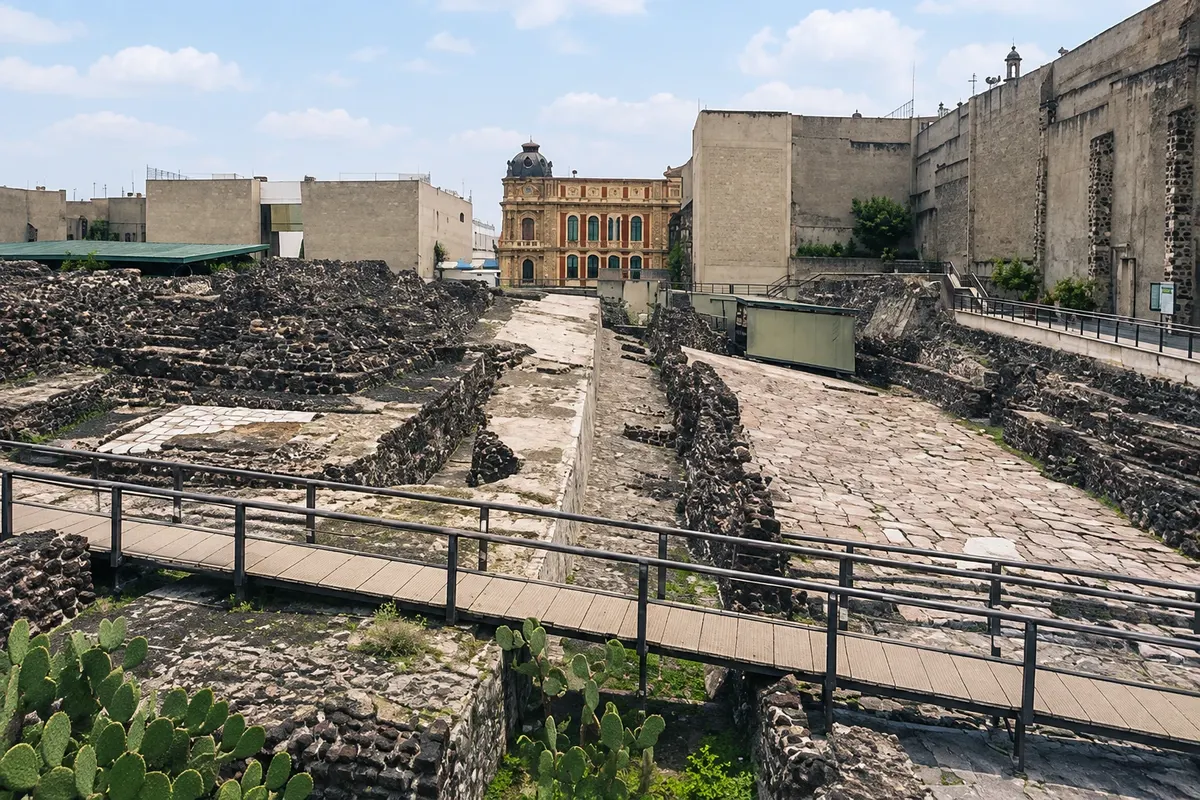
Mexico City (Ciudad de México, or CDMX) is the country’s capital and the largest city in North America. It was built on Tenochtitlan, the Aztec capital raised on an island in Lake Texcoco, and the historic center preserves the two cities side by side: the Aztec Templo Mayor at the foot of the Metropolitan Cathedral, on the Zócalo. The Historic Center and Xochimilco have been a UNESCO World Heritage Site since 1987.

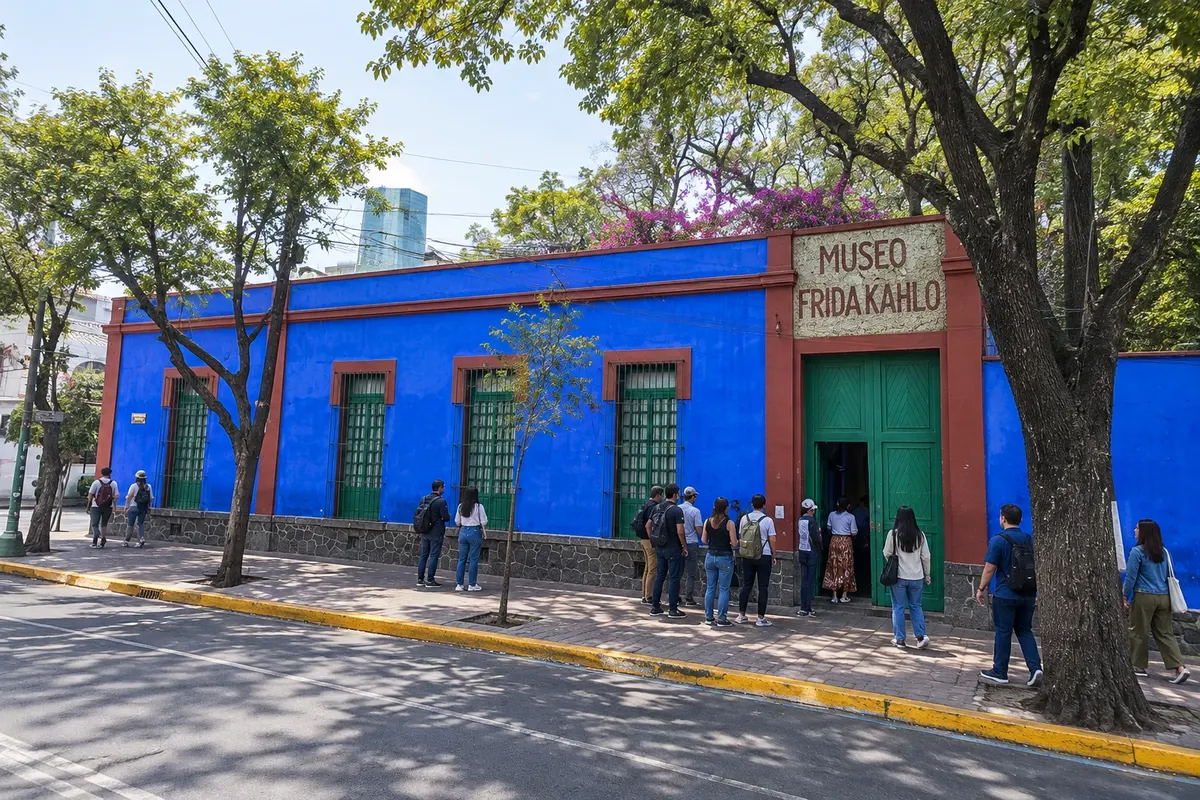
Museums are the city’s main attraction. The National Museum of Anthropology, in Chapultepec Park, brings together archaeology from across the country; the National Palace and the Palace of Fine Arts contain murals by Diego Rivera, Orozco and Siqueiros; in Coyoacán, the Casa Azul was Frida Kahlo’s home. UNAM’s Ciudad Universitaria and the Luis Barragán House-Studio are also World Heritage Sites for modern architecture.

The city sits at about 2,240 meters of altitude, in a valley surrounded by mountains and volcanoes. In the first days you may be out of breath on climbs, and nights are cool for most of the year.

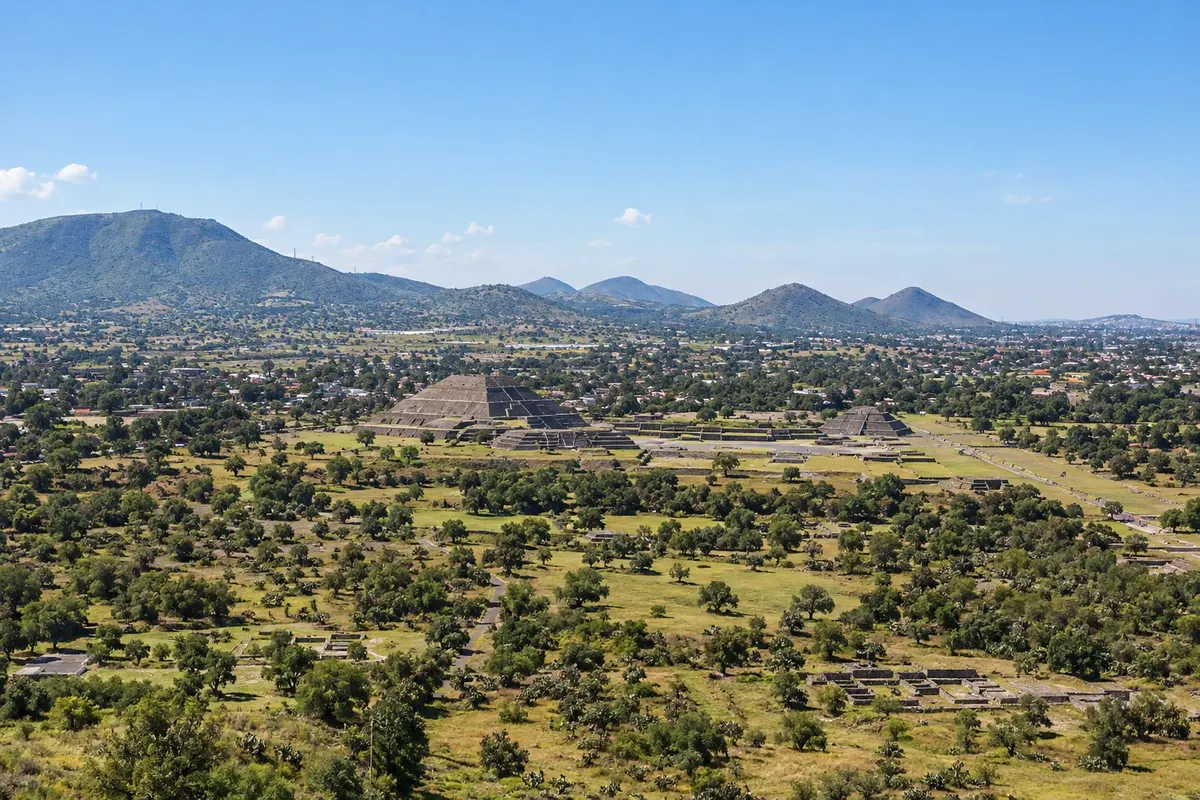
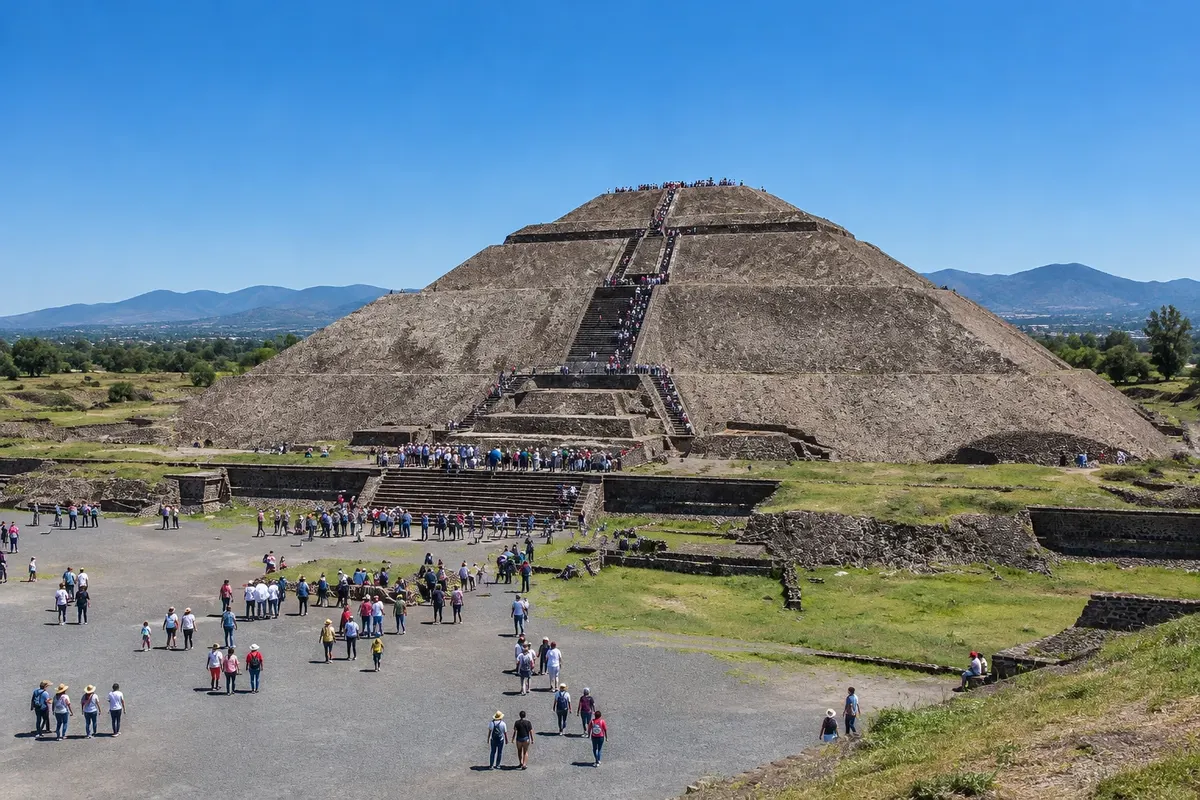
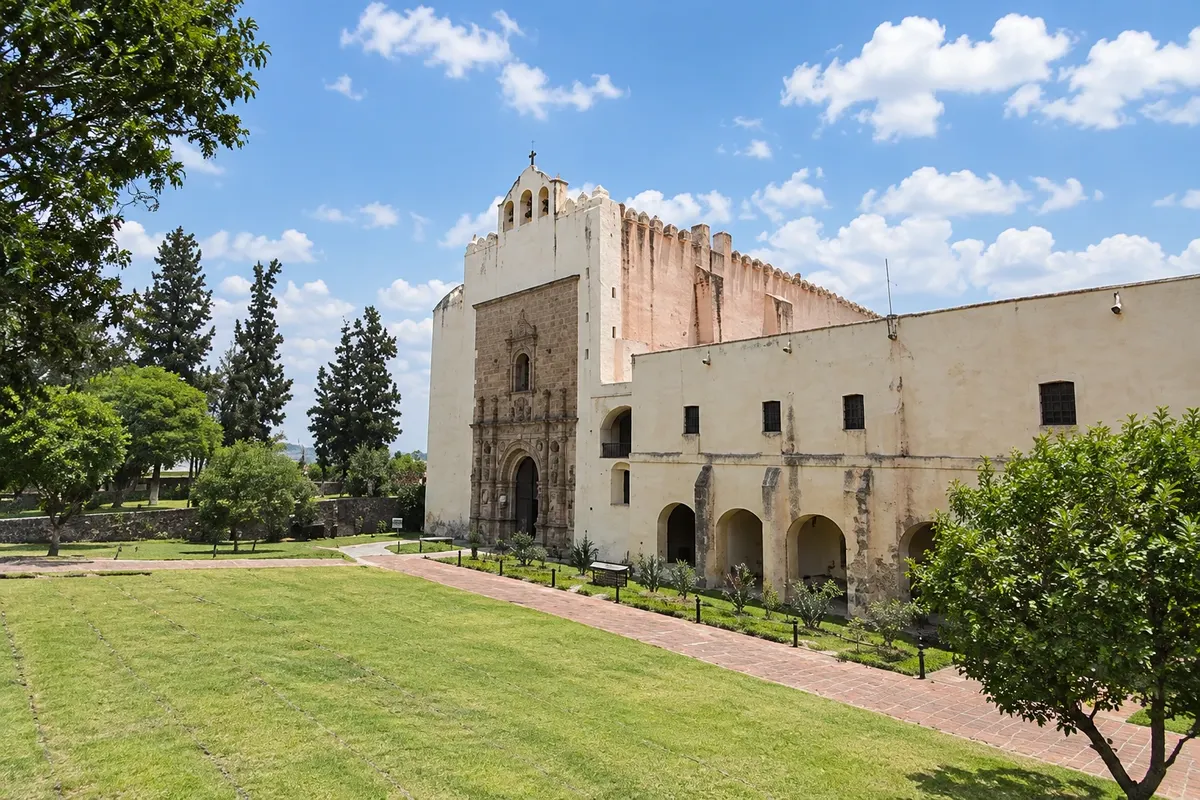
About 50 km to the northeast lies Teotihuacan, the ancient city of the Pyramids of the Sun and Moon, a UNESCO World Heritage Site and the most common excursion from the capital. On the way, the 16th-century Augustinian convent of Acolman can be found.

This destination brings together 2 cities: Cidade do México, Teotihuacan.

Share: WhatsApp
Traveler, share your experiences through photos Up to 5 photos of each place you visited.

One destination, many paths

The cities on this trip

Start with one city or combine several in your itinerary.

Where Mexico City and Teotihuacan is
Cidade do MéxicoTeotihuacan

Boundaries: INEGI / geoBoundaries (CC BY 3.0 IGO). Adapted by Cidade Turismo.

How to get there: Mexico City and Teotihuacan

✈ Aeropuerto Internacional de la Ciudad de México Benito Juárez (MEX) · 8 km to Cidade do México

✈ Aeropuerto Internacional Felipe Ángeles (NLU), in Zumpango · 45 km to Cidade do México

Confirm before you buy. The main airport is Benito Juárez International (MEX), located within the city; there is also Felipe Ángeles (NLU), to the north.

Suggested arrival point: Cidade do México

The local experience

Things to do in Mexico City and Teotihuacan

Zócalo (Plaza de la Constitución)
Cidade do México · Cidade do México · Square

Zócalo (Plaza de la Constitución)

The central square of Mexico City, with the Cathedral to the north and the National Palace to the east, built over the former center of Tenochtitlan.

Zona Arqueológica de Teotihuacan
Teotihuacan · Estado do México · Archaeological site

Zona Arqueológica de Teotihuacan

The ancient city of the Pyramids of the Sun and the Moon and the Calzada de los Muertos, one of the largest pre-Hispanic cities in the Americas, a World Heritage Site since 1987.

Catedral Metropolitana
Cidade do México · Cidade do México · Cathedral

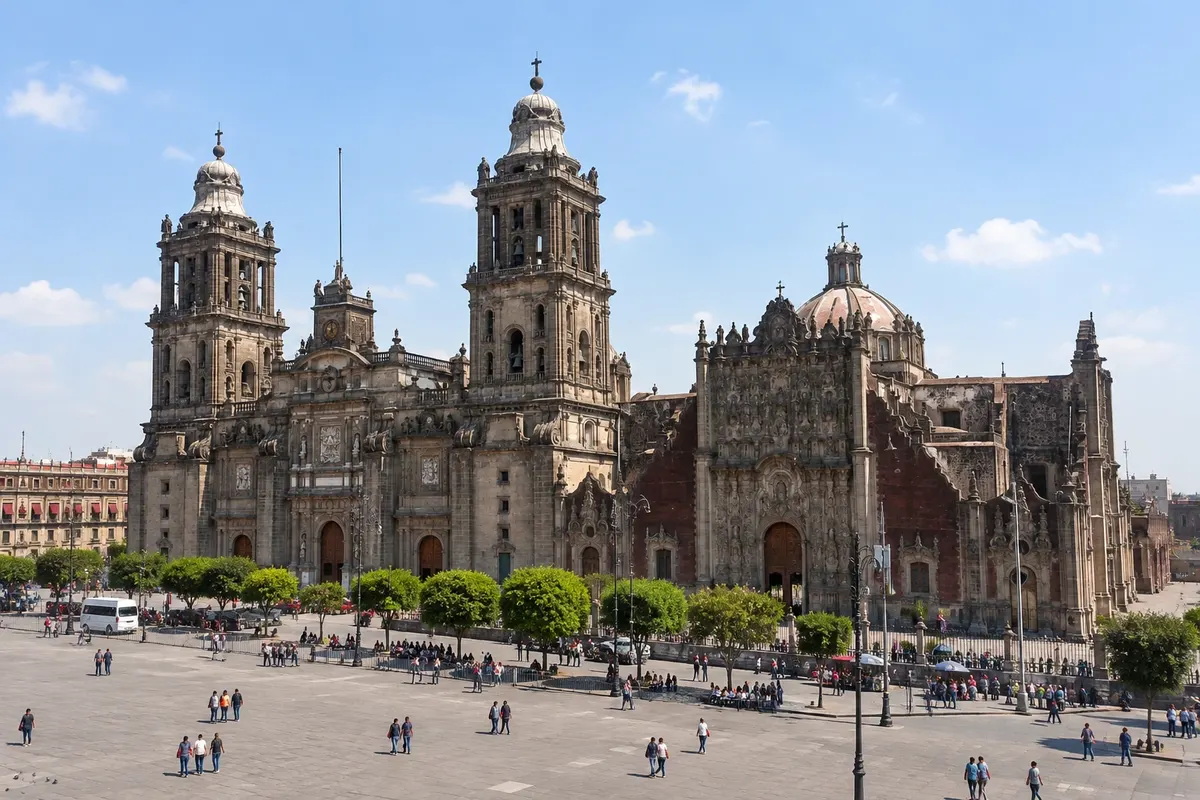
Catedral Metropolitana

The largest cathedral in the Americas, built from 1573 to 1813, with Baroque and Neoclassical façades, gilded altarpieces and two towers overlooking the Zócalo.

Ex Convento de San Agustín Acolman
Teotihuacan · Estado do México · Convent

Ex Convento de San Agustín Acolman

16th-century fortified Augustinian convent with a plateresque façade, cloisters and murals, about 10 km from Teotihuacan; it operates as a museum.

See 11 more places in Mexico City and Teotihuacan
Templo Mayor
Cidade do México · Cidade do México · Archaeological site

Templo Mayor

Ruins of the main temple of Tenochtitlan, the Aztec capital, dedicated to Huitzilopochtli and Tláloc, with an eight-room museum next to the Zócalo.

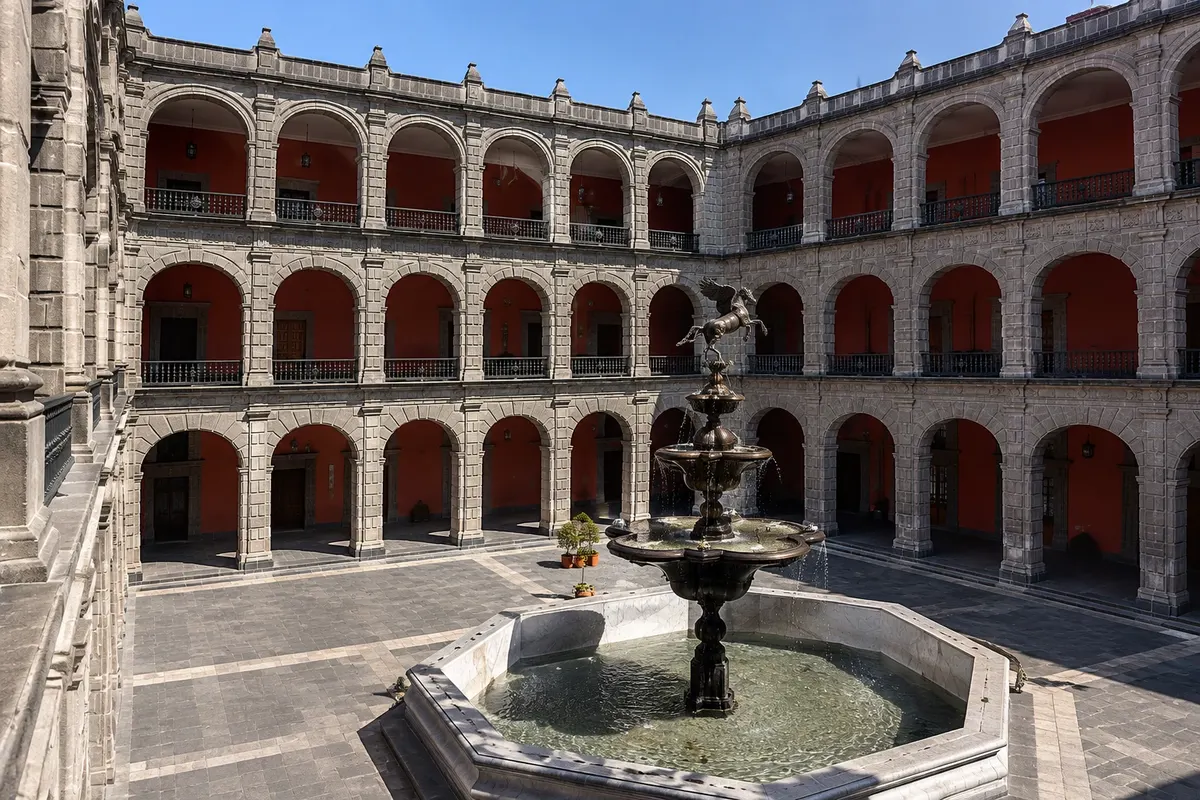
Palacio Nacional
Cidade do México · Cidade do México · Palace

Palacio Nacional

Seat of the federal government on the east side of the Zócalo, with Diego Rivera’s murals about Mexico’s history on the staircase and in the corridors.

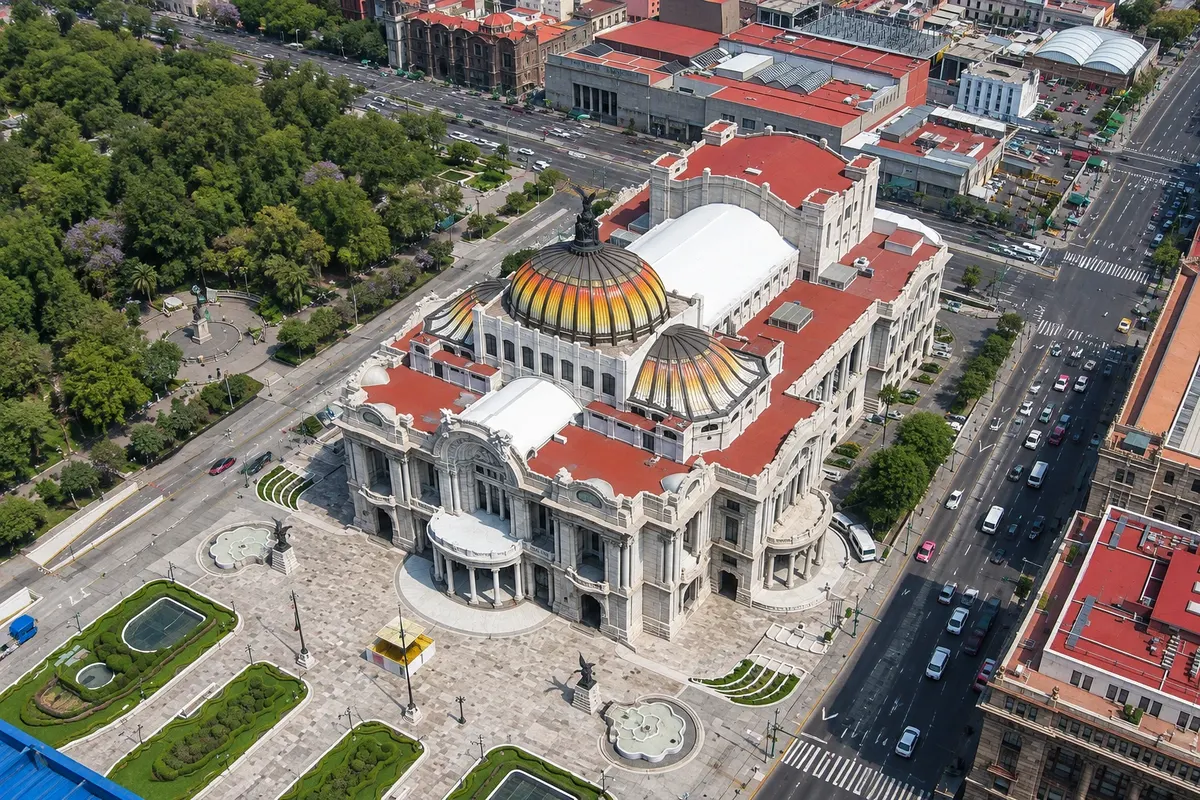
Palacio de Bellas Artes
Cidade do México · Cidade do México · Theatre and museum

Palacio de Bellas Artes

1934 art theatre and museum with a marble façade, domes, a Tiffany glass curtain, and murals by Rivera, Orozco, Siqueiros, and Tamayo.

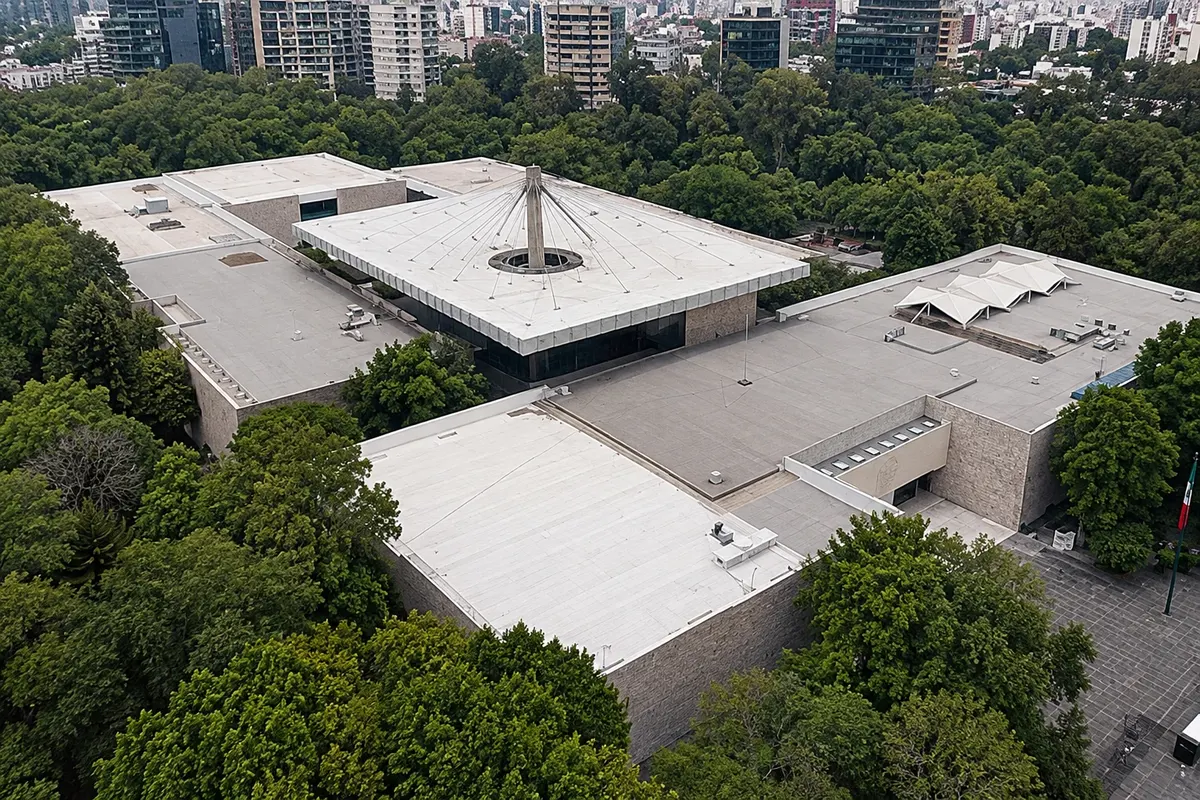
Museo Nacional de Antropología
Cidade do México · Cidade do México · Museum

Museo Nacional de Antropología

Mexico's largest archaeology museum, in Chapultepec, with 23 rooms, the Aztec Sun Stone, Olmec heads, and Mayan art.

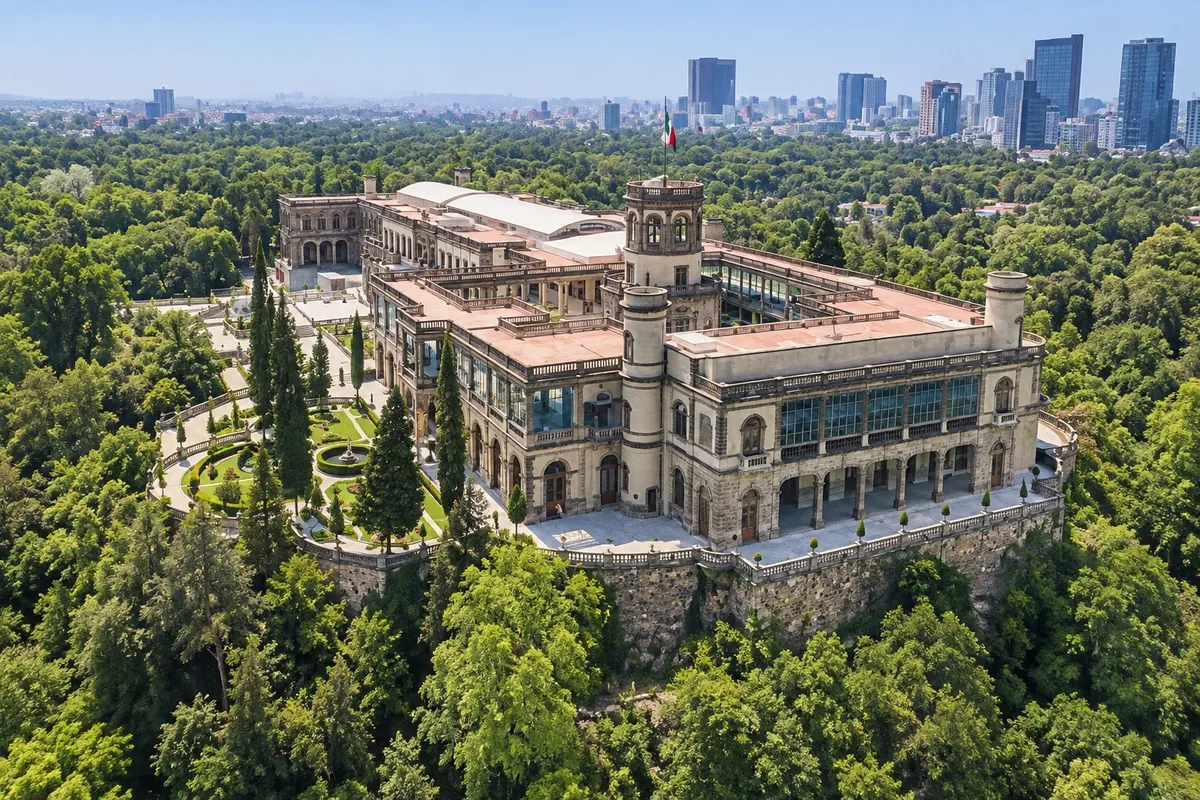
Castillo de Chapultepec
Cidade do México · Cidade do México · Castle and museum

Castillo de Chapultepec

Castle atop the Chapultepec hill, residence of Emperor Maximilian and home to the National Museum of History, with views of Paseo de la Reforma.

Museo Frida Kahlo (Casa Azul)
Cidade do México · Cidade do México · House museum

Museo Frida Kahlo (Casa Azul)

The Blue House where Frida Kahlo was born, lived with Diego Rivera and died, in Coyoacán, containing artworks, personal objects and her studio.

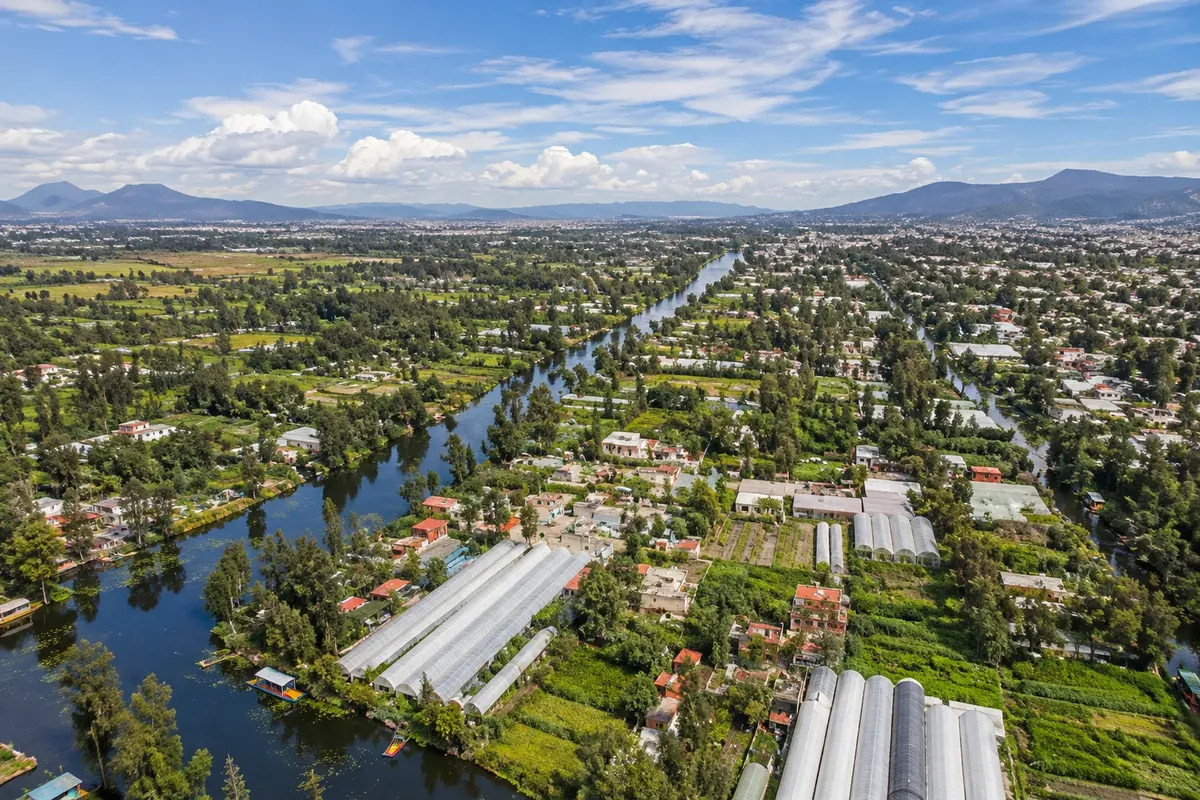
Xochimilco
Cidade do México · Cidade do México · Canals

Xochimilco

Network of pre-Hispanic canals and chinampas in the south of the city, a World Heritage Site, travelled on the colorful boats called trajineras.

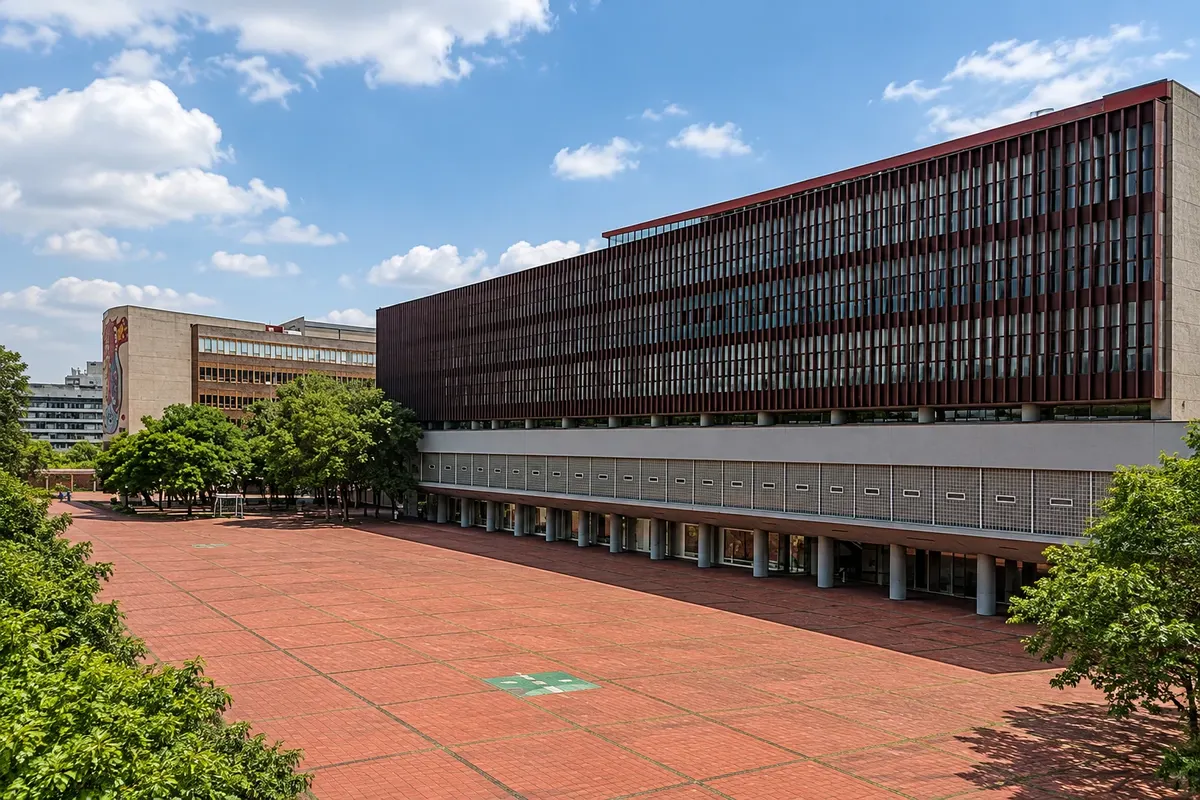
Ciudad Universitaria (UNAM)
Cidade do México · Cidade do México · Campus and architecture

Ciudad Universitaria (UNAM)

The central campus of the National University, from the 1950s, a World Heritage Site since 2007, with Juan O'Gorman’s mosaic on the Central Library and murals by Siqueiros.

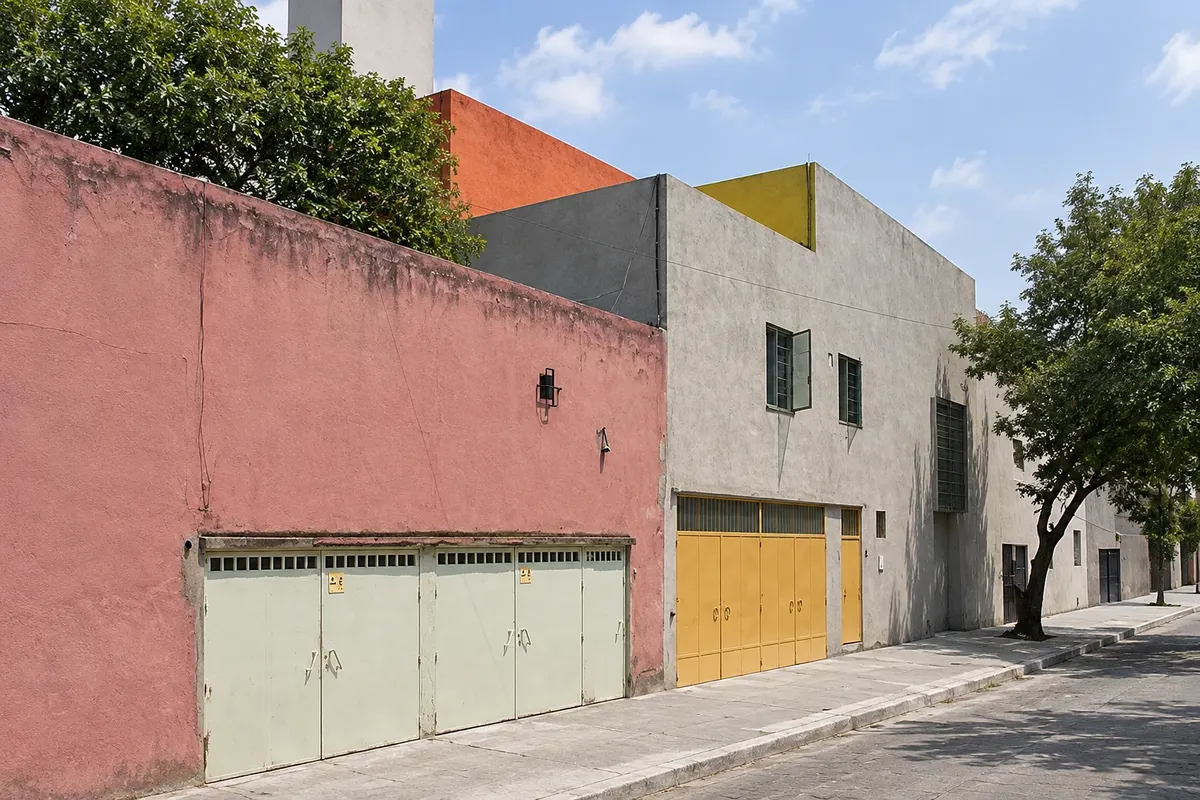
Casa Luis Barragán
Cidade do México · Cidade do México · House museum

Casa Luis Barragán

The house and studio of architect Luis Barragán, from 1948, a World Heritage Site since 2004, with colorful walls, filtered light and an enclosed garden.

Basílica de Santa María de Guadalupe
Cidade do México · Cidade do México · Sanctuary

Basílica de Santa María de Guadalupe

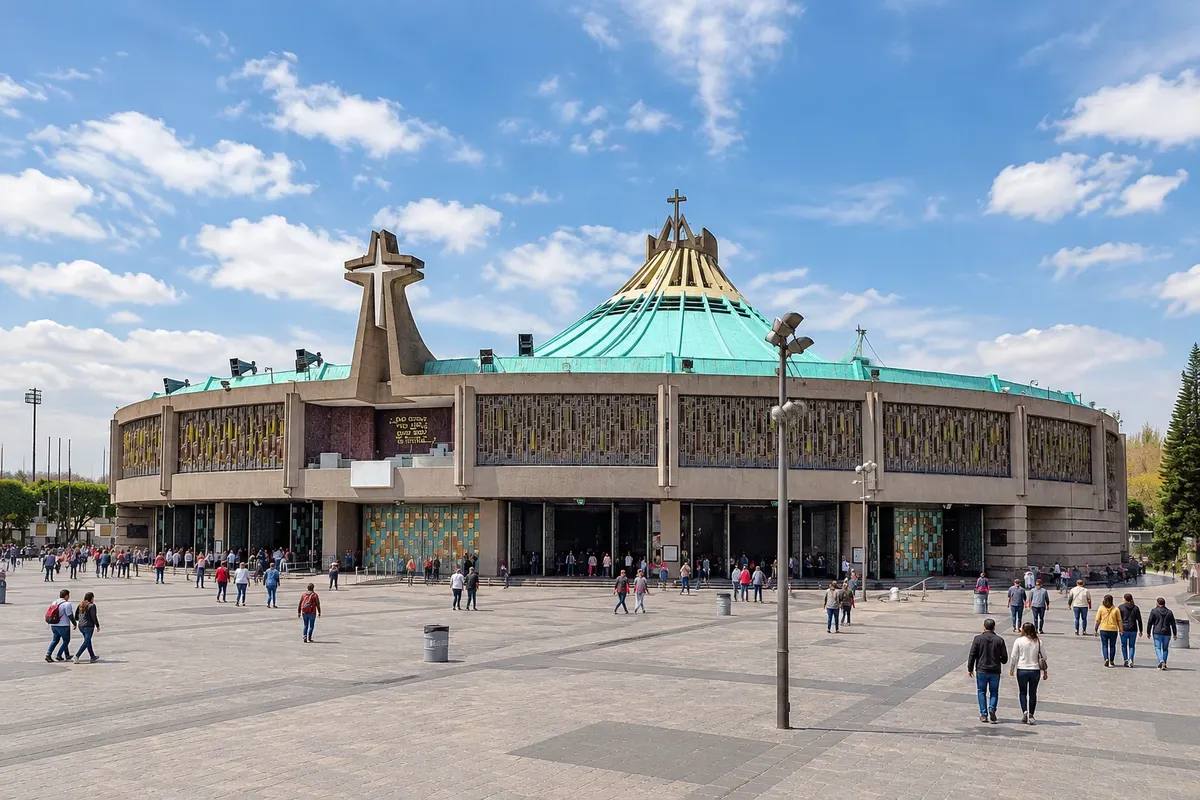
The most visited sanctuary in the Americas, at the foot of the Tepeyac hill, featuring the new basilica (1976), the 18th-century old basilica, and the image of the Virgin of Guadalupe.

Coyoacán
Cidade do México · Cidade do México · Historic neighborhood

Coyoacán

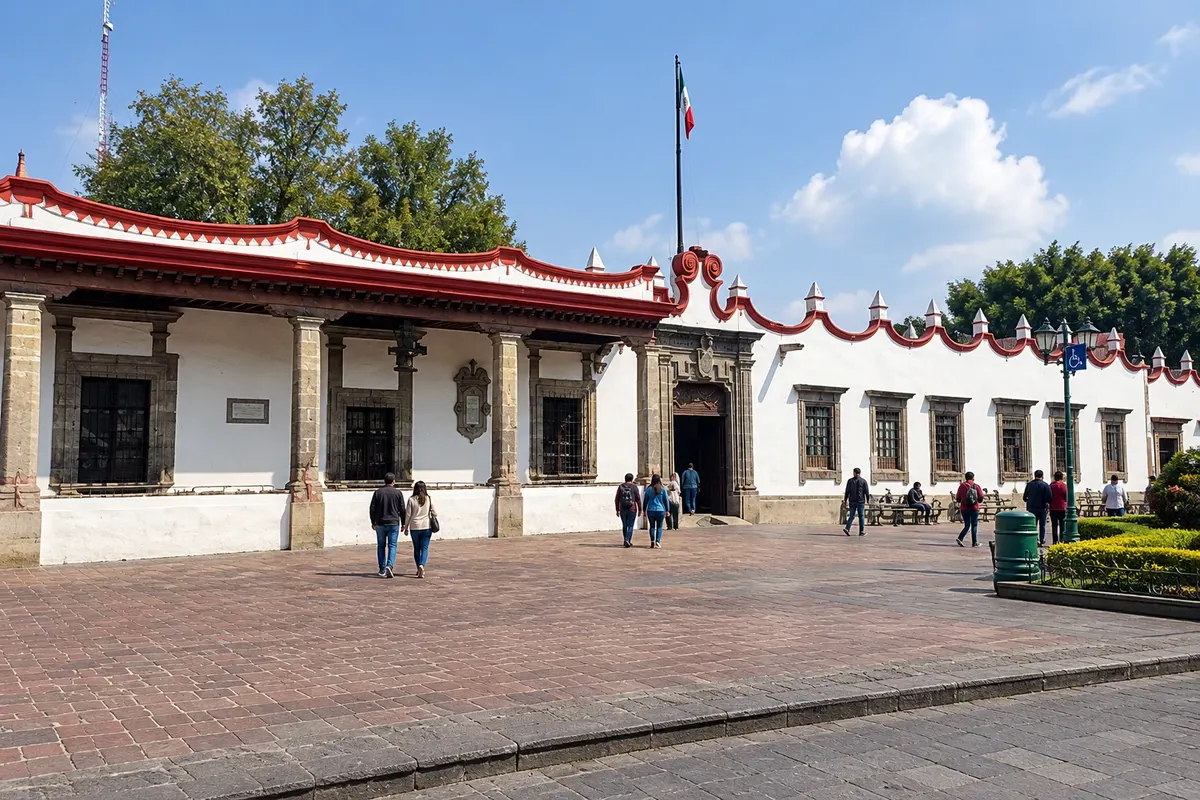
Former colonial village in the south of the city, with tree-lined plazas, the church of San Juan Bautista, a market, and streets of colorful houses.

Before you go

Practical information

A little planning leaves more time to enjoy the journey.

When to go

October to April is the dry season, with sunny days and cold nights from December to February. From May to October it rains almost every late afternoon in downpours. Day of the Dead, from October 31 to November 2, fills the city with altars and parades.

The seasons shown are the most usual ones; nature doesn't always follow the calendar.

How many days to stay

Four days allow for the Centro Histórico, Chapultepec and the Museum of Anthropology, Coyoacán and Xochimilco, and one day for Teotihuacan. With six days you can add the University City, the Basilica of Guadalupe and a trip to Puebla or Cuernavaca.

Which city to stay in

For first-time visitors, the most used neighborhoods are the Centro Histórico (near the museums and the Zócalo), Roma and Condesa (tree-lined streets, cafés and restaurants), and Polanco (near Chapultepec and the National Museum of Anthropology). Coyoacán is quieter and lies to the south. For Teotihuacan, the base is usually the capital itself.

Respect the place

Take your trash with you, follow the signs and support local businesses. In natural areas, follow the visiting guidelines.

Get your questions answered

Frequently asked questions about Mexico City and Teotihuacan

question

answer

question

answer

question

answer

question

answer

question

answer

Explore other destinations Search by state and city