Quito and Mindo

Pichincha · Ecuador

Quito and Mindo

The capital of Ecuador at 2,850 meters, among volcanoes: the colonial historic center with its gilded churches, El Panecillo, the TelefériQo, the Mitad del Mundo and, two hours away, the cloud forest of Mindo.

Highlands (Andes)

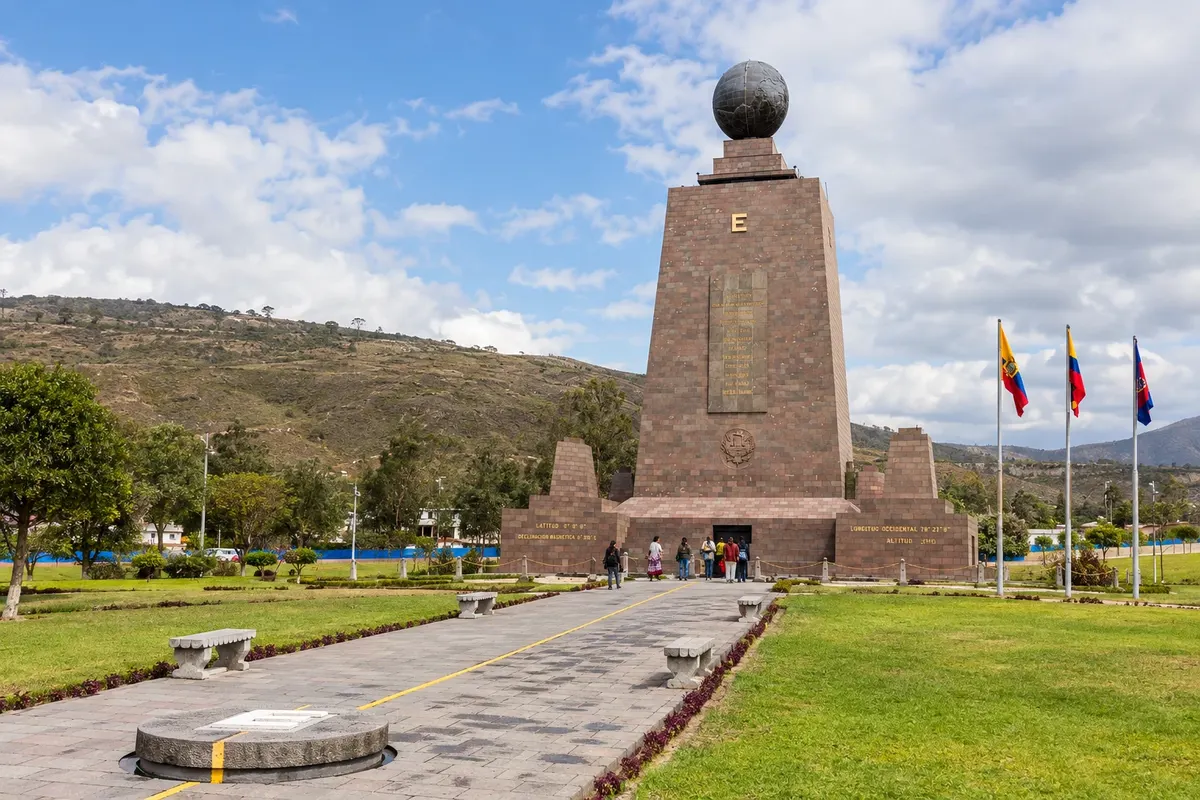
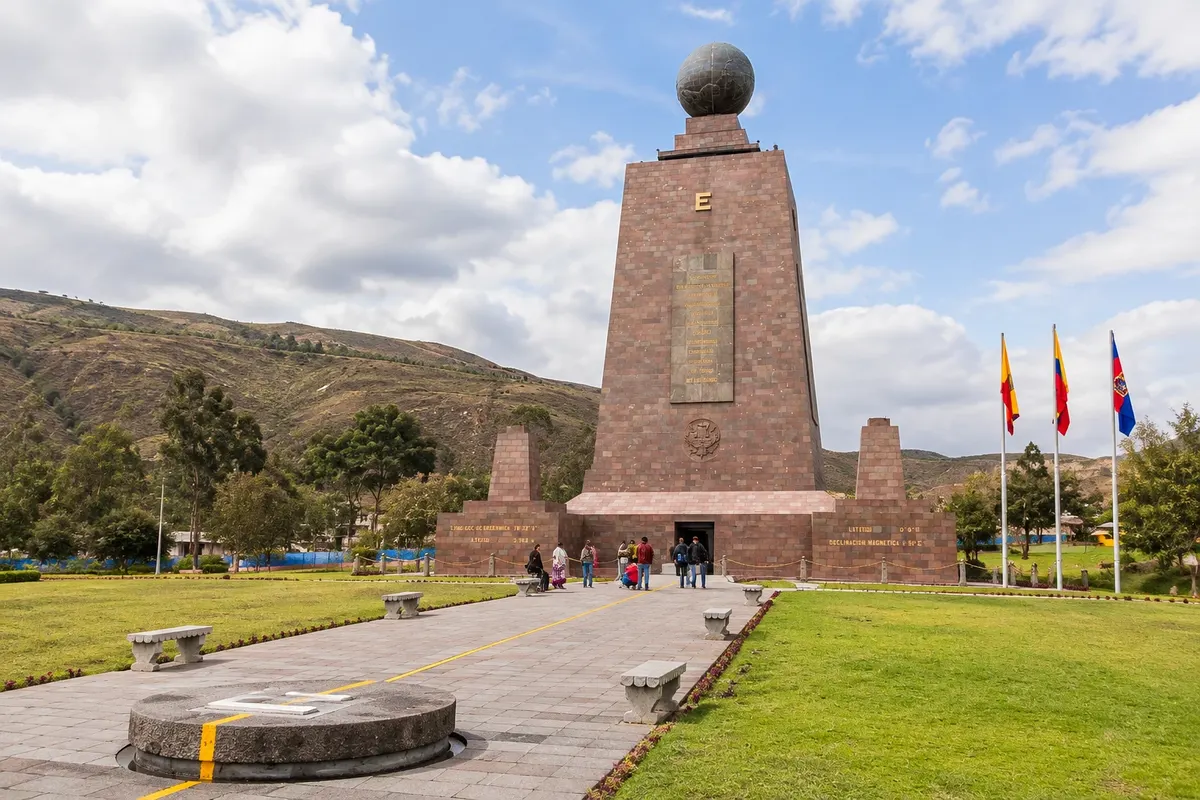
In the photo: Ciudad Mitad del Mundo

Illustrative images. The pictures in this guide are illustrations based on the real place, not photographs, and may differ from it.

Get it on Google Play Send your photos

Get to know the place

A region to enjoy
at your own pace.

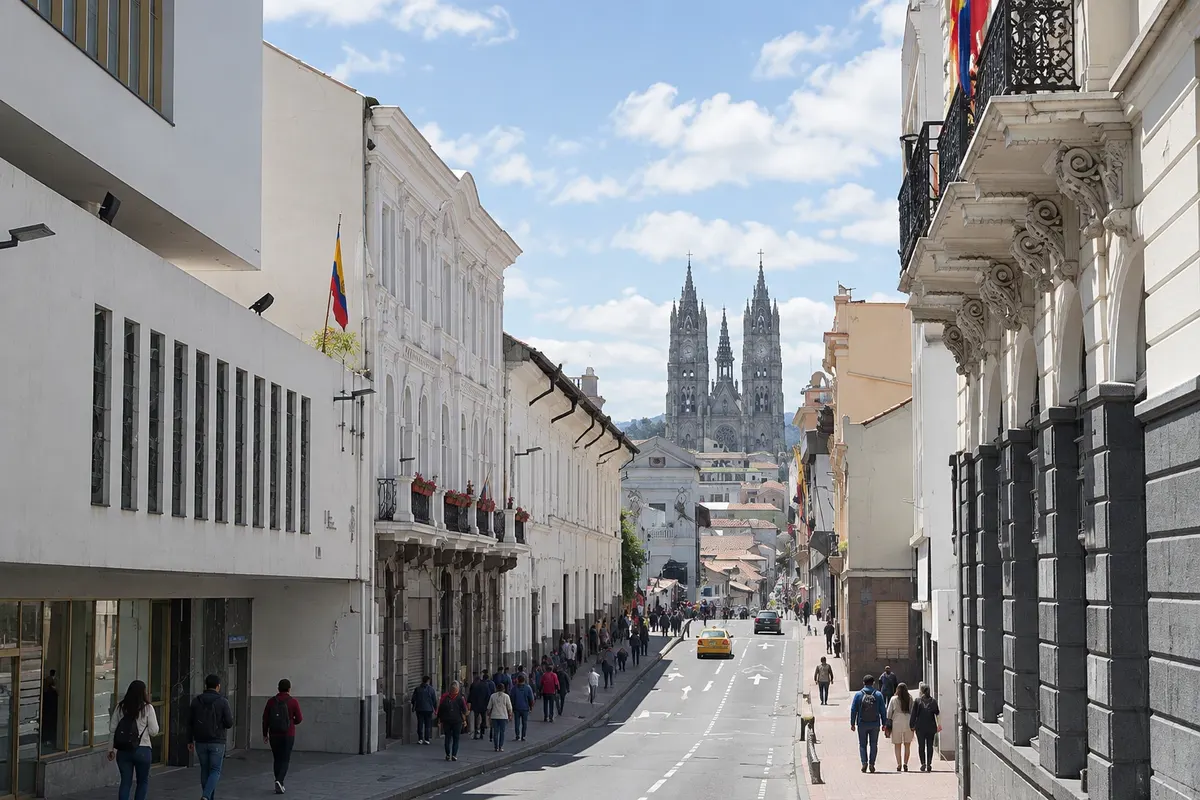
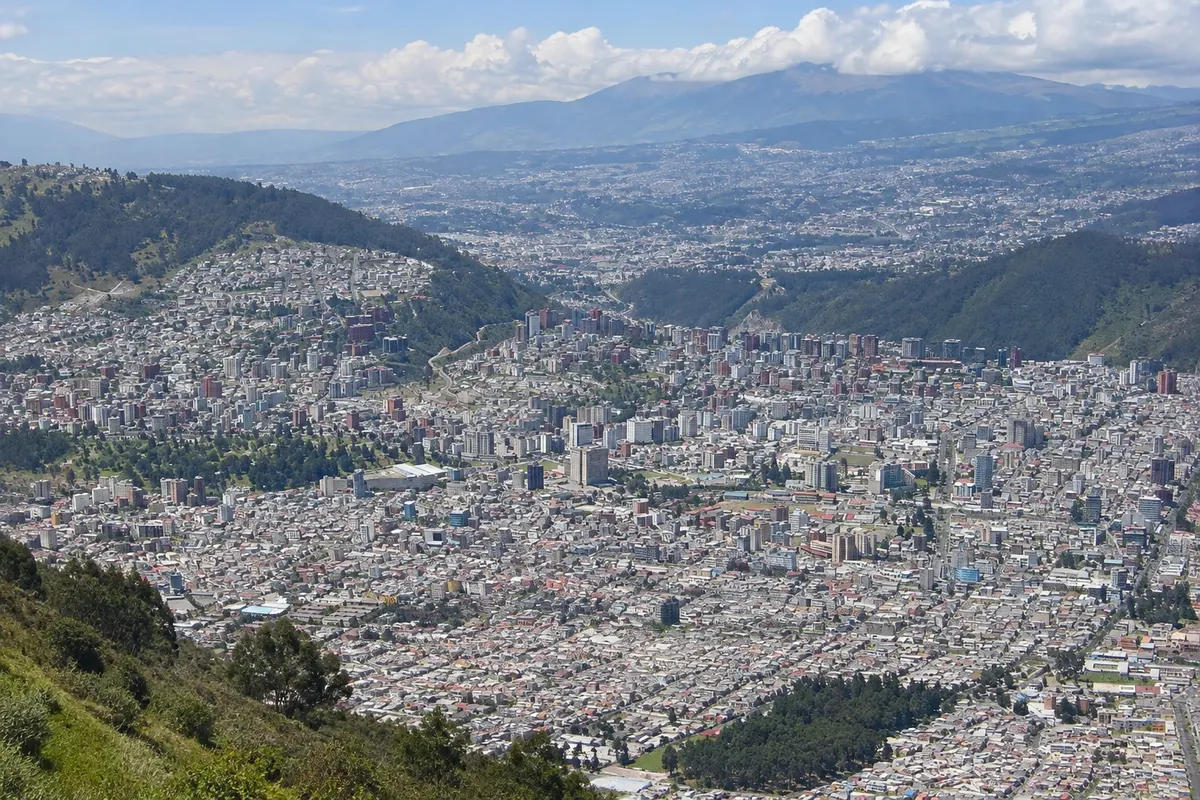
Quito sits in a narrow Andean valley at about 2,850 meters above sea level, at the foot of the Pichincha volcano and a few kilometers from the Equator. It was founded by the Spanish in 1534 on top of an Inca settlement and is the country's capital. The Historic Center, one of the best-preserved colonial ensembles in South America, was among the first sites declared a World Heritage Site by UNESCO, in 1978.

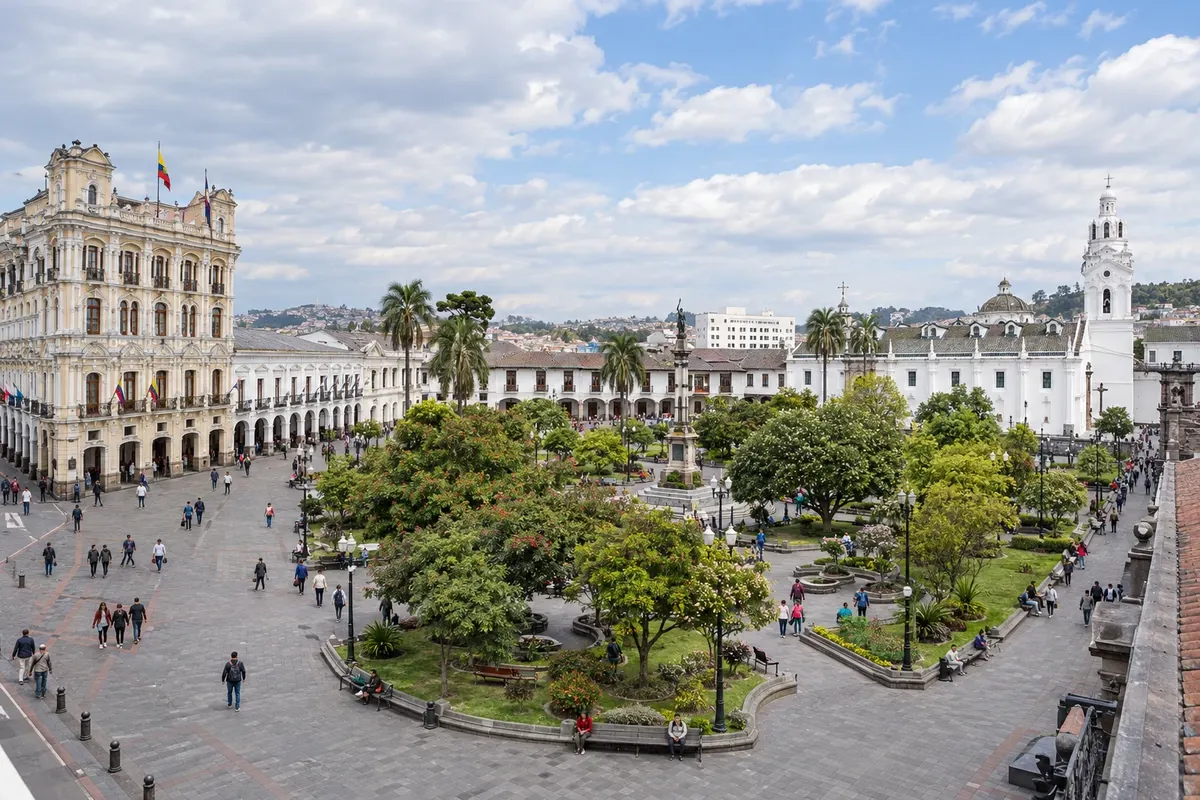
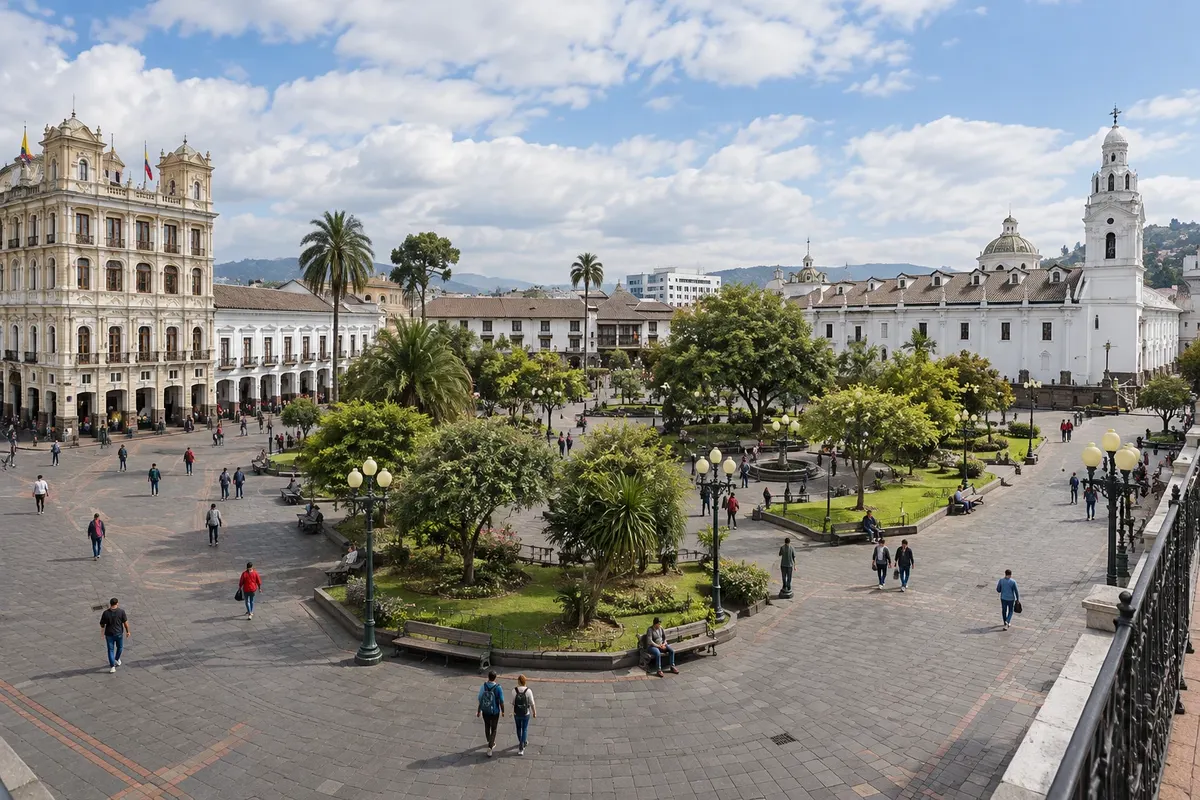
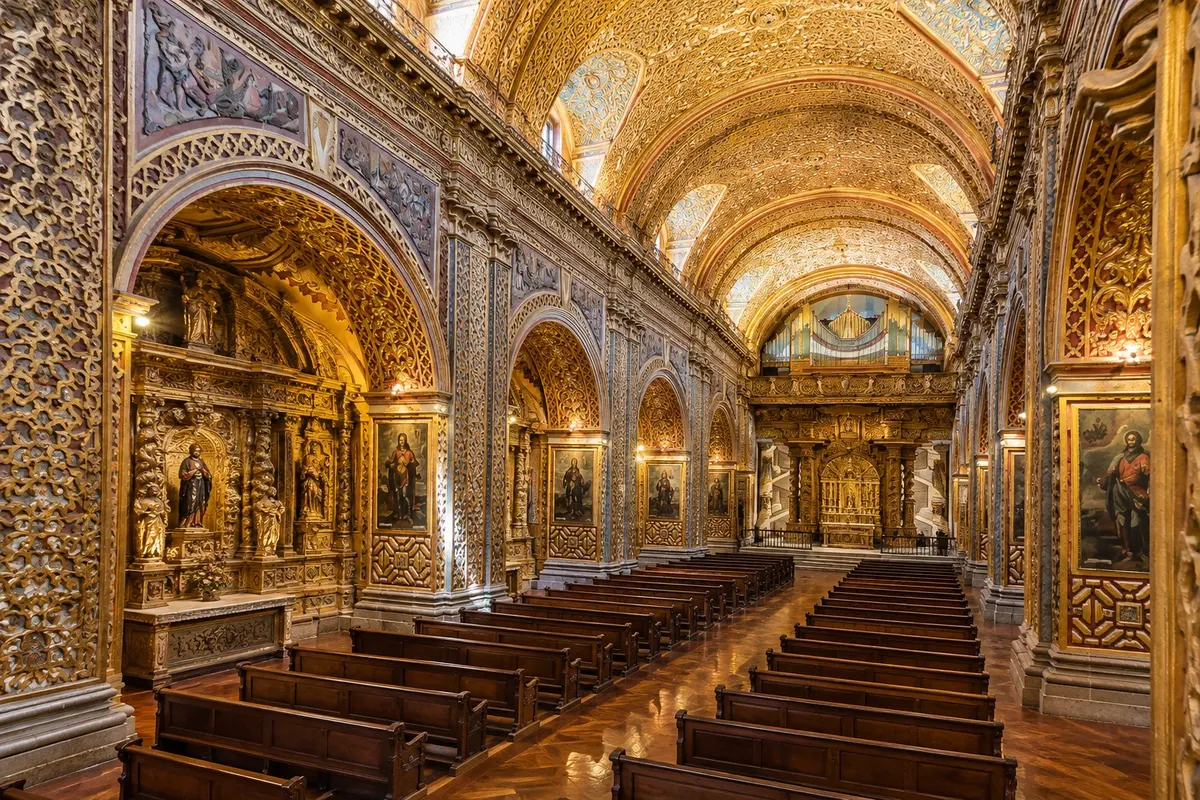
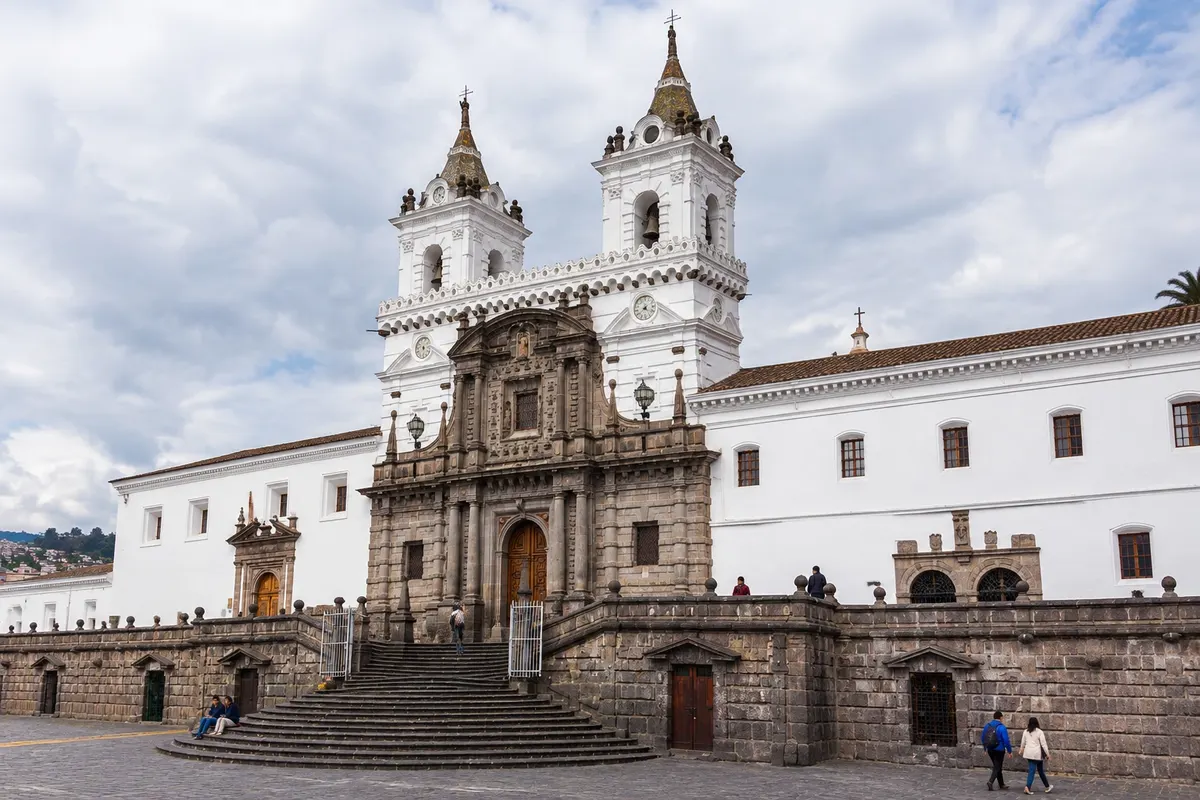
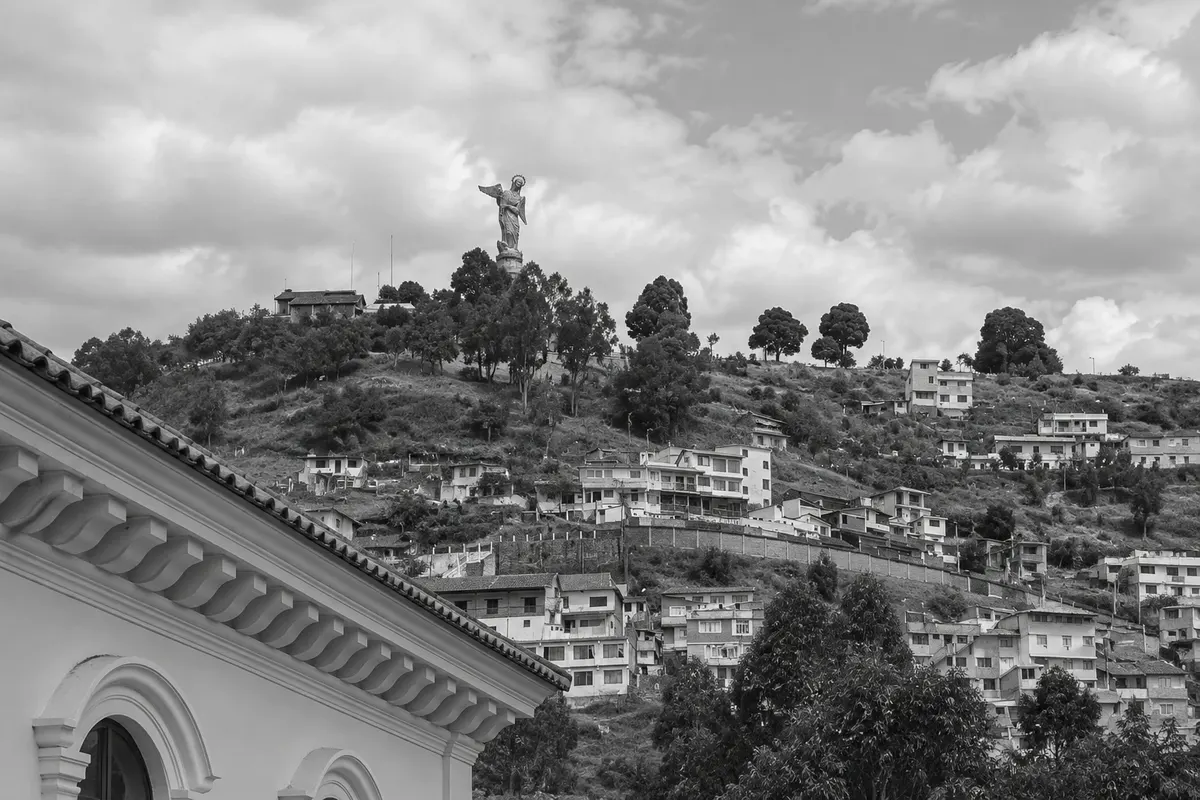
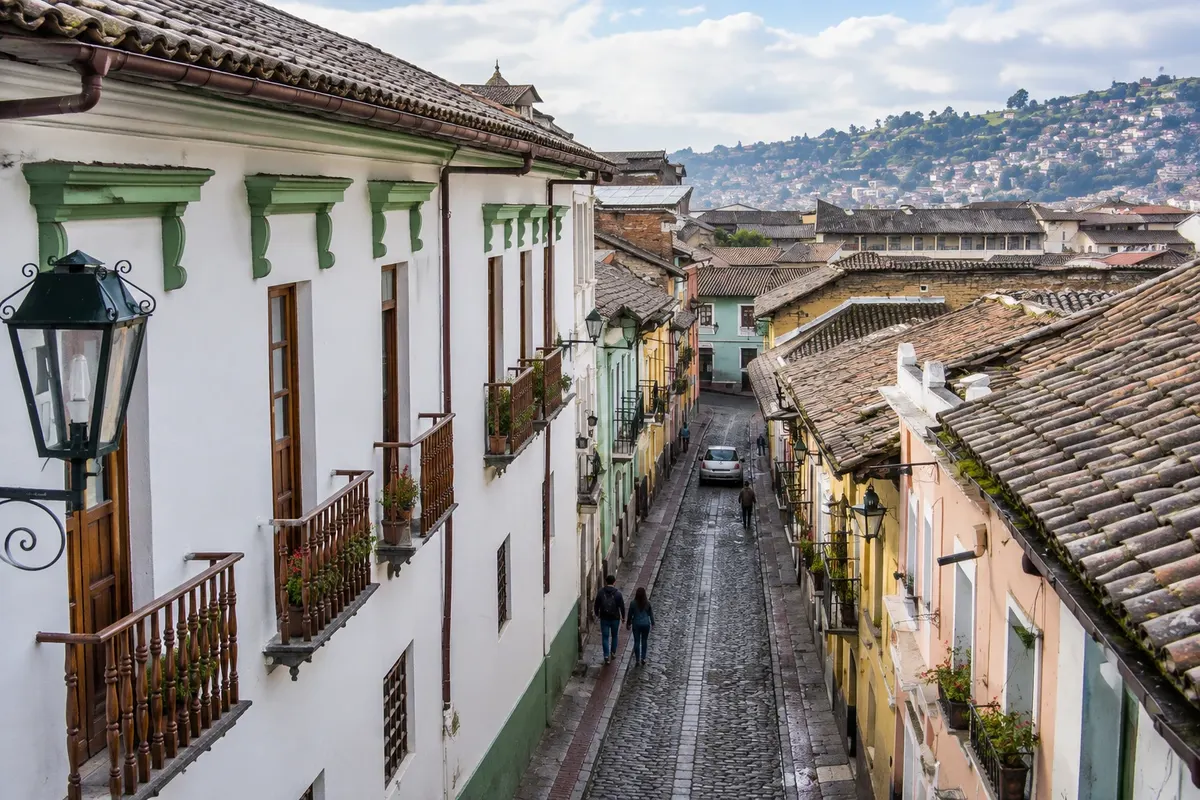
The center brings together plazas, convents and churches from the 16th to the 18th centuries: the Plaza Grande, with the Cathedral and the Palácio de Carondelet; the church of La Compañía de Jesús, whose interior is covered in gold leaf; the San Francisco convent, with its stone square; the colonial street La Ronda; and, above them, the Basílica del Voto Nacional, neo-Gothic, with gargoyles depicting Ecuadorian animals. The aluminum Virgin of El Panecillo watches over the city from a hill to the south, and the TelefériQo climbs the slopes of Pichincha up to nearly 4,000 meters.

About 25 km to the north, Ciudad Mitad del Mundo marks the Equator with a monument and museums, and the Museo Intiñan, nearby, showcases Andean culture and experiments related to the line.

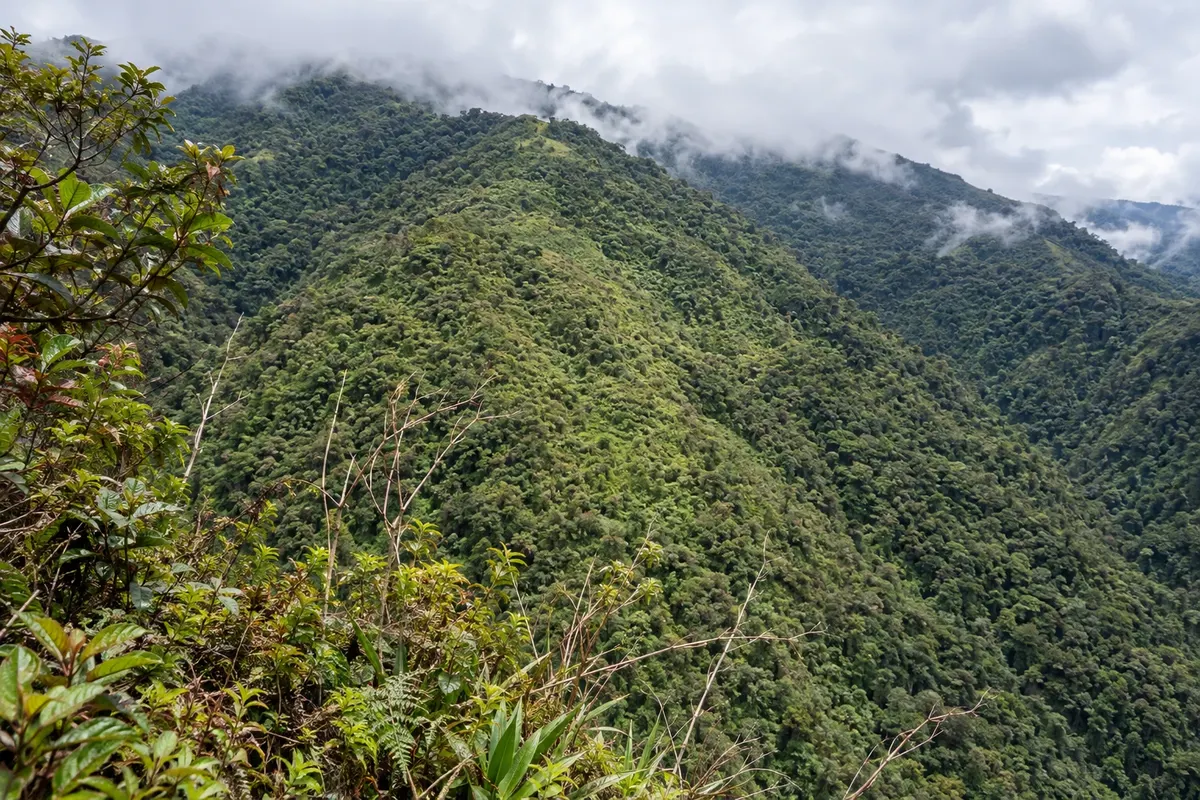
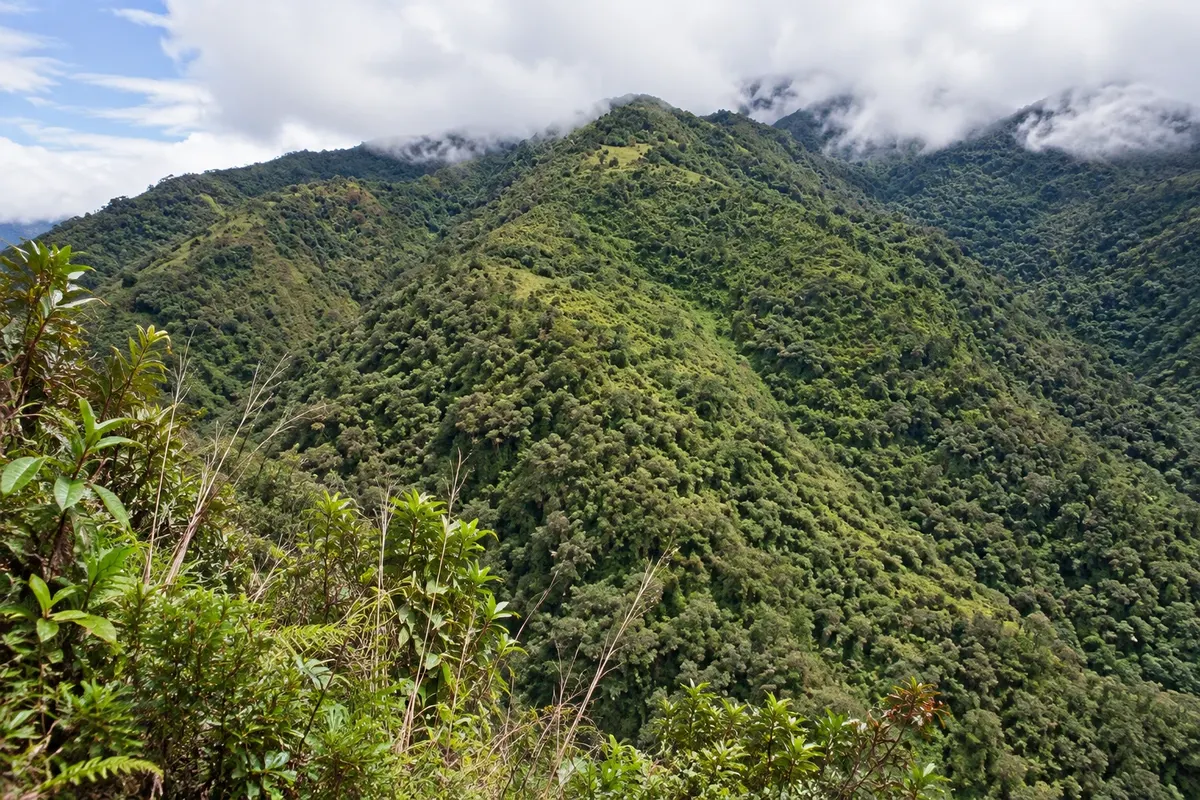
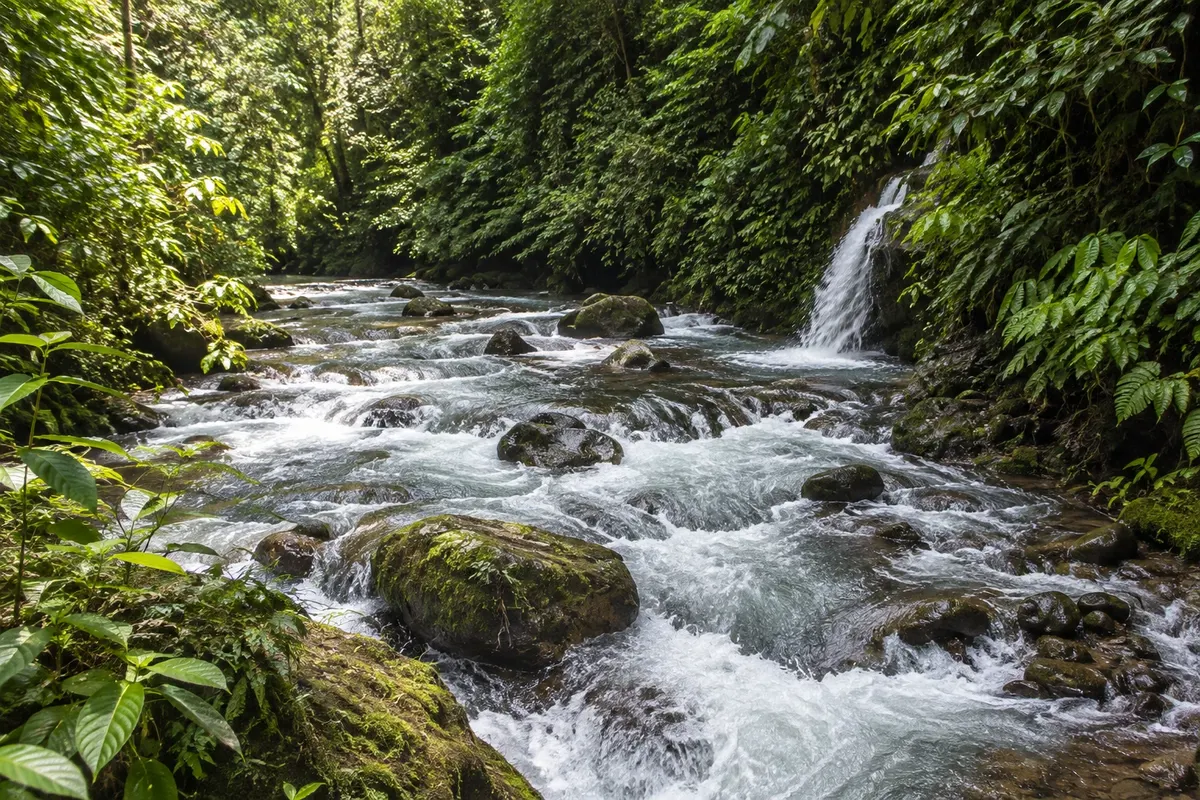
Some two hours northwest, descending the Andes slopes, Mindo lies at 1,250 meters in the middle of the cloud forest. It is a small town of rivers, waterfalls, hummingbirds, butterflies and cacao farms, known for birdwatching. It pairs well with Quito on a three- to five-day trip.

This destination brings together 2 cities: Quito, Mindo.

Share: WhatsApp
Traveler, share your experiences through photos Up to 5 photos of each place you visited.

One destination, many paths

The cities on this trip

Start with one city or combine several in your itinerary.

Where Quito and Mindo is
QuitoMindo

Outlines: Natural Earth (public domain). Adapted by Cidade Turismo.

How to get there: Quito and Mindo

✈ Aeropuerto Internacional Mariscal Sucre (UIO), in Tababela · 40 km to Quito

Confirm before buying. Mariscal Sucre International Airport is in Tababela, about 40 km from central Quito, a 45‑minute to 1h30 taxi ride depending on traffic. Mindo is about 80 km from Quito, with buses departing from the La Ofelia terminal in the north of the city.

Suggested arrival point: Quito

The local experience

Things to do in Quito and Mindo

Bosque Protector Mindo-Nambillo
Mindo · Pichincha · Park

Bosque Protector Mindo-Nambillo

Cloud forest area on the slopes of the Andes around Mindo, with rivers, ferns, orchids and hundreds of bird species, such as hummingbirds, toucans and the Andean cock-of-the-rock.

Plaza Grande
Quito · Pichincha · Square

Plaza Grande

Quito's central square, also called Plaza de la Independencia, with the monument to the heroes of 1809, the Metropolitan Cathedral, the Palacio de Carondelet (the seat of government), and the archbishop's and municipal palaces.

Iglesia de La Compañía de Jesús
Quito · Pichincha · Church

Iglesia de La Compañía de Jesús

Jesuit church from the 17th and 18th centuries with an interior almost entirely covered in gold leaf, Solomonic columns and a carved volcanic stone façade, located in the Centro Histórico.

Tarabita e Santuario de Cascadas
Mindo · Pichincha · Trail

Tarabita e Santuario de Cascadas

An open-cage cable car that crosses the Nambillo River valley and leads to a trail with several cold-water waterfalls in the middle of the cloud forest above Mindo.

See 8 more places in Quito and Mindo
Iglesia y Convento de San Francisco
Quito · Pichincha · Church

Iglesia y Convento de San Francisco

Quito's first major religious complex, begun in 1537, with the stone plaza, the Baroque church, cloisters and the Fray Pedro Gocial colonial art museum.

Mindo · Pichincha · Park

Mariposario de Mindo

Butterfly house near the village, with hundreds of butterflies of cloud-forest species flying in an enclosure, and an explanation of the life cycle from egg to chrysalis.

Basílica del Voto Nacional
Quito · Pichincha · Church

Basílica del Voto Nacional

Neogothic basilica high in the Historic Center, with towers you can climb, stained glass windows and gargoyles shaped like Ecuadorian animals such as Galápagos tortoises, iguanas and armadillos.

El Panecillo
Quito · Pichincha · Viewpoint

El Panecillo

Hill to the south of the Historic Center, at about 3,000 meters, with the Virgen de Quito, a winged aluminum statue over 40 meters tall, and views of the center, the north of the city and the surrounding volcanoes.

TelefériQo
Quito · Pichincha · Viewpoint

TelefériQo

Cable car that climbs the slope of the Pichincha volcano, from about 3,000 to almost 4,000 meters, up to the Cruz Loma viewpoint, with views of all of Quito and trails in the páramo.

La Ronda
Quito · Pichincha · Street

La Ronda

Narrow colonial street in the Historic Center, with houses with flowered balconies, artisan workshops, cafés and bars, lively at night with music and canelazo, a typical hot Quito drink.

Ciudad Mitad del Mundo
Quito · Pichincha · Monument

Ciudad Mitad del Mundo

Complex north of Quito with the 30-meter monument marking the Equator line, an ethnographic museum, pavilions and a plaza with restaurants. There you can take the photo with one foot in each hemisphere.

Quito · Pichincha · Museum

Museo de Sitio Intiñan

Open-air museum near the Mitad del Mundo, with traditional houses, Andean and Amazonian culture, and experiments on the Equator line, such as balancing an egg on a nail.

Before you go

Practical information

A little planning leaves more time to enjoy the journey.

When to go

In Quito the temperature varies little through the year: mild days and cool nights, with rain more common in the afternoons. From June to September the weather is usually drier and sunnier; from October to May it rains more often, especially from February to April. In Mindo, lower and wetter, it rains year-round, generally in the afternoons, and mornings are usually better for birdwatching.

The seasons shown are the most usual ones; nature doesn't always follow the calendar.

How many days to stay

Three days are enough for the Historic Center, El Panecillo, the TelefériQo and the Mitad del Mundo. With four or five days, you can add one or two nights in Mindo for the forest, waterfalls and birds. Quito is also a base for Otavalo, Cotopaxi and Baños.

Which city to stay in

The Historic Center has hotels in colonial mansions near the churches and La Ronda; at night activity centers on La Ronda and the main squares. La Mariscal and La Floresta, further north, offer hotels, restaurants and bars. González Suárez and La Carolina concentrate more modern hotels. In Mindo, guesthouses and lodges are located in the village and in the surrounding forest.

Respect the place

Take your trash with you, follow the signs and support local businesses. In natural areas, follow the visiting guidelines.

Get your questions answered

Frequently asked questions about Quito and Mindo

Does Quito's altitude cause problems?

Quito is about 2,850 meters up, and the TelefériQo rises to nearly 4,000. Many travelers feel the altitude during the first days, with tiredness or shortness of breath. Take it easy on the first day and leave climbs for later; if in doubt, speak with your doctor before traveling.

What is Ecuador's currency?

The US dollar, used throughout the country. Bring small bills: getting change for large notes can be difficult in shops and taxis.

How many days to stay in Quito and Mindo?

Three days for Quito and the Mitad del Mundo; one or two more for Mindo, two hours by road.

Do you need a car in Quito?

No. Use taxis, ride‑hailing apps and the metro, which runs north–south across the city. For Mindo and the Mitad del Mundo, use buses, an organized tour or a driver.

Explore other destinations Search by state and city