4 cities

 Australia
 Brazil
 Argentina
 Bolivia
 Chile
 Colombia
 Ecuador
 Guyana
 French Guiana
 Falkland Islands (Malvinas)
 Paraguay
 Peru
 Suriname
 Uruguay
 Venezuela
 Germany
 Austria
 Belgium
 Croatia
 Denmark
 Spain
 Finland
 France
 Greece
 the Netherlands
 Hungary
 Ireland
 Iceland
 Italy
 Luxembourg
 Norway
 Poland
 Portugal
 the United Kingdom
 the Czech Republic
 Sweden
 Switzerland
 Turkey
 the United States
 Mexico
 the Dominican Republic
 South AfricaAustralia
 Fiji
State · Victoria (Melbourne)
Victoria is the state of Melbourne, of cafés and sport, of the Great Ocean Road with the Twelve Apostles and of the penguins of Phillip Island.
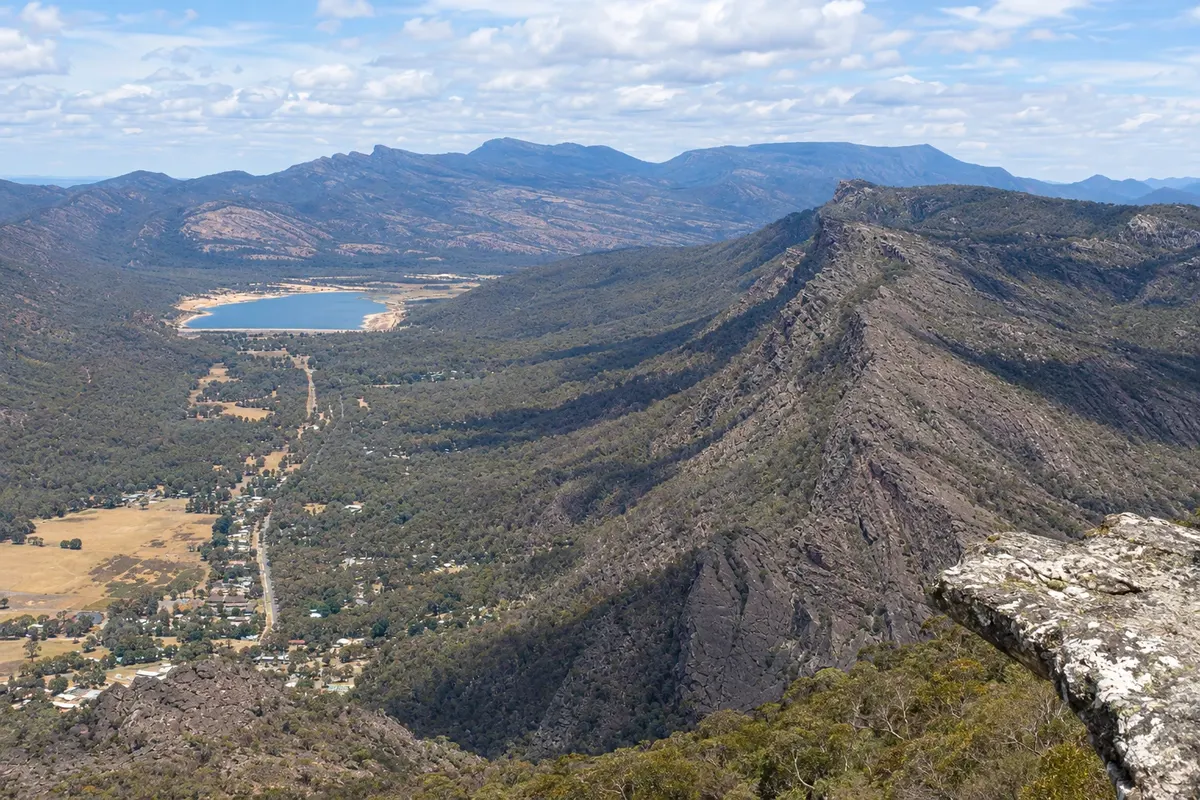
In the photo: Grampians, view from Boroka Lookout
Illustrative images. The pictures in this guide are illustrations based on the real place, not photographs, and may differ from it.

The state
Victoria occupies the southeast of the continent, on the Bass Strait, opposite Tasmania. It is the smallest state on the continent and one of the easiest to explore by car: within a few hours from Melbourne you can reach the coast, the wineries and the ranges.
Melbourne, the capital, is known for its laneways full of cafés and street art, for markets like the Queen Victoria Market, and for sport: cricket and Australian rules football at the MCG, the Australian Open tennis in January, and Formula 1 at Albert Park. The Royal Exhibition Building and the Carlton Gardens are a UNESCO World Heritage Site, and the St Kilda neighborhood has the beach and Luna Park.
Close to Melbourne are three classic outings. Healesville is the gateway to the Yarra Valley, with wineries and the Australian wildlife sanctuary. Cowes is the town on Phillip Island, where the little penguins return from the sea at dusk. Belgrave, in the Dandenong Ranges, is the station for the Puffing Billy, a steam train that cuts through the forest.
The Great Ocean Road runs along the coast west of Melbourne for about 240 km. Torquay, with Bells Beach, is the start; Lorne and Apollo Bay lie between the sea and the Otway forest; Port Campbell is the base for the Twelve Apostles and the Loch Ard Gorge; Warrnambool closes the section, with southern right whales that often appear near the shore in winter.
In the interior are the Grampians (Gariwerd), with trails and Aboriginal rock art, the Budj Bim Cultural Landscape, a UNESCO site, and the mountains that welcome skiers in winter. Yarra Valley wine and Melbourne coffee are state signatures.
Destinations
Cities
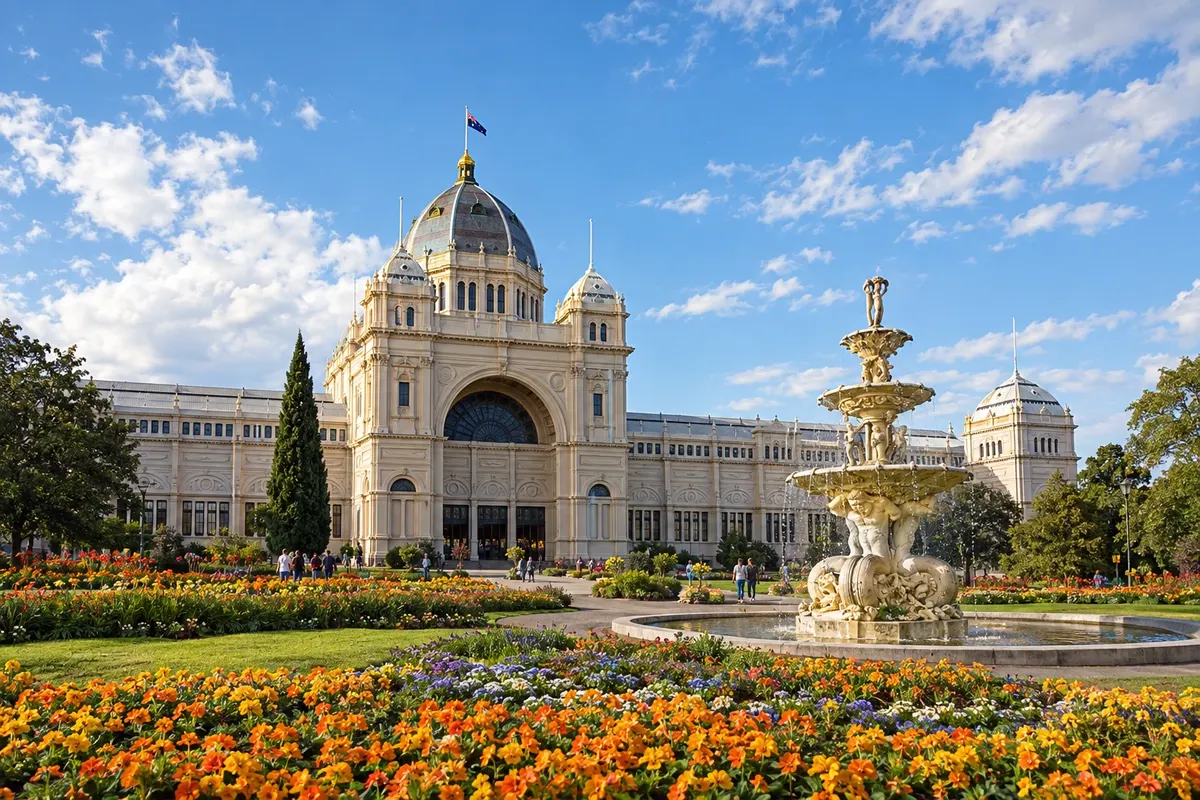
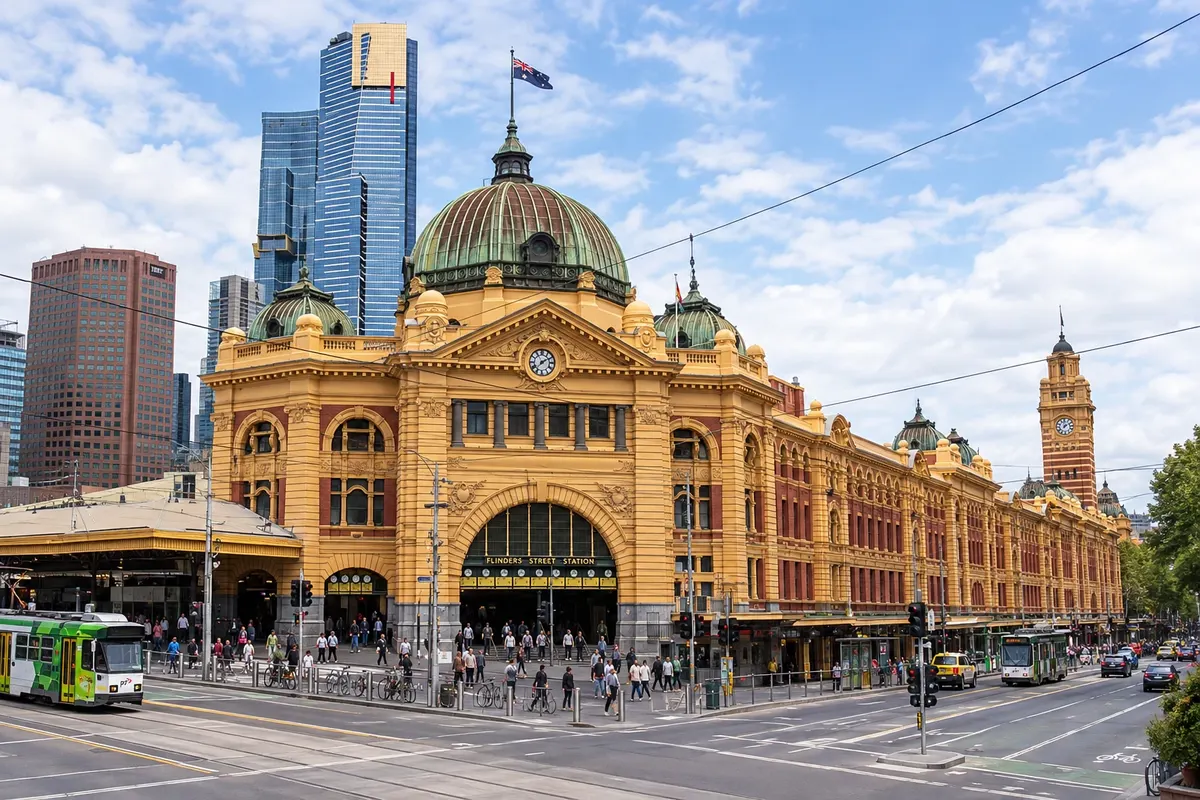
Capital of Victoria and the second largest city in Australia, Melbourne has a Victorian centre crossed by trams and by laneways with cafés and street art. Federation Square, the National Gallery of Victoria, the Royal Botanic Gardens and the Shrine of Remembrance sit near the Yarra River; to the north, the Royal Exhibition Building is a UNESCO World Heritage site. The MCG is the country's sporting temple, and St Kilda, on the bay, has a beach, a pier and Luna Park.
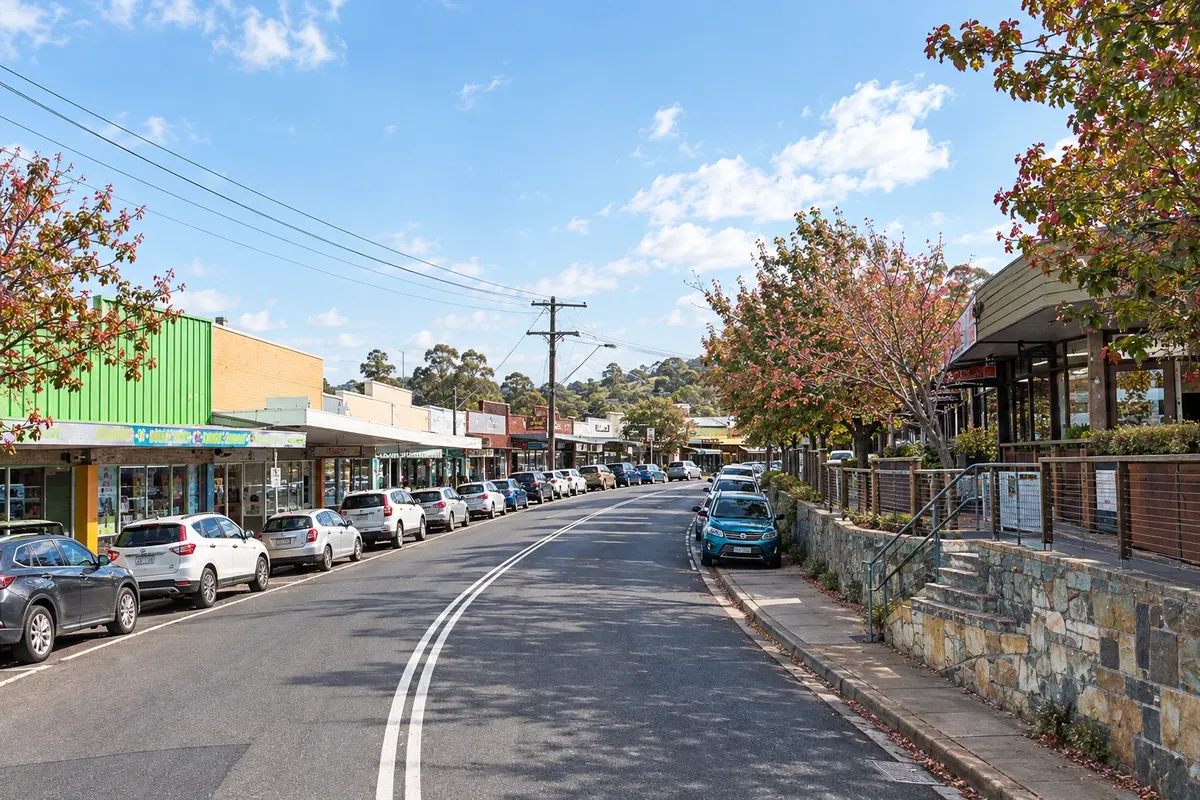
Small town at the foot of the Dandenong Ranges, about 42 km from Melbourne, Belgrave is the terminus of the suburban railway and the departure station for the Puffing Billy, the 1900 steam train that crosses the forest. Nearby are the trails of the Dandenong Ranges National Park, including the 1000 Steps staircase, eucalyptus and fern forests and the mountain villages.
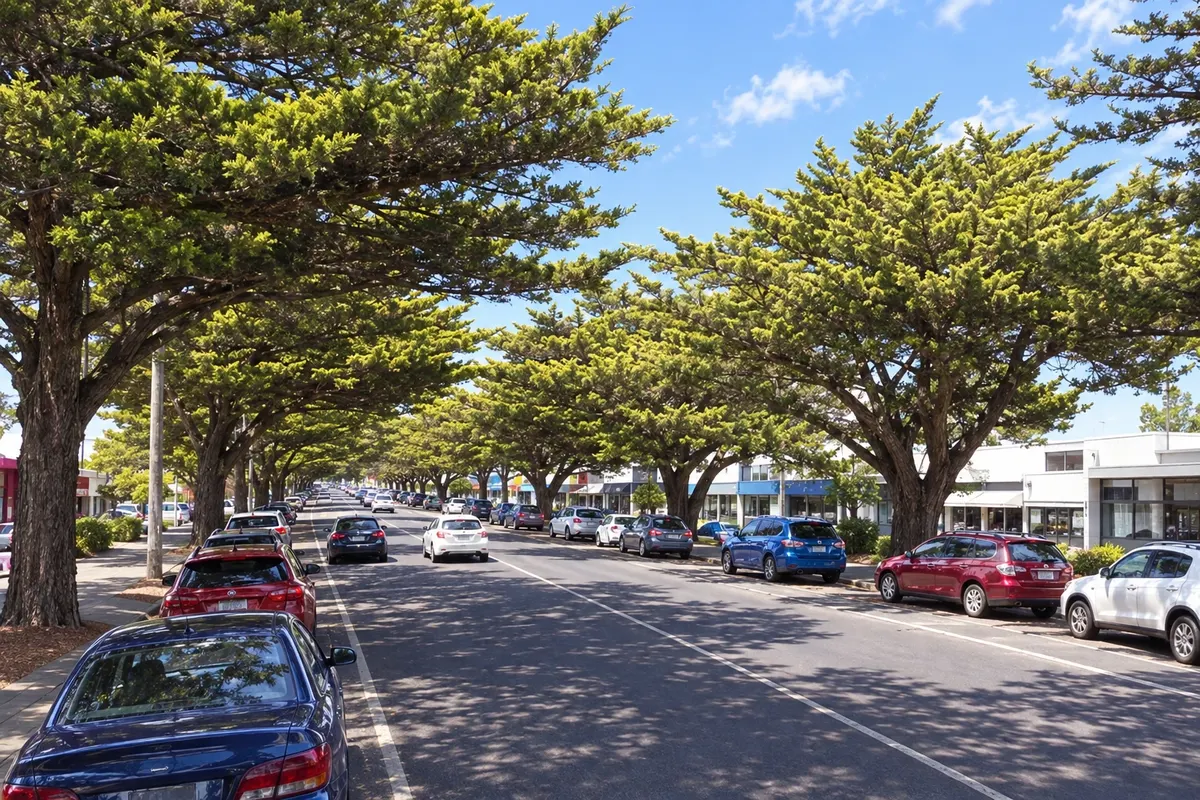
Main town of Phillip Island, about 140 km from Melbourne, Cowes is on the island’s north coast, facing Western Port Bay, with calm beaches and a pier. It is the base for the Penguin Parade, where the little penguins return to the beach at sunset, for the koalas at the Koala Conservation Reserve, and for the Nobbies Centre, facing Australia’s largest seal colony.
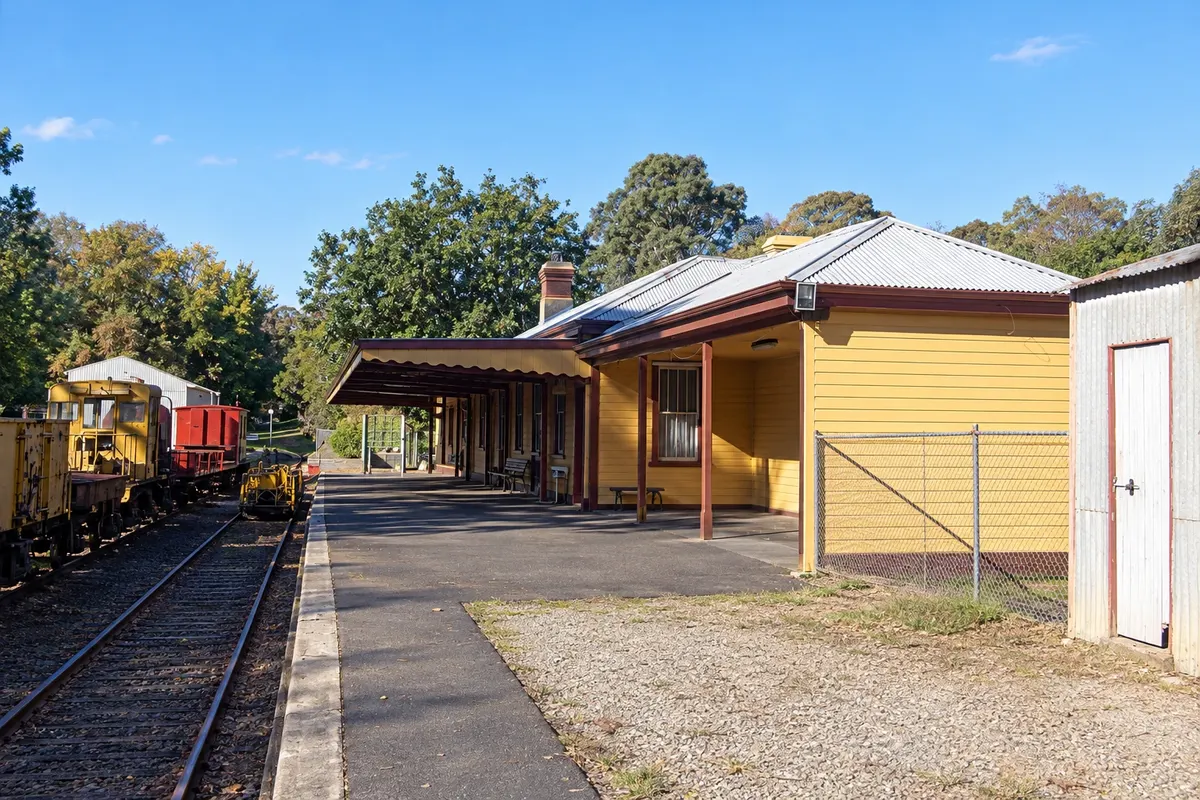
Small town up in the Yarra Valley, about 64 km from Melbourne, Healesville is the base for the Healesville native animal sanctuary, where you can see the platypus, the koala and the Tasmanian devil, and for the region’s wineries. The main street has bakeries, cafés and an old 1888 hotel, and the road to Marysville climbs through a forest of giant eucalyptus.
The seasons are the same as in Brazil. Summer (December to February) is the best time for the Great Ocean Road and the beaches, and autumn (March to May) usually has stable days and color in the wineries. Winter is cold and wet, but it is when the southern right whales tend to appear in Warrnambool, between June and September. In Melbourne the weather can change a lot in the same day: bring a jacket even in summer.
Melbourne Airport (MEL), at Tullamarine, receives international and domestic flights. The connection with Brazil is with a stopover, usually in Santiago, Chile or another city. Check before buying. From the airport, the SkyBus goes to the city center. The Great Ocean Road starts at Torquay, about 100 km from Melbourne, and the most practical way to travel it is by car or on an organized tour. Phillip Island, the Yarra Valley and the Dandenong Ranges are less than 2 hours by car from the capital. The Spirit of Tasmania ferry sails from Geelong to Devonport, in Tasmania.
Your questions
You can reach the Twelve Apostles and return in the same day, but it makes for a long day with many hours on the road. With 2 or 3 days, staying in Lorne, Apollo Bay or Port Campbell, there is time for Otway forest walks, the lookouts and the Loch Ard Gorge.
The little penguins return from the sea to the beach at dusk year‑round, and are viewed from stands and boardwalks at the Penguin Parade, near Cowes. You must buy a ticket and photographing the animals is not allowed. The island is about 2 hours by car from Melbourne, and tours depart from the capital.
One day for the central area, with the laneways, the Queen Victoria Market, Federation Square and the Royal Exhibition Building; another for St Kilda and the waterfront; and the third for an outing outside the city, such as the Yarra Valley, the Dandenong Ranges or Phillip Island. In central Melbourne, tram fares are free within the designated zone.
In Melbourne, no: trams, trains and buses cover the city. For the Great Ocean Road and the interior, a car gives more freedom, remembering that in Australia you drive on the left. Those who don’t want to drive can find organized tours leaving from Melbourne.
The tennis tournament takes place in January, in Melbourne, at Melbourne Park. At that time the city gets busy and accommodations often sell out, so it’s wise to book in advance.