Melbourne

Victoria · Australia

Melbourne

Graffitied laneways, cafés, museums and gardens in the city centre, the penguins of Phillip Island, the Dandenong Ranges steam train and the vineyards of the Yarra Valley.

Victoria (Melbourne)

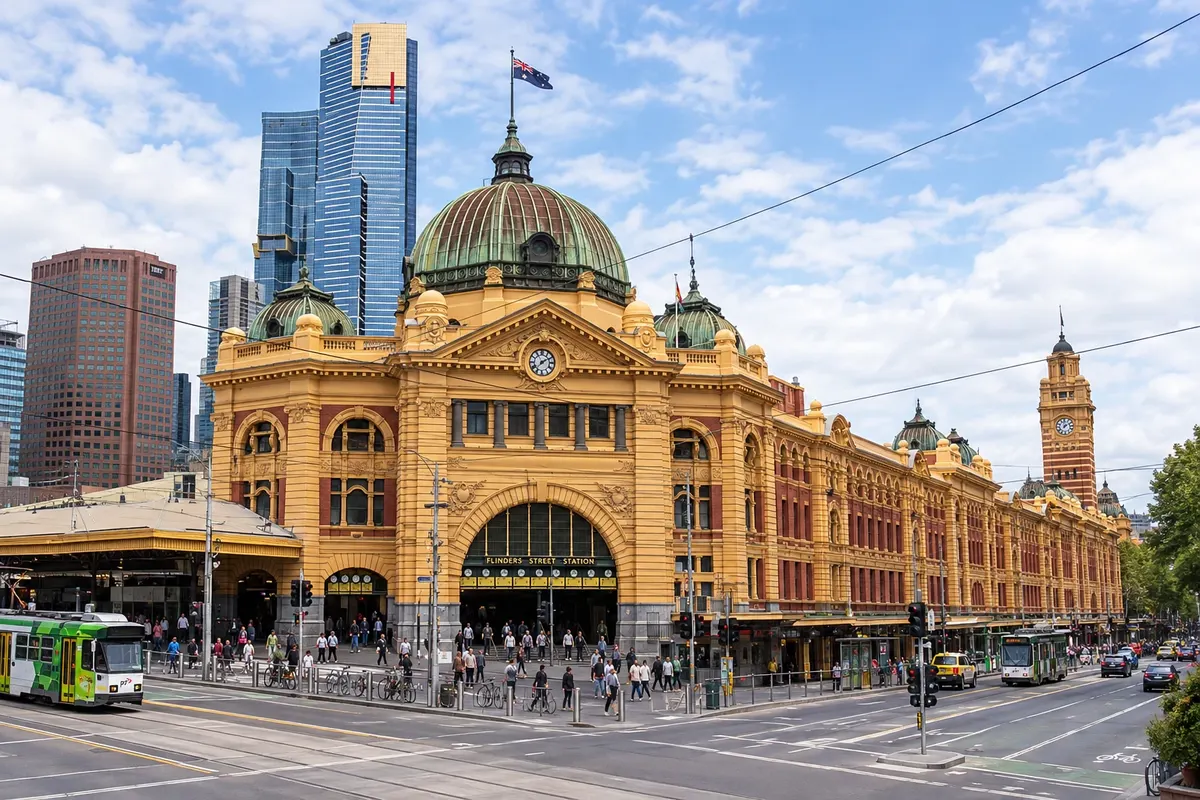
In the photo: Flinders Street Station, Melbourne

Illustrative images. The pictures in this guide are illustrations based on the real place, not photographs, and may differ from it.

Get it on Google Play Send your photos

Get to know the place

A region to enjoy
at your own pace.

Melbourne is the capital of the state of Victoria and the second-largest city in Australia. It sits on the shores of Port Phillip Bay, along the Yarra River, and grew rapidly during the 1850s gold rush, which left a centre of Victorian buildings, covered arcades and wide boulevards, crossed by one of the world’s largest tram networks.

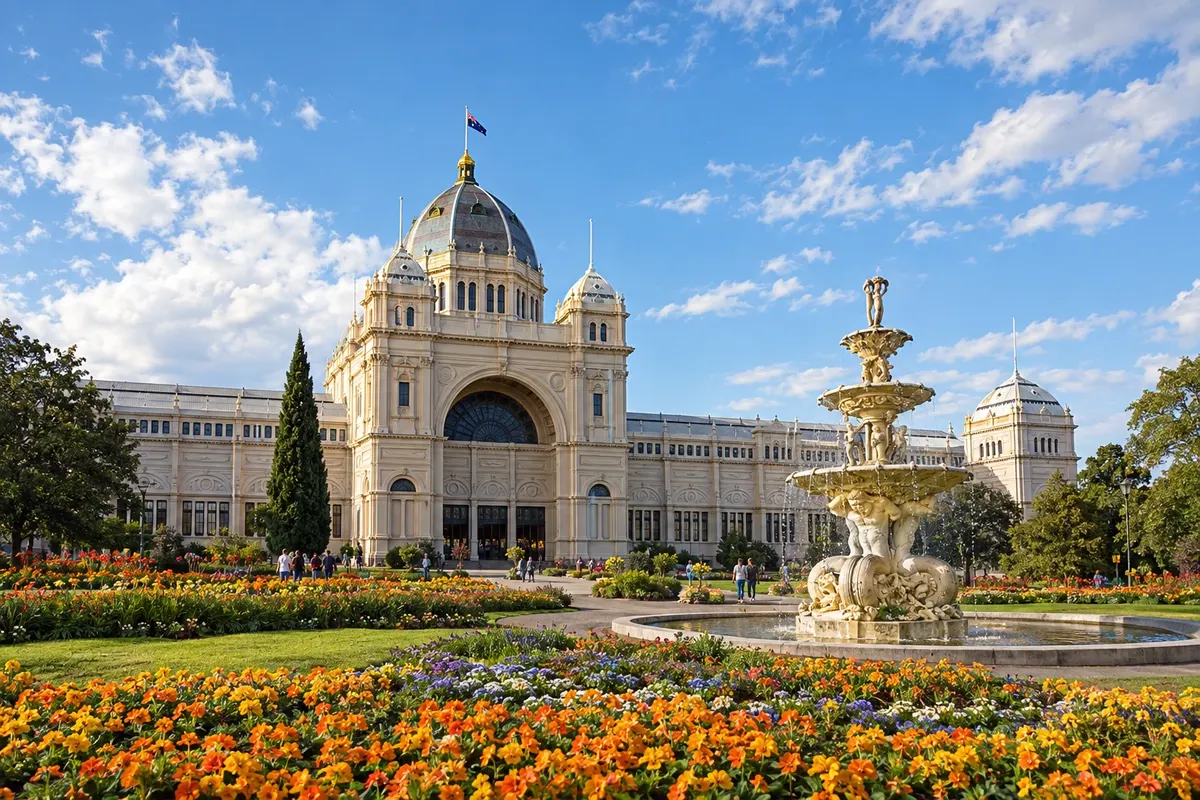
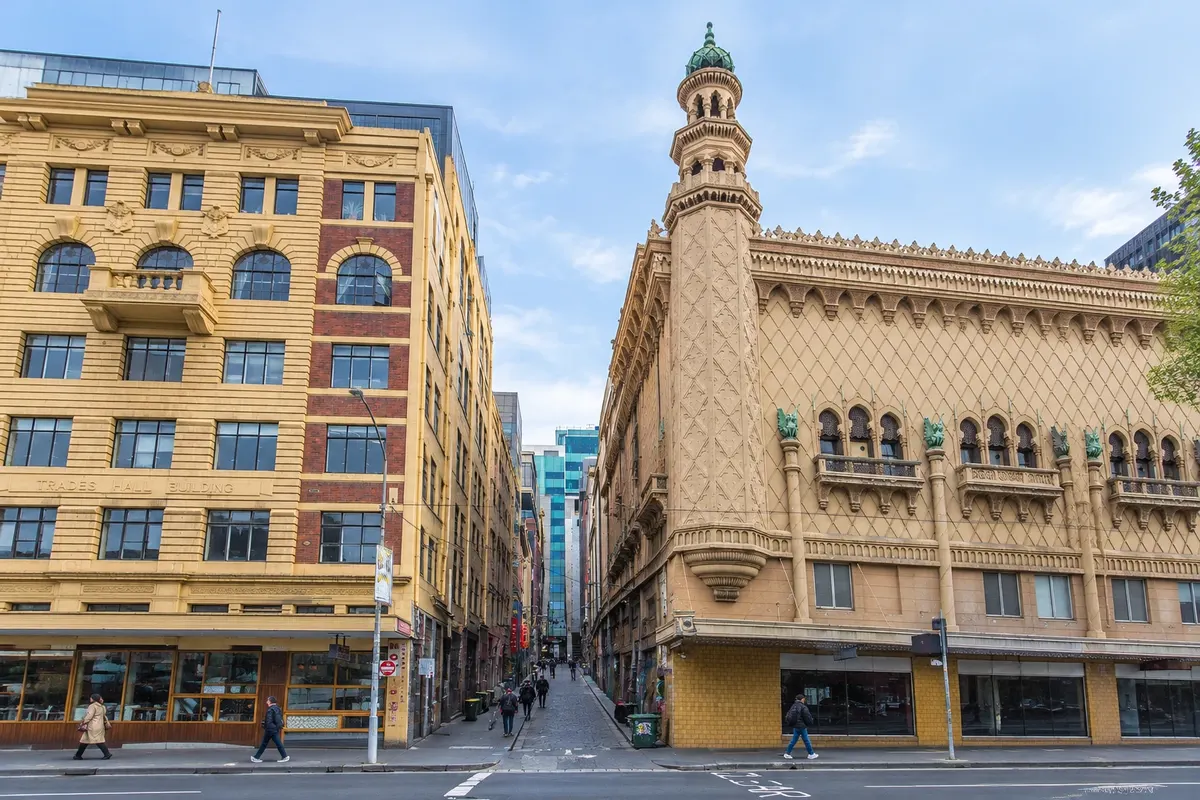
The city centre is made for walking. Between Federation Square and Flinders Street Station are the laneways full of cafés and street art, such as Hosier Lane and Degraves Street. To the north, the Royal Exhibition Building (1880) is a UNESCO World Heritage site; south of the river, the National Gallery of Victoria, the Royal Botanic Gardens and the Shrine of Remembrance line up along St Kilda Road.

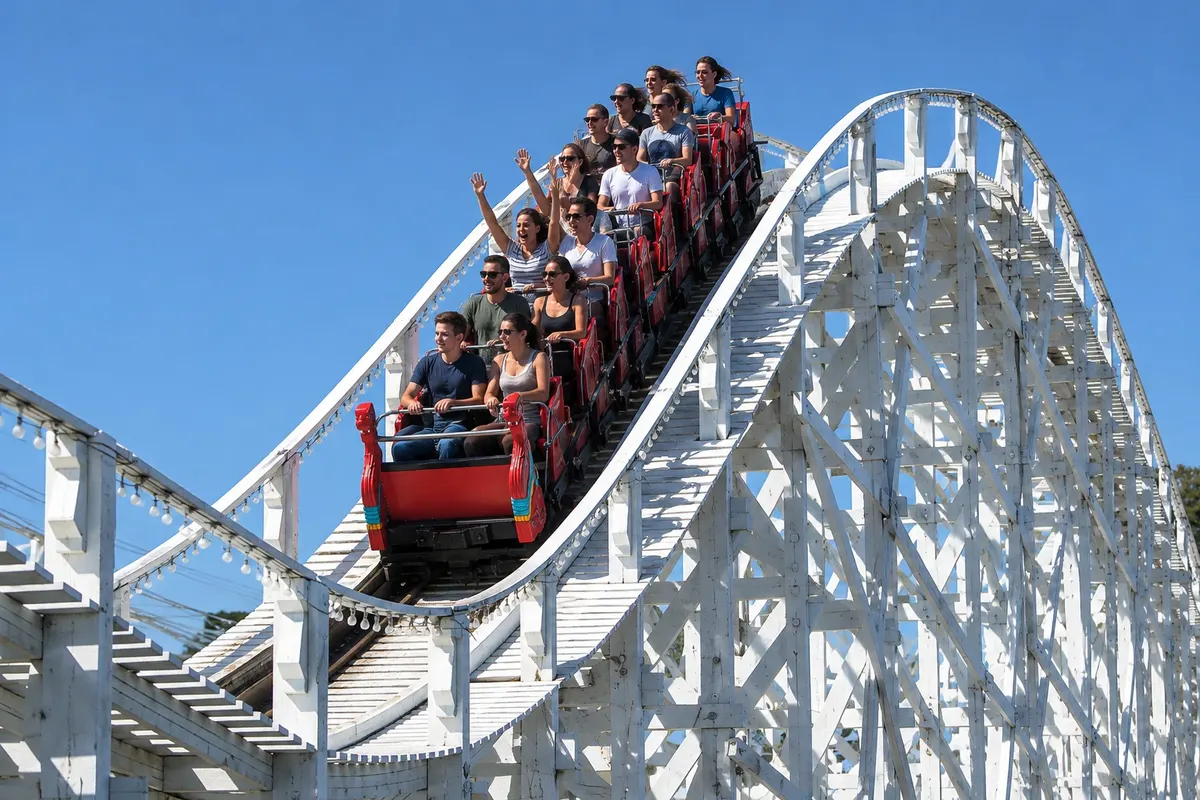
The city is also the nation’s sporting capital: the Melbourne Cricket Ground hosts Australian rules football and cricket, and the Australian Open tennis is played there in January. On the bayfront, the St Kilda neighbourhood has Luna Park, a 1912 amusement park, and a pier where little penguins can be seen at dusk.

Outside the city, day trips are part of the experience: Phillip Island, with its sunset penguin parade, koalas and seals; the Dandenong Ranges, with the Puffing Billy steam train and eucalyptus forests; and the Yarra Valley, with wineries and the Healesville native animal sanctuary.

This destination brings together 4 cities: Melbourne, Healesville, Cowes, Belgrave.

Share: WhatsApp
Traveler, share your experiences through photos Up to 5 photos of each place you visited.

One destination, many paths

The cities on this trip

Start with one city or combine several in your itinerary.

Where Melbourne is
MelbourneBelgraveHealesvilleCowes

Limites: Australian Bureau of Statistics / geoBoundaries (CC BY 4.0). Adaptação do Cidade Turismo.

How to get there: Melbourne

✈ Melbourne Airport (Tullamarine) (MEL), in Tullamarine · 20 km to Melbourne

Confirm before booking. Melbourne Airport (MEL), in Tullamarine, is about 20 km from the city centre, with an express bus to Southern Cross Station. From Sydney you can fly or take the train.

Suggested arrival point: Melbourne

Melbourne
Victoria · Melbourne Capital Suggested arrival point

Melbourne

Capital of Victoria and the second largest city in Australia, Melbourne has a Victorian centre crossed by trams and by laneways with cafés and street art. Federation Square, the National Gallery of Victoria, the Royal Botanic Gardens and the Shrine of Remembrance sit near the Yarra River; to the north, the Royal Exhibition Building is a UNESCO World Heritage site. The MCG is the country's sporting temple, and St Kilda, on the bay, has a beach, a pier and Luna Park.

The local experience

Things to do in Melbourne

Healesville Sanctuary
Healesville · Victoria · Zoo

Healesville Sanctuary

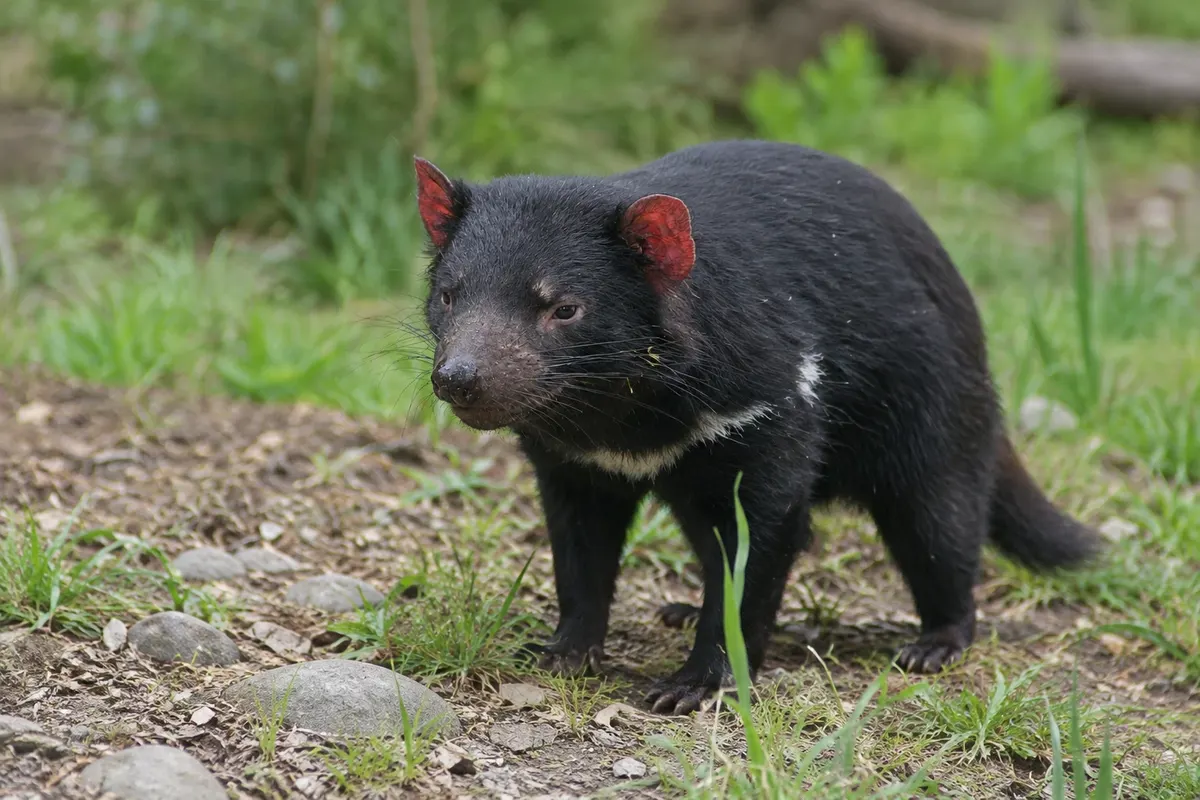
Australian animal sanctuary run by Zoos Victoria, featuring platypuses, koalas, kangaroos, Tasmanian devils and birds of prey displays.

Cowes · Victoria · Nature

Penguin Parade

At sunset, the little penguins come ashore and cross Summerland Beach to their burrows, viewed from grandstands and boardwalks.

Puffing Billy Railway
Belgrave · Victoria · Promenade

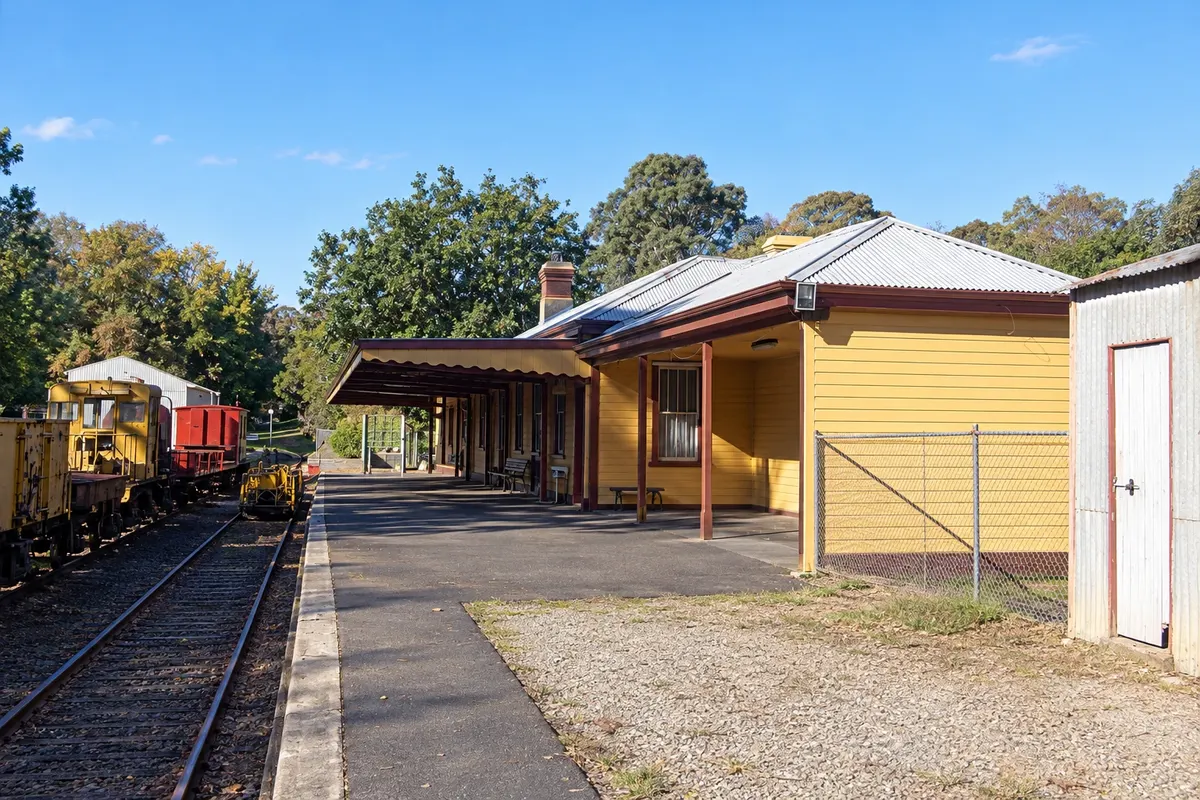
Puffing Billy Railway

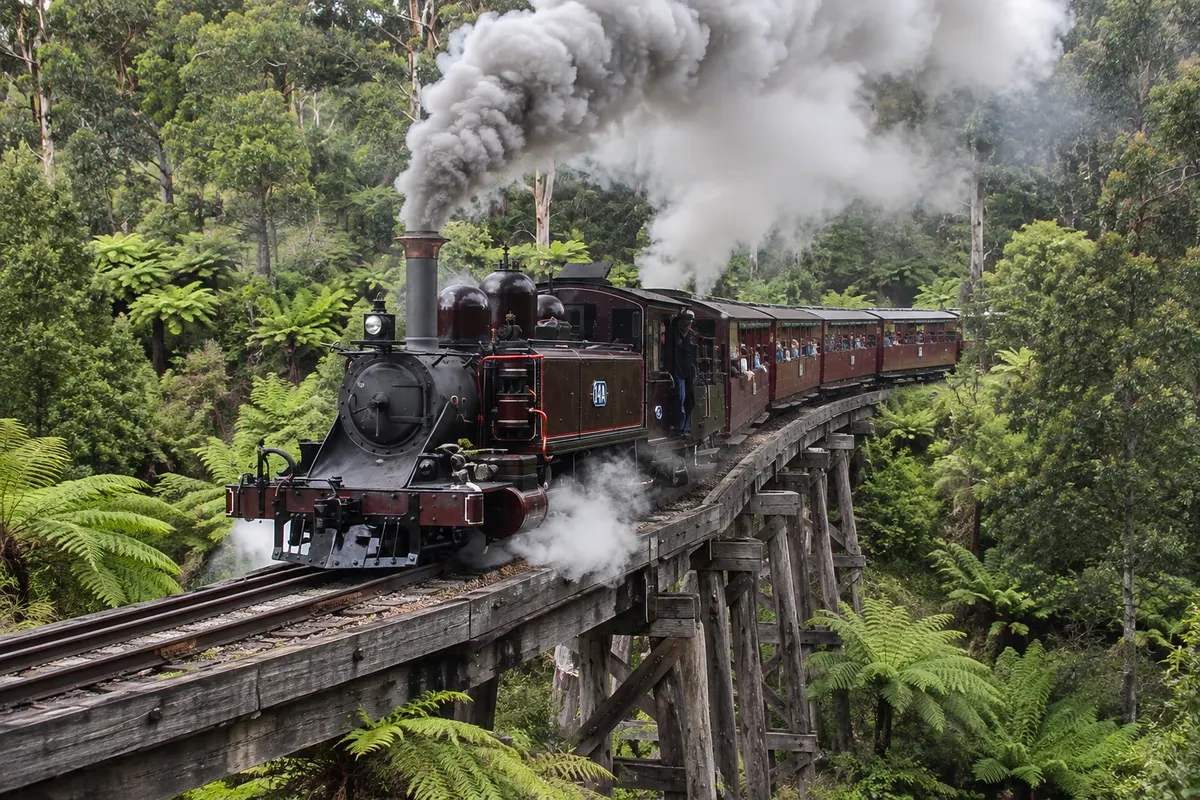
A 1900 steam train that departs from Belgrave and crosses the forests of the Dandenong Ranges, with passengers sitting on the window seats with their legs out.

Royal Exhibition Building
Melbourne · Victoria · Monument

Royal Exhibition Building

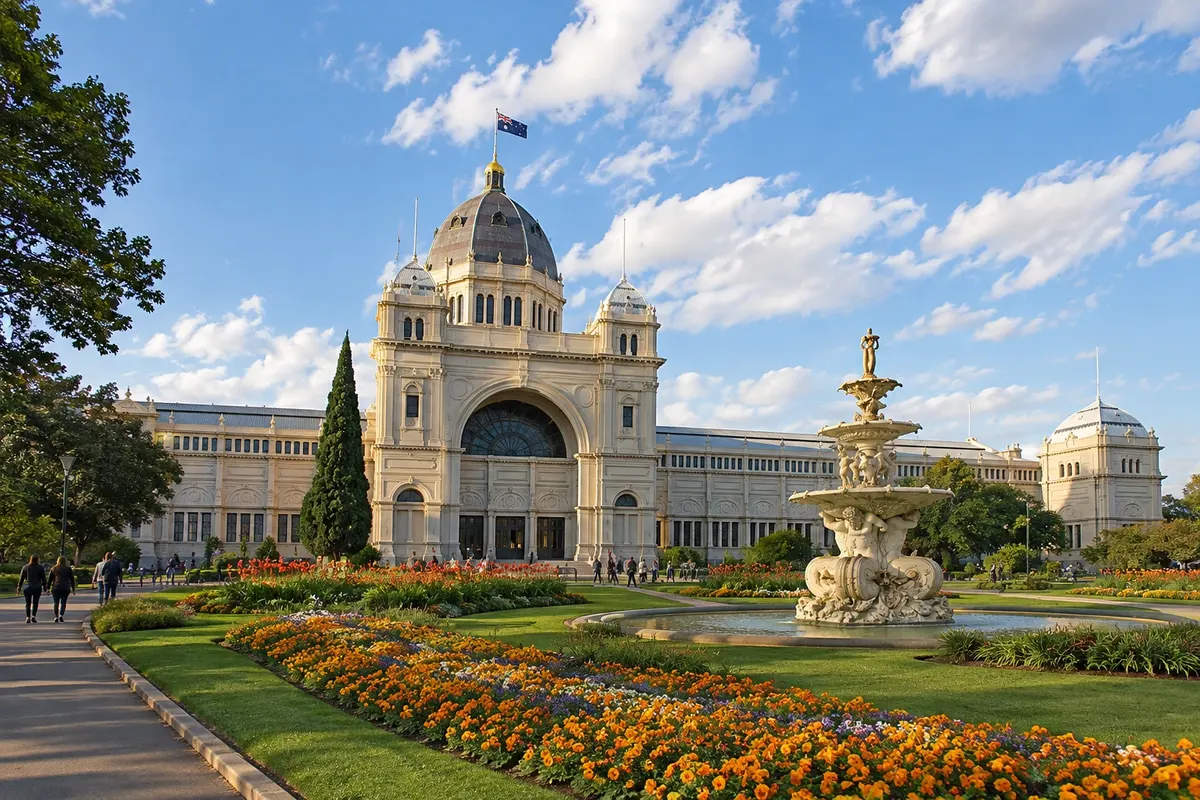
Exhibition pavilion from 1880 in the Carlton Gardens, where the first federal parliament opened; a UNESCO World Heritage site since 2004.

See 14 more places in Melbourne
Dandenong Ranges National Park
Belgrave · Victoria · National park

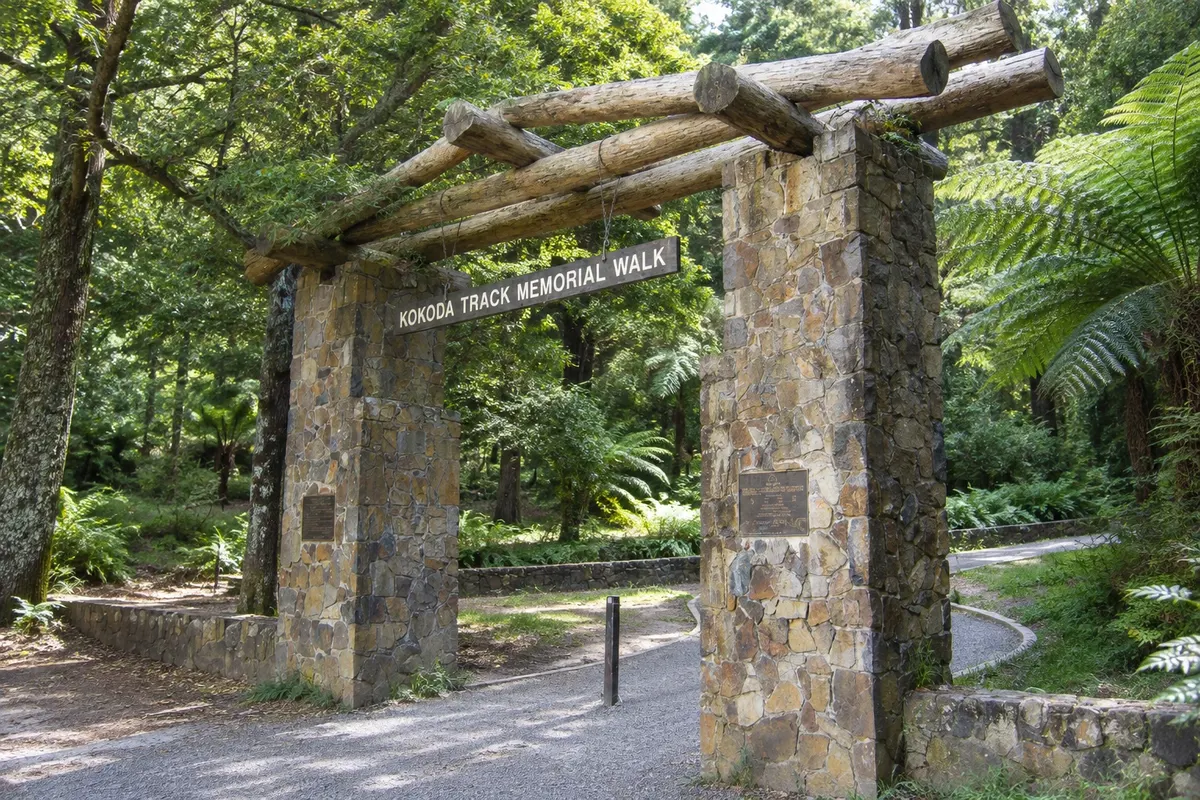
Dandenong Ranges National Park

Giant eucalyptus and fern forests in the mountains east of Melbourne, with the 1000 Steps stairway, walking tracks and the lyrebird.

Koala Conservation Reserve
Cowes · Victoria · Nature

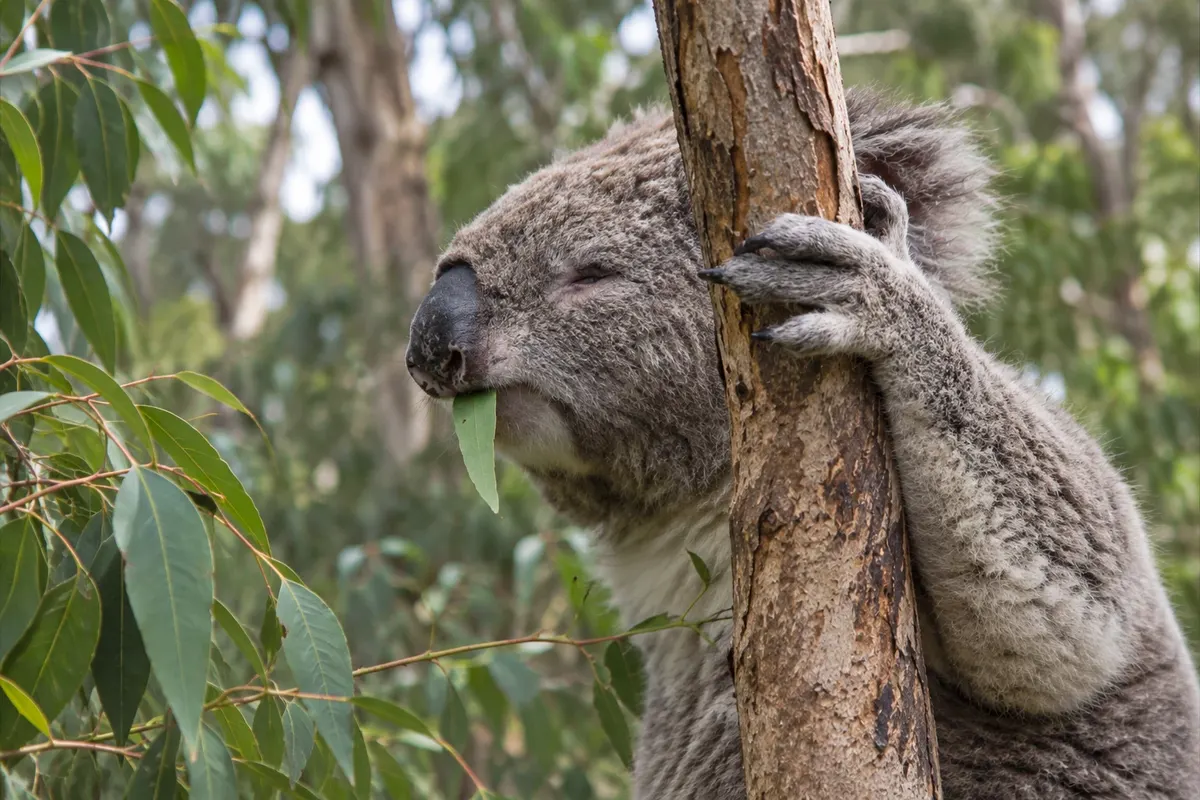
Koala Conservation Reserve

Reserve with elevated boardwalks through the eucalyptus canopy where you can see koalas up close, along with wallabies, echidnas and native birds.

Melbourne Museum
Melbourne · Victoria · Museum

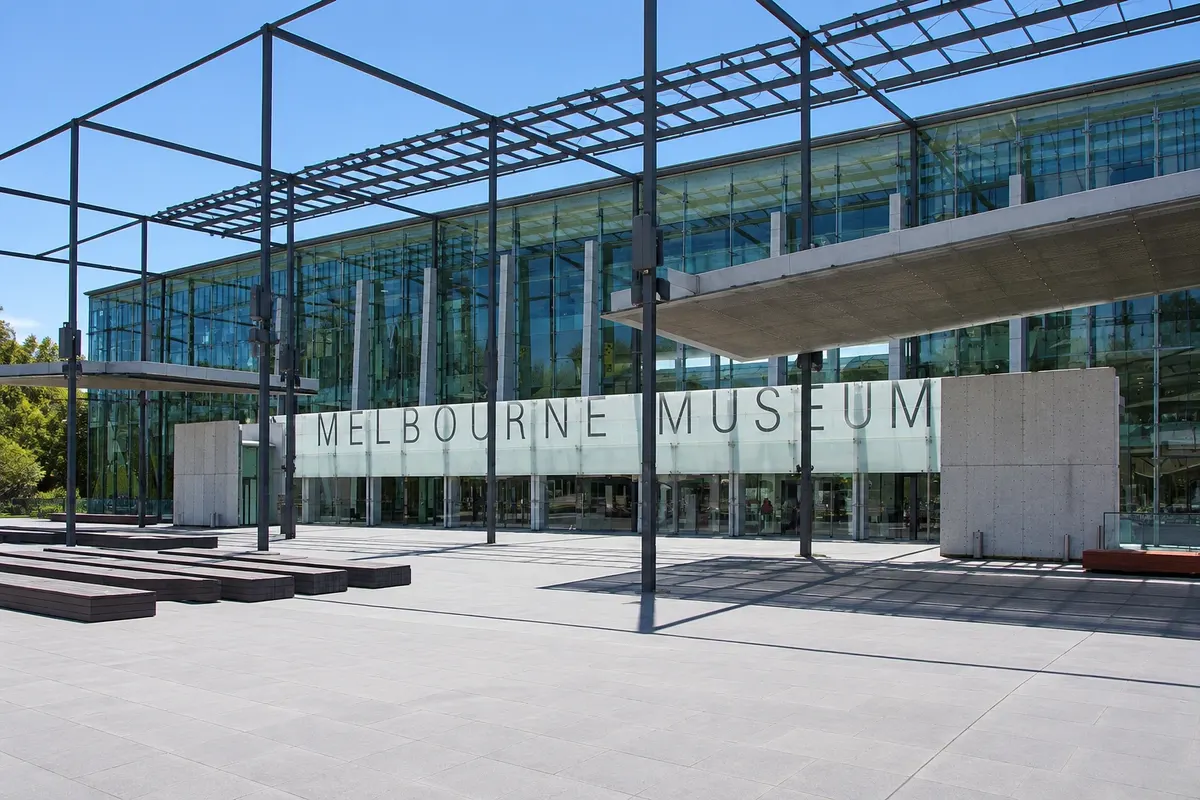
Melbourne Museum

Museum of natural history and culture in the Carlton Gardens, with a living forest gallery, dinosaurs and the Bunjilaka Aboriginal Cultural Centre.

Yarra Valley
Healesville · Victoria · Region

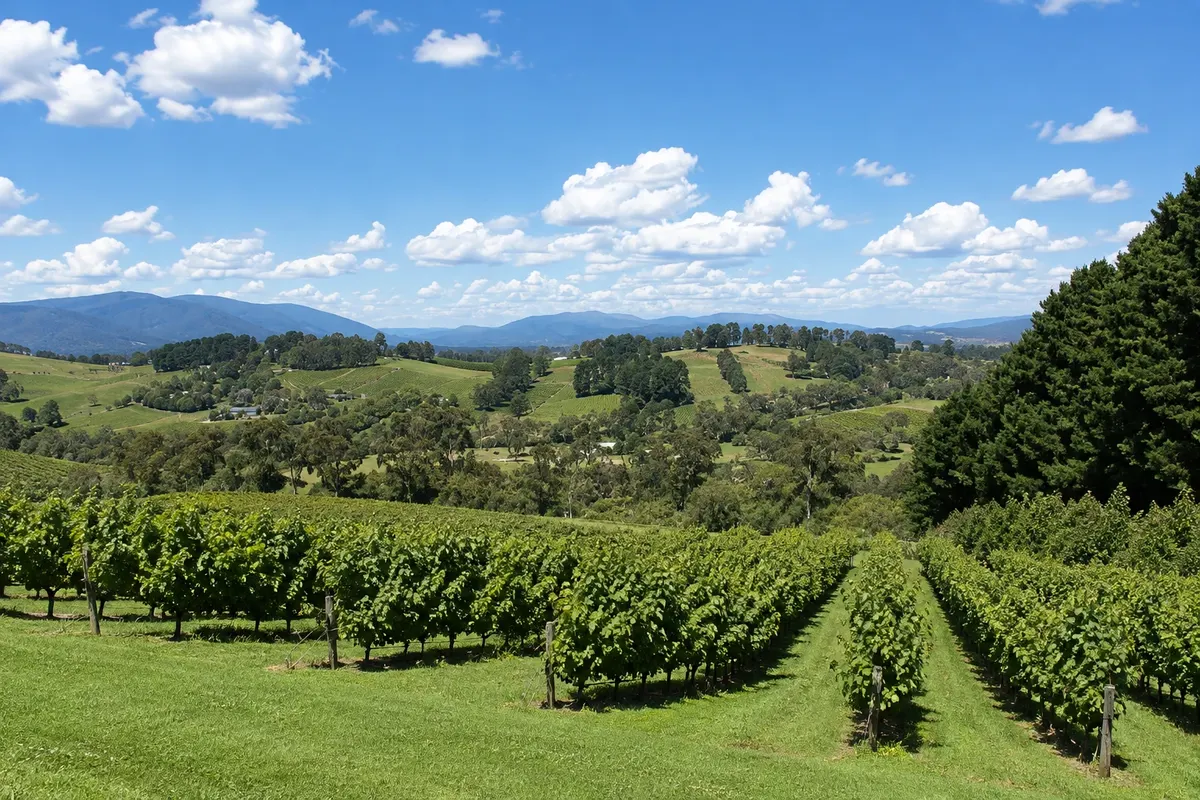
Yarra Valley

Vineyard valley about an hour from Melbourne, with dozens of cool-climate wineries, dawn balloon flights and mountainous scenery.

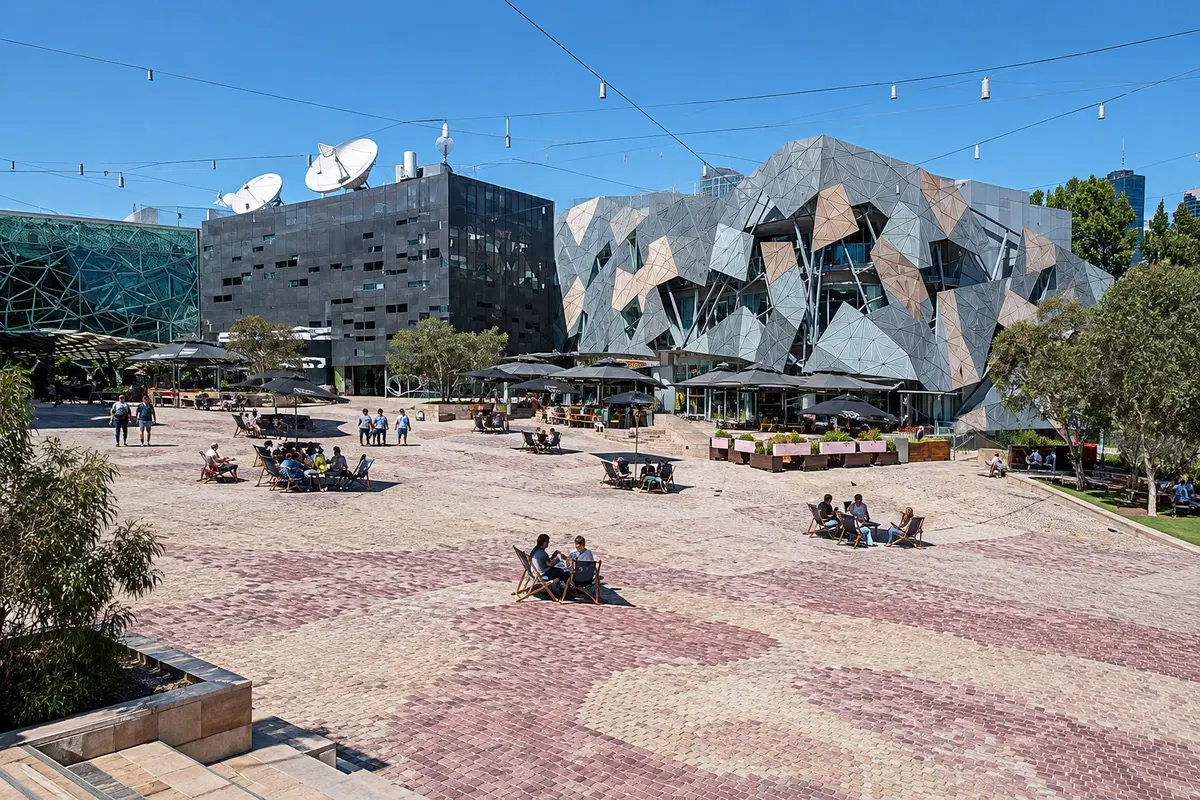
Federation Square
Melbourne · Victoria · Square

Federation Square

Cultural square opened in 2002 in front of Flinders Street station, with the NGV’s Australian art museum and the ACMI museum of screen culture.

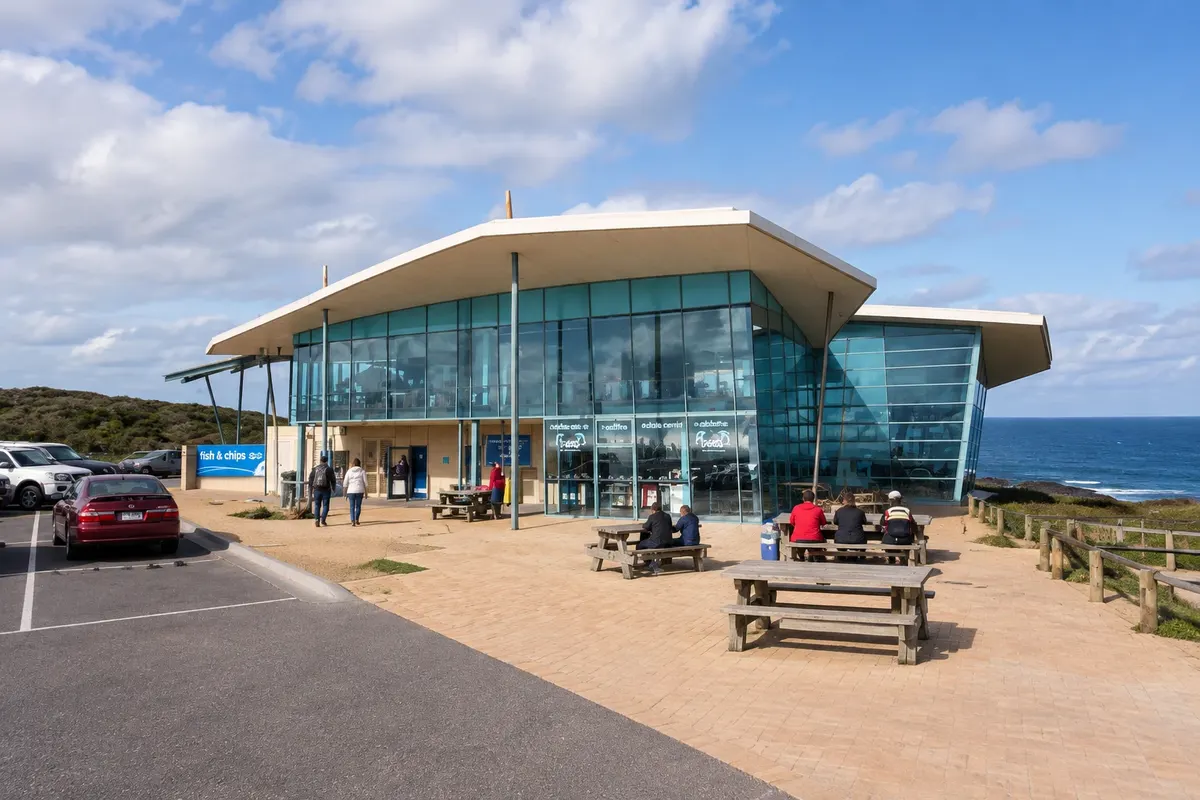
The Nobbies
Cowes · Victoria · Viewpoint

The Nobbies

Visitor centre on Phillip Island’s western tip, with boardwalks over the cliffs, the blowhole and views toward Seal Rocks, Australia’s largest seal colony.

Hosier Lane
Melbourne · Victoria · Street

Hosier Lane

Central laneway covered in graffiti and posters that change all the time, the best-known of Melbourne’s street-art laneways.

Queen Victoria Market
Melbourne · Victoria · Market

Queen Victoria Market

Public market dating from 1878 with stalls selling fruit, meat, deli products, clothing and souvenirs, and night markets at certain times of year.

National Gallery of Victoria
Melbourne · Victoria · Museum

National Gallery of Victoria

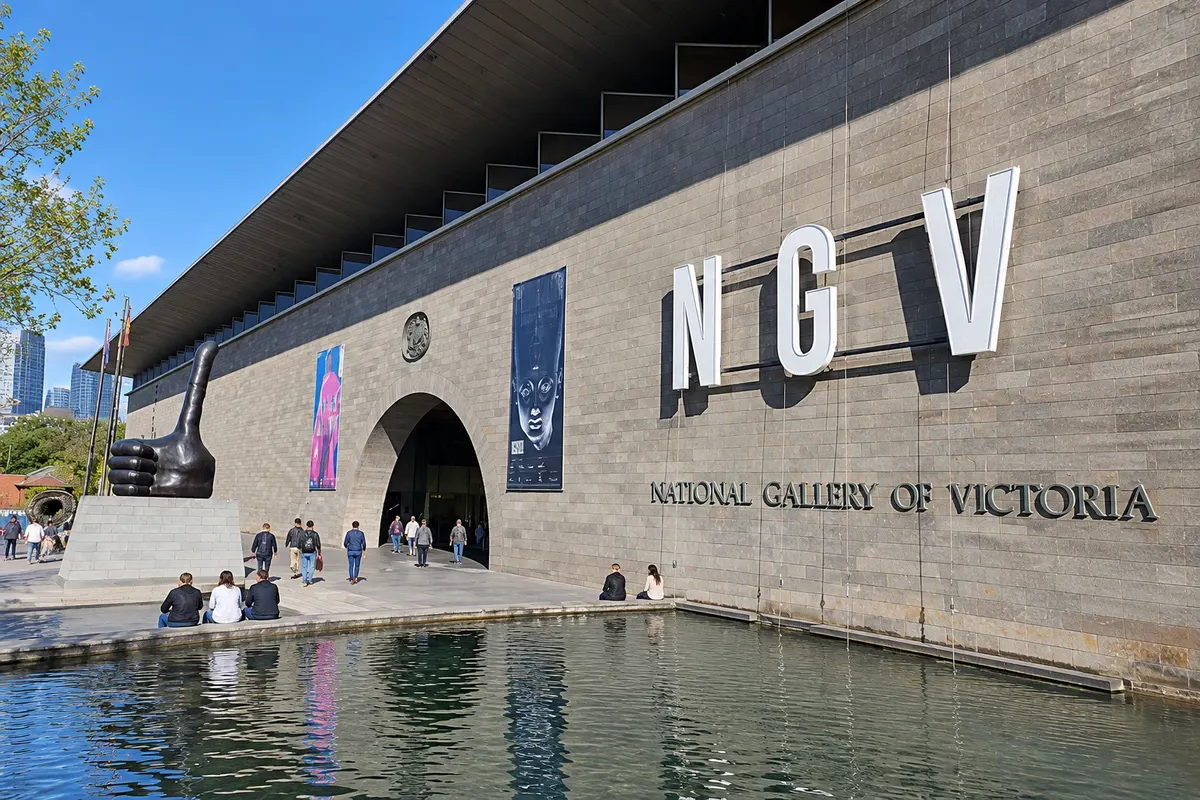
The oldest art museum in Australia, with the international wing on St Kilda Road, the stained-glass ceiling of the Great Hall and the water wall at the entrance.

Royal Botanic Gardens Victoria
Melbourne · Victoria · Botanical garden

Royal Botanic Gardens Victoria

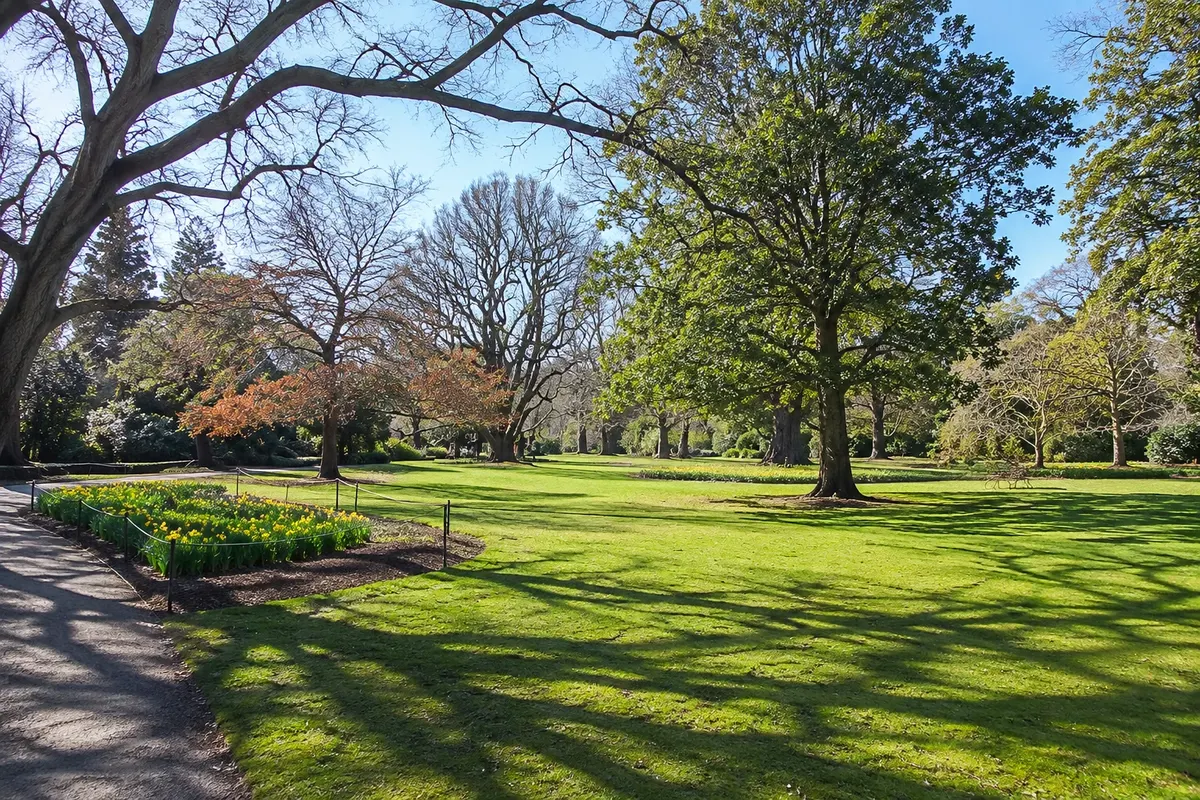
Botanic garden founded in 1846 with 38 hectares of lawns, lakes and plant collections, beside the Yarra River and St Kilda Road.

Shrine of Remembrance
Melbourne · Victoria · Monument

Shrine of Remembrance

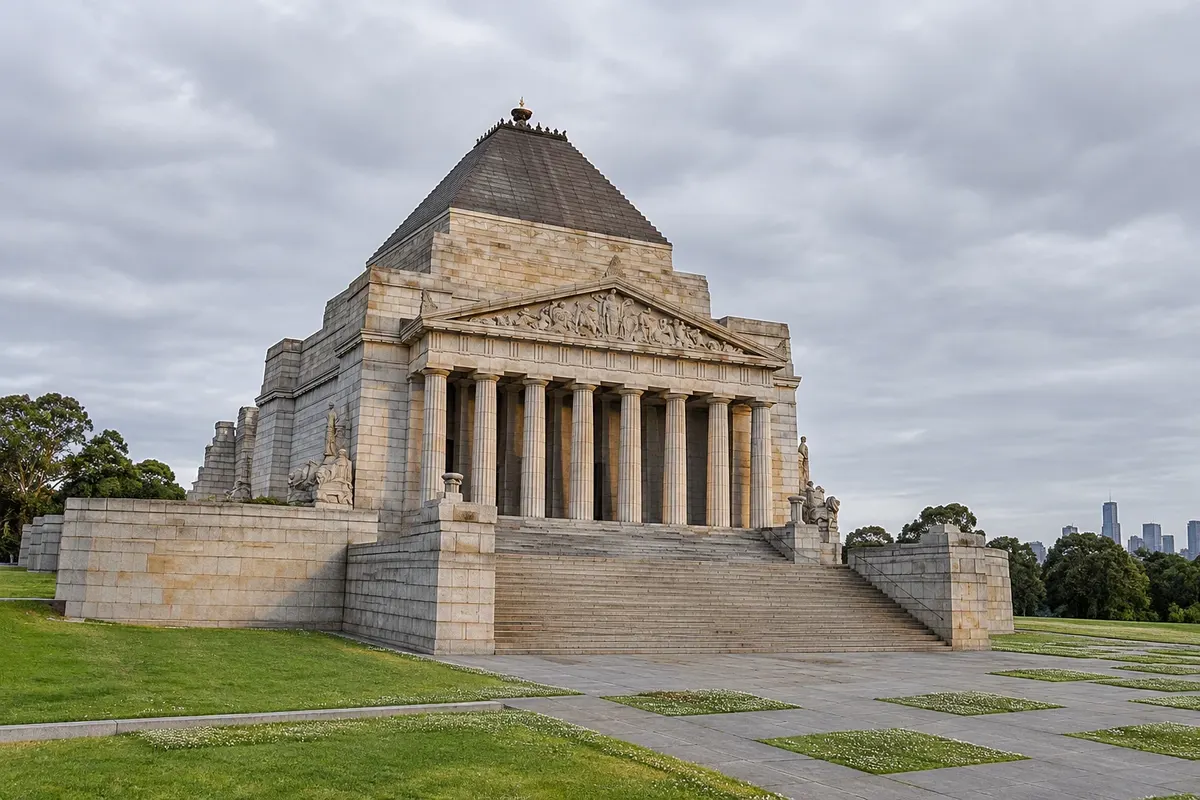
1934 war memorial on St Kilda Road, with galleries about Australians in conflicts and a terrace overlooking the city centre.

Melbourne Cricket Ground
Melbourne · Victoria · Stadium

Melbourne Cricket Ground

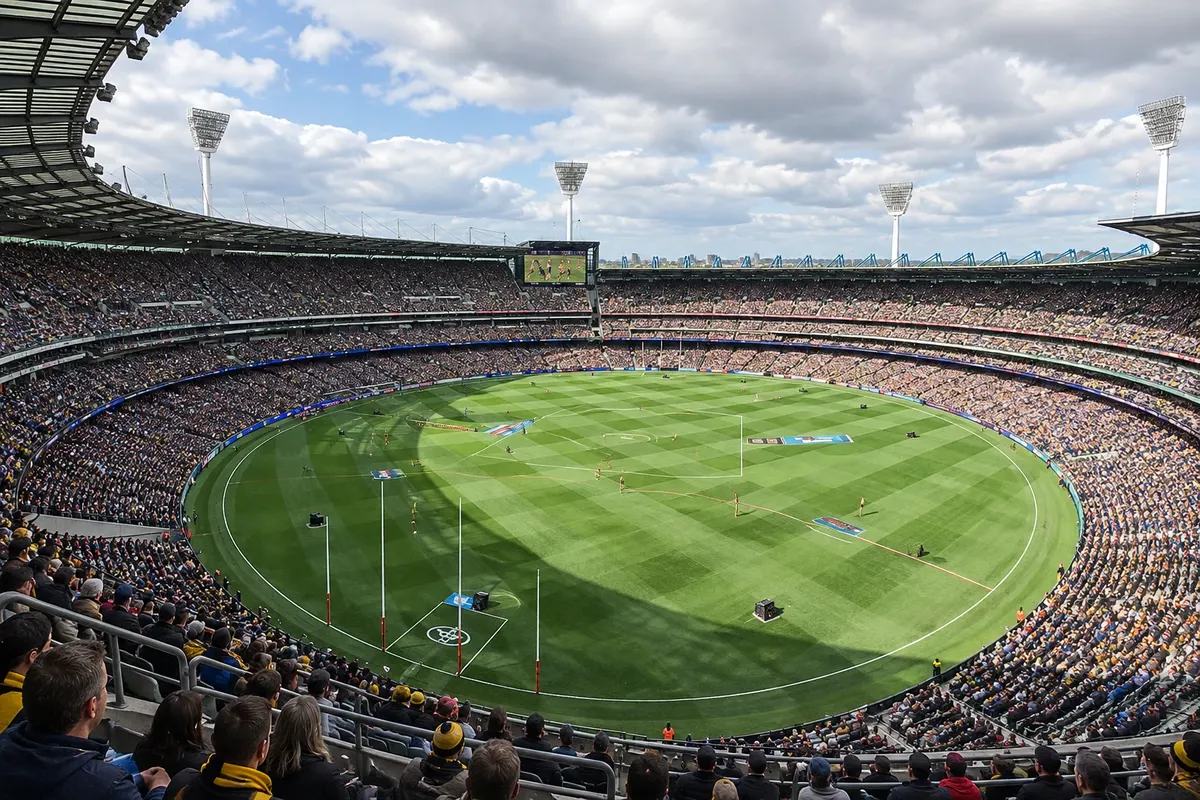
Australia's largest stadium, with around 100,000 seats, home to Australian rules football and cricket, offering guided tours and a sports museum.

Luna Park Melbourne
Melbourne · Victoria · Amusement park

Luna Park Melbourne

A 1912 amusement park in St Kilda, featuring the entrance through Mr Moon's mouth, the Scenic Railway roller coaster, a vintage carousel and rides for all ages.

Eureka Skydeck
Melbourne · Victoria · Viewpoint

Eureka Skydeck

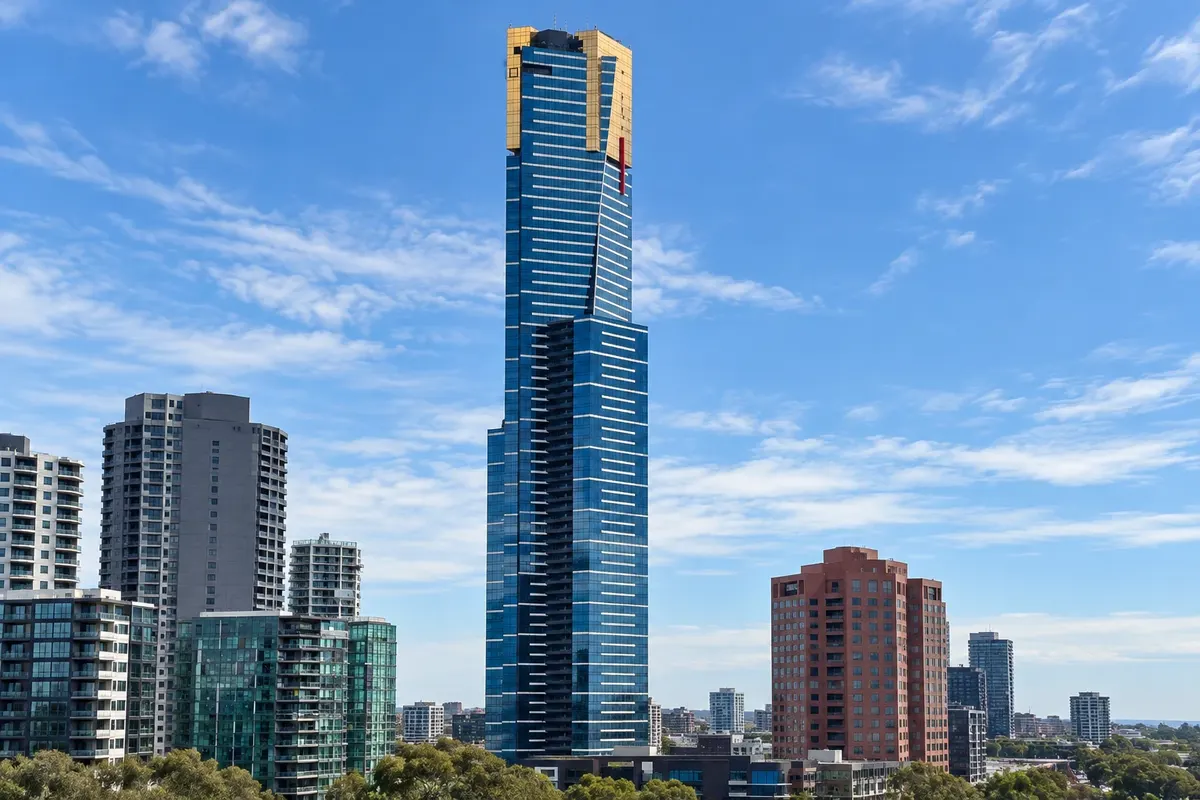
Observation deck at the top of Eureka Tower in Southbank, offering 360-degree views of the city and bay and the glass cube The Edge that projects out from the building.

Before you go

Practical information

A little planning leaves more time to enjoy the journey.

When to go

From October to April days are usually longer and warmer, good for Phillip Island and outdoor activities, with heatwaves in summer. Autumn, March to May, generally has stable weather and colour in the vineyards. Winter is cold and wet, but it’s a season for museums and wine. Weather changes quickly: always carry a warm layer.

The seasons shown are the most usual ones; nature doesn't always follow the calendar.

How many days to stay

3–4 days for the centre, museums, gardens, St Kilda and a day trip to Phillip Island. With 5–6 days you can add the Puffing Billy in the Dandenong Ranges and the Yarra Valley with the Healesville sanctuary. The Great Ocean Road requires at least one extra day.

Which city to stay in

The city centre (CBD), between Flinders Street and Southern Cross, makes everything walkable or reachable by tram, and trams are free within the central zone. Southbank, on the other side of the river, is close to the NGV and the gardens. St Kilda, on the bay, has a beach and nightlife. For Phillip Island, visitors who prefer not to return at night stay in Cowes to see the penguins.

Respect the place

Take your trash with you, follow the signs and support local businesses. In natural areas, follow the visiting guidelines.

Get your questions answered

Frequently asked questions about Melbourne

How many days should I reserve for Melbourne?

3–4 days are enough for the centre, museums, gardens, St Kilda and Phillip Island. With one or two more days you can include the Puffing Billy in the Dandenong Ranges and the Yarra Valley.

Do you need a car in Melbourne?

In the city, no: trams, trains and buses cover everything, and trams are free within the central zone. For Phillip Island, the Yarra Valley and the Dandenong Ranges, a car or a tour is very helpful. In Australia you drive on the left.

What is the weather like in Melbourne?

Weather can change a lot in a single day: a cold morning can turn into a warm afternoon and then rain. Summer has heatwaves and winter is cold and wet. Pack layered clothing at any time of year.

Explore other destinations Search by state and city