Piura and Catacaos

Piura · Peru

Piura and Catacaos

The first city founded by the Spanish in Peru, warm year‑round, home to Miguel Grau’s birthplace, Vicús gold, and, to the south, the handicrafts of Catacaos and the Tallán huaca of Narihualá.

North

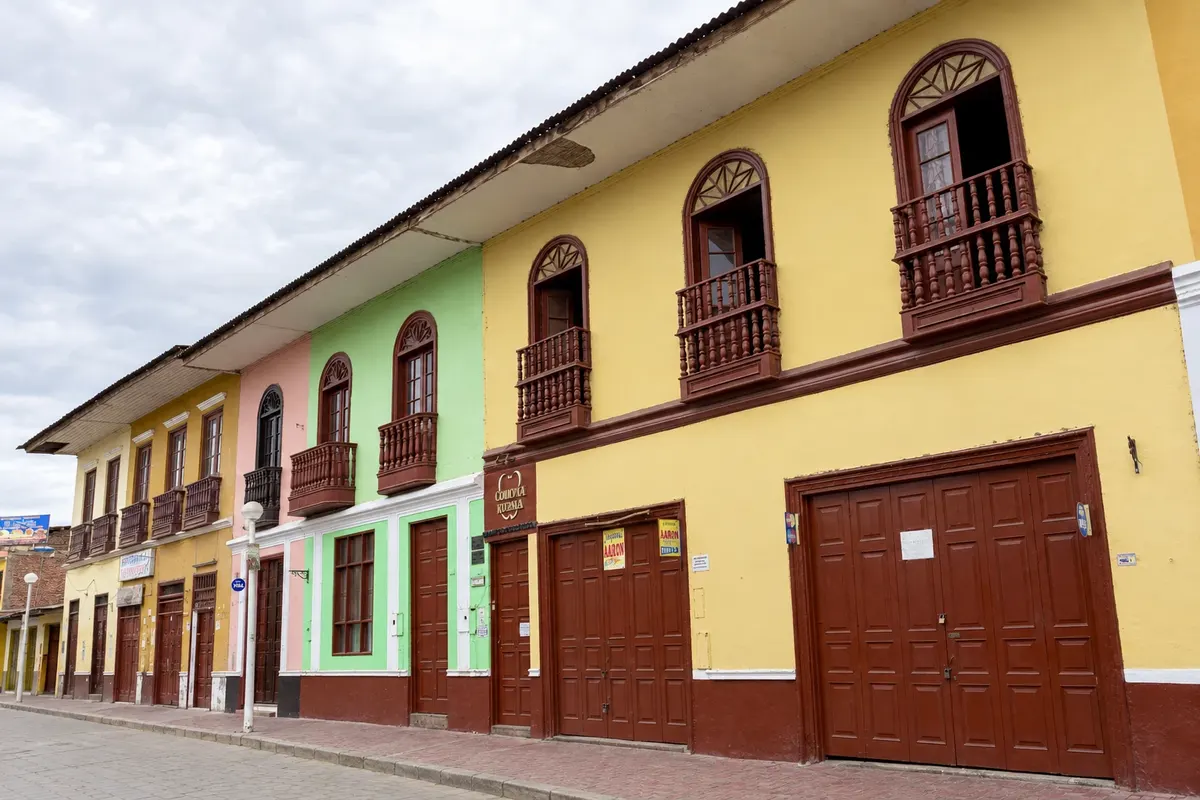
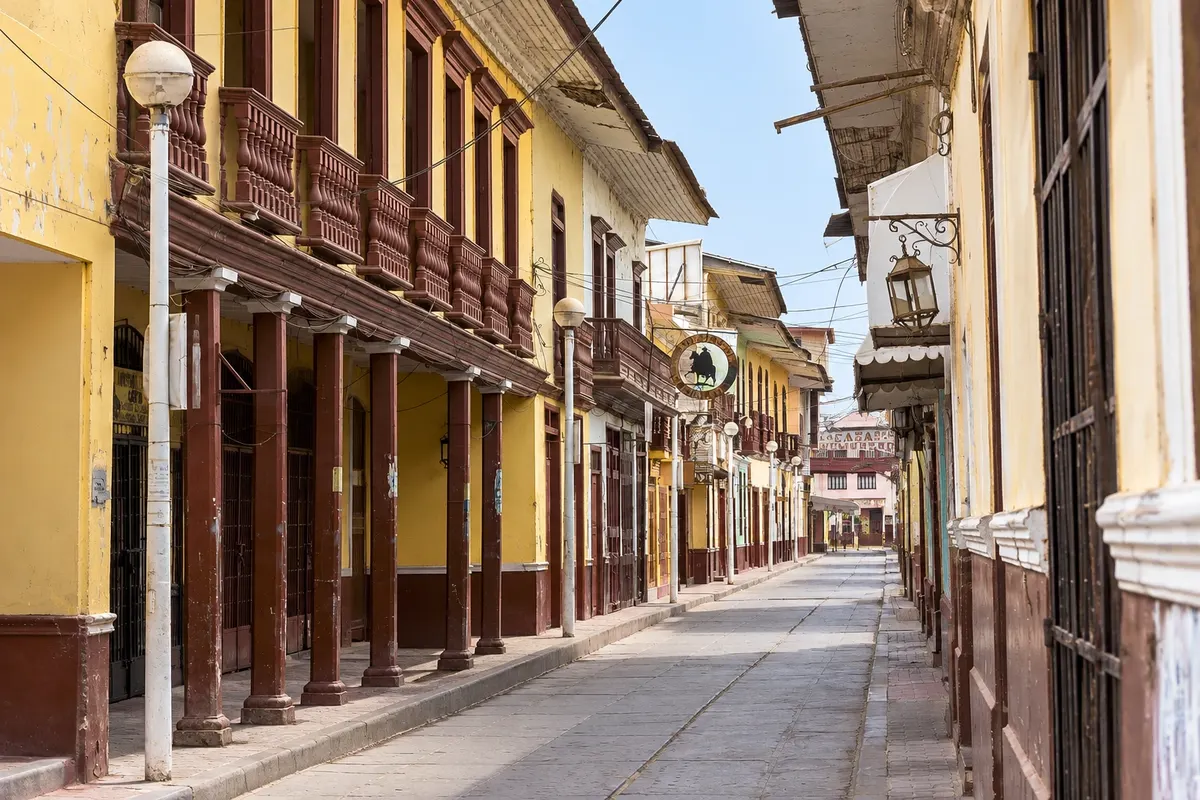
In the photo: Historic facades on Calle Comercio in Catacaos, Peru.

Illustrative images. The pictures in this guide are illustrations based on the real place, not photographs, and may differ from it.

Get it on Google Play Send your photos

Get to know the place

A region to enjoy
at your own pace.

Piura is in northern Peru, on a warm plain between the Sechura Desert and the Andes, on the banks of the Piura River. The city was founded in 1532 by Francisco Pizarro as San Miguel, the first Spanish city in the territory of present‑day Peru, and is called the city of eternal heat: maximums exceed 30 °C for much of the year.

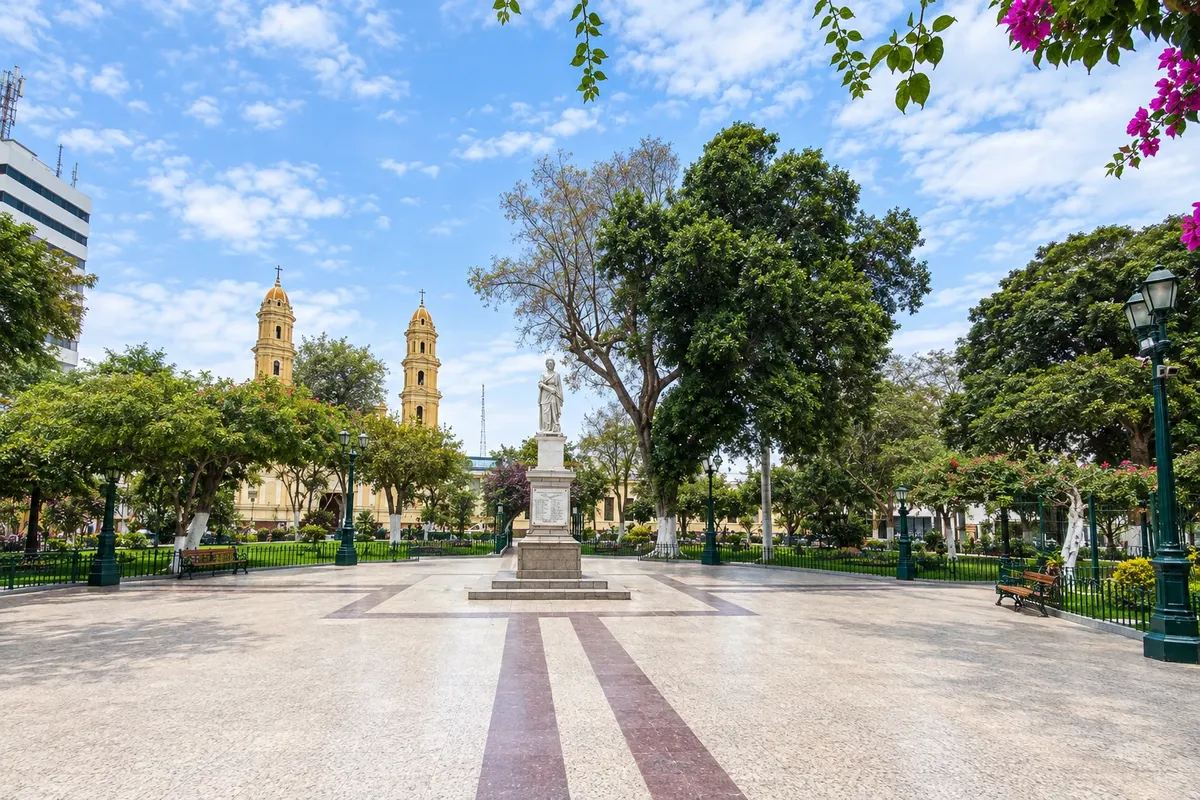
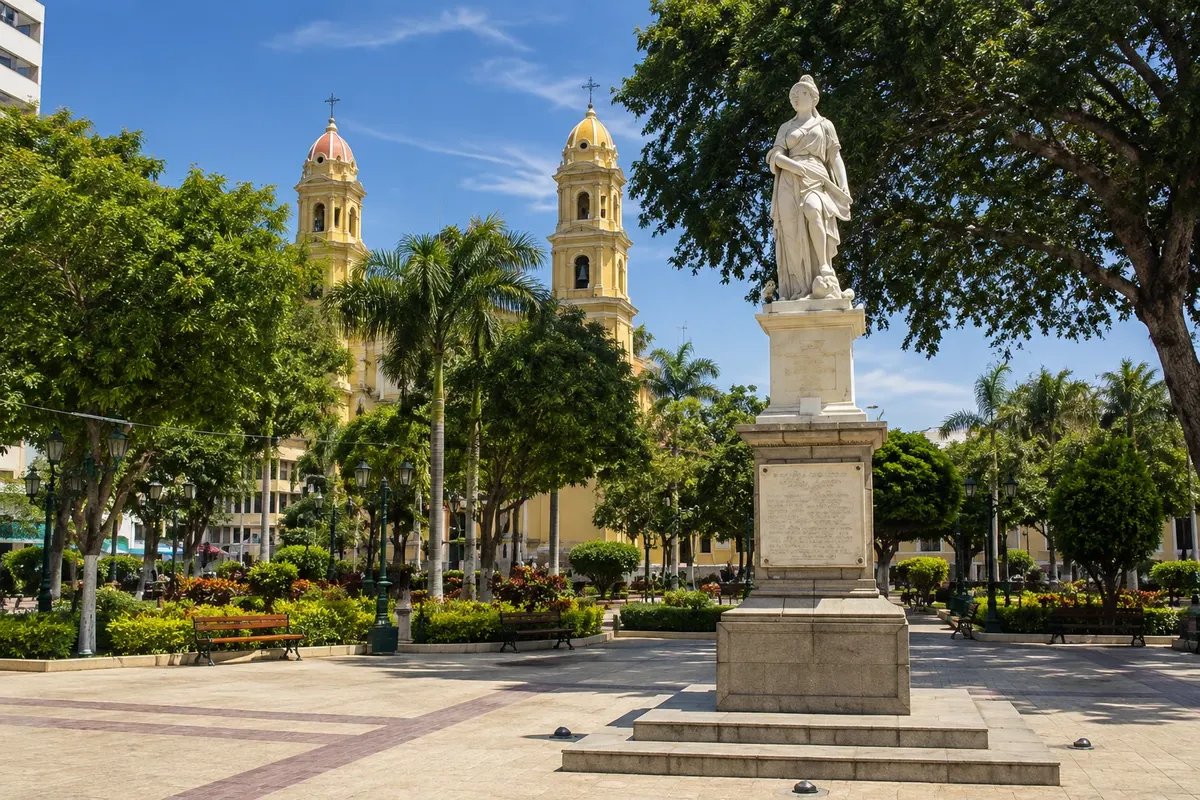
The center revolves around the Plaza de Armas, with century‑old tamarinds, the statue of Liberty known as La Pola, and the cathedral. A few blocks away are the house where Admiral Miguel Grau was born, hero of the War of the Pacific; the church of San Francisco, in whose atrium the city swore independence in 1821; and the municipal Vicús Museum, with gold pieces from the Vicús culture.

About 12 km to the south, Catacaos is the region’s craft capital: gold and silver filigree, toquilla straw hats and ceramics are sold under the portals of Calle Comercio, and the picanterías serve the cuisine of Lower Piura. Nearby, Narihualá was the main center of the Tallán people, who lived in the valley before the Incas.

Piura is the land of seco de chabelo, a dish of green plantain and dried meat whose recipe is protected in Peru. Catacaos’s Holy Week, declared Cultural Heritage of the Nation, is one of the most attended religious celebrations in the north.

This destination brings together 1 city: Piura.

Share: WhatsApp
Traveler, share your experiences through photos Up to 5 photos of each place you visited.

One destination, many paths

The cities on this trip

Start with one city or combine several in your itinerary.

Where Piura and Catacaos is
Piura

Contornos: Natural Earth (domínio público). Adaptação do Cidade Turismo.

How to get there: Piura and Catacaos

✈ Aeropuerto Internacional Capitán FAP Guillermo Concha Iberico (PIU) · 2 km to Piura

Piura’s airport, in the Castilla district, has daily flights from Lima and is a few kilometers from downtown. By road, Piura is on the Panamericana Norte, with buses from Lima, Chiclayo and Trujillo. Catacaos is about 12 km to the south, a 15–20 minute drive.

The local experience

Things to do in Piura and Catacaos

Plaza de Armas of Piura
Piura · Piura · Square

Plaza de Armas of Piura

Piura's main square, shaded by century-old tamarind trees, with the statue of Liberty known as La Pola, a gift from President José Balta in 1870, and the cathedral, originating at the end of the 16th century.

Casa Museo Grau
Piura · Piura · Museum

Casa Museo Grau

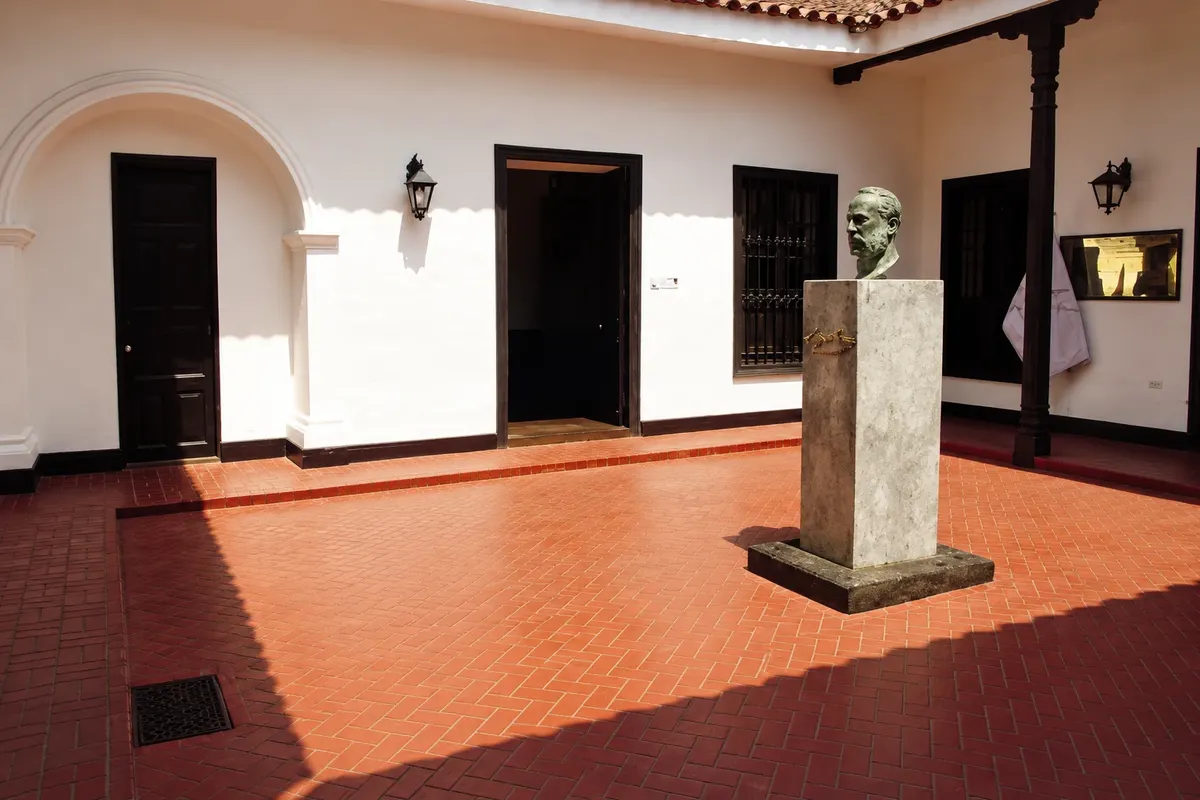
The house on calle Tacna where Admiral Miguel Grau was born and lived, a hero of the War of the Pacific. A quincha and adobe building from the late 18th century, a museum since 1964.

Church of San Francisco of Piura
Piura · Piura · Church

Church of San Francisco of Piura

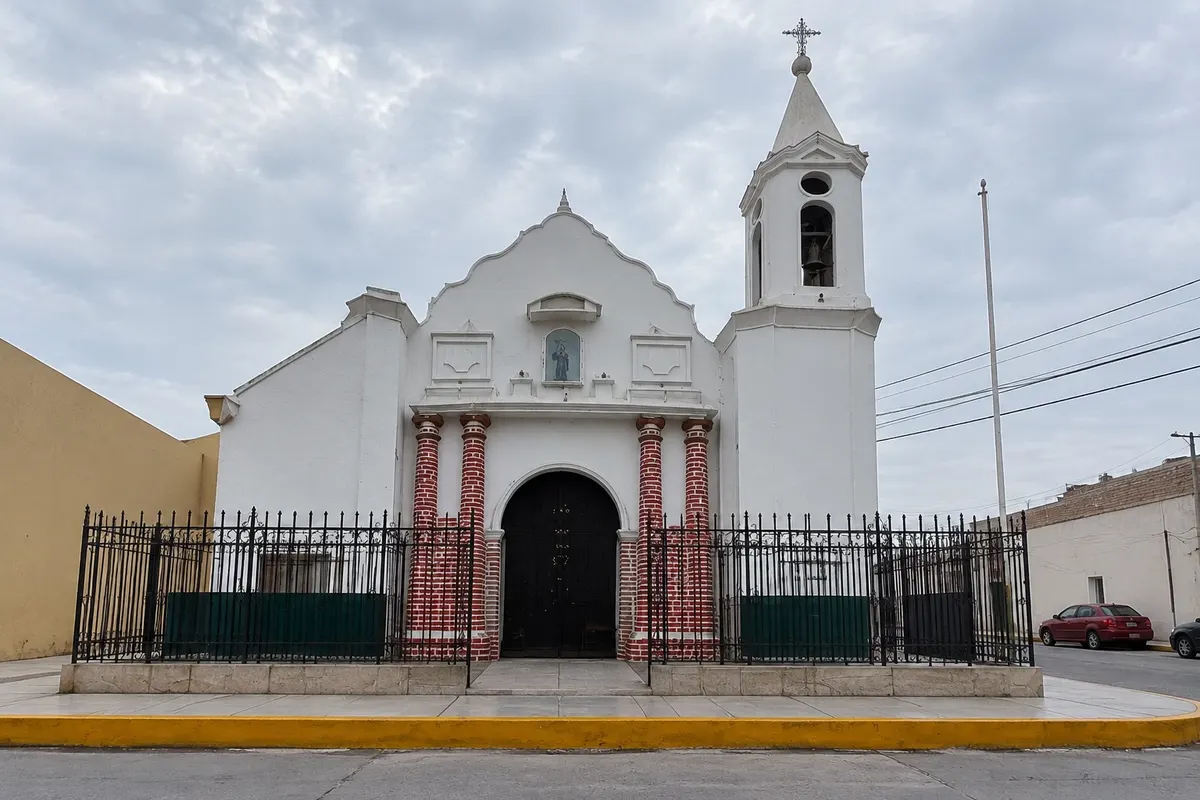
Church of the former Franciscan cloister, next to the malecón Eguiguren, in whose atrium Piura swore independence on January 4, 1821. A national monument with a neoclassical altar.

Vicús Municipal Museum
Piura · Piura · Museum

Vicús Municipal Museum

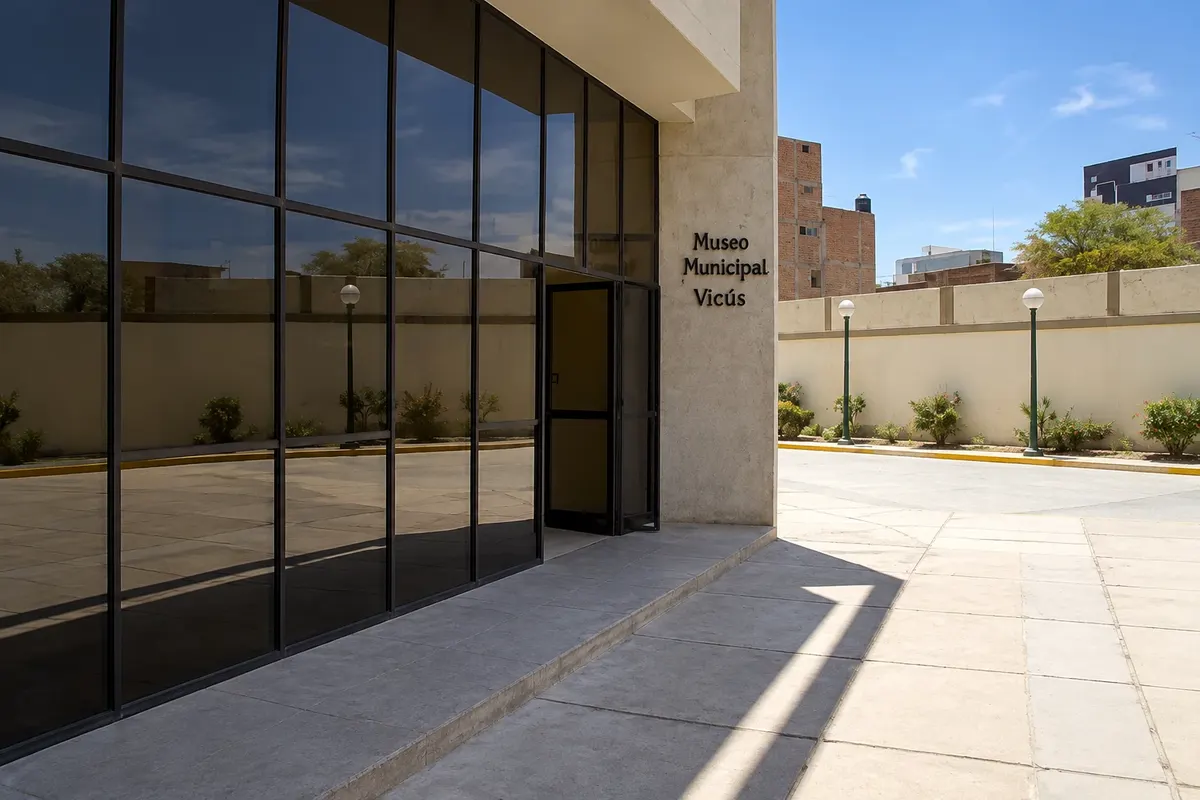
Piura's municipal museum, with archaeology and Piuran identity galleries and the Gold Room, which brings together gold pieces of the Vicús culture.

See 2 more places in Piura and Catacaos
Calle Comercio de Catacaos
Piura · Piura · Historic street

Calle Comercio de Catacaos

The main street of Catacaos, about 12 km south of Piura, with colorful portals and workshops for gold and silver filigree, toquilla straw hats and ceramics. Nearby is the Church of San Juan Bautista.

Narihualá Archaeological Complex
Piura · Piura · Archaeological site

Narihualá Archaeological Complex

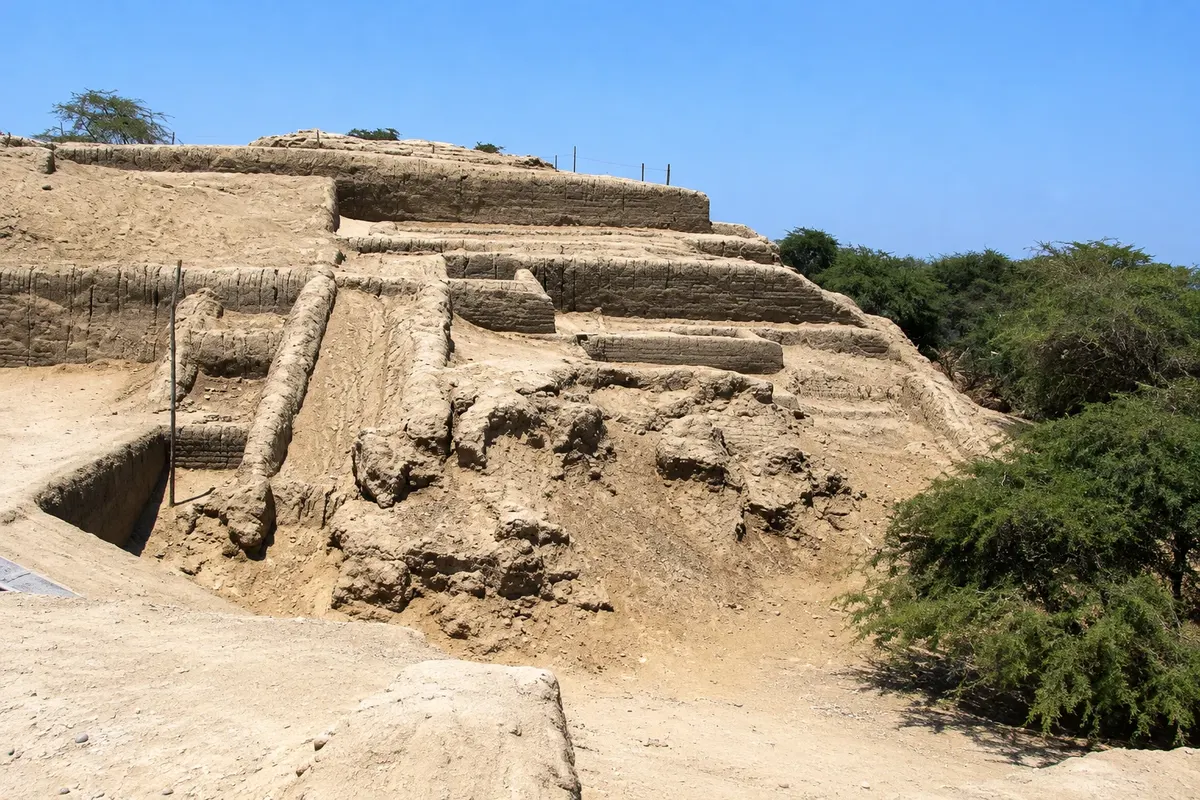
Large adobe huaca south of Catacaos, the main political and administrative center of the Tallán people, who lived in the Piura valley before the Incas. It has a site museum.

Before you go

Practical information

A little planning leaves more time to enjoy the journey.

When to go

It is warm year‑round. From June to November temperatures are usually a bit lower and it almost never rains. From January to April is the hottest period, with highs around 34 °C and the few annual rains; in El Niño years, rainfall can be heavy.

The seasons shown are the most usual ones; nature doesn't always follow the calendar.

How many days to stay

One day for Piura’s center: Plaza de Armas, cathedral, Casa Museo Grau, church of San Francisco and the Vicús Museum. A second day for Catacaos, with Calle Comercio, the church of San Juan Bautista and the Narihualá site.

Which city to stay in

Piura’s center, around the Plaza de Armas, concentrates accommodations and restaurants and allows you to do everything on foot. The area near the Piura River malecón is quieter. Catacaos can be visited as a half‑day trip from Piura.

Respect the place

Take your trash with you, follow the signs and support local businesses. In natural areas, follow the visiting guidelines.

Get your questions answered

Frequently asked questions about Piura and Catacaos

How to get to Piura?

By plane, with daily flights from Lima to Piura Airport in the Castilla district. By road, via the Panamericana Norte, with buses from Lima, Trujillo and Chiclayo.

How many days to stay in Piura?

Two days: one for the city center and another for Catacaos and Narihualá to the south.

What is the best time to visit Piura?

It is warm year‑round. From June to November it is usually a bit less hot and almost no rain falls; from January to April is the hottest period, with the few annual rains.

Can you go from Piura to Catacaos the same day?

Yes. Catacaos is about 12 km to the south, a 15–20 minute drive, and a visit including Narihualá fits into a morning or an afternoon.

Do you need a car in Piura?

No. The center is walkable, and taxis and mototaxis take you to Catacaos and Narihualá. Local agencies also run the tour.

Explore other destinations Search by state and city