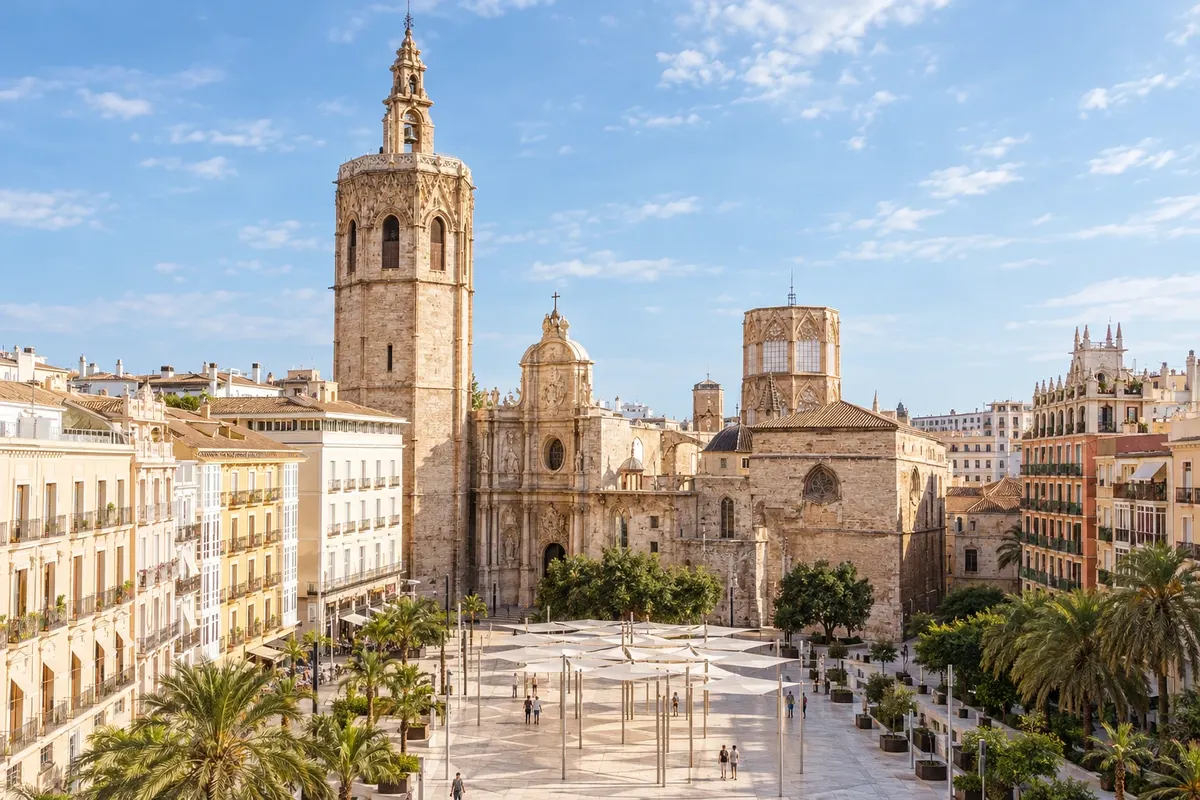
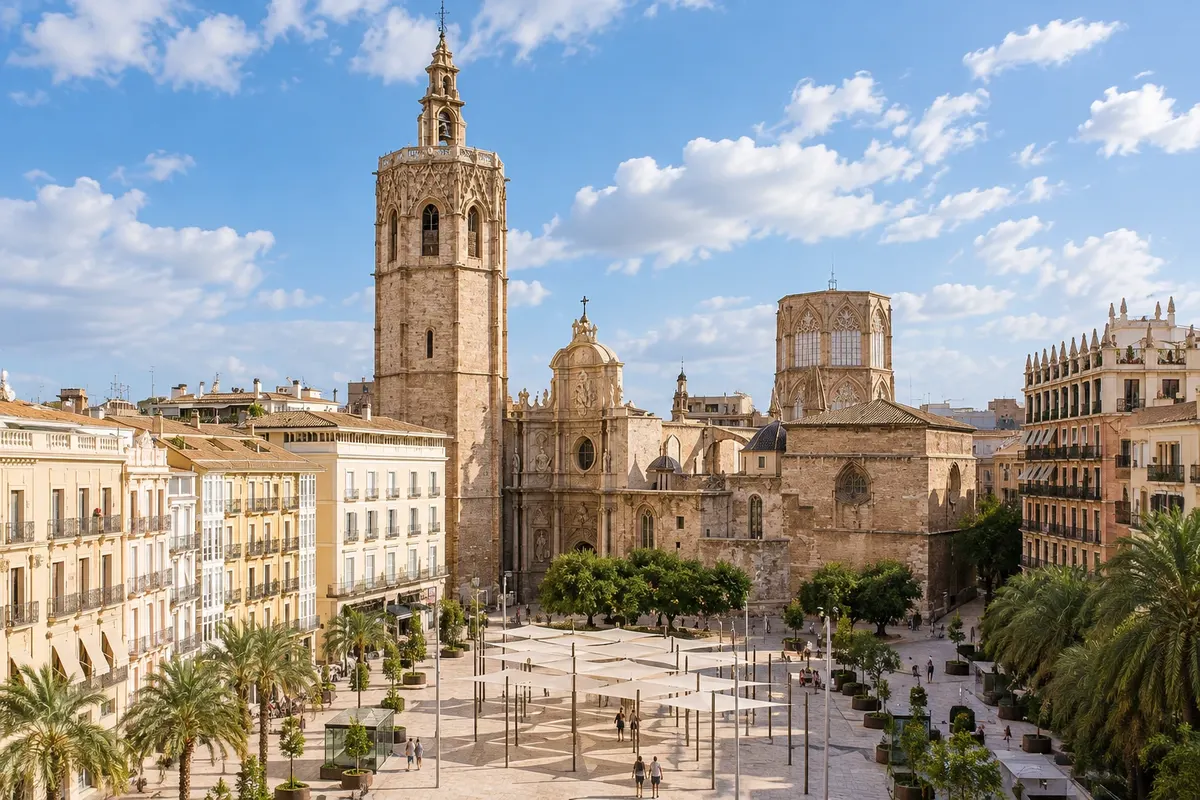
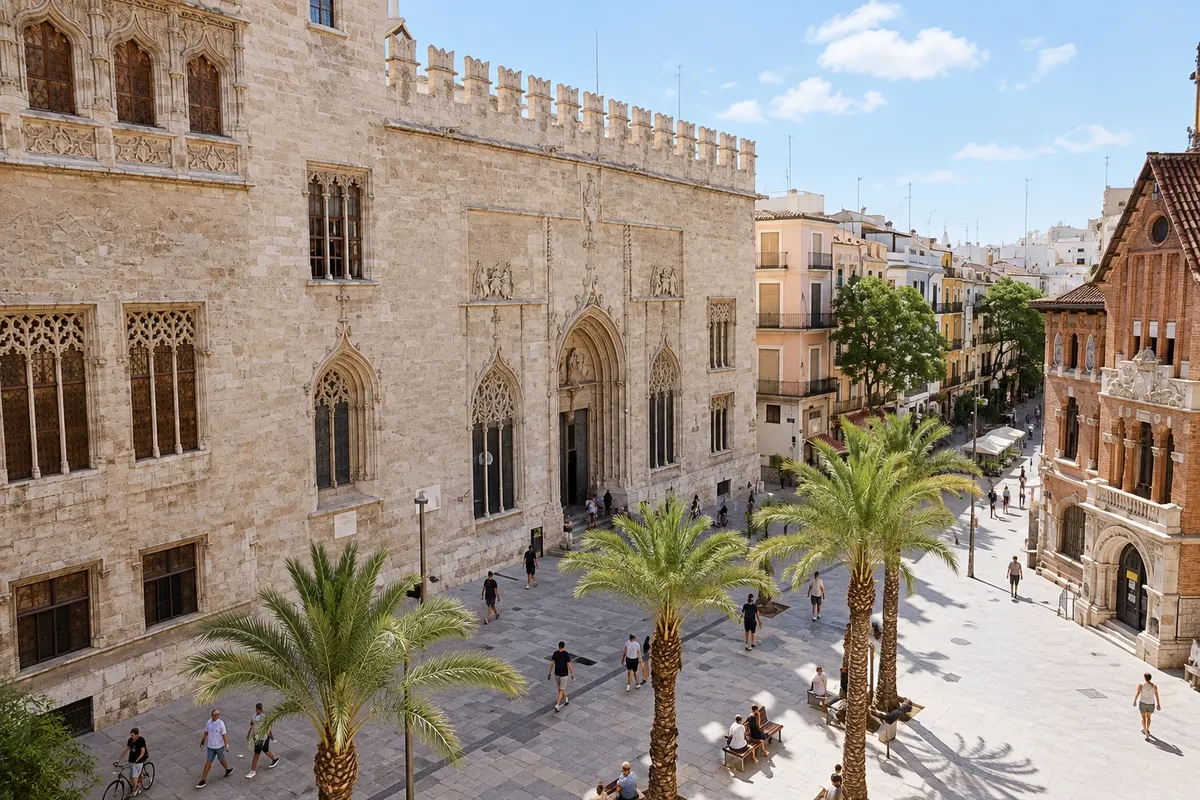
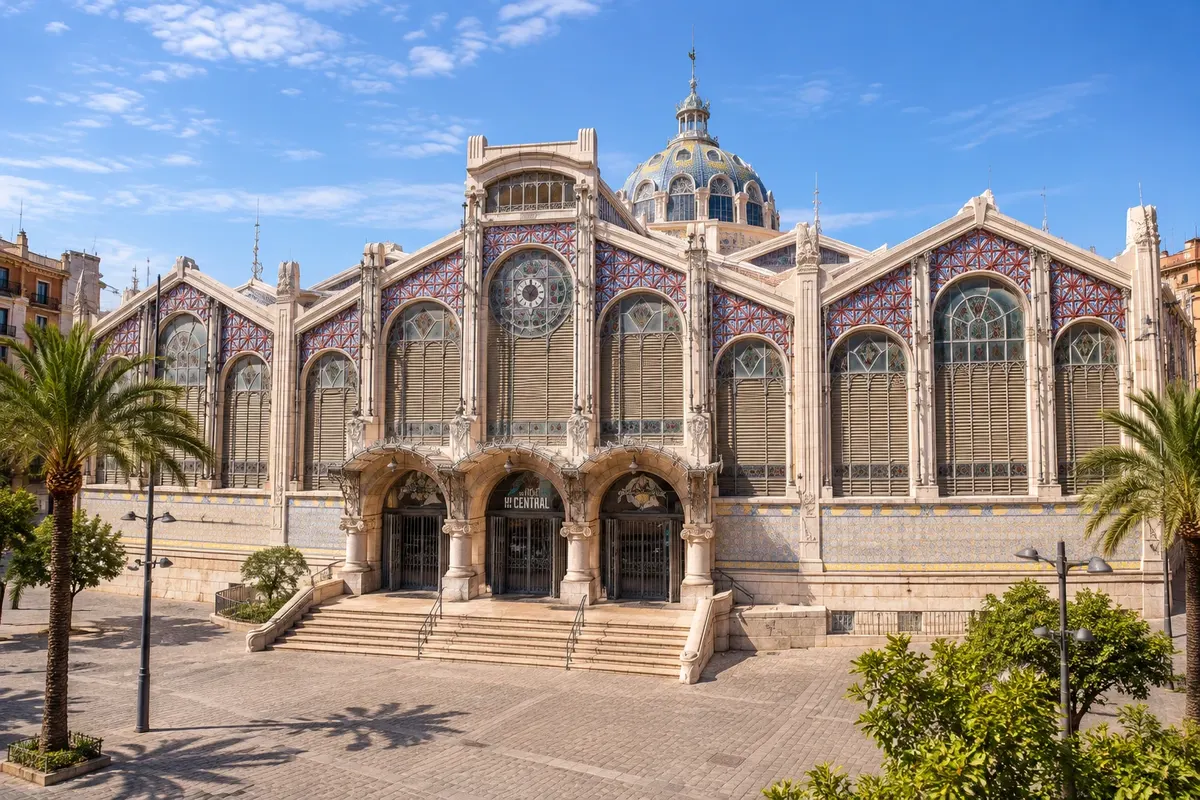
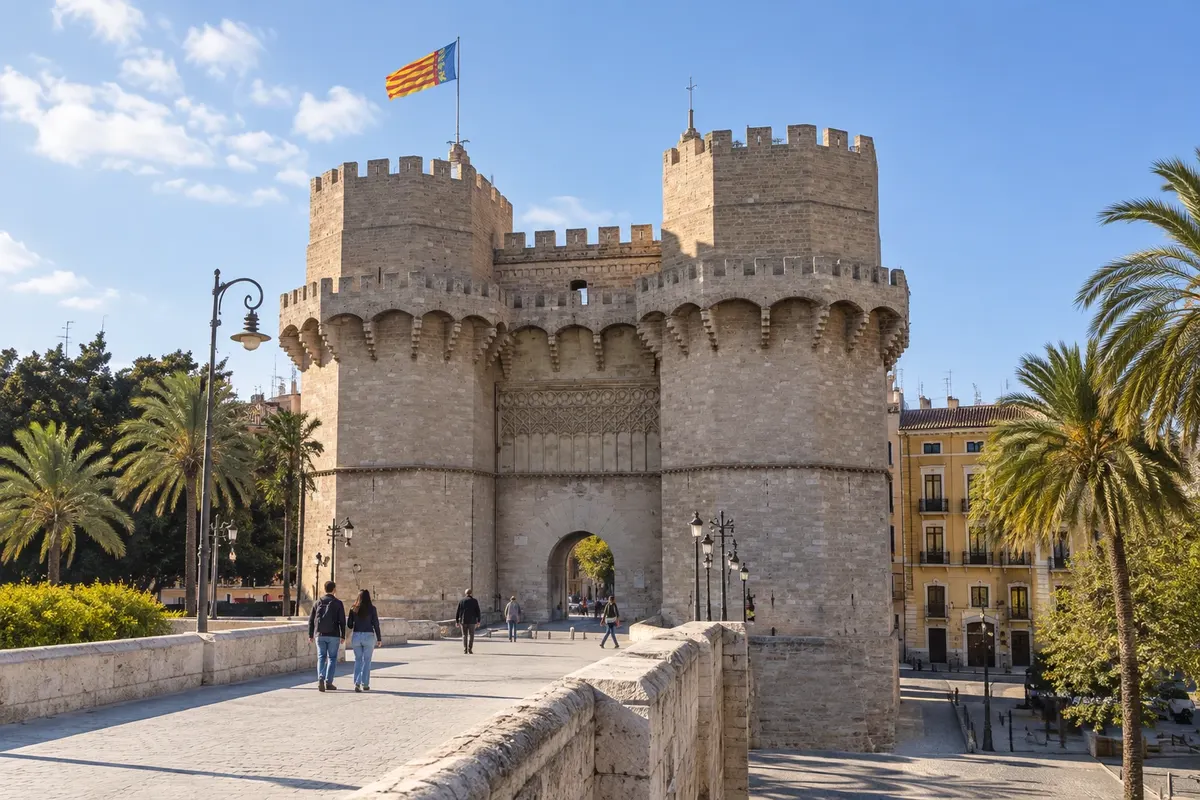
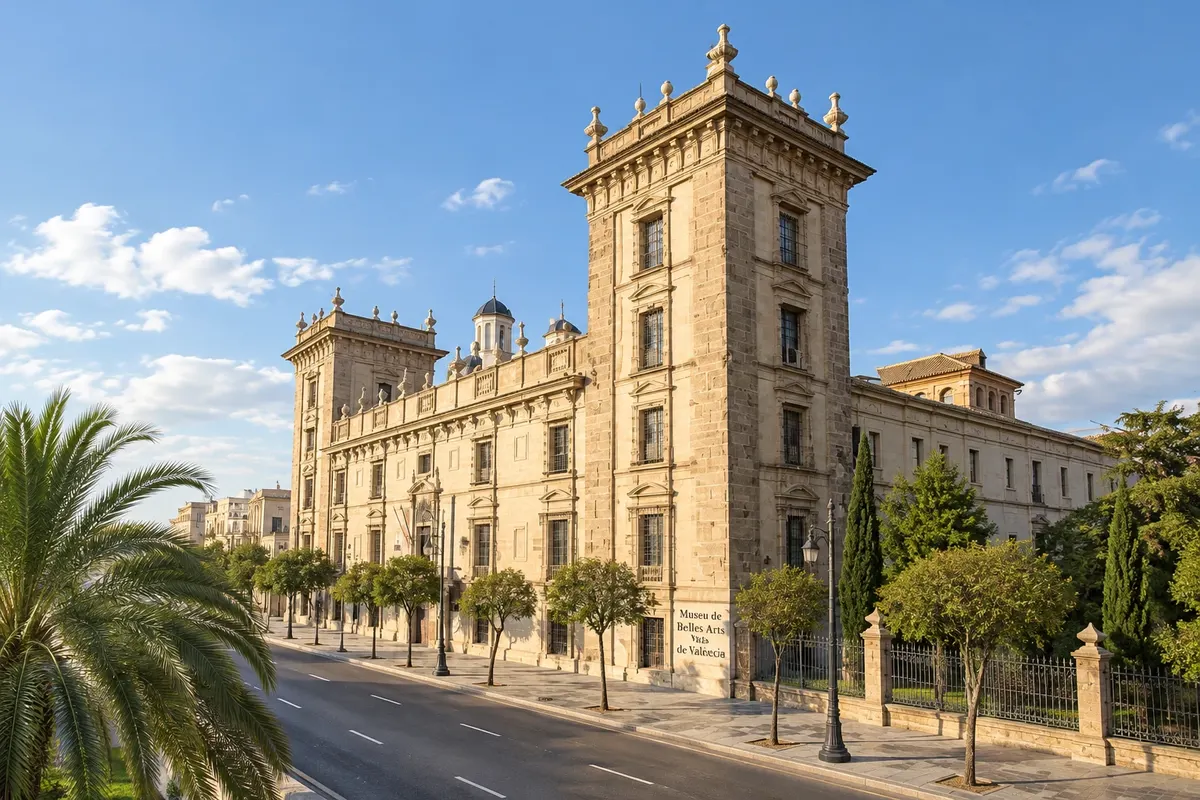
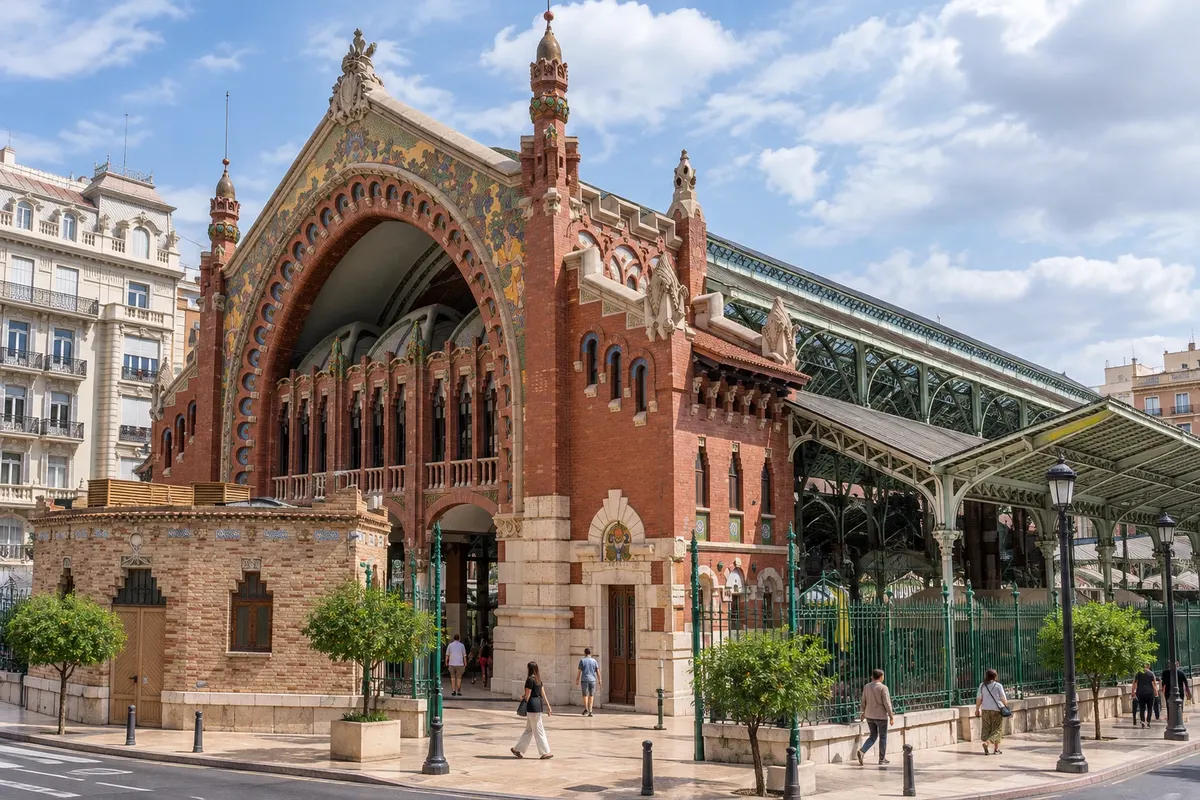
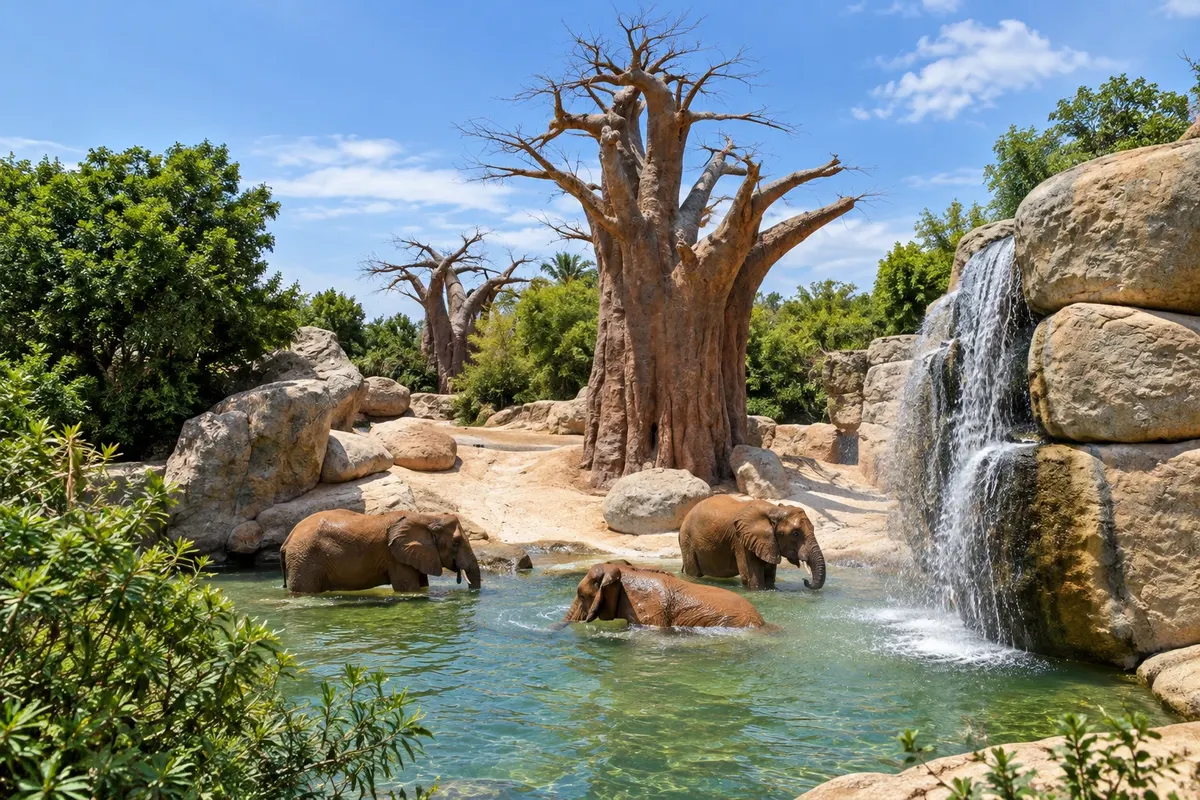
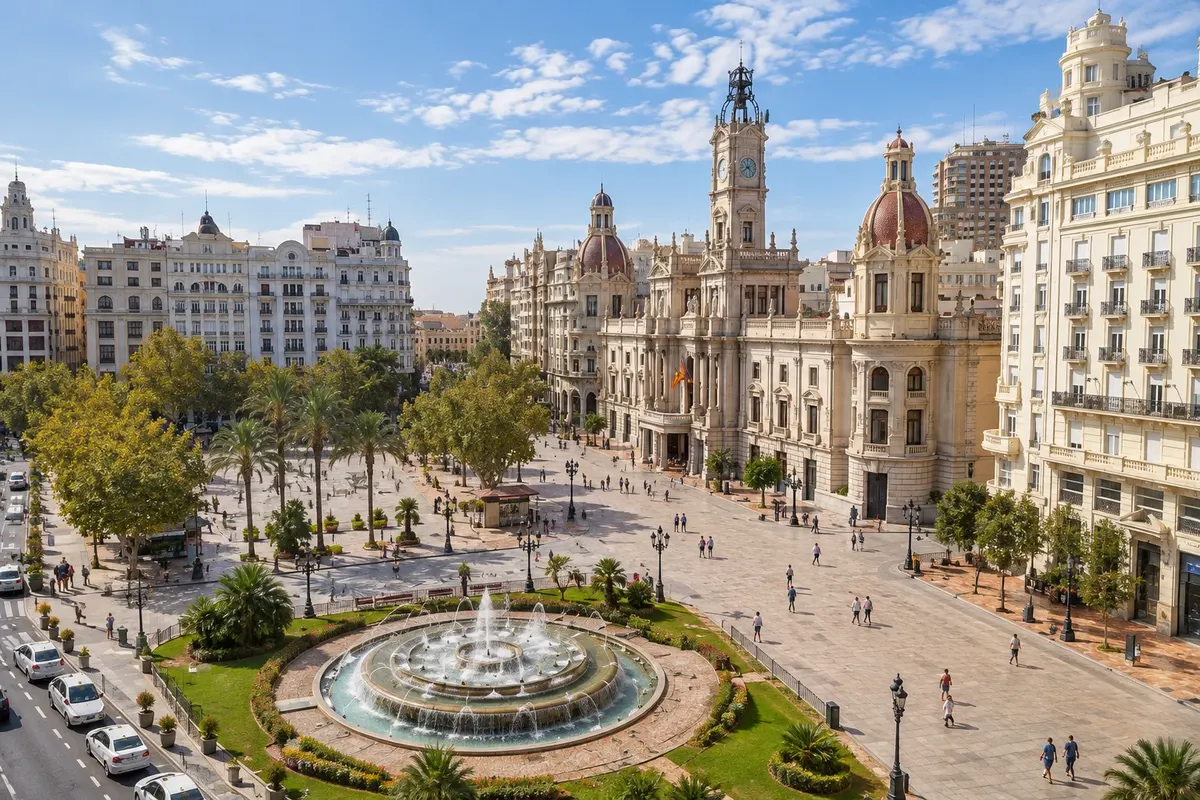
Valência (València in Valencian) is the third-largest city in Spain and the capital of the Valencian Community, on the Mediterranean coast, about 350 km from Madri. The city was founded by the Romans in 138 BC, spent five centuries under Muslim rule and was conquered by Jaime I of Aragon in 1238. The wealth from the silk trade in the 15th century left a Gothic centre around the cathedral, where the Llotja de la Seda stands, a UNESCO World Heritage Site since 1996.
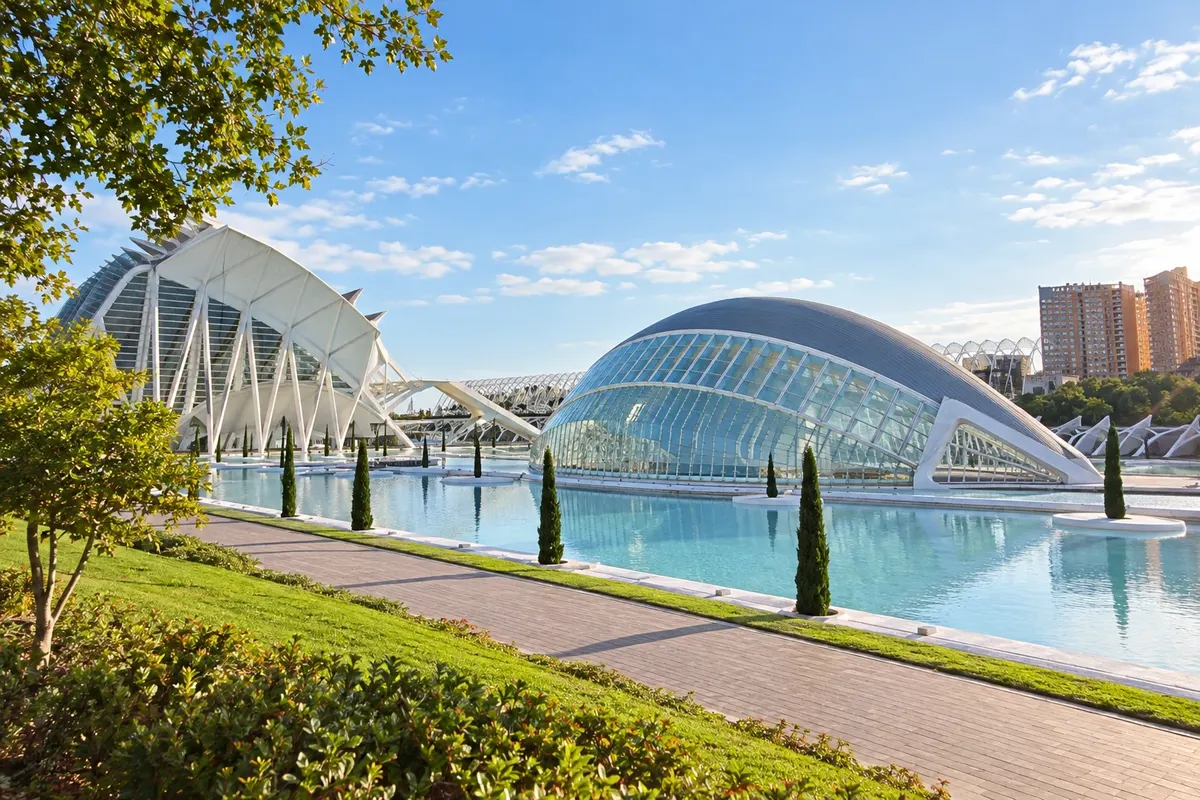
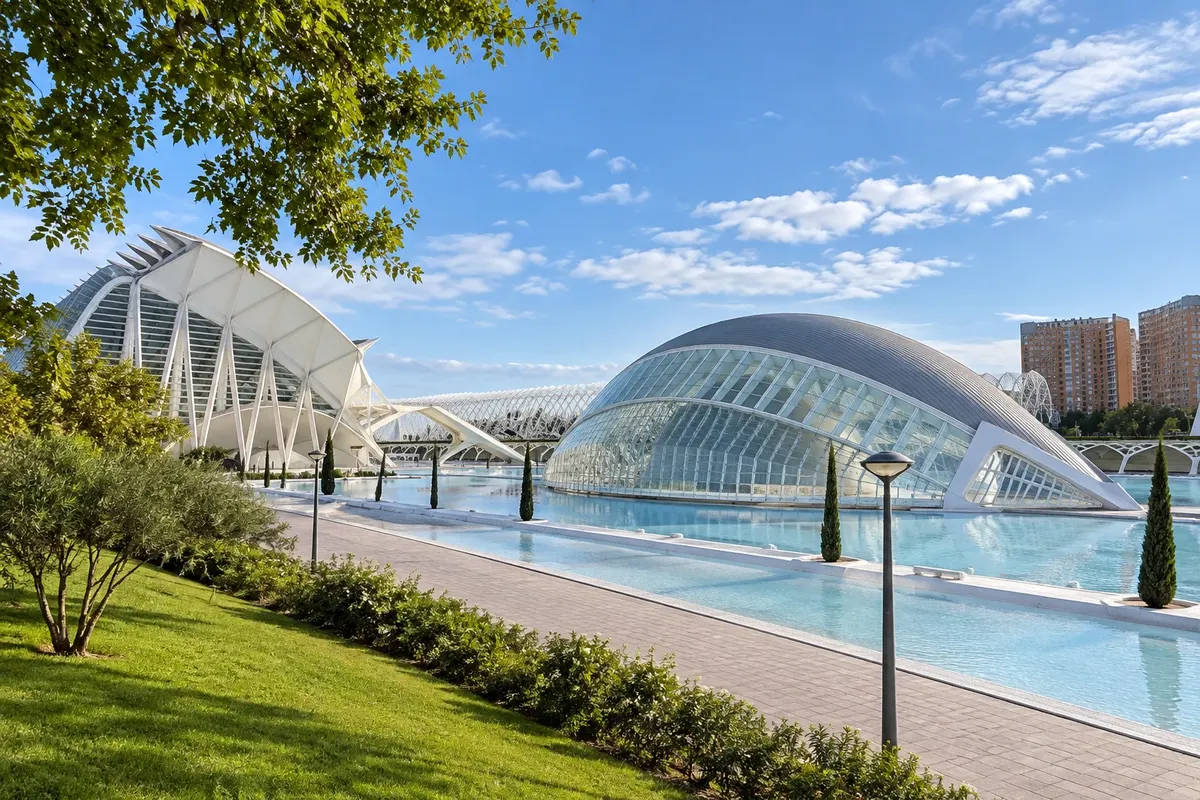
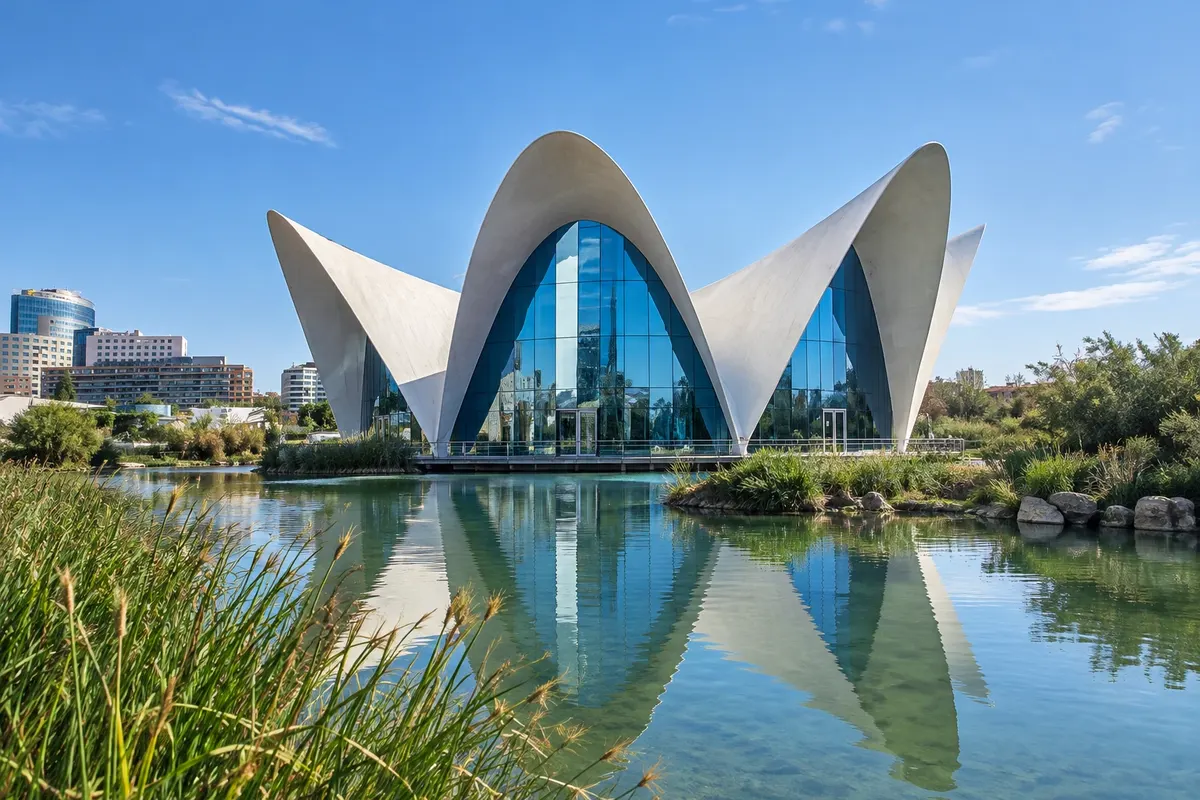
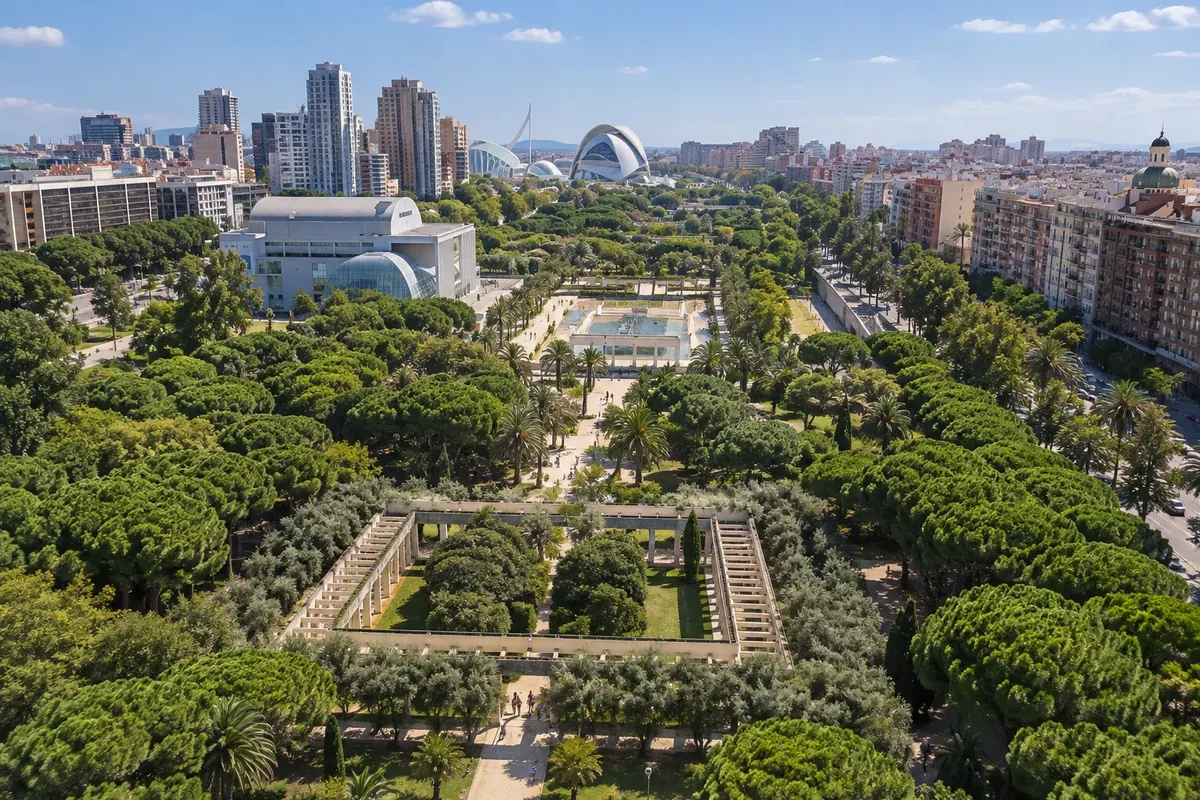
After the flood of 1957 the Túria river was diverted outside the city and the old riverbed became the Jardí del Túria, a park of about 9 km that winds through Valência, with historic bridges, bike lanes and sports fields. At the southeast end of that garden is the Ciutat de les Arts i les Ciències, a group of white buildings by Santiago Calatrava and Félix Candela with a science museum, planetarium, opera house and the Oceanogràfic.
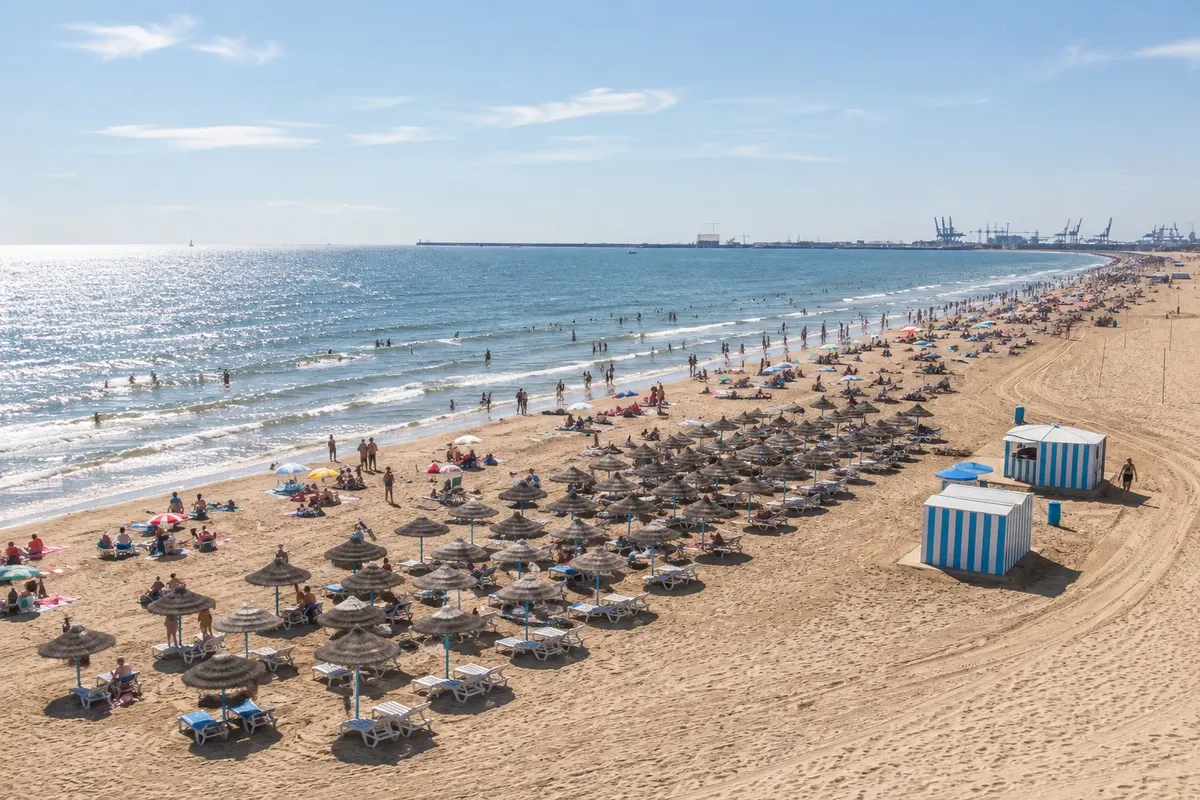
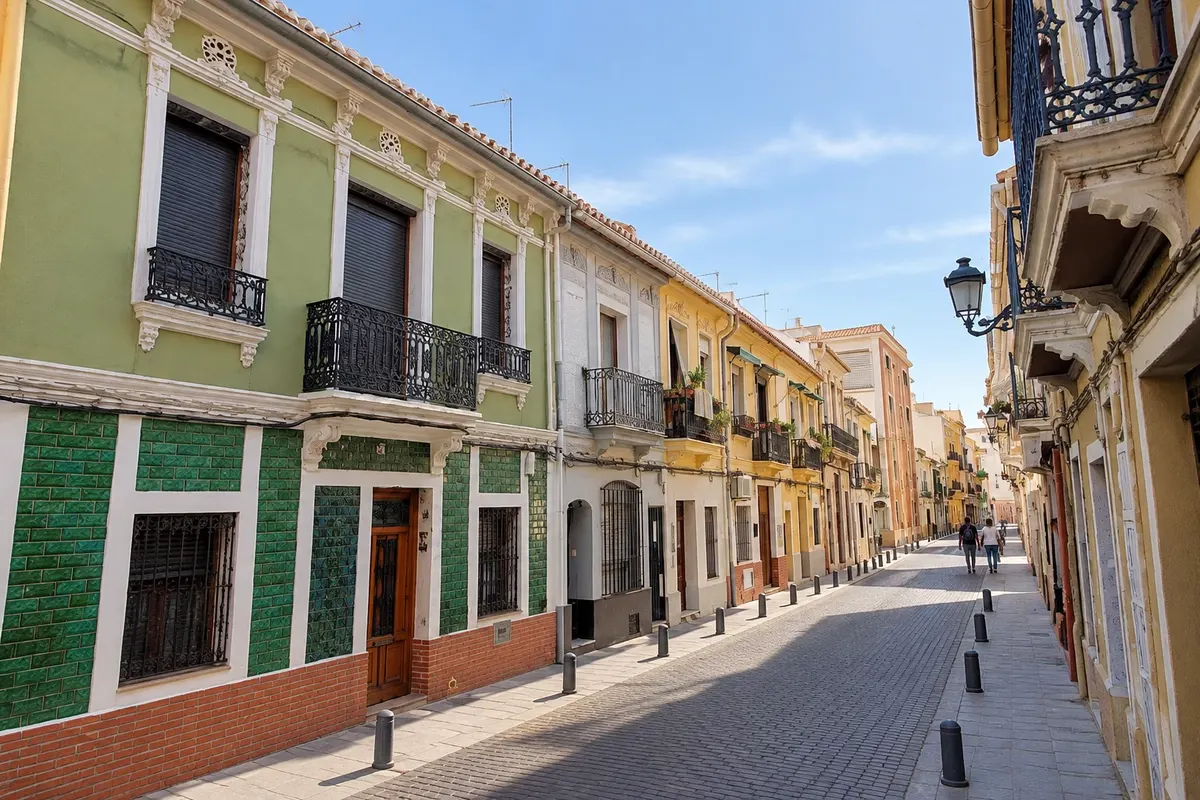
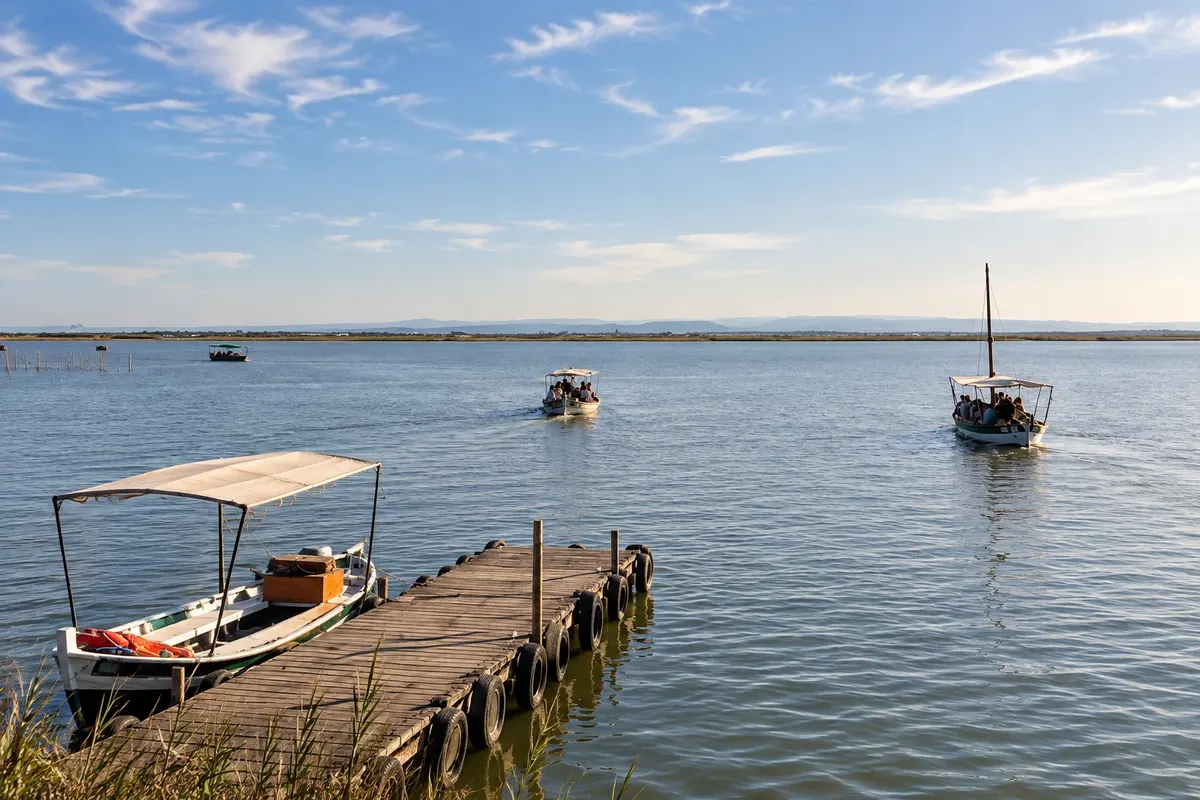
To the east, the port neighborhoods, El Cabanyal and the Malvarrosa beach, keep fishermen’s houses with tiled facades and rice restaurants by the sand. To the south, about 10 km away, begins the Parque Natural de l'Albufera, a lagoon surrounded by rice fields where the paella valenciana was born; the village of El Palmar is the classic place to eat it.
In March the city typically celebrates the Fallas, a UNESCO Intangible Cultural Heritage festival with cardboard monuments burned on the last night.
This destination brings together 1 city: Valencia.


 Brazil
 Argentina
 Bolivia
 Chile
 Colombia
 Ecuador
 Guyana
 French Guiana
 Falkland Islands (Malvinas)
 Paraguay
 Peru
 Suriname
 Uruguay
 Venezuela
 Germany
 Austria
 Belgium
 Croatia
 Denmark
 Finland
 France
 Greece
 the Netherlands
 Hungary
 Ireland
 Iceland
 Italy
 Luxembourg
 Norway
 Poland
 Portugal
 the United Kingdom
 the Czech Republic
 Sweden
 Switzerland
 Turkey
 the United States
 Mexico
 the Dominican Republic
 South Africa
 Australia
 Fiji