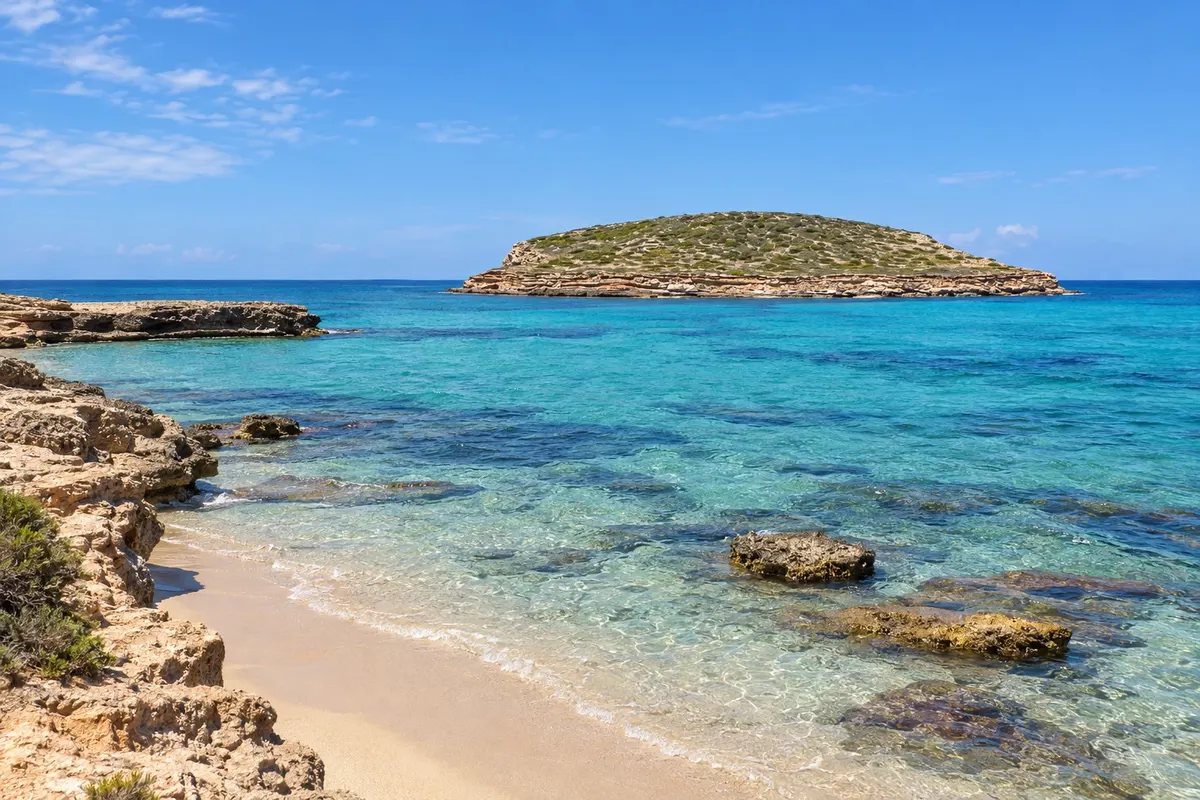
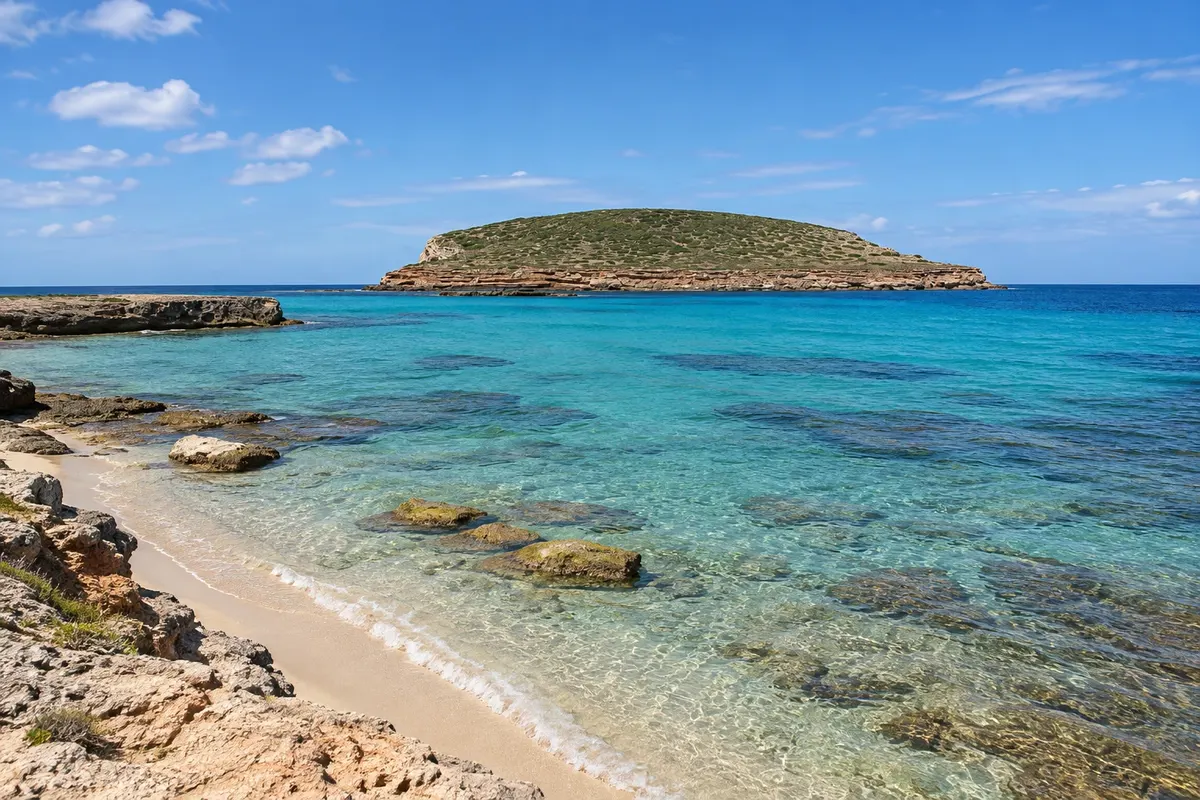
Ibiza (Eivissa in Catalan) is the third-largest of the Balearic Islands, in the Mediterranean, about 80 km from the coast of Valencia. The island is around 40 km long and its coastline is indented by coves, with transparent water over meadows of posidonia, the marine plant that filters the sea.
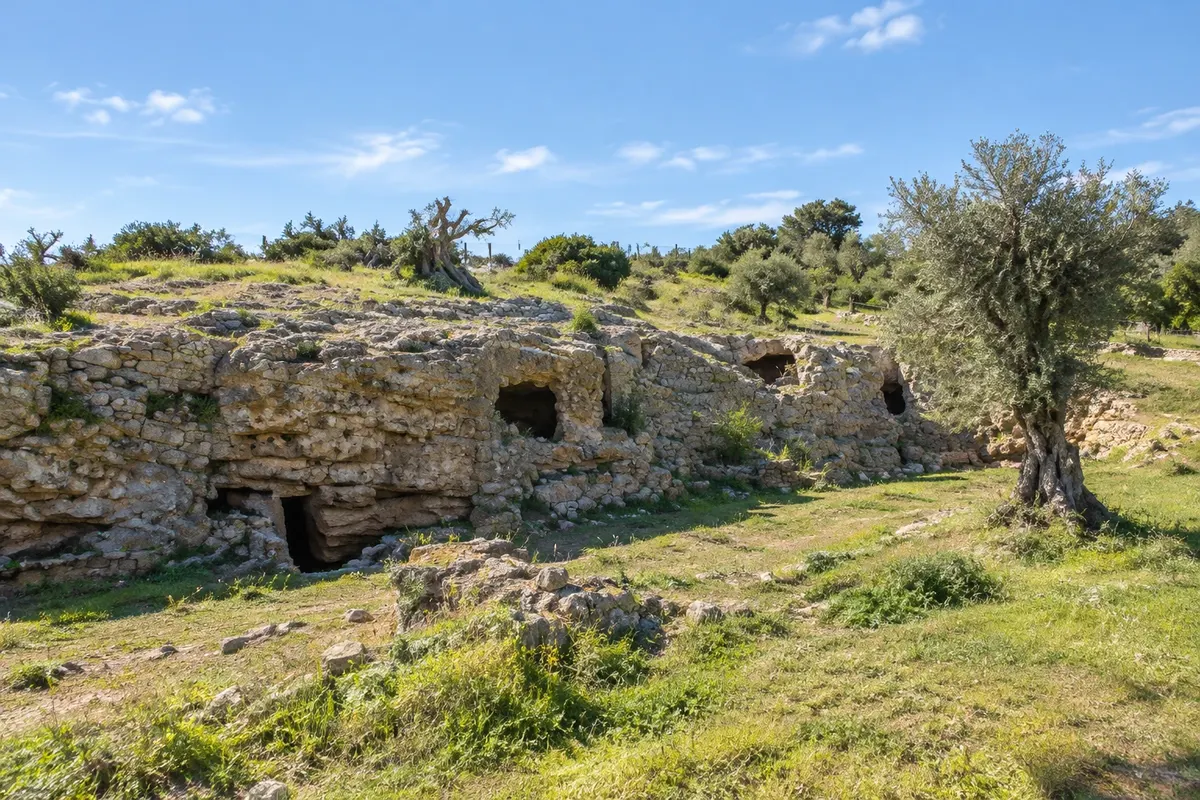
International fame came with the hippies in the 1960s and with nightclubs from the 1980s, but Ibiza has a long history: the Phoenicians founded the city in the 7th century BC, and the Puig des Molins necropolis holds thousands of tombs from that period. In 1999, UNESCO declared as World Heritage the ensemble of Dalt Vila, the walled upper town, the necropolis, the Phoenician settlement of Sa Caleta and the posidonia meadows between Ibiza and Formentera.
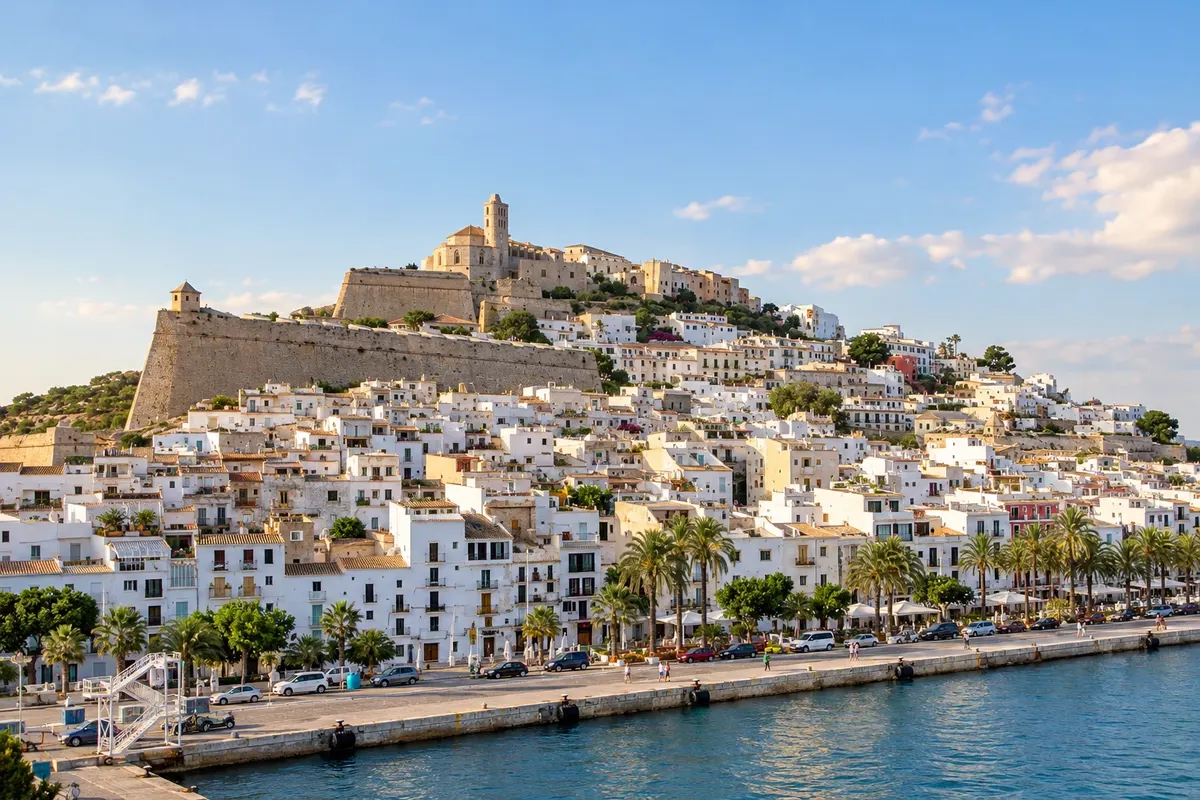
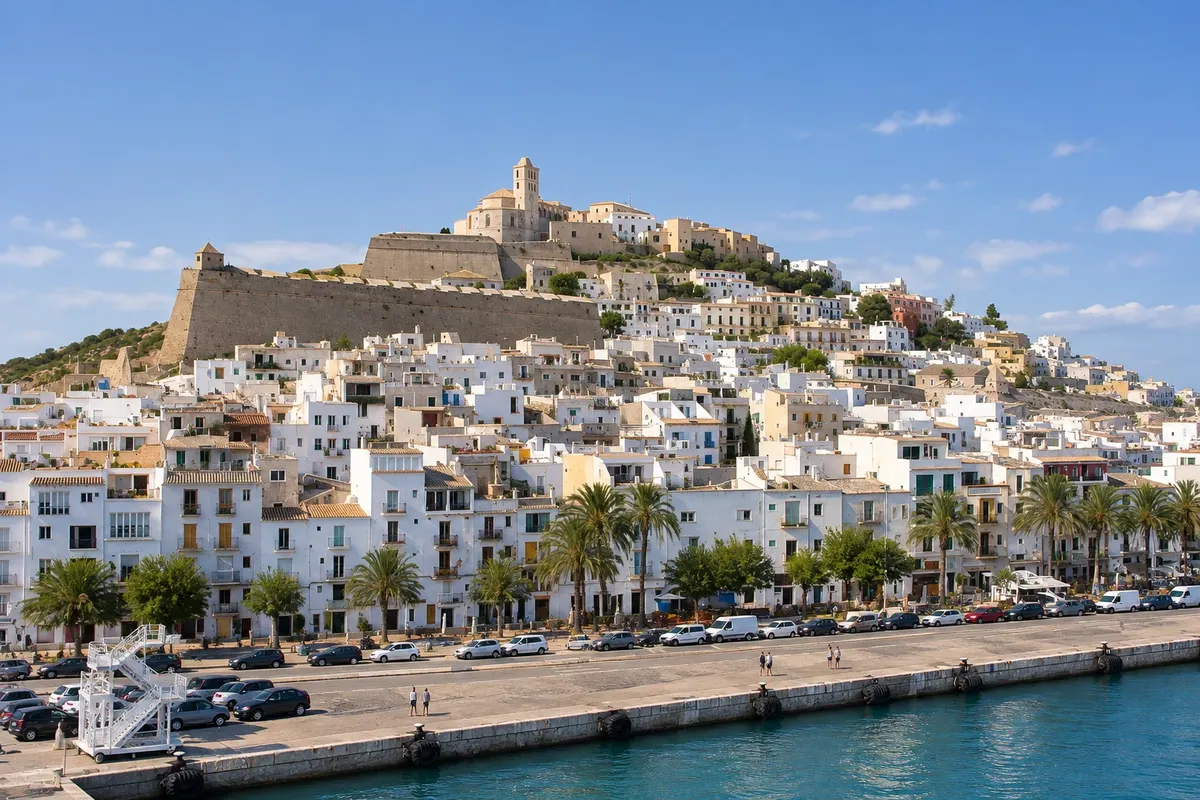
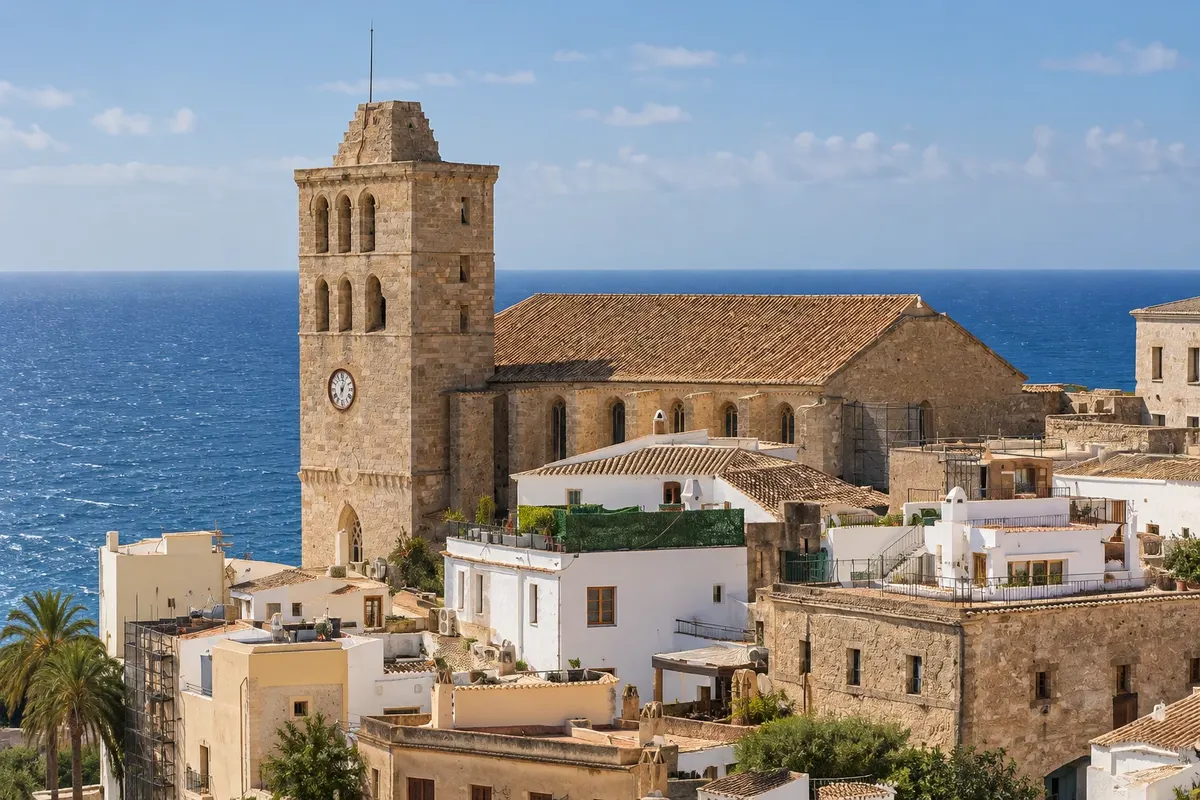
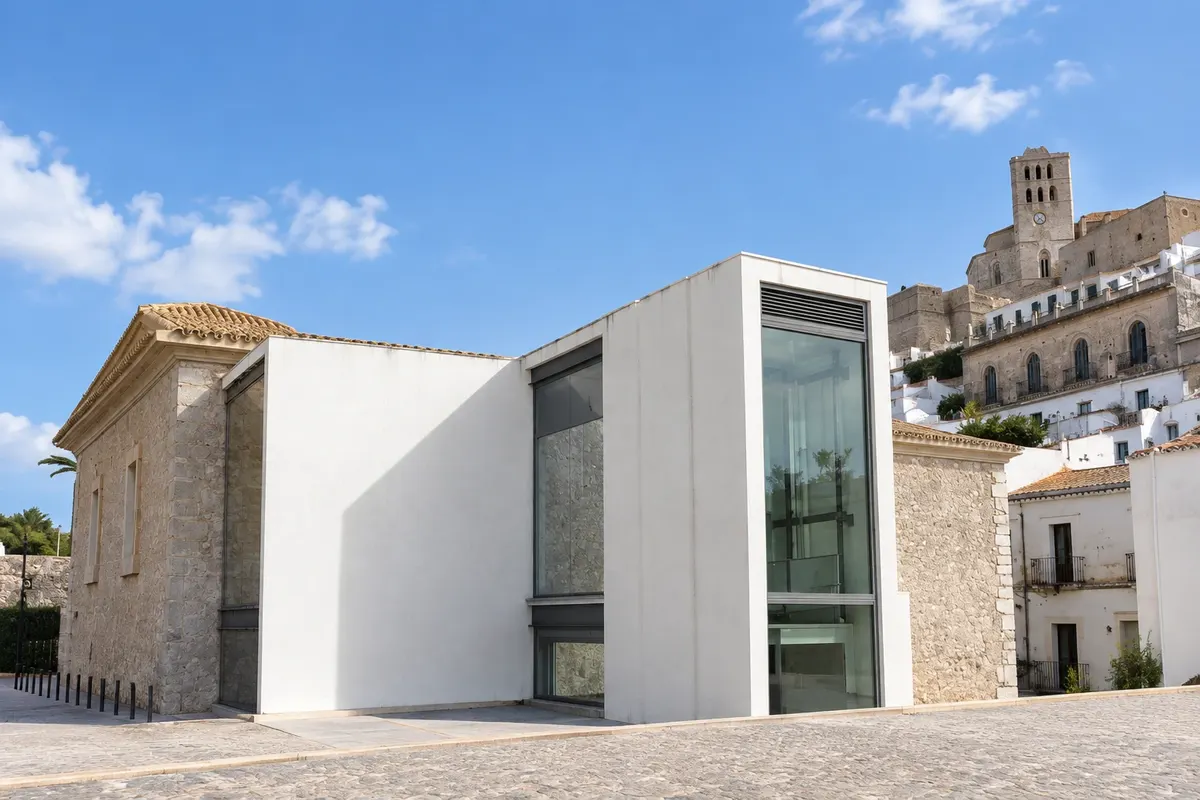
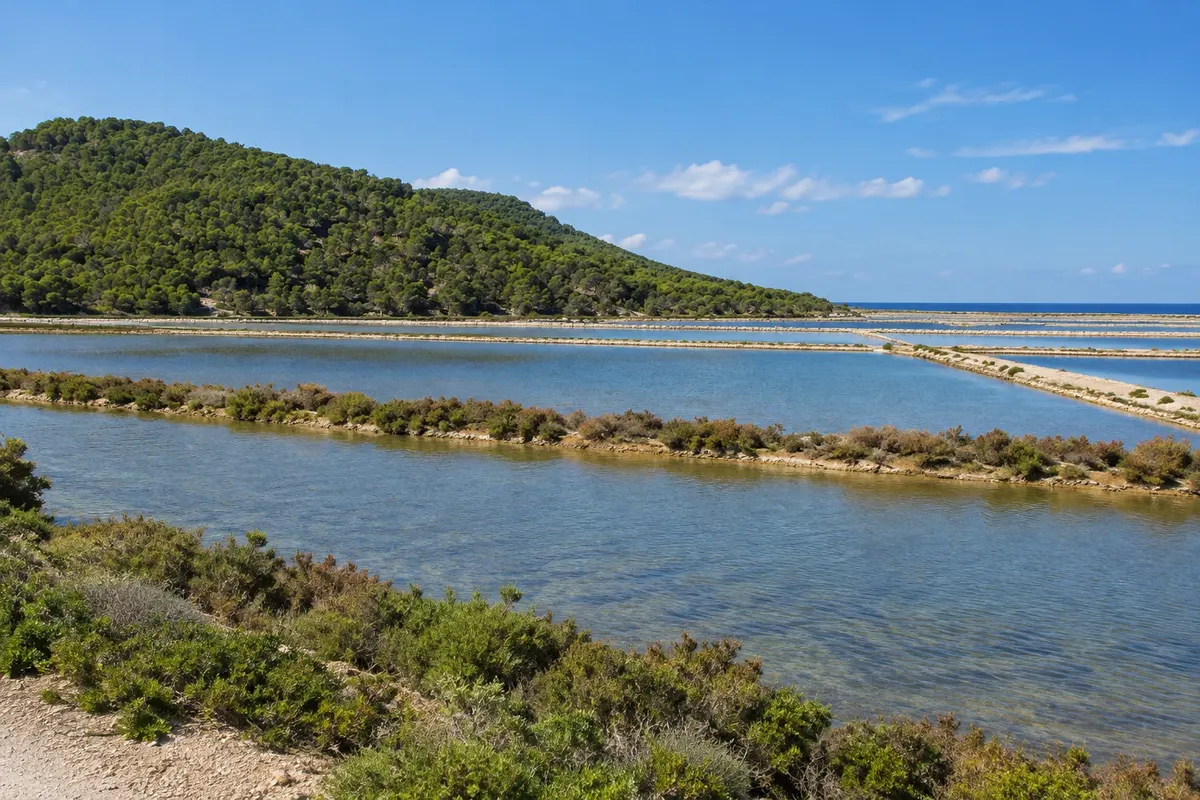
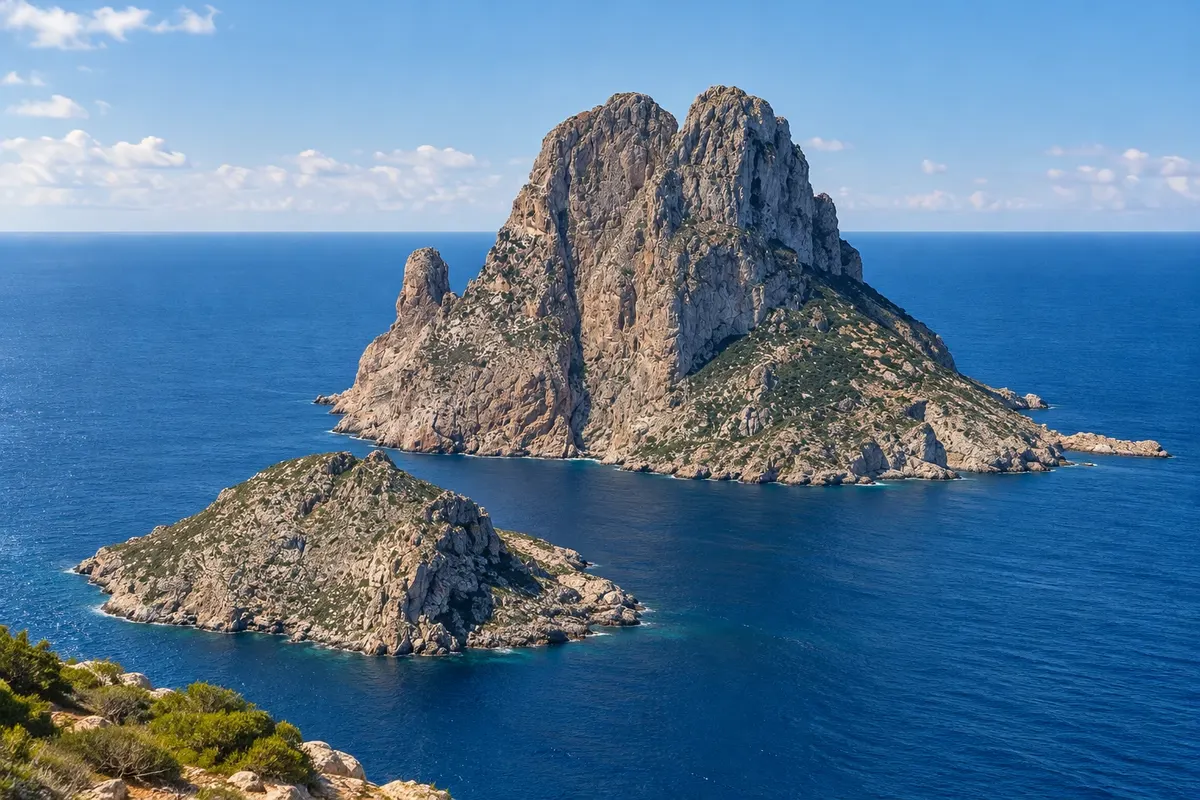
The city of Ibiza, the capital, sits on a hill above the harbour, with the Renaissance walls, the cathedral at the top and the fishermen’s quarter of the Marina below. Beyond it, the island has white villages with fortified churches, salt flats with flamingos, cliffs like Es Vedrà and beaches for every taste.
In high season, from June to September, the island gets crowded and accommodation becomes competitive.
This destination brings together 1 city: Ibiza.


 Brazil
 Argentina
 Bolivia
 Chile
 Colombia
 Ecuador
 Guyana
 French Guiana
 Falkland Islands (Malvinas)
 Paraguay
 Peru
 Suriname
 Uruguay
 Venezuela
 Germany
 Austria
 Belgium
 Croatia
 Denmark
 Finland
 France
 Greece
 the Netherlands
 Hungary
 Ireland
 Iceland
 Italy
 Luxembourg
 Norway
 Poland
 Portugal
 the United Kingdom
 the Czech Republic
 Sweden
 Switzerland
 Turkey
 the United States
 Mexico
 the Dominican Republic
 South Africa
 Australia
 Fiji