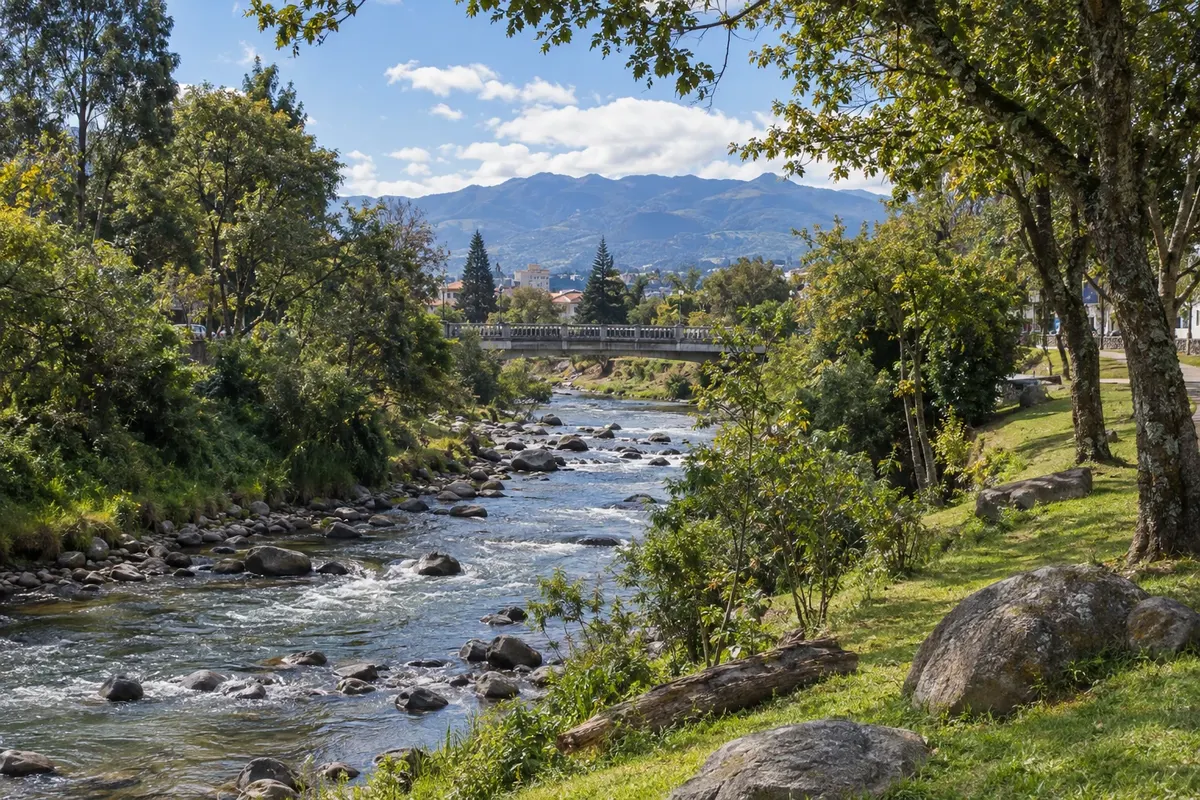
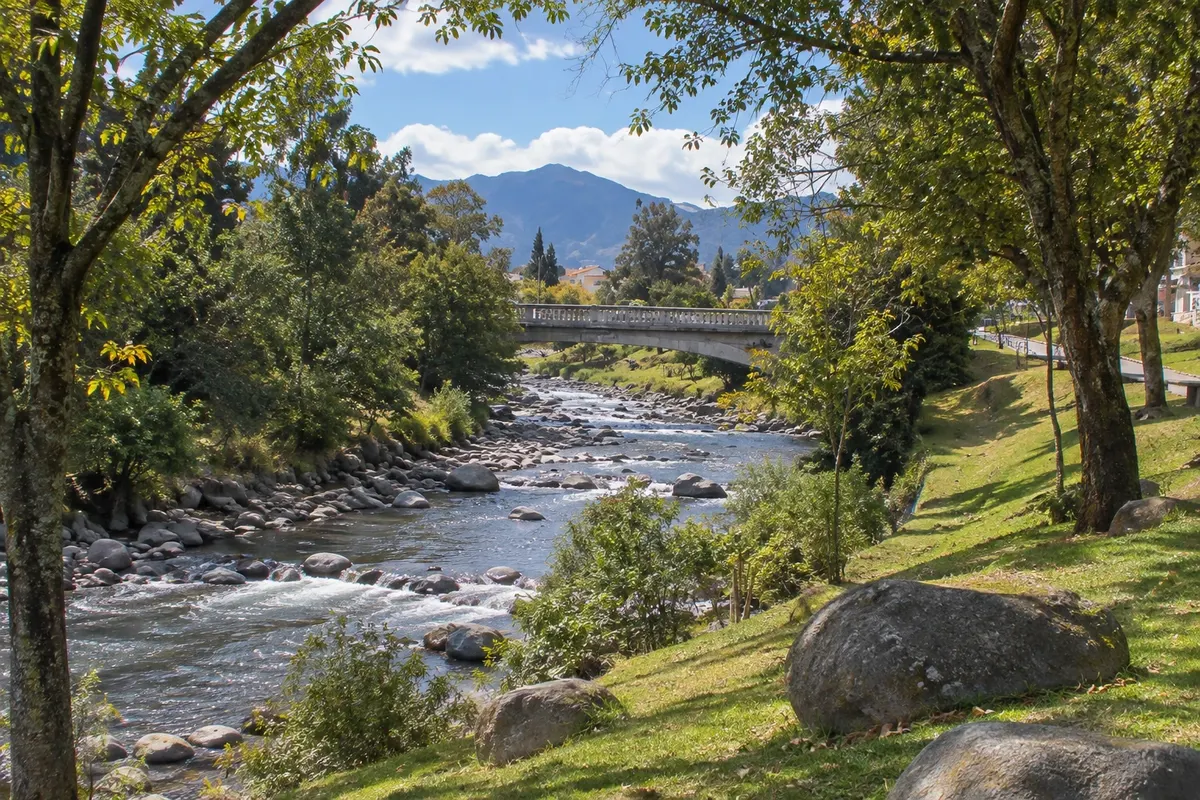
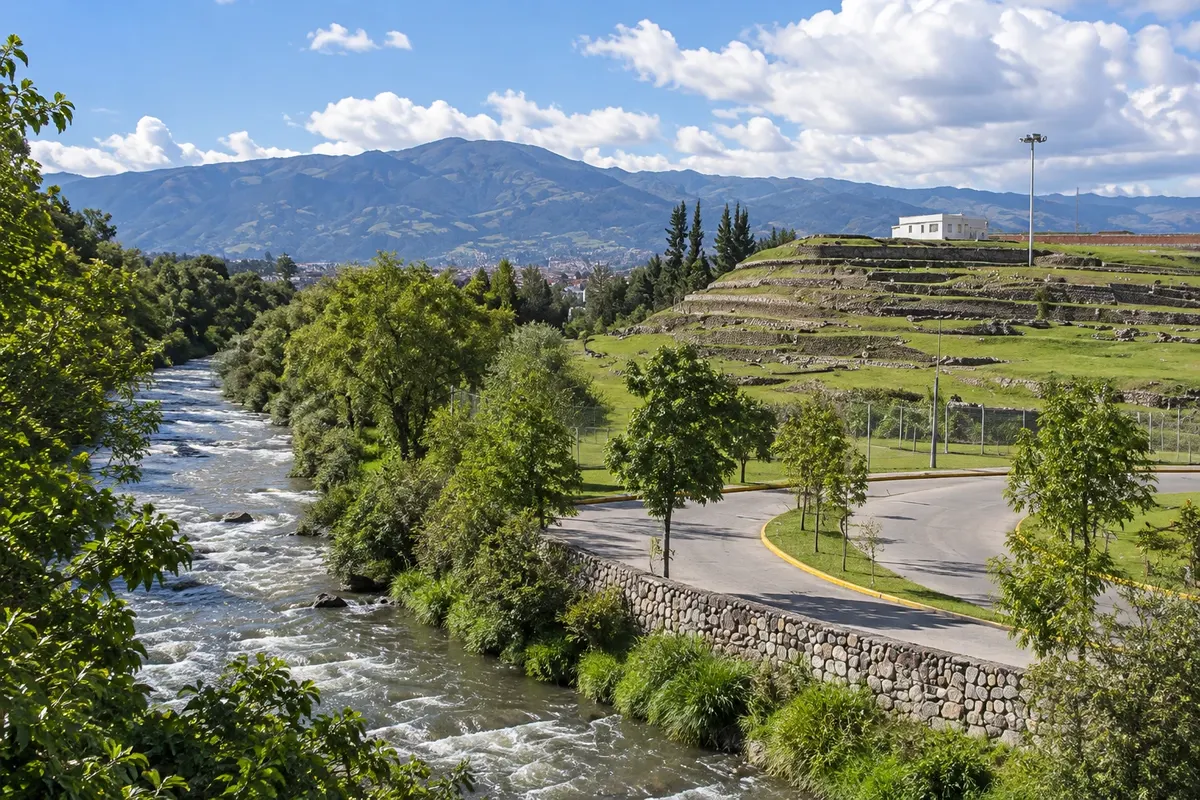
Cuenca sits in a valley of the southern Andes of Ecuador, at about 2,550 meters, cut by four rivers, the main one being the Tomebamba. It was founded by the Spanish in 1557, near the ruins of Tomebamba, an important Inca city that in turn occupied a Cañari center. The full name, Santa Ana de los Cuatro Ríos de Cuenca, recalls the rivers. The historic center has been a UNESCO World Heritage Site since 1999.
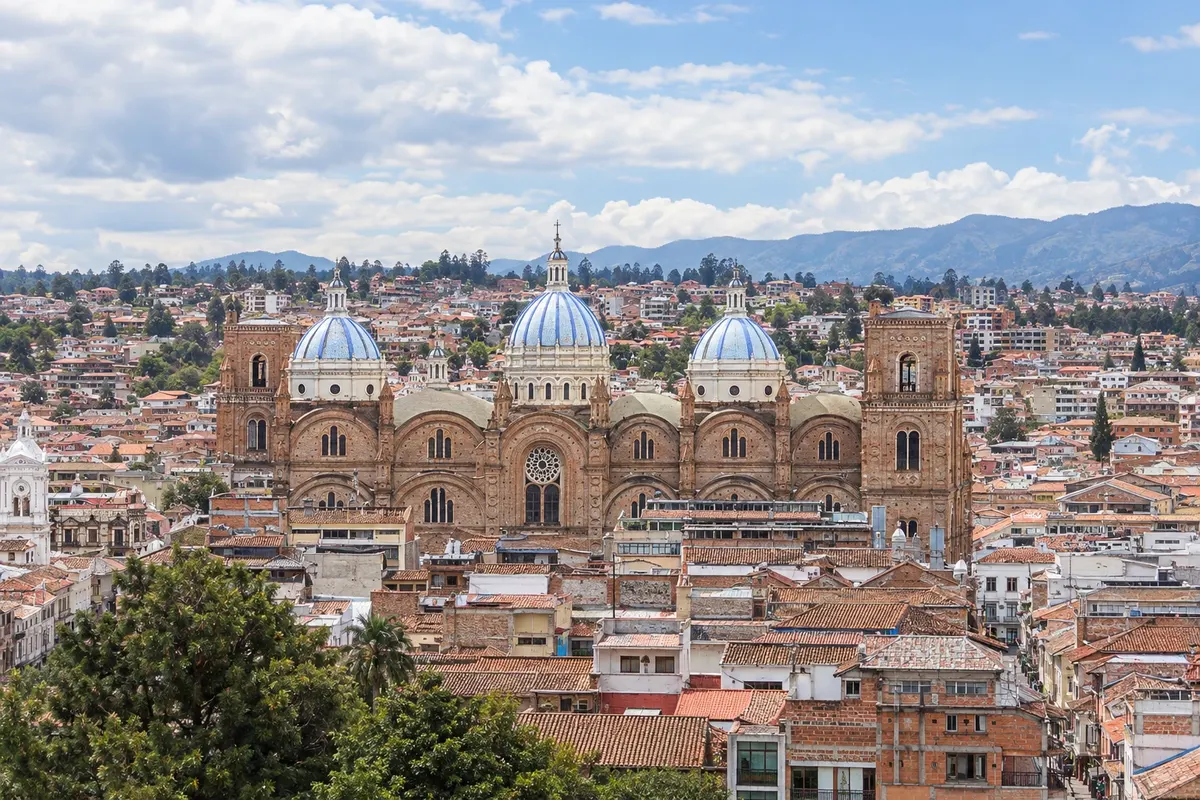
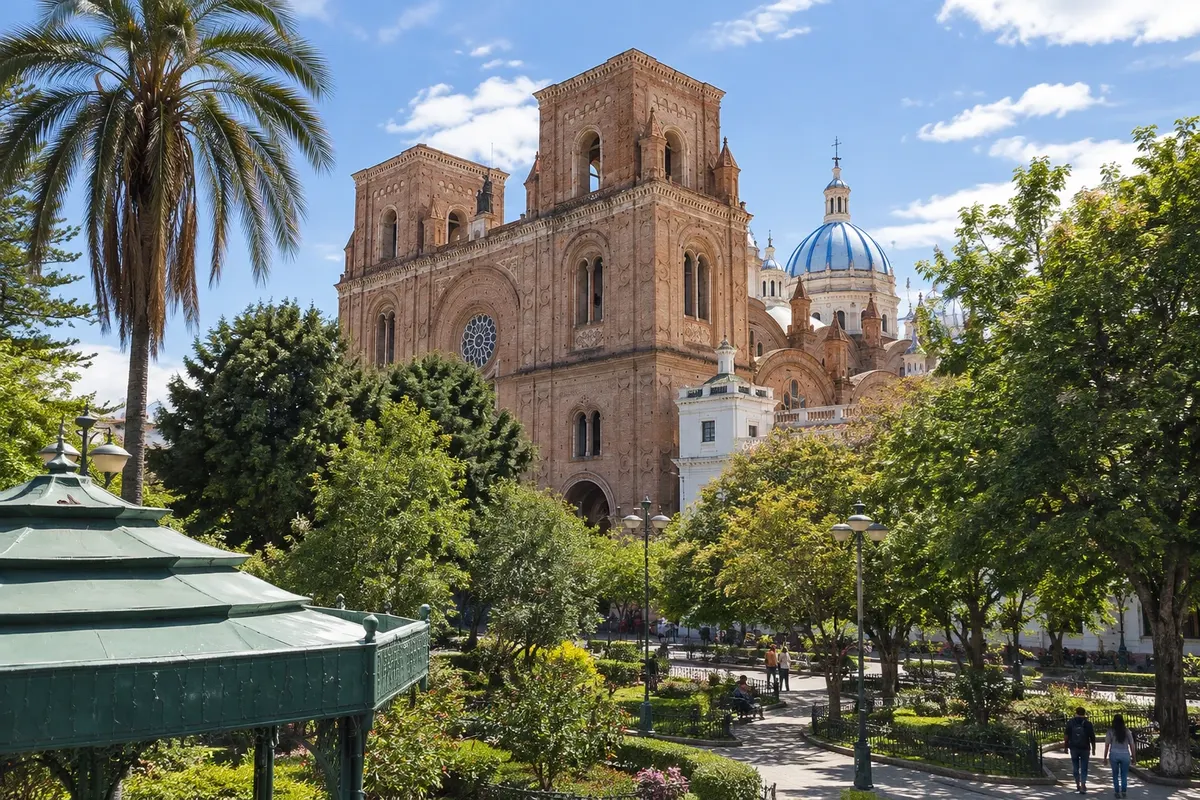
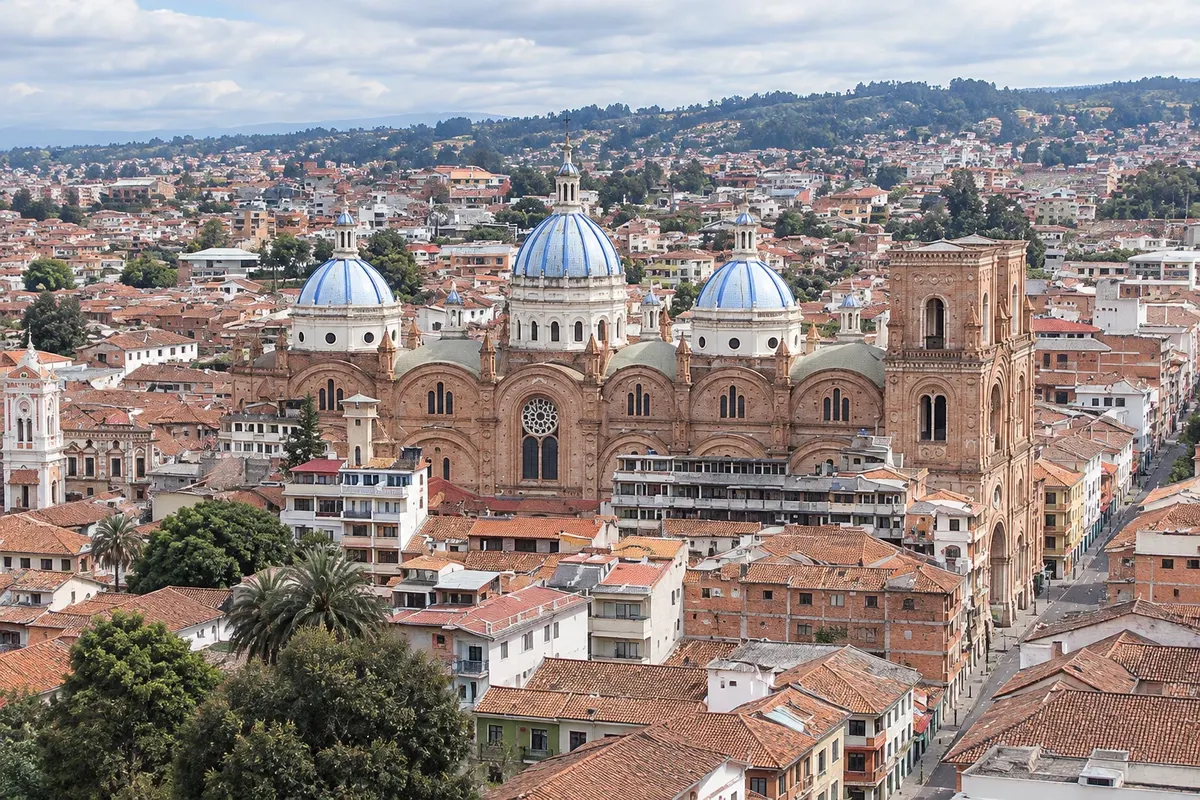
The center has straight streets of colonial and republican houses with iron and wooden balconies, inner courtyards and churches. In the middle is Parque Calderón, between the Catedral Velha and the Catedral de la Inmaculada Concepción, with domes covered in blue and white tiles. Next to it, the flower market colors the Plaza del Carmen. On the bank of the Tomebamba, the Barranco groups houses hanging over the river, with a riverside promenade.
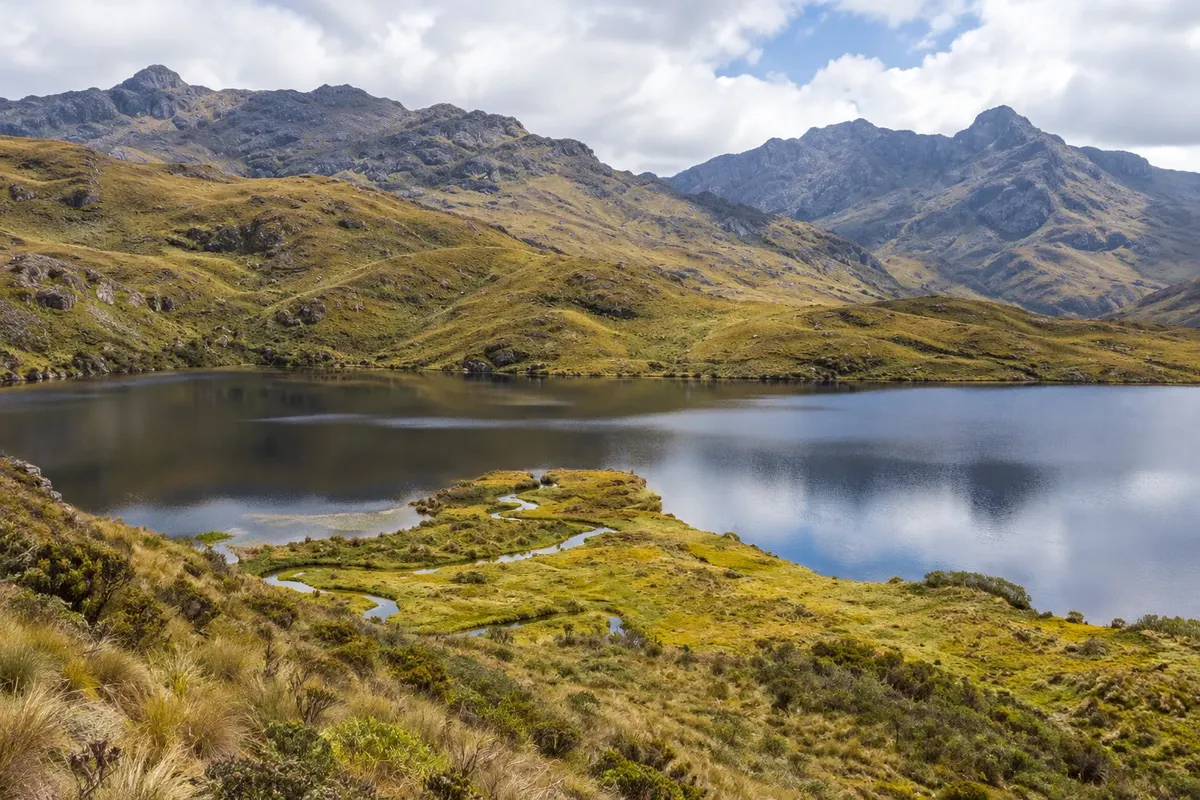
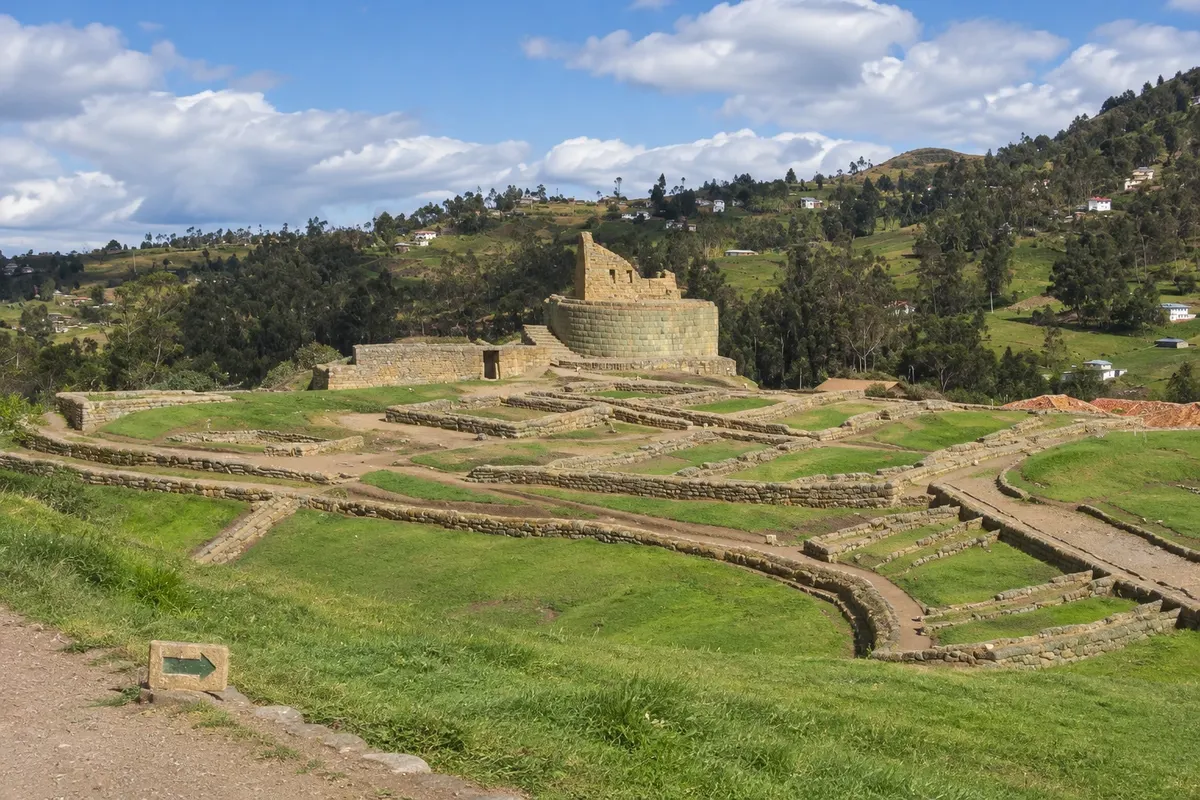
Cuenca is the city of toquilla straw hats, the Panama hat, whose weaving is Intangible Cultural Heritage of UNESCO; workshops and museums show the process. The Museo Pumapungo preserves the ruins of the Inca city and collections about the peoples of Ecuador. About 30 km away, Parque Nacional Cajas is a páramo of hundreds of lagoons, and about 70 km away are the ruins of Ingapirca, the country's main Inca site.
The climate is mild, with sun and rain often on the same day and cold nights. Many travelers feel the altitude in the first days: take it easy.
This destination brings together 1 city: Cuenca.


 Brazil
 Argentina
 Bolivia
 Chile
 Colombia
 Guyana
 French Guiana
 Falkland Islands (Malvinas)
 Paraguay
 Peru
 Suriname
 Uruguay
 Venezuela
 Germany
 Austria
 Belgium
 Croatia
 Denmark
 Spain
 Finland
 France
 Greece
 the Netherlands
 Hungary
 Ireland
 Iceland
 Italy
 Luxembourg
 Norway
 Poland
 Portugal
 the United Kingdom
 the Czech Republic
 Sweden
 Switzerland
 Turkey
 the United States
 Mexico
 the Dominican Republic
 South Africa
 Australia
 Fiji