

 Argentina
 Bolivia
 Chile
 Colombia
 Ecuador
 Guyana
 French Guiana
 Falkland Islands (Malvinas)
 Paraguay
 Peru
 Suriname
 Uruguay
 Venezuela
 Germany
 Austria
 Belgium
 Croatia
 Denmark
 Spain
 Finland
 France
 Greece
 the Netherlands
 Hungary
 Ireland
 Iceland
 Italy
 Luxembourg
 Norway
 Poland
 Portugal
 the United Kingdom
 the Czech Republic
 Sweden
 Switzerland
 Turkey
 the United States
 Mexico
 the Dominican Republic
 South Africa
 Australia
 Fiji
Before you go
Your trip to São Roque de Minas.
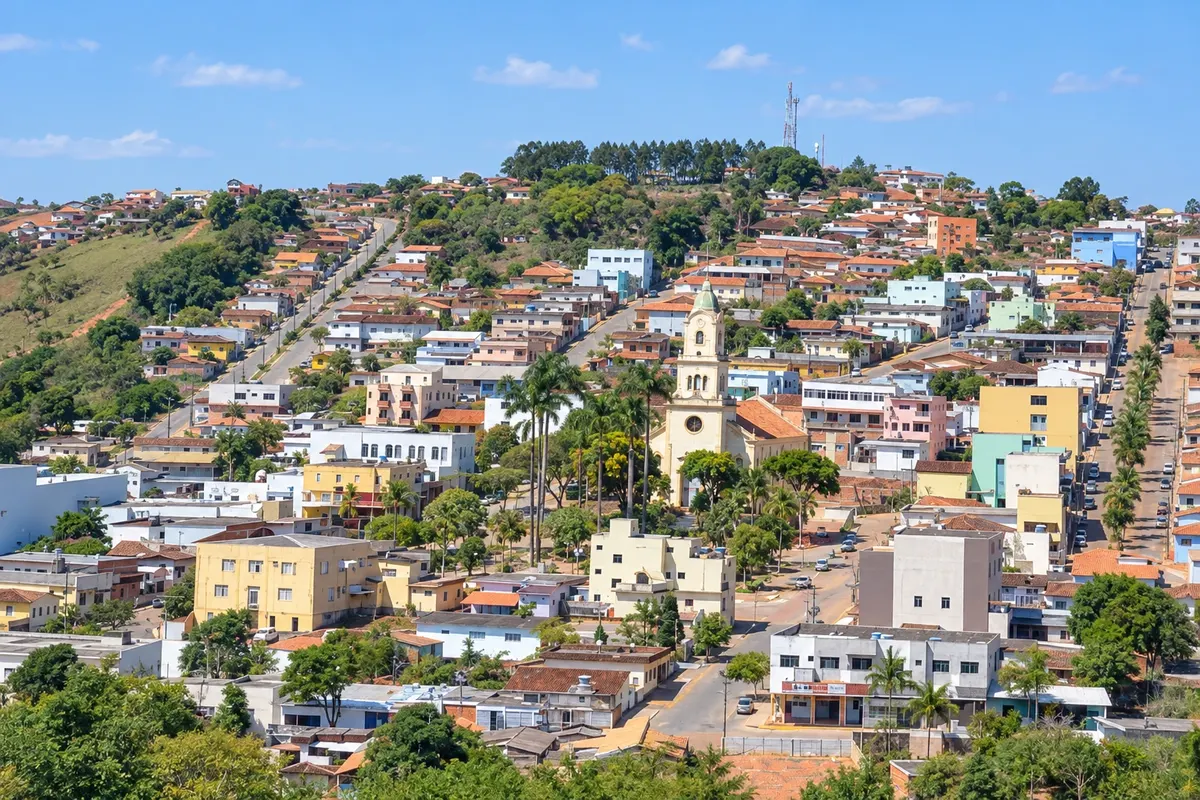
Illustrative images. The pictures in this guide are illustrations based on the real place, not photographs, and may differ from it.

São Roque de Minas – MG Destination Nascentes das Gerais e Canastra about 320 km from Belo Horizonte
How to get there
From Belo Horizonte it is about 320 km via MG-050 to Piumhi and then via MG-341 to São Roque de Minas. From São Paulo, the most common route goes through Passos and Piumhi. Portaria 1 of the park is about 7 km from town, by a dirt road that climbs the range. Without a private car, there are drivers and vehicles accredited by the park for tours.
How many days
Two days allow for a full day in the park's high area, with the spring, the Curral de Pedras and the upper Casca d'Anta, and another day in the waterfall's lower section via Portaria 4, near Vargem Bonita. With four days there's time left for waterfalls outside the park, such as those at Capão Forro, and to visit cheese farms.
When to go
From April to October it rains less and the park's dirt roads are usually in better condition. From November to March rains are frequent, rivers rise quickly and the waterfalls usually carry more water. On days of wildfires the park may close to visitors.
The seasons shown are the most usual ones; nature doesn't always follow the calendar.
Do you need a car?
Yes. The town center is walkable, but the park gate is 7 km away and the stops in the high area spread over dozens of kilometers of dirt road inside the park. A higher-clearance car helps during the rainy season. Those who don't drive can hire drivers and transport accredited by the park.
Suggested itinerary
An order that works
Built with the places on this page. No rush: it's paced so you have time to see them.
One day in São Roque de Minas
-
Morning
Portaria 1 and the spring
Enter early through Portaria 1 and stop at the visitor center, right after the gate. Follow the chapadão road to the marker of the Nascente Histórica do Rio São Francisco and the first bridge over the river.
-
Afternoon
Curral de Pedras and the upper Casca d'Anta
Continue to the Curral de Pedras and, further on, to the upper Casca d'Anta, where the river forms pools before the drop. Bring a packed lunch: there is nowhere to buy food inside the park.
-
Late afternoon
Descent of the range
Return with time to exit before closing. On the descent toward town, the road opens views of the valley and the Canastra cliff.
-
Evening
Queijo canastra in town center
Dine in town and taste the queijo canastra from the region's farms, sold at cheese shops and emporia in town.
Check before you go. Opening hours and days change, and places may close for renovations, holidays or events. This itinerary is a suggestion from Cidade Turismo, not a commitment: plan yours by checking directly with each place you intend to visit.
Before you go
Frequently asked questions
What is the distance from São Roque de Minas to the Parque Nacional da Serra da Canastra?
Portaria 1, the park's main entrance, is about 7 km from the town center via a dirt road that climbs the range. The visitor center is just after the gate. From the gate, the internal road continues across the chapadão to the source of the São Francisco and the upper Casca d'Anta.
Is it better to stay in São Roque de Minas or in Vargem Bonita?
It depends on what you want to see. São Roque de Minas is the base for the park's high area via Portaria 1, with the spring and the upper Casca d'Anta. Vargem Bonita is closer to Portaria 4, about 22 km away, which leads to the waterfall's lower section. On trips of four days or more some people split nights between the two.
How many days to stay in São Roque de Minas?
Two days for both parts of the Casca d'Anta and the São Francisco spring. With four days you can include the waterfalls of Capão Forro, outside the park, and a visit to cheese farms.
What is queijo canastra?
It is a raw-milk cheese made on farms in the Serra da Canastra region, with a yellowish rind and a firm paste. The artisanal method of making Minas cheese in the Serro, Serra da Canastra and Salitre regions is registered by IPHAN as intangible cultural heritage of Brazil. Many farms welcome visitors and sell the cheese directly to the public.