Buenos Aires

Capital Federal · Buenos Aires · Argentina

Buenos Aires

The Argentine capital, about a 3-hour flight from São Paulo: historic neighborhoods, tango, theater, museums and the Delta do Paraná just to the north, in Tigre.

Buenos Aires

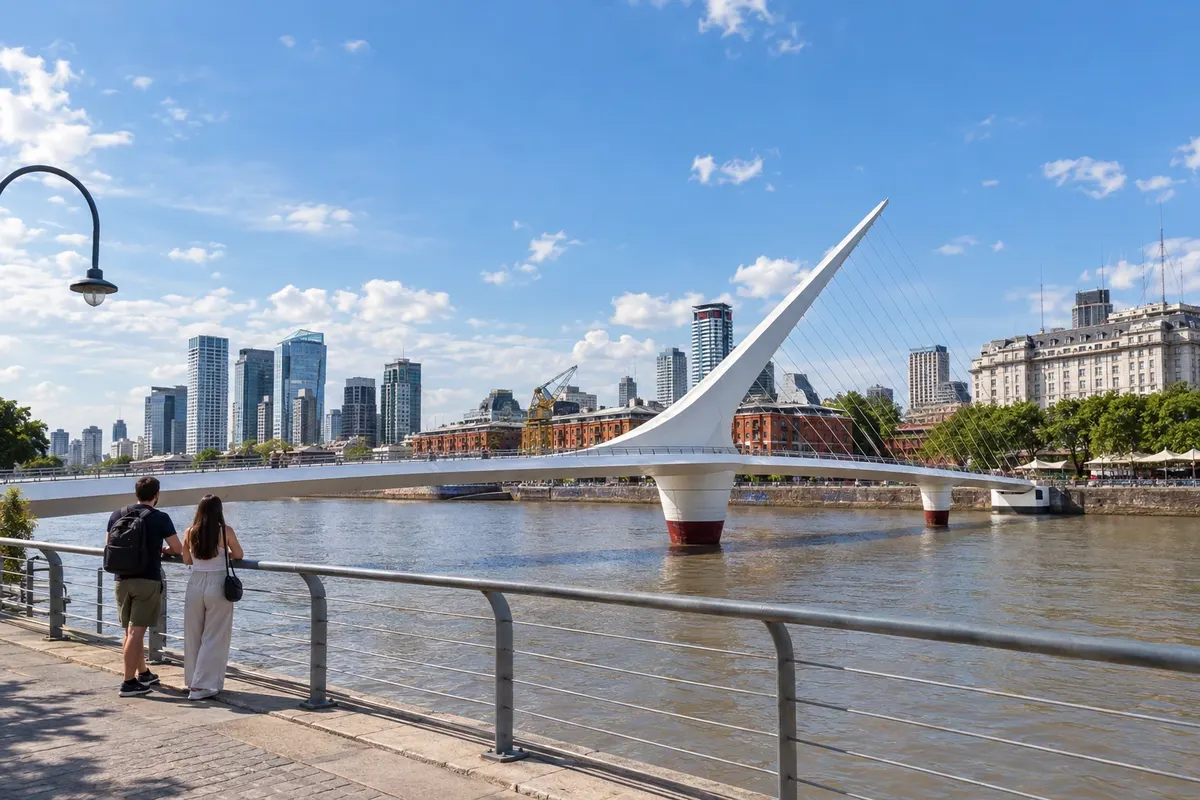
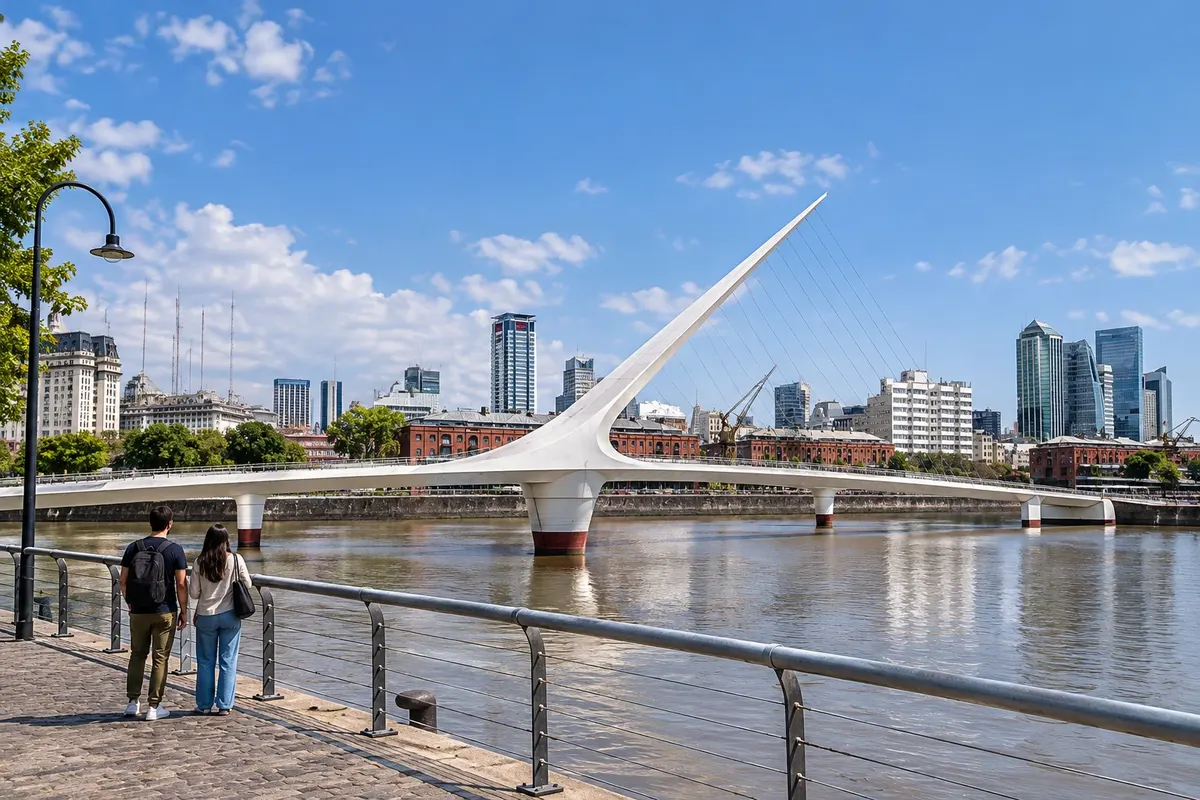
In the photo: Puente de la Mujer, Puerto Madero

Illustrative images. The pictures in this guide are illustrations based on the real place, not photographs, and may differ from it.

Get it on Google Play Send your photos

Get to know the place

A region to enjoy
at your own pace.

You can arrive in the morning and go sightseeing in the afternoon.

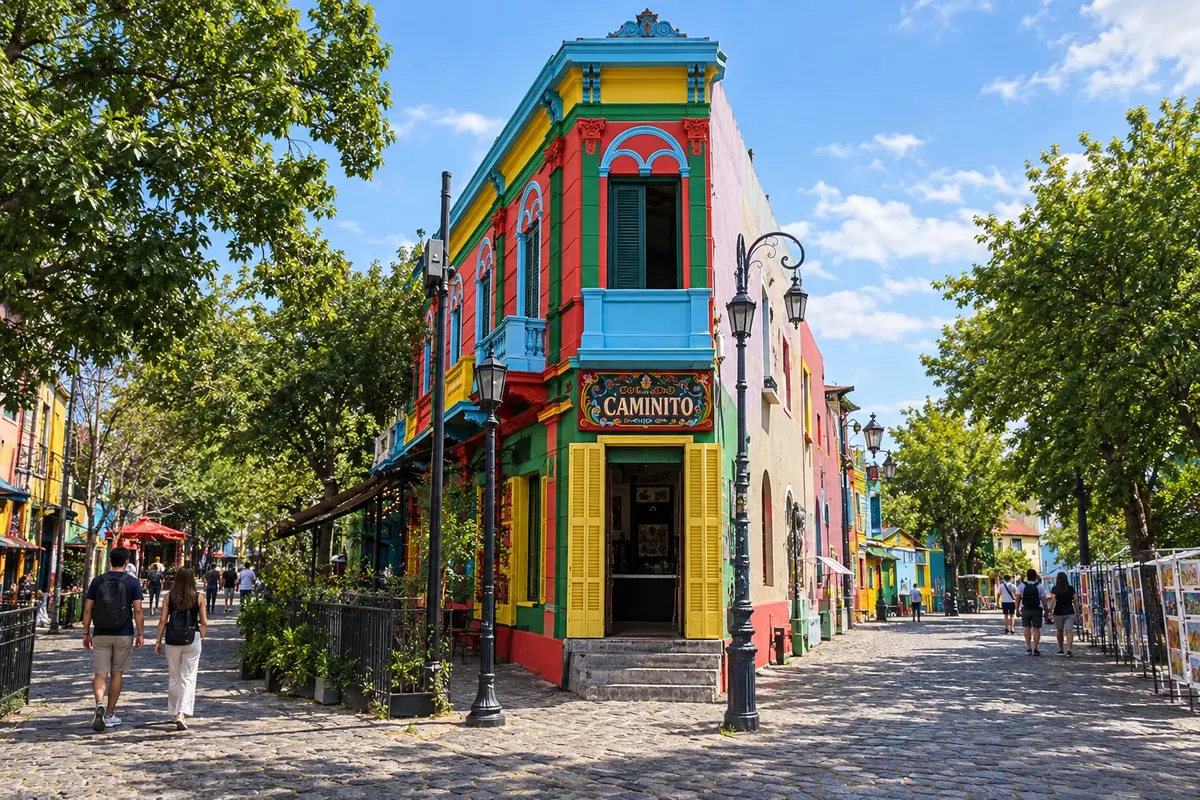
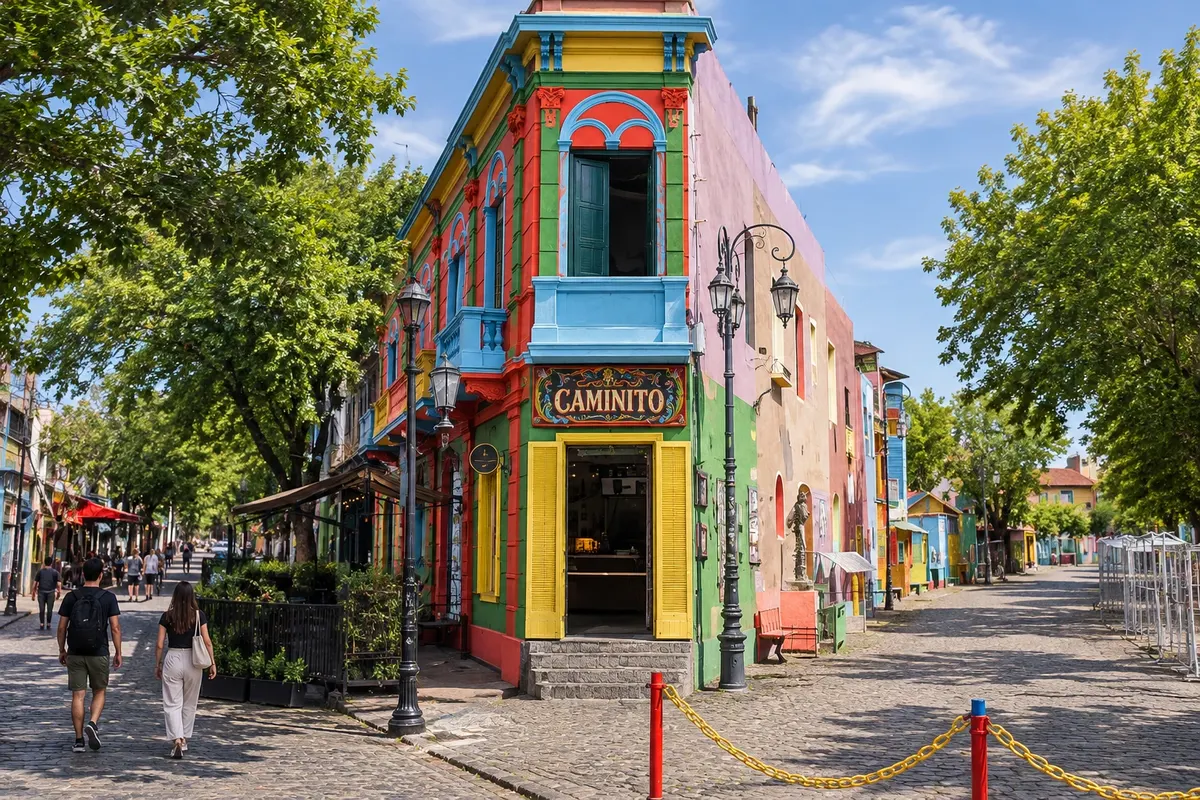
The city is experienced by neighborhoods. In Montserrat is the Plaza de Mayo, with the Casa Rosada and the Metropolitan Cathedral. San Telmo preserves old mansions and the Sunday antiques fair. La Boca has the Caminito, the street of colorful corrugated-iron houses. Recoleta houses the country’s most-visited cemetery and avenues with a French style. Puerto Madero occupies the old port docks, on the riverfront.

Culture matters on the trip. The Teatro Colón, opened in 1908, hosts opera, ballet and guided tours. The MALBA holds Latin American art, including Abaporu by Tarsila do Amaral. El Ateneo Grand Splendid is a bookstore set in a former theater. At night, tango houses and parrillas round out the itinerary.

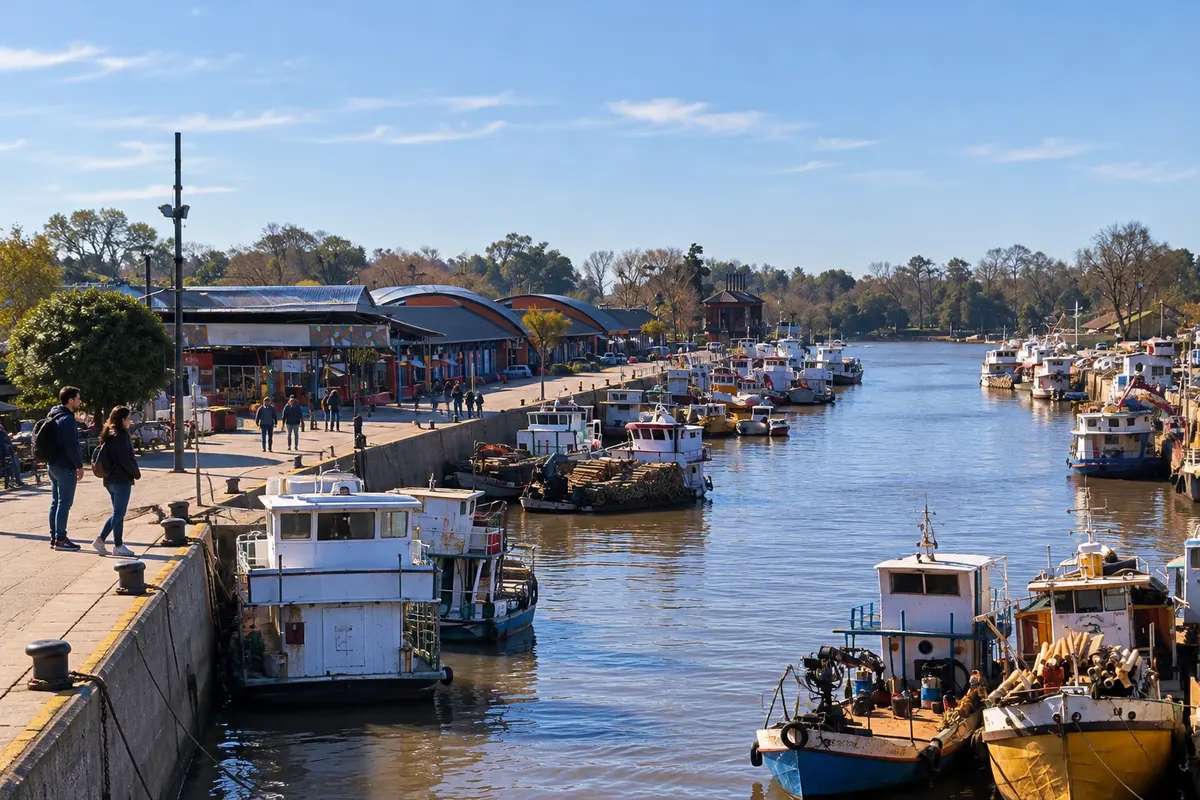
About 30 km to the north is Tigre, where the Delta do Paraná begins. Launches depart from the river station for the channels between the islands, and the town has the Puerto de Frutos, museums and a riverside promenade along the río Luján. You can do a round trip in the same day by train from Retiro.

This destination brings together 2 cities: Buenos Aires, Tigre.

Share: WhatsApp
Traveler, share your experiences through photos Up to 5 photos of each place you visited.

One destination, many paths

The cities on this trip

Start with one city or combine several in your itinerary.

Where Buenos Aires is
Buenos AiresTigre

Source: Instituto Geográfico Nacional de la República Argentina (IGN), 2019 outlines. Adapted by Cidade Turismo.

How to get there: Buenos Aires

✈ Aeropuerto Internacional Ministro Pistarini (Ezeiza) (EZE), in Ezeiza · 35 km to Buenos Aires

✈ Aeroparque Internacional Jorge Newbery (AEP) · 9 km to Buenos Aires

Ezeiza Airport (EZE) is about 35 km from downtown; Aeroparque Jorge Newbery (AEP) about 9 km. Check the rules before you go.

Suggested arrival point: Buenos Aires

The local experience

Things to do in Buenos Aires

Plaza de Mayo
Buenos Aires · Capital Federal · square

Plaza de Mayo

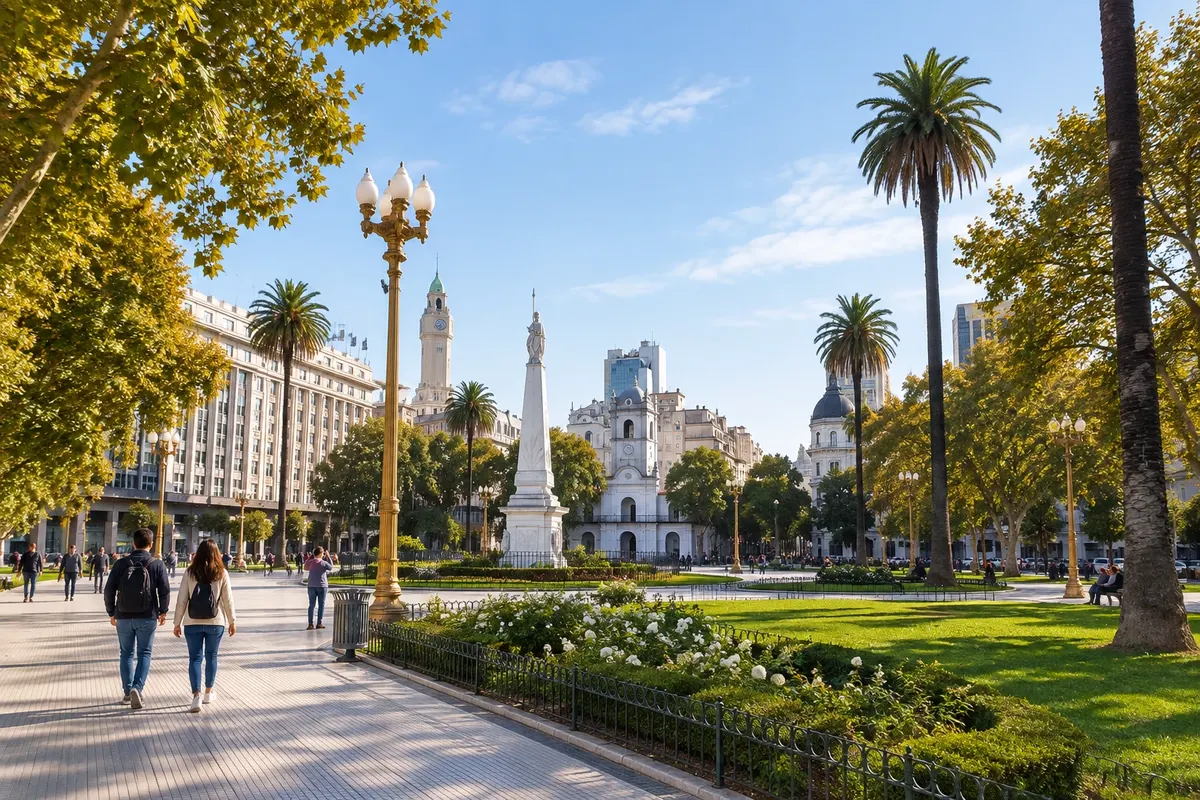
The most important square in Argentina, surrounded by the Casa Rosada, the Catedral Metropolitana and the Cabildo. It was the setting for the country's main political events.

Puerto de Frutos
Tigre · Buenos Aires · market

Puerto de Frutos

Riverside market in Tigre, with shops selling wicker furniture, crafts, home decor and plants. It began as a port where products from the Delta islands arrived.

Museo de Arte Tigre
Tigre · Buenos Aires · museum

Museo de Arte Tigre

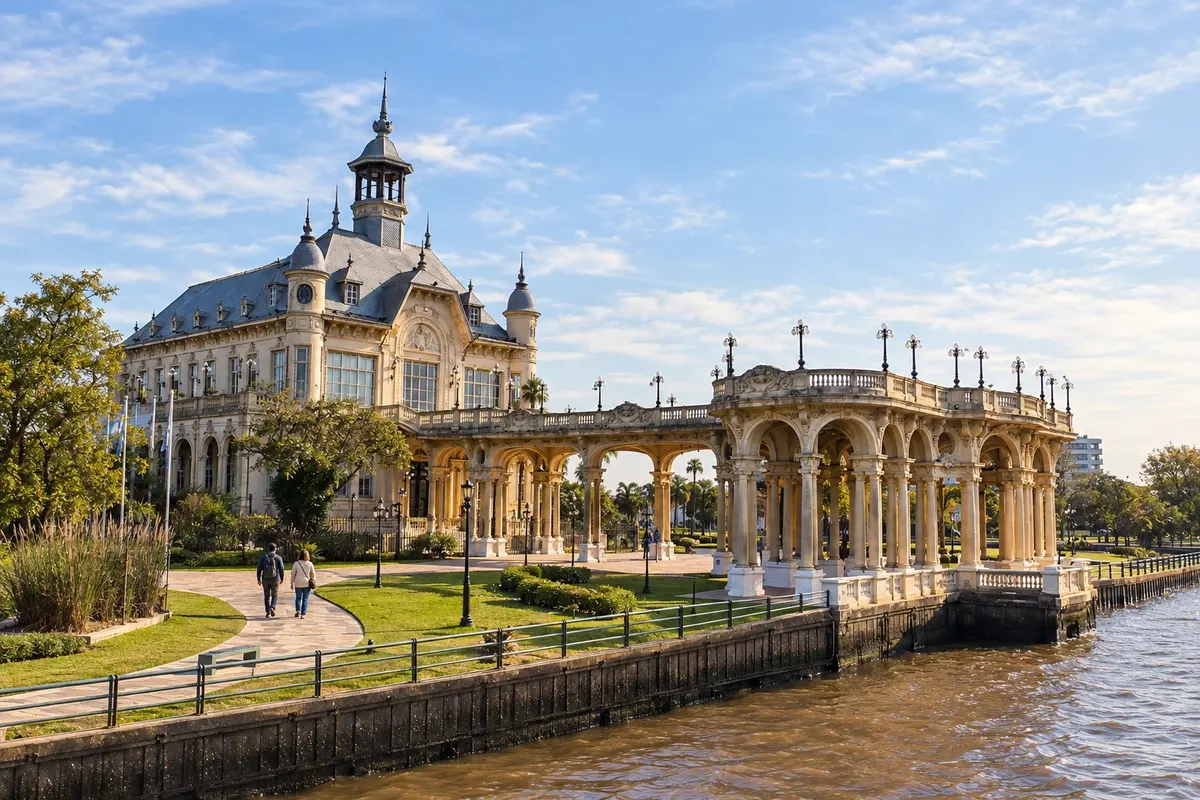
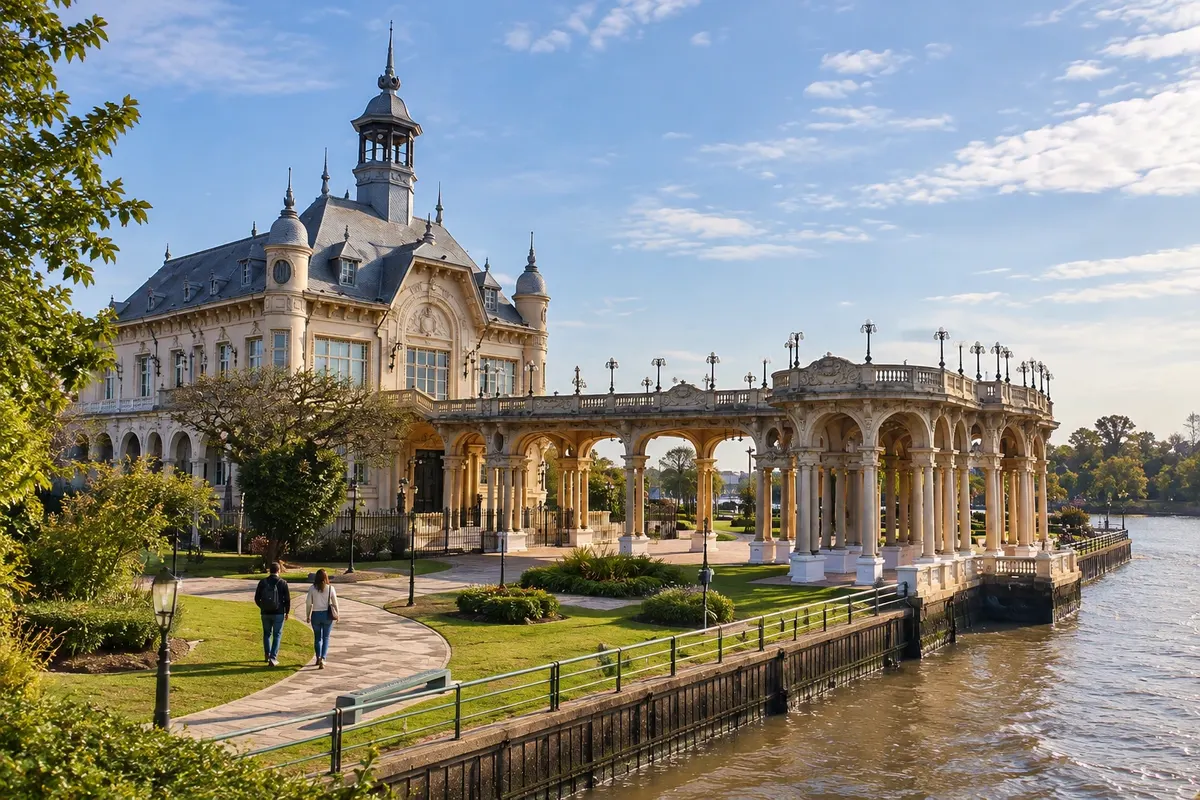
Argentine art museum housed in the former Tigre Club, a 1912 building on the banks of the Luján River, with decorated halls and works from the 19th and 20th centuries.

Teatro Colón
Buenos Aires · Capital Federal · theater

Teatro Colón

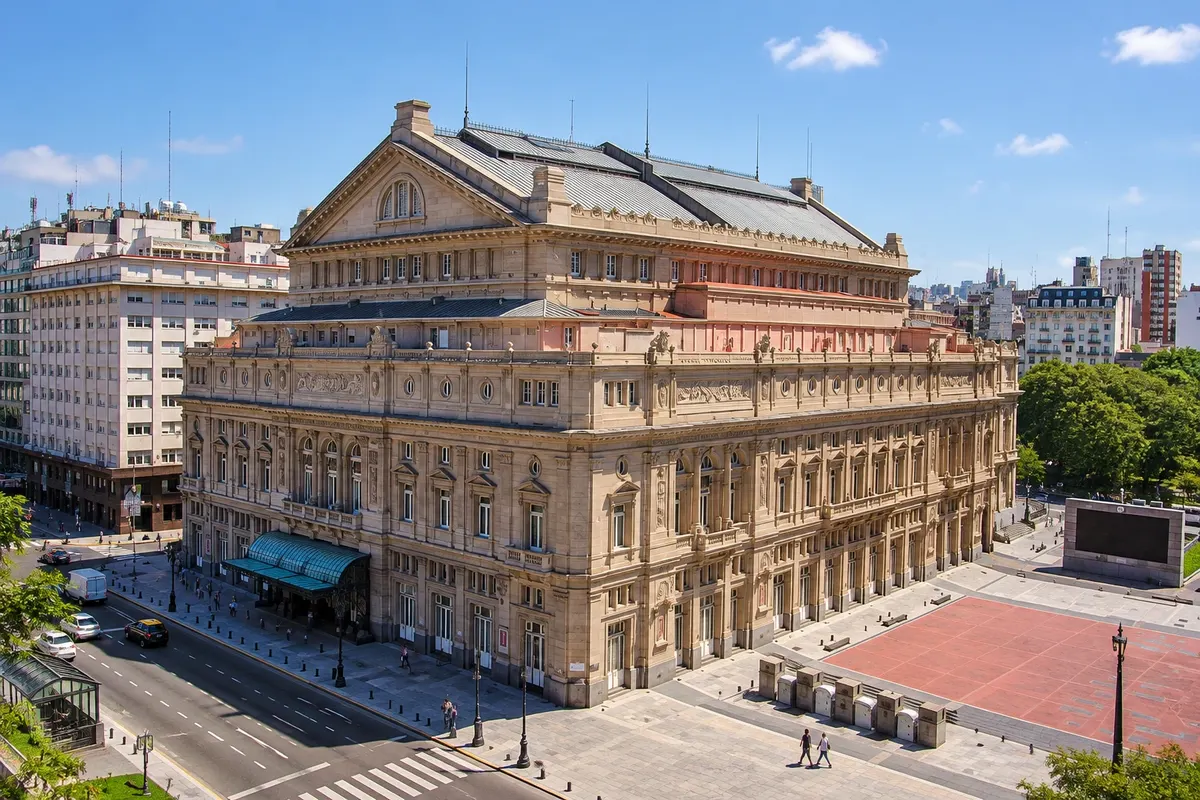
Opera house inaugurated in 1908, famous for its acoustics. It hosts opera, ballet and concert seasons and is open for guided tours of the foyers and the main auditorium.

See 11 more places in Buenos Aires
Caminito
Buenos Aires · Capital Federal · historic street

Caminito

Museum-street in La Boca, with corrugated metal and wooden houses painted in bright colors. Created in 1959 by the painter Benito Quinquela Martín, it is named after a famous tango.

Museo Naval de la Nación
Tigre · Buenos Aires · museum

Museo Naval de la Nación

Museu da Marinha argentina housed in old naval workshop sheds on the banks of the river Luján, with ship models, navigation instruments and aircraft.

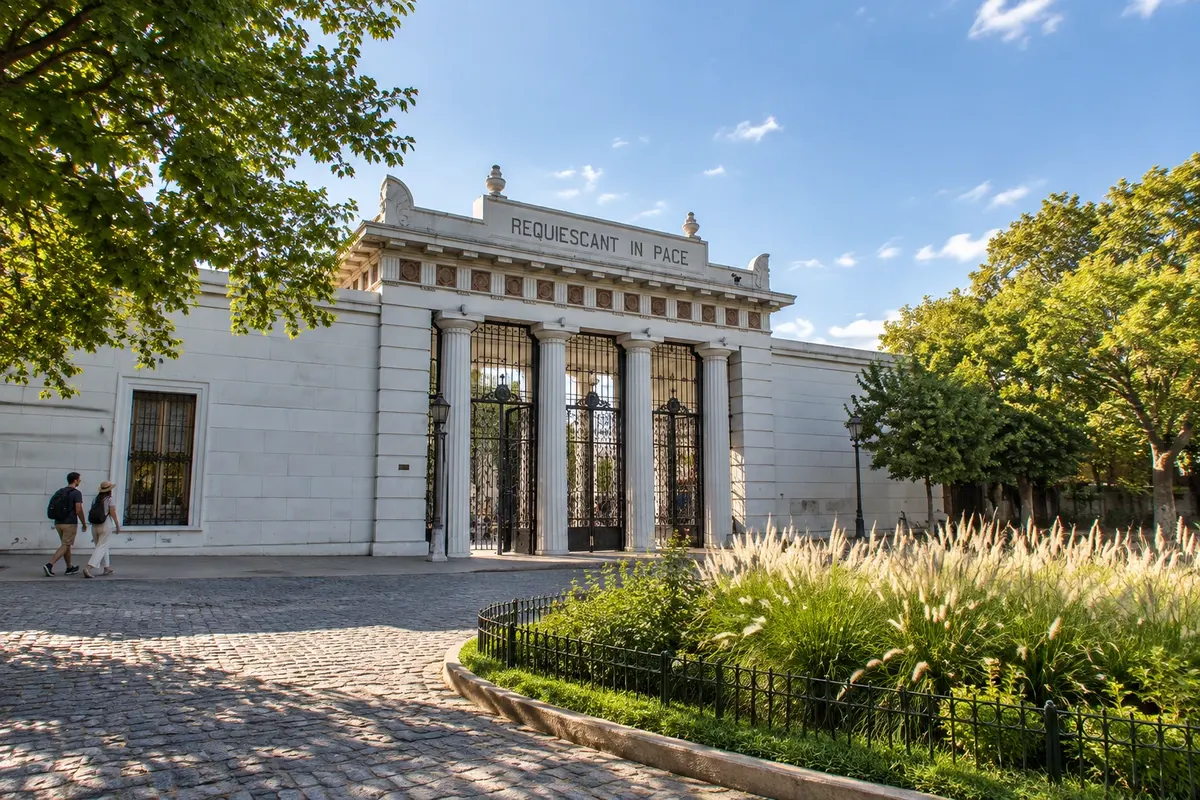
Cementerio de la Recoleta
Buenos Aires · Capital Federal · cemetery

Cementerio de la Recoleta

Cemetery opened in 1822, with streets of marble mausoleums and sculptures. Presidents, writers and the Duarte family tomb, where Eva Perón rests, are there.

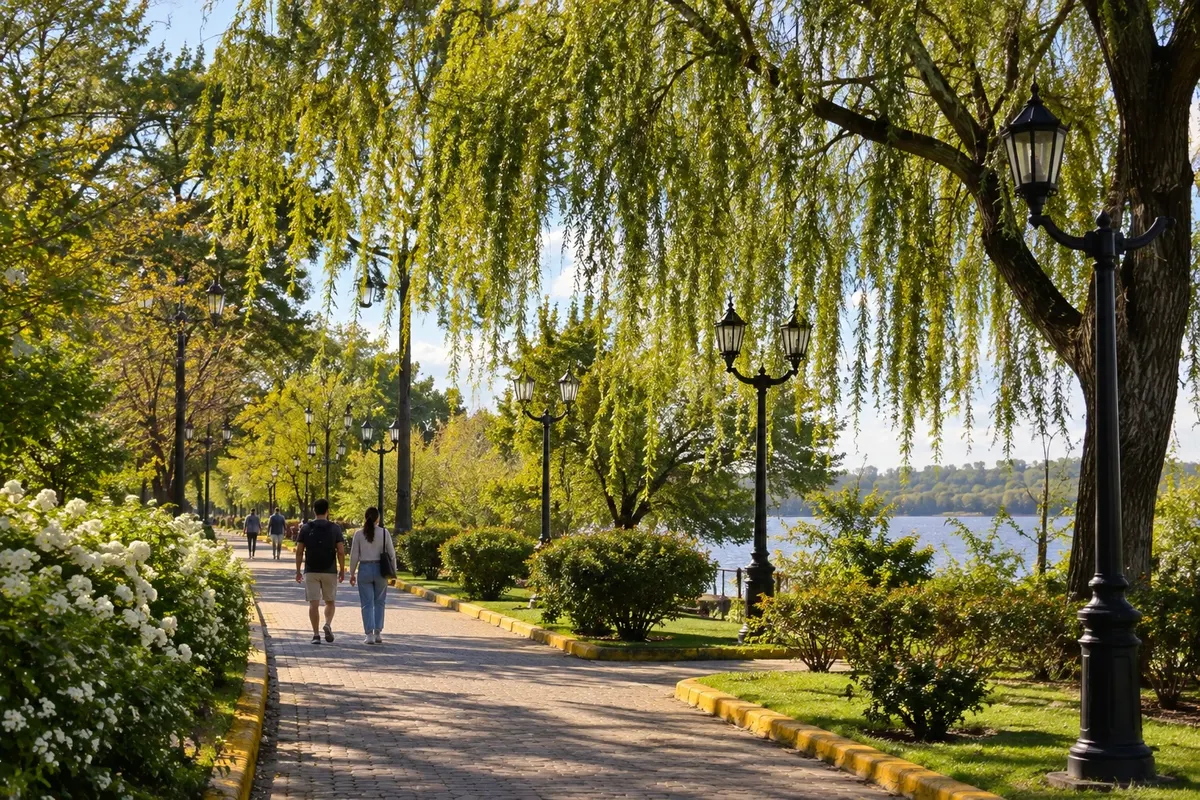
Paseo Victorica
Tigre · Buenos Aires · waterfront

Paseo Victorica

Tree-lined promenade on the banks of the river Luján, with rowing clubs, early 20th-century mansions and restaurants. It connects Tigre's center to the Museo de Arte Tigre.

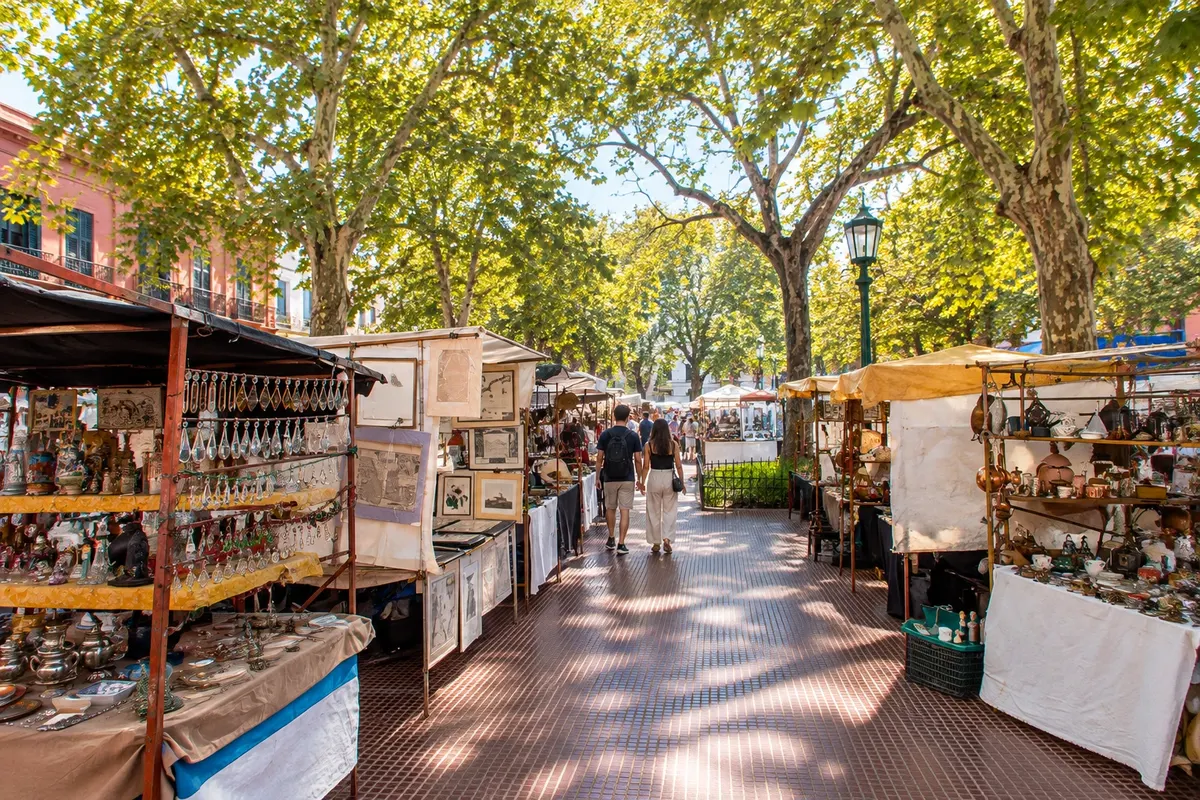
Feria de San Telmo
Buenos Aires · Capital Federal · market

Feria de San Telmo

Antiques fair held on Sundays at Plaza Dorrego, in the heart of San Telmo, since 1970. The stalls spread along Defensa street.

Museo Casa de Sarmiento
Tigre · Buenos Aires · museum

Museo Casa de Sarmiento

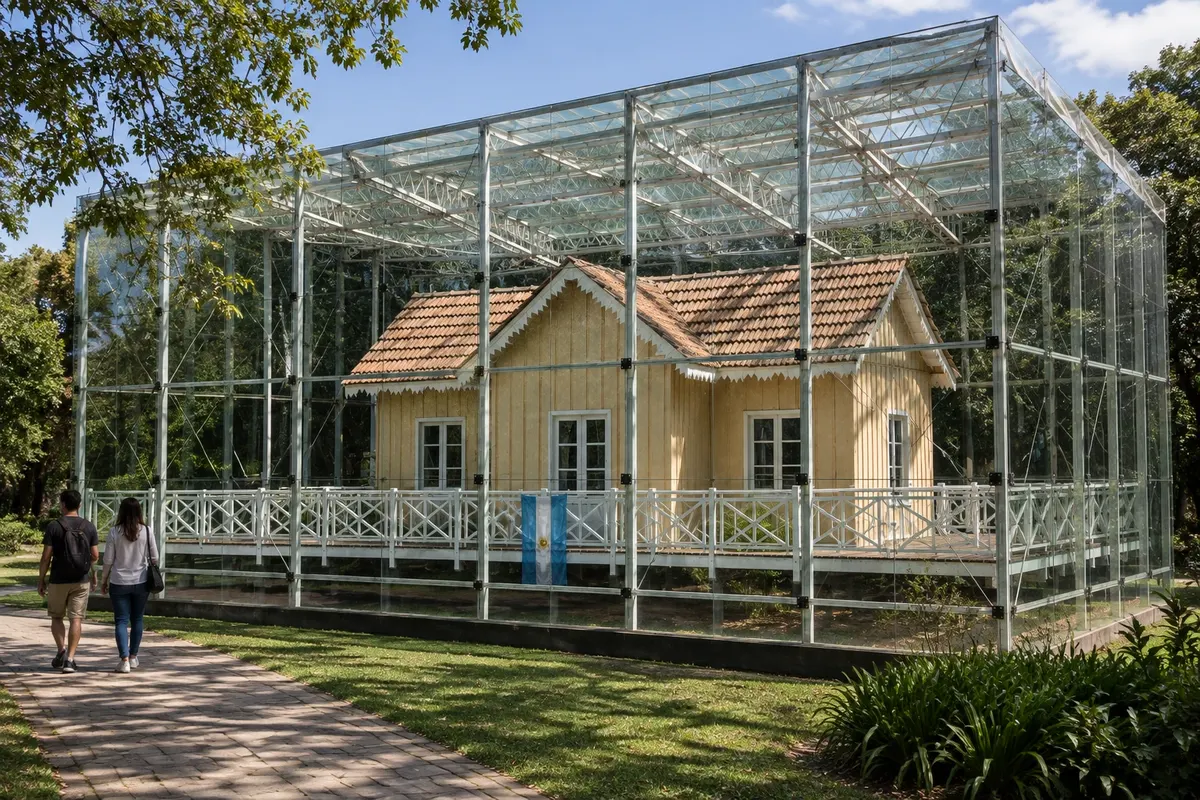
Wooden house of former president Domingo Faustino Sarmiento on an island in the Delta, protected by a glass structure. It is reachable only by boat.

Delta del Paraná
Tigre · Buenos Aires · Boat trip

Delta del Paraná

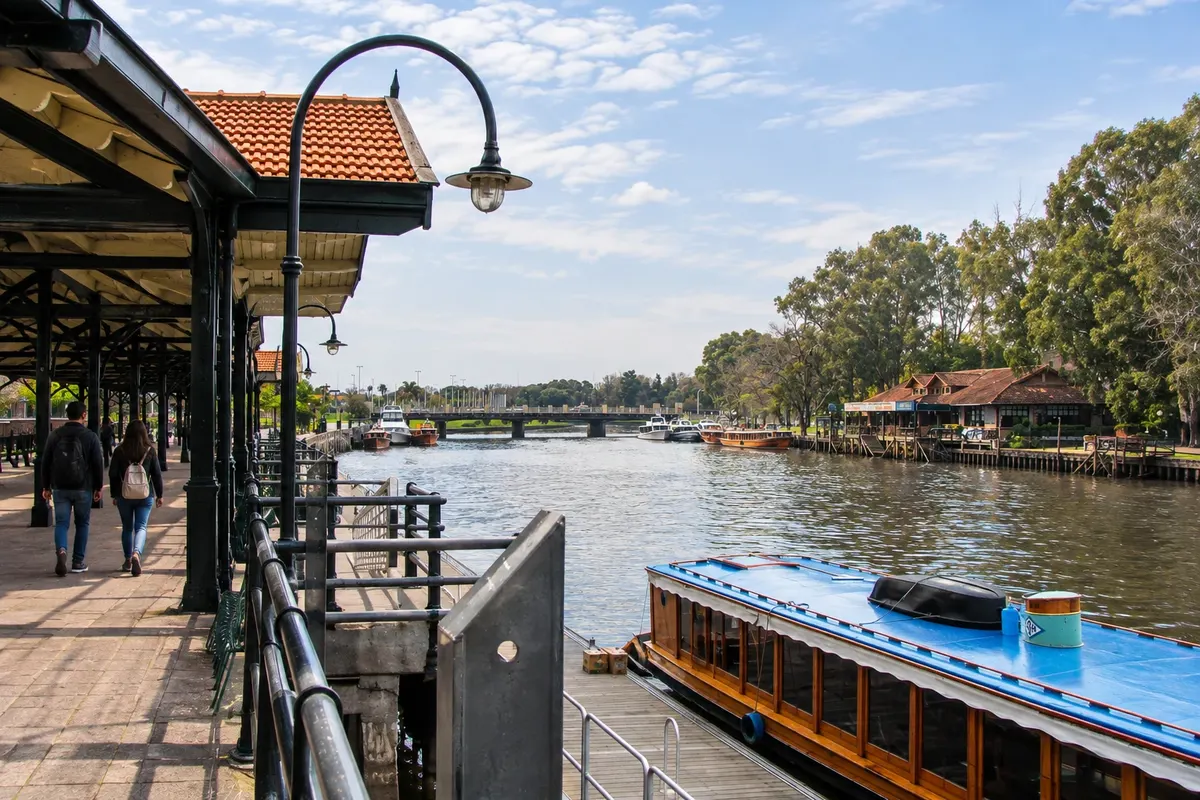
Boat tour through the rivers and canals of the Delta from Tigre, among islands, riverside vegetation, stilt houses and small docks.

Puerto Madero
Buenos Aires · Capital Federal · waterfront

Puerto Madero

An old port turned into a neighborhood, with restored brick warehouses along the docks. The Puente de la Mujer, by Santiago Calatrava, is its landmark.

Estación Fluvial de Pasajeros Domingo Faustino Sarmiento
Tigre · Buenos Aires · Harbor

Estación Fluvial de Pasajeros Domingo Faustino Sarmiento

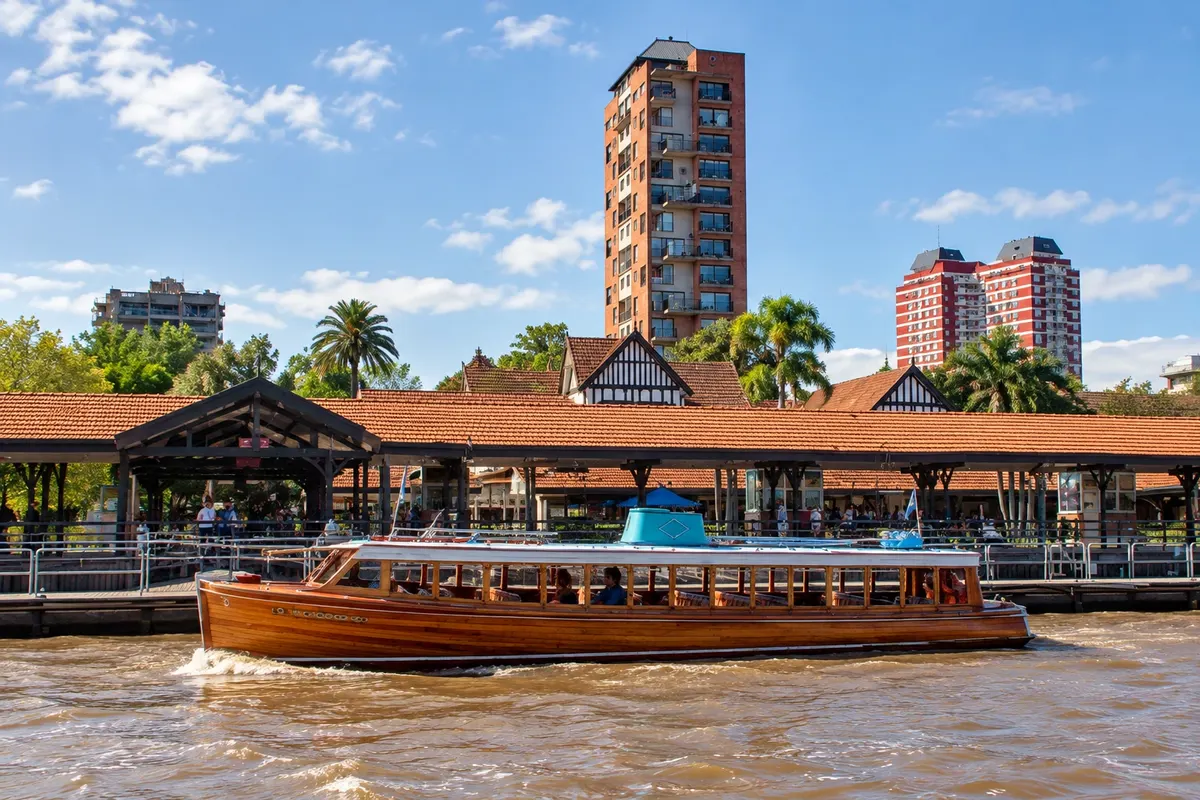
Boarding terminal on the Río Tigre, next to downtown, from where launches depart to the piers and islands of the Delta del Paraná.

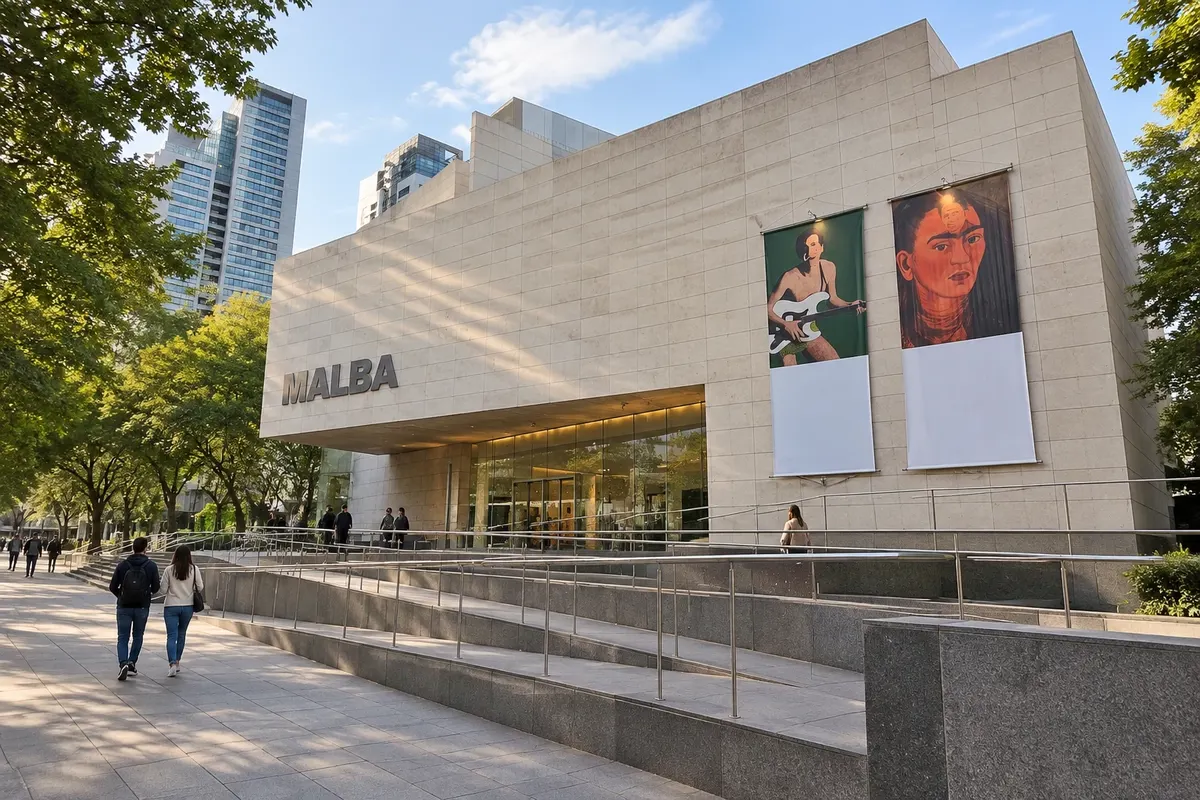
MALBA - Museo de Arte Latinoamericano de Buenos Aires
Buenos Aires · Capital Federal · museum

MALBA - Museo de Arte Latinoamericano de Buenos Aires

Museum of 20th- and 21st-century Latin American art, in Palermo. The collection includes Abaporu by Tarsila do Amaral and works by Frida Kahlo and Diego Rivera.

El Ateneo Grand Splendid
Buenos Aires · Capital Federal · bookstore

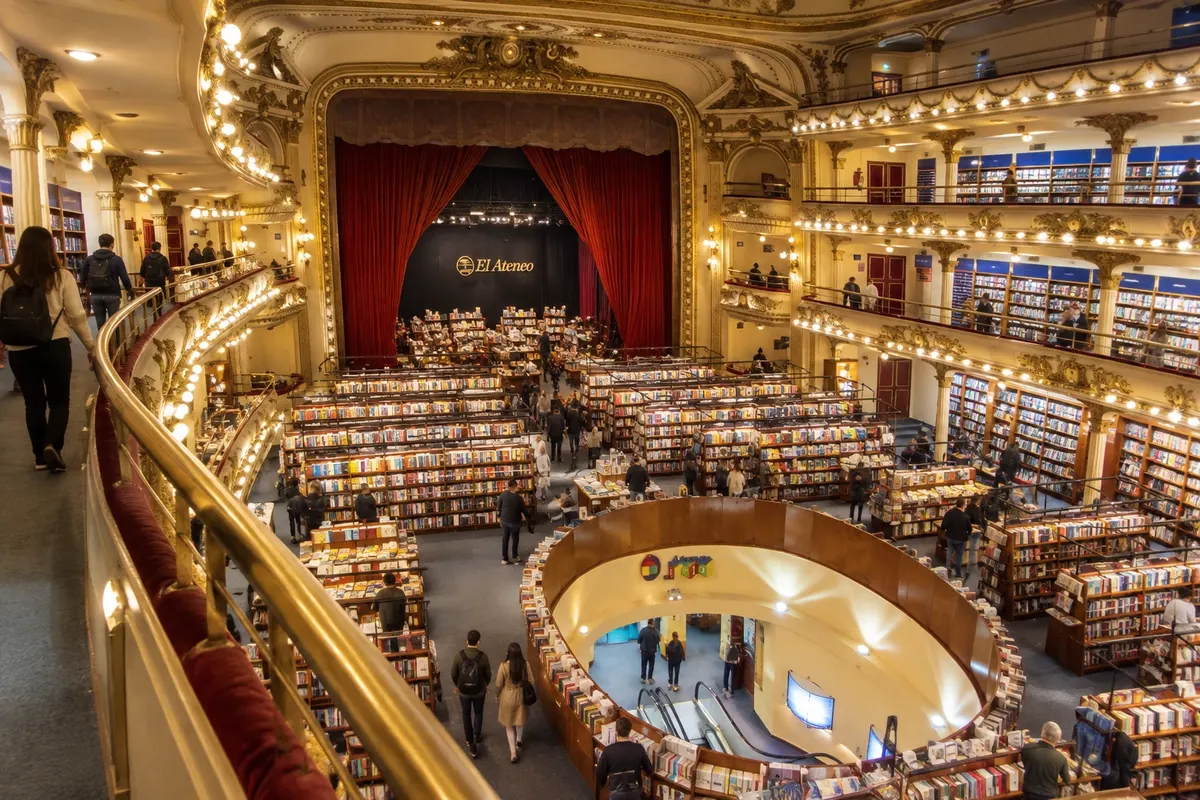
El Ateneo Grand Splendid

Bookstore housed in a 1919 theater on Avenida Santa Fe. The boxes were turned into reading rooms, the stage became a café and the painted ceiling was preserved.

To choose before you go

Tours in Buenos Aires

Where each tour starts, how long it takes, how it is done, what is included and the price range.

Plaza de Mayo, Casa Rosada, Cabildo and Metropolitan Cathedral

From Downtown (Microcentro), Plaza de Mayo, Catedral and Bolívar subway stations On foot, self-guided or with a guide about 3 hours morning easy

Plaza de Mayo is the oldest square in Buenos Aires and the stage for the country’s major political events. The name comes from the May Revolution of 1810. In the center stands the Pirámide de Mayo, erected in 1811, and, between it and the government headquarters, the monument to Manuel Belgrano, creator of the Argentine flag. Around the square are the Casa Rosada, the national government seat, the Cabildo, the Metropolitan Cathedral, the former city government palace, banks and ministries. On Thursdays, since 1977, the Madres de Plaza de Mayo gather in the square. The Casa Rosada opens for guided visits on weekends and public holidays with advance reservation: the route goes through reception rooms, the gallery of Latin American heroes and the balcony facing the square, from which Evita Perón used to speak. Behind the building, on Paseo Colón, is the Museo Casa Rosada, with items from the country’s history. In the cathedral, enter the nave and see the mausoleum of General José de San Martín. The Cabildo, a colonial building with white arcades, houses a museum about the May Revolution.

Stops: Plaza de Mayo, Casa Rosada, Cabildo, Metropolitan Cathedral, Pirámide de Mayo, Museo Casa Rosada.

Includes: Square, façades and interiors accessible on your own. The guided tour of the Casa Rosada requires prior registration; the Cabildo museum has an entrance fee paid separately. Check the current schedule.

Tip: Reserve the visit to the Casa Rosada at least two weeks in advance and bring the ID used for the reservation. On weekdays the president works in the building and there is no visit. Combine this walk with Avenida de Mayo and Café Tortoni, which start at the square.

Best time: All year. From October to April the walk is more pleasant in the morning; from June to August midday is less cold.

San Telmo and the San Telmo Fair on Sundays

From Plaza de Mayo or Independencia and San Juan stations (lines C and E) A pé pela Calle Defensa about 4 hours morning and afternoon easy

San Telmo is one of the oldest neighborhoods in the city, with cobblestone streets, 19th-century houses and antique shops. Every Sunday, the San Telmo Fair fills Plaza Dorrego and extends along Calle Defensa, with stalls of antiques, crafts, decorative items and food. The fair started in 1970, when residents began selling old objects in the square. In Plaza Dorrego you will often see couples dancing tango for passersby. In the middle of the neighborhood is the Mercado de San Telmo, a covered market with fruit stalls, antiques, cafés and places to eat. Other stops: El Zanjón de Granados, a mansion with tunnels and underground cisterns visited with a guide; the statue of Mafalda, Quino’s character, at the corner of Defensa and Chile; the church of San Pedro Telmo; and Parque Lezama at the end of Calle Defensa. Outside Sundays the neighborhood is calmer and the antique shops remain open.

Stops: Calle Defensa, Plaza Dorrego, San Telmo Fair, Mercado de San Telmo, El Zanjón de Granados, Parque Lezama, Statue of Mafalda.

Includes: Self-guided walk. El Zanjón de Granados has a separate paid guided tour, with reservation. Check the current schedule/fees.

Tip: Chegue no domingo pela manhã: no começo da tarde a Calle Defensa fica cheia. Leve dinheiro em espécie para barracas pequenas. Combine o valor antes de tirar foto dançando com os casais de tango. Quem faz o caminho a pé desde a Plaza de Mayo segue a Calle Defensa direto até a feira.

Best time: All year round, on Sundays. From March to May and from September to November temperatures are mild for walking the whole afternoon.

La Boca: Caminito, Museo Quinquela Martín and La Bombonera

From Centro, San Telmo or Puerto Madero Taxi, app, bus (colectivo) or city tour about 3 hours morning or afternoon easy

La Boca sits alongside the Riachuelo, where immigrants arrived at the old port. Caminito is a pedestrian street about 150 meters long, laid over an old railway branch, with conventillos (tenement houses) made of corrugated zinc painted in various colors. The façades were painted by residents in the 1950s, including the painter Benito Quinquela Martín. The street operates as an open-air museum, with street artists, tango dancers and craft shops. Next door, at the Vuelta de Rocha, is the Museo de Bellas Artes Benito Quinquela Martín, with the painter’s house-museum, Argentine art and a collection of figureheads. From there you can see the Puente Transbordador Nicolás Avellaneda, an early-20th-century metal structure over the Riachuelo. A few blocks away is La Bombonera, Boca Juniors’ stadium, with the Museo de la Pasión Boquense: trophies, shirts, works of art and a 360-degree video. Access to the stands varies by season and is not available on match days. Further along Avenida Pedro de Mendoza, Colón Fábrica shows the set and costume workshops of the Teatro Colón.

Stops: Caminito, Vuelta de Rocha, Museo de Bellas Artes Benito Quinquela Martín, La Bombonera, Museo de la Pasión Boquense, Puente Transbordador Nicolás Avellaneda, Colón Fábrica.

Includes: Caminito is open to the public. The Quinquela Martín museum, the Museo de la Pasión Boquense and Colón Fábrica require separate paid admission. Check the current price list.

Tip: Plan the trip beforehand: go during the day and use a taxi, app or the bus line indicated on the map, without straying from the Caminito area, the Vuelta de Rocha and the stadium. Before going to La Bombonera, check whether stadium visits are open that day and if there is a scheduled match.

Best time: All year. From September to November and from March to May the sun and mild weather make façade photos more favorable.

Recoleta: Recoleta Cemetery, Basilica del Pilar and surroundings

From Recoleta neighborhood On foot, with an optional guided tour in the cemetery about 3 hours morning easy

The Recoleta Cemetery was Buenos Aires’ first public cemetery, opened in 1822 on the former garden of the Recoletos monks, with a layout by the French engineer Próspero Catelin. It is a city of marble mausoleums, with statues and stained glass; more than 90 tombs are National Historic Monuments. Presidents, writers, Nobel laureates and athletes are buried there. The most visited tomb is that of the Duarte family, where Eva Perón is interred. Next door is the Basilica Nuestra Señora del Pilar, the church of the former convent that gave the neighborhood its name. Around it, Plaza Francia hosts a craft fair on weekends. Continuing along Avenida Figueroa Alcorta, in Plaza de las Naciones Unidas stands the Floralis Genérica, a large steel flower by architect Eduardo Catalano. The National Museum of Fine Arts is along the route and can be visited the same day.

Stops: Cementerio de la Recoleta, Basílica Nuestra Señora del Pilar, Plaza Francia, Floralis Genérica, Plaza de las Naciones Unidas.

Includes: Cemetery entry for foreign tourists requires a separate paid ticket, purchased through the city’s ticketing system. There are guided tours in Spanish that depart from the main gate. Check the current price table.

Tip: Pick up a map at the entrance or use the one on your phone: the cemetery is a maze of avenues, and Evita’s tomb is in one of them, without a large marker. Go in the morning when there are fewer groups. Comfortable shoes help on the stone floor.

Best time: All year. In spring, from October to November, the jacarandas usually bloom in the neighborhood squares.

Palermo: Bosques de Palermo, Rosedal, Jardín Japonés and Jardín Botánico

From Palermo neighborhood, Plaza Italia station (line D) On foot or by bicycle about 4 hours morning or afternoon easy

The Parque Tres de Febrero, known as the Bosques de Palermo, is the city’s large park, with lakes, promenades and lawns where porteños run, cycle and drink mate on weekends. Within it is El Rosedal, a rose garden over a hundred years old, with bridges and a pergola by the lake. The Jardín Japonés, opened in 1967 and redesigned in 1977 by landscape architect Yasuo Inomata, has ponds with koi, typical red bridges, a cultural center and a Japanese food restaurant. Also in the park are the Planetario Galileo Galilei, a round building that’s a classic photo spot, and the Museo Eduardo Sívori, of Argentine art. Near Plaza Italia is the Jardín Botánico Carlos Thays, with greenhouses and plants from various regions of the country. The visit pairs well with the MALBA, a few blocks from the Jardín Japonés.

Stops: Parque Tres de Febrero (Bosques de Palermo), El Rosedal, Japanese Garden, Carlos Thays Botanical Garden, Galileo Galilei Planetarium, Eduardo Sívori Museum.

Includes: Park and Rosedal are free to access. The Jardín Japonés has a separate paid entrance, and the Planetario charges for sessions. Check the current fee schedule.

Tip: On weekends the park fills with families and cyclists. There are bike rentals and bike lanes that connect Palermo to Recoleta. To visit the Jardín Japonés with fewer people, choose a weekday morning.

Best time: From September to April. The roses in the Rosedal typically bloom from October to December and again from March to April.

Puerto Madero, Puente de la Mujer and Reserva Ecológica Costanera Sur

From Puerto Madero, next to Downtown On foot or by bicycle about 4 hours afternoon easy

Puerto Madero is the city’s former port, with docks converted into promenades, office buildings and restaurants in the old brick warehouses. The Puente de la Mujer, a rotating pedestrian bridge designed by Santiago Calatrava, crosses Dock 3 and evokes a couple dancing tango. On the same dock is the frigate ARA Presidente Sarmiento, a training ship launched in 1897 that made 37 training voyages and is now a museum: you can see cabins and the bridge. On Dock 4 is the Amalia Lacroze de Fortabat art collection, with Argentine and foreign works. On the other side of the docks is the Reserva Ecológica Costanera Sur, with about 350 hectares of lagoons, woodlands and marshes on the Río de la Plata shore. There are six flat trails, good for walking or cycling, and more than 340 bird species have been recorded there. From late afternoon into the evening, the dockside restaurants fill up.

Stops: Puerto Madero, Puente de la Mujer, Fragate ARA Presidente Sarmiento, Amalia Lacroze de Fortabat Art Collection, Reserva Ecológica Costanera Sur.

Includes: Pedestrian promenades and a reserve with free access. The frigate Sarmiento and the Fortabat collection have admission fees separately. Check the current price table.

Tip: The reserve is closed on Mondays; check opening days in advance. Bring water, a hat and sunscreen in summer, because the trails have little shade. Return to the docks late in the afternoon to see the lights turned on.

Best time: All year. From September to November and from March to May the walk in the reserve is more pleasant; in summer, from December to February, go late in the afternoon.

See 8 more tours

Teatro Colón: guided tour

From Side entrance on Calle Tucumán, Centro Guided walking tour about 1 hour morning or afternoon easy

The Teatro Colón is Argentina’s main opera and ballet house, opened in 1908 after about 20 years of work and three architects: Francesco Tamburini, Vittorio Meano, and Jules Dormal. Guided tours run frequently throughout the day, in Spanish or English, and visit the public halls: the Salón de los Bustos, with statues of composers, and the Salón Dorado, decorated in gold, where the elite of the time used to gather. The end of the route is the main auditorium, horseshoe-shaped, with boxes on several levels and a painted dome; when there is a rehearsal, the tour may only cover part of it. If you want to see a performance you must buy a separate ticket for opera, ballet, or concert. The building stands between Avenida 9 de Julio and Plaza Lavalle, a few blocks from the Obelisk.

Stops: Teatro Colón, Salón Dorado, Salón de los Bustos, Avenida 9 de Julio.

Includes: Guided tour with admission paid separately, purchased at the box office or online. Shows have separate tickets. Check the current schedule.

Tip: Buy the tour in advance during the July and January holidays, when groups fill up. The guided tour entrance is on Calle Tucumán, not the main façade. Combine it with the Obelisk and Avenida Corrientes in the same outing.

Best time: All year. The tour closes on a few holidays, such as January 1, May 1, and December 24 and 25.

Avenida de Mayo: Café Tortoni, Palacio Barolo and Congreso

From Plaza de Mayo On foot about 3 hours afternoon easy

Avenida de Mayo links Plaza de Mayo with the Congreso de la Nación and features early 20th-century buildings with domes, balconies, and cafés. At number 825 is Café Tortoni, opened in 1858 and considered the oldest café in the city, with a facade from 1898. Jorge Luis Borges, Federico García Lorca, Julio Cortázar and Carlos Gardel sat at its tables. In the basement there are tango and jazz shows. Close by are the Academia Nacional del Tango and the Museo Mundial del Tango. Further on, the Palacio Barolo, inaugurated in 1923 and designed by the Italian Mario Palanti, is almost 100 meters tall and its design is inspired by Dante’s Divine Comedy: the guided visit goes up from hell, on the ground floor, to purgatory and heaven, with a view of the city from above. The avenue ends at Plaza del Congreso, in front of the Congress building. Along the way it crosses Avenida 9 de Julio, from where you can see the Obelisco.

Stops: Avenida de Mayo, Café Tortoni, Palacio Barolo, Plaza del Congreso, Congreso de la Nación, Obelisco, Avenida 9 de Julio.

Includes: Self‑guided walk. Palacio Barolo offers a paid guided tour (about one and a half hours); consumption at Tortoni is paid separately. Check the current schedule/prices.

Tip: Tortoni often has a line at the door during peak hours; go mid‑afternoon and order hot chocolate with churros. Book Palacio Barolo in advance, because groups are small.

Best time: All year round. It’s a good option for rainy or cold days, from May to September.

Tango shows and milongas

From Tango venues in San Telmo, Barracas, Puerto Madero, Centro and Palermo Dinner with show, show only, or milonga about 3 to 4 hours night easy

Tango was born in the port neighborhoods of Buenos Aires and the Río de la Plata is its homeland. There are two ways to experience it. A tango-house show is a performance with orchestra, singers and dancing couples; the most common package includes a fixed-menu dinner and drink before the performance, and some venues offer transfers. Well-known examples include Café de los Angelitos, near Congreso; El Querandí in San Telmo; Señor Tango in Barracas; and Madero Tango in Puerto Madero. The other option is the milonga, the dance where porteños really dance, without a stage: La Viruta and Salón Canning in Palermo are examples. Many milongas offer a beginner lesson before the dance. There the cabeceo code applies: the invitation to dance is made with a look.

Stops: Café de los Angelitos, El Querandí, Señor Tango, Madero Tango, Café Tortoni, La Viruta, Salón Canning.

Includes: At a show, generally: performance, dinner and drink according to the package; transfers vary. At a milonga, entrance and lesson are paid separately. Check the current schedule/fees.

Tip: Book the show a few days in advance and confirm whether round-trip transfer is included in the package, because the performance ends late at night. At a milonga, watch first and respect those who are dancing.

Best time: All year round. In August the city usually hosts its tango festival and world championship.

Paraná Delta in Tigre: boat, Puerto de Frutos and Tigre Art Museum

From Retiro station (Mitre train) or Downtown (tour) Train and boat on your own, or a guided tour about 7 hours full day easy

Tigre is about 35 km from the center, at the gateway to the Paraná Delta, a maze of rivers and channels with wooden houses, many with colorful docks, where transport is by boat. The Mitre line train departs Retiro and reaches Tigre station in about 50 minutes. Another option is to get off at Mitre station, transfer to the Tren de la Costa and follow the river through San Isidro to Delta station. In Tigre, sightseeing catamarans depart from the Estación Fluvial: the one-hour route goes along the Río Tigre and the Río Luján and enters the Río Sarmiento up to near the Museo Casa de Sarmiento, a wooden house protected by a glass structure; the two-hour tour continues through other rivers and channels. Along the way you pass collective launches that carry island residents, rowing boats and the Monumento al Remero. On the return, visit the Puerto de Frutos, an open-air market for crafts, wicker furniture, plants and food, and the Museo de Arte Tigre on the riverbank.

Stops: Tigre, Paraná Delta, Río Tigre, Río Luján, Río Sarmiento, Museo Casa de Sarmiento, Puerto de Frutos, Tigre Art Museum, Tren de la Costa, San Isidro.

Includes: On your own: train and catamaran tickets paid separately. On guided tours, generally: transport from the city, a guide and a boat ride. Check the current rates.

Tip: Use the SUBE card on the train. Compare boat tours along the riverfront before buying. On weekends Puerto de Frutos and the boats are busier; on a weekday the trip is calmer. Bring a coat in winter because it’s windy on the river.

Best time: All year. From October to April the weather favors being on the boat outdoors; from June to August it is cold on the river.

Round-trip boat day trip to Colonia del Sacramento, Uruguay

From Puerto Madero boat terminal Boat (ferry) on the Río de la Plata and walking about 10 hours, including the crossing full day easy

Colonia del Sacramento is in Uruguay, on the other side of the Río de la Plata. It was founded by the Portuguese in 1680 and the Barrio Histórico has been a UNESCO World Heritage Site since 1995. Fast boats depart from the Puerto Madero terminal and the crossing takes about 1 hour 15 minutes; Colonia’s port is roughly ten blocks from the historic center. The visit is done on foot: irregular cobblestone streets with colonial houses showing Portuguese and Spanish influences, the Portón de Campo, the former entrance to the walled town, and the Calle de los Suspiros, a cobbled street with low houses and flowers. The lighthouse, from 1857 and 26 meters high, can be climbed and shows the river and the town from above; on a clear day you can see the buildings of Buenos Aires. There are small museums, such as the Museo Portugués, the Museo Español and the Museo del Azulejo, and a rambla of about 6 km along the river. One day is enough to see the historic center.

Stops: Colonia del Sacramento, Barrio Histórico, Faro de Colonia del Sacramento, Calle de los Suspiros, Portón de Campo, Rambla de Colonia.

Includes: Round-trip boat ticket; port fees paid separately. The lighthouse and museums have separate admission fees. Check the current rates.

Tip: This is an international trip: bring the same document you used to enter Argentina, either your RG or a valid passport. There is immigration control when leaving Argentina and when entering Uruguay, carried out at the port before boarding; arrive early. Buy your ticket allowing some buffer days around public holidays. Uruguay’s time zone is the same as Buenos Aires.

Best time: September to April, when days are longer. From June to August the wind on the river makes the walk cold.

Museo Nacional de Bellas Artes

From Recoleta, Avenida del Libertador On foot, independently or with a guided tour about 2 hours morning or afternoon easy

The Museo Nacional de Bellas Artes was inaugurated in 1896 and has occupied the Avenida del Libertador building since 1933, renovated by architect Alejandro Bustillo. It houses the largest collection of Argentine art in the country, including works by Cándido López, Fader, Quinquela Martín, Xul Solar, Berni, Pettoruti and Marta Minujín, among others. The international wing includes works by El Greco, Goya, Rembrandt, Rubens, Rodin, Manet, Monet, Renoir, Degas, Cézanne, Gauguin, Van Gogh, Chagall and Picasso. There is also Latin American art, photography, pre-Columbian Andean art and two sculpture terraces. It is a few minutes on foot from the Cementerio de la Recoleta and the Floralis Genérica.

Stops: Museo Nacional de Bellas Artes, Avenida del Libertador, Recoleta.

Includes: Admission by voluntary contribution (bono contribución). Check current conditions.

Tip: The museum is closed on Mondays. Go after visiting the Cementerio de la Recoleta, a few blocks away. Guided tours in Spanish are offered on some days of the week.

Best time: Open year-round. A good refuge on rainy days or during very hot weather, from December to February.

Palermo Soho and Palermo Hollywood: shops, cafés and bars

From Plaza Serrano (Plazoleta Julio Cortázar), Palermo On foot about 4 hours afternoon and evening easy

Palermo is the largest neighborhood in the city and contains informal sub-neighborhoods. Palermo Soho, around Plaza Serrano, has tree-lined streets with low houses that became clothing shops for local brands, studios, bookstores and cafés. On the other side of the train tracks is Palermo Hollywood, with restaurants and bars. It’s the part of the city for good eating, from traditional parrillas to cuisines from many countries. The afternoon is for shopping; at night the bars around Plaza Serrano get crowded. Porteños dine late, and many restaurants only fill up after nine p.m.

Stops: Palermo Soho, Palermo Hollywood, Plaza Serrano, Honduras Street, Thames Street.

Includes: Self-guided walk. Food and other charges paid separately.

Tip: Book well-known parrillas and restaurants one or two days in advance, especially Thursday through Saturday. On weekends there are design fairs at Plaza Serrano. Use the Subte, line D, to get there and back.

Best time: All year. From October to April the sidewalk tables fill up at night.

El Ateneo Grand Splendid and Avenida Santa Fe

From Avenida Santa Fe, between Recoleta and Barrio Norte On foot about 1 hour afternoon easy

El Ateneo Grand Splendid is a bookstore housed in a former cinema-theater opened in 1919, designed by architects Rafael Peró and Manuel Torres Armengo. The building operated as a theater and cinema and became a bookstore in 2000. The boxes were turned into small reading rooms, the stalls are filled with bookshelves and the former stage, still with the velvet curtain, houses a café. On the ceiling, the 20-meter-diameter dome was painted by the Italian Nazareno Orlandi in 1919, with an allegory of peace. Avenida Santa Fe, where the bookstore is located, is one of the city's main commercial avenues.

Stops: El Ateneo Grand Splendid, Avenida Santa Fe, Recoleta.

Includes: Open to the public. Purchases at the café are paid separately.

Tip: Go up to the upper floors to see the whole auditorium from above. Visit on a weekday in the morning or early afternoon, when there are fewer people. Fit it into the same day as Recoleta, which is nearby.

Best time: All year round.

Day by day

3, 5 and 7-day itinerary in Buenos Aires

Suggestions to plan the trip. Change the order of the days according to the weather and tour availability.

3 days · Buenos Aires in 3 days: historic center, neighborhoods, and tango

For First short trip, long weekend, or if you want the essentials of the city at a relaxed pace. · Based in Recoleta or Palermo
  1. Day 1 · Arrival, Recoleta, and El Ateneo

    Arrival from Brazil in the morning at Aeroparque or Ezeiza; the time zone is the same as Brasília. After dropping off your bags, in the afternoon do Recoleta: Cementerio de la Recoleta, Basílica del Pilar, and Plaza Francia. Late afternoon, follow Avenida Santa Fe to El Ateneo Grand Splendid. Dinner in Recoleta or Palermo.

  2. Day 2 · Plaza de Mayo, Avenida de Mayo, San Telmo and tango show

    Morning at Plaza de Mayo, with the Casa Rosada, the Cabildo and the Metropolitan Cathedral. Continue along Avenida de Mayo to Café Tortoni for a coffee and see the Obelisk at the intersection with Avenida 9 de Julio. In the afternoon, go down Calle Defensa to San Telmo and the San Telmo Market. At night, tango show with dinner.

  3. Day 3 · La Boca, Puerto Madero and Palermo

    Morning in La Boca: Caminito, Museo Quinquela Martín and the façade of La Bombonera. Lunch in Puerto Madero and a walk across Puente de la Mujer. In the afternoon, Palermo: Bosques de Palermo, Rosedal and Jardín Japonés, if the return flight departs at night. If the flight is early, swap Palermo for the route to the airport.

5 days · Buenos Aires in 5 days: the city and the Paraná Delta in Tigre
For If you want to see the main neighborhoods, visit museums, and take a boat trip outside the city. · Based in Palermo or Recoleta
  1. Day 1 · Arrival and Palermo Soho

    Arrival from Brazil and transfer from the airport. In the afternoon, walk through Palermo Soho and Palermo Hollywood, with shops and cafés around Plaza Serrano. Dinner at a neighborhood parrilla, with a reservation.

  2. Day 2 · Plaza de Mayo, Avenida de Mayo and Teatro Colón

    Morning at Plaza de Mayo and the Metropolitan Cathedral; on weekends, guided tour of the Casa Rosada with a reservation. Walk along Avenida de Mayo, pause at Café Tortoni and take a guided tour of Palacio Barolo. In the afternoon, guided visit to Teatro Colón and a photo at the Obelisk. At night, tango show.

  3. Day 3 · Paraná Delta in Tigre

    Full day in Tigre. Train from Retiro or the Tren de la Costa via San Isidro. Catamaran ride along the Tigre, Luján and Sarmiento rivers, riverside lunch, Puerto de Frutos and Museo de Arte Tigre. Return to Buenos Aires late afternoon.

  4. Day 4 · La Boca, San Telmo and Puerto Madero

    Morning in La Boca: Caminito, Museo Quinquela Martín and Museo de la Pasión Boquense at La Bombonera. Lunch in San Telmo and a walk along Calle Defensa to Plaza Dorrego; if it’s Sunday, enjoy the fair. Late afternoon in Puerto Madero, at Puente de la Mujer and the Fragata Sarmiento.

  5. Day 5 · Recoleta, Fine Arts and return

    Morning at the Recoleta Cemetery and the National Museum of Fine Arts. Stop by the Floralis Genérica and El Ateneo Grand Splendid. Lunch and transfer to the airport. Ezeiza is farther away; allow about one hour for the journey.

7 days · Buenos Aires in 7 days: city, Tigre, Colonia del Sacramento, and the pampas
For If you have a week and want to add a day trip to Uruguay and a countryside day at an estancia to your city visit. · Based in Palermo, Recoleta, or Centro
  1. Day 1 · Arrival and Recoleta

    Arrival and transfer. In the afternoon, Recoleta Cemetery, Basílica del Pilar and Plaza Francia. Late afternoon, El Ateneo Grand Splendid on Avenida Santa Fe.

  2. Day 2 · Historic centre, Teatro Colón and tango

    Plaza de Mayo, Casa Rosada, Cabildo and the Metropolitan Cathedral in the morning. Avenida de Mayo with Café Tortoni and Palacio Barolo. Guided tour of Teatro Colón in the afternoon. Tango show at night.

  3. Day 3 · San Telmo and La Boca

    Preferably on a Sunday: San Telmo fair along Calle Defensa and Plaza Dorrego, with lunch at the San Telmo Market. In the afternoon, La Boca: Caminito, Museo Quinquela Martín and La Bombonera. End the day in Puerto Madero.

  4. Day 4 · Colonia del Sacramento, in Uruguay

    Early boat departing from Puerto Madero, with immigration control at the port; bring your ID or passport. Day on foot in the Historic Quarter, with the Portón de Campo, Calle de los Suspiros, the lighthouse and museums. Return to Buenos Aires at night.

  5. Day 5 · Palermo: parks and museums

    Morning in the Palermo Woods, at the Rosedal and the Japanese Garden. Lunch and afternoon at MALBA to see Tarsila do Amaral’s Abaporu. In the evening, Palermo Soho and Palermo Hollywood.

  6. Day 6 · Country day in San Antonio de Areco

    Full-day excursion to a ranch near San Antonio de Areco, with an asado, horseback riding and folk music, and a stroll through the historic center and the Museo Gauchesco Ricardo Güiraldes. Alternatively, do the Paraná Delta in Tigre.

  7. Day 7 · Puerto Madero, Ecological Reserve and return

    Morning at the Costanera Sur Ecological Reserve, on foot or by bicycle, and lunch at the Puerto Madero docks. If there’s time, the National Museum of Fine Arts. Transfer to the airport in the afternoon.

Best time to go

When to go: Buenos Aires month by month

Spring (September to November) and autumn (March to May) usually have mild days, good for walking. Summer (December to February) is hot and humid.

The seasons shown are the most usual ones; nature doesn't always follow the calendar.

January High rain

hot summer · city with fewer porteños

Hottest month: average highs around 30 °C and lows around 20 °C, with high humidity. Rains come in heavy showers and fast storms, usually in the afternoon. Many porteños go on holiday to the coast and the city has less traffic. Good month for Tigre and for parks late in the afternoon.

February High rain

humid heat · Carnival with full flights

Average highs around 29 °C and lows around 19 °C. It’s still summer, with late-afternoon storms. Favor museums and cafés during the hottest hours and leave walks for the morning and late afternoon.

March High rain

end of summer · temperatures falling

Average highs around 27 °C and lows around 18 °C. It’s one of the rainiest months, with heavy showers. Porteños return from holidays and cultural life restarts. Good month for walking the neighborhoods and taking the boat on the Paraná Delta.

April Some rain

mild autumn · Holy Week

average highs around 23 °C and lows of 14 °C. Pleasant days for walking all day. The trees in Palermo begin to change color.

May Some rain

autumn · leaves in the squares

average highs around 19 °C and lows of 11 °C. Nights get cooler; bring a jacket. Fewer tourists than on holidays, a good time for museums, the Teatro Colón and cafés. Colonia del Sacramento and Tigre remain pleasant with mid-season clothing.

June Low rain

early winter · short days

average highs around 16 °C and lows of 8 °C. It rains little, but humidity increases the feeling of cold. It usually does not snow in the city. Indoor activities gain prominence: museums, bookstores, theatres and tango shows. Bring a warm coat for the boat ride.

July Low rain

coldest month · winter school break

Coldest month: average highs around 15 °C and lows of 7 °C. Book guided visits and shows in advance. A coat, scarf and gloves help on walks.

August Low rain

winter · month of tango

average highs around 18 °C and lows of 9 °C. Cold in the morning and at night, milder afternoons on sunny days. In August the city usually hosts the tango festival and world championship, with shows and milongas. A good month for culture-focused visitors.

September Low rain

spring arrival · parks full

average highs around 20 °C and lows of 11 °C. Spring begins and Palermo’s parks fill up on weekends. A low-rain month, good for walking through all neighborhoods and for trips to Tigre, Colonia del Sacramento and countryside day trips.

October High rain

jacarandás in bloom · spring

Average highs around 23 °C and lows around 13 °C. Rain increases, with stormy days. Jacarandás usually bloom in lilac from October to November along avenues and plazas, and the Rosedal begins to flower. Pleasant time for all outings.

November Some rain

warm spring · Fiesta de la Tradición

Average highs around 26 °C and lows around 16 °C. Long, warm days — good for Puerto Madero, Tigre and Colonia del Sacramento. The Fiesta de la Tradición usually takes place in San Antonio de Areco.

December Some rain

start of summer · year-end festivities

Average highs around 29 °C and lows around 19 °C. Heat and afternoon showers. During the holidays, some museums and attractions close on the 24th, 25th and 31st; check in advance.

Plan the journey

How to get there: Buenos Aires

From Uruguay by boat and from other Argentine cities

Ferries cross the Río de la Plata between Buenos Aires and Colonia del Sacramento in about 1 hour 15 minutes on the fast boats, and there are also connections with Montevideo. The terminal is in Puerto Madero, near downtown. Travelers combining Buenos Aires with other Argentine destinations use Aeroparque for domestic flights, such as Bariloche, Mendoza, Puerto Iguazú, El Calafate and Ushuaia. Long‑distance buses depart from the Retiro terminal. By road, Buenos Aires is about 715 km from Córdoba and 1,050 km from Mendoza.

Getting around the city: Subte, bus, taxi and apps

The Subte (metro) has lines A, B, C, D, E and H, plus the Premetro, and covers the Centro, San Telmo, Recoleta and Palermo. At the enabled turnstiles in most stations you can pay the fare by tapping a contactless credit or debit card or your phone. Urban buses, called colectivos, cover the whole city, including La Boca, and are paid with the SUBE card. SUBE is rechargeable, also works on the Subte, trains and river launches, and is bought and recharged at kiosks, stations and service centers. For Tigre, the Mitre line train departs from Retiro station. Black-and-yellow taxis circulate in the city, and ride‑hailing apps work. Distances between neighborhoods are large: group your visits by area.

Before you go

Practical information

A little planning leaves more time to enjoy the journey.

When to go

Spring (September to November) and autumn (March to May) usually have mild days, good for walking. Summer (December to February) is hot and humid.

The seasons shown are the most usual ones; nature doesn't always follow the calendar.

How many days to stay

Four days let you see the center, San Telmo, La Boca, Recoleta, Palermo and Puerto Madero without rushing. With five or six days there’s time for a full day in Tigre and the Delta do Paraná, a tango night and a performance at the Teatro Colón. If your trip includes a Sunday, reserve the morning for the San Telmo fair.

Which city to stay in

Palermo is the most sought-after neighborhood: tree-lined streets, restaurants, bars and parks, with subway (subte) access on line D. Recoleta is residential and elegant, close to the cemetery and museums. The Centro and Microcentro are within walking distance of the Plaza de Mayo and Avenida Corrientes, with many theaters. San Telmo has old mansions and nightlife. Puerto Madero is modern, on the docks. In Tigre there are inns in the center and on the Delta islands, accessible only by boat.

Respect the place

Take your trash with you, follow the signs and support local businesses. In natural areas, follow the visiting guidelines.

Get your questions answered

Frequently asked questions about Buenos Aires

Do I need to rent a car in Buenos Aires?

No. The city has a subway (subte), many bus lines (colectivos), and taxis and ride‑hail apps. The tourist neighborhoods are close to each other. To go to Tigre, the train departs from Retiro station. Public transport is paid with the SUBE card, sold at kiosks and stations.

What is the best time to visit Buenos Aires?

Spring (September to November) and autumn (March to May) usually have pleasant temperatures for walking. Summer (December to February) is hot and humid, and many locals go on vacation in January. In winter (June to August) it gets cold, with lows near 0 °C on some days: bring a coat.

Can you visit Tigre as a day trip?

Yes. The Mitre line train departs from Retiro station and reaches Tigre in about one hour. There you can take a boat trip through the Paraná Delta, have lunch near the river, walk along Paseo Victorica and visit the Puerto de Frutos. Go in the morning to make the most of the day.

Explore other destinations Search by state and city