The Altmark is the northern part of Saxony-Anhalt, a flat region of fields, forests and small rivers between the Elbe and Lower Saxony. The area presents itself as land of Hanseatic towns and as the place of Prussian roots. It lies off Germany’s most popular routes and attracts fewer visitors than the larger cities.
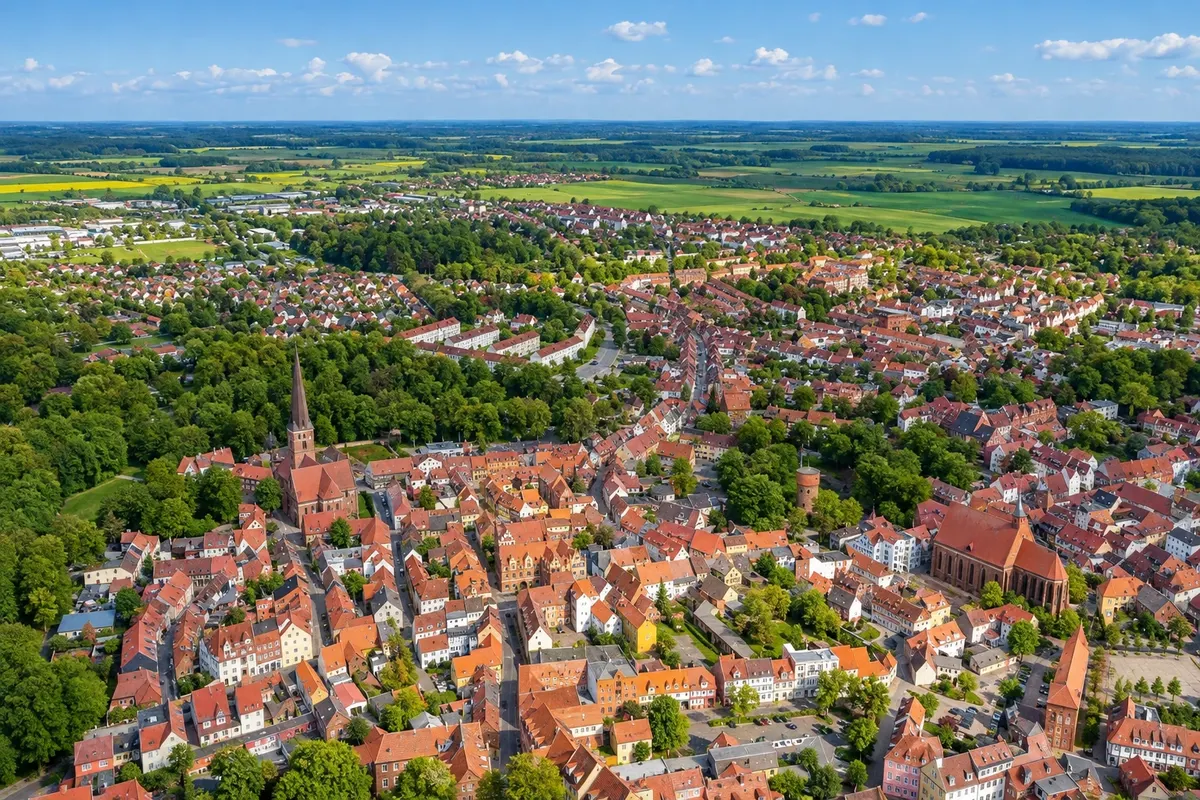
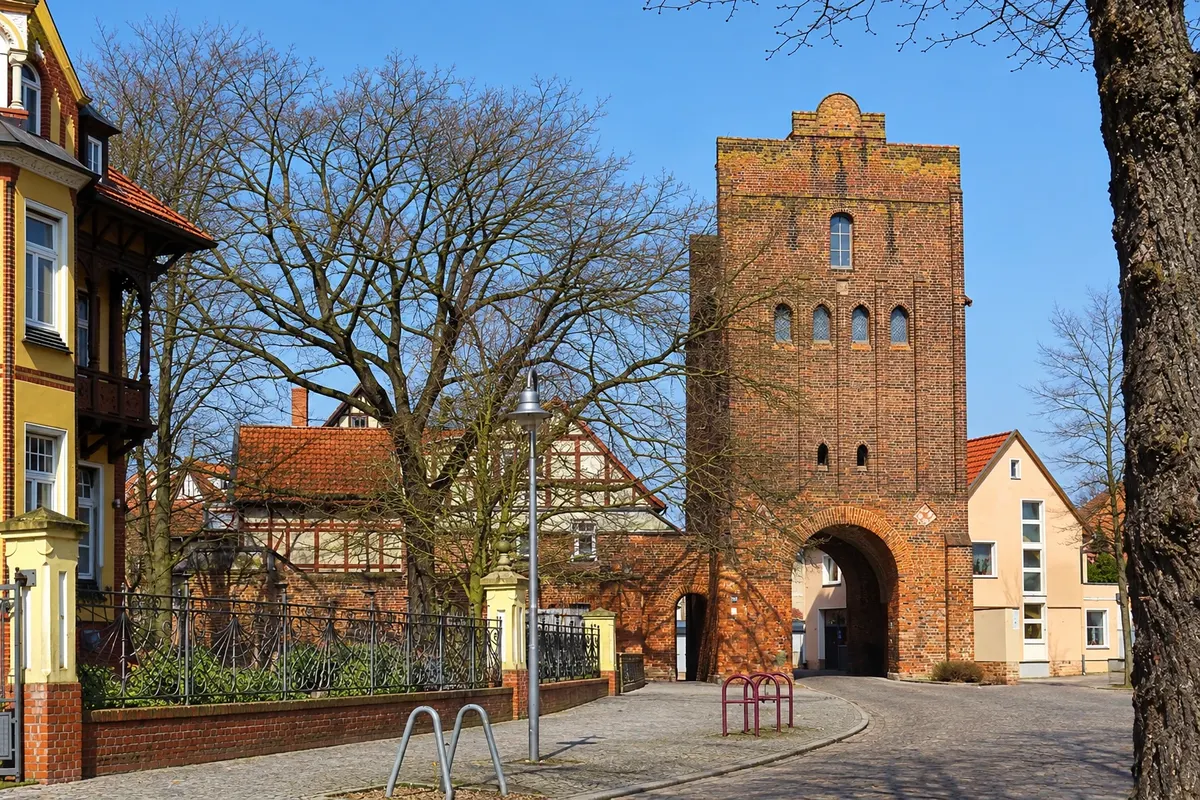
Salzwedel, in the northwest of the Altmark, is the gateway. The town was part of the Hanseatic League from 1263 to 1518 and officially uses the title Hansestadt. The old town, surrounded by arms of the Jeetze River and stretches of wall, contains more than 570 half-timbered buildings, brick churches of northern German Gothic and two medieval gates.
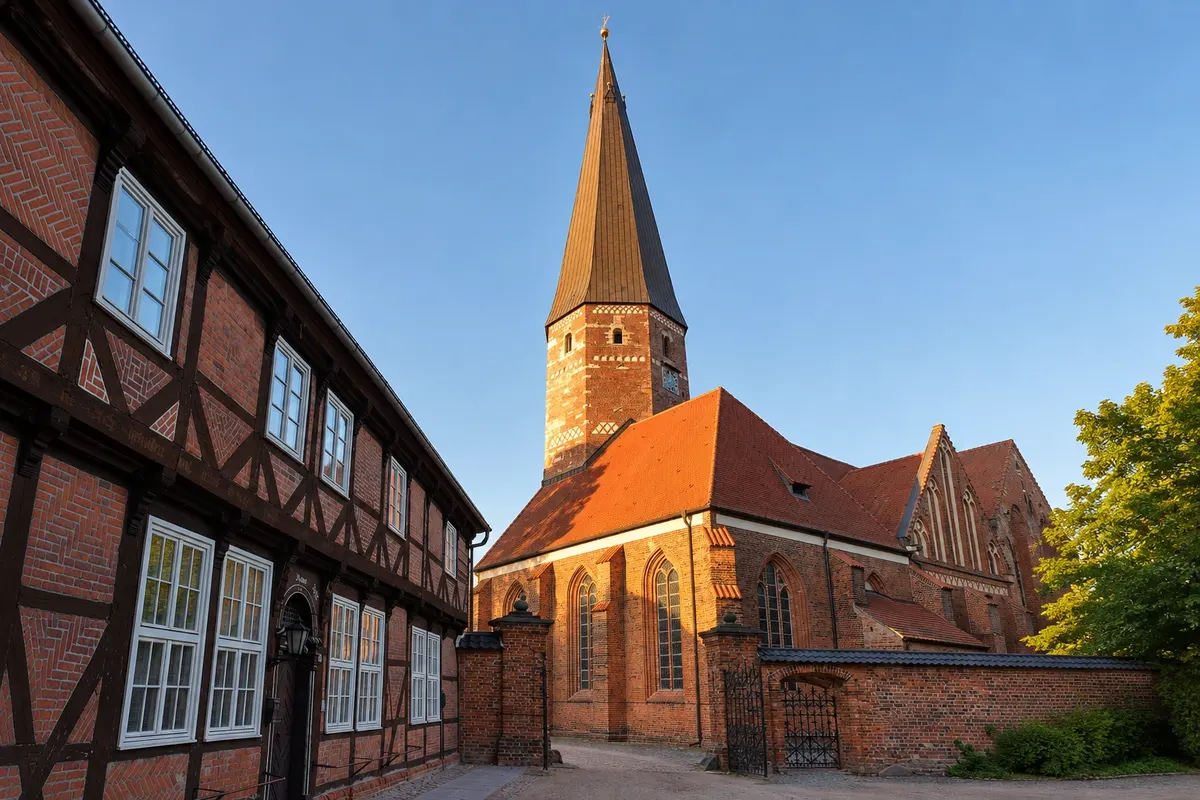
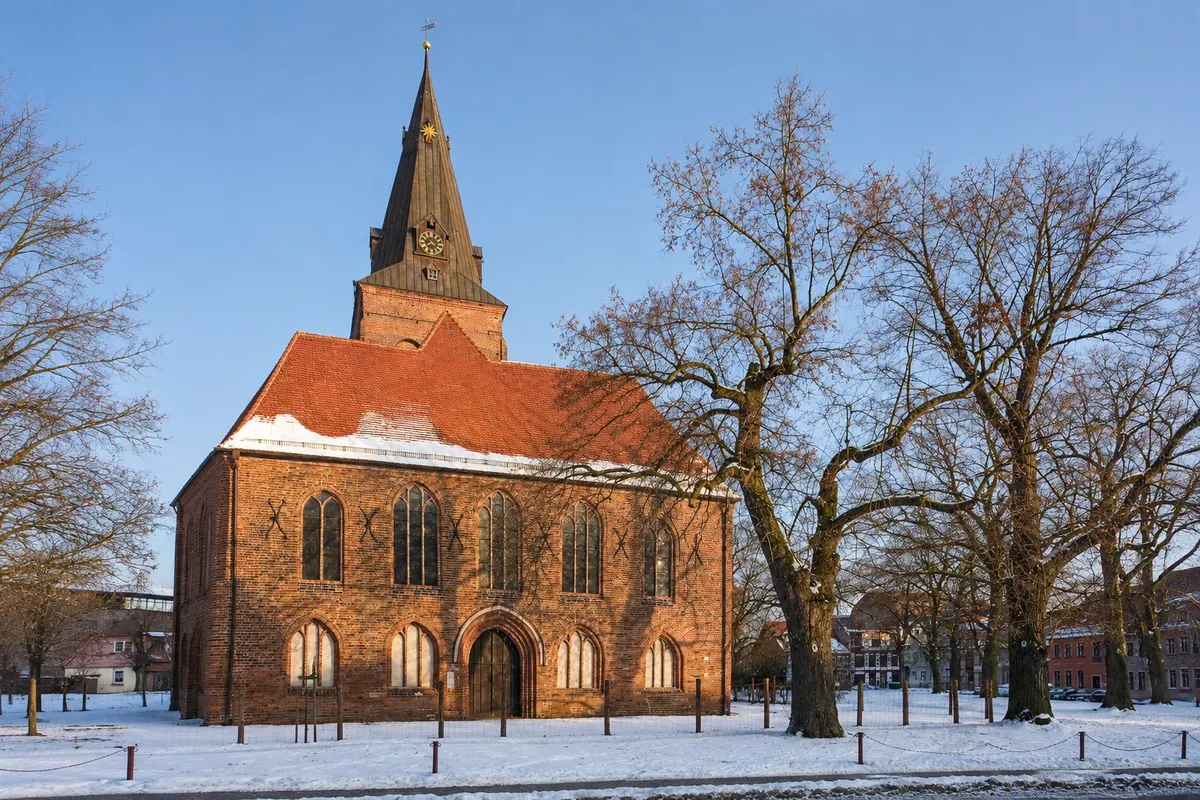
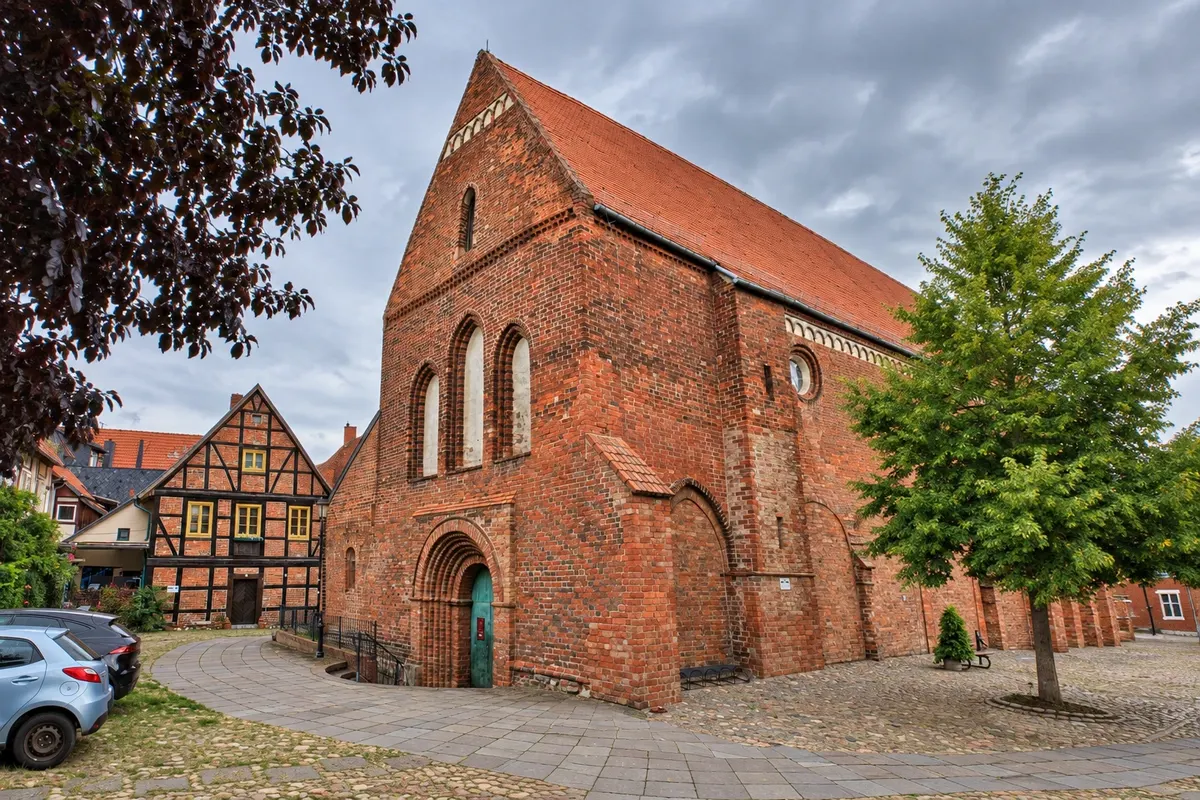
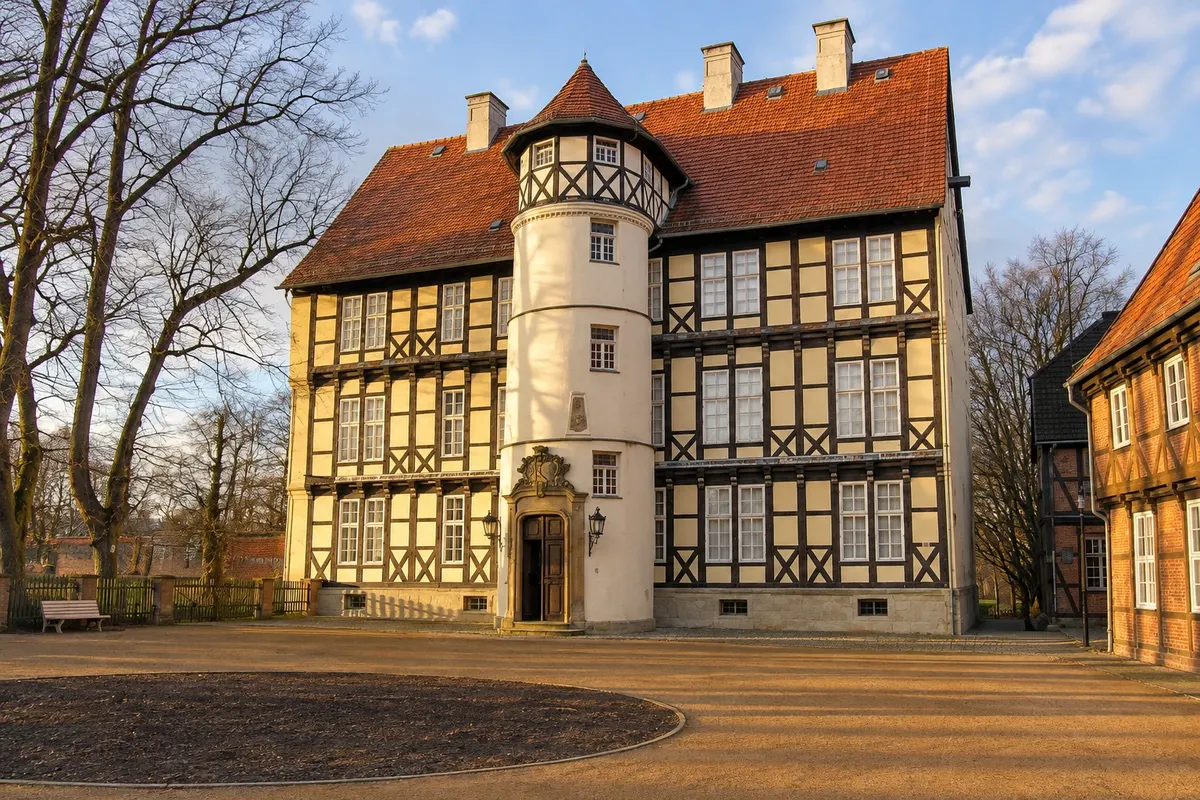
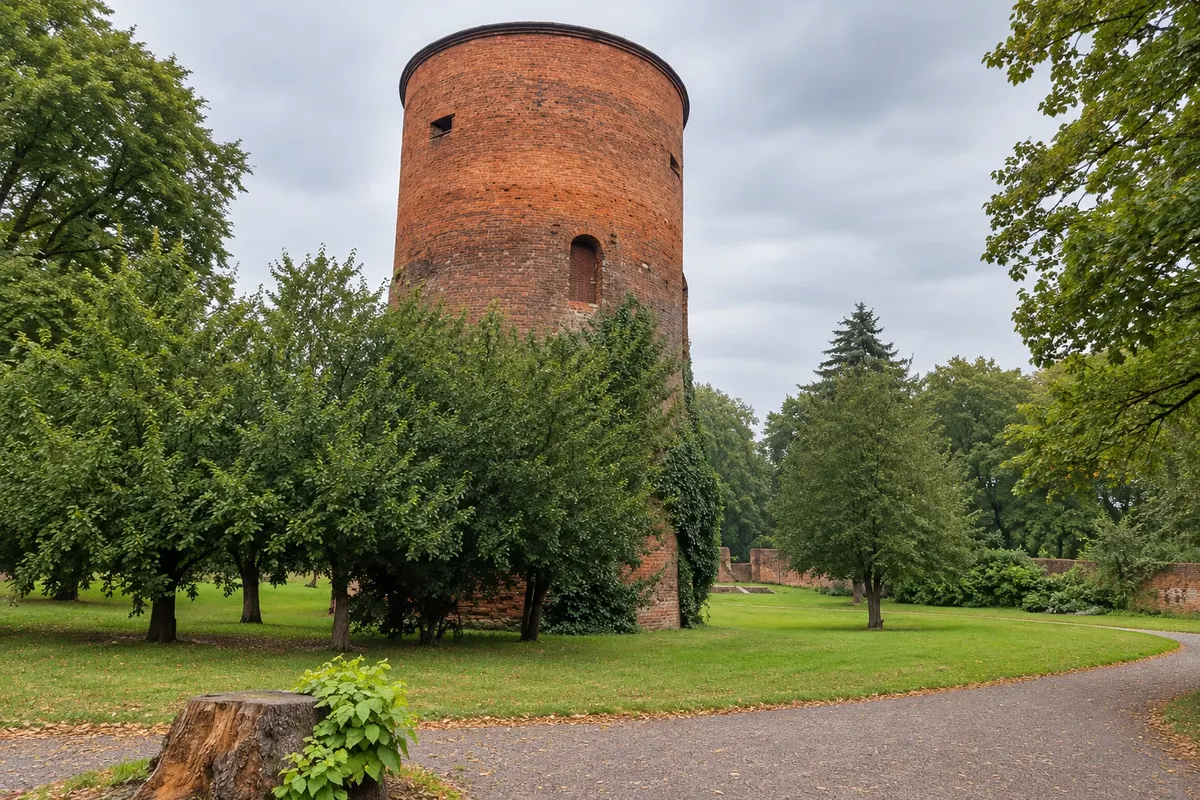
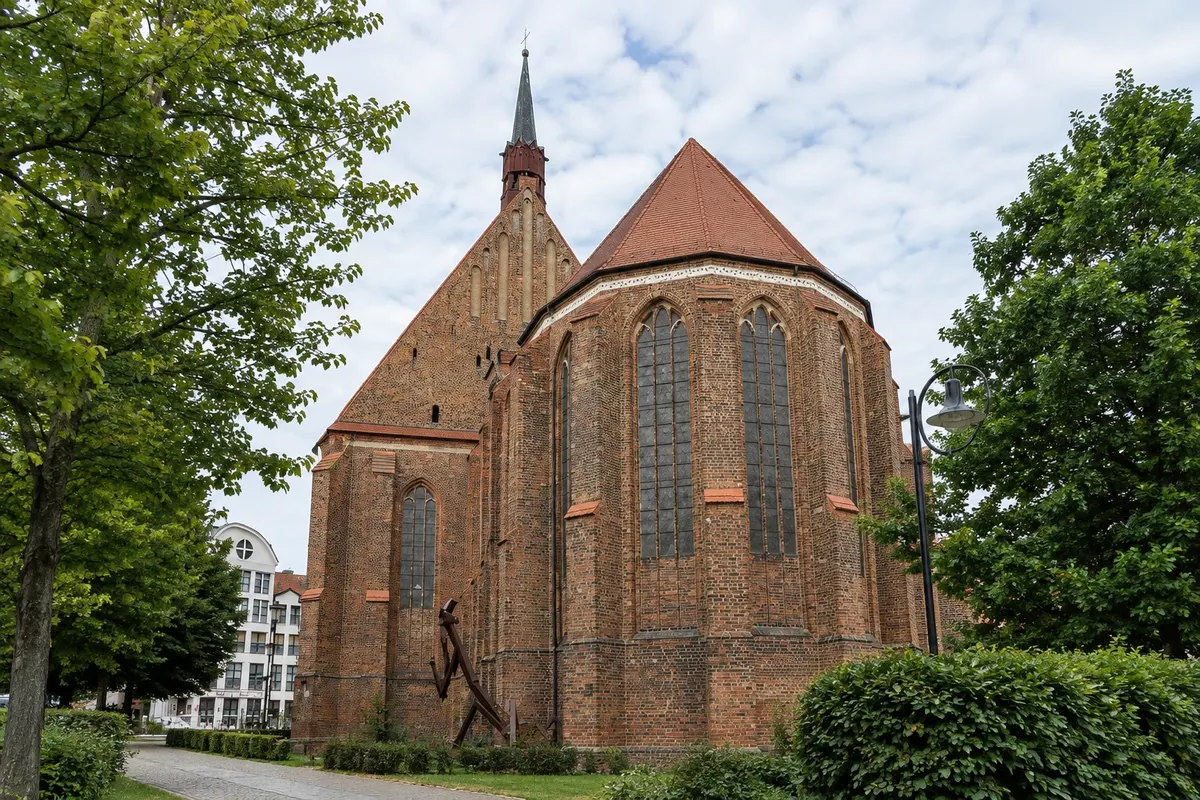
The churches of St. Mary, St. Catherine and St. Lawrence show three stages of brick architecture, from late Romanesque to Gothic. The former Franciscan church has been turned into a concert hall, and the Renaissance house next to St. Mary’s church houses the regional history museum, with an altarpiece from the workshop of Lucas Cranach the Younger. At the northern edge of the center, the round castle tower rises in a public garden.
Salzwedel is also known for the Salzwedeler Baumkuchen, a cake baked in thin layers on a spit over the fire. In some bakeries in town it is possible to watch the preparation. To the north, the former border strip between the two Germanies has become a nature corridor, the Grünes Band.
This destination brings together 1 city: Salzwedel.


 Brazil
 Argentina
 Bolivia
 Chile
 Colombia
 Ecuador
 Guyana
 French Guiana
 Falkland Islands (Malvinas)
 Paraguay
 Peru
 Suriname
 Uruguay
 Venezuela
 Austria
 Belgium
 Croatia
 Denmark
 Spain
 Finland
 France
 Greece
 the Netherlands
 Hungary
 Ireland
 Iceland
 Italy
 Luxembourg
 Norway
 Poland
 Portugal
 the United Kingdom
 the Czech Republic
 Sweden
 Switzerland
 Turkey
 the United States
 Mexico
 the Dominican Republic
 South Africa
 Australia
 Fiji