Kruger National Park

Mpumalanga · Limpopo · South Africa

Kruger National Park

Self-drive or guided safari in one of Africa's largest parks, with elephants, lions, rhinos and giraffes, and bases in Mbombela, Hazyview, Skukuza, Hoedspruit and Phalaborwa.

Kruger, Mpumalanga e Limpopo

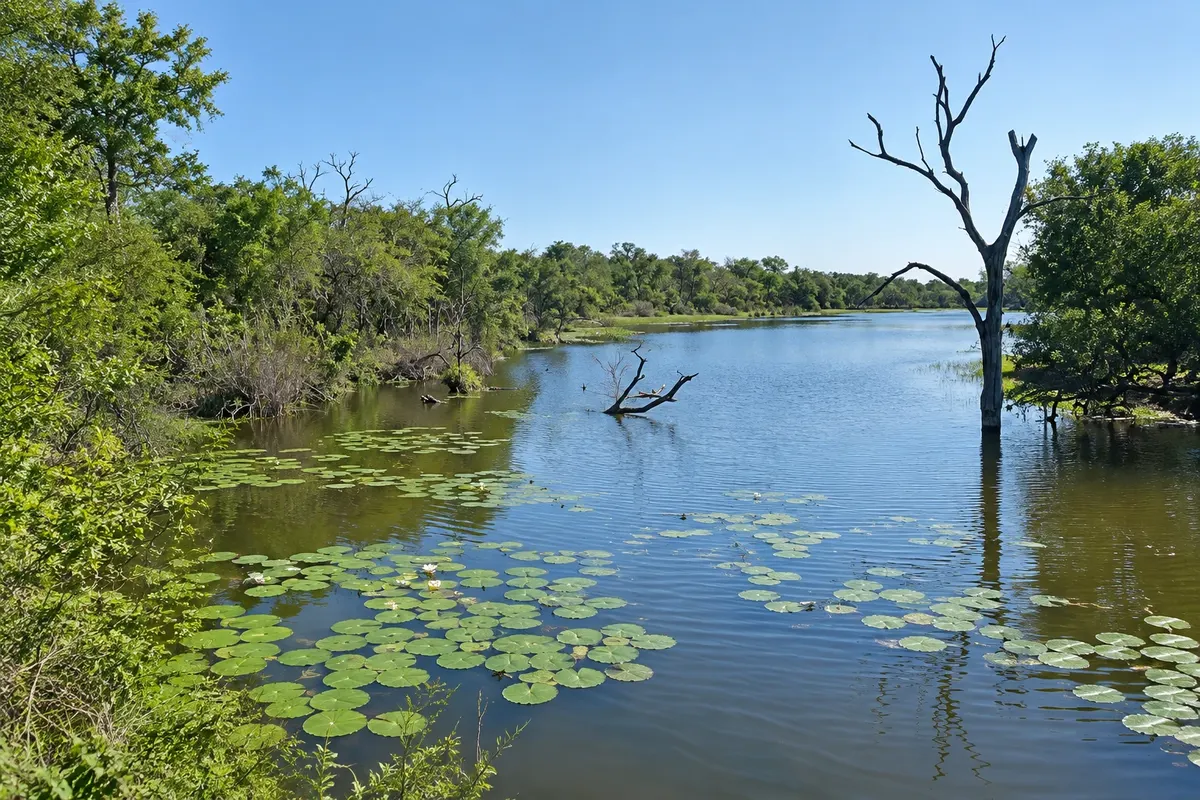
In the photo: Kruger National Park

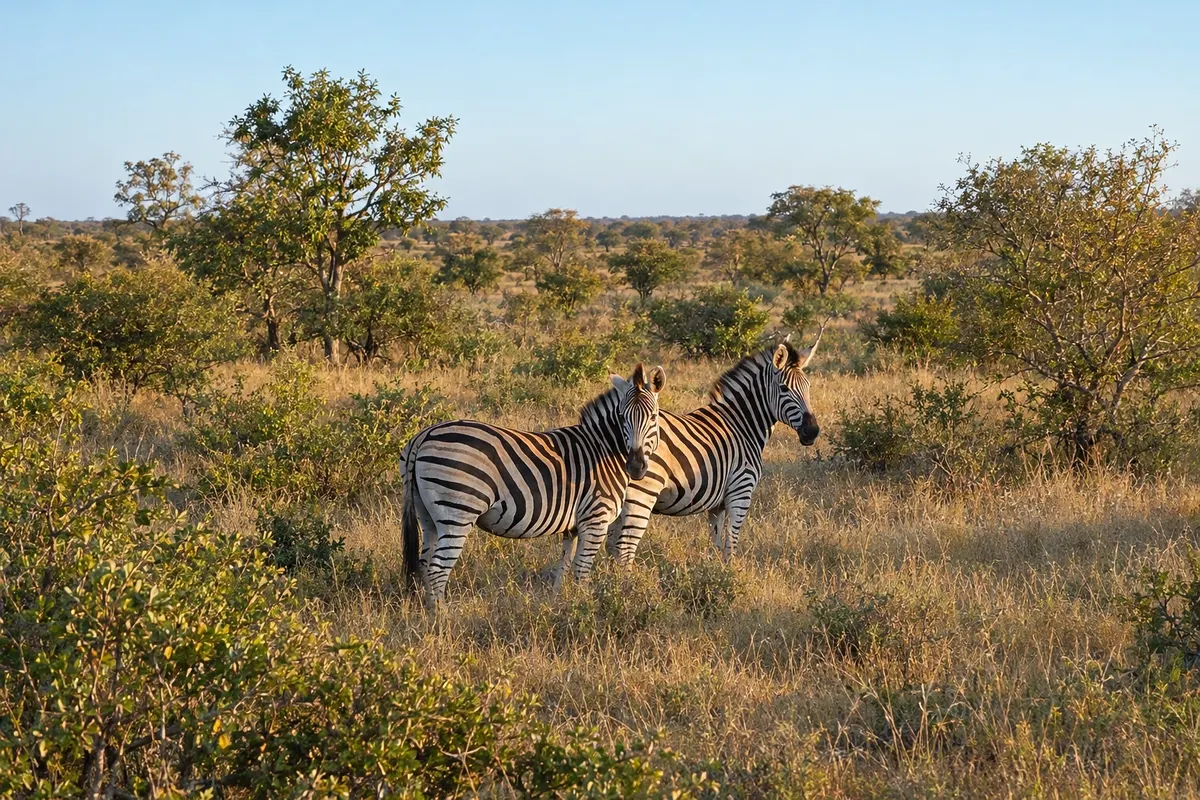
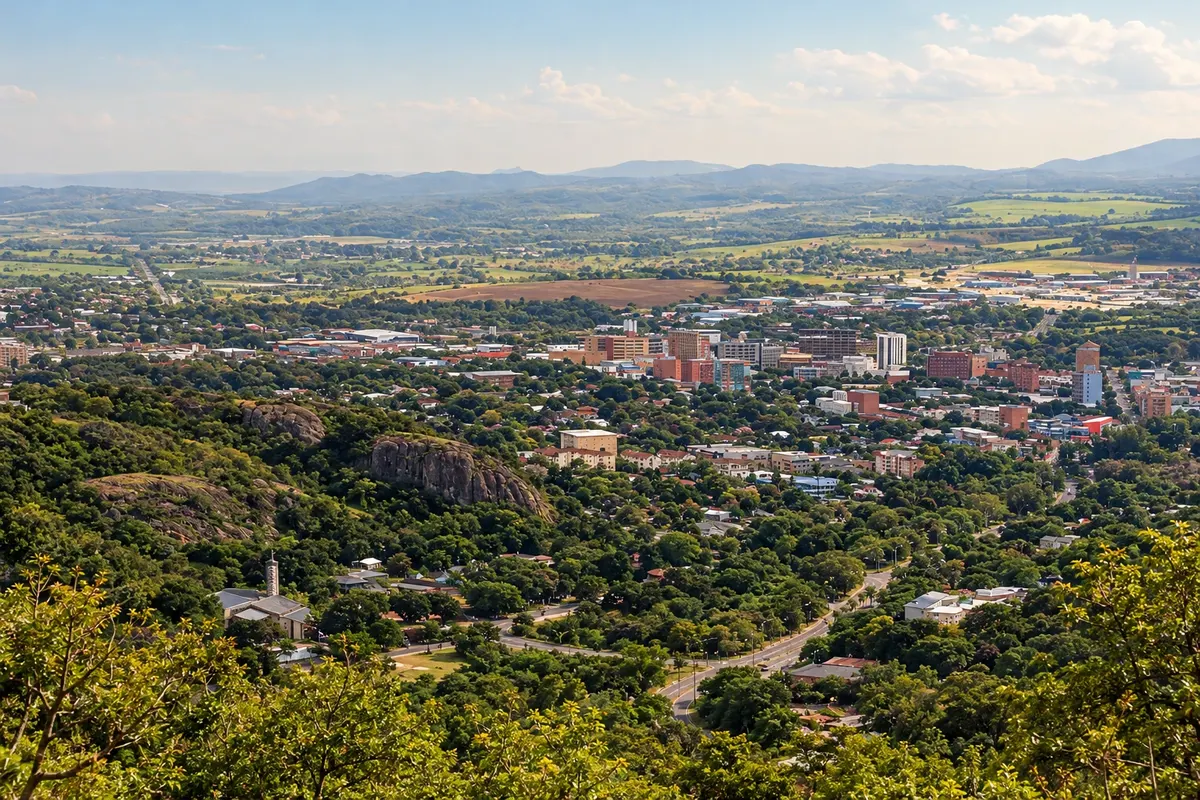
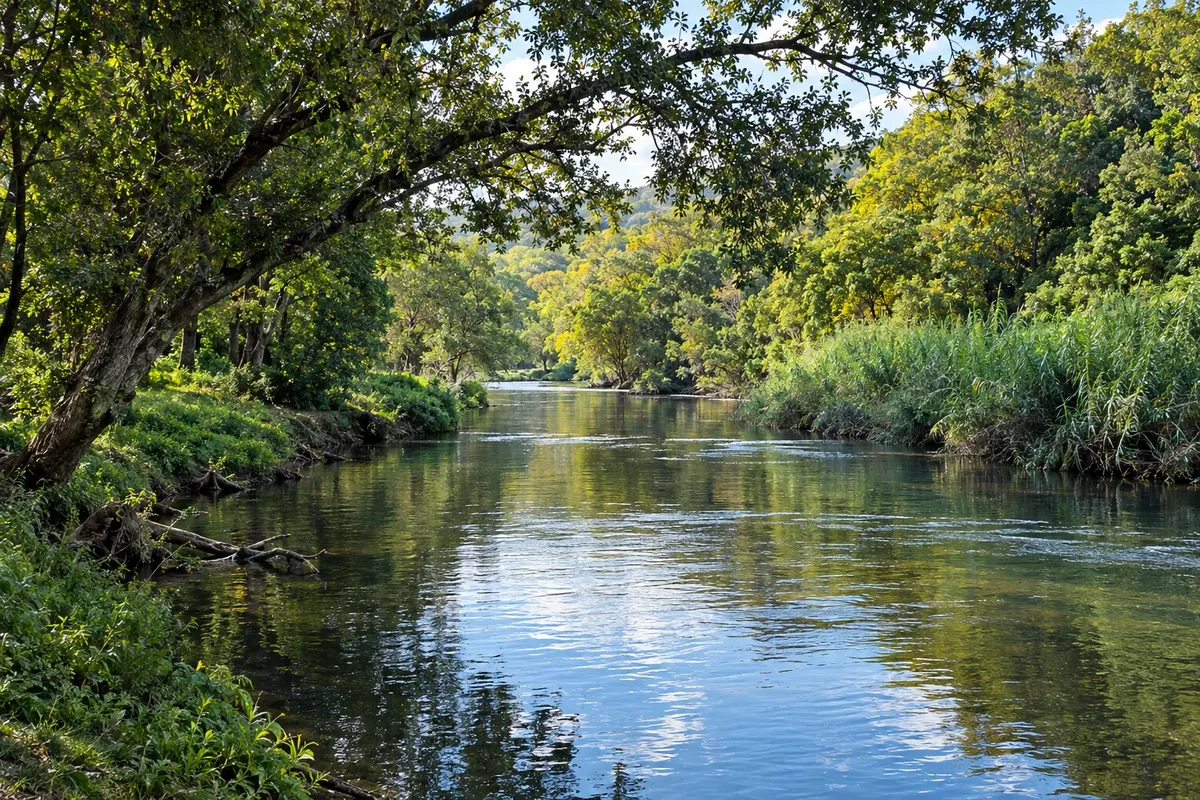
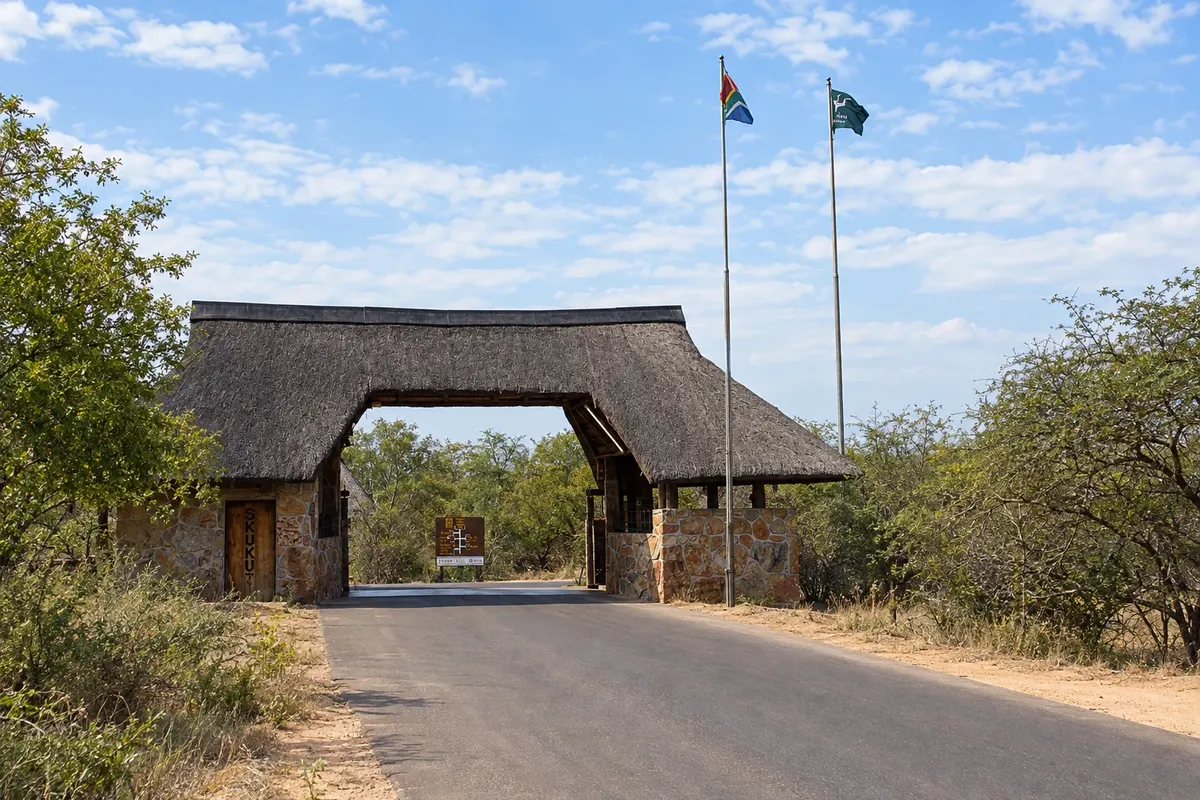
Illustrative images. The pictures in this guide are illustrations based on the real place, not photographs, and may differ from it.

Get it on Google Play Send your photos

Get to know the place

A region to enjoy
at your own pace.

Kruger National Park covers about 2 million hectares in northeastern South Africa, between the provinces of Mpumalanga and Limpopo, along the border with Mozambique. It stretches roughly 350 km from north to south. The area began to be protected in 1898 as the Sabie Game Reserve and became a national park in 1926, named after President Paul Kruger. On the Mozambique side, Limpopo National Park continues the same landscape, with no fence between them.

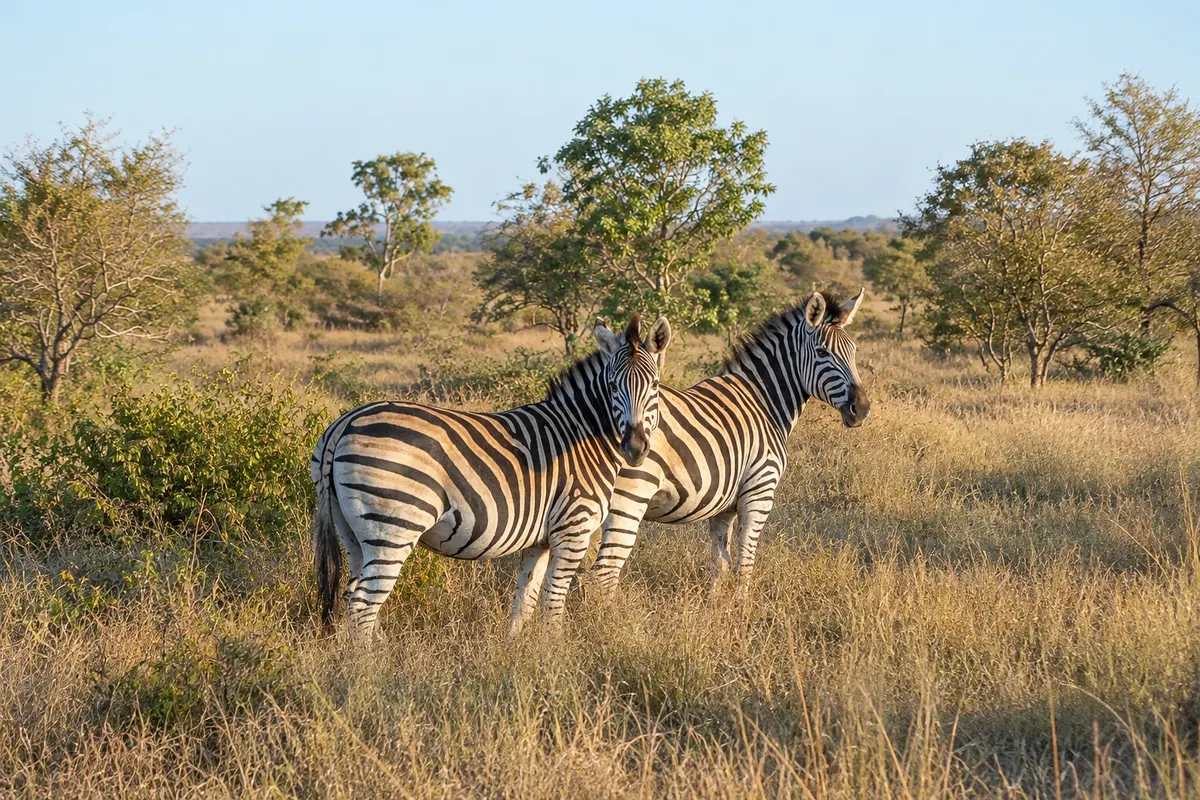
Kruger is known for the so-called Big Five: lion, leopard, elephant, buffalo and rhino, but the variety goes far beyond that: giraffes, zebras, hippos, crocodiles, hyenas, African wild dogs and hundreds of bird species. The southern park, between Skukuza and Crocodile Bridge, usually has more animals and more vehicles; the north, near Punda Maria and Pafuri, is quieter and favored by birdwatchers and baobab enthusiasts.

A particular feature of Kruger is that you can do a safari in your own car along the paved and dirt roads, sleeping in the park's rest camps, which have chalets, a restaurant, a shop and a fuel station. There are also guided safaris in open vehicles run by the park, early morning, at dusk and at night, and guided walks with armed rangers. Outside the park fence, neighboring private reserves like Sabi Sand and Timbavati offer guide-only safaris from lodges.

The rules are practical and apply to everyone: do not get out of the vehicle except in designated areas; gates open and close at times that change by month, and late arrivals may be fined; speed limits apply, and animals always have right of way. No species is guaranteed, but in the dry season it is common to see many animals near rivers and dams.

This destination brings together 5 cities: Mbombela, Hazyview, Skukuza, Hoedspruit, Phalaborwa.

Share: WhatsApp
Traveler, share your experiences through photos Up to 5 photos of each place you visited.

One destination, many paths

The cities on this trip

Start with one city or combine several in your itinerary.

Where Kruger National Park is
PhalaborwaMbombelaHazyviewSkukuzaHoedspruit

Limites: South African Municipal Demarcation Board / OCHA ROSEA / geoBoundaries (CC BY 3.0 IGO). Adaptação do Cidade Turismo.

How to get there: Kruger National Park

✈ Aeroporto Internacional Kruger Mpumalanga (MQP), in Mbombela · 22 km to Mbombela

Check before booking. International flights arrive in Johannesburg (JNB), and there are domestic flights to Mbombela (Kruger Mpumalanga, MQP), Hoedspruit (HDS), Skukuza (SZK) and Phalaborwa (PHW). By car, Mbombela is about a 4-hour drive from Johannesburg via the N4.

Suggested arrival point: Mbombela

Hazyview
Mpumalanga · Kruger National Park

Hazyview

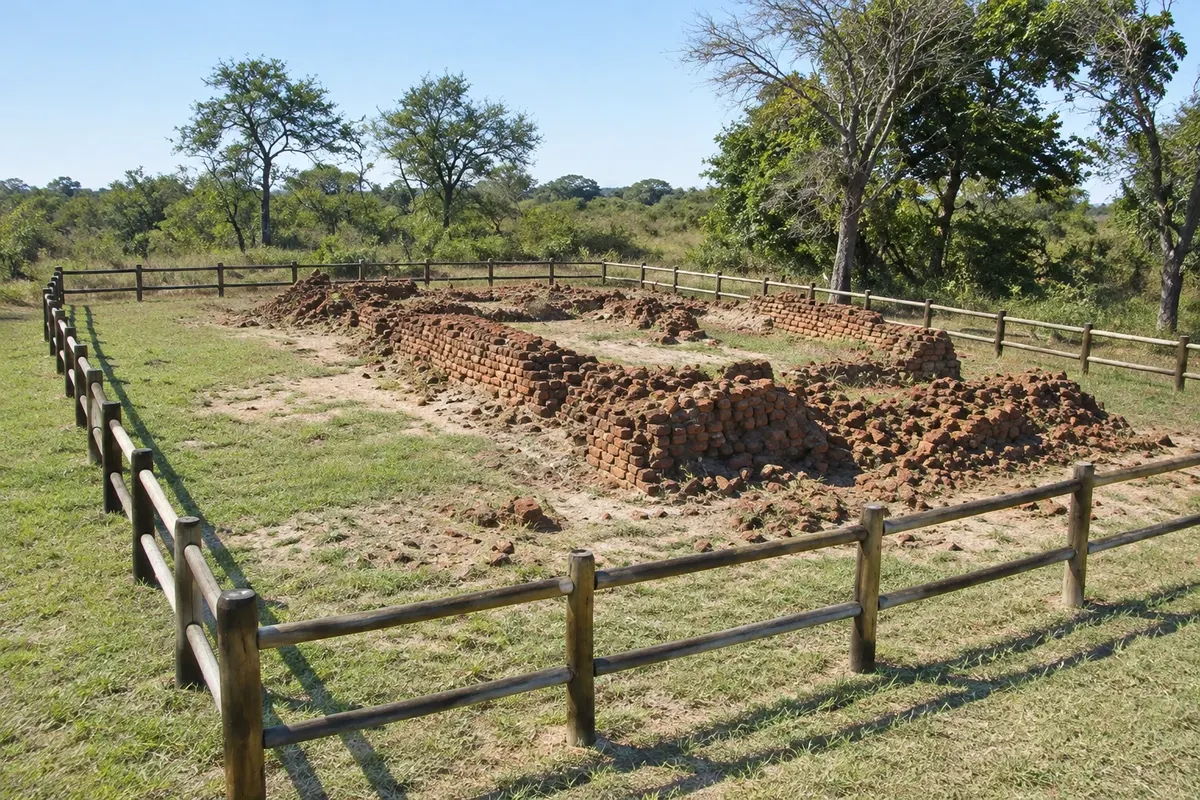
Hazyview is a small town amid banana and macadamia plantations, about 15 km from the Phabeni gate and about 45 km from the Paul Kruger gate, the closest to Skukuza. It is one of the most popular bases for the southern Kruger, with guesthouses, lodges and open-vehicle safari operators. Just after the Phabeni gate are the ruins of Albasini, the trading post of a 19th-century Portuguese settler, and the town also serves as an access point to the Panorama Route.

Skukuza
Mpumalanga · Kruger National Park

Skukuza

Skukuza is the largest camp in the Kruger and functions like a small town inside the park, on the banks of the Sabie River. It has chalets, a camping area, a restaurant, a shop, a fuel station, a bank, a medical post, a library and an airport. It is the park's administrative headquarters and the starting point for guided safaris in the south, one of the areas with the most animals. Near the camp are the Lake Panic bird hide and the Stevenson-Hamilton library.

Hoedspruit
Limpopo · Kruger National Park

Hoedspruit

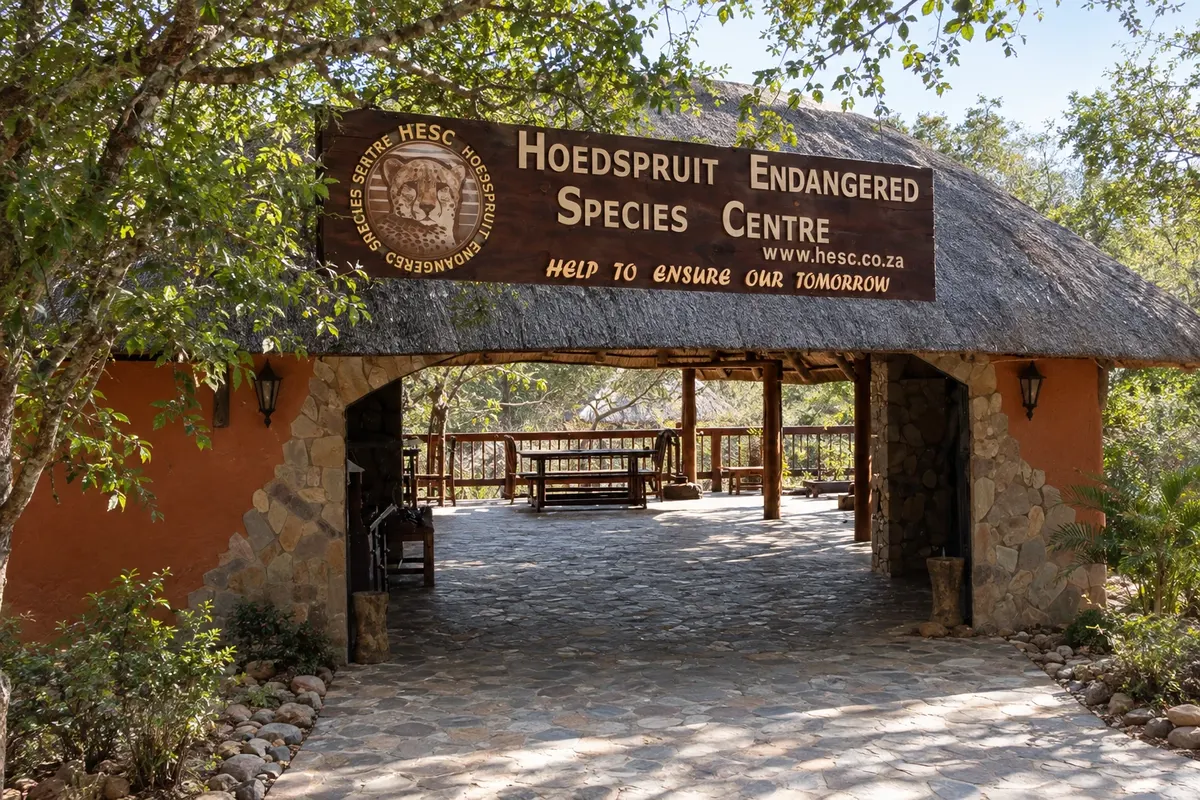
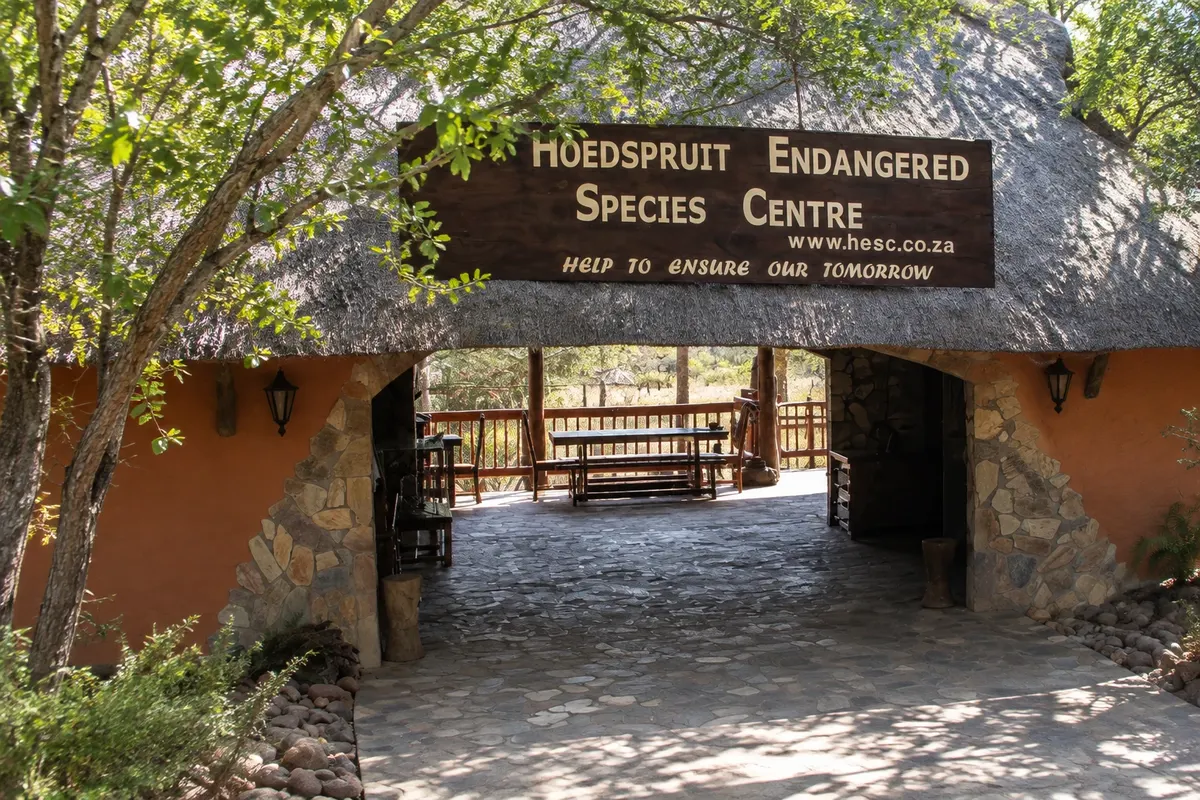
Hoedspruit is a small town in southern Limpopo, at the foot of the Drakensberg escarpment, about 70 km from the Orpen gate of the Kruger. It is the gateway to the private reserves to the west, such as Timbavati, Klaserie and Balule, where safaris are conducted with a guide, from lodges. It has an airport with domestic flights and is known for the Hoedspruit Endangered Species Centre, which works with cheetahs. From here you can also reach the bottom of the Blyde River canyon.

The local experience

Things to do in Kruger National Park

Centro de Espécies Ameaçadas de Hoedspruit
Hoedspruit · Limpopo · Conservation center

Centro de Espécies Ameaçadas de Hoedspruit

A rehabilitation and breeding centre for endangered animals, known for its work with cheetahs, south of Hoedspruit, with guided visits.

Jardim Botânico Nacional do Lowveld
Mbombela · Mpumalanga · Botanical garden

Jardim Botânico Nacional do Lowveld

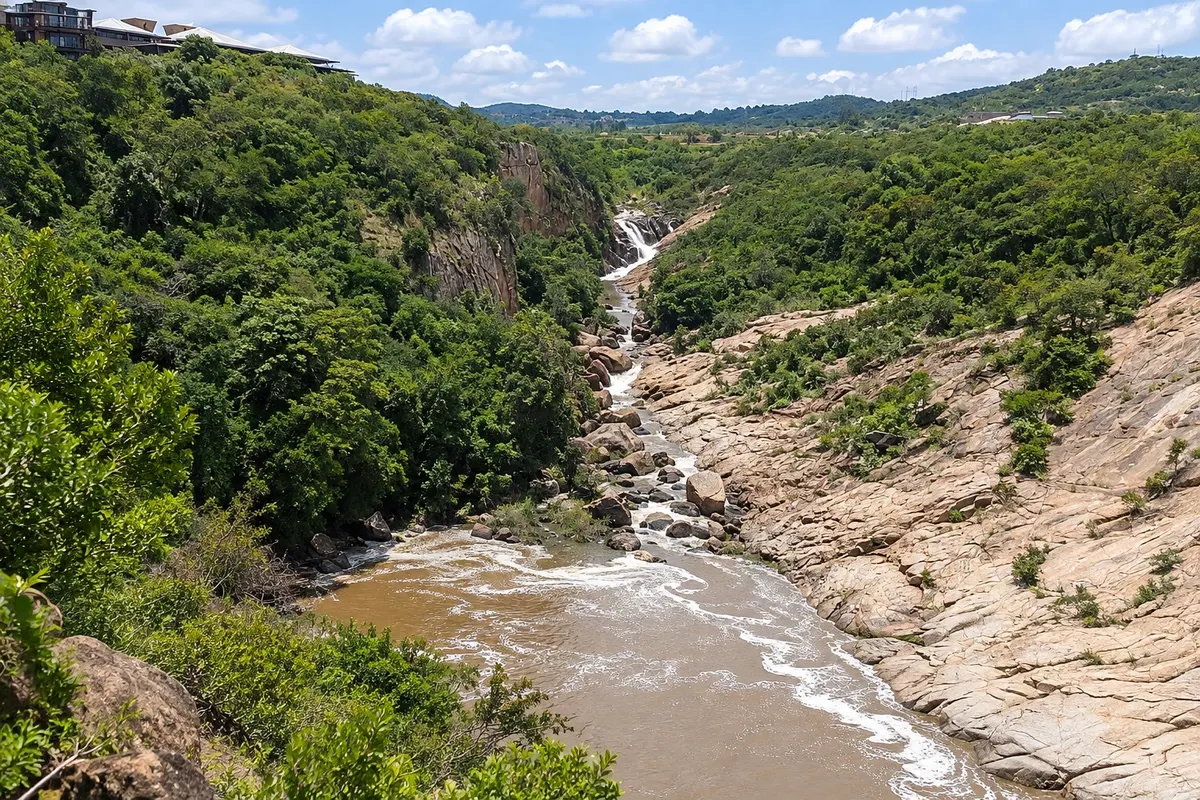
A garden of about 160 hectares at the confluence of the Crocodile and Nels rivers in Mbombela, with waterfalls, a suspension bridge and a collection of plants from the African savanna.

Parque Nacional Kruger
Skukuza · Mpumalanga · National park

Parque Nacional Kruger

A park of about 2 million hectares in northeastern South Africa, known for the Big Five and for the safari you can do in your own car.

Ruínas de Albasini
Hazyview · Mpumalanga · Historic site

Ruínas de Albasini

Remains of the trading post of the Portuguese João Albasini from the 19th century, just after the Phabeni gate of the Kruger, with a small open‑air museum.

See 4 more places in Kruger National Park
Sítio Histórico de Masorini
Phalaborwa · Limpopo · Archaeological site

Sítio Histórico de Masorini

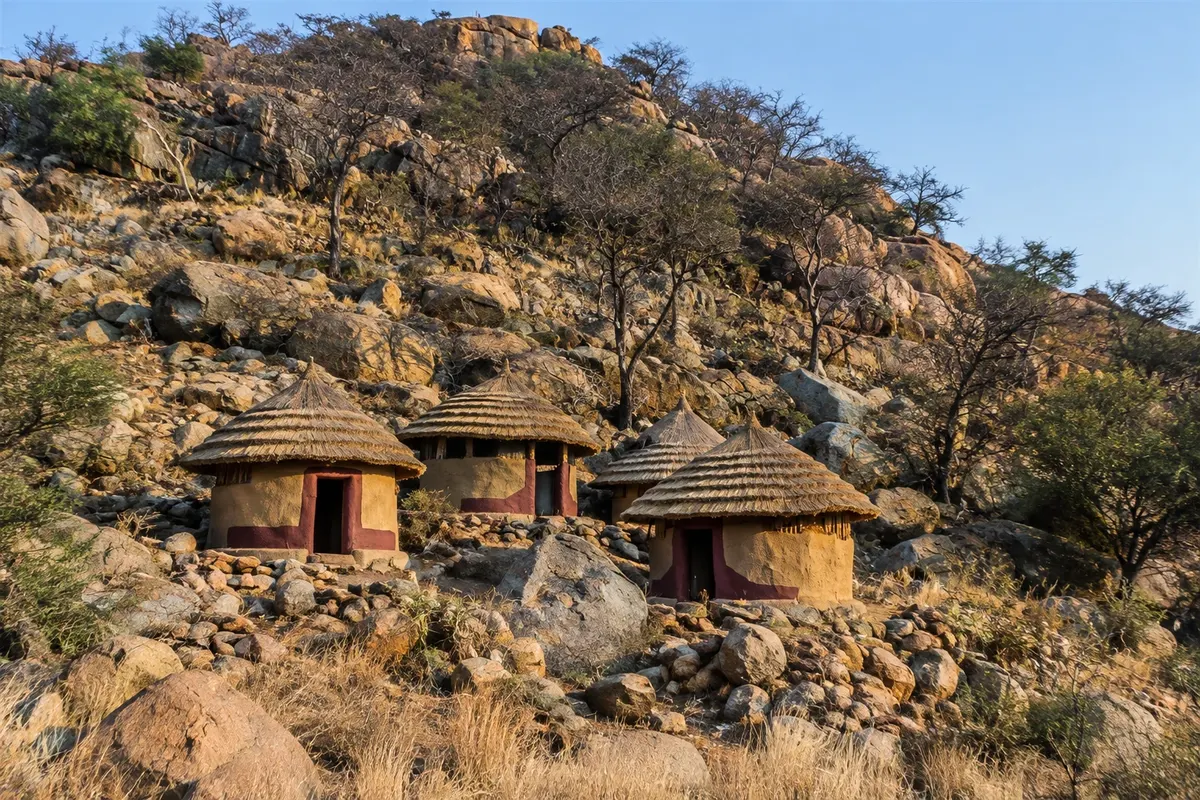
Reconstructed Iron Age blacksmith village on a hill inside the Kruger, near the Phalaborwa gate, with smelting furnaces and stone-and-thatch huts.

Cavernas de Sudwala
Mbombela · Mpumalanga · Cave

Cavernas de Sudwala

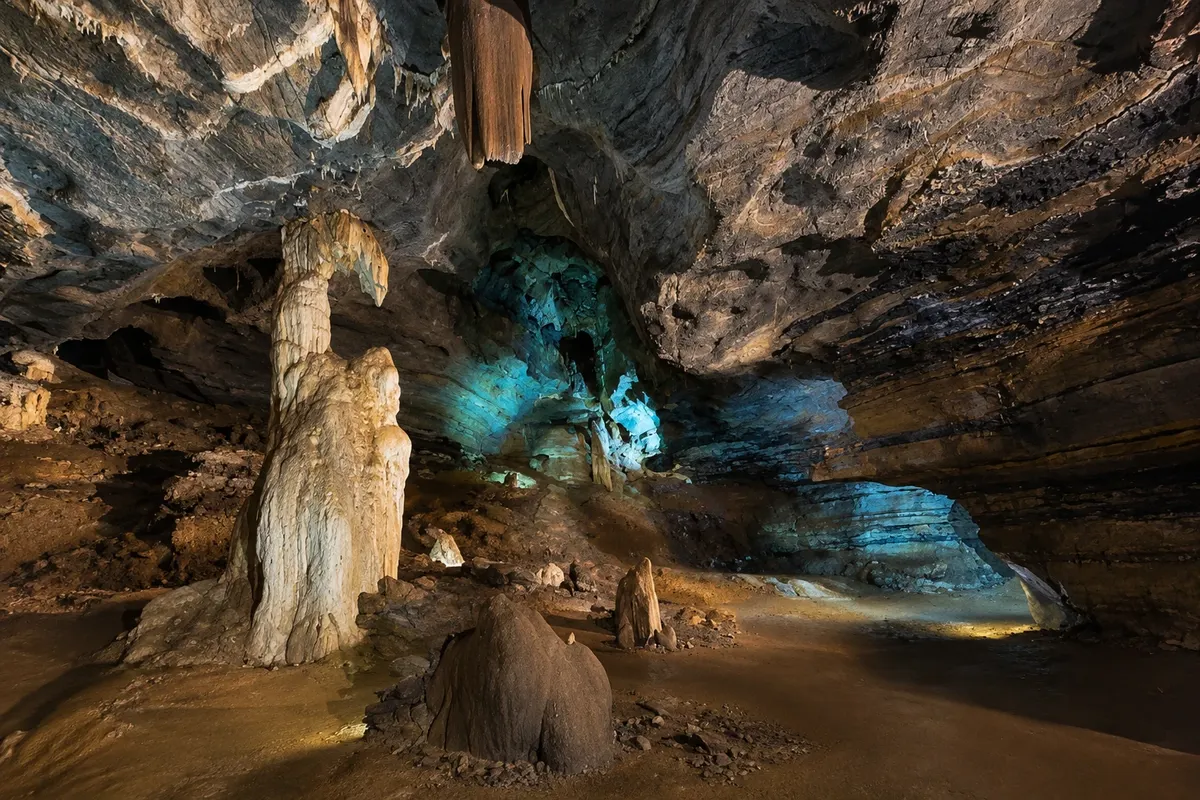
Caves in Precambrian dolomitic rock in the Houtbosloop valley west of Mbombela, featuring a large natural chamber and guided tours.

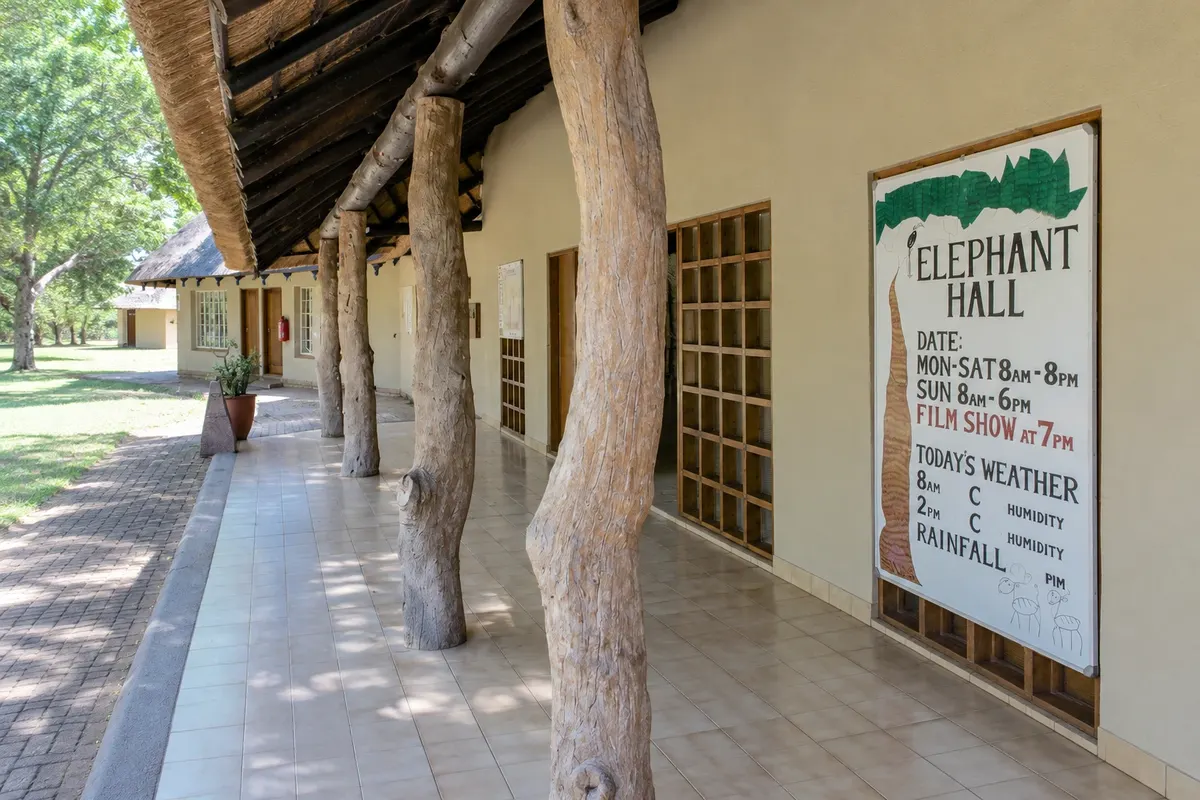
Elephant Hall de Letaba
Phalaborwa · Limpopo · Museum

Elephant Hall de Letaba

Museum in Letaba camp, inside the Kruger, dedicated to elephants, featuring the tusks of the so-called Seven Magnificents, famous male elephants of the park.

Lake Panic Bird Hide
Skukuza · Mpumalanga · Birdwatching

Lake Panic Bird Hide

A wooden hide on the edge of a dam near Skukuza, from where you can observe herons, kingfishers, hippos and crocodiles.

Before you go

Practical information

A little planning leaves more time to enjoy the journey.

When to go

The dry season, from May to September, is the most popular for safaris: vegetation is low, animals gather near water and mornings are chilly. Summer, from November to March, is hot with afternoon rains, tall vegetation and young animals; it is also the season for migratory birds. Malaria risk is higher in the rainy season: consult a doctor before traveling.

The seasons shown are the most usual ones; nature doesn't always follow the calendar.

How many days to stay

Three days is the minimum for a safari in the southern park, with two nights in a rest camp or in Hazyview. With five days you can combine Kruger with the Panorama Route. Those who want to cross the park from south to north need a week.

Which city to stay in

Inside the park, the rest camps at Skukuza, Lower Sabie, Satara, Olifants and Letaba have chalets and campsites; book in advance, especially during South African school holidays. Outside, Hazyview and the Marloth Park area near Malelane offer lodgings just minutes from the gates. Hoedspruit is the base for the private reserves to the west, and Phalaborwa for the central park.

Respect the place

Take your trash with you, follow the signs and support local businesses. In natural areas, follow the visiting guidelines.

Get your questions answered

Frequently asked questions about Kruger National Park

Can you do a safari in Kruger without a guide?

Yes. Kruger allows you to drive your own vehicle on the park roads, provided you follow the rules: do not get out of the vehicle outside designated areas and return before the gates close.

When to go to Kruger?

The dry season, from May to September, usually makes wildlife viewing easier because vegetation is low and animals concentrate near water.

How many days to stay in Kruger?

Three days for the southern park; five to combine with the Panorama Route; a week to cross it completely.

Where to sleep in Kruger?

In the park's rest camps, such as Skukuza and Lower Sabie, or outside in Hazyview, Marloth Park, Hoedspruit and Phalaborwa.

Explore other destinations Search by state and city