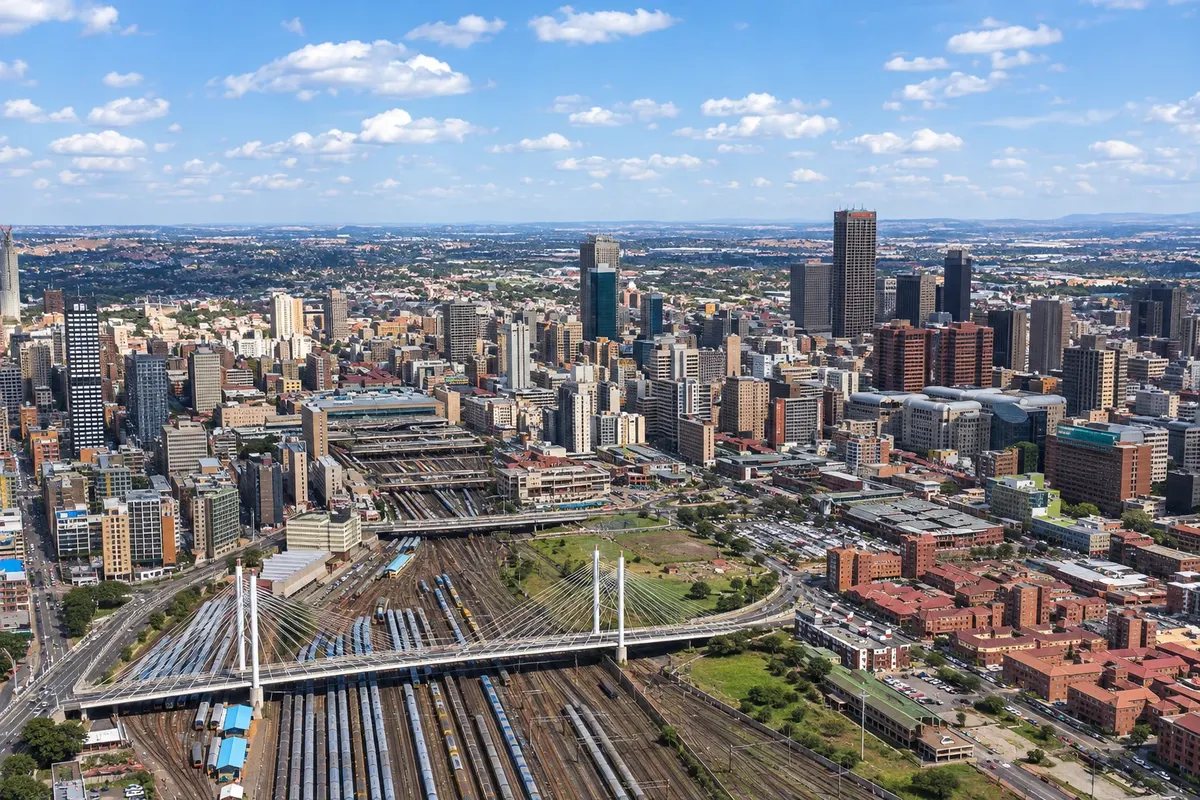
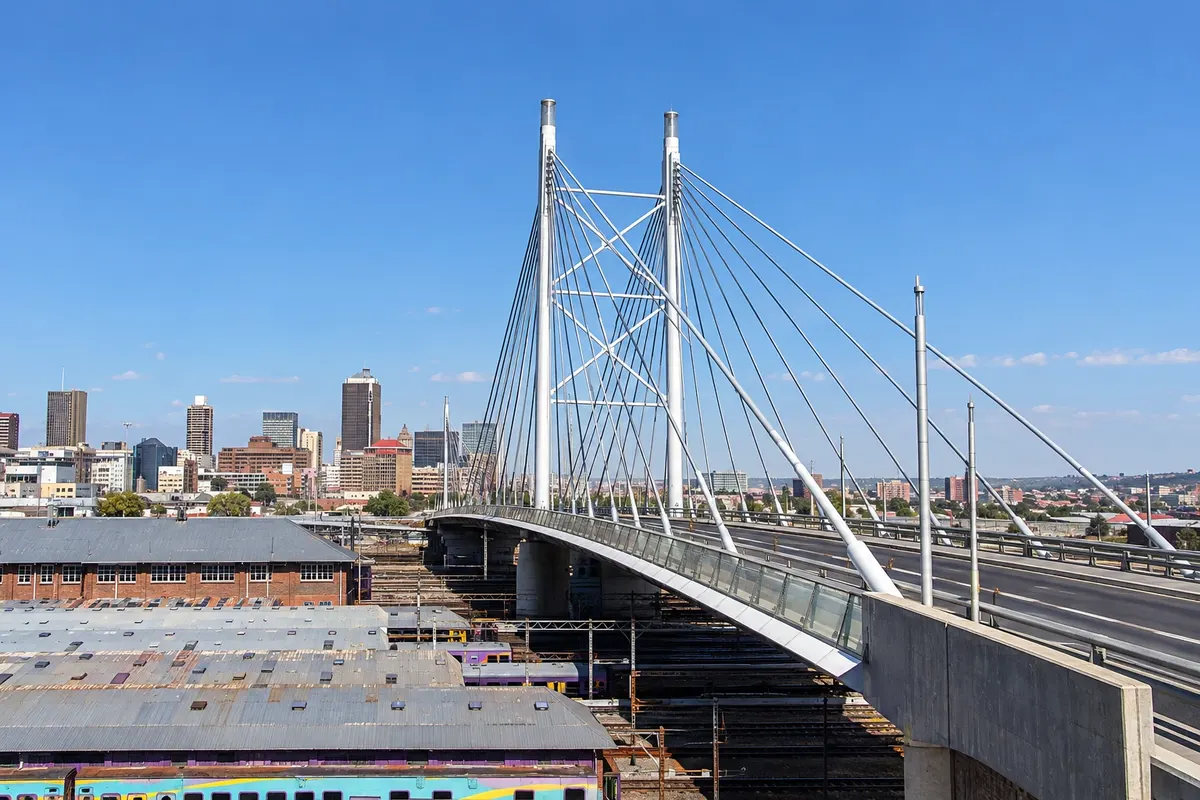
Johannesburg was founded in 1886 when gold was discovered in the Witwatersrand ridge, and within a few decades became South Africa’s largest city. It lies on the Highveld plateau at about 1,750 meters elevation and is the capital of Gauteng province. It is also the main gateway for most international flights and the starting point for Kruger, Pilanesberg and the rest of the country.
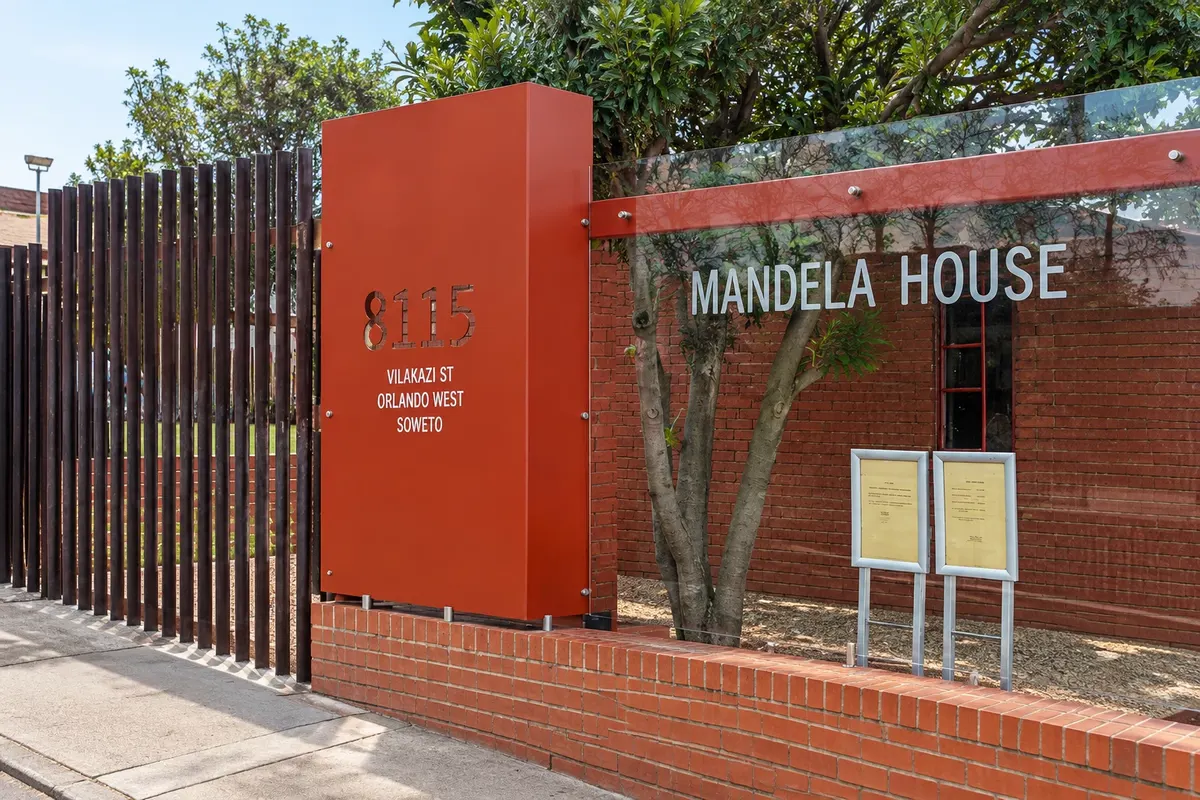
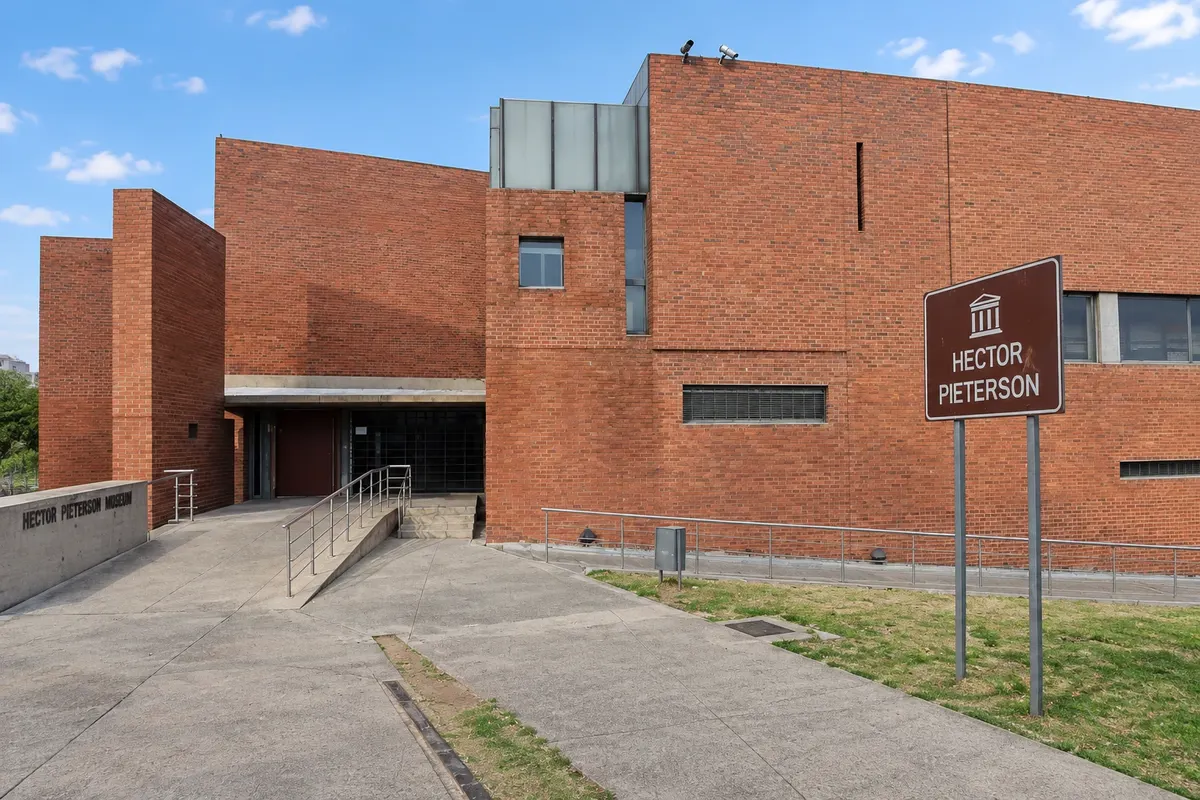
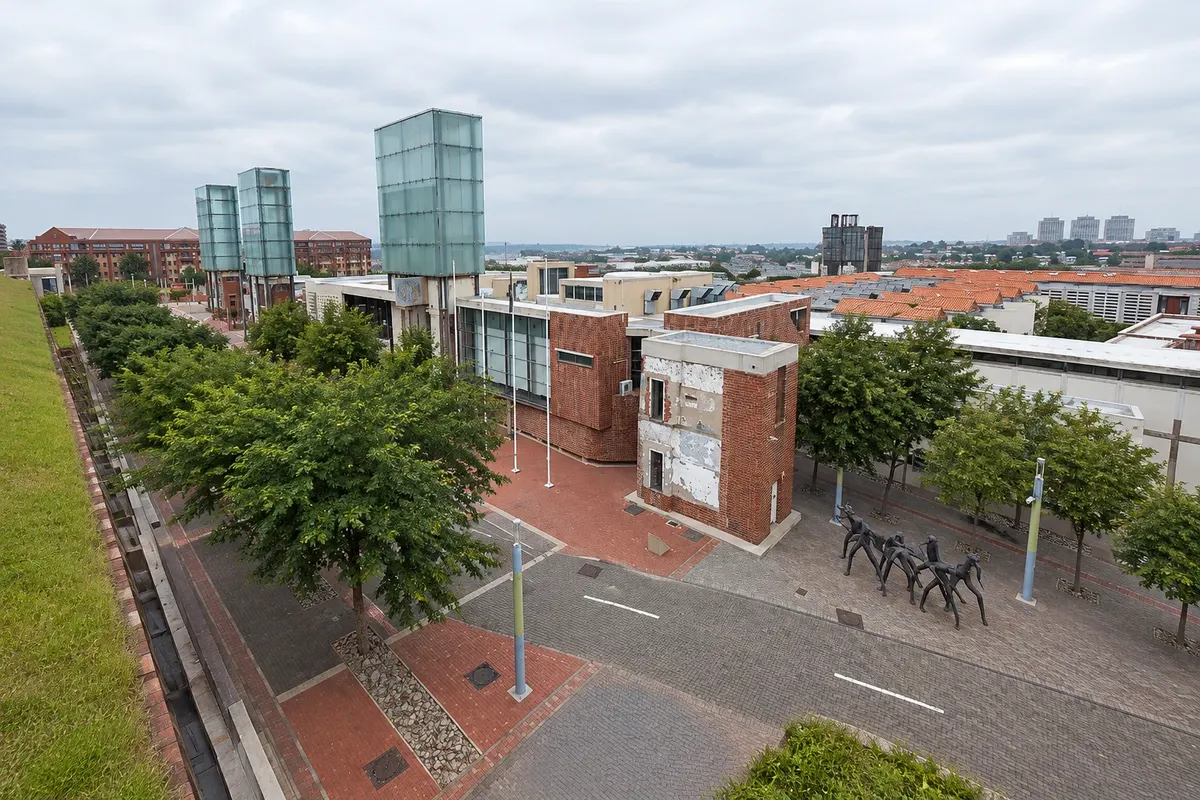
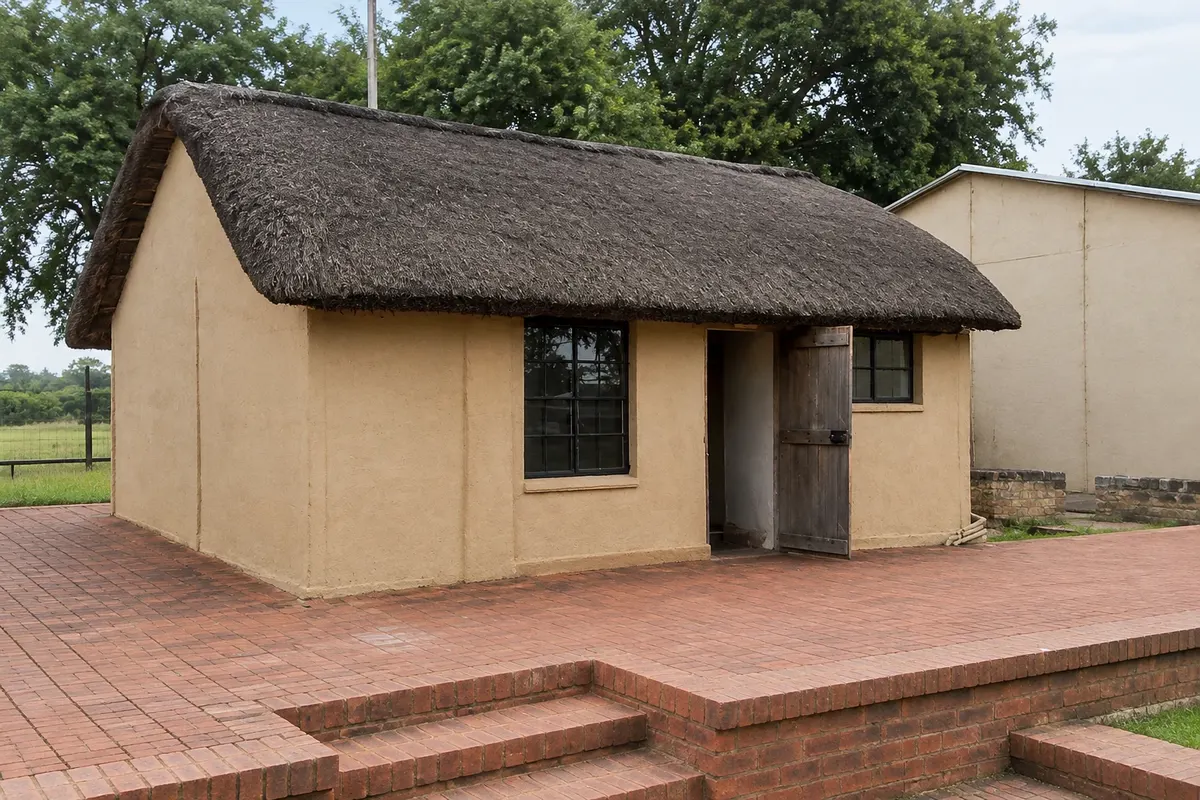
For visitors, Johannesburg is above all the city of the country’s recent history. The Apartheid Museum explains how the segregation regime was created and overthrown; in Soweto, Vilakazi Street brings together the house where Nelson Mandela lived and the Hector Pieterson memorial, the student killed in the 1976 protests; Constitution Hill, a former prison, now houses the Constitutional Court. In Rivonia, Liliesleaf farm was the hideout for leaders of the anti-apartheid movement.
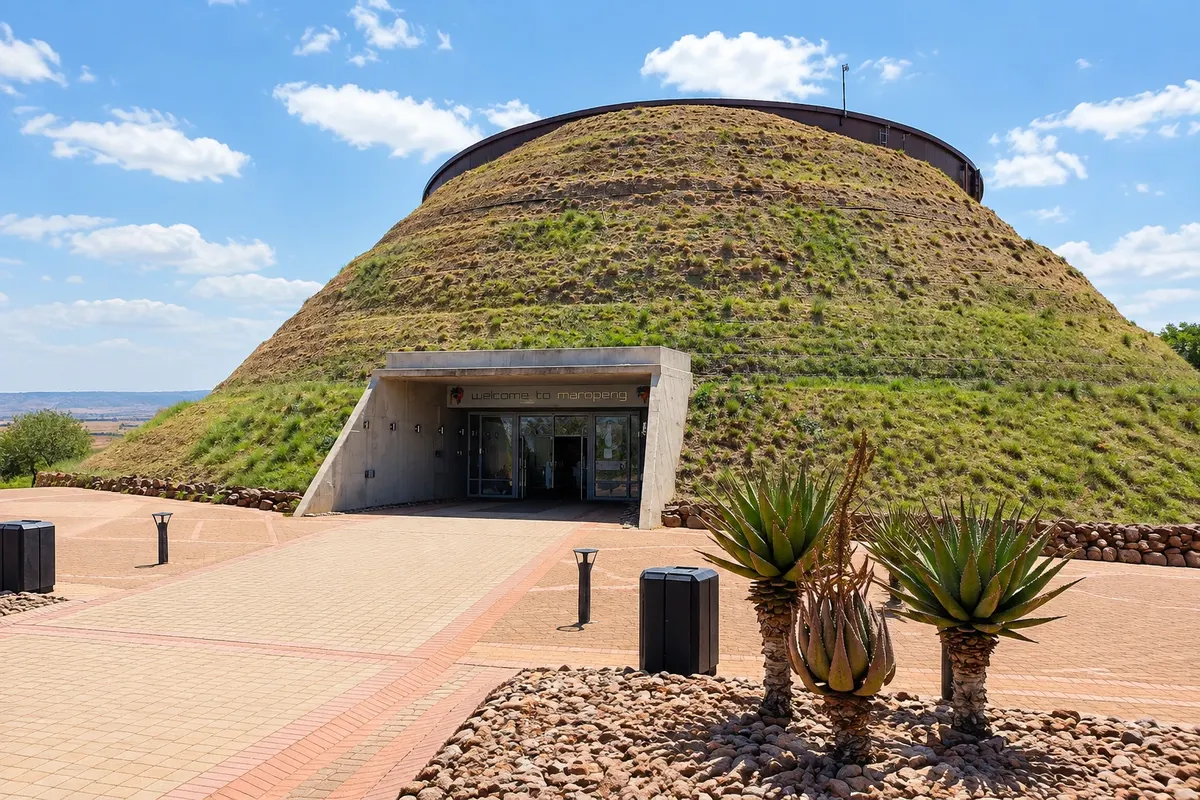
Northwest of the city, the Cradle of Humankind is a UNESCO World Heritage Site: some of the oldest fossils of human ancestors were found in the region’s limestone caves, such as the skull known as Mrs. Ples and the skeleton Little Foot.
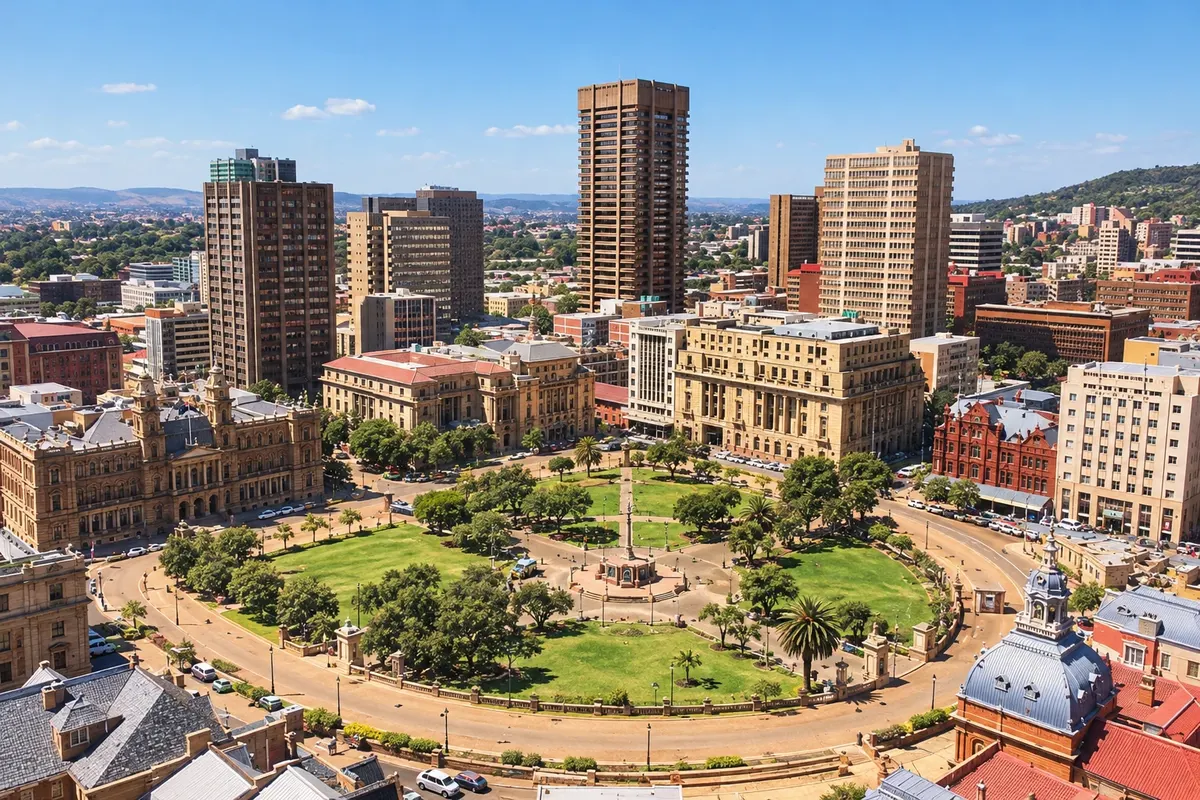
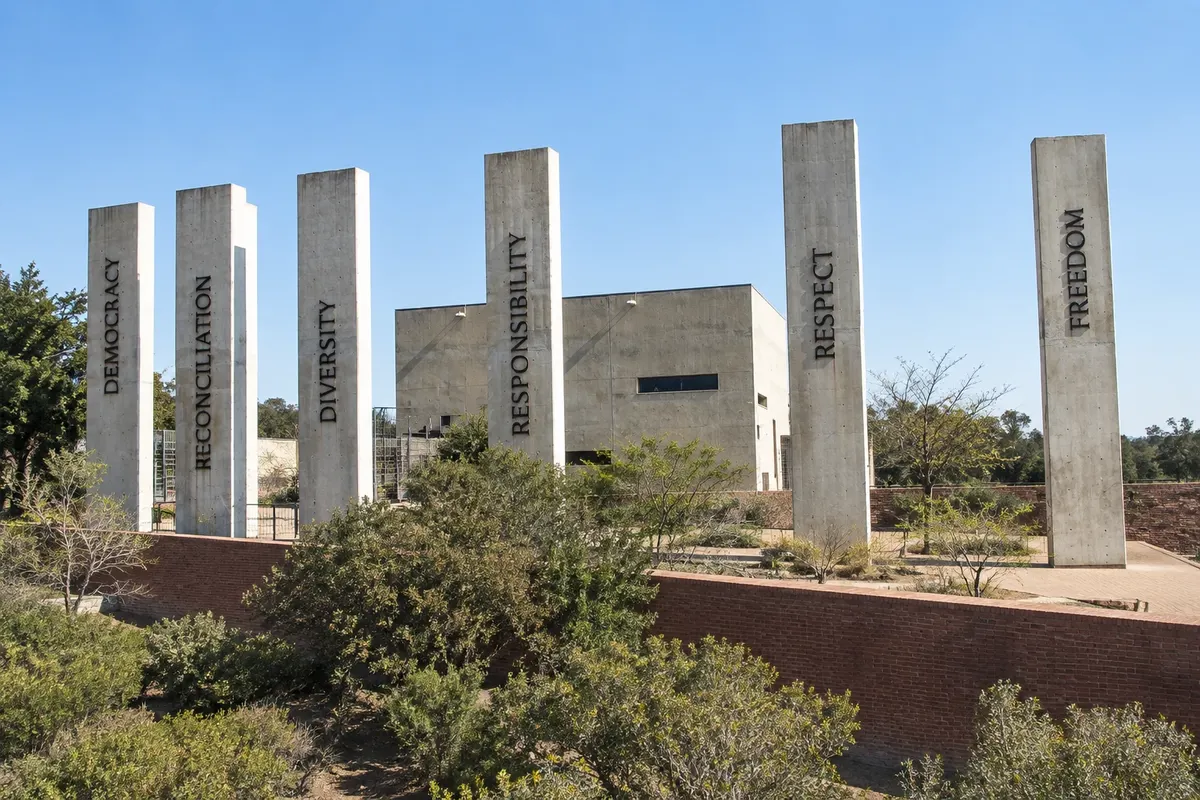
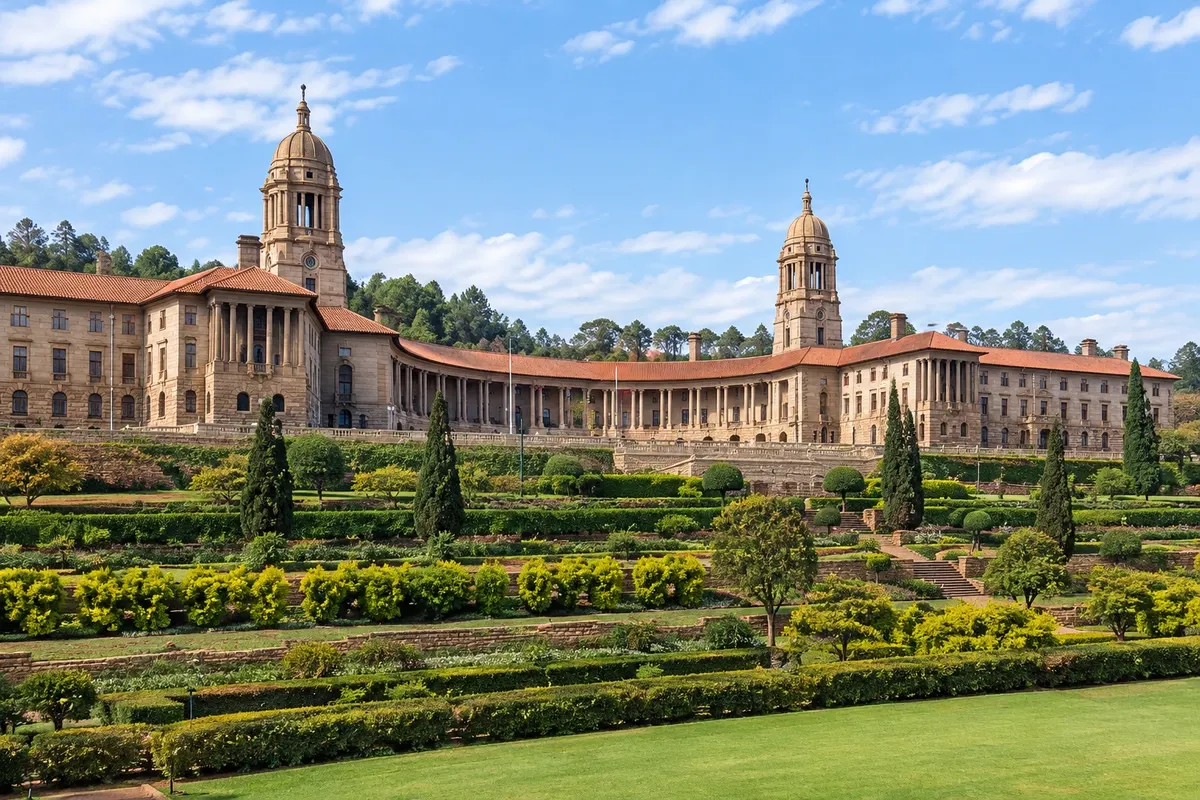
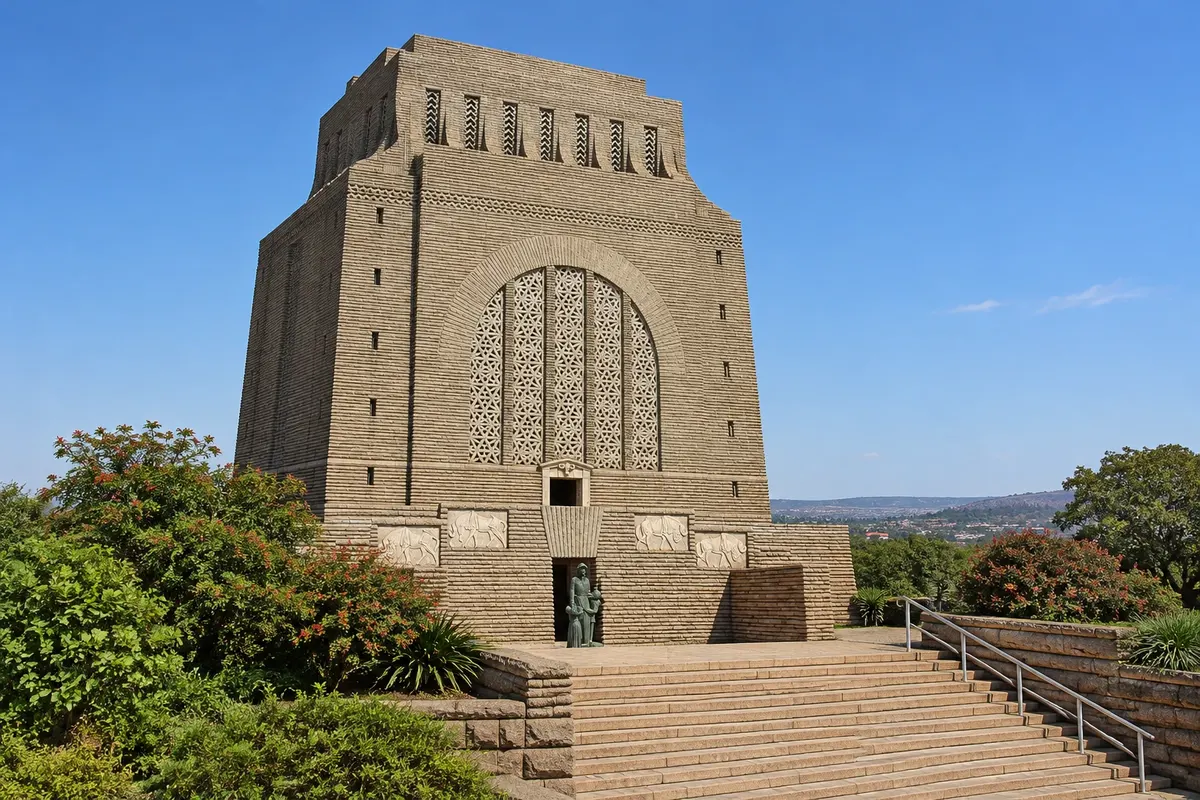
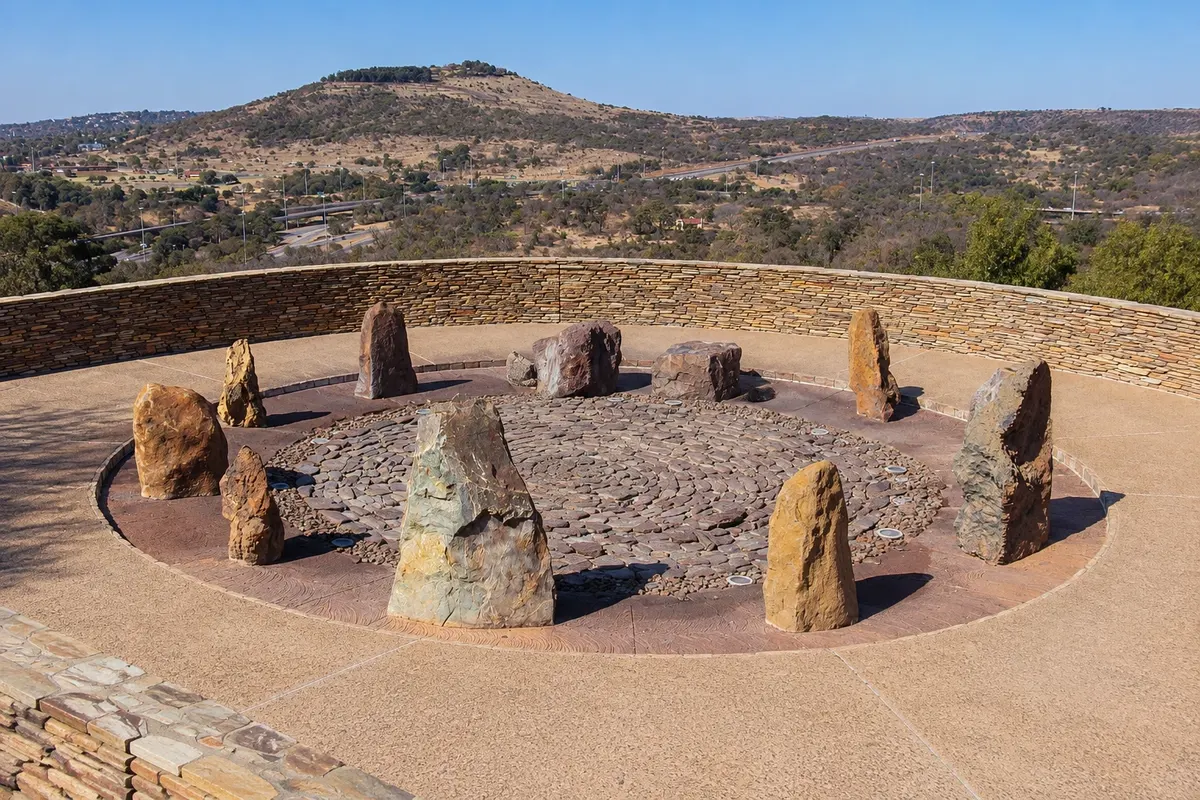
Pretoria, about 60 km to the north, is the country’s administrative capital, home to the Presidency at the Union Buildings, and bursts into purple jacaranda blooms in spring. It is also the site of the Voortrekker Monument and Freedom Park, facing each other on two hills and telling the country’s story from different perspectives. The two cities are linked by the Gautrain rapid rail, which also serves the airport.
This destination brings together 2 cities: Joanesburgo, Pretória.


 Brazil
 Argentina
 Bolivia
 Chile
 Colombia
 Ecuador
 Guyana
 French Guiana
 Falkland Islands (Malvinas)
 Paraguay
 Peru
 Suriname
 Uruguay
 Venezuela
 Germany
 Austria
 Belgium
 Croatia
 Denmark
 Spain
 Finland
 France
 Greece
 the Netherlands
 Hungary
 Ireland
 Iceland
 Italy
 Luxembourg
 Norway
 Poland
 Portugal
 the United Kingdom
 the Czech Republic
 Sweden
 Switzerland
 Turkey
 Mexico
 the Dominican Republic
 Fiji