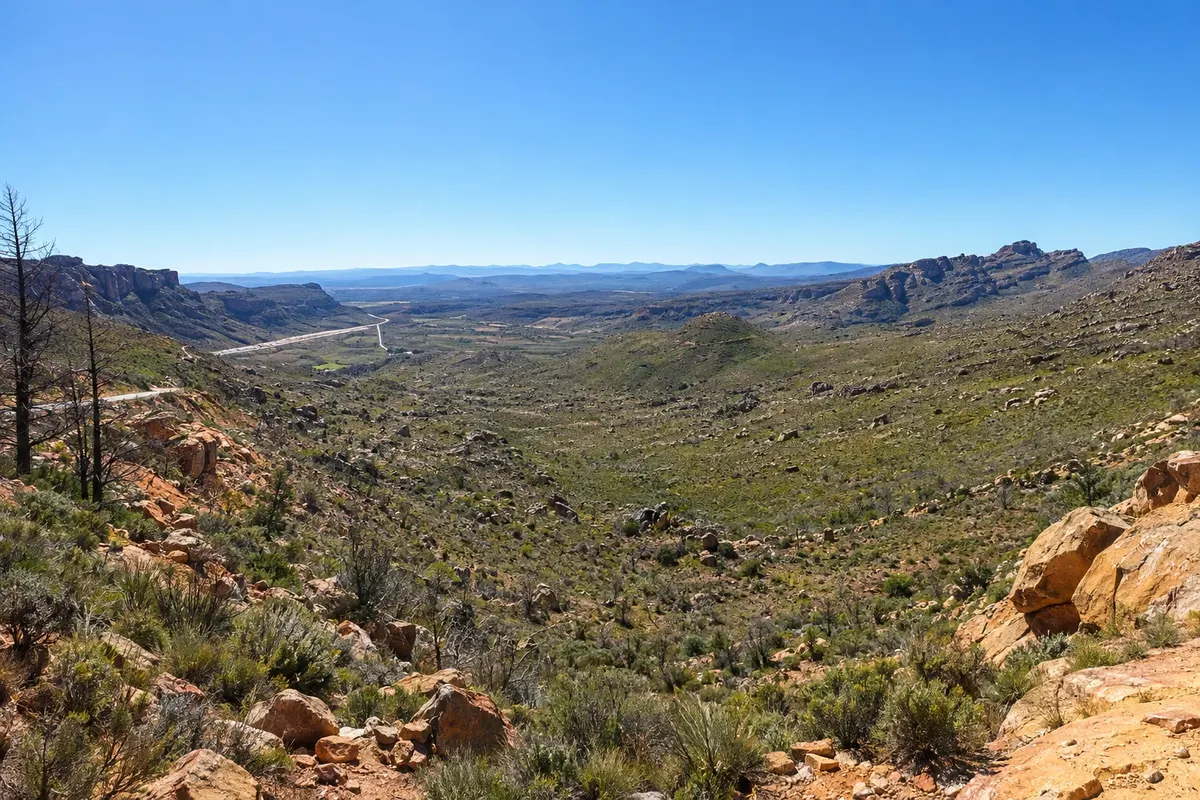
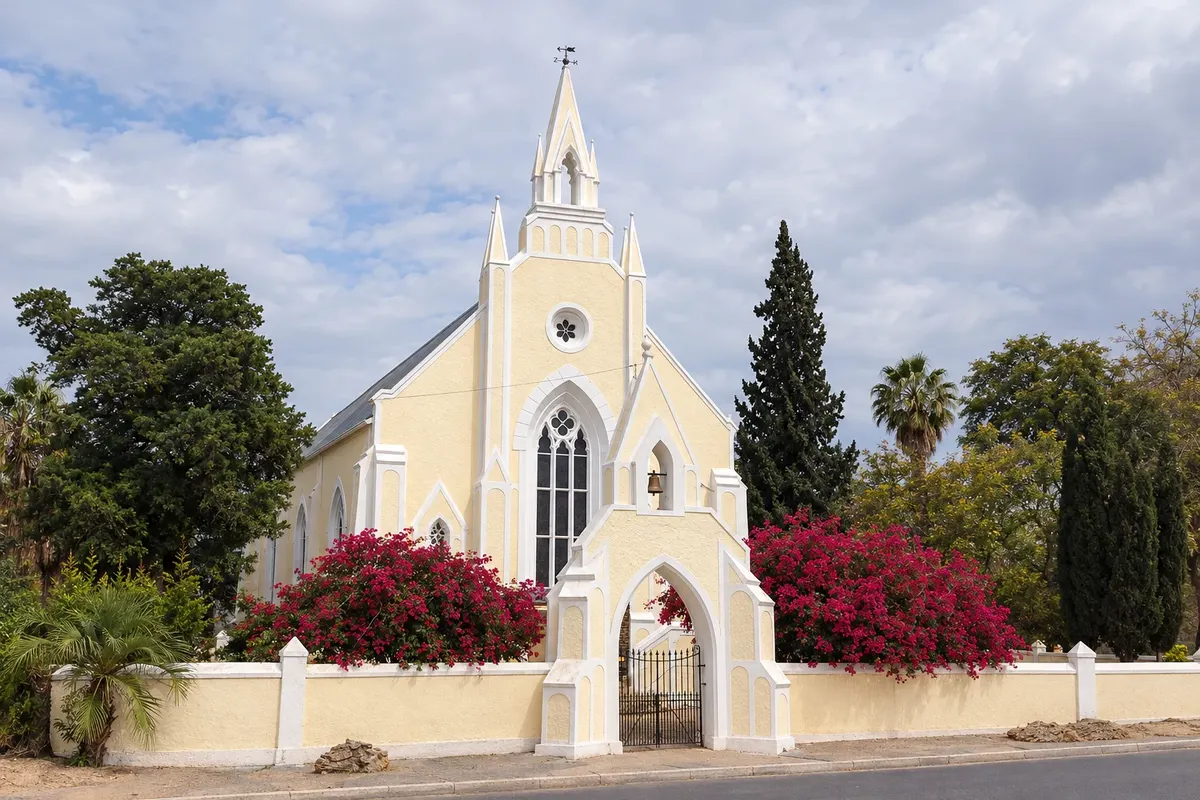
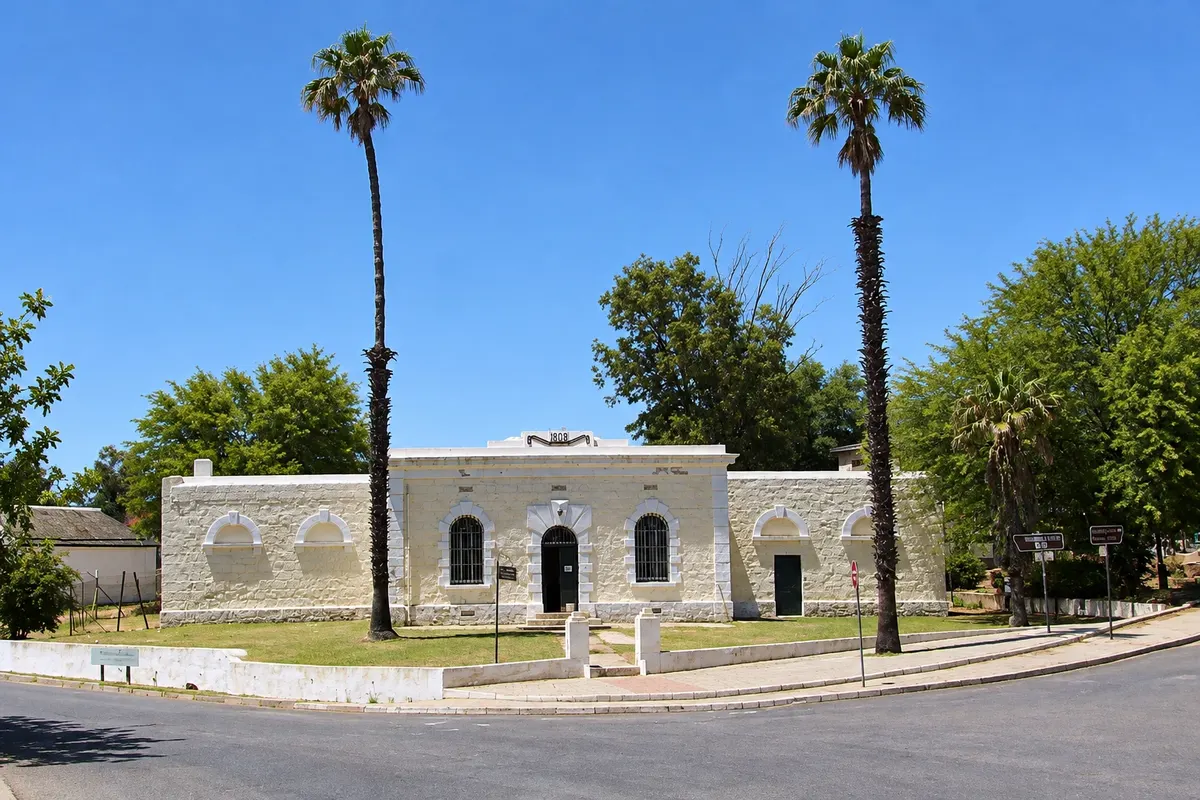
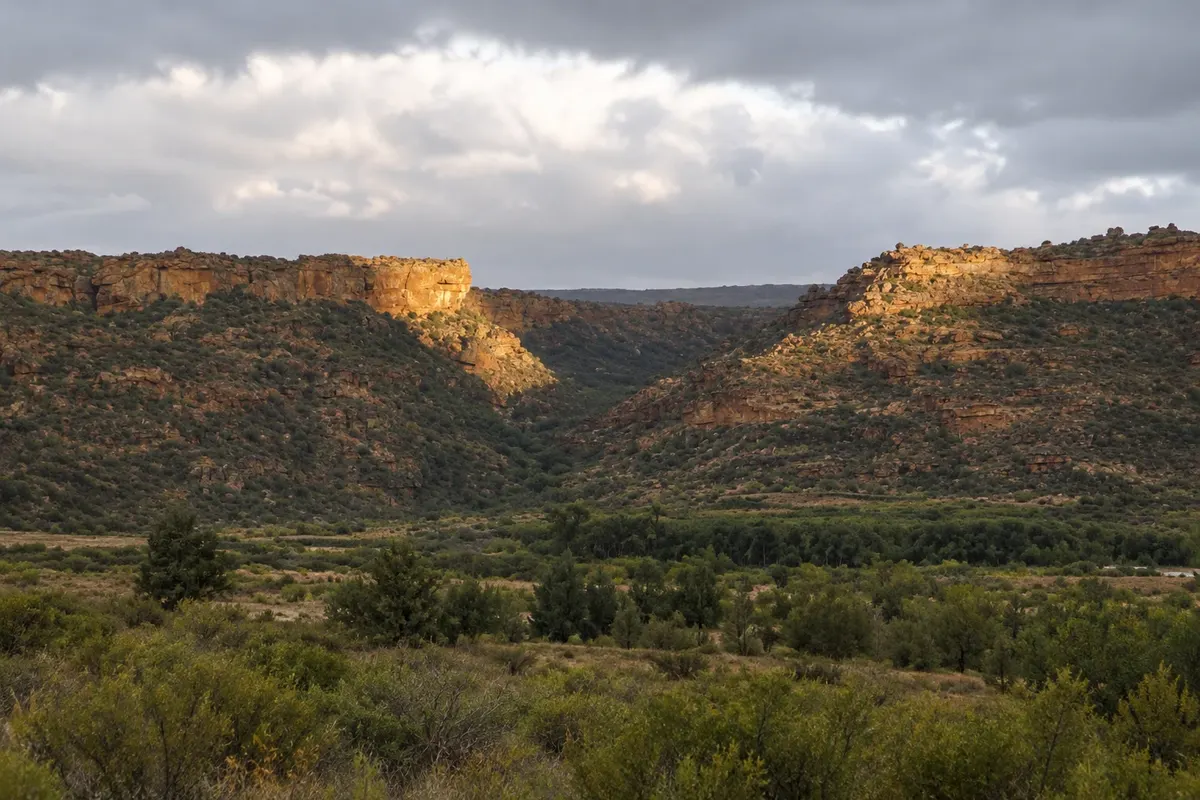
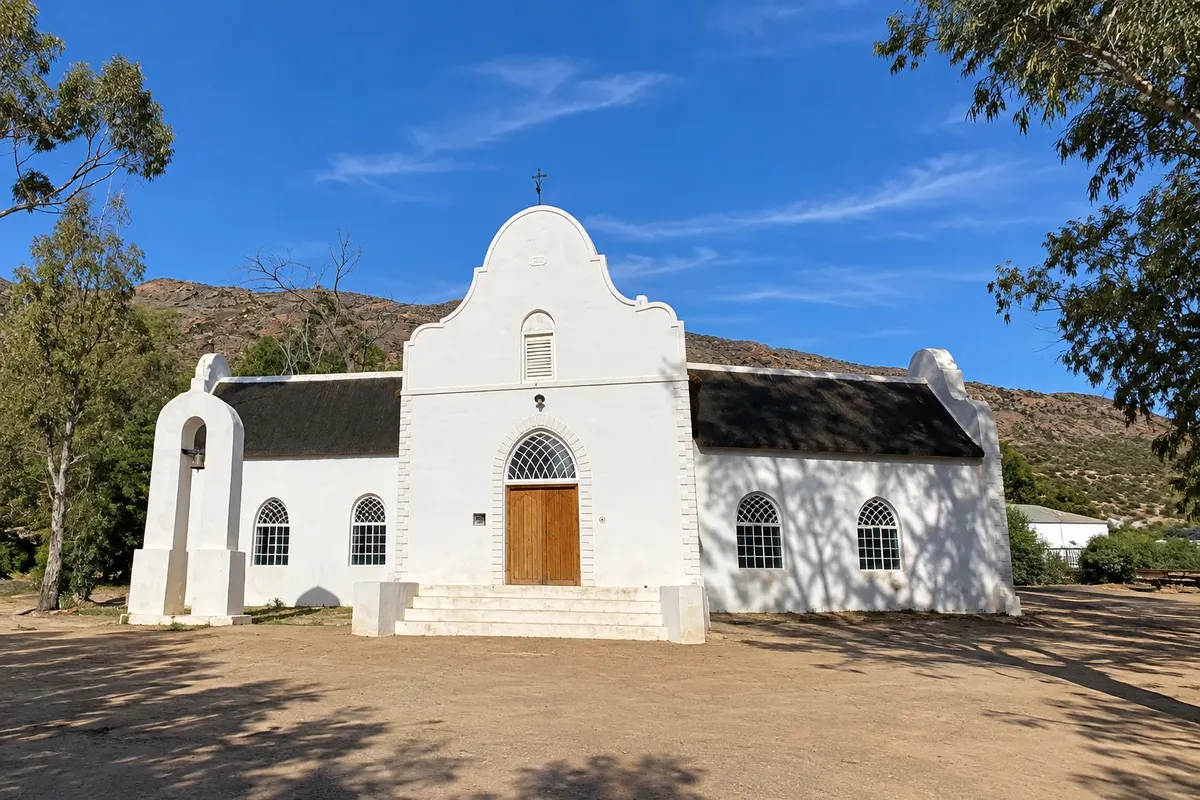
Clanwilliam sits in the Olifants River valley, about 230 km north of Cape Town via the N7, at the foot of the Cederberg mountains. It is the seat of the Cederberg municipality and one of the oldest towns in the Western Cape province: until 1814 it was called Jan Dissels Vallei, when Governor John Cradock renamed it after the Earl of Clanwilliam. The main street still has the old jail, now a museum, the Dutch Reformed church and 19th-century houses.
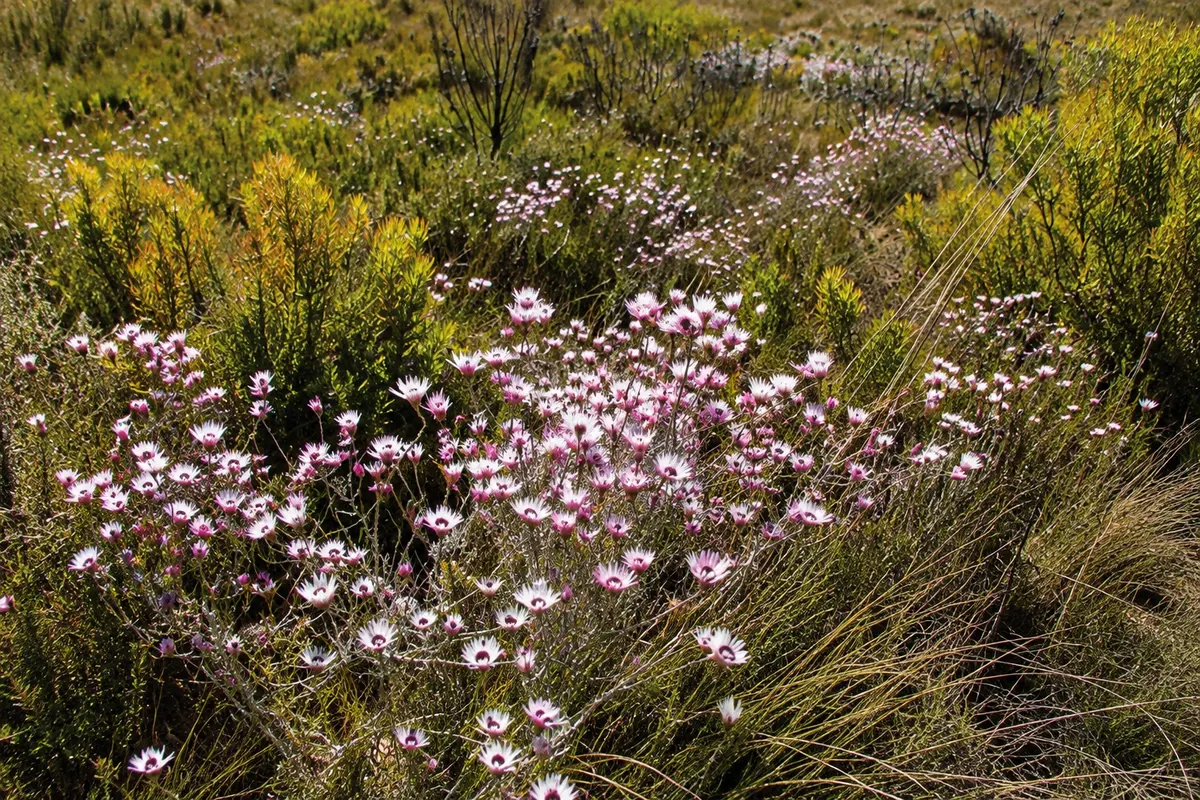
The region is the home of rooibos. The shrub grows on the Cederberg slopes, and the town is a center for the farms and processors of the beverage, protected by a geographical indication. In late winter and early spring, in August and September, rains often cover the fields with wildflowers; Ramskop Nature Reserve, on the edge of the dam, brings together hundreds of species in a native-flower garden.
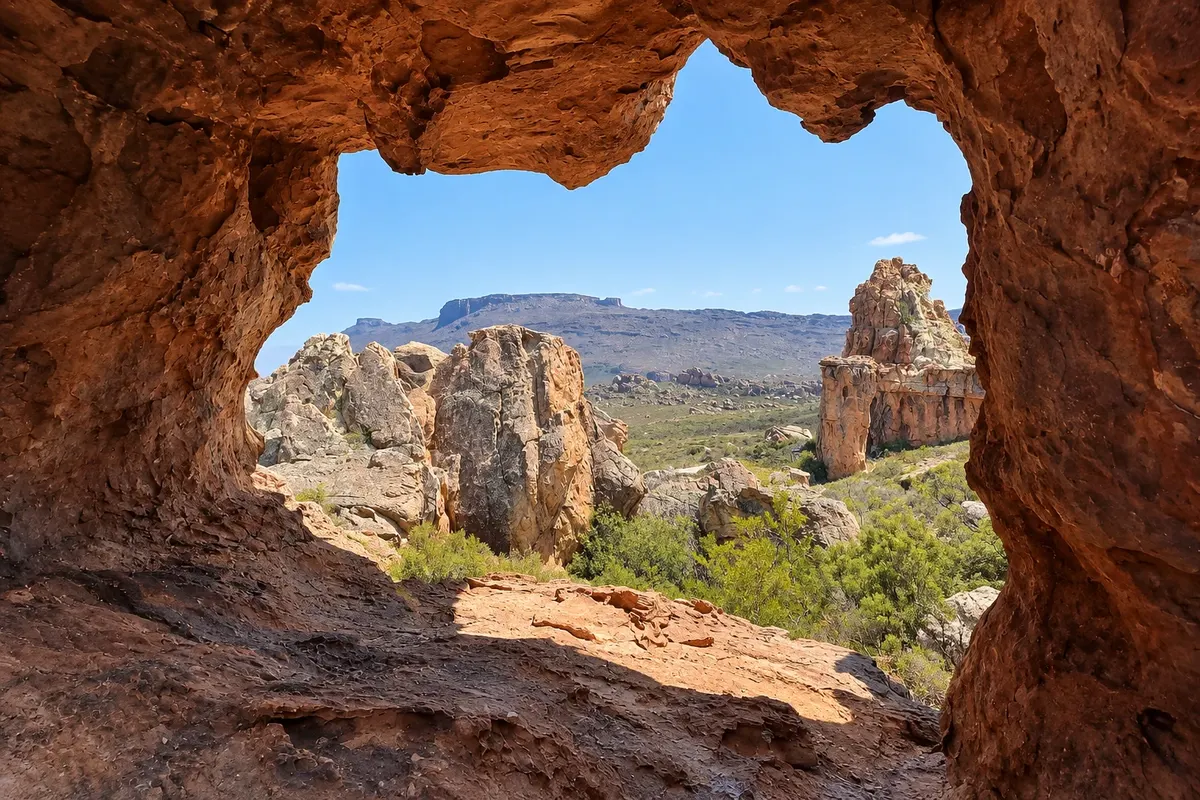
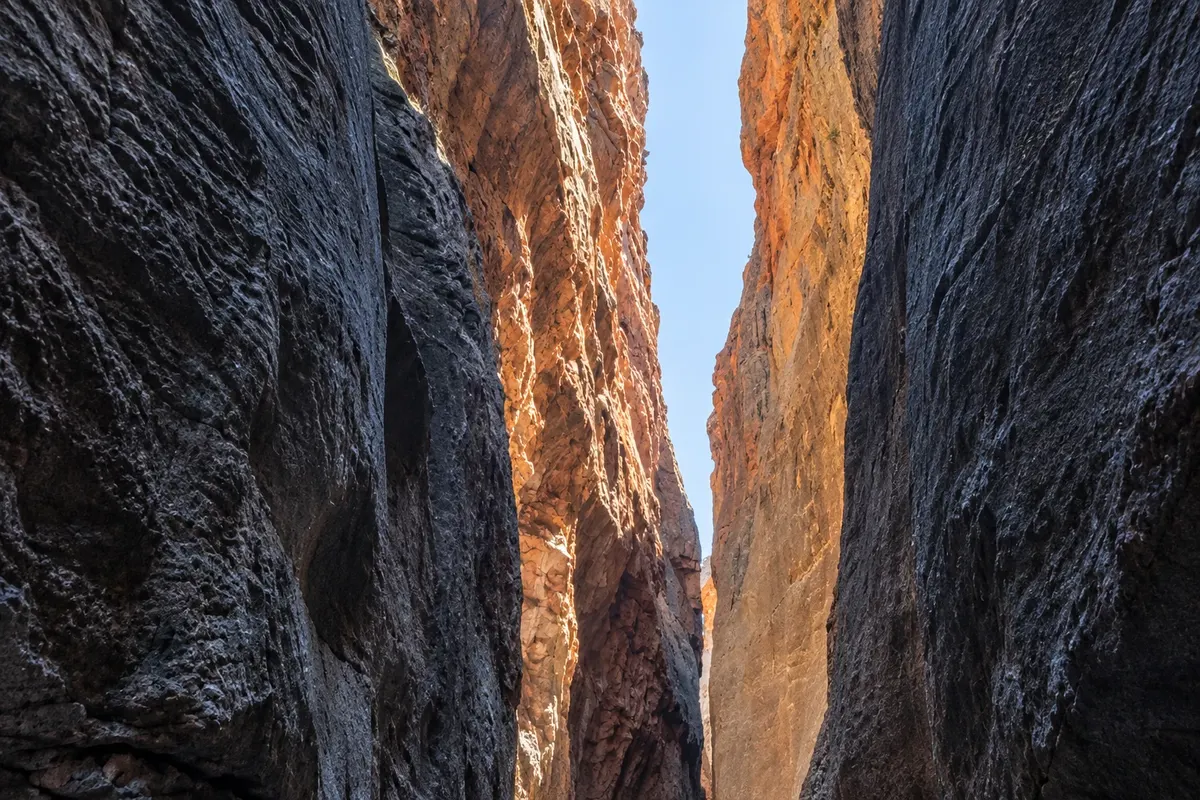
East of town, the road climbs Pakhuis Pass between sandstone cliffs to the Sevilla Rock Art Trail, with San rock paintings along the Brandewyn River, and descends to Wupperthal, a mission village founded in 1830, known for handmade leather shoes and organic rooibos. To the south is the Cederberg Wilderness Area, managed by CapeNature, with the jagged rocks of the Wolfberg Cracks, the Wolfberg Arch and the Stadsaal caves, another rock art site.
The climate is dry, with very hot summers and rainfall concentrated in winter. Roads into the Cederberg interior are unpaved, and many trails require a permit purchased before the hike.
This destination brings together 1 city: Clanwilliam.


 Brazil
 Argentina
 Bolivia
 Chile
 Colombia
 Ecuador
 Guyana
 French Guiana
 Falkland Islands (Malvinas)
 Paraguay
 Peru
 Suriname
 Uruguay
 Venezuela
 Germany
 Austria
 Belgium
 Croatia
 Denmark
 Spain
 Finland
 France
 Greece
 the Netherlands
 Hungary
 Ireland
 Iceland
 Italy
 Luxembourg
 Norway
 Poland
 Portugal
 the United Kingdom
 the Czech Republic
 Sweden
 Switzerland
 Turkey
 the United States
 Mexico
 the Dominican Republic
 Australia
 Fiji
 New Zealand