Maracaibo lies in northwestern Venezuela, on the western shore of the strait that links Lake Maracaibo to the Gulf of Venezuela. It is the capital of Zulia state and the country’s second-largest city. After earlier attempts, it was permanently founded in 1574 as Nueva Zamora de la Laguna de Maracaibo. The discovery of oil in 1917 transformed the region: much of the country’s production is concentrated in the lake basin.
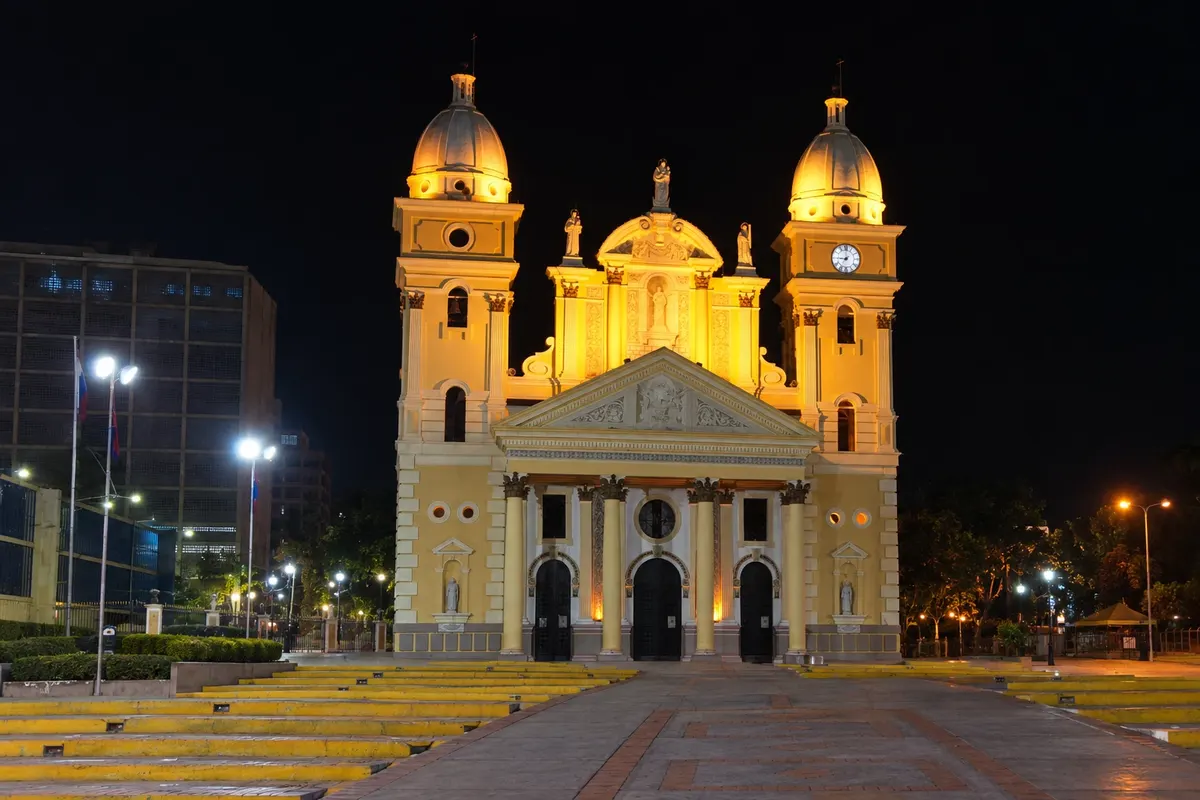
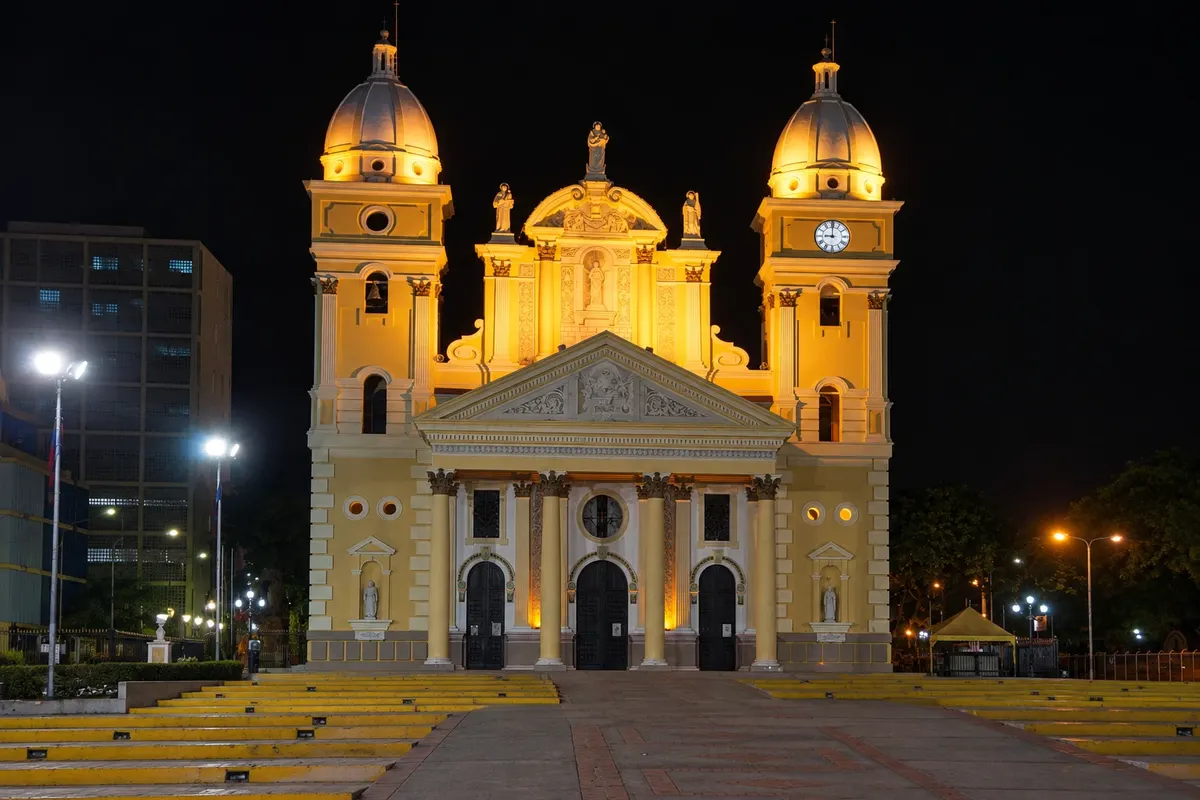
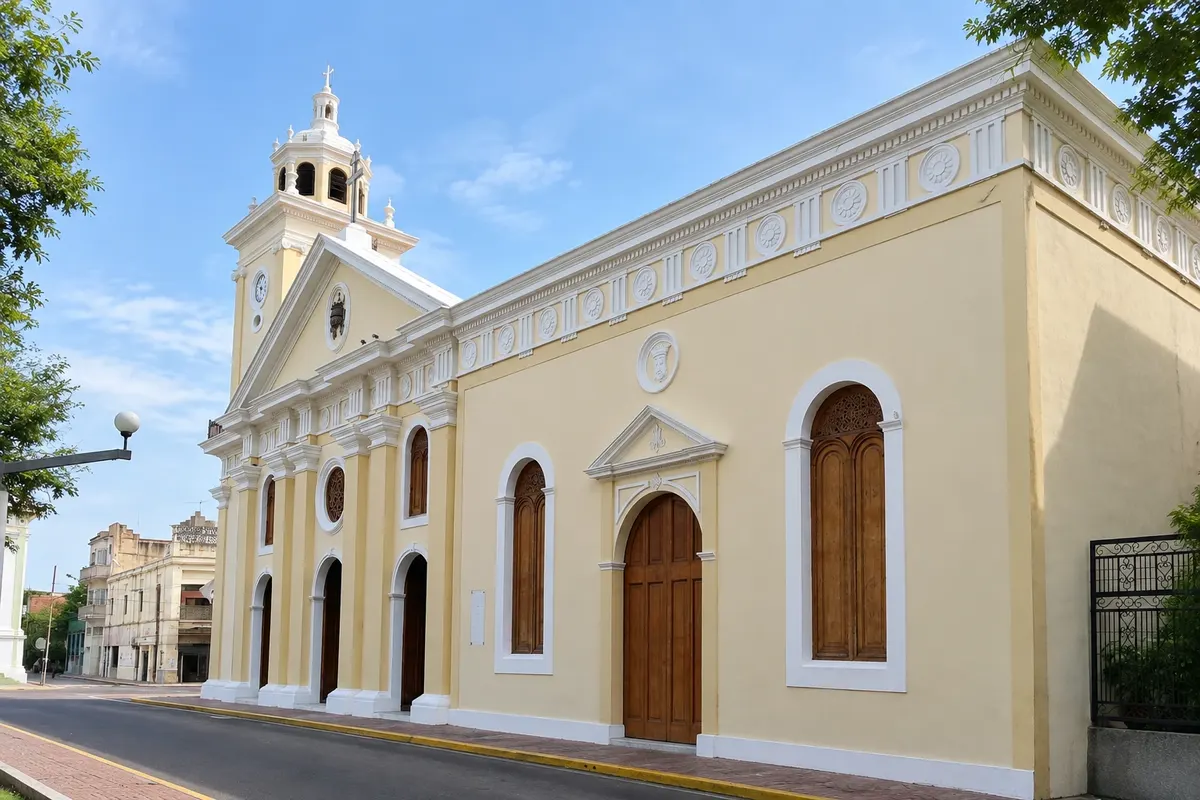
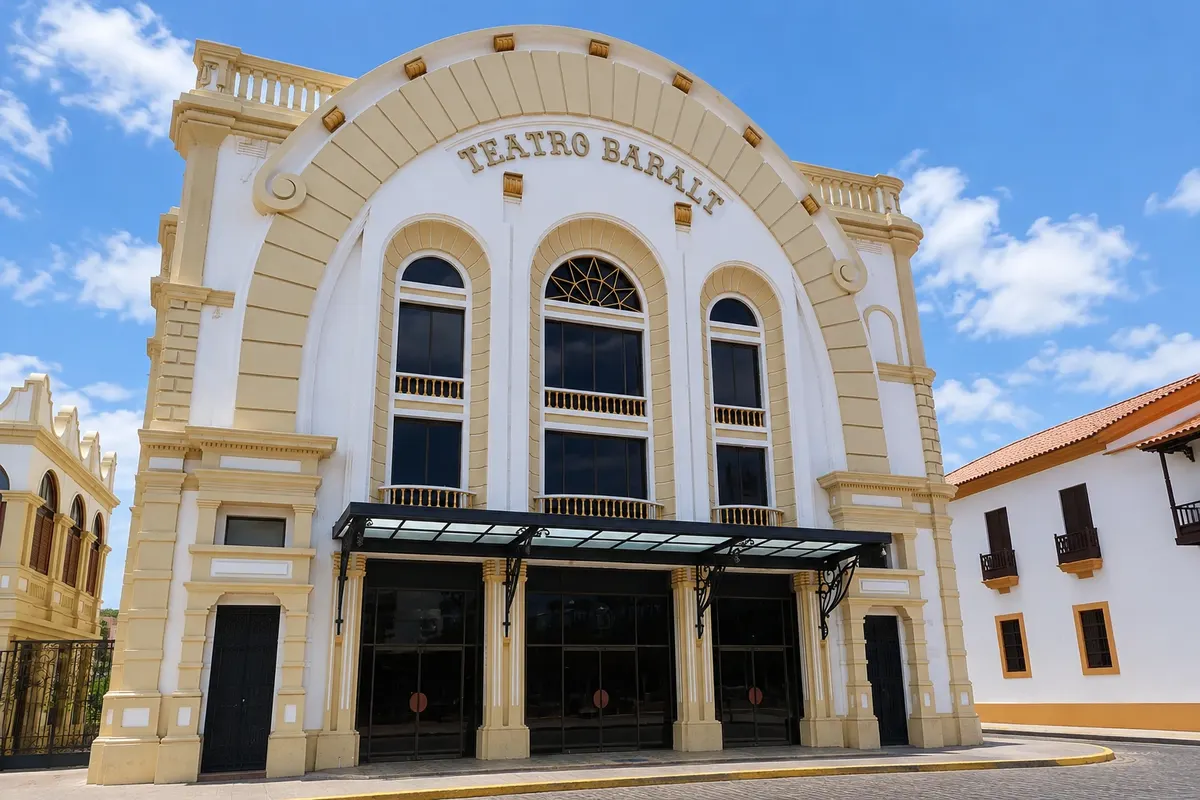
The historic center includes Plaza Bolívar, the cathedral, which houses the image of the Black Christ, and the Teatro Baralt, where Venezuela’s first films were screened in 1896. A few blocks away is the Basilica of Nuestra Señora de Chiquinquirá, La Chinita, patroness of Zulia; her festival in November is the city’s main annual event.
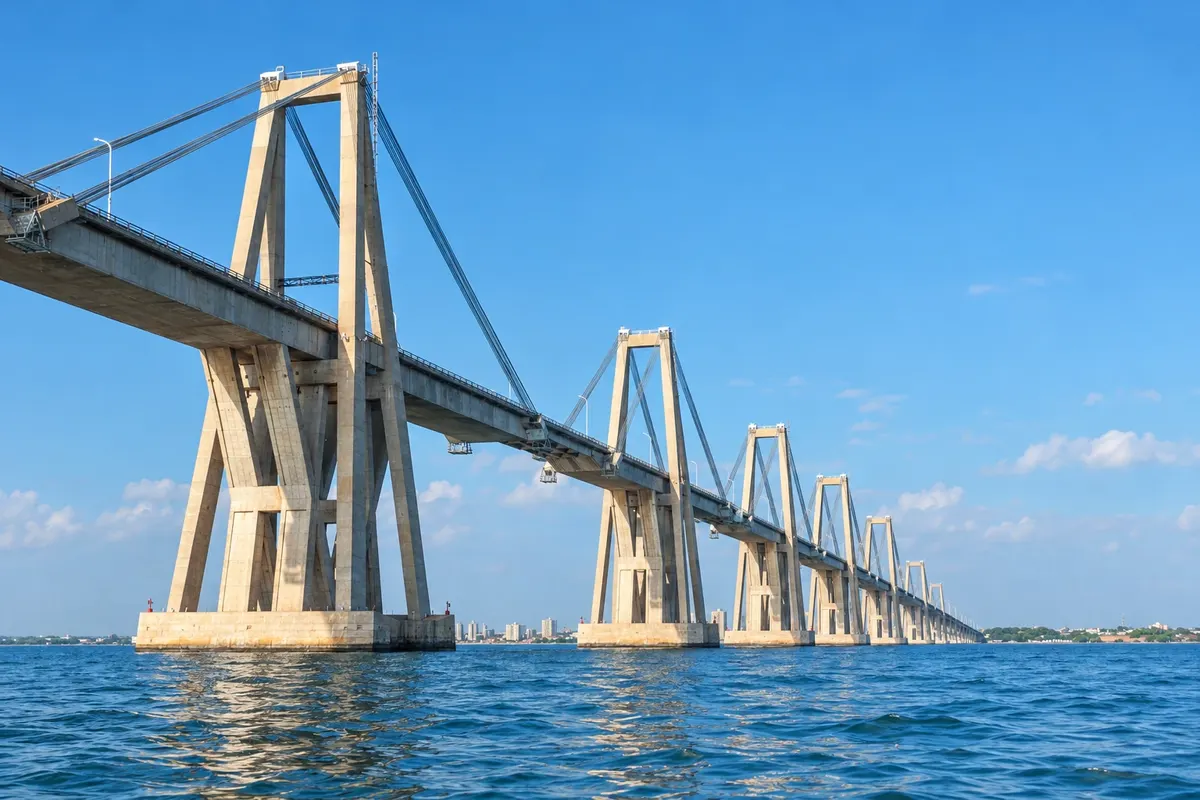
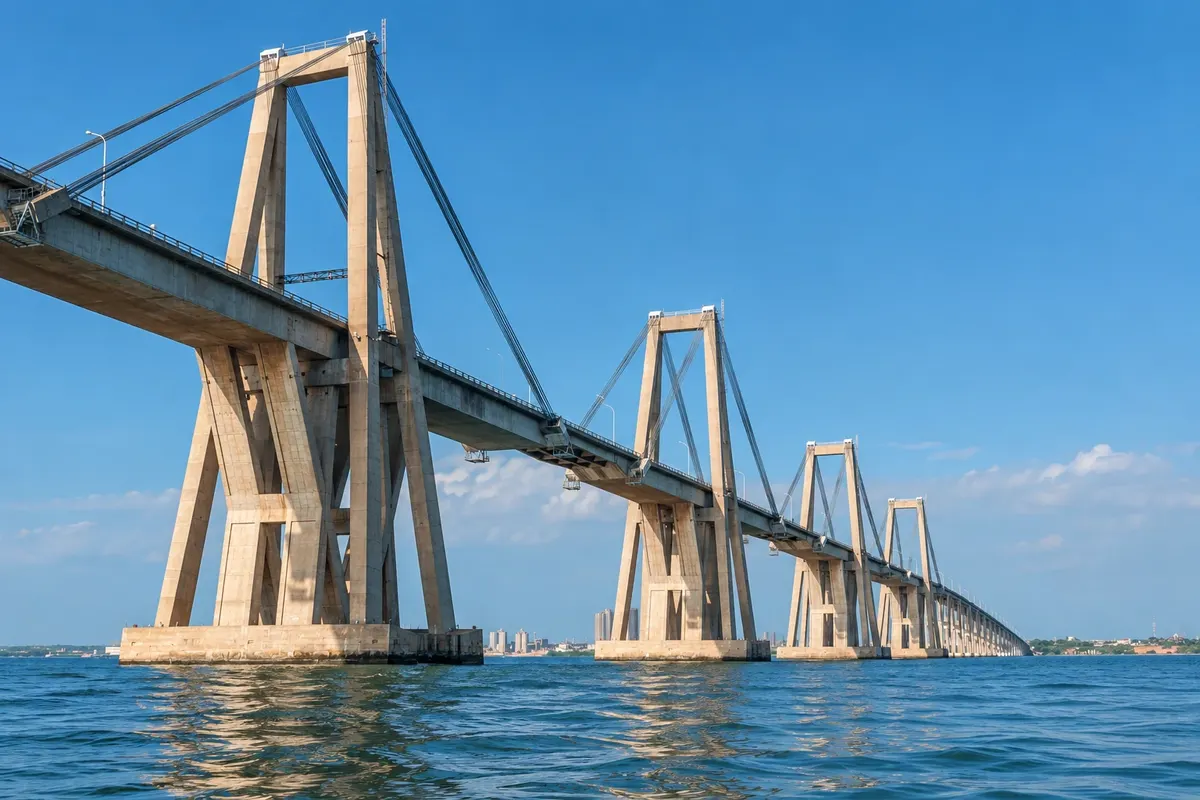
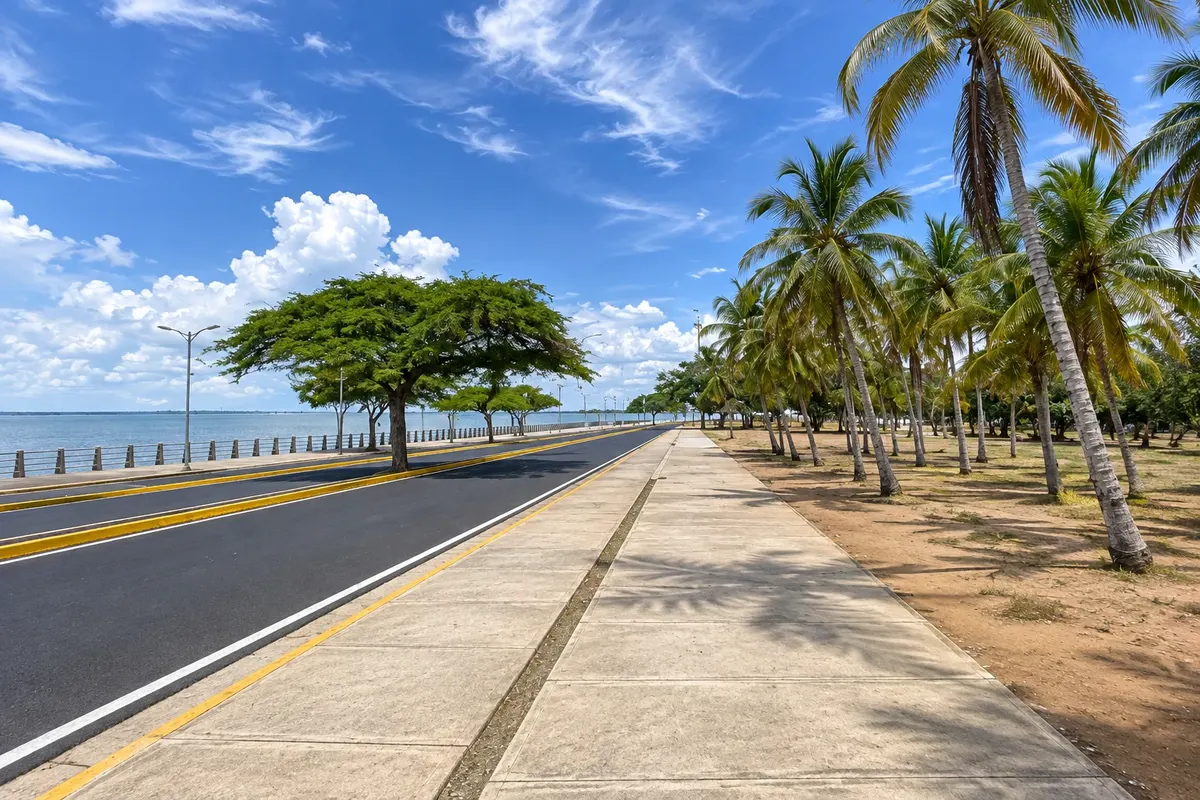
The lake is always present. La Vereda del Lago, the park along Avenida El Milagro, follows the shoreline for a long stretch, and to the south the General Rafael Urdaneta Bridge, at almost 8.7 km, has connected Maracaibo to the eastern coast since 1962.
The city has its own culture: gaita zuliana, the year-end festival music, a local accent that uses “vos,” and a cuisine based on plantain, coconut and fish, from which the patacón maracucho originates. The heat is strong year-round, and life revolves around mornings and late afternoons.
This destination brings together 1 city: Maracaibo.


 Brazil
 Argentina
 Bolivia
 Chile
 Colombia
 Ecuador
 Guyana
 French Guiana
 Falkland Islands (Malvinas)
 Paraguay
 Peru
 Suriname
 Uruguay
 Germany
 Austria
 Belgium
 Croatia
 Denmark
 Spain
 Finland
 France
 Greece
 the Netherlands
 Hungary
 Ireland
 Iceland
 Italy
 Luxembourg
 Norway
 Poland
 Portugal
 the United Kingdom
 the Czech Republic
 Sweden
 Switzerland
 Turkey
 the United States
 Mexico
 the Dominican Republic
 South Africa
 Australia
 Fiji