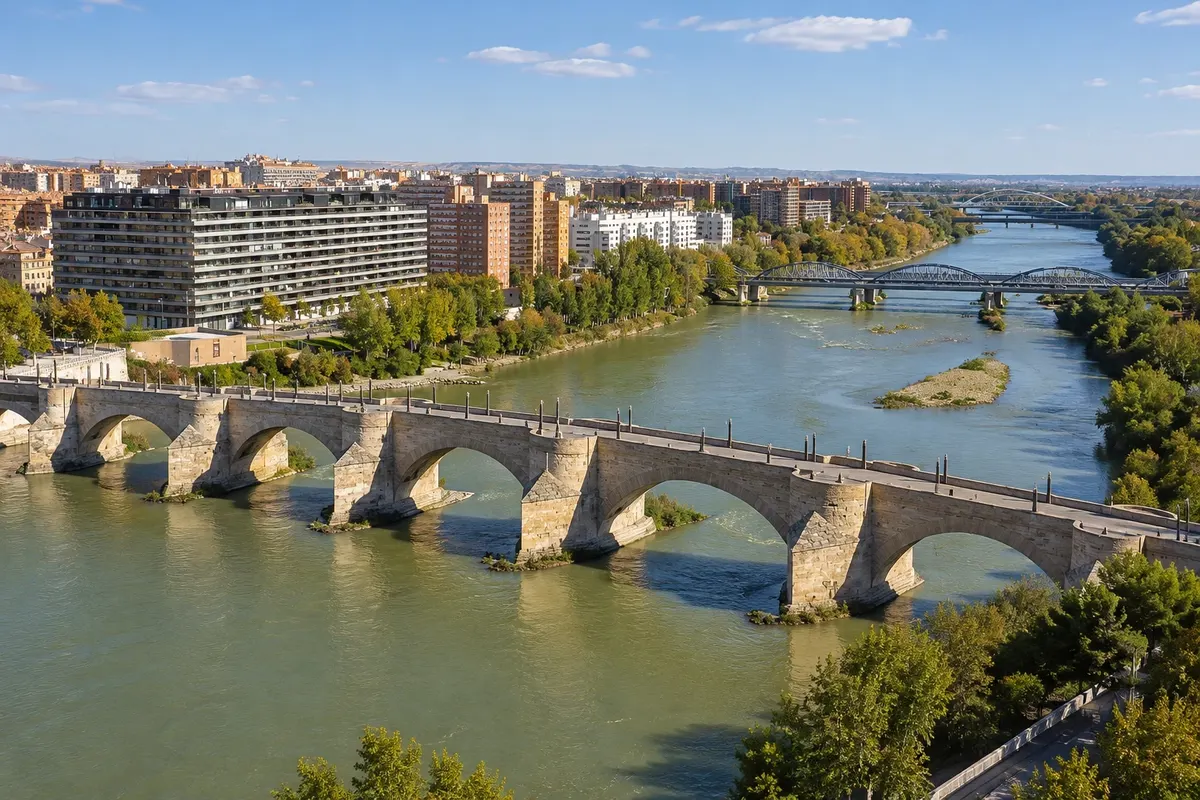
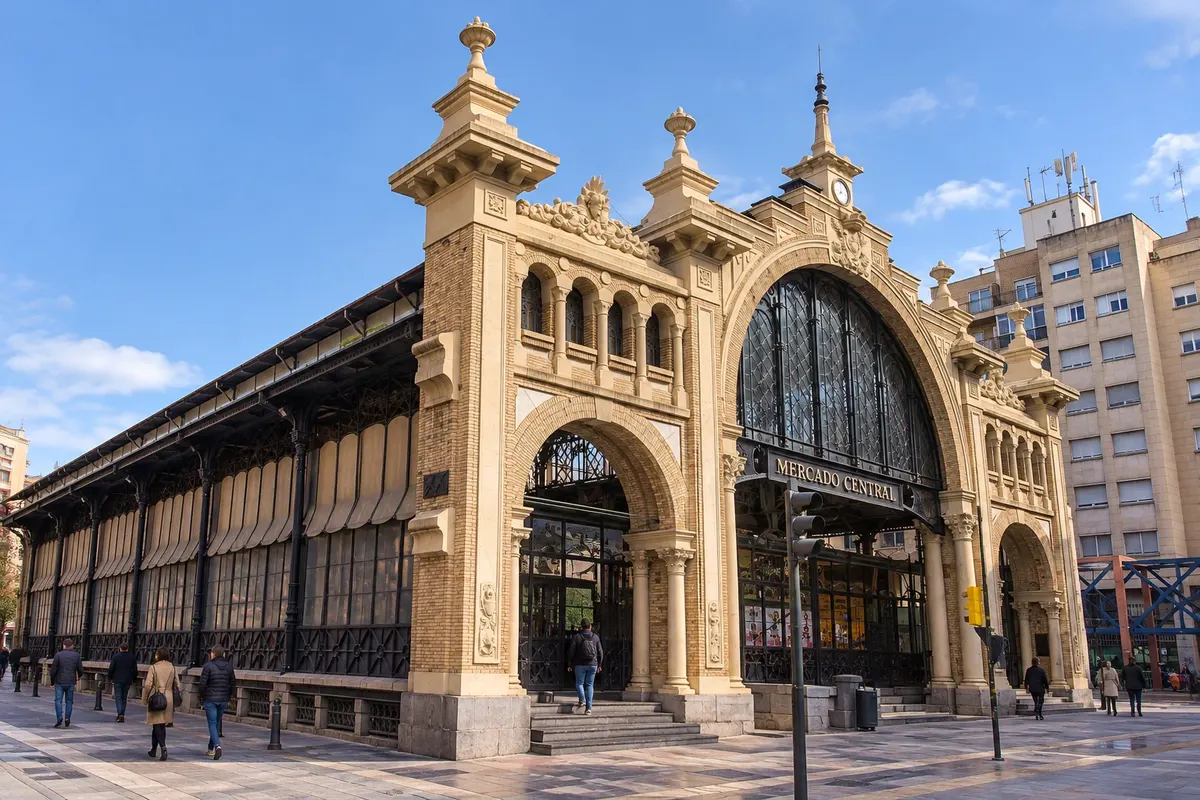
Saragoça (Zaragoza, in Spanish) is the capital of Aragón in northeastern Spain, on the banks of the Ebro river, roughly halfway between Madrid and Barcelona. It is the fifth-largest city in the country by population and has about two thousand years of layered history: it was the Roman Caesaraugusta, founded in the time of Emperor Augustus; the Muslim Saraqusta, capital of a taifa kingdom; and later the capital of the Kingdom of Aragón.
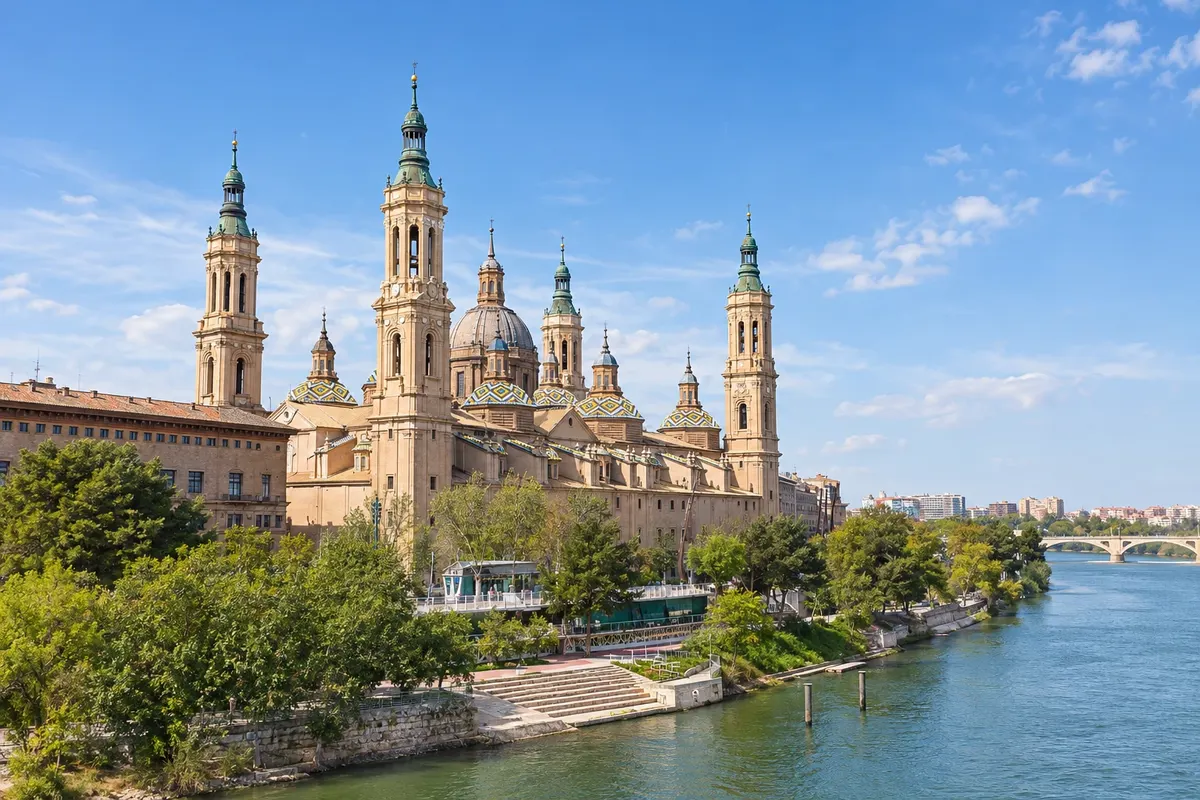
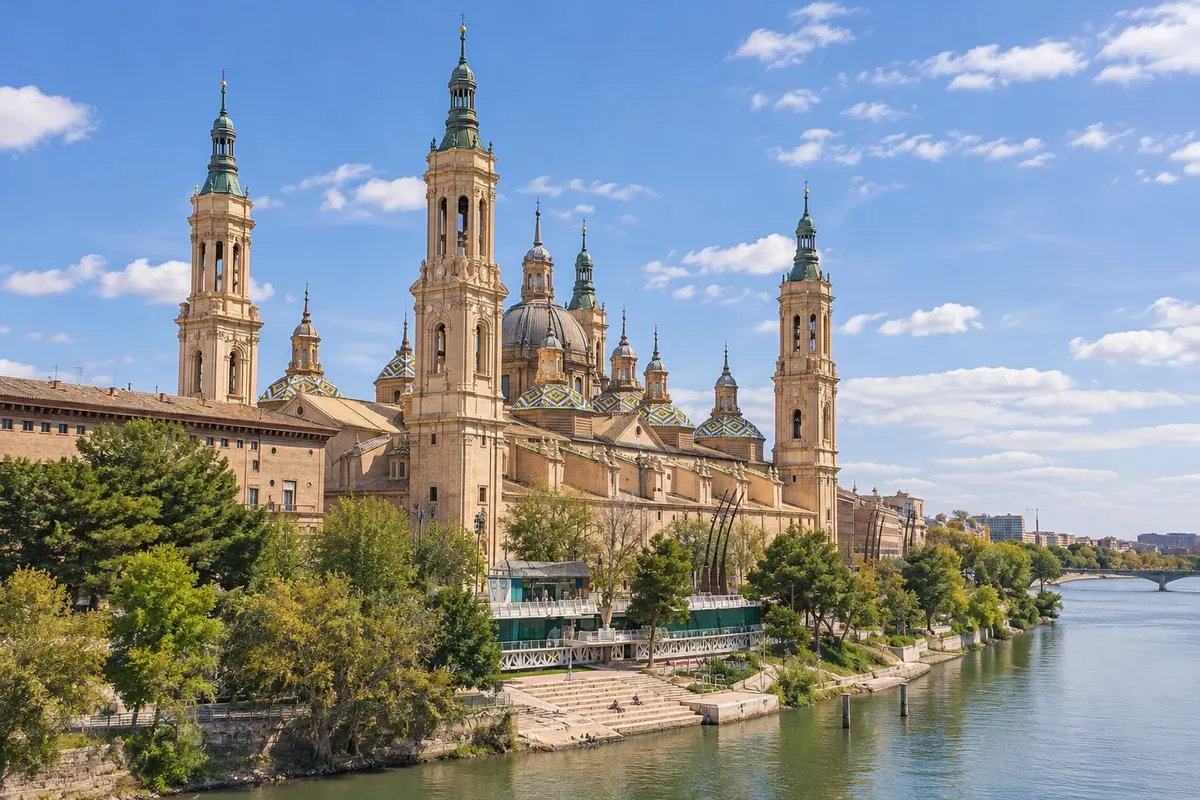
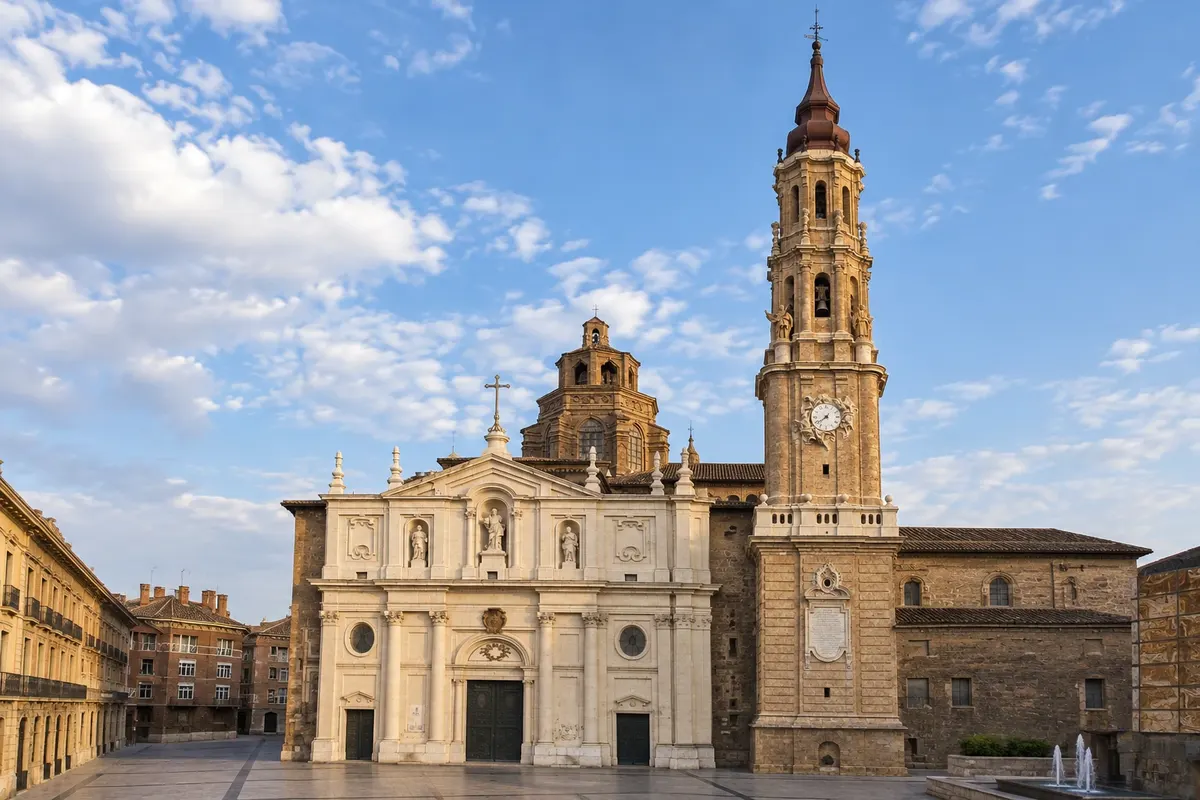
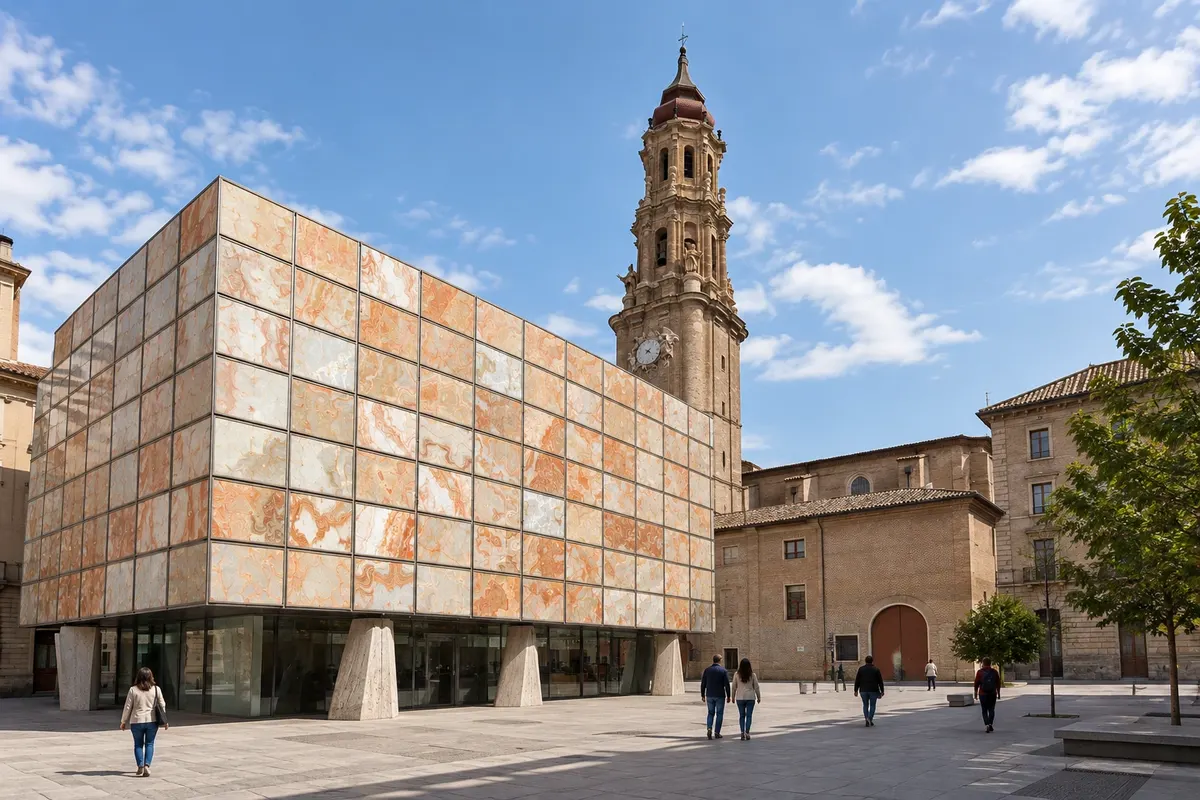
The city's skyline is dominated by the Basílica del Pilar, with eleven domes covered in colorful tiles and four towers, beside the Ebro. The Virgin of the Pilar, patron saint of the Hispanic world, is venerated there, and Francisco de Goya, born 45 km away, painted frescoes on the domes. In the same square are the cathedral of the Savior, the Seo, and remains of the Roman wall.
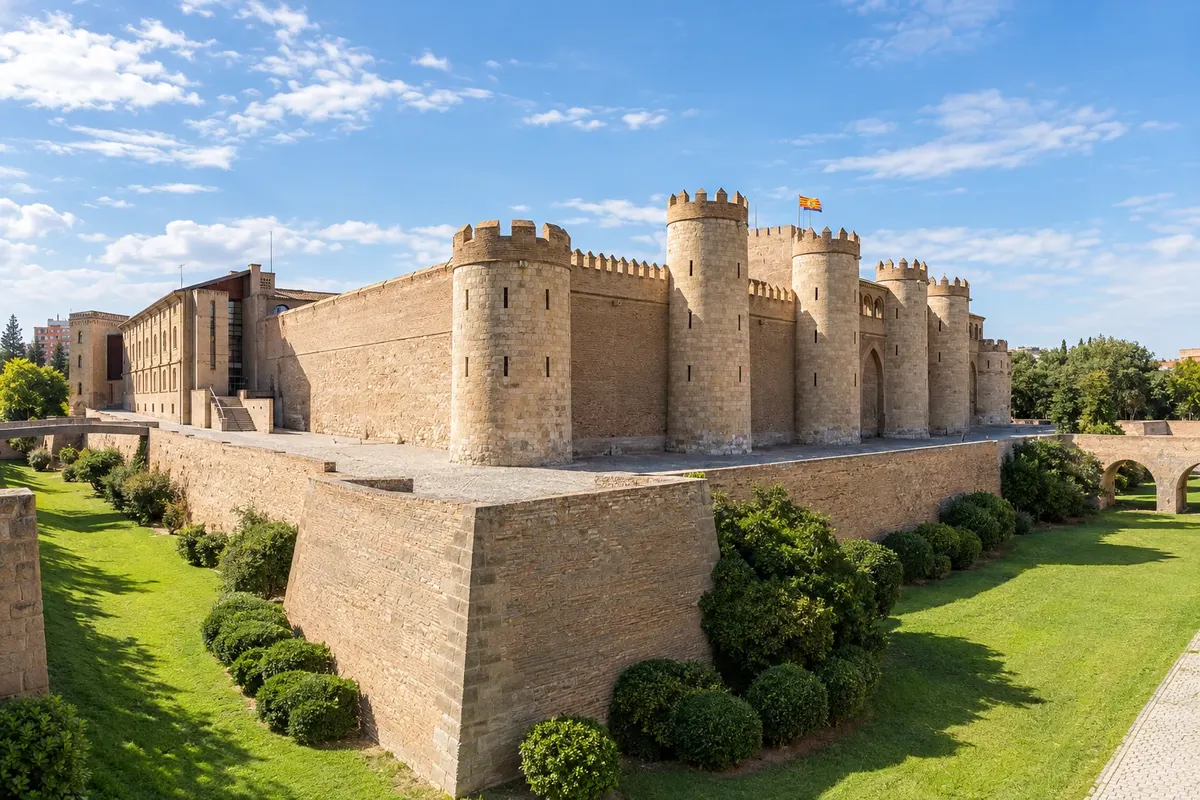
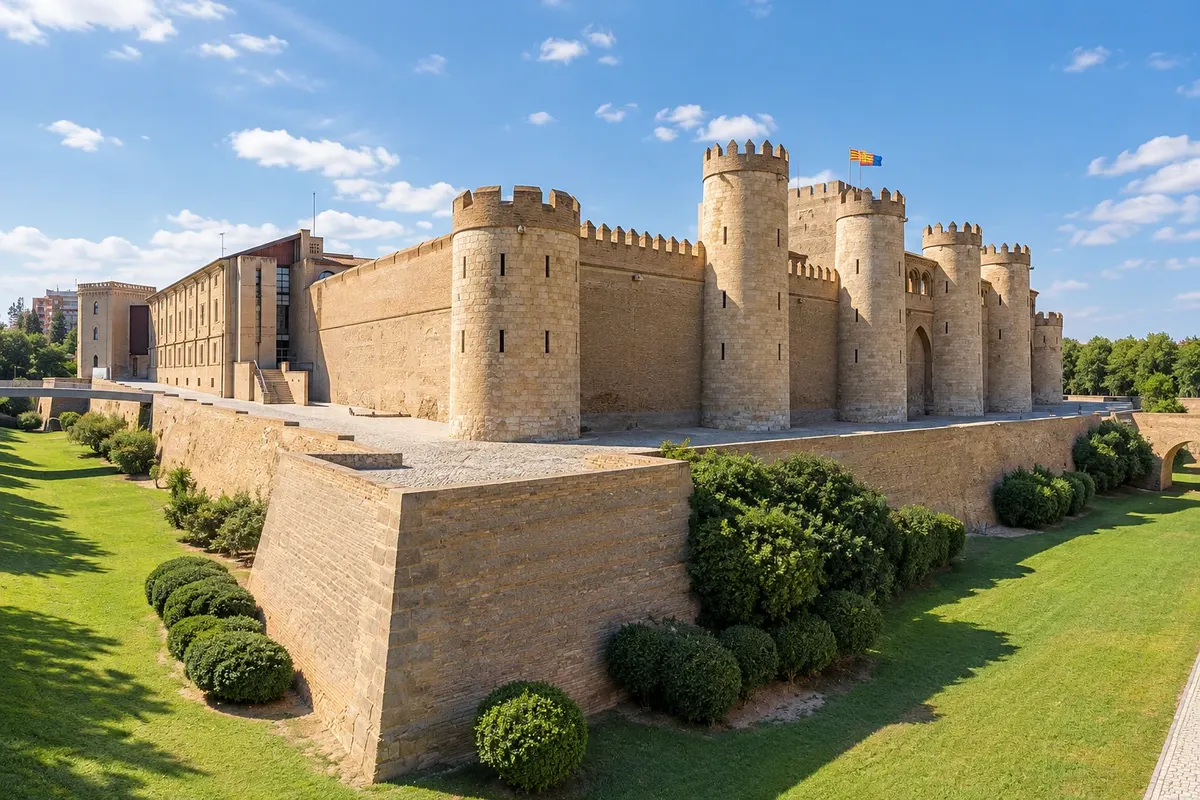
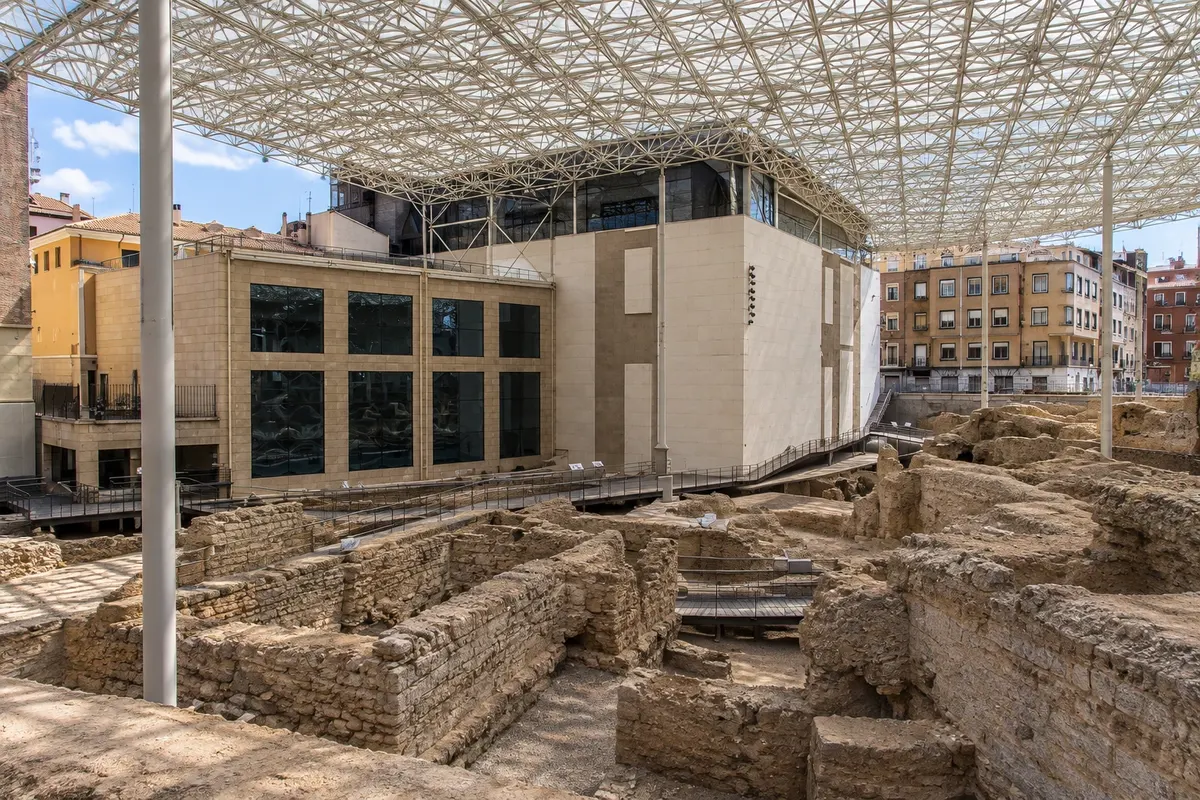
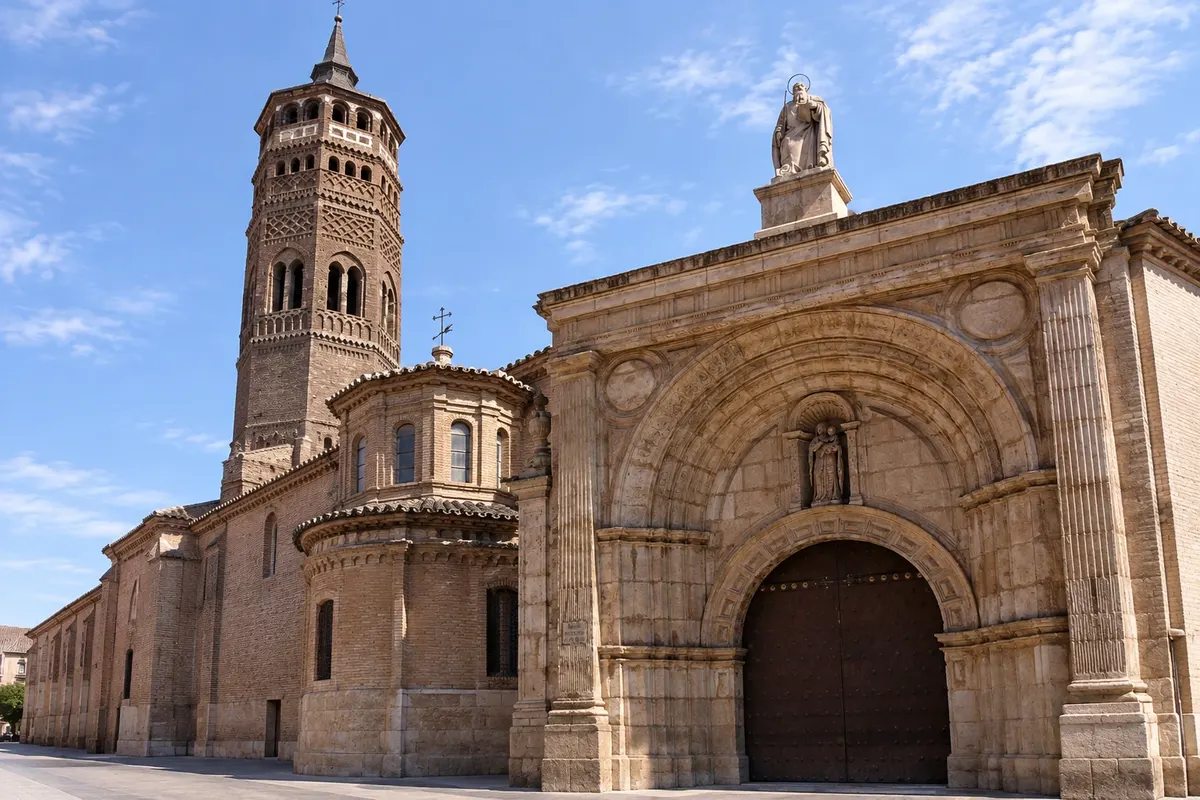
Aragón's mudéjar architecture, made by Muslim craftsmen under Christian rule, with brick towers and walls decorated with glazed ceramics, is a UNESCO World Heritage, and Saragoça has examples in the Seo, the Aljafería and the church of San Pablo. The city also preserves the Roman theater, forum, river port and baths, displayed in underground museums.
In October the Fiestas del Pilar usually take place.
This destination brings together 1 city: Saragoça.


 Brazil
 Argentina
 Bolivia
 Chile
 Colombia
 Ecuador
 Guyana
 French Guiana
 Falkland Islands (Malvinas)
 Paraguay
 Peru
 Suriname
 Uruguay
 Venezuela
 Germany
 Austria
 Belgium
 Croatia
 Denmark
 Finland
 France
 Greece
 the Netherlands
 Hungary
 Ireland
 Iceland
 Italy
 Luxembourg
 Norway
 Poland
 Portugal
 the United Kingdom
 the Czech Republic
 Sweden
 Switzerland
 Turkey
 the United States
 Mexico
 the Dominican Republic
 South Africa
 Australia
 Fiji