Maiorca

Balearic Islands · Spain

Maiorca

The largest of the Balearic Islands: Palma with the Gothic cathedral by the sea, the Tramuntana mountains with the Sóller train and Valldemossa, clear-water coves and caves.

Islands

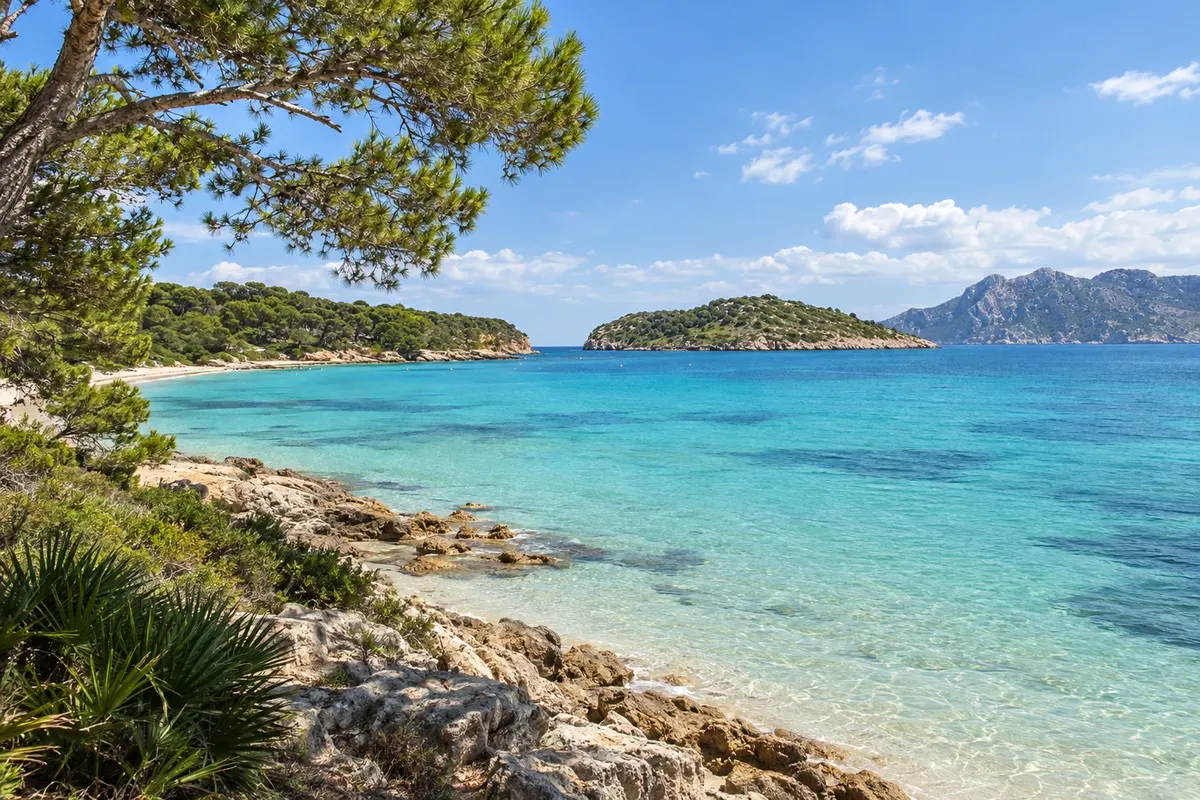
In the photo: Praia de Formentor, Maiorca

Illustrative images. The pictures in this guide are illustrations based on the real place, not photographs, and may differ from it.

Get it on Google Play Send your photos

Get to know the place

A region to enjoy
at your own pace.

Maiorca (Mallorca, in Catalan and Spanish) is the largest of the Balearic Islands, in the Mediterranean, about 200 km from Barcelona and Valencia. The island is roughly 100 km across and has a varied landscape: the Tramuntana range, a UNESCO World Heritage Site, with mountains, olive trees and stone villages in the northwest; the central plain of almond trees and windmills; and a coastline of clear-water coves (calas) and long beaches.

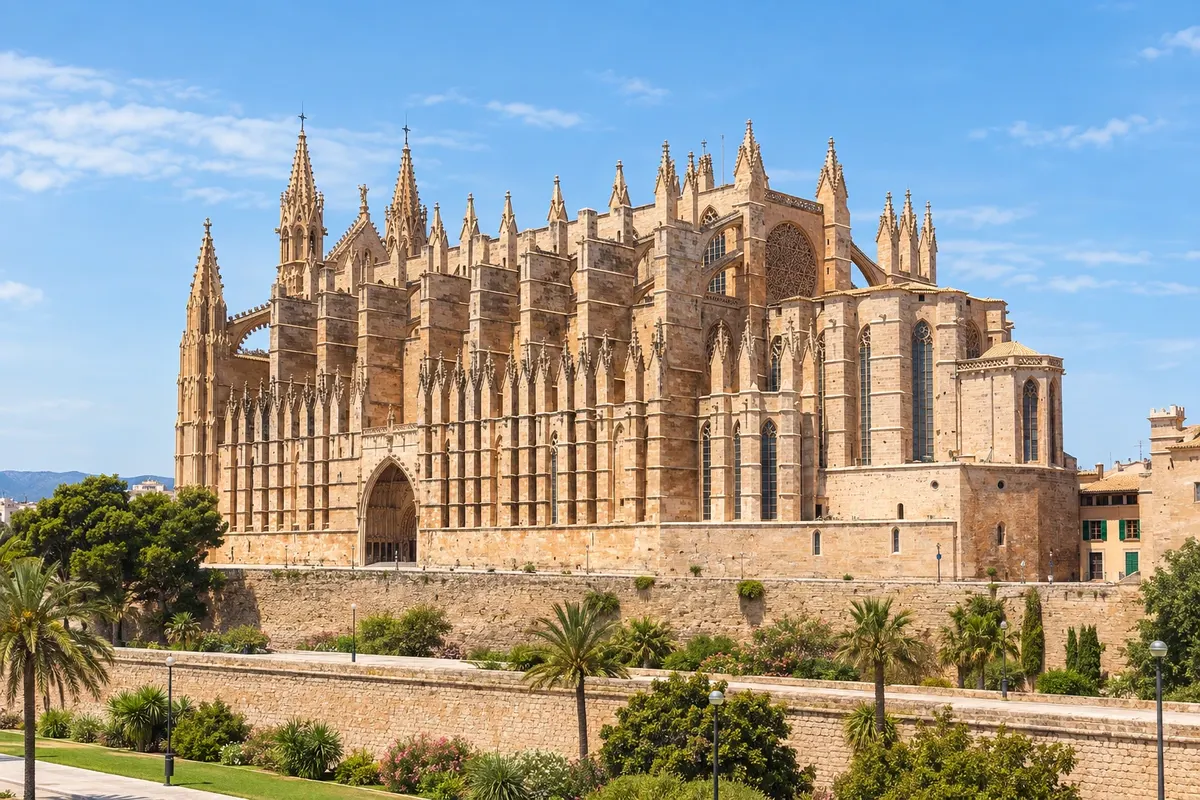
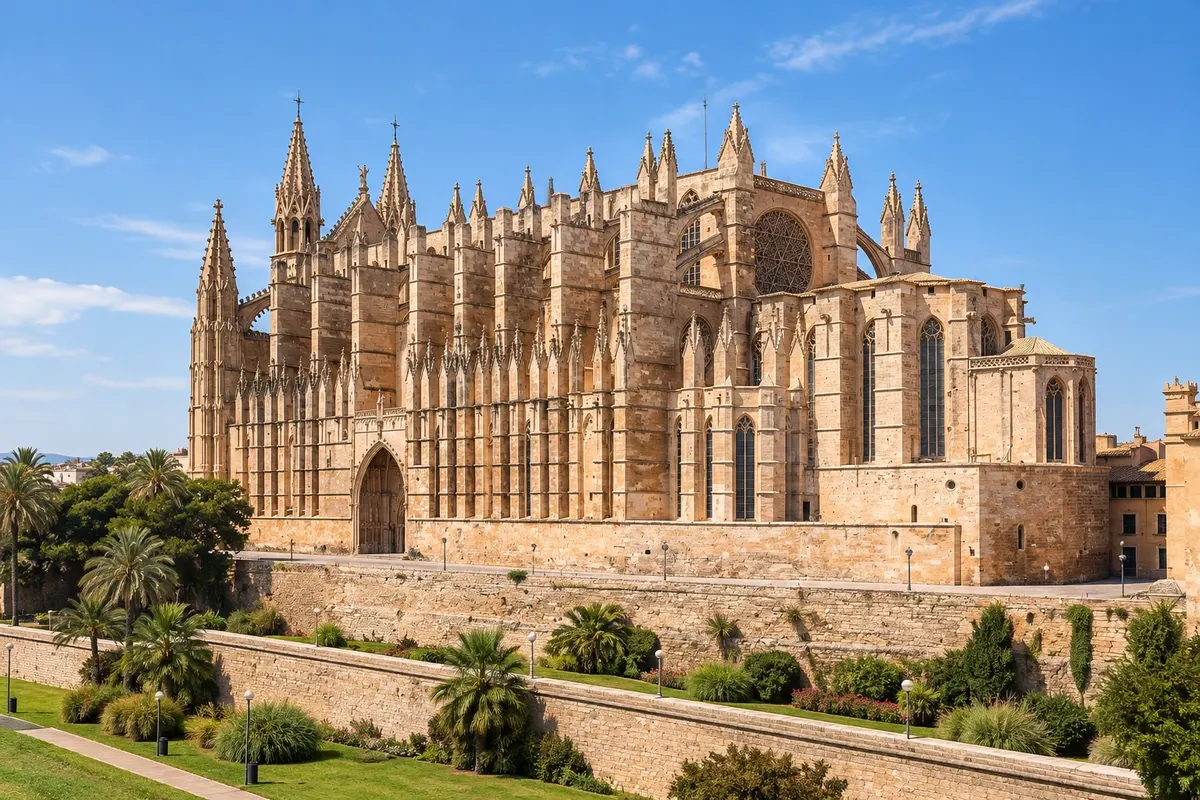
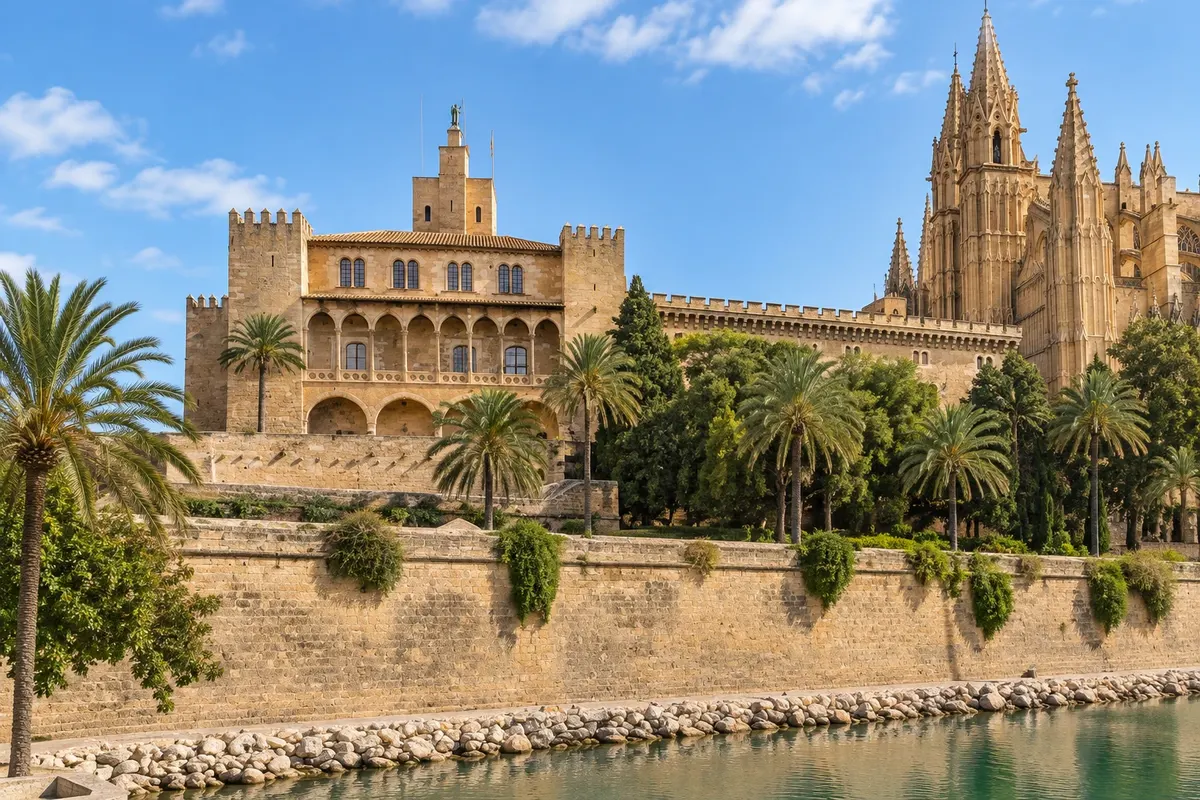
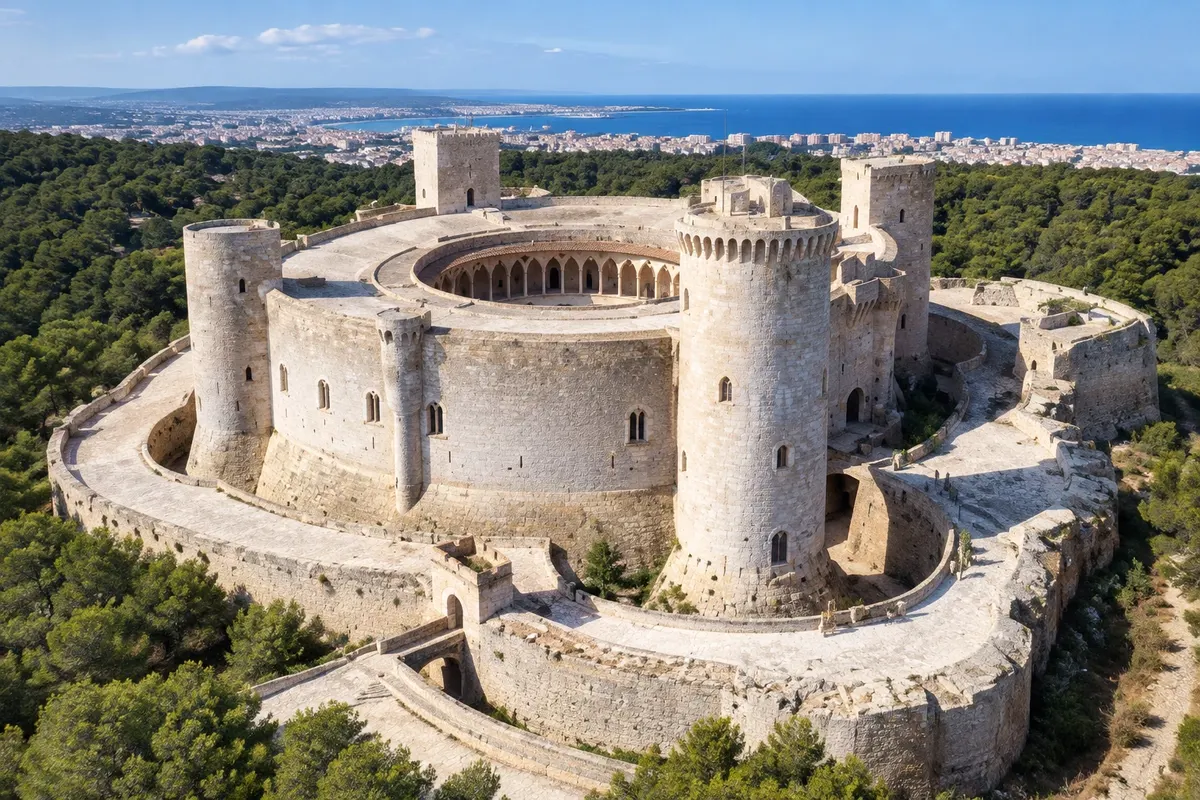
Palma, the capital, holds half the island's population. The Gothic cathedral, the Seu, with its façade on the old city wall and the sea, dominates the bay, next to the royal palace of the Almudaina. The historic center has palaced courtyards, churches, Arab baths and pedestrian streets, and the circular Castell de Bellver watches over the city from a hilltop.

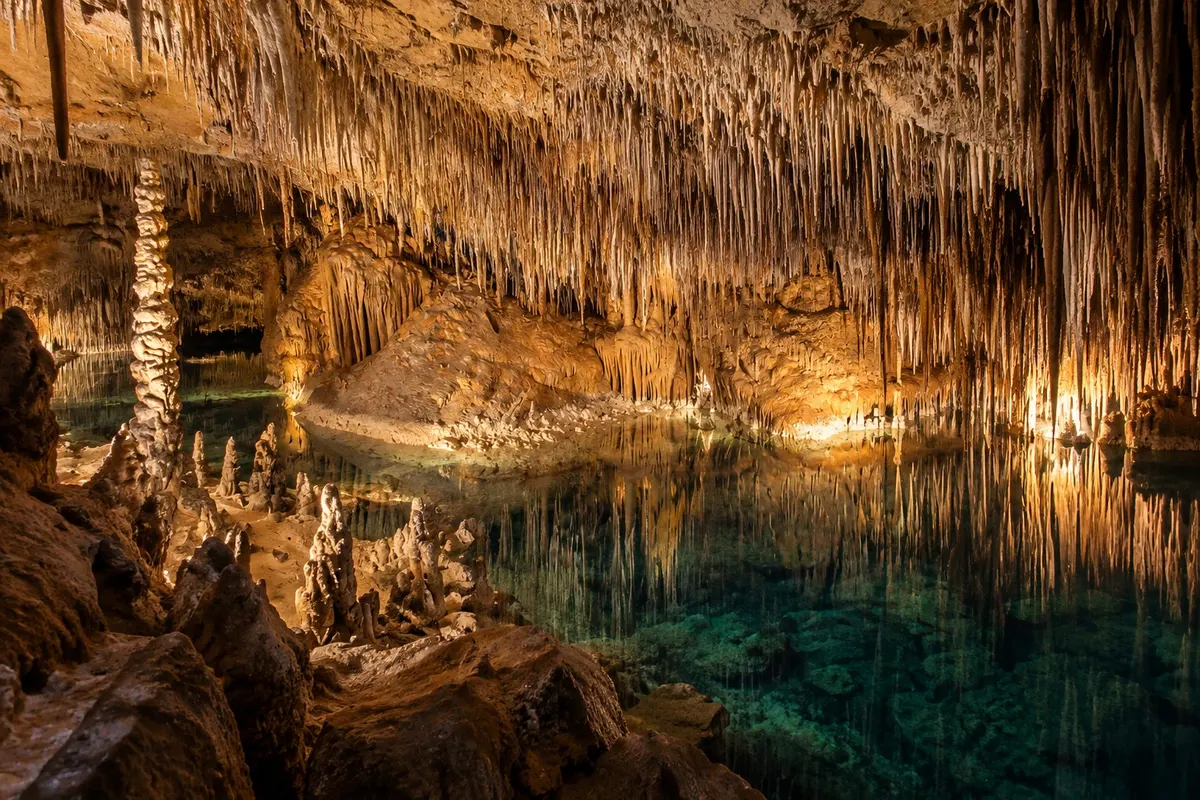
Outside Palma, the wooden Sóller train crosses the mountains to a valley of orange groves, Valldemossa preserves the charterhouse where Chopin spent a winter, and the Drach caves, in the east, have an underground lake where musicians play in boats.

The European summer is high season, with the island very crowded.

This destination brings together 1 city: Palma.

Share: WhatsApp
Traveler, share your experiences through photos Up to 5 photos of each place you visited.

One destination, many paths

The cities on this trip

Start with one city or combine several in your itinerary.

Where Maiorca is
Palma

Outlines: IGN/CNIG, unidades administrativas, CC BY 4.0. Adapted by Cidade Turismo.

How to get there: Maiorca

✈ Aeropuerto de Palma de Mallorca (PMI), in Palma · 8 km to Palma

Check before booking. Palma airport receives flights from Madrid, Barcelona and across Europe; from Barcelona the flight takes about 50 minutes. Ferries depart from Barcelona, Valencia and Dénia, with crossings ranging from a few hours to overnight.

The local experience

Things to do in Maiorca

Catedral de Mallorca (La Seu)
Palma · Balearic Islands · Cathedral

Catedral de Mallorca (La Seu)

Gothic cathedral begun in 1229 on the wall by the bay, with the large Gothic rose window, Gaudí's baldachin and Miquel Barceló's ceramic chapel.

Palau de l'Almudaina
Palma · Balearic Islands · Palace

Palau de l'Almudaina

Royal palace beside the cathedral, of Arab origin and rebuilt by the kings of Mallorca in the 14th century, with Gothic halls, the chapel of Santa Ana and tapestries.

Castell de Bellver
Palma · Balearic Islands · Castle

Castell de Bellver

14th-century circular Gothic castle on a pine-covered hill 3 km from the center, with a detached keep, the Museum of the History of Palma and views of the bay.

Es Baluard Museu d'Art Contemporani
Palma · Balearic Islands · Museum

Es Baluard Museu d'Art Contemporani

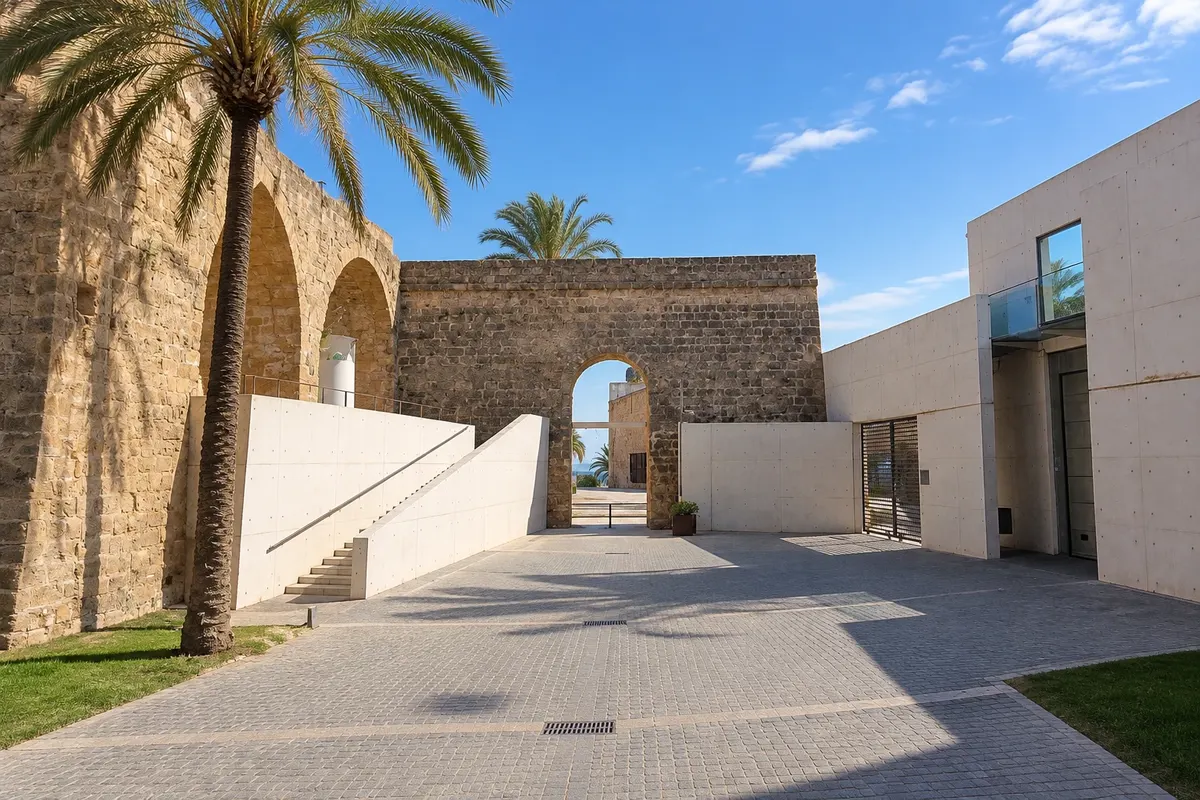
Museum of modern and contemporary art housed in the Renaissance bastion of Sant Pere, with works by Miró, Picasso and Barceló and terraces overlooking the wall and the bay.

See 7 more places in Maiorca
Fundació Pilar i Joan Miró
Palma · Balearic Islands · House museum

Fundació Pilar i Joan Miró

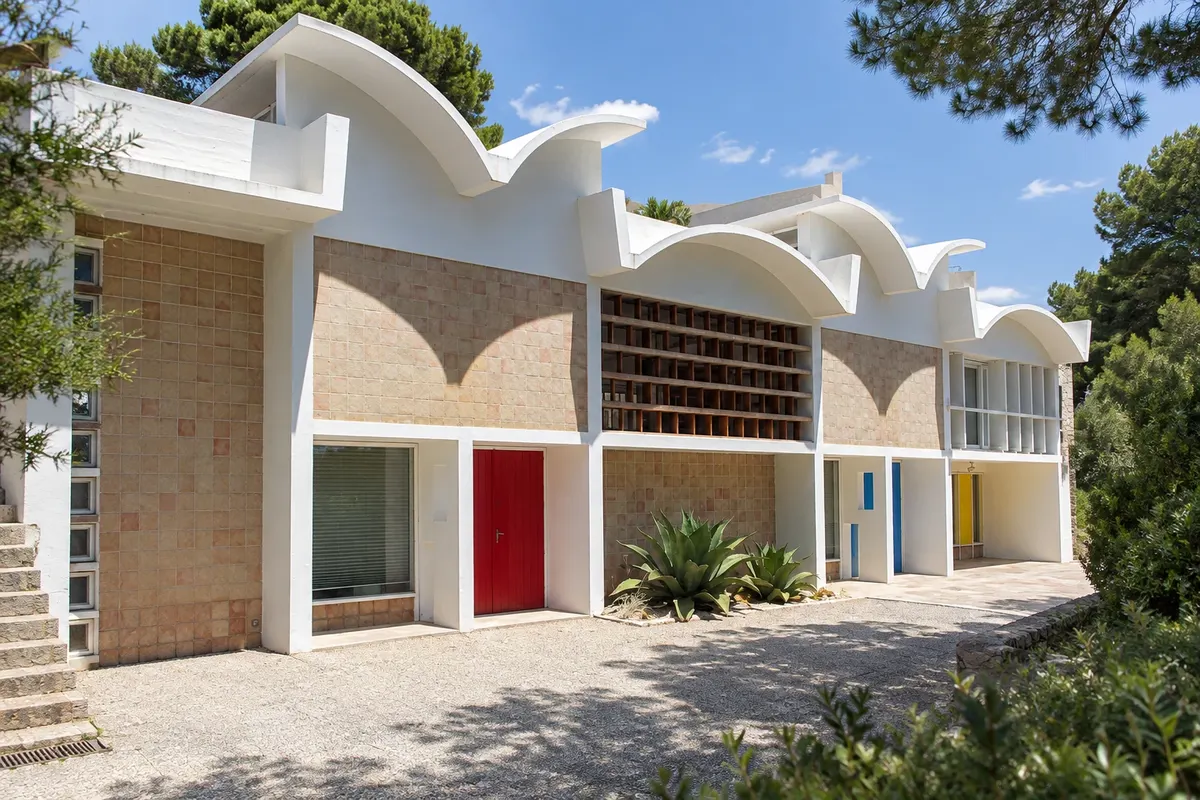
House and studios where Joan Miró lived and worked from 1956 until his death in 1983, featuring the Josep Lluís Sert studio, works by the painter and a building by Rafael Moneo.

Banys Àrabs de Palma
Palma · Balearic Islands · Monument

Banys Àrabs de Palma

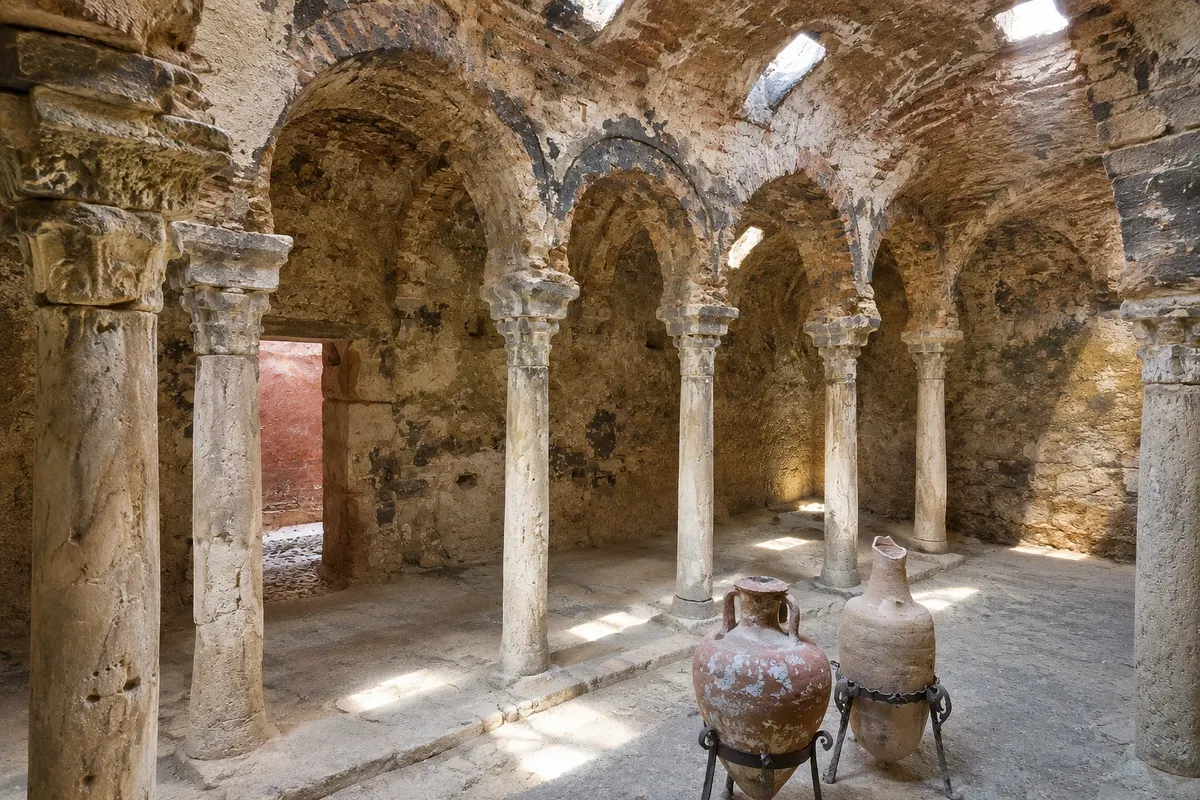
Small bathing hall from the Muslim period, from the 10th or 11th century, with a dome and columns with different capitals, surrounded by a cool garden in the historic center.

Basílica de Sant Francesc
Palma · Balearic Islands · Church

Basílica de Sant Francesc

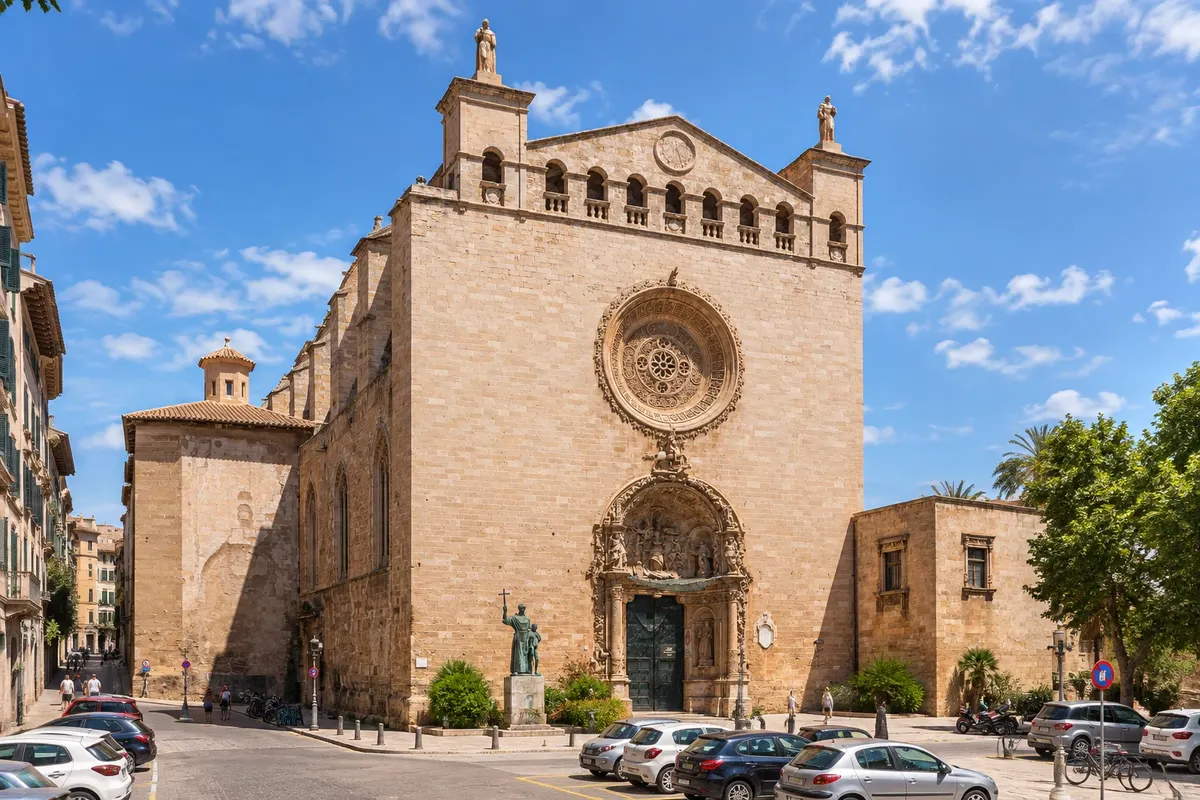
Franciscan church and convent from the late 13th century, with a Baroque façade, a Gothic cloister with slender columns, and the tomb of the Majorcan philosopher Ramon Llull.

Mercat de l'Olivar
Palma · Balearic Islands · Market

Mercat de l'Olivar

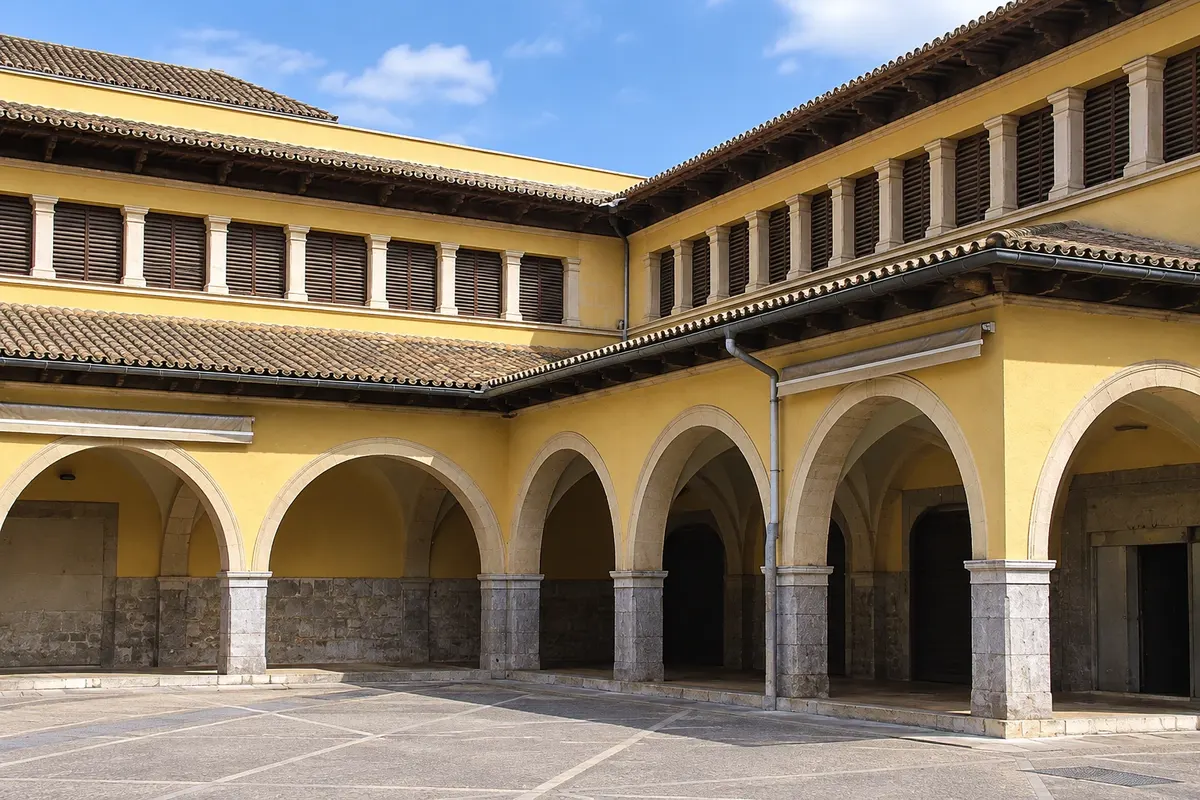
A 1951 municipal market in central Palma, with stalls selling fish, shellfish, fruit, sobrasada and Mallorcan cheeses, and tapas counters for eating on site.

Tren de Sóller
Palma · Balearic Islands · Boat trip

Tren de Sóller

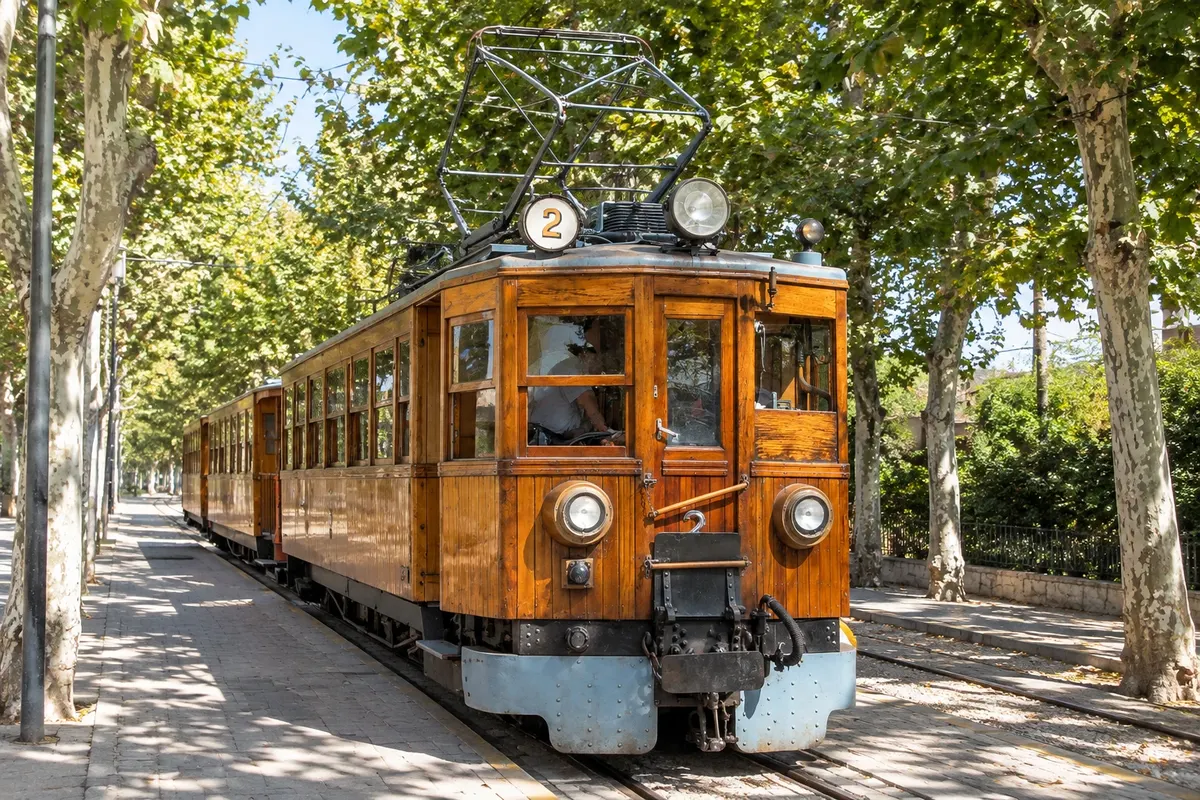
A 1912 wooden train that links Palma to Sóller in about 1 hour, crossing the Serra de Tramuntana through tunnels and bridges, with a tram to the Port of Sóller.

Valldemossa e a Reial Cartoixa
Palma · Balearic Islands · Village

Valldemossa e a Reial Cartoixa

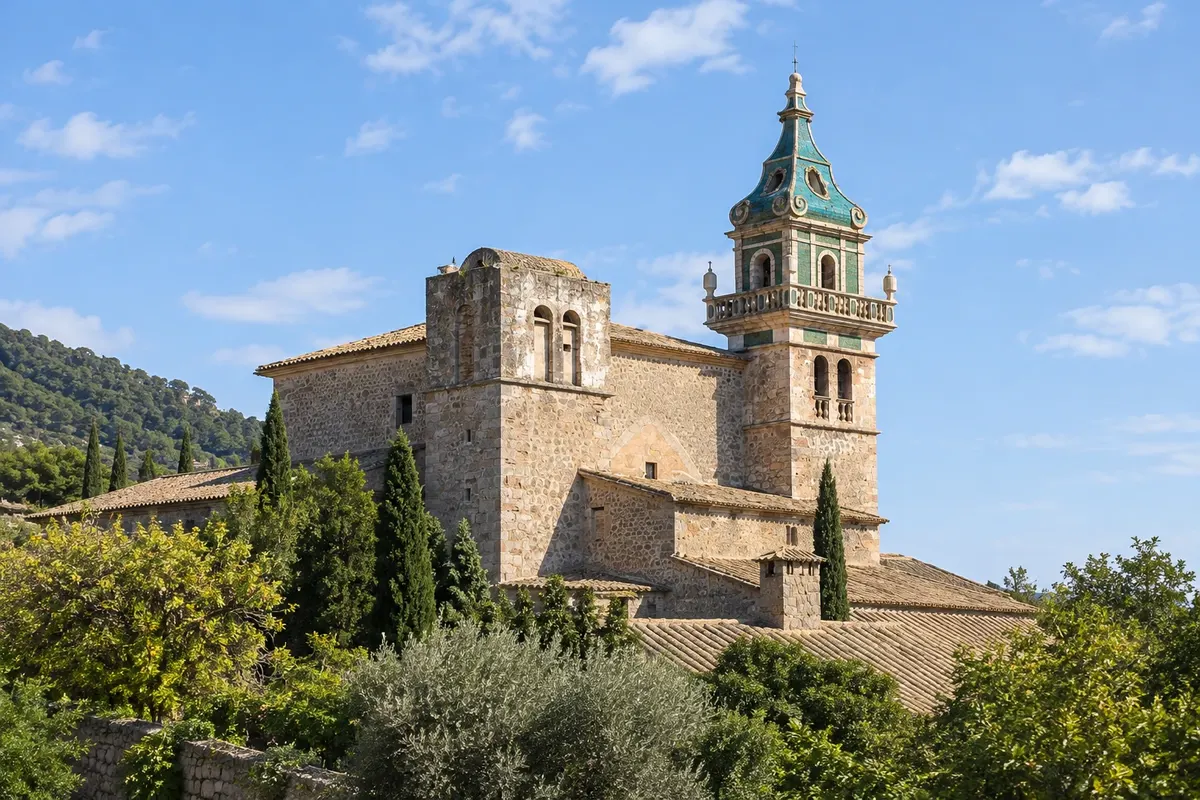
A stone village in the Serra de Tramuntana, 18 km from Palma, with the charterhouse where Chopin and George Sand spent the winter of 1838, flowered streets and coca de patata.

Coves del Drach
Palma · Balearic Islands · Cave

Coves del Drach

Limestone caves in Porto Cristo, on the east side of Mallorca, featuring stalactites and the Martel Lake, an underground lake of about 115 meters, where musicians perform from illuminated boats.

Before you go

Practical information

A little planning leaves more time to enjoy the journey.

When to go

From May to June and from September to October the sea is usually good for swimming and there are fewer people than at the peak of summer. July and August are hot and crowded, with accommodation in high demand. From February to March the almond trees usually bloom inland. In winter many beach hotels close, but Palma remains open.

The seasons shown are the most usual ones; nature doesn't always follow the calendar.

How many days to stay

Two days in Palma cover the cathedral, the Almudaina, the historic center and Bellver. With a third day you can add the Sóller train and Valldemossa. Four or five days allow for beaches, the Drach caves and the Tramuntana mountains by car.

Which city to stay in

In Palma, the historic center, between the cathedral and Plaza Mayor, puts everything within walking distance; Santa Catalina to the west has bars and restaurants and the Mercado de Santa Catalina. For beaches, Can Pastilla and Playa de Palma are near the airport. Outside Palma, Sóller and Valldemossa serve as bases for the mountains, and the east, from Cala d'Or to Porto Cristo, for the coves and caves.

Respect the place

Take your trash with you, follow the signs and support local businesses. In natural areas, follow the visiting guidelines.

Get your questions answered

Frequently asked questions about Maiorca

Do I need a car in Maiorca?

To stay in Palma, no. To explore the Tramuntana mountains, the coves and villages, a car is very helpful, although there are buses and the Sóller train. The mountain roads are narrow and full of curves.

How to get from Barcelona to Maiorca?

By plane, in about 50 minutes, or by ferry, with day and night crossings that take 7 to 8 hours. Check schedules and options.

What language is spoken in Maiorca?

Spanish and Catalan, the Maiorca variant, both official. Many signs appear in Catalan. Everyone understands Spanish.

Is Maiorca good outside the summer?

For sightseeing, yes: Palma, Valldemossa and the mountains work year-round, and the winter is mild. Many beach hotels close from November to March.

What is the Tramuntana mountain range?

The chain of mountains in the northwest of the island, with stone villages, terraced olive groves and roads above the sea. It is a UNESCO World Heritage Site as a cultural landscape.

Explore other destinations Search by state and city