Møn and Møns Klint

Zeeland · Denmark

Møn and Møns Klint

Chalk cliffs on the Baltic, trails through trees and a historic garden on the east of the island of Møn.

Copenhagen and Zealand

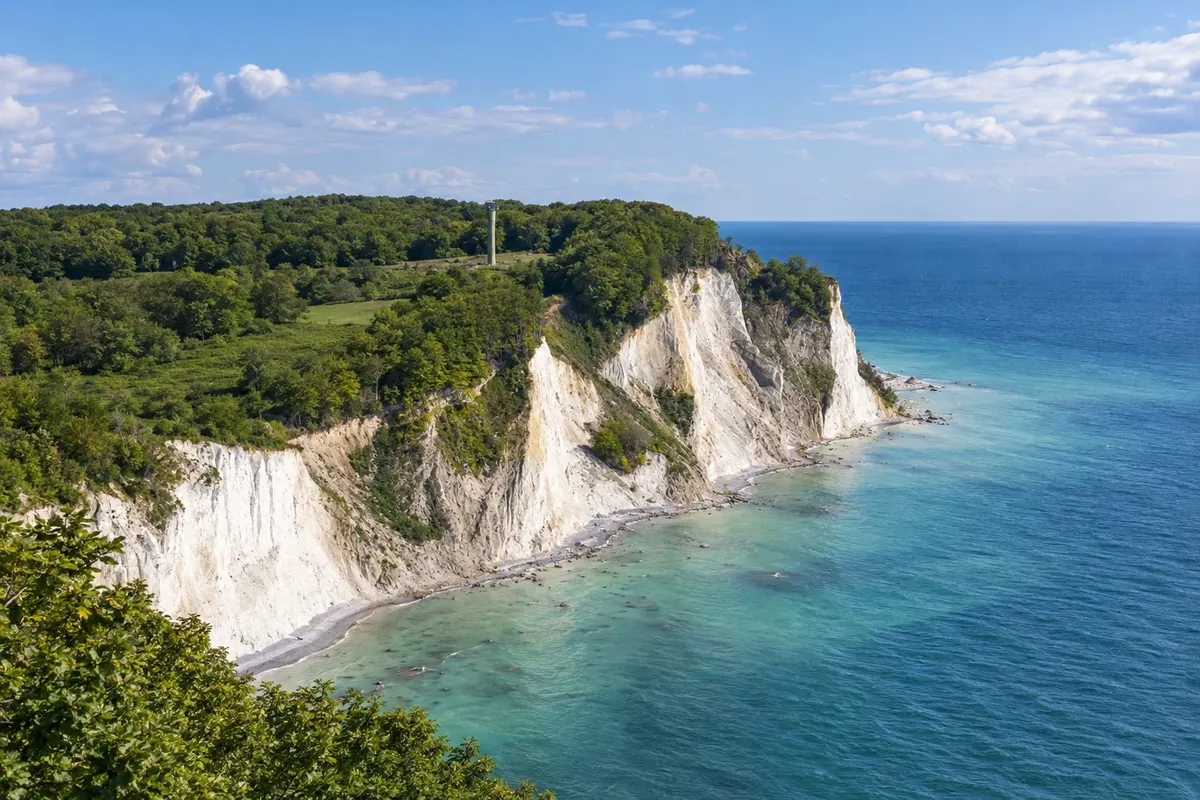
In the photo: Møns Klint

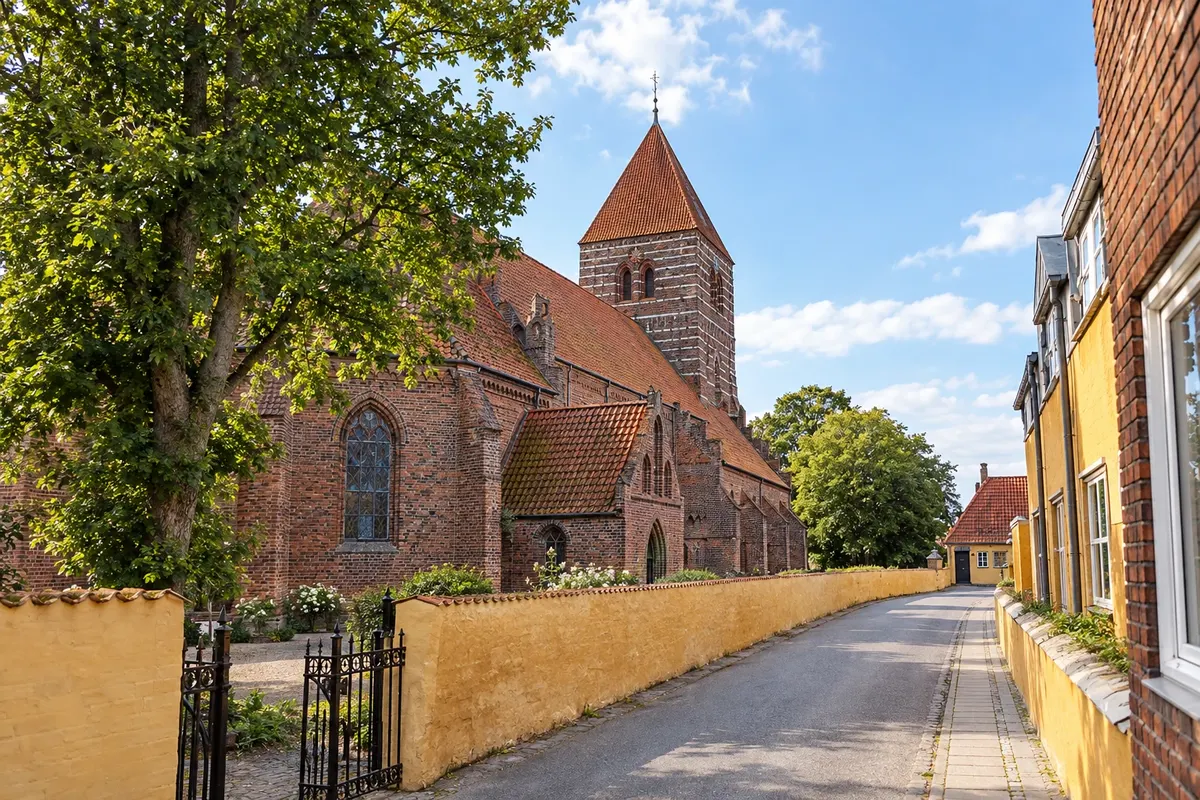
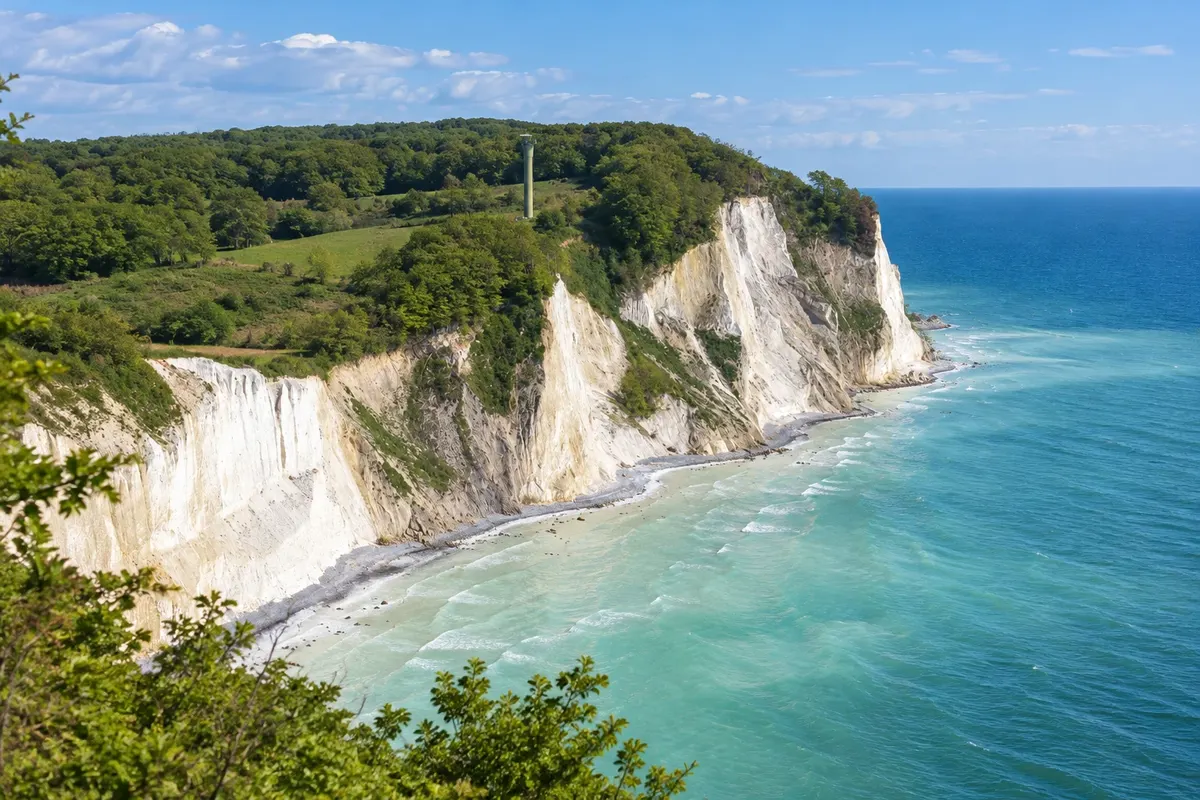
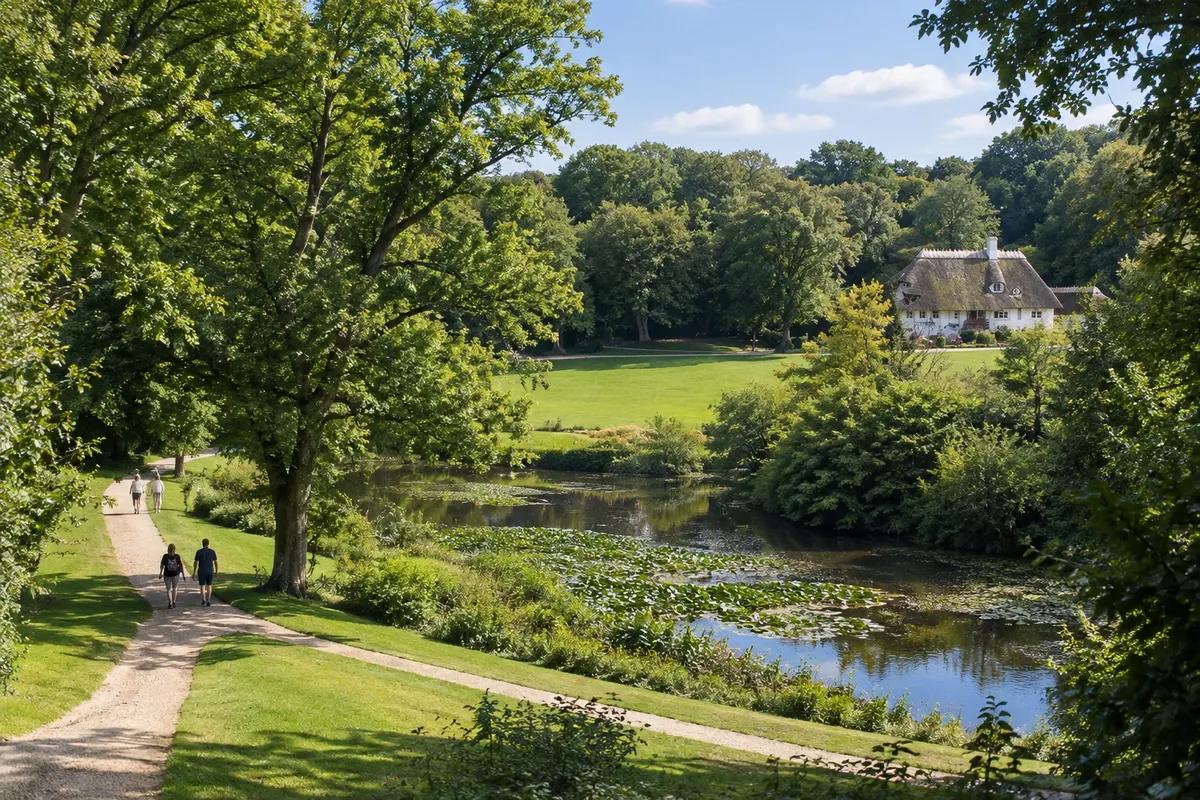
Illustrative images. The pictures in this guide are illustrations based on the real place, not photographs, and may differ from it.

Get it on Google Play Send your photos

Get to know the place

A region to enjoy
at your own pace.

The island of Møn lies south of Zealand and is connected by road to the rest of Denmark. Stege concentrates services and lets you arrange travel to the east, where the coast changes from beaches and fields to chalk cliffs facing the Baltic.

Møns Klint is the focus of the trip. Paths along the top pass through forest and reach viewpoints; stairways connect down to the beach. The GeoCenter explains the marine origin of the rocks and the effect of ice on the landscape. Nearby, Liselund offers a landscaped garden with ponds and small buildings.

The seasons are reversed. Danish is spoken, and English is widely used in tourist services.

This destination brings together 1 city: Stege.

Share: WhatsApp
Traveler, share your experiences through photos Up to 5 photos of each place you visited.

One destination, many paths

The cities on this trip

Start with one city or combine several in your itinerary.

Where Møn and Møns Klint is
Stege

Outlines: Web Vectors Map, via geoBoundaries (CC BY 4.0). Adapted by Cidade Turismo.

How to get there: Møn and Møns Klint

Confirm before booking. From Copenhagen, take the train to Vordingborg and bus to Stege, or drive via the access bridges to Møn.

The local experience

Things to do in Møn and Møns Klint

Møns Klint
Stege · Zeeland · Natural landscape

Møns Klint

White cliffs on Møn's east coast, with forest on the top, viewpoints and stairways down to the Baltic beach.

Stege · Zeeland · Museum

GeoCenter Møns Klint

Geological interpretation center by the cliffs, with interactive exhibits about the landscape's formation and life in ancient seas.

Liselund Have
Stege · Zeeland · Historic park

Liselund Have

Late 18th-century landscaped garden with lakes, clearings, and small structures near the northeast coast of Møn.

To choose before you go

Tours in Møn and Møns Klint

Where each tour starts, how long it takes, how it is done, what is included and the price range.

Cliffs and GeoCenter

From Stege On foot, with transport to the start when necessary Half a day or a day, depending on the stops during the day

Leave Stege for the eastern coast. Walk along the viewpoints of Møns Klint before choosing the descent via stairways. Reserve the other part of the day for the GeoCenter exhibitions, which explain the marine origin of the chalk and the action of glaciers. The upper path and the beach demand different levels of effort.

Stops: Møns Klint, GeoCenter Møns Klint.

Liselund historic garden

From Stege On foot, with transport to the start when necessary Half a day or a day, depending on the stops during the day

Walk around the lakes and glades of Liselund, observing the old house and the garden pavilions. Visiting the park can take a morning and does not necessarily include entering the buildings. On the return to Stege, allow time to arrange the next day’s travel.

Stops: Liselund Have.

Day by day

1, 2 and 3-day itinerary in Møn and Møns Klint

Suggestions to plan the trip. Change the order of the days according to the weather and tour availability.

1 days · Stege in 1 day

For For those who want to spread out visits and travel from a base. · Based in Stege
  1. Day 1 · Day 1: Møns Klint viewpoints

    Viewpoints at Møns Klint and exhibitions at the GeoCenter, with a break between the walk and the indoor visit.

2 days · Stege in 2 days
For For those who want to spread out visits and travel from a base. · Based in Stege
  1. Day 1 · Day 1: Møns Klint viewpoints

    Viewpoints at Møns Klint and exhibitions at the GeoCenter, with a break between the walk and the indoor visit.

  2. Day 2 · Day 2: GeoCenter exhibitions

    Liselund Garden in the morning and return to Stege, along the canal between the bay and Stege Nor.

3 days · Stege in 3 days
For For those who want to spread out visits and travel from a base. · Based in Stege
  1. Day 1 · Day 1: Møns Klint viewpoints

    Viewpoints at Møns Klint and exhibitions at the GeoCenter, with a break between the walk and the indoor visit.

  2. Day 2 · Day 2: GeoCenter exhibitions

    Liselund Garden in the morning and return to Stege, along the canal between the bay and Stege Nor.

  3. Day 3 · Day 3: Liselund Garden

    Choose a second marked trail at Møns Klint; if you prefer to stay on the plateau, avoid repeating the staircase.

Best time to go

When to go: Møn and Møns Klint month by month

From May to September days are usually longer and suitable for walks. Between November and March the cold and short days typically reduce outdoor time; check the GeoCenter season.

The seasons shown are the most usual ones; nature doesn't always follow the calendar.

January Some rain

winter

In Stege, plan your day around the viewpoints at Møns Klint. As a national reference for 1991–2020, the averages of the lows and highs are -0.7 °C and 3.6 °C; monthly precipitation is 65.3 mm.

February Some rain

winter

February is still usually cold with short days; the trip calls for more indoor activities. In Stege, plan your day around the exhibitions at GeoCenter. As a national reference for 1991–2020, the averages of the lows and highs are -0.9 °C and 3.7 °C; monthly precipitation is 50.3 mm.

March Some rain

spring

Spring begins in March, but the cold usually continues and daylight increases gradually. In Stege, plan your day around the Liselund garden. As a national reference for 1991–2020, the averages of the lows and highs are 0.3 °C and 6.4 °C; monthly precipitation is 46.4 mm.

April Some rain

spring

April often alternates between cool air and rain, with more daylight for walking. In Stege, plan your day around the viewpoints at Møns Klint. As a national reference for 1991–2020, the averages of the lows and highs are 3.4 °C and 11.2 °C; monthly precipitation is 38.5 mm.

May Some rain

spring

In Stege, plan your day around the exhibitions at GeoCenter. As a national reference for 1991–2020, the averages of the lows and highs are 7.1 °C and 15.6 °C; monthly precipitation is 47.3 mm.

June Some rain

summer

June usually brings mild summer and very long days; the wind still calls for an extra layer of clothing. In Stege, plan your day around the Liselund garden. As a national reference for 1991–2020, the averages of the lows and highs are 10.4 °C and 18.5 °C; monthly precipitation is 64.3 mm.

July Some rain

summer

July is usually among the mildest months, with lots of daylight and possible rain during outings. In Stege, plan your day around the viewpoints at Møns Klint. As a national reference for 1991–2020, the averages of the lows and highs are 12.7 °C and 21.2 °C; monthly precipitation is 65.8 mm.

August Some rain

summer

August usually keeps days mild and long, although daylight duration already begins to decrease. In Stege, plan your day around the exhibitions at GeoCenter. As a national reference for 1991–2020, the averages of the lows and highs are 12.8 °C and 21.2 °C; monthly precipitation is 82.1 mm.

September Some rain

autumn

September usually marks the transition to autumn, with cool air and shortening days. In Stege, plan your day around the Liselund garden. As a national reference for 1991–2020, the averages of the lows and highs are 10.1 °C and 17.2 °C; monthly precipitation is 74.7 mm.

October Some rain

autumn

October is usually cooler and wetter in autumn; schedule outdoor routes during daylight hours. In Stege, plan the day around the viewpoints at Møns Klint. As a national reference for 1991–2020, the average lows and highs are 6.4 °C and 12.3 °C; monthly precipitation is 83.2 mm.

November Some rain

autumn

November is usually cold and has limited daylight; the extended winter already affects travel. In Stege, plan the day around the exhibitions at the GeoCenter. As a national reference for 1991–2020, the average lows and highs are 3.1 °C and 7.6 °C; monthly precipitation is 70.3 mm.

December Some rain

winter

In Stege, plan your day around the Liselund garden. As a national reference for 1991–2020, the averages of the lows and highs are 0.4 °C and 4.7 °C; monthly precipitation is 70.9 mm.


Plan the journey

How to get there: Møn and Møns Klint

Transfers from Stege

Between the villages, use a car, bicycle with planned distances, or bus. Liselund and GeoCenter have different access routes.

Before you go

Practical information

A little planning leaves more time to enjoy the journey.

When to go

From May to September days are usually longer and suitable for walks. Between November and March the cold and short days typically reduce outdoor time; check the GeoCenter season.

The seasons shown are the most usual ones; nature doesn't always follow the calendar.

How many days to stay

Allow two days for Møns Klint, the GeoCenter and Liselund. With a third day you can spread walks out instead of concentrating all travel into one day.

Which city to stay in

Stege concentrates services and restaurants. The rural area in the east brings accommodation closer to the trails, but increases dependence on a car or on planned transfers.

Respect the place

Take your trash with you, follow the signs and support local businesses. In natural areas, follow the visiting guidelines.

Get your questions answered

Frequently asked questions about Møn and Møns Klint

What is the base for exploring Møn?

Stege gathers services and bus connections; staying in the east brings you closer to the cliffs, with fewer transport options.

Do you need a car for Møns Klint?

A car makes it easier to combine the attractions. Without one, check buses, walking sections and return times.

What to do besides the cliffs?

The GeoCenter explains the geology and Liselund combines a historic garden, ponds and small buildings.

Explore other destinations Search by state and city