Popayán is in southwestern Colombia, in the Pubenza valley, between the Central and Western mountain ranges, at about 1,760 meters above sea level. It is the capital of the Cauca department and one of the country’s oldest cities: it was founded by Sebastián de Belalcázar on January 13, 1537. In the colonial era it lay on the route between Quito and Cartagena and attracted wealthy families, convents, and manor houses.
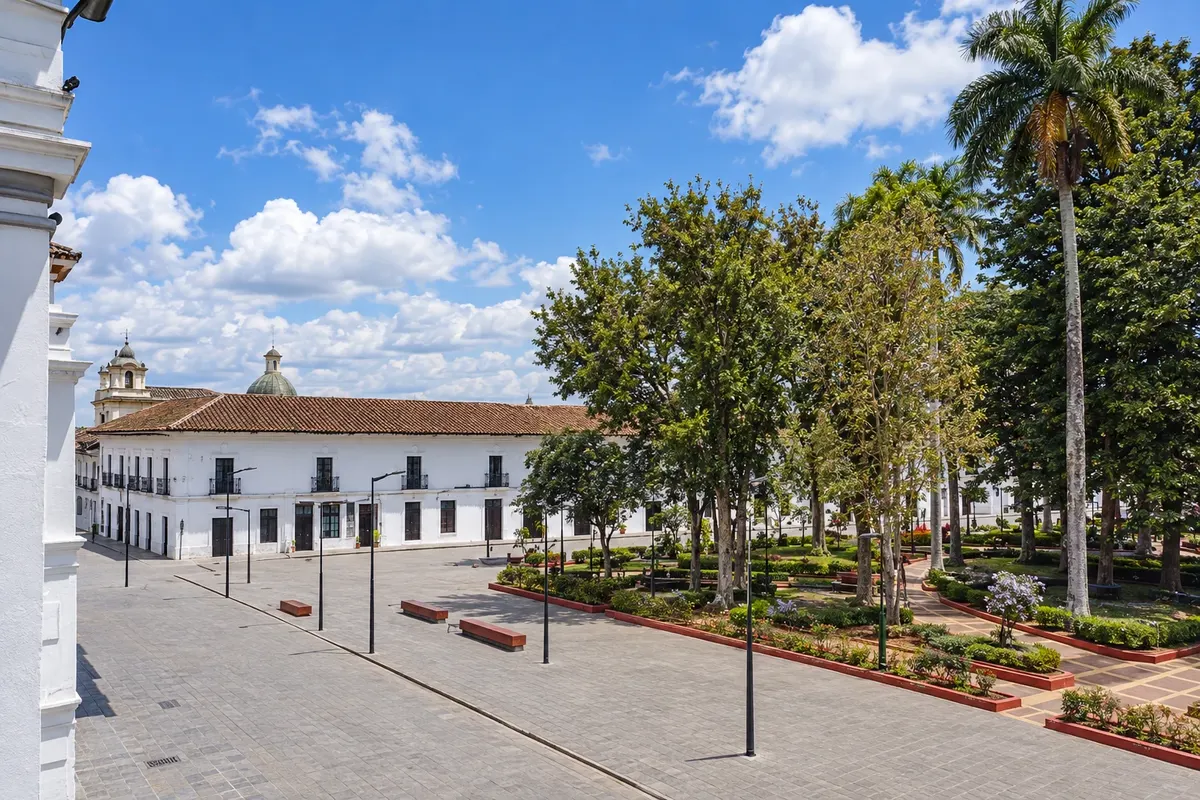
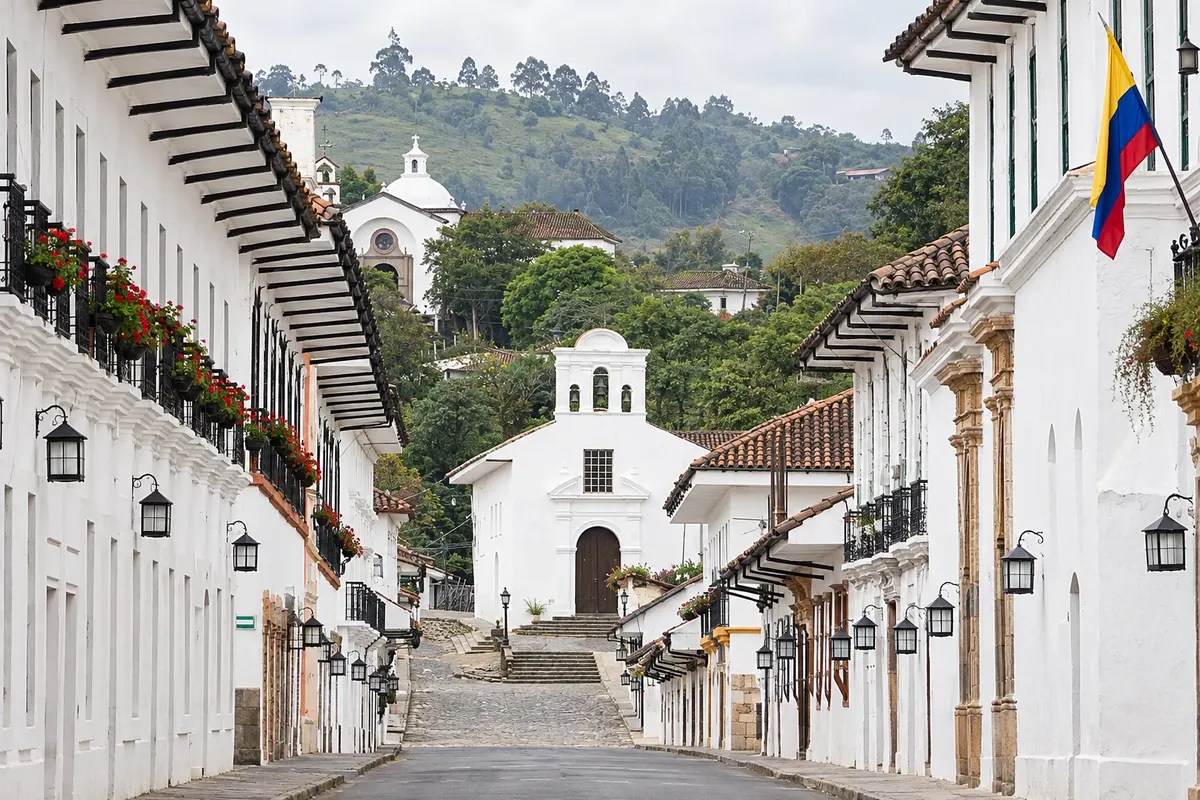
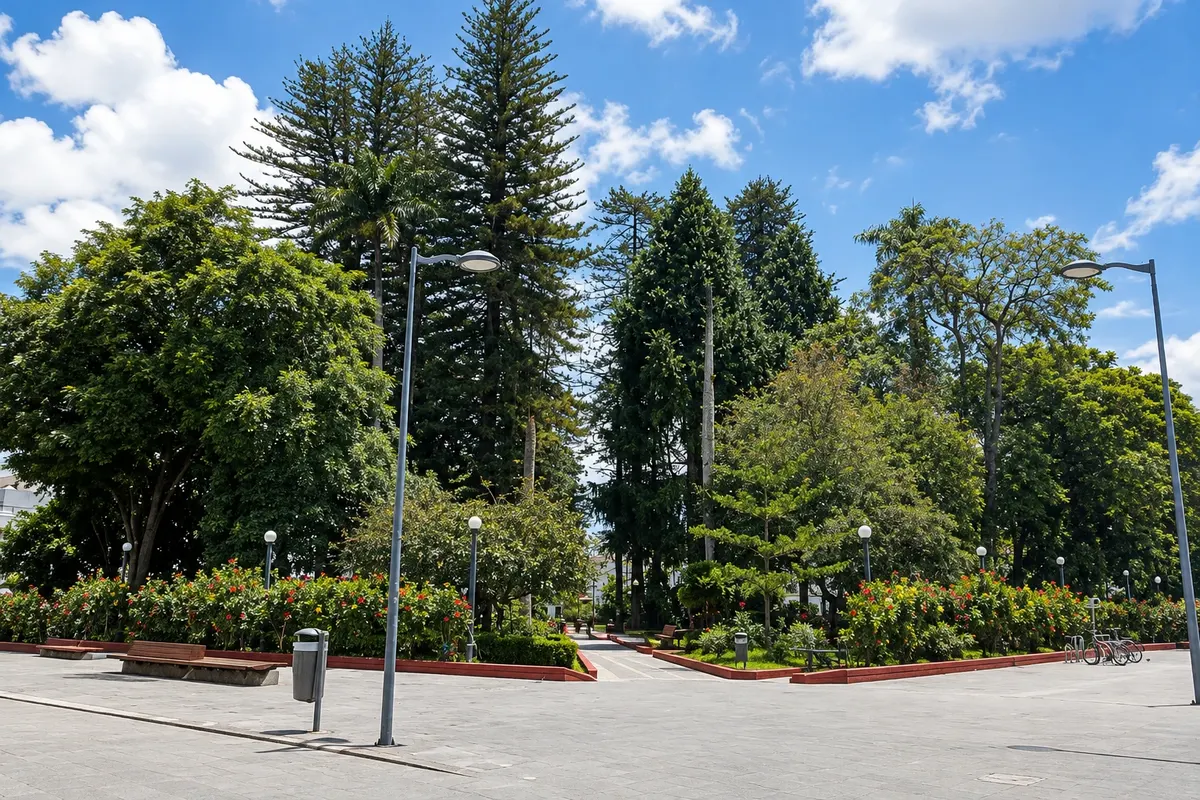
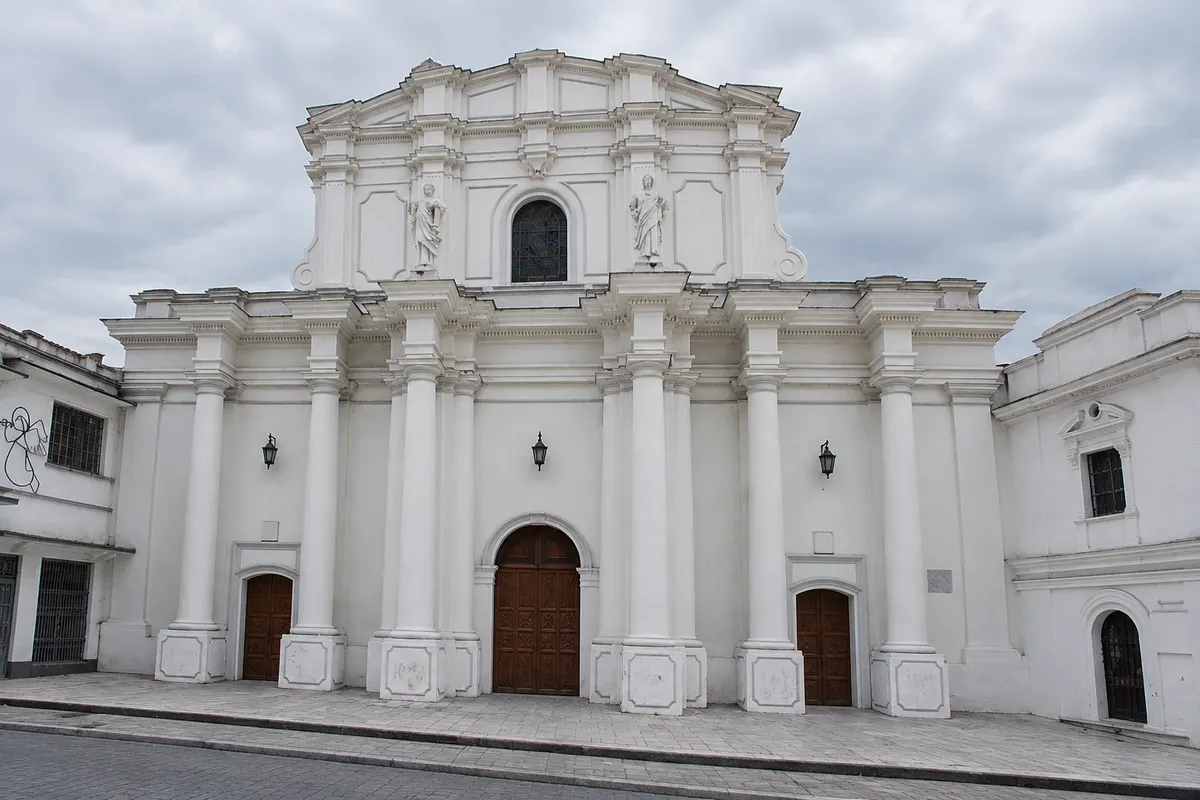
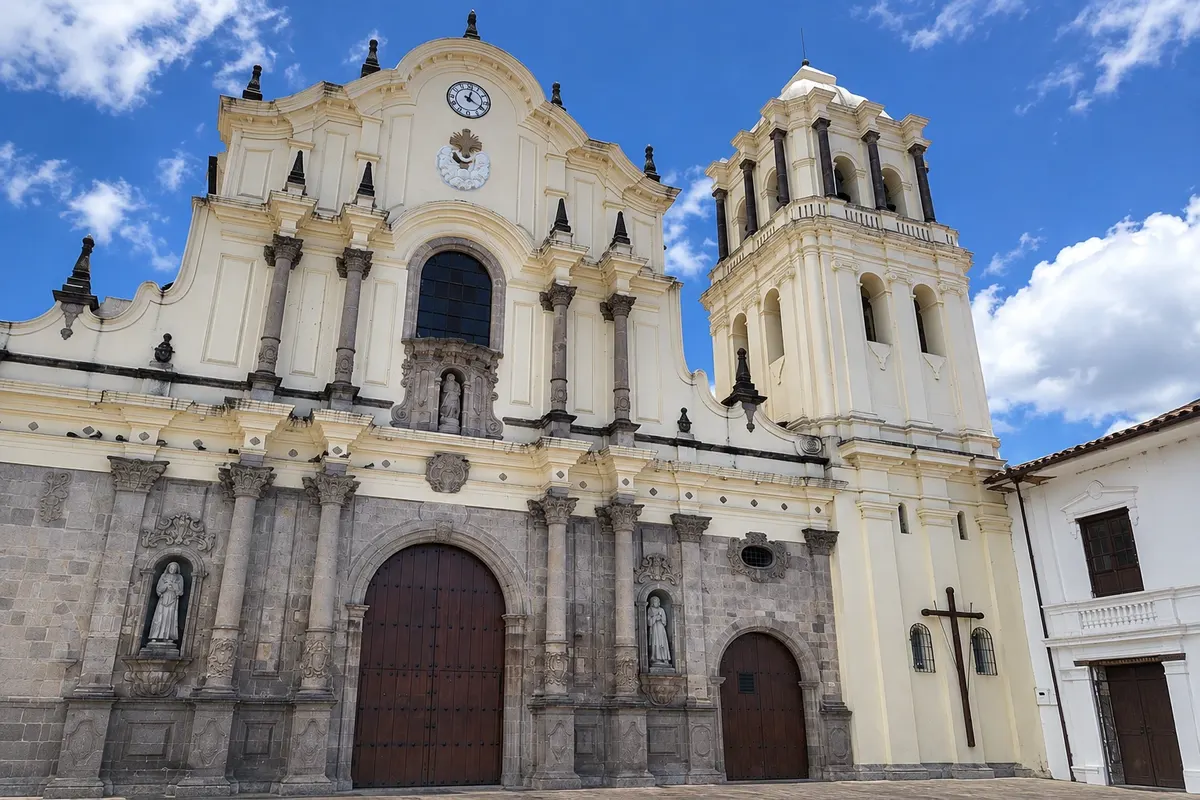
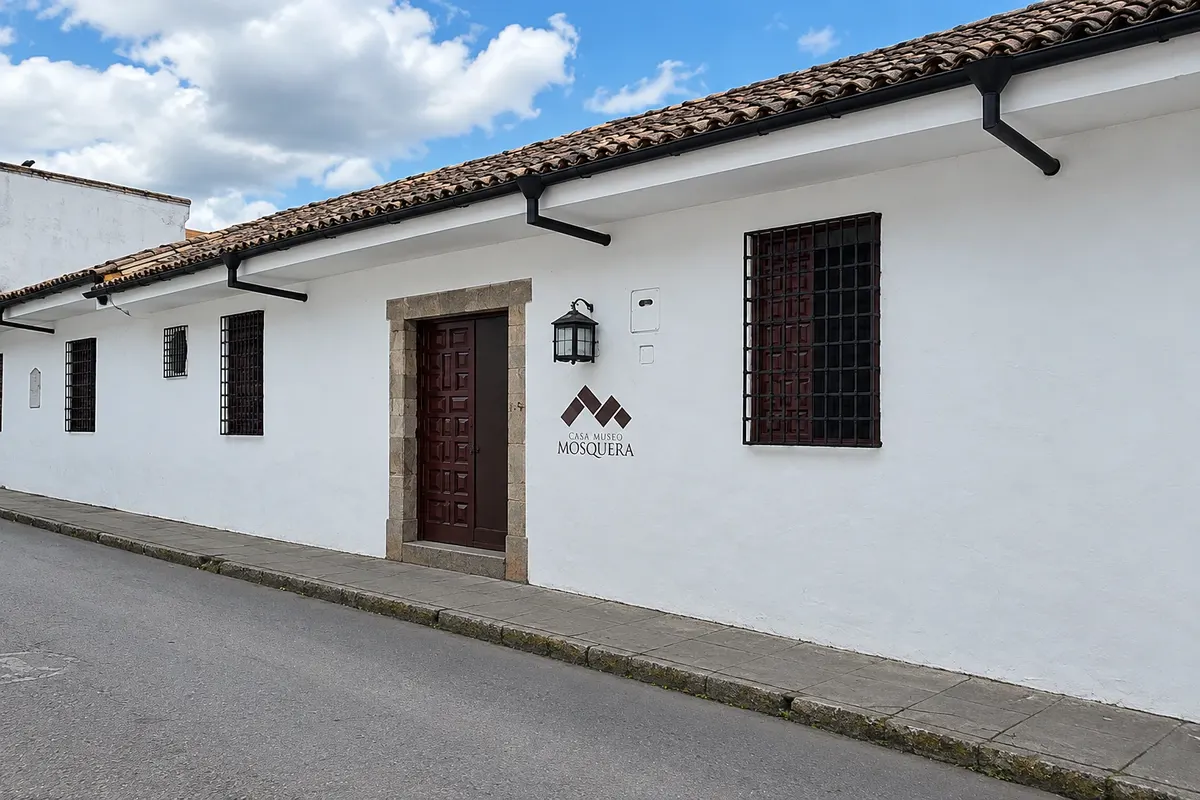
The nickname White City comes from the whitewashed facades of the historic center, a grid layout of flat streets around Parque Caldas. There you’ll find the cathedral, the Torre del Reloj, 17th- and 18th-century churches, and large houses that became museums. The earthquake of March 31, 1983 destroyed much of the center, and the reconstruction preserved the houses’ architecture and white color.
The city is known for the nighttime Holy Week processions, inscribed by UNESCO in 2009 as intangible cultural heritage of humanity. In 2005 Popayán was the first city named a UNESCO Creative City of Gastronomy. Local cuisine features corn and peanuts, such as pipián empanadas, served in markets and cafés in the center.
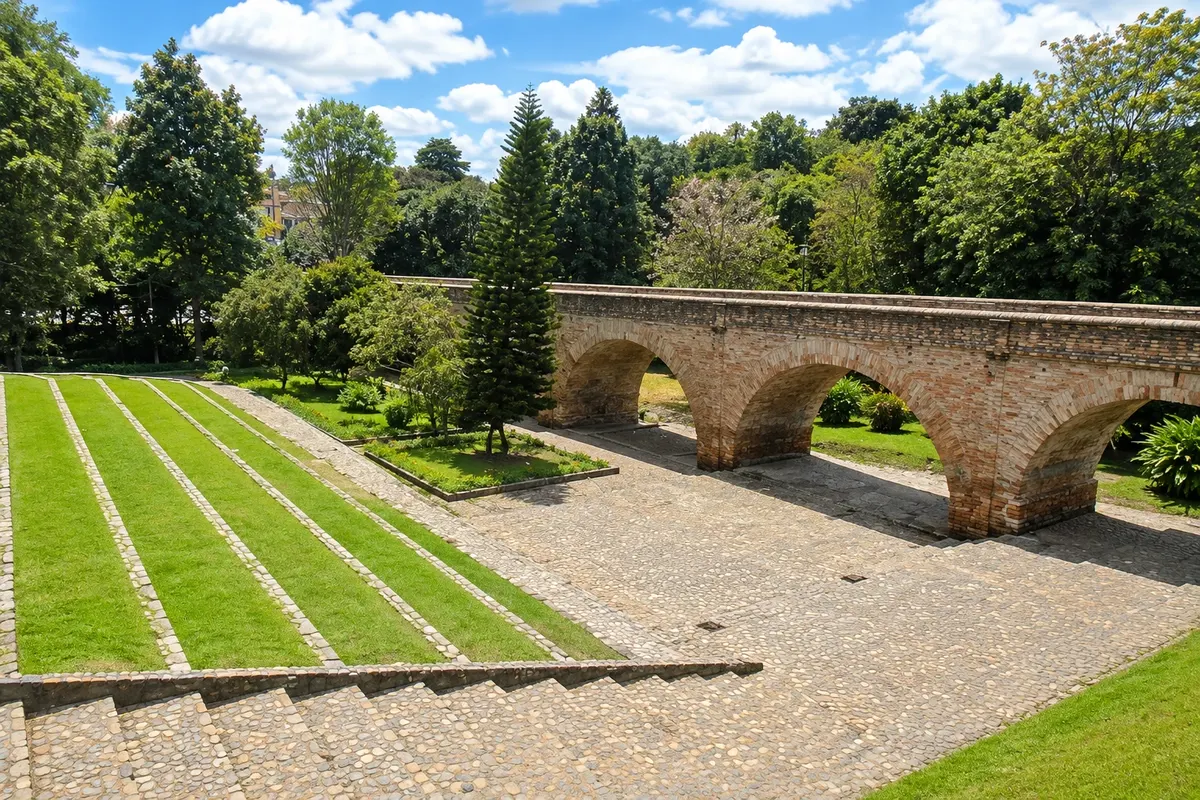
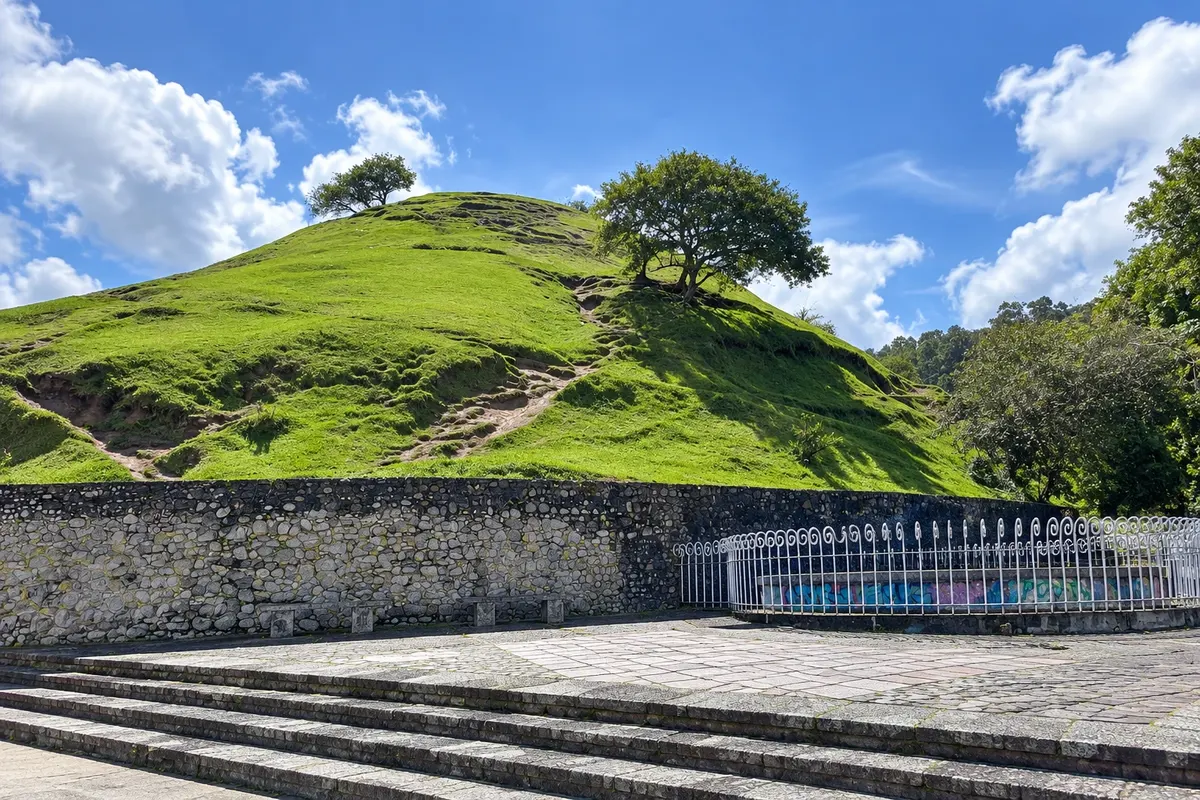
For visitors, the center can be explored on foot in one or two days: churches, museums, the Puente del Humilladero, and the view from the top of Morro de Tulcán at sunset.
This destination brings together 1 city: Popayán.


 Brazil
 Argentina
 Bolivia
 Chile
 Ecuador
 Guyana
 French Guiana
 Falkland Islands (Malvinas)
 Paraguay
 Peru
 Suriname
 Uruguay
 Venezuela
 Germany
 Austria
 Belgium
 Croatia
 Denmark
 Spain
 Finland
 France
 Greece
 the Netherlands
 Hungary
 Ireland
 Iceland
 Italy
 Luxembourg
 Norway
 Poland
 Portugal
 the United Kingdom
 the Czech Republic
 Sweden
 Switzerland
 Turkey
 the United States
 Mexico
 the Dominican Republic
 South Africa
 Australia
 Fiji